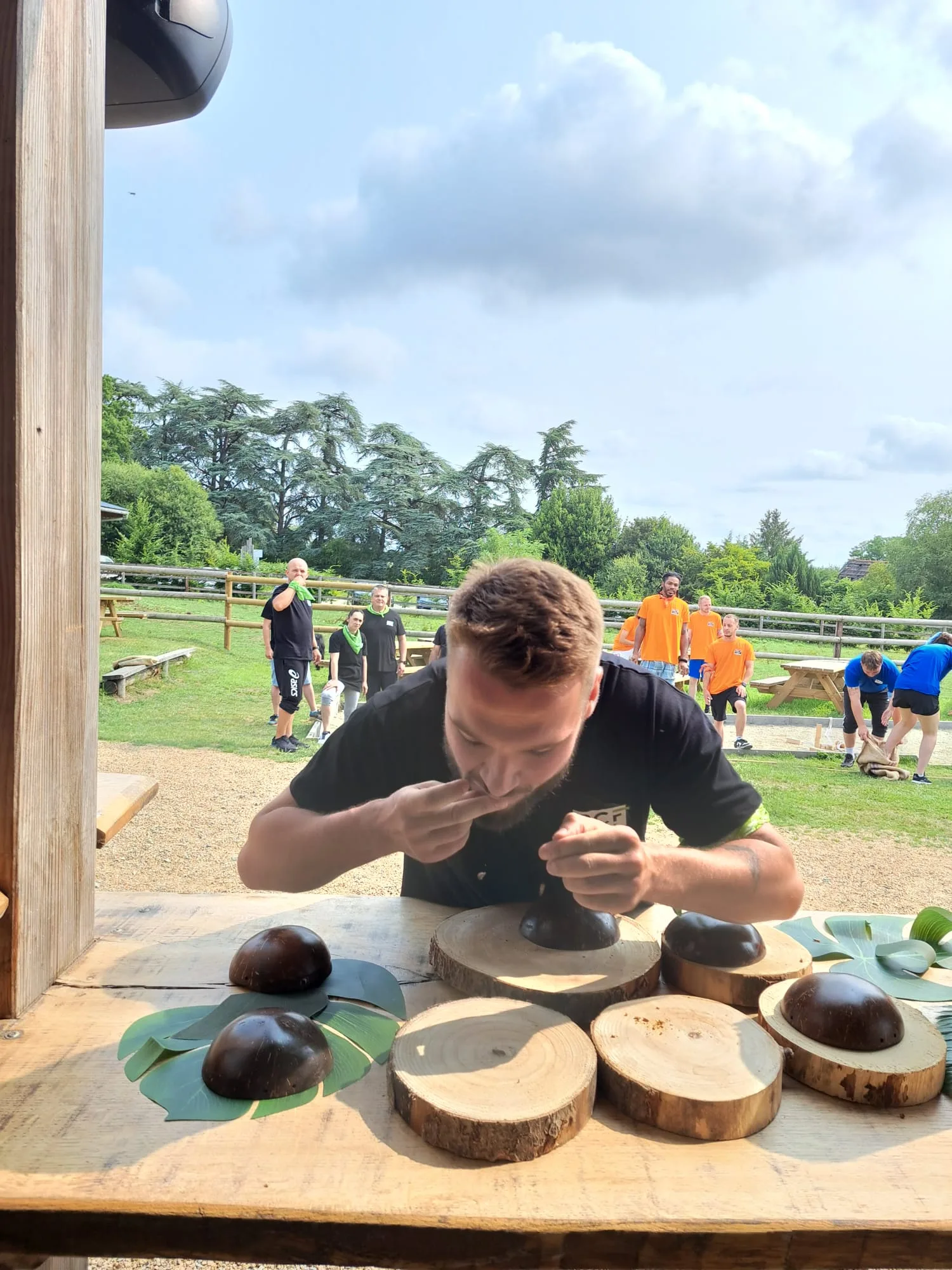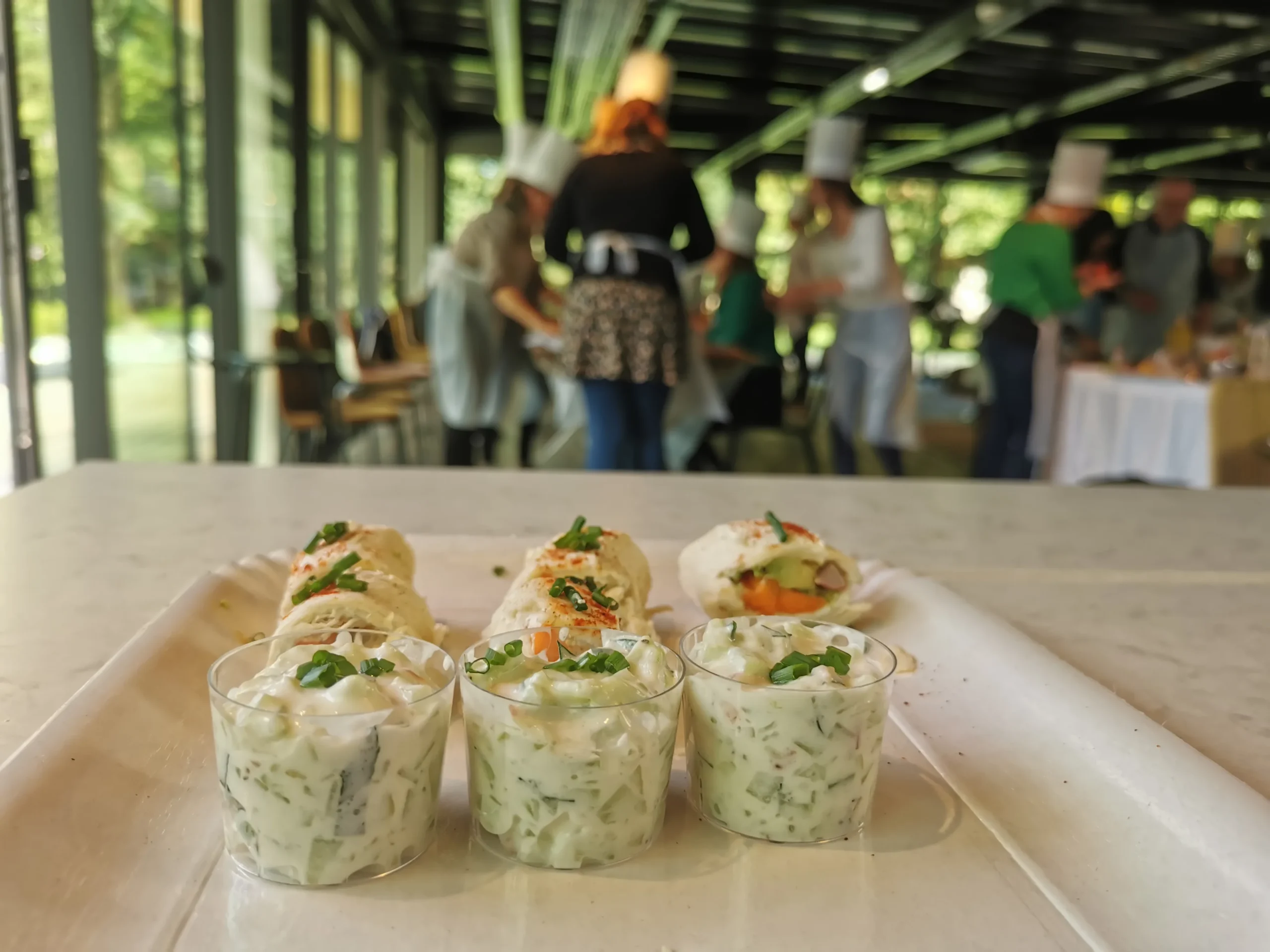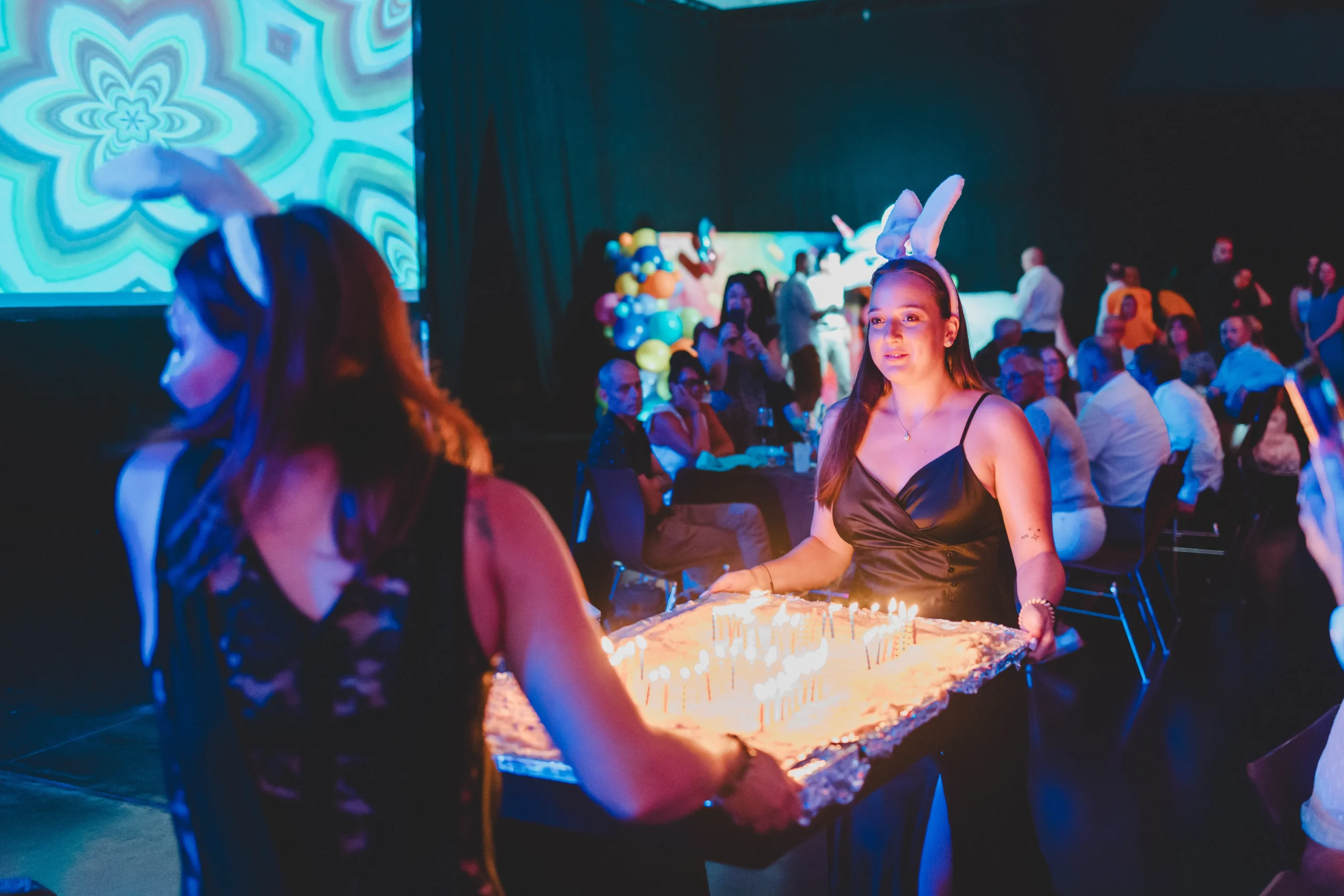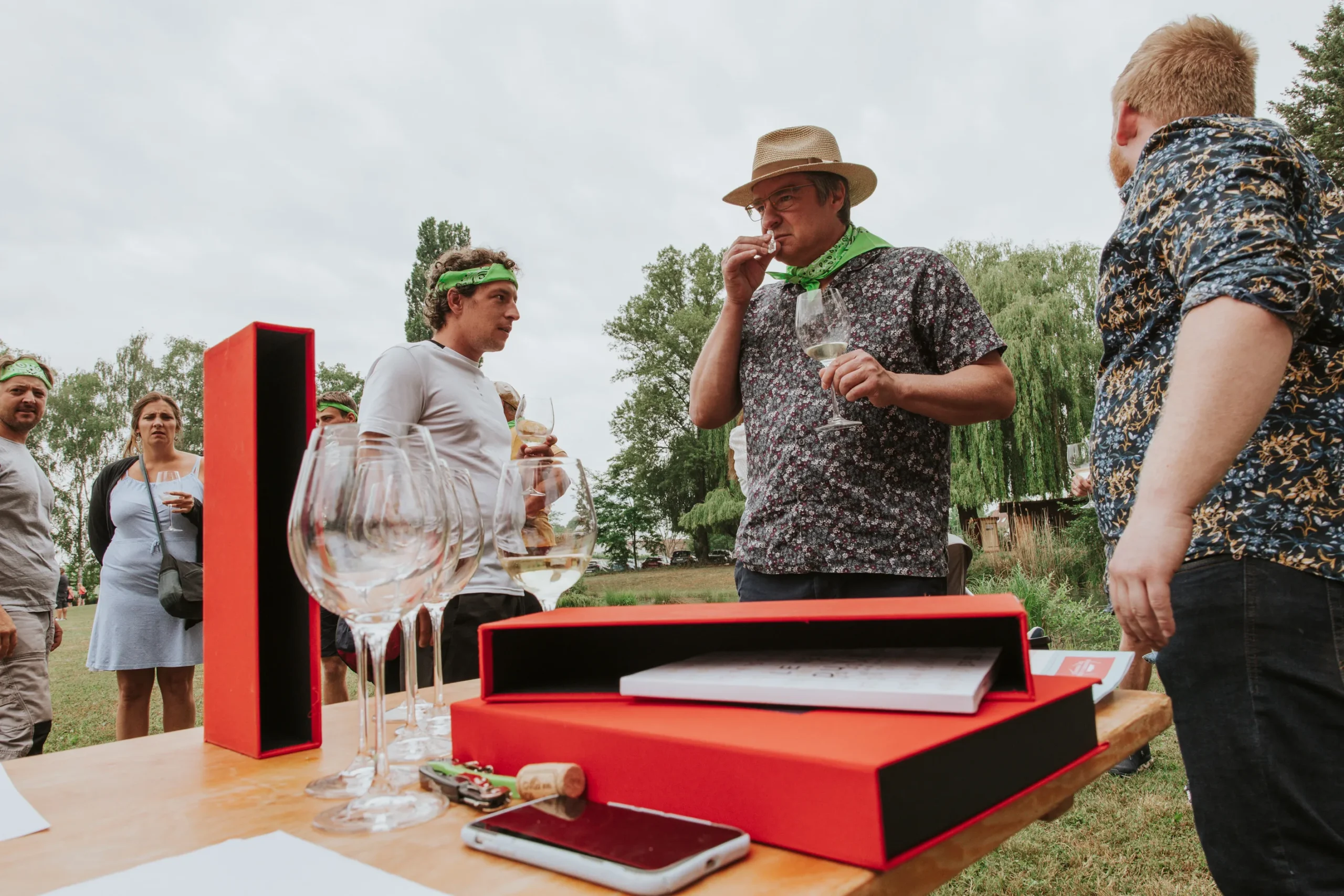
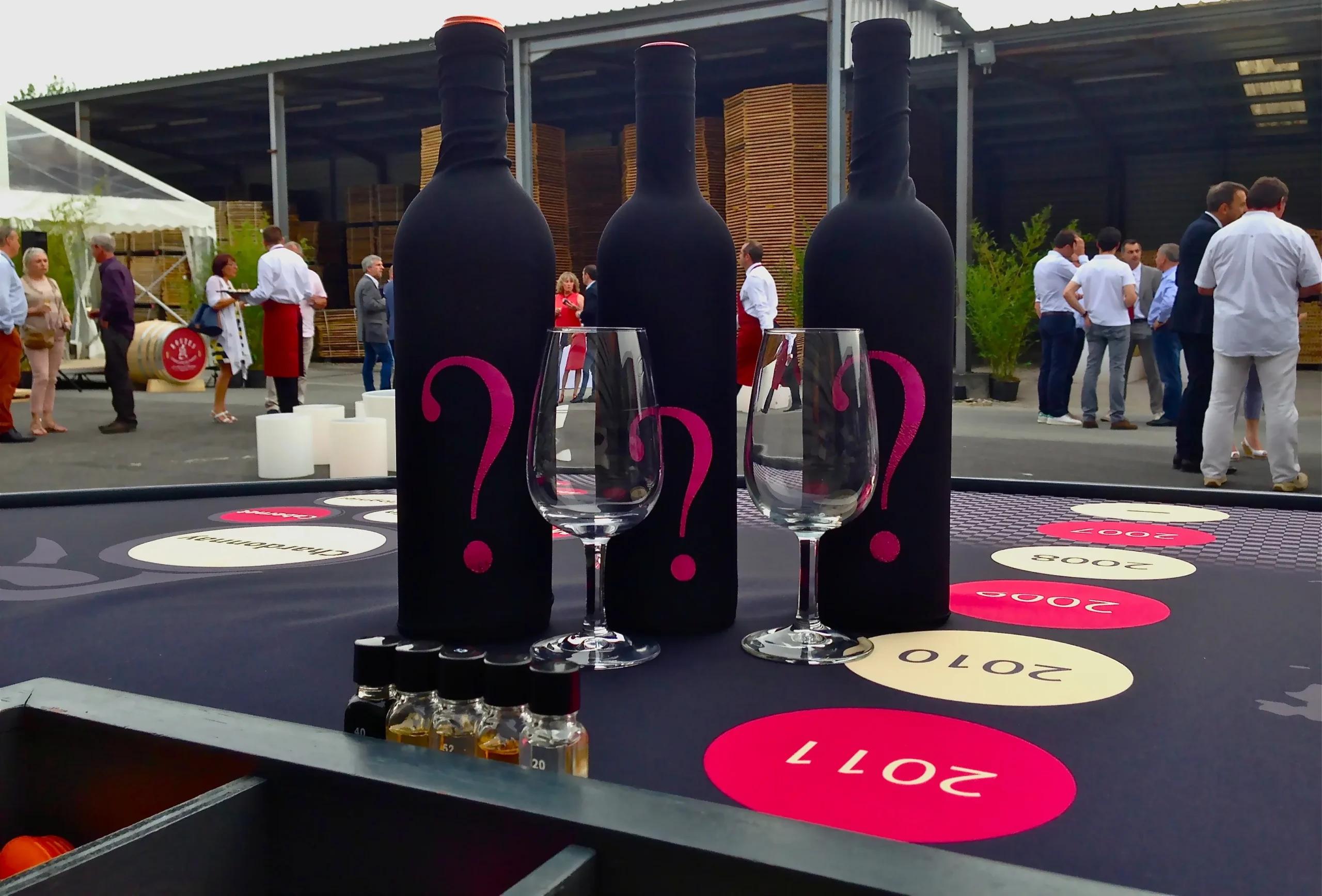
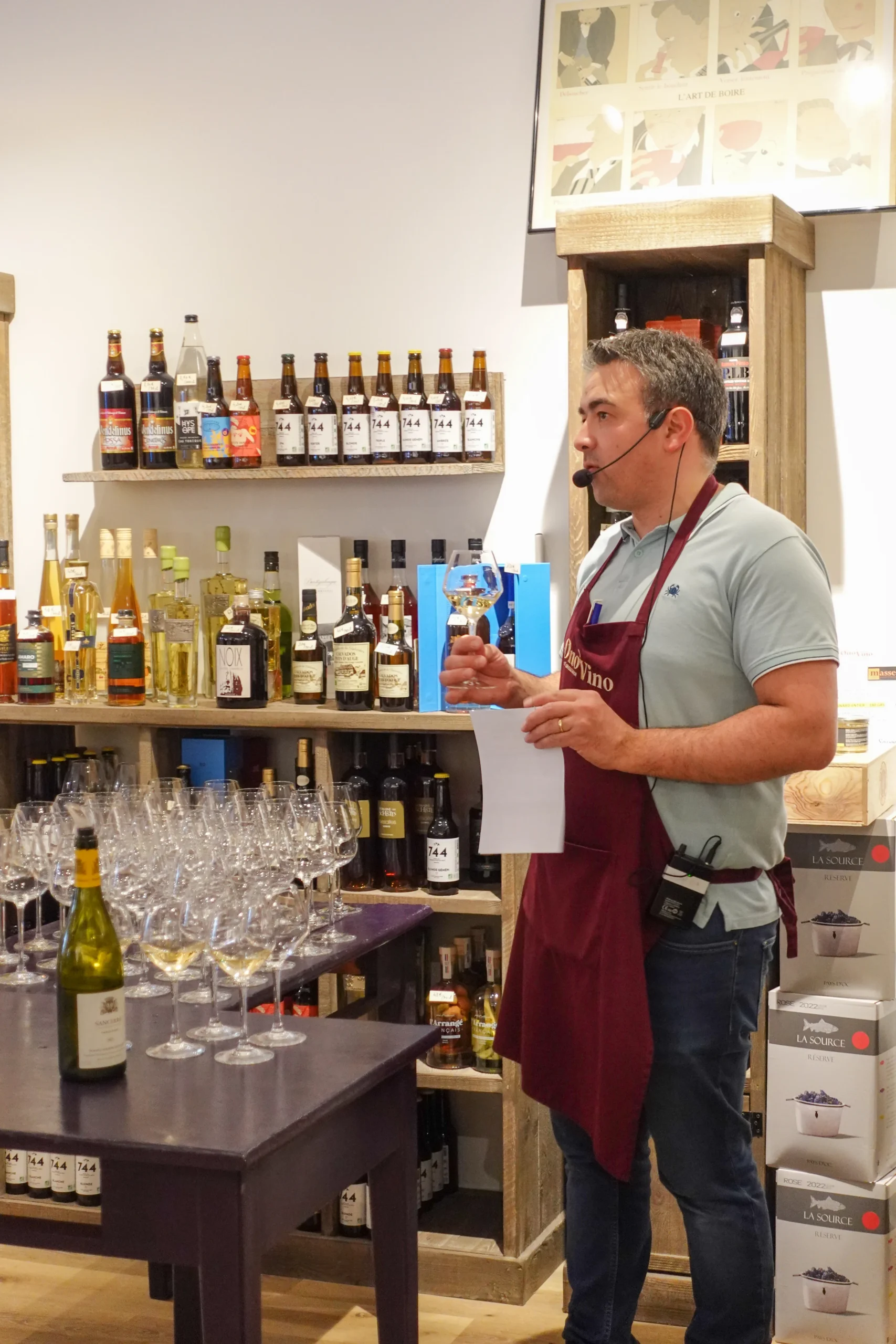
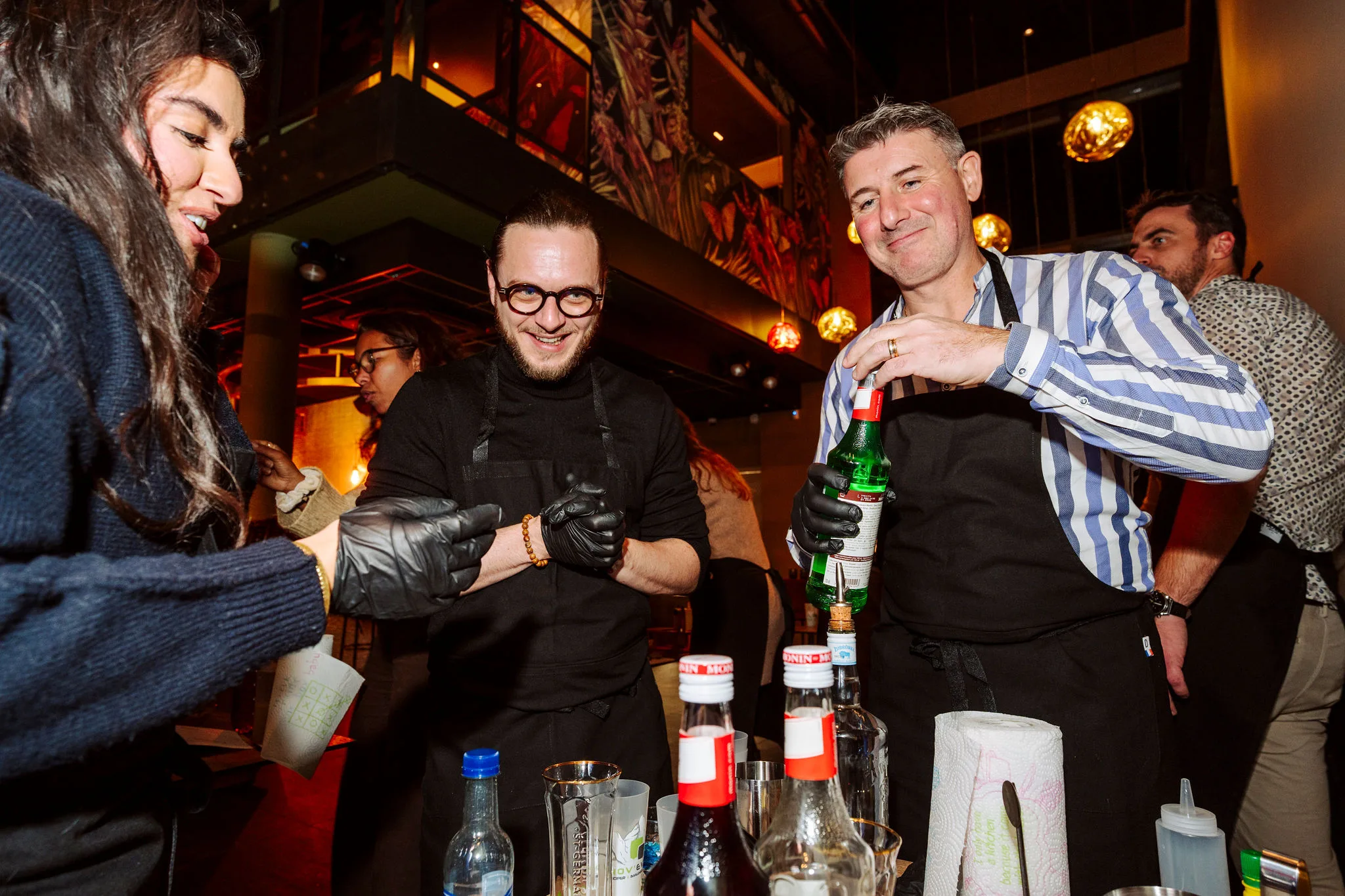
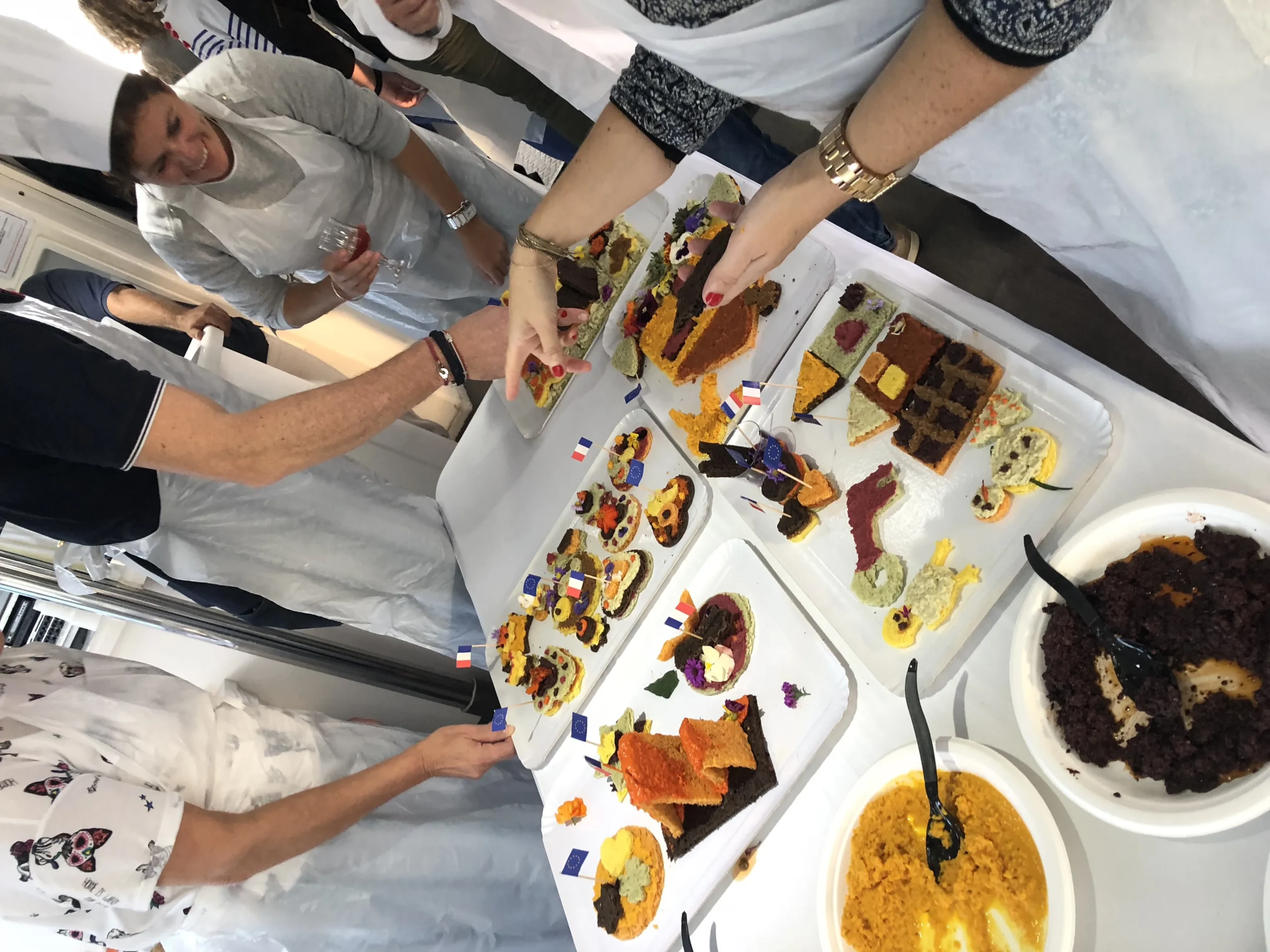
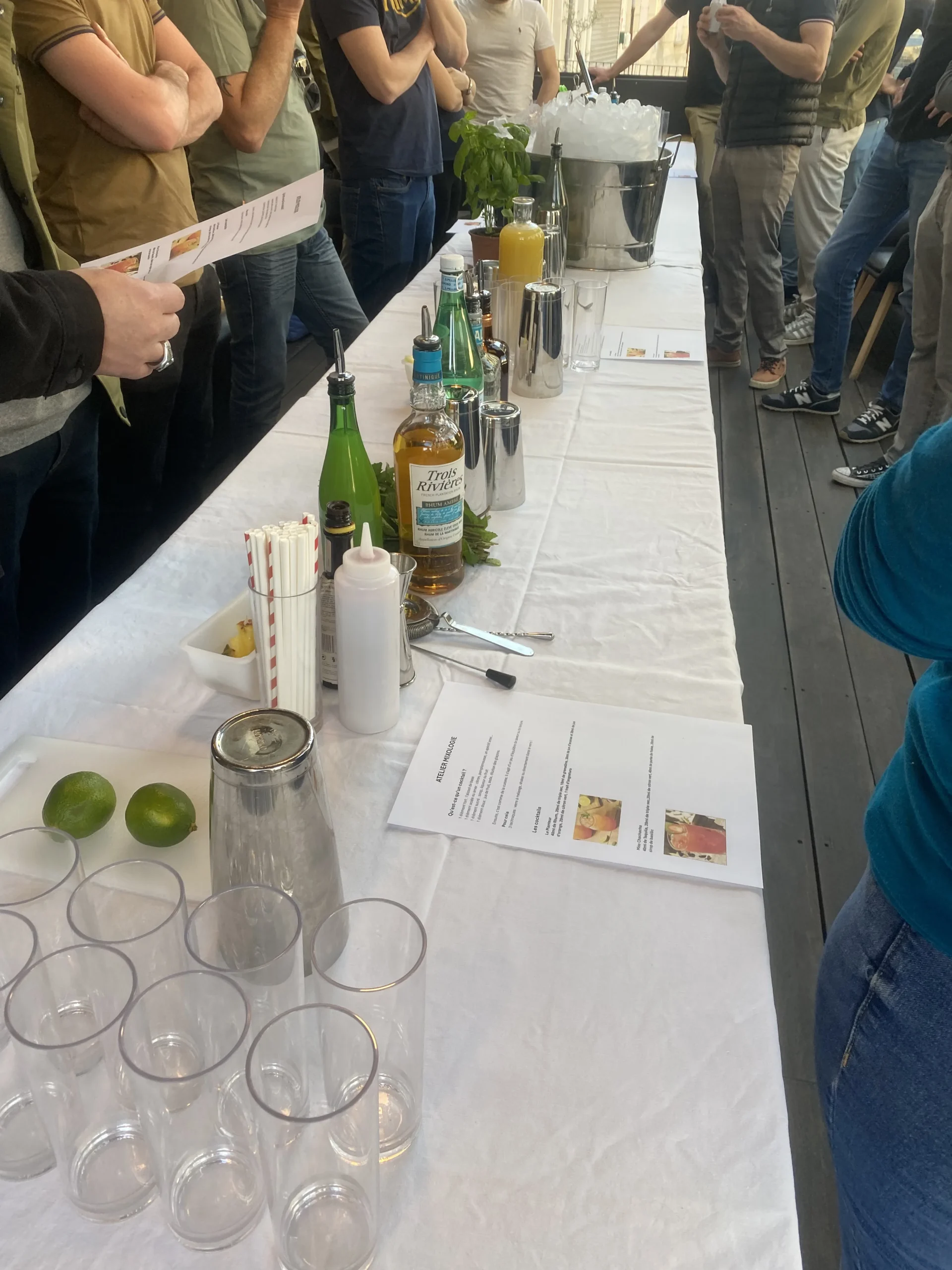
At INNOV'events, we produce Tasting Experience formats in Montréal for executive teams, HR, and communications departments—typically from 20 to 800 attendees. We handle the full chain: concept, venue fit, suppliers, staffing, service flow, compliance, and on-site execution. The goal is simple: a tasting that supports your message and runs on schedule, without creating operational risk for your team.
In a corporate event, a tasting is not “just food”: it’s a structured moment where conversations happen naturally, where leaders can circulate, and where your brand values are tested in real time. When service flow, pacing, and product story are controlled, your guests remember the business intent—not the logistics.
Montréal organizations expect efficiency and polish: bilingual hosting, venues accessible by metro or with clear parking plans, and suppliers who can deliver consistently even during peak seasons (holiday parties, Grand Prix week, back-to-school). They also expect real budget discipline and zero surprises with permits, alcohol service, or last-minute staffing.
We’re on the ground in Montréal, working weekly with local venues and producers. Our role is to translate your objective (recognition, employer brand, client relationship, change management) into a tasting format that is credible, compliant, and operationally tight—down to service timing, glassware, and load-in constraints.
10+ years producing corporate events in Québec and across Canada, with repeat client accounts that require consistent delivery standards.
Operational coverage from 20 to 800+ guests, including multi-station tastings and cocktail-style flows with controlled wait times.
30–60 minutes typical load-in windows in downtown buildings: we plan for freight elevators, security desks, and union rules where applicable.
Network of vetted local partners: sommeliers, mixologists, chefs, caterers, rental houses, AV teams, and bilingual hosts—selected for reliability, not novelty.
We support Montréal-based companies and teams who need a partner that can deliver repeatedly with the same level of control—especially when internal stakeholders change (new HR lead, new brand director, new office manager). Many of our mandates come from organizations that run two to four moments per year: leadership offsites, client appreciation events, holiday receptions, and recruiting-focused gatherings.
If you have a procurement process, internal vendor onboarding, or security requirements (building access, insurance certificates, background checks for staff), we’re used to working within those frameworks. We also coordinate with your internal communications and employer brand teams to ensure the tasting content supports the narrative you need—whether that’s “local sourcing,” “innovation,” “sustainability,” or “premium service.”
Note: you mentioned providing specific company names as references, but none were included in your prompt. Share them and we’ll integrate them exactly as requested, with an appropriate level of discretion (e.g., “for a global pharma HQ in downtown Montréal” or explicit brand names if approved).
Nous vous envoyons une première proposition sous 24h.
A Tasting Experience in Montréal is one of the most efficient formats for corporate objectives because it creates structured movement and natural conversation without forcing “team building” energy. For executives, it offers visibility and relationship time. For HR and communications, it’s a practical channel to reinforce culture, recognition, and employer brand—while keeping the event measurable and controllable.
Strengthen leadership accessibility without awkward staging: a station-based tasting lets executives circulate with a clear purpose (“What did you try?”) rather than small talk. We plan routes, timing, and density so leaders can meet a maximum number of people without bottlenecks.
Support employer brand with credible local storytelling: Montréal talent is sensitive to authenticity. We prefer real producers and product narratives (origin, process, pairing rationale) over scripted slogans. That credibility reflects back on your organization.
Create a safe networking environment for mixed audiences: client + staff, union + management, new hires + senior leaders. We set the tone with pacing, bilingual hosting, and service rules that reduce awkwardness and prevent cliques from forming.
Control risk around alcohol service: we plan consumption pacing, food ratios, bar staffing, and last-call timing. We also recommend transportation options and non-alcoholic pairings so the event remains inclusive and compliant.
Deliver measurable engagement: tasting passports, QR feedback, dwell-time by station, and participation counts are practical tools that communications teams can use internally—without turning the evening into a survey.
Reduce internal workload: HR and communications teams often carry the pressure of “event day” on top of their regular workload. We take over the operational layer—run of show, supplier coordination, floor plan, signage, staffing briefings—so your team can host.
Montréal’s economic culture is fast, diverse, and bilingual. A well-run tasting respects that reality: clear logistics, strong product knowledge, and a format that works equally well for finance teams in the core, tech teams in Mile End, and manufacturing leadership coming in from the North and South Shores.
In Montréal, the difference between a “nice idea” and a successful corporate tasting is operational execution. We see the same constraints across headquarters, coworking spaces, and large venues: limited load-in, strict building rules, bilingual audiences, and high expectations for product quality.
Timing discipline is non-negotiable. When an event is attached to a town hall, an awards segment, or a client presentation, your tasting must flex without collapsing. We build a service model that can compress or expand: staggered station openings, backup trays, and a clear plan for what happens if speeches run over by 15–20 minutes.
Bilingual delivery is not a checkbox; it affects hosting, signage, and the product story. We plan bilingual cue cards for sommeliers/mixologists and ensure key information (allergens, ingredients, pairing notes) is legible in both languages—especially important for employer brand and accessibility.
Local credibility matters. Guests can spot “imported concept” quickly. When we propose Québec producers, Montréal distilleries, or local roasters, we also verify availability, batch consistency, and service requirements (glassware, temperature control, pour sizes). The product has to perform under event conditions, not just on paper.
Compliance and building rules are frequently underestimated: alcohol permits, responsible service, security desk requirements, freight elevator booking, unionized labor in certain venues, noise restrictions after specific hours. We plan these details upfront because they’re the difference between a smooth event and last-minute friction with the venue.
Entertainment drives engagement when it gives people a reason to move, compare notes, and start conversations. A Tasting Experience works particularly well because it creates a shared topic without forcing participation. The key is to choose formats that match your time window, venue constraints, and brand positioning.
Guided tasting rotations (small groups): guests rotate every 8–12 minutes between stations with a host who keeps the pace. Useful for leadership offsites and client groups where you want structured interactions and controlled education.
Tasting passport with curated prompts: a simple card or QR experience with 5–7 checkpoints. It’s effective for internal events because it nudges movement across departments without feeling like a game show.
Sensory challenge station: aroma identification (coffee, whisky, spices) with short explanations. Works well when alcohol policy is restrictive because you can build it around non-alcoholic products too.
Live illustration of tasting notes: an artist captures key aromas, ingredients, or Montréal landmarks connected to the products. This adds visual value without adding noise, which is important in venues with speeches or networking goals.
Acoustic trio with controlled volume: when you need atmosphere but still want conversation. We set decibel targets and place musicians to avoid “dead zones” where guests can’t hear each other.
Québec wine, cider, and cheese pairing: ideal for showcasing local sourcing while keeping logistics manageable. We plan portioning, temperature control, and bilingual pairing notes to protect quality.
Montréal cocktail lab (with zero-proof track): mixology demos in short sets (6–8 minutes) with parallel non-alcoholic pairings so everyone can participate. This is a practical solution for inclusive culture and responsible service.
Chocolate and coffee pairing: strong option for midday events, recruitment evenings, or policies limiting alcohol. We plan brew volume, service speed, and aroma management so it doesn’t overpower the room.
Data-driven tasting wall: live polling on flavor preferences displayed on a screen (with your visual identity). Useful for communications teams who want content assets and internal storytelling without heavy production.
Chef-led micro-plates with synchronized timing: a “mini tasting menu” delivered in waves. Effective when you need to control consumption and keep guests seated for part of the program, but it requires precise coordination with catering and service staff.
The best format is the one that aligns with your brand image and operational reality. If your company is positioning on precision, we design tight pacing and clean visuals. If your narrative is local and human, we foreground Montréal producers and give them a credible speaking framework—while still protecting your agenda and risk profile.
The venue determines everything your guests will judge—sound, flow, comfort, and perceived level of investment. For a Tasting Experience in Montréal, the right setting is the one that supports circulation, provides adequate back-of-house space, and fits your compliance constraints (alcohol service, security, noise rules). We help you choose based on logistics first, aesthetics second—because execution is what your guests remember.
| Venue type | For which objective? | Main strengths | Possible constraints |
|---|---|---|---|
| Downtown hotel ballroom or foyer | Client appreciation, awards nights, high guest count | Predictable service infrastructure, on-site staffing, AV readiness, weather-proof arrivals | Union rules or exclusive suppliers, limited customization, higher F&B minimums |
| Old Port / heritage spaces | Brand positioning, executive hosting, premium partner events | Strong Montréal signature, great photo context, natural “wow” without heavy decor | Load-in constraints, temperature variability, stricter noise limits, limited back-of-house |
| Modern gallery or industrial loft | Employer brand, recruitment, product storytelling, mixed formats | Flexible layouts for stations, contemporary feel, easy branding with signage and lighting | Requires more rentals (glassware, bars), careful acoustic planning, sometimes limited accessibility |
| Corporate office (after-hours) | Internal recognition, leadership town hall + tasting, budget control | No guest transportation friction, familiar environment, strong internal attendance | Building security and elevator bookings, limited prep space, strict alcohol and waste policies |
We strongly recommend a site visit (or at minimum, a technical walk-through) before you lock the concept. In Montréal, two venues that look similar online can have completely different realities: freight access, prep areas, ventilation, and bar permissions. A 30-minute visit can save you hours of event-day improvisation.
Budget for a Tasting Experience depends less on “the idea” and more on operational parameters: venue rules, service model, product selection, staffing ratios, and the level of production (branding, lighting, AV, content capture). We build budgets that are defendable internally, with clear line items and options that allow you to scale up or down without breaking the experience.
Guest count and duration: the jump from 80 to 200 guests is not linear because it impacts station count, bar throughput, and replenishment. We design for peak density, not average attendance.
Service format: self-serve tastings reduce staff needs but increase risk (spills, inconsistent portions). Guided or bartender-served formats cost more but protect quality and responsible service.
Product level: local craft selections, premium imports, rare bottles, or chef-led pairings each carry different cost structures and supply constraints in Montréal.
Venue restrictions: exclusive caterers, corkage policies, mandatory security, or union labor can materially change the total. We flag these early to avoid “surprise” approvals.
Rentals and infrastructure: bars, glassware, refrigeration, ice, high tables, linens, signage, and waste stations. These items often decide whether the room feels executive-level or improvised.
Branding and content capture: if communications needs photo/video deliverables, we plan lighting, backdrops, and timing so content is usable—without disrupting guests.
From an ROI perspective, tastings are efficient when you treat them as relationship infrastructure: cost per meaningful conversation is often lower than a seated dinner, and outcomes (retention, engagement, client trust) improve when the event is paced and controlled. We can provide two or three budget scenarios with trade-offs clearly stated so you can secure internal approval faster.
When your event is in Montréal, local execution is not a nice-to-have—it’s risk management. We know which venues enforce strict load-in timing, which buildings require pre-registered staff lists, and which supplier networks remain reliable during high-demand periods. That local knowledge translates into fewer last-minute costs, fewer on-site conflicts, and a smoother experience for your guests and leadership.
As your event agency in Montréal, INNOV'events also reduces coordination friction: on-site scouting, quick supplier substitutions if a product becomes unavailable, and the ability to run rehearsals and technical walk-throughs without waiting on travel logistics.
From an ROI perspective, tastings are efficient when you treat them as relationship infrastructure: cost per meaningful conversation is often lower than a seated dinner, and outcomes (retention, engagement, client trust) improve when the event is paced and controlled. We can provide two or three budget scenarios with trade-offs clearly stated so you can secure internal approval faster.
Our tasting mandates range from small executive gatherings to multi-station corporate receptions. We regularly work in scenarios where the tasting must integrate with business content: a leadership address, a product update, a client presentation, or an internal recognition segment. In these contexts, we protect the “business moments” by designing the tasting so it can pause and restart cleanly, without creating frustration or lineups.
Examples of real operational situations we manage in Montréal:
Across these projects, our baseline remains the same: predictable timing, controlled service, and a guest experience that reflects leadership standards.
Underestimating throughput: a beautiful single station becomes a lineup in 15 minutes. We size stations and staff for peak arrival, not the average flow.
Over-indexing on alcohol without food ratio: it increases responsible service risk and weakens the guest experience. We plan balanced pairing portions and clear pacing.
No plan for dietary needs and allergens: in corporate environments, this is a trust issue. We implement clear labeling, staff briefing, and alternative options that look intentional.
Ignoring building and permit constraints: last-minute surprises with alcohol permissions, security, or noise limits can compromise the program. We confirm rules early and document responsibilities.
Concept too complex for the time window: multiple “show” moments, long demos, or elaborate pairings can stall the room. We design for your actual agenda and attention span.
Weak on-site leadership: if no one is managing floor timing, stations drift and quality drops. We assign clear roles: floor manager, supplier leads, and a single point of contact for your internal team.
Our job is to prevent these risks before they hit your calendar—and to absorb the operational pressure on event day so your leaders and HR team can focus on hosting, not troubleshooting.
Renewal is rarely about “creativity.” It’s about predictability, stakeholder comfort, and the ability to deliver the same standard even when the internal context changes. Our Montréal clients come back because they know we protect their time, their brand image, and their internal credibility.
2–3 budget scenarios provided early when approval cycles are complex, so decision-makers can choose with clear trade-offs.
Supplier shortlists typically include 2–4 vetted options per category (product, staffing, venue add-ons), which helps procurement and speeds up decisions.
Run-of-show built with 5–10 minute buffers at pressure points (arrivals, speeches, station openings) to reduce cascading delays.
Client loyalty is the result of controlled delivery: fewer surprises, consistent vendor management, and a clear method that makes your internal stakeholders feel safe approving the next event.
We confirm objective, audience profile, time window, alcohol policy, brand sensitivities, and internal constraints (procurement, security, union considerations, accessibility). We also identify non-negotiables: executive presence, key messages, and what success looks like the next day (internal comms recap, client feedback, recruiting pipeline, etc.).
We propose 1–2 tasting formats with a service plan: station count, staffing approach, pacing, and guest flow. This is where we prevent lineups and schedule drift. We also define the product narrative and the bilingual approach for hosts and signage.
We validate venue rules, load-in, storage, prep space, power needs, refrigeration/ice, and waste management. If the venue is your office, we coordinate with building management for elevator bookings, security lists, and delivery windows.
We secure the right partners (mixologists/sommeliers/chefs, rentals, catering, AV if required) and confirm permits, insurance, and responsible service requirements. We document responsibilities so there’s no ambiguity on event day.
We deliver a run-of-show, floor plan, staffing plan, signage content, and briefing notes. On site, our team manages load-in, station setup, timing cues, quality control (temperature, portioning, replenishment), and a clean strike. Your team stays in host mode while we manage operations.
We debrief what worked (flow, participation, product performance), what to adjust (timing, station density, messaging), and any reusable assets (supplier list, signage templates, photo/video deliverables). This is what makes the next Montréal tasting faster to approve and easier to run.
Most venues and office spaces can support 50 to 300 guests comfortably with the right station count and flow. For 300 to 800+, we typically add more high-throughput stations, dedicated glass return points, and a floor manager focused purely on pacing and density.
For corporate objectives, 90 to 150 minutes works best for a cocktail-style tasting. If you include speeches or an awards segment, we design the service to flex: stations open in waves and can pause cleanly during key moments.
It depends on the venue and how alcohol is served. Many venues cover licensing through their bar/catering operations; office or non-traditional venues may require specific permits and responsible service staffing. We confirm requirements early and build a compliant service plan (including zero-proof options).
Yes. We plan labeled allergens, vegetarian/vegan options, and non-alcoholic pairings as a parallel track—not as an afterthought. In practice, that means clear bilingual signage, staff briefings, and a product selection that doesn’t isolate guests with dietary constraints.
For peak periods (November–December, late May–June), aim for 6 to 10 weeks to secure venues and top talent. For a simpler format in a flexible space, 3 to 5 weeks can work, but product availability and staffing become tighter.
If you’re comparing agencies, we suggest starting with a short working call: date range, guest count, venue type (or your office), and the business intent of the tasting. From there, we can propose 1–2 service formats with transparent line items, realistic staffing, and operational notes specific to Montréal.
Contact INNOV'events to secure availability and lock the critical elements early (venue constraints, product sourcing, responsible service). The earlier we confirm the service architecture, the easier it is for your HR and communications teams to get internal approvals—without compromising execution quality.
Thierry GRAMMER is the manager of the INNOV'events Montréal office. Reach out directly by email at canada@innov-events.ca or via the contact form.
Contact the Montréal agency