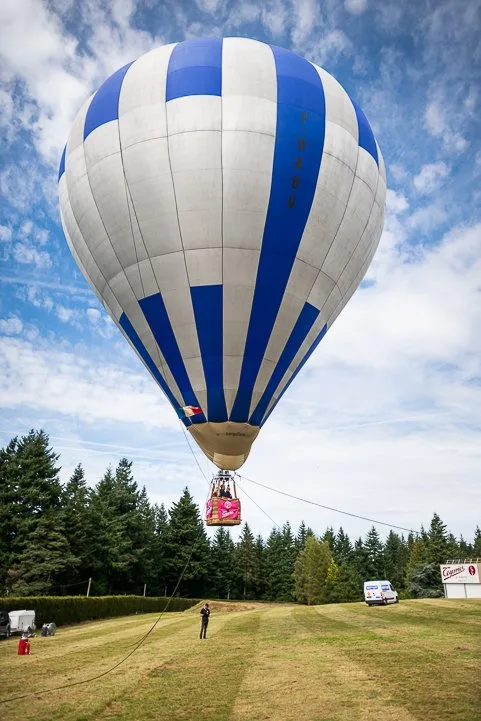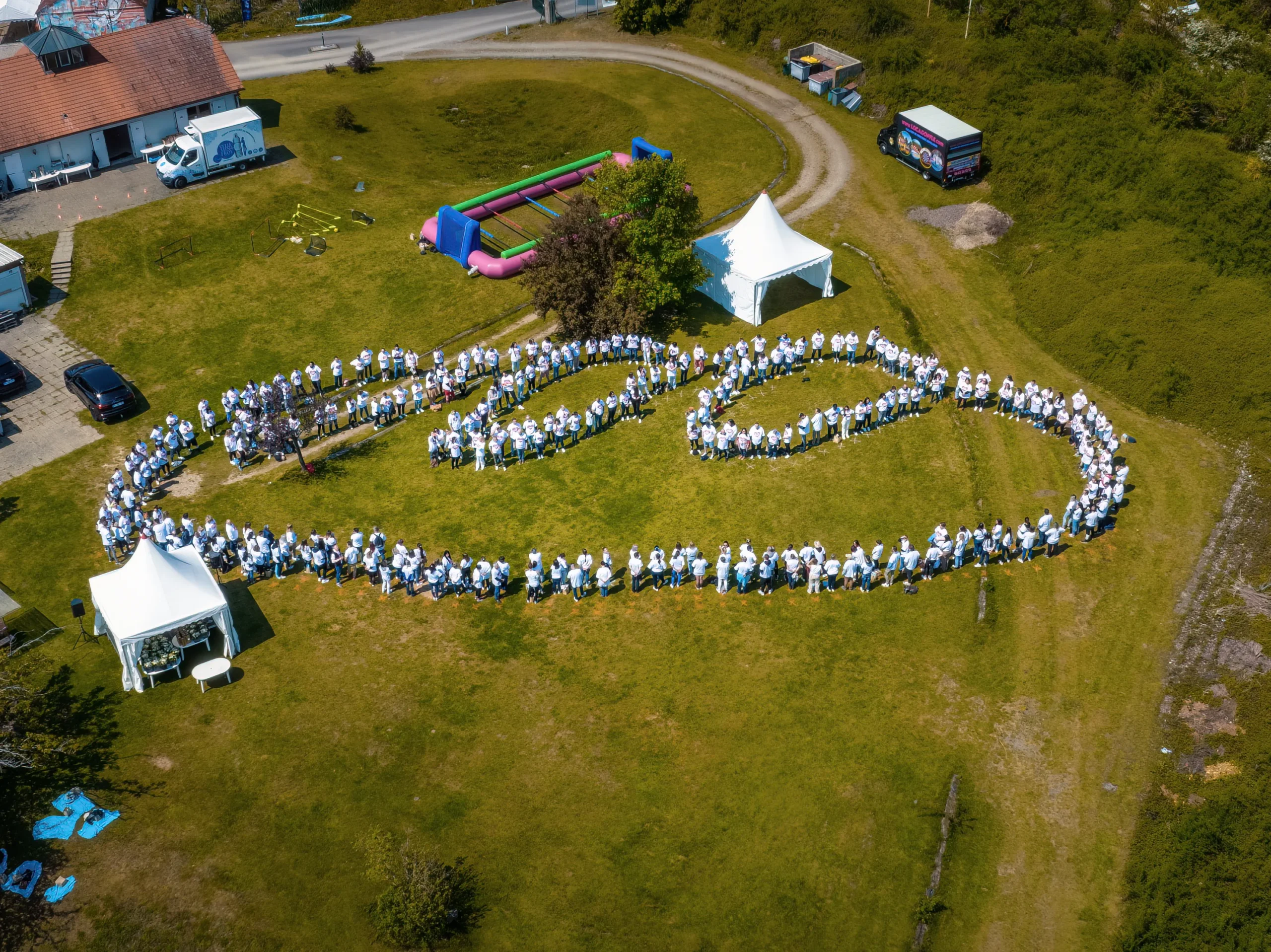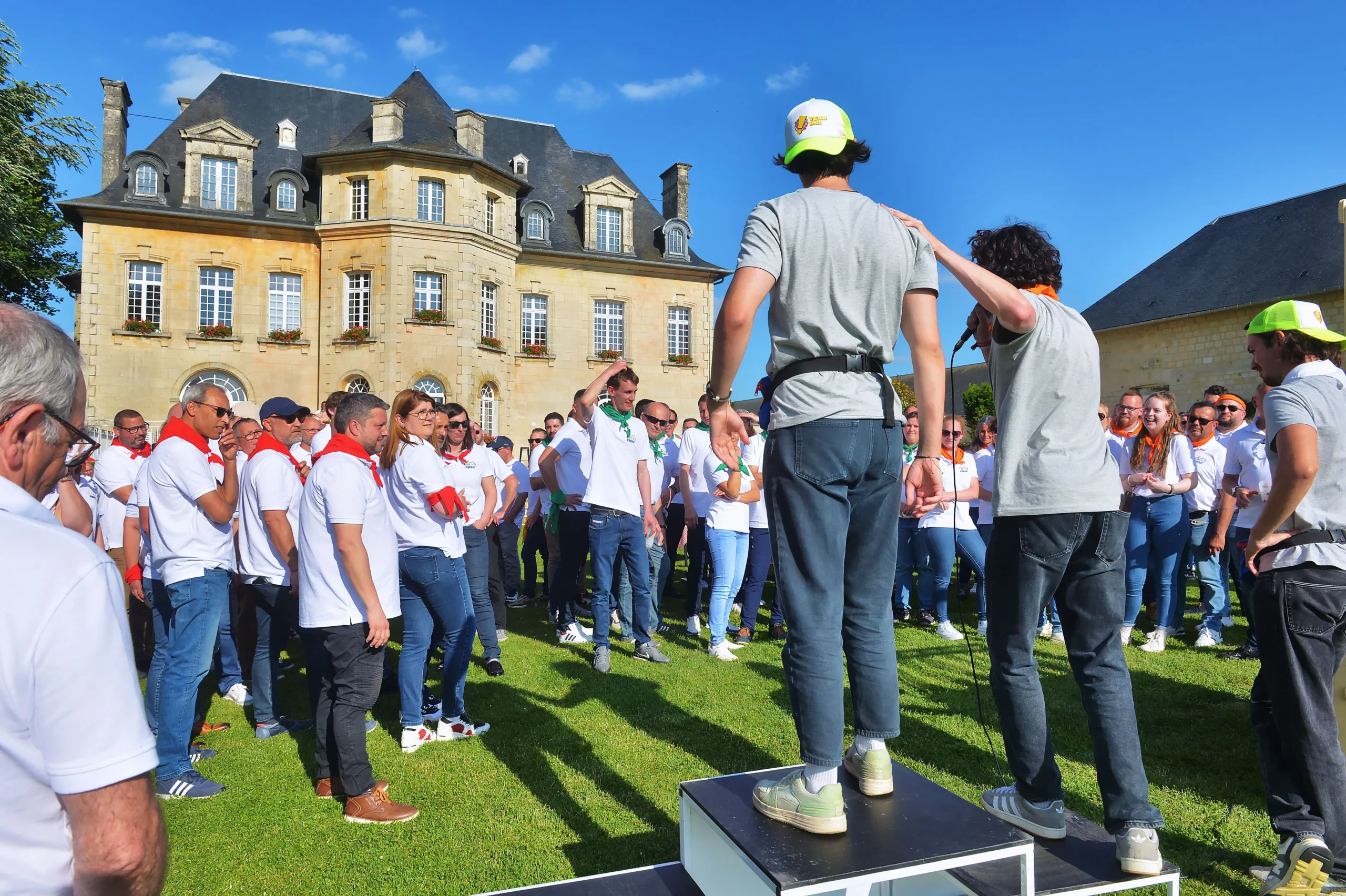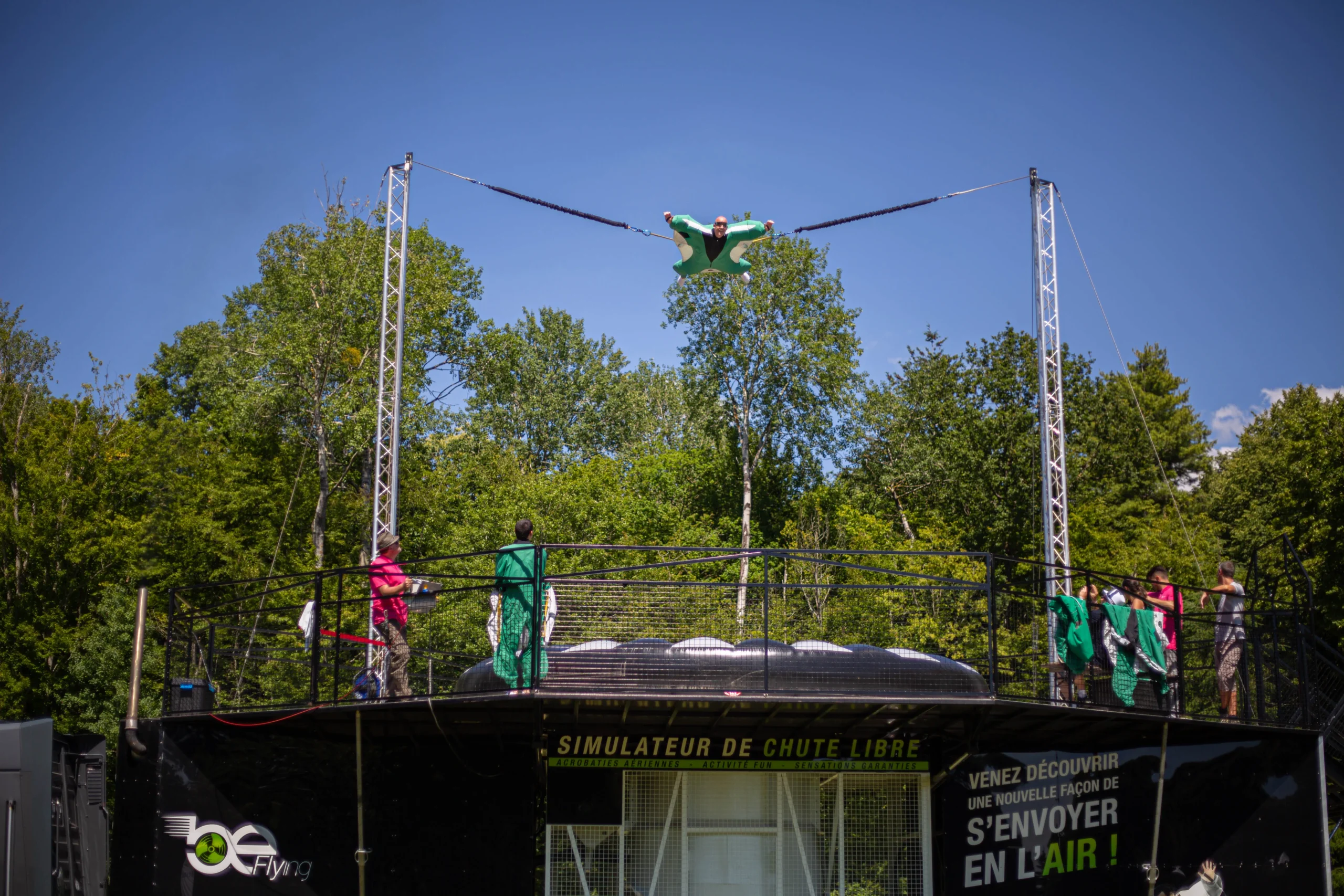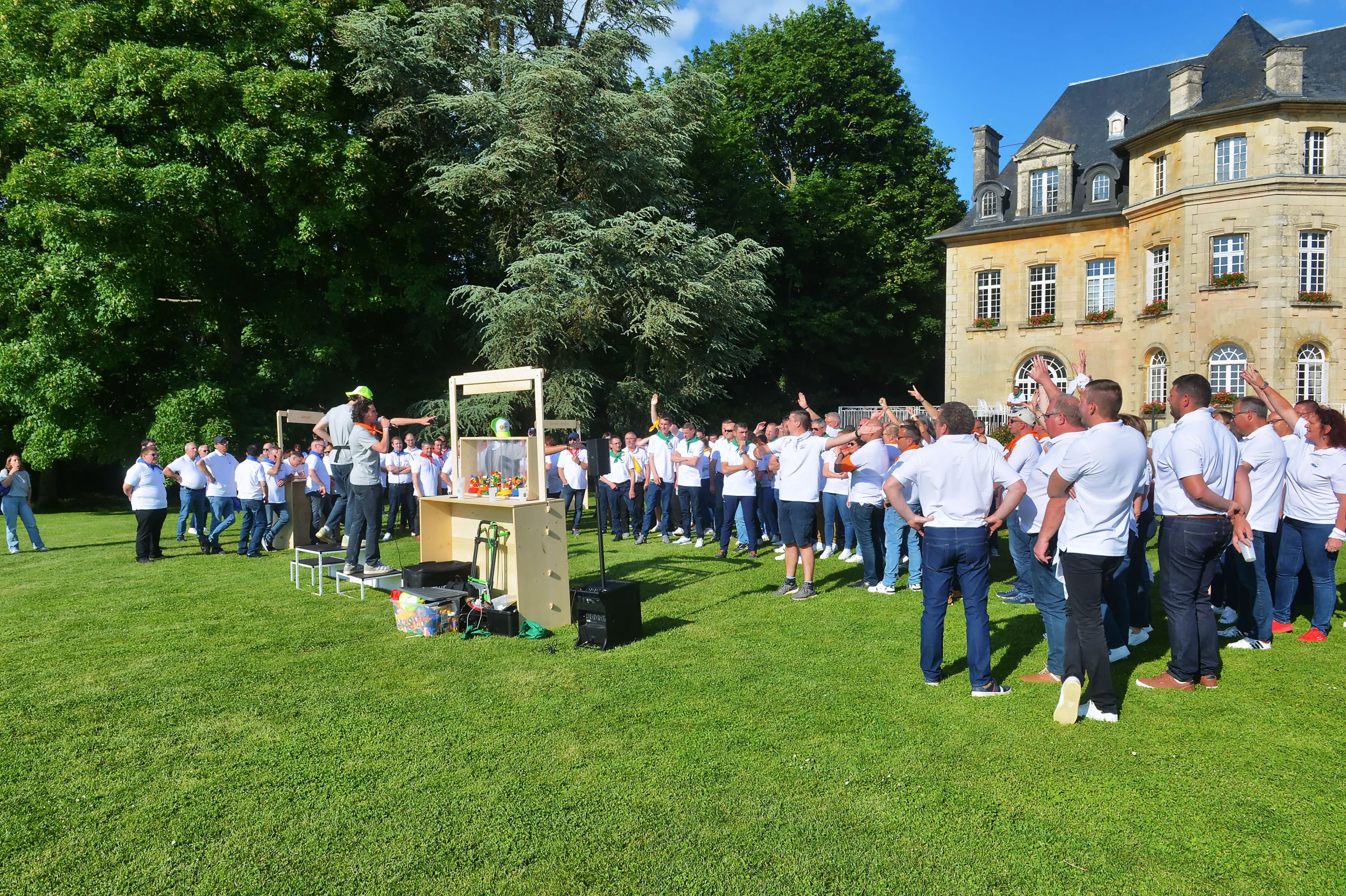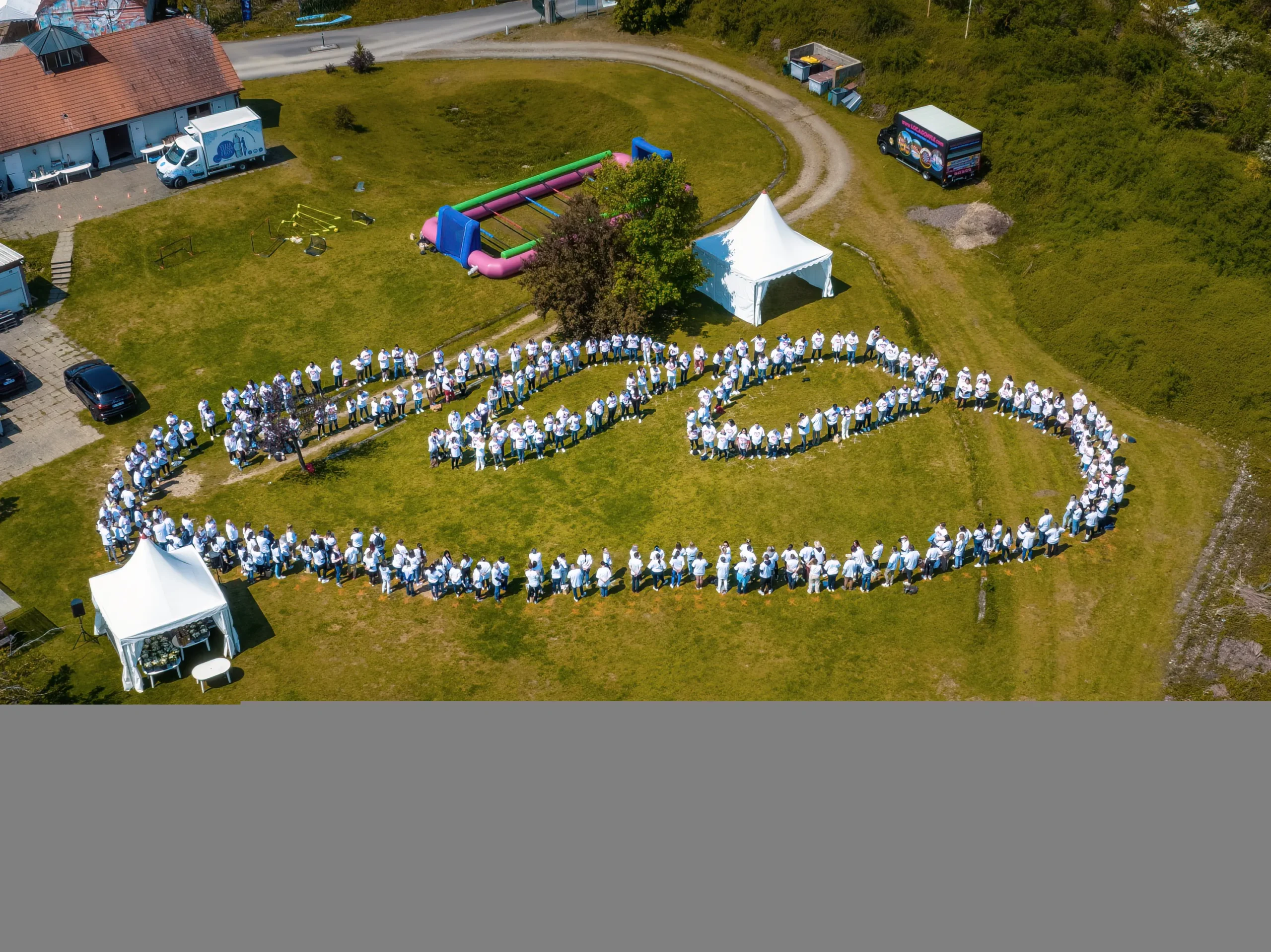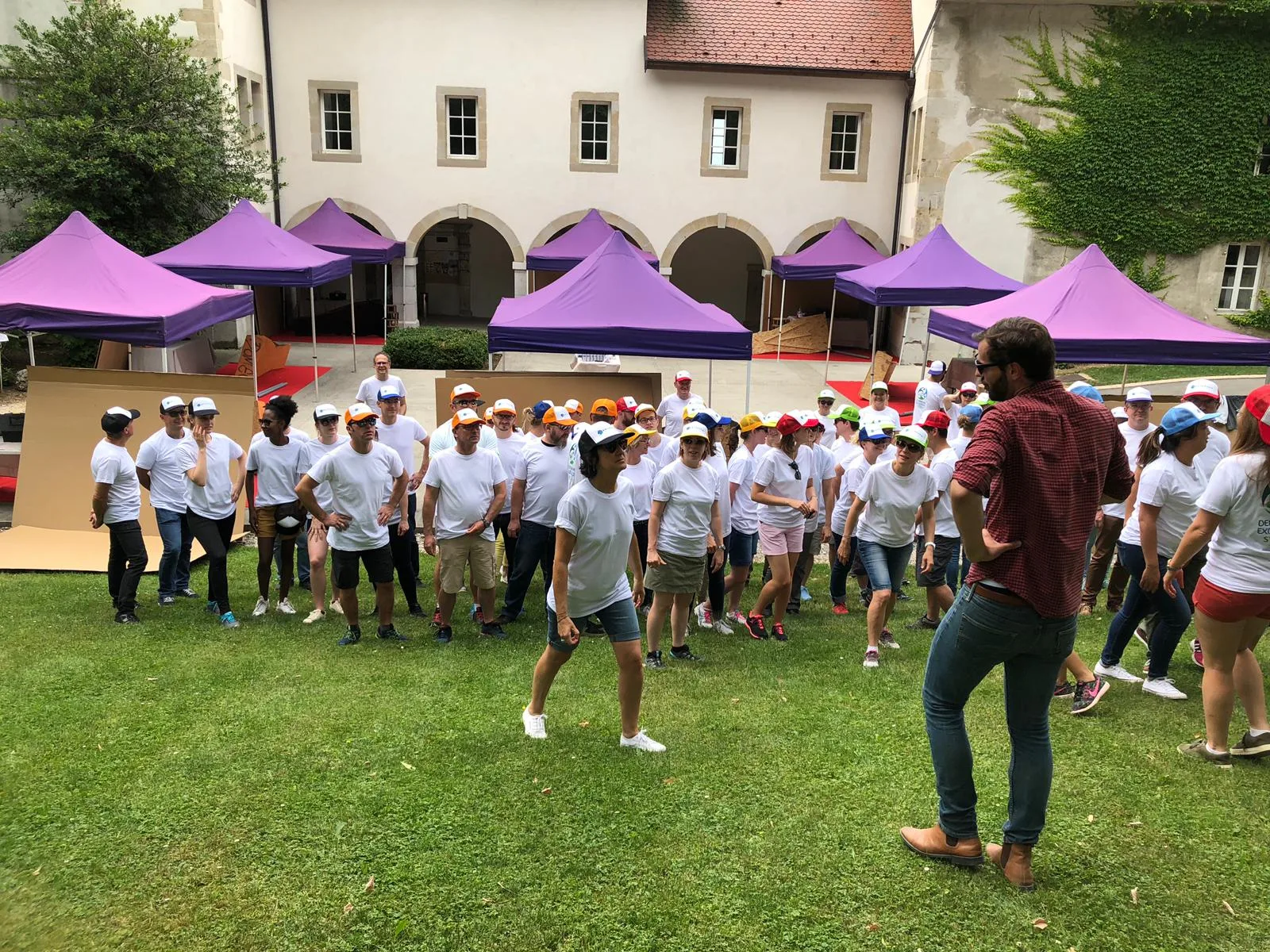
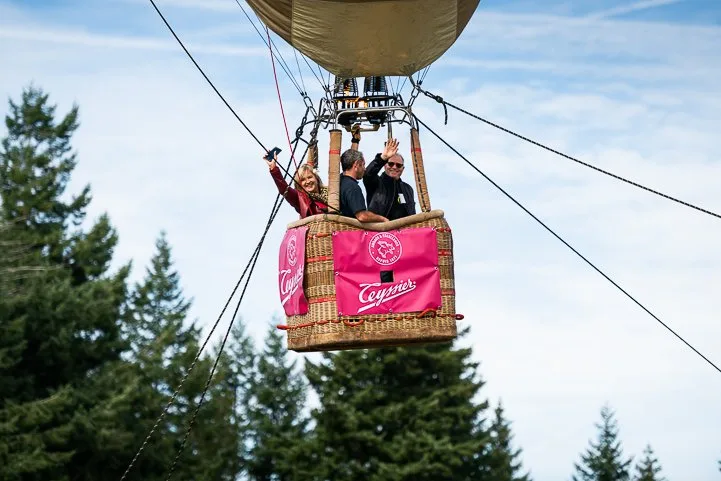
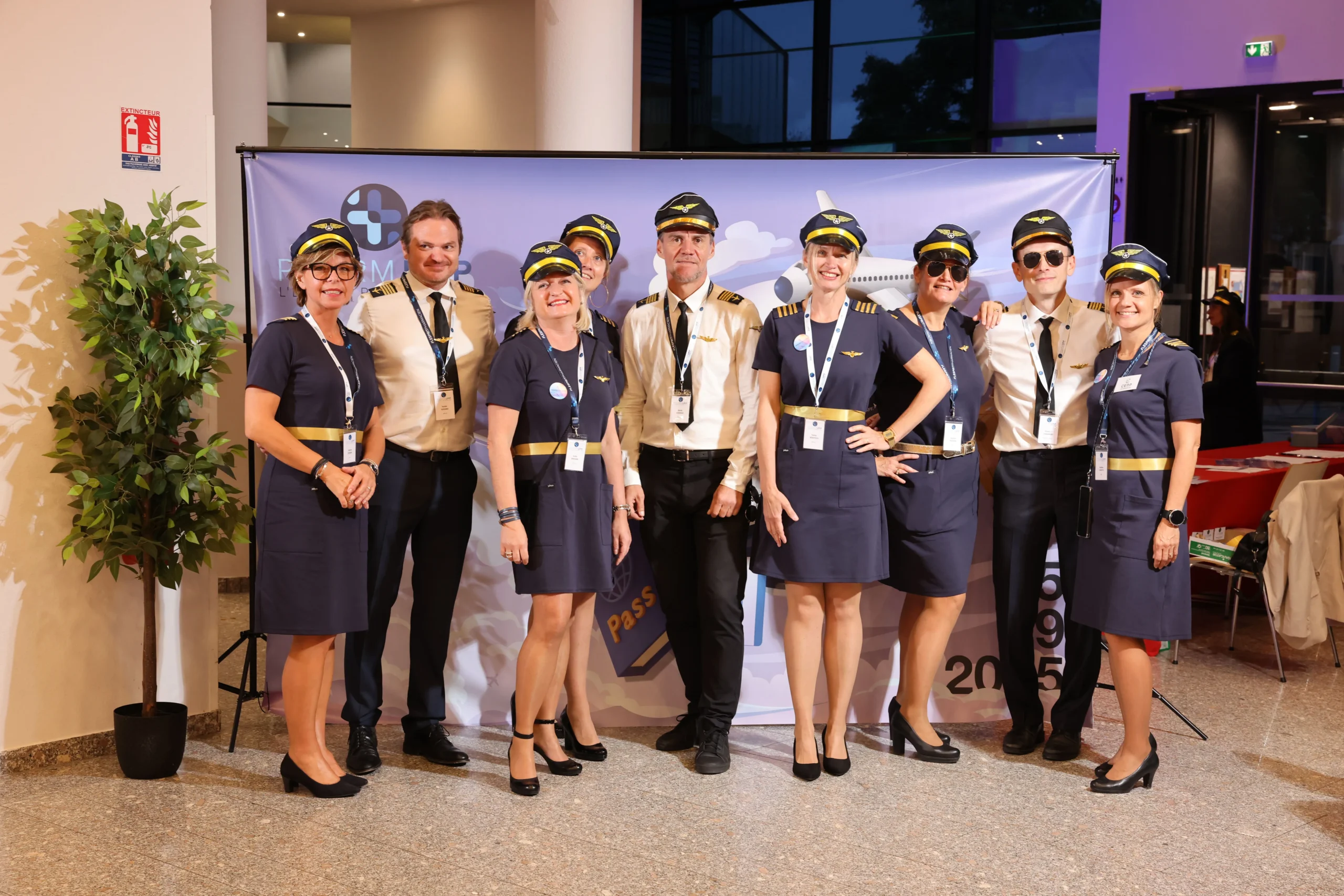
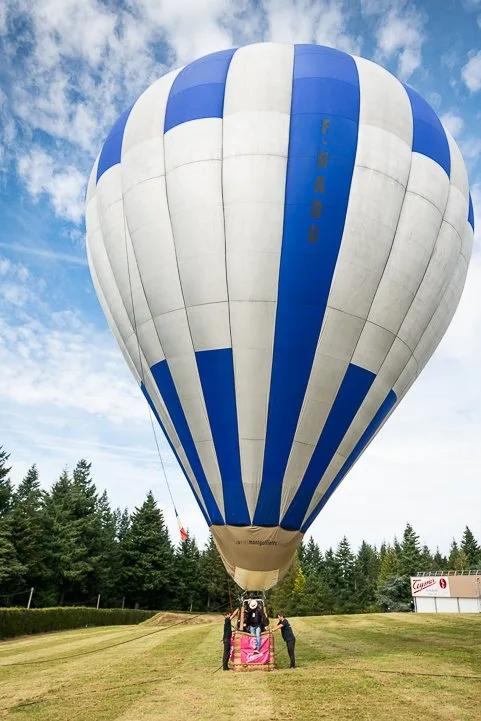
At INNOV'events, we design and manage Introductory Flight Experience activations for leadership offsites, client appreciation and employer-brand moments in Montréal. Typical formats run from 12 to 120 guests, with a controlled rotation system that protects schedules and VIP time.
We handle the full chain: partner selection (airfield/helicopter operator), guest journey, safety and waivers, on-site coordination, weather contingencies, and communications so your team stays focused on objectives—not logistics.
In a corporate agenda, entertainment is not “nice to have”: it’s a lever to accelerate trust, anchor key messages, and reward performance without losing executive time. A well-run Introductory Flight Experience creates high perceived value while staying operationally measurable (arrival flow, rotations, dwell time, content capture).
Montréal organizations expect structure: clear schedules, bilingual guest communications, rigorous safety standards, and contingency plans for weather and traffic. HR and Comms teams also need content opportunities that respect brand guidelines and privacy—especially with client guests or unionized environments.
INNOV'events is a corporate event entertainment in Montréal partner used to real constraints: tight windows between board sessions, VIP security expectations, and zero tolerance for improvisation on event day. Our role is to make the experience feel effortless—because the groundwork has been done.
10+ years coordinating corporate activations with complex logistics across Quebec and Canada, including aviation-adjacent experiences with strict timing and safety requirements.
200+ corporate projects delivered with structured run-of-show documents, supplier SLAs, and on-site command points—built for executive audiences and HR constraints.
48-hour quoting capability for standard scopes (guest count, date range, preferred experience), with a clear list of assumptions and options.
Single point of accountability from planning to on-site management, reducing internal load on HR/Comms and avoiding vendor “handoff gaps”.
We support organizations that operate and host in Montréal: headquarters teams, satellite offices, and national brands bringing guests to the city. Many of our mandates are repeat collaborations, because reliability matters more than novelty when you have executives flying in, clients on a schedule, and zero appetite for last-minute surprises.
In practice, our local anchoring shows up in the details: we anticipate airport and bridge traffic patterns, recommend realistic call times, coordinate bilingual signage and MC scripts, and design guest flows that work with Montréal venues and service standards. When a senior leader asks “what happens if the weather turns?”, we answer with a decision tree—not a promise.
If you share a short list of your internal references or preferred venues, we’ll align our proposal to what your organization already trusts and how your leadership likes to run events.
Nous vous envoyons une première proposition sous 24h.
Aviation experiences can be high-impact, but the real value for a company comes from what they enable: quality conversations, recognition that feels proportional to performance, and a shared memory that supports culture. In Montréal, where teams are often hybrid and talent is competitive, it’s a concrete way to create cohesion without forcing artificial “team building”.
Executive time efficiency: a rotation-based Introductory Flight Experience in Montréal can run in parallel with a leadership roundtable, partner demos, or a lounge program—so no one “waits around”.
Client relationship acceleration: for key accounts, a flight slot combined with a structured pre-brief (business update) and post-brief (next steps) gives sales leadership a controlled, premium environment that doesn’t feel like a pitch.
Recognition with governance: compared to travel prizes, this is easier to administer (single event, controlled eligibility list, on-site waivers), and it avoids taxation complexity of individual awards in many cases (your HR/legal can confirm).
Employer brand content: Comms teams can capture controlled visuals—arrival, safety briefing, pre-flight moments—without filming sensitive cockpit details or violating privacy. We build a shot list that respects brand and consent.
Culture and safety alignment: aviation is inherently safety-driven; used properly, it reinforces a culture of preparation, checklists and accountability—messages that resonate with operations, engineering, finance, and regulated industries.
Measurable engagement: attendance rate, on-time check-in, slot utilization, NPS-style pulse after the event, and content performance can all be tracked without burdening internal teams.
Montréal’s business culture rewards professionalism and substance. When the experience is framed as a disciplined program—rather than a thrill—leaders feel comfortable endorsing it, and guests experience it as a sign of respect.
Decision-makers here are practical. They ask about schedule integrity, risk management, and guest comfort before they ask about “wow”. We plan accordingly.
Transportation realities: depending on the airfield and time of day, your guests may face unpredictable traffic corridors (bridge congestion, downtown bottlenecks, construction season). We propose staggered arrivals, optional shuttle waves, and a buffer that doesn’t inflate your day unnecessarily.
Bilingual execution: HR and Comms frequently require bilingual communications for invitations, waiver instructions, signage, and on-site briefing. We prepare English/French versions, keep terminology consistent, and ensure the safety briefing is understood by every guest.
Weather and seasonality: Montréal conditions can change quickly—especially spring and fall. We plan “go/no-go” gates, a backup schedule, and an alternative on-site program that protects your event objectives if flight operations pause.
Guest diversity: corporate groups often include first-time flyers, senior leaders with limited mobility, pregnant guests, and people with anxiety around aviation. We set expectations early, propose alternative experiences on the same site, and brief staff on how to support without making anyone feel singled out.
Brand and privacy: many organizations are cautious about photos that reveal client presence or operational details. We establish consent rules, define no-capture zones, and coordinate with your internal communications policy.
A flight rotation creates natural “down time” for guests between slots. The smartest programs use that time to reinforce your message and keep energy steady. We build a layered experience: aviation as the anchor, plus supporting modules that serve HR, Comms and leadership priorities.
Leadership briefing lounge: a structured, comfortable space where executives can host small-group conversations (10–20 minutes) aligned to account strategy, transformation messaging, or recognition. We manage timing so leaders are never rushed to the boarding call.
Operational challenge stations: short, facilitator-led exercises inspired by aviation checklists (risk prioritization, decision-making under constraints). This lands well with engineering, operations and finance teams because it feels practical, not gimmicky.
Photo and content checkpoint: a branded but discreet station for portraits or team photos, with consent management. Useful for internal comms and LinkedIn-friendly content without chaotic crowds.
Acoustic set for the lounge: low-volume live music that supports networking rather than overpowering it. We specify decibel targets and placement to protect conversation quality—important for client events.
MC with corporate discipline: bilingual hosting that focuses on timing, safety reminders, and smooth transitions. In Montréal, a professional MC who understands business tone makes a noticeable difference.
Timed catering format: we often recommend elegant “flow-friendly” food (stations or passed bites) rather than plated meals, because flight slots don’t respect a single seating time. We coordinate service windows to avoid guests missing their call.
Non-alcoholic premium bar: for aviation experiences, many companies choose a strong zero-proof offering during rotations, then open a wine/cocktail service only after the final flight window. This aligns with internal policies and safety culture.
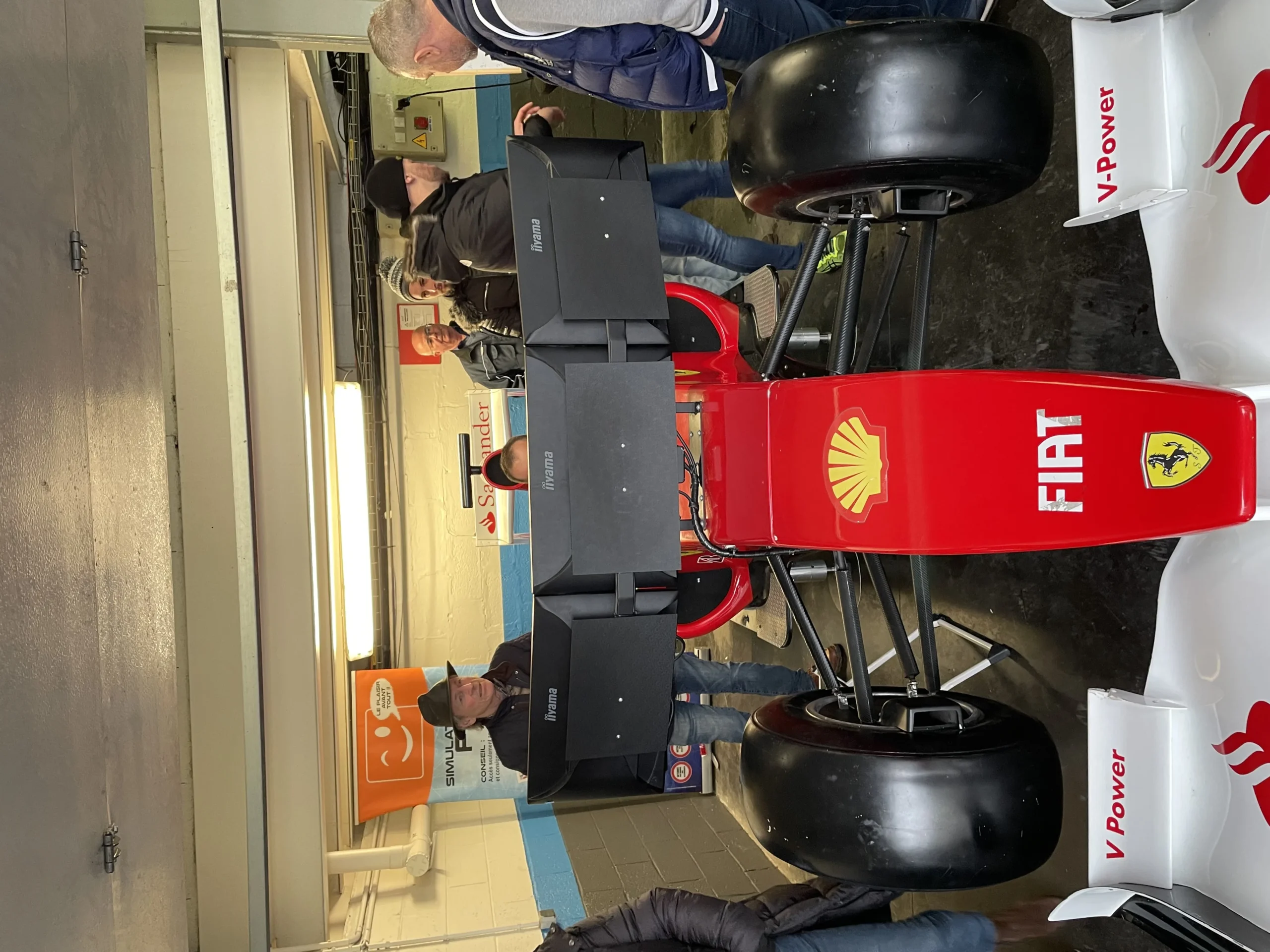
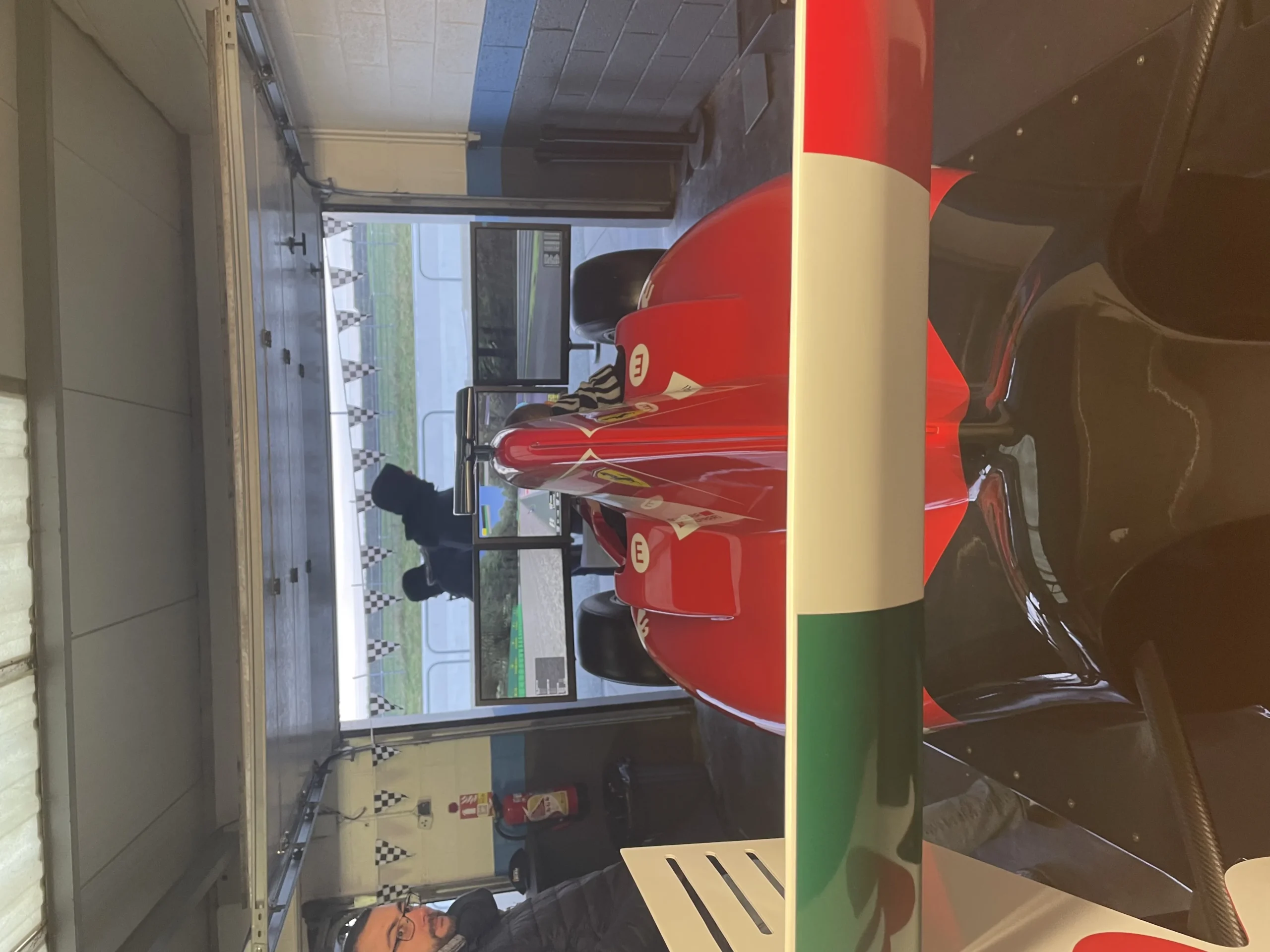
Flight simulator module: ideal as a weather-proof complement and for guests who opt out of flying. It also increases throughput when your guest count is high. We integrate a booking system so it feels like part of the same program.
VR aviation discovery: a controlled, branded VR experience can reinforce technical storytelling (innovation, engineering, precision). We use it as a buffer when flight operations are delayed.
Data capture and engagement pulse: QR-based check-in and a 3-question post-experience survey give HR/Comms immediate feedback and proof of engagement for internal reporting.
The strongest programs are the ones that match your brand posture. A bank, a law firm, and a manufacturing group can all use a Introductory Flight Experience in Montréal—but the tone, hospitality level, and messaging discipline must align with how your organization is perceived.
The site determines more than the view: it affects travel time, guest comfort, noise constraints, and how “corporate” the experience feels. We start with your guest origin points (downtown, West Island, North Shore), your agenda, and your risk tolerance for traffic and weather.
| Venue type | For which objective? | Main strengths | Possible constraints |
|---|---|---|---|
Local airfield or heliport setting near Montréal | Premium client hosting; executive recognition; high perceived value | Authentic aviation environment, efficient boarding flow, credible safety infrastructure, strong photo opportunities | Weather dependency, strict operational rules, limited space for large receptions, transportation planning required |
Airport-adjacent private lounge or hangar rental | Leadership offsite with structured networking and controlled experience | Sheltered space, better control over hospitality, easier AV setup for speeches, strong brand staging | Availability constraints, vendor exclusivity, insurance requirements, noise considerations |
Downtown Montréal hotel or conference venue + offsite flight rotation | When meetings are the priority and flights are a “featured module” | Best for agenda discipline, easy accessibility for out-of-town leaders, strong service standards | Added transfers, tighter timing windows, higher coordination load to keep slots on time |
We strongly recommend a site visit (or a technical walkthrough) before you commit. It’s where we validate guest flow, signage placement, check-in space, and a realistic plan for Montréal traffic patterns—details that don’t show up in a proposal but decide your event day.
Pricing is driven by operational parameters more than “entertainment fees”. In Montréal, aviation partners price by aircraft type, flight duration, crew requirements, and scheduling constraints. The event production layer (guest management, hospitality, transport, branding) is what makes the program corporate-grade.
Flight format and throughput: helicopter vs fixed-wing vs simulator affects how many guests you can move per hour and how many aircraft/units you need. Throughput is often the hidden cost driver when you exceed 30–40 guests.
Duration per guest: a 8–12 minute discovery loop can work for larger groups; 15–25 minutes is more premium but reduces capacity and increases cost per guest.
Number of aircraft/units and operating window: adding a second aircraft can reduce total event time and protect executive schedules, but increases fixed costs. We model scenarios so you can choose based on the value of time.
Risk controls and insurance: coverage requirements, waiver management, security perimeter, and medical readiness vary by partner and guest profile. We clarify what’s included and what’s optional.
Guest experience layer: check-in staff, bilingual MC, signage, lounge build-out, catering, shuttle logistics, and content capture. This is where you control brand perception.
Weather contingency plan: holding a backup date or adding simulator/VR capacity can protect your investment. We price this transparently so Finance can evaluate risk vs cost.
From a return-on-investment perspective, we encourage clients to define what “success” means before spending: retention impact for HR, pipeline acceleration for Sales, or leadership alignment for the executive sponsor. When objectives are clear, the budget discussion becomes a decision—rather than a negotiation.
Aviation experiences punish weak coordination. Choosing a local team reduces the risk of gaps between what’s promised and what’s deliverable on the ground.
As an event agency in Montréal, we bring practical advantages: we know the suppliers who can operate within corporate expectations, we can do rapid site checks, and we can adjust staffing and transportation plans quickly when Montréal conditions shift.
Just as importantly, we speak the language of internal stakeholders: we prepare documentation that helps HR and Legal feel comfortable, we provide Comms with a content framework and approvals, and we protect the executive sponsor from operational noise.
From a return-on-investment perspective, we encourage clients to define what “success” means before spending: retention impact for HR, pipeline acceleration for Sales, or leadership alignment for the executive sponsor. When objectives are clear, the budget discussion becomes a decision—rather than a negotiation.
We regularly build programs where the aviation module is only one part of the value. For example, for a leadership offsite, we’ve structured a half-day agenda where executives cycle through flight slots while the rest of the group participates in a facilitated strategic workshop. The key is that nobody feels “parked”; every minute has a purpose and the transitions are clean.
For client appreciation, we’ve delivered tiered guest journeys: VIP arrival window, private briefing with a senior leader, flight slot, then a hosted lounge experience with a controlled content moment (photo checkpoint, branded takeaway). This format protects your relationship capital because it feels intentional and premium rather than crowded.
For HR recognition, we’ve run multi-wave rotations (morning and afternoon) to accommodate operations teams without disrupting production schedules. The operational insight here is simple: recognition only lands if it respects the reality of shifts, coverage, and managers who can’t be away for a full day.
Across these formats, what stays consistent is discipline: guest list control, accurate timekeeping, bilingual communications, and a contingency plan that preserves the business objective even if flight time is reduced.
Overbooking flight capacity: promising “everyone flies” without validating throughput, briefing time, and weather buffers leads to frustrated guests and a stressed executive sponsor.
Underestimating transportation time: Montréal traffic, construction, and last-minute detours can break a tight run-of-show. We plan realistic buffers and provide clear arrival instructions.
Weak waiver and eligibility process: guests discovering restrictions on site (ID requirements, health considerations) creates embarrassment. We handle pre-briefing and a clean check-in protocol.
No plan for non-flyers: some guests will opt out. Without an alternative program, they feel excluded and the event loses cohesion.
Mixing alcohol and flight windows improperly: even when rules are clear, perception matters. We schedule hospitality so it aligns with corporate policies and safety culture.
Insufficient briefing for internal stakeholders: when HR, Legal, Security, and Comms don’t have the same information, approvals slow down and day-of confusion increases.
Our role is to eliminate these risks before you ever send the invitation. A Introductory Flight Experience in Montréal should feel impressive to guests—but predictable to the organizers.
Repeat business in corporate events is earned through consistency. Teams come back when their internal stakeholders felt supported: the executive sponsor stayed focused on relationships, HR didn’t spend weeks chasing details, and Comms received usable content without brand risk.
High repeat rate on annual moments: recognition events, leadership offsites, and client appreciation cycles often return year after year because the operational framework is already proven.
Reduced internal hours: clients typically report that a single accountable producer and structured documentation materially reduces internal coordination time compared to multi-vendor setups.
Fewer day-of escalations: when the run-of-show, roles, and contingencies are clear, the number of “urgent decisions” drops—and that’s what clients remember.
Loyalty is the clearest proof point in our industry. In Montréal, where reputations travel fast across networks, we protect yours by delivering operationally sound experiences.
We start with a 30–45 minute working call with the event owner (HR, EA, Comms or Sales) to confirm goals, guest profile, timing constraints, and internal policies. Within days, we validate feasibility: recommended aviation format, realistic throughput for your guest count, and initial risk flags (transport, seasonality, privacy).
We source and confirm aviation partners and supporting vendors (transportation, catering, AV, staffing). We request and review proof points: insurance, operational procedures, capacity assumptions, and any restrictions. You receive a clear option set with inclusions, exclusions, and decision points—so approvals are straightforward.
We build the guest journey end-to-end: invitation language, arrival instructions, check-in procedure, briefing script, rotation logic, and VIP handling. We also define content rules (consent, no-capture zones) and align with your brand standards. Bilingual versions are prepared when required.
We deliver production documents that operations teams trust: run-of-show, contact list, site map, staffing plan, signage plan, and escalation protocol. We hold a pre-event alignment meeting with your internal stakeholders (HR, Comms, Security, venue) to remove ambiguity.
On event day, we run a command point: check-in, timekeeping, rotation calls, vendor coordination, and VIP support. If weather impacts operations, we activate the contingency plan without losing control of the guest experience. Your internal team should be hosting—not troubleshooting.
Within a week, we provide a concise debrief: attendance and slot utilization, timeline performance, guest feedback highlights, content deliverables status, and recommendations. This supports internal reporting and makes next year’s planning faster and more defensible.
Most corporate formats in Montréal handle 12–60 flyers in a half-day depending on aircraft type, flight duration, and number of aircraft. With short rotations (about 8–12 minutes) and a disciplined boarding flow, higher volumes can be feasible, but we validate throughput before you announce “everyone flies”.
We plan for it upfront: a go/no-go decision time, an alternate on-site program, and (if you choose) a backup date. Common mitigations include adding a simulator/VR module, converting flight time into hosted lounge programming, and protecting key VIP interactions so your business objective is still met.
For corporate groups, we recommend 6–10 weeks to secure partners, confirm insurance/waivers, and build a clean guest journey. For peak periods (late spring to early fall), 10–16 weeks is safer—especially if you need a specific time window for executives.
Safety depends on operator standards and suitability for your guest profile. We only propose partners that can demonstrate licensing, operating procedures, and insurance, and we implement controlled check-in and briefing protocols. We also plan alternatives for guests who should not or prefer not to fly, so participation is respectful and pressure-free.
Yes. We typically recommend subtle branding: welcome signage, a clean check-in desk, discreet lounge elements, and a defined photo checkpoint with consent rules. This keeps the tone executive and protects client privacy while still giving Comms usable assets aligned with your brand guidelines.
If you’re comparing agencies, we can make your decision easier: share your date range, guest count, and the business objective (client appreciation, leadership offsite, recognition, or employer brand). We’ll return a structured proposal for a Introductory Flight Experience in Montréal with capacity assumptions, a draft run-of-show, and transparent options for contingency planning.
The earlier we engage, the more control you get over schedule, partner availability, and budget. Contact INNOV'events to lock the operational framework before invitations go out.
Thierry GRAMMER is the manager of the INNOV'events Montréal office. Reach out directly by email at canada@innov-events.ca or via the contact form.
Contact the Montréal agency