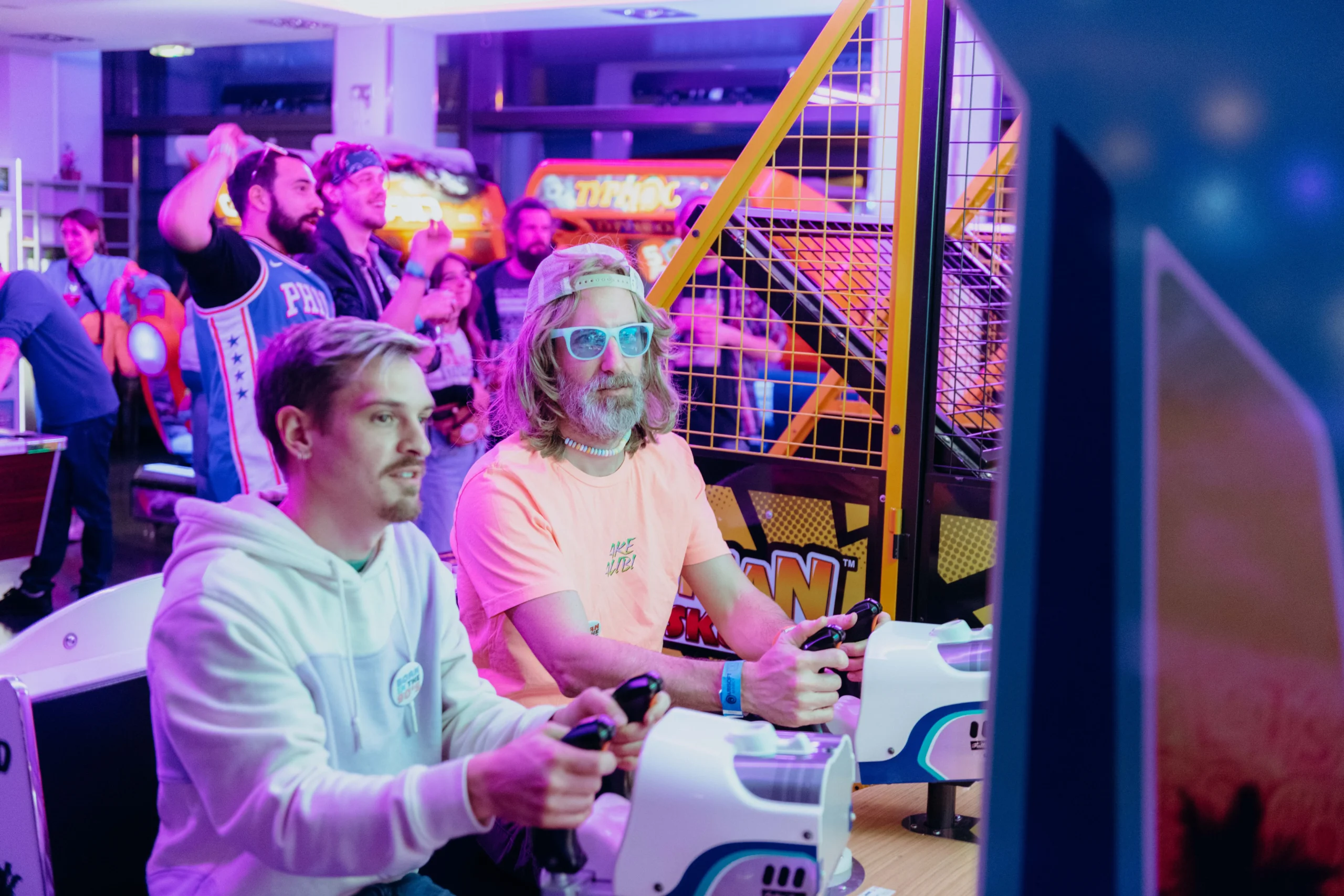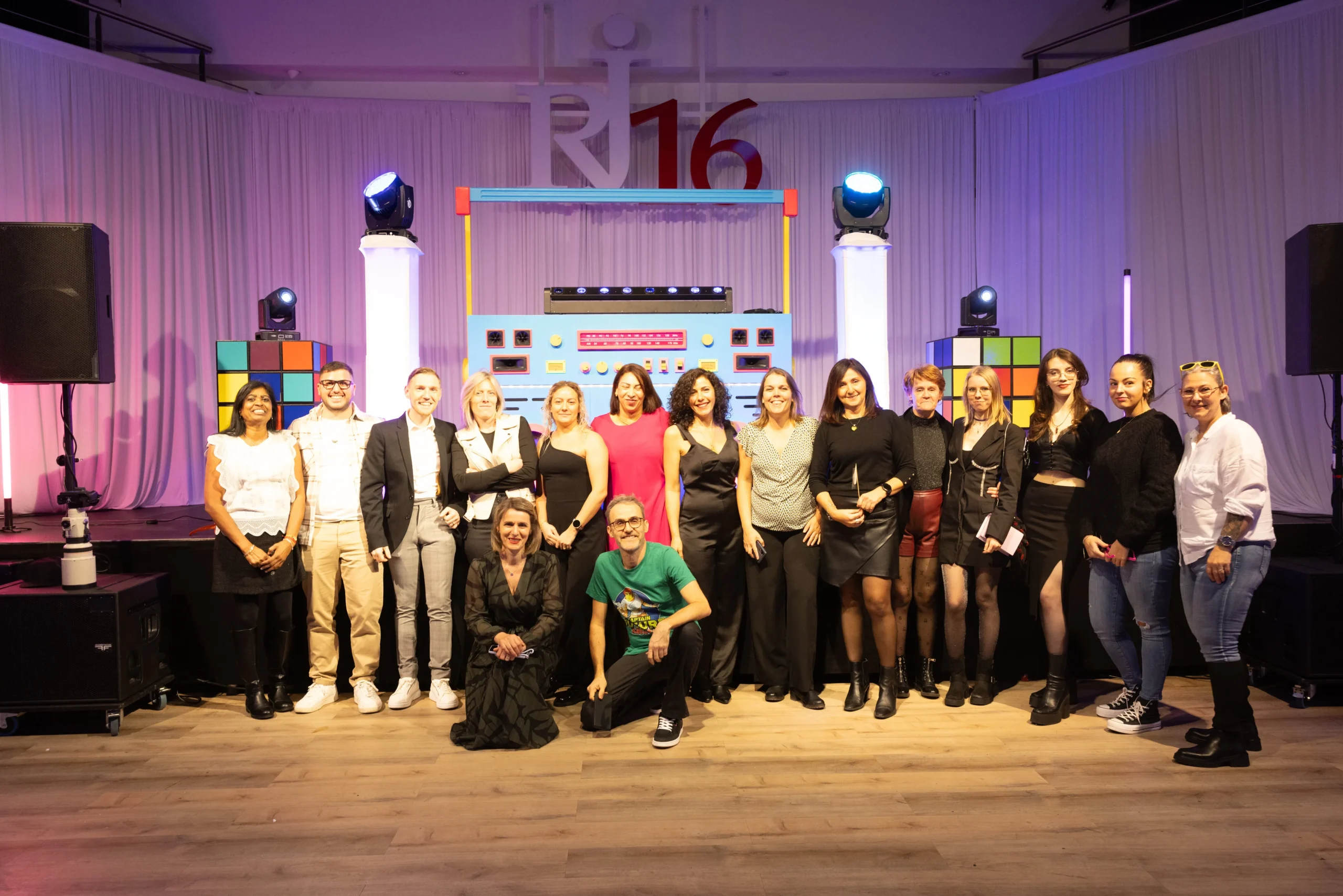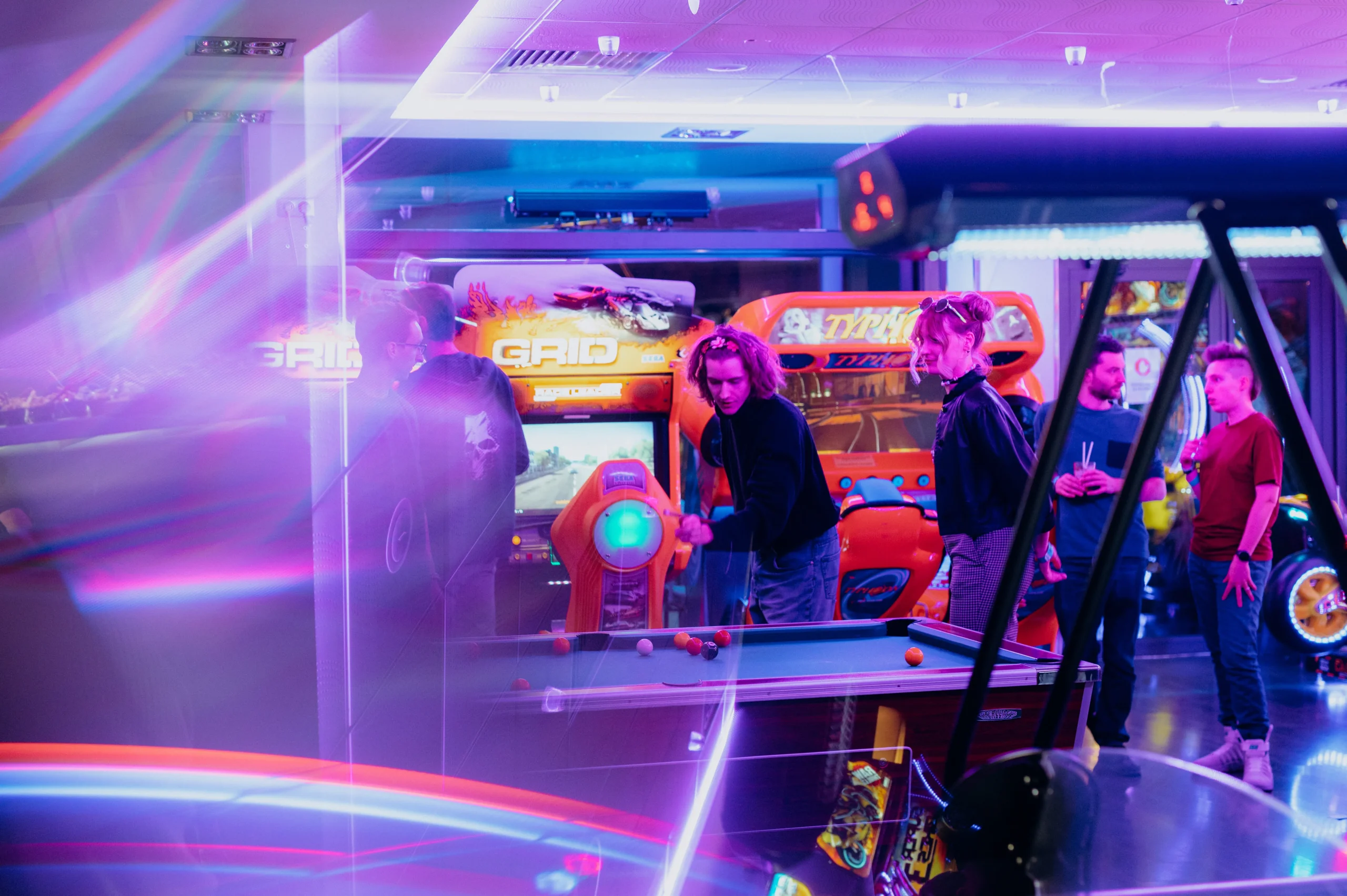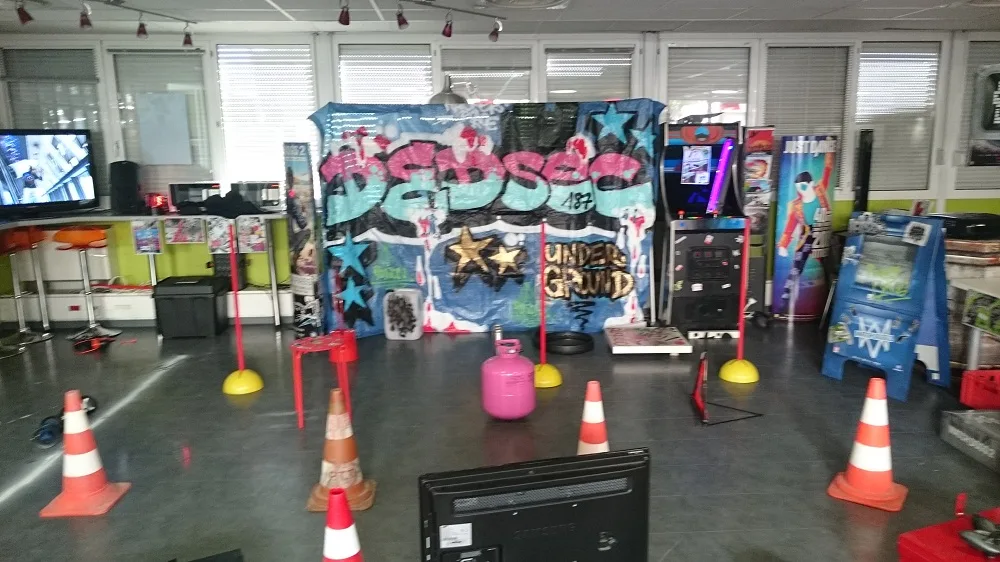
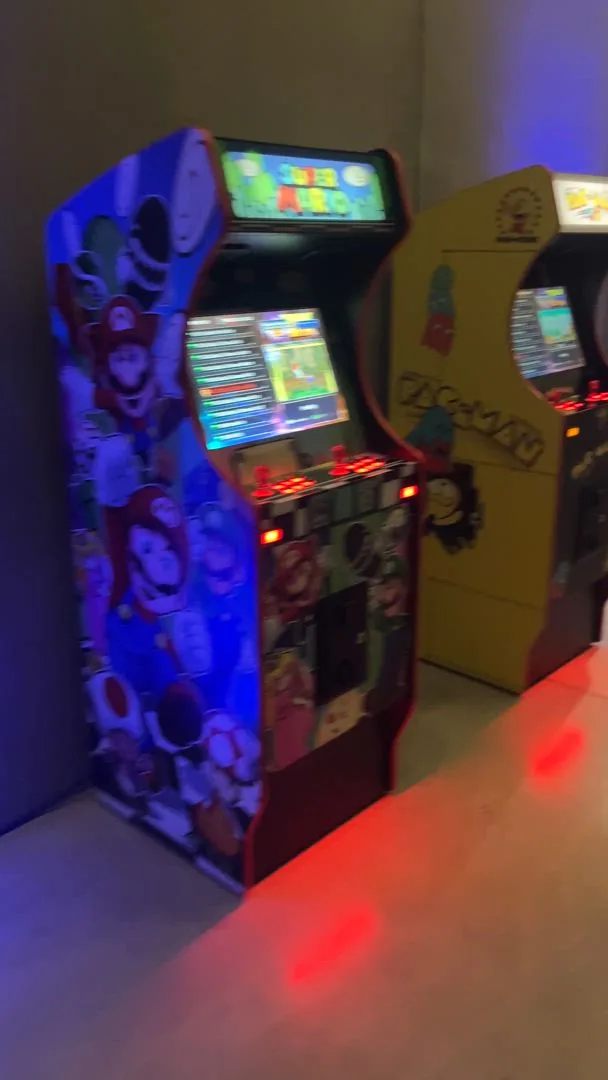
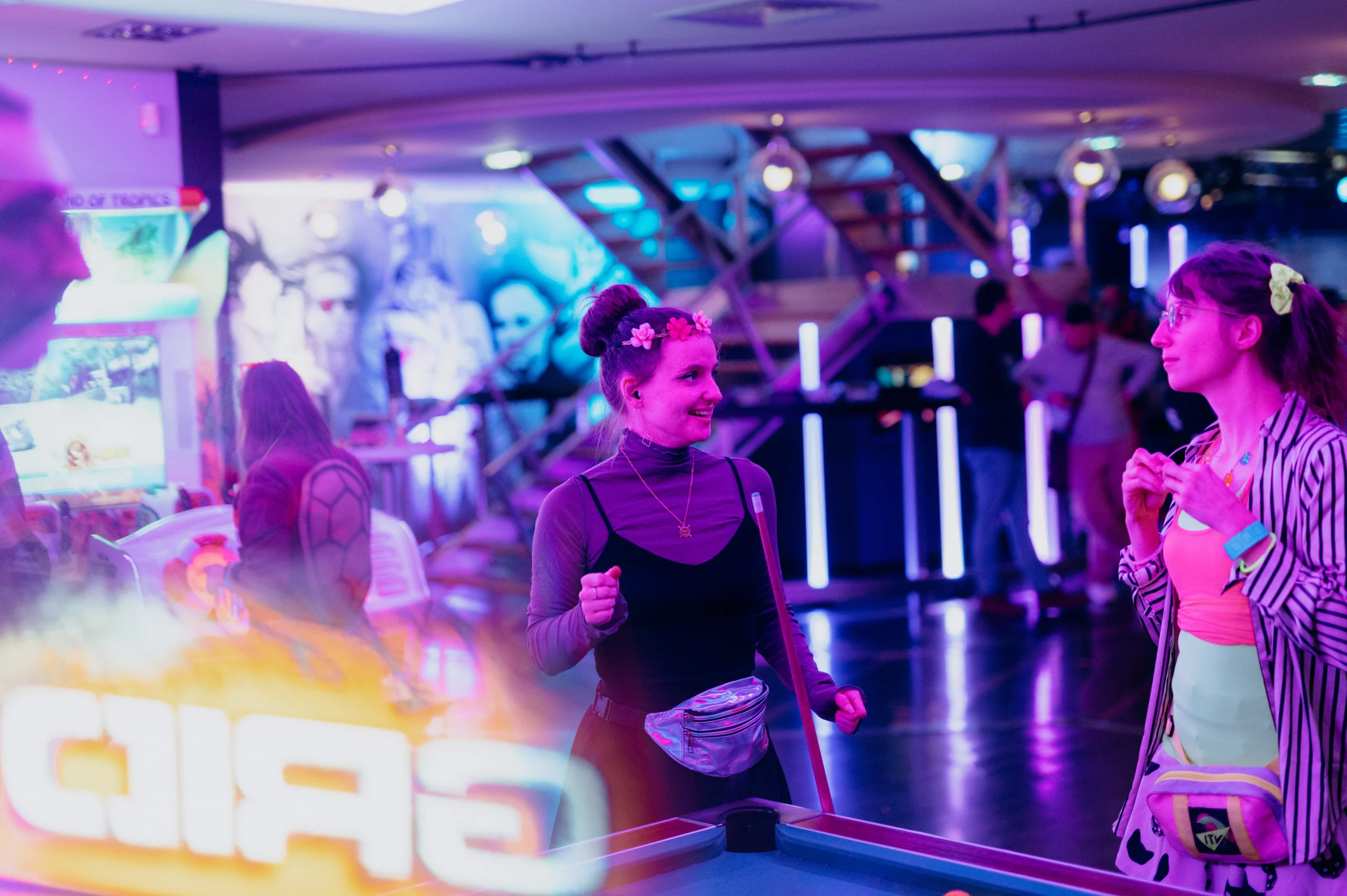
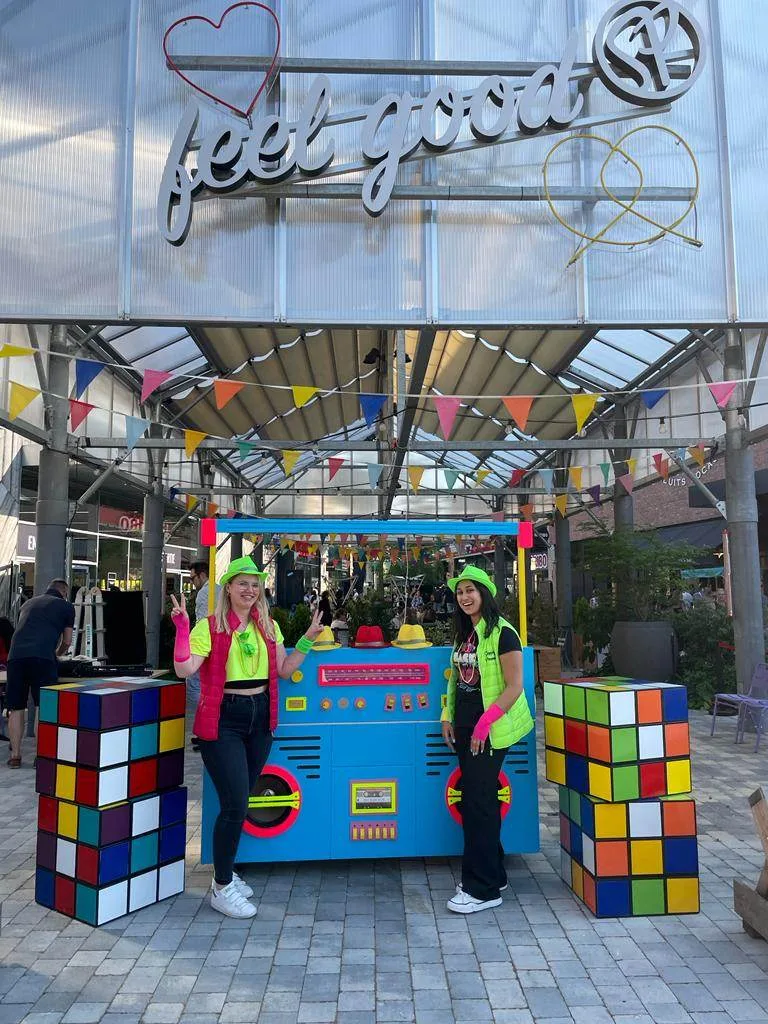
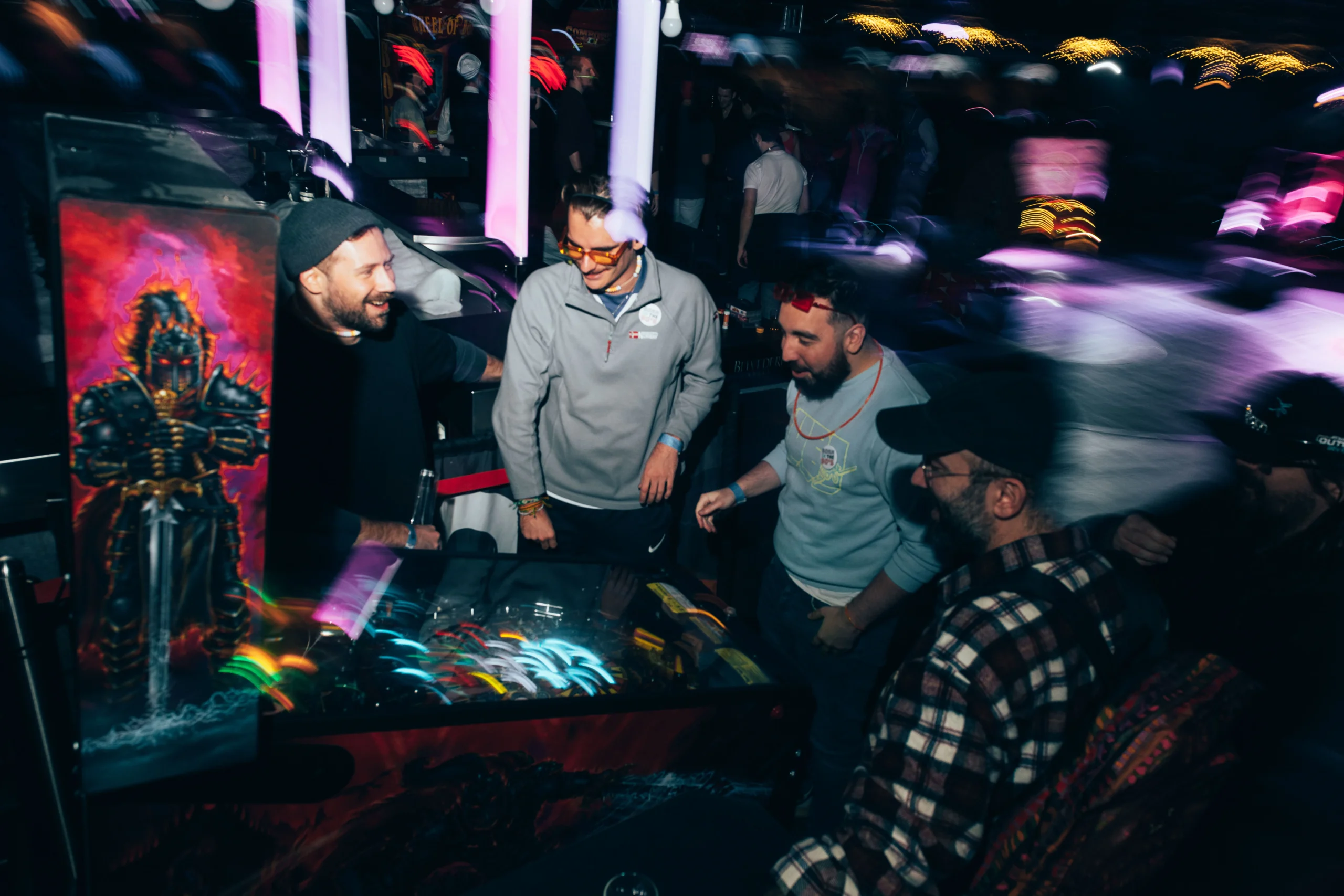
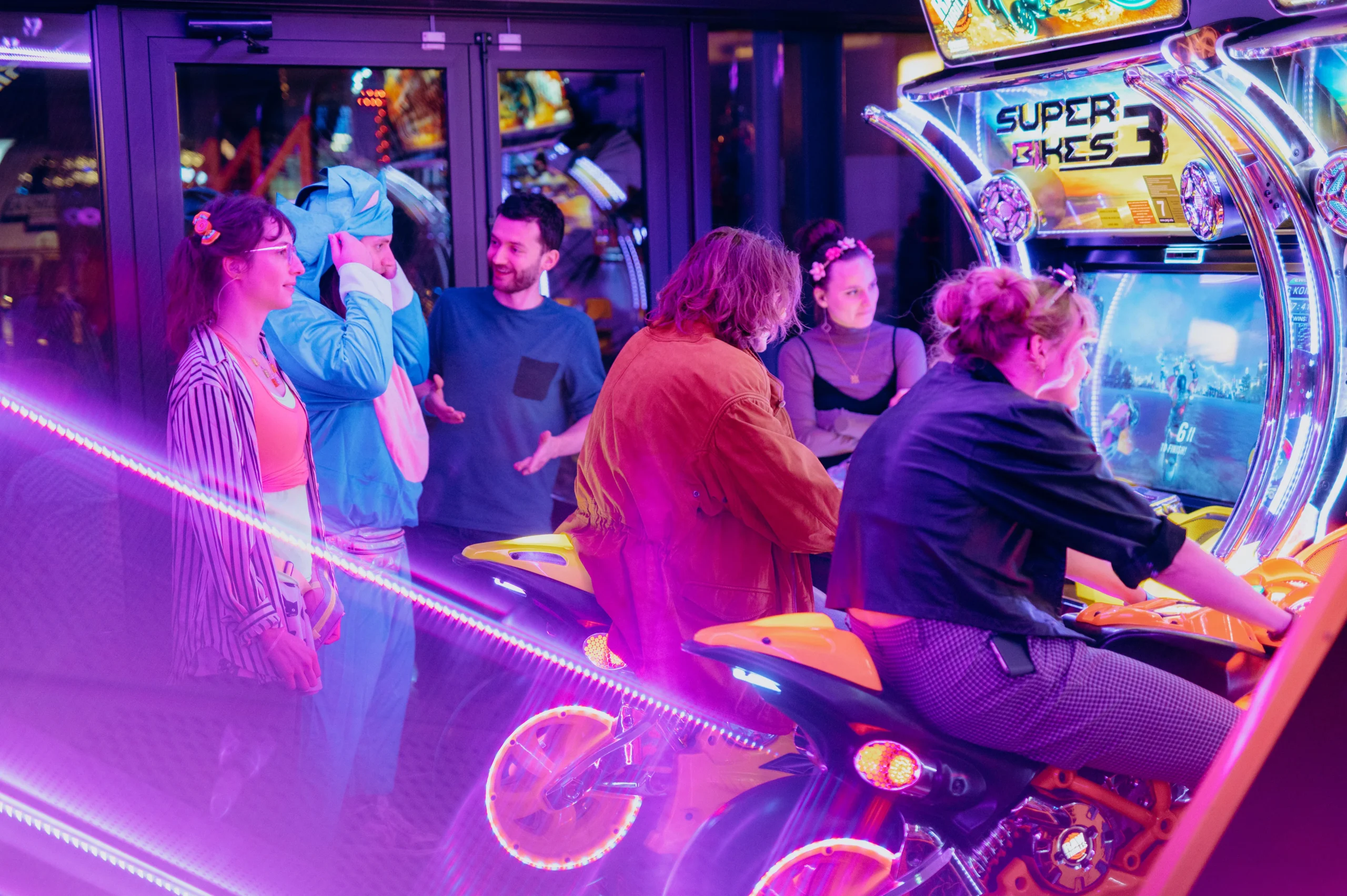
INNOV’events is an event agency based in Montréal specializing in Arcade Games for corporate events from 40 to 2,000+ attendees. We handle the full setup: game curation, transport, power plan, floor layout, staffing, tournament format, and on-site operations.
You get a controlled, high-traffic activation that works in a cocktail, a holiday party, a product launch, or an internal culture event—without turning your venue into a noisy, chaotic arcade.
In a corporate setting, entertainment isn’t “extra”—it’s a lever to drive circulation, reduce social friction, and protect the rhythm of the program (speeches, awards, product moments). Arcade Games are effective because they create immediate participation in under 30 seconds, with no training and minimal language barriers.
In Montréal, organizations typically expect three things: clean aesthetics (nothing that looks like a trade show booth), sound control (especially in lofts and heritage venues), and impeccable logistics despite tight downtown load-ins. HR and Comms also want inclusive formats that work for mixed ages and hybrid teams.
Our team operates weekly across Greater Montréal and knows the operational reality: freight elevators, last-mile parking, unionized docks, fire-lane restrictions, and power distribution that varies dramatically from one venue to another. We plan these details upfront so your event lead isn’t improvising at 6:15 p.m.
10+ years producing corporate activations and entertainment formats across Québec and Canada
200+ corporate events supported (holiday parties, sales kickoffs, employer branding, client receptions)
40–2,000+ attendees: scalable floor plans and staffing ratios adapted to traffic patterns
98% on-time setup rate with documented load-in checklists and venue coordination
Network of 30+ vetted technicians and hosts available in the Montréal area for peak season
We support organizations across Montréal—from fast-growing tech teams in Mile End to established financial and professional services downtown—where expectations are high and timelines are tight. Several clients rebook the same format annually because it reliably solves the same problem: keep people engaged while protecting the program flow and brand image.
Our work often involves cross-functional stakeholders: HR (employee experience), Communications/Brand (visual standards and messaging), Facilities (venue constraints), and Finance (cost control). We’re used to building a solution that satisfies all four—especially when the event owner is an executive assistant or a senior manager who needs clean approvals and zero surprises on event day.
If you share your venue shortlist and headcount, we’ll quickly confirm feasibility (power, noise, footprint, load-in) and propose a configuration that fits your culture—competitive, collaborative, or low-pressure.
Nous vous envoyons une première proposition sous 24h.
Most corporate events fail for one simple reason: people stay in their familiar circles. Arcade Games in Montréal are a practical countermeasure because they create micro-interactions—short, repeatable moments that naturally mix departments without forcing “networking.”
Fast participation rate: arcade mechanics are universally understood. Guests can jump in between two conversations, which is ideal for cocktail formats and short evening programs.
Predictable crowd management: with the right layout (islands, queue angles, and signage), you can intentionally pull traffic toward sponsors, bars, or key brand zones—useful in venues with dead corners.
Inclusive engagement for mixed profiles: not everyone wants karaoke or a dance floor. Arcade stations offer a low-pressure option for introverts, new hires, and colleagues returning to the office after long remote periods.
Culture and recognition: tournament brackets and team play create safe competition and positive peer recognition. This is particularly effective for sales, customer success, and operational teams that thrive on friendly metrics.
Content for internal comms: a structured arcade zone produces visual moments (leaderboards, team photos, finals) that can be repurposed for intranet, employer branding, or quarterly wrap-ups—without staged photo ops.
Operational control: compared to “free-form” entertainment, arcade formats are easy to time-box. You can open the zone at 6:00, run finals at 8:15, and close cleanly before speeches or dessert service.
Montréal has a pragmatic business culture: teams want fun, but they also want the event to “work” operationally—especially in winter season, downtown congestion, and busy holiday calendars. Arcade formats deliver measurable engagement without risking your timeline.
Delivering corporate event entertainment in Montréal is as much about logistics and compliance as it is about the games. Downtown venues often have narrow load-in windows, limited dock access, and strict rules about rolling cases across certain floors. Older buildings can have uneven power distribution, and some trendy spaces prioritize aesthetics over technical infrastructure—meaning you need a real power map, not assumptions.
From a corporate standpoint, we regularly see: stricter vendor onboarding (insurance certificates, CNESST/WCB equivalencies, and safety protocols), heightened sensitivity to noise levels (especially when executives want conversation-friendly networking), and accessibility expectations (spacing between stations, clear pathways, seating options). In Montréal, bilingual signage and hosts are also a practical consideration—guests should never feel excluded by instructions or announcements.
Finally, local seasonality matters. Winter adds coat check volume, wet floors near entrances, and longer arrival waves. That changes where we place your first “hook” game: it should be visible but not block the entry path, and it must tolerate spikes in traffic without creating a bottleneck.
Entertainment creates engagement when it is designed like an operational system: short cycles, clear rules, and a layout that invites participation. In Montréal, we prioritize formats that handle traffic spikes (arrivals, post-dinner, after speeches) and remain credible for executives—clean aesthetics, controlled sound, and professional hosting.
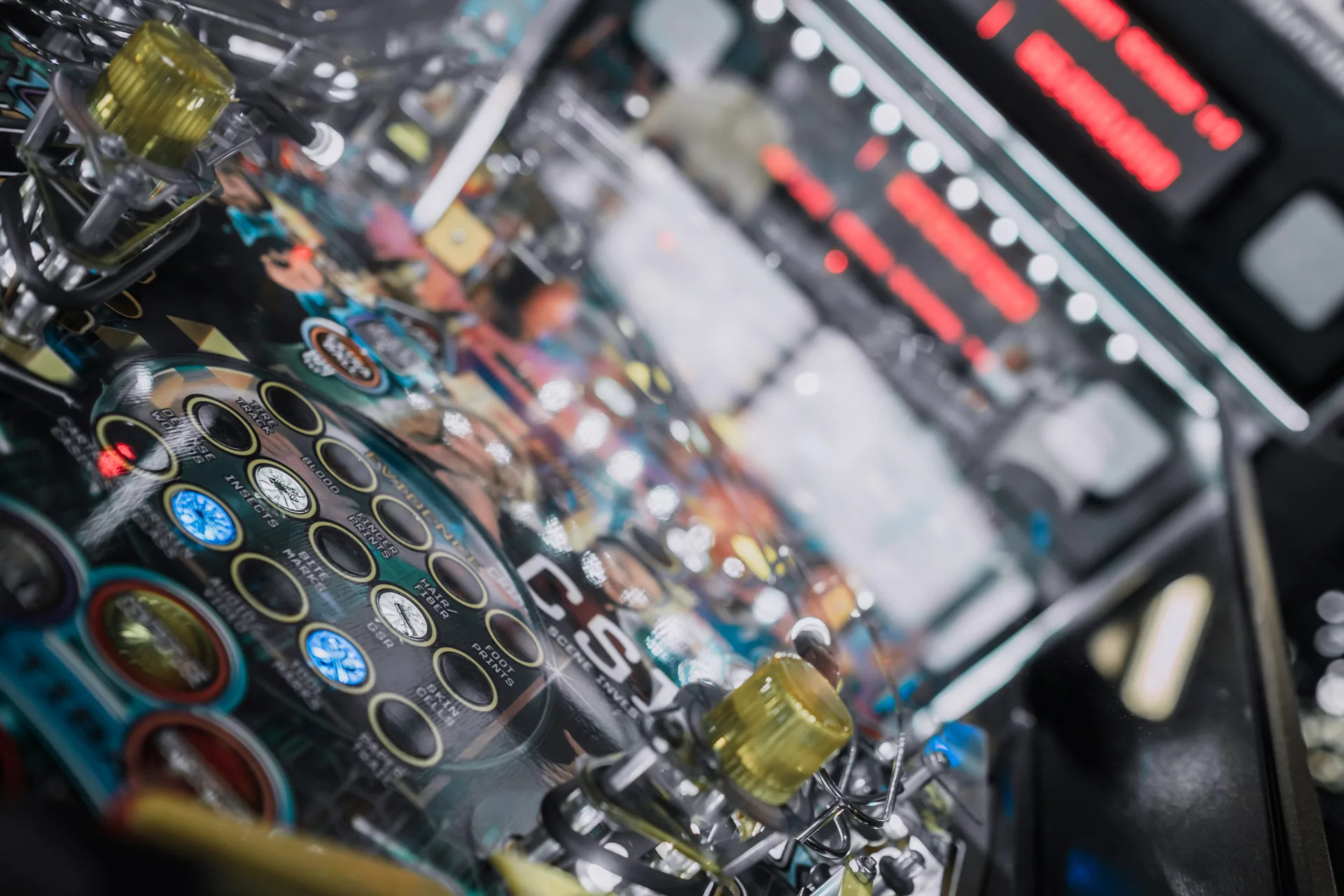
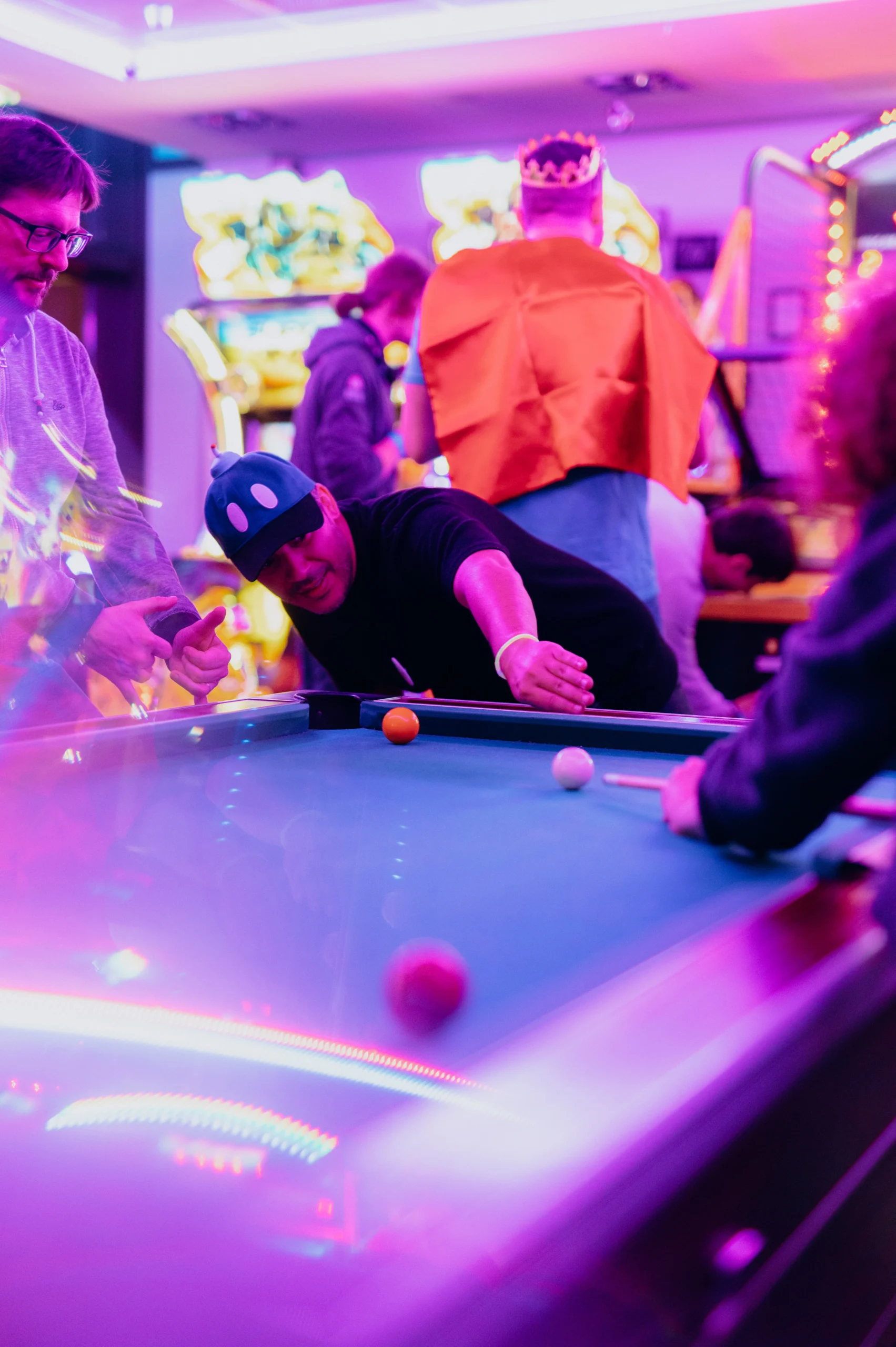
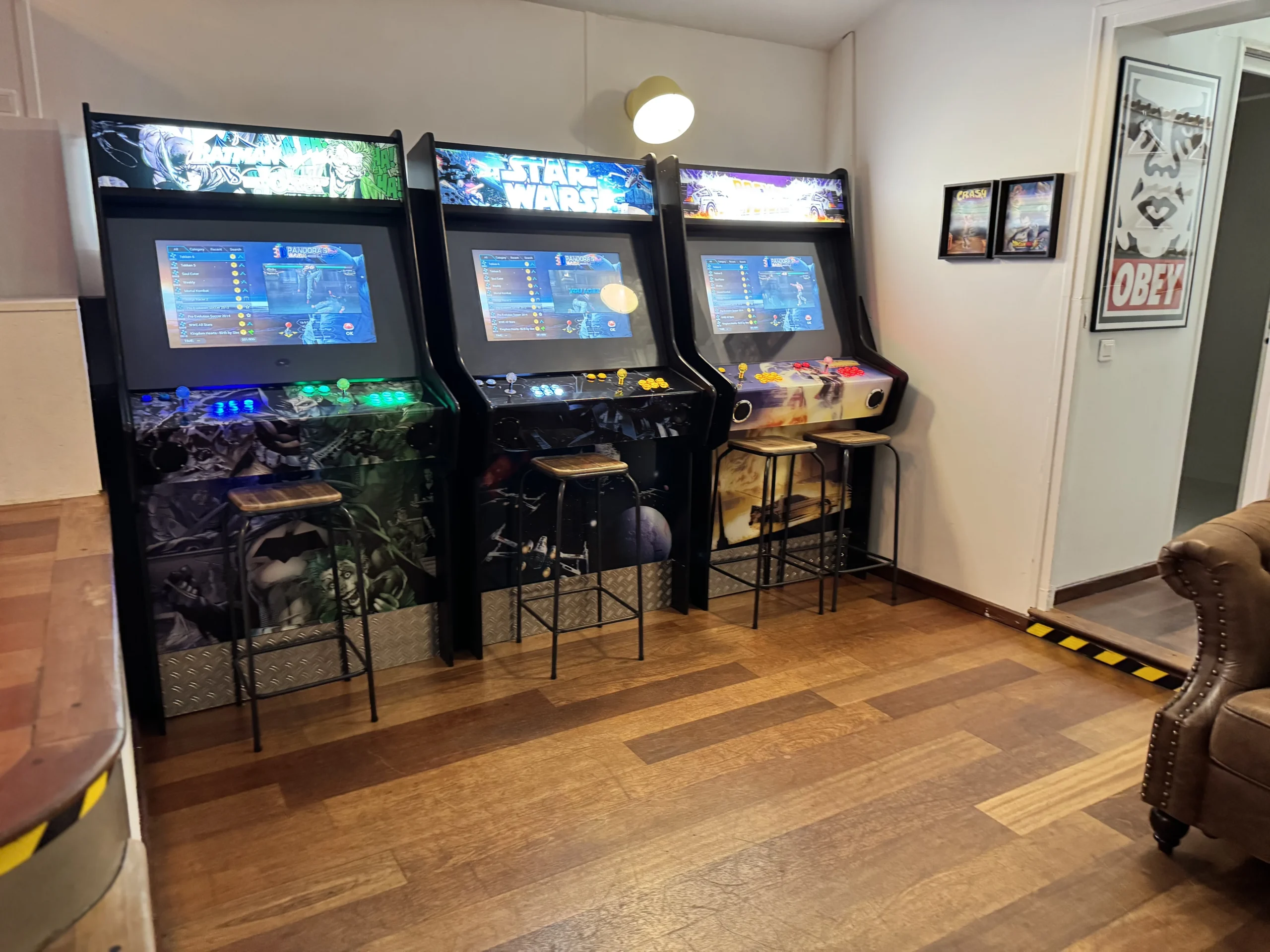
Retro arcade bar zone (curated classics): a controlled selection (e.g., racers, pinball, rhythm games) with consistent look-and-feel. Works well for 80–400 guests when you want constant motion without a “kids birthday” vibe.
Racing pods with timed heats: great for sales kickoffs and leadership offsites. We run 4–12 minute heats, manage a queue board, and can set up team brackets so departments mix intentionally.
Team challenge stations: 3–5 stations with point scoring (accuracy, time trials, cooperative play). Ideal for HR objectives: onboarding cohorts, cross-functional integration, and post-merger culture work.
Leaderboard and finals moment: a simple screen or board that creates a “peak” moment without taking over the whole evening. Useful when executives want a short recognition segment that feels earned, not forced.
Arcade host/MC with bilingual facilitation: keeps energy high while respecting a corporate tone. The host does traffic management, explains formats quickly, and ensures quieter guests aren’t left out.
Branding integration without clutter: tasteful decals, start screens, or signage that aligns with your brand standards. We avoid over-branding that makes the zone feel like a trade show booth.
Sound design approach: when the venue is echo-prone (common in converted industrial spaces), we balance station volumes and position louder games away from networking areas.
Arcade + cocktail pairing: we coordinate the zone layout with bar placement so guests naturally circulate. For example, placing quick-play stations near the bar reduces line frustration and keeps groups moving.
Late-night snack timing: arcade participation often spikes after dessert. We recommend scheduling a snack drop (mini poutine bar, sliders, or Montréal-style smoked meat bites) near the arcade zone to sustain energy without extending speeches.
Non-alcoholic inclusion: for wellness-forward companies, we plan mocktail service that fits the arcade concept and keeps the activation inclusive for all guests.
RFID or QR score tracking: optional tracking that lets guests “tap in” for points. Useful for large headcounts where you want participation metrics and a clean way to manage prizes.
Corporate messaging built into the flow: for product launches or internal campaigns, we position a short message at the natural pause points—between heats, at check-in, or at finals—so it’s seen without interrupting play.
Hybrid-friendly recap: when part of the team is remote, we can capture leaderboards, short clips, and winners’ moments so internal comms can share a coherent story the next day.
The best arcade concept is the one that matches your brand and your people. A financial institution might prioritize clean visuals, sound control, and structured brackets. A creative studio may want freer play and bolder aesthetics. Our role is to align the Arcade Games selection, hosting style, and signage with how you want your company to be perceived in Montréal.
The venue determines whether Arcade Games in Montréal feel premium and fluid—or cramped and noisy. We evaluate ceiling height, flooring, access routes, and the available electrical infrastructure before confirming a configuration. The same arcade plan that works in a modern hotel ballroom can fail in a heritage venue with limited circuits and strict load-in rules.
| Venue type | For which objective? | Main strengths | Possible constraints |
|---|---|---|---|
Downtown hotel ballroom (Montréal) | Holiday party or large internal celebration (200–1,000+) | Strong power availability, predictable load-in, easy to separate arcade zone from speeches | Union/house AV rules, strict schedules, sometimes higher rigging or staffing costs |
Converted industrial loft / event studio | Brand-forward client reception (80–400) | High visual impact, flexible layouts, great for content capture | Echo/noise management, limited circuits, freight elevator limitations, winter entry constraints |
Corporate office / cafeteria / atrium | Employee appreciation, onboarding, lunch-and-play (40–300) | No guest travel, high participation, easy to link to internal comms | Security/vendor onboarding, elevator access, floor protection, strict timing around business operations |
Restaurant buyout with private rooms | Leadership dinner with an activation corner (40–120) | Strong hospitality, natural networking, contained space | Limited footprint for games, sound sensitivity, load-in through public areas |
We recommend a site visit (or at minimum a technical walk-through with photos and circuit details) before finalizing the arcade mix. In Montréal, two venues that look similar online can have very different access rules—and that’s where timelines and budgets are won or lost.
Pricing for Arcade Games in Montréal depends less on the “number of machines” and more on the operational package: delivery constraints, staffing, power distribution, and the level of structure (open play vs. tournament). We price transparently so Finance and HR can validate scope quickly.
Guest count and traffic profile: 100 guests in a single room behaves differently than 300 guests spread across multiple zones. More guests often means more stations and more hosts to avoid long waits.
Duration and format: 2–3 hours of open play is different from a 5-hour event with finals, awards, and brand moments. Longer events require more staff rotation and tighter technical planning.
Venue access and load-in: downtown restrictions, freight elevator booking, limited dock time, or long pushes from the truck directly affect labor and timing.
Power and technical needs: if power is distributed across distant circuits, we may need additional distribution, cable management, and floor protection. This is essential for safety and aesthetics.
Staffing level: professional hosts reduce friction, protect equipment, keep lines moving, and improve inclusion—especially when you have executives on site and you want a controlled experience.
Branding and comms options: light signage is simple; custom screens, leaderboards, and data capture require additional setup and coordination with your brand team.
From an ROI perspective, arcade activations are often chosen because they replace multiple “small engagement fixes” (icebreakers, extra MC time, forced networking) with one structured system that increases participation and reduces event-day risk. In other words: you’re not buying machines—you’re buying a predictable guest experience.
When the agenda is tight and executives are present, the main risk isn’t whether the games are fun—it’s whether the activation runs smoothly under real conditions: late arrivals, venue rule changes, a circuit that trips, or a last-minute program shift. Working with an event agency in Montréal means faster on-site response, realistic planning based on local venues, and established relationships with technicians and suppliers who can step in if needed.
We also speak the operational language your internal teams use: risk registers, run-of-show, vendor COIs, load-in plans, and stakeholder approvals. That matters when HR wants inclusive engagement, Comms needs brand compliance, and Facilities wants zero damage to floors and walls.
From an ROI perspective, arcade activations are often chosen because they replace multiple “small engagement fixes” (icebreakers, extra MC time, forced networking) with one structured system that increases participation and reduces event-day risk. In other words: you’re not buying machines—you’re buying a predictable guest experience.
In practice, Arcade Games can be deployed in several corporate contexts—each with different success criteria. For a year-end party, we design a high-throughput zone that keeps energy up while the bar and buffet handle peaks. For a client reception, we select visually clean stations and position them to support conversation—not compete with it. For an onboarding or culture day, we structure short team rotations so new hires meet colleagues quickly and naturally.
We’ve delivered arcade zones in downtown hotels, converted industrial venues, office atriums, and multi-room restaurants across Montréal. The common thread is operational adaptability: adjusting the mix to the footprint, controlling sound, and staffing appropriately so the experience remains premium even when the room fills faster than expected.
Our clients appreciate that we don’t force a pre-set package. We start from your constraints (venue, agenda, brand standards, procurement rules) and then build a configuration that will still work at 7:30 p.m. when the room is at capacity and your VP wants to do a quick toast.
Underestimating power needs: plugging into “whatever outlets are available” leads to tripped breakers and visible cables. We build a circuit plan and use proper distribution and cable management.
Noise overwhelming networking: a few loud stations can ruin conversation. We select titles intentionally, tune volumes, and orient the zone for acoustic control.
Queues and dead time: without hosting and the right number of stations, guests bounce. We design for throughput, with short-play games and clear rotation cues.
Layout conflicts with catering and egress: arcade islands placed in service routes create delays and safety issues. We plan around catering paths and emergency exits from the start.
Brand mismatch: mismatched visuals (random machines, messy signage) can look off-brand in front of clients. We curate aesthetics and propose light, compliant branding.
Load-in surprises downtown: last-minute dock restrictions or elevator rules can delay setup. We confirm access windows, parking, and routes with the venue in writing.
Our role is to remove these risks before they appear. That’s why we start with technical questions early, share a clear floor plan, and run the activation with trained staff—so your internal team can focus on hosting, not problem-solving.
Repeat business in corporate events is rarely about novelty—it’s about reliability under pressure. Clients come back when the activation supports their agenda, respects their brand, and stays operationally calm even when the room is full and the timeline shifts.
60–70% of our Montréal corporate clients rebook within 18 months for another internal or client-facing event
Average planning lead time we handle smoothly: 3–8 weeks (with rush options when procurement is fast)
Typical on-site staffing ratio for arcade zones: 1 host per 3–5 stations depending on traffic and format
Loyalty is the clearest proof in this industry because it reflects what happens on event day. When leaders trust that the arcade zone will run without escalation, it becomes a dependable tool in the annual calendar—especially in a competitive talent market like Montréal.
We confirm objectives (HR engagement, client experience, employer brand), headcount range, agenda, and venue shortlist. Then we map constraints that impact feasibility: load-in times, elevator access, noise limits, bilingual needs, and any procurement requirements (insurance, vendor forms, security screening).
We propose a curated arcade mix based on your audience and throughput needs (quick-play vs. longer sessions). You receive a layout plan showing station footprints, queue flow, cable paths, and how the arcade zone integrates with bar, food, stage, and photo moments.
We produce a practical technical plan: circuit assumptions validated with the venue, power distribution approach, cable management and floor protection, sound strategy, and staffing plan. This is where we avoid the common “day-of” failures—tripped circuits, messy wires, or a zone that blocks service routes.
We integrate the arcade activation into your event rhythm: opening time, tournament heats, finals, and closure before speeches or program highlights. If Communications wants branded touchpoints, we align on what is acceptable and ensure it looks deliberate rather than cluttered.
Our team arrives within the agreed load-in window, installs according to plan, tests each station, and runs a final walkthrough with your event owner. During the event we manage guest flow, keep the zone clean, and adapt calmly to timeline changes. Teardown is coordinated to respect venue rules and avoid visible disruption during the event’s closing moments.
For 200 guests, we typically recommend 8–14 stations depending on the schedule and whether the arcade is the main attraction or a supporting zone. If you want tournament play and short wait times, plan closer to 12–14; for a cocktail add-on, 8–10 can work with good hosting and quick-play titles.
A functional arcade zone usually needs 300–800 sq. ft. depending on the number of stations and whether you add queues and a leaderboard. As a rule: allocate 25–40 sq. ft. per station plus circulation. We validate this with a floor plan so catering routes and emergency exits remain clear.
Yes, if the mix and placement are planned. We avoid stacking loud machines beside reflective walls, we tune volumes at the source, and we separate “high-energy” games from speech and networking zones. In many Montréal corporate venues, we aim to keep the arcade area energetic while maintaining conversation comfort in the main cocktail space.
Most corporate activations in Montréal fall between $3,500 and $15,000+ depending on the number of stations, access constraints, staffing, and whether you add tournaments, branding, or score tracking. After a short brief (venue + headcount + duration), we can provide a scoped quote with line items.
For peak periods (November–December and late spring), book 6–10 weeks ahead to secure the best game selection and staffing. For smaller events, 3–4 weeks is often enough if the venue access is straightforward. Rush requests are possible, but options narrow quickly during Montréal’s holiday season.
If you’re comparing agencies, we’ll make this easy: send us your date, venue (or shortlist), headcount range, and the type of audience (internal, clients, mixed). We’ll come back with a concrete configuration for Arcade Games in Montréal: recommended number of stations, footprint, staffing, power approach, and a budget range you can validate internally.
Planning early matters because the best venues and load-in windows fill fast—especially in Q4. Contact INNOV’events to lock a solution that protects your schedule, your brand, and your event-day peace of mind.
Thierry GRAMMER is the manager of the INNOV'events Montréal office. Reach out directly by email at canada@innov-events.ca or via the contact form.
Contact the Montréal agency