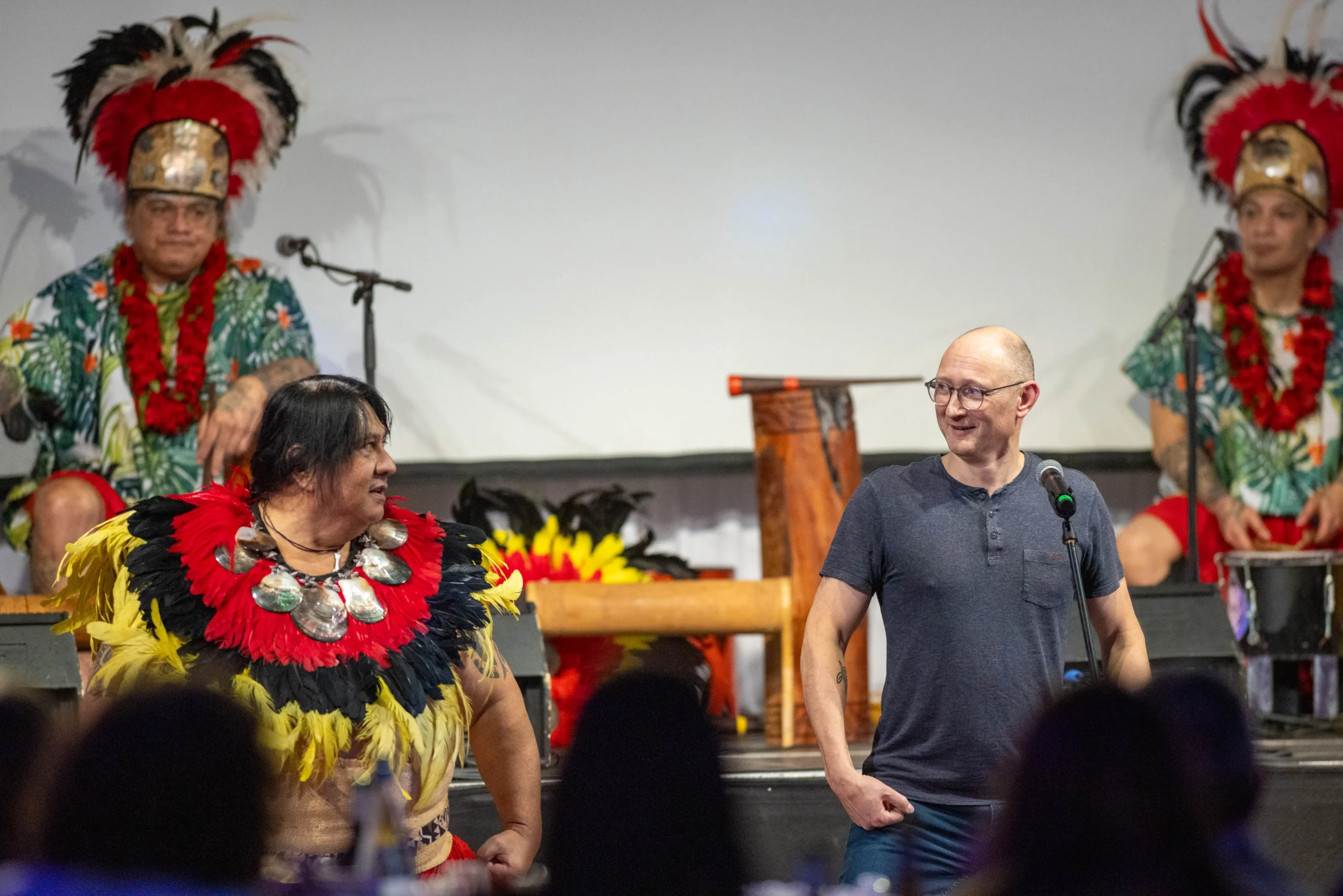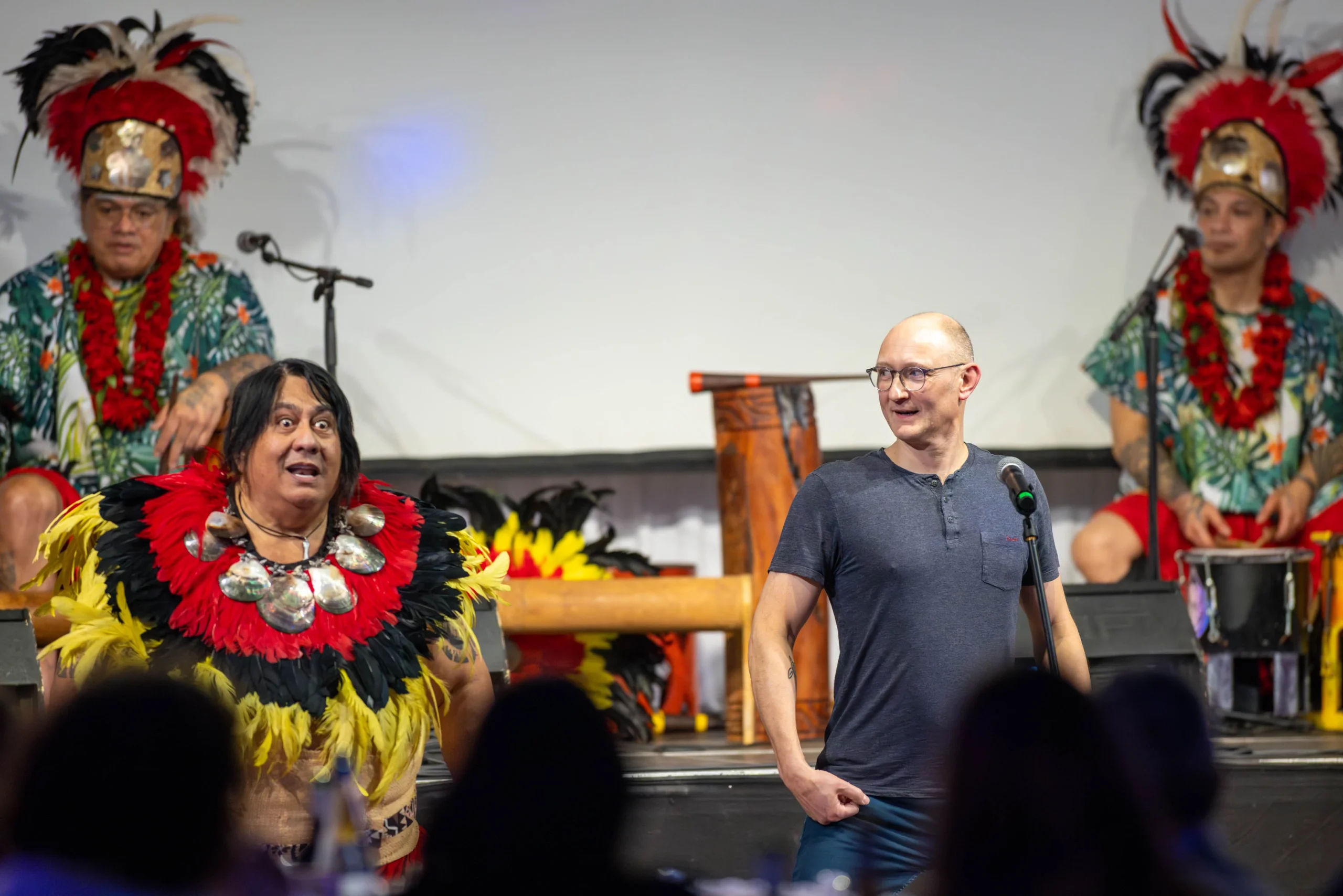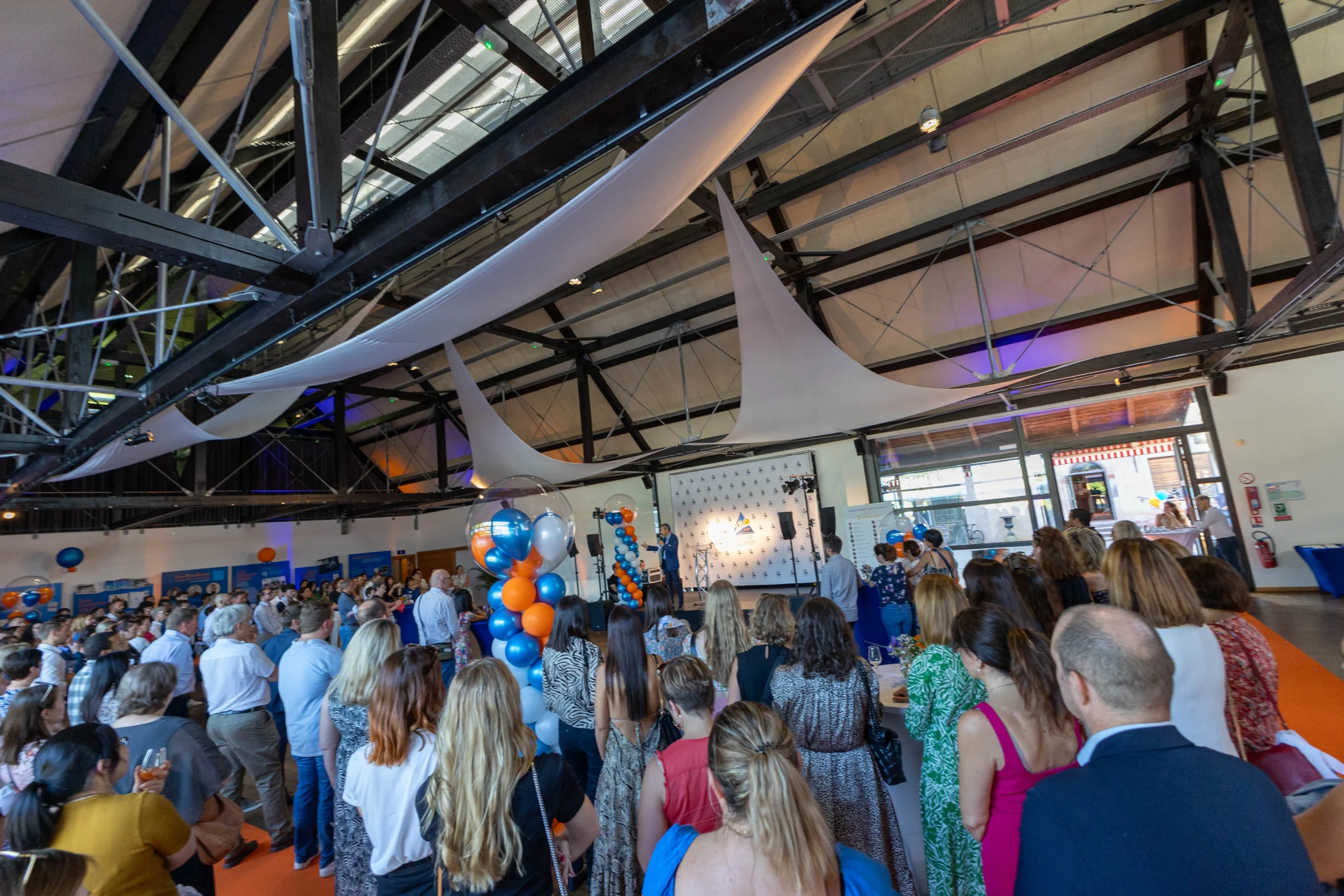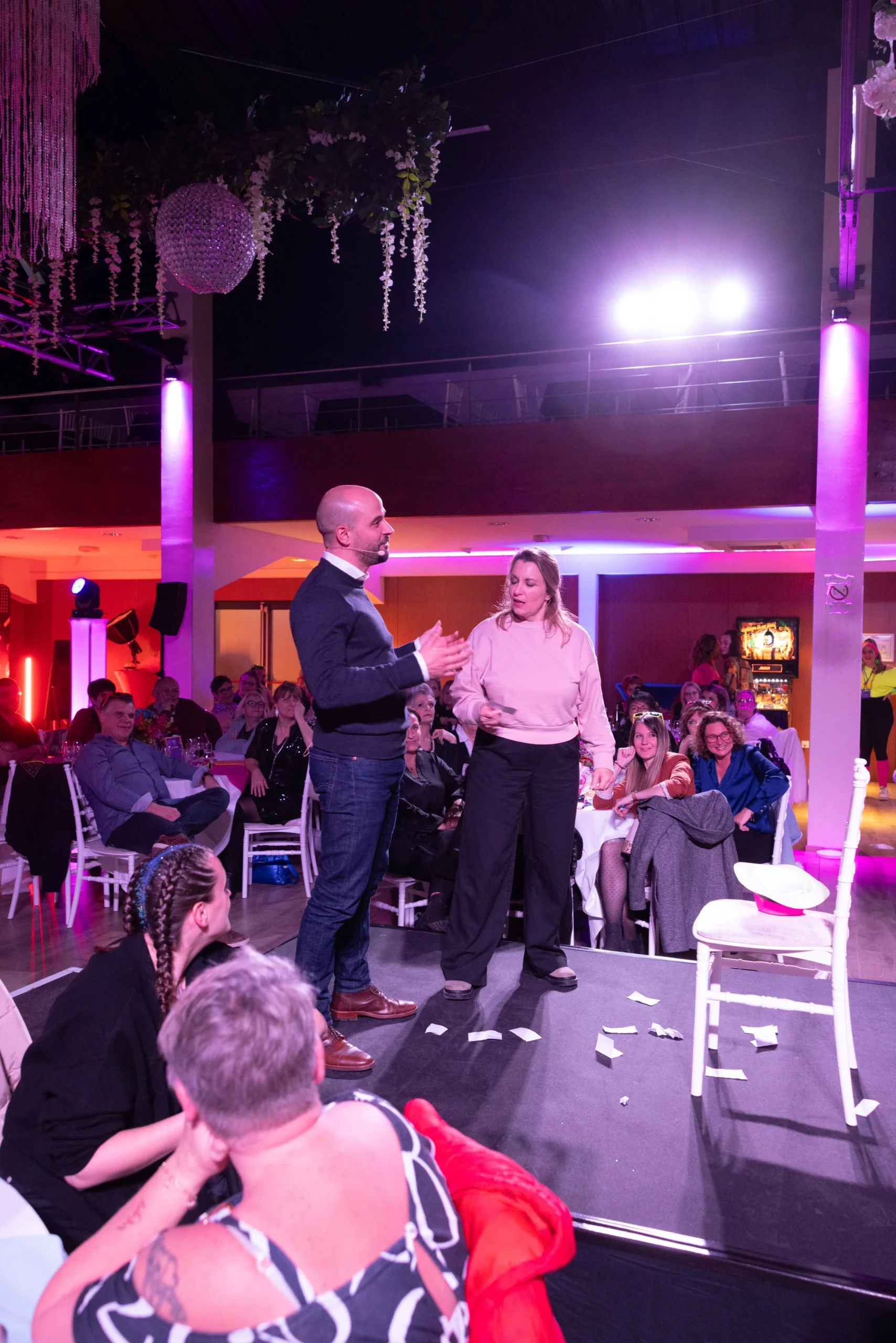
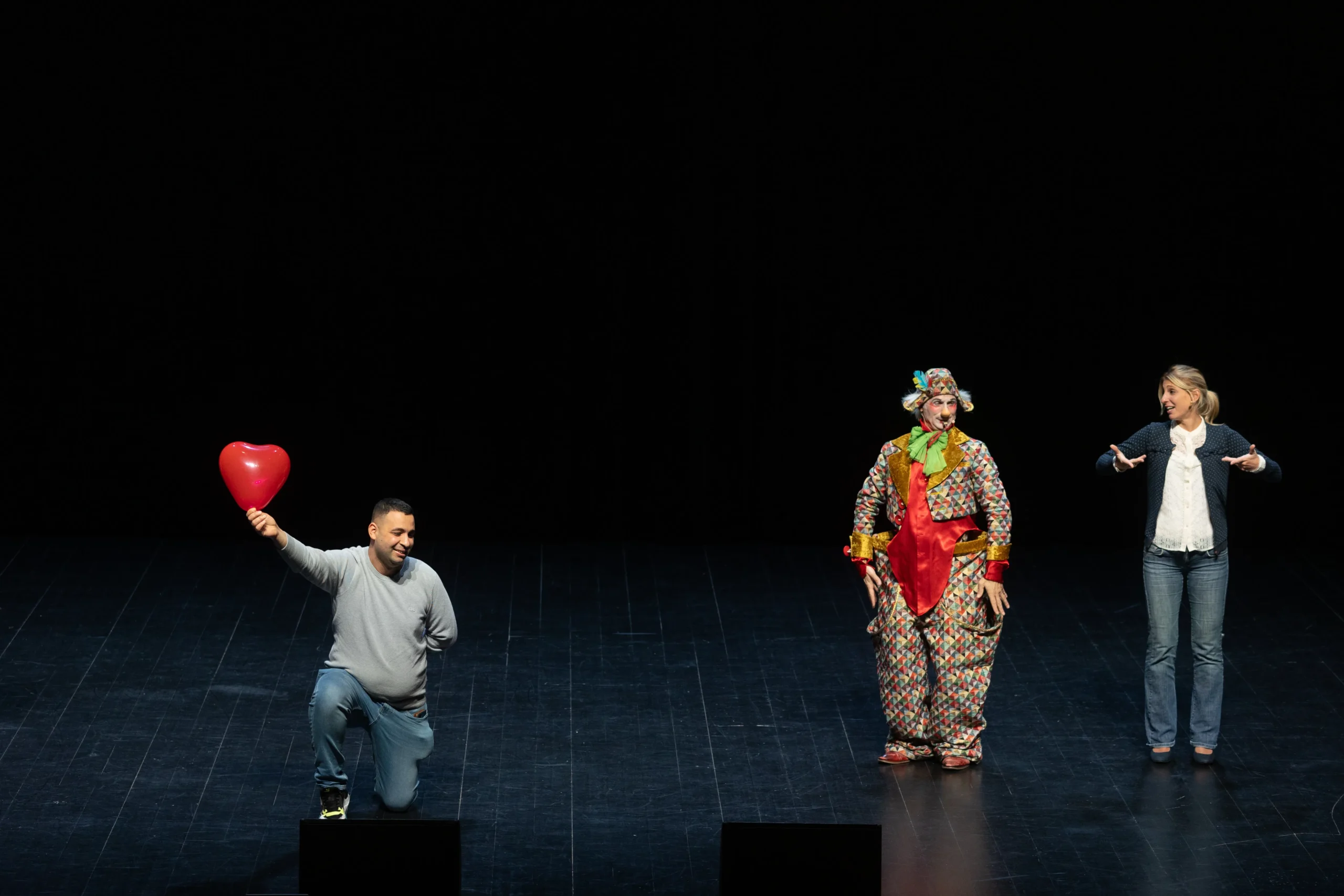
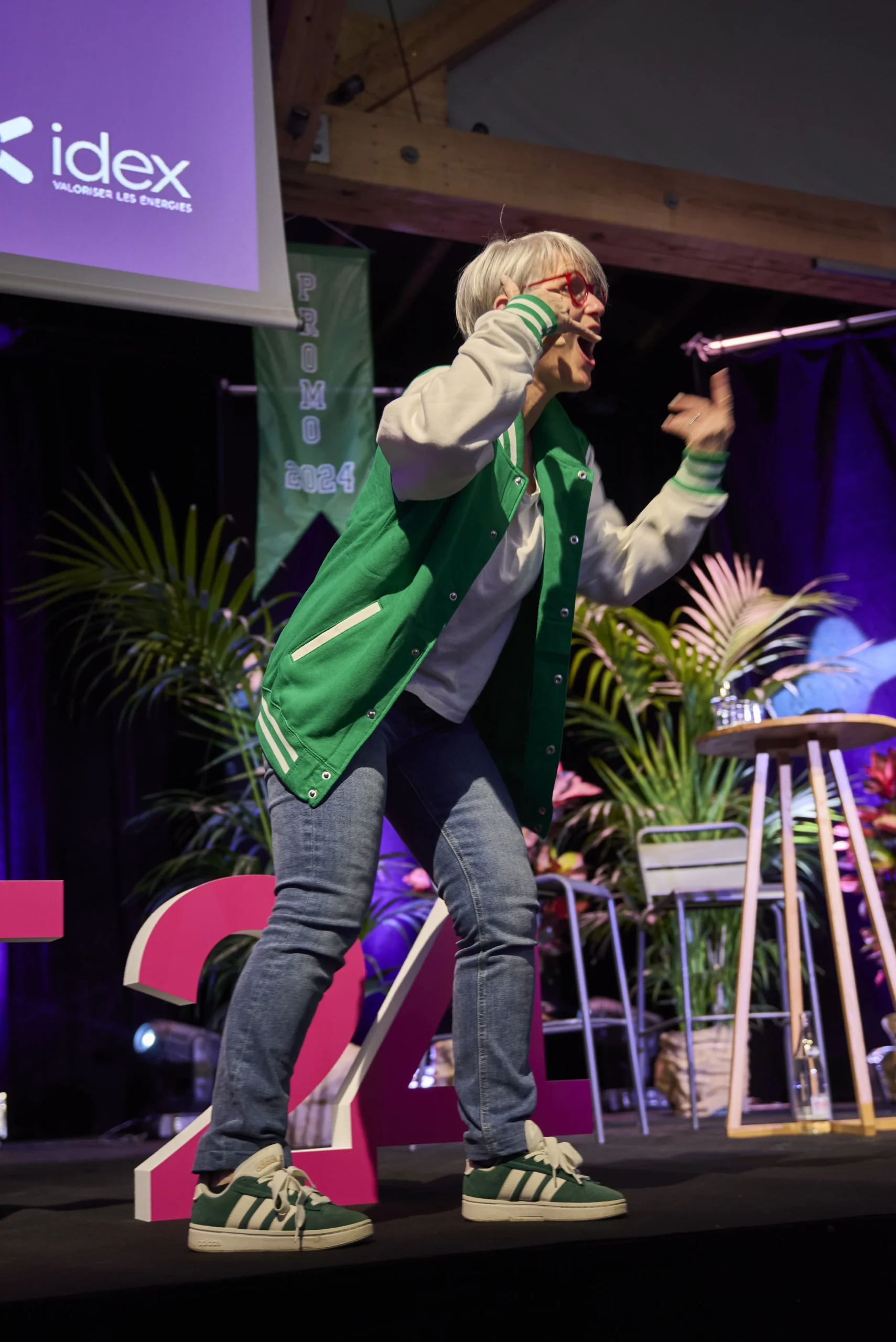
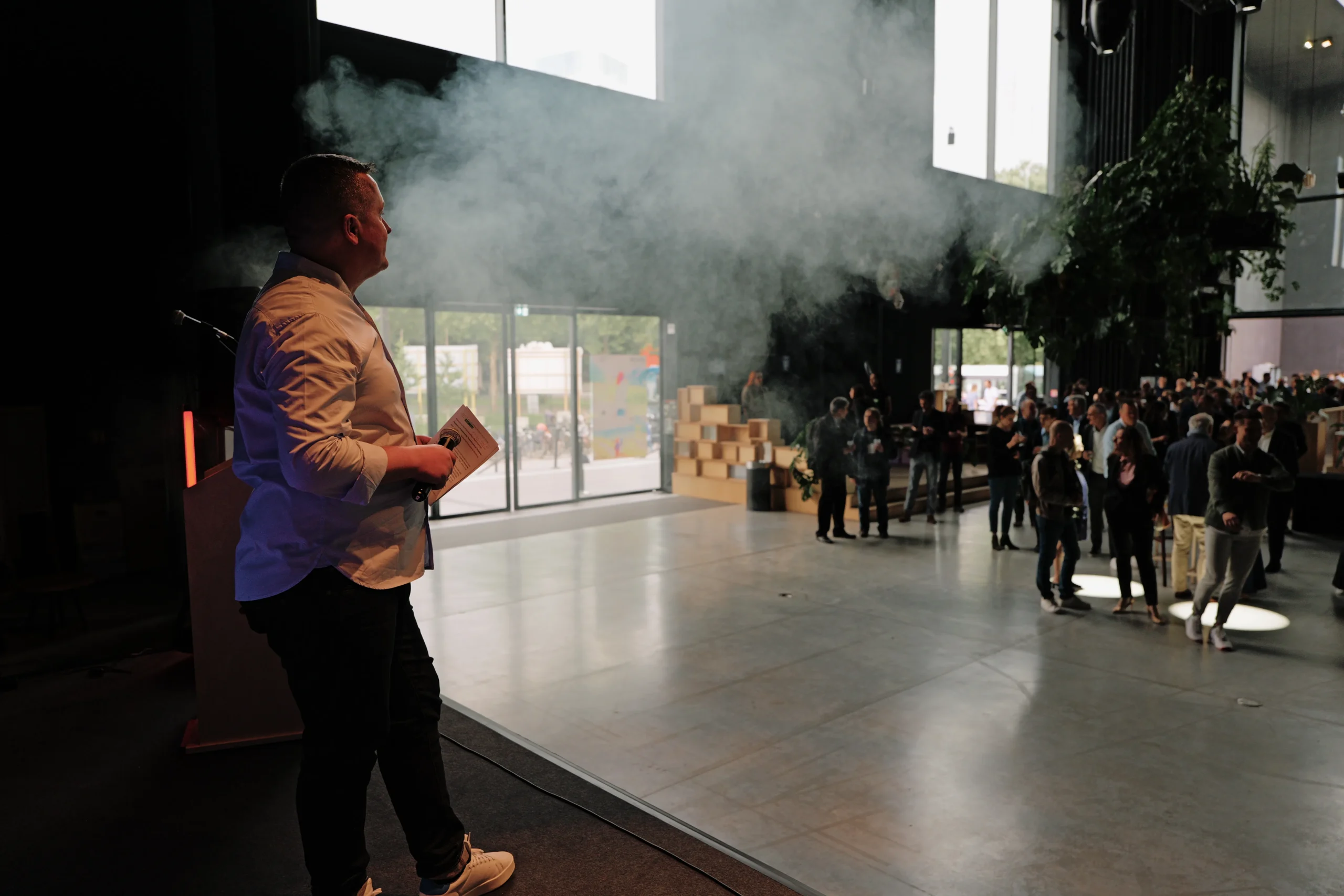
INNOV'events delivers a corporate Acting Workshop designed for executives, managers, and cross-functional teams in Montréal. Typical formats run from 90 minutes to a full day for 12 to 80 participants, with options for bilingual facilitation.
We handle instructor selection, agenda design, room setup, AV cues, participant brief, and on-site stage management—so your HR and Communications teams can focus on the message, not the mechanics.
In a corporate event, “entertainment” is only useful if it serves a business objective. A well-run Acting Workshop in Montréal gives leaders tools they can apply the next morning: clearer messaging, stronger executive presence, and better control under pressure during town halls, client meetings, and media moments.
Local organizations expect professional pacing, respect for time, and facilitation that works for mixed seniority rooms—VPs, managers, and high-potential employees together. In Montréal, bilingual realities and diverse communication styles make it essential that exercises land equally well in English and French, without slowing the group down.
INNOV'events is an event partner based in Montréal with hands-on experience delivering workshops in hotels, offices, and venues across downtown, Griffintown, and the West Island. We work with professional actors/coaches who understand corporate constraints: brand tone, confidentiality, and the reputational stakes of putting leaders “on stage.”
10+ years supporting corporate events and learning formats, from executive offsites to all-hands and client activations.
300+ corporate events delivered through our Montréal network of venues, technicians, and facilitators.
48-hour turnaround for an initial proposal and budget range when the brief is complete (timelines are often the real constraint).
2-level quality control: pedagogical review (content) + production review (logistics/AV/room flow) before event day.
We regularly support organizations operating in Montréal that need reliable execution and a discreet partner—especially for leadership communication topics where the room dynamics are sensitive. Many teams call us back year after year because the workshop format evolves with their internal priorities: one year it’s executive presence for a new leadership team; the next, it’s message discipline ahead of a product launch or a change-management rollout.
If you share the company names you want displayed as references, we will integrate them cleanly in this section (and confirm approval rules, logo usage, and wording). When references are confidential, we can still provide concrete comparable cases by sector (financial services, tech/SaaS, manufacturing, public organizations) and by audience size, which is usually what HR and Comms teams need to validate fit.
Nous vous envoyons une première proposition sous 24h.
An Acting Workshop is not about “teaching people to act.” In corporate reality, it is a structured way to work on presence, message clarity, and interaction—skills that are difficult to improve through slide-based training. In Montréal, where teams often operate across languages and cultures, the workshop becomes a practical lab for how your leaders sound, listen, and respond when the stakes are real.
Executive presence that holds in high-pressure moments: breathing, pace, posture, and vocal projection techniques that make leadership messages sound stable during Q&A, difficult announcements, or crisis updates.
Message discipline for Communications: participants learn to stay on the “message rails” without sounding scripted—useful for town halls, media prep, investor updates, and partner meetings.
Better cross-functional alignment: exercises expose how different departments interpret the same prompt; facilitators then translate that into concrete behaviors (how to brief, how to hand over, how to close meetings).
Stronger feedback culture: a well-designed workshop creates a safe framework to give and receive behavioral feedback (not personality feedback), which HR teams can reuse after the event.
Faster onboarding of new managers: new leaders often struggle with credibility and tone. Workshop scenarios accelerate their ability to run meetings, address conflict, and communicate priorities.
Practical inclusion: with bilingual facilitation options and carefully chosen scenarios, quieter voices get structured airtime and the room avoids being dominated by the most extroverted participants.
Montréal is a fast-moving market: talent competition is high, mergers and reorganizations are frequent, and leadership credibility is tested publicly and internally. This is why a workshop that improves how leaders communicate—beyond what they communicate—has a direct operational impact.
In Montréal, we see three recurring expectations from executives, HR, and Communications teams.
1) Bilingual and multicultural sensitivity without slowing the pace. Many groups are mixed: francophones, anglophones, and international hires. A strong workshop design avoids “translation mode” that kills energy. We plan exercises where the learning is behavioral (listening, pacing, clarity) and can be delivered in English with optional French support, or fully bilingual with clear rules (for example: instructions in both languages, debrief in the language of the speaker, shared vocabulary on a single slide).
2) Professionalism and brand safety. Leaders will participate only if the workshop feels credible and controlled. That means: no forced vulnerability, no improvisation games that create embarrassment, and no scenarios that look like theatre for theatre’s sake. We align on boundaries in advance—topics to avoid, internal sensitivities, and the tone expected (serious, energetic, or calm).
3) Operational precision. Montréal event days are often tight: downtown traffic, venue load-in windows, hybrid AV constraints, and leadership schedules that shift at the last minute. We plan the workshop like a production: run-of-show, room map, mic plan, timing buffers, and a contingency option if the CEO arrives late or if a prior session runs over.
Engagement comes from relevance. When participants recognize their real meetings in the scenarios, they invest. We propose formats that balance learning, energy, and reputation protection—especially when senior leaders are in the room in Montréal.
Executive presence clinic (90–120 minutes): each participant runs a 60-second leadership message (e.g., quarterly priorities). The coach works on pace, breathing, emphasis, and clarity. Ideal for leadership teams before an all-hands.
Difficult Q&A simulation (60–90 minutes): participants practice answering tough questions without over-explaining or sounding defensive. We use structured techniques (bridging, acknowledging, reframing) and time-boxed answers (20–40 seconds).
Manager conversation lab (2–3 hours): realistic performance and conflict conversations. We focus on tone, listening, and closing with next steps. Useful for HR when rolling out a new performance cycle.
Cross-functional “handover” scenarios (90 minutes): teams practice how to communicate priorities and constraints between Sales, Ops, Product, and Support—reducing friction and escalation.
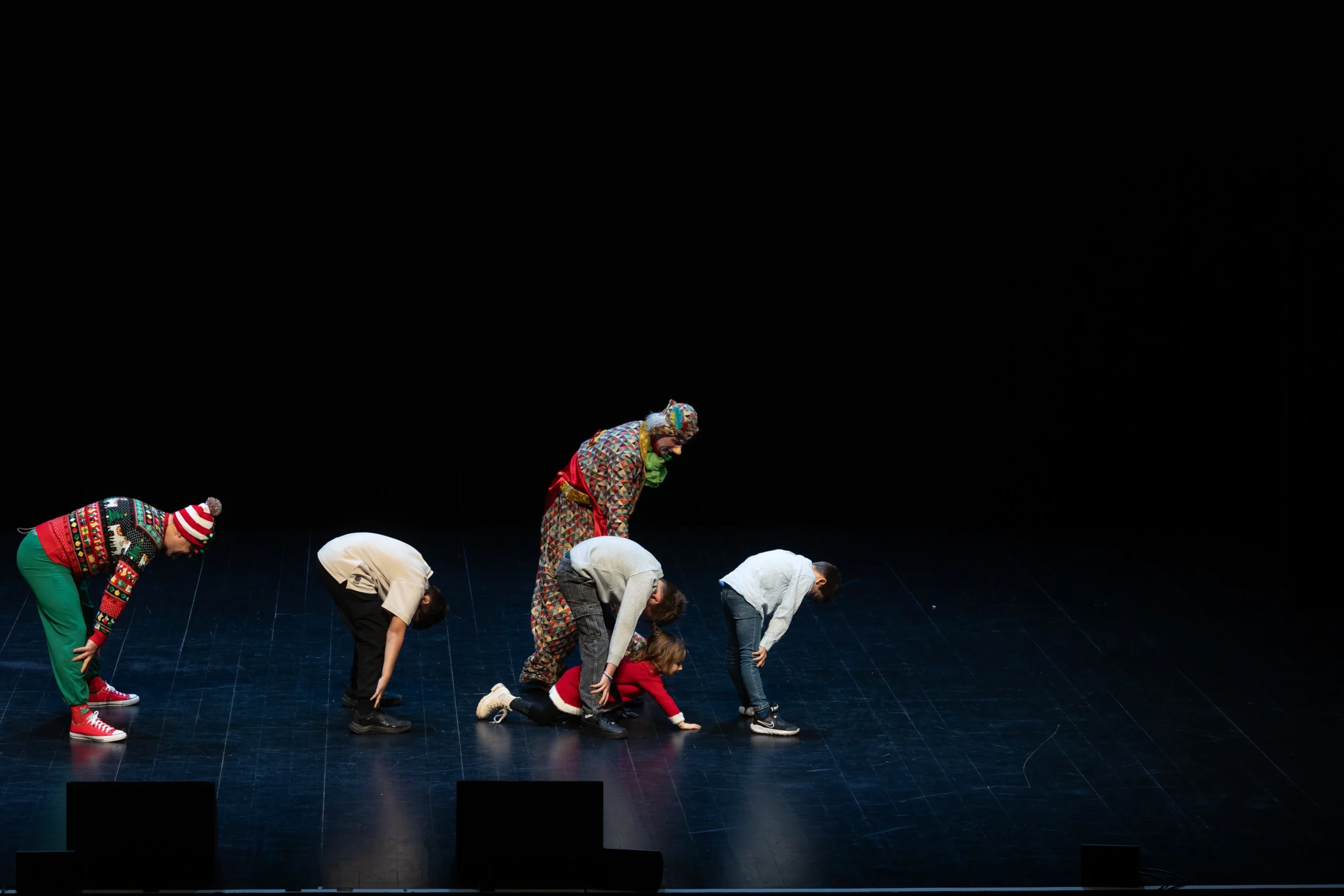
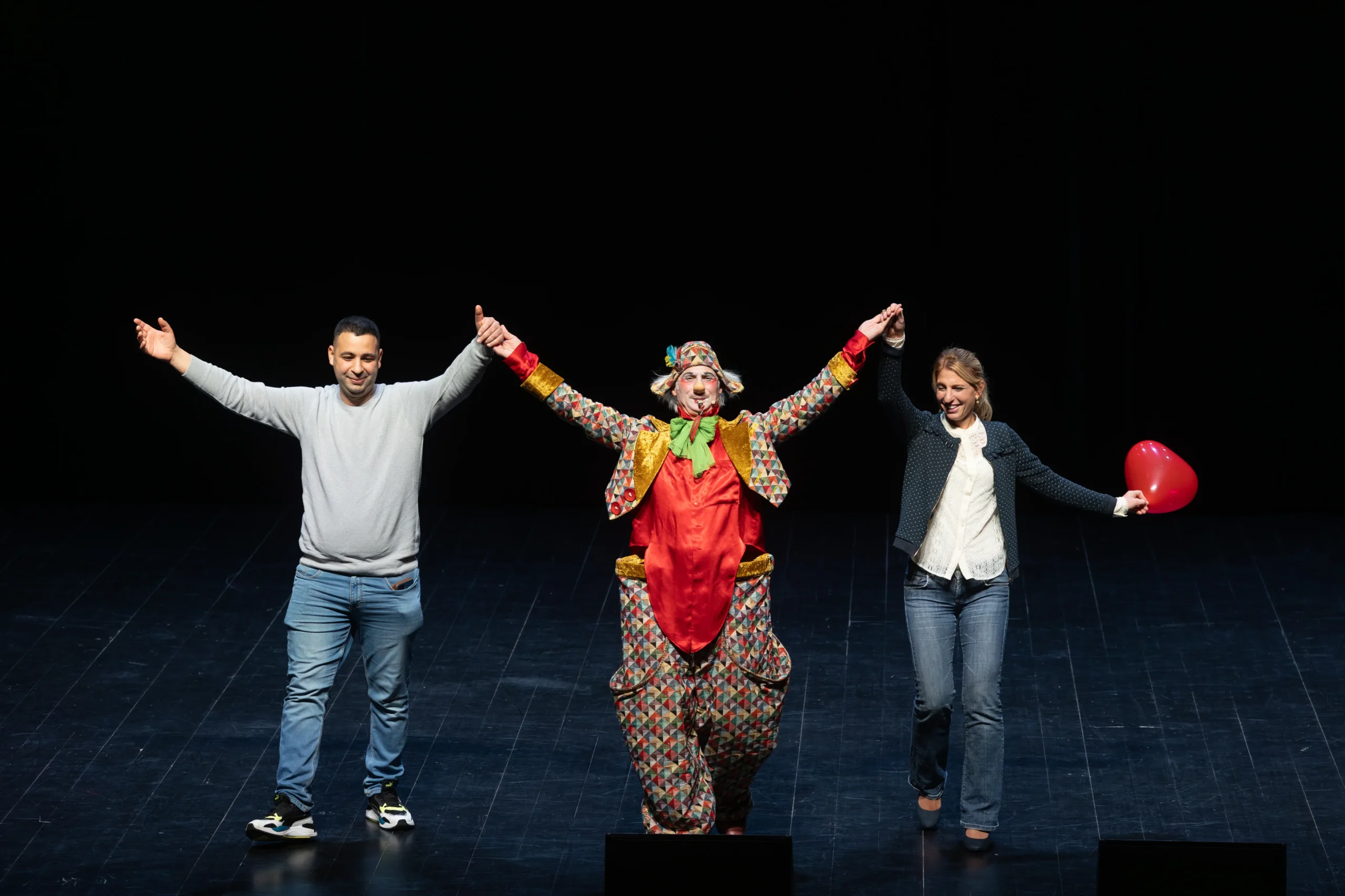
Professional actor demonstrations: actors play “common meeting personas” (the blocker, the anxious stakeholder, the overconfident presenter). The group diagnoses what’s happening and tests alternative approaches. This keeps it vivid without putting employees on the spot first.
Voice and diction coaching: particularly helpful in bilingual groups where clarity matters. We focus on intelligibility and presence, not accent removal—important for inclusive culture in Montréal.
Workshop + structured networking break: we coordinate with catering so the break supports learning (pair prompts, debrief cards). This is especially effective in half-day offsites where leaders want practical networking, not random mingling.
Lunch-and-learn format: a lighter version for office delivery, usually 45–60 minutes plus Q&A, designed for internal communications initiatives.
Camera-based coaching (optional): short recordings (30–60 seconds) with immediate playback for volunteers. This is powerful for executive presence but must be handled with strict rules: consent, no distribution, deletion policy, and a single operator to avoid leaks.
Hybrid-friendly facilitation: for teams split between Montréal and other locations, we design exercises that work on-camera: framing, eye-line, vocal energy, and concise messaging. We also assign a dedicated “virtual room” facilitator when the remote group exceeds 12 people.
Every format is aligned to brand image: if your culture is rigorous and data-driven, we keep the workshop structured and focused on observable behaviors. If your culture is creative, we can push the improvisation further—while still protecting participants and your leadership team’s credibility.
The venue changes how people behave. A workshop requires visibility, acoustic comfort, and enough space for movement—without feeling like a stage show. In Montréal, we also factor in access (metro, parking), load-in times, and noise constraints, especially downtown.
| Venue type | For which objective? | Main strengths | Possible constraints |
|---|---|---|---|
Downtown hotel meeting room | Leadership offsite, multi-session corporate day | Reliable AV, controlled acoustics, easy catering coordination, professional atmosphere | Cost per day, strict timing for room flips, union/house AV rules |
Company office (large boardroom / training room) | Manager enablement, recurring HR training cycles | Low logistics, familiar environment, easier follow-up and repetition over months | Space limitations, interruptions, variable acoustics, less “offsite mindset” |
Loft-style venue (Old Montréal / Griffintown) | Creative leadership themes, culture and engagement moments | Inspiring setting, flexible layout for movement, strong perceived value for participants | Sound bleed, AV add-ons required, access/load-in constraints |
We recommend a site visit or at least a technical walkthrough (photos + measurements) before confirming. It avoids last-minute compromises like removing exercises because the room is too narrow, or losing half your time to AV adjustments.
Pricing depends on scope, seniority level, and production requirements. In Montréal, most corporate Acting Workshop budgets fall within predictable ranges once the format is defined and the venue constraints are known.
As a working reference (before venue/catering), a professionally facilitated workshop typically starts around $2,500–$4,500 CAD for a short format (90–120 minutes) with one coach, and can reach $6,000–$12,000+ CAD for half/full-day programs with multiple facilitators, bilingual delivery, camera coaching, and expanded group sizes.
Duration and intensity: 60 minutes is not simply “half the price” of 2 hours—setup, warm-up, and debrief time are fixed costs.
Group size and facilitation ratio: above 20–25 participants, we often recommend a second coach or breakout structure to maintain quality feedback.
Seniority level: executive coaching requires different preparation and discretion (pre-calls, sensitive messaging, higher facilitation bar).
Bilingual requirements: fully bilingual facilitation can mean dual-coach staffing or additional prep to ensure equal learning outcomes.
AV and room setup: microphones, confidence monitors, camera capture, and a technician can be essential depending on room size and noise profile.
Customization: using your real scenarios (town hall themes, values, strategic narrative) requires discovery time and script design, but increases relevance dramatically.
Confidentiality and recording policy: if recording is required, we add a clear consent process and secure file handling.
From an ROI perspective, the question is often: how many high-stakes interactions will improve? If a leadership team delivers clearer messages and handles Q&A better during one major internal announcement, the impact on engagement, retention risk, and change adoption can outweigh the workshop cost quickly—especially in competitive talent pockets across Montréal.
For executive-facing workshops, the risk is rarely the content alone—it’s the execution on the day: late starts, room issues, poor acoustics, the wrong facilitation tone, or a format that clashes with culture. Working with an agency established in Montréal reduces those operational risks because we know the venues, the technicians, and the real constraints (load-in windows, downtown traffic patterns, bilingual room dynamics).
As a local partner, we also move quickly: a last-minute room change, an extra breakout, or a schedule shift can be solved with local resources instead of long-distance coordination. For clients comparing suppliers, that reactivity is usually what protects leadership credibility.
When you need broader event support beyond the workshop itself, our team functions as your single point of contact as an event agency in Montréal, coordinating talent, AV, venue, and run-of-show with consistent accountability.
From an ROI perspective, the question is often: how many high-stakes interactions will improve? If a leadership team delivers clearer messages and handles Q&A better during one major internal announcement, the impact on engagement, retention risk, and change adoption can outweigh the workshop cost quickly—especially in competitive talent pockets across Montréal.
We design workshops around real corporate constraints—time, hierarchy, brand tone, and the pressure of being observed by peers and leadership. Here are examples of patterns we deliver in Montréal (shared in a non-confidential way):
Leadership offsite before a change announcement: HR needed leaders to communicate a restructuring with clarity and empathy, while avoiding speculative answers. We ran short message drills, then a Q&A simulation with “challenging questions” written by the Communications team. Outcome: leaders reduced rambling and improved consistency across departments.
Sales + delivery alignment session: a tech organization had recurring escalation between teams. We built scenarios around handoffs and expectation setting, focusing on tone, commitments, and closing techniques. Outcome: participants left with a shared language for “what we can promise” vs. “what we need to confirm.”
New manager cohort: HR wanted practical tools, not theory. We ran performance conversation role-plays with precise feedback: opening framing, listening ratios, and next-step clarity. Outcome: managers reported more confidence and fewer follow-up meetings caused by ambiguous outcomes.
In each case, the workshop was treated as part of the event production: participant brief, room plan, run-of-show, and facilitator alignment—so the experience felt credible to senior leaders and useful to HR.
Choosing “fun” exercises that undermine credibility: executives disengage fast if activities feel childish. We keep exercises adult, relevant, and tied to your real communication moments.
Underestimating acoustics and sightlines: a room that looks good on photos can be poor for voice work. We verify layout, echo, and microphone needs before confirming the agenda.
No clear confidentiality rules: participants hold back if they fear recordings or internal sharing. We define recording policy, consent, and what can be repeated outside the room.
Overloading the agenda: too many exercises reduces learning. We prefer fewer scenarios with repetition and measurable improvement.
One-size-fits-all for bilingual groups: switching languages without a plan creates frustration. We set facilitation rules and ensure equal participation.
Skipping executive alignment: if the CEO/VPs haven’t validated objectives and tone, the workshop can conflict with culture. We secure alignment early.
Our role is to protect your event day: anticipate the operational and reputational risks, then run the workshop with the same discipline you expect from any leadership-facing deliverable in Montréal.
Repeat business in corporate events is rarely about novelty—it’s about reliability under pressure. Teams come back when the workshop lands well with senior leadership, respects brand tone, and runs without last-minute surprises.
Most rebookings happen within 6–18 months when leadership priorities evolve (new strategy cycle, new managers, culture initiatives).
Typical satisfaction drivers: clear facilitation, tight time management, and workshop relevance to real meetings and announcements.
Operational indicator we track: adherence to run-of-show within ±5 minutes per segment on executive agendas (when the schedule allows it).
Loyalty is proof of quality because it reflects internal stakeholders—HR, Comms, executives—agreeing that the experience was worth repeating in Montréal conditions: tight calendars, high standards, and visible leadership participation.
We clarify objectives (presence, Q&A, difficult conversations, team alignment), audience mix, bilingual needs, and risk factors (sensitive messaging, internal tensions, confidentiality). We also confirm constraints: timing, venue, recording, union rules, and leadership availability.
We turn your objectives into a structured agenda: warm-up, drills, scenarios, debrief, and transfer-to-work plan. We propose scenario themes based on your reality (town hall, client escalation, change message) and define success criteria such as clarity, concision, and consistency across speakers.
We assign the right coach profile: executive-facing presence, bilingual capability if required, and corporate facilitation experience. Then we calibrate tone with HR/Comms: what “good” sounds like for your brand (formal vs. conversational, bold vs. careful, data-led vs. story-led).
We confirm room layout, movement zones, microphones, and timing cues. For groups above 25, we plan breakout options or co-facilitation. We also set a clear recording/confidentiality policy and ensure the MC or event lead knows how to introduce the workshop properly.
Our producer arrives early to manage setup, sound checks, and participant flow. The coach focuses on facilitation and feedback while we handle timekeeping, transitions, and any venue coordination. If an executive arrives late, we adjust the sequence without losing learning outcomes.
Within 3–5 business days, we provide a concise recap: what was practiced, observed strengths, common improvement points, and recommended follow-ups (e.g., 3-minute prep routine before presentations, Q&A bridging templates, manager conversation checklist). This helps HR sustain the learning beyond event day.
Most corporate groups in Montréal get the best results with 90–120 minutes for a focused objective (presence or Q&A). If you need behavior change for managers (difficult conversations), plan 2–3 hours. Full-day formats work well for leadership offsites when you can protect time for repetition and debrief.
For executives, 8–16 participants is ideal to ensure each leader gets practice time and feedback. Up to 25 can work with a tight structure. Above that, we recommend adding a second coach or splitting into breakouts to avoid passive observation.
Yes. Depending on your preference, we deliver in English with French support, or fully bilingual. For fully bilingual sessions, we define clear facilitation rules and often staff 2 facilitators when the group is large or senior, to keep pace and participation balanced.
Only if you request it and participants consent. For executive groups, we often recommend no recording to increase psychological safety. If camera coaching is part of the program, we use short clips (30–60 seconds) with strict rules: opt-in, no external sharing, and deletion after the session unless otherwise agreed.
For the best coach availability in Montréal, plan 3–6 weeks ahead. For peak periods (September–November and February–June), 6–10 weeks is safer—especially if you need bilingual delivery, multiple facilitators, or a specific venue window.
If you’re comparing agencies, we can make your decision easier with a concrete proposal: recommended format, facilitation plan, production needs, and a realistic budget range for a corporate Acting Workshop in Montréal. Share your date options, audience profile, and objective (presence, Q&A, manager conversations, or leadership alignment), and we’ll come back with a structured plan within 48 hours.
When timelines are tight, early alignment is what saves the day: we’ll confirm the room constraints, the confidentiality rules, and the facilitation tone before you commit—so your executives walk into a session that feels credible, useful, and fully under control.
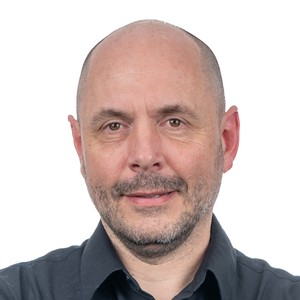
Thierry GRAMMER is the manager of the INNOV'events Montréal office. Reach out directly by email at canada@innov-events.ca or via the contact form.
Contact the Montréal agency