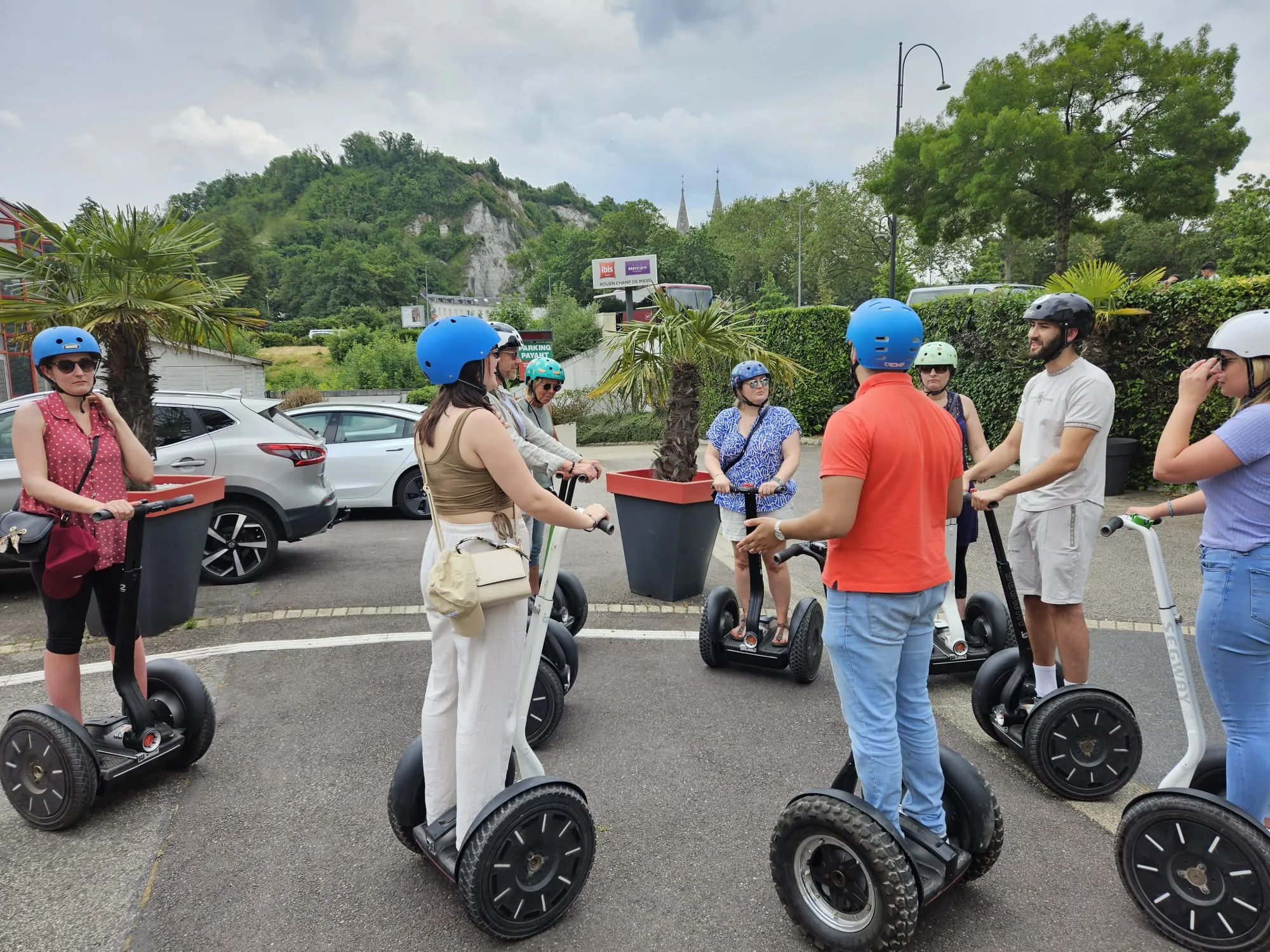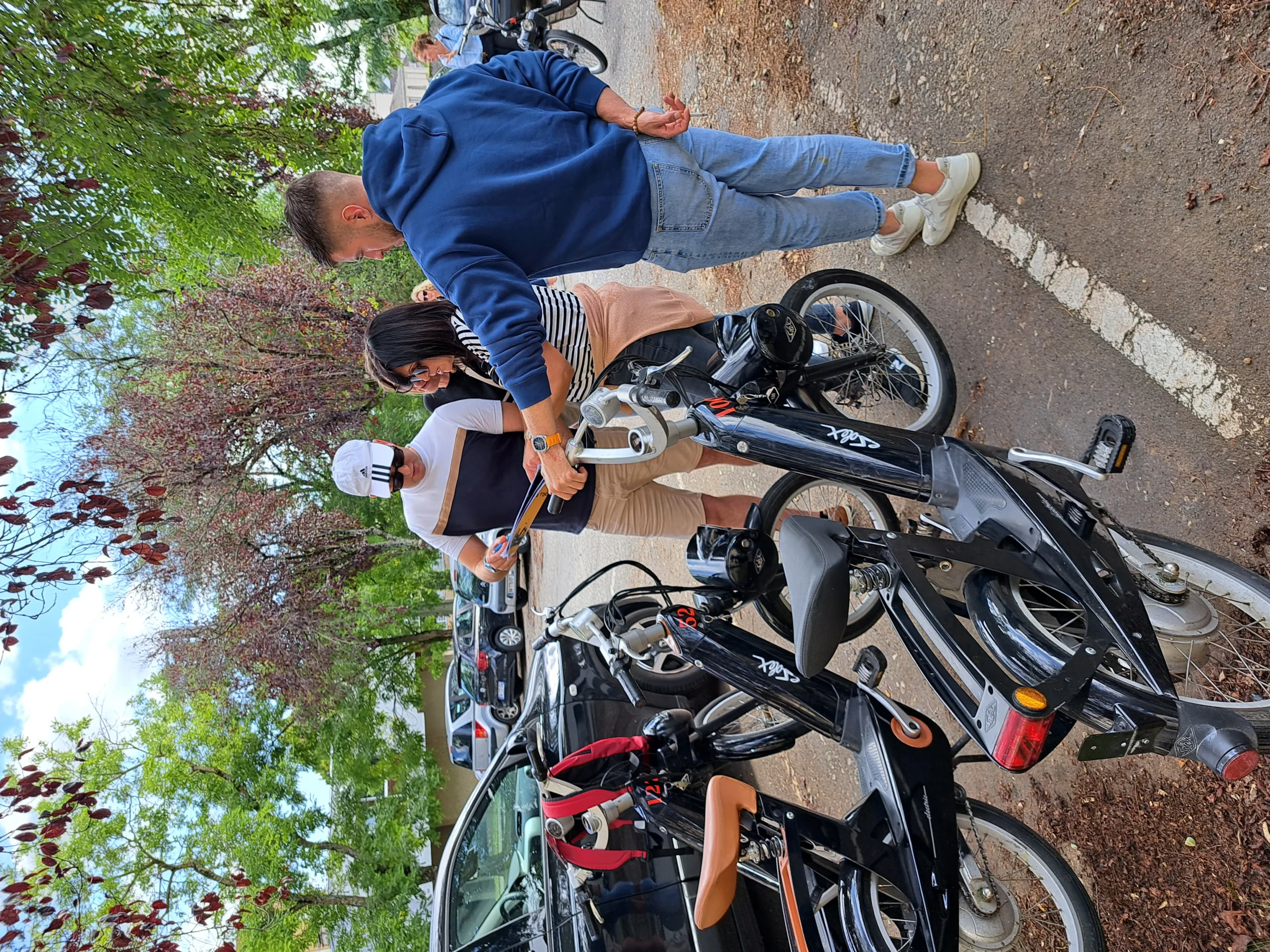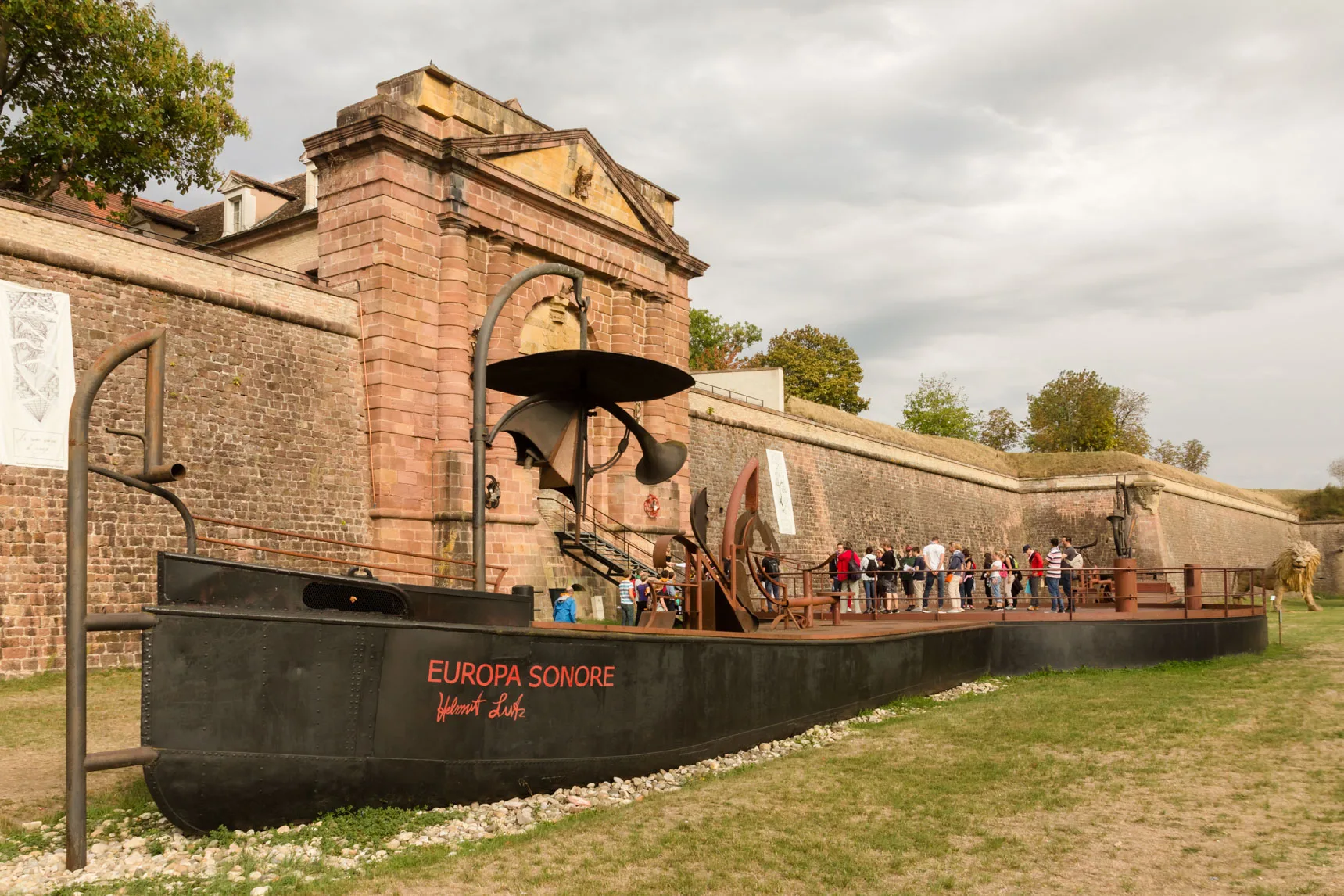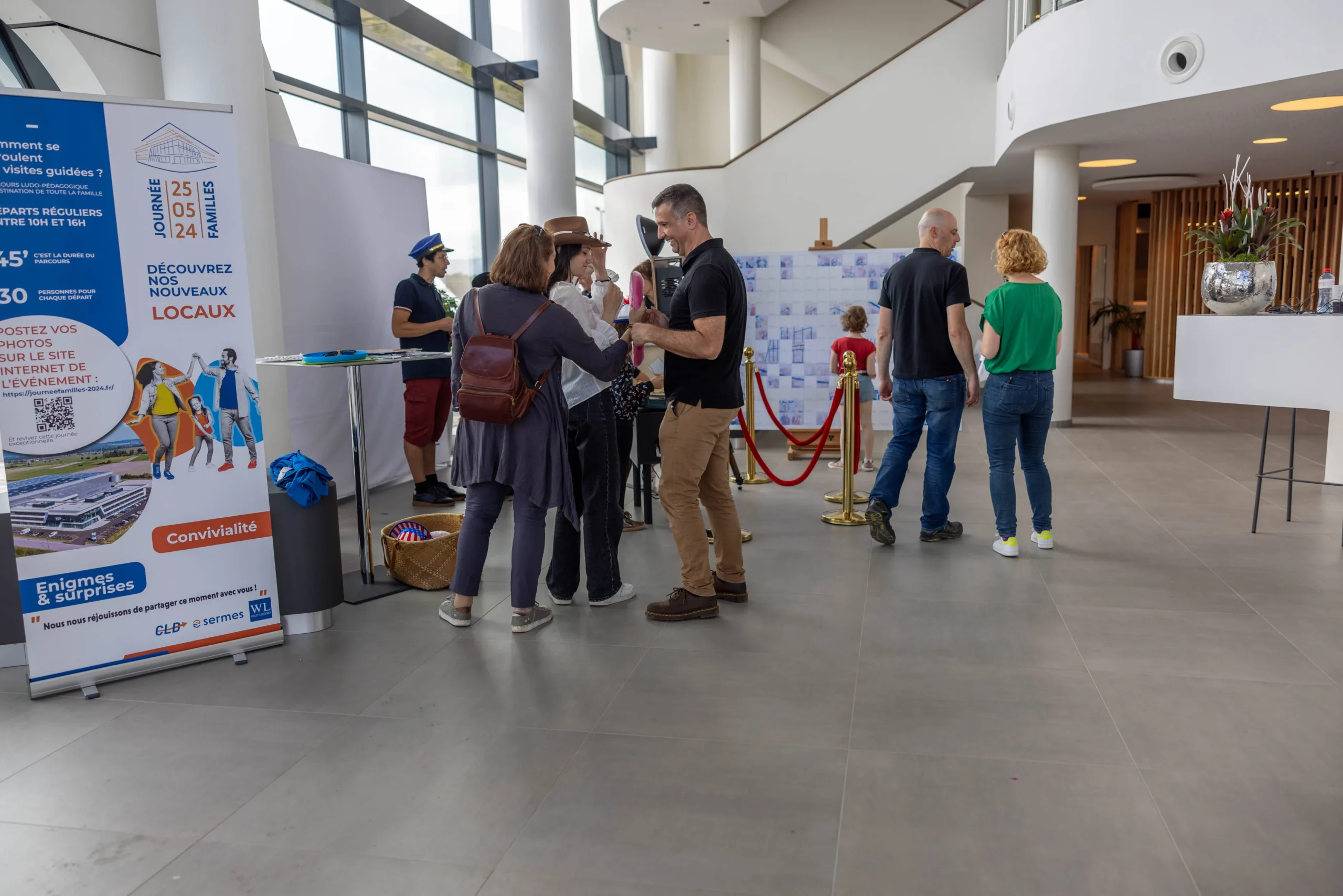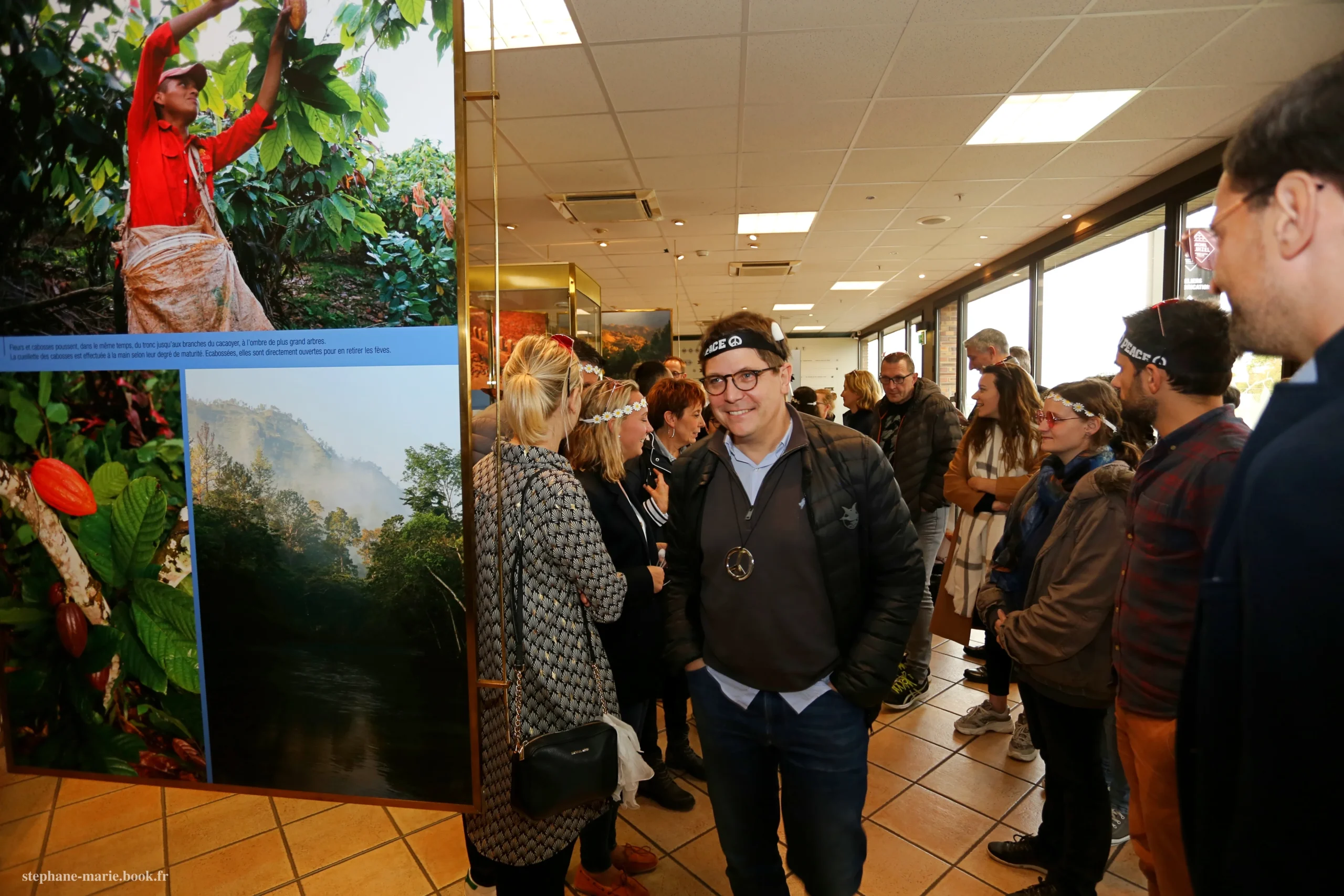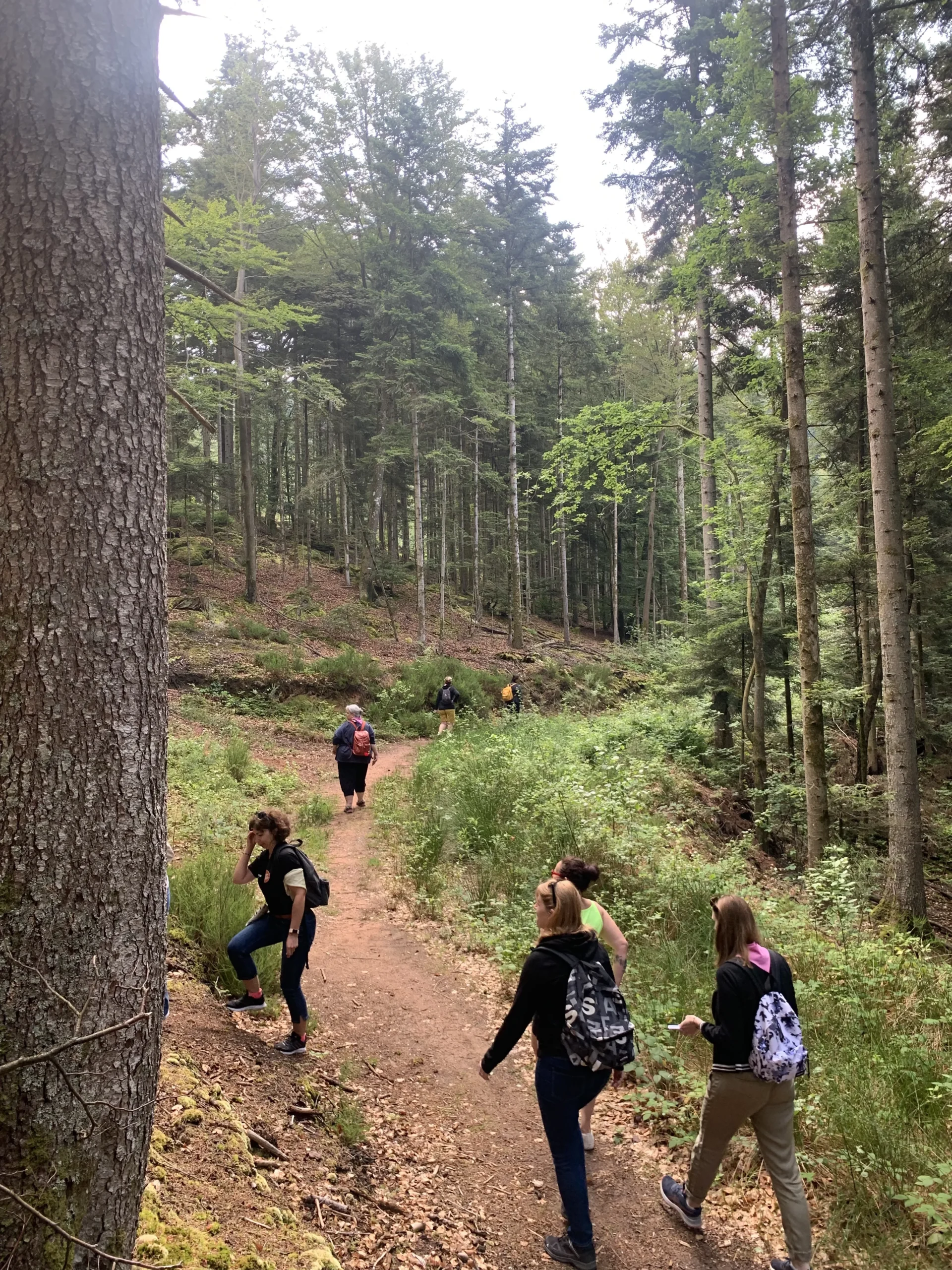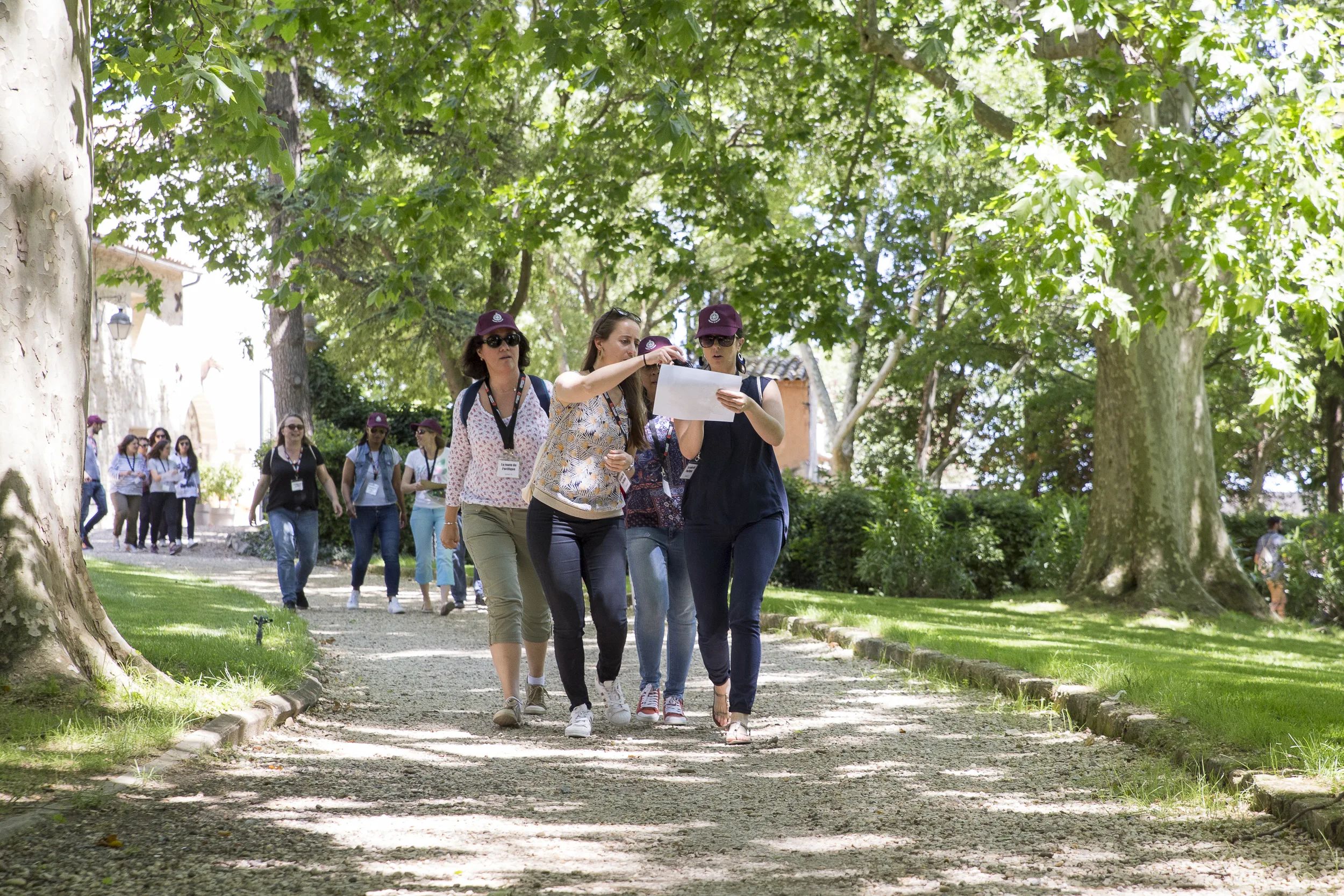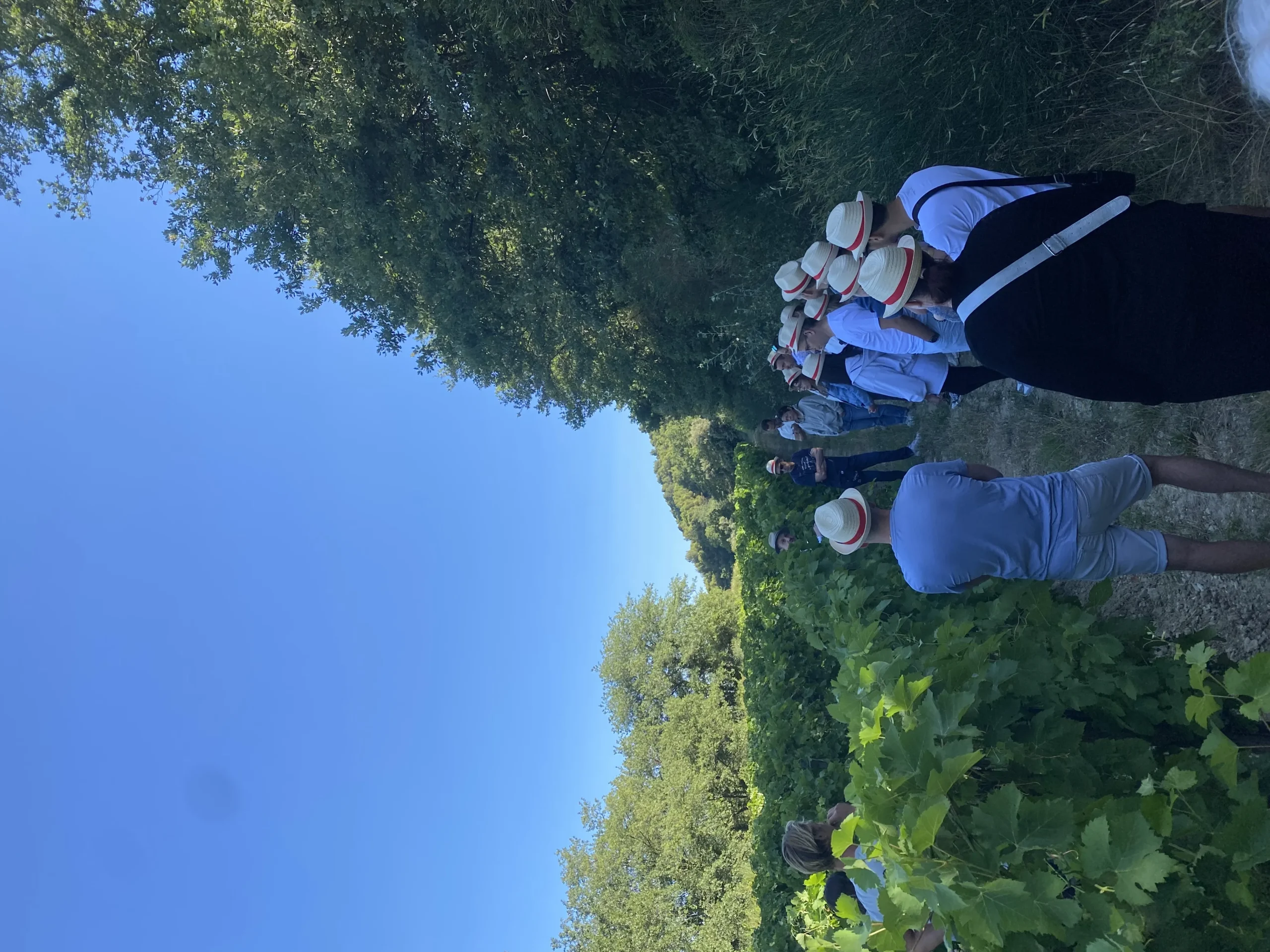
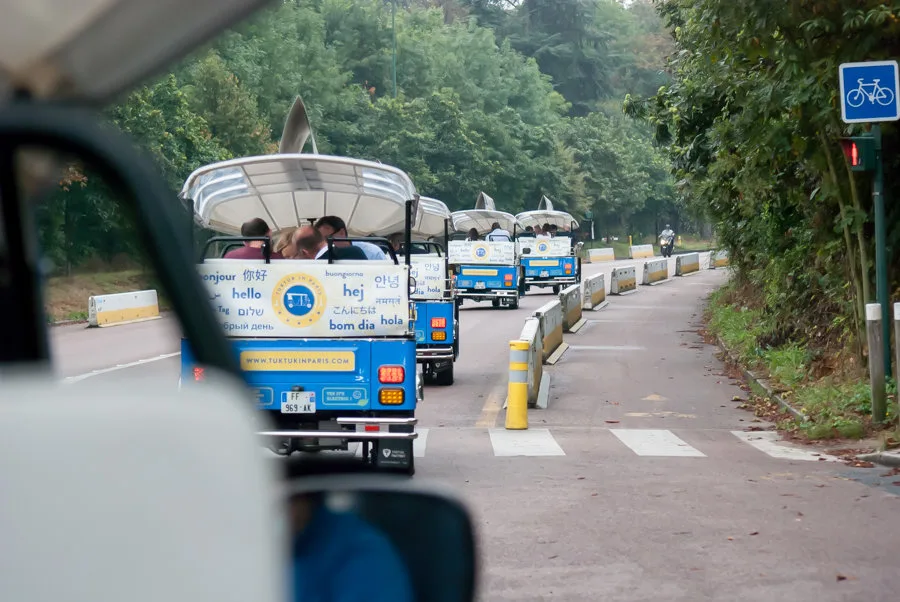
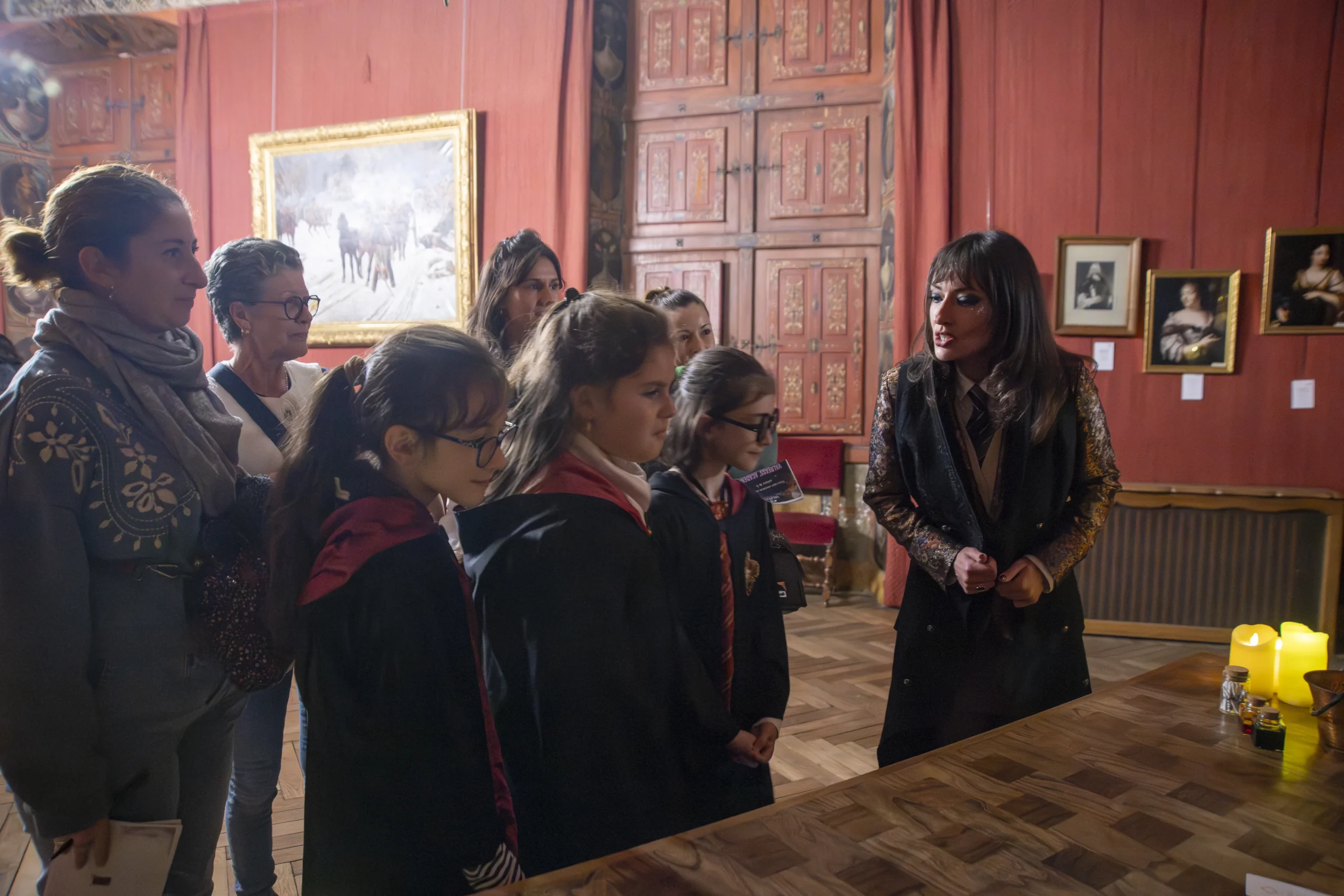
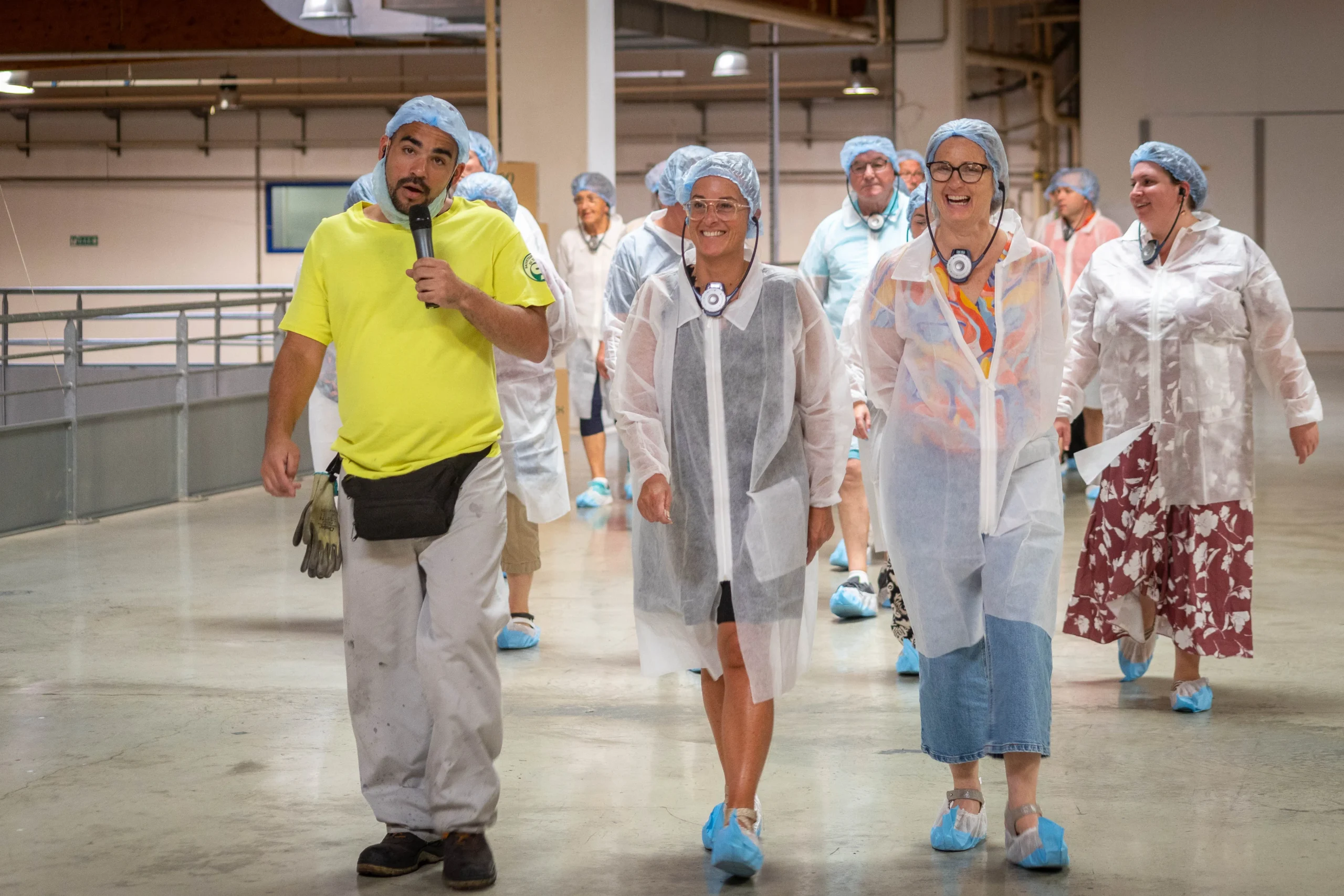
INNOV'events designs and operates Guided Tour formats in Montréal for leadership teams, HR, communications and client relations—typically from 10 to 300 participants. We secure permits, align the narrative to your brand, manage bilingual guiding, timing, mobility constraints, and on-the-ground coordination so your teams can focus on hosting.
Whether it’s a board offsite add-on, a convention breakout, a client experience, or a culture/DEI initiative, we treat the Guided Tour in Montréal like a production: clear objectives, a run of show, contingencies, and measurable outcomes.
For corporate events, a Guided Tour is not “just an activity”: it’s a controlled moment where relationships form fast—between new hires, cross-functional teams, or clients and executives. When it’s well designed, it lowers social friction, creates common references, and delivers a narrative that supports your employer brand and your leadership message.
Organizations here expect operational rigor: bilingual delivery (FR/EN), punctuality compatible with conference agendas, respect of accessibility constraints, and a tone aligned with Montréal’s culture—professional, direct, and not performative. They also expect a vendor who can manage weather, downtown traffic, and last-minute executive schedule changes without drama.
Based in Montréal, INNOV'events works with local guides, museums, and venue partners year-round. We build routes that fit your audience (executives, unionized teams, international delegates), your risk profile, and your timing—then we run it with field staff on site, not “instructions sent by email.”
10–300 participants managed on guided formats (single group or multi-wave) with a documented run of show and staffing plan.
15–45 minutes average buffer built into schedules to protect your plenary agenda (transport, entry lines, coat check, group splits).
2 languages standard delivery (FR/EN) with guide-to-group ratios adapted to noise level and urban density.
1 operational lead assigned per project, reachable during event day, with escalation protocols for VIP changes.
We support organizations operating in Montréal that run tight schedules and have real reputational exposure—teams where an activity cannot feel improvised. Several clients come back year after year because they don’t want to re-explain their internal realities every time: executive security expectations, brand tone approvals, unionized site rules, and the pace of a conference day.
If you share your sector (finance, tech, pharma, public sector, manufacturing), we’ll propose proven formats that have worked with similar audiences in Montréal: leadership offsites needing discretion, onboarding cohorts needing connection, or client events where the experience must look effortless.
When relevant, we can provide project examples and operational notes (group sizes, durations, staffing, constraints handled) during a short call—because what matters for your decision isn’t a list of claims, it’s how we plan and execute under pressure in Montréal.
Nous vous envoyons une première proposition sous 24h.
A corporate Guided Tour in Montréal is a strategic tool when you treat it like a facilitated business moment: it creates shared context, helps people talk to each other naturally, and anchors your messages in the city’s reality. For executives and HR, it’s often the most efficient way to get engagement without forcing “team-building games” that can backfire with senior profiles.
Accelerate relationship-building: a guided route creates micro-conversations (paired walking, small clusters) that feel organic. This is especially effective when you have mixed teams (HQ + plant, Canada + US, new leaders + high potentials) who normally don’t interact.
Protect your agenda while keeping energy high: a tour is modular. We can deliver a strong experience in 60–90 minutes or build a half-day program with staged stops, without risking the “activity that takes over the day.”
Reinforce employer brand and culture: Montréal offers credible angles—innovation, design, multicultural neighborhoods, history of commerce—that can be connected to your values. We validate tone and content with Communications so it supports, not contradicts, your internal narrative.
Provide inclusion-friendly engagement: not everyone enjoys competitive activities. A guided format can be designed to be lower pressure, accessible, and respectful of different comfort levels, while still being social and memorable.
Create content opportunities without forcing it: if your Comms team needs photos, short clips, or testimonials, we can plan “capture moments” at visually strong stops, with clear rules for privacy and consent—critical for internal comms and public-facing LinkedIn posts.
Reduce event-day risk: compared to open-ended free time, a guided route is controlled (timing, headcount, meeting points). For leadership groups, that control is often the difference between a smooth day and a schedule cascade.
In Montréal, where business culture values substance over show, a guided experience works best when it’s designed with operational realism: traffic patterns, weather plans, bilingual facilitation, and a narrative that respects the city’s complexity.
Decision-makers in Montréal typically compare vendors on execution, not on adjectives. Here are the non-negotiables we see in real corporate contexts:
These expectations are not theoretical—they come from situations like: a CEO’s arrival delayed by a board call; an HR team needing a low-stress activity after a difficult reorg announcement; or a Comms team needing to avoid filming near sensitive locations. Our job is to anticipate, plan, and deliver.
Entertainment creates engagement when it is structured: clear purpose, the right pace, and moments that encourage discussion without forcing it. Below are formats we regularly deploy in Montréal, with the operational implications that decision-makers care about.
Executive networking walk (60–90 min)
Designed for leadership groups where conversation matters more than content volume. We structure “conversation prompts” at stops (optional, discreet) and keep groups small. Works well after a strategy session to turn alignment into human connection.
Team-based city challenge with facilitator
Not a noisy scavenger hunt. We build a brief with business-relevant prompts (values, decision-making, customer perspective). Scoring is optional. The key is facilitation and debrief—otherwise it’s just people taking photos.
Headset-guided urban route for larger groups
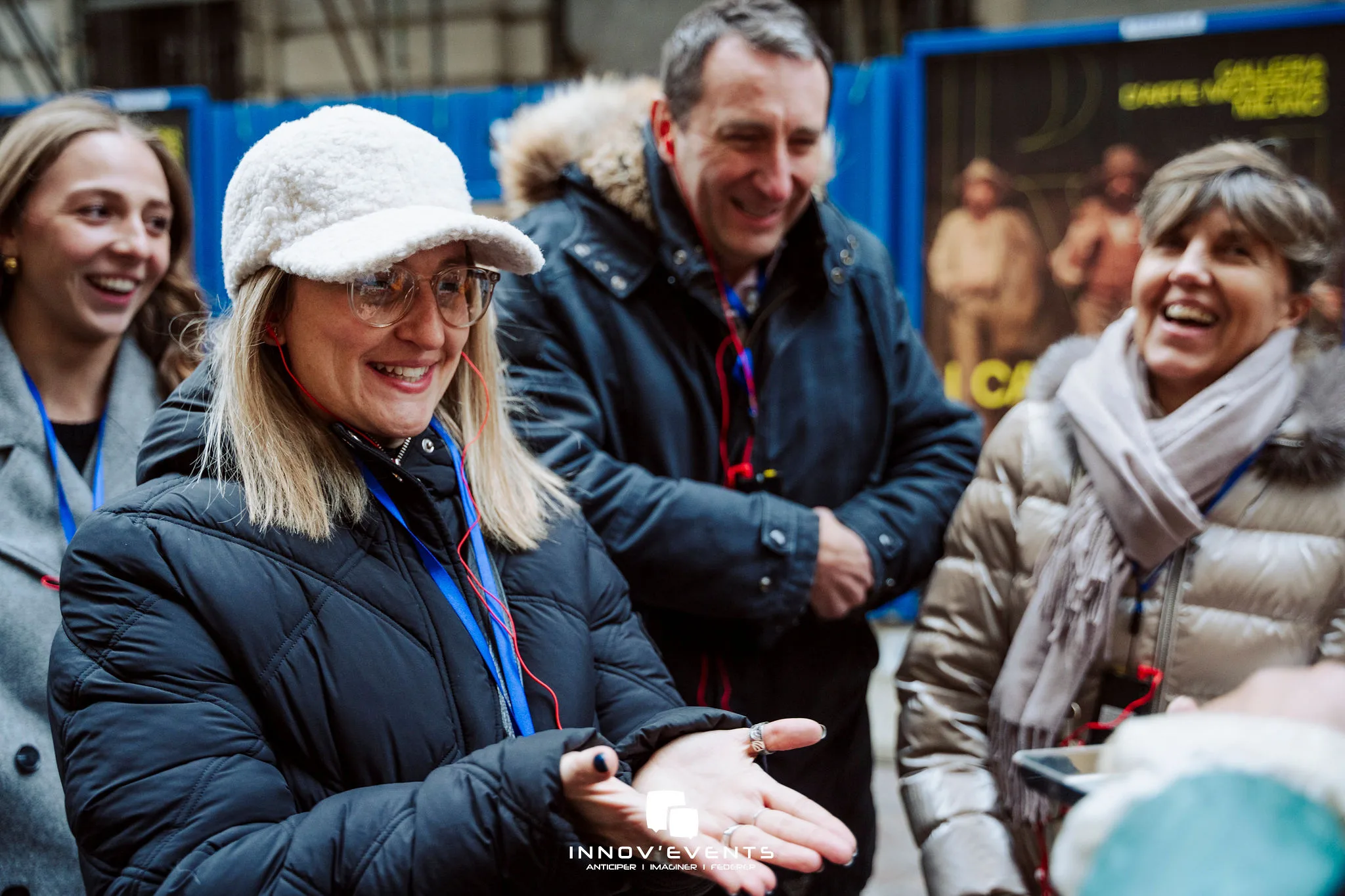
For 80–300 participants, headsets reduce acoustic issues and allow a more fluid route. We coordinate distribution/collection and sanitize logistics. Ideal near busy sectors where stopping long is not realistic.
Architecture and design lens (downtown / heritage sectors)
A professional narrative that resonates with executives: city planning, development, commerce, and the evolution of industries. We keep it factual and relevant, avoiding “touristy trivia.”
Public art and creative economy route
Useful for communications and employer branding teams: it connects to innovation, talent attraction, and the identity of Montréal. We select stops that photograph well and avoid overly crowded pinch points.
Tasting stops with controlled timing
We schedule 1–3 tastings with pre-ordered quantities to avoid lines. This is where many tours fail: without preplanning, a “quick stop” becomes 25 minutes of waiting. We protect your timing with reservations and staged service.
Non-alcoholic pairing option by default
We plan inclusive beverage options automatically (0% pairings, allergy notes). For HR, this reduces friction and supports wellness policies without making it a topic.
Montréal business story tour (innovation + neighborhoods)
A guided narrative built around sectors: AI, aerospace, life sciences, creative industries, and the ecosystem that supports them. It works well for international delegations or client events when you want substance.
Hybrid indoor/outdoor “weather-proof” program
We combine a short walking segment with a reserved indoor space (museum room, private venue, or partner space) for a guided segment and Q&A. This reduces weather risk and increases comfort for executive attire.
Whatever the format, we align the experience with your brand image: tone, vocabulary, pacing, and risk management. A corporate Guided Tour should feel consistent with how your organization runs meetings—clear, respectful, and well-operated in Montréal.
The setting drives perception: crowded routes signal “tourism,” while well-chosen sectors signal intention and professionalism. We select routes based on your audience profile, season, mobility constraints, and your agenda timing (especially if you need to return to a venue for cocktails or plenary).
| Venue type | For which objective? | Main strengths | Possible constraints |
|---|---|---|---|
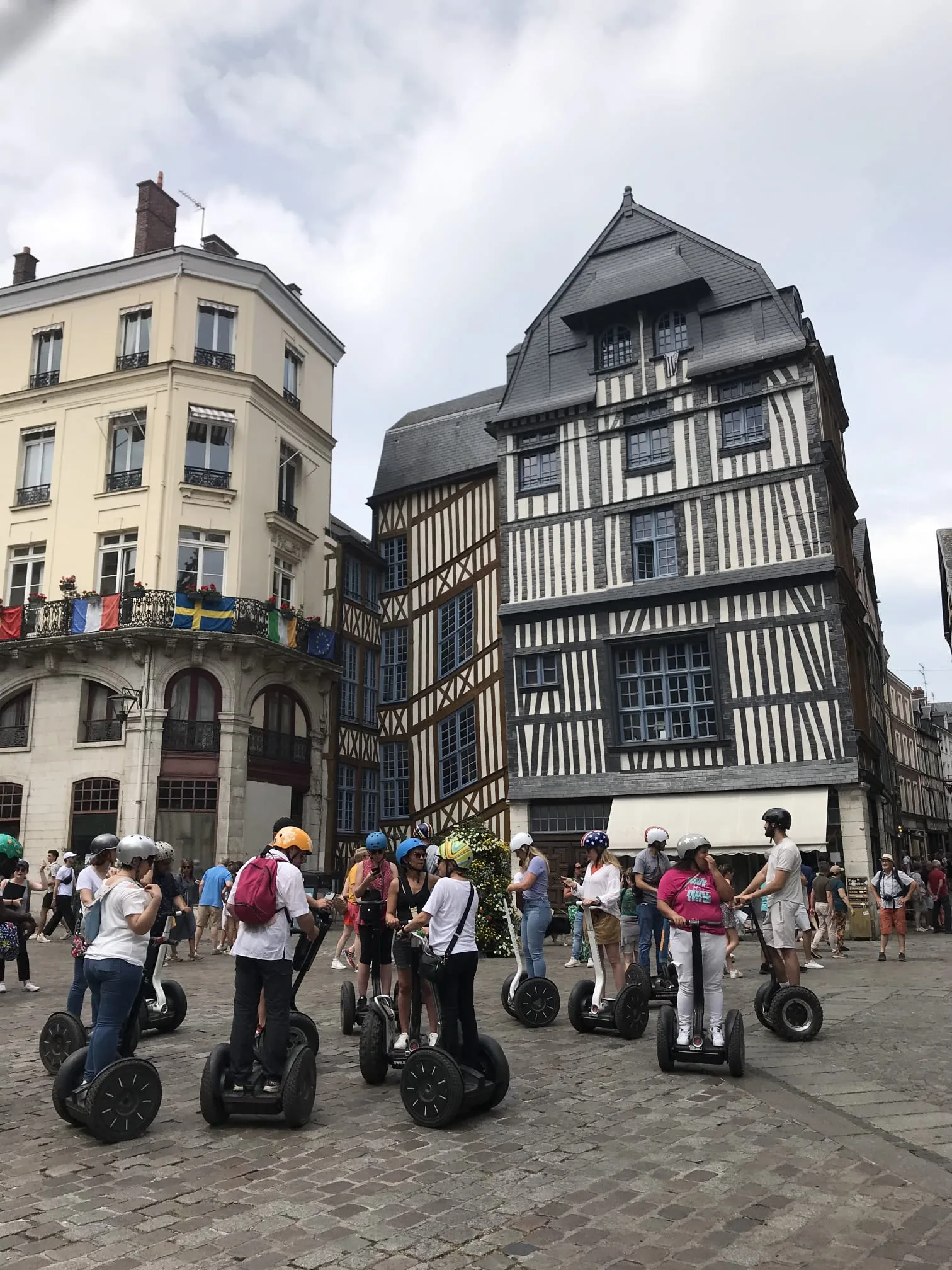
| Old Montréal walk with reserved indoor stop | Client hospitality, international delegates, leadership offsite add-on | High perceived value; photogenic; easy to connect history to business themes; indoor fallback protects schedule | Crowd density in peak season; permits/entry timing; acoustic challenges without headsets |
| Downtown architecture and commerce route | Executive groups, professional associations, conference breakouts | Efficient timing; strong narrative on development and economic life; near major hotels and venues | Traffic noise; sidewalk congestion; requires smart stop selection and group discipline |
| Neighborhood culture route (selected sectors) | Employer branding, DEI/culture initiatives, onboarding cohorts | Authentic local lens; supports values messaging; flexible formats (walk + tasting + debrief) | Accessibility varies by street; weather exposure; needs clear boundaries to avoid overextending timing |
We strongly recommend a site check (or at minimum a route validation) before final approval, especially for groups over 40. In Montréal, a corner that works at 10:00 on a Tuesday may be unusable at 17:00 on a Thursday. Site reality is where operational credibility is proven.
Pricing for a Guided Tour in Montréal depends on group size, duration, route complexity, and the level of production (permits, headsets, transport, tastings, private entries). What matters is not just the number, but what is included: staffing ratios, contingencies, and the ability to protect your event schedule.
Group size and guide ratios: an executive group of 18 with one senior guide is a different setup than 180 participants needing multiple guides, check-in staff, and wave management.
Duration and timing window: 60–90 minutes is often the best ROI. Going longer increases fatigue and schedule risk unless there is a structured indoor segment.
Bilingual delivery model: parallel groups (FR/EN) can require additional guides and coordination. It improves quality and participant comfort, which is why many Montréal companies choose it.
Audio equipment: headsets improve clarity and pace in dense areas but add logistics (distribution, batteries, sanitization) and cost.
Add-ons: tastings, museum entries, private rooms, transport (coach or shuttles), and content capture (photo/video) can be integrated with clear time controls.
Risk management: weather-proofing, indoor backups, and additional staff for VIP handling are budget lines that often save the day when conditions change.
From an ROI perspective, the right budget is the one that protects your agenda and your brand. A tour that runs late by 20 minutes can disrupt keynote timing, catering, and AV—costing more than the savings you made on the activity. Our proposals show what you’re buying operationally, not just “a tour.”
Local execution is not a comfort choice—it’s a risk and quality decision. When your stakeholders include executives and communications, the margin for error is small. Working with an event agency in Montréal means your program is built with real conditions in mind: seasonal reality, density patterns, local partner reliability, and fast on-site support.
We also speak the operational language of corporate Montréal: bilingual etiquette, expectation of punctuality, and the need for discretion. When a schedule shift happens (and it often does), you need a team that can adjust immediately on the ground, not a vendor coordinating remotely.
From an ROI perspective, the right budget is the one that protects your agenda and your brand. A tour that runs late by 20 minutes can disrupt keynote timing, catering, and AV—costing more than the savings you made on the activity. Our proposals show what you’re buying operationally, not just “a tour.”
We deliver a range of Guided Tour programs in Montréal because corporate needs vary—and the best route is the one that serves your moment. Typical assignments include:
Across these projects, the common thread is operational design: staffing, timing, safety, accessibility, and a narrative that fits your brand tone. That’s what keeps the experience credible for executives and smooth for HR and communications teams.
Underestimating crowd density and noise: choosing photogenic spots that are impossible to stop at with a group. We validate acoustics and stopping zones, and we use headsets or alternate stops when needed.
No real plan for late arrivals: corporate groups rarely start exactly on time. We set clear rendezvous instructions and a grace protocol (who joins which wave, how to catch up, who holds the schedule).
Over-ambitious routes: too many stops, too much walking, and no seating. We design routes with realistic pace and comfort points—especially for mixed mobility groups and executive attire.
Food stops without reservations: lines kill timing and credibility. We pre-order and schedule service so tastings remain a benefit, not a bottleneck.
Generic narrative that clashes with brand tone: communications teams hate surprises. We align the storyline, validate sensitive points, and brief guides to keep the tone consistent with your corporate culture.
Missing weather-proofing: in Montréal, this is avoidable. We build indoor alternatives and decision triggers (when we switch, how we communicate, what changes in timing).
Our role is to remove these risks before they become visible to your participants. On event day, your leaders should look like hosts—not like problem-solvers managing logistics.
Repeat business happens when the activity performs the same way every time: clear planning, predictable delivery, and a partner who understands your internal constraints. In corporate reality, loyalty is earned by the details: invoices aligned to procurement rules, bilingual participant communications, and field teams that stay calm when executives change plans.
24–48h: typical turnaround to deliver a first structured proposal after a qualified briefing (scope, timing, group profile, constraints).
7–10 days: recommended planning lead time for simple formats; 3–6 weeks when adding private entries, tastings, transport, or multi-wave logistics.
12–20 participants per guide: common ratio used to protect interaction and audibility in Montréal’s urban conditions.
When clients come back, it’s usually because they felt protected—on timing, on brand image, and on operational load. Loyalty is the most practical proof that a Guided Tour in Montréal can be run with corporate standards, not tourist assumptions.
We start with a targeted briefing (typically 20–30 minutes): objective (networking, client, culture), participant profile, languages, mobility considerations, security/discretion needs, start/end points, and non-negotiable timing. We also align on what “success” means for you (engagement, content capture, leadership presence, debrief value).
We propose 1–3 route concepts with duration, walking distance, stop cadence, and risk notes (crowds, acoustics, stairs, washrooms). If needed, we do a route validation at the targeted time of day to confirm density and feasibility in Montréal.
We lock guide count, coordinator presence, and bilingual delivery model. You receive a run of show including meeting points, group split process, wave timing, buffer minutes, and escalation contacts. This is where we protect your agenda and your internal host’s bandwidth.
We secure reservations (tastings, indoor segments, transport) and prepare contingencies: rain route, shortened route, alternative meeting points. We define decision triggers and communication methods so changes are managed cleanly.
We provide a participant info sheet (FR/EN if needed): exact rendezvous photo, timing, distance, clothing guidance, and contact number. For Communications, we align on any brand or sensitivity points; for HR, we confirm accessibility and inclusion considerations.
On the day, a field coordinator manages check-in, headcounts, late arrivals, and timing. Afterward, we debrief what worked, what to adjust, and we can provide a concise summary to help you report internally (attendance, timing adherence, participant feedback highlights).
Most corporate groups get the best balance at 60–90 minutes. It’s long enough for meaningful interaction but short enough to protect your plenary/cocktail timing. For client hospitality or offsites, 2–3 hours works well if you include an indoor stop and planned seating.
For quality interaction, we target 12–20 participants per guide. Larger groups are handled through parallel waves (staggered starts) or headsets. For 80–300 participants, we usually recommend waves plus a field coordinator to keep meeting points and timing disciplined.
Yes. We typically do it in one of three ways: parallel FR/EN groups (best for comfort), a bilingual lead + supporting staff for mixed groups, or a two-wave model to reduce translation time. The choice depends on headcount, route noise, and how strict your schedule is.
We plan an indoor or hybrid fallback from the start. Practically, that means a reserved indoor segment (venue/museum/private space) or a covered route option, plus a clear decision trigger (e.g., heavy rain forecast by 2–3 hours prior). Participants receive simple instructions so the switch doesn’t create confusion.
For a straightforward walking tour with one or two guides, 7–10 days can be enough outside peak periods. For peak season, larger groups, private entries, tastings, or transport, plan 3–6 weeks. If your date is fixed, earlier booking improves route quality and partner availability.
If you’re comparing agencies, we’ll make it easy to evaluate: share your date window, approximate headcount, start/end location, languages, and the role of the activity in your event (breakout, client hosting, offsite). We’ll come back with a structured proposal—route concept, staffing plan, timing, options, and budget ranges—so you can decide quickly and defend the choice internally.
In Montréal, the difference between an activity that “works” and one that creates schedule pressure is planning detail. Contact INNOV'events early so we can secure the right guides, validate the route at the right time of day, and build a weather-proof plan.
Thierry GRAMMER is the manager of the INNOV'events Montréal office. Reach out directly by email at canada@innov-events.ca or via the contact form.
Contact the Montréal agency