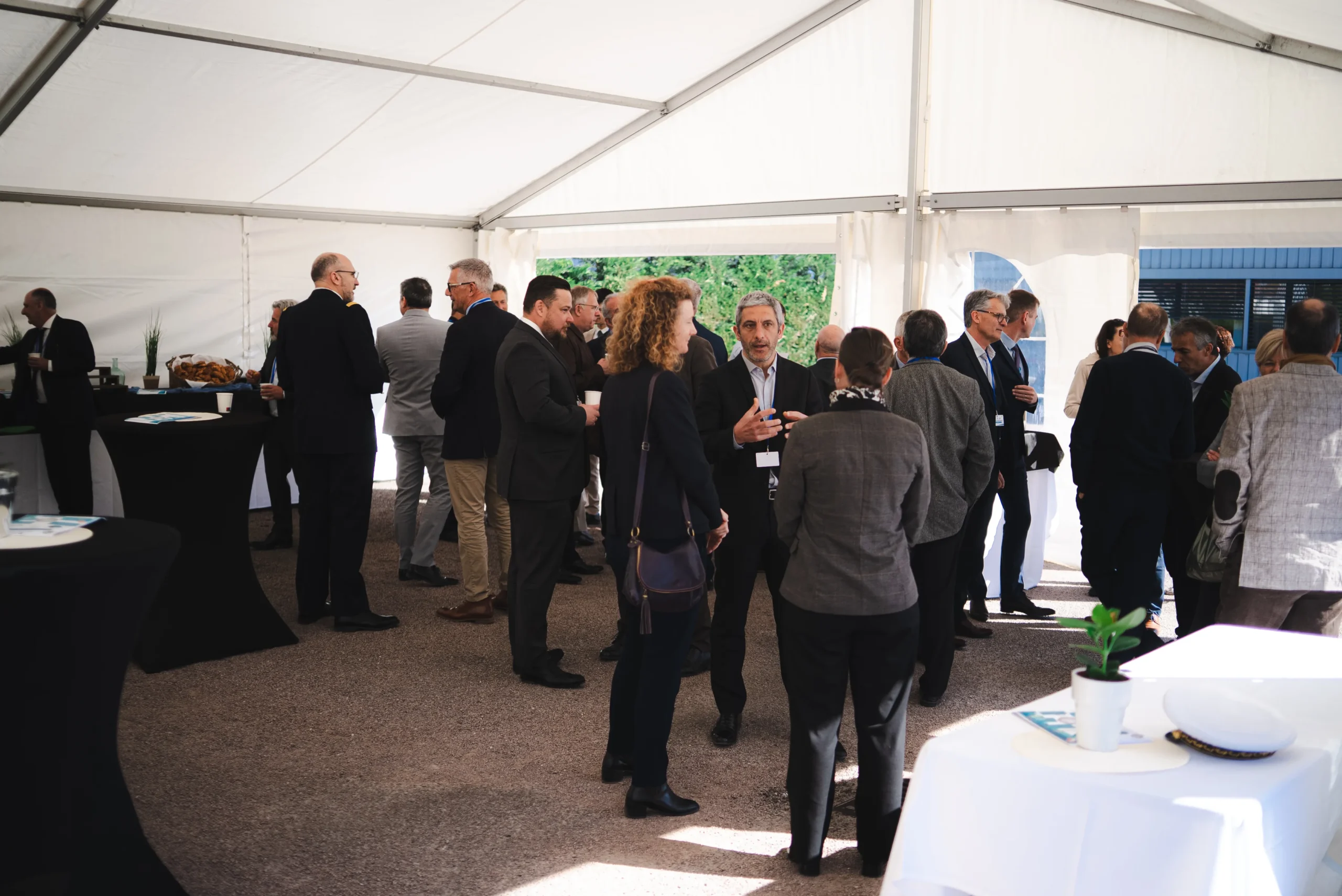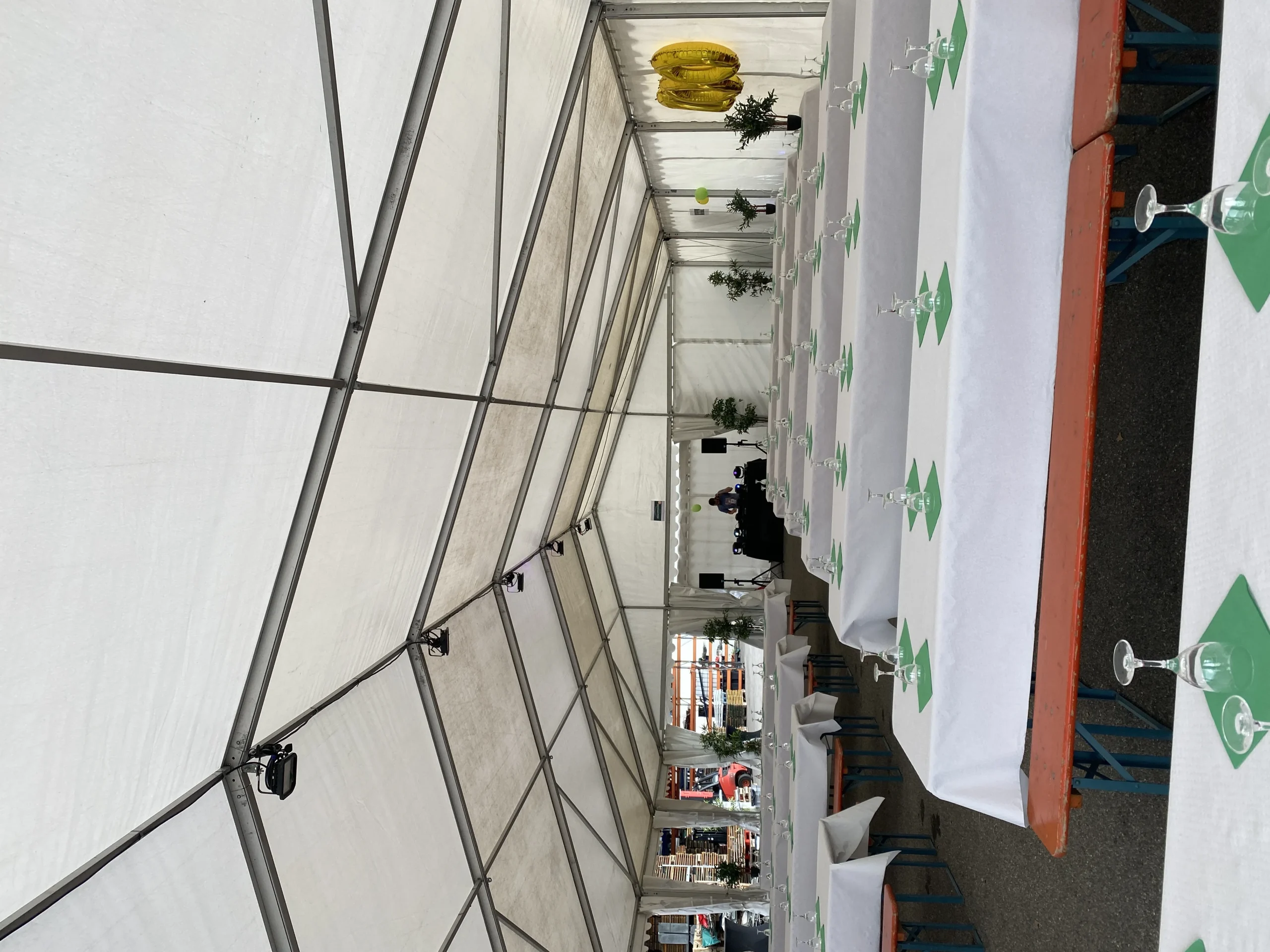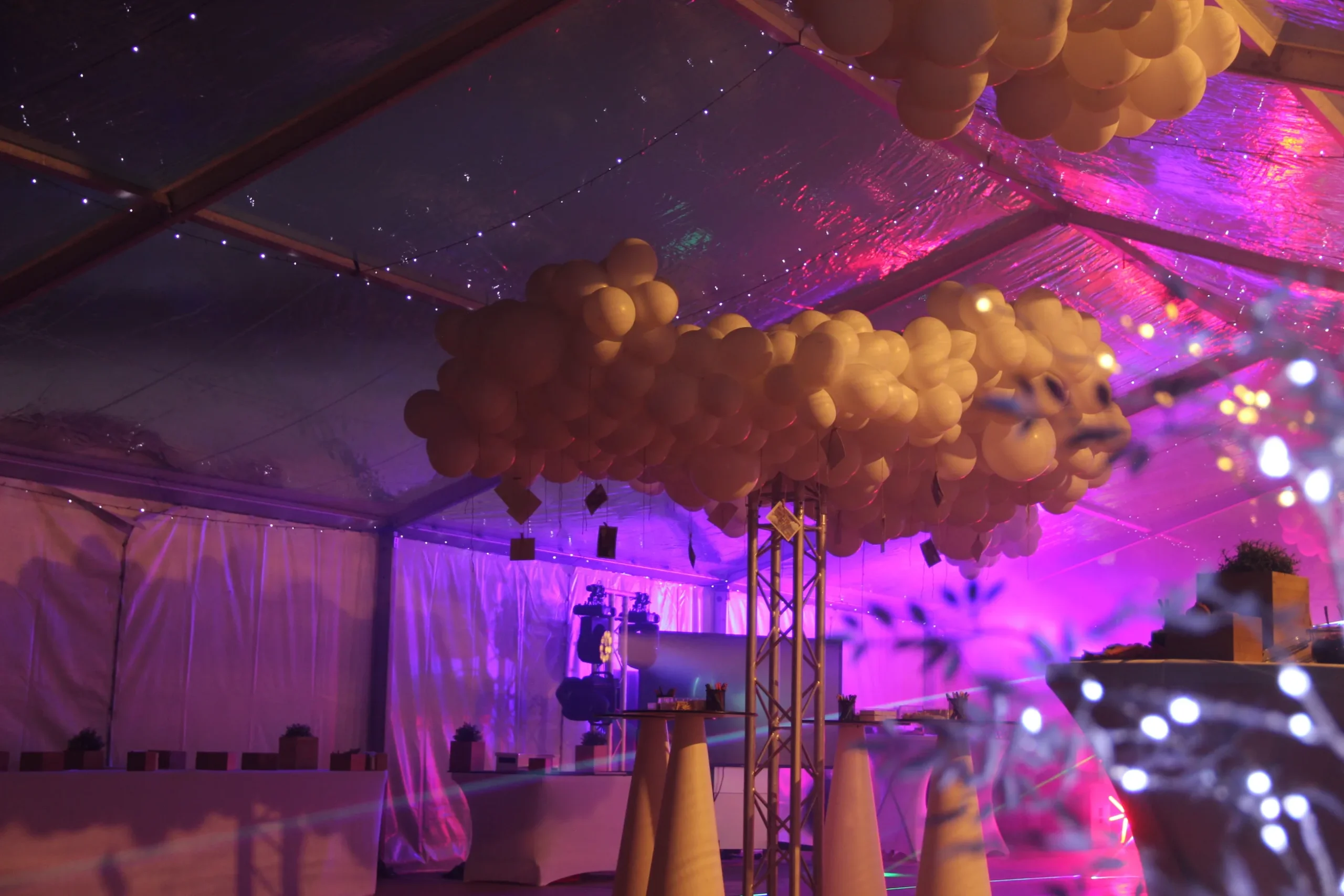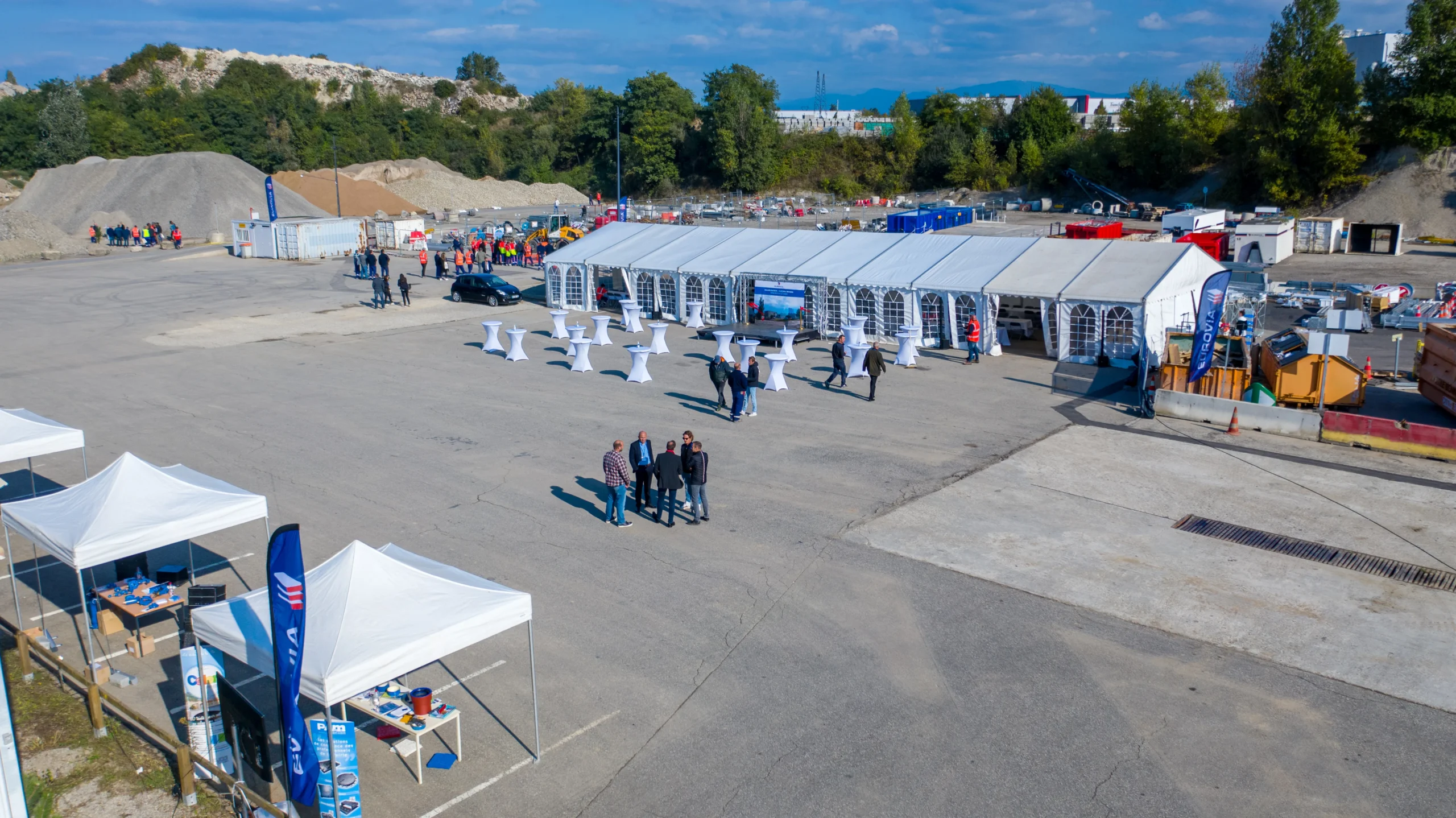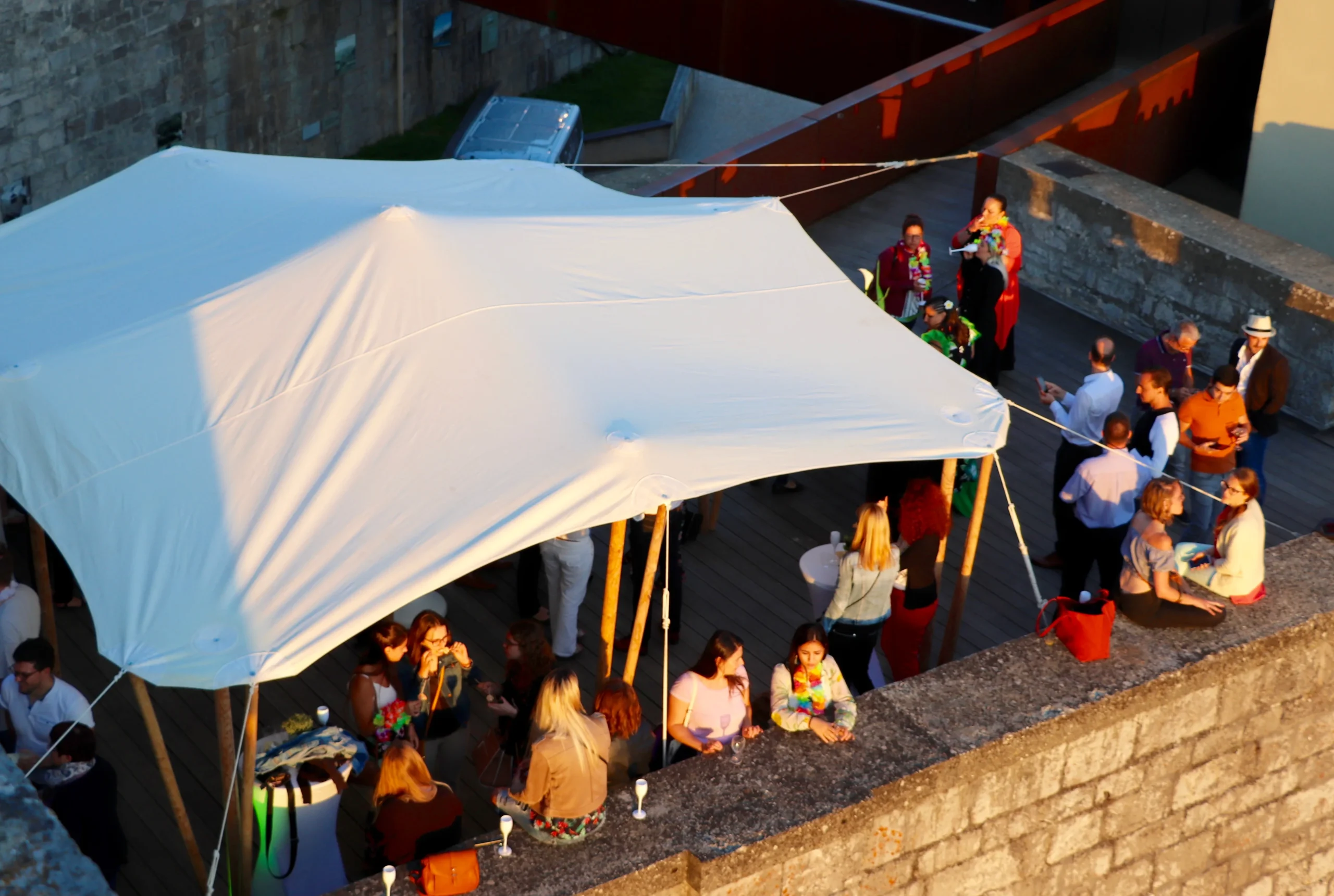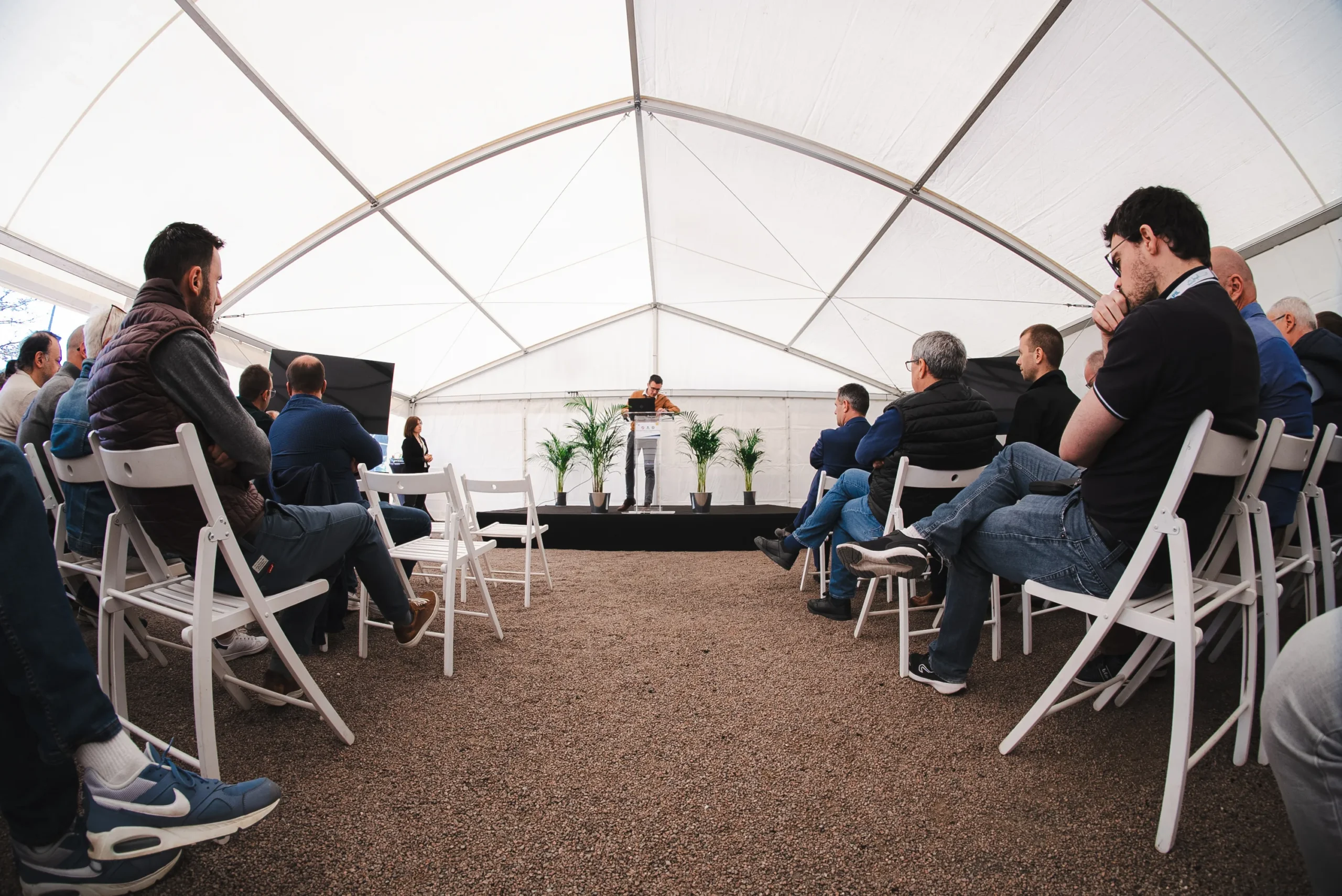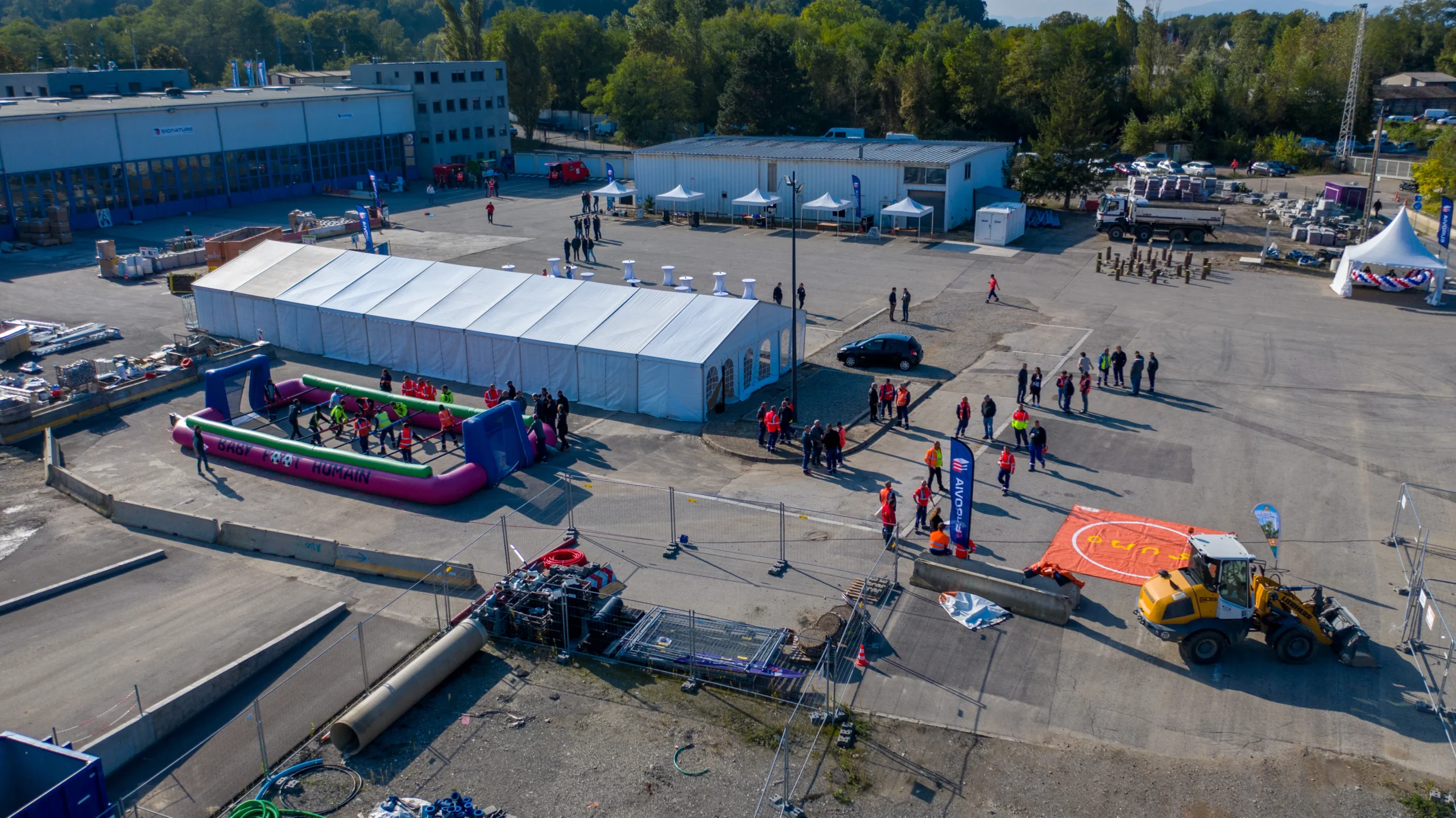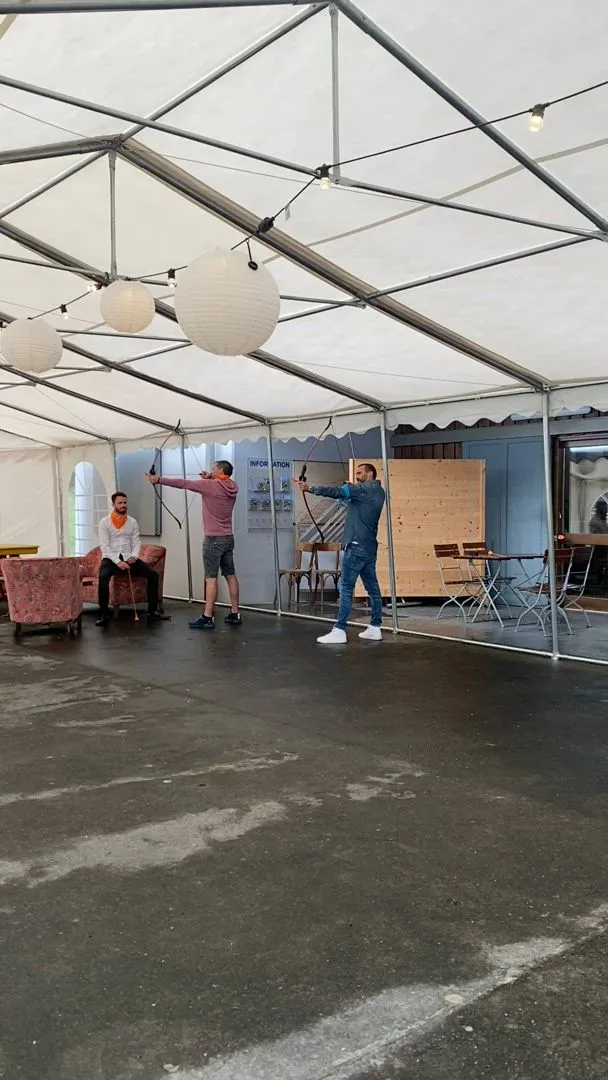
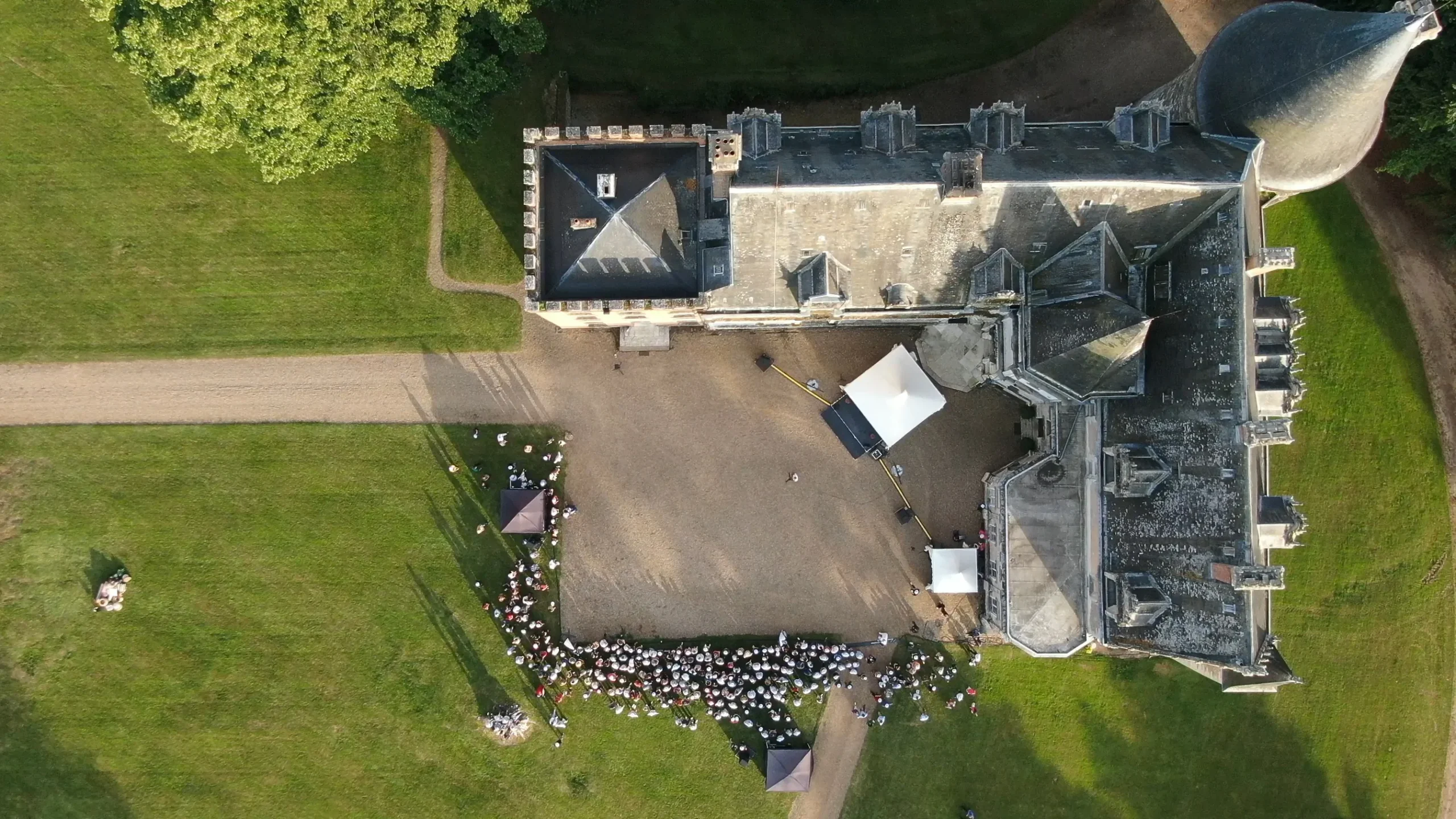
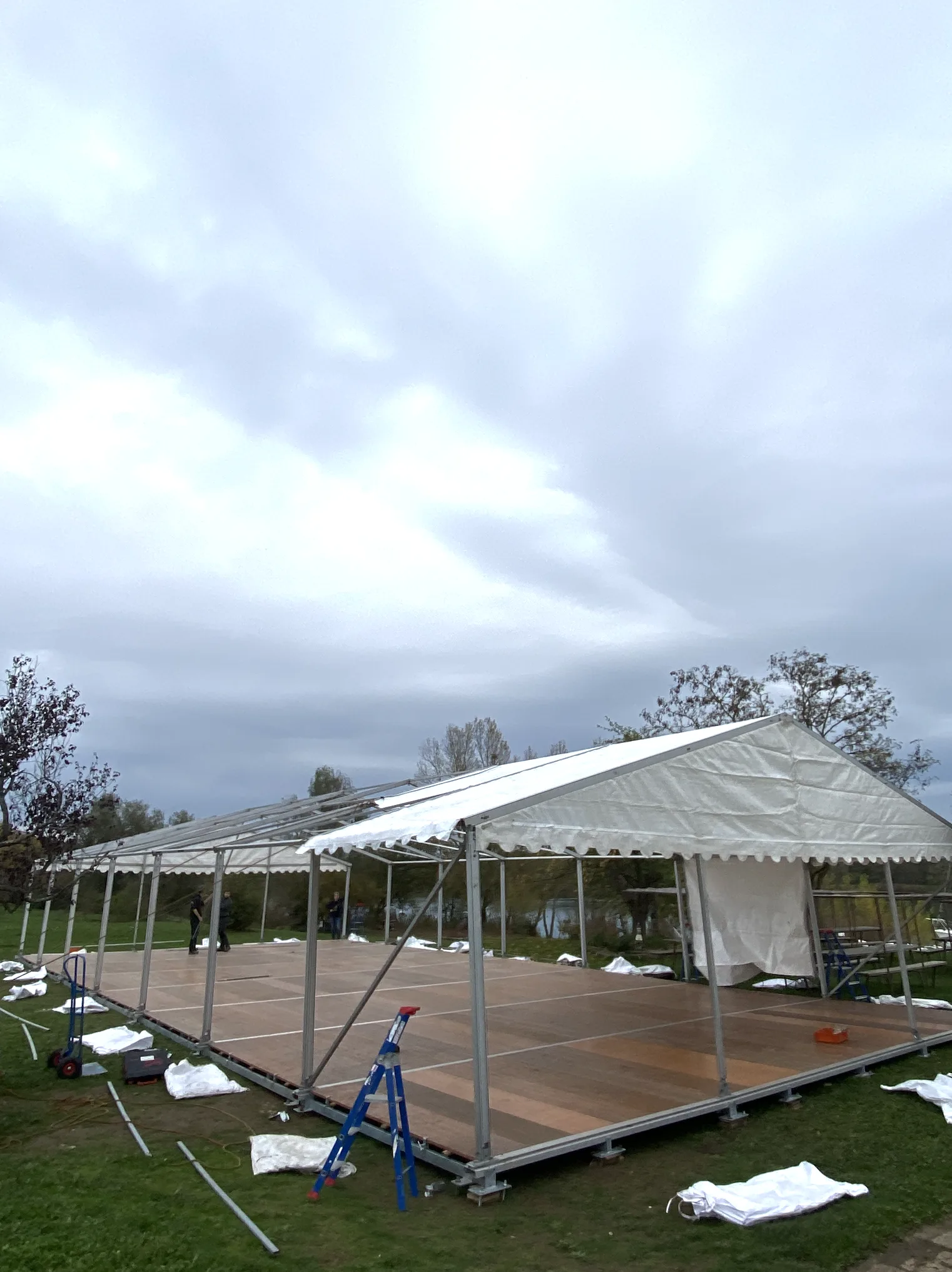
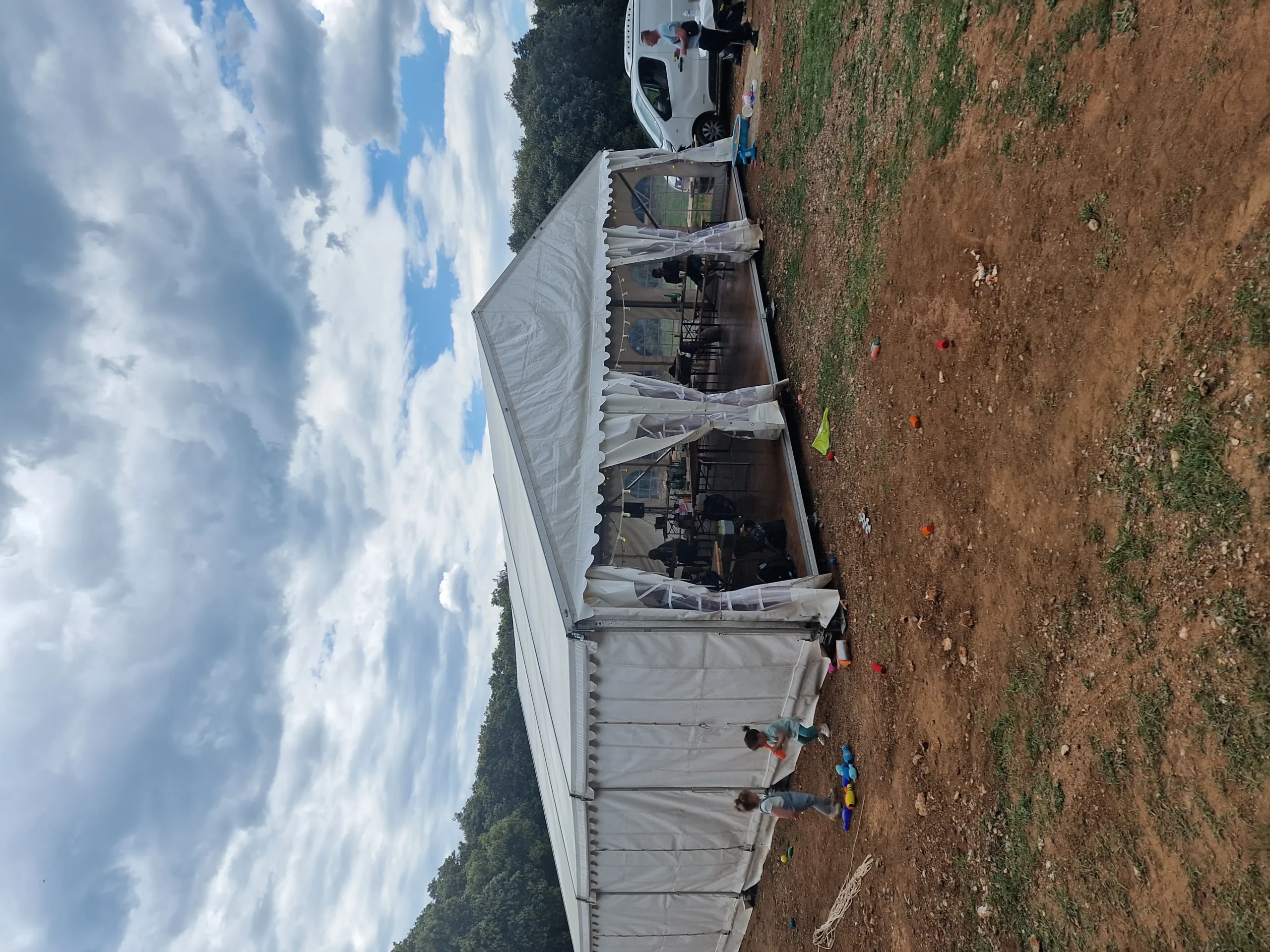
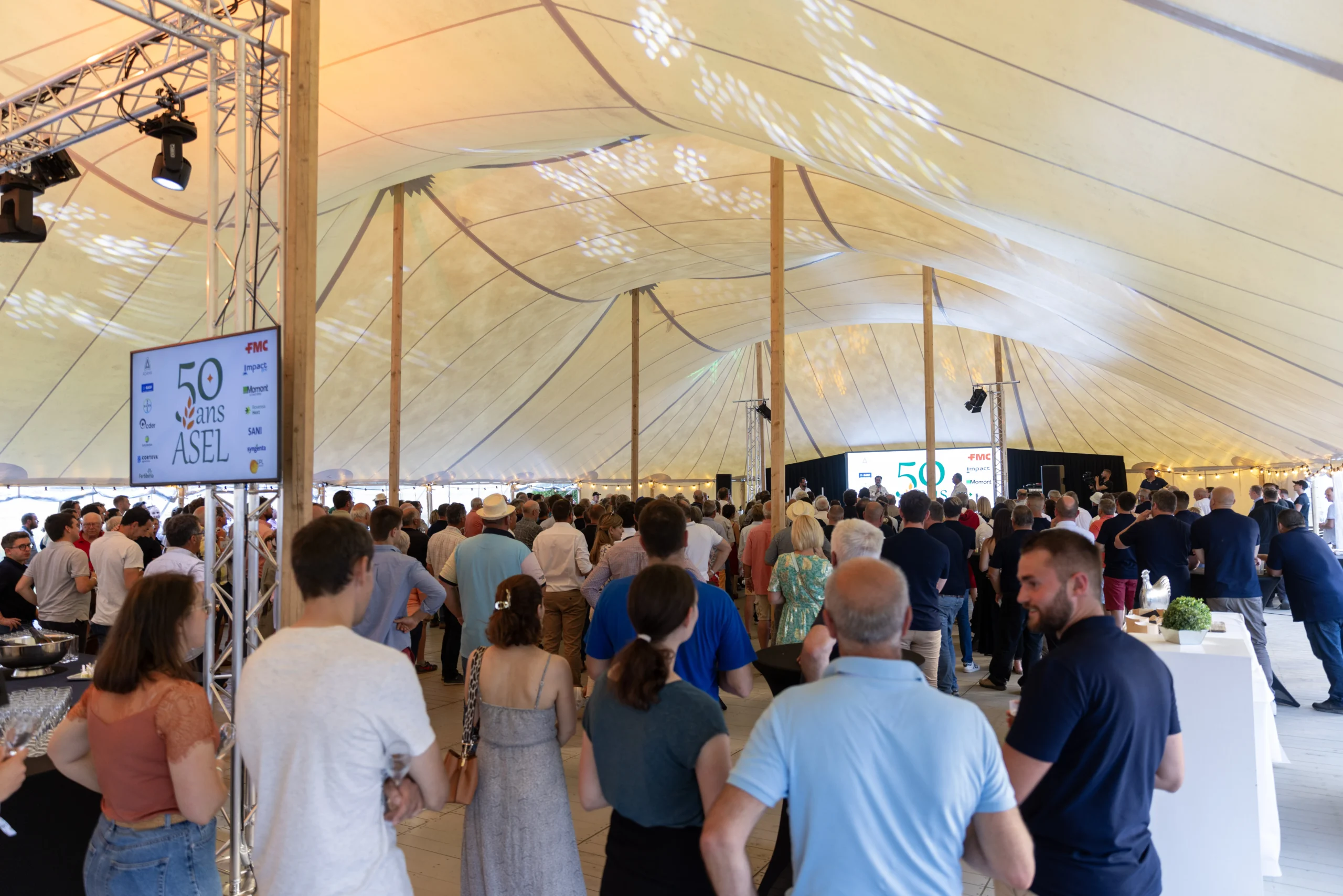
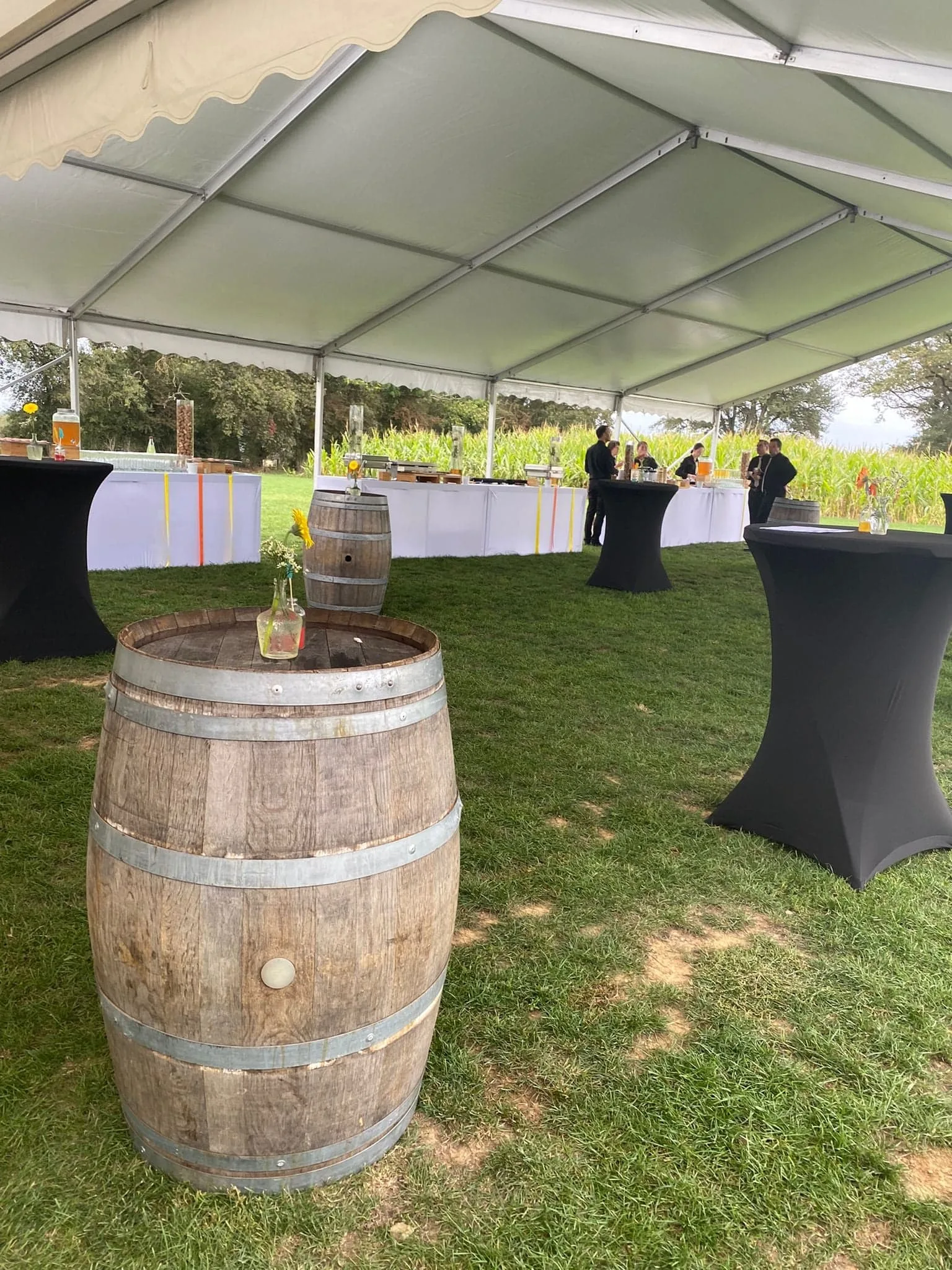
INNOV'events supports executives, HR and communications teams with Tent Rental solutions designed for Montréal realities—weather, permits, access constraints, and tight event-day timing. We typically manage projects from 50 to 2,000+ attendees, including structure selection, flooring, power, heating/cooling, lighting, and safety planning. You get a single operational lead, clear timelines, and a rain/wind plan that’s documented before you sign.
For a corporate event, a tent is not “just a roof.” It protects your agenda, your VIP moments, and your brand image when weather or logistics change. A well-planned Tent Rental in Montréal gives you control over flow, acoustics, comfort, and the experience your teams will remember.
Local organizations expect supplier punctuality, bilingual on-site staff, and zero improvisation around safety—especially for executive speeches, partner activations, and media moments. In Montréal, access windows, noise rules, and last-minute weather swings can make or break a program if they’re not engineered upfront.
We’re a Montréal-based event agency with field experience across parks, private lots, industrial campuses, and rooftops. Our strength is practical execution: site surveys, load calculations with suppliers, documented contingency plans, and a production schedule that respects your internal approvals and your venue’s constraints.
10+ years delivering corporate event production across Québec, with repeat accounts that require consistent standards from one quarter to the next.
200+ corporate projects coordinated (team events, launches, conferences, donor events), including outdoor builds with tents, staging, power distribution, and crowd flow.
Vendor network covering structures up to 40’ wide, multi-bay configurations, clearspan options, and compliant anchoring solutions for urban sites.
Operational planning with run-of-show discipline: loading plans, access maps, safety briefings, and decision points (go/no-go) agreed in advance.
We support organizations that operate with real constraints: production timelines, internal approvals, unionized environments, security protocols, and brand standards that can’t be “adjusted on the day.” In Montréal, several clients renew with us because they want the same outcome each time: predictable delivery, documented planning, and a team that can speak both operations and communications.
For confidentiality reasons, we share detailed case references and contactable vendor confirmations during the quoting phase. If you have specific compliance requirements (insurance limits, CNESST-oriented practices, venue-specific rules, or procurement templates), we integrate them early so your purchasing and legal teams are not pulled into last-minute exceptions.
Nous vous envoyons une première proposition sous 24h.
Choosing a tent is often the moment where an event shifts from “nice idea” to “operational project.” For executives, HR and communications teams, a Tent Rental setup is a tool to secure agenda reliability, manage brand exposure, and keep stakeholders comfortable—without being hostage to indoor venue availability.
Schedule protection for executive content: a weather-proof (and acoustically planned) environment ensures speeches, awards, and partner moments happen at the right time, with the right sound and lighting.
Control of flow and capacity: tents allow you to structure arrivals, registration, cocktail zones, seated areas, and back-of-house without compromising safety or guest experience.
Brand consistency: clean lines, proper drape, flooring, and lighting transform a parking lot or lawn into a space aligned with corporate standards—especially critical for investor, client, or media-facing events.
Operational flexibility: you can add bays for catering, coat check, green room, or product demo zones without rebooking a new venue; this is useful when headcount moves in the final 10 days.
Risk management: documented wind/rain planning, anchoring approach, and power distribution reduce the probability of day-of cancellations, safety issues, or reputational damage.
In Montréal, where corporate culture values both performance and respect for the city’s rules (permits, noise, access), a tent project succeeds when it’s managed like a production—clear responsibilities, written plans, and realistic time buffers.
Decision-makers here are pragmatic: they expect clarity, not promises. In Montréal, a tent build can involve a public park, a private commercial site, or a mixed-use environment where neighbors, security teams, and property managers all have a say. The expectation is that your agency has already seen these constraints and will not discover them at 6:00 a.m. on event day.
Concrete expectations we see from executives and comms teams include:
When these expectations are managed upfront, you protect internal stakeholders: HR avoids comfort complaints, communications avoids brand inconsistencies, and leadership avoids the reputational hit of a visibly improvised setup.
Entertainment under a tent works when it supports your objective: retention, employer brand, client relationship, or internal recognition. In a tent environment, engagement is also about flow—how guests move, where they pause, and how long they stay. We design corporate event entertainment in Montréal so it fits the program timing, acoustics, and crowd density.
Hosted networking formats: structured “conversation stations” with prompts tied to your strategic theme (culture values, innovation, safety), facilitated to avoid awkward dead zones during cocktail.
Team micro-challenges: short, timed activities that can run in parallel (10–12 minutes each) to keep energy without creating long lineups; ideal for 150–600 guests where you need movement.
Executive Q&A corner: moderated sessions with controlled audio so leadership can be visible without turning the entire tent into a conference; useful for internal town-halls or partner events.
Acoustic or low-impact live music: appropriate for sites with noise sensitivity; we plan stage placement and speaker direction to keep speech intelligible and avoid complaints.
Branded reveal moment: choreographed lighting and staging cue aligned with your comms plan (product, partnership, milestone). This requires AV rehearsal time built into the schedule.
Walk-around performers with purpose: not “random entertainment,” but roles designed to guide guests, create photo moments where you want them, and reinforce brand tone (corporate, premium, or family-friendly).
Service tempo planning: in a tent, food is part of crowd control. We recommend station count and placement based on headcount (e.g., multiple points of service to prevent a single 25-minute lineup).
Local Montréal partners: bar and catering concepts that feel anchored to the city without becoming a cliché; we can propose a menu flow that supports speeches and avoids service noise during key moments.
Comfort beverages strategy: in cooler months, hot options reduce early departures. In heat, hydration points and ice management protect guest comfort and staff pace.
Hybrid-ready tent setup: camera positions, a quiet control zone, and reliable power/internet routing so leadership content can be captured without compromising the live experience.
Immersive lighting design: practical uplighting and ceiling treatments that make the space look intentional on phone cameras and corporate photography—critical for internal and external comms.
Data-light engagement tools: simple on-site feedback or voting moments (without forcing app downloads) to give HR/communications usable insights after the event.
The best activation is the one that matches your brand posture. A conservative finance team and a fast-moving tech scale-up can both use tents—but the entertainment, sound levels, and visual treatment must align with how the company wants to be perceived in Montréal.
The site you choose determines not only the atmosphere, but your operational risk: anchoring method, truck access, noise tolerance, and what happens if weather turns. In Montréal, the difference between a smooth build and a stressful one often comes down to site constraints discovered too late.
| Venue type | For which objective? | Main strengths | Possible constraints |
|---|---|---|---|
Corporate campus / private parking lot | Employee events, anniversaries, internal town-halls | Control over access, easy branding, proximity to services and staff | Underground utilities, limited staking, fire lanes and security protocols |
Private green space (estate, private garden, golf club) | VIP reception, client appreciation, fundraising dinner | Premium setting, good photo backdrop, quieter environment | Ground protection required, drainage risk, stricter vendor rules |
Industrial site / warehouse yard | Product demo, partner day, operations celebration | Large surfaces, flexible layouts, easier heavy load logistics | Noise, dust, uneven ground, need for strong lighting and signage |
Rooftop / elevated terrace | Executive cocktail, media moment, brand launch | High perceived value, skyline views, strong brand impact | Wind exposure, strict load limits, freight elevator logistics, ballast planning |
We strongly recommend a site visit (or at minimum a technical walkthrough with photos, measurements, and access validation). For Tent Rental, small details—curbs, gates, slope, nearby power panels—decide whether your budget holds and whether your schedule stays intact in Montréal.
Pricing for Tent Rental in Montréal depends less on “the tent” and more on the full system required to make it corporate-grade: flooring, anchoring, power, comfort, and production timing. Two events with the same headcount can have very different costs depending on site and season.
Structure type and size: clearspan vs. frame, width, length, and whether you need connected bays (reception + dining + catering). Larger spans reduce interior poles but can increase equipment and engineering needs.
Anchoring method: staking into soil is often simpler; ballast is required where staking is not permitted (pavers, underground infrastructure, certain urban sites). Ballast can affect trucking and labor.
Flooring level: basic ground cover is not the same as a rigid subfloor with leveling. If you need heels-safe surfaces, wheelchair accessibility, or a perfectly flat stage zone, flooring becomes a major line item.
Season and comfort: heating, sidewalls, doors, or cooling/ventilation. In Montréal’s shoulder seasons, comfort planning often decides whether guests stay through dessert or leave early.
Power and distribution: generator sizing, cabling, lighting, and redundancy. Catering and heating loads can be significant and must be planned to avoid outages.
Timeline and labor windows: tight load-in/load-out, night builds, or restricted access can increase labor. A realistic schedule often saves money by avoiding overtime and rushed fixes.
Compliance and documentation: insurance requirements, venue approvals, security coordination, and any required inspections or plans.
We approach budget as a risk-control tool: you invest where it protects the agenda and the brand (structure, flooring, power, safety), and we avoid spending on elements that don’t move the needle. For leadership teams, the ROI is simple: fewer operational surprises, better attendance retention, stronger content capture, and a consistent brand presence in Montréal.
A tent project is a coordination challenge: multiple suppliers, delivery sequences, and compliance points. Working with a team established in Montréal reduces friction because we know the practical realities—traffic patterns, access constraints, common venue expectations, and the supplier ecosystem that can respond quickly when conditions change.
As your operational lead, INNOV'events manages the entire chain: site validation, supplier alignment, schedules, and event-day authority. If you already have preferred vendors, we can integrate them; if not, we propose options with clear trade-offs (cost, availability, quality, responsiveness).
When you need broader support beyond the tent itself—program design, guest management, staging, AV, or entertainment—we can fold it under one umbrella. This is where having an event agency in Montréal matters: fewer handoffs, fewer gaps, and one accountable contact.
We approach budget as a risk-control tool: you invest where it protects the agenda and the brand (structure, flooring, power, safety), and we avoid spending on elements that don’t move the needle. For leadership teams, the ROI is simple: fewer operational surprises, better attendance retention, stronger content capture, and a consistent brand presence in Montréal.
Our tent projects range from internal celebrations to high-stakes client events where timing and image are non-negotiable. Typical scenarios we handle in Montréal include:
Across these formats, what stays constant is our focus on operational control: documented plans, supplier checklists, and an on-site lead who has authority to make decisions when conditions change.
Underestimating anchoring constraints: discovering too late that staking is prohibited (or unsafe) leads to expensive last-minute ballast solutions and schedule delays.
Skipping flooring realities: grass and uneven surfaces look fine in photos, but they create real guest issues (heels, accessibility, wobbling tables) and increase incident risk.
Planning power “later”: generators and distribution must be sized to real loads; heating and catering are frequent culprits for outages when not calculated properly.
Ignoring sound and tent acoustics: without placement and tuning, speeches become hard to hear, which reflects poorly on leadership moments.
No defined rain and wind thresholds: if you don’t agree in advance on decision points, leadership ends up making safety calls under pressure.
Compressed load-in schedules: trying to build tent, flooring, furniture, stage, and décor in the same short window increases overtime and quality issues.
Not coordinating with site stakeholders: security, property management, and neighbors can stop a build if rules aren’t respected (access routes, noise, protected areas).
Our role is to remove avoidable risks before they become visible to your guests. For Tent Rental in Montréal, professionalism is measured by what doesn’t happen on event day: no delays, no safety incidents, no “we didn’t know.”
Repeat business in event production is rarely about price alone. Clients return when an agency protects internal time, makes decision-making easier, and delivers predictable results under real constraints. In Montréal, that often means managing the gray zones: weather calls, access limitations, and multi-stakeholder approvals.
High repeat rate on corporate accounts that run annual cycles (summer events, fall recognition, end-of-year gatherings), where consistency matters more than novelty.
Shorter decision cycles over time: once the tent, power and comfort standards are set, we can reuse validated templates (site maps, load plans, checklists) to reduce planning time.
Fewer internal escalations: HR and communications teams report less last-minute stress because responsibilities and deadlines are written and tracked.
Loyalty is the most concrete proof we can offer: when leadership trusts that the build will be safe, on time, and aligned with brand standards, they stop shopping for a new supplier every year.
We start with a site survey (in person when possible): surface type, slope, drainage, access routes, staging areas, nearby power, and constraints such as underground infrastructure. We confirm tent orientation (wind exposure), guest flow, and where back-of-house can live without hurting the experience.
We define the tent configuration based on your program: cocktail zones, seated capacity, stage footprint, AV control, catering bay, and circulation widths. We specify sidewalls, doors, flooring, heating/cooling, and lighting to match season and the level of formality expected by executives and guests.
We provide options with practical implications (for example: ballast vs. staking; rigid floor vs. ground cover; heating levels). You get a transparent scope so procurement can compare apples to apples and leadership can decide without ambiguity.
We compile the documents typically requested: site plan, tent dimensions, anchoring method, egress plan, certificates of insurance, and supplier confirmations. We coordinate with property management, security, and any other stakeholders to avoid day-of restrictions.
We build a load-in/load-out plan: truck arrival windows, installation sequence (tent, floor, power, lighting, furniture, décor), and inspection points. This reduces overtime and avoids conflicts between trades on site.
We run the site with a designated lead and a clear chain of command. We manage weather monitoring, safety checks, vendor arrivals, and program cues. If conditions change, we execute the pre-approved contingency plan so your team stays focused on guests and stakeholders.
For peak season (June to September), plan 8–12 weeks ahead for corporate-grade inventory and preferred install dates. For May or October, 6–10 weeks is typical. For complex sites (downtown access, rooftop, ballast required), earlier is safer because engineering and logistics take longer.
Sometimes, yes—especially in public spaces or when the site manager requires formal approval. Requirements vary by location and arrondissement/site rules. We treat permitting as a workstream: site plan, dimensions, anchoring method, and egress details are prepared early so your timeline doesn’t compress.
Yes. When staking is not possible, we use ballast anchoring (weighted systems). Ballast impacts trucking, labor, and sometimes layout (where weights sit). A quick site survey determines feasibility and helps avoid last-minute cost increases.
As a planning range: for a cocktail format, allow roughly 10–15 sq ft per person; for a seated dinner, often 15–20 sq ft per person depending on table plan, stage, dance floor, and buffet/stations. We confirm sizing after your program elements (stage, AV, catering, bars) are defined.
We plan sidewalls/doors, flooring transitions, drainage considerations, and define decision thresholds with your team and suppliers. We also plan for added time buffers and safe egress. If wind exposure is high (open sites, rooftops), anchoring and orientation are engineered accordingly and documented before event day.
If you’re comparing agencies, we can make the choice easier: share your date, approximate headcount, site (or shortlist), and the type of program (cocktail, seated dinner, conference). We’ll come back with a clear scope, realistic options, and an execution timeline that respects your internal approvals.
For Tent Rental projects in Montréal, the best results come from early technical validation—especially when flooring, ballast, power, or heating are involved. Contact INNOV'events to schedule a quick discovery call and a site feasibility check.
Thierry GRAMMER is the manager of the INNOV'events Montréal office. Reach out directly by email at canada@innov-events.ca or via the contact form.
Contact the Montréal agency