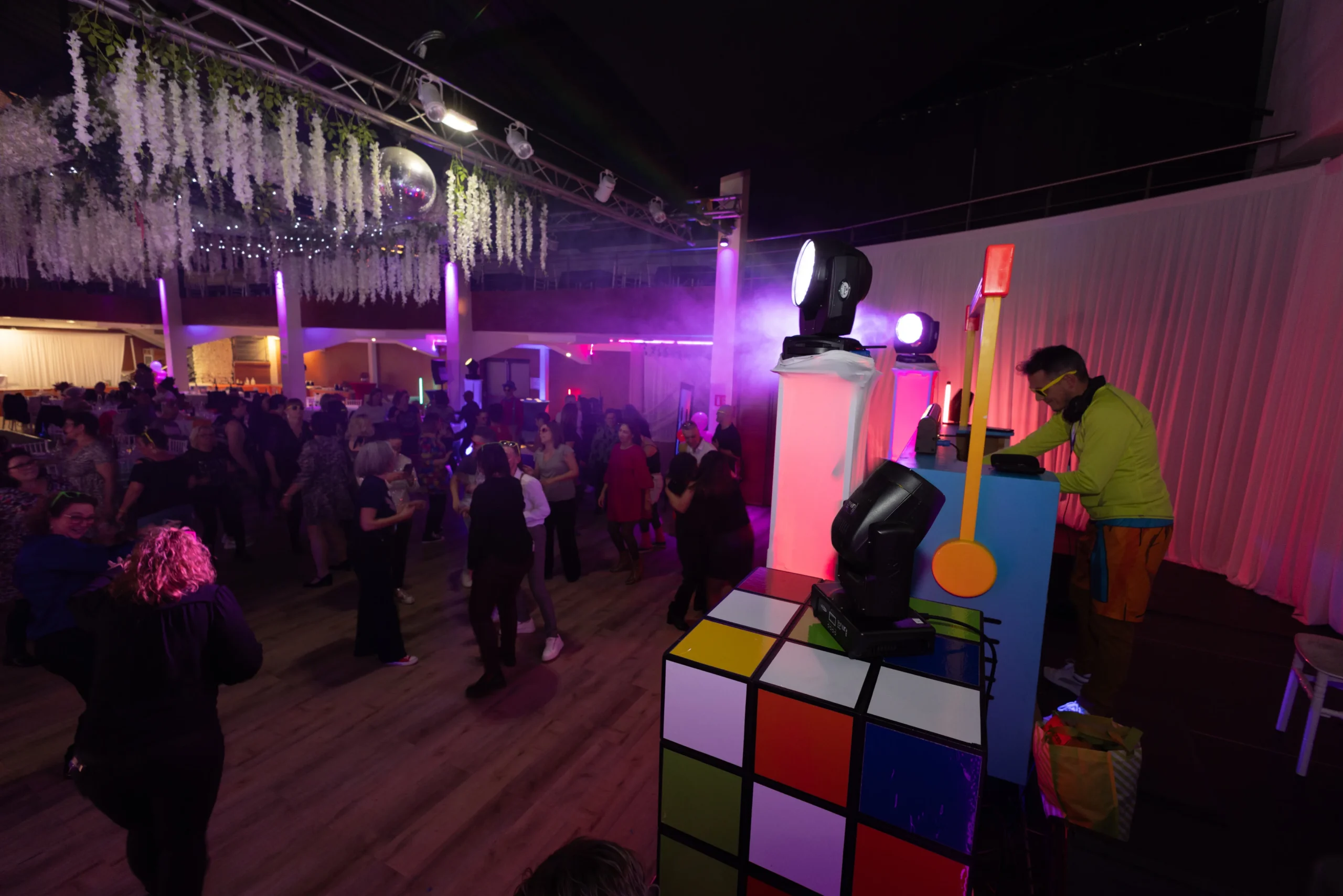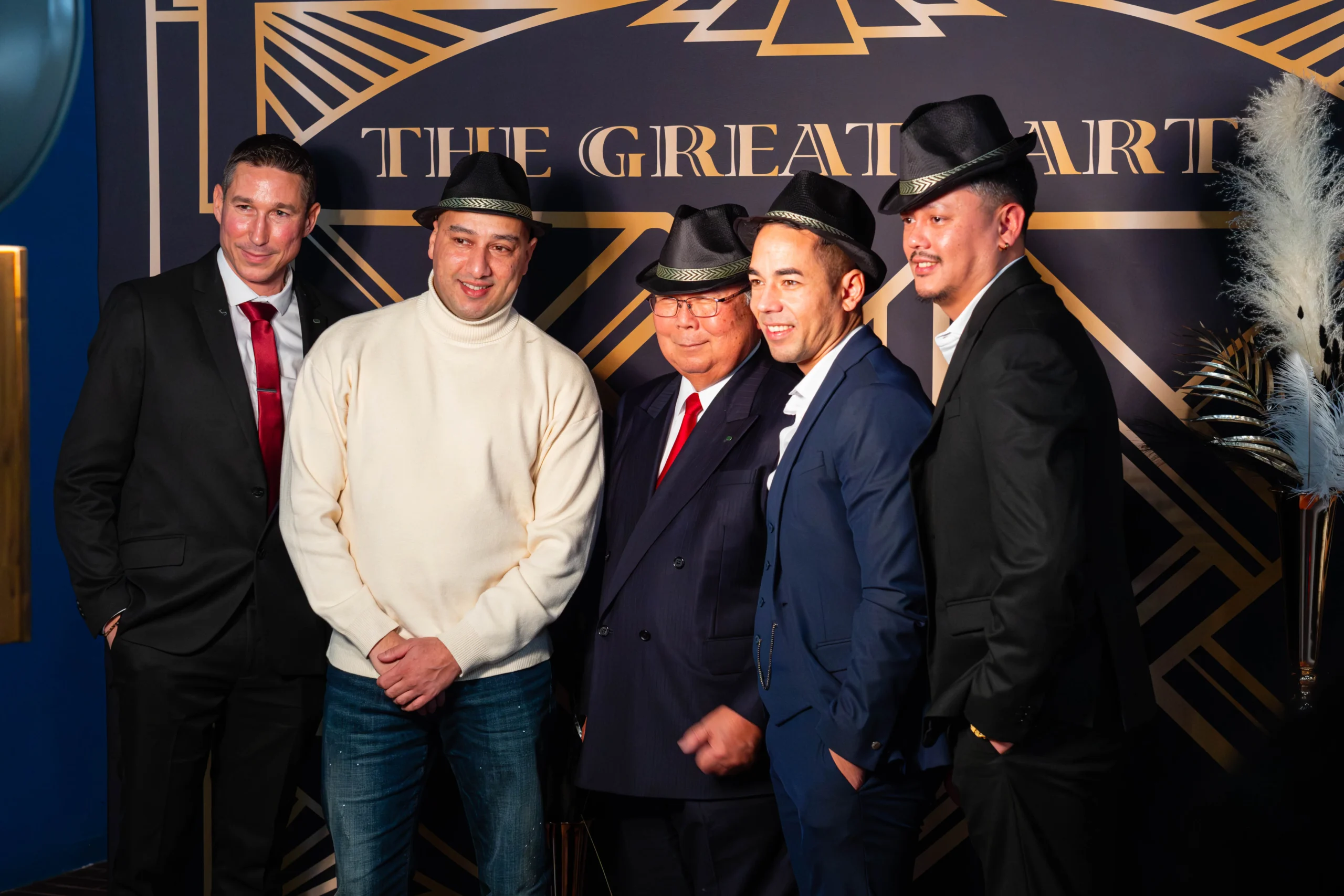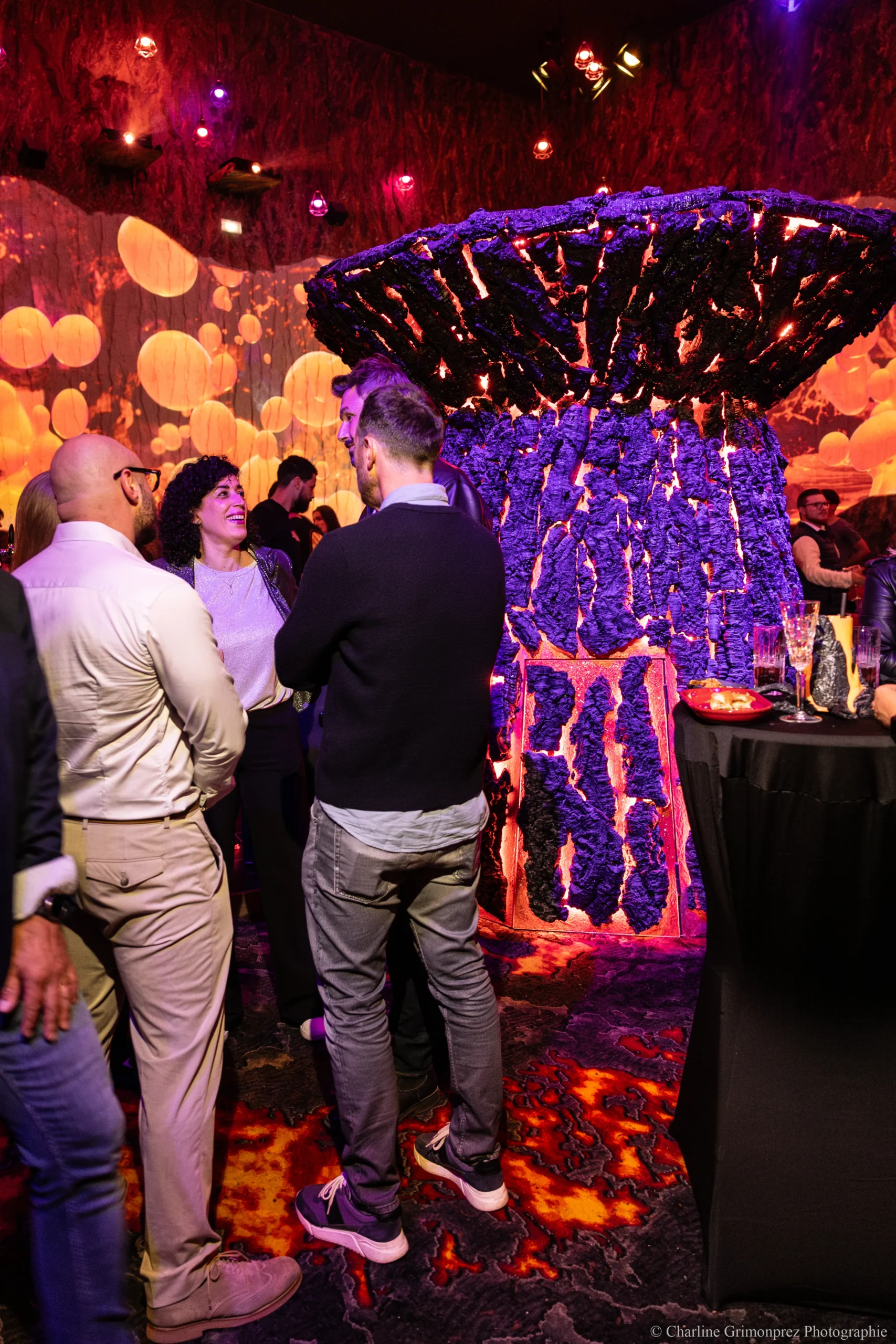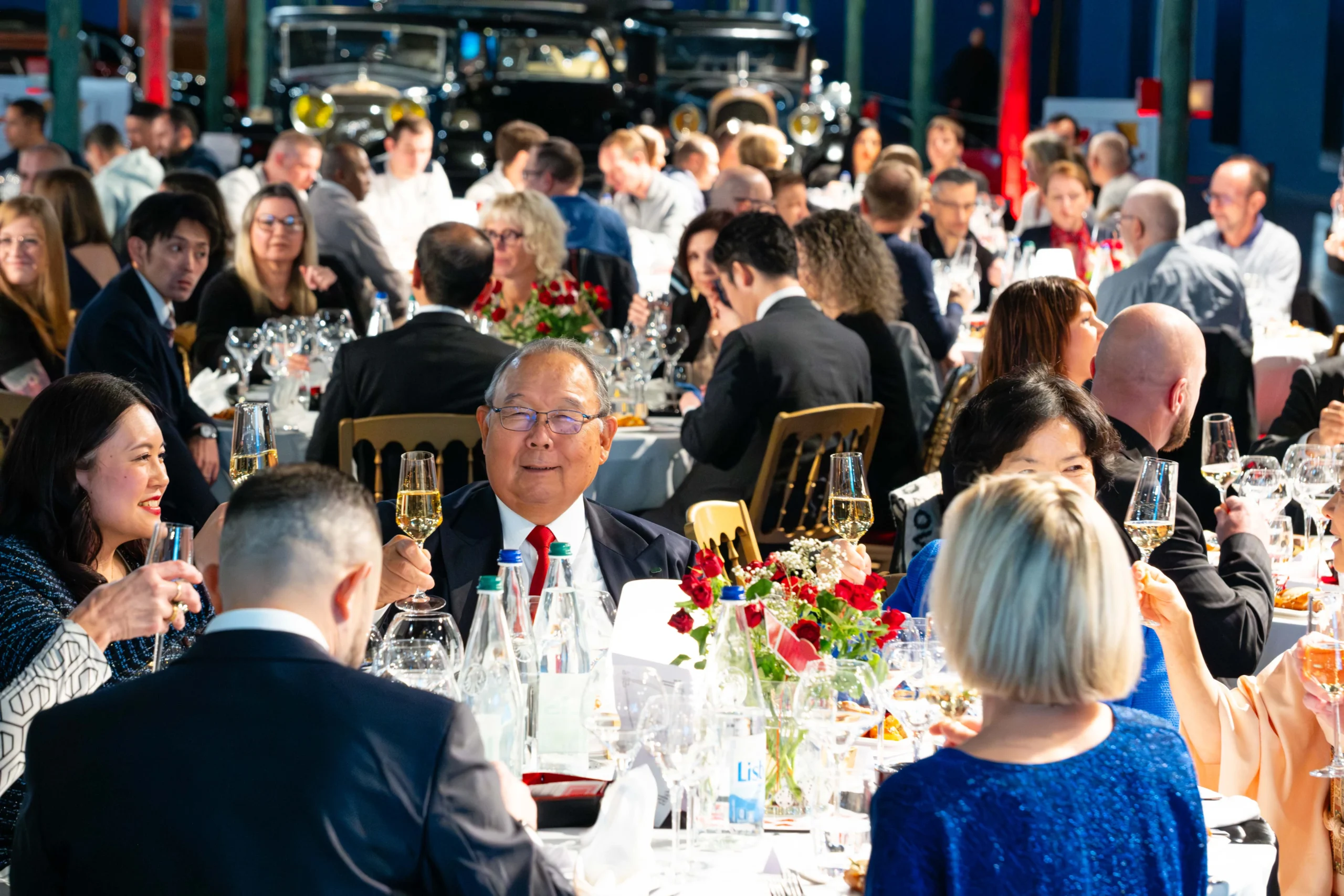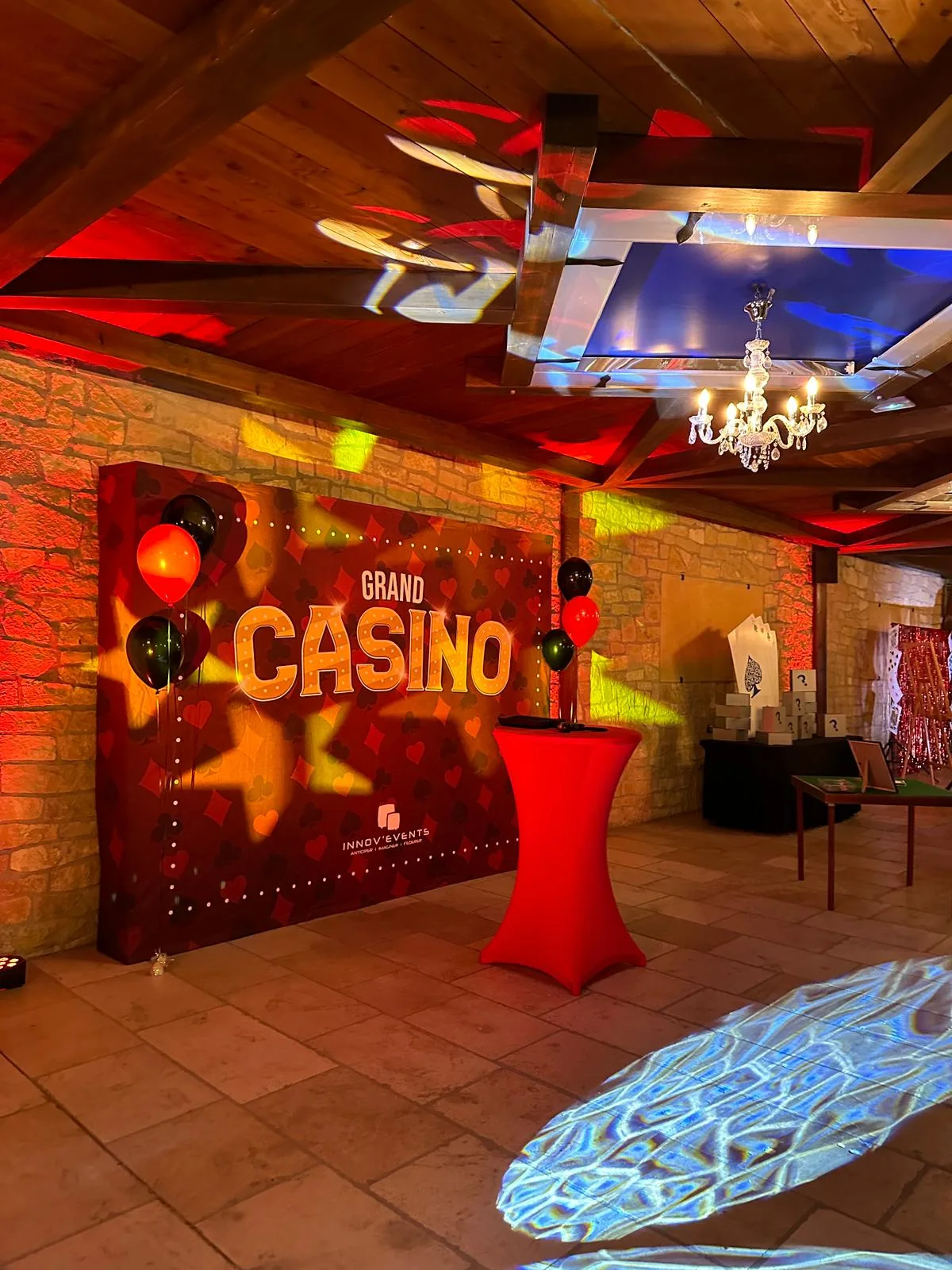
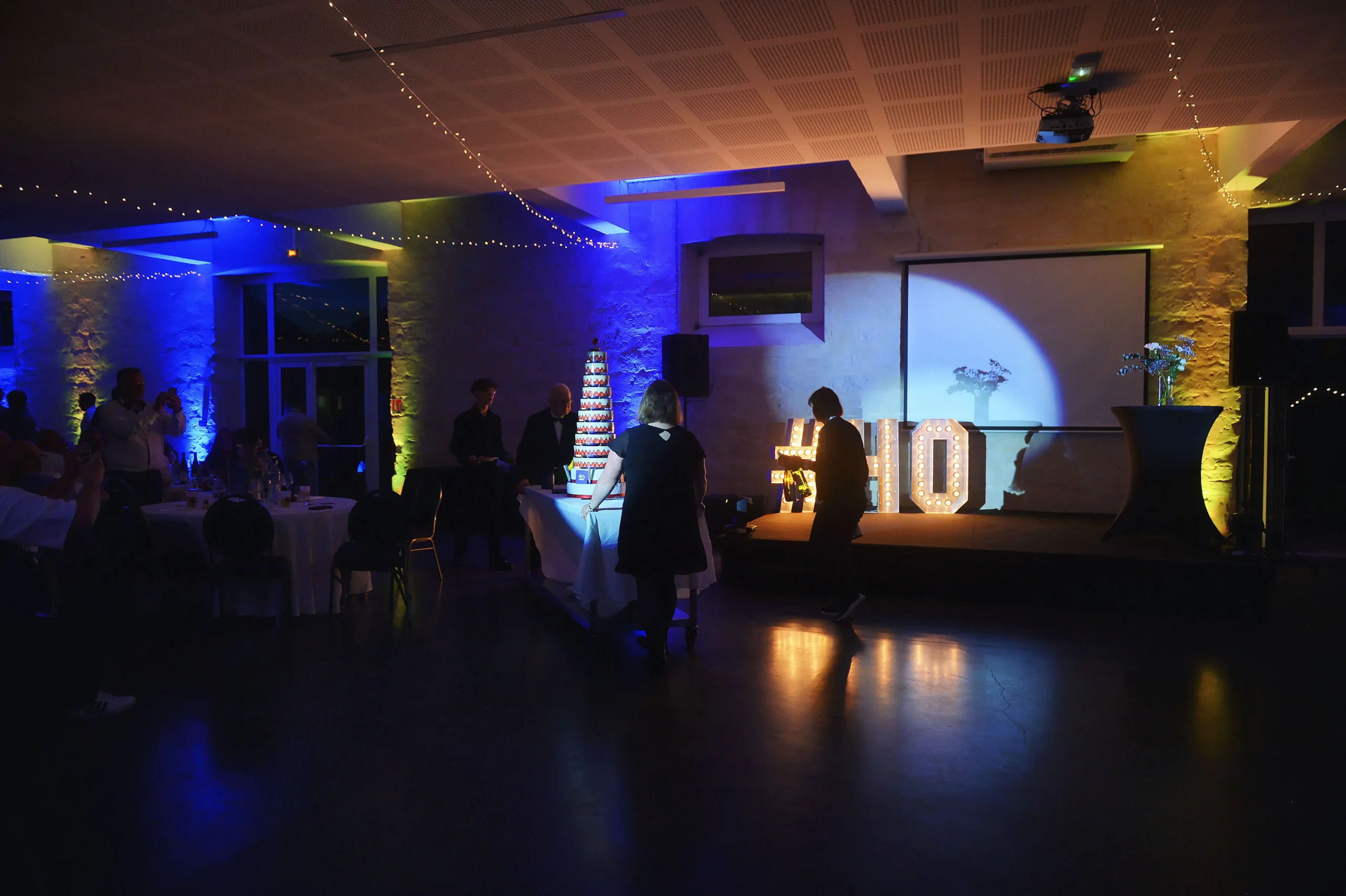
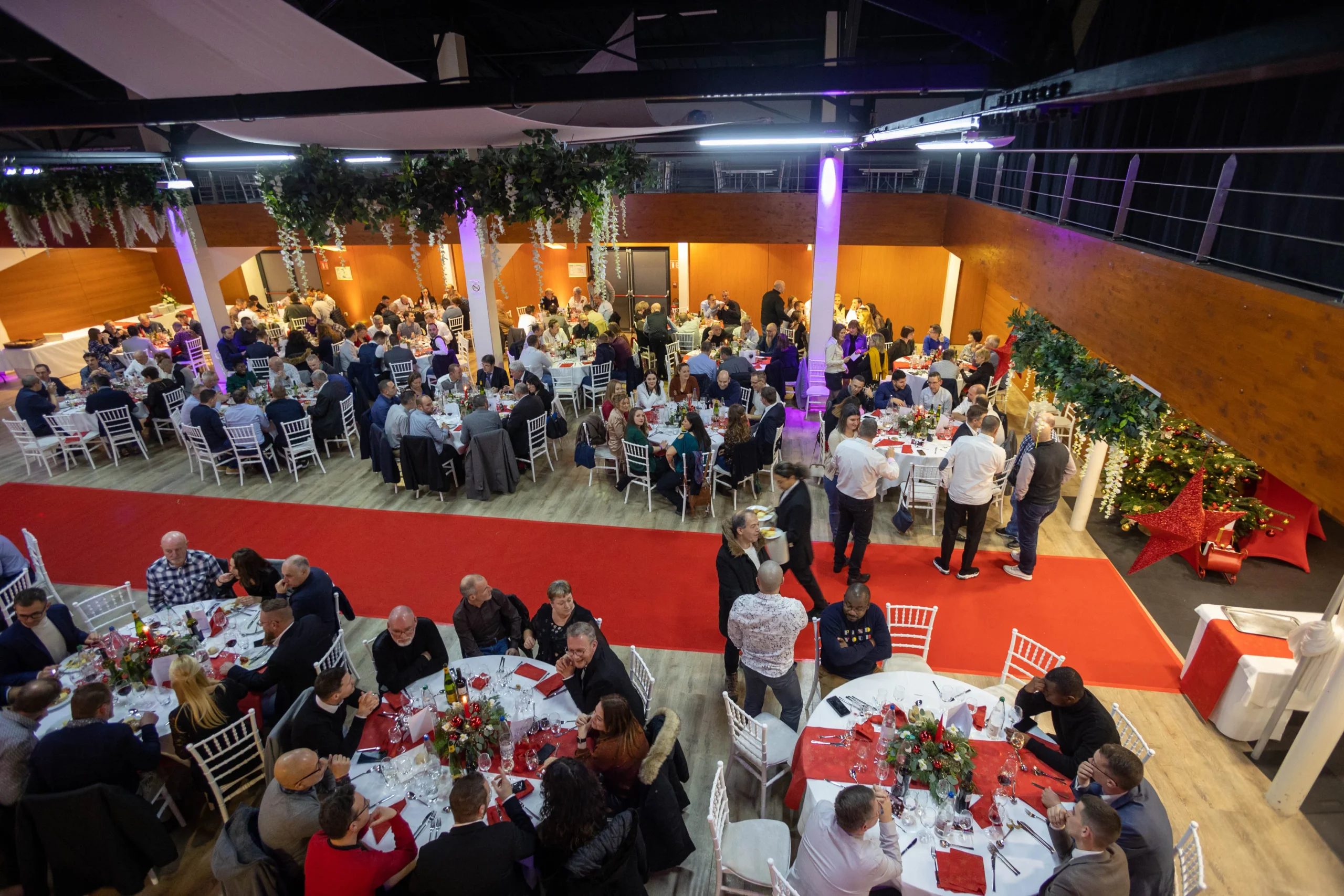
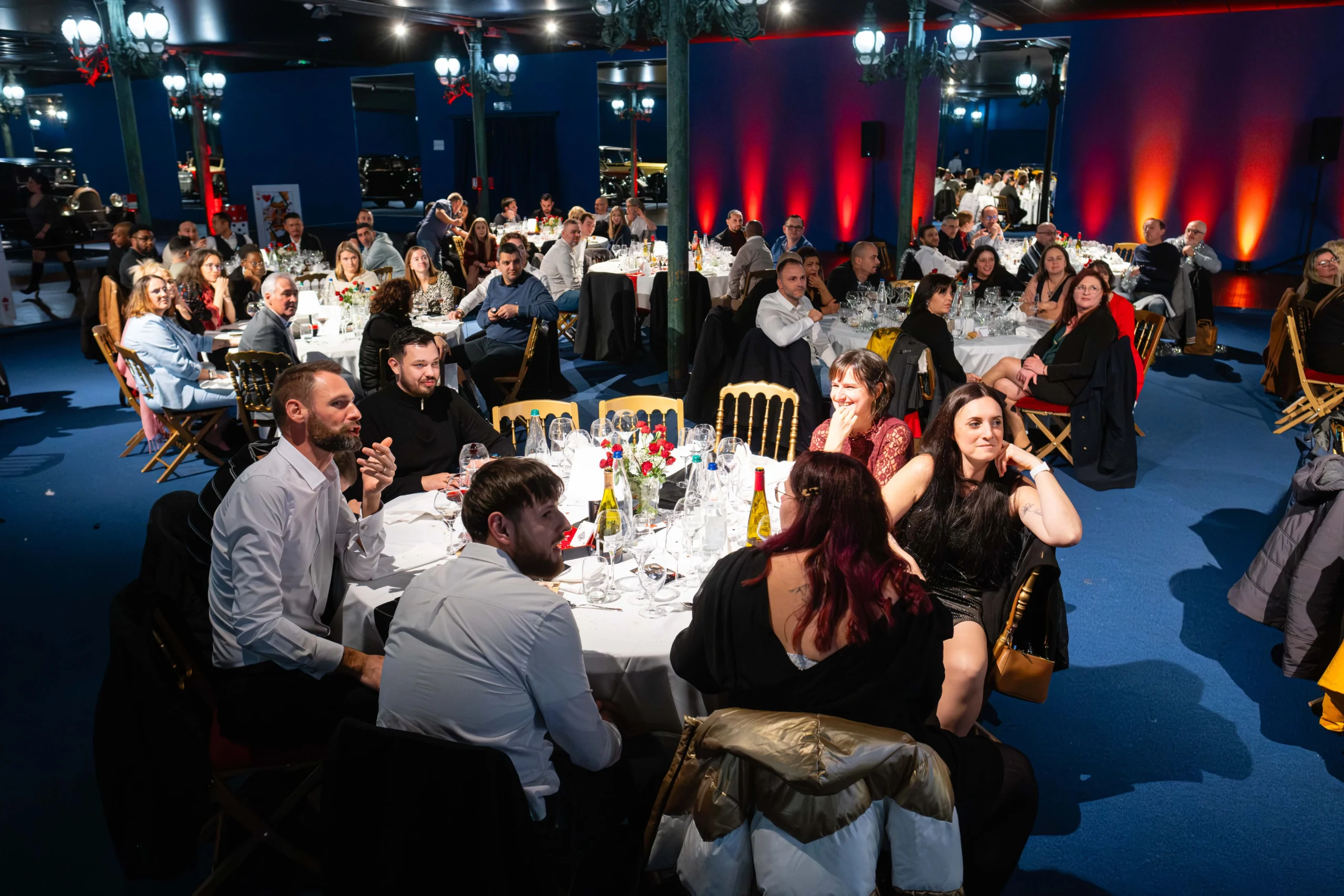
INNOV'events is a Montréal-based event team supporting Laval organizations with Corporate Event Décor for 30 to 1,500+ attendees. We handle concept, production, supplier coordination, on-site installation, and strike so your teams stay focused on hosting and business outcomes.
In a corporate context, décor is not “nice-to-have”: it is the tool that sets hierarchy, flow, and perceived quality in the first 30 seconds. A well-designed environment reduces guest confusion, shortens lineups, and supports your message—especially when executives need a controlled, professional atmosphere.
In Laval, organizations typically expect practical solutions: fast load-ins, clean branding, and compliance with venue rules. HR and communications teams also need décor that photographs well for internal comms and LinkedIn, without disrupting speeches, sponsor visibility, or safety.
We bring local field habits: pre-site walks, detailed floorplans, and supplier timing that accounts for traffic and building access. Our team is regularly on the North Shore and can mobilize quickly for last-minute changes—without compromising finish quality.
10+ years delivering corporate events across Québec, including Laval mandates with tight building schedules and union rules.
200+ corporate projects coordinated (meetings, galas, product launches, internal culture events) with documented run-of-show and install plans.
24–72 hours typical turnaround for a first concept board and budget range after a qualified briefing.
1 point of contact from concept to strike, plus an on-site lead responsible for vendor timing, safety checks, and finishing details.
We support organizations that operate in Laval and the wider North Shore ecosystem, where calendars are packed and venue access can be restrictive. Many of our corporate clients come back year after year because their internal teams change, but the expectations stay the same: predictable execution, clean branding, and no surprises during install.
If you want us to include local references, venues, or repeat-client examples in a proposal, share the sectors you operate in (manufacturing, finance, retail HQ, tech, public sector) and the type of event (town hall, recognition, holiday party, conference). We’ll align the design choices to what your stakeholders will recognize as credible for your industry, not what looks good only in a mood board.
We send you a first proposal within 24h.
Décor is often where budgets get squeezed because it feels less “operational” than AV or catering. In practice, décor is what makes the room function: it directs attention, creates zones, and reinforces your employer brand without requiring extra speaking time.
Executive messaging control: a staged backdrop, disciplined brand placement, and clean sightlines reduce visual noise and keep attention on the spokesperson, especially during Q&A.
HR impact you can document: photo-ready areas (step-and-repeat, branded vignette, awards wall) increase participation and give you usable content for internal communications the next morning.
Better flow and fewer bottlenecks: zoning (welcome, coat check, networking, stage, sponsor area) reduces lineups and prevents crowding near bar or buffet—common pain points in mid-size venues.
Stronger sponsor value: décor that integrates partner visibility (without clutter) improves sponsor satisfaction and renewal likelihood for annual events.
Risk reduction: clear pathways, stable installations, and compliance with venue/fire rules limit last-minute removals and safety incidents.
Laval is built on performance: headquarters, industrial parks, and service organizations that need events to work on the first try. Décor that’s designed for operations—not just aesthetics—fits that culture and protects your team’s credibility.
In Laval, you rarely get unlimited load-in time or “blank canvas” venues. Many corporate events happen in spaces that also host public programming, sports, or conferences, so access windows are fixed. A décor plan must start with constraints: freight elevator availability, door widths, ceiling rigging points, fire exits, storage, noise restrictions, and the venue’s policy on adhesives and hanging elements.
We see recurring expectations from executives and comms leads: (1) the room must look intentional from the entrance, (2) branding must be consistent with current guidelines, and (3) nothing can interfere with AV—projectors, screens, camera angles, or stage lighting. HR, for its part, needs comfort and inclusion: clear signage, accessible seating zones, and photo areas that don’t create awkward lineups or pressure employees into participation.
Practically, local teams also expect supplier maturity: installers who arrive with the right tools, protect floors and walls, and leave the space as found. That sounds basic, but it’s where many décor projects fail—especially when multiple vendors are present and nobody owns the overall finishing pass.
Entertainment and décor overlap more than most teams expect. The most effective engagement tools are often “décor-built”: they invite participation, create content, and manage guest movement. In Laval, this is particularly useful when your audience includes mixed groups (HQ staff, field teams, partners) and you need easy, low-friction interaction.
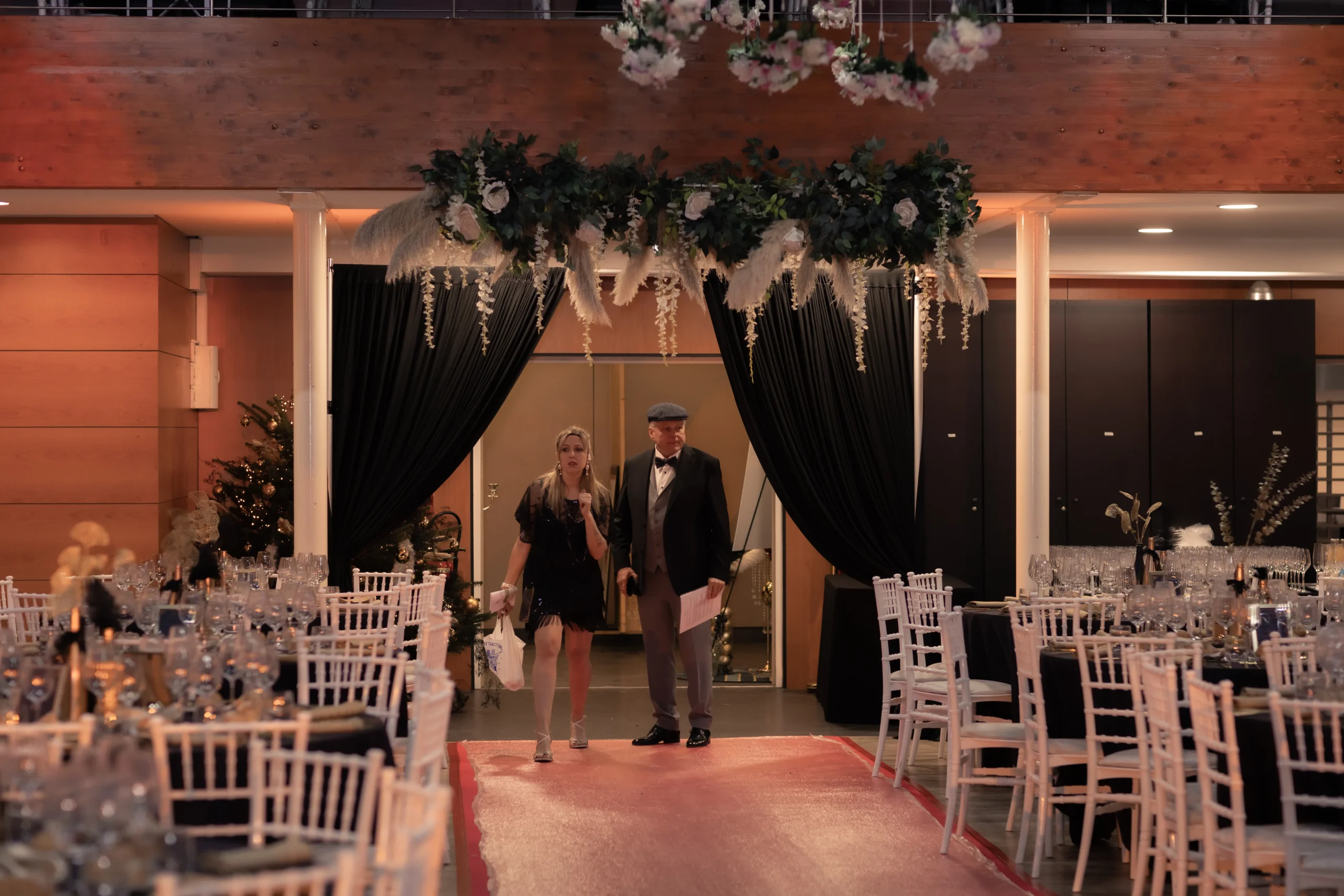
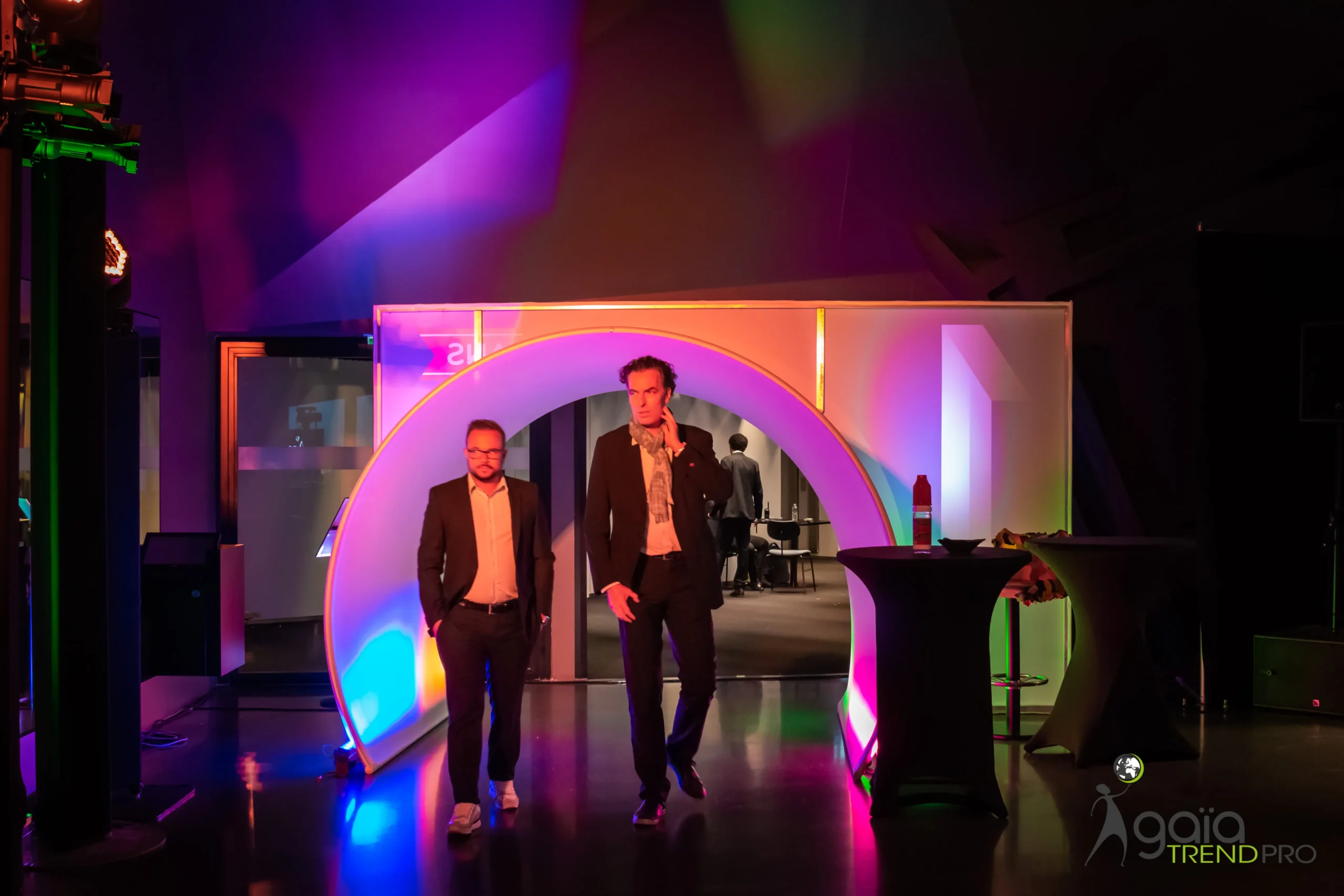
Branded welcome tunnel and badge moment: a controlled entrance with lighting and signage creates order at arrival. It also gives you a consistent photo background for leadership greetings and partner arrivals.
Live wall (values, wins, or commitments): a well-designed “write and post” wall can replace forced icebreakers. We build it with durable materials, clear prompts, and a plan for capturing outputs for HR follow-up.
Wayfinding that actually works: clean directional signage, zone names, and iconography reduce staff questions. This is a hidden cost saver: fewer volunteers needed to direct traffic.
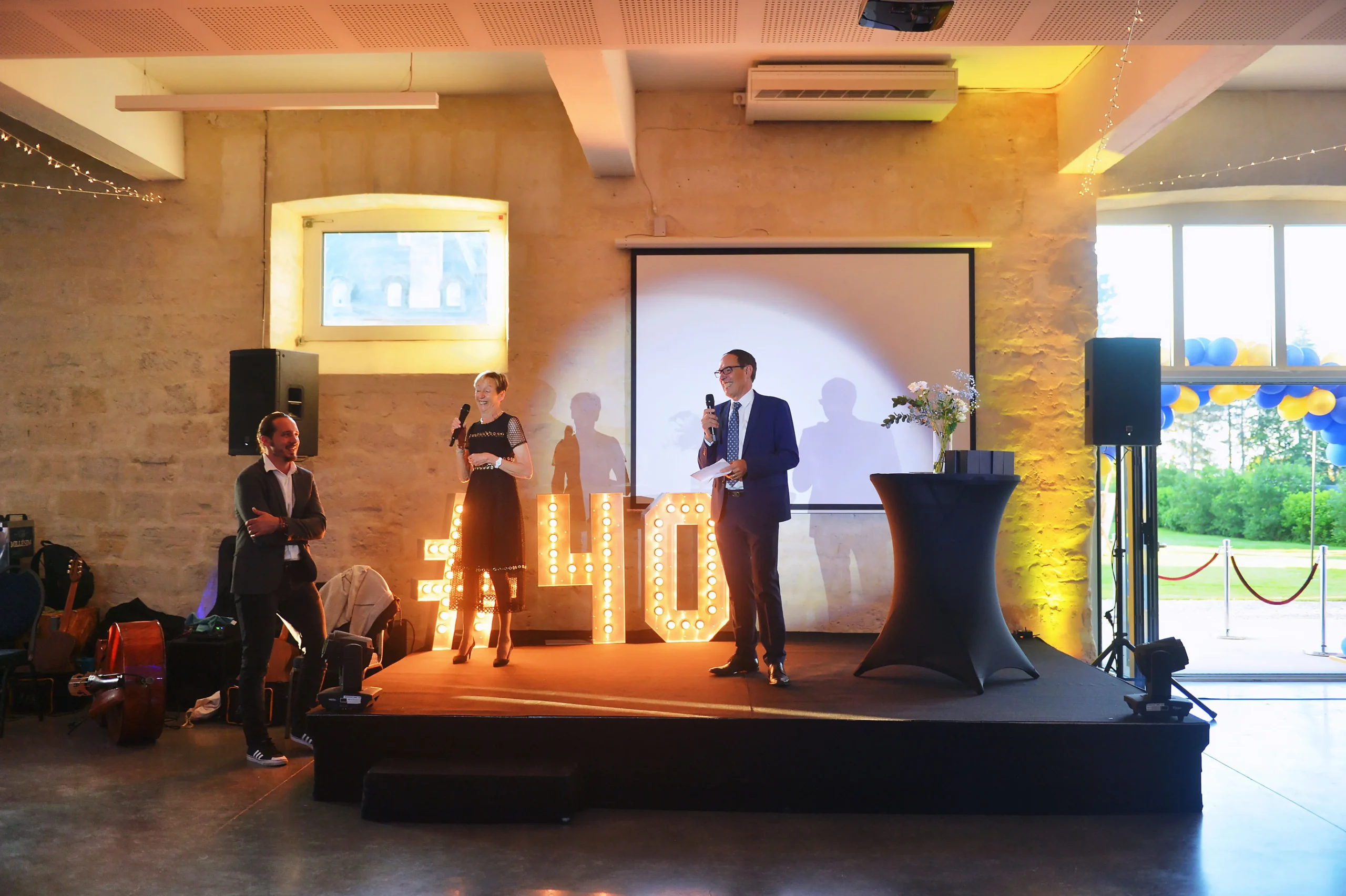
Stage framing with architectural elements: instead of overloading the screen with graphics, we add physical depth (columns, textured panels, subtle lighting) so the stage reads premium on camera.
Centrepieces designed for sightlines: in awards dinners, tall arrangements can block views and create complaints. We prioritize low, structured pieces or alternating heights based on table plan and speaker visibility.
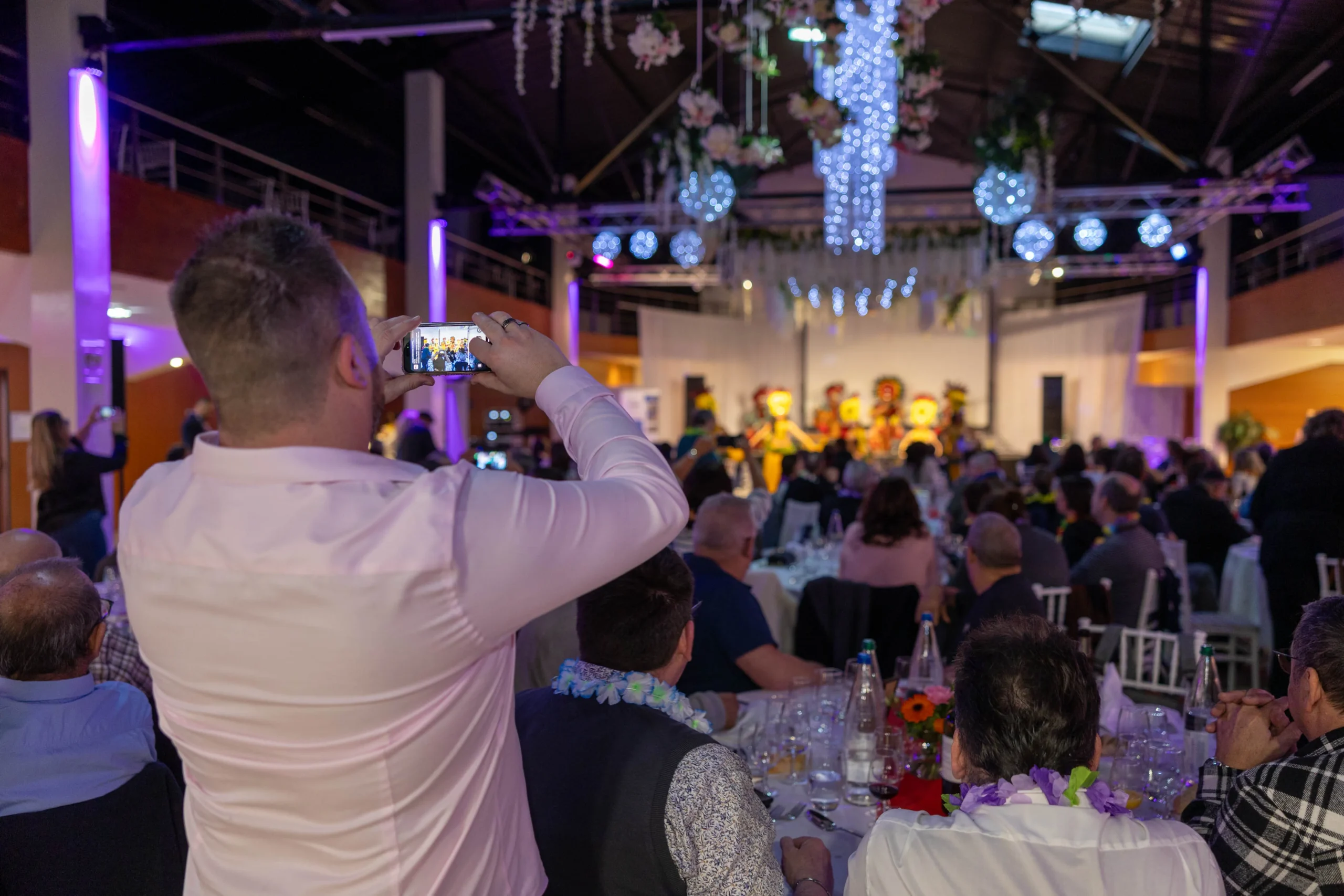
Ambient lighting and colour control: we use lighting to define zones (networking vs. seated program) and maintain brand colour accuracy—critical when corporate photos get reused.
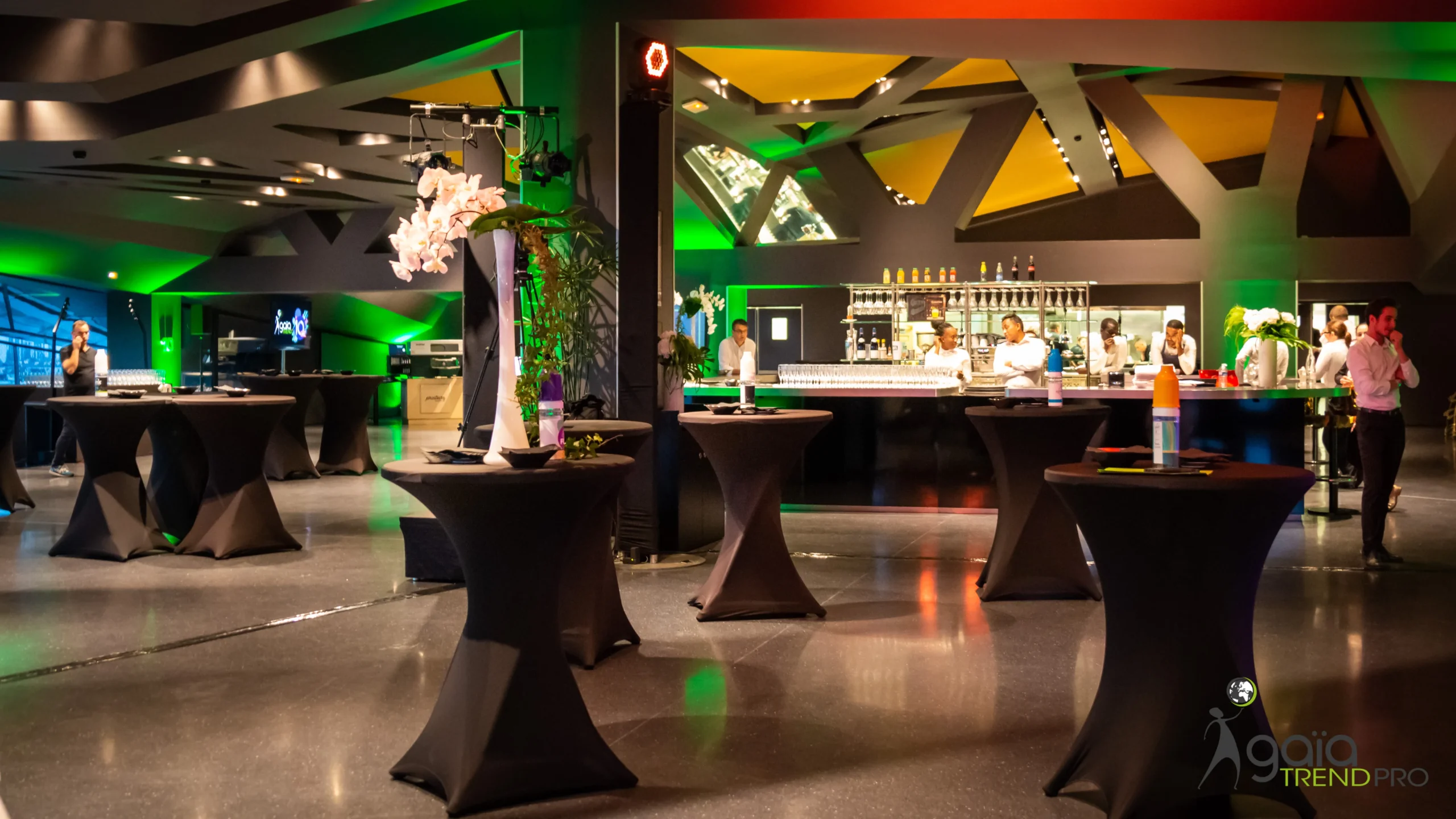
Décor-integrated food stations: we dress stations with signage, risers, and lighting so they look intentional and reduce crowding. This also helps dietary labelling stay visible and compliant.
Bar and coffee branding that doesn’t cheapen the room: subtle menu boards, branded wraps, and clean backbar organization support sponsor visibility without looking like a trade show.
Content-first photo zones: rather than generic backdrops, we design a scene that reflects your business reality (product silhouettes, industry textures, team achievements) so photos feel authentic.
Modular scenic walls: scalable walls that can be reconfigured for plenary, breakouts, or cocktail. This is especially helpful when the venue requires a room flip within 60–90 minutes.
Projection-friendly surfaces: when AV plans include projection mapping or motion graphics, we select materials and finishes that avoid glare and preserve contrast.
The key is alignment: décor-driven engagement must match your brand standards and the tone leadership wants. A high-compliance industry will require restraint and clarity; a recruiting or culture event can support more playful elements—without compromising professionalism.
The venue decides what is possible: ceiling height, loading access, wall surfaces, and the time you’re allowed to install. Great décor ideas fail when the room cannot accommodate them—or when the venue’s rules force last-minute redesigns.
| Venue type | For which objective? | Main strengths | Possible constraints |
|---|---|---|---|
Hotel ballroom in Laval | Recognition night, leadership summit, holiday party with a seated program | Built-in banquets, predictable staff, decent acoustics, often easier guest parking | Strict load-in windows, limits on hanging décor, wall protection rules, lighting can be dated |
Conference centre / meeting facility (53) | Training day, town hall, multi-room breakout sessions | Functional layouts, rigging/AV options, multiple rooms for zoning | Décor must be modular; signage and wayfinding become critical; storage can be limited |
Industrial-chic venue / converted warehouse near Laval | Product launch, partner reception, brand refresh reveal | Strong atmosphere, high ceilings, excellent for scenic builds and lighting | More production required (power, HVAC comfort, acoustics), longer install needs, higher labour coordination |
We recommend a site visit before finalizing any concept. A 30-minute walkthrough with décor, AV, and venue operations often prevents expensive rework: you confirm rigging points, guest flow, storage, and what the venue will (and won’t) allow.
Décor pricing depends on design complexity, material choices, labour, transport, and venue constraints. Two concepts can look similar in a rendering but land in very different budget ranges once you account for installation time, safety requirements, and teardown conditions.
Scale and density: a clean stage backdrop is not the same as full-room transformation. For planning, many corporate décor budgets fall between $35–$120 per guest, with higher ranges for launch-grade scenic builds.
Install conditions in Laval venues: limited dock access, short windows, or after-hours work increases labour costs. If you only have a 3–4 hour load-in, you need more crew or more modular elements.
Custom fabrication vs. rental: custom scenic elements (branded walls, dimensional logos) raise cost but can be reused. Rentals (furniture, soft goods, plants) can be more efficient for one-off events.
Lighting and power distribution: décor that relies on lighting for impact requires cabling, dimming, and safe power runs. This is often where hidden costs appear if not scoped early with AV.
Brand compliance deliverables: proofing, colour matching, and print quality (especially for photography) matter. Premium printing and finishing avoids “cheap” reflections, wrinkles, and inconsistent colours.
Strike requirements: if the venue needs the room cleared the same night, labour and transport must be planned accordingly. Late-night strike is common and must be budgeted.
We frame décor as an ROI lever: better flow reduces staffing needs, stronger visuals improve sponsor retention, and brand-consistent photos reduce the need for additional content production. A clear scope and an installation plan are what protect your investment.
Décor success is operational. Proximity matters when you need quick site checks, short-notice adjustments, or coordination with multiple local suppliers. Working with an event agency in Laval also means your team understands local venue habits, traffic patterns, and the realities of loading docks, elevators, and security desks.
From an executive perspective, local execution reduces risk: fewer delays, fewer misunderstandings, and faster problem resolution when something shifts (speaker timing, room flip, attendance swings). For HR and communications, it also means faster access to replacement items, reprints, or additional signage if you discover a gap during rehearsal.
We frame décor as an ROI lever: better flow reduces staffing needs, stronger visuals improve sponsor retention, and brand-consistent photos reduce the need for additional content production. A clear scope and an installation plan are what protect your investment.
Our décor work in Laval typically falls into a few real-world scenarios. First: executive town halls where leadership needs a clean, broadcast-ready stage. The priority becomes sightlines, camera framing, and disciplined branding—often in a multipurpose room that needs to convert back to standard setup within hours.
Second: recognition events where the emotional moment is the award, not the centrepiece. Here we focus on a cohesive room look that supports pacing: a clear stage focal point, comfortable networking zones, and photo areas that don’t disrupt the program. We routinely manage the details that teams underestimate, like preventing uplights from washing out projected content or ensuring centrepieces don’t block the CEO’s view from the head table.
Third: partner and client receptions where sponsor value and hospitality matter. In these projects, we build zones that guide movement (arrival, cocktail, product touchpoints, quiet conversation areas) while ensuring the space doesn’t feel like a trade show. The success metric is simple: guests know where to go without being told, and leadership can have conversations without fighting noise or crowding.
Designing before confirming venue constraints: ceiling heights, wall materials, and hanging policies can invalidate a concept. We validate constraints early.
Over-branding: too many logos cheapen the room and distract from speakers. We build a brand hierarchy (hero, support, directional).
Ignoring sightlines: tall centrepieces or poorly placed scenic elements create complaints and reduce engagement. We map view corridors.
Décor fighting AV: reflective materials, poor colour choices under stage lighting, or blocking camera angles. We coordinate with AV from day one.
No plan for guest flow: photo zones or bars placed without queue management create bottlenecks. We design for movement and waiting areas.
Underestimating labour and timing: tight access windows require more crew or more modular design. We plan install sequencing and buffers.
Last-minute printing without proofing: incorrect logos, wrong French/English treatment, or inconsistent colours. We run a controlled proof and approval process.
Our role is to reduce operational risk so your leaders can focus on content and relationships. Décor should never become the emergency of the day; it should be a solved problem before the first guest arrives.
Repeat business happens when the agency makes internal teams’ lives easier. In corporate environments, the real test is not the first event; it’s whether the second one is faster to plan, smoother to execute, and more consistent with evolving brand standards.
1 consolidated production file reused and improved each year (floorplan, install schedule, supplier contacts, brand assets, checklists).
Reduced approval cycles by presenting options as decisions (A/B with implications), not endless inspiration boards.
Fewer day-of surprises thanks to documented responsibilities per zone (stage, welcome, photo, signage, sponsor areas).
Loyalty is the most practical proof: teams return when they trust that the room will look right, the install will be calm, and leadership won’t be pulled into operational issues.
We start with the business objective, not the Pinterest board. We confirm audience profile, leadership expectations, brand rules, program flow, and the venue’s constraints. We also identify operational risks: tight load-in, union labour, limited storage, bilingual signage requirements, or multi-supplier coordination. Deliverable: a short written brief that your stakeholders can validate quickly.
We propose a design direction with a floorplan-driven approach: welcome, main room focal points, networking pockets, and photo/sponsor zones. We specify materials, key pieces, and what is custom vs. rental. Deliverable: concept visuals plus a functional map that shows why each element exists.
We provide a clear range with options (good/better/best) tied to impact and operational effort. For each option, we explain what changes: labour hours, number of scenic elements, print quality, furniture category, lighting density. This is where executives appreciate clarity: decisions with consequences, not vague “upgrades.”
We lock assets: brand files, bilingual text, sponsor logos, and print specs. We produce a timeline that integrates venue access, AV focus time, catering setup, and rehearsal. Deliverables: print proofs for sign-off, install schedule, and a zone checklist for the on-site lead.
Our team manages delivery, installation, safety checks (weights, stability, pathways), and a final “camera test” for key backdrops. We coordinate with venue operations and other suppliers so the room is ready at doors-open with time for leadership walkthrough. After the event, we strike efficiently, respecting venue rules and leaving the space clean.
For corporate events in Laval, plan 6–10 weeks ahead for full-room décor (custom pieces, printing, rentals). For simpler staging and signage, 2–4 weeks can work, depending on venue access and approvals.
Many corporate events land between $35–$120 per guest, depending on complexity. A stage-focused setup with branded backdrops is often lower; a room transformation with scenic builds, lighting, and multiple zones trends higher.
Yes, if the design is modular and the install plan is built for the access window. When load-in is 3–4 hours, we typically increase crew size and simplify custom elements, prioritizing what guests see first (entrance, stage, photo zone).
Yes. We manage bilingual (French/English) copy preparation, layout, proofing, and print specs. We also plan sign placement so it supports flow and compliance (exits, accessibility routes) without cluttering sightlines.
We request your brand guide and current files (logos, fonts, colour codes), then submit print proofs for approval before production. On-site, we do a finishing pass to confirm colour perception under event lighting and ensure consistent logo sizing and placement across zones.
If you’re comparing agencies, we can provide a practical proposal: zoning plan, concept direction, budget options, and an install schedule that respects your venue’s rules in Laval. Share your date, venue (if selected), estimated headcount, and the tone you want (formal, celebratory, recruitment, partner-facing). We’ll come back with solutions that your executives can approve quickly—and your teams can execute without stress.
Thierry GRAMMER is the manager of the INNOV'events Laval office. Reach out directly by email at canada@innov-events.ca or via the contact form.
Contact the Laval agency