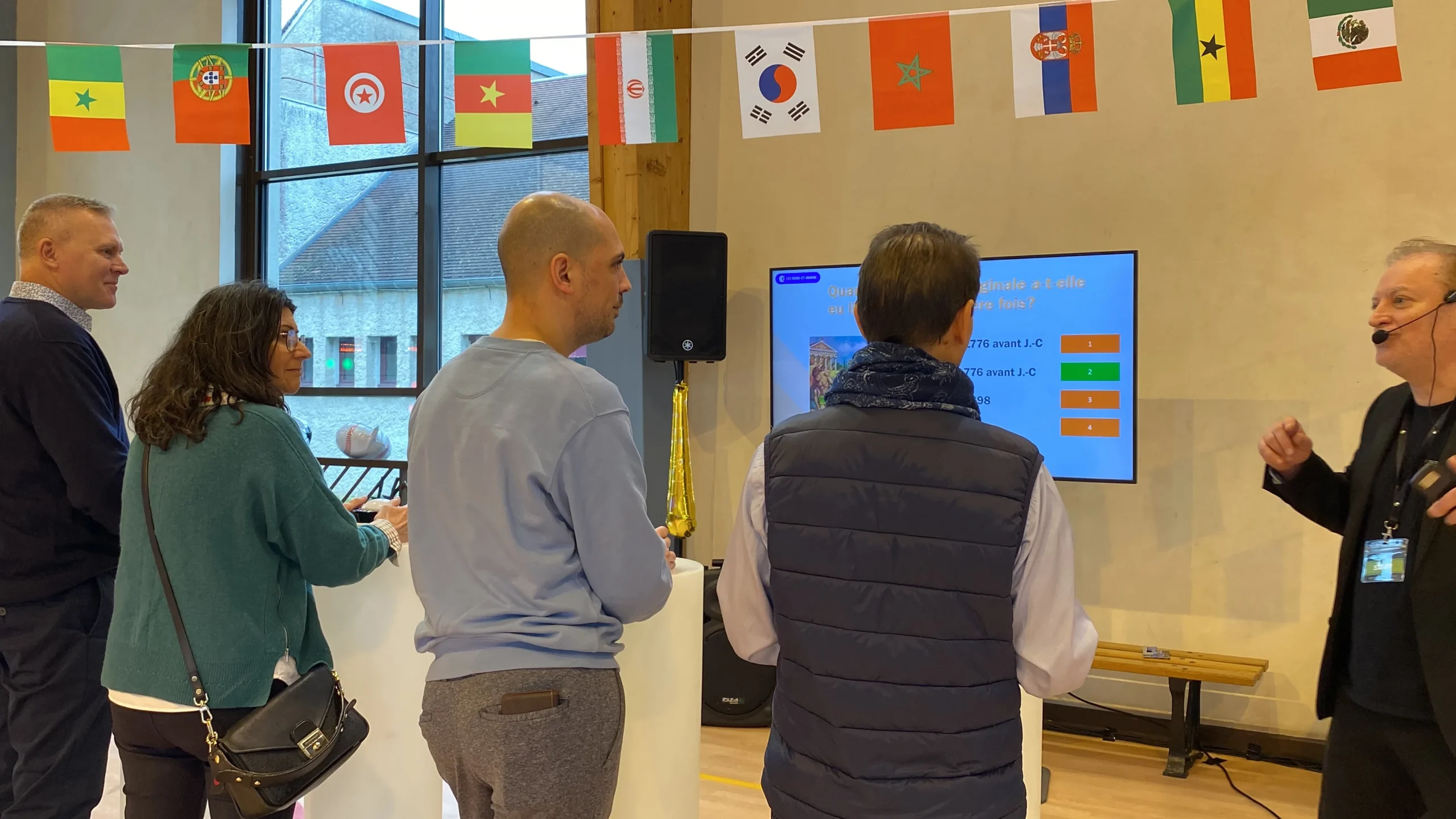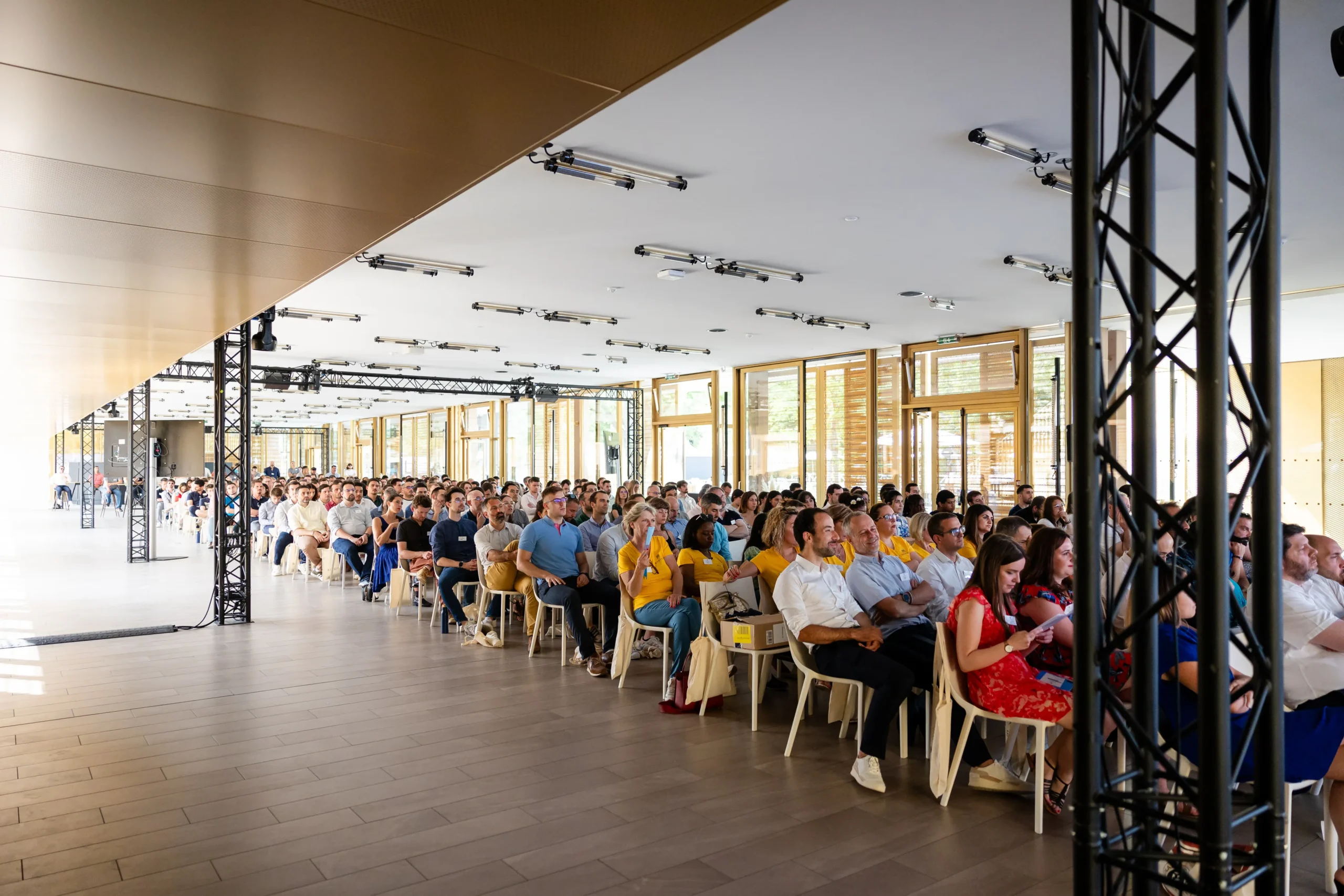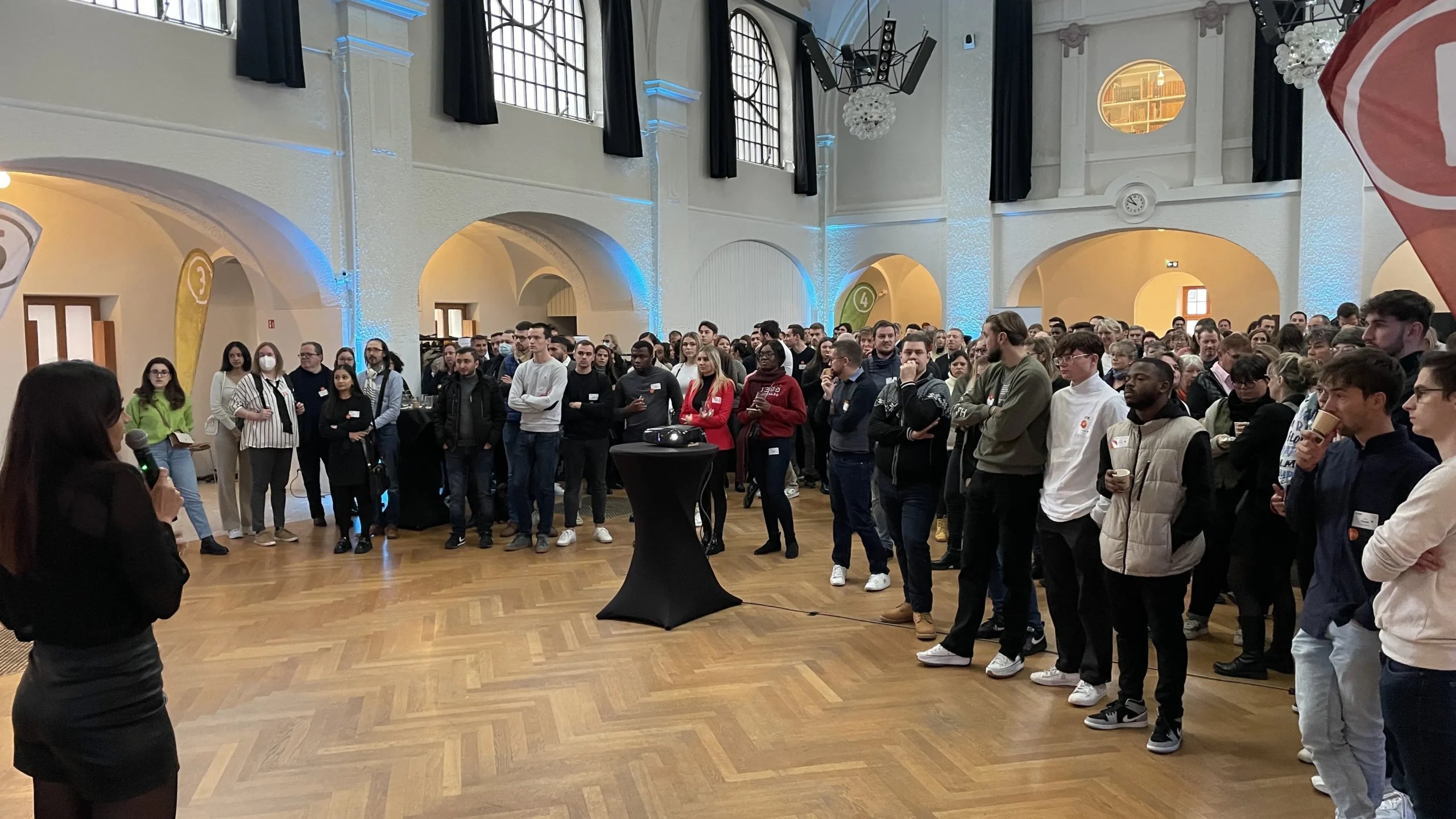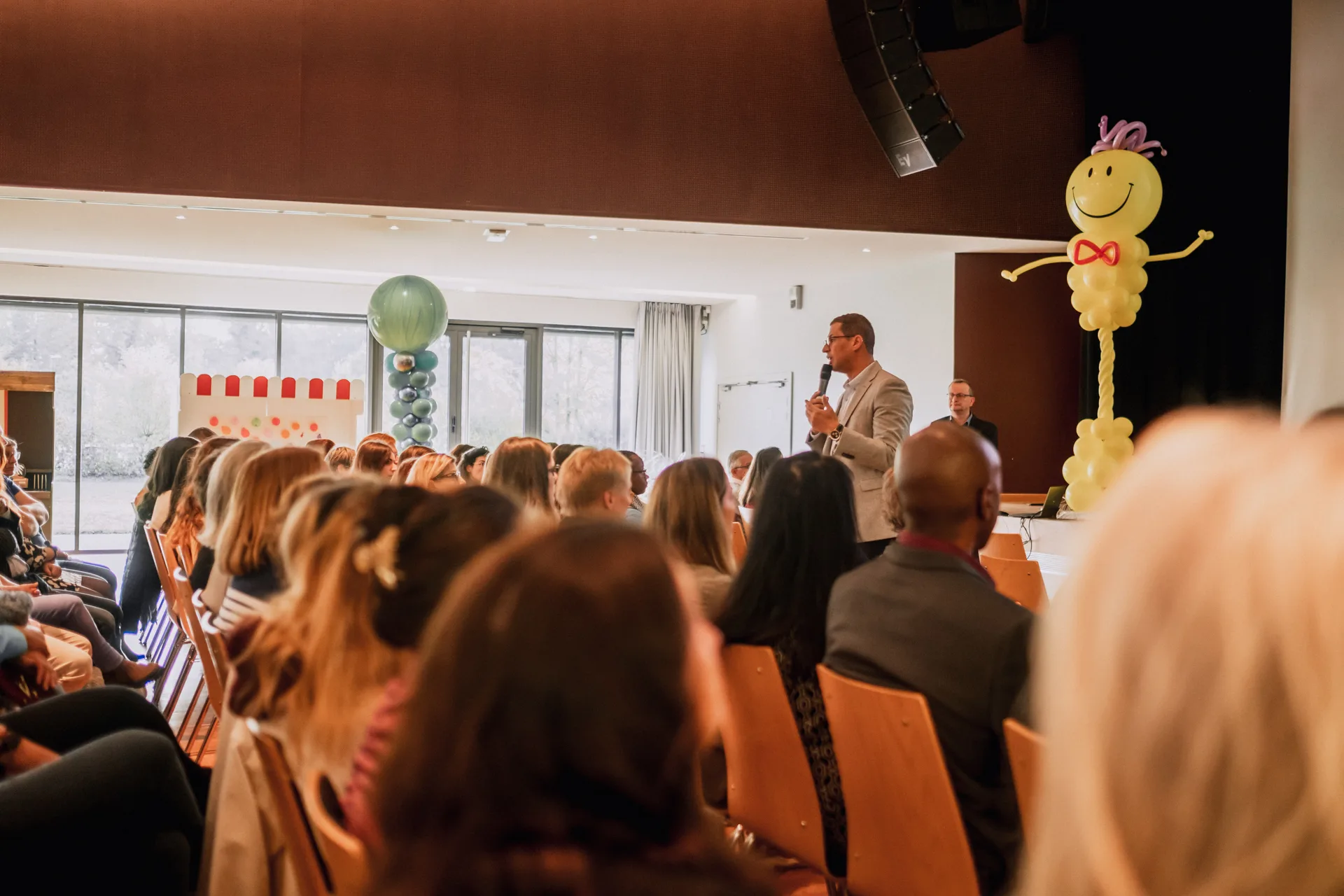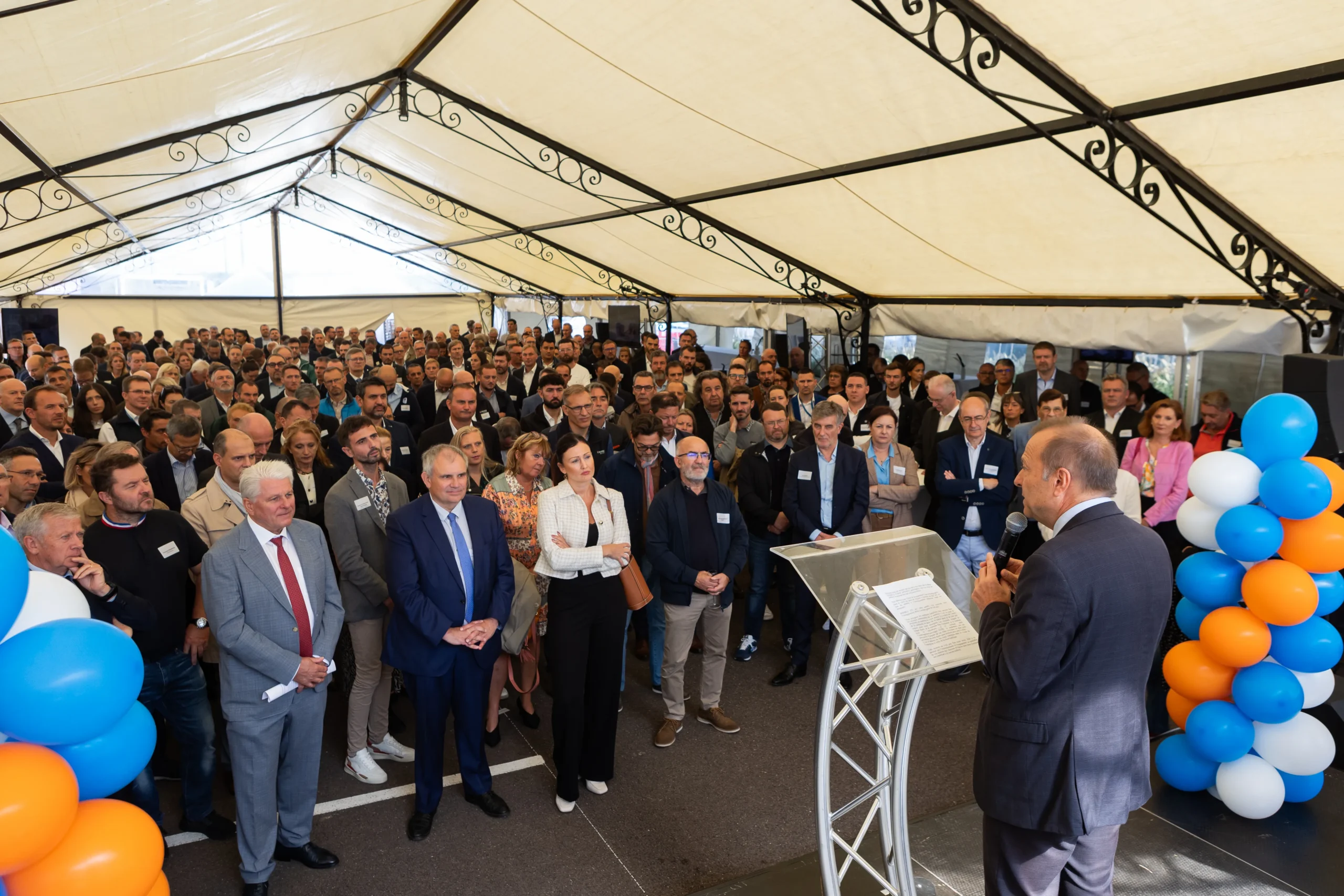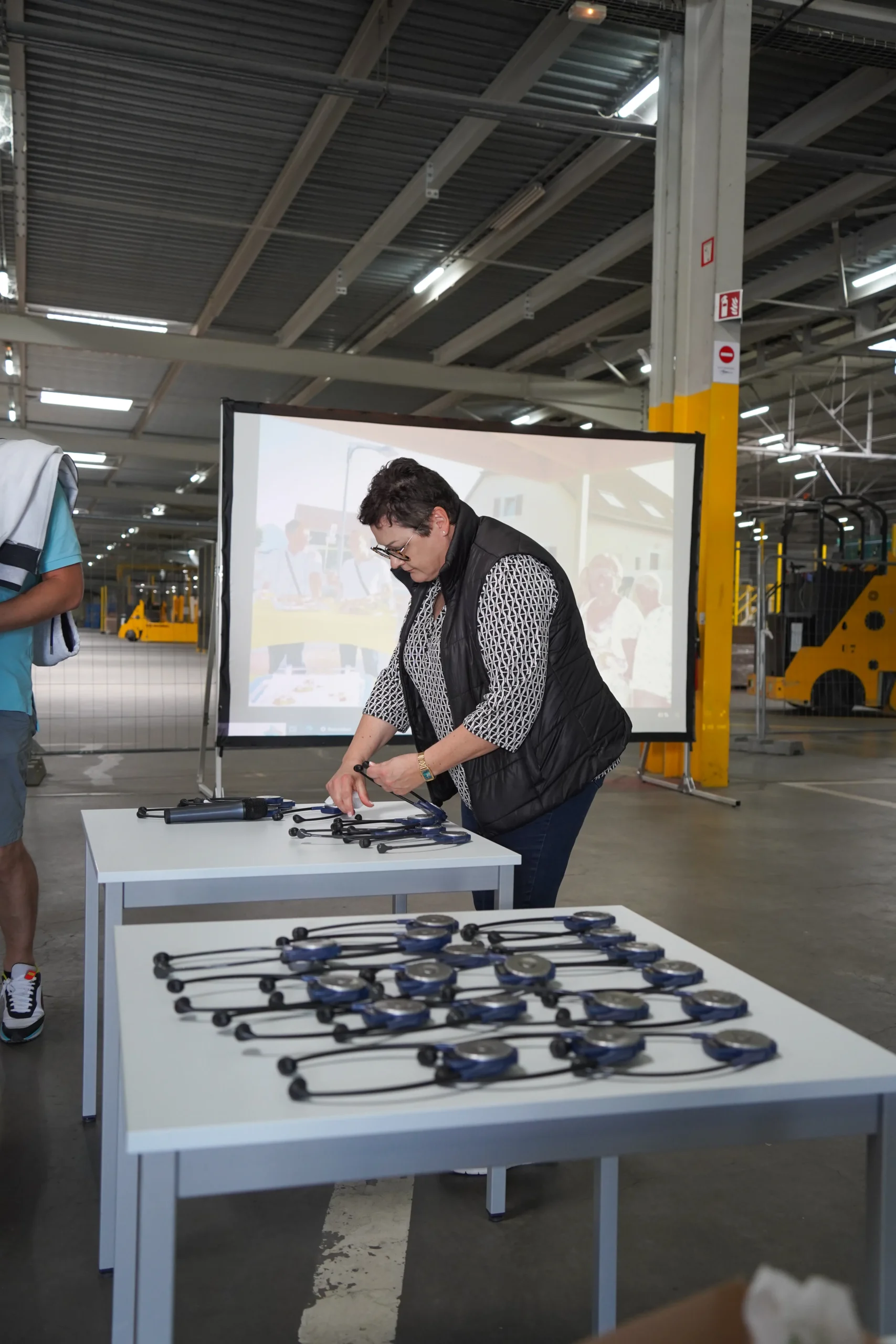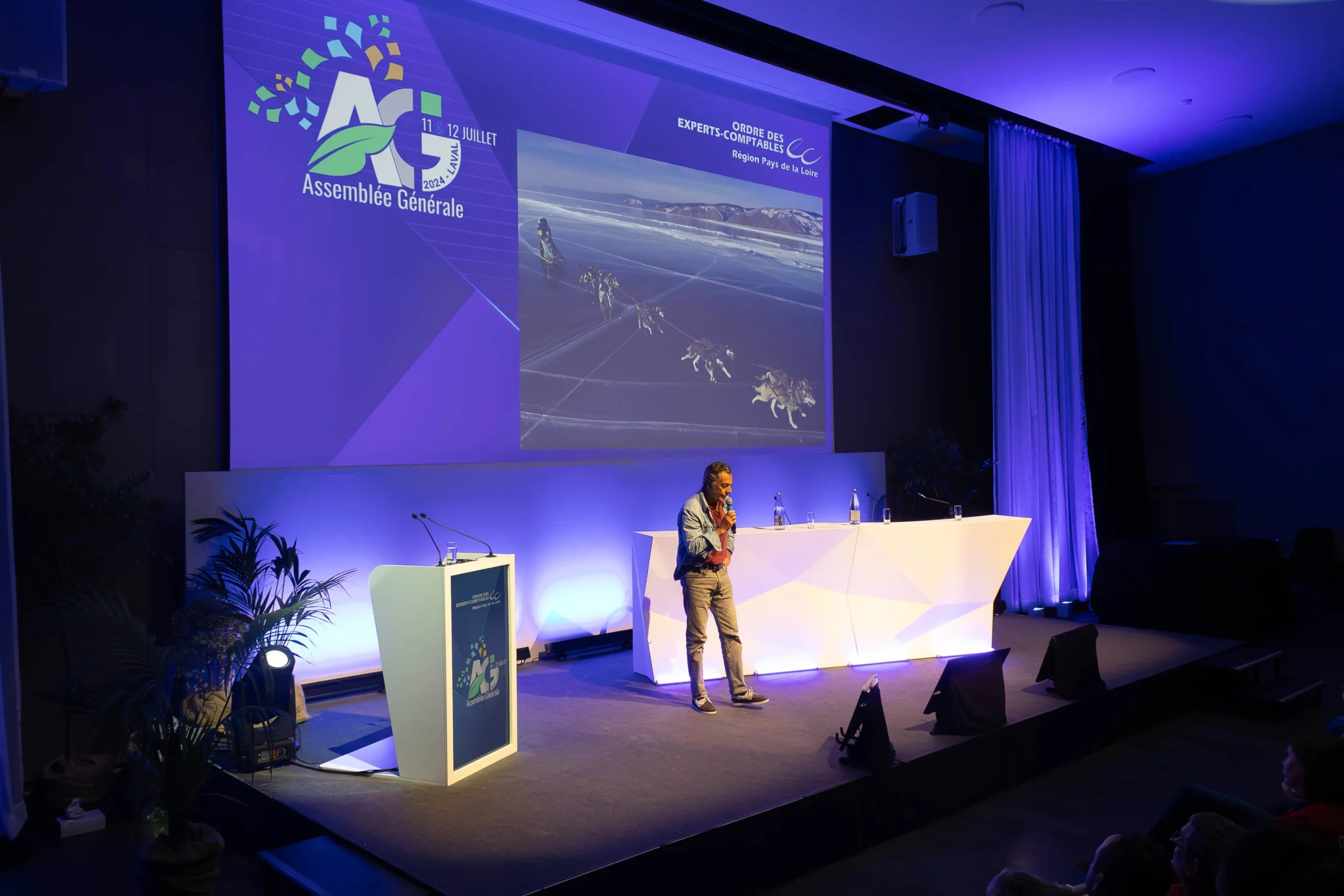
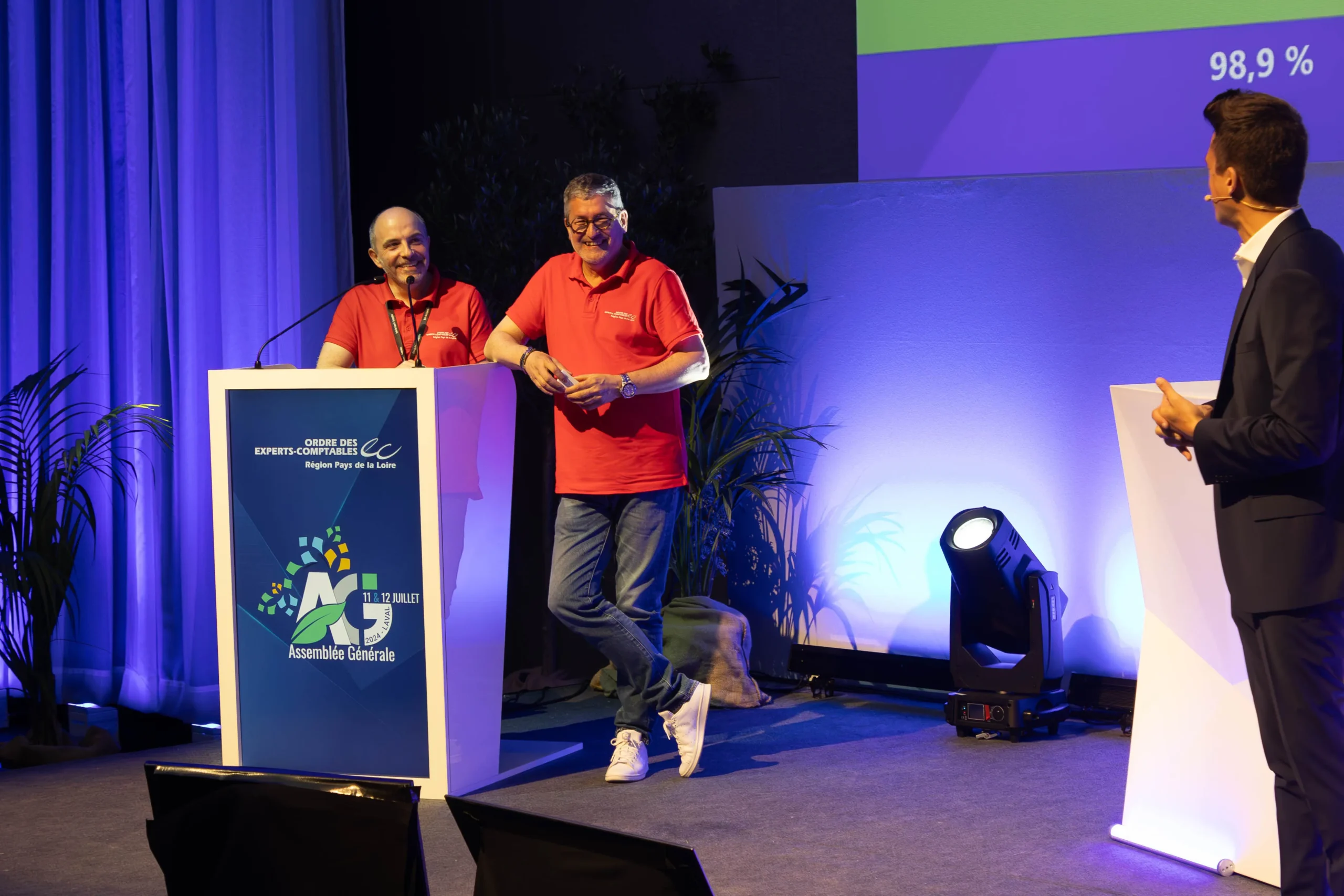
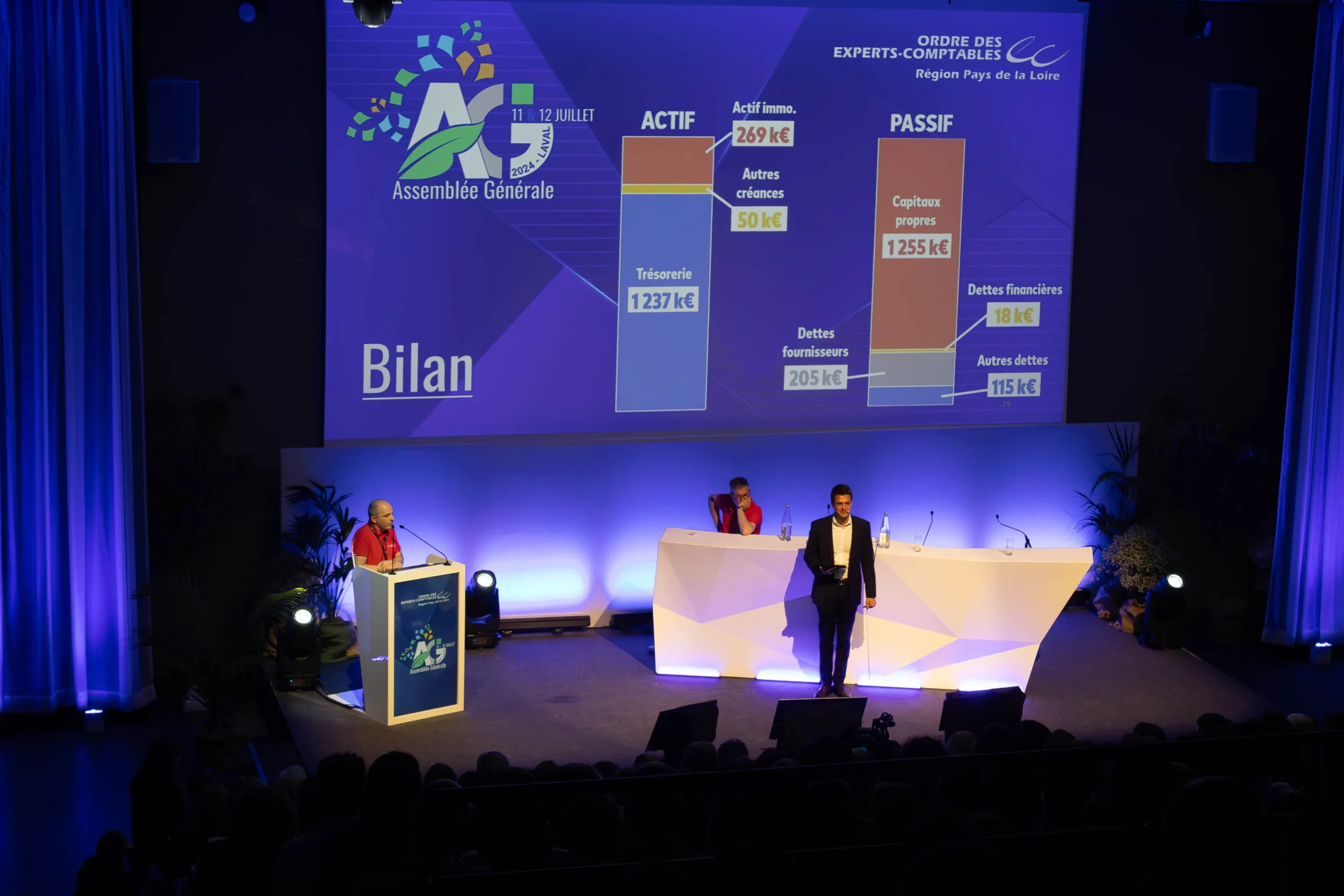
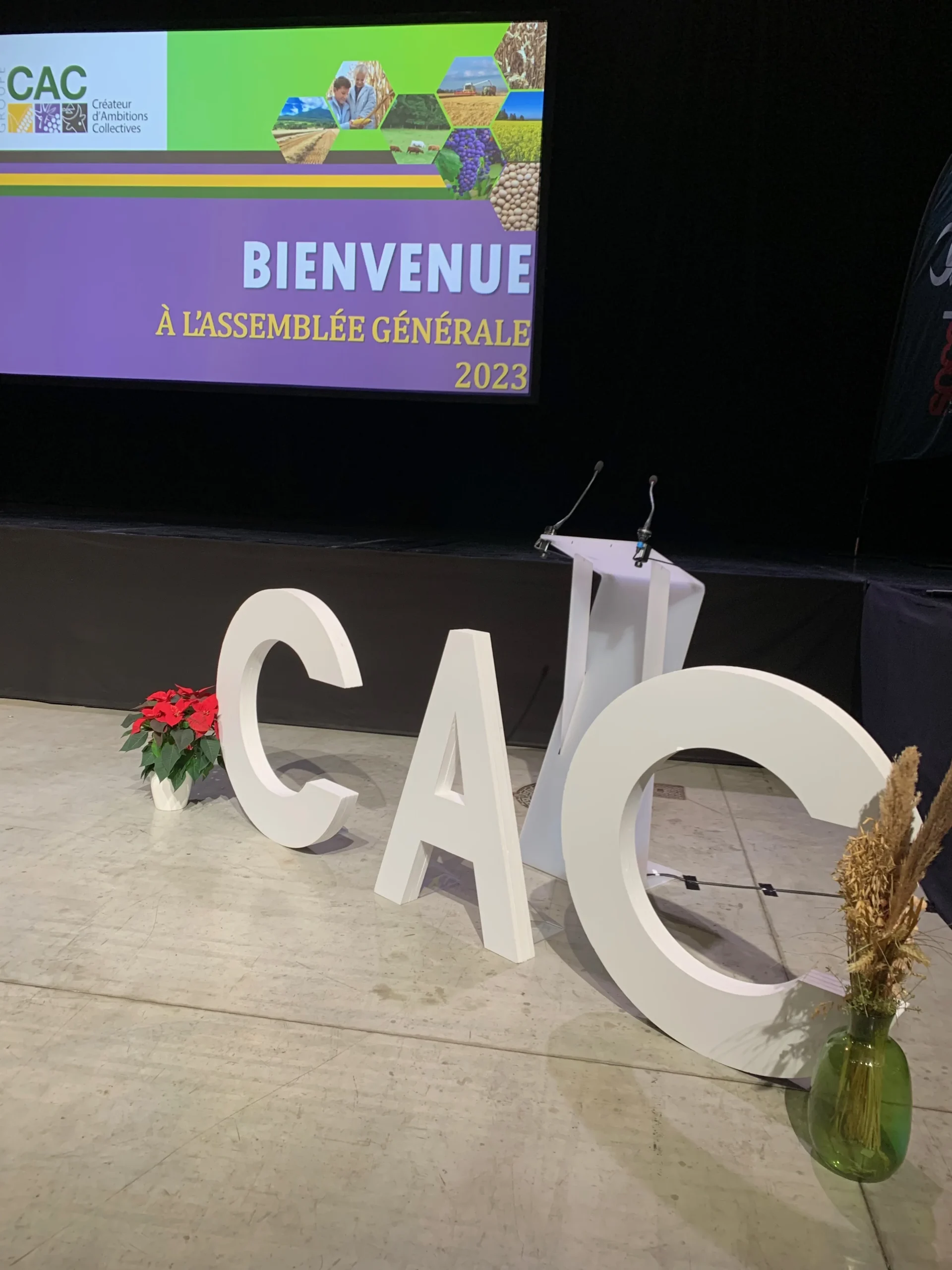
INNOV'events is a Montréal-based team that delivers Annual General Meeting production in Laval, typically for 40 to 800 attendees (shareholders, members, employees, unions, and guests). We manage the operational side: venue, AV, staging, registration, voting logistics, cueing, and stakeholder coordination so your executives stay focused on governance and messaging.
Whether it’s a high-scrutiny AGM with formal votes or an internal annual meeting with sensitive Q&A, we build a controlled, on-time experience that protects your brand and your board’s credibility.
For a Annual General Meeting, “entertainment” is not about showmanship; it’s about energy management and attention control. A short, well-placed opening moment, a structured transition, or a moderated interaction can reduce drift, keep quorum present, and prevent the meeting from feeling punitive—especially when results, restructuring, or sensitive governance items are on the agenda.
Organizations in Laval usually expect a meeting that is disciplined, bilingual-ready when required, and respectful of time: clear doors-open timing, a predictable voting flow, and a Q&A process that feels fair. Many also need a clean bridge between the statutory portion and an employee or partner segment—without losing the room.
Our advantage is field experience and local execution. We know the traffic patterns around Centropolis and the 440/15 corridors, typical load-in limitations at Laval venues, and the operational realities of aligning legal, finance, HR, and comms teams on one run-of-show. We work with your internal counsel and corporate secretary to keep the meeting both professional and defensible.
10+ years delivering corporate events across Québec, including governance-heavy meetings and multi-stakeholder assemblies.
200+ corporate events produced with structured run-of-show, speaker cueing, and AV coordination.
40–800 attendees is our most frequent AGM operating range, including hybrid formats with remote viewers.
1 single lead producer accountable end-to-end (not “handoff” production), supported by an onsite team sized to complexity.
In Laval, many teams we support come back because they don’t want to “re-learn” the hard parts of an AGM every year: stakeholder mapping, a tight agenda, and the technical and human choreography that keeps everything compliant and calm. We regularly collaborate with executive offices, HR, and communications teams that prefer a stable production partner who understands internal dynamics and board expectations.
We’re comfortable working in environments where the CEO message must align with a shareholder package, where the corporate secretary needs clean vote reporting, and where HR needs the employee portion to land with credibility. If you share the references you want highlighted (company names), we’ll integrate them properly and respectfully, with the right context (meeting format, audience, and objective) while keeping confidentiality constraints in mind.
We send you a first proposal within 24h.
A Annual General Meeting in Laval is one of the few moments where governance, reputation, and internal alignment collide in the same room. It is also one of the only events where the “small details” (timing, voting clarity, mic management, Q&A rules) can carry legal and trust consequences. Done properly, your AGM becomes an executive tool—not a yearly obligation.
Protect board credibility by delivering a meeting that feels controlled: clear agenda blocks, disciplined chairing support, and a Q&A process that avoids chaos.
Improve decision velocity by reducing friction: fast registration, predictable voting instructions, and clear on-screen motions so attendees don’t get lost.
Strengthen employee confidence when you include an internal segment: structured storytelling, consistent messaging, and a plan for sensitive topics (reorg, performance gaps, labour context).
Reduce operational and reputational risk with a rehearsed show flow, backup plans for AV, and a documented run-of-show shared with key stakeholders.
Increase engagement without losing formality through short, relevant “attention resets” (music sting, concise video, moderated interaction) that help keep quorum present and listening.
Deliver clean internal alignment because HR, comms, finance, and legal need one shared operating picture: who speaks when, what is shown, and how decisions are recorded.
Laval has a pragmatic business culture: executives expect efficiency, measurable outcomes, and respectful use of time. An AGM that starts on schedule, flows logically, and ends cleanly signals operational maturity—internally and externally.
In Laval, your event plan is shaped by real operational constraints that affect attendance, punctuality, and the guest experience. We plan around traffic and parking realities (weekday congestion on the 15 and 440, evening peaks around Centropolis), and we budget time for arrivals so the meeting can begin on schedule without artificially delaying the agenda.
Venue infrastructure varies significantly in Laval: some locations are excellent for straightforward theatre-style plenaries but limited for backstage storage, secure ballot handling, or quiet green rooms for board members. We also see frequent needs for bilingual signage and on-screen content, plus simultaneous interpretation considerations for certain member bases. These aren’t “nice-to-haves”; they affect how you design registration, seating, mic runners, and how you brief your chair.
Finally, local expectations are high around professionalism and discretion. We often operate AGMs where the most sensitive conversations happen in the corridors: investor questions, union presence, or employee anxiety. That changes how we manage room flow, security posture, and how we set up designated spaces for executive conversations without disrupting the meeting.
In a Annual General Meeting in Laval, the best entertainment choices are functional: they maintain attention, support transitions, and reinforce the organization’s tone. We choose elements that reduce cognitive fatigue and keep the meeting moving, without making the statutory portion feel “commercial.”
Structured Q&A with moderated queue: we implement floor mics or roaming mics with clear rules, plus a screen-based queue that prevents dominance by a few voices while remaining transparent.
Pulse polling (non-binding) during the internal segment: useful for HR or comms to measure alignment on priorities, while keeping actual votes separate and compliant.
Executive fireside format post-statutory: a controlled conversation that allows nuance and reduces the risk of a confrontational open mic—especially valuable when performance results are mixed.
Short musical sting or instrumental opener (60–120 seconds): used to settle the room and signal start time, not to “put on a show.” It helps late arrivals understand the meeting is starting.
Professional voice-of-god announcements: crisp transitions that reduce confusion around voting instructions, breaks, and the shift from formal AGM to corporate update.
Branded motion graphics for agenda chapters: simple, clean visuals that reinforce structure and reduce audience drift during administrative segments.
Timed coffee service aligned to registration: prevents crowding and reduces late seating. We plan service points to avoid blocking access to the room.
Post-AGM networking bite (30–45 minutes): effective when leadership needs to absorb informal feedback. We design the flow so the statutory meeting ends cleanly before hospitality begins.
Dietary and cultural considerations: we standardize labelling and staff briefing so service doesn’t become a reputational issue in front of members or employees.
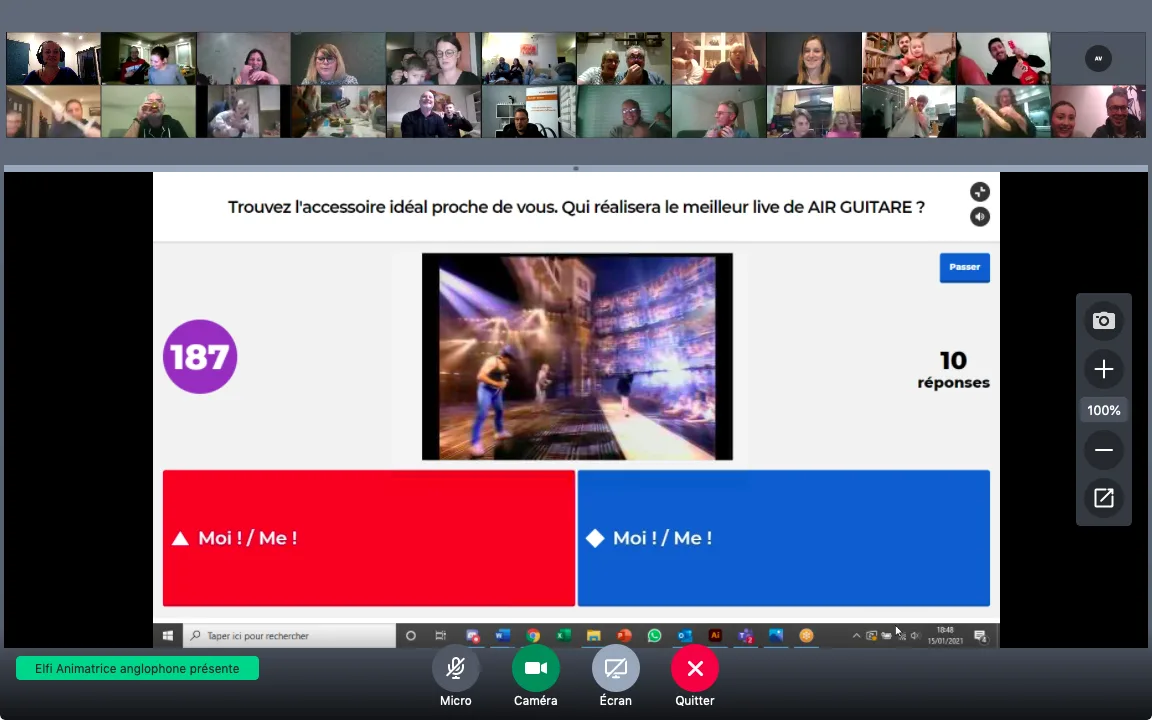
Hybrid viewing with controlled interaction: livestream for observers with a separate channel for questions, while in-room voting remains clearly defined. We implement roles so digital comments don’t distract the chair.
On-screen motion and vote clarity: we display each resolution with plain-language context and the exact voting instruction to reduce procedural disputes.
Real-time timing discipline: a discreet stage timer and producer cueing keep speakers within their allocated blocks, preventing “agenda creep” that erodes trust.
The key is alignment: entertainment should support the organization’s governance posture and brand image. A public company, a co-op, and a unionized employer don’t need the same tone. We recommend elements that reinforce credibility, not distract from it.
The venue sets expectations before anyone speaks. For a Annual General Meeting, we prioritize sightlines, acoustics, controlled access, and backstage functionality over aesthetics. In Laval, we also plan for parking capacity, load-in routes, and the availability of quiet spaces for the board, scrutineers, and sensitive conversations.
| Venue type | For which objective? | Main strengths | Possible constraints |
|---|---|---|---|
Conference centre / hotel ballroom in Laval | Formal AGM with clear plenary structure and optional meal/networking | Integrated catering, scalable seating, predictable staffing, good climate control | Rigging limits, union rules in some venues, AV packages can add costs |
Corporate headquarters or training centre (Laval area) | Member or employee-focused AGM where privacy and brand control matter | High confidentiality, easier brand integration, strong control over access | Often limited stage depth, parking constraints, additional rentals for pro AV |
Performing arts theatre / auditorium near Laval | Large audience with strong sightlines and strict start time | Excellent acoustics, professional seating layout, strong projection potential | Less flexibility for banquet, backstage rules, limited foyer space for registration |
We strongly recommend a site visit with your key stakeholders (comms, HR, and the corporate secretary). The walkthrough is where we catch the issues that cause delays on AGM day: registration pinch points, mic coverage gaps, stage access, and where scrutineers can work without being interrupted.
AGM pricing is driven by complexity, not by a single “per person” number. In Laval (13), the biggest budget swings come from AV scope, room configuration, voting method, and whether you add a hybrid broadcast. We build budgets that show line items clearly so finance and procurement can validate them quickly.
Audience size and room format: theatre-style is often more economical than rounds, but it can require more mic management for Q&A.
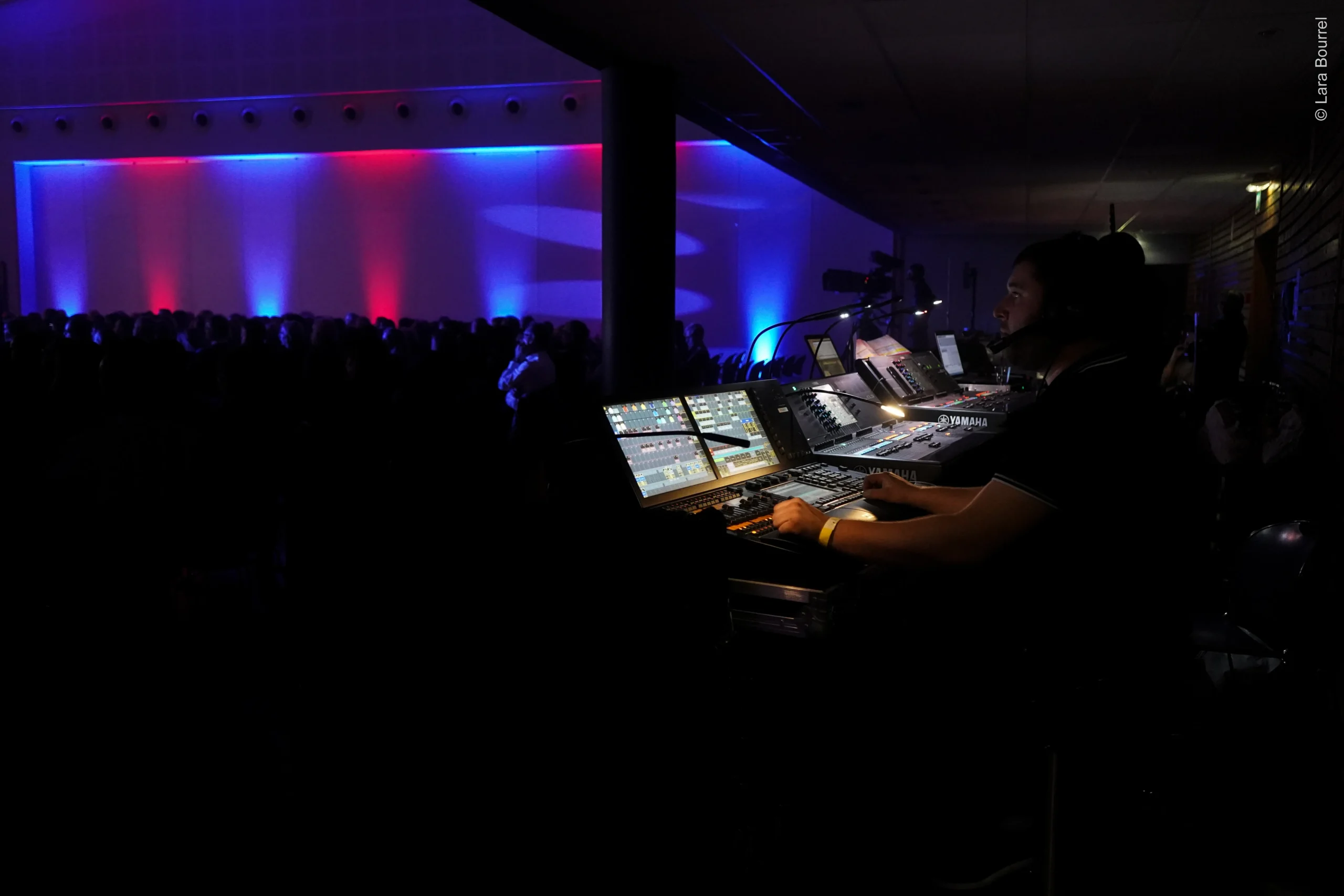
Audio-visual production level: basic screens and lectern audio vs. multi-camera IMAG, confidence monitors, stage lighting, and redundancy.
Voting logistics: show-of-hands, paper ballots with scrutineers, or electronic systems. Each has staffing and timing implications.
Hybrid requirements: livestream platform, camera crew, encoding, separate audio mix, and rehearsal time for remote speakers.
Content support: motion graphics, video editing, bilingual slide versioning, and speaker coaching.
Onsite staffing: registration team, mic runners, stage manager, AV lead, producer, and security posture depending on context.
Venue and catering: rental, service charges, minimum spends, and the cost impact of tight setup windows.
From an ROI perspective, the right investment is the one that prevents failure modes: late starts, unclear votes, audio issues, or a Q&A that escalates. Those problems cost more than production—because they create governance doubt and internal friction that leadership then has to manage for weeks.
When you’re producing a Annual General Meeting in Laval, the operational details are local: supplier availability, load-in rules, traffic timing, and how quickly you can deploy backup equipment or staff. A local team reduces the margin for error on the day where you have the least tolerance for surprises.
As an event agency in Laval, we also know the practical questions your internal teams ask: Where can the board park and enter discreetly? Where do scrutineers count without interruptions? How do we keep registration moving while maintaining security? These are not theoretical—they are the friction points that determine whether the AGM feels controlled.
From an ROI perspective, the right investment is the one that prevents failure modes: late starts, unclear votes, audio issues, or a Q&A that escalates. Those problems cost more than production—because they create governance doubt and internal friction that leadership then has to manage for weeks.
Our AGM mandates range from straightforward statutory meetings to high-stakes gatherings where trust is fragile. We’ve produced assemblies where the organization needed to present difficult results, manage public scrutiny, or unify teams after change. In those contexts, the production must be disciplined: clear agenda chapters, no ambiguous transitions, and strong mic/room control.
We also support hybrid and multi-site participation when stakeholders can’t all be in one room. The challenge isn’t streaming—it’s governance clarity: who can ask questions, who can vote, and how the chair maintains authority without appearing to silence anyone. We design the format so your leadership can be transparent while remaining in control of timing and process.
Finally, we’re used to collaborating with internal legal and corporate secretary functions. That means working from approved language, managing last-minute deck changes responsibly, and ensuring that on-screen motions and verbal instructions match what the organization can defend afterwards.
Starting late because registration is under-resourced: it signals disorganization and immediately erodes confidence. We size staff to arrival waves and design a queue that doesn’t block the foyer.
Unclear voting instructions: whether paper or electronic, ambiguity creates disputes. We script the chair and display motions clearly on screen.
Audio failures during Q&A: nothing damages credibility faster than “we can’t hear you.” We plan mic coverage, batteries, and backup channels.
Agenda creep: leadership speeches expand and the meeting loses discipline. We use timing tools, producer cueing, and rehearsal to keep blocks realistic.
Weak backstage control: no green room plan, speakers wandering, decks changing without version control. We lock a process for final files and stage access.
Hybrid confusion: remote attendees don’t know how to participate, in-room attendees feel neglected. We define roles and communication rules before the day.
Brand inconsistency: mismatched visuals, outdated logos, inconsistent bilingual terminology. We align templates, signage, and on-screen graphics.
Our role is to prevent these risks through disciplined preparation and onsite control—so your chair, CEO, and board can focus on governance, not logistics.
Client loyalty in AGM work is usually earned the hard way: by being steady under pressure, documenting what worked, and improving each edition without adding complexity. Many teams in Laval come back because they want fewer unknowns, clearer internal coordination, and a partner who remembers the organization’s realities.
Recurring run-of-show: we keep a living document that is updated annually (timing benchmarks, staffing notes, room diagrams).
Post-mortem within 5–10 business days: what created delays, what reduced risk, and what to adjust next year.
Version control discipline: a single source of truth for decks, scripts, and signage, reducing last-minute confusion.
Loyalty is proof of quality because AGMs are repeatable by nature: if you’re invited back, it’s because the meeting ran on time, decisions were clear, and leadership felt supported throughout.
We start with your agenda, statutory requirements, and stakeholder map. We identify quorum needs, voting method, required roles (chair, scrutineers, secretary), bilingual constraints, and the risk profile (sensitive topics, labour context, shareholder activism). Output: a proposed meeting architecture and a realistic timing model.
We confirm the room layout, registration design, signage plan, and backstage areas (board holding, speaker prep, scrutineer space). We plan arrival waves, parking guidance, and a security posture proportional to your context. Output: floor plan, staffing model, and arrival/run-of-show timings.
We define audio coverage, screens, confidence monitors, recording/streaming (if any), and backup paths for critical components. We set a file delivery process, bilingual slide checks where required, and a last-update cut-off time to prevent chaos. Output: AV plan, cue sheets, and content checklist.
We run a technical rehearsal scaled to your complexity (from a focused lectern check to a full chair + speaker run-through). We confirm mic technique, timing discipline, transitions, and the voting sequence. Output: final run-of-show and speaker-ready environment.
On the day, the producer calls the show, the stage manager manages transitions, and the registration lead controls arrivals. We keep the chair supported with cues, manage Q&A flow, and ensure votes are executed clearly. Output: an AGM that feels calm, punctual, and credible.
We capture operational learnings: registration pacing, AV notes, agenda timing accuracy, and audience feedback patterns. We turn them into concrete adjustments for next year’s edition. Output: debrief report and recommended upgrades by impact and cost.
For Annual General Meeting in Laval dates in peak corporate periods (late winter to early summer), plan 8–16 weeks ahead for standard meetings, and 4–6 months ahead if you need a theatre, hybrid broadcast, or strict board availability.
Most statutory portions run 45–90 minutes depending on the number of motions and Q&A volume. If you add an internal corporate update segment, plan 90–150 minutes total plus arrivals and networking time.
Use a moderated queue with clear rules: 1 question per person before repeats, 30–60 seconds per question, and defined escalation if a topic becomes procedural. We set floor mics or roaming mics and brief the chair on neutral wording that maintains authority.
Not always. If motions are routine and the room is manageable, show-of-hands or paper ballots can be sufficient. Electronic voting becomes useful when you need fast tabulation, clearer audit trails, or you expect close results. We help you choose based on risk, not trend.
At minimum: reliable lectern mic plus 2–4 wireless mics for Q&A, 1–2 screens with clear resolution, a dedicated slide operator, and a tested playback audio path. For 200+ attendees, we often add delay speakers and confidence monitors to avoid communication gaps.
If you’re planning a Annual General Meeting in Laval, the fastest way to reduce risk is to lock the structure early: agenda timing, voting flow, AV scope, and venue logistics. Send us your date options, expected attendance, and whether the meeting is statutory-only or includes an internal segment. We’ll come back with a clear production approach, a realistic timeline, and a detailed budget you can defend internally.
INNOV'events works with executive offices, HR, and communications teams who need the AGM to be disciplined, credible, and on schedule. Let’s schedule a working call and build your run-of-show before constraints decide it for you.
Thierry GRAMMER is the manager of the INNOV'events Laval office. Reach out directly by email at canada@innov-events.ca or via the contact form.
Contact the Laval agency