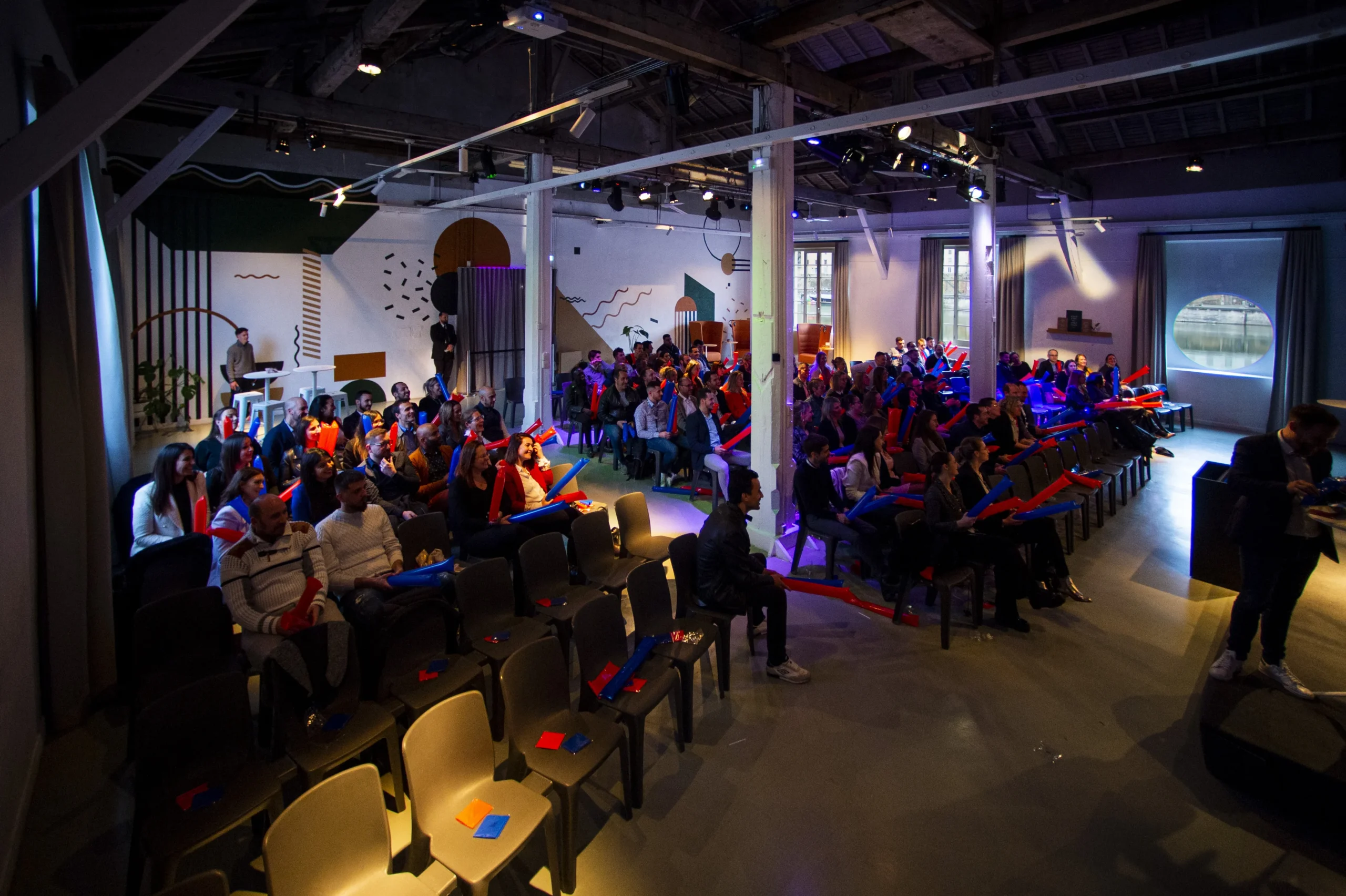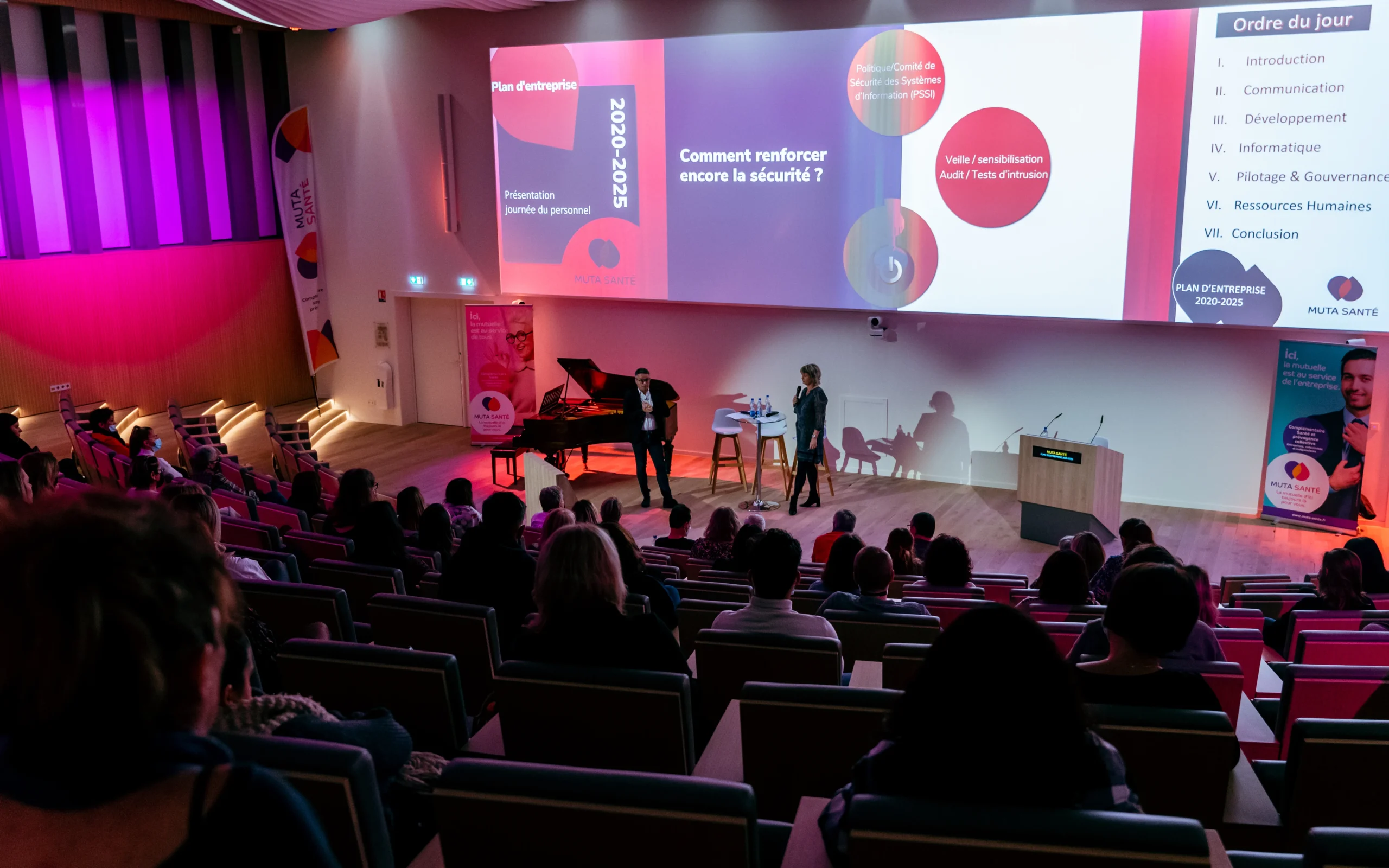
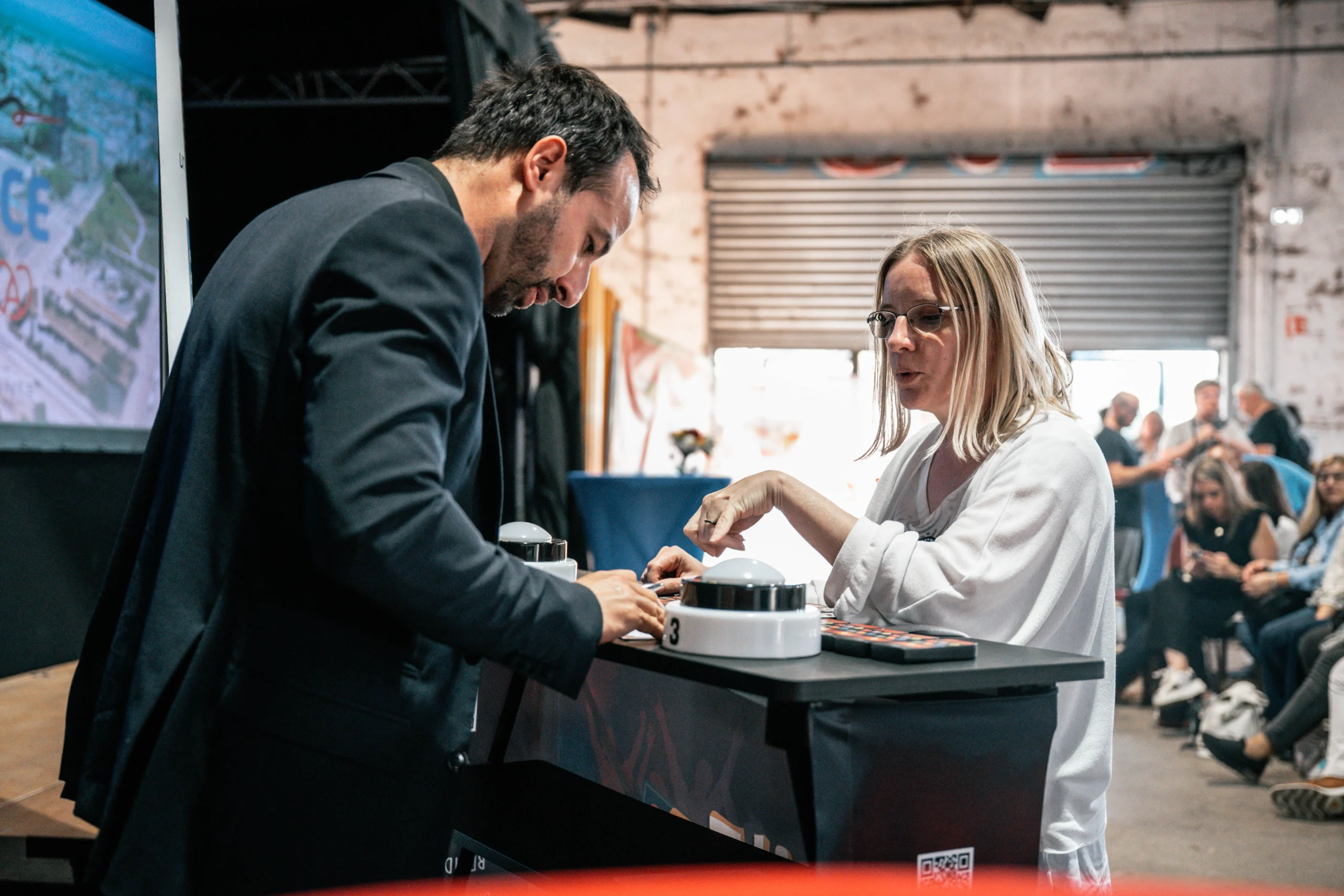
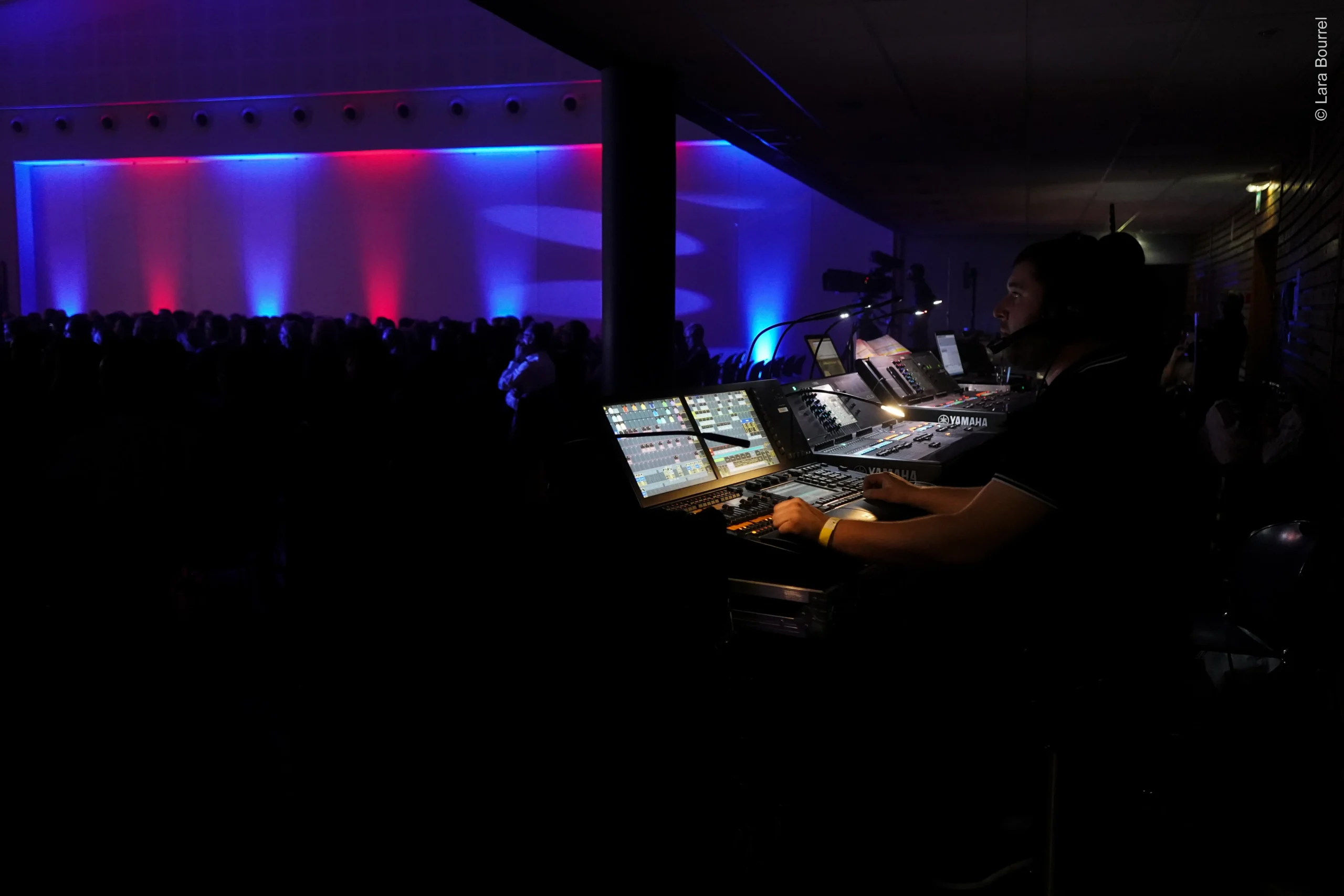
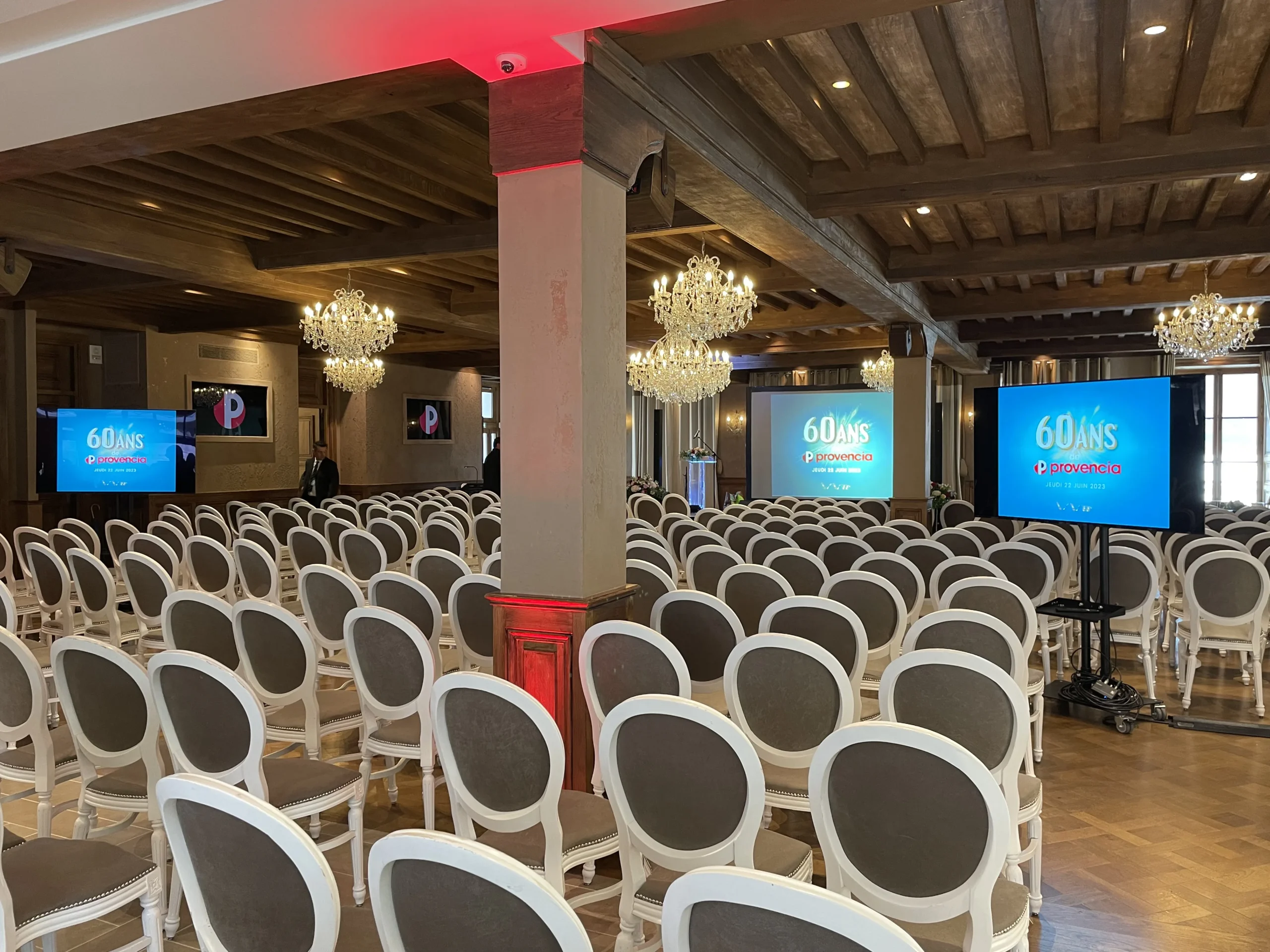
In a Corporate Convention, “entertainment” isn’t a nice-to-have—it’s a lever to maintain attention through dense content, reduce drop-off after lunch, and protect the credibility of leadership messaging. In Laval, we plan engagement moments the same way we plan AV: with timing, objectives, and measurable outcomes.
Local organizations expect discipline: punctual transitions, bilingual facilitation when needed, crisp audio in large rooms, and a program that respects operations realities (shift work, peak periods, unionized environments, and time-to-floor constraints). A convention that runs late or sounds messy costs trust more than it costs money.
We work in Laval year-round and know the production variables that change everything on event day: access windows, loading dock rules, parking flows, and supplier availability. Our role is to anticipate, document, and run the plan—so you don’t manage vendors from the front row.
10+ years coordinating corporate events with multi-vendor production in Quebec.
150+ corporate events/year delivered through our Montréal team and trusted partner network (AV, staging, scenic, translation, security).
On-site coverage designed for scale: typically 1 producer per 150–250 attendees plus stage manager, show caller, and registration lead depending on complexity.
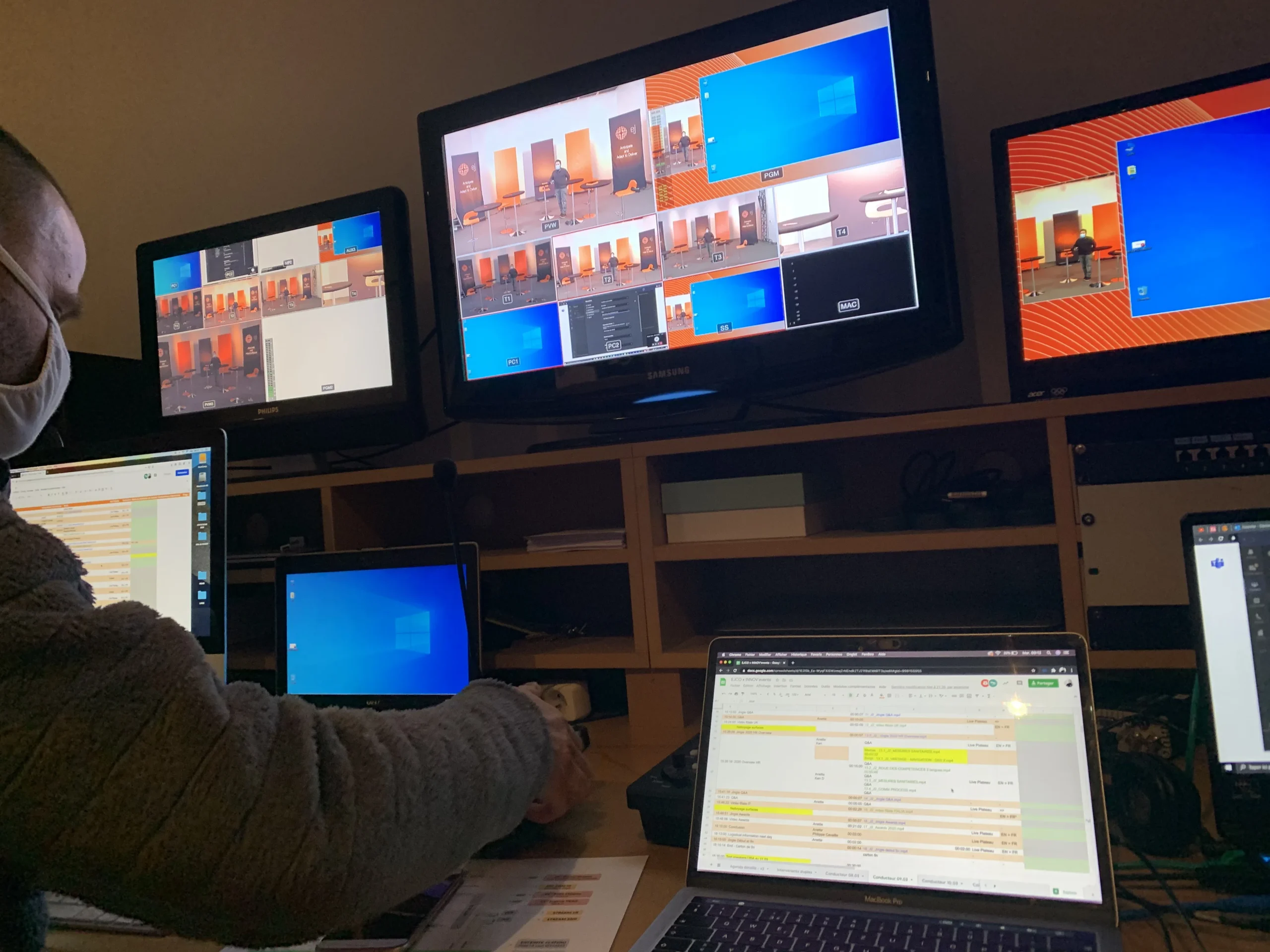
Operational reliability tools used on every convention: run-of-show, cue sheets, floor plans, health & safety checklist, and contingency plans for key risks (audio, timing, VIP moves).
We support organizations in Laval and throughout the North Shore that run recurring internal conventions, leadership kickoffs, and multi-site town halls. Several clients come back year after year because we protect what matters most to executives: timing discipline, message clarity, and a floor operation that doesn’t improvise under pressure.
If you want references, we can share comparable projects (attendance, sector constraints, bilingual requirements, union considerations, or multi-room setups) during a short discovery call. We prefer matching you with the closest scenario rather than listing names that don’t reflect your reality.
We send you a first proposal within 24h.
A convention is one of the few moments where leadership can align hundreds of people at once—strategy, priorities, culture, and performance expectations—without the dilution that happens through cascading emails. Done properly, it also reduces internal friction: fewer “interpretations” at the manager level, faster adoption of operational changes, and more consistent customer experience.
Alignment on priorities in a measurable way: we help structure the program so each segment ends with a clear “what changes Monday morning” message—often captured in a one-page recap, QR feedback, and manager toolkits.
Change management with less resistance: real-world case panels, frontline testimonials, and clear Q&A design prevent rumours and reduce corridor narrative. We plan Q&A so difficult questions are handled professionally, not avoided.
Leadership credibility: strong stagecraft (audio, lighting, confidence monitors, teleprompter when needed) prevents the “we didn’t rehearse” impression that damages trust more than the content itself.
Employer brand and retention: recognition segments, internal awards, and milestone moments are built to feel authentic—not forced—so employees see the organization invests in communication, not just KPIs.
Cross-department collaboration: structured networking and workshop formats help break silos between operations, sales, HR, and communications—especially useful after reorganizations or rapid growth.
Laval’s business culture is pragmatic: results, efficiency, and respect for people’s time. A well-run convention fits that mindset when it’s designed like an operational project—clear objectives, controlled risks, and a production plan that doesn’t gamble on “we’ll figure it out on site.”
In Laval, we regularly see conventions tied to concrete business cycles: annual sales kickoffs, operational planning, compliance updates, or post-merger integration. That means your audience is not “there for a show”; they’re there to understand what’s changing, why it’s changing, and what success looks like. Engagement has to serve comprehension and retention, not distract from it.
Local constraints matter. Many organizations have attendees coming from multiple sites (plants, branches, or warehouses) and can’t afford extended downtime. We often design arrival waves, fast registration, and punctual start times to respect shift schedules. Parking and traffic patterns around major corridors can create late arrivals; we mitigate with staggered check-in, pre-badging, and a program opening that absorbs small delays without pushing the whole day.
We also plan for bilingual realities. Even when the primary language is English or French, VIPs or visiting leadership may require bilingual stage management or interpretation. If simultaneous translation is in scope, we coordinate booth placement, receiver distribution, and sound checks early—because “we’ll add it last minute” is exactly how conventions lose time and credibility.
Finally, Laval venues can have strict loading and access windows. We plan load-in like a mini construction project: dock booking, elevator dimensions, ceiling rigging permissions, power distribution, and union rules when applicable. This is what separates a smooth executive experience from a day of last-minute compromises.
In a Corporate Convention in Laval, engagement has to respect the audience’s cognitive load. The goal is to keep energy and attention high while reinforcing your message. We recommend formats that integrate into the agenda (short, controlled, repeatable) rather than long segments that compete with business content.
Live polling with decision-grade outputs: we structure questions that leadership can actually use (confidence levels, operational blockers, adoption barriers). Results can be displayed live and exported to HR/Comms.
Moderated Q&A with curated pathways: we combine anonymous submissions, topic clustering, and timeboxing so sensitive questions are addressed without losing control of the room.
Breakout workshops with tight facilitation: 30–45 minute sessions with clear prompts, table captains, and a synthesis moment on main stage. We handle room splits, signage, and timing to avoid chaos.
Short stage openers (2–4 minutes): percussive or musical openers timed to the show call, designed to bring focus and mark transitions (opening, post-lunch, awards). The key is control: soundcheck, stage plot, and exact duration.
Professional MC facilitation: an experienced corporate host who can handle bilingual moments, keep pace, and protect leadership time. This is often the best “entertainment” investment because it prevents drift.
Networking stations built for flow: coffee service placed to prevent bottlenecks, timed breaks, and food formats that keep hands free for networking (important for executives and sponsors).
Tasting moments with a purpose: short guided tastings (local roasters, non-alcoholic pairings, dessert bars) positioned as structured breaks to reset attention—not as a distraction from content.
Content capture studio: a small on-site setup to record leadership messages or employee testimonials for internal channels. Useful when you need post-event comms within 24–72 hours.
Digital signage and wayfinding: screens that reduce friction (agenda, room changes, shuttle timing). This is “invisible entertainment” that improves attendee experience and reduces staff questions.
Recognition formats that don’t drag: pre-produced award stings, on-screen name verification, and stage choreography to keep recognition meaningful while staying on time.
Whatever the format, we align it to your brand and internal culture. A safety-focused industrial group won’t engage the same way as a tech scale-up or a financial services team. We make sure corporate event entertainment in Laval supports your leadership message, respects your risk profile, and fits your organization’s tone.
The venue is not a backdrop; it dictates your schedule, technical options, and how leadership is perceived. Ceiling height impacts screen visibility and lighting. Dock access affects load-in time and labour cost. Room geometry impacts audio intelligibility—especially for bilingual delivery or panel discussions.
| Venue type | For which objective? | Main strengths | Possible constraints |
|---|---|---|---|
Hotel ballroom in Laval | All-in-one day with plenary + meals; minimal travel between functions | Integrated catering, built-in staffing, predictable guest experience, easy room blocks for out-of-town teams | Rigging limits, fixed lighting grids, union/labour rules in some properties, AV markups if not planned early |
Convention centre / large multipurpose hall (13) | 500–1,500 attendees; multi-room breakouts; sponsor zones | Scale, flexibility for staging and trade-show style layouts, stronger logistics infrastructure | Longer load-in/out, stricter schedules, additional costs for security, power distribution, and floor marking |
Corporate campus or training centre in Laval | Internal alignment, confidential messaging, leadership workshops | Brand immersion, controlled access, low venue rental, easier IT/security compliance | Parking capacity, limited ceiling height for screens/lighting, need to bring in staging/AV and manage noise control |
We strongly recommend a site visit with the producer and AV lead. In practice, a 30–60 minute walkthrough often reveals the real constraints: where registration can fit, how to manage queues, where cameras can be positioned, and whether the room will support crisp sound for a high-stakes keynote.
Budgeting a Corporate Convention in Laval is less about a single “price per person” and more about the production profile: audience size, room count, technical level, content complexity, and risk tolerance. Two conventions with the same headcount can vary significantly based on staging, interpretation, rehearsal time, and scenic needs.
Attendance and agenda density: a half-day leadership update for 150 people doesn’t require the same crew or run-of-show control as a full-day convention with awards, panels, and breakouts for 800.
AV and staging: screen size/quantity, confidence monitors, lighting design, audio distribution, livestream/recording, and whether you need redundancy (recommended for executive keynotes).
Content production: slide template rebuilds, video editing, intro stings, speaker coaching, teleprompter, and rehearsals. This is often underestimated and then rushed.
Room logistics: registration systems, badge printing, wayfinding, security, coat check, and staffing ratios to keep lines short.
Food and beverage format: plated vs buffet, service speed, dietary management, and networking layout. In conventions, lunch timing is a critical risk point.
Labour rules and access windows: venue policies, union requirements where applicable, dock constraints, and overtime exposure if the agenda slips.
We build budgets with a clear ROI lens: what protects leadership credibility, what improves comprehension and adoption, and what reduces operational downtime. When the objective is alignment and execution, the best investment is usually not “more elements,” but better control—rehearsals, show-calling, and technical redundancy where it matters.
Choosing a local team is not about proximity for its own sake; it’s about decision speed and operational control. When you’re producing a convention, issues happen quickly: a room reset takes longer than planned, a speaker arrives late from a site visit, or a video file needs replacement. A team that works in the Laval market can move faster with the right contacts and realistic assumptions.
As INNOV'events, we operate in the greater Montréal area daily and deploy crews and suppliers that know the venues and regional constraints. When needed, we can be on site for pre-production checks without turning it into a travel project—and we can build schedules that reflect real traffic patterns and access windows.
If you’re comparing suppliers, ask who owns the show call, who signs off on the AV plan, and who is physically accountable on site. That accountability is where a local agency earns its fee.
We build budgets with a clear ROI lens: what protects leadership credibility, what improves comprehension and adoption, and what reduces operational downtime. When the objective is alignment and execution, the best investment is usually not “more elements,” but better control—rehearsals, show-calling, and technical redundancy where it matters.
We deliver conventions across sectors where the stakes are high and the room is demanding: manufacturing and distribution (safety and operational discipline), financial and professional services (brand and confidentiality), retail networks (multi-site alignment), and technology (fast change, high expectations for production quality).
In practice, that means we’ve managed scenarios like: a leadership keynote that needed last-minute reordering after a morning operational incident; a bilingual town hall where interpretation had to be added mid-project; and a convention where awards and recognition had to be redesigned to reduce stage time while keeping it meaningful.
Our approach stays consistent: clarify the objective, lock the critical path, build a run-of-show that can breathe, and staff the floor so transitions are clean. The result is a convention that feels controlled—because it is.
Underestimating rehearsal time: executives are busy, but a 45–90 minute technical rehearsal often saves more than an hour of delays on event day and prevents AV credibility issues.
Slides and videos arriving “too late to test”: we set deadlines and provide a content intake process so files are verified, embedded fonts are resolved, and video playback is tested on the show machine.
Unclear ownership of the run-of-show: when no one is calling cues, transitions drift and the agenda slips. We assign a show caller and stage manager with clear authority.
Registration bottlenecks: not enough stations, no pre-badging, or poor traffic flow can create a bad first impression. We design registration like an operations line, with staffing ratios and signage.
Audio intelligibility issues: panel mics, handheld usage, and speaker coaching matter. A beautiful stage doesn’t help if employees can’t understand the message.
Ignoring access constraints: loading dock schedules, elevator limits, and room reset time are operational facts. We plan them early to avoid overtime and rushed setups.
Our role is to be the buffer between executive priorities and event-day friction. We anticipate the failure points, document responsibilities, and run the show so your team isn’t forced into last-minute decisions in front of employees.
Repeat business in conventions is earned through consistency. Executives and HR leaders rebook when the event is predictable in the best way: clear planning, clean delivery, and no surprises that escalate internally.
Typical planning window: 8–16 weeks for a standard convention; 16–24 weeks if you have multi-room breakouts, complex staging, or major content production.
On-site support: commonly 6–20 staff across production, registration, and floor management depending on size and complexity.
Feedback loop: post-event debrief within 5 business days, including what worked, what to change, and a prioritized action list for the next edition.
Loyalty is a byproduct of control: when stakeholders see that timing, technical quality, and attendee flow are managed professionally, they don’t want to re-teach a new supplier the same lessons next year.
We start with a working session with HR, communications, and an executive sponsor. We define the business goal (alignment, change, recognition, performance), audience profile, success metrics, and constraints (bilingual needs, confidentiality, union considerations, time windows, VIP protocol). Output: a clear event brief and decision list.
We shape the agenda so it holds attention and respects operational time. That includes pacing rules (segment lengths, breaks, post-lunch reset), Q&A structure, workshop design if relevant, and a content map that links each talk to a desired action. Output: draft agenda + messaging flow.
We design the AV and staging to match the room and your brand standards: audio coverage, screens, camera needs, lighting, translation if required, and power distribution. We confirm load-in/out realities and labour requirements. Output: production plan, stage plot, and vendor quotes with clear scope.
We manage slide templates, video deliverables, cue-to-cue timing, and speaker coaching where helpful. We lock file delivery deadlines and run technical checks on the show system. Output: final show files, backup files, and a rehearsal plan.
On event day, we run registration, manage the floor, call cues, and protect timing. We handle speaker transitions, VIP moves, and real-time adjustments while keeping the program coherent. Output: a convention that stays on schedule and feels controlled to the audience.
We close with a structured debrief: attendance data, engagement results (polls, Q&A themes), operational notes, and recommended improvements. Output: an actionable report your team can use for leadership follow-up and the next edition.
Plan for 8–16 weeks for a standard format (single plenary room, catering, moderate AV). For multi-room breakouts, interpretation, scenic builds, or heavy video production, budget 16–24 weeks. Earlier booking also improves venue choice and AV crew availability.
For many organizations in Laval, full-day conventions often land between $250 and $650 per attendee, depending on venue, catering, AV level, content production, and staffing. A simpler half-day town hall can be significantly less; a high-production leadership event with recording and scenic can be higher.
Yes. We recommend at least 45–90 minutes of technical rehearsal for key speakers (mics, confidence monitors, clicker, walk-on timing). If you have panels, awards, or translation, add time. Rehearsal is the easiest way to prevent agenda drift and on-stage stress.
Yes. We coordinate simultaneous interpretation end-to-end: interpreter booking, booth placement, receiver distribution, channel testing, and backstage coordination so speakers keep pace. We also plan bilingual signage and an MC/facilitator approach that avoids confusing language switches.
INNOV'events assigns a producer plus a show caller/stage manager depending on complexity. One person owns the run-of-show and calls cues for audio, video, lights, and speaker moves. Your HR/communications team keeps content ownership, but you’re not forced to manage technical decisions from the audience.
If you’re planning a Corporate Convention in Laval, the fastest way to reduce risk is to lock the critical path early: venue feasibility, AV approach, staffing ratios, and a realistic run-of-show. Share your date range, estimated headcount, and objectives, and we’ll come back with a structured proposal—scope, timeline, and budget options—so you can compare agencies on real deliverables, not promises.
For best availability, reach out as soon as you have leadership timing and a shortlist of venues. We can also join internal planning calls with HR and communications to align responsibilities and avoid last-minute escalations.
Thierry GRAMMER is the manager of the INNOV'events Laval office. Reach out directly by email at canada@innov-events.ca or via the contact form.
Contact the Laval agency