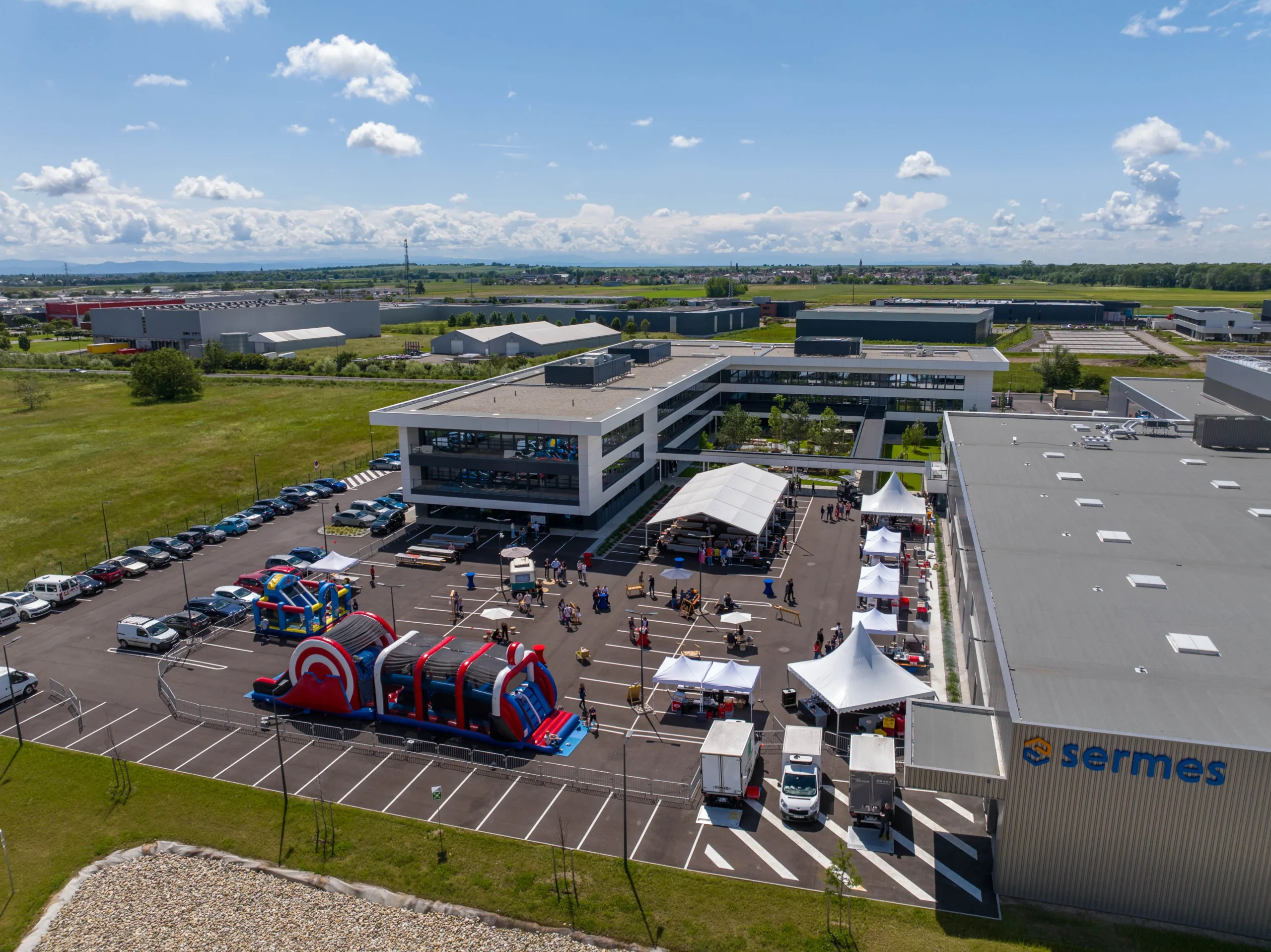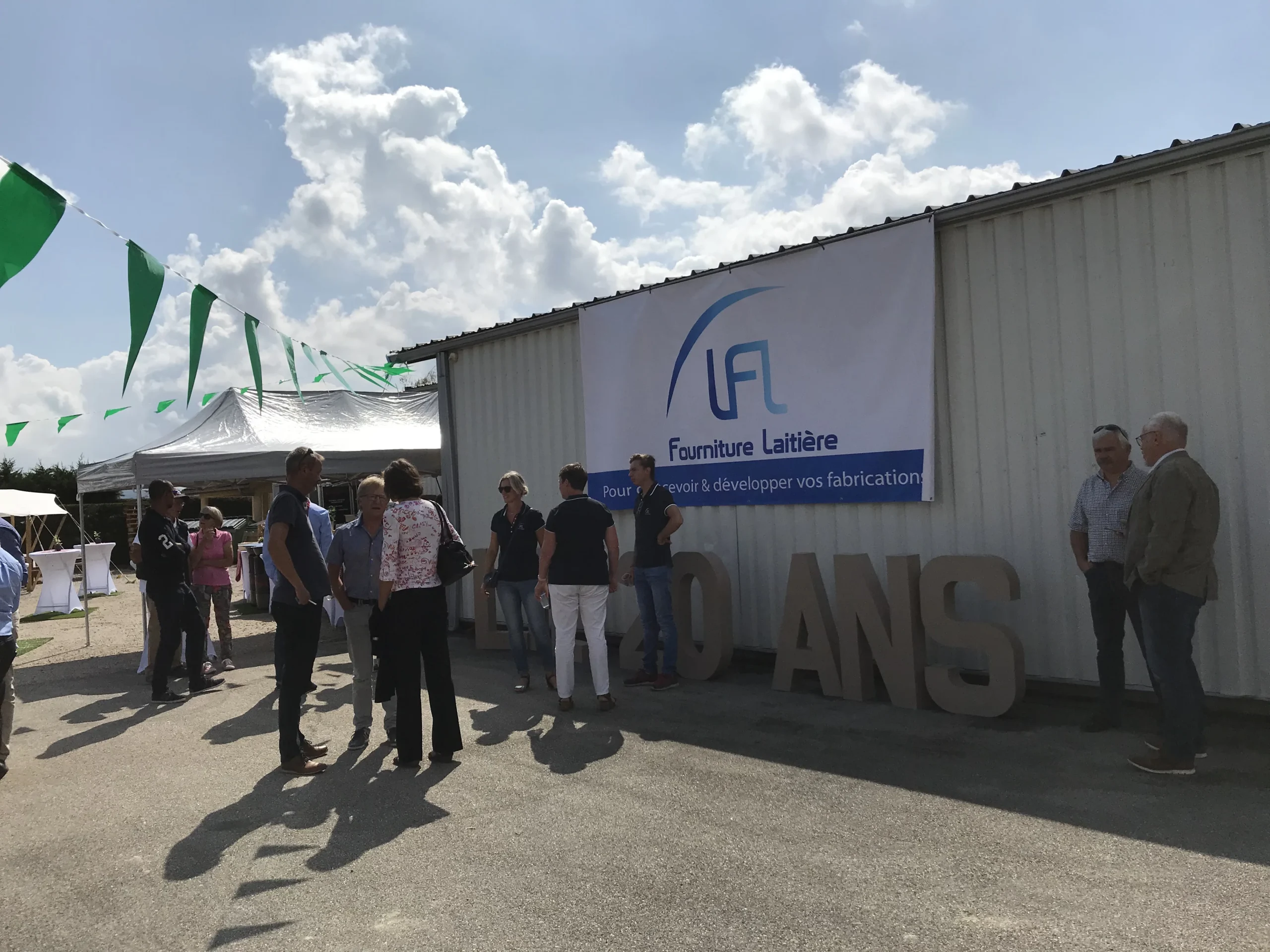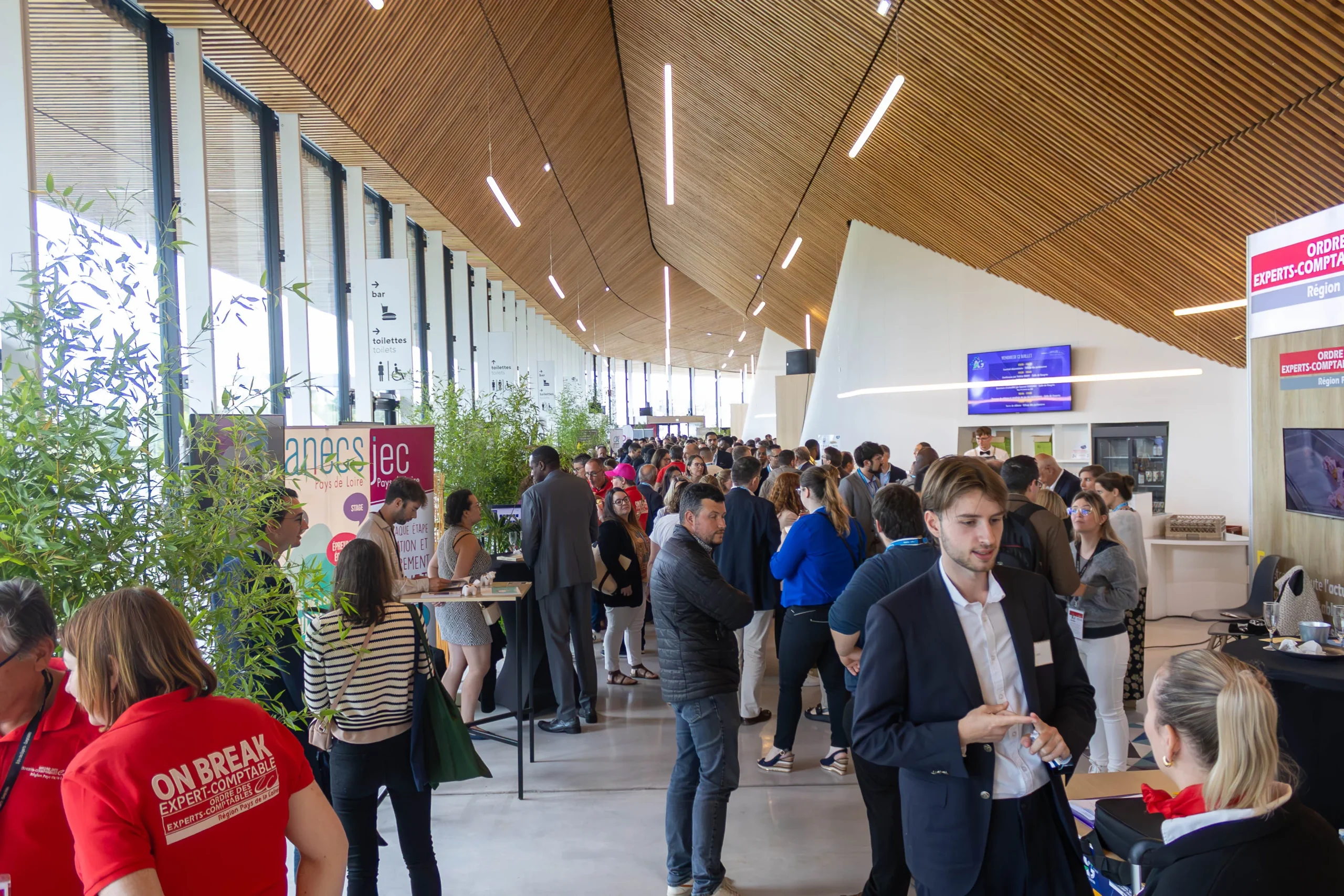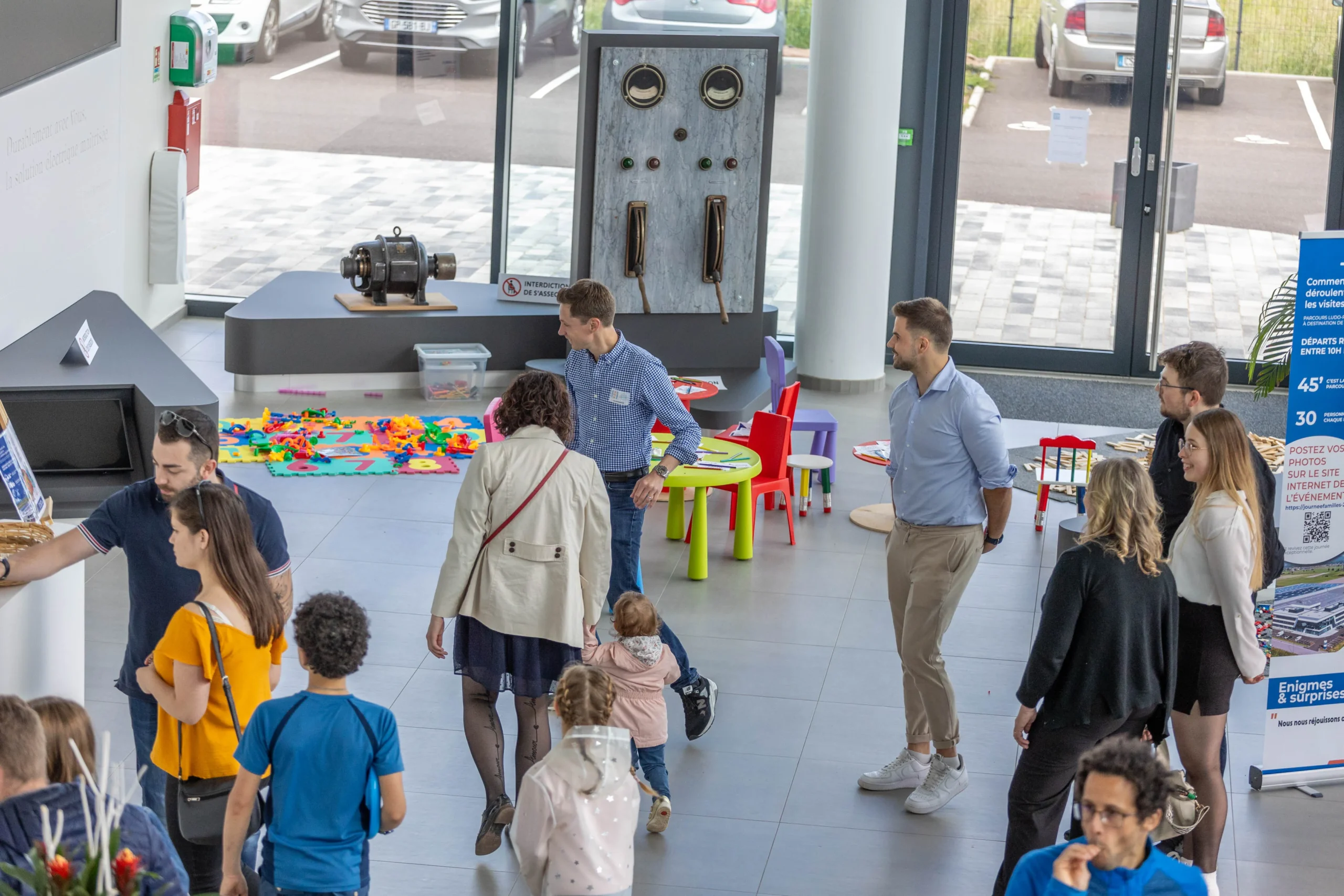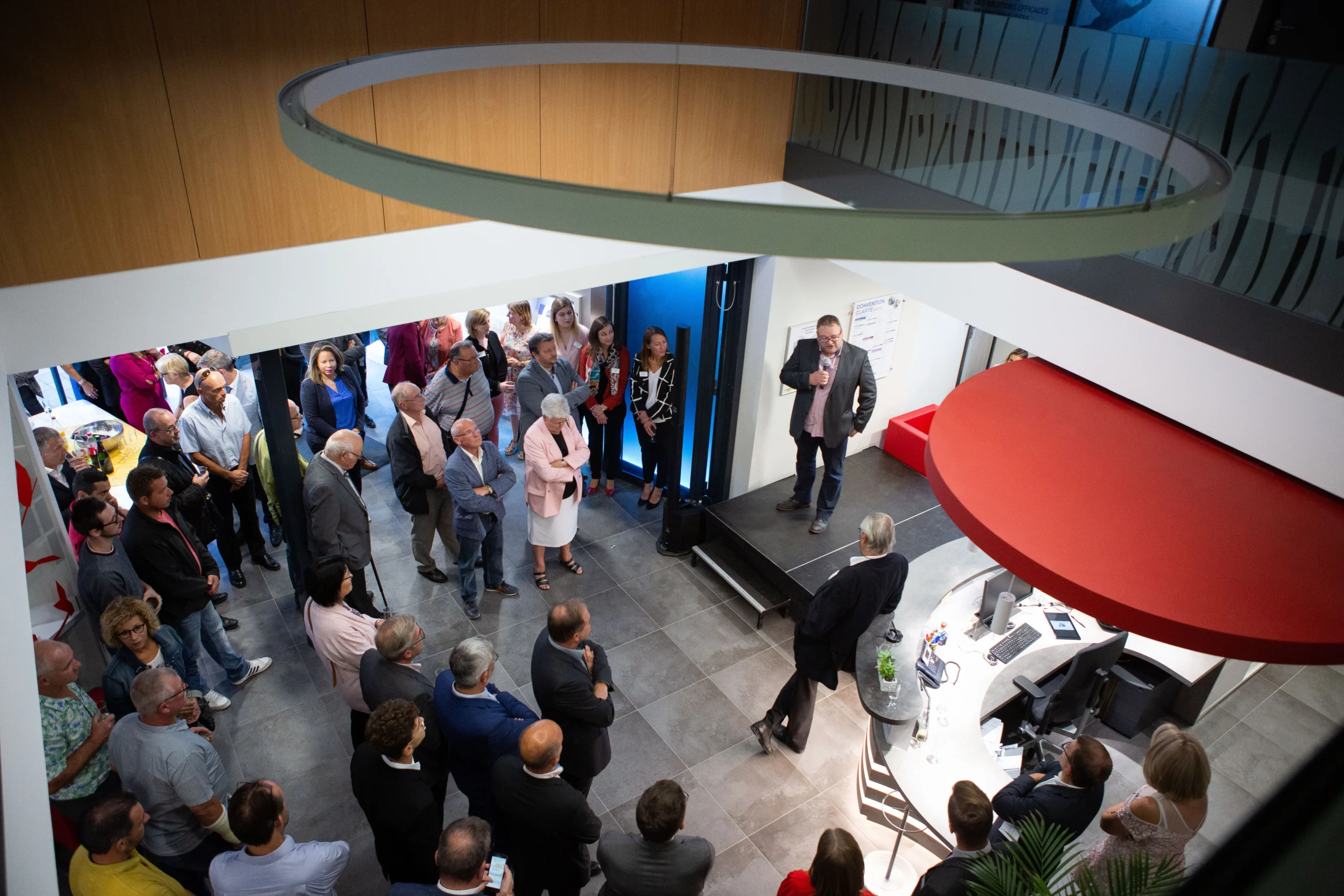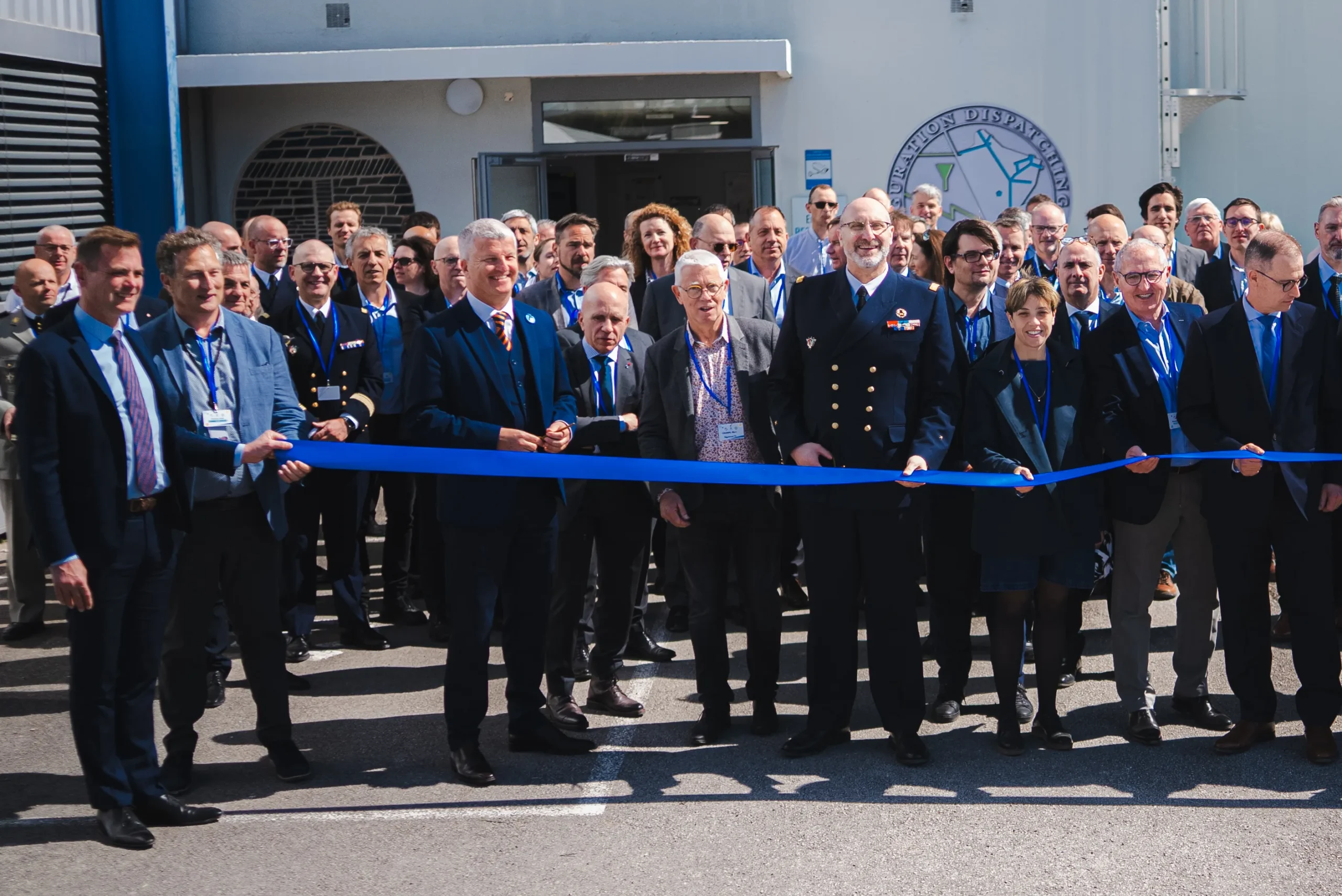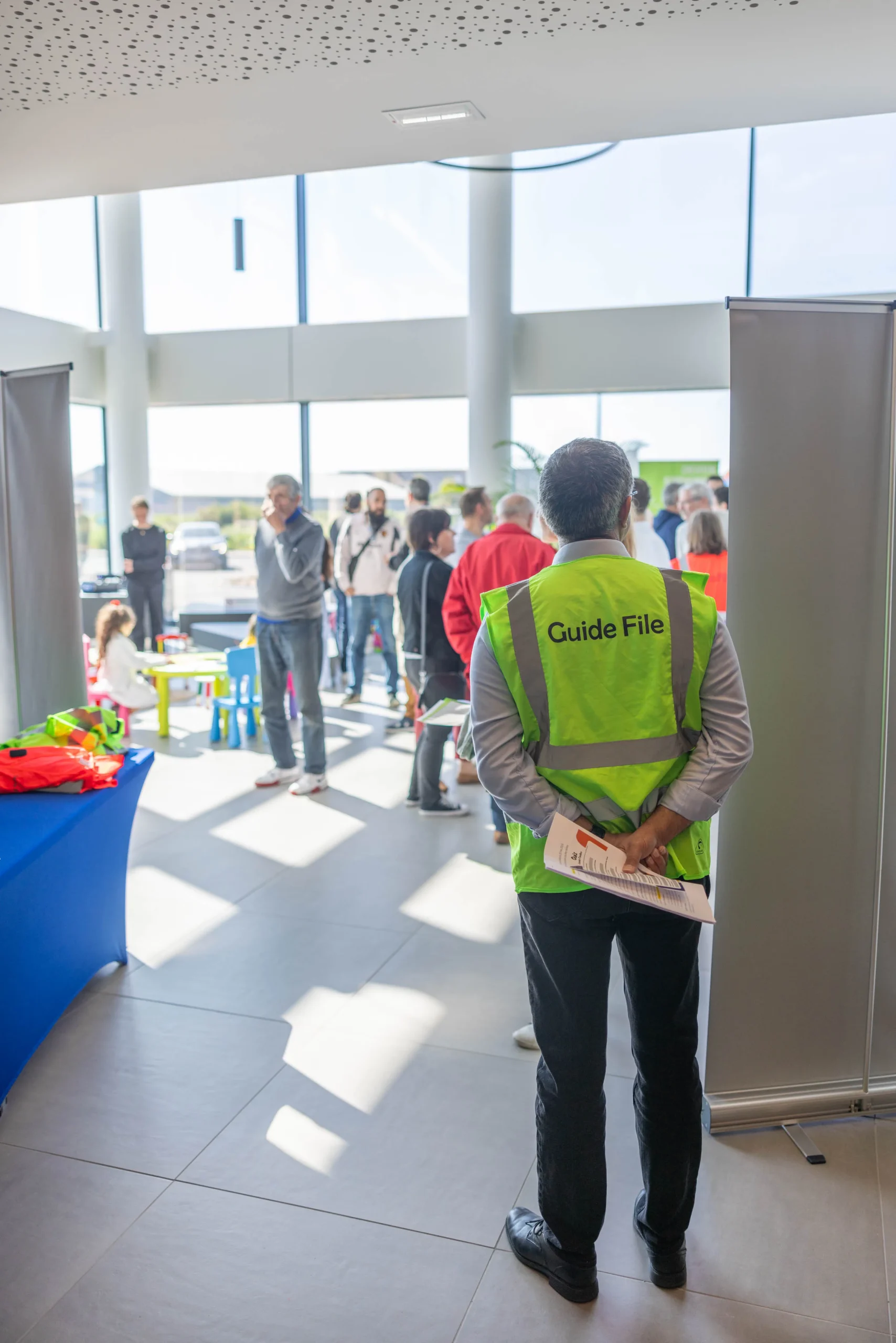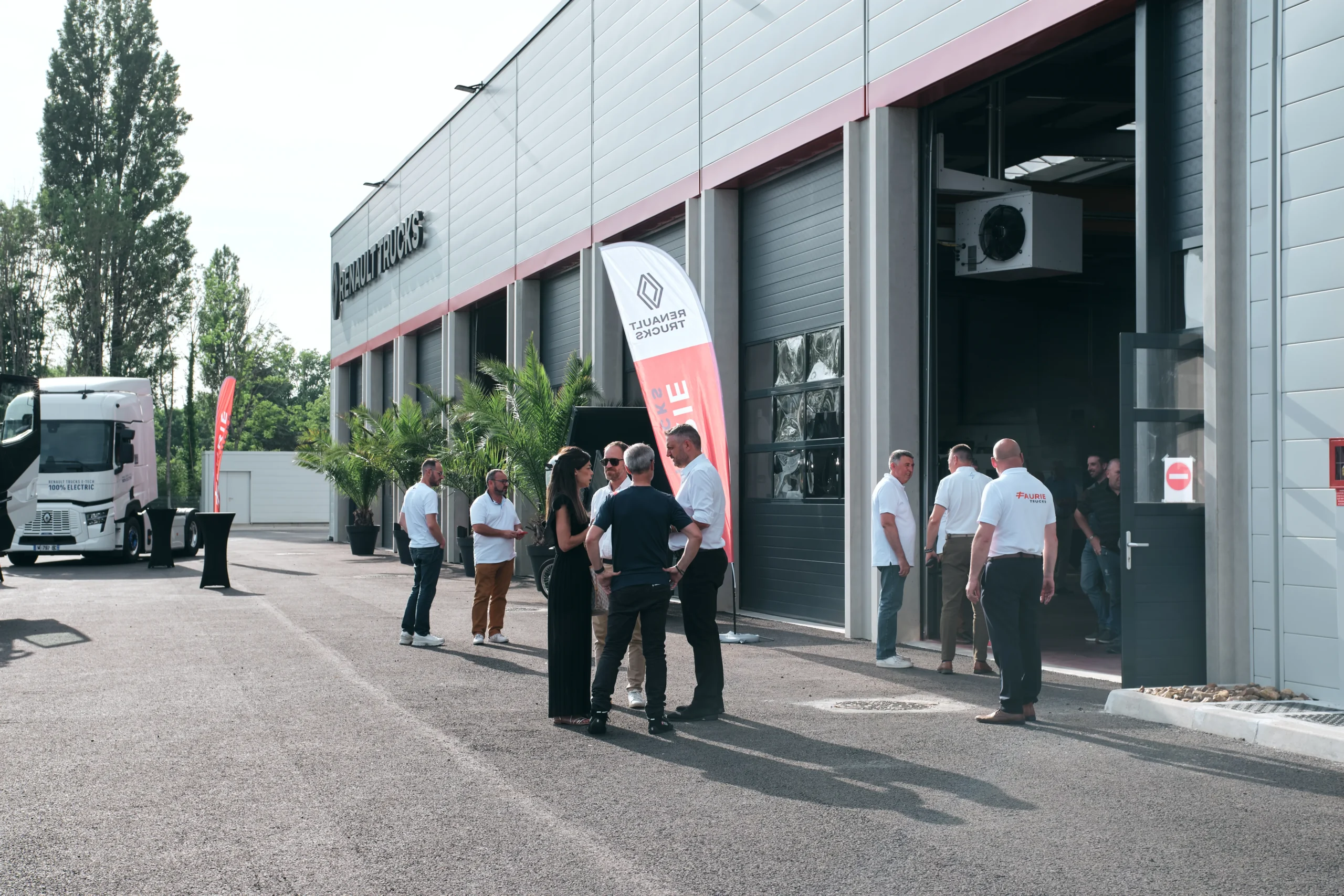
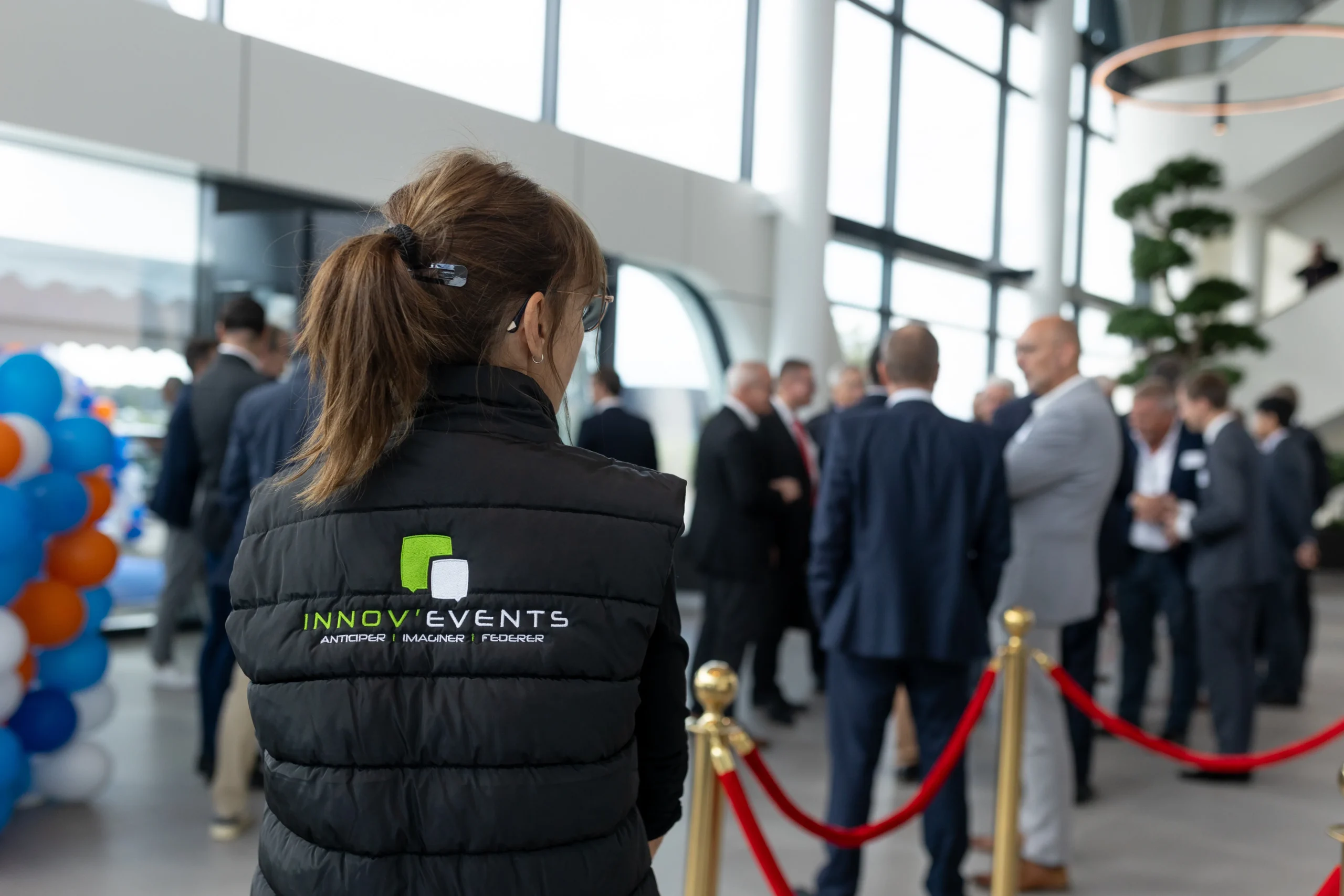
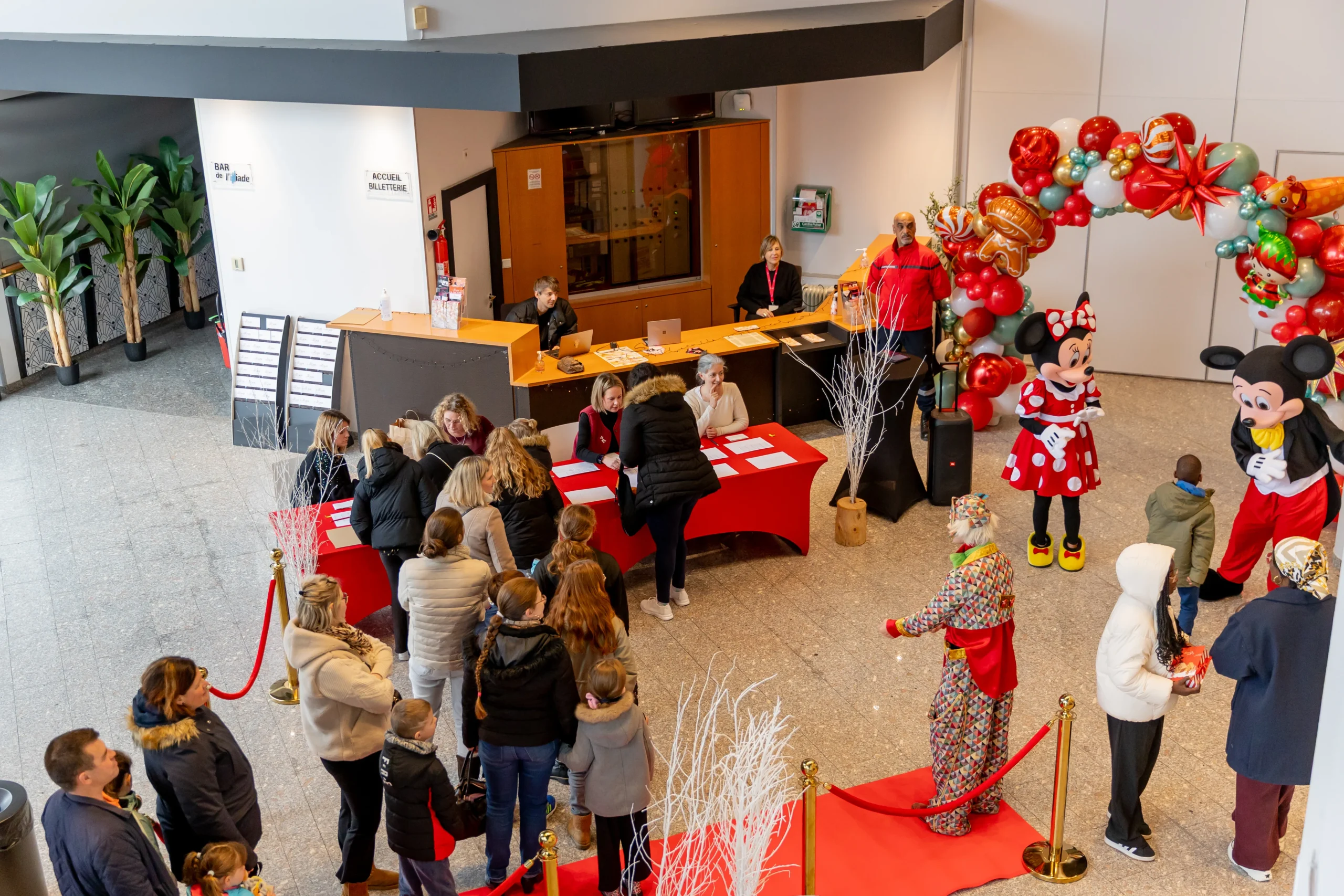
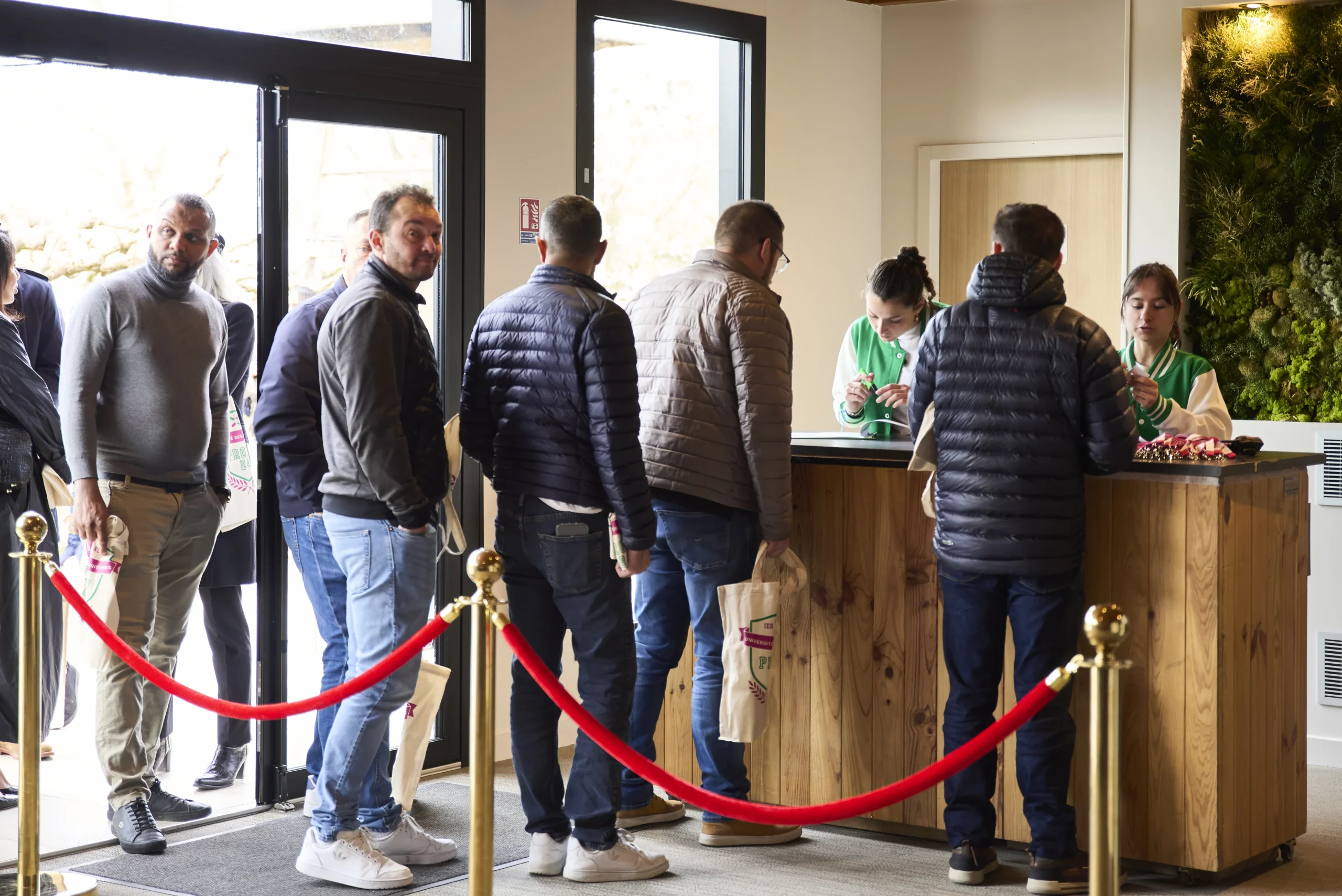
INNOV'events is a Montréal-based team supporting organisations across Quebec to deliver a professional Open House Event for 50 to 1,500+ guests. We handle planning, permits, site logistics, visitor journey, supplier coordination, and on-site operations so your executives can focus on relationships and reputation.
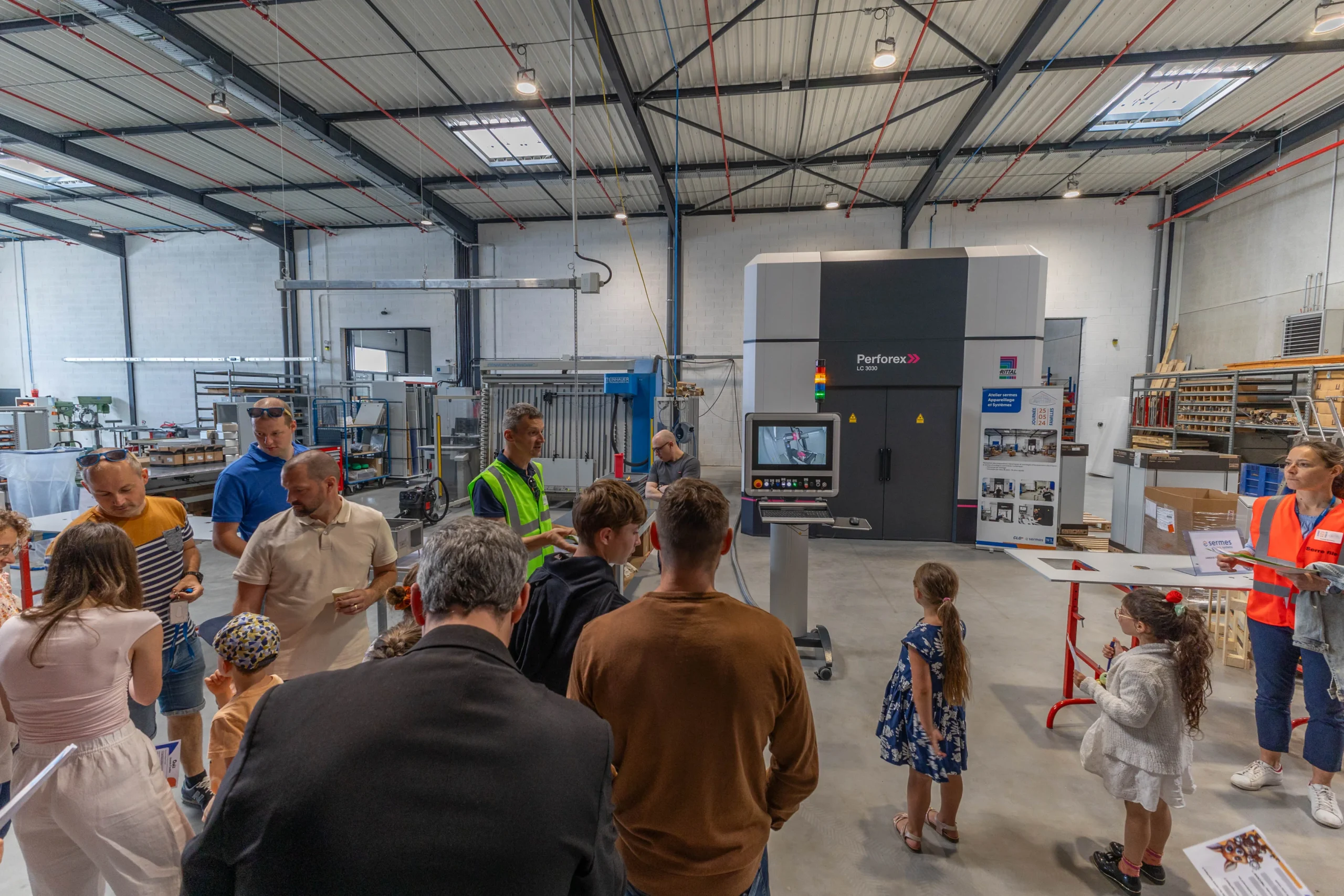
In a corporate Open House Event, “entertainment” is not a nice-to-have: it is a tool to control attention, pace the visit, and create moments where your teams can start real conversations. Done properly, it increases dwell time near key stations (production line, R&D demo, recruitment corner), reduces bottlenecks, and prevents the event from feeling like a passive tour.
Organisations in Quebec expect operational discipline: a clear run-of-show, bilingual front-line staff when needed, safe traffic circulation, and a guest experience that respects schedules. If you have VIPs, a unionised environment, or sensitive zones, the “fun” must be designed around constraints, not against them.
As an event agency rooted in Montréal, we build Open House Event in Quebec programs with site reality in mind: CNESST-type safety expectations, winter logistics, regional supplier availability, and the executive pressure that comes with hosting clients, elected officials, and future hires on your premises.
10+ years delivering corporate events in Quebec, including complex site-based formats (warehouses, plants, head offices, mixed indoor/outdoor).
300+ corporate events produced across our network, with repeat mandates from HR and communications teams who need consistent delivery.
50 to 1,500+ attendees managed with structured guest-flow design, registration tools, staffing plans, and on-site command posts.
24–72 hour contingency readiness for weather pivots, supplier substitutions, and last-minute VIP requirements (additional security, route changes, reserved areas).
We work with organisations across Quebec that need dependable execution and brand-safe experiences. Many of our mandates are renewed year after year because internal teams value a partner who documents decisions, anticipates risks, and protects leadership time on the day of the event.
If you have specific company references you want us to highlight, we can integrate them in a compliant way (scope of work, audience size ranges, and measurable outcomes) without disclosing sensitive operational details. In our experience, decision-makers in Quebec prefer proof that an agency can deliver under real constraints: production schedules, safety rules, multi-shift staff, and mixed audiences (clients, families, candidates, neighbours, elected officials).
Our approach is built for that reality: practical planning, tight supplier management, and a clear governance model between your executive sponsor, HR, communications, and operations.
We send you a first proposal within 24h.
A well-designed Open House Event in Quebec is one of the few formats that can serve reputation, recruitment, and business development at the same time. It is also high-stakes: your facility becomes your stage, and every detail (signage, safety, hospitality, staff briefing) signals how your organisation operates.
Accelerate trust with clients and partners: seeing your teams at work, your quality controls, and your leadership presence reduces perceived risk and shortens sales cycles, especially in industrial, manufacturing, logistics, and tech environments.
Support recruitment with concrete proof: candidates respond better to a real site visit than to job ads. An open house lets HR show career paths, training, and culture through actual supervisors and teams, not just slogans.
Align internal communication: when employees host together, silos drop. We often build cross-department “story stations” so operations, engineering, and customer service deliver one coherent narrative.
Strengthen community and stakeholder relations: for sites near residential areas, an open house can reduce friction by explaining operations, noise mitigation, and sustainability commitments in a transparent way.
Make leadership visible: a structured VIP route and scheduled touchpoints allow executives to meet key guests without being pulled into logistical questions.
In Quebec, where local networks matter and word-of-mouth travels fast, an open house is a strategic signal: it shows confidence, operational maturity, and respect for guests’ time and safety.
In the field, we see the same expectations from executive teams across Quebec: predictability, safety, and brand control. Your open house is not a festival; it is a controlled environment where guests must feel welcomed and guided, while your operations remain protected.
That creates specific constraints we plan for from day one:
Corporate event entertainment in Quebec works when it serves a purpose: reduce waiting frustration, make technical content accessible, and create moments for conversation. We select animations that fit your audience mix (clients vs families vs candidates) and your risk profile (industrial site vs office environment).
Guided demo stations with a timed passport: guests receive a simple “route card” and collect stamps at key zones (innovation lab, quality control, training centre). This increases completion rates and gives HR/communications a measurable engagement tool.
Interactive Q&A walls: a moderated “Ask us anything” board where guests submit questions that are answered at scheduled moments by a designated spokesperson. It prevents corridor rumours and keeps sensitive topics controlled.
Recruitment micro-interviews: for talent-focused open houses, we set up 10-minute pre-screen slots with hiring managers and a quiet room for serious candidates. It turns foot traffic into real pipeline.
Live illustration of your story: a visual artist captures key moments, values, and statistics during the event. It becomes content for internal comms and LinkedIn without filming sensitive areas.
Acoustic welcome music at arrival zones: it sets a professional tone and masks operational noise without requiring concert-level sound systems that can interfere with announcements.
Local tasting stations: small, controlled portions from regional partners (coffee roasters, microbakeries, non-alcoholic pairings). We position them to manage crowd movement rather than creating one massive line.
Timed service windows: when you have 300+ guests, food becomes logistics. We schedule service windows by tour group and use multiple points of distribution to avoid congestion.
AR/VR for restricted zones: when guests cannot access a production cell or data centre, a short VR module shows the process safely. This is particularly useful for regulated environments in Quebec.
Real-time capacity dashboards: QR-based check-ins by zone help us redirect guests to less busy stations and keep the event comfortable, especially in mixed indoor/outdoor setups.
The key is alignment: every animation must reinforce your brand image and risk posture. A plant with strict safety culture needs clarity and control; a head office open house can support more free-flow networking. We design the experience so your guests feel welcomed while your leadership feels protected.
The venue choice directly affects perception: it signals your standards, your safety culture, and your respect for guests. In Quebec, many organisations choose between hosting on-site (maximum credibility) and hosting off-site (maximum control). We often recommend a hybrid: on-site tours plus an off-site reception zone for networking when site constraints are heavy.
| Venue type | For which objective? | Main strengths | Possible constraints |
|---|---|---|---|
| On-site (plant, warehouse, head office) | Demonstrate credibility, quality controls, culture, and scale | Most persuasive format; authentic proof points; strong employer branding | Safety zones, PPE, restricted photography, parking limits, visitor routing complexity |
| Off-site event hall near the site | Control experience for VIPs, partners, or recruitment fairs | Predictable acoustics and comfort; easier catering; weather resilience | Less operational authenticity; requires shuttles and tight scheduling |
| Hybrid: on-site tours + off-site reception | Combine proof with polished networking and presentations | Reduces on-site congestion; improves VIP hospitality; flexible in bad weather | Two locations to manage; transport and timing discipline required |
We strongly recommend a site visit with operations and security before committing. Small details in Quebec sites matter: snow clearing zones, delivery bays, shift changes, and where guests can safely wait without blocking operations.
The cost of a Open House Event in Quebec depends less on “how nice it looks” and more on logistics: guest volume, route complexity, staffing, safety, and whether the event is on-site. We build budgets that executives can defend internally, with clear options rather than one opaque number.
Attendance and format: a controlled tour format for 150 people has different staffing needs than a free-flow family open house for 1,000+.
On-site constraints: PPE, barriers, signage, additional cleaning, and restricted access solutions (VR, video, mock stations) can represent meaningful budget lines.
Registration and data capture: basic check-in vs segmented invitations (VIP/client/candidate) with automated confirmations, time-slot management, and post-event reporting.
Staffing: hosts, tour guides, security, parking marshals, first aid, and bilingual greeters when required. Understaffing is the fastest way to damage guest perception.
Technical production: sound for announcements, mic systems for guides, staging for speeches, backup power, and comms (radios) for operational control.
Catering strategy: multiple service points, dietary requirements, and whether alcohol is served (permits, bar staff, risk management).
Weather plan: tents, heaters, flooring, shuttle buses, and indoor overflow capacity for unpredictable Quebec conditions.
We frame budget in terms of risk and ROI: the incremental cost of proper staffing, flow design, and safety controls is usually lower than the reputational cost of long line-ups, confusion, or an incident. A strong open house should generate measurable outcomes (qualified candidates, partner meetings completed, stakeholder reassurance), not just attendance.
For an on-site format, local execution is not a “nice benefit”; it is operational insurance. A partner established in Quebec understands regional supplier realities, seasonal constraints, and how local stakeholders evaluate professionalism.
If your open house is in the Québec City corridor, we can also mobilize our network there; for context on our broader coverage, see our page as an event agency in Quebec for the Capitale-Nationale market.
Locally grounded means we can do real site visits, run last-mile logistics with vendors, and secure staffing that shows up on time. It also means faster troubleshooting when a truck is delayed, a tent cannot be anchored where planned, or the parking plan must change due to construction.
We frame budget in terms of risk and ROI: the incremental cost of proper staffing, flow design, and safety controls is usually lower than the reputational cost of long line-ups, confusion, or an incident. A strong open house should generate measurable outcomes (qualified candidates, partner meetings completed, stakeholder reassurance), not just attendance.
Our experience covers a range of open house scenarios, from controlled corporate tours to high-volume community days. What stays constant is the operational backbone: route engineering, staffing plans, and a run-of-show that your leadership can trust.
Examples of formats we regularly build in Quebec:
We adapt the design to your reality: unionised environments, regulated industries, confidentiality requirements, and leadership expectations for brand consistency.
Underestimating arrival waves: parking and check-in collapse when everyone shows up at the same time. We use timed invitations or wave-based programming to protect first impressions.
Route design that conflicts with operations: tours that cross forklift lanes or pass through active loading zones create safety risk and operational pushback. We engineer routes with operations and safety from the start.
Too many messages, not enough proof: visitors remember what they can see and touch. We turn claims into stations: quality checks, training modules, process improvements, sustainability actions.
Inadequate staffing for guest management: one missing marshal can create a bottleneck that ripples across the day. We staff for flow, not just for “hosting.”
No clear spokesperson plan: when media, elected officials, or community questions arise, uncertainty creates risk. We assign who answers what, and where.
Food and beverage creating congestion: one buffet line can break the event. We design multiple service points and integrate catering into flow management.
Skipping rehearsal: even a 30-minute walkthrough catches issues (microphone coverage, signage visibility, door access, emergency routes) before guests arrive.
Our role is to remove uncertainty for your executive sponsor: anticipate failure points, build a plan that operations can support, and execute with discipline on event day.
Repeat business in Quebec is earned by consistency. Clients come back when they know the agency will not improvise with their reputation. We build documentation, debriefs, and improvement plans so the next edition is easier internally and stronger externally.
Post-event debrief within 5 business days, including what worked, what failed, and corrective actions with owners and deadlines.
Run-of-show accuracy target: 95%+ of key timings met (arrival waves, speeches, demos), using buffer design rather than unrealistic schedules.
Incident prevention focus: we track near-misses (crowd pinch points, signage confusion, PPE non-compliance) and eliminate them in the next edition.
Loyalty is not about habit; it is a signal that internal teams can trust the process, defend the budget, and sleep the night before the event.
We start with a working session with the executive sponsor, HR, communications, and operations. We confirm objectives (recruitment, client trust, community relations), define red lines (no-photo zones, restricted areas), and agree on decision-makers. Deliverables: objectives brief, stakeholder map, initial risk register, and a draft event architecture.
We visit the site with operations/safety to build the guest route, identify pinch points, validate emergency exits, and plan signage and barriers. We also determine where demos actually work (space, noise, power, line-of-sight). Deliverables: site map, route options, staffing model, and preliminary equipment list.
We secure suppliers (tents, AV, catering, security, shuttles) based on service levels and set-up constraints. We design sound coverage for announcements, guide microphones if needed, and a comms plan (radios, escalation chain). Deliverables: supplier quotes, technical plan, and updated budget with options.
We build the guest experience: invitation segmentation, time slots, check-in process, badging, and on-site signage. For HR-driven events, we add candidate capture fields and interview scheduling. Deliverables: registration setup, communications timeline, and data capture plan aligned with privacy expectations.
We run a walkthrough rehearsal, brief hosts and zone captains, and validate contingency plans (weather pivot, overflow, shuttle backup). On event day, we operate from a command post and manage timing, flow, and issue resolution. Deliverables: final run-of-show, staff briefing notes, and live incident log.
We measure what matters: attendance by wave, station engagement, candidate leads, VIP meetings completed, and operational feedback. We hold a structured debrief and provide an improvement plan for the next edition. Deliverables: results summary, lessons learned, and recommended next steps.
Most corporate open houses perform best at 3 to 6 hours. For on-site tours, plan 45 to 90 minutes per guest group (check-in + safety brief + stations). If you need both recruitment and client objectives, a split schedule (afternoon candidates, early evening VIPs) often works well.
A practical baseline is 1 staff member per 25 to 40 guests for guest management (check-in, flow, parking, wayfinding), plus tour guides and safety roles based on your site. For industrial sites, we often add dedicated marshals for crossings and restricted perimeters.
For a professional Open House Event in Quebec, many organisations land between $15,000 and $75,000+, depending on attendance, on-site constraints, AV needs, catering, and weather infrastructure. The biggest cost drivers are staffing, safety/traffic control, and whether you need tents, shuttles, or VR alternatives for restricted zones.
Plan 8 to 12 weeks for a straightforward office or showroom open house. For on-site industrial formats with shuttles, security, and complex routing, 12 to 20 weeks is safer, especially in peak seasons and when you need bilingual staffing and multiple suppliers.
Yes, but it requires segmentation. We recommend separate time blocks or clearly separated zones: clients/VIPs get a controlled tour and quiet meeting space, while families get safe activity zones and simplified messaging. Mixing without structure usually creates brand risk (noise, crowding, missed VIP touchpoints).
If you are comparing agencies, we can provide a clear proposal: objectives, route concept, staffing model, budget options, and a realistic timeline for approvals and suppliers in Quebec. The earlier we enter the conversation, the more we can protect your operational constraints and avoid costly last-minute fixes.
Send us your preferred date range, estimated attendance, audience mix (clients/candidates/families), and whether the event is on-site. We will come back with a practical plan you can validate internally and a quote structured for executive approval.
Thierry GRAMMER is the manager of the INNOV'events Quebec office. Reach out directly by email at canada@innov-events.ca or via the contact form.
Contact the Quebec agency