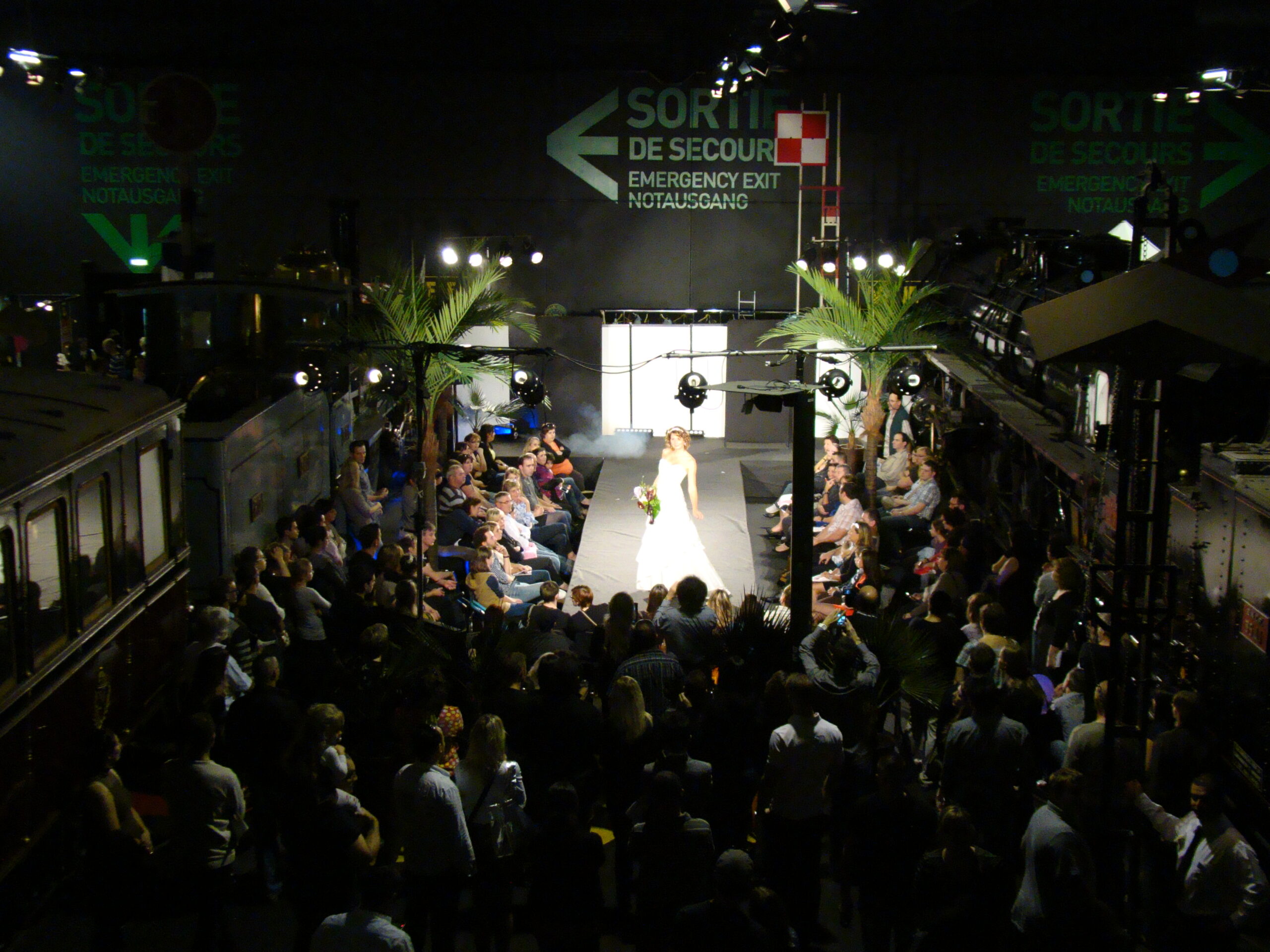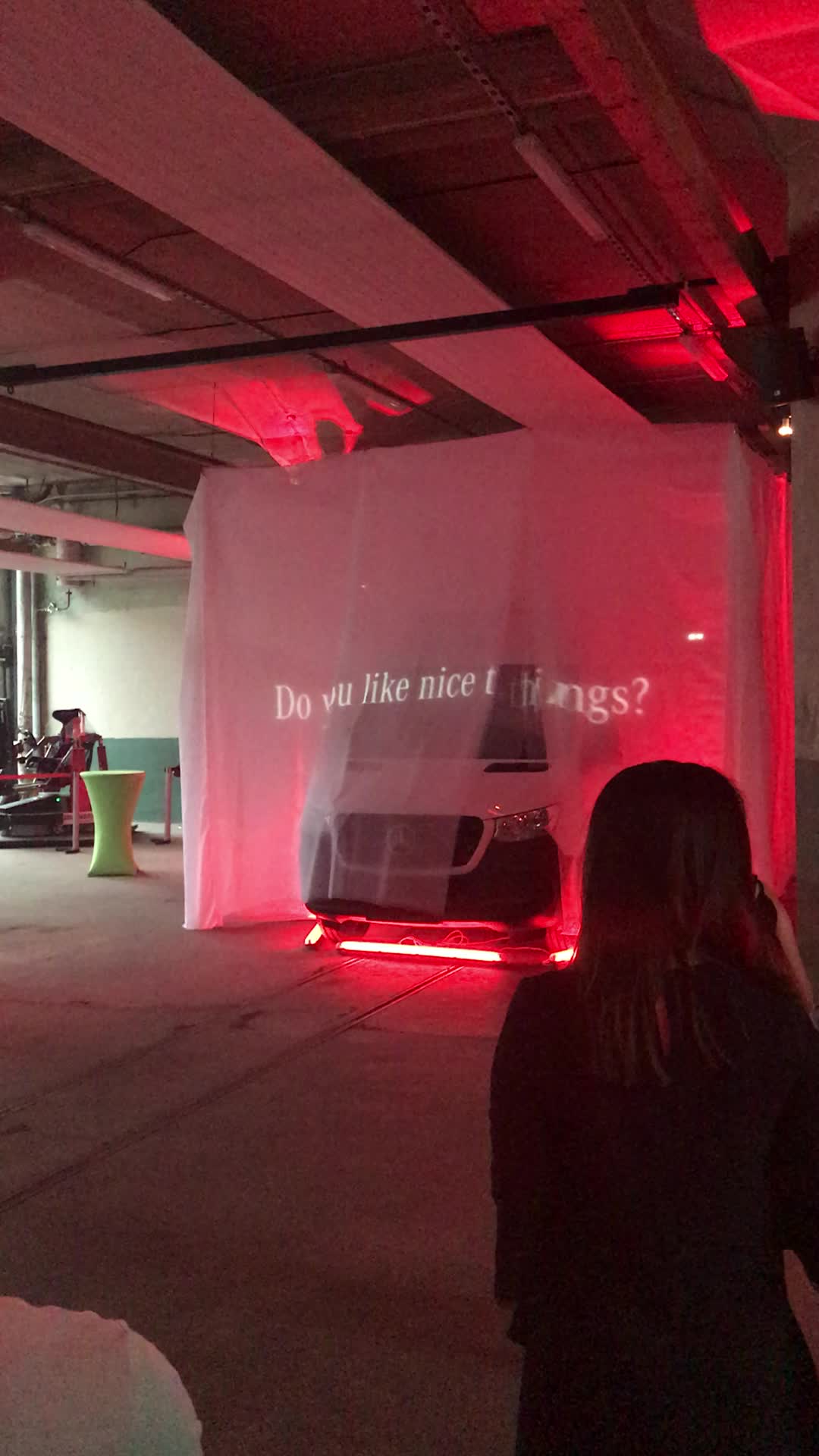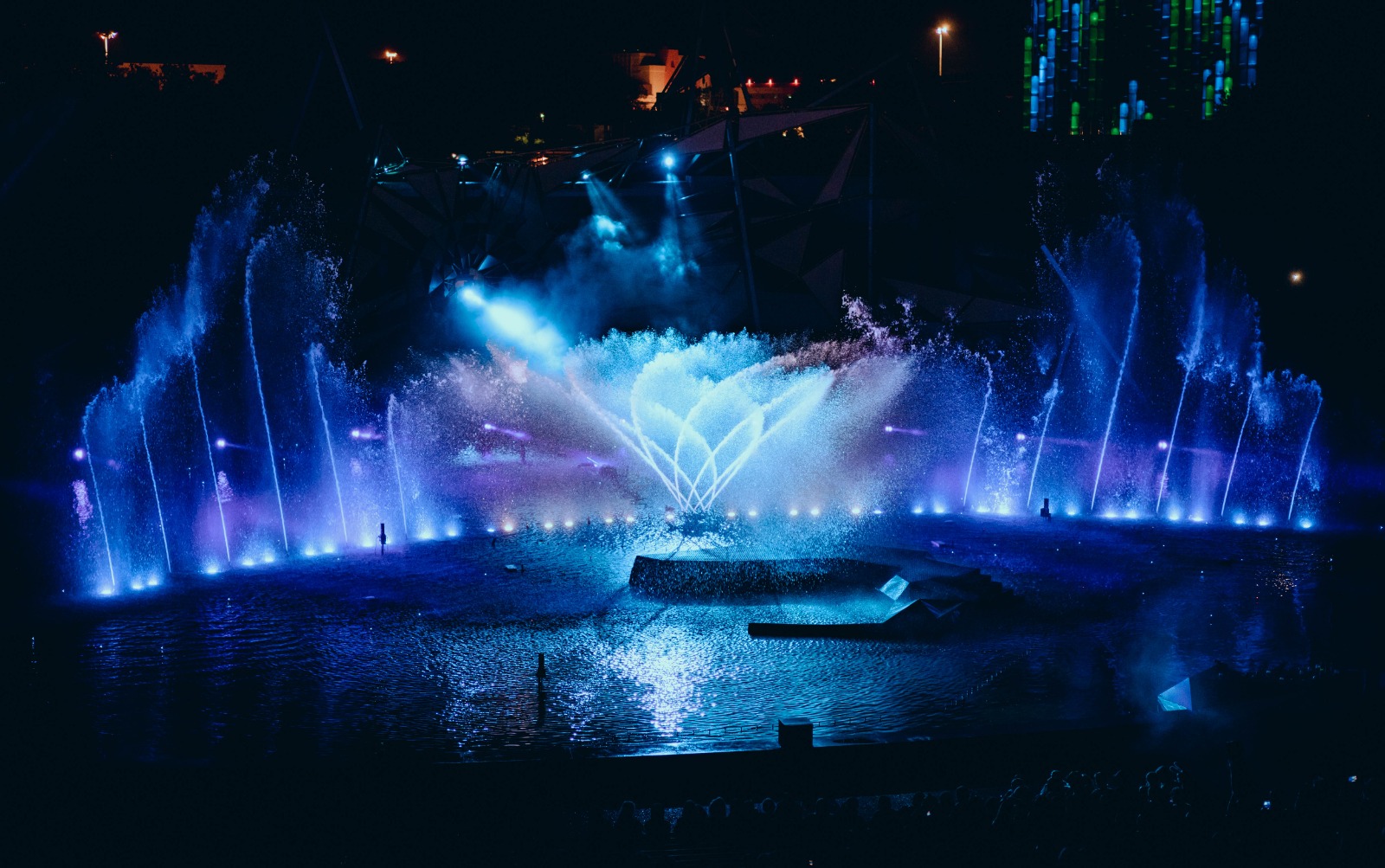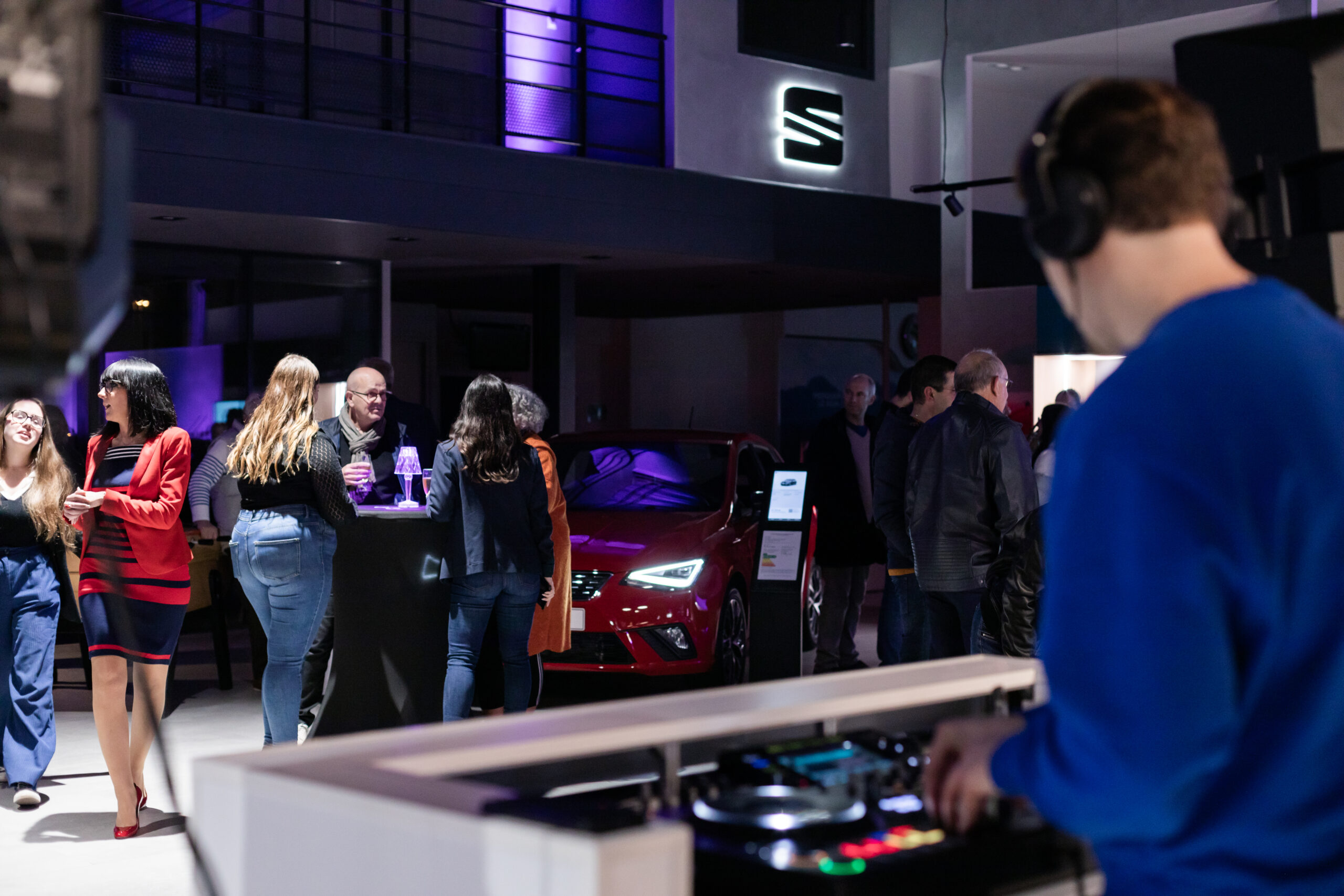
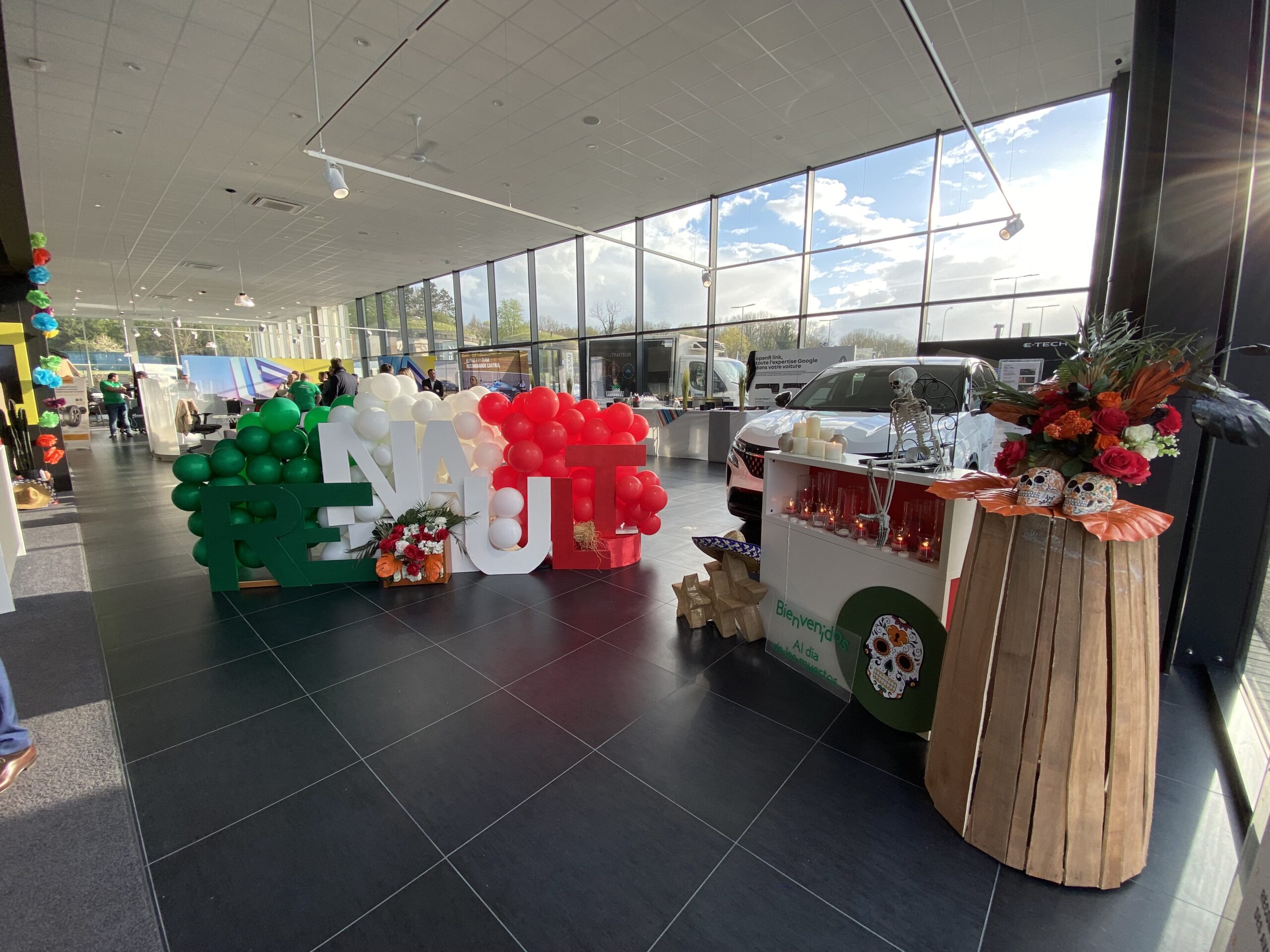
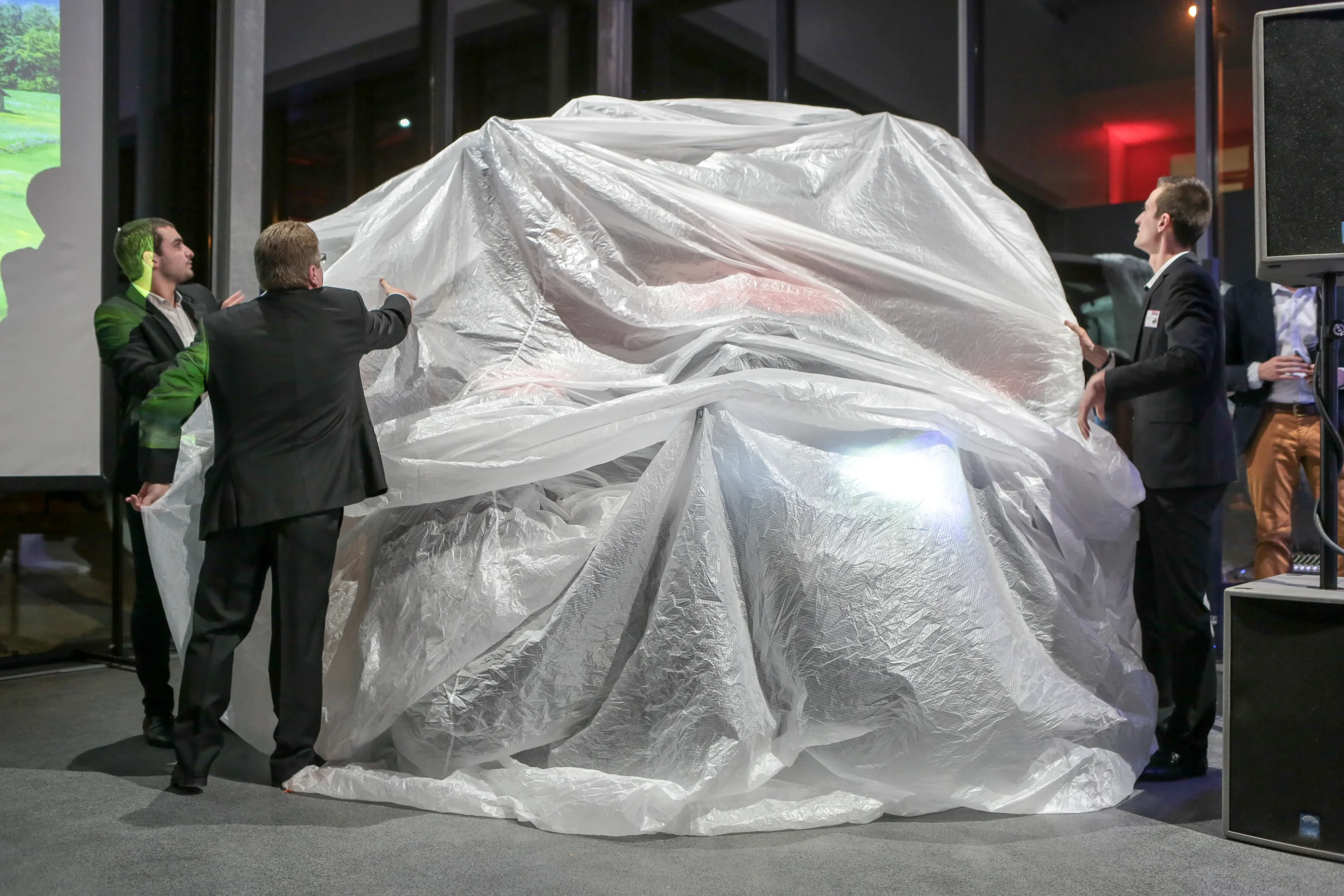
INNOV'events plans and produces Product Launch Event experiences across Quebec, from executive reveals to dealer launches and internal go-to-market kickoffs. Typical formats range from 40 to 600+ attendees, with hybrid options when you need national reach. We handle strategy, venue, AV, staging, guest journey, suppliers, and show-calling so your team stays focused on the product and stakeholders.
For a local organization, “entertainment” at a launch is not a nice-to-have; it is the mechanism that keeps attention long enough for the product story to be understood and repeated. A well-designed segment (demo choreography, host, cue-to-cue transitions, audience interaction) reduces message drift and prevents the classic issue where guests remember the cocktails but not the differentiators.
In Quebec, decision-makers expect operational rigour: bilingual flow, punctual schedules, and suppliers who understand union and venue rules without improvising at the last minute. Internal teams also want measurable outcomes: qualified leads captured correctly, dealer confidence, and a clear post-event content package for sales and communications.
Based in Montréal, our producers work on the ground with Quebec venues, AV crews, caterers, and brand partners. We know where time gets lost (loading docks, sound checks, rehearsal windows) and we design your Product Launch Event in Quebec with a realistic run-of-show, clear responsibilities, and contingency plans.
10+ years producing corporate events and launches across Quebec and Canada, with repeat mandates in tech, industrial, retail, and professional services.
Operational capacity for 40 to 1,200 attendees, including multi-room agendas, offsite logistics, and hybrid streaming with redundancy (primary + backup audio path and recording).
200+ vetted suppliers in our Quebec network (AV, staging, fabrication, security, catering, staffing) with documented service standards and on-site protocols.
Show-calling discipline: detailed cue sheets and technical rehearsals; typical launch segments include 60–120 cues (video, lights, audio, presenter walk-ons, product reveal).
Risk management basics done properly: COI collection, venue compliance, load-in plans, and contingency timing built into the schedule (not as an afterthought).
We support organizations that operate in Montréal, Québec City, Laval, the South Shore, and key industrial corridors. Many of our mandates come back year after year because internal teams do not want to re-teach an agency how their approvals, brand governance, and stakeholder realities work.
If you have specific brand references you want us to align with (corporate group standards, global guidelines, dealer network requirements, public-sector protocols), we build them into the production plan from day one. When communications teams are under pressure to protect brand image and HR teams need an experience that feels fair and inclusive, it is the operational details—accessibility, language, scheduling, and staff briefing—that determine whether the event “reads” as professional.
Note: you mentioned “the company names I provided as references,” but no list was included in your message. Share the names and we will integrate them in this section in a credible, compliant way (without over-claiming or implying endorsements beyond what is authorized).
We send you a first proposal within 24h.
A launch event is a controlled environment where leadership can align market messaging, train sales teams, reassure partners, and create proof that the product performs. In the field, we often see the same pain point: a great product loses momentum because the story is inconsistent across sales, customer success, and channel partners. A structured Product Launch Event reduces that risk by turning the positioning into a shared, rehearsed narrative.
Executive clarity and internal alignment: you can set non-negotiables (positioning, pricing logic, target segments) and confirm what will not be promised in-market. This prevents sales escalation and “special-case” commitments within the first 30 days.
Sales enablement that sticks: rather than a deck emailed after the fact, we design live product moments: demo stations, scenario-based role-play, objection handling, and a structured Q&A that becomes an internal knowledge asset.
Partner and dealer confidence: for channel-driven businesses, the launch is where you prove readiness: stock availability, warranty process, spare parts, installation guidance, and escalation contacts. When these are addressed publicly and documented, partners sell with less hesitation.
Lead capture and qualification: with the right registration and onsite check-in flow, you leave with clean data, consent, and segmentation (media, VIP clients, prospects, recruiters). This is where many teams fail: data is collected but cannot be used.
Reputation management in a bilingual environment: when you control the sequence (executive statement, product proof, customer voice, media access), you reduce the likelihood of off-message soundbites and ensure French and English audiences get an equivalent experience.
Quebec rewards companies that are prepared and direct. A launch that respects time, language, and execution quality signals operational maturity—especially in sectors where buyers and partners compare you to large national brands.
In Montréal, launches often bring together mixed audiences: executives, HR, comms, sales, partners, and sometimes global colleagues flying in. The expectation is not “spectacle”; it is a disciplined experience where every minute has a purpose and where no one is embarrassed by technical issues or unclear roles.
Three realities shape how we build a Product Launch Event in Quebec:
We also plan for Quebec seasonality and traffic patterns. A winter morning load-in, a downtown construction zone, or a festival weekend changes staffing call times and vendor access. These are small details, but they decide whether your doors open calmly or with last-minute chaos.
At a launch, “entertainment” should be interpreted as engagement architecture: the parts of the program that keep attention, create participation, and make technical information easier to absorb. The best choices are those that serve the product narrative and respect executive time.
Guided demo stations with timed rotations: we set up 3–6 stations, each with a specific scenario and a trained product lead. Guests rotate in small groups, which prevents crowding and ensures every attendee sees the key differentiator (not just a looping screen).
Live polling for positioning and objections: we collect real-time input on purchase criteria, adoption barriers, or feature prioritization. The value is not the tool; it is how leadership responds on stage, showing they understand market constraints.
Structured Q&A with triage: instead of open mic chaos, questions are collected digitally or through roving mics, sorted by theme (pricing, rollout, support), then answered by the right spokesperson. This protects brand and avoids off-topic derailments.
Host/moderator with corporate discipline: a bilingual host who can bridge segments, manage timing, and keep speakers comfortable. This is often the difference between an event that runs 20 minutes late and one that feels controlled.
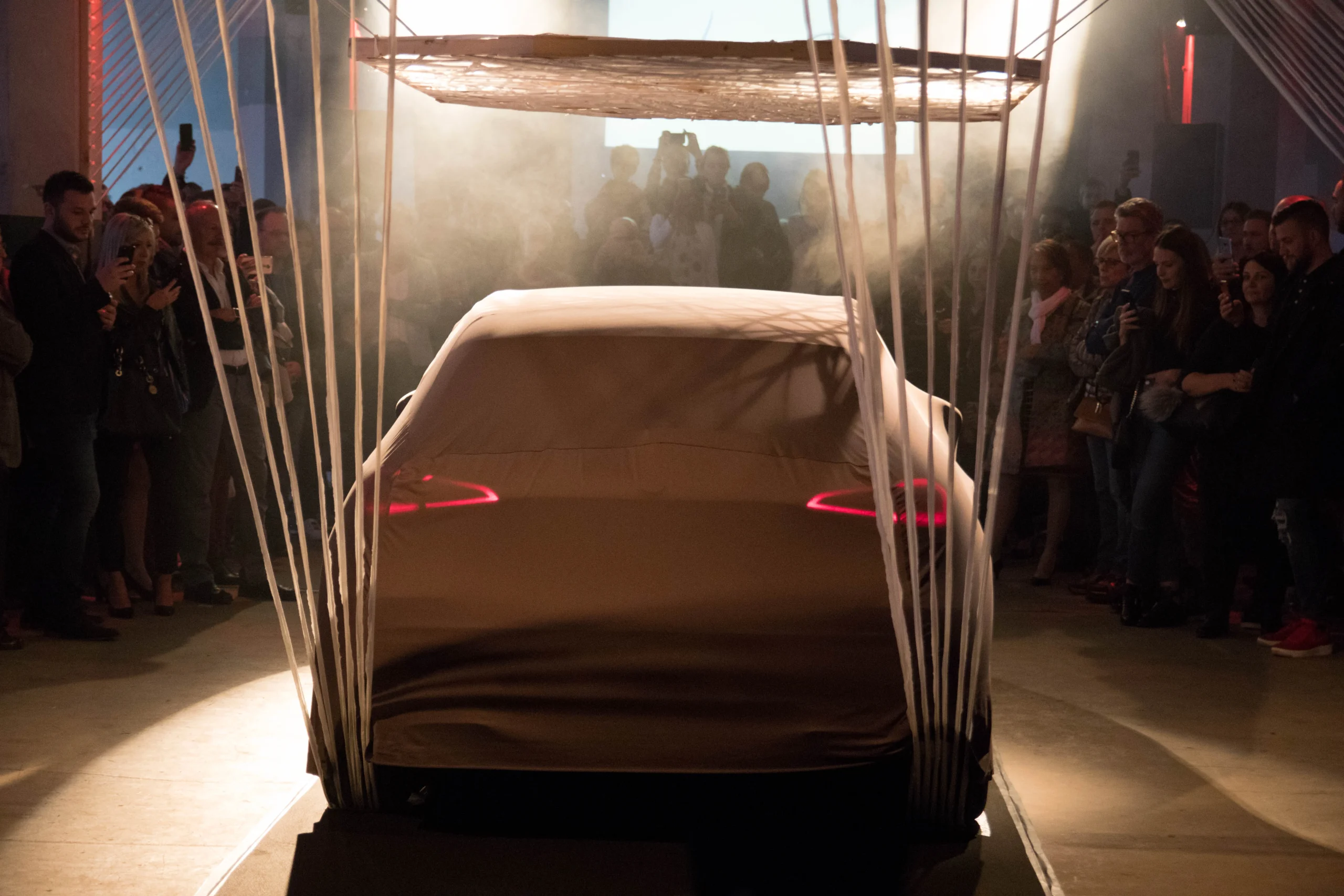
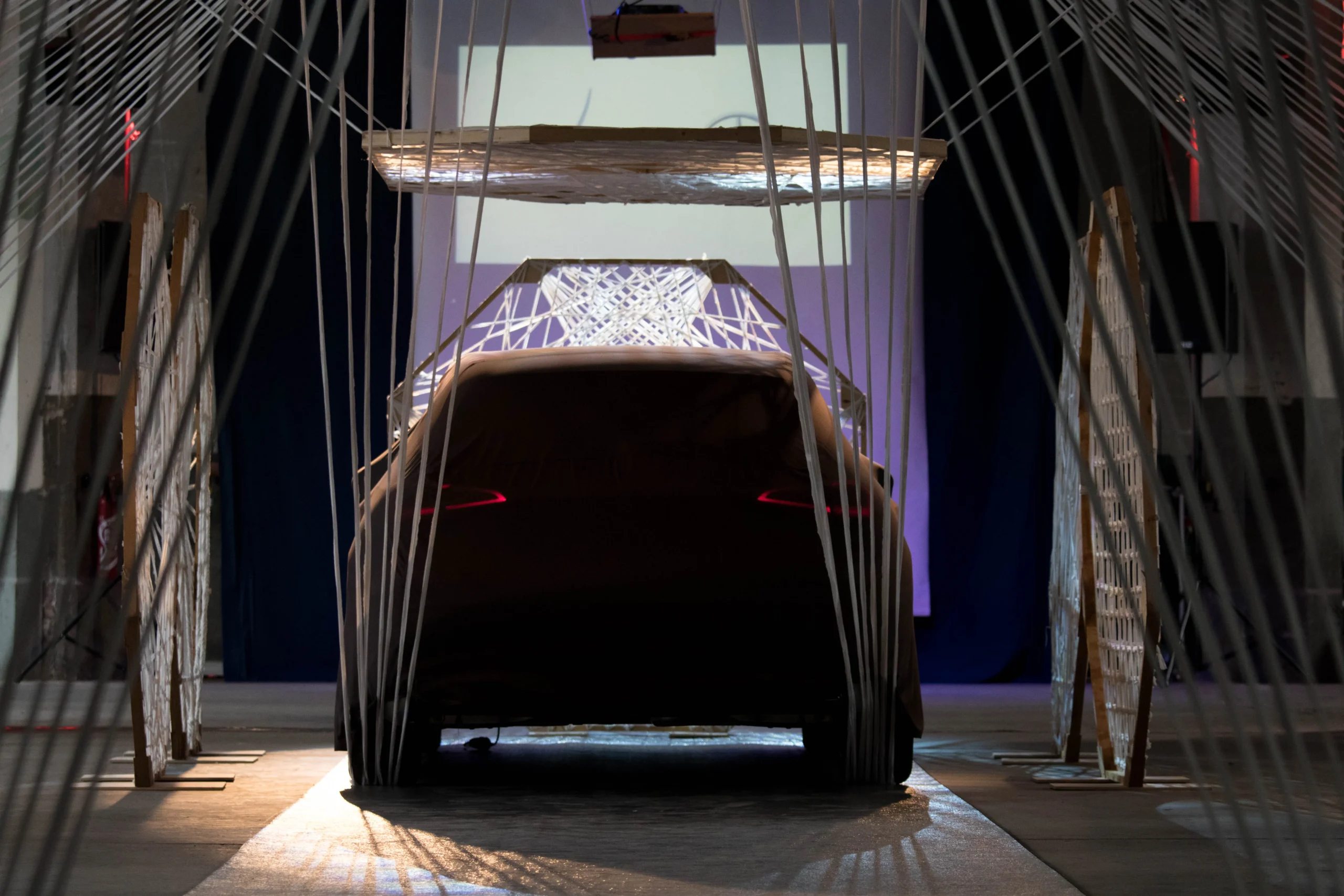
Reveal choreography: a short, rehearsed sequence that combines lighting, video, and stage movement to focus attention on the product moment. It is not “flash”; it is clarity—especially for physical products or hardware.
Short-format performance as a transition: when used, it sits between heavy content blocks to reset attention (e.g., 3–5 minutes) and is timed precisely to allow stage resets and camera changes.
Menu designed around flow, not prestige: a launch lives or dies by timing. We often recommend passed bites or stations during demos, then a seated moment only if you need executive remarks without distractions.
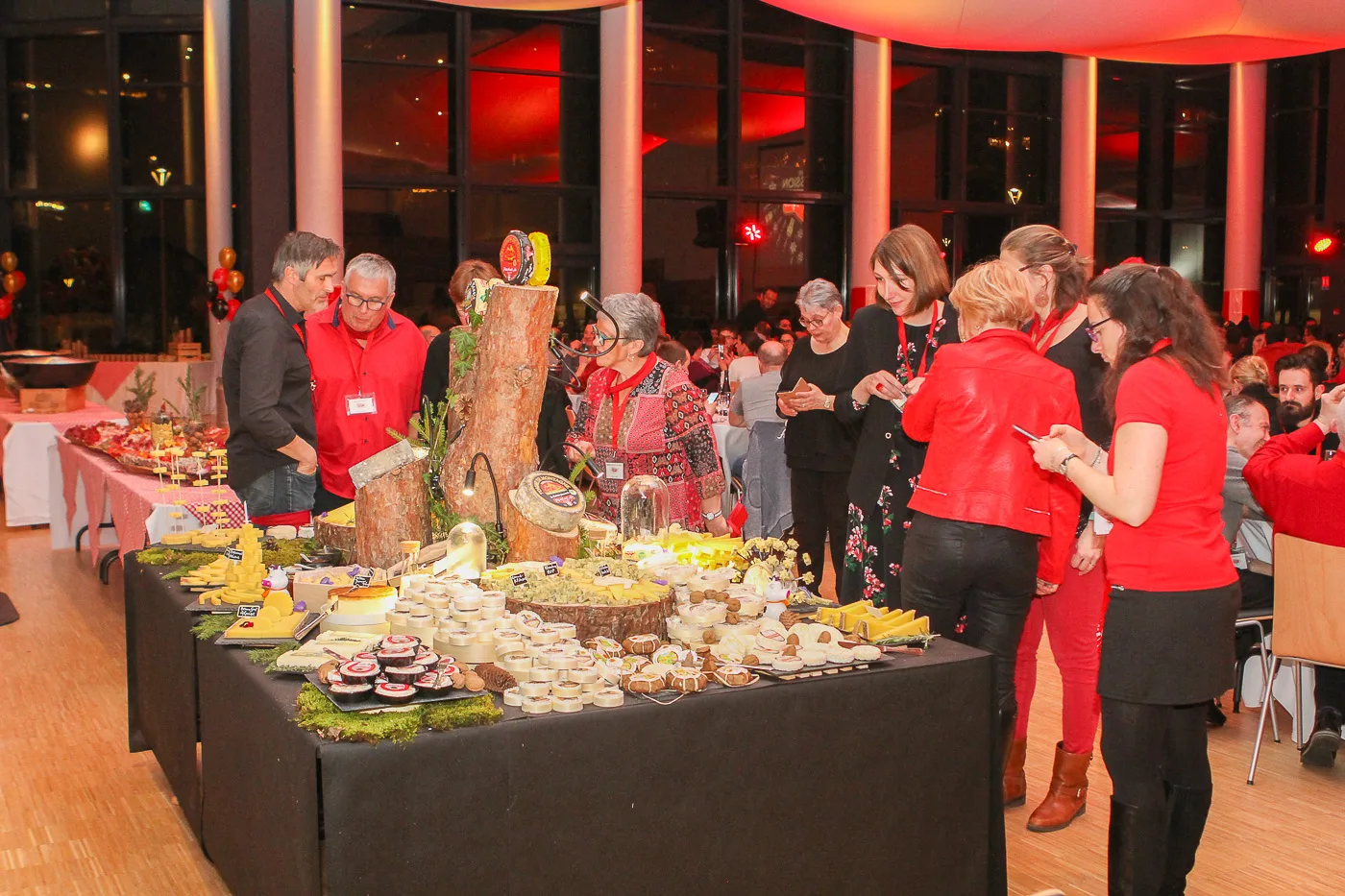
Quebec product integration with intent: showcasing local producers can support your employer brand and ESG narrative, but we align it with guest constraints (allergies, dietary restrictions) and service speed.
Non-alcoholic program that feels serious: for weekday launches or safety-sensitive industries, we design beverage service that keeps networking comfortable without pushing alcohol as the main attraction.
AR/VR only when it solves a real problem: we use immersive demos when the product is hard to transport, confidential, or large-scale (industrial equipment, real estate, complex software). The measure of success is throughput per hour and clarity of the story, not novelty.
Hybrid extension with controlled production: a small on-site audience with a high-quality stream for remote stakeholders. We plan camera positions, stage marks, and audio capture so remote viewers can actually follow the demo and slides.
Content capture built into the set: branded interview corner, clean backdrops, and lighting that supports quick executive soundbites. This is how communications teams leave with assets for LinkedIn, internal comms, and sales outreach.
Whatever the format, we align entertainment choices with your brand tone and risk profile. A regulated industry in Quebec needs different stage language, alcohol service, and claims substantiation than a consumer brand. Our role is to make the event engaging while keeping it compliant and credible.
The venue is part of the message. It sets expectations for seriousness, innovation, accessibility, and scale. For launches, we evaluate venues through production realities: load-in access, ceiling height for lighting, rigging permissions, power distribution, acoustics, and whether the venue allows the show flow you need (reveal + demos + networking).
| Venue type | For which objective? | Main strengths | Possible constraints |
|---|---|---|---|
Downtown hotel ballroom (Montréal or Québec City) | Executive reveal, partner summit, media-friendly announcement | Built-in event infrastructure, predictable service standards, easy guest access and accommodations | Rigging limitations, in-house AV rules, sometimes higher costs for upgrades and rehearsal windows |
Industrial-chic event loft / converted warehouse | Brand positioning around innovation, design, tech, consumer product launches | Strong visual identity, flexible layouts for demo zones, great for content capture | Power and acoustics may require additional rentals; load-in can be complex; neighbour noise restrictions |
Conference centre with multi-room capacity | Training + launch combo (sales enablement, dealer certification, breakout workshops) | Breakout rooms, signage infrastructure, scalable registration and crowd flow | Can feel corporate without strong staging; strict scheduling for room turns; union or exclusive suppliers |
We strongly recommend a site visit (or technical recce) before final selection. In Quebec, two venues can look similar on a brochure and behave completely differently on show day—especially for loading access, rehearsal time, and acoustic control.
Budget is not just a number; it is a set of trade-offs that affects risk, production quality, and the amount of internal time your team must spend. In our experience, a Product Launch Event in Quebec typically falls into these planning bands, depending on scope and ambition:
These ranges are indicative; the only responsible way to confirm is to align on objectives, guest count, venue constraints, and content requirements.
Venue and access constraints: downtown loading docks, limited freight elevators, and short load-in windows can increase labour and trucking time.
AV and staging complexity: screens, cameras, lighting, comms headsets, audio routing, and rehearsal time drive cost more than decorative elements.
Content and demo requirements: a live demo with failsafes, rehearsals, and backup units costs more than a slide-based presentation—but it also reduces reputational risk.
Staffing levels: registration, floor managers, green room support, stagehands, security, and VIP handling are often underestimated and then “patched” last minute.
Bilingual production: interpretation, bilingual scripts, dual-language graphics, and additional rehearsals add time and supplier scope.
Guest experience and catering format: passed service vs seated dinner, dietary management, bar setup, and service speed affect both cost and schedule stability.
We always connect budget to return: fewer internal hours spent firefighting, higher-quality leads captured, partner readiness, and content assets your communications team can deploy immediately. The best ROI is usually achieved by funding the parts that reduce failure risk: rehearsal time, competent AV, and clear show-calling.
For launches, local execution matters because the riskiest problems are operational: vendor coordination, venue rules, timing, and the ability to be on site quickly. A team established in Quebec brings relationships, realistic scheduling, and the ability to anticipate what will happen during load-in and rehearsals.
If your launch includes stakeholders in Québec City or you need a partner familiar with that market’s venues and supplier ecosystem, we can coordinate locally and align production standards across locations. When relevant, we also point clients to resources such as this event agency in Quebec page to clarify how we operate outside Montréal while keeping the same production discipline.
Most importantly, a local agency protects your team’s time. HR and communications teams are rarely staffed to manage cue sheets, supplier call times, and onsite escalation. We take ownership of those realities so you can manage stakeholders and outcomes.
We always connect budget to return: fewer internal hours spent firefighting, higher-quality leads captured, partner readiness, and content assets your communications team can deploy immediately. The best ROI is usually achieved by funding the parts that reduce failure risk: rehearsal time, competent AV, and clear show-calling.
Our mandates vary because “product launch” means different things depending on the organization. We produce executive-facing reveals where the priority is message discipline and media control; internal go-to-market kickoffs where HR and sales leadership need a tight agenda and high adoption; and partner/dealer launches where training throughput and logistics are the real success metrics.
A common real-world scenario: the product team wants deep technical demos, communications wants a clean brand story, and executives want a 60–75 minute program that ends on time. We resolve this by splitting the experience into a short, high-impact plenary (positioning, proof points, controlled Q&A) followed by structured demo rotations and optional deep-dive breakouts. That way, leadership gets a crisp moment on stage, while technical stakeholders still get meaningful interactions.
Another frequent constraint in Quebec: leadership needs bilingual delivery but refuses a double-length agenda. We design bilingual stage flow (host transitions + bilingual slides) and reserve interpretation for the content blocks that require it most, keeping the overall schedule intact.
Across these projects, the pattern is the same: clear objectives, disciplined production, and decisions made early—especially around venue, AV, and the demo story. That is what keeps launch day calm.
Underestimating rehearsal time: teams plan a “quick run-through” and discover late that presenter pacing, interpretation, and demo resets need a real technical rehearsal.
Choosing a venue for aesthetics, then paying for fixes: beautiful spaces often need added power, drape for acoustics, extra heating/cooling plans, or larger labour calls for load-in.
Weak demo governance: no backup unit, no offline mode, no preloaded content, no plan if Wi‑Fi drops. A demo failure during a Product Launch Event is a reputational issue, not a small glitch.
Unclear ownership of approvals: last-minute changes to slides, claims, or videos because legal/compliance was not included early enough.
Data capture that cannot be used: missing consent, inconsistent fields, or manual lists that do not map to CRM. The result is a launch with no measurable pipeline.
Over-programming: too many speakers and too many messages. Guests leave confused, and internal teams cannot repeat the narrative consistently.
Our role is to design the plan so these risks are addressed before they become expensive on the day of the event. In Quebec, professionalism is often judged by what does not go wrong: punctual doors, clear sound, smooth transitions, and a team that looks in control.
Renewal happens when internal teams feel supported, not managed. Executives want clean decision points and no surprises; HR wants a safe, inclusive experience; communications wants brand control and usable content; sales wants tools that convert into action. We build our relationships by delivering against those expectations consistently, then documenting what worked so the next event is faster to plan and easier to approve.
Multi-year planning support: clients often ask us to map the annual calendar (launch, internal kickoffs, client events) so budgets and resources are forecasted realistically.
Supplier continuity: where it reduces risk, we keep consistent AV and show crews from one event to the next, which typically improves rehearsal efficiency and cue accuracy.
Operational documentation: we maintain run-of-show templates, floor plans, contact trees, and lessons learned so institutional knowledge stays with the client, not only with individuals.
Loyalty is a measurable signal: it means the event delivered outcomes and the process respected your team’s time. That is the standard we hold ourselves to for every Product Launch Event in Quebec.
We start with an executive-level brief: what must be true after the event (adoption, pipeline, partner readiness, internal alignment), who is attending, and what risks are unacceptable (timing, compliance, demo stability). We clarify language requirements, VIP protocol, media presence, and how success will be measured. This prevents scope drift and helps communications and HR align early.
We propose a format that matches your objectives: plenary + demo rotations, showroom-style reveal, dealer training + certification, or hybrid. We map guest touchpoints from invitation to follow-up: registration fields, check-in flow, badges, signage, accessibility, coat check, and networking zones. At this stage we also define the content capture plan so communications gets usable deliverables.
We short-list venues based on production needs (rigging, ceiling height, acoustics, load-in) and confirm availability. Then we build the technical plan: screen sizes, camera coverage, audio design, comms, lighting looks, and streaming requirements if needed. We validate what is in-house versus external, confirm labour rules, and protect rehearsal windows in the contract.
We support your team with speaker flow, scripting, and slide discipline (what must be said, what should be shown, what must be avoided). We coordinate video deliverables, translations, and version control so you do not end up with five “final” files. For demos, we define the stability plan: backup content, offline mode, reset steps, and who owns each checkpoint.
We run a technical rehearsal and cue-to-cue where feasible. On show day, we manage supplier call times, backstage flow, green room, stage management, and show-calling. The objective is simple: doors open on time, the reveal lands, demos run smoothly, and executives can focus on stakeholder conversations rather than operational problems.
We deliver agreed assets (photo selects, highlight video, recordings) and a debrief that covers attendance, engagement notes, issues encountered, and improvements. If lead capture is part of scope, we confirm data integrity and handoff requirements. This is where a launch becomes a repeatable playbook for your next market moment.
Plan for 8–16 weeks for standard venues and 4–6 months for high-demand dates (September–November). If you need custom staging, hybrid streaming, or multiple rooms, earlier is safer because rehearsal windows and supplier availability become the bottleneck.
Most corporate launches in Quebec perform well at 80–250 attendees onsite: large enough for energy and networking, small enough for meaningful demos and controlled messaging. For broader reach, we often add a hybrid stream rather than pushing the room to capacity.
In Québec City, bilingual needs depend on your audience mix. If you have national stakeholders, plan bilingual slides and a bilingual host, and consider interpretation for technical blocks. Budget-wise, interpretation and bilingual content typically add 5%–15% depending on complexity and rehearsal time.
A practical starting range is $60,000–$150,000 for a professional launch with solid AV, staging, a structured demo area, and content capture. Smaller formats can work from $25,000 if scope is controlled; broadcast-style hybrid and custom scenic can exceed $200,000+.
We plan redundancy and rehearsal: preloaded local files (no streaming dependency), backup laptop and clicker, spare mic, a scripted demo path with reset steps, and a failover “static proof” option (video or screenshots) if the live system fails. We also assign a single demo owner and run at least 1 full technical rehearsal with the exact gear used on show day.
If you are comparing agencies, we can scope your Product Launch Event in Quebec quickly and concretely: recommended format, venue approach, AV/staging level, staffing plan, and a realistic budget range tied to outcomes. Share your target date, city, estimated attendance, and whether you need bilingual delivery or hybrid streaming.
Contact INNOV'events early—especially for fall and year-end periods—so we can secure rehearsal time, the right venue access, and the AV crew that makes the difference between a stressful day and a controlled launch.
Thierry GRAMMER is the manager of the INNOV'events Quebec office. Reach out directly by email at canada@innov-events.ca or via the contact form.
Contact the Quebec agency