
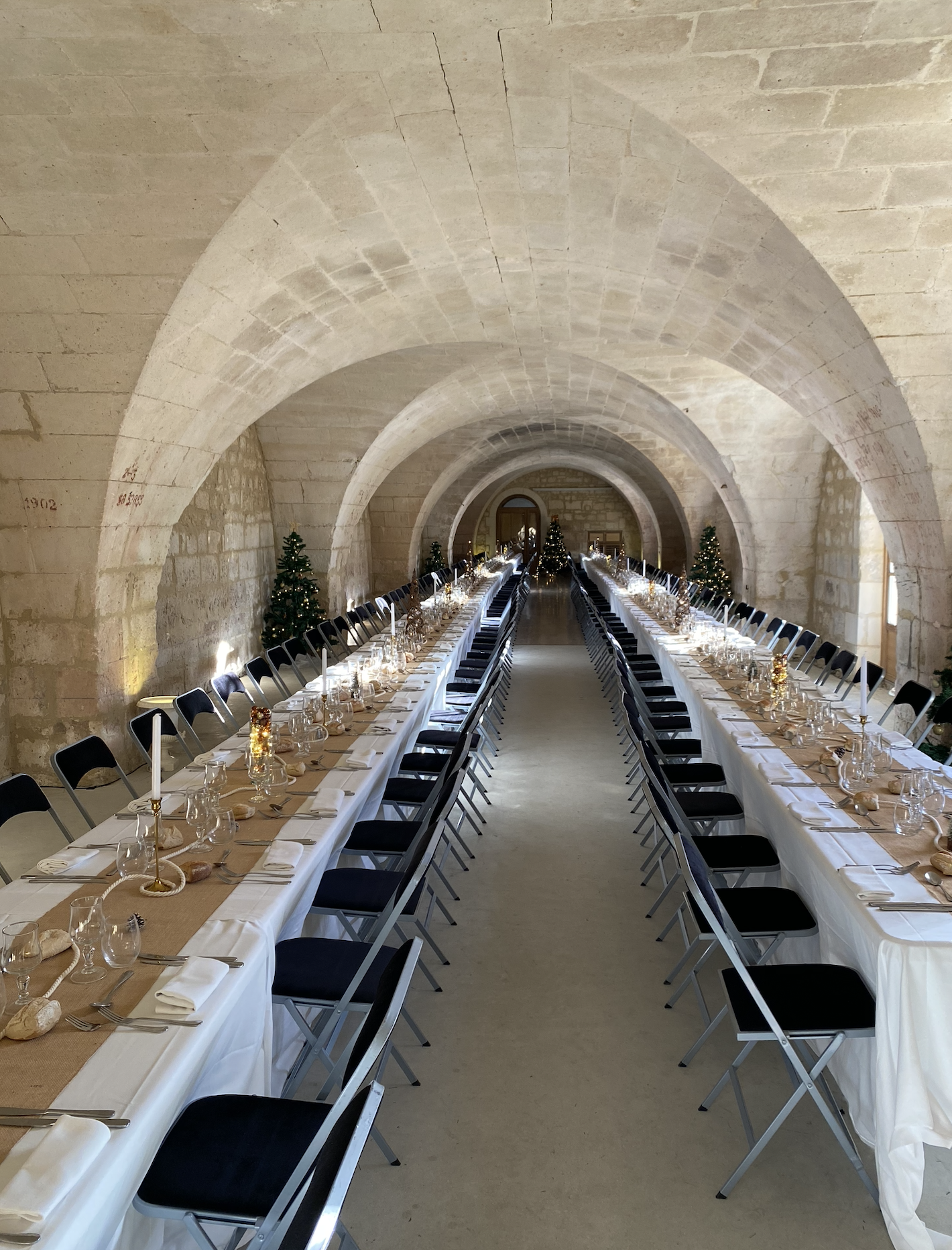
Venue rental that protects your brand, budget, and timeline
INNOV'events is a Canadian event agency that manages end-to-end venue rental for corporate events, typically from 30 to 2,000+ participants. We source, compare, negotiate, and secure the right venue, then coordinate operations so your leadership team can stay focused on the business objectives.
Whether you’re planning a leadership offsite, town hall, awards night, training day, or client event, we handle venue selection, contracting, floorplans, vendor access, and day-of logistics—without surprises.
Sommaire
A venue is not a backdrop—it’s a strategic lever. The right corporate venue rental reduces operational risk, supports your message, and makes it easier for teams to show up and engage (instead of troubleshooting parking, lines, or audio issues).
Organisations typically need three things at once: a space that reflects the brand, a contract that won’t expose them to hidden fees, and an on-site setup that runs on schedule. Executives and HR teams also need clear capacity, accessibility, and safety answers before they can approve spend.
We bring field-tested processes for Venue rental organisation across Canada—shortlisting venues that actually fit your programme, pressure-testing logistics (load-in, sound, Wi-Fi, power), and negotiating terms that protect your budget and timeline.
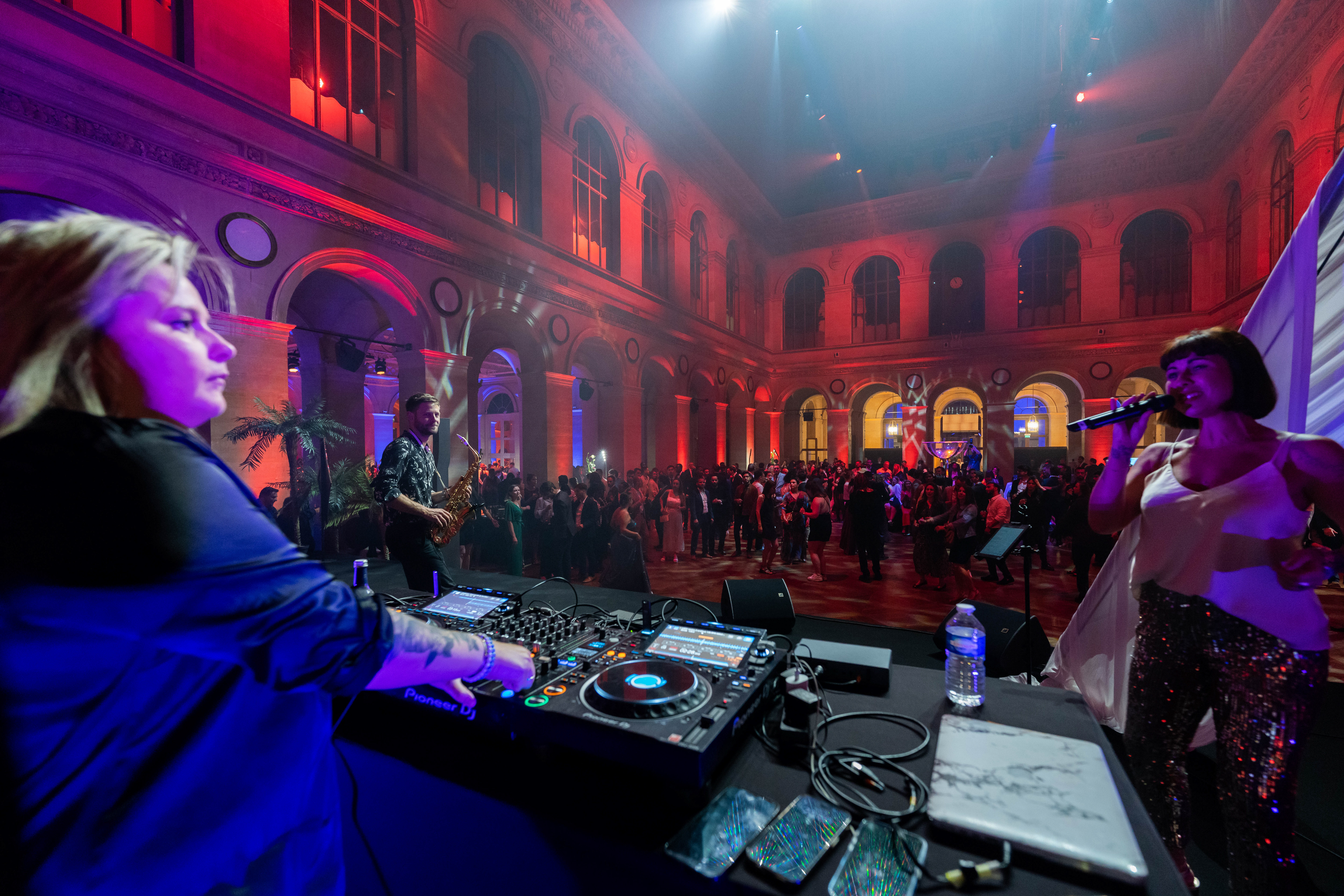
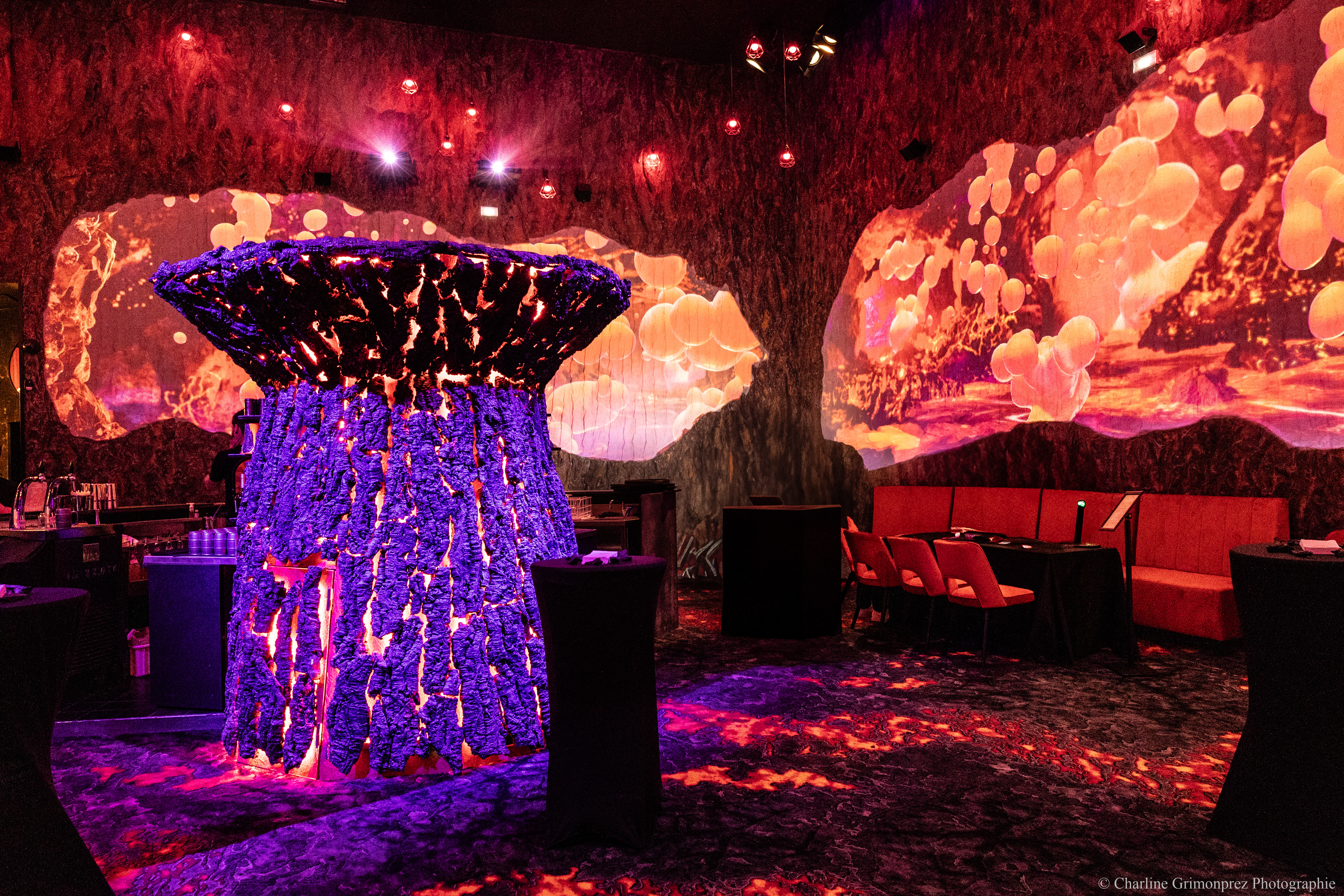
Proven venue sourcing capacity across Canada
Pan-Canadian coverage: venue sourcing and coordination in major centres and regional markets across Canada.
30–2,000+ attendees: practical experience matching room flow, F&B pacing, and technical infrastructure to real headcounts.
Fast shortlists: typical first shortlist delivered in 3–7 business days once requirements are confirmed.
Operational due diligence: site inspections include power, rigging, loading, acoustics, security, and accessibility—not just aesthetics.
How to organize a professional event in ?
- Define the objective (cohesion, announcement, fidelity, performance).
- Set date, format and size (20–1 000 people).
- Secure the venue and accommodation according to seasonality.
- Lock down technical, suppliers and logistics.
- Drive the day J (timing, scene, entrance, flow).
We send you a first proposal within 24h.
Why venue choice impacts employee engagement and leadership credibility
When you organise a corporate event, the venue becomes part of the message. Teams notice whether the space is functional, inclusive, and thoughtfully planned. Clients notice whether service is smooth and whether the environment aligns with your positioning. A well-chosen professional event venue rental reduces friction so your content—and your people—can do their job.
Faster decision-making: leadership offsites and strategy days work better in venues designed for focused sessions (acoustics, layout flexibility, breakout rooms, and reliable AV).
Higher attendance and punctuality: transit access, parking capacity, and clear wayfinding directly affect on-time starts—especially for morning programmes and multi-session agendas.
Lower operational risk: proper loading, storage, and vendor access prevent last-minute delays that can derail stage rehearsals, catering timing, or sponsor installs.
Better accessibility and inclusion: venues that are genuinely barrier-free (not just “mostly accessible”) help you meet internal DEI commitments and avoid uncomfortable on-site workarounds.
Stronger brand alignment: the right setting supports your story—whether you need polished for investors, warm for employee recognition, or modern for innovation messaging.
Cost control through fit: choosing a venue that matches your actual needs prevents spending on unnecessary square footage, staffing minimums, or technical add-ons that could have been included elsewhere.
In a tight economic climate, venue decisions are scrutinised. A disciplined event space rental approach protects budget while still supporting culture, retention, and reputation—outcomes executives can justify.
What activities work best in a corporate event venue
Activities are not “extras”—they’re tools to drive participation, reinforce messaging, and improve the energy in the room. The right format depends on your audience (leadership, all-hands, clients), the space constraints, and how much time you can realistically allocate without compressing key content.
Interactive animations
Live polling and Q&A: best for town halls and leadership updates; requires stable Wi-Fi or a dedicated network and a moderated question workflow.
Breakout problem-solving sessions: ideal for strategy days; needs nearby breakout rooms, whiteboards, and clear facilitation timing so groups can reconvene on schedule.
Guided networking: structured introductions (industry, region, role) that avoid the “awkward mingle”; needs a venue with enough circulation space and controlled music levels.
Art animations
Speaker + content moments: a keynote followed by a short fireside chat can outperform a long lecture; requires proper stage sightlines and audio tuning for speech intelligibility.
Brand-aligned performance: subtle live music during reception or awards can lift the room without overpowering conversation; requires load-in timing and sound checks that many venues restrict.
Innovative animations
Tasting stations: works well for client events; confirm food safety, staffing, and whether the venue permits external partners.
Chef-led plated service: effective for recognition and executive dinners; needs kitchen capacity and realistic pacing (typically 90–120 minutes for a multi-course meal including speeches).
Inclusive menu planning: clear vegetarian/vegan/gluten-free workflows and labelling; avoid creating “separate meals” that feel like an afterthought.
Gourmand animations
Micro-content capture: a small interview corner for leaders or project teams; requires acoustic separation and a simple lighting plan.
Interactive product or project showcases: gallery-style displays for internal innovation days; confirm power drops, security, and floor loading limits.
Hybrid-ready staging: if you may add streaming, select a venue that supports camera positions, cable runs, and dedicated uplink options—so you don’t rebuild the plan late.
The best activities are consistent with your brand and your audience’s tolerance for “forced fun.” We recommend options that match your culture, respect time, and work in the actual room conditions of your chosen corporate event venue.
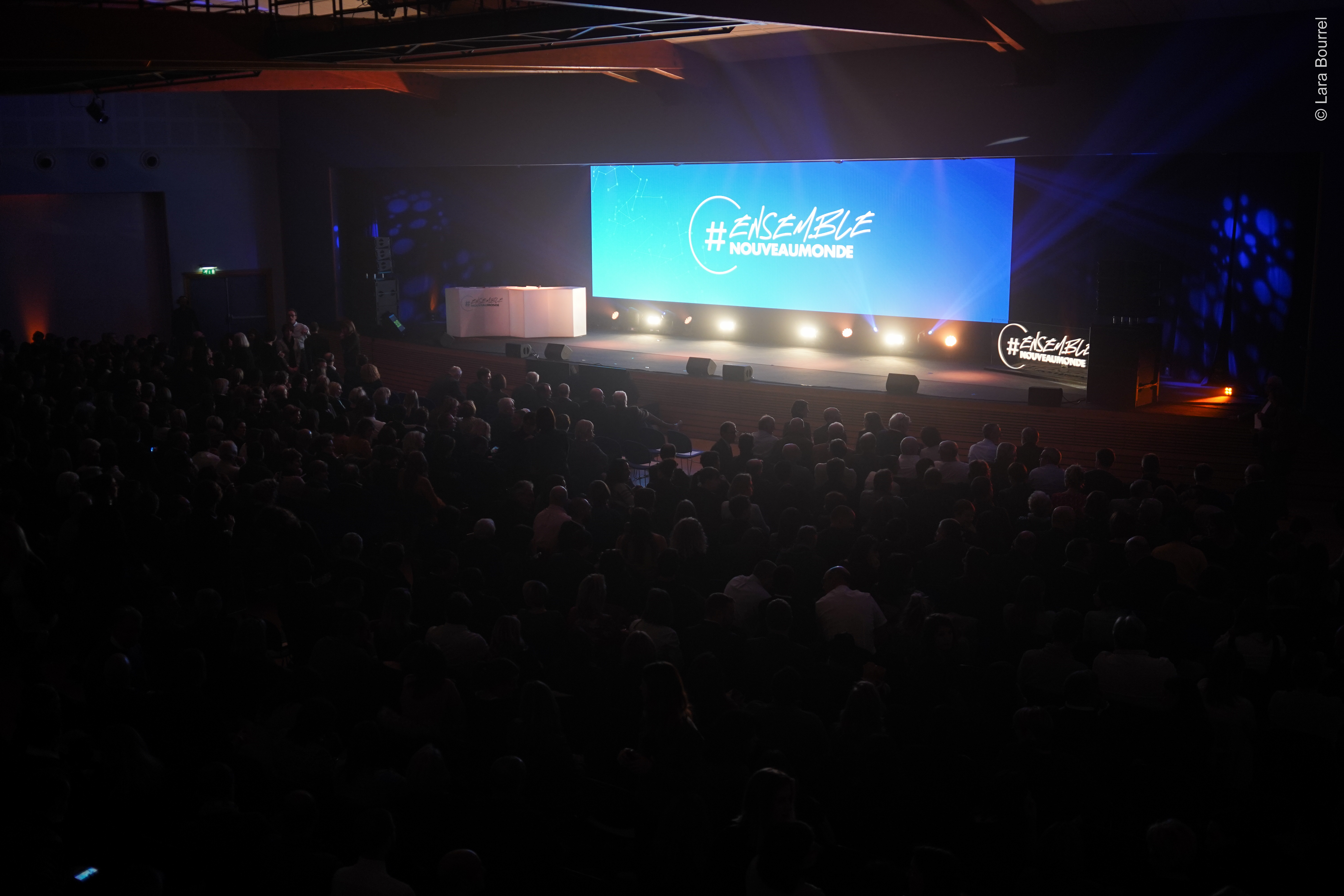

How to choose the right corporate event venue for your format
Venue selection is easiest when you evaluate options against your programme, not against a generic checklist. A board dinner, a training day, and a 600-person awards night can all be “venue rental,” but the operational requirements are completely different. Below is a practical decision table we use during event venue hire shortlisting.
Venue type: Hotel conference space
Best for: Multi-session days, regional meetings, events with out-of-town attendees
Operational strengths: On-site catering, multiple breakout rooms, predictable staffing
Watch-outs: Service charges and minimum spends; AV packages may be basic; ensure quiet zones if you need recordings.
Venue type: Purpose-built conference centre
Best for: Large plenaries, exhibitions, multi-track programmes
Operational strengths: Loading, ceiling height, flexibility, strong infrastructure
Watch-outs: Catering may be exclusive; space can feel impersonal without strong branding and wayfinding.
Venue type: Restaurant private dining / buyout
Best for: Executive dinners, client appreciation, small awards
Operational strengths: Food quality and service experience, warm atmosphere
Watch-outs: Speeches are harder without proper audio; ensure privacy and control of music levels.
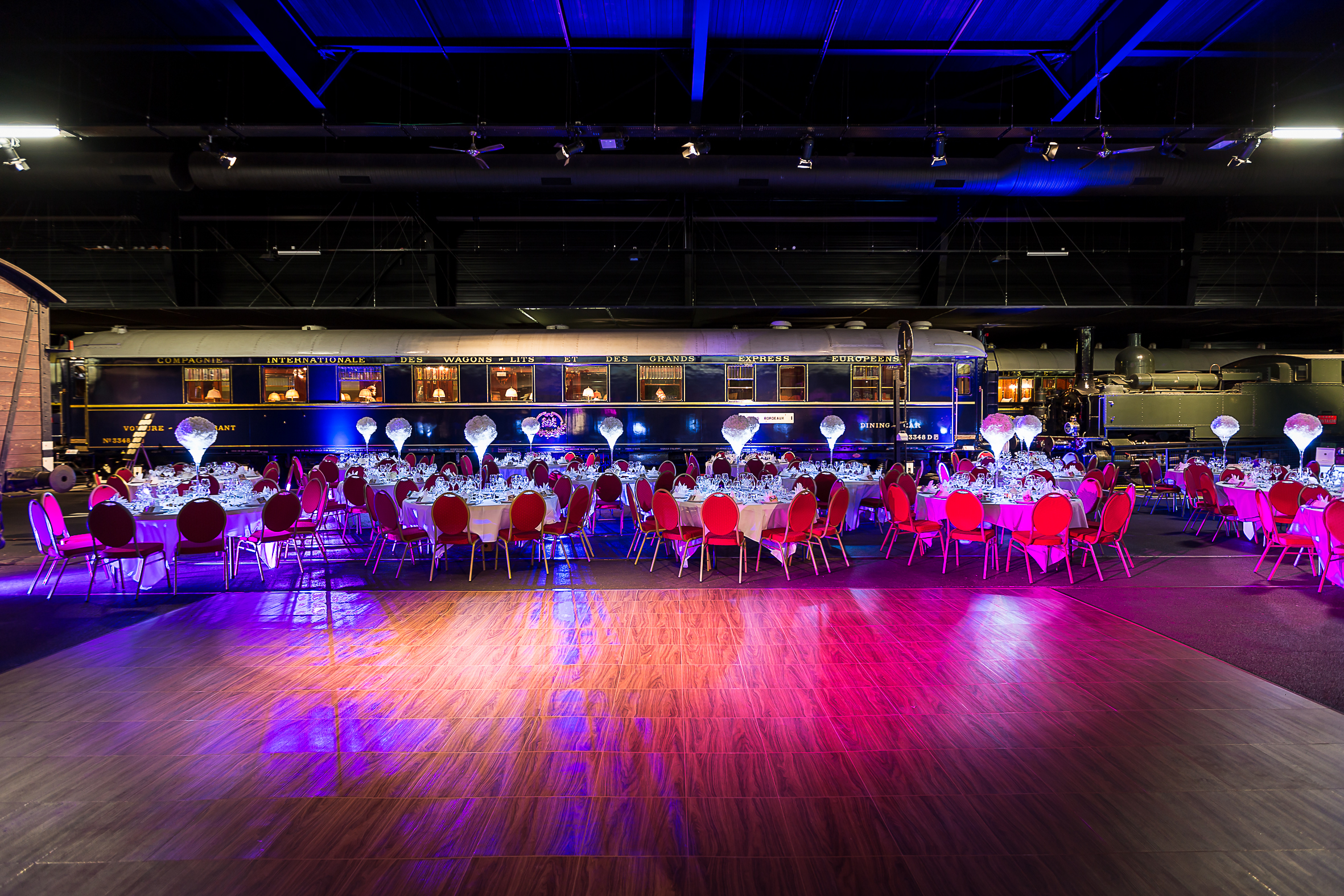
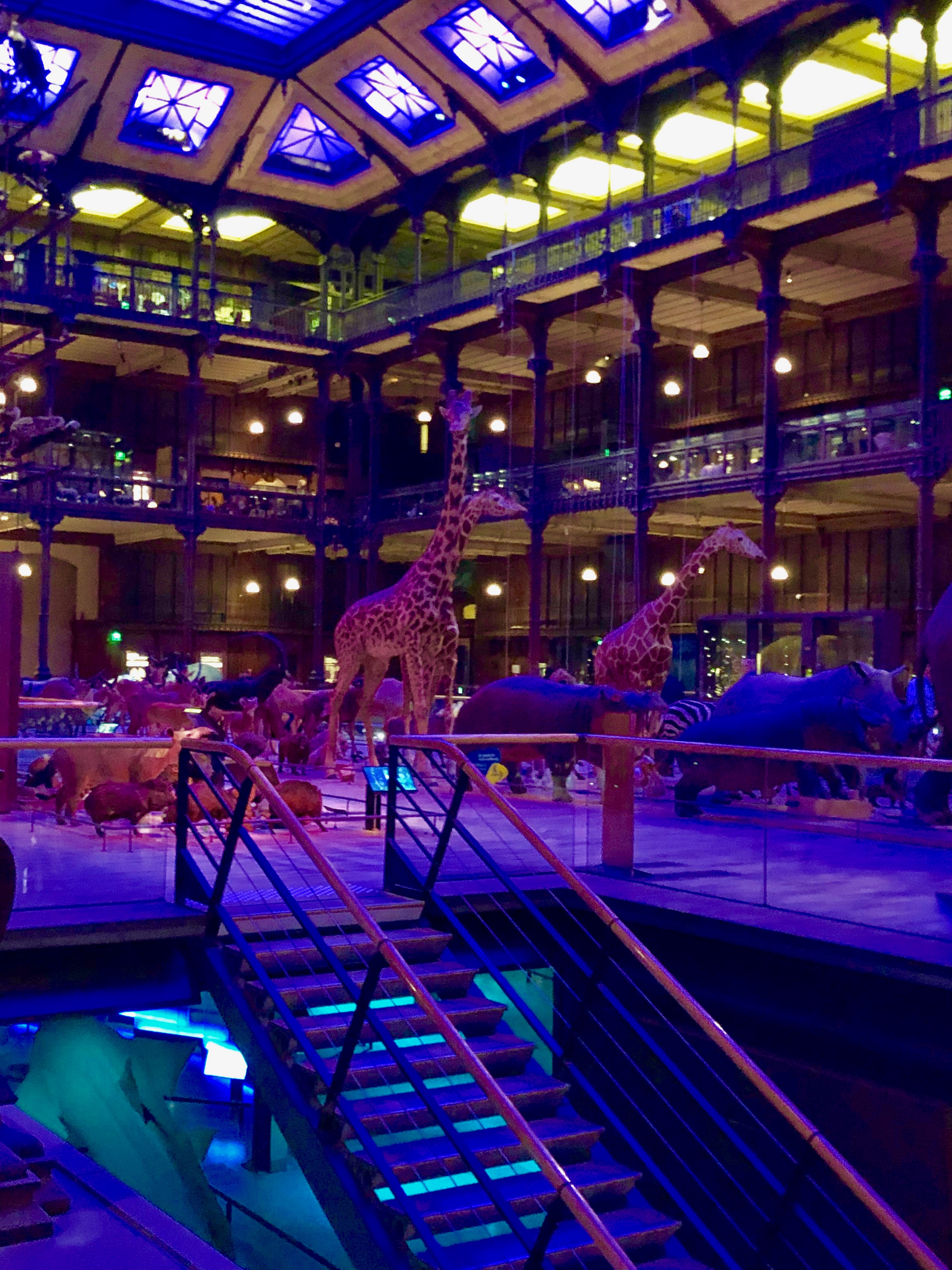
Venue type: Gallery / museum / cultural space
Best for: Client receptions, brand-forward launches, donor-style evenings
Operational strengths: Built-in ambience, strong brand perception
Watch-outs: Strict rules (rigging, open flame, noise, timing); higher security and insurance requirements.
Venue type: Industrial / loft / warehouse space
Best for: Modern brand events, flexible builds, showcases
Operational strengths: Creative layouts, big volumes
Watch-outs: You may need to bring everything (washrooms, power, heating/cooling, furniture, catering); plan for permits and safety.
Venue type: Outdoor / tented event site
Best for: Summer celebrations, team-building, client hospitality
Operational strengths: Space and experience potential
Watch-outs: Weather contingency, power, sound restrictions, ground conditions, neighbour rules, and larger rental/crew scope.
A strong event space rental decision balances experience with operational certainty. We’ll recommend venues that fit your agenda, reduce hidden costs, and can be executed reliably on your event date.
What venue rental costs in Canada and what drives pricing
Venue rental pricing depends on date, city, venue type, and how much is included (space, tables/chairs, staffing, security, AV, cleaning). For corporate teams, the key is understanding the full cost of use—not just the room fee—so finance and procurement aren’t surprised later.
As a reference, for many corporate events you’ll see venue-related costs fall into a few buckets: base rental, minimum food-and-beverage spend, service charges/gratuities, staffing/security, and technical requirements. We build budgets that separate these clearly so you can compare options fairly.
Date pressure: Thursdays and peak seasonal windows often price higher than early-week or off-peak dates. Booking 6–12 months out typically improves choice and leverage.
Headcount and layout: a 250-person reception and a 250-person plated dinner can require different square footage and staffing, which changes cost materially.
Exclusivity and buyouts: buying out a restaurant or venue increases control but also increases spend; confirm what “exclusive use” actually includes.
Food and beverage minimums: common in hotels and premium venues; ensure the minimum is achievable with your schedule and consumption patterns.
Service charges and labour rules: service fees can add a significant percentage; union venues can require specific crew roles and minimum call times.
AV and connectivity: dedicated internet, additional microphones, recording, and streaming can shift costs quickly—especially if the venue’s in-house package is limited.
Load-in/out constraints: restricted access windows can force overnight storage, additional labour, or a second shift to meet the schedule.
Insurance and security: some venues require higher liability coverage or paid-duty officers depending on guest profile and alcohol service.
We frame venue spend in terms of return: higher attendance, fewer operational hours lost, and lower risk of reputational issues. A disciplined Venue rental organisation process often pays for itself by avoiding overtime, last-minute rentals, and preventable change orders.














Examples of venue rental scenarios we manage
Our venue rental work spans different industries and event types, with a common goal: make venue decisions defensible and execution reliable.
- Leadership offsite (60–120 people): sourcing venues with true breakout capability, quiet zones for confidential discussions, and a dinner setting that supports networking without logistical friction.
- All-hands or town hall (300–1,500 people): validating sightlines, crowd flow, registration capacity, and stage/AV requirements so the CEO’s message lands clearly—without audio delays or late starts.
- Awards night (200–800 people): selecting venues that can support stage management, rehearsal time, lighting looks, and plated service timing while maintaining brand standards.
- Training and compliance days (80–400 people): choosing rooms that fit classroom layouts, power and Wi-Fi density for laptops, and catering timing that doesn’t cut into learning objectives.
- Client reception (100–600 people): balancing premium experience with operational control—coat check, bar placement, dietary needs, and security requirements.
In each case, we build the venue choice around your programme and your risk tolerance—then we operationalise it with clear documents, schedules, and on-site leadership.
Common venue rental mistakes that cost time and credibility
Choosing based on photos: the space looks great online, but the acoustics make speeches hard to understand and the room flow creates bottlenecks at registration and bars.
Underestimating “all-in” costs: room rental looks reasonable until service charges, staffing minimums, security, dedicated internet, and overtime are added.
Not validating accessibility end-to-end: ramps exist, but washrooms, seating zones, or stage access aren’t workable—creating avoidable inclusion issues.
Ignoring load-in realities: limited dock access, elevator constraints, or short access windows drive extra labour and last-minute compromises in staging and décor.
Assuming AV is included and adequate: you arrive to discover there are not enough microphones, no proper confidence monitors, or lighting isn’t suitable for recordings.
Signing unclear contracts: vague inclusions, shifting room blocks, or open-ended charges create approval friction and disputes after the event.
Our role is to prevent these risks through structured Venue rental organisation, detailed site validation, and contract clarity—so you can confidently present options to leadership and execute without firefighting.
Why corporate clients keep INNOV'events on their vendor list
Repeat business in corporate events is earned through predictability: clear communication, accurate budgets, and clean execution. Many clients return because they don’t want to relearn venue pitfalls each year or rebuild trust with new suppliers under tight timelines.
Planning continuity: we maintain venue preferences, brand standards, and lessons learned so each new event starts ahead of schedule.
Fewer change orders: thorough scoping reduces last-minute additions that inflate cost and stress.
Stakeholder-ready documentation: comparison grids, risk notes, and budget breakdowns that help secure internal approvals faster.

Loyalty is a measurable signal in this industry: teams come back when venue selection is smooth, costs are controlled, and event day feels professionally managed from load-in to final strike.
Our venue rental process from brief to signed contract
👉 Step 1: Requirements and risk briefing
We confirm objectives, audience profile, headcount range, ideal geography, dates/alternates, agenda structure, accessibility needs, and brand requirements. We also identify approval gates (finance, procurement, legal) and non-negotiables (union restrictions, external catering, late-night licensing, privacy).
👉 Step 2: Market scan and shortlist build
We source suitable venues and build a shortlist with apples-to-apples comparisons: capacities by layout, inclusions, restrictions, preliminary holds, and realistic cost ranges. We flag risks early (overtime triggers, limited load-in, sound bleed, Wi-Fi constraints) so you’re not surprised later.
👉 Step 3: Site visits and operational validation
We validate the room in real terms: registration flow, staging locations, camera sightlines (if needed), power availability, storage, green rooms, and service routes. We also confirm accessibility routes, washroom capacity, and emergency procedures relevant to your programme.
👉 Step 4: Negotiation and contracting
We negotiate pricing, deposits, cancellation and attrition, and confirm exactly what’s included (furniture, staffing, cleaning, security, AV, internet). We push for clear language on change orders and overtime so budgeting remains predictable.
👉 Step 5: Pre-event production integration
Once the venue is secured, we integrate it into the full event plan: floorplans, BEO review, vendor access schedules, and a run-of-show aligned to venue staffing. This ensures catering, AV, and operations work as one system.
👉 Step 6: On-site management and close-out
We manage load-in, vendor coordination, rehearsals, guest flow, and any real-time adjustments with the venue team. After the event, we reconcile billing against contracted terms and document learnings for next time.
FAQ sur l'organisation Venue rental
How far ahead should we book a corporate venue?
For most Canadian markets, plan 6–12 months ahead for peak dates (especially Thursdays and year-end). For smaller events or off-peak dates, 8–16 weeks can work, but venue choice and negotiating leverage will be tighter.
What is usually included in venue rental pricing?
It varies. Some venues include basic tables/chairs and standard staffing; others charge separately for furniture, security, cleaning, and AV. Expect additional line items such as service charges, food-and-beverage minimums, dedicated internet, and overtime. We confirm inclusions in writing so the “all-in” cost is clear.
How do we compare two venues with different fee models?
Compare based on total cost of use: room/rental fee + F&B minimums + service charges/gratuities + staffing/security + AV/internet + labour rules and overtime. We build a side-by-side grid with assumptions (headcount, schedule, bar style) so decision-makers can approve with confidence.
Can we bring our own caterer and AV team?
Sometimes. Many hotels and conference centres require in-house catering, and some require in-house AV or have preferred partners. Alternative venues may allow external vendors but add fees (kitchen use, security, supervision). We verify vendor policies early to avoid redesigning the plan mid-stream.
What are the biggest contract terms to watch?
Focus on cancellation timelines, attrition (how many guests you can reduce without penalty), payment schedule, force majeure, overtime triggers, and what counts as a chargeable change order. Also confirm liability insurance requirements and responsibilities for damage, security, and third-party vendors.
Request a free quote for venue rental
If you’re evaluating options for venue rental, reach out early—availability, rates, and contract flexibility are always better before calendars fill. INNOV'events will return a clear shortlist and budget framework you can take to leadership, with operational notes that prevent day-of surprises.
Send us your target date(s), city, estimated headcount, and event type. We’ll come back with recommended venues, realistic cost ranges, and a proposed next step for site visits and contracting.