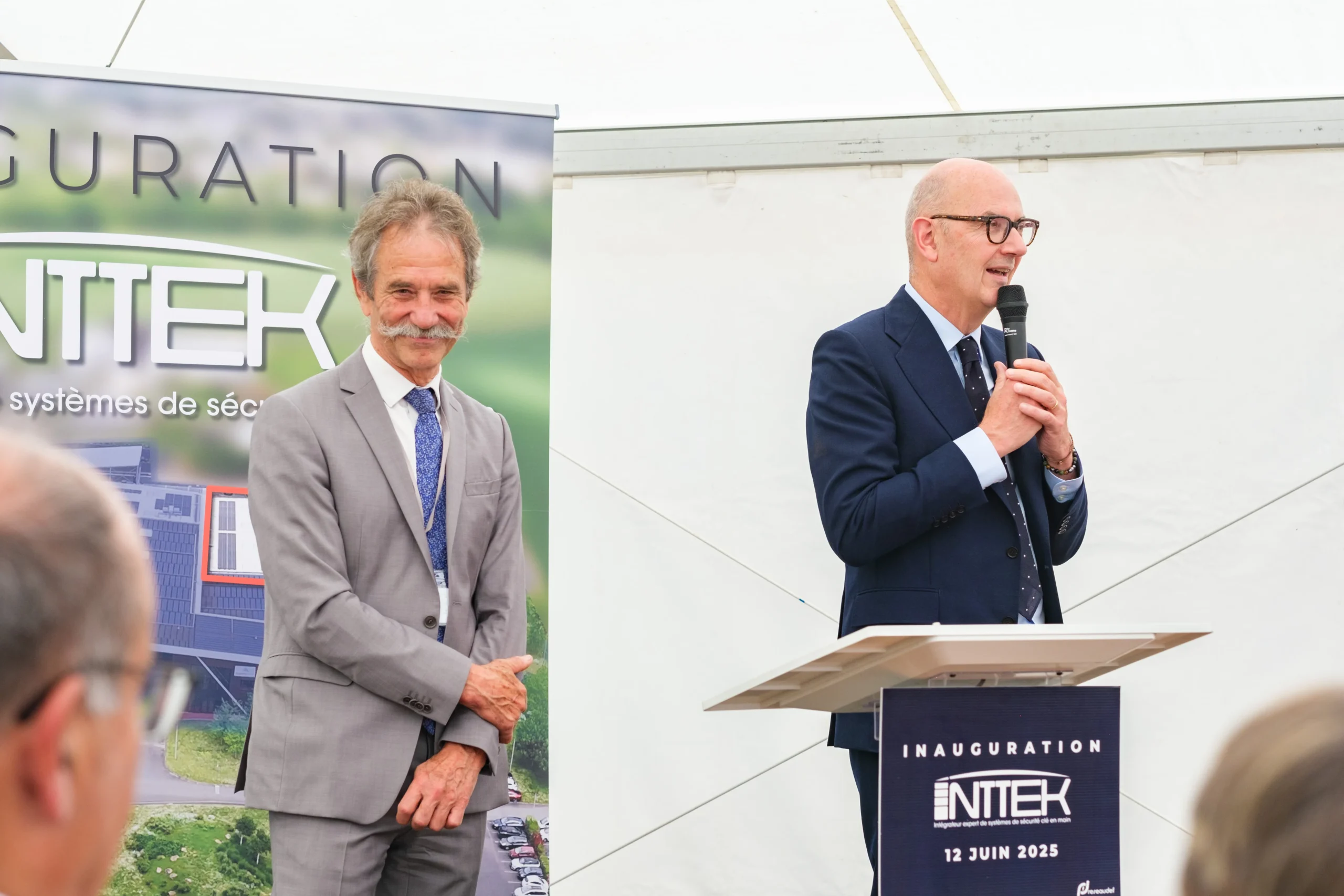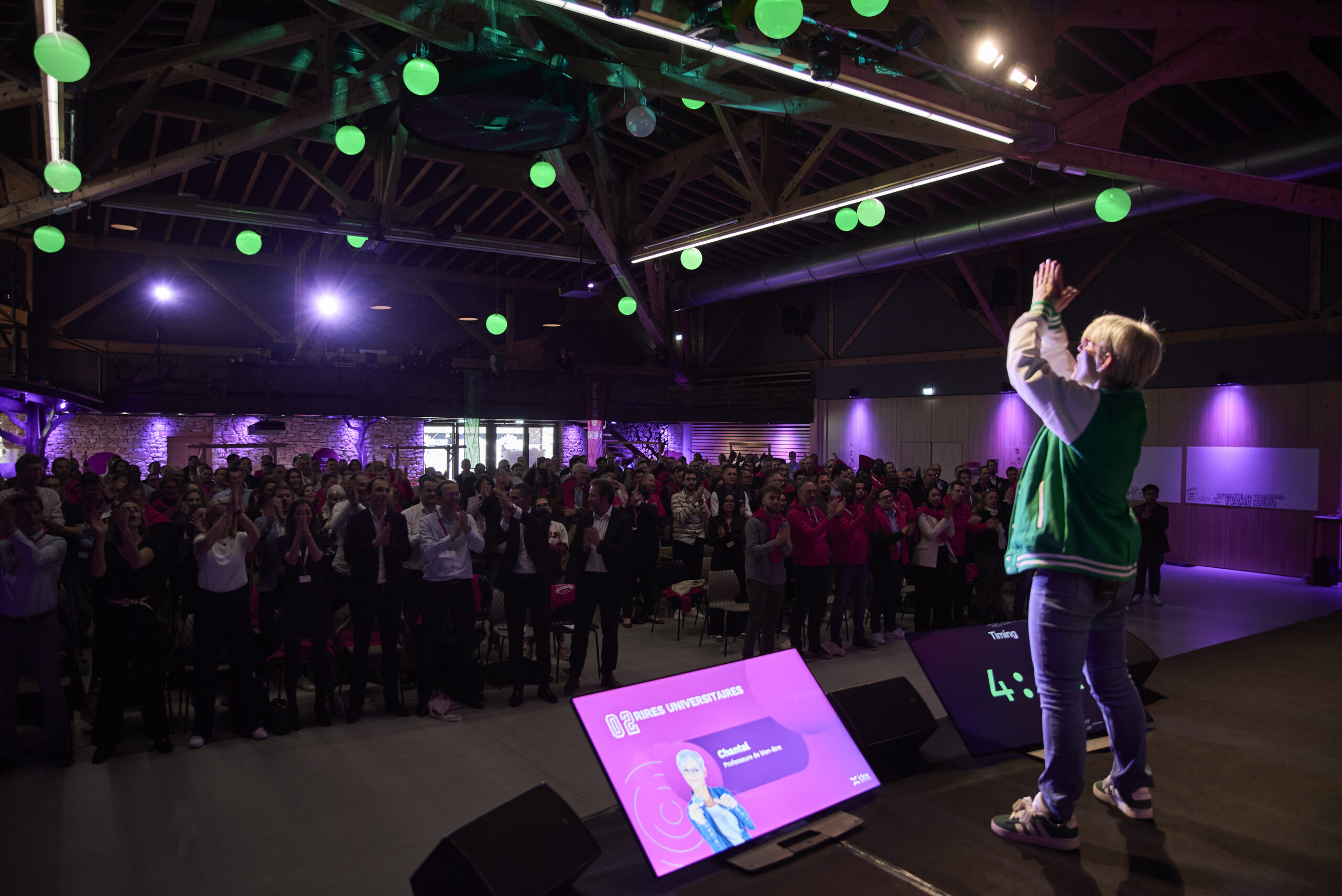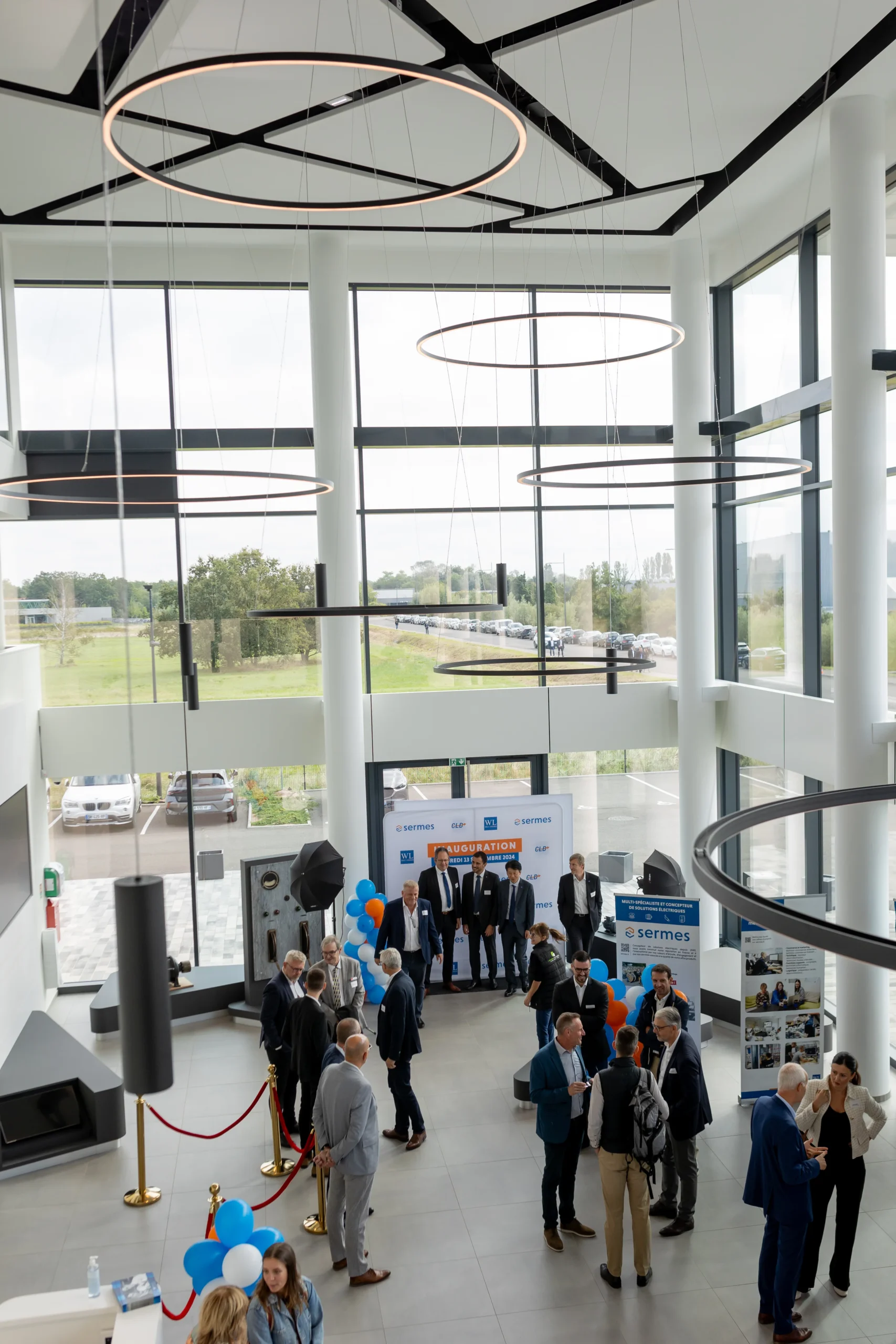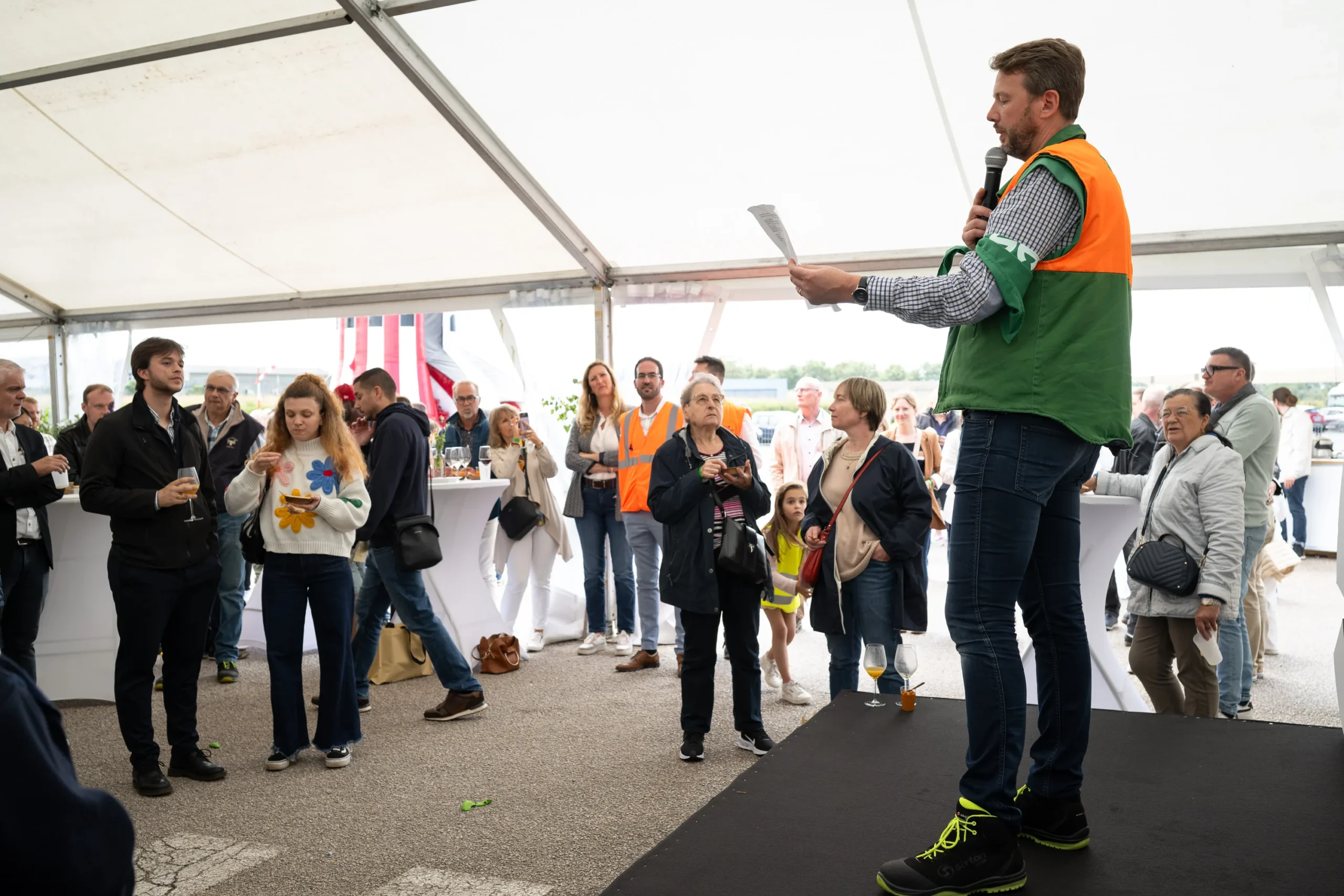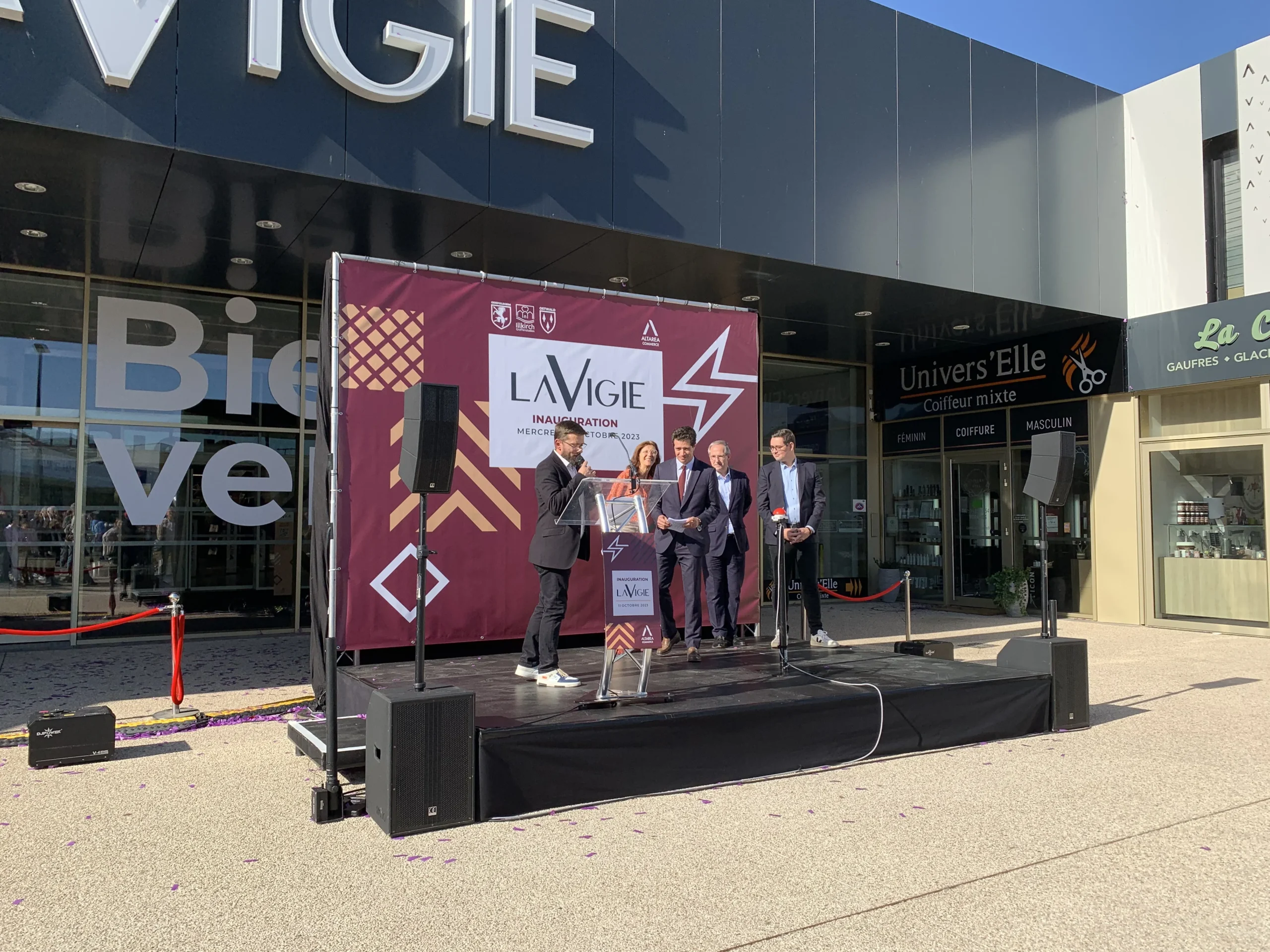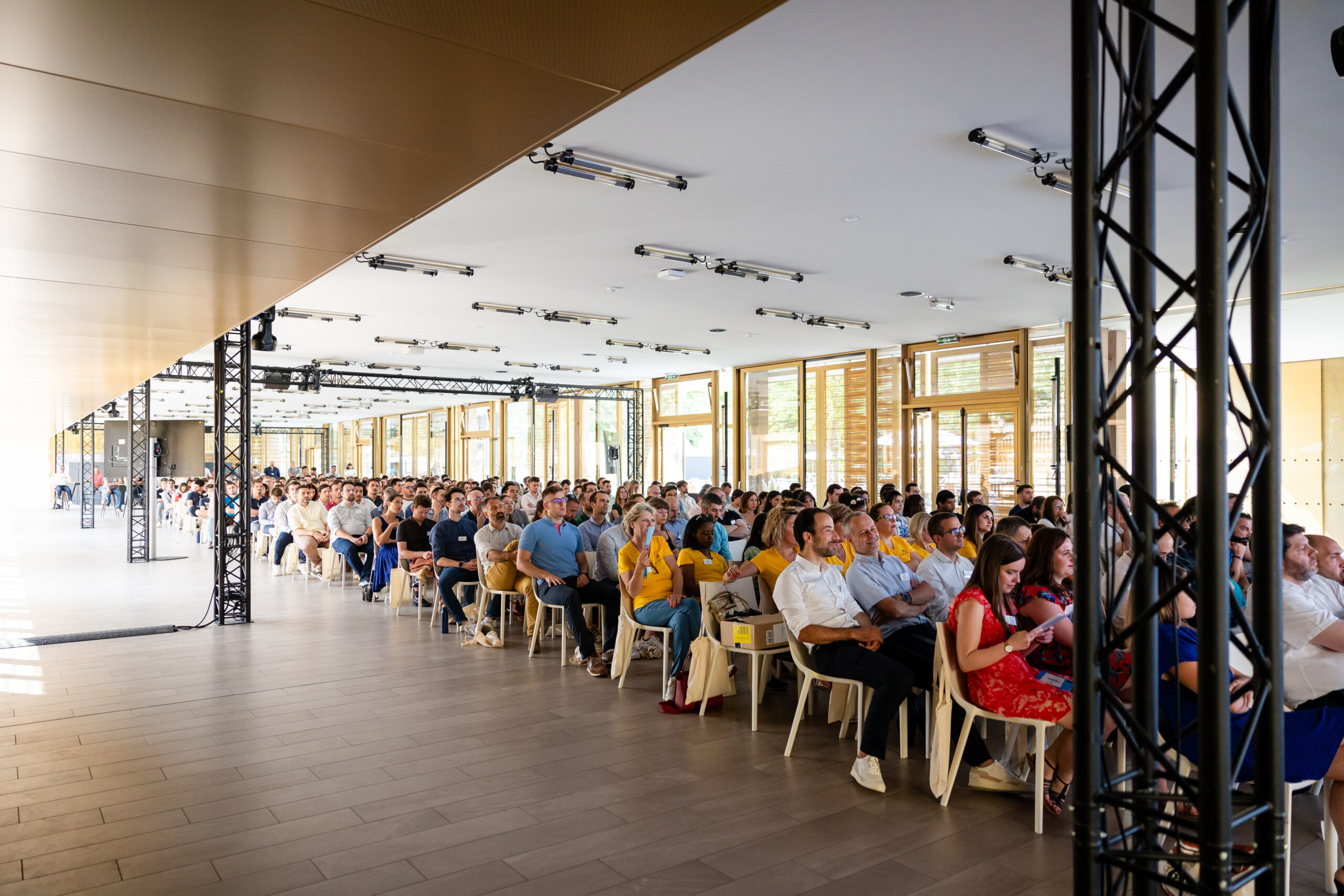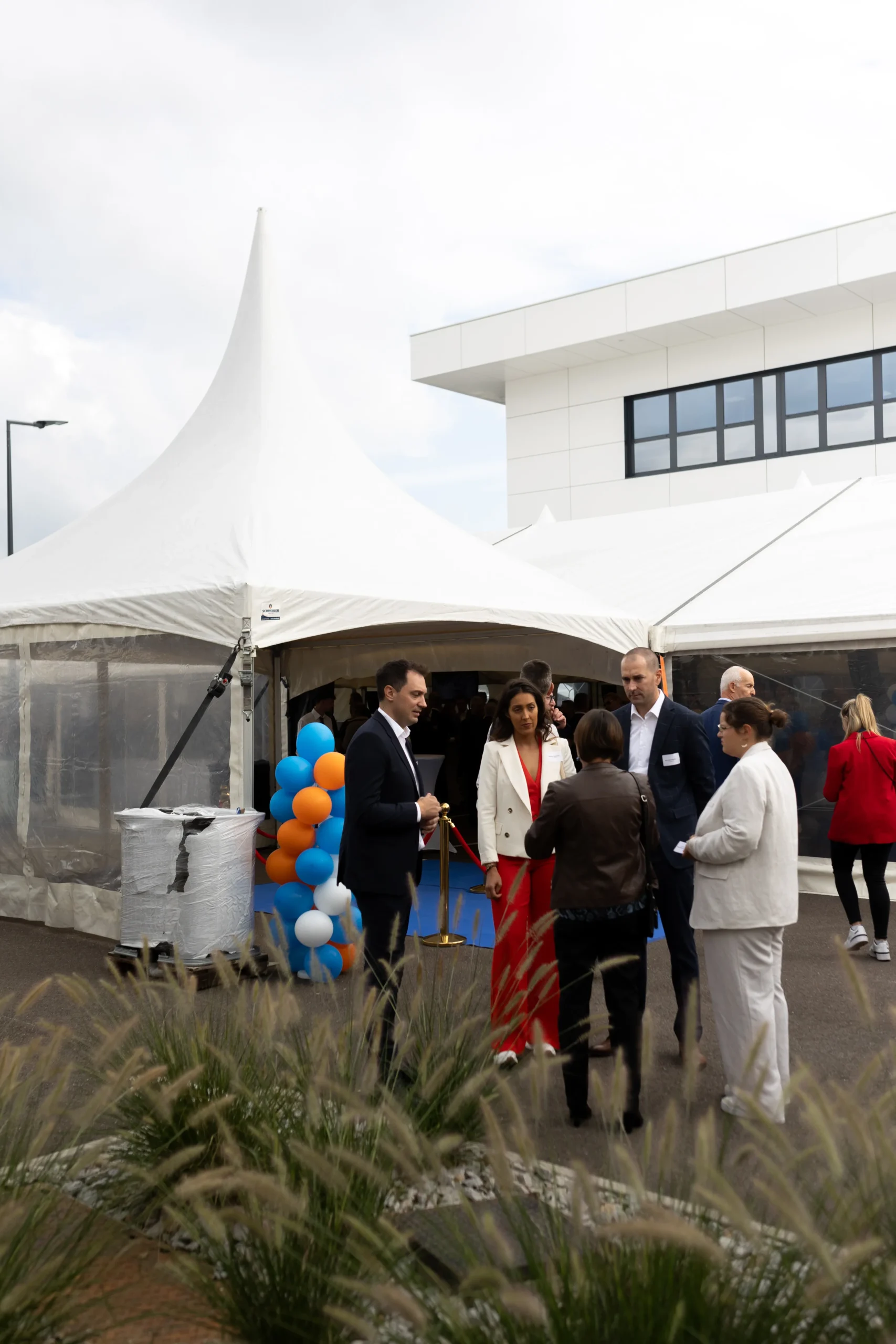
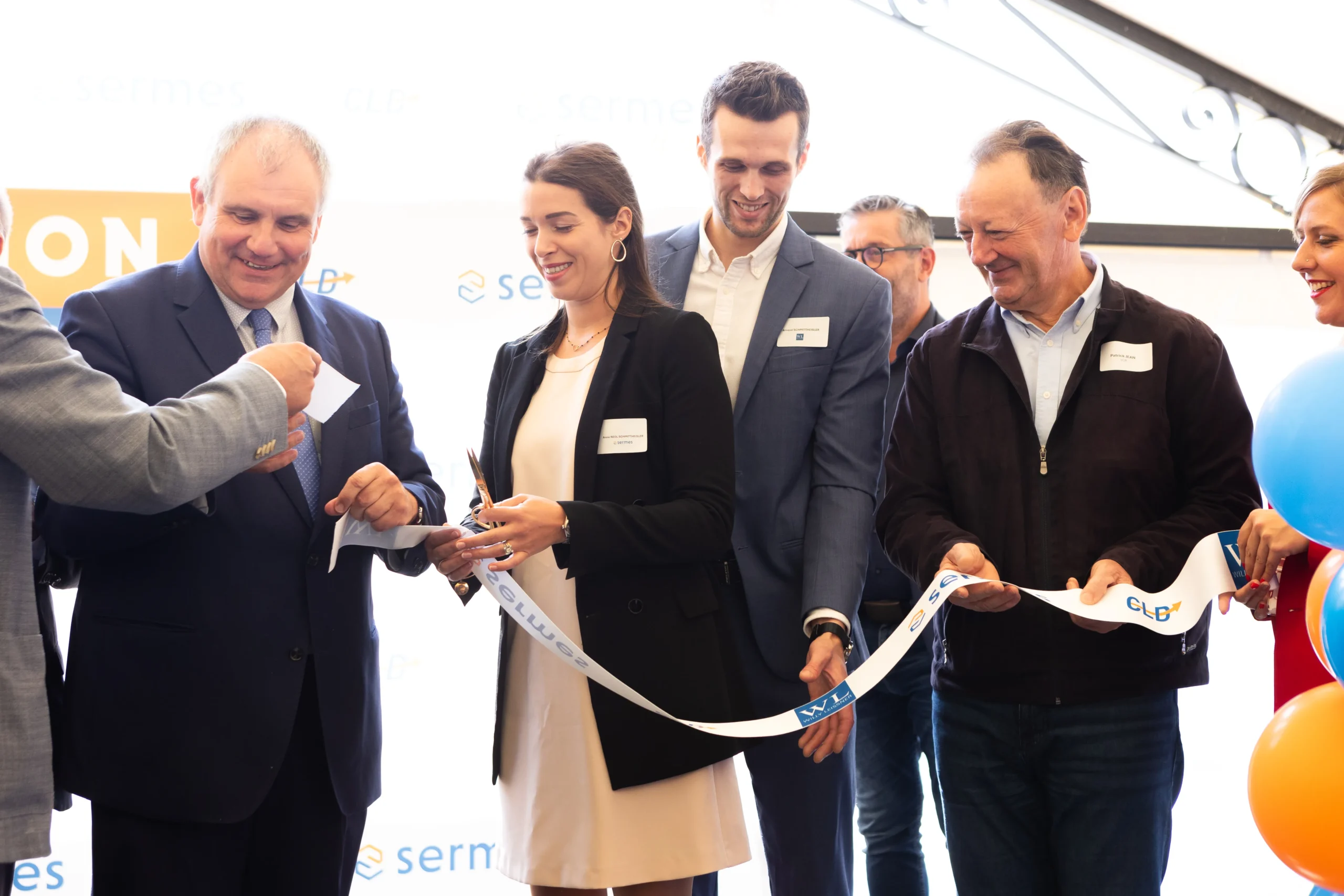
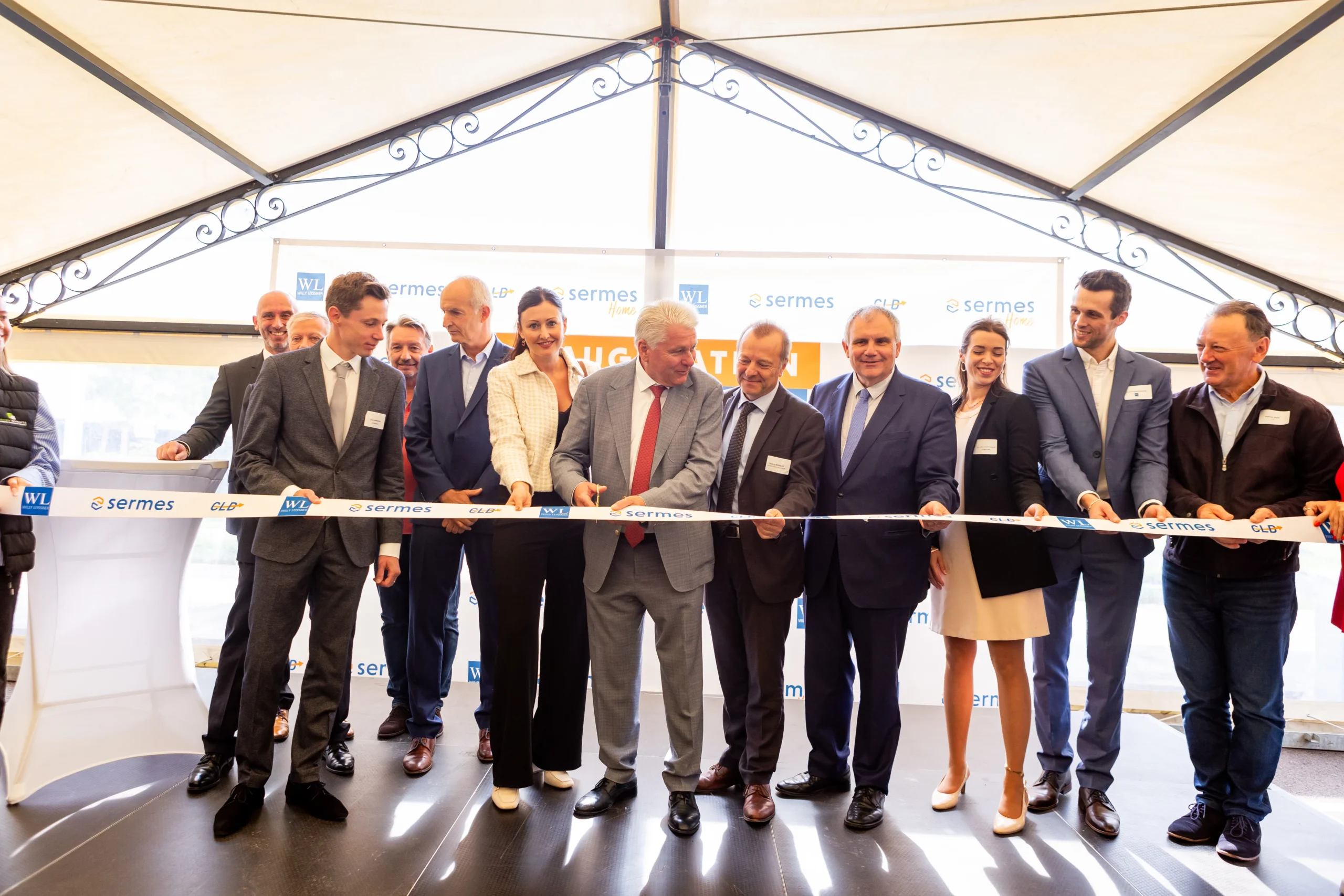
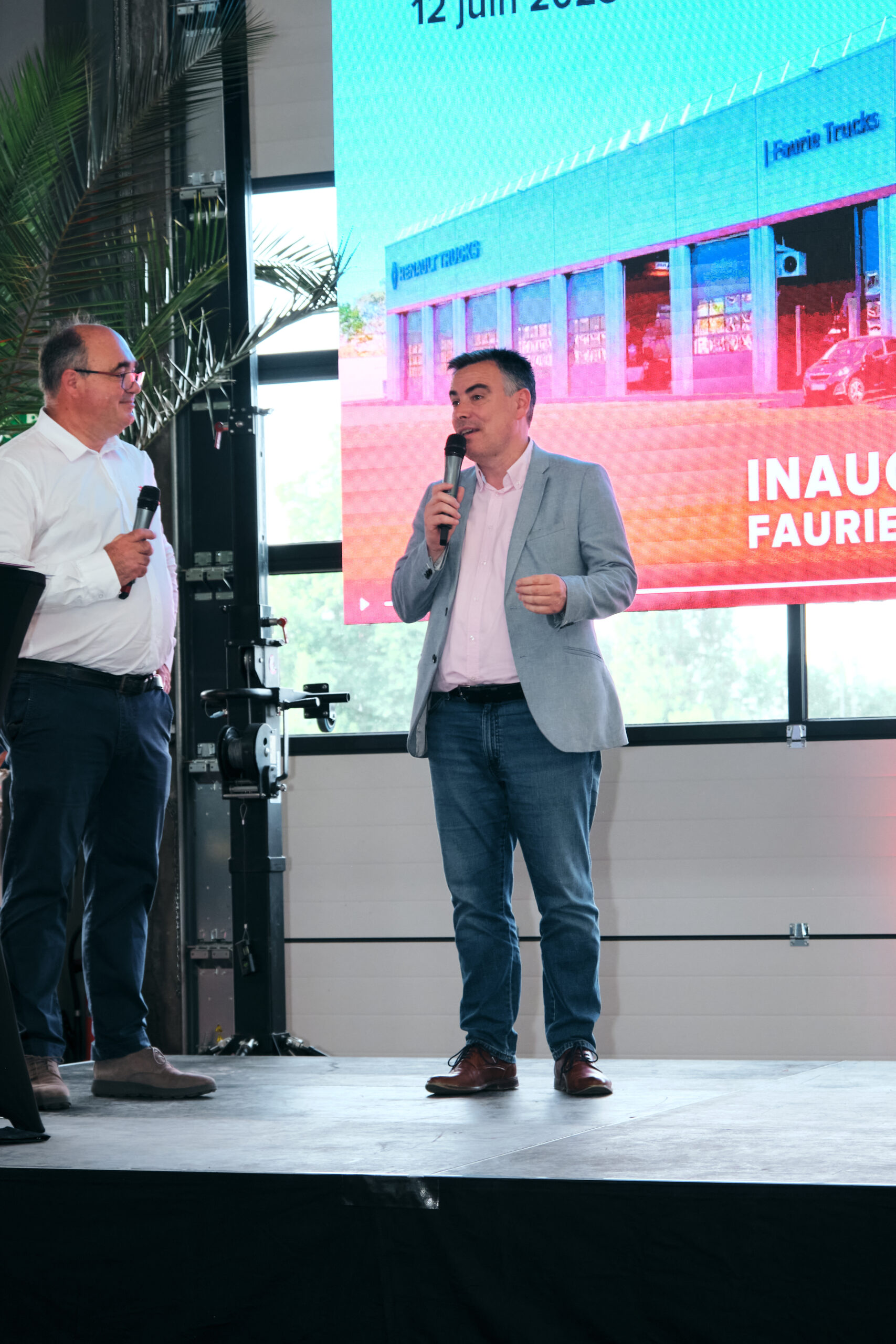
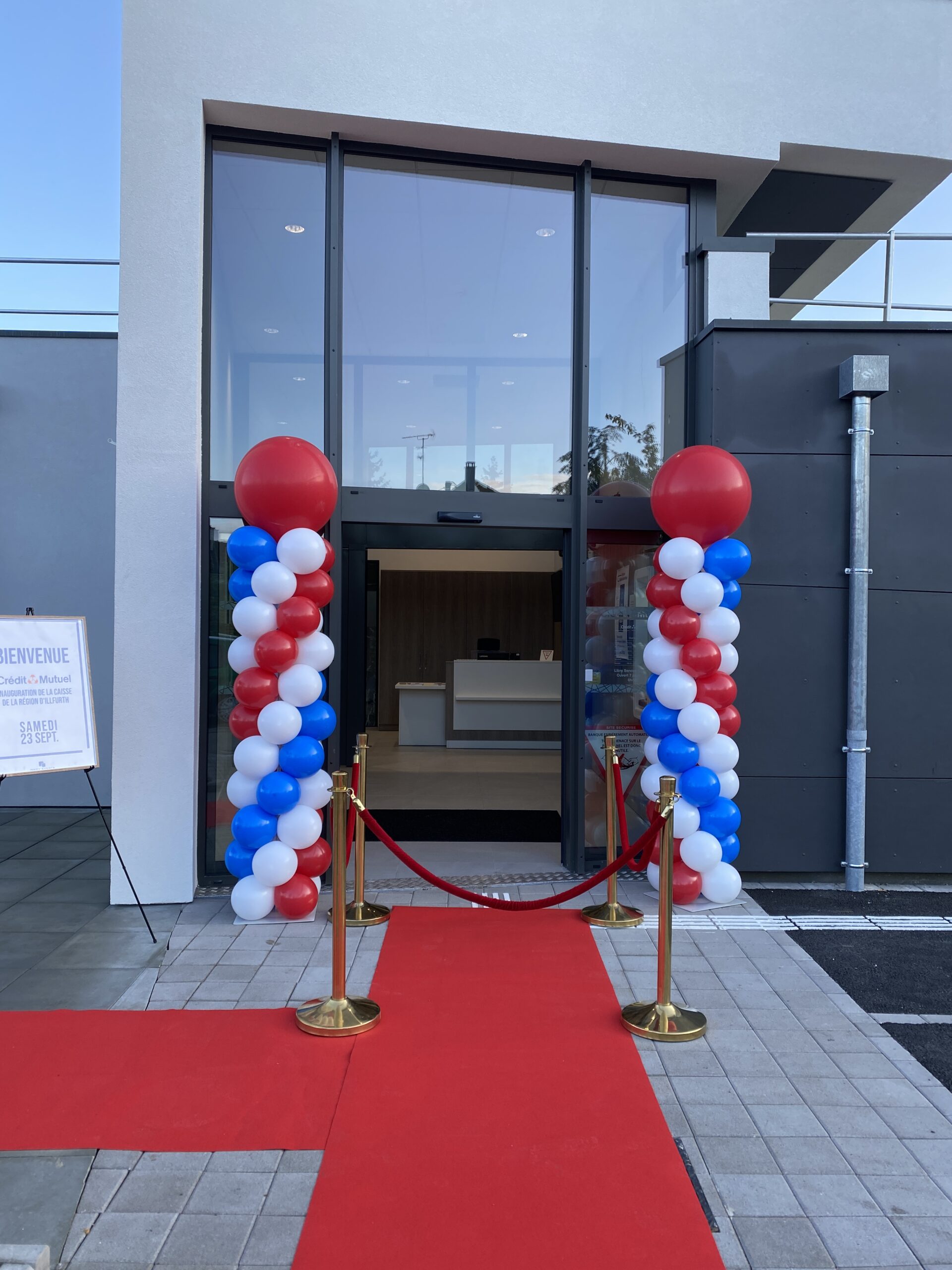
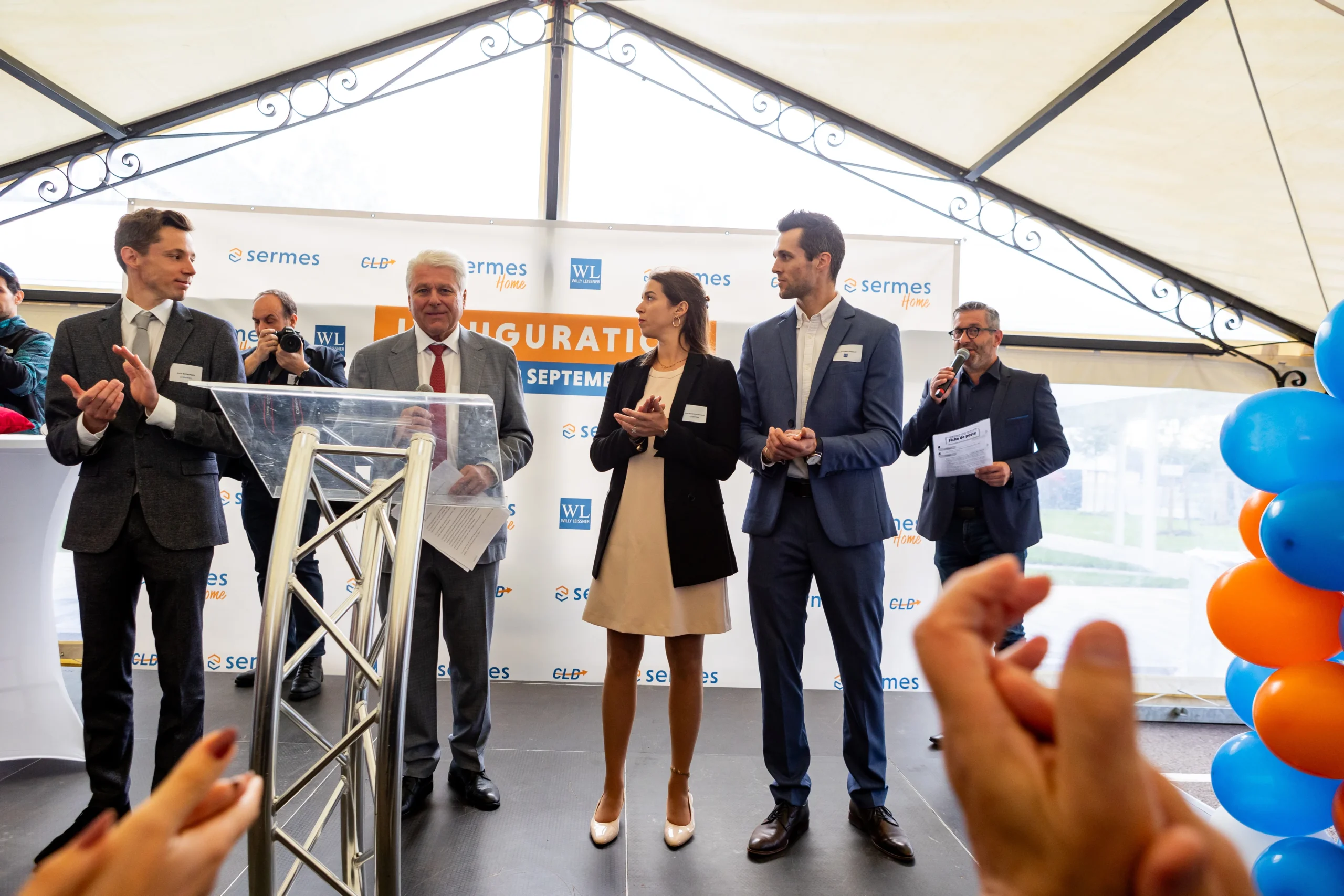
INNOV'events is a Montréal-based team delivering Grand Opening Event production across Quebec, from retail flagships to head office expansions and manufacturing sites.
We typically support organizations hosting 50 to 1,500+ guests, including employees, partners, media and VIPs, with clear run-of-show control and risk-managed logistics.
We handle the full chain: permits, vendor coordination, site plan, guest journey, corporate event entertainment in Quebec, technical production, and day-of direction—so your executives stay focused on relationships, not firefighting.
For a local organization, entertainment at a Grand Opening Event is not “extra”—it is what keeps guests on site long enough to hear the message, see the product, and move through the space without congestion. In practice, the right programming reduces no-shows, stabilizes crowd flow, and protects the executive speaking moment.
Across Quebec, teams expect operational discipline: start on time, clear bilingual signage when needed, a plan for winter weather and parking realities, and an experience that feels coherent with the brand (not a generic show dropped into a warehouse). Your HR and communications leads also expect measurable touchpoints: content capture, stakeholder engagement, and a clean post-event recap.
INNOV'events operates with Quebec suppliers we know personally—AV, staging, security, catering, artists, rental houses—because in a grand opening, the “unknowns” are what break timelines. Our local presence means faster site visits, realistic budgeting, and day-of decisions made with territory-specific experience.
10+ years of corporate event operations in Quebec, with recurring mandates for openings, launches and employer-brand moments.
Execution capability for 50 to 1,500+ attendees, including multi-zone events (VIP + public + employee moments) with a single run-of-show.
Vendor network across Montréal, Québec City and regional hubs: AV, staging, security, artists, catering, rental and signage—contracted with clear SLAs and contingency planning.
Standardized deliverables: production schedule, site plan, risk register, cue sheets, staffing matrix and a post-event debrief within 5 business days.
We support organizations across Quebec that need their grand opening to land with employees and the market on the same day—without operational surprises. Many of our mandates come from HR and communications teams who have lived through at least one “opening that became a fire drill” and want a partner that brings structure.
We often work with companies that return year after year because a grand opening is rarely a one-off: expansions follow, new lines are launched, a second location opens, or the employer brand needs another moment. When internal stakeholders change (new VP, new plant manager, new comms director), we keep continuity through documented process, vendor history and on-the-ground knowledge of what worked in that specific site.
If you share the company names you want referenced, we can integrate them here in a compliant way (industry, location, mandate scope) while respecting internal confidentiality standards.
We send you a first proposal within 24h.
A Grand Opening Event in Quebec is a business tool. Done properly, it aligns three audiences that rarely want the same thing on the same day: executives who need a clean narrative, HR who needs pride and retention impact, and communications who needs controlled visibility and content.
We design openings to answer a direct executive question: “What will change because we hosted this?” That means defining target attendance, stakeholder mix, key messages, and the operational plan that makes those outcomes realistic.
Accelerate stakeholder trust quickly: for a new facility or relocated office, an opening creates a controlled first impression for partners, landlords, neighbouring businesses and local decision-makers.
Strengthen recruitment and retention: employees see investment, leadership presence, and a workplace story they can repeat. In tight labour markets, that pride is a real lever.
Protect brand standards under pressure: you control signage, speeches, product demos, media moments and the guest path—rather than letting the day “happen” to you.
Shorten the sales cycle for local buyers: on-site demos, guided tours and meet-the-team moments create proof and reduce uncertainty faster than a slide deck.
Create usable communications assets: planned photo/video capture, soundbites, testimonials and a post-event kit for internal and external channels.
Reduce operational risk: a structured run-of-show avoids bottlenecks at arrivals, coat check, security checkpoints, bar service, and tours—common failure points we see on grand openings.
Quebec markets reward substance: operational rigour, authentic leadership presence, and a clear reason for the investment. When your opening respects those expectations, it reads as credible—not performative.
In Quebec, the operational context shapes the event more than the creative concept. We plan around what local directors actually face: winter conditions, limited parking in certain industrial zones, unionized environments in some facilities, strict CNESST expectations for visitor circulation, and the reality that bilingual execution may be required depending on audience and brand positioning.
We also see a strong sensitivity to “waste”: overbuilding décor that doesn’t serve messaging, entertainment that blocks networking, or food service that creates long lines. Executives want a defensible budget and HR wants an experience that respects employees’ time. That means designing the guest journey with practical constraints in mind: arrival waves, capacity per zone, tour group sizing, microphone coverage, acoustic management, and clear staffing at decision points (registration, VIP routing, safety briefings).
Finally, local organizations are highly relationship-driven. If you invite partners, municipal stakeholders, or community contacts, the day must feel respectful and well hosted—clear greetings, correct titles, reserved seating when needed, and a realistic schedule that doesn’t keep VIPs waiting. Those details are what get remembered in Quebec business circles.
Entertainment for a Grand Opening Event has one job: support the business story while keeping energy stable and circulation smooth. In Quebec, we prioritize formats that encourage short, high-quality interactions—because guests often come in waves (after work, between meetings, after travel) and you need the experience to “read well” at any entry point.
Below are options we use often, with the practical implications leaders care about: setup footprint, staffing, noise impact, and how it supports networking and brand perception.
Guided micro-tours (8–15 people, every 10–15 minutes): ideal when you need to show a facility or a new layout without overwhelming operations. We schedule tour captains, define scripts, and integrate safety briefings so the tour doesn’t become improvisation.
Brand story stations: product demo pods, “before/after” displays, or innovation showcases staffed by trained employees. Works well when comms wants consistent messaging and HR wants employee visibility.
Photo and content corner with governance: not a generic backdrop—an asset capture plan with lighting, brand cues, and a clear release protocol if external guests are present.
Interactive QR journey: QR checkpoints that unlock short videos, CEO messages, or product specs. Useful when you need bilingual content without doubling signage and when you want measurable engagement.
Ambient musician or small ensemble: supports networking without forcing attention away from conversations. We manage decibel targets and positioning to avoid speech interference.
Short-format stage moments (3–7 minutes): a controlled burst of energy between speeches and tours—timed so it doesn’t delay the executive message.
Cultural nods done responsibly: when a Quebec identity element makes sense, we integrate it in a respectful, contemporary way (music selection, local artistic direction), without clichés that can feel dated.
High-throughput tasting format: multiple small points of service to avoid a single line. We calculate service capacity based on attendance waves and target a steady cadence rather than a “rush and stall” pattern.
Local supplier focus: featuring Quebec products is meaningful when it supports your story (local sourcing, community impact). We align menu choices with dietary realities and operational constraints of the venue.
Timed toast moment: a short, well-managed toast immediately after the executive message can create a shared peak without forcing guests into a long sit-down format.
Lighting and scenic reframe: instead of heavy décor, we often use lighting zones and branded scenic elements to make a raw space feel intentional—more efficient for budgets and load-in.
Live editing for same-day recaps: capturing key moments and producing a short internal recap within hours supports HR and leadership communications while the energy is high.
Hybrid stakeholder touchpoints: for partners who can’t travel, we can integrate a brief live stream of the executive moment with controlled audio, framing and moderation.
The deciding factor is alignment: entertainment must reinforce your brand image, not compete with it. We validate every option against three filters—message clarity, operational footprint, and audience relevance—before it enters the program. That is how corporate event entertainment in Quebec stays executive-grade.
The venue is not just a backdrop; it dictates logistics, guest perception, and the reliability of your schedule. For a Grand Opening Event in Quebec, the best choice is often the site itself (new store, office, plant), but it must be assessed like a venue: power, loading access, washrooms, acoustics, parking, and safe routes.
When the opening site cannot host all functions (capacity, safety, or operational continuity), we design a two-location flow: a ceremonial moment on-site and a reception nearby. The key is maintaining message continuity and avoiding travel friction that causes drop-off.
| Venue type | For which objective? | Main strengths | Possible constraints |
|---|---|---|---|
New retail or office location (on-site) | Show the space, meet the team, drive immediate visits | Authenticity; direct product/space discovery; easy content capture | Power limits; acoustics; limited storage; crowd control at entrances |
Industrial site or distribution centre (on-site) | Demonstrate capacity, quality, and investment to partners | High credibility; strong narrative for innovation and scale | Safety/PPE; restricted zones; tour timing; noise and temperature control |
Hotel or dedicated event venue near the site | Host VIPs, media, or employee recognition with comfort | Reliable infrastructure; staffing; predictable service levels | Less “real” connection to the opening site; transfer logistics to manage |
We strongly recommend site visits early—ideally 6 to 10 weeks before the date—because the constraints that matter (loading, power distribution, egress, acoustic spill, neighbourhood parking) rarely show in photos. A site visit is also where we prevent last-minute rentals and overtime costs.
Budget for a Grand Opening Event is driven by operational complexity more than “ambience.” Two openings can look similar to a guest but have very different cost structures based on access, technical needs, staffing ratios, and the level of brand control required.
As a working reference in Quebec, corporate grand openings commonly fall between $15,000 and $150,000+, with some large public-facing openings exceeding that when staging, security, permits and multi-day builds are involved. We validate the right range after a first scoping call and a site assessment.
Attendance and audience mix: 80 VIPs with media needs differs from 600 employees + public traffic. Audience drives registration, security, catering cadence and staffing.
Venue readiness: power availability, rigging points, washroom capacity, heating/cooling, and whether load-in requires special equipment or after-hours work.
Technical production level: speech intelligibility, distributed audio, staging, lighting zones, and whether you need screens for visibility in multi-zone spaces.
Programming and entertainment: number of zones, duration, artist fees, rehearsal time, and union considerations where applicable.
Permits, security and traffic management: especially for public-facing openings, street visibility, or shared commercial sites.
Branding and signage: exterior wayfinding, bilingual requirements, safety signage, and photo-ready brand placement.
Content capture: photography, video, live editing, and usage rights aligned with corporate standards.
Contingencies: weather plan, tenting, flooring protection, heaters, and backup power when the site is not event-ready.
We treat budget as a governance tool: you get line-level visibility and options (must-have vs. nice-to-have), with clear trade-offs. The ROI lens is simple—protect executive time, ensure stakeholder turnout, and produce assets that support HR and communications beyond the event day.
When your grand opening involves real operational constraints—permits, local suppliers, safety standards, and tight timelines—local execution is not a comfort; it is risk management. A team established in Quebec knows which venues load smoothly, which suppliers can scale, and how to navigate last-minute changes without compromising brand standards.
We also reduce friction for internal teams: fewer back-and-forths to explain local realities, faster site visits, and vendor choices that match your procurement expectations. If your opening is closer to Québec City or you need local bench strength, our network includes the right partners and resources through our presence as an event agency in Quebec ecosystem.
We treat budget as a governance tool: you get line-level visibility and options (must-have vs. nice-to-have), with clear trade-offs. The ROI lens is simple—protect executive time, ensure stakeholder turnout, and produce assets that support HR and communications beyond the event day.
Our grand opening mandates in Quebec range from controlled VIP inaugurations to high-traffic public launches. The common thread is operational clarity: we design a program that protects the executive message and then build the logistics to make it repeatable under real attendance conditions.
Examples of scenarios we handle regularly:
We adapt because grand openings are rarely perfect: deliveries arrive late, a keynote runs long, weather changes, or a senior leader’s travel is delayed. Our value is maintaining a professional result even when the inputs move.
Underestimating arrival waves: one registration desk for 300 guests creates a first impression problem in minutes. We plan throughput and staffing ratios.
Speeches that guests can’t hear: poor audio coverage is the fastest way to lose credibility. We design sound for the room, not for a vendor checklist.
No clear VIP hosting protocol: executives and key partners waiting without direction damages relationships. We plan arrival, holding, escorts and seating.
Tours without timing control: tours that drift break the entire schedule. We use group sizing, scripts, and tour captains with checkpoints.
Ignoring weather and parking: in Quebec, winter and site access are not “edge cases.” We build alternate entry, coat strategy, and shuttle/parking plans where needed.
Overbuilding décor and underbuilding operations: spend goes to visuals while staffing, signage, and safety get neglected. We balance perception with function.
No content plan: if you want comms assets, you must stage them—lighting, timing, background control, approvals and usage rights.
Our role is to remove these risks before they show up on event day—through site planning, realistic staffing, clear vendor accountability, and a run-of-show that can absorb change without collapsing.
Client loyalty in events is earned on the hard parts: the week before the opening, the morning of load-in, the moment a speaker changes their timing, or when weather forces a pivot. Teams come back to us because we document, communicate, and execute with discipline.
Executives appreciate that we protect their time and reputation. HR appreciates that we respect employees’ experience and operational realities. Communications appreciates that we deliver what was approved, with clean assets and controlled messaging.
Recurring mandates: many clients engage us beyond the first opening for expansions, internal events, launches and recognition programs.
Post-event debrief within 5 business days: what worked, what to improve, and a reusable checklist for future locations.
Operational transparency: clear vendor contracts, schedule ownership, and a single point of accountability on event day.
Loyalty is a practical indicator: organizations do not rebook an agency for grand openings unless they felt protected under pressure. That is the standard we aim for in Quebec.
We start with a working session with HR, communications and the executive sponsor to lock the non-negotiables: audience mix, key message, risk tolerance, approval process, and success indicators (attendance, stakeholder mix, content outputs). We confirm date constraints, site readiness, and internal resource availability so planning matches reality.
We visit the site early to validate power, loading, acoustics, guest circulation and safety constraints. Then we propose a production concept that is operationally sound: zoning, run-of-show structure, staffing matrix, technical approach and a first budget range with options. This is where we prevent costly last-minute rentals and overtime.
We secure AV, staging, catering, rentals, security, artists and signage with clear scopes and timing. We coordinate permits where required and align with on-site rules (HSE, union considerations, restricted access). Deliverables include site plan, risk register, and a detailed schedule that shows who is doing what, when.
We build the guest journey: invitation logic, registration workflow, arrival and VIP routing, wayfinding, and the content capture plan. We also prep speaking moments (stage management, mic plan, walk paths) and coordinate bilingual elements if relevant to your audience and brand standards.
We run a technical check and a short rehearsal for critical cues. On event day, we manage load-in, vendor coordination, cue calling and issue resolution through a single command structure. Executives and internal leads get a clear point of contact, while our team handles the operational noise behind the scenes.
Within 5 business days, we deliver a debrief: what happened vs. plan, attendance insights, vendor performance notes, and recommendations for future openings. If you have multiple locations, we convert learnings into a repeatable playbook to reduce cost and planning time on the next site.
Plan for 8 to 12 weeks for most corporate openings. If you need permits, street visibility, complex AV, or a winter contingency build, 12 to 16 weeks is safer.
Most projects land between $15,000 and $150,000+ depending on attendance, venue readiness, technical production, catering format, security, and branding requirements.
Sometimes. If you use exterior signage, occupy public space, add tents, manage traffic, or expect high public attendance, permits may apply. We validate this during scoping and coordinate requests with the relevant authorities and the site owner.
We start with audience reality: employees, partners, media and VIPs. Then we plan bilingual elements where they matter—signage, run-of-show, speaker support, and on-site hosting—without doubling costs unnecessarily.
Common formats are 80–200 for VIP/partner-focused openings and 200–800 for employee + stakeholder blends. Public-facing openings can exceed that, but they require stronger security, queueing, and service capacity planning.
If you’re planning a Grand Opening Event in Quebec, the earlier we align on objectives and site constraints, the more you control cost, risk and brand consistency. Share your date, location, estimated attendance, and whether you need VIP/media handling.
INNOV'events will come back with a practical first recommendation: program structure, operational approach, and a budget range with clear options. When leadership wants confidence—not guesswork—this is where it starts.
Thierry GRAMMER is the manager of the INNOV'events Quebec office. Reach out directly by email at canada@innov-events.ca or via the contact form.
Contact the Quebec agency