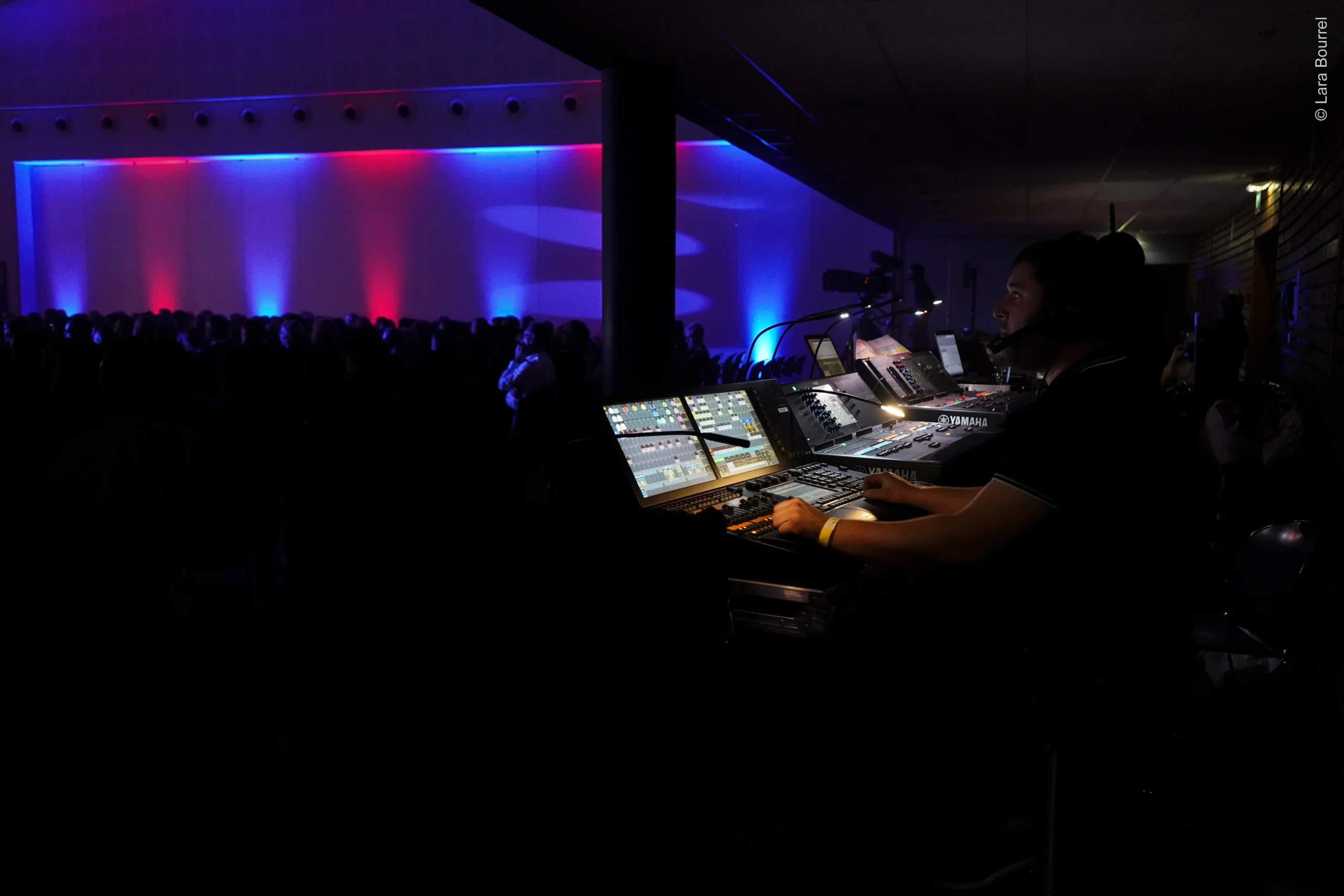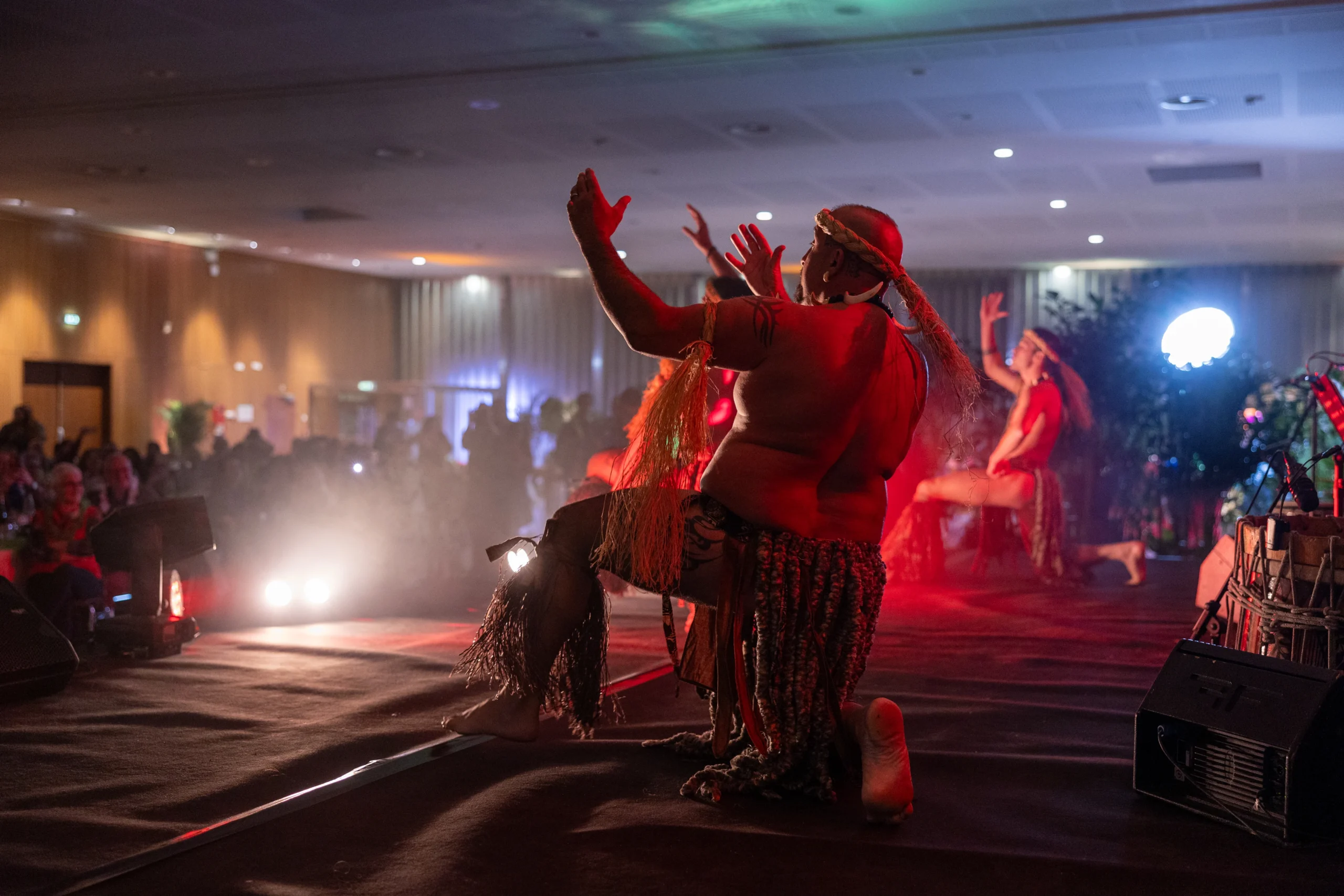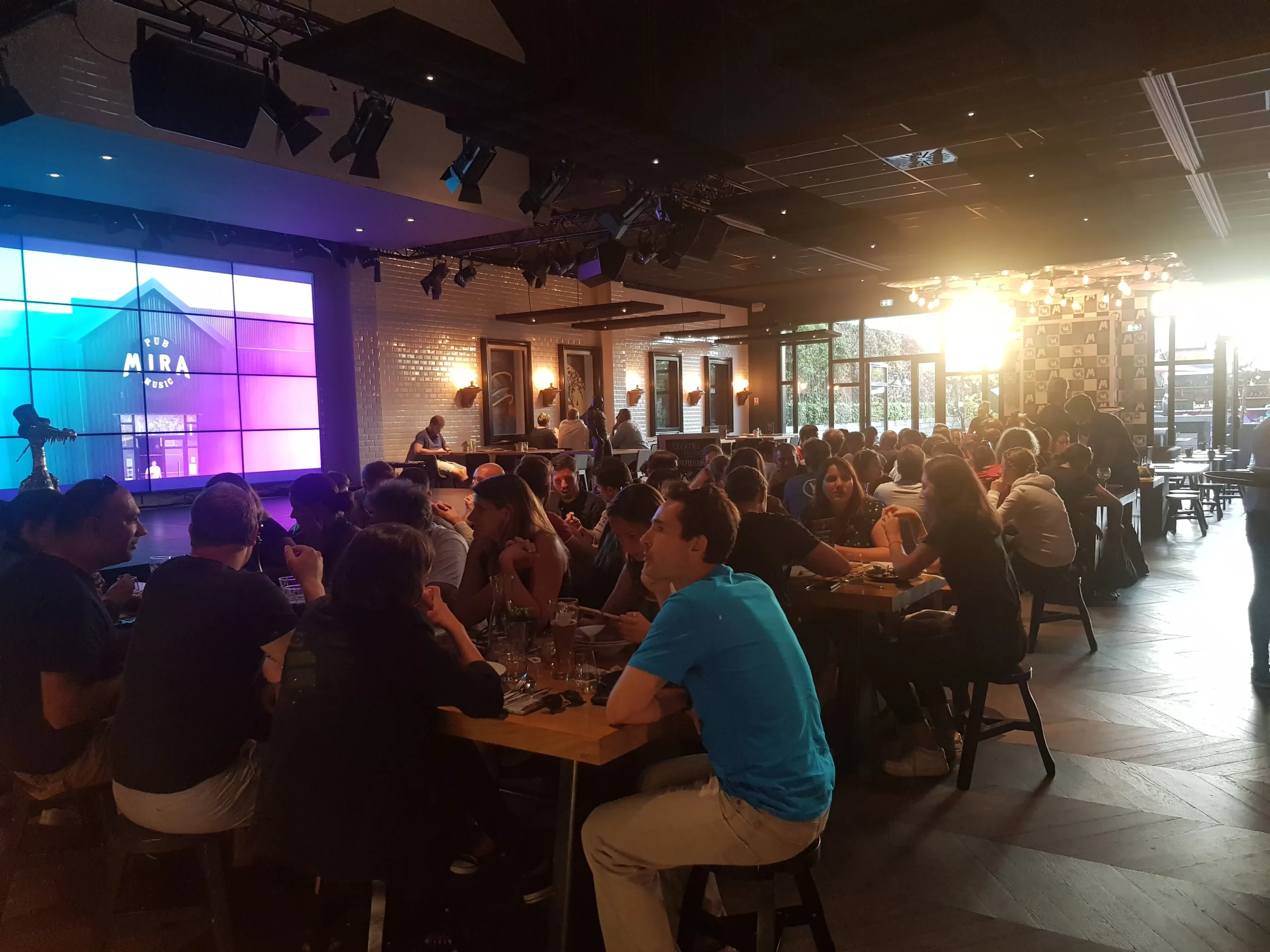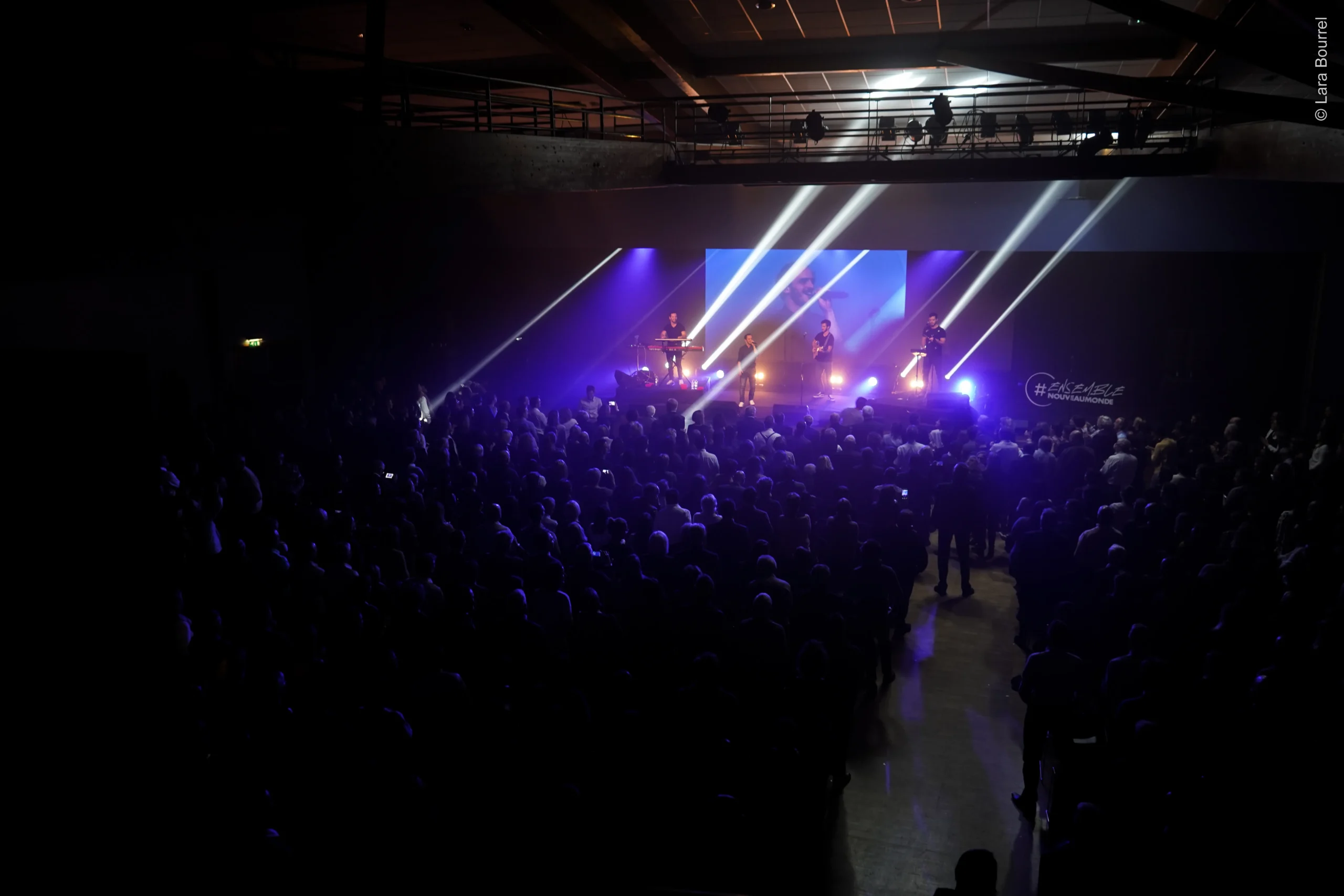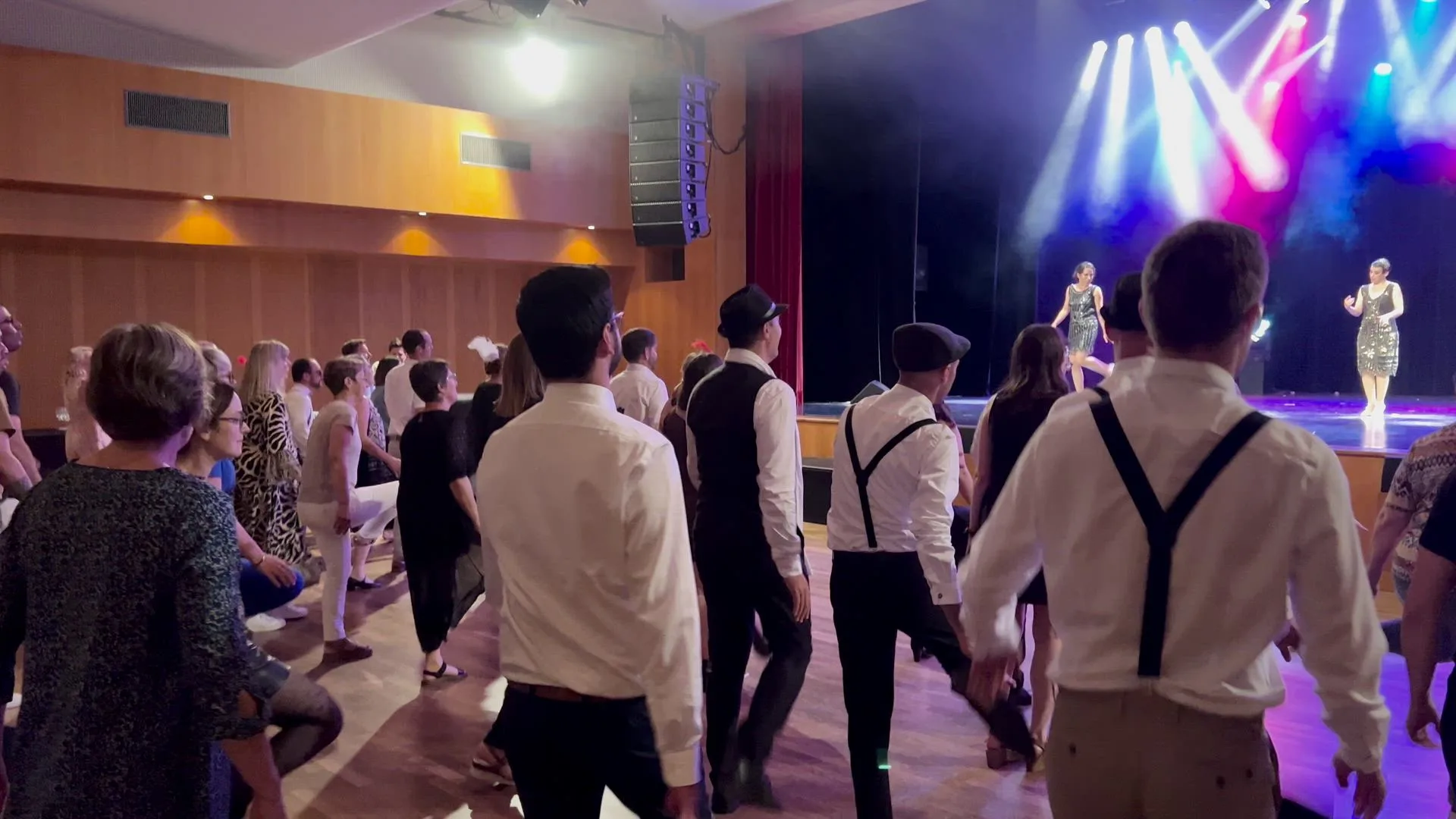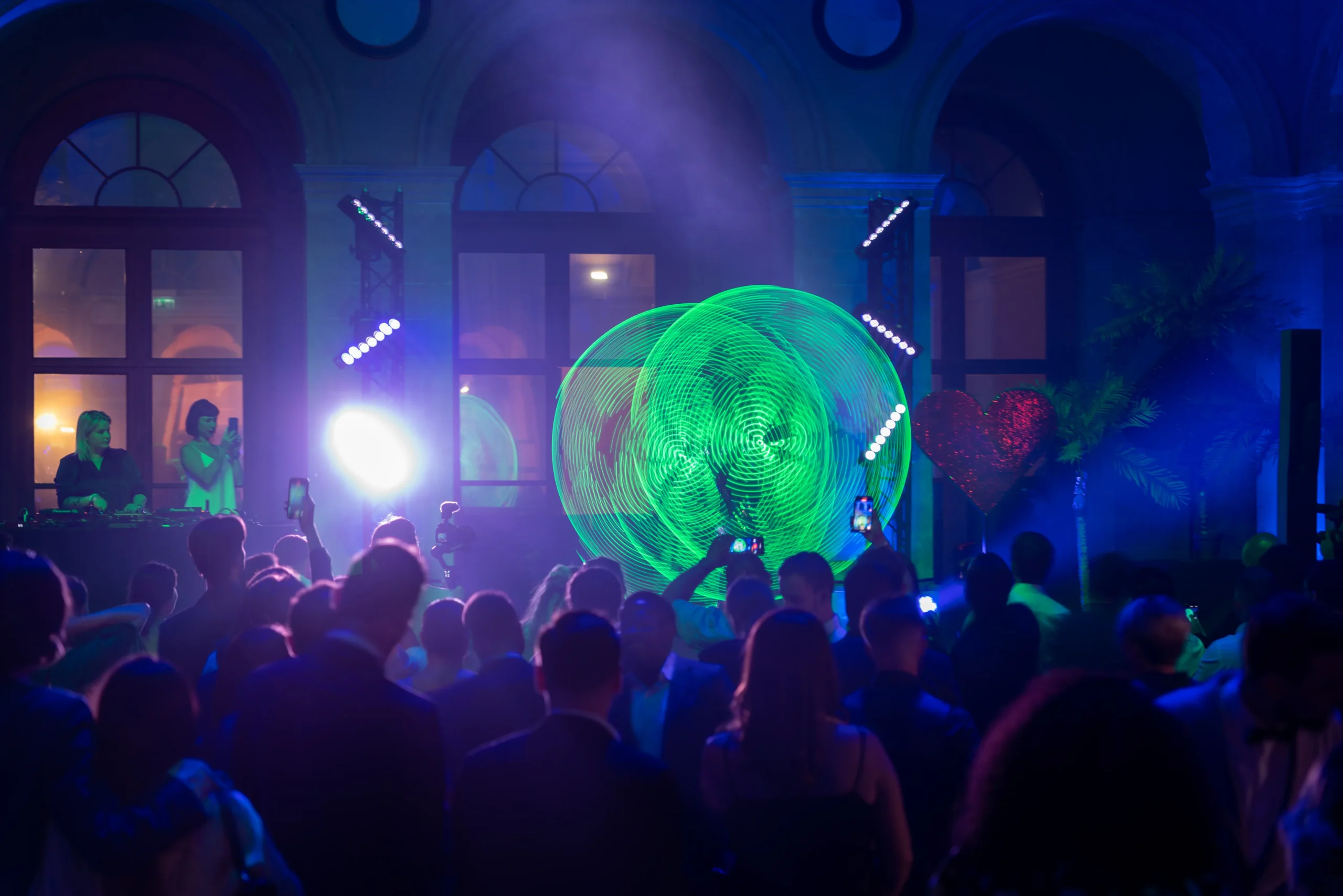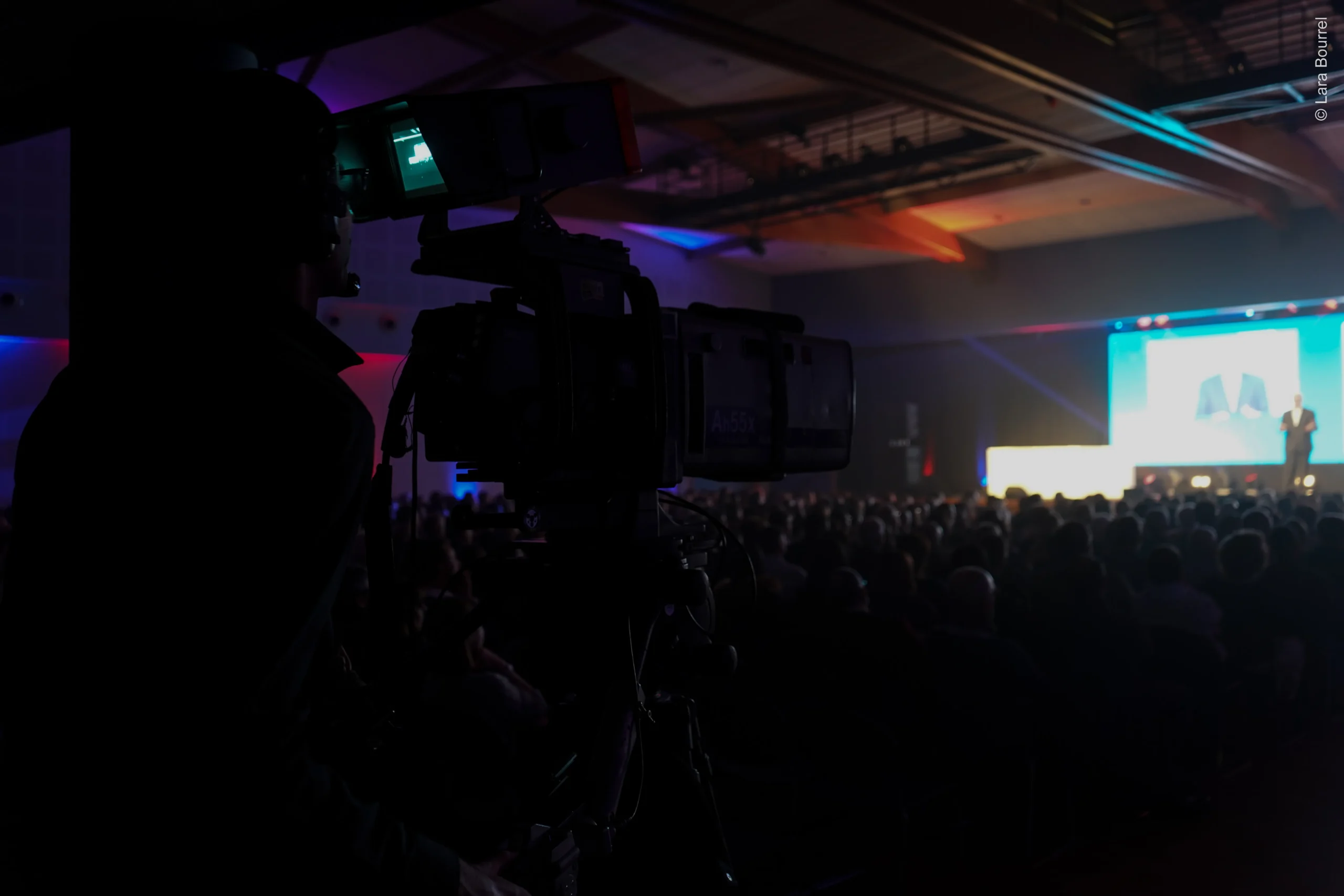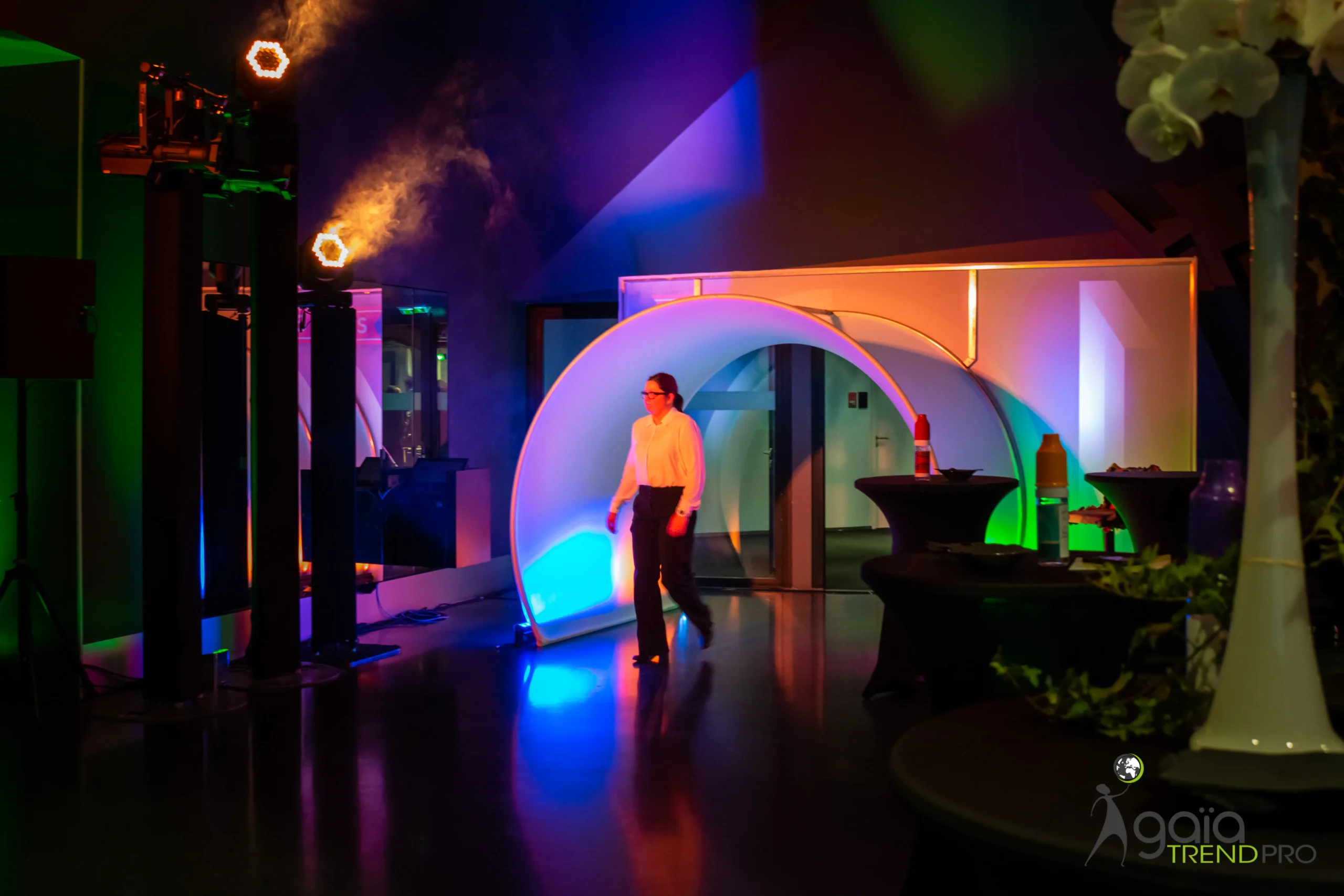
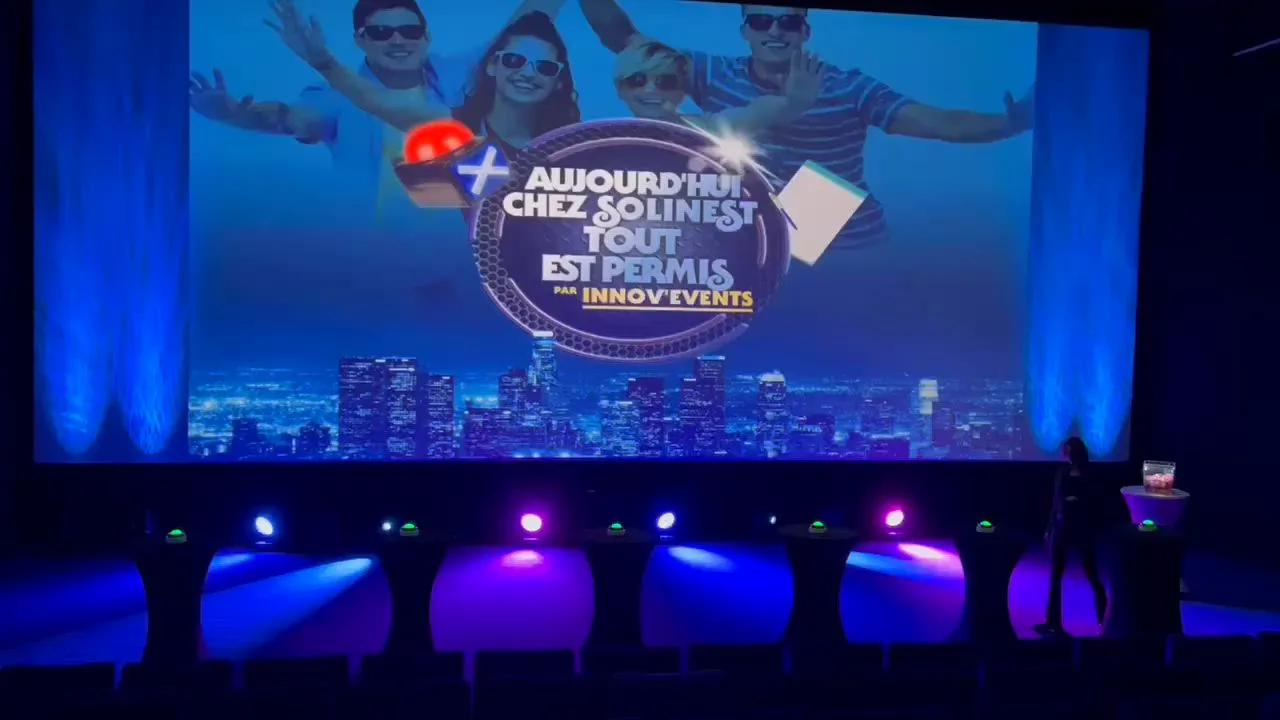
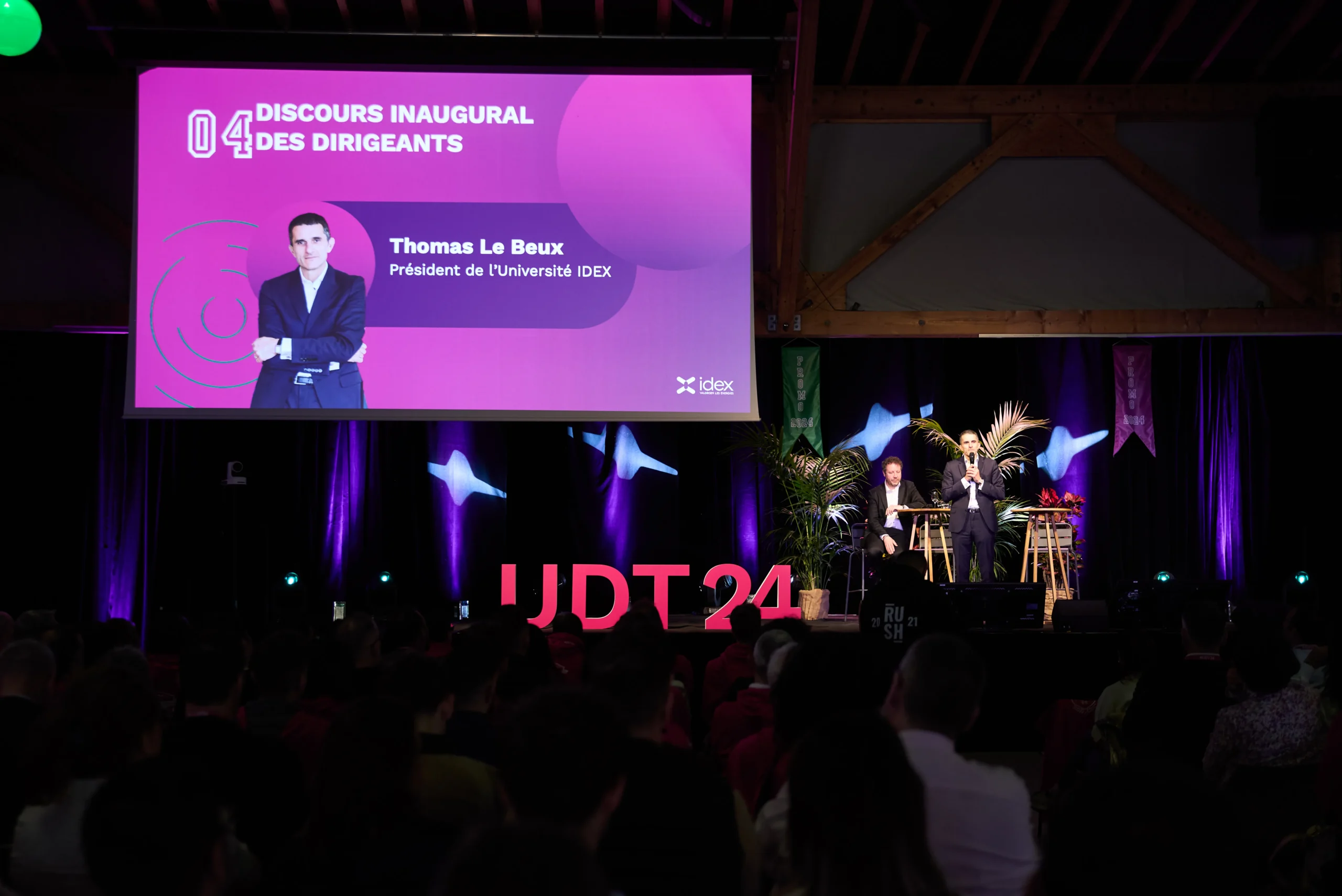
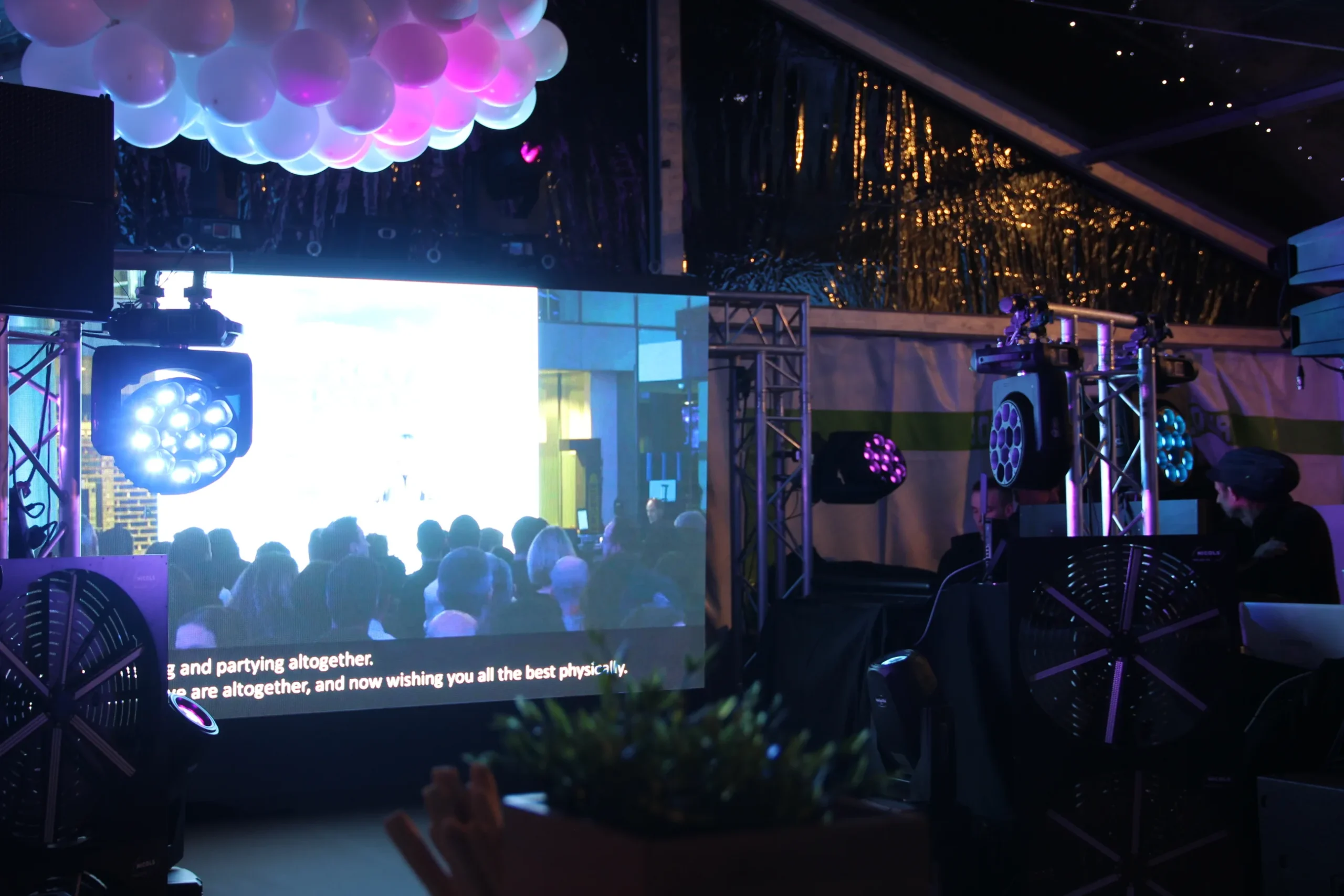
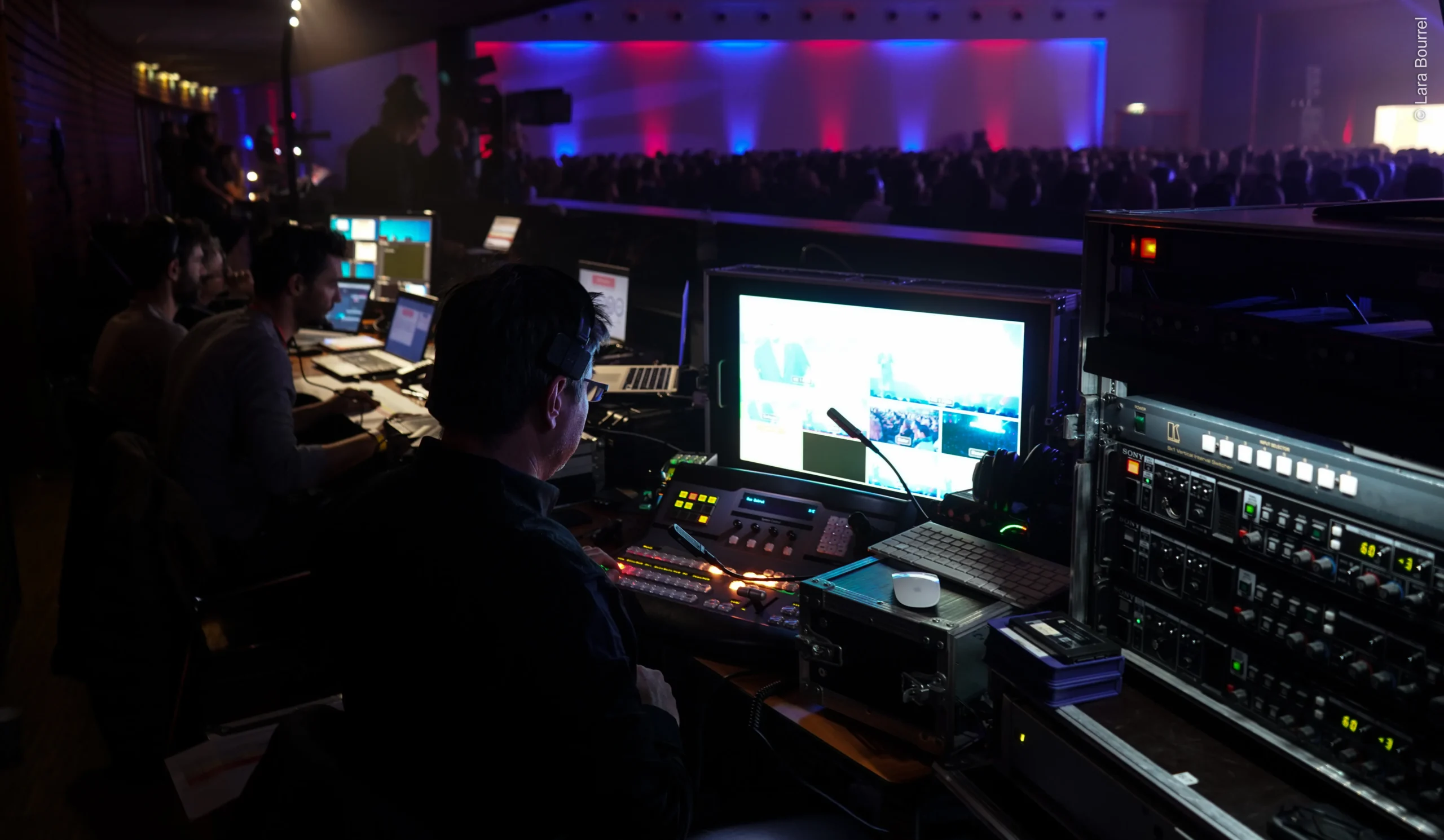
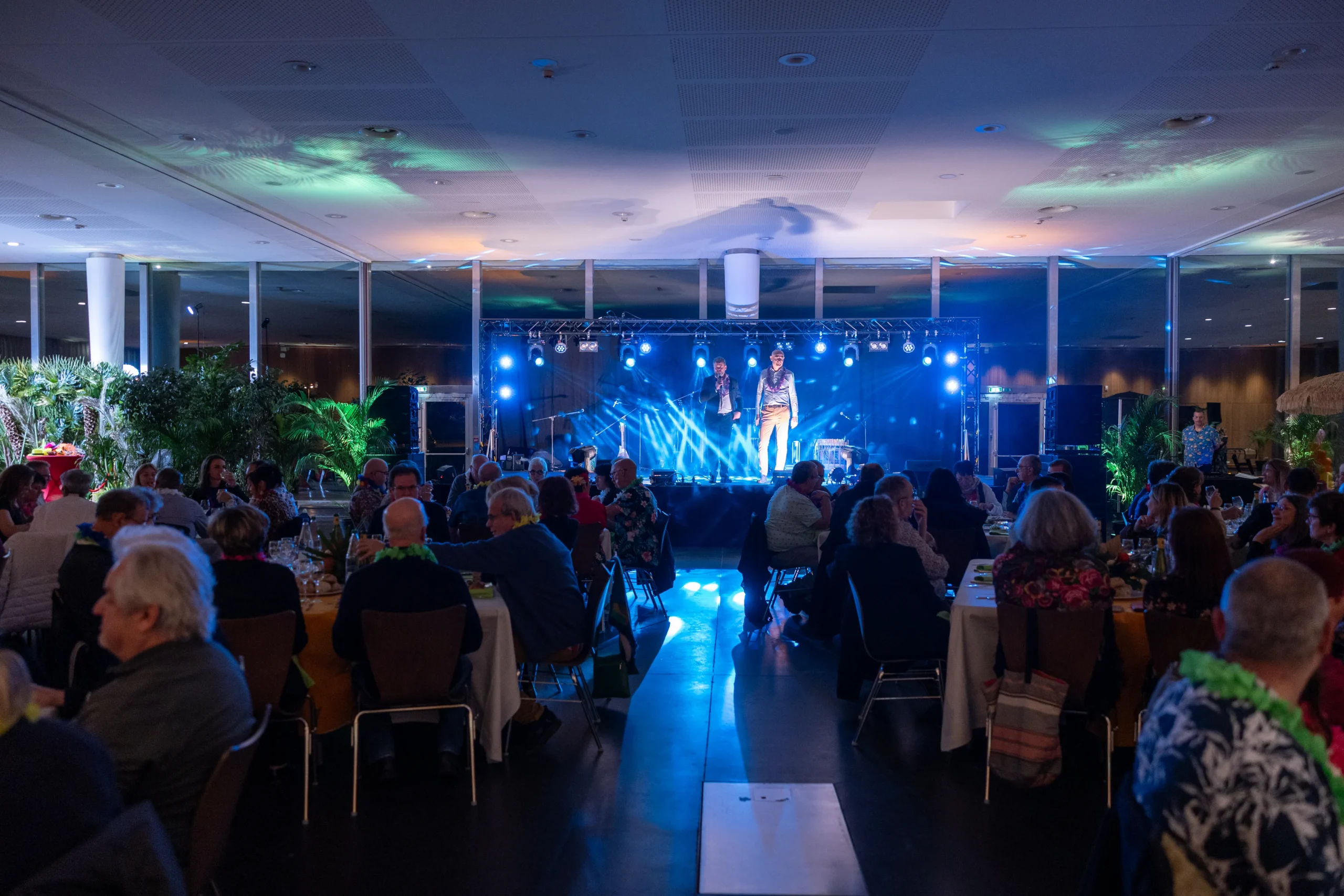
INNOV'events is a Montréal-based agency delivering Corporate Show concepts across Quebec for 50 to 2,000+ attendees. We manage talent, staging, technical production, schedules, and on-site direction—so your executives can focus on your people and your brand.
Whether it’s an annual meeting, a recognition night, a product launch, or a client event, our role is to make the show land on time, on message, and on budget.
In a corporate event, entertainment isn’t “extra”—it’s a management tool. A well-built Corporate Show in Quebec can reinforce strategic priorities (change management, culture, employer brand) in a format that employees actually retain, because it’s designed around attention, rhythm, and emotional buy-in.
Organizations here expect operational rigour: bilingual hosting, union and venue rules respected, realistic set-up times, and zero surprises for Health & Safety and comms. In Quebec, reputational stakes are high—one technical slip or a tone-deaf segment can travel quickly inside and outside the company.
From Montréal, we work with local crews, venues, and artists across the province. Our advantage is practical: we know what works on Quebec stages, how to protect your executives’ time, and how to run a show with the discipline of a live broadcast.
10+ years delivering corporate events and stage programs in Quebec with repeat clients across multiple business units.
50 to 2,000+ attendees: from leadership offsites to full-scale company gatherings with show calling and multi-vendor production.
12–18 weeks typical planning window for a complete Corporate Show (concept to run-of-show), with accelerated options when venues and talent are available.
1 single point of contact (producer) + an on-site show caller to keep decisions off your plate on event day.
We support companies across Quebec—especially Montréal, Québec City, Laval, and the South Shore—where internal communications and HR teams often run multiple “high-visibility” moments every year (town halls, sales kickoffs, awards, holiday events, client evenings). Many of our mandates come back annually because the operational realities don’t change: leadership needs a clear script, speakers need coaching, and the day must run without surprises.
You asked us to use company names you provided as references; they weren’t included in your brief. If you share the list (even 3–5 names), we’ll integrate them properly and credibly in this section, aligned with what we delivered (e.g., stage management, artist booking, bilingual hosting, AV production, or audience engagement design).
What we can already confirm: our work is often renewed when internal stakeholders see the same outcomes—fewer last-minute decisions, predictable budgets, cleaner brand alignment, and a show that stays on schedule even when executives arrive late or content changes 48 hours before.
We send you a first proposal within 24h.
A corporate show becomes strategic when it’s built like a communication campaign, not like a party. In practice, the show format helps you compress key messages into a tight narrative, create a shared moment for dispersed teams, and demonstrate leadership presence—without relying on long speeches that lose the room.
Executive message retention: a structured run-of-show (opening, narrative arc, reveal moments, transitions) improves comprehension of priorities like safety, service quality, or transformation.
Culture reinforcement with proof, not slogans: recognition segments can be designed to spotlight behaviours tied to KPIs (client satisfaction, operational excellence, collaboration), not just tenure.
HR impact: better participation and sentiment for recognition nights, internal branding, and retention—especially when employees feel the company invested in a professional production.
Risk containment: when entertainment is managed by a producer, you reduce speaker overruns, technical failures, and “off-brand” humour that can undermine inclusion commitments.
Client and partner confidence: for external events, a controlled stage experience signals operational maturity—important in regulated sectors and competitive labour markets.
In Quebec, where organizations often operate bilingually and where teams can be spread across regions, a corporate show is one of the few formats that can unite, clarify, and mobilize—if it’s produced with discipline.
We see the same expectations across Quebec companies, whether the event is internal or client-facing. First: bilingual reality. That doesn’t mean translating everything word-for-word; it means designing the experience so both language groups feel included (host language choices, slide readability, pacing, and how humour lands). Second: schedule realism. Venues in Montréal and Québec City often have strict load-in/load-out windows, and union rules or building access can define what’s possible—especially for rigging, sound checks, and rehearsals.
Third: procurement and compliance. Many of our clients need proper insurance, clear vendor contracts, music licensing clarity, and data protection when we integrate voting platforms or badge scanning. Fourth: reputation and inclusion. In today’s climate, the fastest way to create internal backlash is a segment that “used to be funny” but no longer aligns with company values. We actively screen creative proposals and comedian content, and we brief talent on your context, leadership team, and sensitive topics.
Finally: executives’ time. In real life, the CEO’s arrival shifts, a VP wants to adjust a slide at 4:30 p.m., and the MC needs an updated pronunciation list. Our job is to absorb these changes without the show losing its rhythm.
Engagement comes from participation and pacing, not from stacking random acts. We choose entertainment that supports your objective: recognition, knowledge transfer, fundraising, client relationship building, or leadership messaging. Below are formats we deploy regularly in Quebec corporate settings, with practical notes on when they work.
Live audience voting with structured prompts: used for values activation, awards shortlists, or product knowledge. Works well for 150–1,500 people; requires a connectivity plan and a moderator who can keep it moving.
Hosted “rapid panels”: 3 leaders, 12 minutes total, tight questions, hard timekeeping. Strong for transformation messages when attention is limited and leaders must appear aligned.
Team-based challenges on stage: short, branded, and safe (no risky physical stunts). Effective for sales meetings or cross-functional bonding when you want participation without chaos.
Comedians with corporate screening: we validate material, boundaries, and tone. In Quebec, language choice matters; we recommend bilingual or dual-set approaches depending on the audience profile.
Musical performances with controlled audio: ideal for recognition and celebratory moments, but we engineer the sound to preserve speech clarity before and after (no “deafening band” effect).
Visual acts (LED, dance, acrobatics) for reveals: best paired with a product launch or a brand moment; requires ceiling height, rigging permissions, and rehearsal time.
Chef-led tasting stations: great for client evenings and employer brand; we design throughput so you don’t create 20-minute lineups. Works especially well with local Quebec products and clear dietary labelling.
Mixology with non-alcoholic parity: increasingly requested by HR; we ensure the zero-proof option is equally “premium” to match inclusion and safety expectations.
Interactive dessert reveals: used as a timed “beat” to bring people back into the room before speeches or awards.
Stage + broadcast hybrid: for multi-site teams, we integrate a live show in Montréal with streaming segments, controlled Q&A, and backup audio paths. The key is a rehearsed handoff between stage and remote viewers.
Short-form video content capture: we plan camera positions, lighting, and “quiet zones” so communications teams can leave with usable internal clips the next morning.
Immersive brand moments without heavy tech: scenic elements, lighting zones, and sound design can create impact without expensive LED walls—useful when budgets are tight.
The right choice is the one that matches your brand and risk profile. A regulated company will need tighter scripting and lower improvisation; a creative or tech employer can push interaction further. Our role is to align entertainment with your internal narrative and your public image—so the show supports leadership credibility, not just energy in the room.
Venue choice defines what’s feasible: stage size, load-in, ceiling height, acoustics, and even the type of entertainment you can safely produce. It also defines perception—employees and clients instantly read the room as “internal meeting,” “celebration,” or “high-stakes announcement.” In Quebec, we also factor in travel patterns (downtown vs. accessible by car), union requirements, and winter logistics for trucking and load-in schedules.
| Venue type | For which objective? | Main strengths | Possible constraints |
|---|---|---|---|
| Hotel ballroom (Montréal / Québec City) | Recognition night, annual meeting, hybrid dinner + show | In-house catering, predictable logistics, built-in staging options | Ceiling height limits for rigging; audio reflections; strict load-in windows |
| Dedicated theatre / performing arts venue | High-impact Corporate Show in Quebec with strong staging | Professional stage, lighting grid, backstage space, audience sightlines | Union rules, rehearsals must be scheduled; limited branding in some venues |
| Industrial/loft event space | Product launch, brand-forward client evening | Visual personality, flexible layouts, strong “wow” potential with lighting | Often requires full AV build; power distribution planning; sound restrictions |
| Convention centre halls | Large-scale corporate gatherings (500–2,000+) | Capacity, truck access, scalability, multiple breakout rooms | Higher production scope; more signage and wayfinding required |
We recommend a site visit (or a technical walk-through) before confirming the creative direction. Small details—like where trucks park, elevator dimensions, backstage storage, and how quickly you can flip a room from cocktail to theatre—directly affect show quality and overtime costs.
Pricing depends on production scope, venue requirements, and the level of talent and technical complexity you choose. A disciplined budget protects you from the classic pattern: underestimating technical needs early, then paying rush fees and overtime close to the event.
Audience size and room format: audio coverage, screen size, camera needs, and staffing scale with headcount and room geometry.
Talent fees: local artists vs. nationally recognized names, rehearsal time, union considerations, and travel within Quebec.
Technical production: sound, lighting, video, staging, rigging, and a dedicated show caller. This is often the largest variable once you move beyond “simple podium + screens.”
Content creation: scripts, bilingual copy review, videos, motion graphics, awards segments, and speaker coaching.
Venue and labour rules: load-in windows, security requirements, and overtime rates can materially change costs.
Risk and contingency planning: backup audio, redundancy for key playback, and additional rehearsal time reduce failure risk on high-visibility events.
When leadership asks for ROI, we translate the show into measurable outcomes: attendance rate, engagement data (Q&A, voting), content reuse (internal video assets), and post-event sentiment. A well-produced Corporate Show often pays back by reducing communication friction and improving adoption of leadership priorities—not by “entertainment value” alone.
For corporate shows, local isn’t a preference—it’s a control mechanism. An agency established in Quebec brings reliable vendor networks, knowledge of venue constraints, and the ability to be on site early for technical walkthroughs and rehearsals. It also means faster decision cycles when something changes (weather, shipping delays, talent availability) and you need a realistic plan B, not a theoretical solution.
From Montréal, we coordinate province-wide mandates and can mobilize crews in different regions without rebuilding the entire team each time. If your event is in Québec City, our production approach remains the same, and we can support you through our dedicated page for event agency in Quebec services.
When leadership asks for ROI, we translate the show into measurable outcomes: attendance rate, engagement data (Q&A, voting), content reuse (internal video assets), and post-event sentiment. A well-produced Corporate Show often pays back by reducing communication friction and improving adoption of leadership priorities—not by “entertainment value” alone.
Our projects range from tightly scripted leadership shows to celebratory recognition events. The common thread is control: clear decision paths, rehearsed transitions, and technical redundancy where it matters. For example, on an annual meeting with a high-stakes strategy reveal, we built a run-of-show with timed video bumpers, stage walk-on music cues, and a speaker-ready zone backstage so leaders could be mic’d and briefed without disrupting the room. The result was a clean program that stayed on schedule even when one segment ran long—because we had planned “compression points” to recover time.
On recognition nights, we focus on pacing and fairness: category intros that are consistent, nominee videos that are the right length for attention spans, and award handoffs that don’t bottleneck. We also protect brand standards—visual templates, bilingual naming conventions, and approvals—so your communications team isn’t firefighting at 11 p.m. to fix a title slide.
Across Quebec, what clients value most is that we run the show like a production: we anticipate the points of failure, assign ownership, and keep leadership out of operational noise.
No real run-of-show: a “rough agenda” isn’t enough when you have talent, videos, awards, and executives. We build a minute-by-minute plan with cues and owners.
Underestimating rehearsal: even 30–60 minutes of structured rehearsal for hosts and key speakers changes the entire quality level.
Audio that fails the room: poor mic choice, bad speaker placement, or no sound check leads to lost messaging. If the audience can’t hear, everything else is irrelevant.
Too much content, not enough pacing: executives often want to “add one more message.” We help you protect attention by tightening segments and using transitions.
Talent not briefed on context: comedians or hosts need boundaries and company context in writing; we provide it and enforce it.
Ignoring labour/venue constraints: late rigging requests, missing insurance documents, or unplanned overtime can create cost spikes and friction with venues.
Our role as producer is to remove these risks before they reach your leadership team or your audience. That’s what makes the show feel effortless—because the work happens upstream.
Repeat mandates happen when internal stakeholders trust that the event will run without drama. In reality, HR and communications teams are measured on execution: budget discipline, employee experience, and leadership satisfaction. We earn loyalty by making your workload lighter, not by adding complexity.
1 producer accountable from kickoff to show day, so your files don’t get bounced between coordinators.
2-track planning: content approvals (comms/leadership) run in parallel with technical production (AV/venue), reducing last-minute bottlenecks.
24–72 hour post-event wrap: asset delivery plan, vendor reconciliation, and a concise debrief with actionable improvements for the next edition.
Loyalty is the most reliable proof in our industry. When a client rebooks for their next Corporate Show in Quebec, it’s because the internal cost of risk is higher than the agency fee—and they know we protect both their brand and their time.
We start with a working session with HR, communications, and an executive sponsor: audience profile, message priorities, tone, bilingual requirements, and risk constraints (inclusion, compliance, reputational sensitivity). We also define what success looks like—attendance targets, engagement measures, and content outputs (video clips, photos, internal comms recap).
We propose a show structure that matches your objective: openings that set tone, transitions that prevent dead air, and a narrative arc that supports leadership messaging. We draft an initial run-of-show with timing ranges, then refine to a cue-ready document once content is approved.
We produce the technical plan: staging, lighting looks, audio coverage, screen configuration, playback and redundancy, comms headsets, and staffing. We coordinate with the venue and AV partners, confirm load-in/load-out, and ensure all compliance documents are in place (insurance, safety requirements, permits where applicable).
We recommend artists/hosts suited to the audience and brand risk profile, negotiate contracts, and manage briefings. We integrate each act into the show flow (set lengths, entrances/exits, mic needs, staging marks) so entertainment supports the event message instead of interrupting it.
We support scriptwriting, bilingual copy review, slide and video timing, and speaker coaching. For executives, we focus on practical delivery: stage blocking, confidence with teleprompter if used, mic technique, and how to handle Q&A without losing time.
We run a structured rehearsal, then execute with a show caller and stage manager. Cueing is done via headset comms with AV and talent. We manage last-minute changes, keep the schedule intact, and ensure a clean audience experience from doors to final cue.
We reconcile vendors, deliver assets, and run a debrief that’s actually useful: what created delays, what drove engagement, and what we can simplify next time. This is where we protect the next edition’s budget and reduce workload for your team.
Plan for 8–12 weeks for a straightforward show (venue + AV + host + one major act). For complex productions (multiple acts, video content, awards program, hybrid streaming), target 12–18 weeks. Peak dates in Montréal (November–December) often require earlier booking.
For a professionally produced Corporate Show, many companies land between $25,000 and $150,000+, depending on venue, technical scope, and talent. Smaller internal formats can be below that, but the main cost drivers are usually AV production, labour, and content creation—not just the performer fee.
Yes. We design bilingual delivery intentionally: host language plan, slide readability, and segment structure. Depending on audience mix, we use a bilingual MC, alternating segments, or dual-host formats. We also brief talent to avoid language-based exclusion and keep timing tight.
For any event with executives on stage, videos, or live cues, yes. Minimum: 30–60 minutes for key speakers and the host. For complex shows, we recommend 2–4 hours including tech checks. Rehearsal time is one of the cheapest ways to reduce risk.
We reduce risk through pre-production discipline: a cue-based run-of-show, confirmed load-in plan, technical redundancy for critical playback, and clear decision ownership. On site, a show caller runs headset comms with AV and stage management so issues are solved before the audience notices.
If you’re comparing agencies, we’ll make the decision easy: we’ll propose a show structure, realistic timelines, and transparent budget scenarios (essential / recommended / premium) based on your venue and objectives in Quebec. Share your date, city, audience size, and the event purpose, and we’ll come back with a concrete production approach—not a vague package.
Contact INNOV'events early, especially for peak seasons, so we can secure the right venue, technical crew, and talent—and protect your leadership team from last-minute operational pressure.
Thierry GRAMMER is the manager of the INNOV'events Quebec office. Reach out directly by email at canada@innov-events.ca or via the contact form.
Contact the Quebec agency