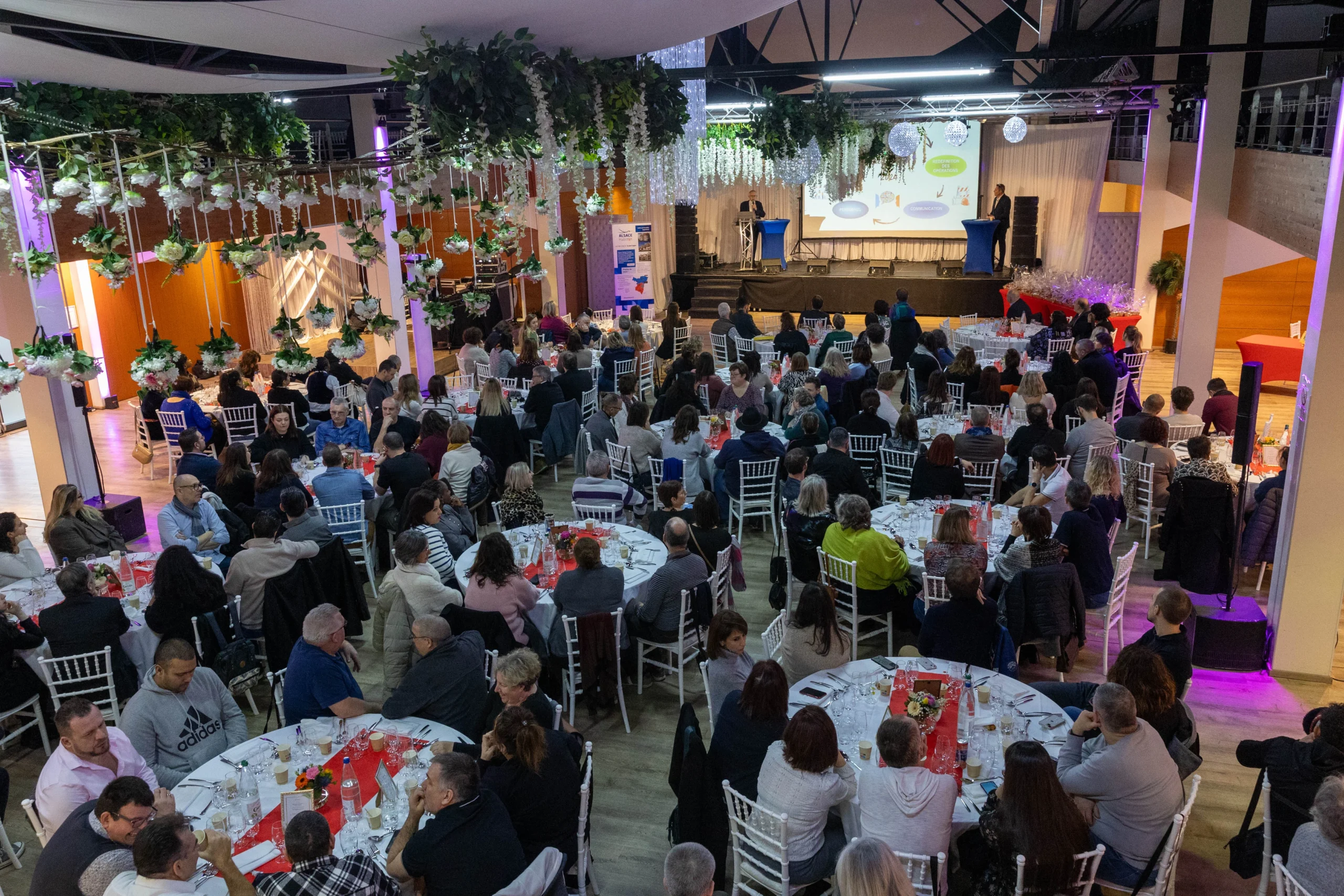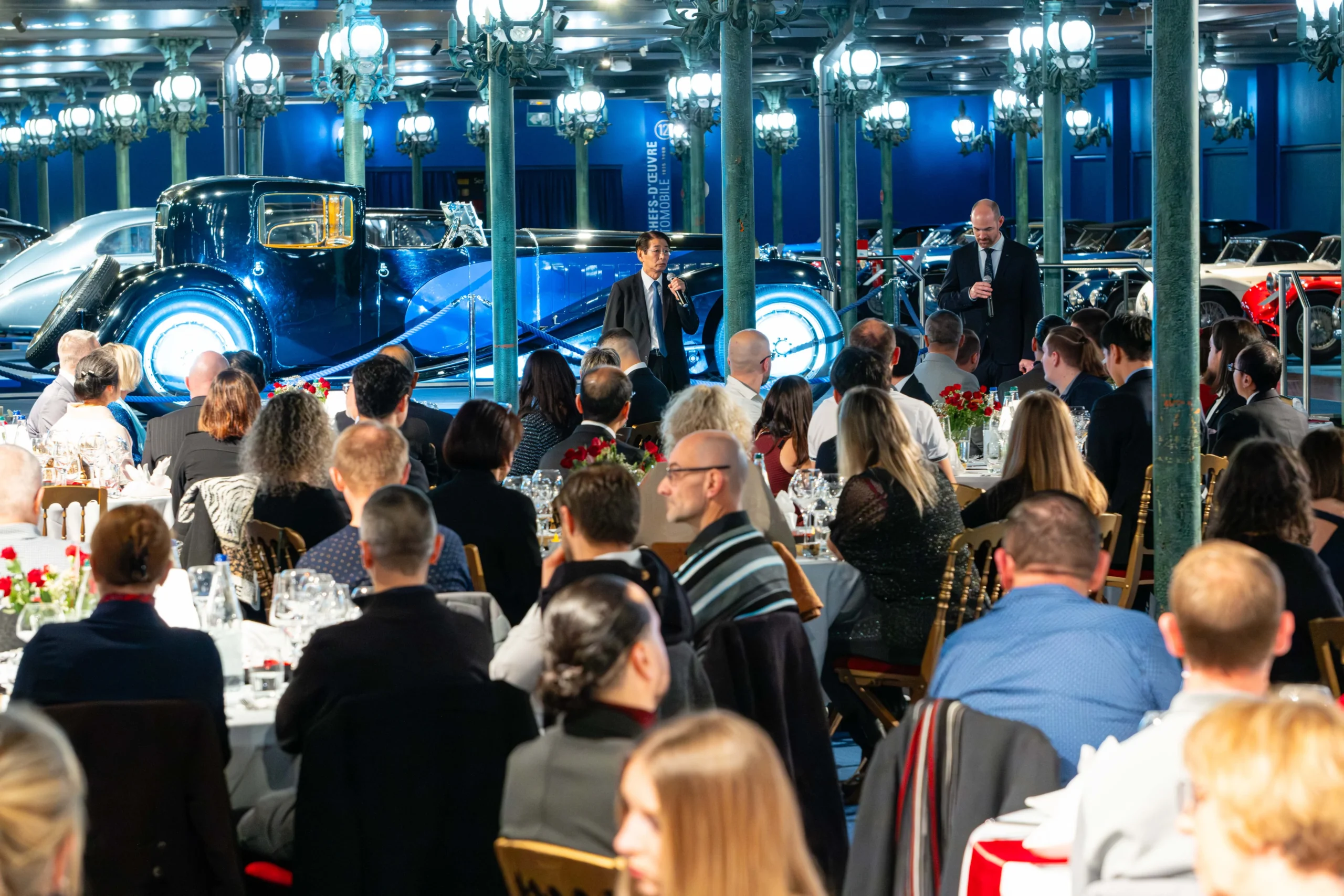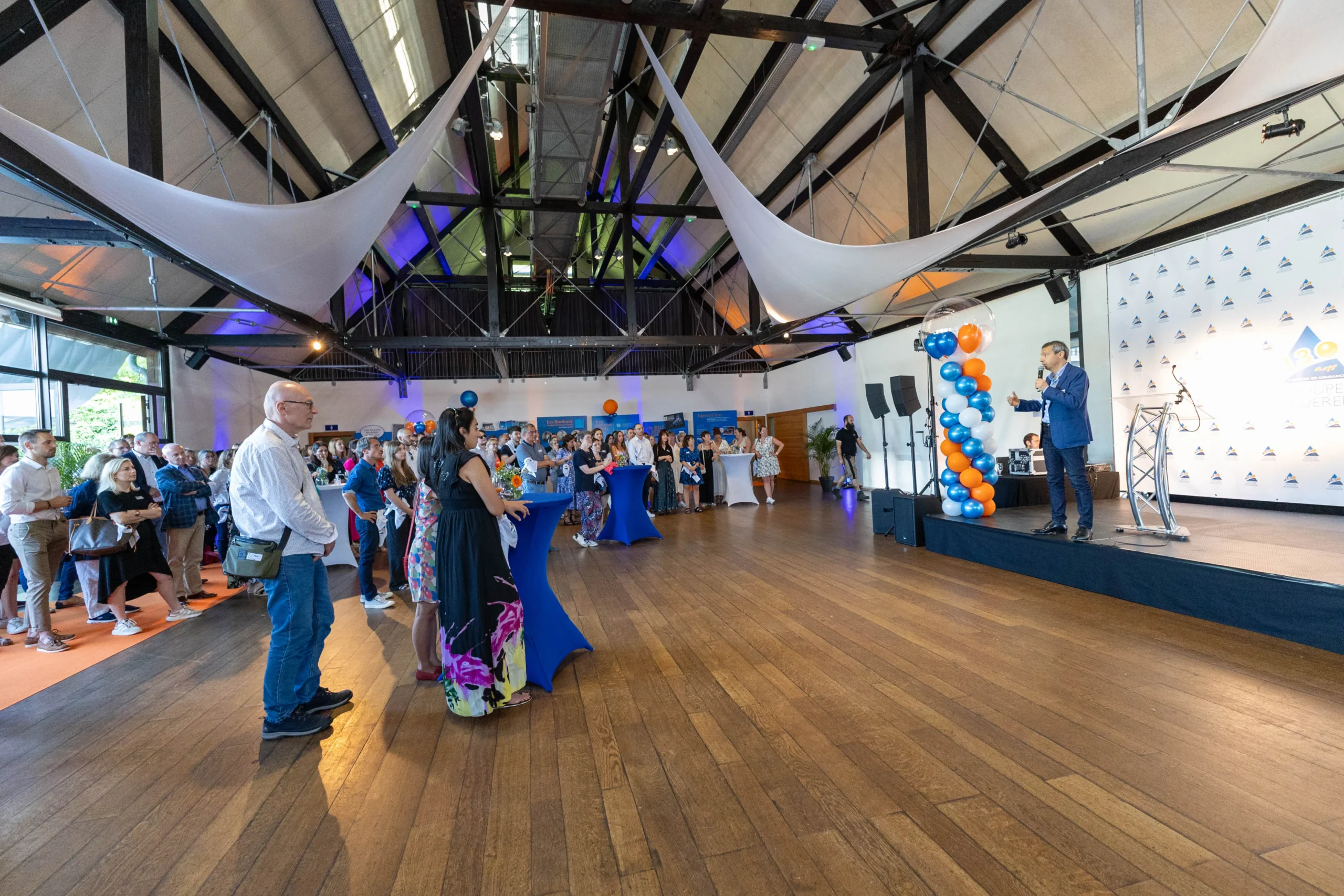
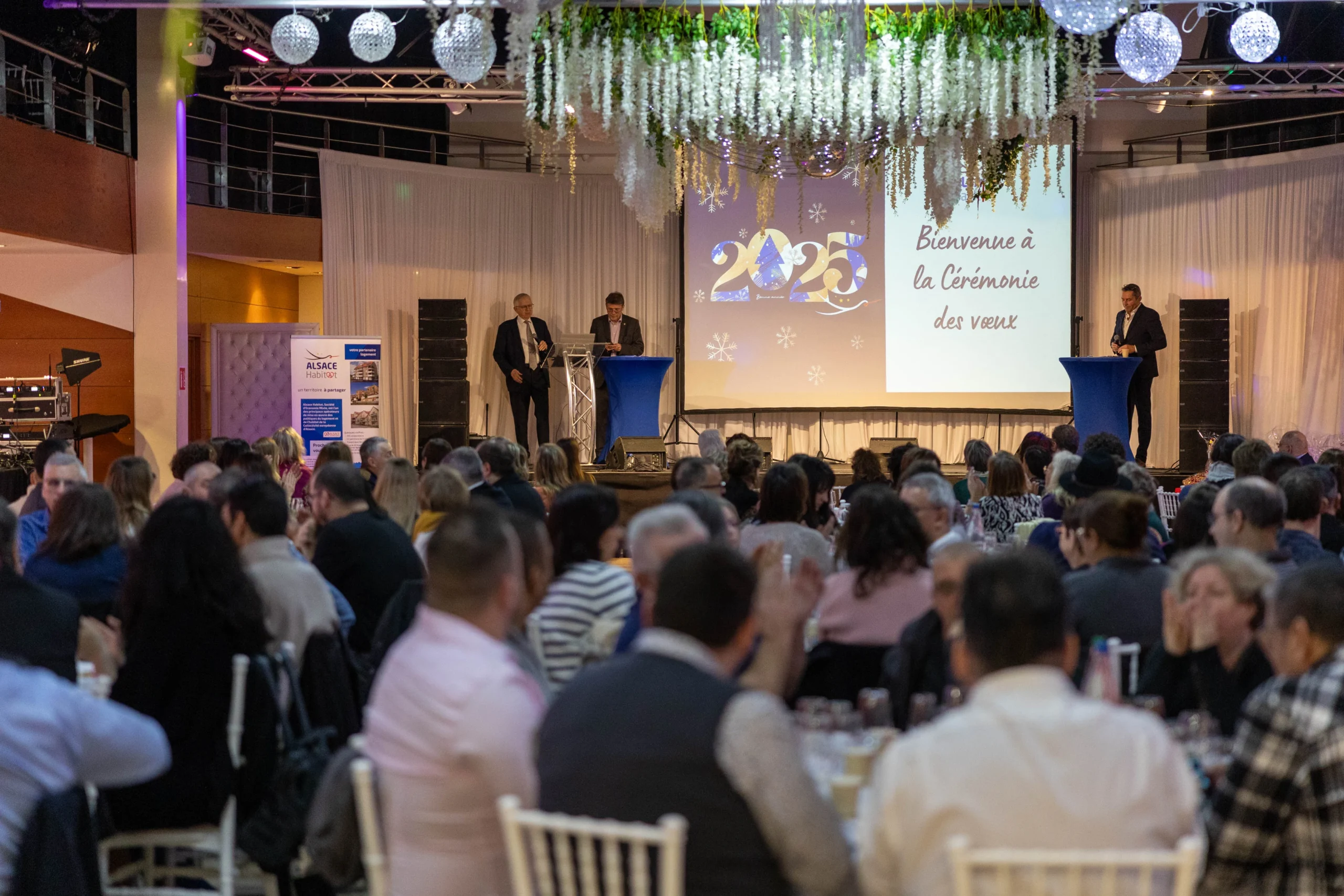
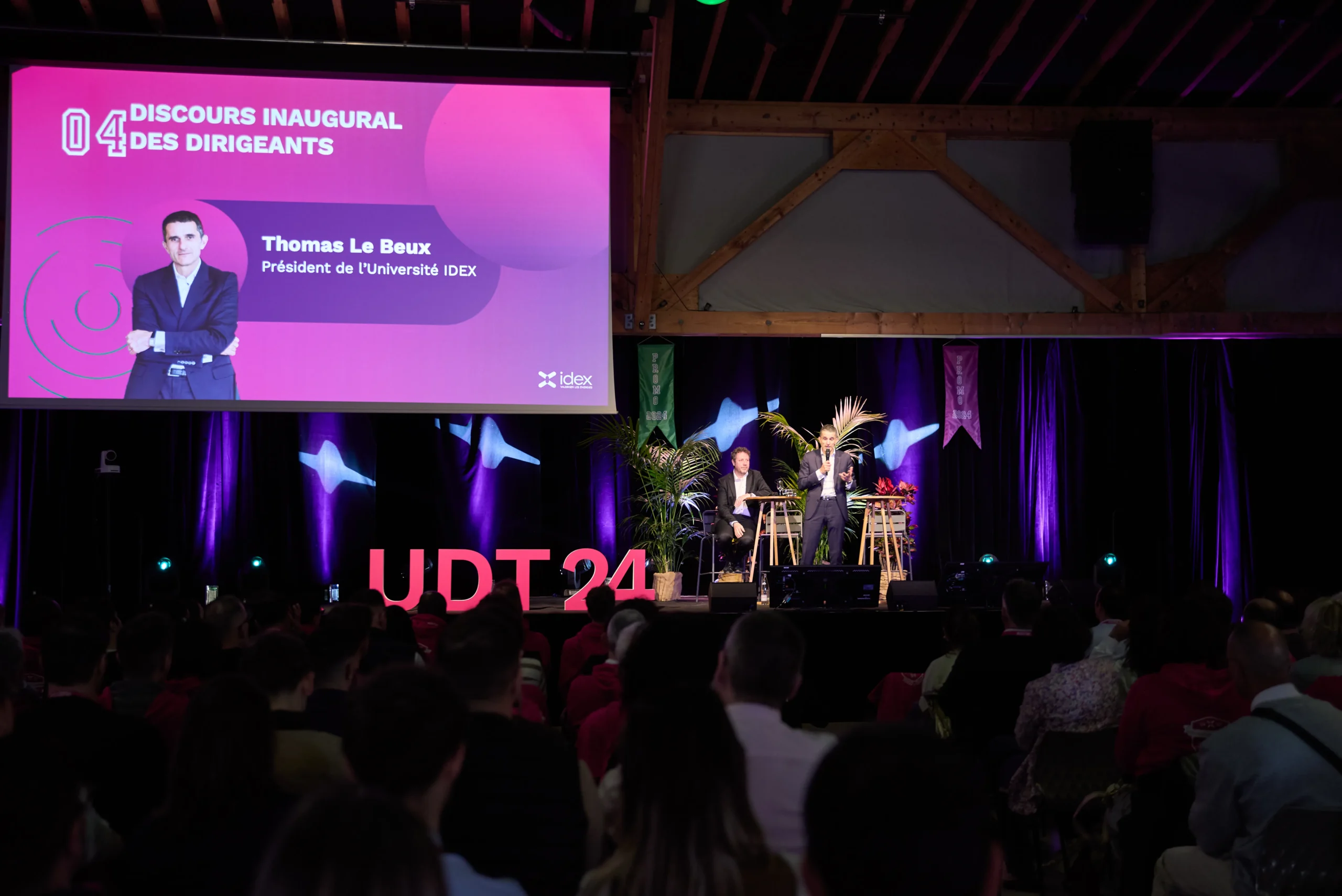
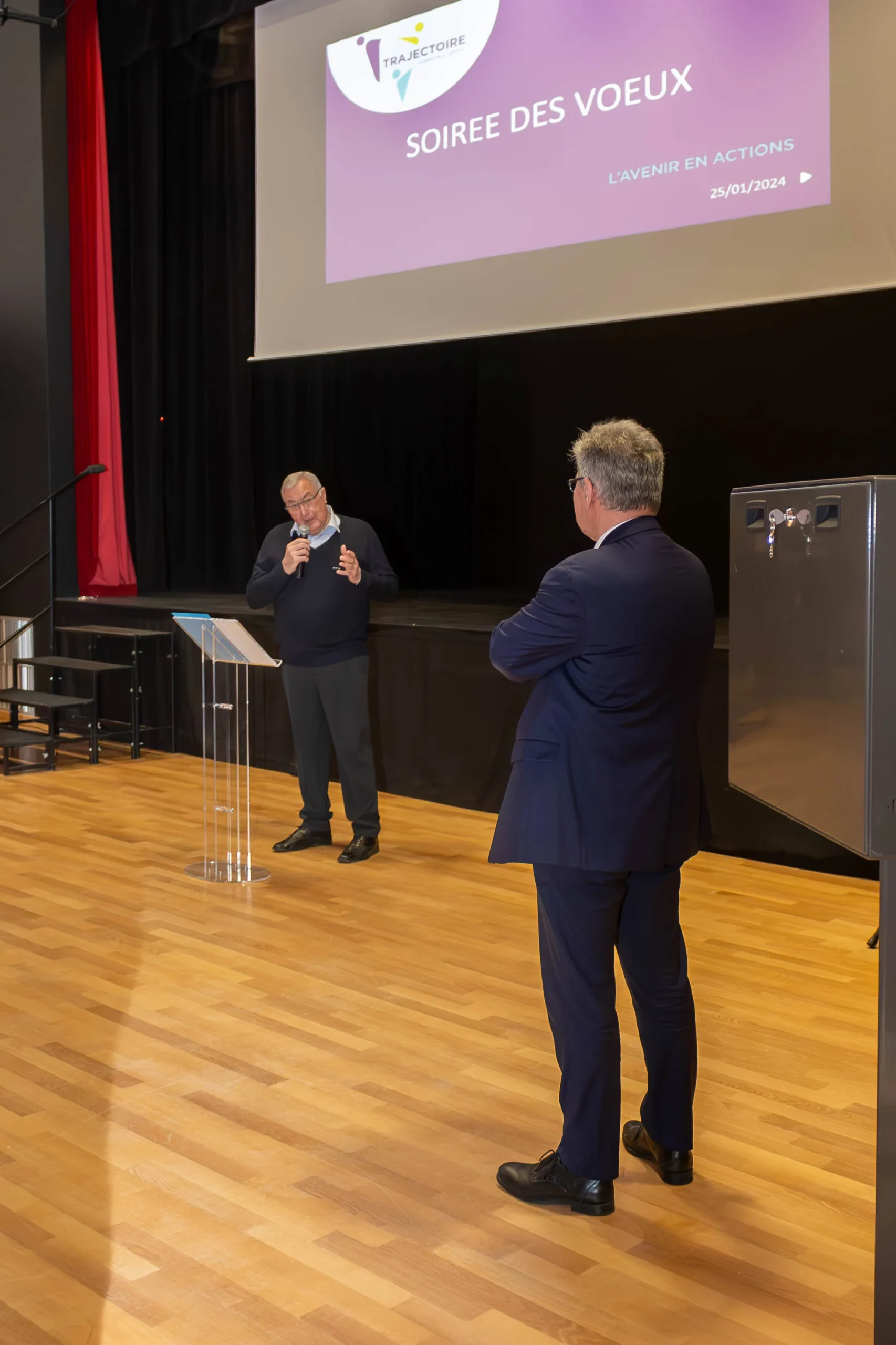
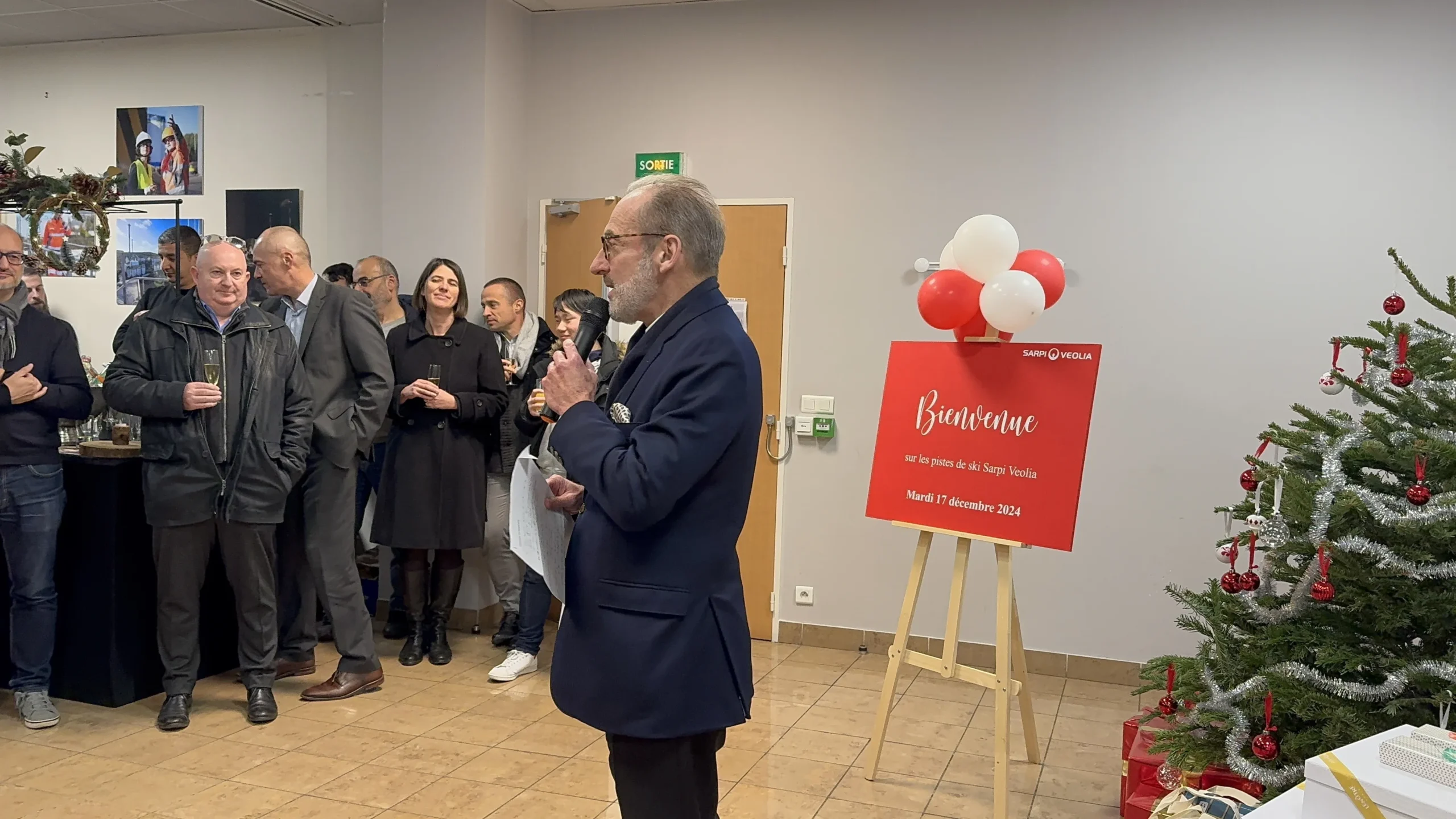
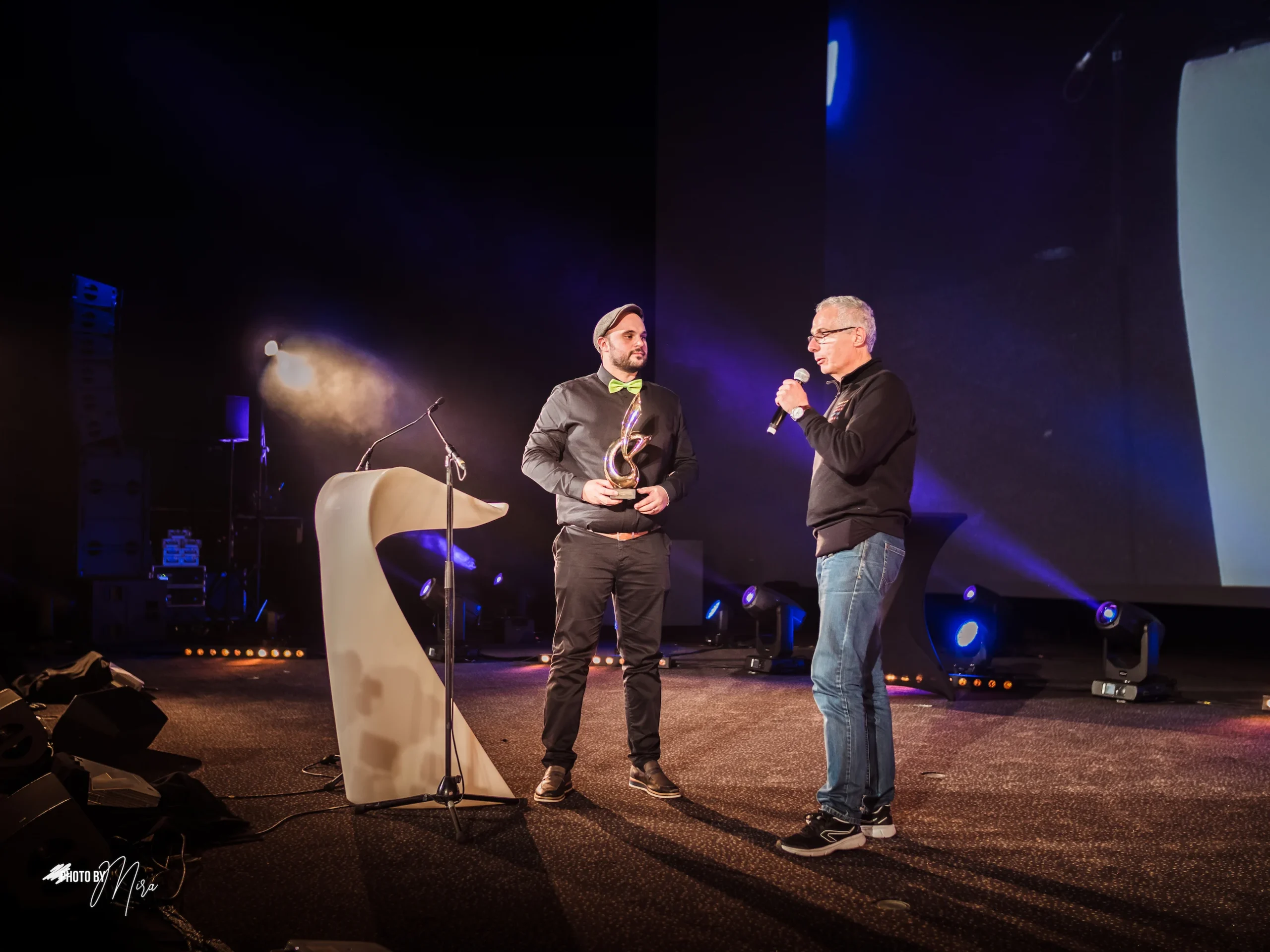
INNOV'events is a Montréal-based team supporting executives, HR and communications with New Year’s Corporate Ceremony planning across Quebec, from 40 to 2,000+ attendees. We handle the full chain: concept, venue, technical production, talent, supplier coordination, rehearsals, and on-site command so your leadership can focus on people—not logistics.
Whether your objective is a year-end recognition, a strategic reset for the new year, or a combined holiday + business ceremony, we build a structured run-of-show that protects brand image and keeps the room engaged.
In a corporate environment, entertainment is not “extra”; it is the tool that keeps attention between speeches, supports recognition, and prevents the room from drifting to phones. A well-structured entertainment plan can increase message retention and reduce the perceived length of the program—critical when executives are asking for a tight, credible ceremony.
Organizations in Quebec expect operational rigour: punctual starts, bilingual comfort (FR/EN), and a tone that respects corporate culture without feeling cold. They also expect suppliers who can navigate winter realities, union and building rules, and last-minute changes without making it the client’s problem.
As an event agency rooted in Montréal, INNOV'events works hands-on with local venues, technicians, caterers and artists. We build realistic schedules, lock down contingencies, and run rehearsals so your New Year’s Corporate Ceremony in Quebec feels controlled and intentional—not improvised.
10+ years delivering corporate events across Quebec, including executive ceremonies, awards nights, and hybrid kick-offs.
150+ corporate events produced, with formats ranging from leadership-only ceremonies to multi-shift employee celebrations.
40 to 2,000+ attendees managed, including complex load-ins, multi-room programs, and staged transitions.
1 project lead + on-site show caller assigned on every ceremony, with a documented run-of-show, cue sheets, and escalation plan.
Supplier network in Quebec (A/V, lighting, staging, catering, security, transport) validated through repeat collaborations and post-mortems.
We support organizations across Quebec that need predictable delivery: head offices in Montréal, multi-site employers, and fast-growing teams that want a year-end moment aligned with their internal culture. Many of our mandates are renewed year after year because leadership teams value continuity—especially for ceremonies where brand reputation and employee trust are on the line.
If you share the names of the companies you want us to cite, we will integrate them here as references in a compliant way (e.g., “annual ceremony for a North Shore manufacturing group” or “leadership recognition event for a Montréal professional services firm”), respecting confidentiality and your approval process.
In practice, our repeat clients often come from sectors where execution is scrutinized: financial services, engineering, construction, public-facing organizations, and tech. Their internal stakeholders—HR, communications, operations and executive assistants—expect clear documentation, fast decision loops, and a partner who can resolve issues on-site without escalating noise to leadership.
We send you a first proposal within 24h.
A New Year’s Corporate Ceremony is one of the few moments where you have a captive audience across levels: executives, managers, and employees. In Quebec, where organizational culture is strongly tied to authenticity and respect, the ceremony must feel grounded and well-managed—otherwise it can backfire as “corporate theatre.” Our job is to make the evening operationally tight and emotionally credible.
We typically see three executive drivers: (1) close the year with recognition and retention impact, (2) reset priorities and unify teams after change, and (3) protect employer brand in a competitive talent market. The ceremony becomes a leadership instrument when the program is designed around decisions and outcomes—not just a party.
Reinforce strategic priorities without a town-hall vibe: we structure messaging into short, distinct segments (e.g., 6–8 minutes each) with transitions that keep energy up and avoid “speech fatigue.”
Support retention and recognition with credible rituals: awards that feel fair (clear criteria), service milestones that respect privacy, and recognition formats that work for unionized or multi-shift environments.
Align leadership presence with corporate tone: we coach speaking order, staging, walk-on music, and lighting so executives look composed—not rushed—while remaining approachable.
Create cross-department connection: intentional seating plans, table hosts, or structured networking moments that work even when teams don’t usually meet.
Reduce operational load on HR/Comms: we take ownership of production schedules, supplier confirmations, cueing, and day-of issue resolution so internal teams are not “running around” during the ceremony.
In Quebec, the economic culture values both performance and human scale. When a New Year’s ceremony is run with respect for time, bilingual reality, and local sensibilities, it becomes a practical leadership tool—not a distraction.
Decision-makers here are pragmatic: they want a partner who understands that winter is not a detail, that venues have strict technical rules, and that bilingual delivery has to feel natural—not scripted. We regularly manage ceremonies where half the room is francophone, some executives are anglophone, and you need a seamless flow that doesn’t split the audience.
We also see a strong sensitivity to equity and credibility. For example, when an organization wants “employee of the year” awards, HR often worries about internal perception: transparency, nomination process, and whether managers feel consulted. We help set a format that protects trust: clear categories, a short selection committee, and a consistent on-stage narrative that doesn’t create awkward comparisons.
Operationally, local constraints are real: load-in windows in downtown buildings, noise limits, union or building security requirements, and transportation challenges during storms. We plan with buffers (supplier arrival times, backup transport, alternate entrances), and we confirm technical power and rigging limits early so the show design doesn’t collapse during install.
Finally, there is the brand-image layer: Quebec audiences can be quick to detect “imported” concepts that don’t fit the organization. We use local talent when it strengthens credibility, and we design a ceremony that matches the organization’s real tone—whether that’s conservative, entrepreneurial, or community-focused.
Entertainment is effective when it supports your objective: recognition, cohesion, or a strategic reset. For a New Year’s Corporate Ceremony, we recommend formats that keep the room engaged while respecting corporate tone and schedule discipline. The best corporate event entertainment in Quebec is often the kind that feels integrated into the program—because it was designed around timing, staging and audience mix.
Live polling and leadership Q&A (moderated): ideal when you want employees to feel heard without opening the floor to risk. We collect questions digitally, filter for themes, and brief the executive responses to keep the segment within 10–15 minutes.
Table challenges tied to values: a short, structured activity (5–7 minutes) between courses to reduce downtime. Example: teams propose a “2026 customer promise” in one sentence; the host reads selected entries and connects them to the strategy.
Recognition moments with audience participation: instead of long lists, we create a dynamic format (e.g., milestone groups by decade, quick stories, photo prompts) that keeps applause genuine and avoids the “roll call” feeling.
Host-led ceremony with bilingual flow: the host is not just an MC; they are a timing and tone manager. In Quebec, a bilingual host can bridge the room naturally, avoiding repetitive translations that slow the program.
Short-form live music sets: two or three 8–12 minute sets timed to transitions (post-awards, pre-dessert, post-speech) keep energy steady without turning the event into a concert.
Integrated video storytelling: professionally edited employee or client stories (60–120 seconds each) that connect to business outcomes. We manage release forms, content approvals, and playback testing to avoid last-minute legal/technical issues.
Tasting stations with service engineering: rather than “more food,” we design stations that reduce line-ups and keep the room moving (e.g., two mirrored stations, staggered opening, clear signage). This is especially useful in winter when coat check and arrivals already create congestion.
Non-alcoholic pairing bar: a pragmatic option for inclusive culture and next-day productivity. We can create a premium NA experience (infusions, local ingredients) that doesn’t look like an afterthought.
Local Quebec product spotlight: when appropriate, we integrate regional producers in a controlled way (portioning, timing, allergen labelling) so it reads as thoughtful—not as a trade show.
Hybrid-ready production: if you have remote teams, we build a clean live feed with proper audio mixing and camera placement. The goal is not “streaming for the sake of it,” but a consistent experience for remote employees and leadership.
Data-driven engagement recap: after the ceremony, we provide attendance metrics, interaction rates (poll participation), and program timing accuracy so HR/Comms can report outcomes internally.
Quiet-room and neuroinclusive planning: increasingly requested in Quebec workplaces. We plan a calm space, clear signage, and program pacing that supports diverse needs without changing the tone of the ceremony.
The key is alignment: entertainment must fit your brand image, risk tolerance, and audience profile. We approach each element as part of the production system—timed, rehearsed, and anchored to your communication goals—so the ceremony remains credible at an executive level.
The venue is not a backdrop; it dictates acoustics, timing, service flow, and how leadership is perceived. For a New Year’s Corporate Ceremony in Quebec, the wrong room creates operational friction: speeches lost in noise, long bar lines, poor sightlines, or a stage that feels “temporary.” We shortlist venues based on technical readiness and guest experience, not just aesthetics.
| Venue type | For which objective? | Main strengths | Possible constraints |
|---|---|---|---|
Downtown hotel ballroom | Formal ceremony + dinner + awards with a strict schedule | Built-in banquet service rhythm, coat check capacity, accommodation for out-of-town leaders, often stronger power and rigging options | Union/building rules, limited load-in windows, décor restrictions; can feel “generic” if branding and lighting are not designed |
Converted industrial/event loft | Modern recognition night with networking emphasis | Strong atmosphere, flexible zoning (stage + lounge + stations), great for brand immersion and content capture | Acoustic challenges, heating/comfort in winter, additional technical build required (staging, drape, power distribution) |
Conference centre / corporate campus space | Leadership-focused ceremony with business content and hybrid capability | Controlled environment, easier security, good for presentations and breakout flow, often predictable A/V infrastructure | May require more work on ambience; catering limitations; guest experience depends on arrivals/parking in winter |
We recommend a site visit (or a technical walk-through) before any final commitment. In Quebec, details like loading dock access, snow-cleared routes, elevator capacity, and power availability can change the entire production plan. A proper visit prevents budget surprises and protects day-of timing.
Budgets for a New Year’s Corporate Ceremony in Quebec vary widely because the biggest cost drivers are structural: venue model, catering format, technical production level, and program complexity. The most common budget mistakes happen when teams compare apples to oranges—e.g., a “venue quote” versus a fully produced ceremony with staging, rehearsals, and show calling.
In our mandates, leadership teams often want a clear range early to validate feasibility, then a precise budget once the program spine is locked. We can work that way: an initial budget framework within a few days, then a refined estimate after the venue and run-of-show are confirmed.
Headcount and format: 60-person executive dinner is not priced like a 600-person multi-department ceremony; staff ratios, security, and technical coverage change fast.
Venue and included services: some venues include basic A/V, staffing, and furniture; others require full technical build and rentals.
Technical production level: screen size, camera coverage, lighting design, audio reinforcement, and rehearsal time are major levers. “Good enough” sound is where ceremonies fail first.
Entertainment and talent: host, musicians, DJ, or specialty acts; costs depend on union considerations, rehearsal needs, and travel within Quebec.
Branding and content: stage design, scenic elements, signage, video production, graphics, and translation (FR/EN) for on-screen content.
Risk and contingency planning: winter transport buffers, backup equipment, and additional labour to secure timing and safety.
We frame budget decisions through return on intent: retention impact, leadership credibility, and internal communication effectiveness. Spending a little more on the right technical and show-control elements often protects the entire investment—because a ceremony that runs late, sounds bad, or feels chaotic costs you more in trust than it saves in dollars.
Internal teams can coordinate a simple gathering. A year-end ceremony becomes different the moment you add a stage, a program, and executive visibility. A local agency brings two advantages: production discipline and access to reliable suppliers who can deliver under Quebec constraints.
Being established in Quebec means we can do venue walk-throughs quickly, understand building restrictions, and bring the right technical partners for the room. It also means we can adapt when winter conditions impact deliveries or attendance—without asking your HR team to become a logistics desk.
If your ceremony is in the Capitale-Nationale region, our network also extends through our event agency in Quebec partnerships, which helps when you need local technicians, quick site support, or venue-specific know-how.
We frame budget decisions through return on intent: retention impact, leadership credibility, and internal communication effectiveness. Spending a little more on the right technical and show-control elements often protects the entire investment—because a ceremony that runs late, sounds bad, or feels chaotic costs you more in trust than it saves in dollars.
Our ceremony work covers a range of operational realities common in Quebec. We’ve produced year-end recognition events for organizations with multiple sites where not everyone can attend the same evening; in those cases, we build a core ceremony with a clean capture and a repeatable content package for satellite celebrations.
We’ve also supported companies in regulated environments where messaging requires approvals and timing discipline. Typical approach: lock the slide deck and videos in advance, run a structured rehearsal, and set a strict change-control process so the technical team isn’t reacting to last-minute edits.
Another common situation is a “mixed objectives” evening: awards + business outlook + social component. The risk is creating a program that is too long and loses energy. We address it by structuring the night into clear acts, aligning meal service with attention peaks, and using short entertainment bridges to keep momentum without diluting the corporate purpose.
Across these formats, the consistent success factor is production realism: we design around the room, the audience, and the organization’s internal decision process—so approvals, compliance, and brand standards are respected.
Overloaded agendas: too many speeches, too many awards, no pacing. We apply timeboxing and build a program that respects attention spans and kitchen timing.
Underestimating sound and sightlines: a beautiful room is useless if people cannot hear or see. We validate speaker coverage, mic plan, and screen positioning early.
Late content delivery: last-minute slide changes cause technical errors. We set deadlines, a lock process, and a backup playback plan.
No clear on-site decision structure: when everyone can decide, nothing gets decided. We define roles (client lead, show caller, technical director) and escalation rules.
Ignoring winter logistics: arrivals, coat check, delayed vendors, and parking bottlenecks. We build buffers, signage, staffing plans, and alternate routes.
Bilingual delivery that slows the room: word-for-word repetition kills pacing. We design a bilingual flow with concise bridging, smart visuals, and a host who can switch naturally.
Our role is to remove these risks before they become public in front of your people. The ceremony is a leadership moment; it must feel controlled, respectful, and aligned with your organization’s standards.
Renewals happen when the client feels safe: timelines are respected, leadership looks good, and the internal team is not exhausted. We build long-term relationships by documenting what worked, what didn’t, and how to improve the next edition—because year-end ceremonies are often annual and expectations rise each year.
After each event, we run a structured post-mortem with HR and communications: timing accuracy, audience flow, technical performance, and supplier feedback. That becomes next year’s starting point, not a blank page.
Post-event debrief within 10 business days with clear action items and budget implications.
Run-of-show timing accuracy tracked (planned vs actual) to improve future programming and executive confidence.
Supplier scorecards used to maintain reliability and replace weak links before the next ceremony.
Loyalty is not about habit; it’s proof that the ceremony met executive standards under real constraints in Quebec.
We start with a working session with HR, communications, and an executive sponsor. We clarify objectives (recognition, strategy, culture), risk tolerance, audience mix, bilingual requirements, and constraints like union considerations or multi-site attendance. Deliverable: a one-page decision brief and a proposed program structure with time ranges.
We shortlist venues based on guest flow, technical feasibility, and service capacity. We verify loading access, power, rigging, sound limitations, and coat-check/logistics for winter. Deliverable: venue comparison with true cost implications (what’s included vs added).
We build a minute-by-minute run-of-show: arrivals, seating, meal service, speeches, awards, entertainment bridges, and closing. We coordinate with catering on service timing and with A/V on cues. Deliverables: run-of-show, cue sheets, speaker schedule, and content deadlines.
We contract and coordinate A/V, staging, lighting, décor, host/talent, photography/video, security, and transport. We confirm scopes, arrival times, and backups. Deliverables: production schedule, contact list, floor plan, and health & safety notes (including winter access routes).
We run a technical rehearsal scaled to your complexity (from a speaker mic check to a full cue-to-cue). Content is locked with approved versions and backups. On-site, we operate a command structure: show caller runs timing, technical director runs A/V, and a client lead manages stakeholder needs discreetly. Deliverable: a calm ceremony that starts and ends as planned.
For prime December dates in Quebec, plan 4–8 months ahead. For January “kick-off” ceremonies, 2–5 months can work depending on venue type and headcount. If you need a specific Thursday or Friday, book earlier and lock A/V quickly.
As a working range in Quebec, a 200-guest dinner + ceremony often lands between $35,000 and $120,000+, depending on venue inclusions, catering level, technical production (lighting/sound/screens), and content needs (videos, branding). The most important step is confirming what is included versus added.
In Montréal, bilingual hosting is often the safest choice when you have mixed language profiles. It doesn’t mean duplicating every line; we design a bilingual flow that keeps pace while ensuring key messages are understood. If your audience is clearly single-language, we adapt accordingly.
For most Quebec corporate audiences, keep the “program attention block” to 60–90 minutes total (speeches + awards + transitions). If you need more content, split into acts and place social moments between them so the room can reset without losing control.
The top risks are delayed arrivals (snow/traffic), supplier delivery issues, coat-check bottlenecks, and technical failures caused by rushed installs. We reduce these with earlier load-ins, extra buffers, clear signage and staffing, and technical redundancies (spare mics, backup playback, confirmed power distribution).
If you’re planning a New Year’s Corporate Ceremony in Quebec, the earlier we lock the venue and technical approach, the more control you gain over budget and risk. Share your target date, approximate headcount, city, and objectives (recognition, strategy, holiday celebration, or a mix). We’ll come back with a realistic program framework, key decisions to make, and a structured estimate you can defend internally.
INNOV'events operates from Montréal and supports organizations across Quebec with executive-level ceremony production—run-of-show discipline, bilingual delivery, and day-of calm.
Thierry GRAMMER is the manager of the INNOV'events Quebec office. Reach out directly by email at canada@innov-events.ca or via the contact form.
Contact the Quebec agency