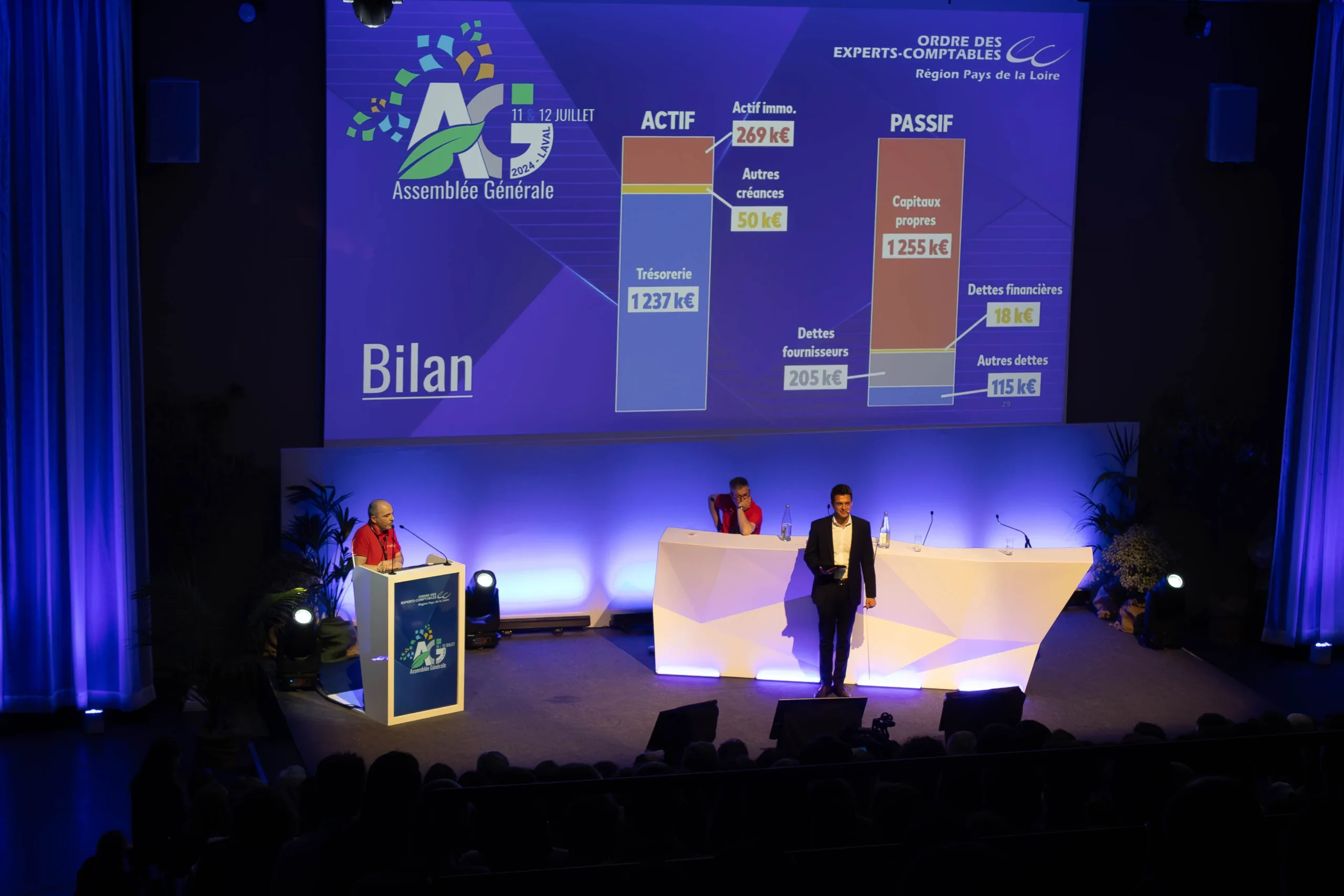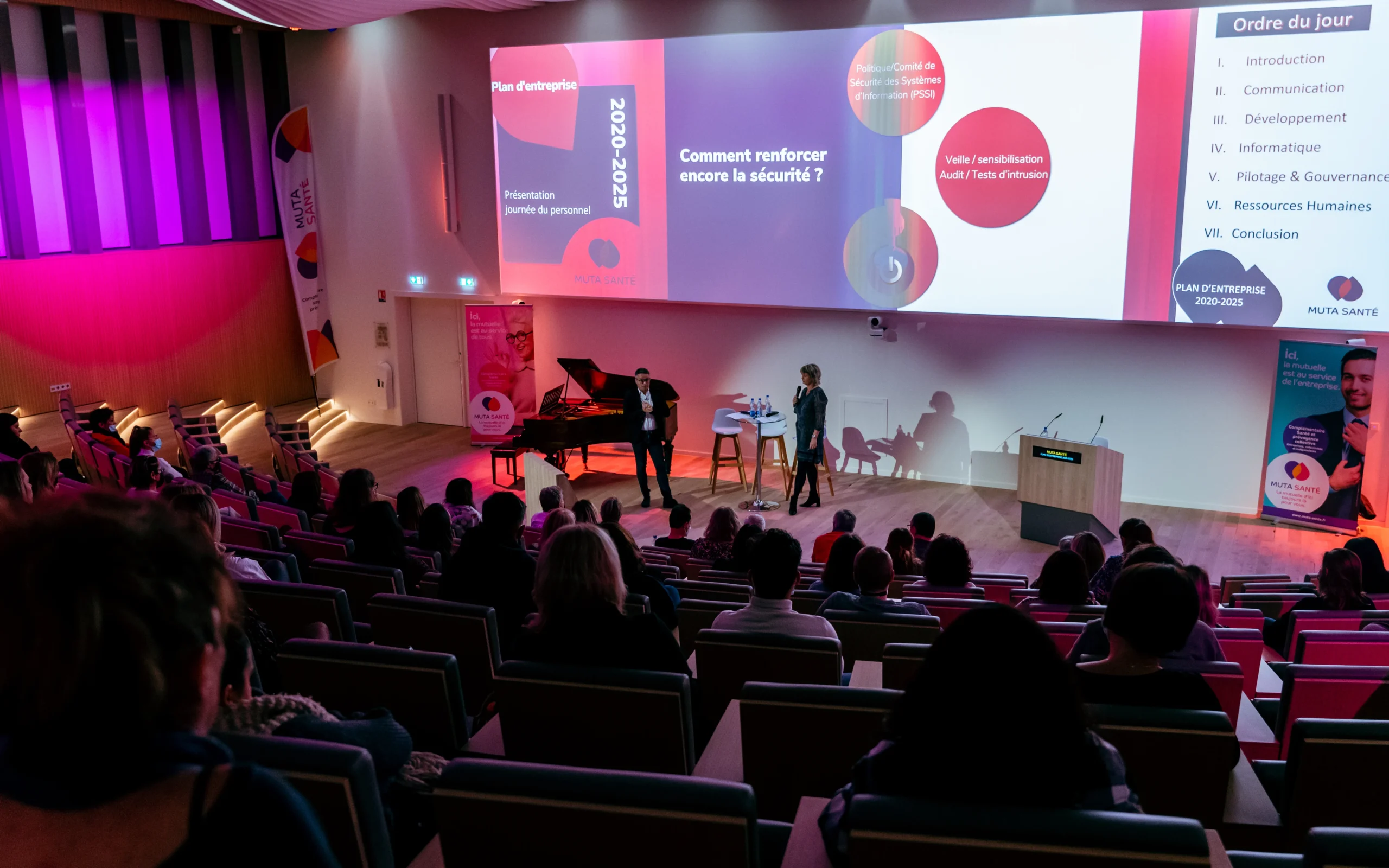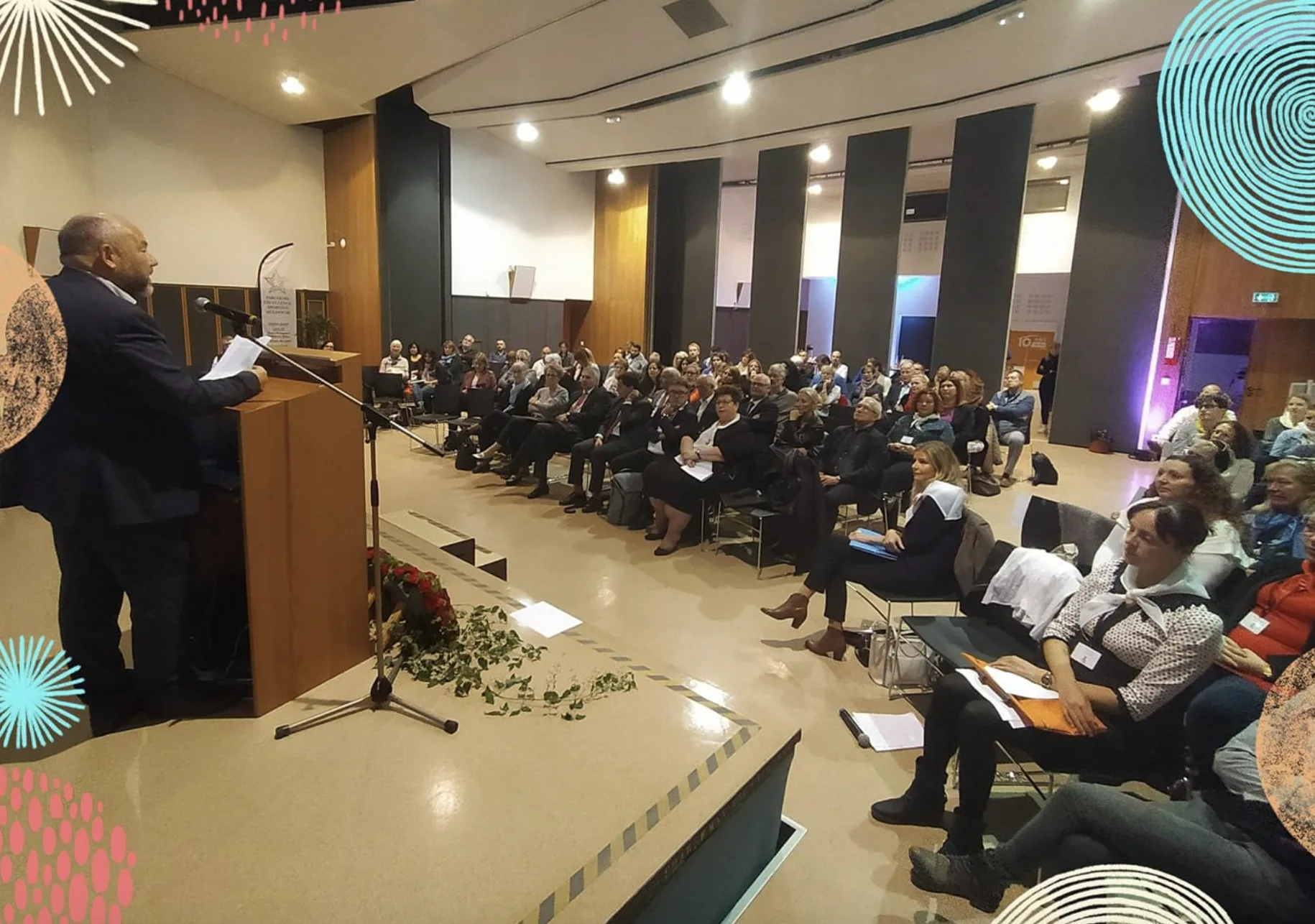
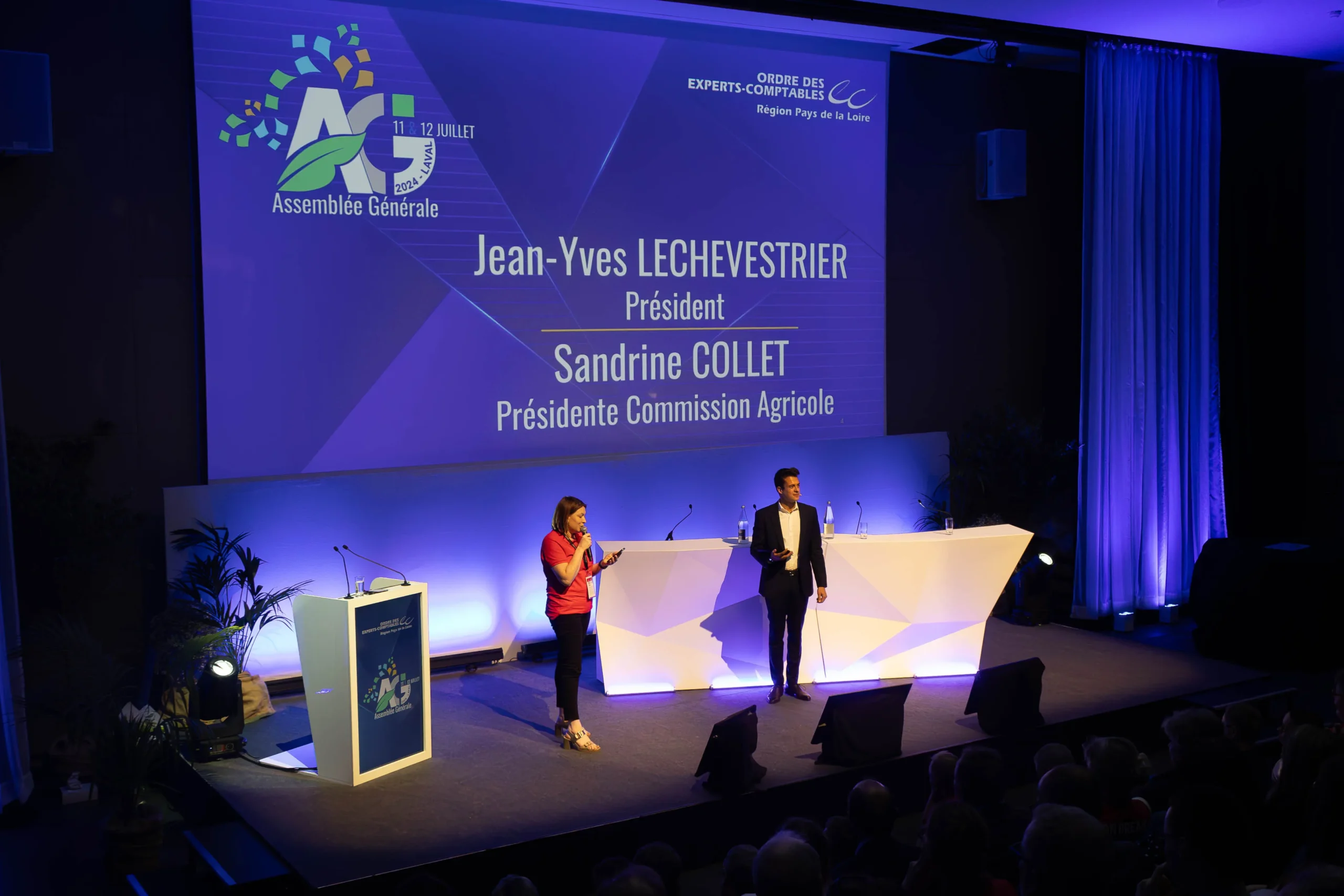
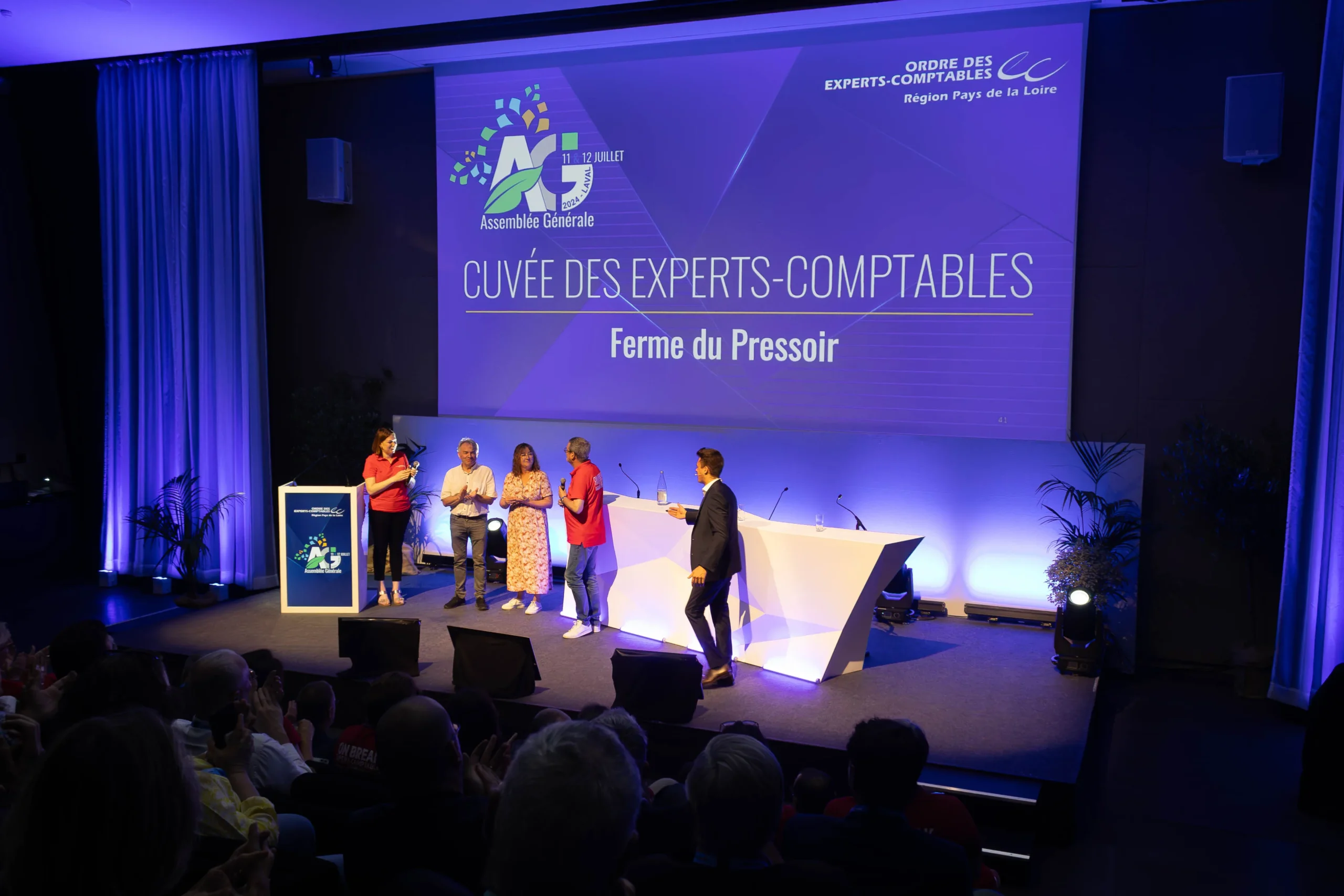
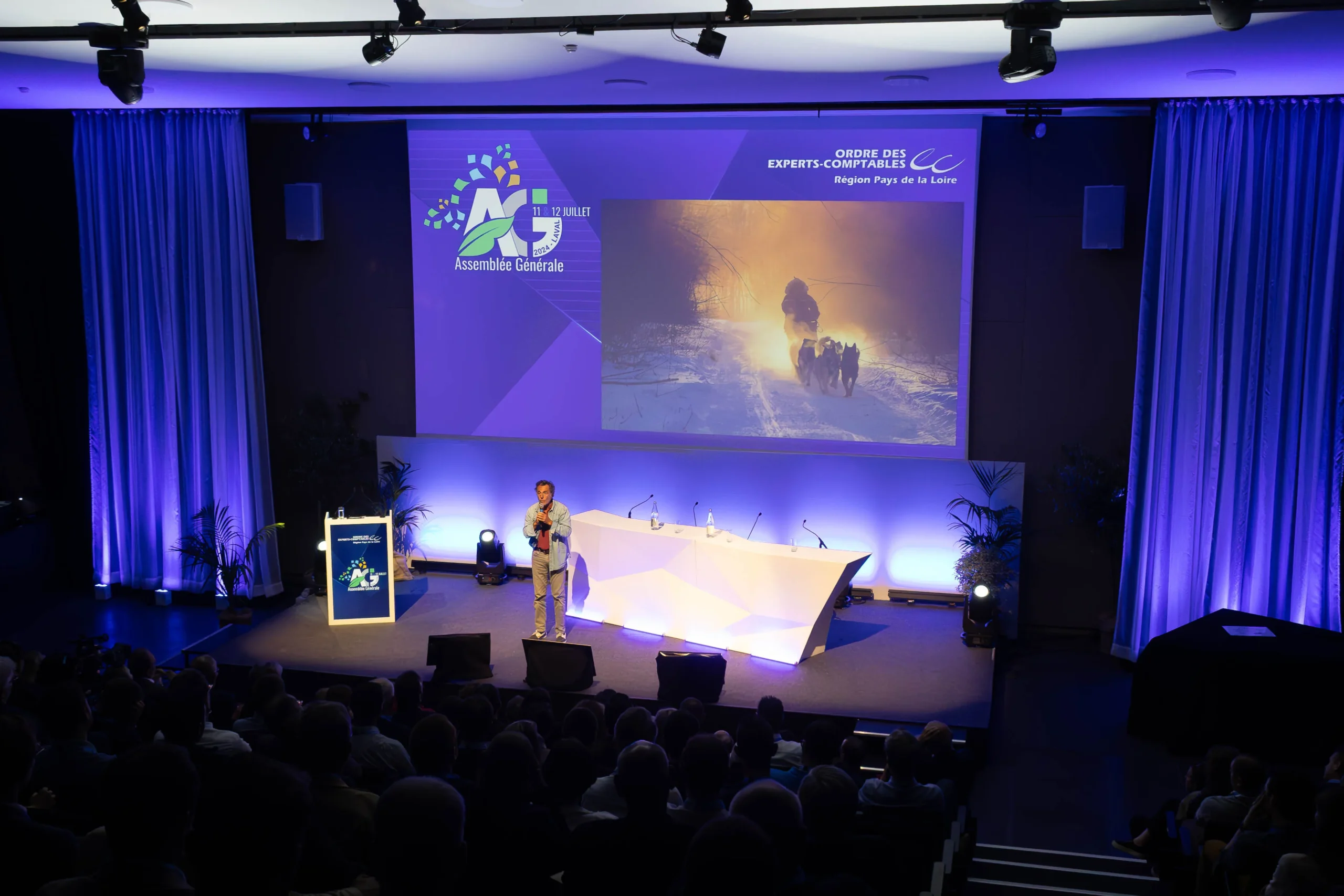
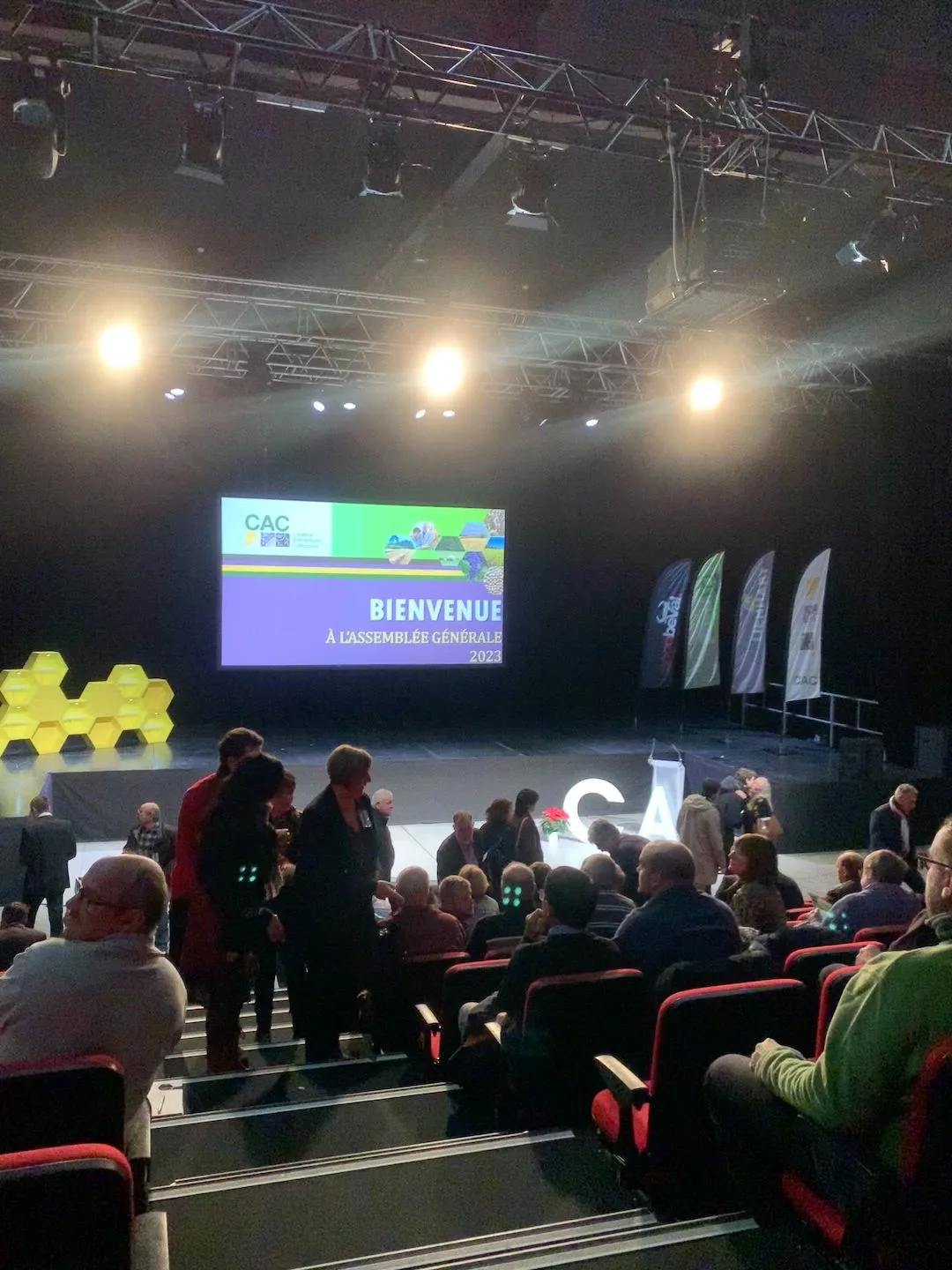
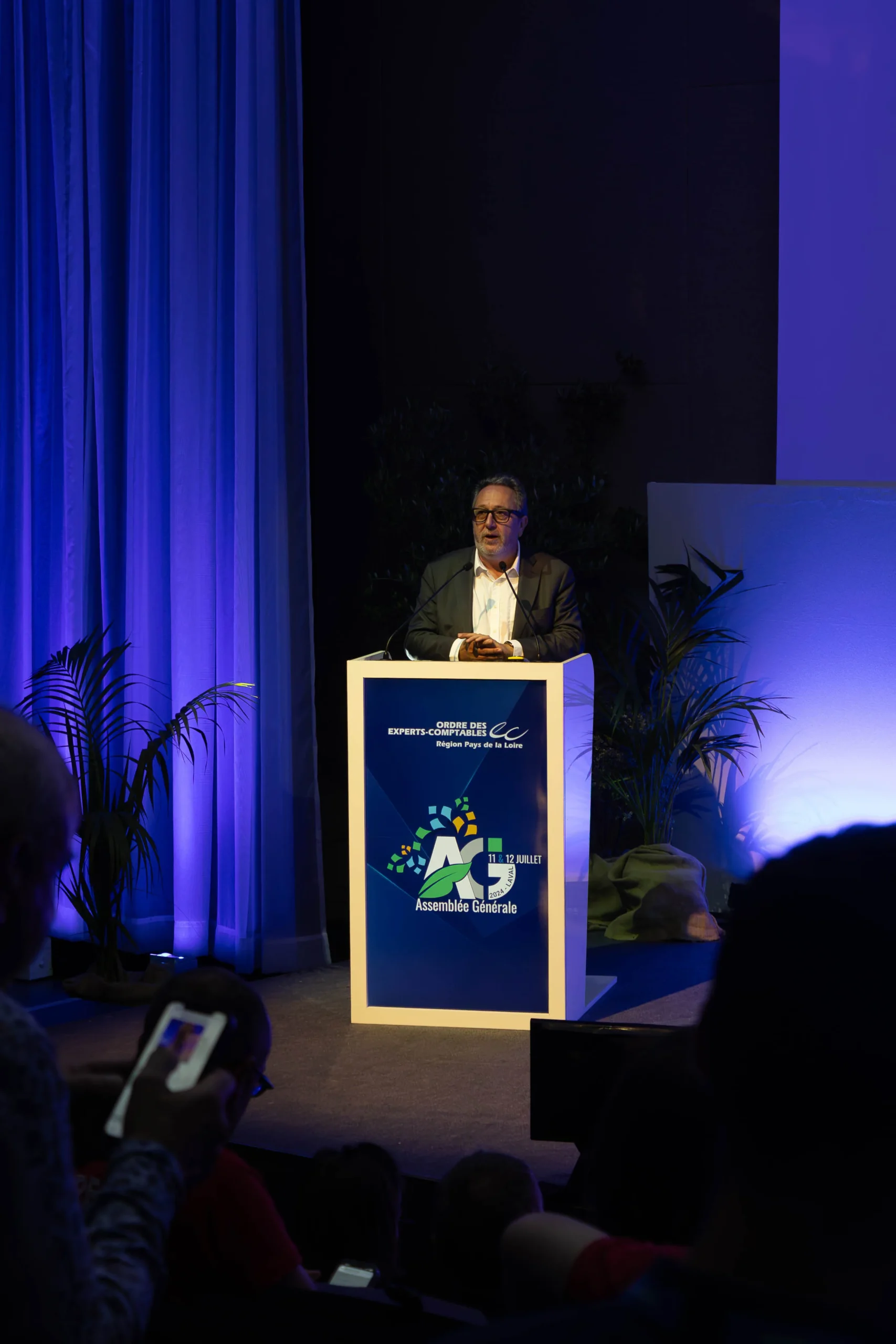
INNOV'events supports executive teams, HR and communications to deliver a Annual General Meeting from 15 to 1,500+ attendees, in-person, hybrid or fully virtual. We manage the operational plan: venue, AV, webcast, voting, stage management, bilingual content, and day-of show calling. You keep governance, messaging and risk control where it belongs: with leadership.
In a Annual General Meeting in Quebec, “entertainment” is not a party add-on; it is a governance tool. The right segmenting (opening, intermissions, post-vote) protects attention, reduces late returns to the room, and stabilizes the pace for motions, Q&A, and voting windows—especially when shareholders and employees are both present.
Quebec organizations typically expect a disciplined agenda, bilingual delivery (FR/EN), and respectful tone—while still modernizing the format so people stay engaged. We often see directors asked to explain complex results, ESG commitments, or sensitive restructurings; the production has to support clarity and credibility, not compete with it.
Based in Montréal, INNOV'events works across Quebec with a hands-on approach: site visits, technical rehearsals, contingency planning for winter travel, and vendor coordination you can actually rely on. We speak the realities of boards and exec teams: tight windows, reputational stakes, and zero tolerance for technical surprises.
10+ years supporting corporate events with board-level constraints, including formal voting and webcast requirements.
300+ corporate events delivered across Canada through our partner network (planning, production, and on-site operations).
15 to 1,500+ attendees managed in-person and hybrid, with show calling, speaker management, and audience flow control.
2-language delivery (FR/EN) integrated into scripts, slides, signage, and stage cues for Quebec audiences.
Single point of accountability: one lead producer who owns the run-of-show, vendors, and day-of decisions.
We support organizations that operate between Montréal, the South Shore, Laval, and the Quebec City corridor—where the AGM is often the one annual moment combining governance, employer brand, and stakeholder reassurance. Many of our clients book year after year because they want a partner who remembers what matters: board protocol, speaker dynamics, and the internal politics of “what can be said, when, and by whom.”
In practice, that means we keep detailed post-event notes (timings that slipped, microphones that were over-used, where the audience bottlenecked, which segments created confusion) and we bring those learnings into the next AGM plan. In Quebec, where bilingual expectations and reputational sensitivity are real, consistency is the difference between a clean governance moment and a messy one.
If you share the names of your previous venues, webcast platform, and any sensitive agenda points, we will quickly identify what to keep, what to upgrade, and what to de-risk before you send your notice of meeting.
We send you a first proposal within 24h.
For executives, an AGM is not only a legal requirement—it is a controlled communication environment. You have a fixed agenda, a formal audience, and a rare window where stakeholders are prepared to listen. The question is whether the production reinforces confidence or exposes friction.
Reduce governance risk by building a run-of-show that protects voting integrity (clear motions, timed voting windows, auditable results, and documented procedures).
Protect leadership time: we structure arrivals, registration, holding slides, and speaker call-times so the CEO and chair are not pulled into last-minute operational decisions.
Increase message retention through deliberate pacing: short transitions, purposeful breaks, and content segmentation so financial results and strategic priorities land clearly.
Support HR and internal comms when employees attend: a format that respects governance while acknowledging culture and engagement without turning the AGM into a town hall.
De-escalate sensitive moments (activist questions, restructuring topics, executive compensation) using microphone discipline, moderation protocols, and clear Q&A rules communicated upfront.
Strengthen stakeholder confidence by showing operational control: professional staging, stable audio, accessible slides, and bilingual cues that signal rigour.
Quebec’s economic culture values substance, respect, and preparedness. A well-run Annual General Meeting signals that the organization is serious about governance and transparent communication—without theatrics, and without leaving anything to chance.
In Quebec, AGM expectations are shaped by bilingual realities, tight executive calendars, and audiences that can include shareholders, employees, union observers, regulators, and media. That mix changes everything: your tone must be consistent, your messaging disciplined, and your technical plan resilient.
We plan for practical constraints that directors recognize immediately: winter storms affecting travel and deliveries, venue labour rules, unionized technical crews in certain facilities, and the need to lock scripts early to allow for translation and legal review. We also adapt to Quebec’s venue ecosystem—where some rooms look impressive but have hard limits on rigging, loading docks, ceiling height, or in-house AV exclusivity.
Finally, local organizations often face a familiar challenge: the AGM is expected to be “short,” yet the agenda keeps growing (financials, ESG, cyber, talent, strategy, questions). Our role is to help you defend the essentials, design transitions that do not waste time, and keep the chair in control of the room.
Engagement in an AGM comes from rhythm and relevance. The goal is not to “distract” people; it is to keep attention high at the moments where comprehension and trust are critical. We use short, controlled segments that respect the formality of a Annual General Meeting in Quebec and keep the meeting moving.
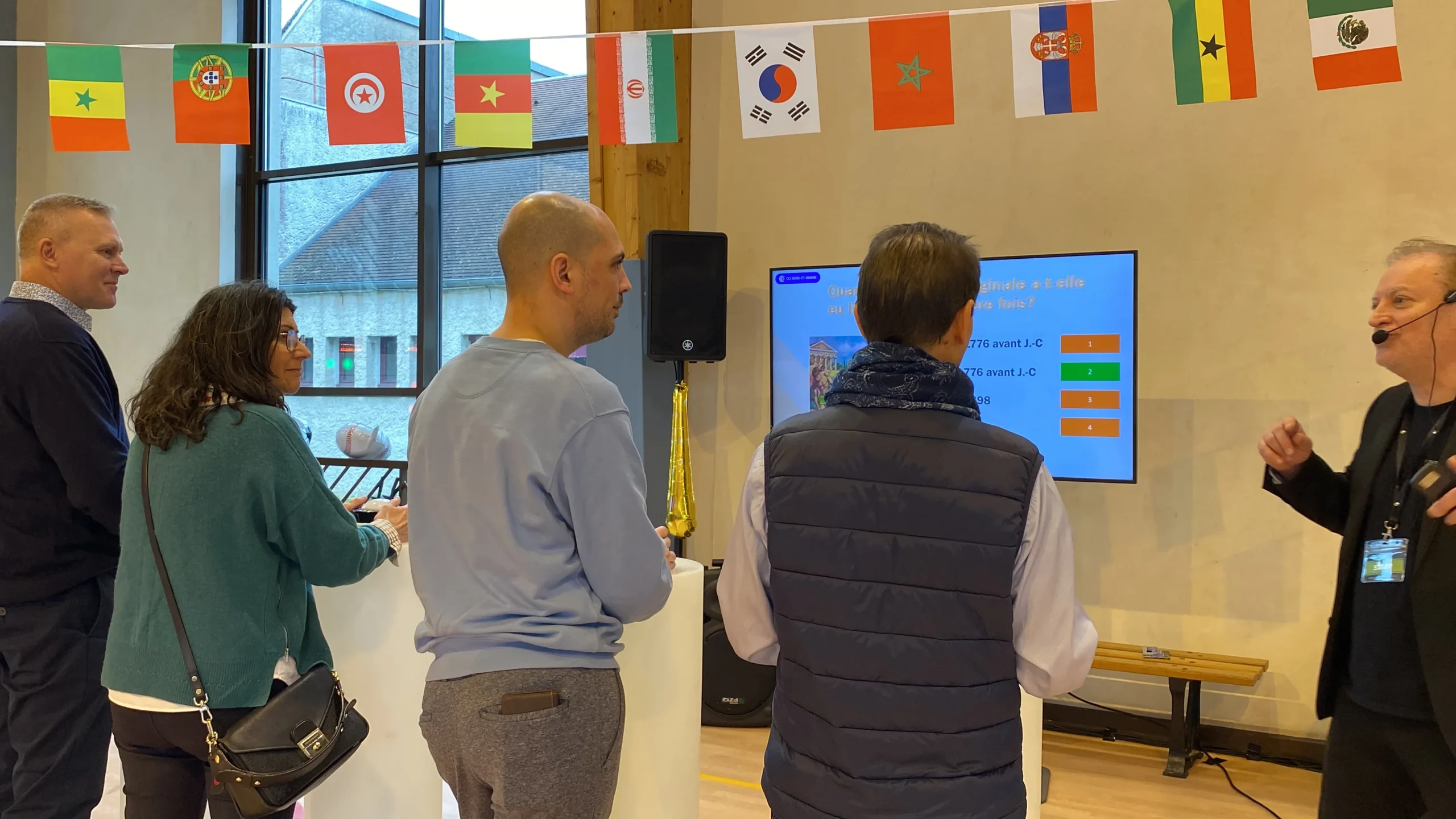
Live moderated Q&A workflow: audience questions collected via microphones and/or a platform, triaged by a moderator, categorized (financials, governance, strategy), and queued so leadership answers with structure rather than improvisation.
Pulse questions for employees (separate from voting): quick, non-binding audience questions during a break (“Which strategic priority needs more clarity?”). Results help comms teams tailor the post-AGM messaging without interfering with formal resolutions.
Structured networking windows: short, defined intervals before and after the meeting with clear wayfinding and a host to prevent crowding and late returns—useful when executives need controlled access time.
Discreet musical stings for transitions: 10–20 second cues to reset the room between agenda items (opening, break, post-vote). This reduces chatter and keeps the chair’s authority intact.
Spoken-word host (bilingual if needed): a professional MC who understands corporate governance tone, introduces segments, manages energy, and prevents dead air—without turning the meeting into a show.
Short brand film integration: a 60–120 second video used strategically (often right after results) to illustrate operations, safety, or community impact in Quebec, while giving the chair a controlled reset before Q&A.
Timed service that respects the agenda: coffee and light breakfast designed for quick throughput at registration; a post-meeting cocktail that does not interfere with vote counting or board sign-off.
Quebec-sourced stations (when appropriate): a concise menu that signals local roots—without creating long lines that delay the call to order. We design service points based on attendee count and room layout.
Allergen and dietary management: labelled options and pre-identified executive/VIP trays, because nothing derails a schedule like last-minute meal issues.
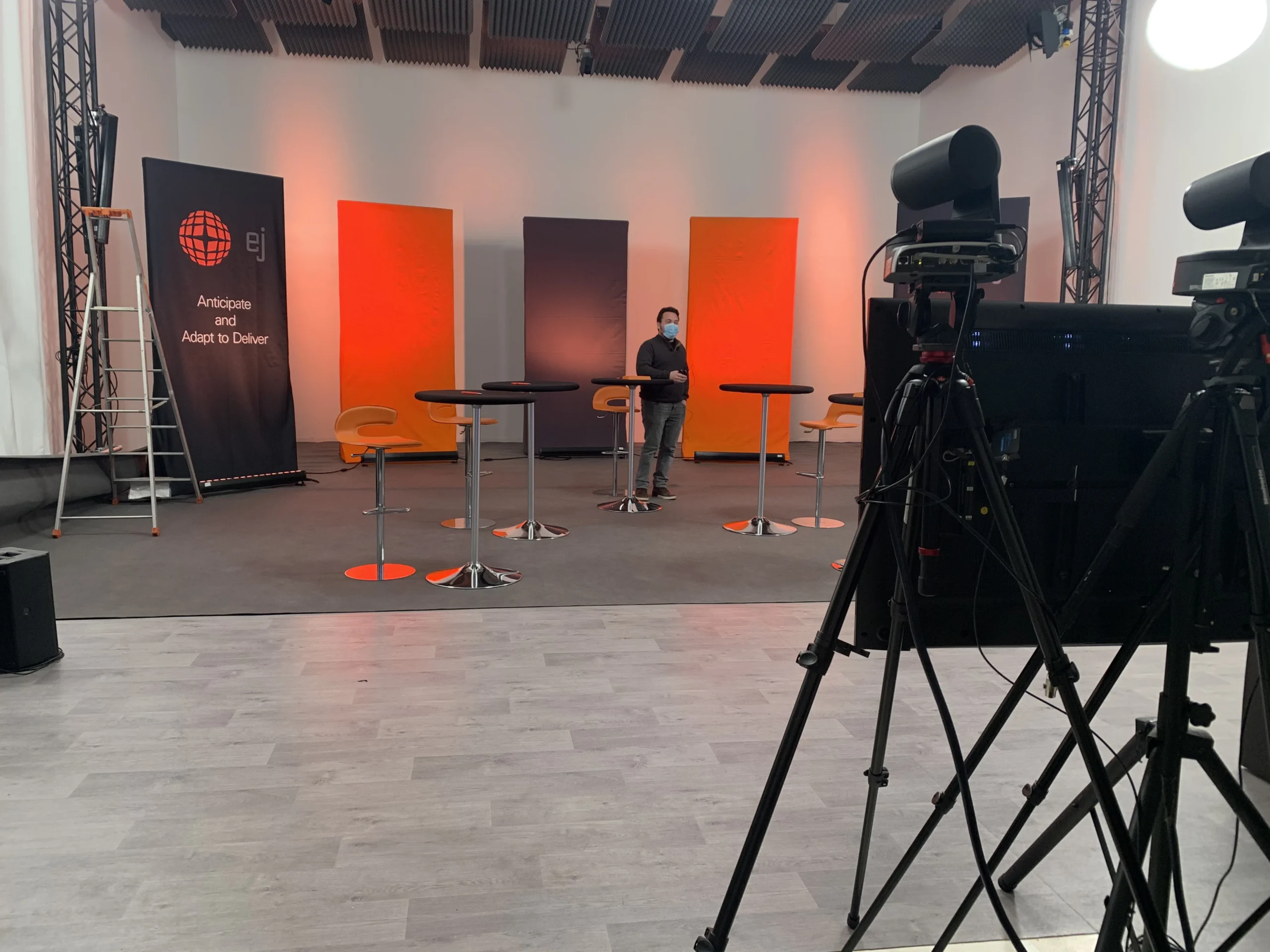
Hybrid “broadcast” layout: a stage and camera plan optimized for remote viewers (proper eye line, clean background, balanced lighting), while still feeling credible for the in-room audience.
Real-time captioning (FR/EN as needed): improves accessibility and comprehension, particularly for large rooms or participants joining with variable audio quality.
Voting technology with audit trail: in-room keypads or secure online voting with reporting that supports governance documentation, especially when participation is split between on-site and remote.
Whatever format you choose, we align it with brand and governance: tone, timing, and authority. In an AGM, every “extra” must serve a purpose—clarity, flow, accessibility, or trust—otherwise we leave it out.
The venue affects more than comfort; it affects control. Sightlines, acoustics, backstage access, and load-in constraints determine whether the chair can run a clean meeting and whether your webcast looks credible. We evaluate venues based on the agenda, the voting method, and the audience mix—not just on the room’s look.
| Venue type | For which objective? | Main strengths | Possible constraints |
|---|---|---|---|
| Downtown hotel ballroom (Montréal / Québec City) | Formal AGM with predictable logistics and guest services | In-house teams, multiple breakout options for board/management holding rooms, strong guest flow for registration | Exclusive AV policies can affect budget; ceiling height may limit lighting or screens; union labour rules in some properties |
| Conference centre | Large-capacity AGM with hybrid broadcast and multiple stakeholder groups | Robust infrastructure (power, internet), loading access, scalable room configurations, professional technical environment | More stakeholders to coordinate (security, docks, scheduling); availability is often limited in peak seasons |
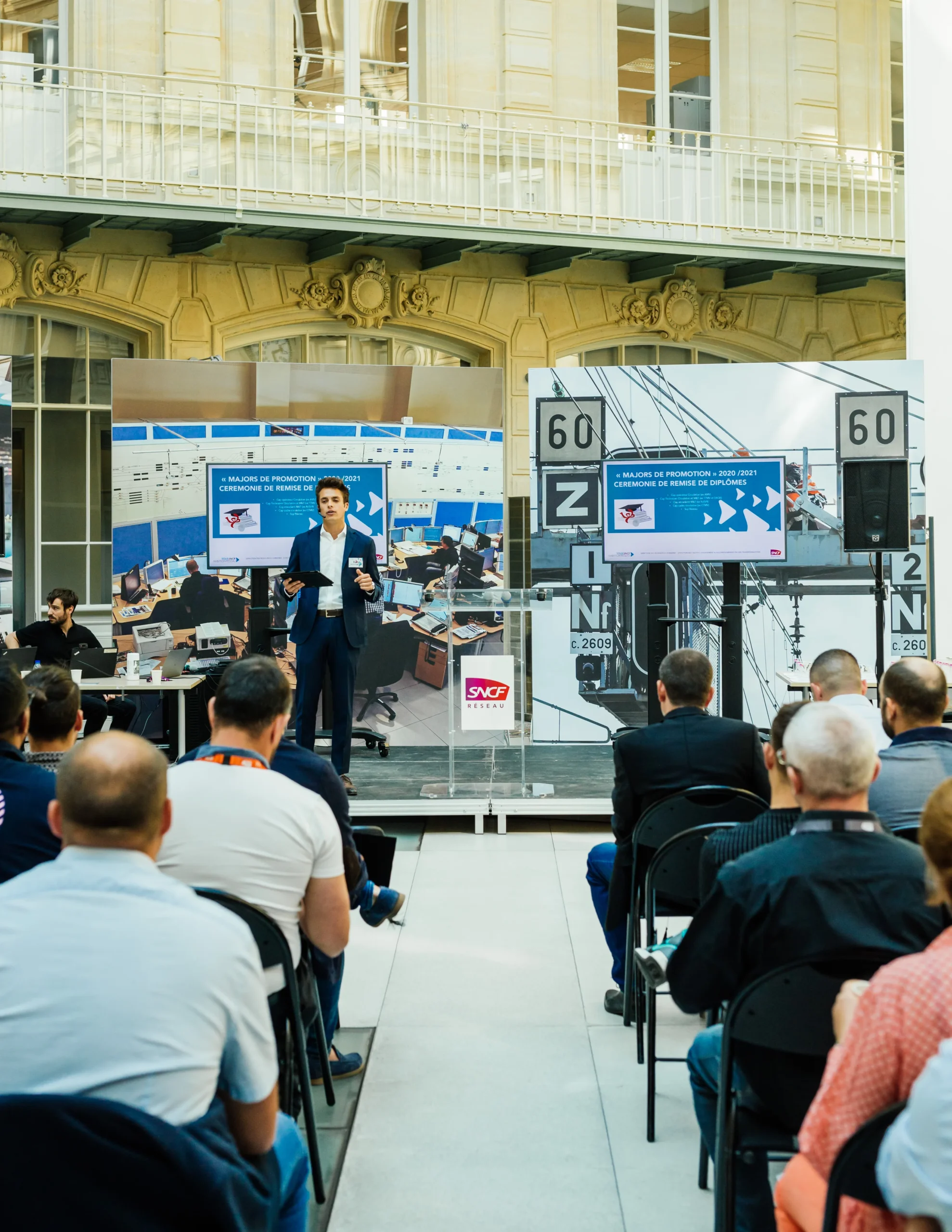
| Corporate head office space (auditorium / atrium) | Cost control and brand immersion for employee-heavy AGMs | Strong brand presence, simpler executive logistics, controlled access to sensitive spaces | Internet and acoustics may need upgrades; limited backstage and storage; evacuation and security planning must be tight |
We strongly recommend a site visit with your chair’s needs in mind: where the microphones will move, where latecomers enter, where the scrutineer sits, and how the CEO gets to stage without crossing camera lines. That is where AGM risk is either eliminated—or silently introduced.
AGM budgets in Montréal vary widely because governance format and technical requirements drive cost more than décor. A short, in-room meeting with simple AV can be efficient; a hybrid meeting with voting, interpretation, and broadcast-grade production has different realities. We budget from the agenda outward, then match solutions to your risk tolerance.
Attendance range (e.g., 50 vs 800): impacts room size, staffing, registration hardware, and crowd management.
Format: in-person, hybrid, or virtual. Hybrid adds platform licensing, additional crew (stream tech, virtual moderator), cameras, lighting, and rehearsal time.
Voting method: show of hands, ballots, keypads, or secure online voting. Audit trail and scrutineer support can add meaningful scope.
Language requirements in Quebec: simultaneous interpretation, bilingual captioning, bilingual stage management, and translation of on-screen content.
AV complexity: number of microphones, confidence monitors, screen size/quantity, camera coverage, recording, and redundancy (backup internet, backup audio).
Venue constraints: in-house exclusivities, union labour, loading access hours, and rigging permissions.
Content production: slide design cleanup, script support for the chair, video editing, and speaker coaching.
Security and access control: credentialing, shareholder verification, controlled media presence, and executive movement.
We frame ROI in practical terms: fewer overruns, fewer reputational risks, and a meeting that protects leadership time. A well-planned AGM also reduces post-event clean-up (clarifications, internal confusion, stakeholder follow-ups) because the message was delivered clearly the first time.
Running an AGM requires local operational intelligence: which venues enforce strict in-house AV, which loading docks are tight for trucks, which neighbourhoods become inaccessible during festivals, and how to secure reliable backup internet on short notice. A team established in Quebec also understands bilingual delivery as an operational discipline—not just a translation request.
We work with a vetted roster of technicians, stage managers, show callers, interpreters, and venue partners who are used to executive pressure. When a speaker changes slides an hour before doors, or when the chair wants to adjust Q&A rules after seeing attendance, you need a team that can adapt without breaking governance structure.
For organizations operating beyond Montréal, we also coordinate seamlessly with partners, including our Quebec City page for event agency in Quebec, when your AGM cycle includes regional stakeholder sessions or a second site.
We frame ROI in practical terms: fewer overruns, fewer reputational risks, and a meeting that protects leadership time. A well-planned AGM also reduces post-event clean-up (clarifications, internal confusion, stakeholder follow-ups) because the message was delivered clearly the first time.
Our AGM-related mandates range from compact governance meetings to large hybrid productions where the meeting is followed by a strategic presentation segment and controlled stakeholder networking. We regularly support scenarios like:
Across these contexts, our consistency comes from operational detail: rehearsal planning, cueing discipline, and backup pathways that protect the chair’s authority and the organization’s reputation.
Underestimating rehearsal time: executives often assume they can “walk it.” In reality, chair cadence, slide control, and mic transitions determine whether voting and Q&A stay orderly.
Building the meeting around visuals instead of governance: beautiful staging cannot compensate for unclear motions, confusing vote instructions, or poorly defined Q&A rules.
Hybrid without redundancy: relying on a single internet line, one laptop, or one audio path is how meetings fail publicly. We plan fallbacks (backup connections, local recording, alternate playback paths).
Bilingual delivered as an afterthought: last-minute translation creates errors on slides and delays legal review. In Quebec, that can affect credibility immediately.
Registration bottlenecks: slow check-in causes late seating, disrupts quorum timing, and forces the chair into awkward delays.
Uncontrolled microphones: open-floor mics without moderation can derail timing and tone. We use clear rules, trained mic runners, and escalation protocols.
Ignoring room acoustics: AGMs are spoken-word heavy. If the back rows cannot hear clearly, attention drops and friction rises.
Our role is to prevent these risks before they appear: we design the meeting mechanics, production plan, and staffing so leadership can focus on decisions and messaging—while we protect the day-of execution.
AGMs reward continuity. When the same agency supports you year after year, the meeting gets tighter: fewer surprises, faster approvals, and a cleaner run-of-show. We build institutional memory so your team is not reinventing the process every spring.
Year-over-year playbooks: we document what worked (timings, room plan, Q&A volume, tech settings) and what to adjust next time.
Executive comfort: speakers know the process, rehearsal expectations, and how cues will be handled, which reduces stress and improves delivery.
Budget stability: once the core architecture is set, you avoid “discovery costs” and can decide where upgrades are worth it (e.g., captioning, better cameras, improved voting).
Loyalty is not about habit; it is proof of operational reliability. For a Annual General Meeting, that reliability is what protects governance, reputation, and leadership time.
We start with your agenda, bylaws requirements, voting method, and stakeholder mix. We confirm what is fixed (motions, quorum rules, required notices) and what can be optimized (sequence, transitions, break placement, Q&A handling). You receive a first risk map: timing pressure points, technical dependencies, and reputational sensitivities.
We validate venue fit through a site visit or technical advance: acoustics, sightlines, stage access, registration flow, power, internet, loading. Then we design the AV plan (audio priority for spoken word, screen strategy, camera coverage for hybrid) and confirm responsibilities with in-house teams and external suppliers to avoid scope gaps.
We integrate slides, scripts, videos, and speaker notes into a controlled versioning process. For bilingual requirements, we coordinate translation timing, on-screen consistency, and stage cues (who speaks what language, when). This is where we eliminate day-of confusion—before legal and leadership approvals are at risk.
We build check-in and credentialing for your attendee types (shareholders, employees, guests, media if applicable). We plan staffing ratios, signage, line management, and holding slides so arrivals do not disrupt quorum and the chair can start on time.
We schedule a technical rehearsal (ideally 60–120 minutes depending on complexity) with the chair, CEO, and key speakers. We test microphone handoffs, slide control, video playback, interpretation or captioning, voting workflow, and Q&A moderation. We also define contingencies: delayed start, platform issues, or vote recount procedures.
On site, a lead producer and show caller run comms, cue speakers, manage vendors, and protect the agenda. After the meeting, we deliver the agreed outputs (recording, attendance and engagement data if applicable, tech notes) and a short debrief highlighting what to improve next year.
For common AGM seasons (late winter to early summer), plan 4 to 8 months ahead for downtown venues. For large-capacity rooms or conference centres, 6 to 12 months is safer, especially if you need hybrid infrastructure and rehearsal time.
Most corporate AGMs land between 60 and 120 minutes for the formal meeting portion. Add 30 to 60 minutes if you include a strategic presentation segment, and plan 30 minutes buffer for registration flow and late arrivals.
We lock a bilingual content schedule (slides, scripts, signage), assign stage cues by language, and confirm whether you need interpretation, bilingual captioning, or a bilingual host. The key is integrating language into the run-of-show and rehearsals—so it is operational, not improvised.
Typical options are paper ballots (in-room only), keypads (in-room with fast tabulation), or secure online voting integrated with your webcast platform. If you need auditability, we recommend a system with a clear report and a defined scrutineer workflow; complexity and cost increase with the level of verification required.
As a practical planning range, a straightforward in-person AGM with basic AV often starts in the mid five figures. Hybrid AGMs with multiple cameras, platform licensing, voting tech, and bilingual accessibility commonly move into the high five figures to low six figures, depending on attendee count, venue constraints, and content production.
If you are comparing agencies, we can work from your draft agenda and give you a clear operational plan: timing, governance mechanics, AV architecture, bilingual needs, staffing, and realistic budget ranges. The earlier we align on the meeting format, the easier it is to control approvals, vendor availability, and risk.
Send us your target date(s), estimated attendance, format (in-person/hybrid/virtual), and any voting requirements. INNOV'events will come back with a structured proposal and a timeline you can actually execute in Quebec.
Thierry GRAMMER is the manager of the INNOV'events Quebec office. Reach out directly by email at canada@innov-events.ca or via the contact form.
Contact the Quebec agency