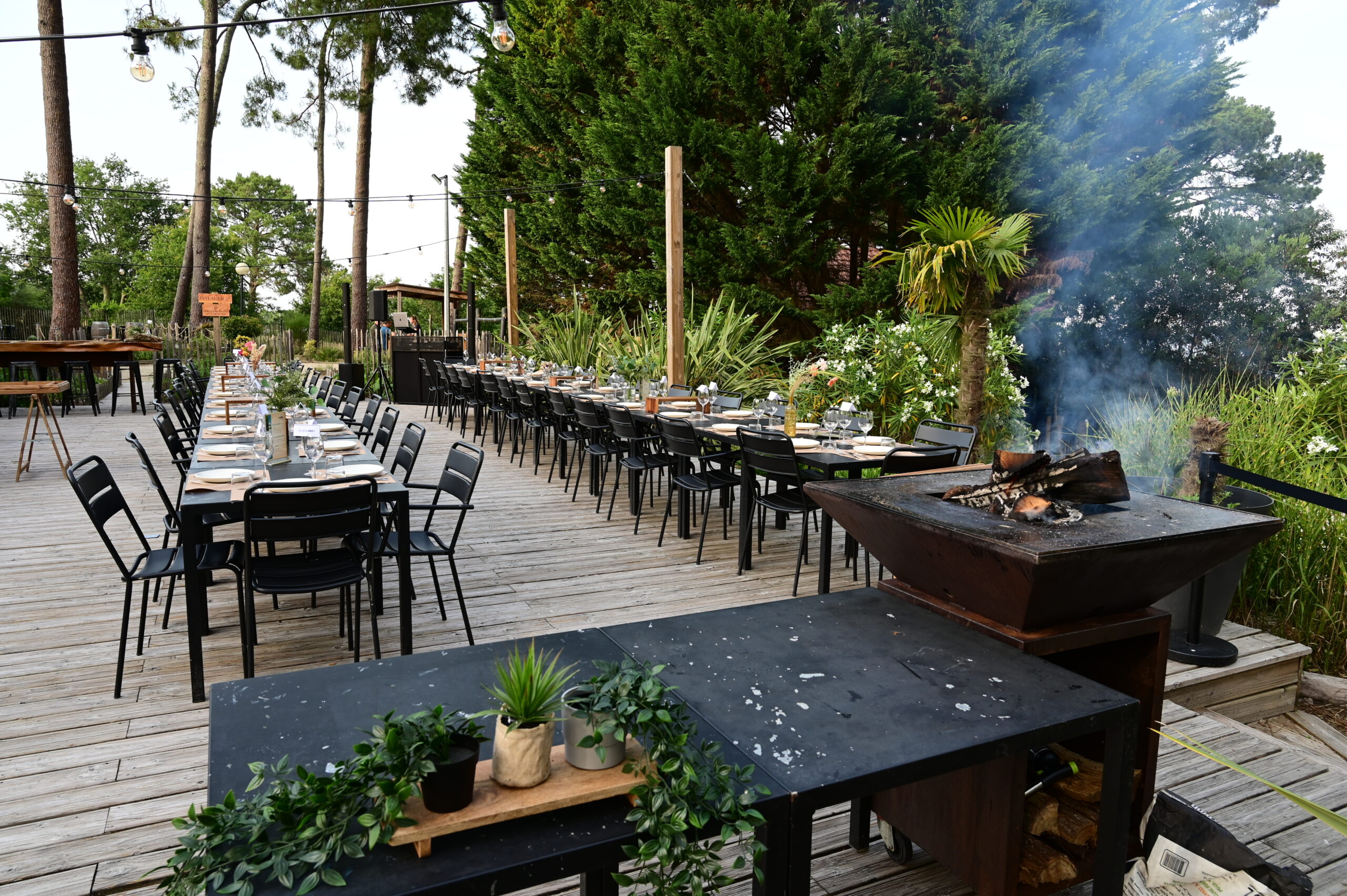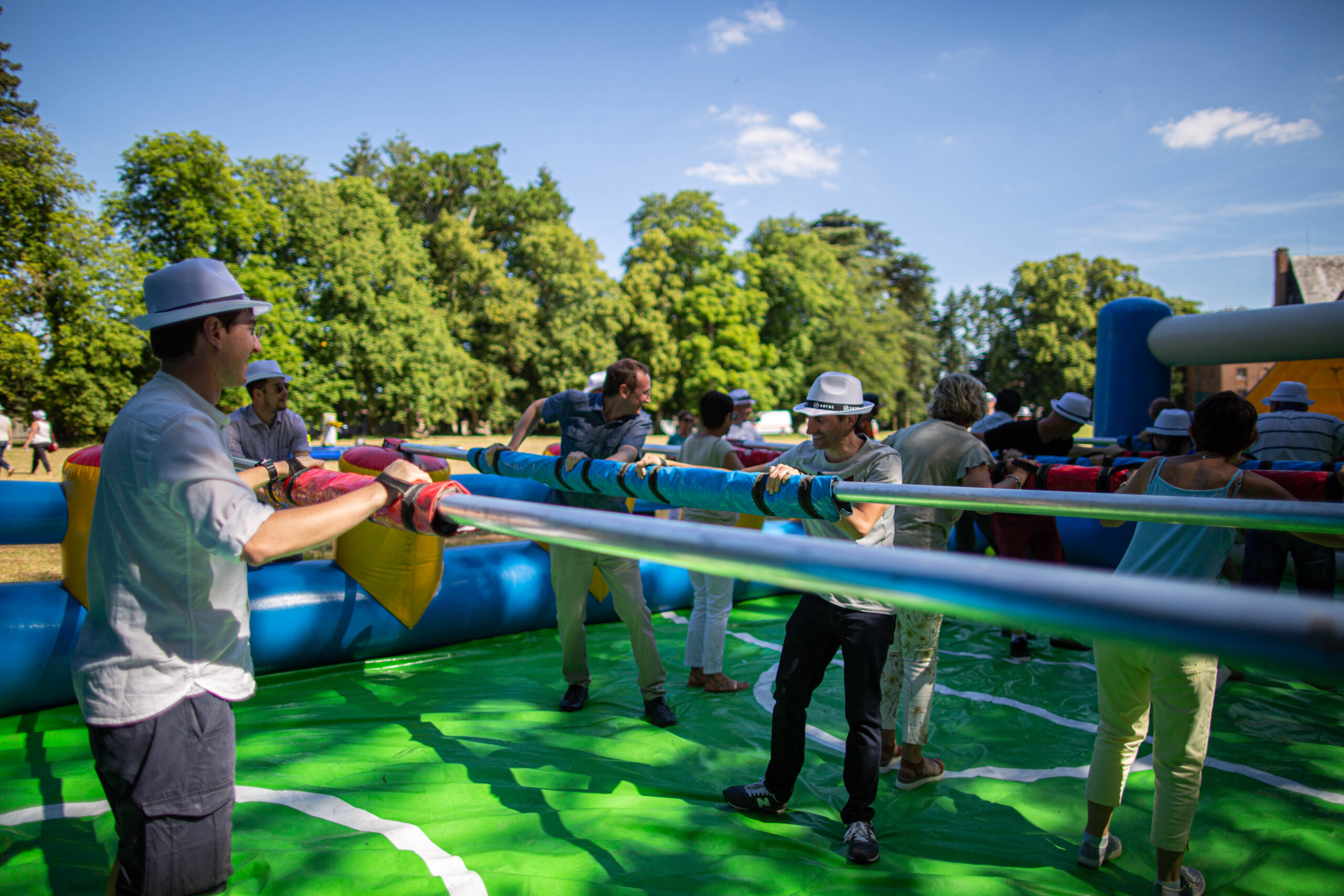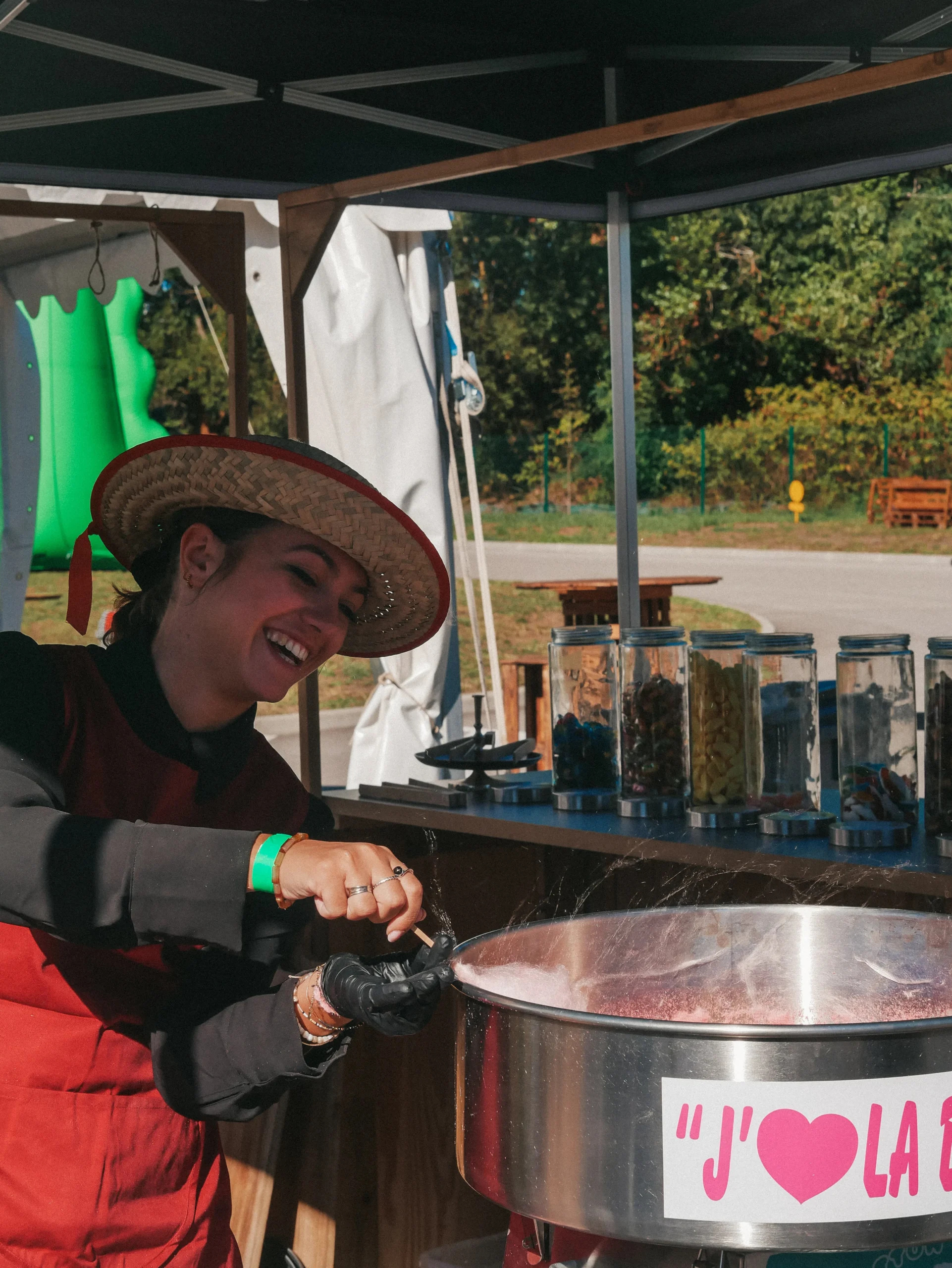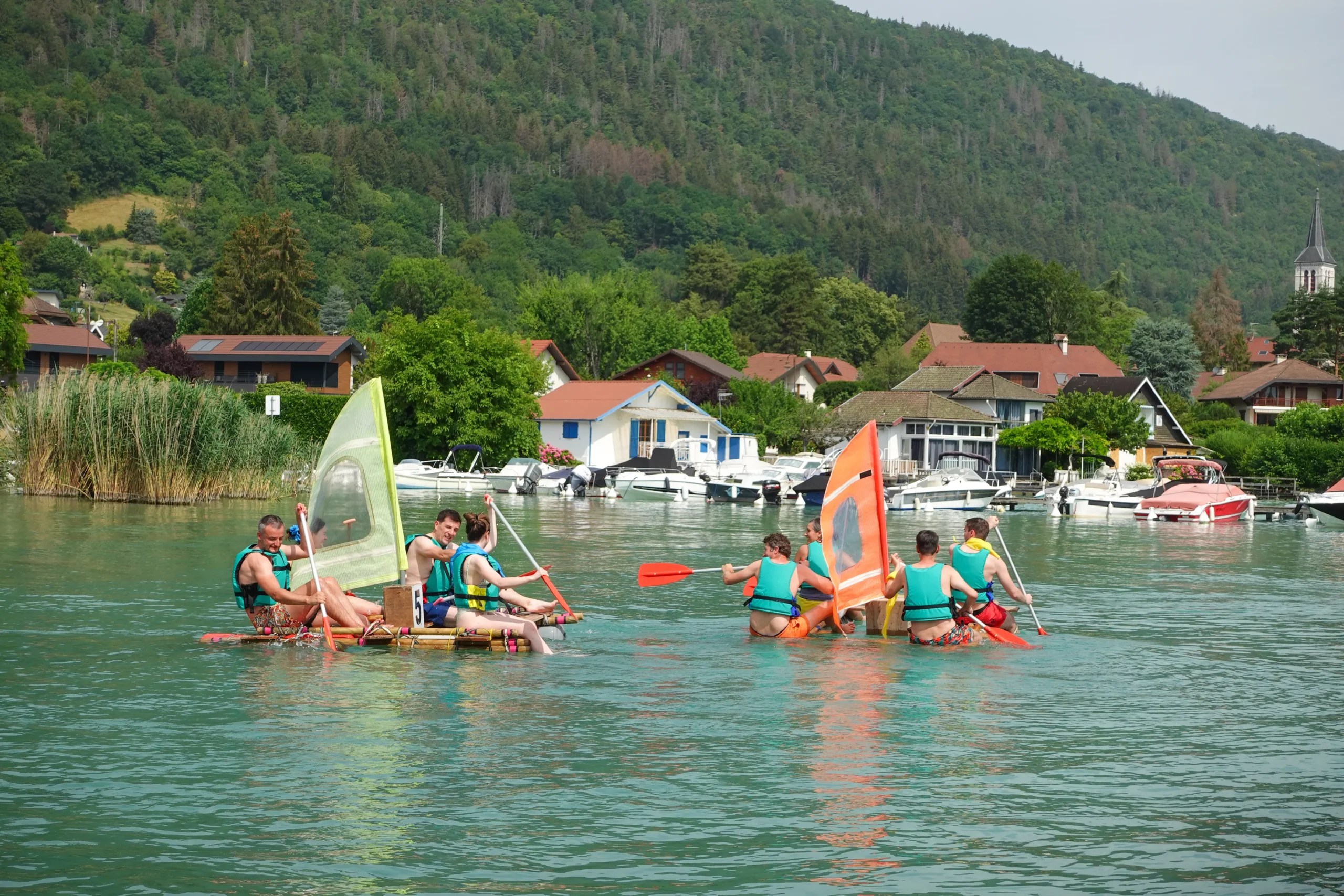
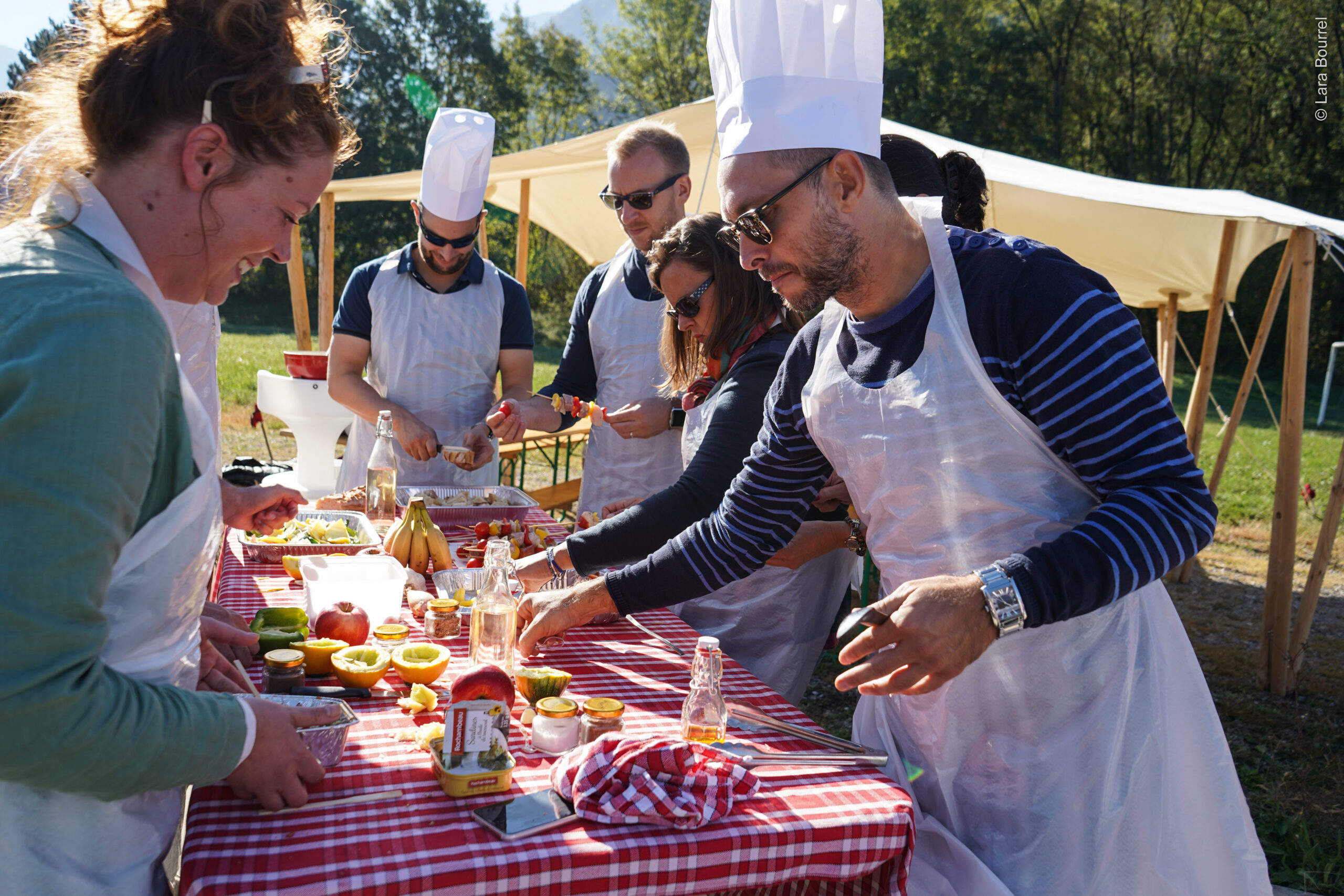
INNOV'events is a Montréal-based team that plans and delivers Corporate Summer Party programs across Quebec, typically for 50 to 2,000+ attendees. We handle venue sourcing, permits, vendors, staffing, run-of-show, and on-site operations so your leaders can host—not troubleshoot.
Whether you need a simple mid-week terrace gathering or a multi-zone summer festival with stage, food stations and complex risk management, we build a plan your HR and communications teams can stand behind.
Entertainment is not a “nice-to-have” at a corporate summer event—it’s the tool that turns a casual get-together into measurable engagement. When the programming is structured, it supports retention, onboarding, and cross-team collaboration while keeping alcohol service, timing, and noise risks under control.
Organizations in Quebec expect a summer party that feels local, bilingual when needed, and respectful of operational realities: shift workers, multiple sites, union environments, and executives who can’t afford a reputational misstep. They also expect suppliers who show up early, communicate clearly, and can adapt fast when weather changes.
We’re on the ground in Montréal and deliver across the province with a proven vendor network (AV, staging, catering, security, transportation). Our value is operational: tight planning, credible budgets, and a day-of team that runs the event like a live production.
10+ years coordinating corporate events and live productions in Quebec with consistent delivery standards.
Typical operational capacity: 2 to 12 on-site staff depending on format (registration, stage management, vendor coordination, logistics, VIP handling).
Events delivered from 50-person leadership gatherings to 2,000+ attendee summer festivals with multi-zone programming.
Planning windows managed: 3 to 16 weeks depending on venue and permit requirements (shorter possible with trade-offs).
Standard documentation set: detailed run-of-show, site map, emergency plan, vendor contacts, and comms grid shared with your internal stakeholders.
We support employers across Quebec—head offices in Montréal, multi-site operations on the North Shore and South Shore, and organizations with teams spread between Montréal, Québec City and regional plants. In practice, that means we’re used to building plans that work for mixed audiences: office staff, field teams, leaders, clients, and partners.
Some clients come back year after year because they want the same reliability with fresh programming: the same rigour in vendor onboarding, the same seriousness about safety and timelines, and the same respect for internal approvals (HR, communications, procurement, legal). The repeat mandate is usually earned on the “invisible” work—site constraints managed quietly, guest flow that feels natural, and a bar/food plan that avoids lineups and frustration.
If you have specific reference names you’d like us to include, send them and we’ll integrate them in a way that matches your brand guidelines and confidentiality constraints.
We send you a first proposal within 24h.
For executives, a summer party is one of the few moments where culture becomes visible in a concrete way. It’s not just about atmosphere—it’s about how people feel treated, how leaders show up, and whether the organization can bring different departments together without operational chaos.
In many Québec employers, the summer window is also when teams are stretched (vacations, production peaks, project deadlines). A well-built event creates relief and recognition without becoming another internal burden.
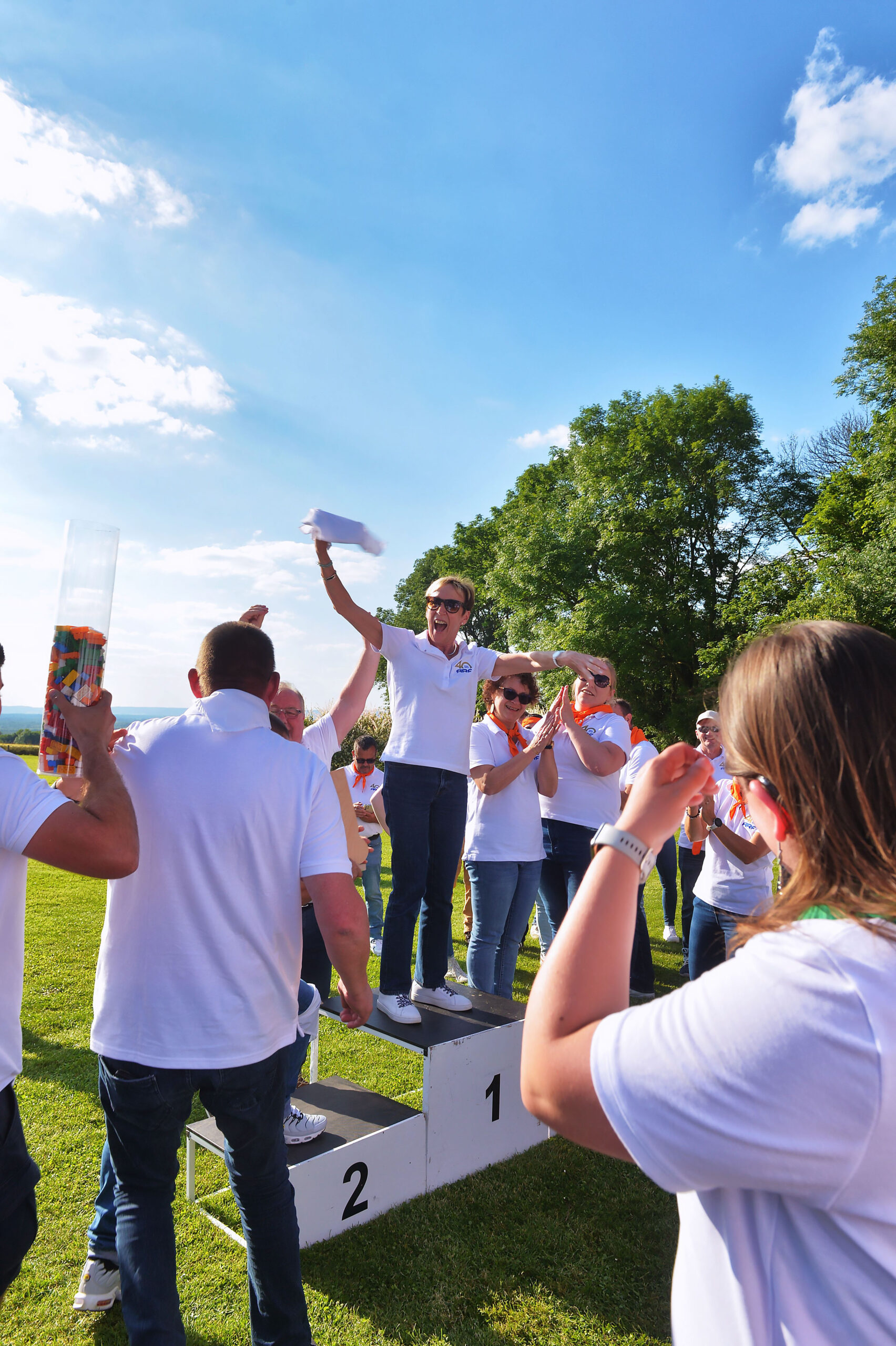
Retention and recognition: a structured program (welcome, leadership moment, shared activity, clear ending) makes people feel acknowledged—especially teams who don’t sit at head office. This is where a “thank you” becomes tangible.
Cross-team cohesion: programming designed for mingling (rotating stations, interactive zones, team-based micro-challenges) reduces silo behaviour more effectively than speeches.
Employer brand with control: a clean site plan, consistent signage, bilingual touchpoints, and a sober risk plan protect your image—especially if clients or partners attend.
Leadership visibility: when the CEO/VP segment is timed and staged properly (sound, sightlines, cues), leadership comes across as organized and respectful of people’s time.
Operational discipline: a summer party is a controlled stress test for internal processes (approvals, vendor management, comms). Done well, it improves your readiness for larger launches and conferences.
In Quebec, where relationships and authenticity matter, the strongest summer parties are the ones that feel grounded: local food and partners, realistic schedules, and a format that respects different work realities—not a copy-paste concept from another market.
Montréal audiences are experienced: many have attended dozens of corporate events, and they can tell quickly if the setup is improvised. Expectations are practical and specific—fast check-in, minimal lineups, clear wayfinding, and programming that doesn’t feel like forced participation.
We also see recurring local constraints that decision-makers need handled without drama:
Executives and HR teams usually want one thing above all: no surprises on event day. That requires solid pre-production: vendor call times, load-in rules, parking for trucks, power distribution, and a day-of command structure that everyone respects.
Entertainment should solve a business problem: help people mingle, recognize teams, support recruiting/brand, or create safe energy without relying on alcohol. We recommend programming that works in the real world—mixed ages, mixed departments, varying comfort levels with participation—and that can be executed reliably in Quebec venues.
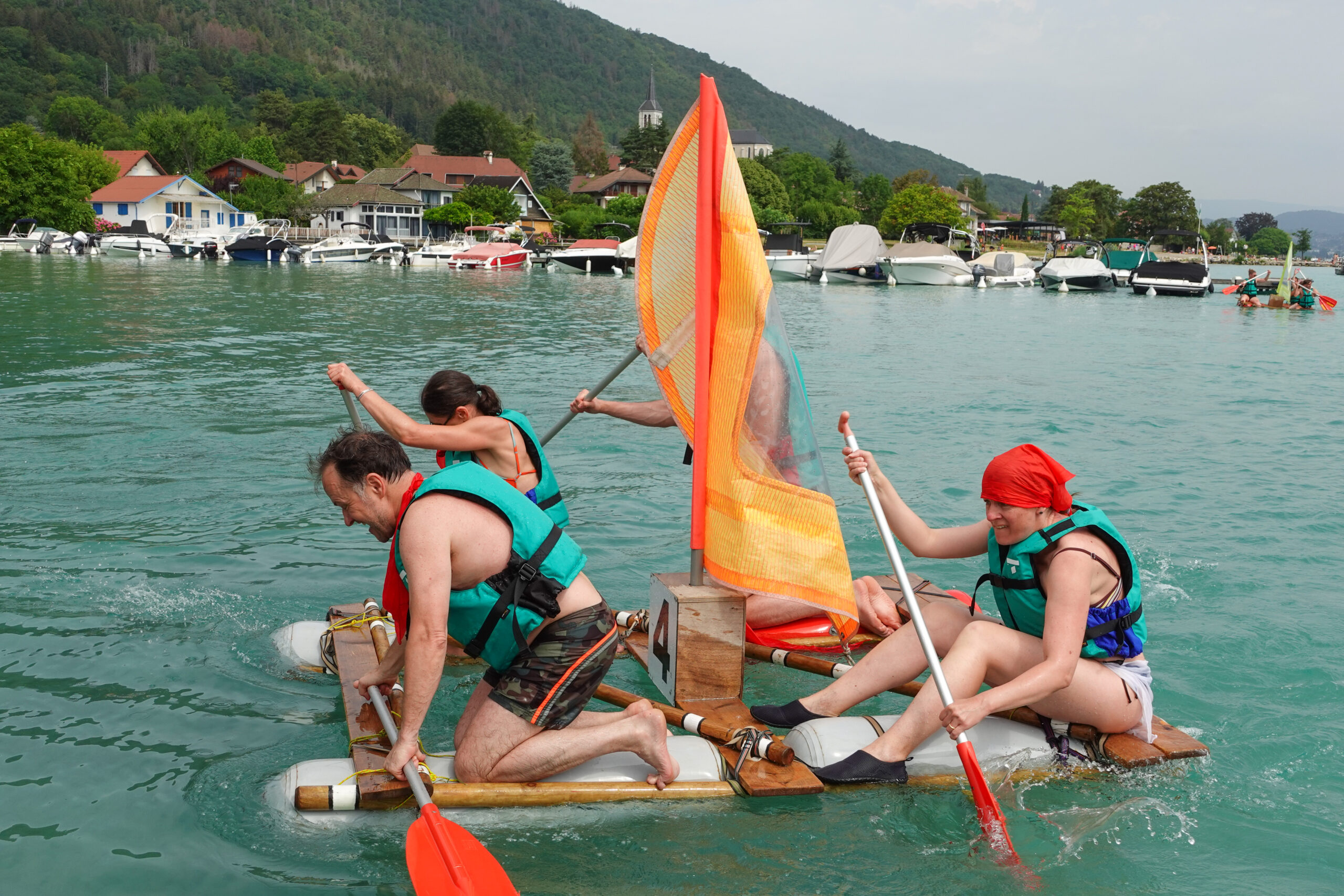
Collaborative challenge zones: short, opt-in activities (10–15 minutes) such as build challenges, quick trivia tied to your organization, or team mini-games. These are effective for breaking silos because people can join without committing to a full tournament.
Guided networking prompts: for organizations integrating new hires or merging teams, we set up structured “conversation starters” at stations (food, mocktail bar, lounge zones). It sounds simple, but it reliably improves cross-department mixing when leadership wants measurable culture impact.
Family-friendly rotations (when relevant): kids’ zone with trained staff, timed activities, and clear perimeter planning so parents can actually participate elsewhere without stress. This is common in Quebec summer festivals and translates well to corporate formats.
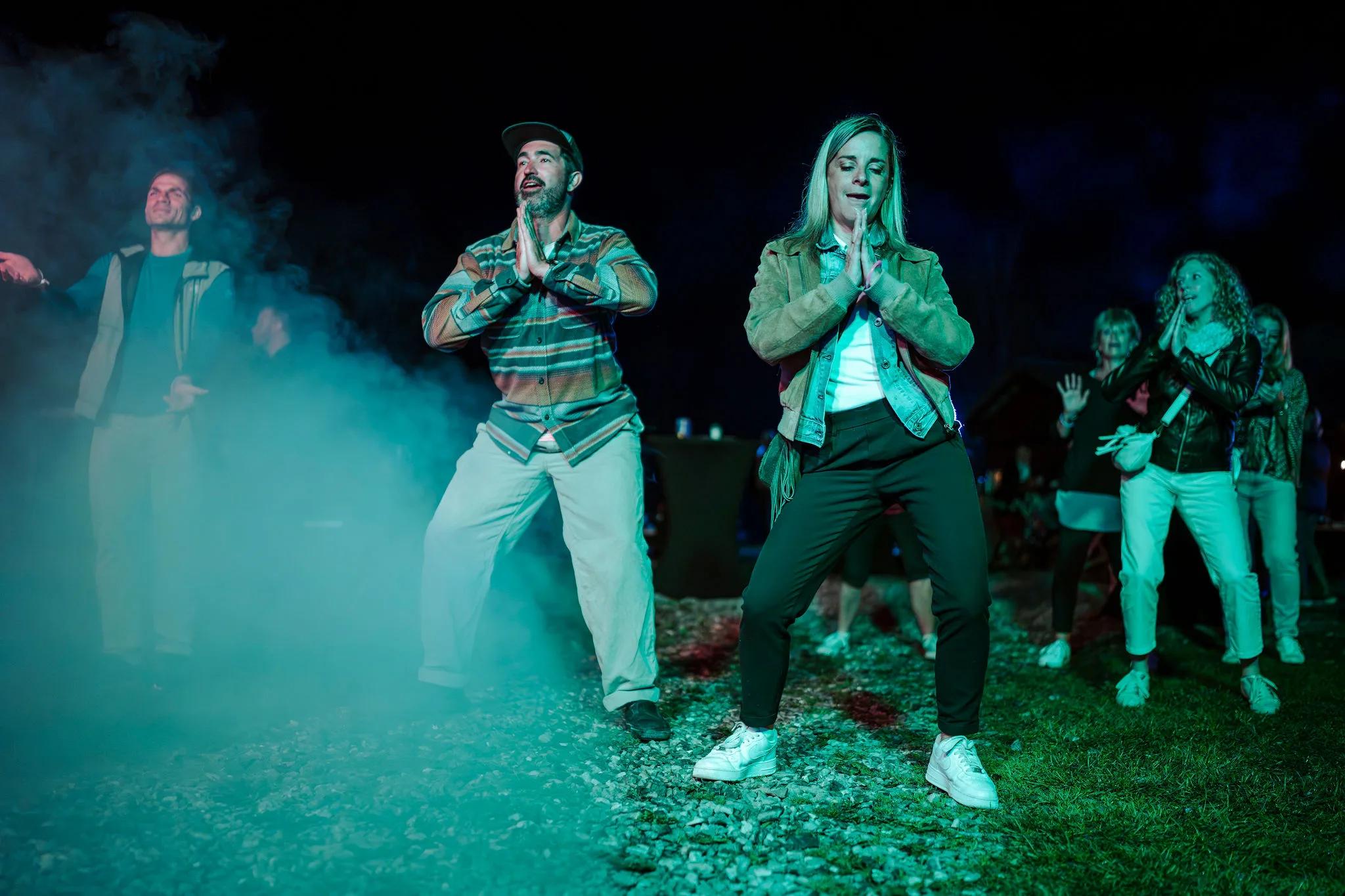
Local live music with controlled volume: small ensembles, acoustic sets, or jazz/funk groups that create ambiance while still allowing conversation. We plan stage placement, sound checks, and set times to match venue rules and speeches.
Roaming performers that don’t block circulation: for example, stilt walkers or interactive characters only when the site is designed for it (wide aisles, safety distance). We avoid anything that creates crowd clumps at narrow points.
Short-format show moments: a 8–12 minute performance slot works better than a long show at a corporate summer party. It gives a highlight without forcing everyone to “sit and watch” during peak mingling time.
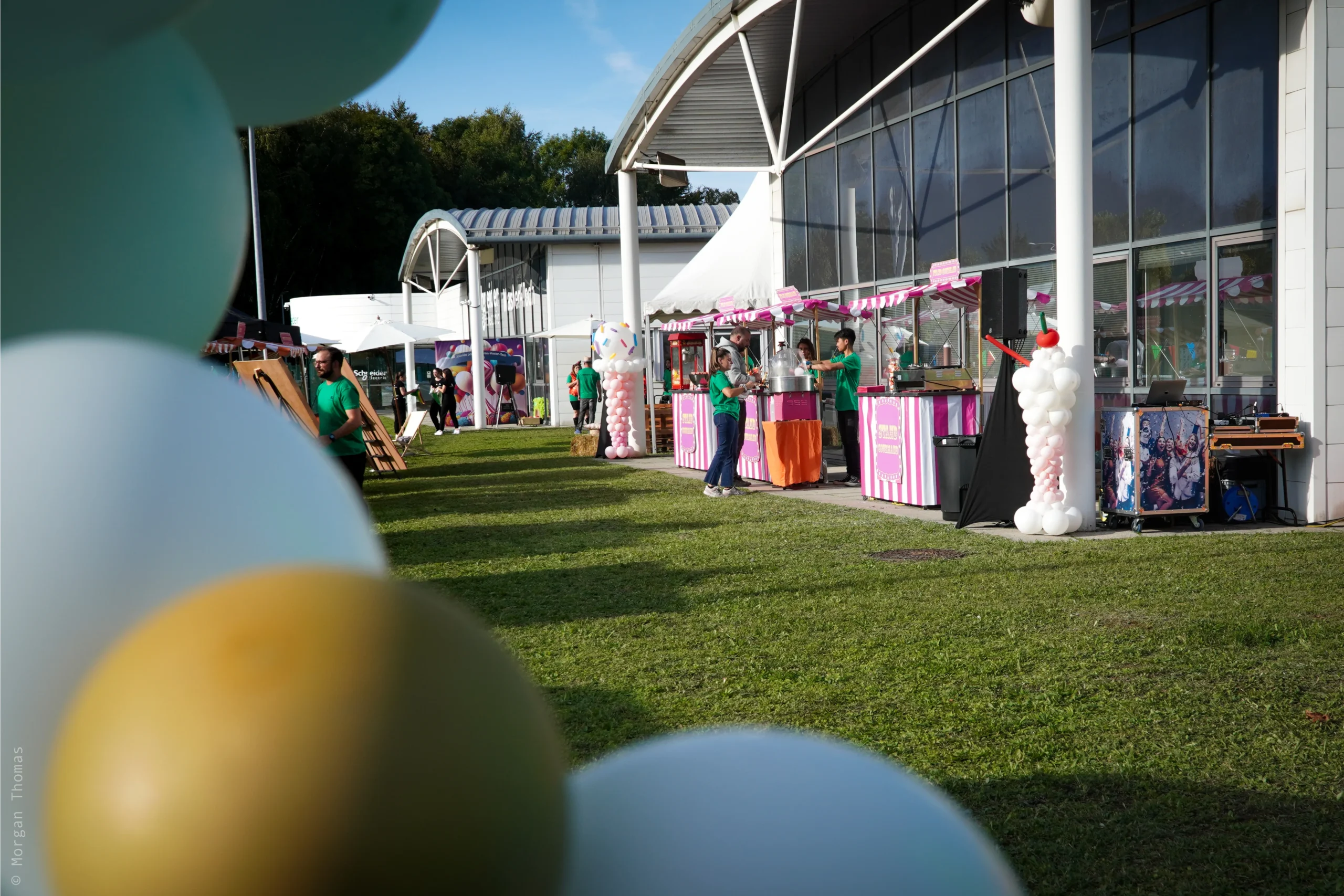
Quebec-forward tasting stations: micro-portions to reduce waste and keep people moving—local cheeses, seasonal produce, smoked items, regional non-alcoholic options. We design the station layout so it supports flow, not lineups.
Mocktail strategy: a dedicated zero-proof bar with real recipes (not just juice) improves inclusivity and supports HR goals around responsible hosting. We can integrate brand colours and naming without making it feel gimmicky.
Chef-led “live finish” counters: small finishing touches done in front of guests (plating, torches where allowed, garnish). It signals quality while keeping service efficient.
Data-light photo experiences: modern photo setups that respect privacy and brand reputation. We can run an opt-in sharing model and avoid uncontrolled posting, which is often a concern for communications teams.
Micro-content booth for internal comms: a small, well-lit interview corner where employees can record short clips (30–45 seconds) about projects or wins. It gives your communications team usable content without chasing people afterward.
Gamified site exploration: QR checkpoints or clue trails that move guests through all zones (sponsors, wellness, recruitment, CSR). We keep it simple so it doesn’t feel like an app rollout—participation should take minutes, not an hour.
The best programming aligns with your brand and risk tolerance. A regulated employer may prioritize controlled pacing and sober options; a tech company might want higher energy and interactive zones. Our role is to propose options that are executable in Quebec with realistic staffing, power, permits, and timing—so your event looks intentional, not improvised.
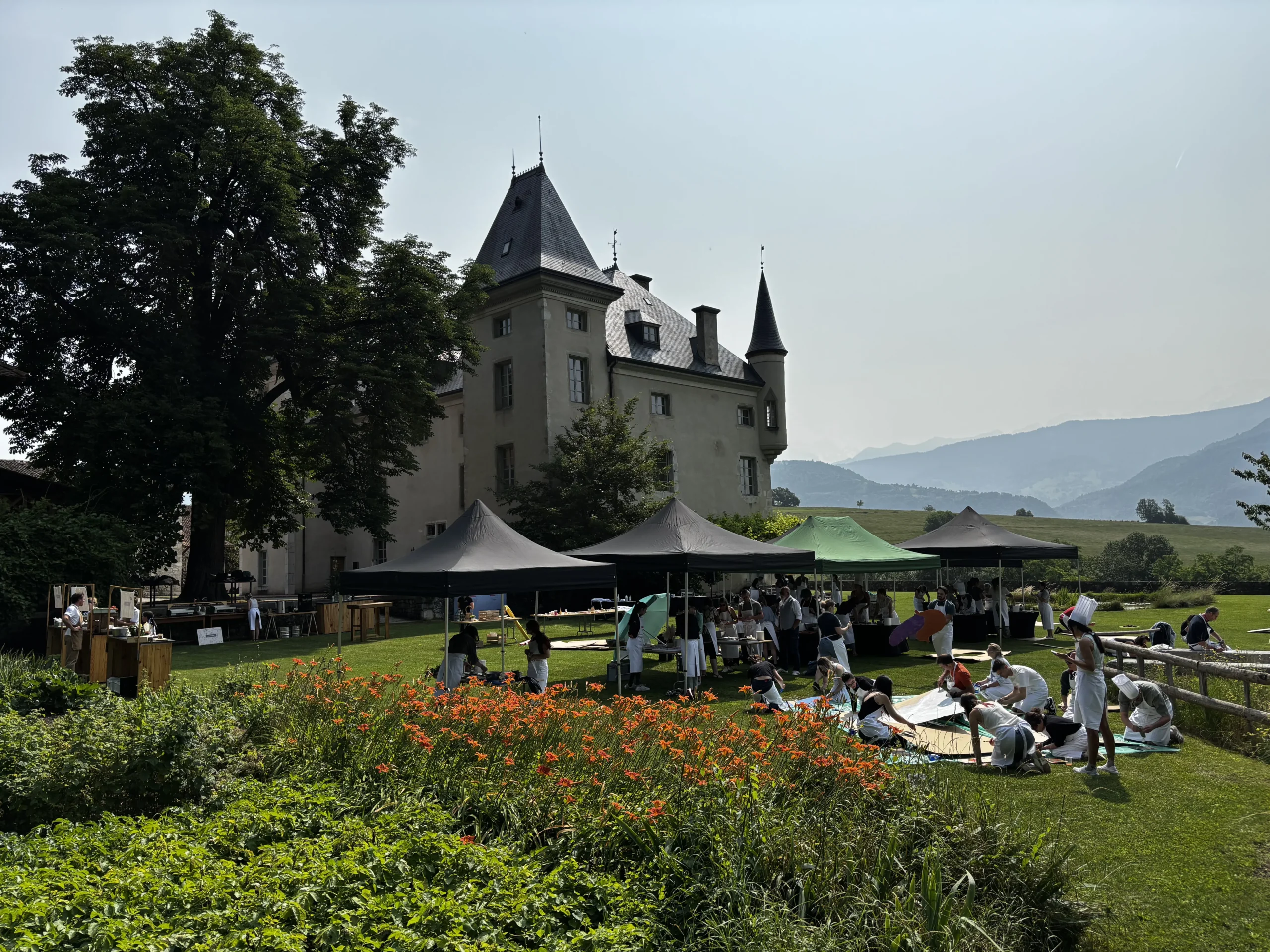
Your venue sets the tone before a single activity starts. In Quebec, the right site choice also determines your risk profile: weather protection, noise constraints, power availability, and how easily vendors can load in. We help you choose a venue that matches your headcount, your brand, and your operational tolerance for complexity.
| Venue type | For which objective? | Main strengths | Possible constraints |
|---|---|---|---|
| Urban terrace or rooftop (Montréal) | Leadership-facing cocktail, client-friendly networking, controlled schedule | Strong brand perception, easy transit access, simple AV setup, clean guest flow | Noise limits, weather exposure, strict vendor rules, limited capacity for large activations |
| Private event space with outdoor section | All-staff gathering with speeches + stations + optional dance floor | Rain plan built-in, reliable power, easier security control, better accessibility options | Vendor exclusivity (bar/catering), fixed layout, time limits for load-in/load-out |
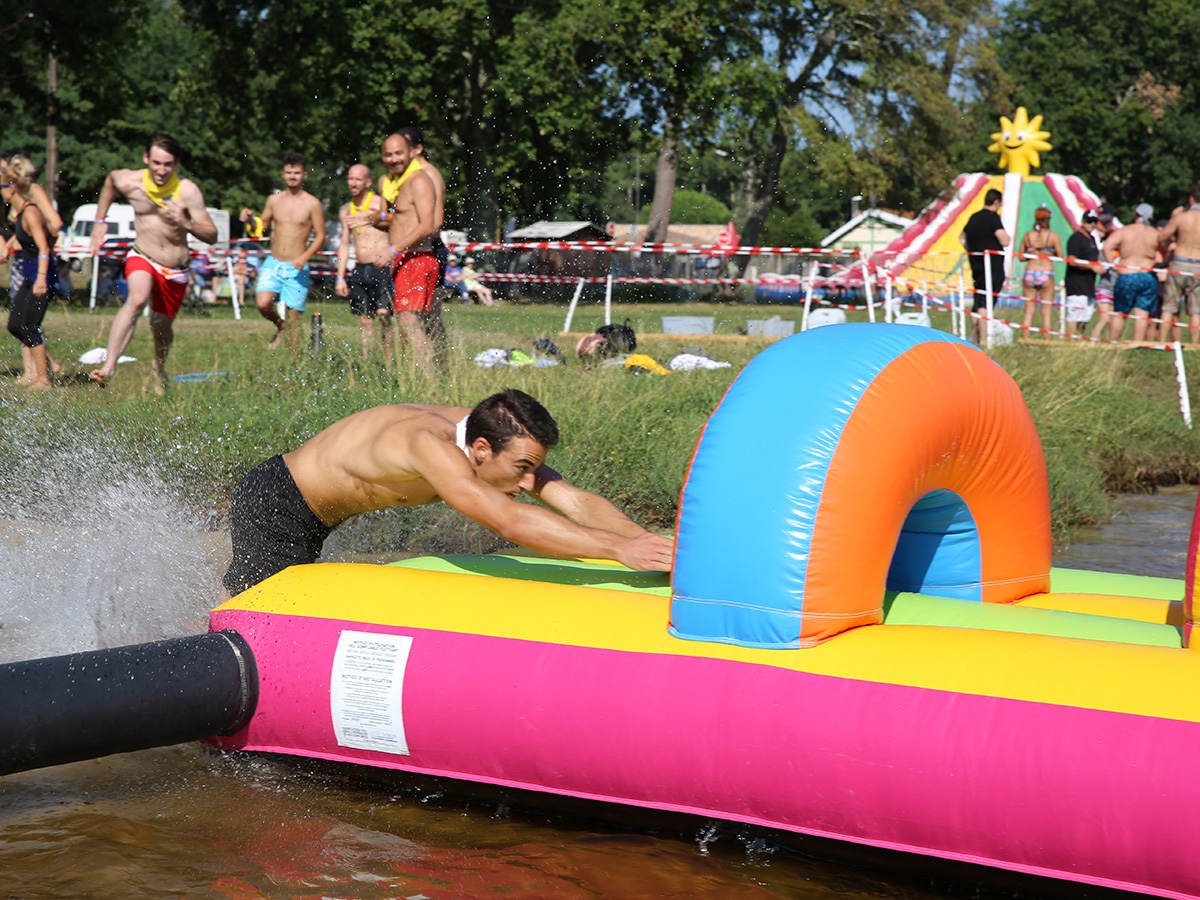
| Park or festival-style outdoor site | Large headcount, family day, multi-zone “company festival” | High capacity, flexible zoning (kids, wellness, stage, food), strong summer vibe | Permits, insurance requirements, portable washrooms, weather contingency, heavier logistics and staffing |
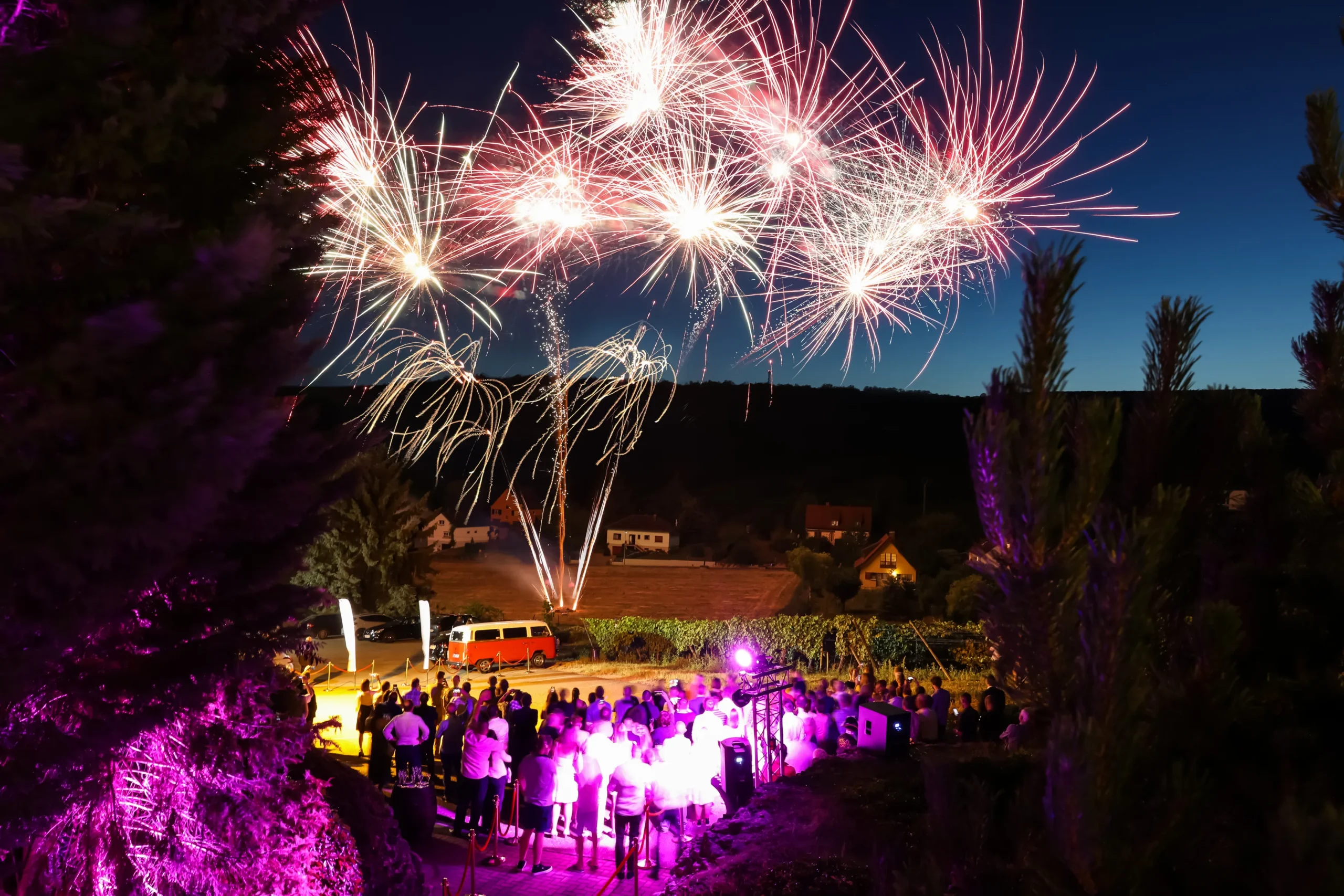
| Winery/cidery or countryside estate (Québec region) | Recognition event, executive retreat feel, brand storytelling | Premium setting, great culinary pairing options, strong photography backdrop | Transportation plan needed, fewer nearby suppliers, earlier cut-offs possible |
We strongly recommend a site visit (or a technical walkthrough) before you lock key decisions like stage placement, bar points, and rain plan. A 60–90 minute walkthrough typically prevents the costly surprises: power limitations, load-in bottlenecks, or a neighbour complaint risk you didn’t see on a floor plan.
Budgeting for a Corporate Summer Party is about understanding what drives cost in the Montréal market: venue rules, staffing ratios, food and bar format, and technical production. Two events with the same headcount can vary significantly depending on whether you’re building a festival site outdoors or booking a turnkey venue with included services.
As a planning reference for Quebec, many corporate summer parties land between $150 and $350 per person all-in for a well-executed format (venue + food + bar + entertainment + AV + staffing). Smaller premium events or complex outdoor builds can go higher; simpler gatherings can go lower if you keep production minimal and timing tight.
Headcount and attendance profile: 120 adults-only cocktail is not the same as 400 employees with families. Family formats require additional staffing, safety controls, and often more washrooms and shade.
Food service design: plated meal vs stations vs food trucks; number of service points drives staffing and reduces lineups. We often recommend multiple stations to protect guest experience.
Bar strategy and responsible hosting: open bar vs drink tickets, beer/wine only vs full bar, dedicated mocktail bar, wristbands, and security requirements.
Production level: stage, sound reinforcement, lighting, generators, tents, flooring, and permit-related items. Outdoor events in Quebec can require significant infrastructure.
Venue constraints: exclusivity clauses, mandatory suppliers, overtime rates, load-in windows, and security policies can all affect cost.
Staffing and supervision: registration, crowd flow, backstage coordination, vendor management, and a clear on-site command structure. This is often where budget cuts create day-of problems.
Weather contingency: tenting, indoor backup, or rescheduling clauses. A real plan usually costs less than last-minute emergency rentals.
We build budgets in layers (must-haves vs nice-to-haves) so executives can make trade-offs with confidence. The ROI is usually in risk reduction and productivity: fewer internal hours spent coordinating vendors, fewer complaints about logistics, and a brand experience your leadership team can own publicly.
Even when your head office is in Montréal, summer parties often happen in multiple locations or involve teams travelling from across the province. Working with an agency established in Quebec means faster access to vetted suppliers, realistic advice on permits and venue restrictions, and a team that can be on site early when things change.
We also know how procurement and internal approvals typically work here: bilingual contracts, insurance requirements, and vendor onboarding timelines. That local fluency reduces friction and avoids last-minute “we can’t do that” surprises.
If your event is in the Québec City area, you can also consult our local resource page: event agency in Quebec.
We build budgets in layers (must-haves vs nice-to-haves) so executives can make trade-offs with confidence. The ROI is usually in risk reduction and productivity: fewer internal hours spent coordinating vendors, fewer complaints about logistics, and a brand experience your leadership team can own publicly.
Our summer mandates in Quebec vary because companies vary. What stays consistent is the production discipline: clear objectives, a practical site plan, and a day-of team that runs the show.
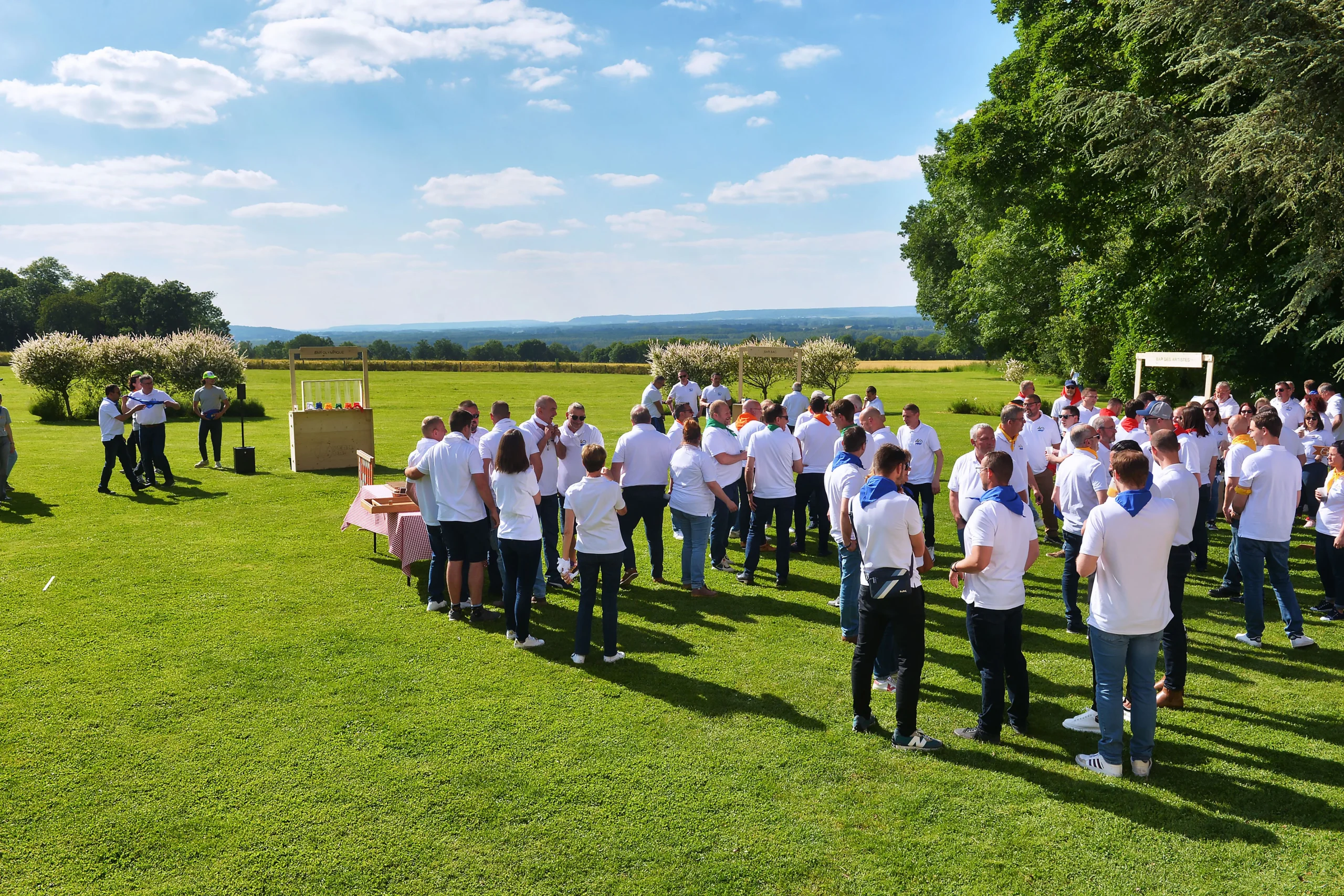
All-staff summer festival (500–1,500 attendees): multi-zone site with stage programming, food stations, branded lounges, and optional family area. Key success factors are queue management (food and bar), clear signage, sound zoning so networking areas stay comfortable, and a weather plan that doesn’t collapse the experience.
Montréal client-facing summer cocktail (80–250 attendees): emphasis on guest flow, premium food execution, and controlled entertainment (music that supports conversation, not a nightclub). Communications teams usually want consistent photo opportunities and brand alignment without oversharing risks.
Employee recognition and milestone celebration (150–600 attendees): structured leadership moment with technical rehearsals, awards timing that respects attention span, and post-program socializing. We commonly manage sensitivities around who is recognized, how messages land, and how to keep the tone inclusive.
Multi-site summer series: same core concept delivered in Montréal, Québec City, and regional locations with consistent branding but flexible logistics. This is valuable for employers who want fairness between sites while controlling cost and complexity.
Underestimating lineups: one bar point for 300 people creates frustration fast. We plan service ratios and physical layout to prevent bottlenecks.
No real rain plan: “we’ll rent tents if needed” becomes impossible in peak season. We secure contingencies early or choose venues with built-in backups.
Entertainment that conflicts with the space: booking a band without checking sound limits, or placing an activation where it blocks circulation. We validate constraints before confirming vendors.
Speeches with no production support: poor audio and timing make leadership look unprepared. We provide cueing, sound checks, and a tight run-of-show.
Ignoring transportation and end-of-night safety: if the event ends late, people need a plan. We coordinate shuttles or clear guidance to reduce risk.
Vendor overload without a single point of command: multiple suppliers arriving independently leads to confusion. We run centralized vendor management and on-site coordination.
Not aligning with HR policies: alcohol service, behaviour expectations, and inclusivity requirements must be designed into the event—not handled reactively.
Our job is to prevent these risks with planning detail and day-of discipline. A summer party should be a leadership win, not an incident report.
Renewals usually happen for one reason: the internal team felt supported. HR and communications teams remember whether the agency anticipated issues, respected approvals, and protected leadership from operational noise.
In repeat engagements, we often improve outcomes year over year by adjusting the practical details: service points, schedule pacing, shade and seating ratios, and how we brief vendors. The goal is not constant reinvention—it’s continuous operational refinement.
2–4 planning checkpoints with your core stakeholders (HR, comms, operations) to keep approvals on track without endless meetings.
1 consolidated show bible shared before event day: run-of-show, site map, contacts, risk plan, and vendor timelines.
24–72 hours pre-event confirmation cycle with all vendors to reduce no-shows and last-minute substitutions.
Loyalty is rarely about flashy concepts. In Quebec, it’s proof that the agency can deliver calmly, predictably, and with respect for your internal reality.
We start with a structured intake: objectives (retention, recognition, client-facing), headcount range, audience profile, timing, and non-negotiables. Then we map constraints: policies (alcohol, accessibility), union considerations, brand guidelines, and any sensitivities from prior events. Output: a brief that procurement and leadership can understand.
We propose venues that fit your headcount, desired tone, and operational tolerance. We check what matters in practice: load-in rules, power, sound limits, rain plan options, vendor restrictions, and curfews. Output: a clear comparison with trade-offs, not a gallery of pretty spaces.
We design the guest journey: arrival, first touchpoint, food/bar rhythm, programming highlights, leadership moment, and closing. Then we source vendors accordingly (AV, entertainment, catering, security, rentals, transportation). Output: a cohesive plan where every supplier has a purpose and a clear scope.
We present budget options in tiers (base / enhanced / premium) with transparent assumptions. We identify cost drivers early—especially in outdoor formats. Output: a decision-ready budget that lets executives approve with confidence and avoids midstream redesign.
We produce the run-of-show, site map, staffing plan, vendor schedules, and risk plan (weather, first aid, crowd management). We also align with your internal comms: invitations, reminders, dress code, and transportation messaging. Output: a production package that eliminates ambiguity.
Our team arrives early for load-in supervision, coordinates vendors, runs technical checks, and manages the event timeline. We assign a clear chain of command so your internal team isn’t fielding operational questions. Output: smooth delivery with real-time issue management that stays invisible to guests.
We close with vendor reconciliation, incident notes (if any), and a practical debrief: what worked, what to adjust, and which decisions drove the best results. Output: a repeatable playbook for next year, not just photos.
For peak dates (late June to early September), aim for 8–16 weeks ahead for mid-size groups and 3–6 months for large outdoor formats or premium venues. If you’re inside 4 weeks, it’s still possible, but you’ll need to be flexible on dates, timing, or venue type.
Many well-executed events land between $150 and $350 per person all-in, depending on venue, food/bar format, and production level. Outdoor festival builds (tents, generators, staging) can push higher; simple terrace cocktails can sit lower if you keep AV and entertainment light.
Often yes. Requirements depend on the municipality and site: park usage permits, sound permissions, alcohol service rules, and proof of insurance are common. We confirm the exact list early because some approvals can take 2–6 weeks depending on the jurisdiction and season.
We plan a primary and a backup scenario: indoor fallback, tenting with proper flooring, or a schedule adjustment (earlier start, shorter program). The key is deciding the trigger point (e.g., forecast threshold) and locking rental availability early so you’re not competing for tents the morning of the event.
Opt-in formats perform best: interactive stations, short challenge zones, and ambient live music that supports conversation. For most corporate audiences, we recommend avoiding programming that requires everyone to participate at once; it reduces discomfort and keeps flow smooth across departments and age groups.
If you’re planning a Corporate Summer Party in Quebec, the biggest advantage is starting early enough to secure the right venue and build a credible weather and staffing plan. Send us your date range, city, headcount estimate, and any policies we need to respect (alcohol, accessibility, union rules). We’ll come back with a practical concept, a realistic budget range, and the operational steps to deliver it without surprises.
INNOV'events is based in Montréal and delivers across Quebec. When you’re ready, we’ll set up a short working call with HR and communications to align objectives and move quickly toward a decision-ready proposal.
Thierry GRAMMER is the manager of the INNOV'events Quebec office. Reach out directly by email at canada@innov-events.ca or via the contact form.
Contact the Quebec agency