
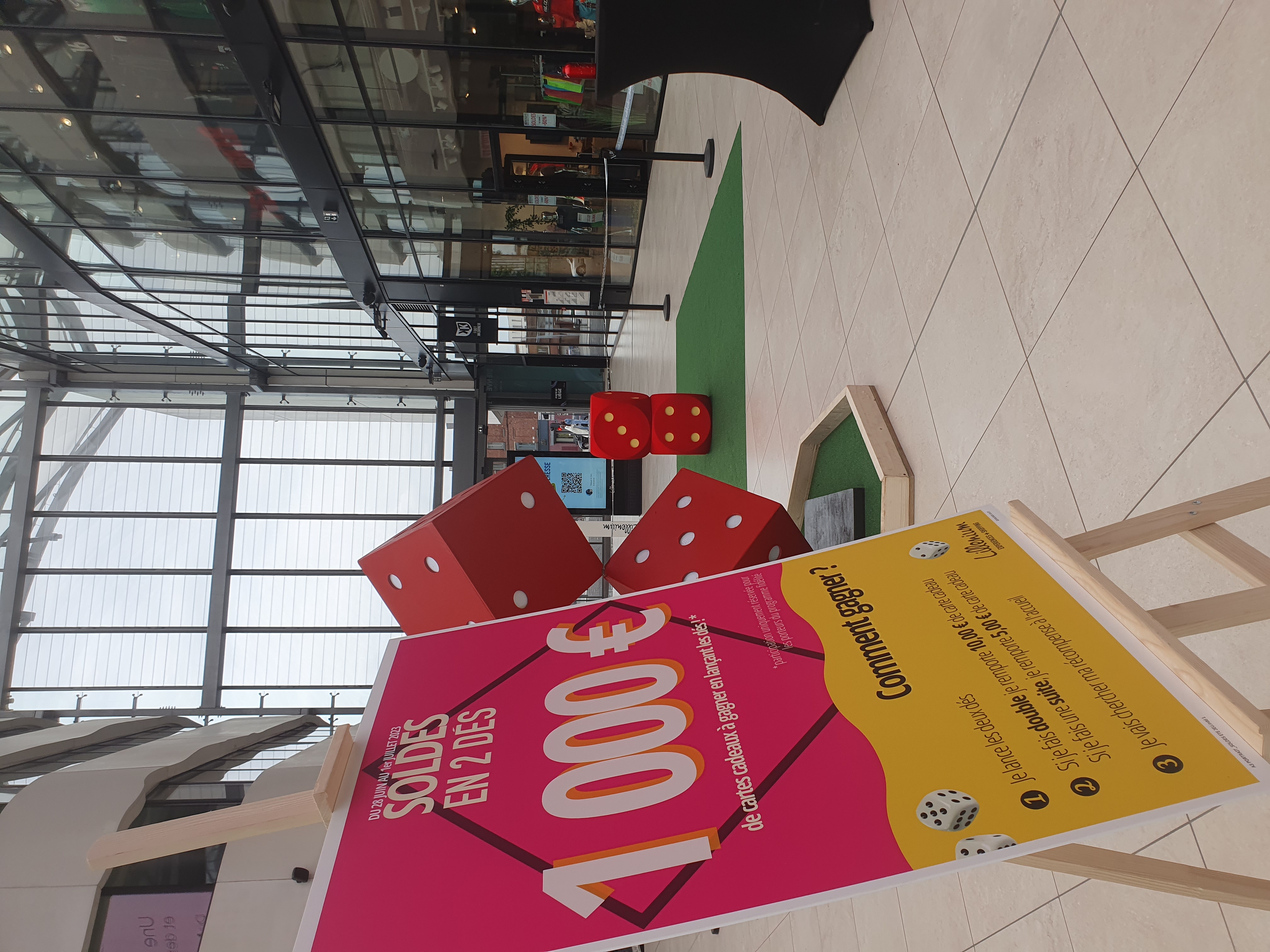
Shopping mall entertainment that drives traffic and protects your brand
INNOV'events is a Canadian event management company specialising in shopping mall entertainment for shopping centres and national retailers. We typically deliver programmes for 500 to 25,000+ visitors per day, from single activations to full seasonal calendars.
We handle creative, production, staffing, permits, landlord/tenant coordination, security integration, and day-of operations—so your teams stay focused on customer experience and commercial results.
Sommaire
For mall leadership, shopping mall entertainment is not “nice to have”—it’s a controllable lever to influence dwell time, conversion, tenant sales, and public perception. The right activation can shift traffic into low-velocity zones, reinforce your positioning, and give tenants a reason to participate in centre-wide campaigns.
Executives and communications teams expect measurable uplift, flawless safety, and a clean customer journey: no blocked sightlines, no sound spill into premium tenants, no queue chaos, and no brand-risk content. HR and internal stakeholders also expect respectful staffing practices and predictable schedules.
INNOV'events brings field-proven delivery: run-of-show discipline, risk controls, and vendor management that matches mall realities (public space, mixed audiences, stringent policies). As your event agency, we design experiences that are engaging while remaining operationally credible.
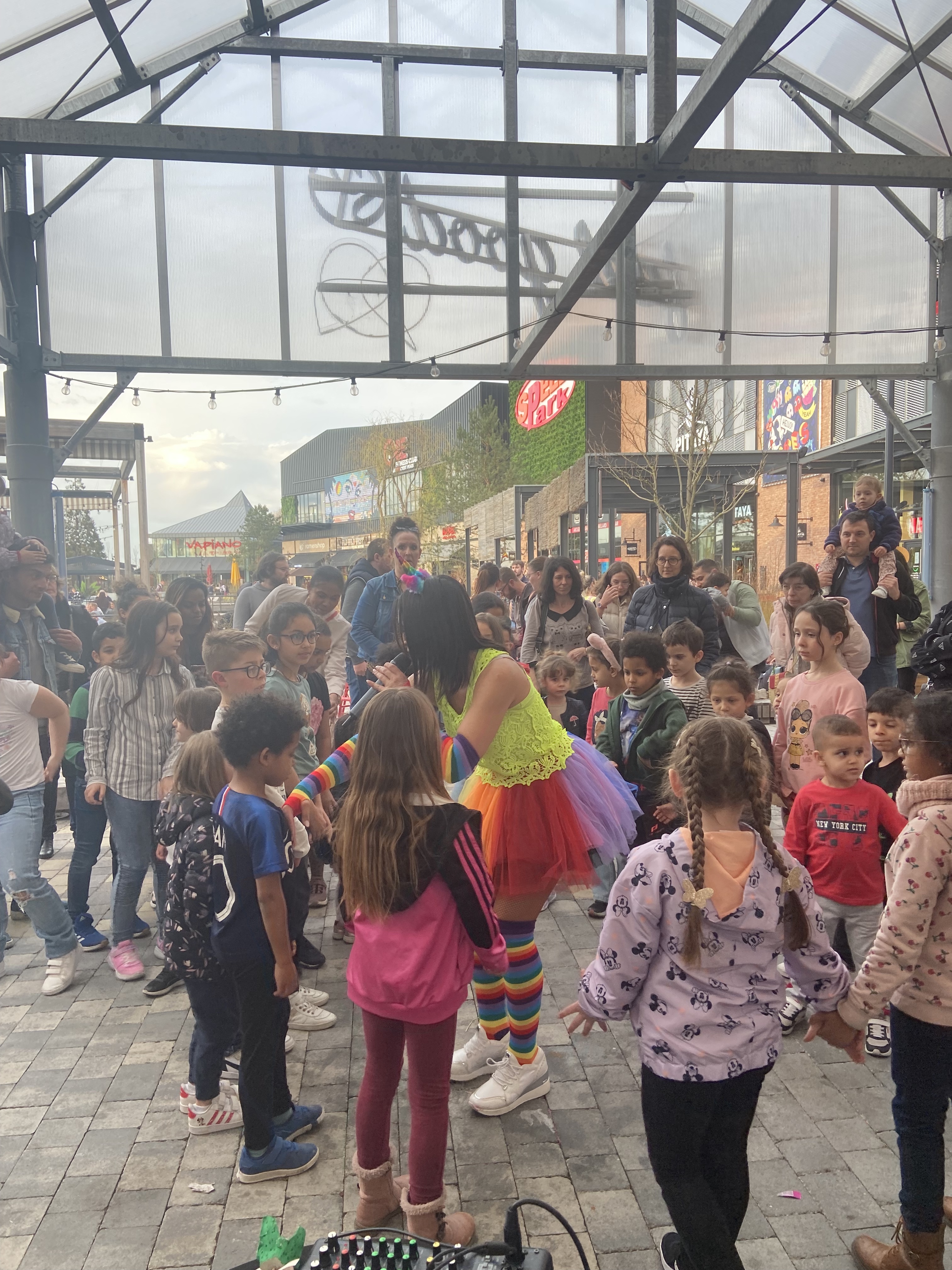
Operational credibility, not guesswork
Pan-Canadian delivery: programmes executed in major urban markets and regional communities across Canada, with scalable staffing and vendor networks.
Peak-period readiness: experience operating during high-density windows (holiday, back-to-school, March break) with queue management, security coordination, and contingency planning.
Multi-stakeholder governance: proven workflows for shopping centre management, tenant associations, national brand partners, and property operations teams.
Compliance-first approach: documentation packages for landlord rules, fire code constraints, insurance requirements, and public-space safety measures.
How to organize a professional event in ?
- Define the objective (cohesion, announcement, fidelity, performance).
- Set date, format and size (20–1 000 people).
- Secure the venue and accommodation according to seasonality.
- Lock down technical, suppliers and logistics.
- Drive the day J (timing, scene, entrance, flow).
We send you a first proposal within 24h.
Why invest in shopping centre entertainment programmes now?
Shopping centres face a simple reality: traffic alone is not a strategy. With changing consumer habits, tenants and property leadership need programmable reasons for visits—reasons that can be communicated, measured, and repeated without degrading the customer experience. Done properly, shopping centre entertainment becomes a disciplined commercial tool, not a random calendar filler.
Support tenant sales without discounting: activations that increase browsing time and cross-shopping help tenants convert without relying on markdowns.
Shift traffic to priority zones: planned routing (maps, stamps, scavenger paths, performances) moves visitors toward under-visited corridors and new openings.
Strengthen centre positioning: family-friendly, premium, community, multicultural, or tech-forward—your entertainment becomes a visible proof point of brand identity.
Enable sponsorship and partner funding: well-structured formats (stage blocks, demo bays, sampling routes) create sponsor assets that are easy to sell and easy to govern.
Give Communications a story that travels: media-friendly moments and photo-safe installations provide consistent content for social, PR, and in-centre screens.
Reduce operational noise: a managed Shopping mall entertainment organisation approach means defined load-in windows, controlled sound levels, and predictable security requirements.
Increase customer satisfaction: clear wayfinding, polite staff, and accessible experiences reduce complaints and improve the “I’ll come back” factor.
In practical terms, entertainment should respect the economics of the centre: it must be budgeted, scheduled, governed, and evaluated. When your programme is built like an operating plan—not a series of one-offs—it becomes easier to defend internally and more valuable to tenants.
Which entertainment formats actually work in a shopping mall?
In malls, engagement isn’t only about novelty—it’s about throughput, safety, and brand compatibility. The best programmes create participation without creating bottlenecks. Below are proven formats we deploy as a commercial animation agency, with notes on operational implications.
Interactive animations
Interactive pop-up studios (craft, customisation, DIY)
Great for families and seasonal moments. We design stations with clear capacity (e.g., 24–60 participants per hour depending on complexity) and pre-cut materials to keep flow consistent.
Digital scavenger hunts and stamp trails
Drives cross-shopping and zone distribution. We set up checkpoints with tenants (opt-in) and ensure the route avoids pinch points and supports accessibility.
Sports and skills mini-zones
Mini putting greens, soft archery, reaction games, or basketball shot contests (foam). We use defined boundaries, crowd control, and noise management to keep adjacent tenants happy.
Point of sale entertainment near key tenants
Small-format point of sale entertainment like product demo theatre, sampling carts, or quick games can be placed near anchors to increase conversion—without obstructing sightlines or entrances.
Art animations
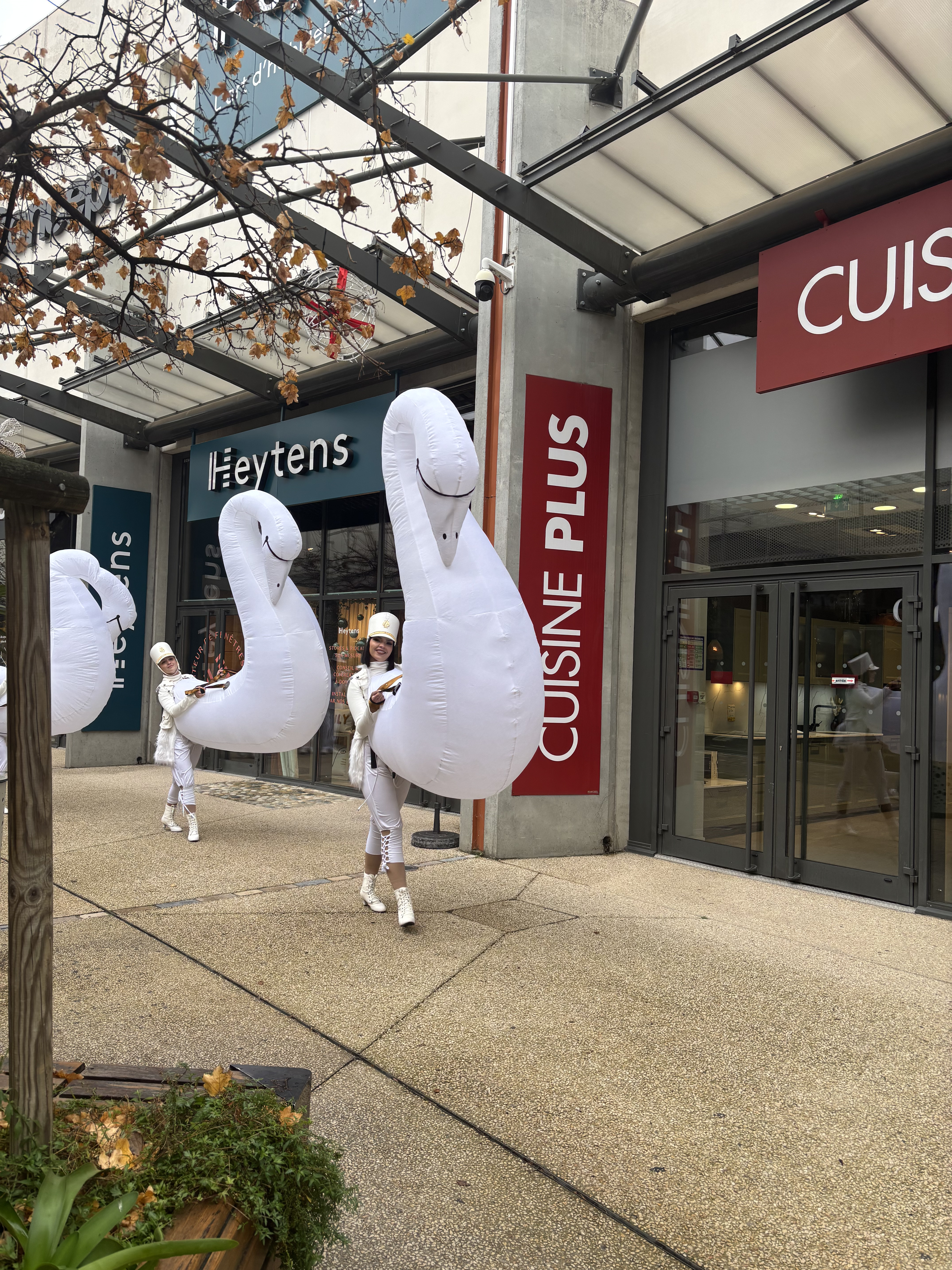
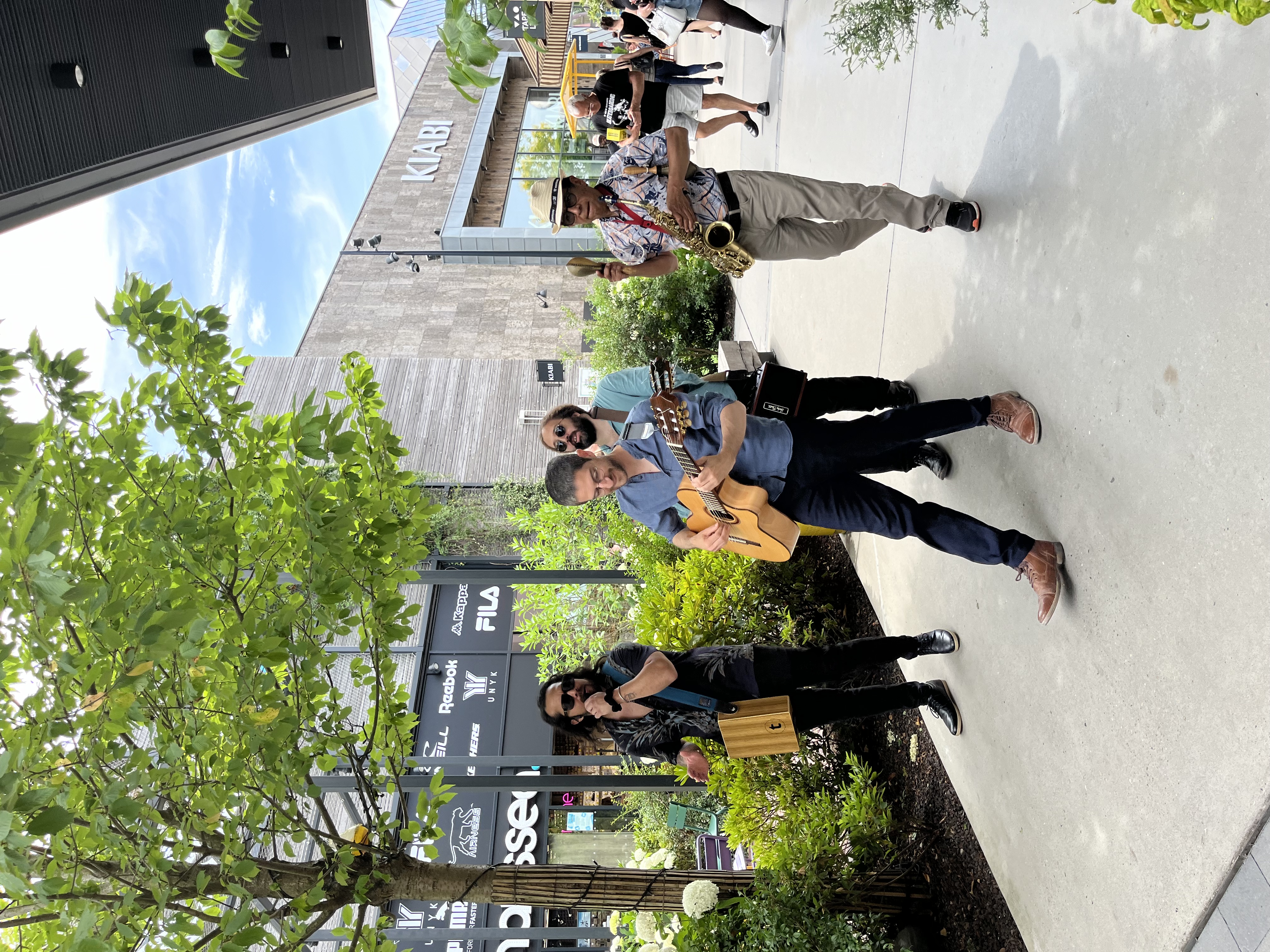
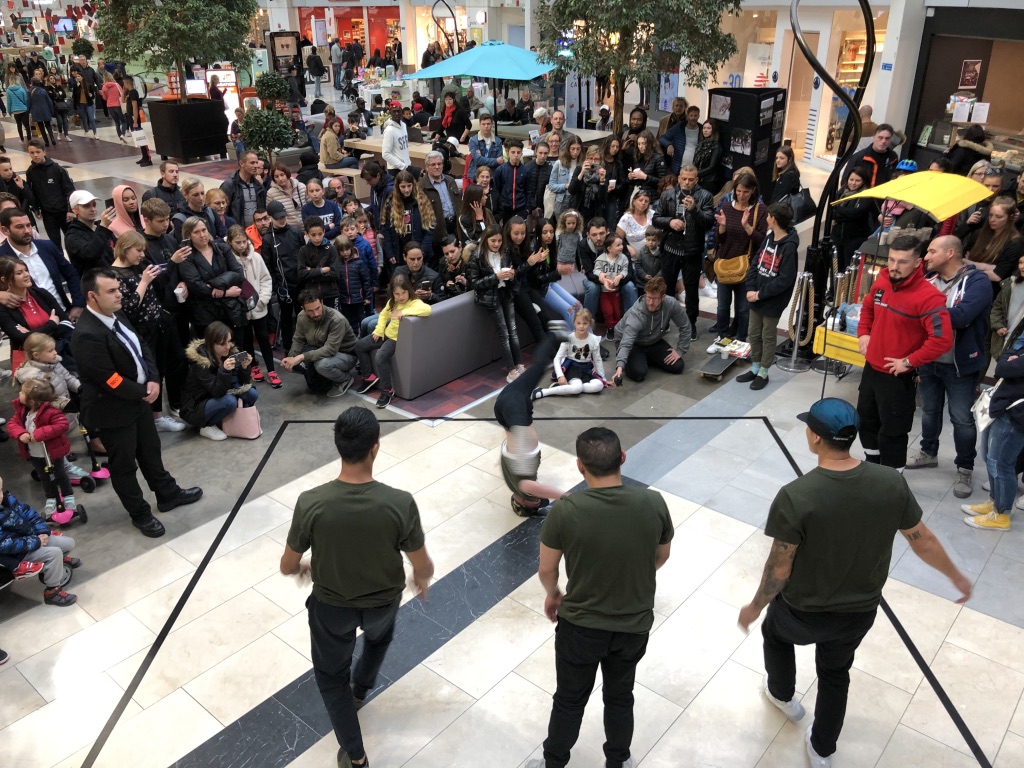
Roving performers (stilt walkers, characters, musicians)
Excellent for “surprise and delight” without queue buildup. We plan routes and timing, and coordinate with security to avoid escalator clusters and food court rush periods.
Stage programming with curated time blocks
For atriums, we recommend short sets (e.g., 15–25 minutes) with reset time to manage crowd peaks. Sound levels are set to protect premium retail environments.
Visual art installations and live art
Murals, illustration stations, or sculpture builds create photo opportunities and PR value. We ensure materials are low-odour, safe for public spaces, and protected for overnight security.
Innovative animations
Chef demos and tasting counters
Works best when aligned with food tenants and health regulations. We manage food handling protocols, allergen signage, and waste/cleaning plans.
Seasonal beverage bars (non-alcoholic)
Hot chocolate, mocktails, or themed drinks can create a high-perceived-value moment. We plan line management and ensure utilities, spill control, and cleaning are covered.
Tenant-led tasting trails
A controlled “passport” approach encourages multi-tenant participation. We cap redemption to protect tenant operations and avoid overpromising inventory.
Gourmand animations
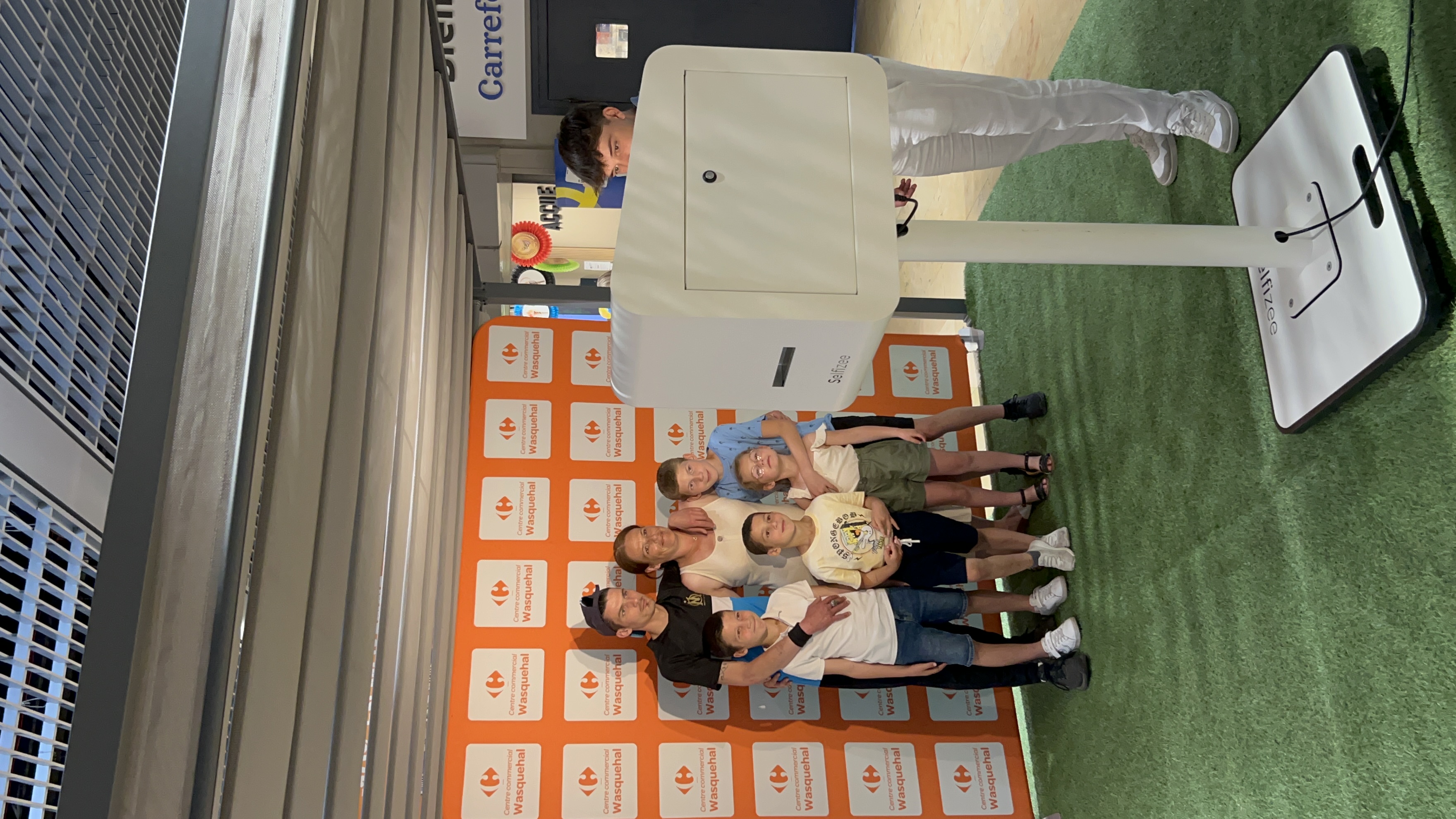
AR photo moments and branded content booths
High shareability with minimal physical footprint. We prioritise quick throughput and data privacy practices for any lead capture.
Immersive walk-through installations
Winter wonder corridors, neon tunnels, or art-light experiences. We design for fire egress, anti-slip flooring, and cleaning access—often overlooked until the last minute.
Robotics and tech demos
Strong for corporate sponsors. We manage supervision ratios, liability considerations, and ensure the experience is family-safe and not overly technical.
Boutique animation event partnerships
We build micro-events that let selected tenants host short workshops (skincare, styling, home décor) with registration to control traffic and protect store operations.
Every format should match your brand posture and tenant mix. We’ll recommend programming that fits your centre’s tone—family-oriented, premium, community-based, or trend-forward—while staying realistic about staffing, throughput, and operational load.
Where should mall entertainment be placed for best results?
Placement is where many mall activations win or fail. A strong concept in the wrong location creates congestion, tenant complaints, and poor conversion. We choose spaces based on circulation patterns, sightlines, acoustics, power access, and the commercial objective (support anchors, lift a corridor, or activate a new wing).
Atrium / centre court: Best for stage moments and large installations. Key watchouts: sound spill, sightline blockage, and peak-time crowding. We design defined audience zones and clear egress lanes.
Wide corridors near anchors: Great for high-throughput stations and roving performers. Key watchouts: keep tenant entrances clear and avoid pinch points near escalators.
Near food court: Strong for short interactions and family programming. Key watchouts: odours, waste, and lunchtime density—schedule accordingly and plan cleaning.
Vacant unit / pop-up space: Ideal for immersive or ticketed experiences, brand demos, and workshops. Key watchouts: fire code, occupancy, and HVAC; we manage capacity and registration.
Outdoor plaza / entrance: Great for seasonal builds and community moments. Key watchouts: weather, power, and security—requires robust contingency planning.
We typically recommend a mix: one “signature” location for visibility plus secondary touchpoints that distribute traffic and involve tenants. That’s how shopping mall entertainment supports the full centre, not just one photogenic corner.
What does shopping mall entertainment cost in Canada?
Budgets for shopping mall entertainment vary based on scale, technical complexity, staffing hours, and the level of risk management required. A weekend family activation is priced differently than a multi-week holiday installation with daily staffing, ticketing, and sponsored content. We quote based on operational reality—what it takes to deliver safely and consistently.
Format and footprint: roving entertainment typically costs less than build-heavy installations that require fabrication, load calculations, and overnight protection.
Duration and operating hours: a 4-hour pop-up versus a 10-day programme with weekday and weekend schedules changes staffing, supervision, and maintenance requirements.
Staffing model: number of brand ambassadors, supervisors, queue managers, and technical operators. Professional staffing is a key quality driver, not a line to squeeze.
Technical production: staging, audio, lighting, power distribution, protective flooring, barricades, and signage. Mall-safe build materials can affect costs.
Permits, insurance, and compliance: depending on location and landlord requirements, additional certificates, safety plans, and vendor documentation can be required.
Creative and fabrication: custom scenic, branded structures, and interactive builds add cost but can reduce long-term spend if reused across multiple dates.
Security and cleaning integration: some programmes require additional guards, first aid, or dedicated cleaning—especially for food and high-touch activations.
Measurement and reporting: optional tools such as clickers, QR tracking, surveys, and sponsor reporting packages.
We approach budget with ROI in mind: what lift you need (traffic, dwell, sponsor value, tenant participation) and what levers achieve that efficiently. A disciplined plan often saves money by preventing redesigns, overtime, and operational incidents that cost far more than doing it right upfront.








What our mall and retail activations look like in the real world
Our projects range from fast-turn retail moments to high-density seasonal programmes. In practice, that means we’re comfortable with tight landlord rules, last-minute tenant changes, and the reality that public-facing events must keep working even when foot traffic spikes unexpectedly.
Examples of what we deliver as an event management company:
Seasonal family zones with timed entry, branded craft stations, and roaming characters—designed to maintain circulation and protect tenant entrances.
Sponsored tech and service demos integrated into centre courts with controlled sound, clear messaging governance, and lead-capture processes that respect privacy expectations.
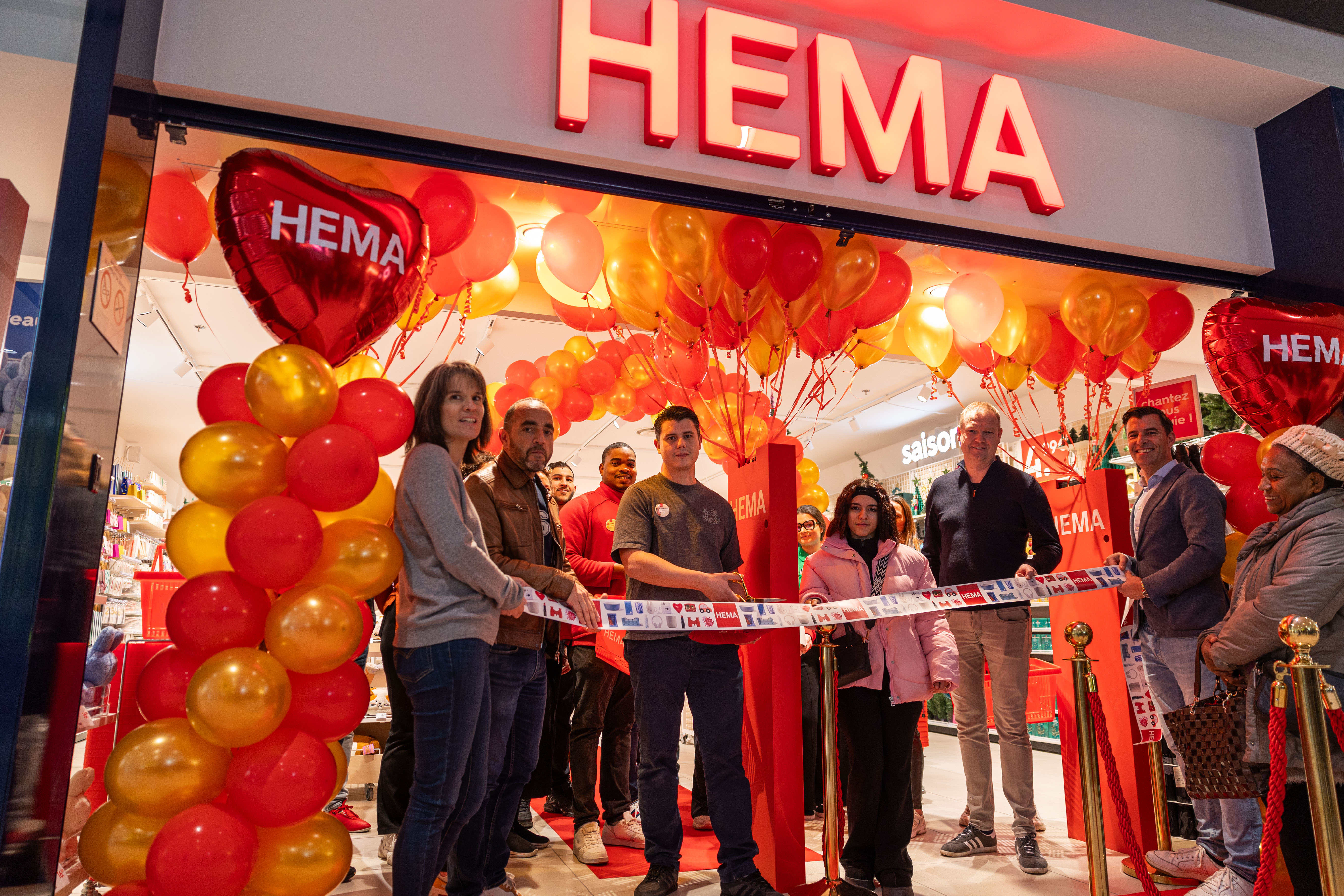
Retail store animation programmes supporting anchor openings, including ribbon moments, influencer-ready photo points, and staff-managed queues to prevent spill into adjacent tenants.
Community-driven programming (cultural celebrations, local talent showcases) delivered with respectful representation, stage management discipline, and clear communication to mall stakeholders.
Pop-up experience units in vacant spaces, converting underused areas into controlled, measurable engagements while keeping fire code and occupancy rules front and centre.
Across all formats, our focus stays the same: safe delivery, predictable operations, and a programme that helps your commercial priorities.
Common mistakes that create complaints, risk, or wasted spend
Choosing a concept before confirming constraints: leads to last-minute redesigns when sprinkler clearance, power limits, or egress rules are discovered too late.
Underestimating queue behaviour: a “small” activity can create a 30-metre line in minutes if throughput isn’t engineered.
Sound and sightline issues: audio that bleeds into premium tenants or installations that block storefront visibility trigger tenant escalation fast.
Unclear stakeholder ownership: marketing, operations, and security working from different versions of the plan causes day-of conflict and delays.
Inadequate staffing: too few facilitators or no dedicated supervisor results in poor guest experience and inconsistent brand presentation.
Weak vendor governance: vague call times, missing documentation, or unclear load-in rules can shut down an activation before it starts.
No contingency planning: illness, weather (for outdoor plazas), or equipment failures need pre-approved backups to avoid cancellations.
Our role is to design around these risks from day one. That’s what professional Shopping mall entertainment organisation looks like: fewer surprises, fewer complaints, and stronger results for the centre and tenants.
Why mall teams and brand partners renew with INNOV'events
Renewals happen when an agency reduces effort for internal teams while improving outcomes. Shopping centres and corporate partners come back to us because we make programmes easier to run over time—clean documentation, dependable staffing, and consistent on-site leadership.
Repeatable programme design: we build formats that can be refreshed seasonally without rebuilding from scratch, supporting long-term budget planning.
Operational consistency: the same standards for load-in, signage, sound checks, and incident management across locations and dates.
Executive-ready reporting: concise post-event recaps that help justify spend and improve the next activation.

Loyalty is earned when delivery is predictable. For demanding teams balancing tenant expectations and public-space operations, repeat business is the clearest proof that an event agency is performing.
Our end-to-end approach to shopping mall entertainment
👉 1) Discovery and objective setting
We confirm your commercial goals (traffic, dwell, corridor lift, tenant participation, sponsor value) and your non-negotiables (brand posture, noise tolerance, restricted zones, accessibility requirements). We also clarify success measures and reporting needs so the programme can be defended internally.
👉 2) Site walk and constraint validation
We assess proposed locations for power, ceiling heights, fire exits, sightlines, floor loading, storage, and load-in routes. Where needed, we produce a practical footprint and flow plan to prevent congestion and protect tenant operations.
👉 3) Concept, programming, and stakeholder approvals
We present 1–3 workable options with clear operational notes: throughput, staffing plan, sound approach, queue footprint, and any landlord considerations. We coordinate approvals with marketing, operations, security, and key tenants to avoid last-minute conflicts.
👉 4) Production planning and vendor management
We lock suppliers, performers, and fabrication; confirm insurance and documentation; build a run-of-show; and set call times. We also plan dock bookings, protective flooring, electrical distribution, signage placement, and cleaning requirements.
👉 5) Staffing, training, and on-site execution
We staff with experienced leads and brief teams on brand tone, guest handling, and escalation protocols. On-site, we manage set-up, sound checks, audience flow, and real-time adjustments while keeping mall leadership informed.
👉 6) Post-event reporting and optimisation
We deliver a recap covering participation estimates, operational notes, incidents (if any), tenant feedback, and recommendations. For seasonal calendars, we use these insights to optimise staffing, layout, and scheduling for the next date.
FAQ sur l'organisation Shopping mall entertainment
How far in advance should we book mall entertainment?
For standard activations, plan 4–8 weeks ahead to secure talent, staffing, and approvals. For holiday installations or multi-week programmes, plan 3–6 months ahead due to fabrication timelines, premium supplier demand, and stakeholder approvals.
What budget range should we expect for a weekend activation?
Most weekend programmes land between $8,000 and $35,000 CAD depending on footprint, staffing hours, and production needs (AV, scenic, queue control). Large centre-court shows or custom builds can exceed that range, especially during peak season.
How do you prevent queues from blocking store entrances?
We design a defined queue footprint with stanchions or soft barriers, set a throughput target (participants per hour), and assign dedicated queue management staff. When volume is high, we use timed tickets or capacity counters and position the activity to maintain clear egress and storefront visibility.
Can entertainment be sponsored without harming our brand image?
Yes—if sponsorship assets are governed. We define what’s allowed (signage size, scripts, lead capture, giveaways), ensure staff messaging is compliant, and integrate the sponsor in a way that matches your centre’s tone. We also build a review checkpoint so nothing appears on-site without approval.
What do you need from our mall team to get started?
We typically need: preferred dates and hours, proposed locations, landlord rules (if available), insurance requirements, any restricted zones, and your objectives. A short stakeholder call with marketing, operations, and security helps us confirm constraints and avoid rework.
Request a free quote for shopping mall entertainment
If you’re planning a seasonal calendar, a sponsor activation, or a targeted point of sale entertainment programme, we’ll help you choose a format that fits your space, your tenants, and your risk profile. Share your dates, location, and goals, and we’ll come back with a practical concept, a staffing approach, and a clear budget range.
The earlier we connect, the more options you’ll have for talent, fabrication, and premium time slots—especially for holiday and back-to-school periods. Contact INNOV'events to request your free quote and a workable plan your operations team can support.