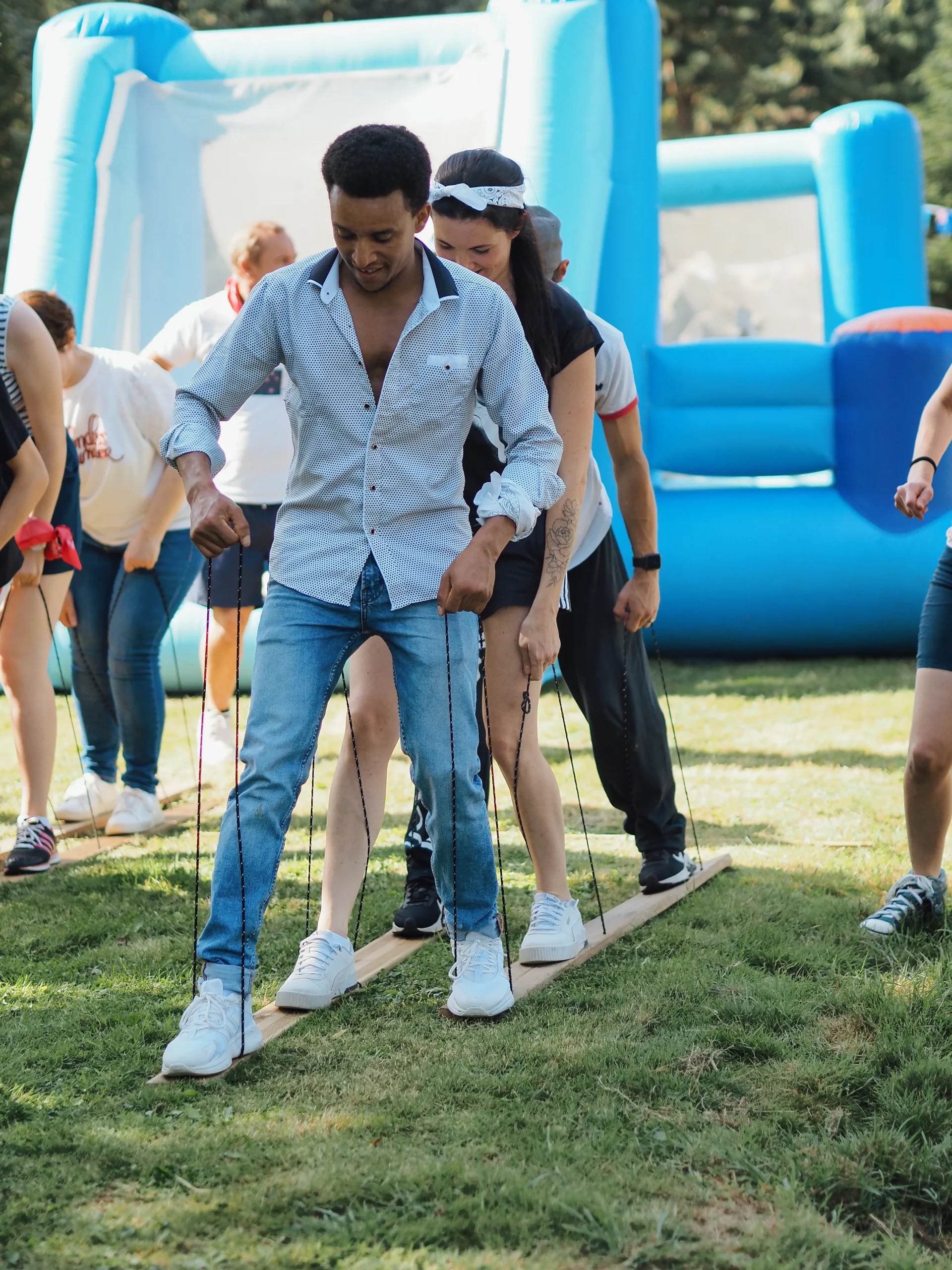
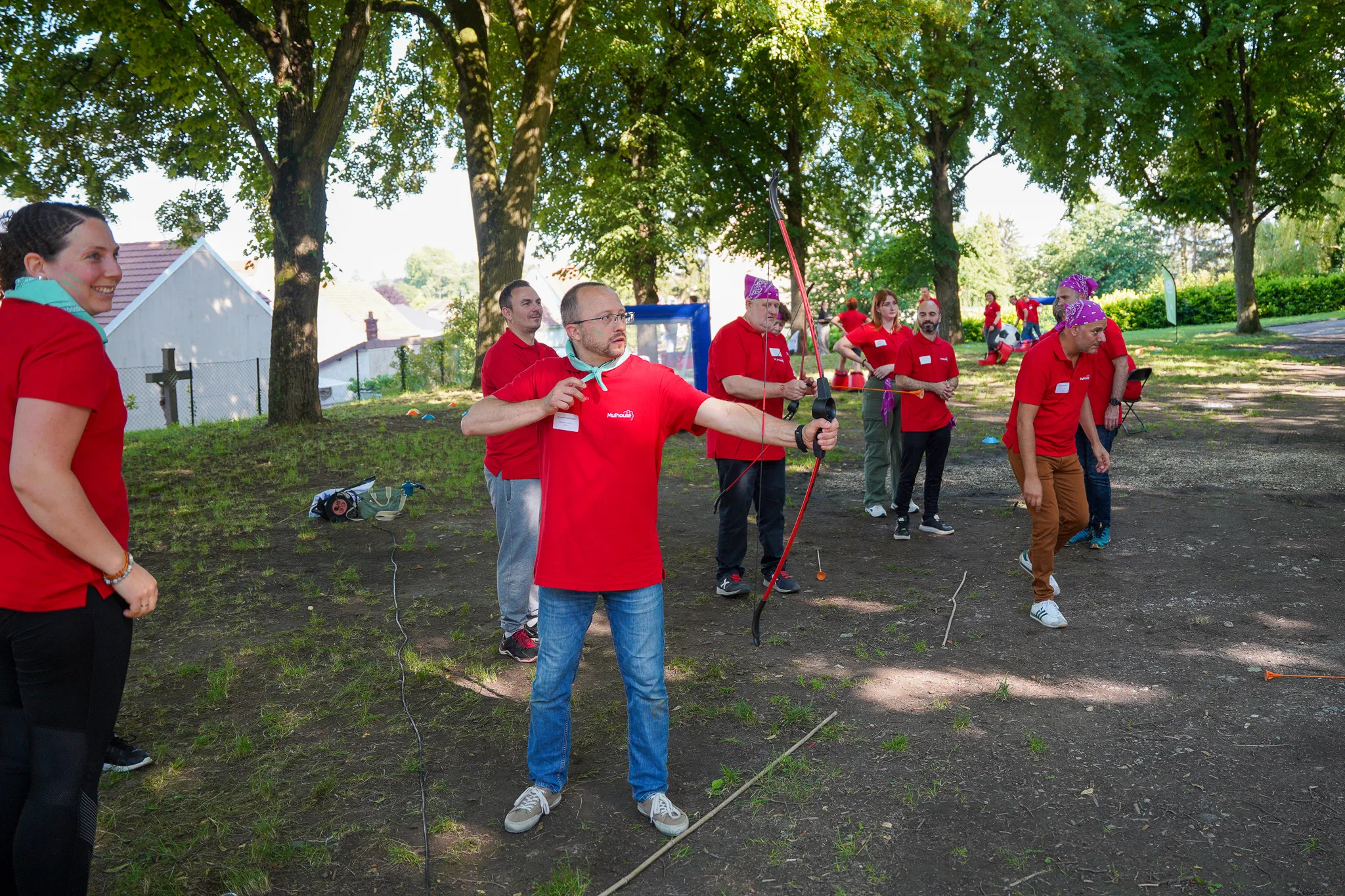
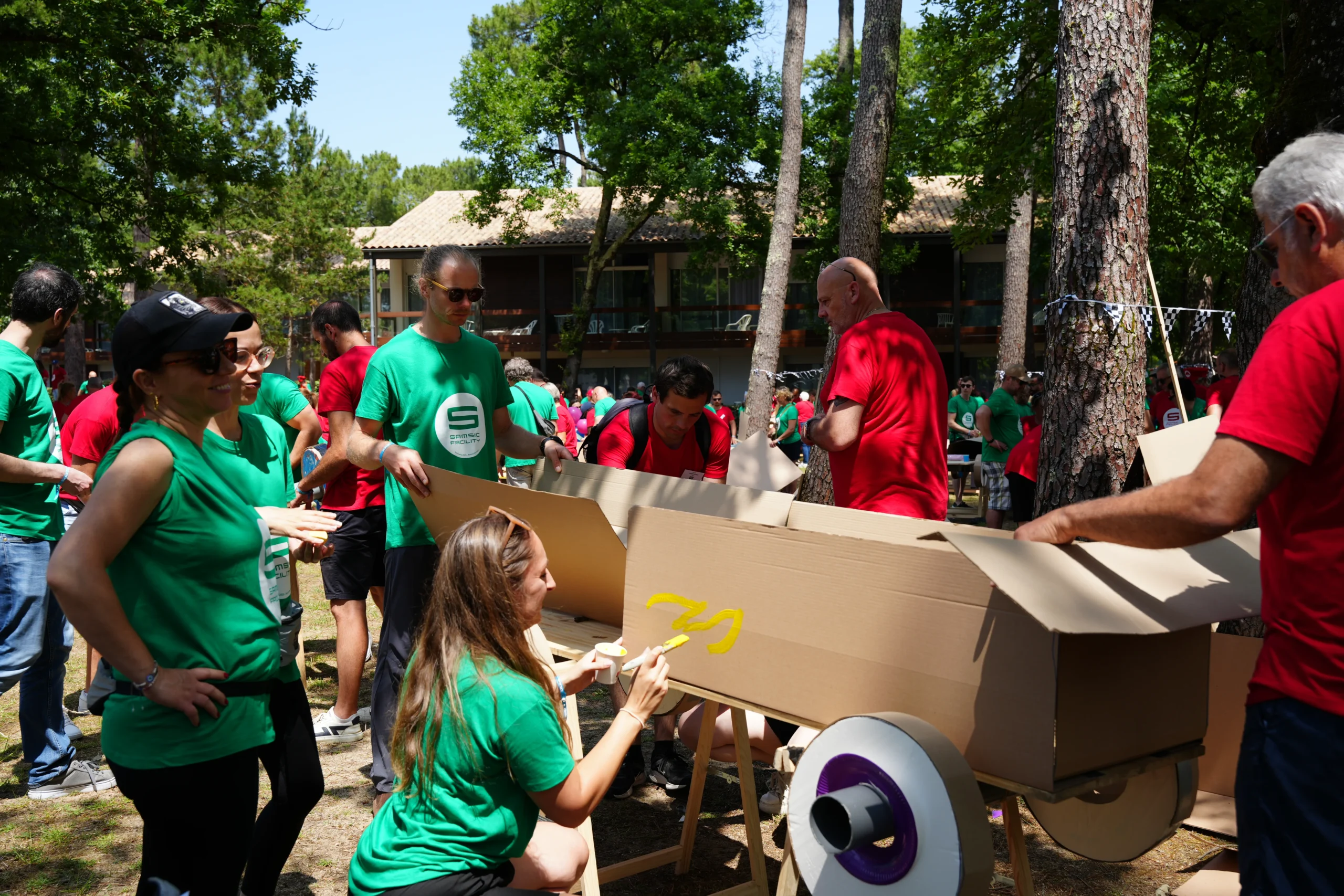
INNOV'events is a Montréal-based event agency delivering Team Building programs across Quebec for executive teams, HR and communications. We design, produce and run activities for 15 to 800 participants, in French, English or bilingual formats. You get one accountable partner for objectives, facilitation, venue coordination, vendors, risk management and on-site execution.
In a corporate context, entertainment is not a “nice to have”: it is a tool to accelerate alignment, trust and decision velocity—especially after restructures, fast growth or a demanding quarter. A well-run Team Building in Quebec creates a shared reference point leaders can reuse in coaching and performance conversations.
Local organizations expect operational seriousness: bilingual facilitation when required, predictable timing, privacy for internal discussions, and activities that respect diverse mobility levels. In Quebec, teams also expect authenticity—no forced cheerleading—plus concrete takeaways that feel relevant on Monday morning.
From our Montréal operations, we deploy crews and partners across the province with production standards that match board-level expectations. We build programs around your KPIs (retention, collaboration, safety culture, adoption of change) and we protect your brand on the day of the event—because that is what leadership teams are actually judged on.
10+ years delivering corporate events and Team Building programs across Quebec and Canada through our partner network.
200+ corporate projects produced (leadership offsites, plant recognition days, hybrid conferences, multi-site activations) with repeat clients in professional services, manufacturing, tech and public organizations.
Operational capacity from 15 to 800 participants, including multi-wave formats (e.g., 4 groups of 120) to fit shift work or limited venue capacity.
Standard deliverables: run-of-show, staffing plan, vendor SLAs, risk register, contingency scenarios, and post-event debrief with measurable feedback.
We support organizations that operate in Montréal, Québec City and regional hubs across Quebec, and many renew because the work reduces internal workload while keeping full control over messaging and outcomes. In practice, this often means the HR team wants engagement, the executive sponsor wants alignment on priorities, and communications needs a clean narrative that will hold up internally.
If you have shared company references with us, we integrate them here transparently. In the meantime, what matters for most directors comparing agencies is consistency: the same planning discipline for a 25-person leadership retreat as for a 500-person annual meeting, plus the ability to work within procurement rules, privacy requirements, and venue constraints typical in Quebec.
We send you a first proposal within 24h.
When budgets and calendars are compressed, executives need a clear reason to take people off the floor, away from clients, or out of routine meetings. A well-designed Team Building program is one of the few interventions that can shift behaviours quickly—because it creates a live, shared experience where patterns become visible in real time.
We typically start by clarifying what is really at stake: friction between departments, onboarding gaps after hiring sprees, siloed decisions slowing delivery, or leadership fatigue that shows up as short tempers and low follow-through. The event is then built to address those realities, not to “entertain” in the abstract.
Faster cross-functional execution: activities structured around handoffs and decision points reveal where teams lose time (unclear ownership, escalation habits, incomplete briefs).
Leadership alignment: executives leave with a shared language for priorities and trade-offs, which reduces mixed messages to managers.
Psychological safety without therapy: structured collaboration under time constraints allows quieter contributors to be heard while keeping the tone professional.
Better adoption of change: when a transformation program is underway (ERP rollout, new org design, new customer model), experiential formats help people understand “why” and “how” beyond slide decks.
Retention and engagement signals: employees interpret a well-run day as evidence of competence and respect for their time—especially when logistics are smooth and the intent is clear.
Culture reinforcement: safety culture, quality culture and customer culture are reinforced through scenarios that mirror the work environment (without disclosing sensitive projects).
In Montréal’s competitive talent market, the strongest impact comes from events that respect participants’ intelligence and time. A credible Team Building day supports performance and cohesion in a way that aligns with how organizations in Quebec actually operate: pragmatic, direct, and results-focused.
Teams in Quebec are diverse by language, role and location. A recurring reality we see: a head office group may be highly verbal and comfortable debating in meetings, while operational teams value clarity, fairness, and concrete outcomes. That difference must show up in the design—otherwise you get a day that engages half the room and alienates the other half.
We also plan around local constraints that decision-makers recognize immediately: winter travel variability, limited daylight for outdoor formats, venue loading restrictions in historic districts, and the need for bilingual materials that are not “translated after the fact.” In unionized or shift environments, the schedule must protect meal breaks and allow predictable start/finish times, which requires multi-wave facilitation and production discipline.
Finally, many organizations are risk-aware: privacy, brand image, and employee wellbeing. Activities have to be inclusive (mobility considerations, sensory load, cultural comfort), and the facilitation tone must remain professional—especially when senior leadership participates. We build engagement through structure and relevance, not through pressure or performance anxiety.
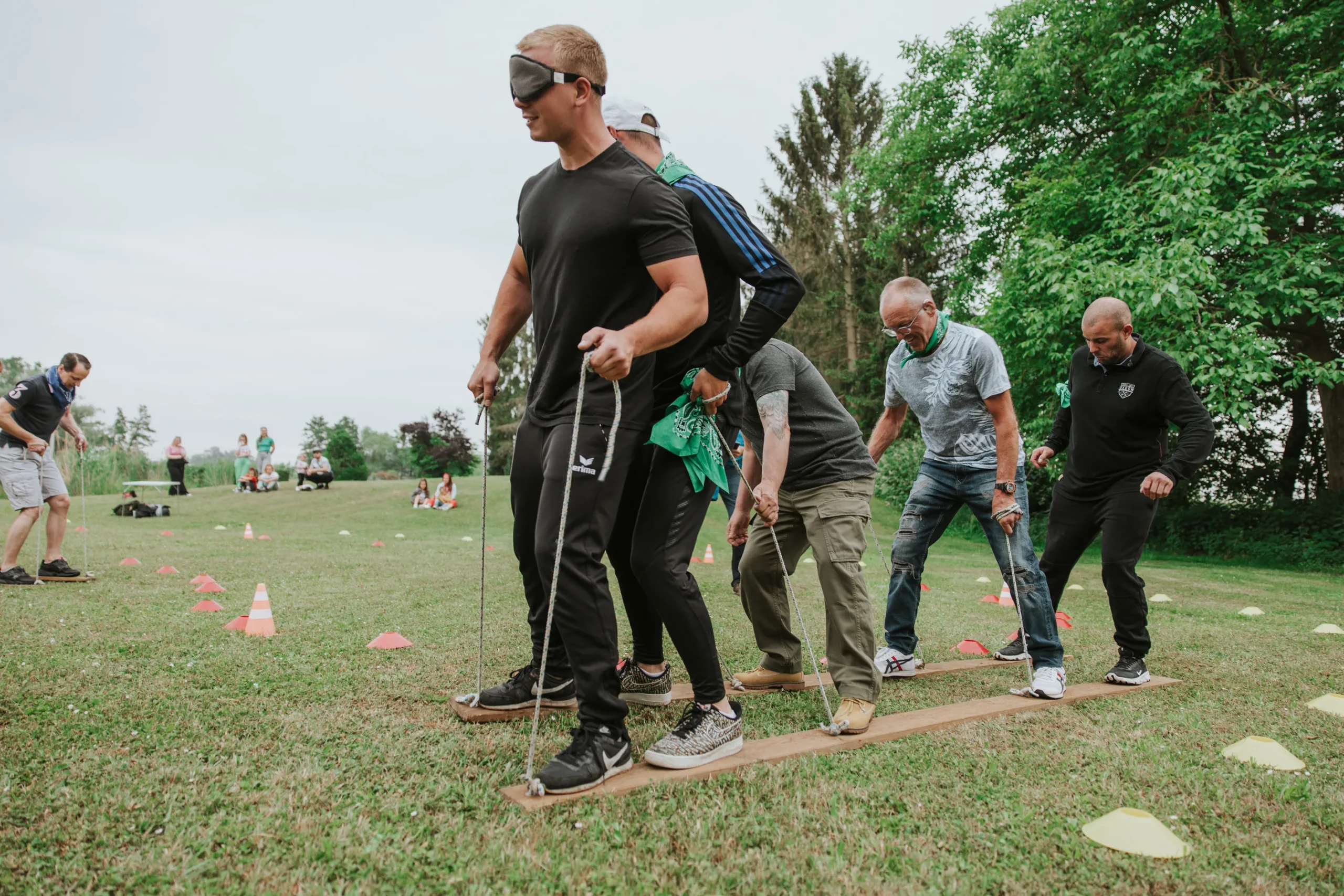
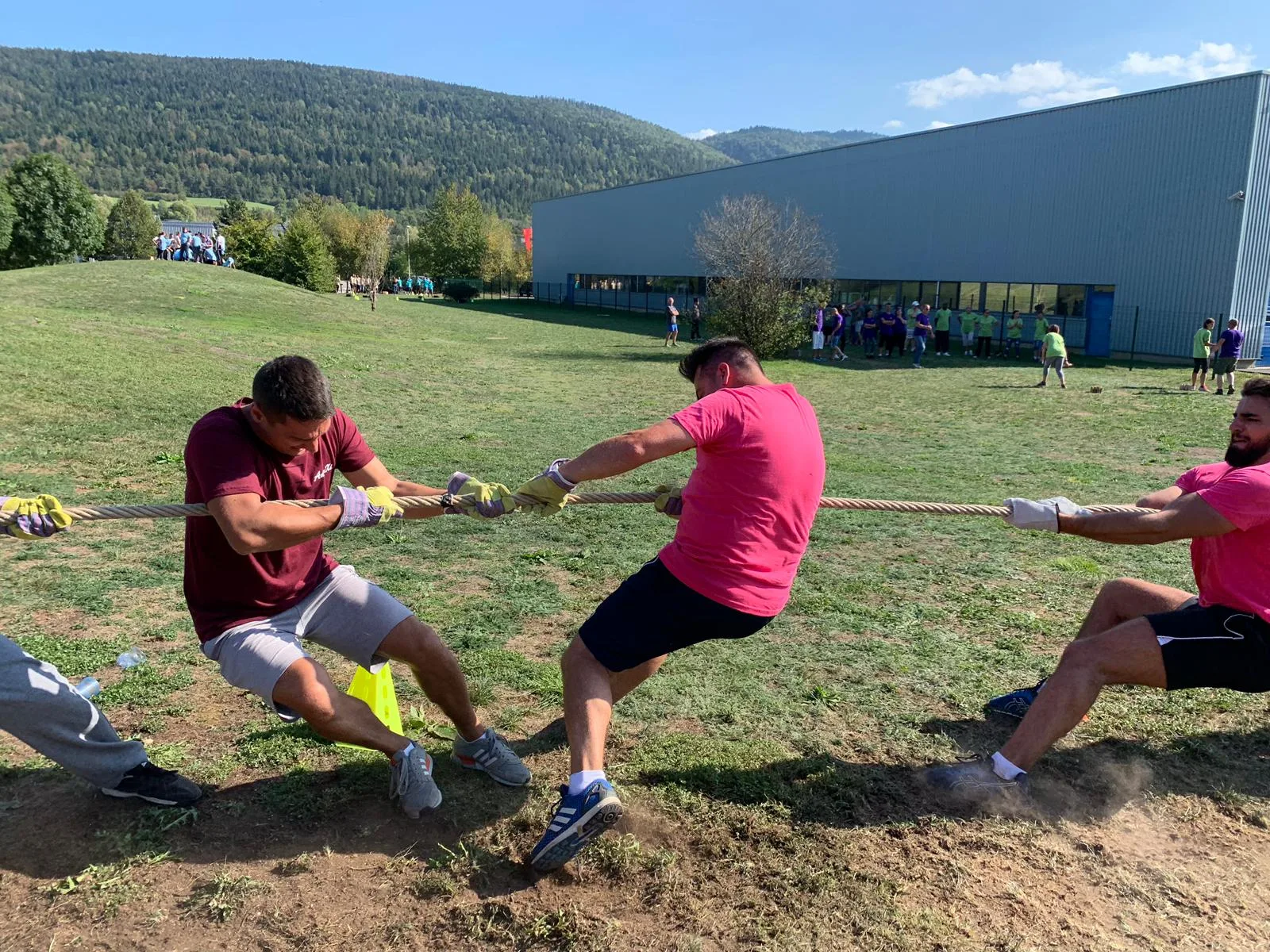
Engagement comes from relevance and well-designed interaction, not from noise. The best Team Building formats create a safe challenge: participants must coordinate, communicate under constraints, and learn something transferable. We propose options based on your workforce profile, venue, season, and the real leadership objective.
Operational simulation for cross-functional alignment (QC): teams run a time-boxed scenario with limited resources and changing priorities. Debrief focuses on decision rights, escalation, and how information moves between departments.
Negotiation and stakeholder lab: ideal after a re-org or when teams complain about “too many approvals.” Participants practise framing trade-offs and reaching agreements with defined constraints, then map what to change in their real workflows.
Hybrid-ready collaboration challenge: designed for distributed teams across Quebec. In-room groups coordinate with remote participants through defined roles so remote staff are not treated as spectators.
Safety and quality culture challenge: for industrial or regulated environments, using realistic but non-sensitive scenarios. The goal is to reinforce stop-work authority, reporting habits, and quality checks without lecturing.
Facilitated percussion or rhythm session (Montréal): effective for groups needing energy and cohesion, provided it is framed with clear intent (listening, synchronizing, shared cadence) and delivered in a professional tone.
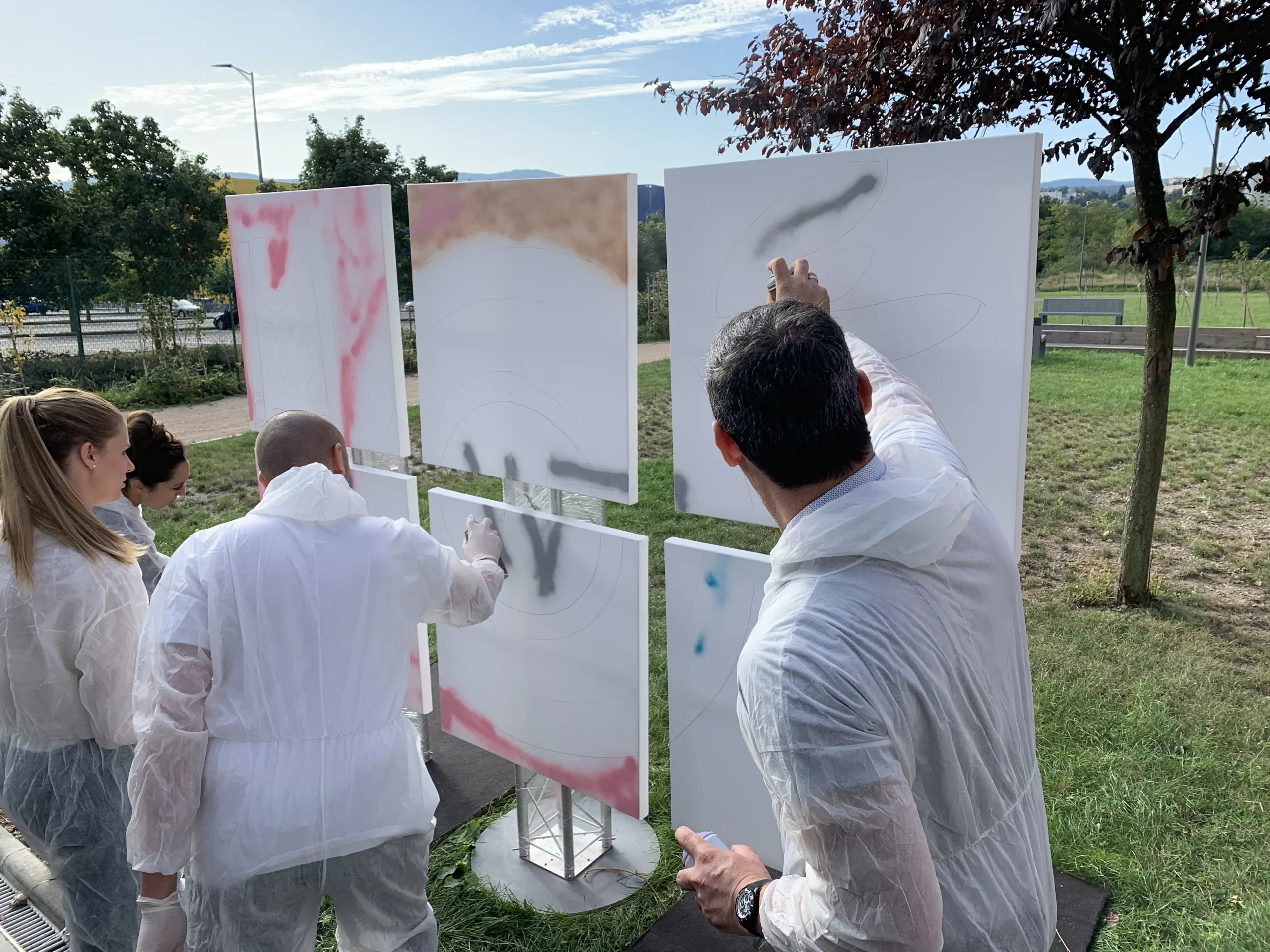
Collaborative mural with brand narrative: works well when communications wants a tangible asset for offices. We structure the creative process with prompts tied to company values and strategic priorities, not generic slogans.
Storytelling lab for leaders: not theatrical acting—rather, practical executive communication work: clarity, credibility, and consistent messaging. Useful ahead of town halls or change communications.
Local tasting with structured conversation prompts: a guided format featuring regional products across Quebec, designed to support networking without awkward small talk. Works well for mixed seniority groups.
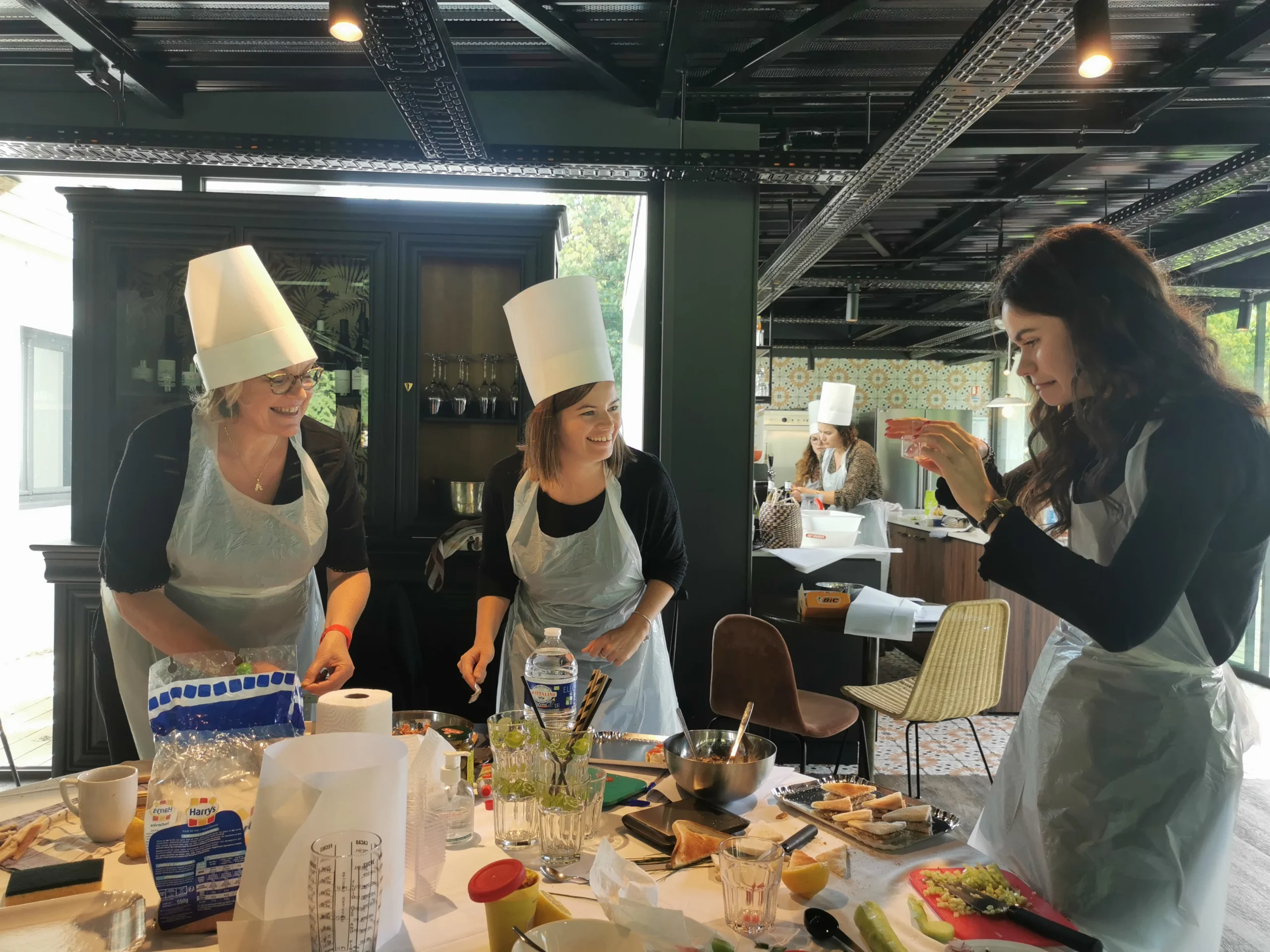
Team-based culinary production: stations that require coordination and time management. We ensure food safety, allergen management, and realistic timing so it stays professional.
Responsible cocktail or mocktail lab: designed with inclusivity in mind (non-alcoholic first), good for evening segments where leadership wants a lighter moment without losing control of tone.
Data-driven collaboration assessment: short pre-event survey and on-site observation grid, producing a practical “team operating system” snapshot (meeting habits, decision clarity, feedback loops) to support HR follow-up.
AR-enabled mission in a venue or downtown zone: works for larger groups when you need flow control and clear scoring. We design routes to avoid congestion and respect municipal constraints.
CSR challenge with measurable output: we select causes with local credibility and define concrete deliverables (kits assembled, hours contributed, items donated). The debrief links the experience to operational discipline and accountability.
Whatever the format, we keep one rule: the activity must match the company’s brand and leadership posture. For a regulated business, that means controlled risk, precise instructions, and professional facilitation. For a creative or tech employer, it can mean more experimentation—still anchored to outcomes. This is how corporate event entertainment in Quebec becomes a strategic asset instead of a distraction.
The venue is not just a backdrop; it shapes behaviour. Ceiling height, acoustics, room adjacency and circulation will determine whether your Team Building feels smooth or chaotic. In Quebec, we also plan for seasonality and travel time between sites—small choices here directly impact energy and punctuality.
| Venue type | For which objective? | Main strengths | Possible constraints |
|---|---|---|---|
| Downtown hotel with breakout rooms (Montréal / Québec City) | Leadership alignment, multi-department collaboration, bilingual facilitation | Reliable A/V, catering control, predictable timing, accessible for out-of-town attendees | Higher rental and F&B minimums; breakout availability varies; union rules for setup in some properties |
| Conference centre or dedicated meeting venue (QC) | Large groups, multi-wave workshops, formal plenary + hands-on modules | Capacity, logistics infrastructure, easier crowd flow, strong production conditions | Can feel “corporate”; requires strong content design to keep engagement high |
| Outdoor site with indoor backup (Laurentians / Eastern Townships) | Cohesion, stress reset, informal connection between departments | Change of scenery, high perceived value, space for movement-based challenges | Weather risk; transportation planning; accessibility and mobility considerations; earlier sunset in winter |
| Industrial or on-site facility space (Greater Montréal) | Safety/quality culture reinforcement, operational pride, shift-based participation | Minimal travel, highly relevant context, easier for leadership to connect with operations | Noise, space limitations, safety requirements, restrictions on food/alcohol and filming |
We strongly recommend a site visit (or a technical virtual walkthrough) before finalizing the format. Many execution issues—sound bleed between rooms, narrow corridors that jam rotations, limited loading access—only become obvious on location. A short pre-visit is often the difference between a controlled program and a day that feels improvised.
Pricing for Team Building in Quebec is driven by production realities more than by “activity labels.” Two programs can look similar on paper and perform very differently depending on facilitation ratio, venue constraints, travel, and the level of customization needed to hit your objective.
In practical terms, many corporate clients we support fall into these ranges: $150–$300 per person for structured in-venue challenges with standard production; $300–$600 per person for more complex formats (multi-module rotations, strong facilitation ratios, premium venues); and $600–$1,200+ per person for offsites with accommodation, high-end production, or leadership programming layered on top. These ranges change with seasonality, location, and service level.
Participant count and facilitation ratio: serious collaboration work often requires 1 facilitator per 25–40 people depending on complexity and language needs.
Venue and F&B minimums: downtown properties can impose minimum spends; regional venues may reduce rental but increase transportation costs.
Time on site: a 90-minute activity is not the same as a half-day rotation with briefing, transitions and debrief; staffing hours drive cost.
Customization level: integrating your real workflows, leadership messages, or change program increases design time but typically improves transfer to the workplace.
Risk management: outdoor programs require contingency planning, additional supervision, safety briefing, and sometimes permits.
Audio-visual and content production: microphones, screens, show calling, cue-to-cue rehearsal, and bilingual slides add measurable value in professionalism.
We frame budget as an ROI question: what is the cost of continued friction, slow decisions, or attrition versus a structured intervention that improves how people work together? When the objective is clear, we can prioritize spend where it changes outcomes (facilitation, flow, debrief) and reduce what does not (unnecessary staging, excessive props).
Local presence is not a slogan; it is operational leverage. An agency established in Quebec knows venue standards, regional vendor reliability, labour realities, and how to deliver bilingual programs without last-minute patchwork. It also means faster site visits, stronger contingency planning for weather and transport, and easier coordination with your internal teams.
When programs extend beyond Montréal—Québec City, the Laurentians, the Eastern Townships or industrial corridors—local production knowledge reduces risk. We routinely manage vendor confirmations, load-in timing, insurance documents and municipal constraints so your HR and communications teams are not firefighting during their busiest periods.
For teams based in Capitale-Nationale, we can also coordinate with our dedicated page for event agency in Quebec support to ensure consistent standards while respecting local vendor ecosystems and venue constraints.
We frame budget as an ROI question: what is the cost of continued friction, slow decisions, or attrition versus a structured intervention that improves how people work together? When the objective is clear, we can prioritize spend where it changes outcomes (facilitation, flow, debrief) and reduce what does not (unnecessary staging, excessive props).
Our projects range from executive offsites to large multi-department days where the real challenge is logistics and fairness. For a rapidly scaling tech employer, we built a half-day simulation focused on decision rights and escalation: teams practised clarifying “who decides what” under time pressure, then translated the learnings into a practical decision matrix used in weekly operations.
For a manufacturing organization with multiple shifts, we delivered a multi-wave format over one day to avoid production disruption. The program reinforced safety culture and communication between maintenance, operations and supervisors. The key to success was not the activity itself—it was the production plan: timed rotations, consistent facilitation across waves, and a debrief template that managers could reuse.
For a professional services firm preparing a major internal change, we delivered a leadership communication lab paired with a collaborative challenge. The debrief tied directly into manager expectations: how to communicate constraints transparently, how to handle resistance respectfully, and how to maintain credibility during uncertainty.
Choosing an activity before defining the objective: leads to high energy with no transfer. We start with outcomes and behavioural indicators.
Underestimating facilitation needs: one facilitator for 150 people produces spectators, not collaboration. We size staffing to the format.
Ignoring bilingual dynamics: “we’ll translate on the spot” slows pacing and excludes participants. We plan language flows in advance.
No real contingency plan: outdoor programs without indoor backup, transport buffers, or weather triggers create day-of stress.
Overloading the agenda: too many modules with no debrief results in “busy” instead of “useful.” We protect reflection time.
Brand misalignment: overly childish mechanics or forced participation can damage credibility with senior staff. We keep a professional tone.
Our role is to make sure the day reflects leadership competence: clear purpose, smooth flow, and a participant experience that feels respectful and well-run. That is what reduces risk for HR and communications—and what executives notice immediately.
Repeat business is earned through predictability and accountability. Many clients return because we reduce internal coordination effort while keeping the decision-makers informed at the right level: key choices, key risks, and clear next steps.
In practice, loyalty comes from small operational truths: the agenda starts on time; microphones work; catering matches dietary needs; facilitators handle dominant personalities without awkwardness; and the debrief produces actionable commitments rather than feel-good comments. Those details are what directors remember when selecting an agency again.
High repeat rate among clients who run annual meetings or recurring leadership sessions, with programs refreshed yearly to reflect business priorities.
Typical renewal cycle: annual or semi-annual sessions, plus add-on modules (leadership lab, onboarding cohorts, change communications support).
Loyalty is not about novelty; it is proof of operational consistency. When your internal stakeholders trust execution, you can focus on leadership content and business outcomes—exactly where your time should go.
We start with a structured intake with the executive sponsor, HR and (when applicable) communications. We clarify the business context (growth, re-org, post-merger integration, operational challenges), the audience profile, and what “success” looks like in observable terms. Deliverable: a one-page objective brief and 2–3 program directions with pros/cons.
We design the flow: plenary moments, activity mechanics, group sizes, facilitation ratio, bilingual pacing, and debrief method. We validate inclusion (mobility, sensory load, language comfort) and ensure executives have an appropriate role that supports the message. Deliverables: run-of-show, staffing plan, and facilitation guide.
We confirm venue constraints, loading, A/V specs, catering service style, and space plans. We contract vendors with clear SLAs and schedule buffers, then build contingencies (weather triggers, backup equipment, staffing redundancy). Deliverables: production schedule, technical sheet, risk register, and final logistics note for internal stakeholders.
On the day, we run a professional floor operation: check-in flow, timekeeping, facilitator coordination, A/V cues, and rapid issue resolution. We keep leadership informed without burdening them—one point of contact, clear escalation, and decisions made at the right level. Deliverable: controlled execution and real-time adjustments without public disruption.
Within days, we provide a debrief: participant feedback summary, observations from facilitators, and recommended next actions (manager prompts, meeting rituals, decision-right clarifications). If desired, we can add a short pulse survey 30 days later to measure movement on the behaviours targeted.
For Quebec peak periods (May–June, September–December), plan 6–10 weeks ahead for solid venue and facilitator availability. For a simple in-office format, 3–5 weeks can work. For offsites with accommodation or multi-site logistics, target 10–16 weeks.
Most Montréal programs land between $150 and $600 per person depending on venue, facilitation ratio, customization and production level. Leadership offsites with lodging and premium production can reach $600–$1,200+ per person. We can propose options at different price points while protecting the objective.
Yes. We design bilingual flow from the start: facilitation team composition, language grouping strategy, bilingual materials, and time management so neither language group feels secondary. In many cases, a co-facilitation model (FR/EN leads) is more effective than consecutive translation.
There is no single “best” size, but interaction quality changes with scale. For deep collaboration, groups of 20–80 are ideal. For 100–400, we use rotations and multiple facilitators. For 400–800, we recommend a hybrid format: strong plenary moments plus breakout waves to maintain participation.
We define clear go/no-go triggers (temperature, precipitation, wind) and secure an indoor backup or alternate format. We also build time buffers for transport, provide participant comms templates, and adapt mechanics to seasonal realities in Quebec (early sunsets, ice, heat waves).
If you are comparing agencies, we can help you decide quickly and responsibly. Share your date window, city/region in Quebec, participant count, language needs, and the objective you want leaders to stand behind. INNOV'events will come back with 2–3 program directions, transparent budget ranges, and a production plan that protects your brand on the day of the event.
The earlier we align on outcomes and constraints, the easier it is to secure the right venue and facilitation team—especially in peak seasons. Contact us to start planning your next Team Building in Quebec.
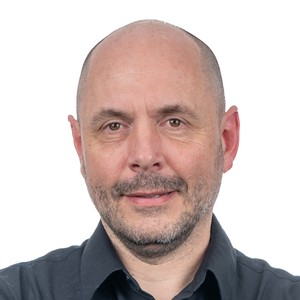
Thierry GRAMMER is the manager of the INNOV'events Quebec office. Reach out directly by email at canada@innov-events.ca or via the contact form.
Contact the Quebec agency