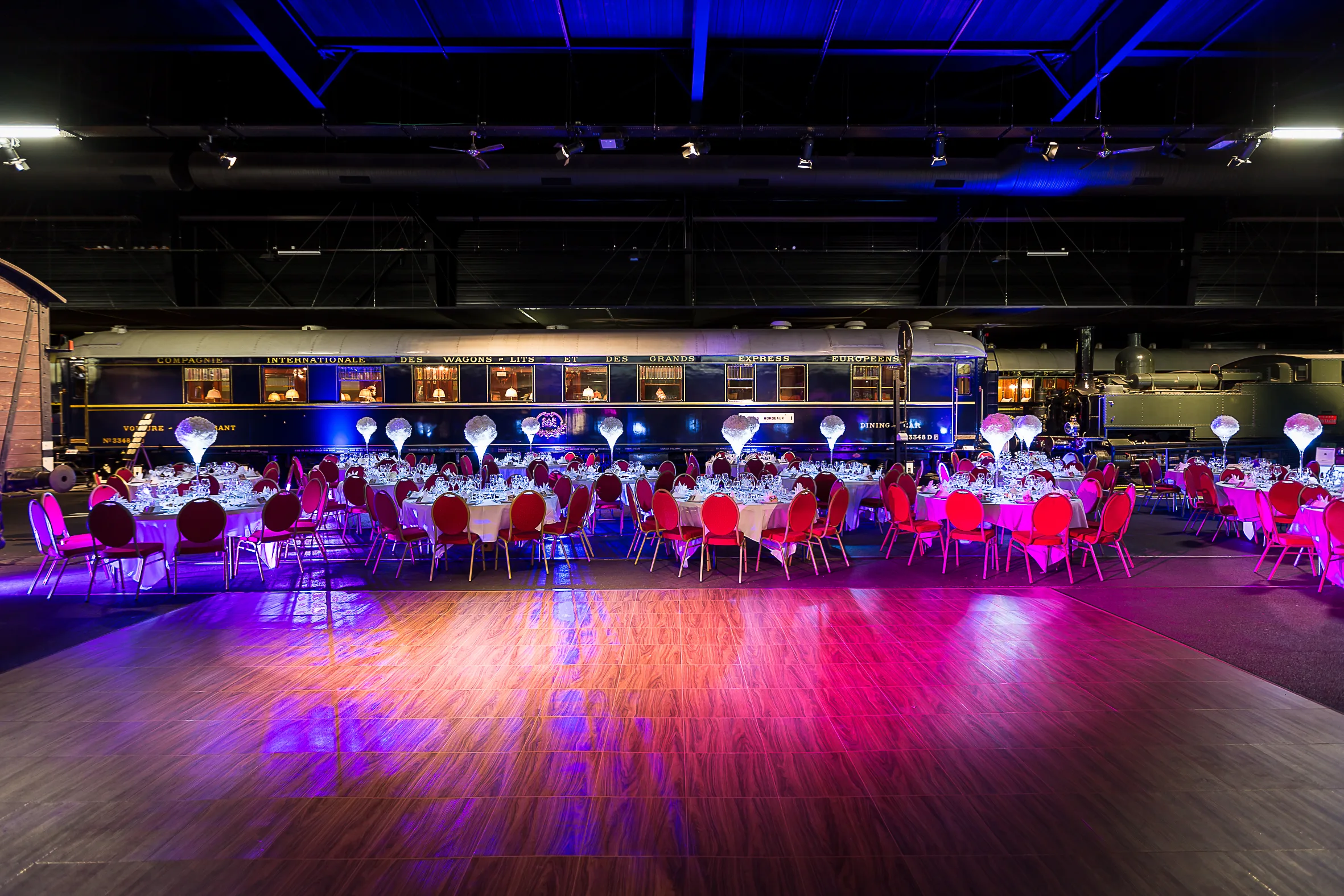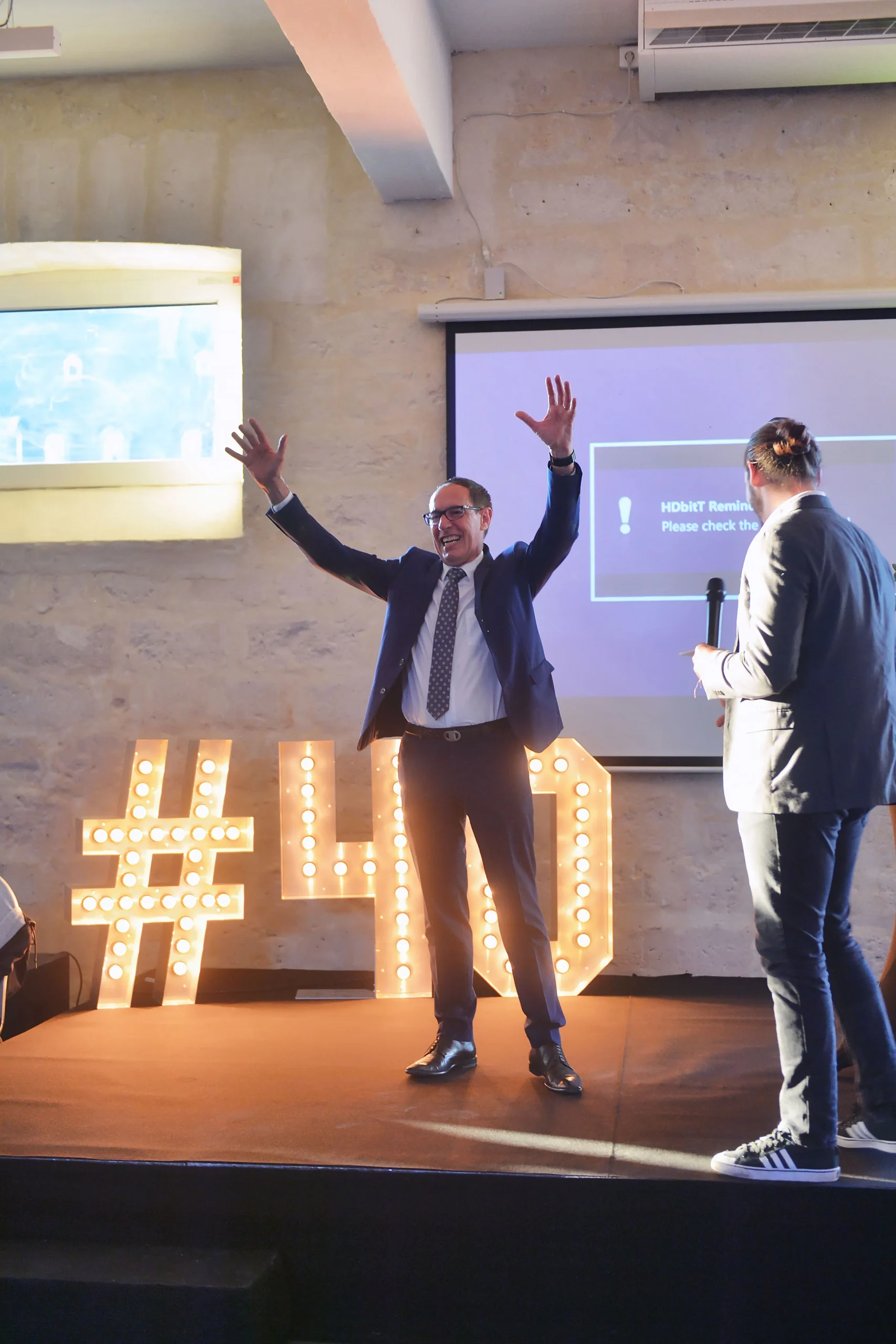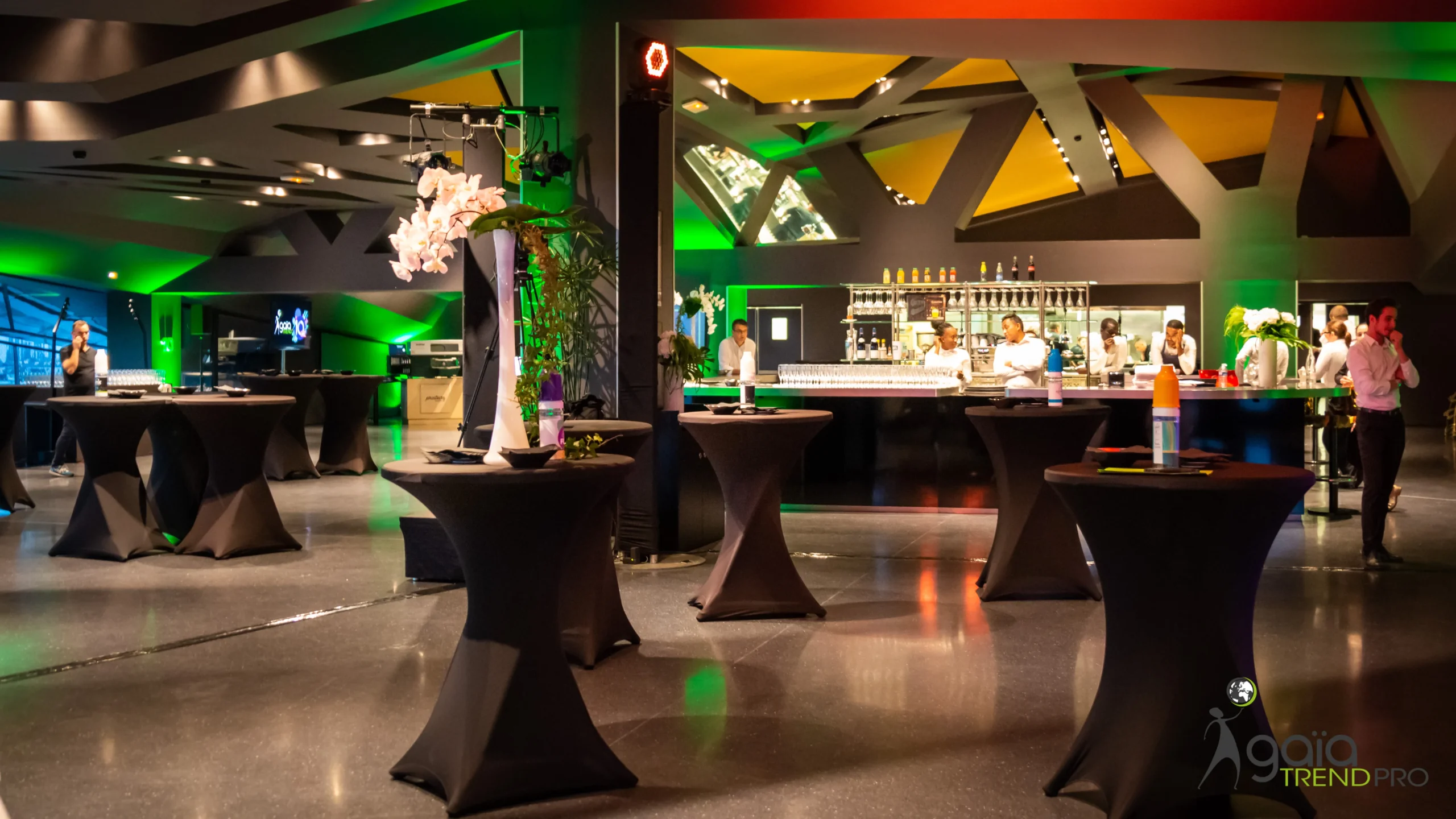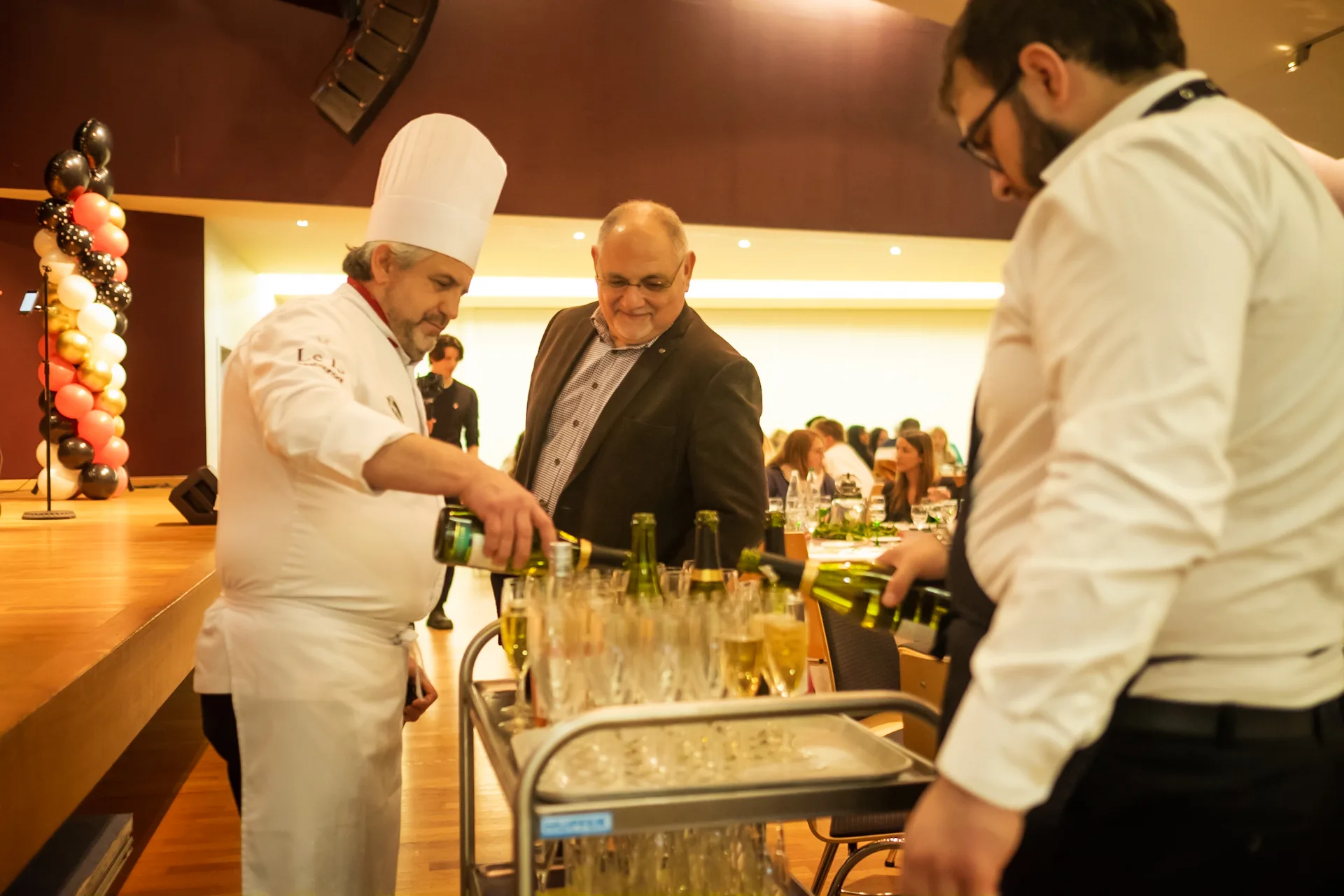
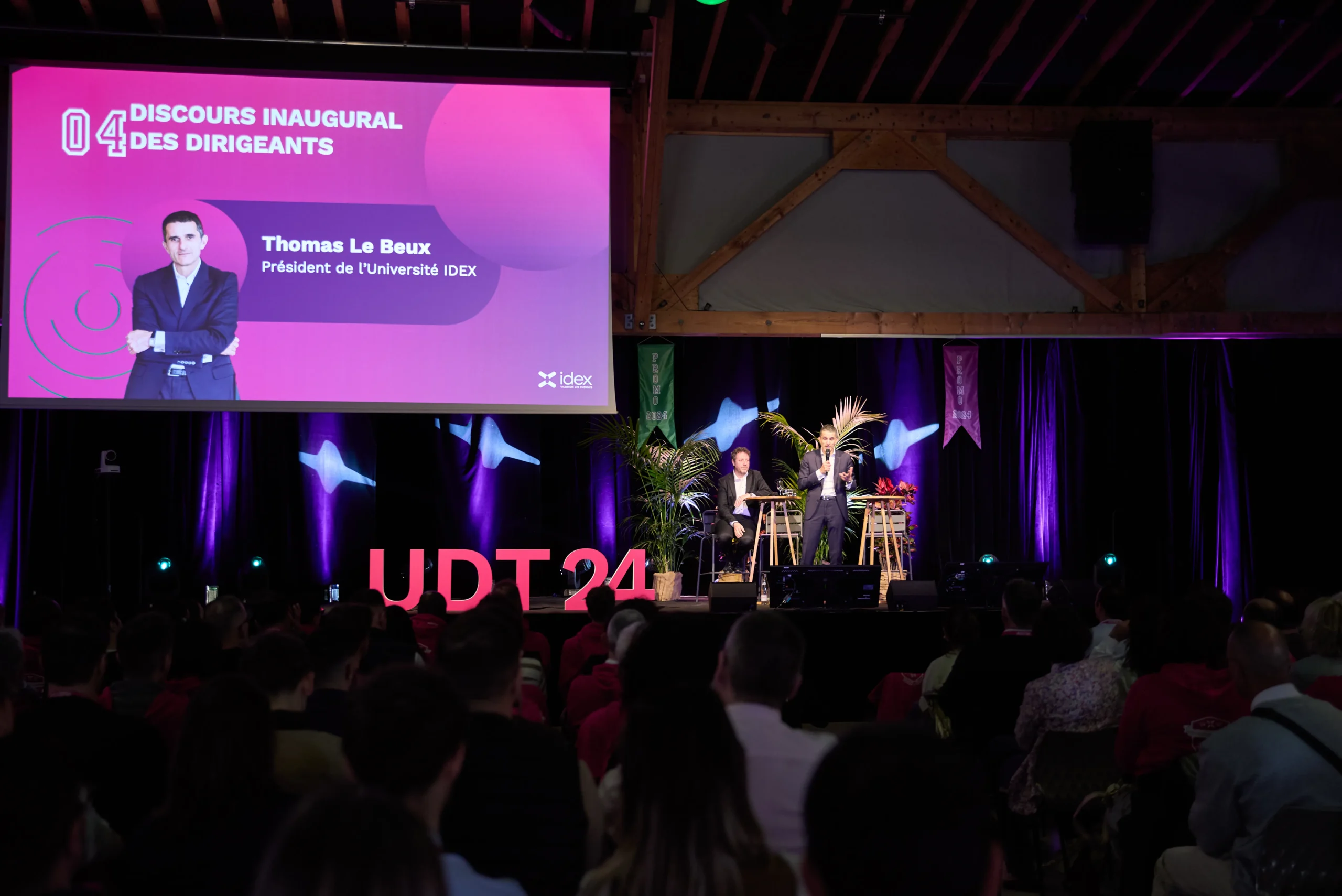
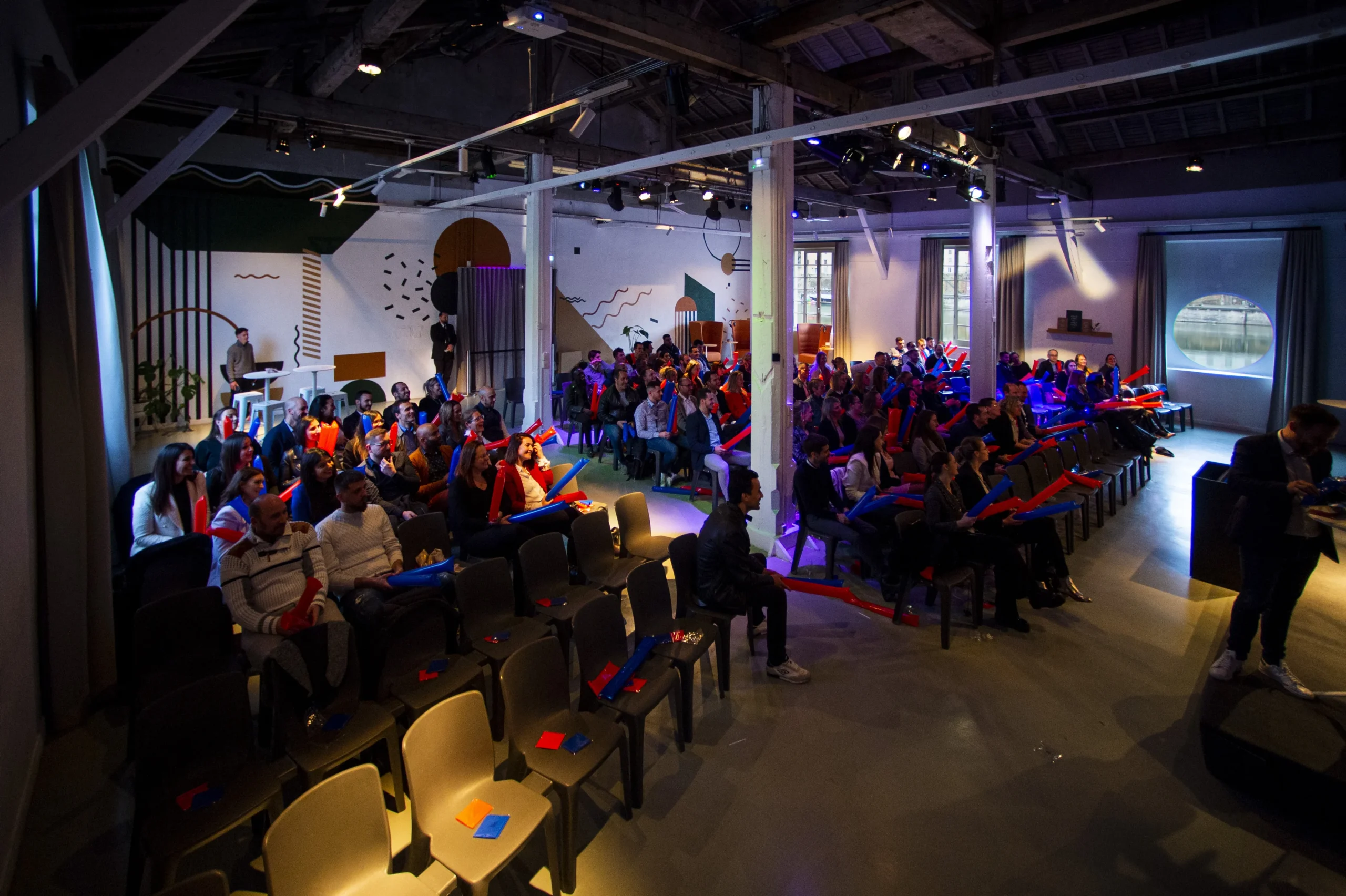
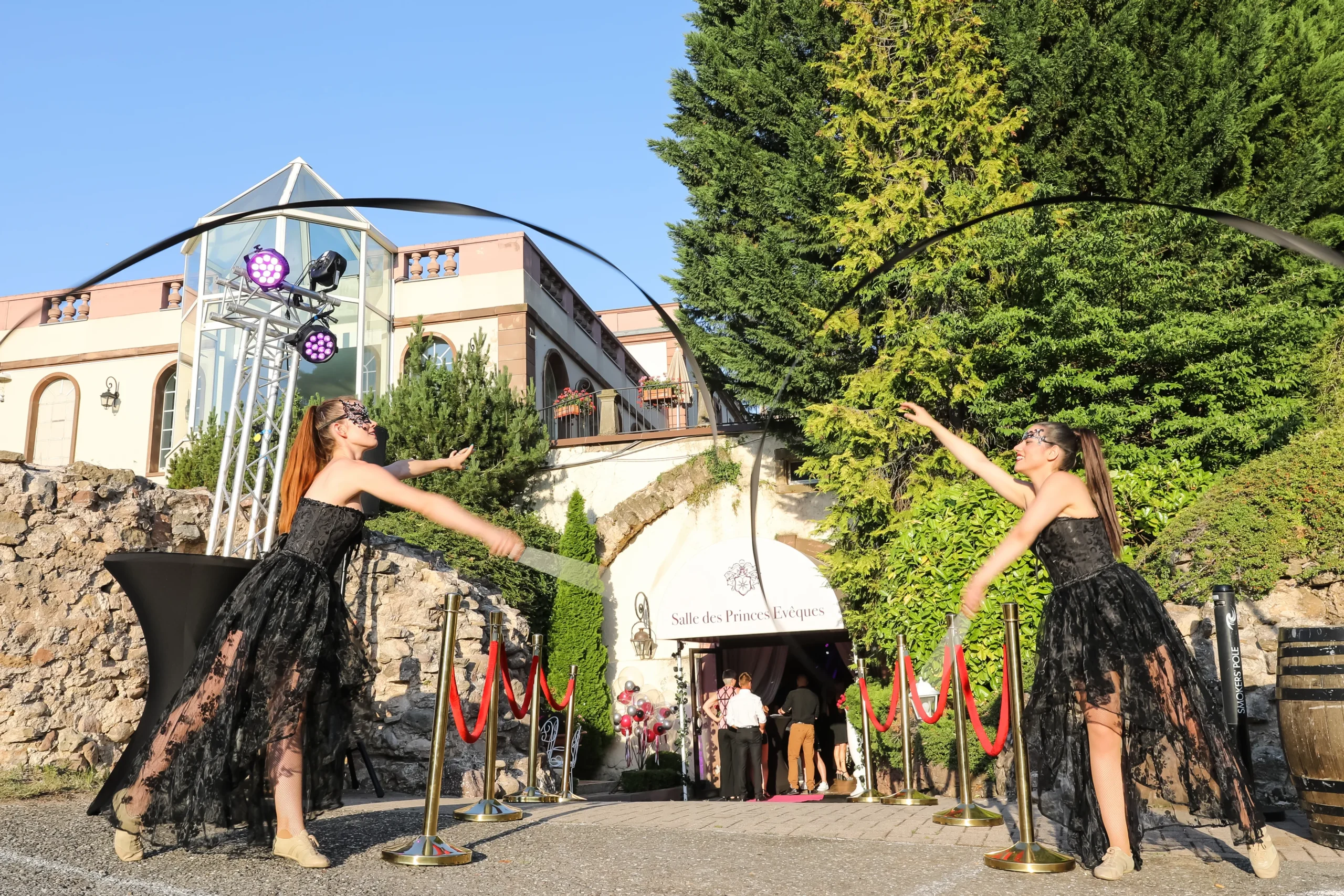
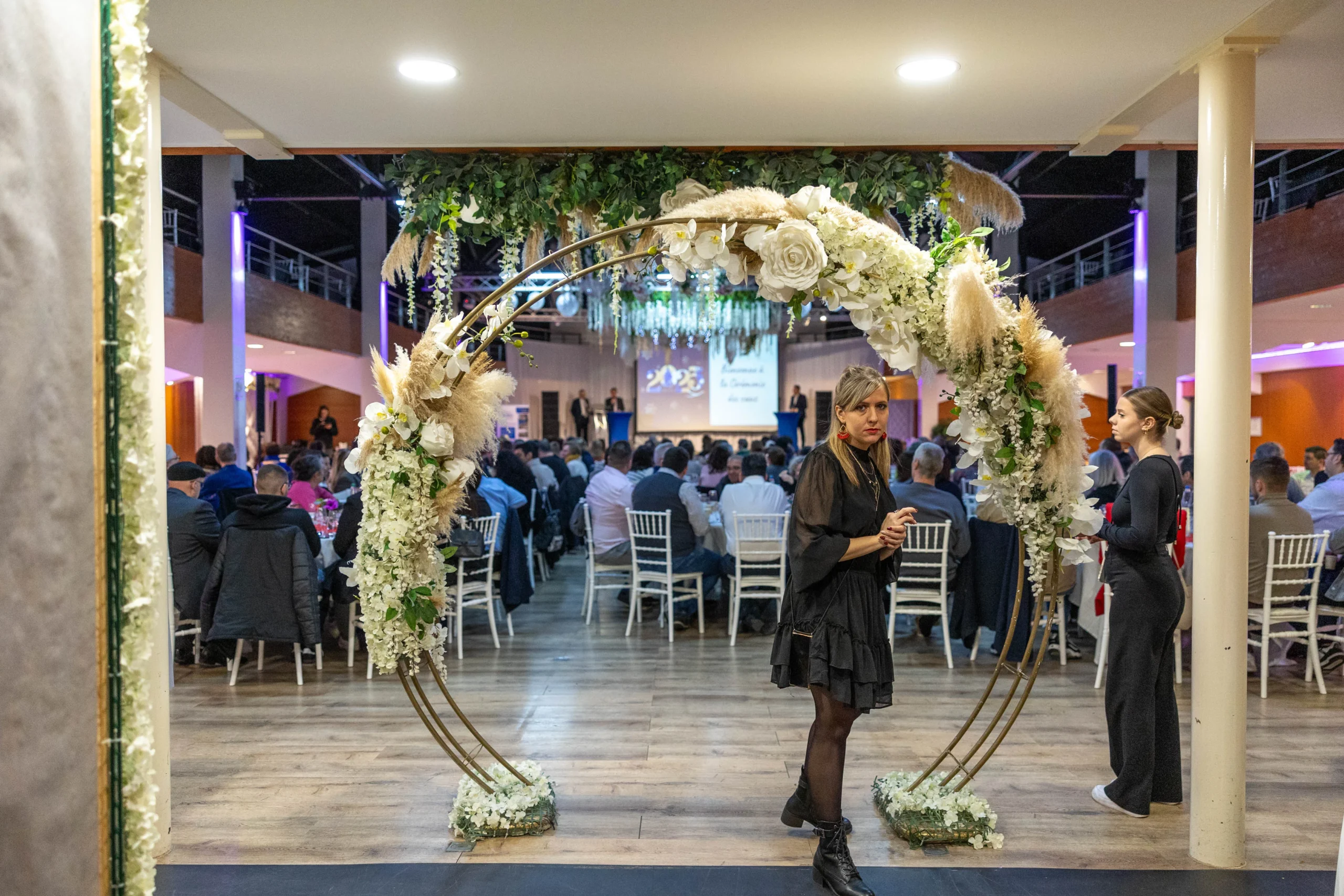
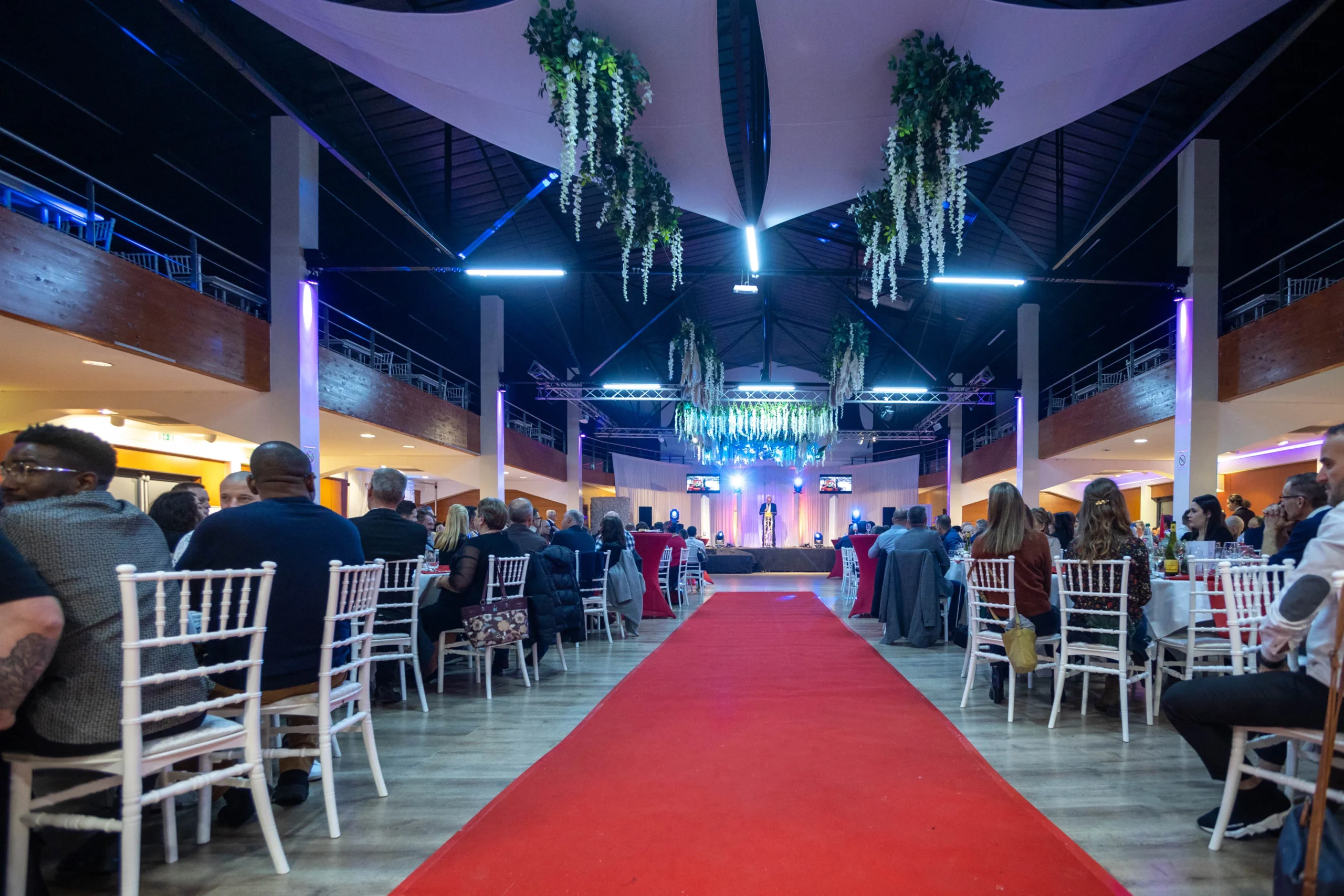
INNOV'events is a Montréal-based corporate event team supporting executives, HR, and communications for Event Venue Rental, from focused leadership offsites to large-scale celebrations. Typical formats range from 30 to 2,000 attendees, with clear governance, vetted suppliers, and day-of operations. We handle venue shortlisting, site visits, permits, contracts, floor plans, AV, catering coordination, and contingency planning.
In a corporate context, the venue is not “just a room”: it sets the behavioural tone, controls your operational risk, and directly impacts participation. The wrong layout can break networking, a poor load-in plan can delay your program by 30–60 minutes, and weak acoustics can undermine leadership messages. A disciplined Event Venue Rental process is one of the most reliable ways to protect executive credibility on event day.
Montréal organizations usually expect fast decision cycles, bilingual touchpoints, and venues that can adapt to hybrid workflows and strict security requirements. We regularly see last-minute changes: headcount swings of ±20%, VIP attendance confirmations within 72 hours, or a legal review that changes the contract clauses. You need a venue partner that is flexible without improvising.
As an event agency established in Montréal, INNOV'events works hands-on: scouting, negotiation, technical walkthroughs, supplier alignment, and on-site show-calling. Our job is to reduce surprises, document decisions, and keep stakeholders aligned—so HR can focus on people, communications can protect the brand, and executives can focus on business outcomes.
10+ years supporting corporate events in Québec and across Canada, with repeat clients who expect consistent execution.
200+ corporate events delivered (leadership meetings, town halls, incentive evenings, client receptions, conferences) with structured run-of-show and vendor governance.
30–2,000 attendees managed in venues ranging from private dining rooms to major halls, including complex load-ins and multi-room programming.
48–72 hours average turnaround to produce an initial venue shortlist in Montréal when criteria are clear and dates are confirmed.
1 single point of contact on the agency side, plus an operations lead on site to coordinate AV, catering, security, and venue teams.
We support organizations that need dependable execution in Montréal, whether they are headquartered downtown, in the West Island, or operating between Montréal and Laval. Many of our mandates come from HR and communications teams who run multiple touchpoints per year—holiday parties, leadership retreats, client receptions, recruitment events—and prefer one partner who can secure venues, keep documentation consistent, and maintain vendor performance over time.
In practice, that means we maintain working relationships with venue managers, AV leads, caterers, security teams, and union contacts where applicable. When a venue’s contract clause conflicts with an internal procurement policy, we know how to structure the negotiation and escalation without burning the relationship. When a building’s freight elevator schedule threatens load-in, we adjust the production plan early so your program stays intact.
If you want references, we share relevant case studies during a call (by industry and format) and can provide supplier-level references when appropriate. The objective is simple: confirm we can deliver the same operational reliability your leadership team expects internally.
We send you a first proposal within 24h.
Using your office can be efficient, but it rarely gives you the control you need over acoustics, flow, privacy, catering service levels, and brand presentation. A well-chosen venue creates the conditions for attention, dialogue, and decision-making—especially when you have cross-functional teams, external guests, or sensitive topics.
Protect leadership messaging: proper sightlines, sound reinforcement, and lighting ensure your CEO or VP is heard and understood—no distractions, no improvisation.
Improve participation: the right room ratios (reception vs seated vs breakout) increase actual engagement, not just attendance.
Control confidentiality: private access, controlled entrances, and dedicated green rooms matter for board updates, labour relations, and client negotiations.
Strengthen employer brand: candidates and employees read the venue as a signal of seriousness and respect for their time.
Reduce operational burden on internal teams: facilities and admin teams are not built to manage catering timelines, AV redundancies, and vendor load-in constraints.
Enable measurable outcomes: venues with the right infrastructure make it easier to run surveys, capture content, and standardize an event playbook across the year.
Montréal’s business culture is fast, bilingual, and relationship-driven. A venue that supports hospitality and smooth logistics is not a luxury; it is a practical investment in credibility and execution.
In Montréal, executives and HR teams typically manage a mix of local and national stakeholders. That reality creates specific venue requirements that are easy to underestimate until the week of the event. We routinely see these expectations:
Our role is to translate these expectations into measurable selection criteria, so the venue choice is defensible internally and operationally stable externally.
Entertainment is effective when it supports the business purpose: networking, recognition, onboarding, client intimacy, or cultural alignment. In Montréal, where guests have high expectations for hospitality and pace, the best formats are those that create structured interaction without forcing participation.
Facilitated networking formats: guided rotations, conversation prompts aligned to your themes, and light “mission cards” that help new hires and cross-functional teams meet without awkwardness.
Trivia with company context: not generic questions—content built from your milestones, product lines, and values. Works well for 80–400 guests when timed between courses or after a town hall.
Photo and content stations: executive-approved backdrops, brand-safe lighting, and an approval workflow if you plan to reuse images on LinkedIn or internal channels.
Jazz trio or acoustic set: reliable for client receptions where conversation is the priority; we specify decibel targets and stage placement to prevent noise escalation.
Roaming performers: used in larger venues to activate dead zones (foyers, hallways) and maintain energy without pulling focus from speeches.
MC moderation: a professional host who can handle bilingual transitions and keep timing tight when you have awards, leadership remarks, and sponsor thanks.
Chef stations with throughput planning: Montréal guests enjoy food experiences, but we plan service capacity (e.g., 1 station per 80–120 guests) to avoid long queues.
Local beverage tastings: structured tastings (wine, gin, non-alcoholic pairings) work well when you want a premium feel without a full dinner.
Late-night snack strategy: a practical tool to manage energy and responsible consumption during evening events.
Hybrid-ready content capture: interview corner for leadership soundbites, employee testimonials, or client quotes—useful for internal comms after the event.
Data-driven engagement: QR-based feedback prompts tied to sessions or themes, producing a clear post-event report for executives.
Silent moments done right: silent disco can work in certain Montréal venues with noise restrictions, but only with clear staffing, headset distribution, and safety management.
The key is alignment: entertainment must match your audience, your industry posture, and your brand risk tolerance. We validate what is appropriate for your leadership team before anything is booked, and we ensure the venue can support it technically and logistically.
The venue is your operational framework: it dictates guest flow, technical feasibility, and the perceived level of professionalism. When directors compare options, we recommend evaluating venues against your program design (not the other way around): arrival waves, transitions, content moments, and service pacing.
| Venue type | For which objective? | Main strengths | Possible constraints |
|---|---|---|---|
Downtown hotel ballroom | Town hall, awards night, conference with out-of-town guests | On-site rooms, predictable service, built-in banquets team, good backup plans | Package rigidity, AV markups, limited personalization in some properties |
Converted industrial loft (Griffintown / Sud-Ouest style) | Brand-forward cocktail, product reveal, leadership reception | Strong visual impact, flexible layouts, content-friendly aesthetics | Noise restrictions, load-in limits, added costs for rentals (furniture, drape, staging) |
Modern conference centre or dedicated event hall | Multi-room programming, breakouts, sponsor areas, higher capacities | Scalable spaces, professional rigging/power, smoother attendee flow | May require more decor to soften the feel; strict union/rigging rules in some halls |
Restaurant buyout with private rooms | Client dinners, executive offsites, recruitment hospitality | High food quality, controlled ambiance, shorter planning timeline | Limited AV, limited capacities, speeches need careful sound management |
Museum or cultural venue rental | High-end donor/client events, brand positioning, recognition evenings | Prestige, built-in “talk value,” strong guest experience without heavy programming | Strict conservation rules, limited food service zones, earlier curfews in some venues |
We strongly recommend site visits for shortlisted venues, ideally with the person accountable for AV and operations. A 45-minute walkthrough often reveals what emails and brochures won’t: sound bleed, queue pinch points, backstage access, and the true load-in reality.
Venue pricing in Montréal depends on the day of the week, seasonality, exclusivity, and what is bundled (furniture, staffing, security, AV, catering minimums). A venue that looks “cheaper” can become more expensive after adding mandatory suppliers and overtime.
Date and time block: Thursday/Friday evenings and peak holiday dates carry premiums; daytime mid-week is often more favourable.
Minimum spend vs room rental: restaurants and hotels often work on a minimum food and beverage commitment; lofts and halls often charge a base rental plus mandatory rentals.
Capacity and room count: plenary + 3 breakouts is a different cost structure than a single-room cocktail, even with the same headcount.
AV and internet: microphones, projection/LED, recording, streaming, and dedicated bandwidth can materially change the total; we validate what is included and what is not.
Staffing ratios: bartenders, servers, coat check, security, cleaners—these costs scale with guest flow and service level expectations.
Permits and insurance: liquor permits (when applicable), security requirements, and liability insurance thresholds.
Load-in complexity: restricted elevators, tight windows, or union labour can increase build time and overtime exposure.
We frame budget discussions around risk and outcomes: protecting timing, guaranteeing service quality, and ensuring leadership content lands properly. Done well, the venue choice reduces hidden costs (overtime, last-minute rentals, reputational risk) and improves measurable results like participation rates and post-event feedback.
When you are accountable to a VP, a procurement team, and a brand team at the same time, venue rental becomes a governance exercise. A local agency adds value where it matters: faster scouting, more realistic feasibility checks, and stronger coordination with Montréal suppliers who operate on tight calendars.
We also know how quickly priorities shift: a leadership request to add a filming setup, a compliance requirement for controlled access, or a last-minute sponsor integration. Local presence allows for real site time, not guesswork.
When venue sourcing is part of a broader mandate, our team can also integrate it with planning, programming, and supplier management through our event agency in Montréal services—so you are not coordinating multiple intermediaries.
We frame budget discussions around risk and outcomes: protecting timing, guaranteeing service quality, and ensuring leadership content lands properly. Done well, the venue choice reduces hidden costs (overtime, last-minute rentals, reputational risk) and improves measurable results like participation rates and post-event feedback.
Our mandates rarely look like a perfect template, and that is exactly why process matters. We have supported leadership meetings requiring controlled access and discreet guest management, client receptions where the brand standard demanded specific lighting and photo deliverables, and internal celebrations where HR needed predictable service pacing to support speeches and awards.
A frequent Montréal scenario: a venue that is visually strong but operationally fragile. For example, a loft with limited power distribution and tight load-in rules can still work—if we confirm electrical needs early, schedule deliveries in windows that match the building’s freight access, and assign a floor manager to protect guest flow during setup. Another common situation is a hotel ballroom where the default package doesn’t align with the communications plan; we adjust staging, sightlines, and content capture positions so the message reads as intentional, not generic.
What stays consistent across projects is the expectation from decision-makers: clear documentation, firm timelines, and a plan B that is actually executable in the same venue.
Choosing a venue before confirming your run-of-show: you end up forcing the program into a space that cannot support transitions, backstage needs, or breakouts.
Underestimating load-in and access: no reserved dock time, no freight elevator priority, no plan for staging deliveries—leading to delayed rehearsals and overtime.
Assuming AV is “included”: you discover late that microphones, screens, operators, or dedicated internet are extra and sometimes mandatory through in-house providers.
Ignoring acoustics and noise bleed: speeches become difficult to follow, networking gets louder, and the event feels less controlled.
Not aligning contract clauses with corporate policies: cancellation, attrition, and insurance requirements become internal blockers close to the deadline.
Forgetting guest flow: coat check bottlenecks, bar queues, registration lines, and washroom capacity issues create a perception of disorganization.
Our role is to anticipate these risks early, document decisions, and protect your day-of execution. Venue rental should reduce stress for your internal teams—not create it.
Repeat business is earned when internal stakeholders feel protected: fewer surprises, clearer accountability, and a partner who can scale from a 40-person executive dinner to a 900-person year-end event without changing the governance standard.
Multi-event annual support: many clients engage us for several touchpoints per year, which improves efficiency because requirements, brand standards, and approval workflows are already known.
Single file history: we maintain venue notes, floor plans, vendor performance feedback, and post-event learnings to reduce planning time on the next mandate.
Decision-ready documentation: side-by-side comparisons and risk notes help directors get approval faster and with fewer back-and-forth cycles.
In practice, loyalty is the most objective signal we can offer: teams come back when the event day runs smoothly and internal credibility is preserved.
We start with a short working session to lock what drives the venue choice: objectives, audience profile, preferred neighbourhoods, accessibility needs, timing, security level, alcohol service, and brand guidelines. We also confirm internal constraints such as procurement rules, insurance thresholds, and approval timelines. The output is a one-page decision brief that prevents scope drift.
We contact venues directly, validate availability, confirm what is included, and identify deal-breakers early (curfews, noise, union rules, mandatory in-house AV, minimum spends). You receive a shortlist with pricing ranges, capacity logic, and risk notes, so you can choose based on operational fit—not aesthetics alone.
We schedule tours with the right people in the room: venue manager plus our operations/AV lead as needed. We validate guest flow, backstage space, loading access, power, rigging, internet, and service pathways. If your event includes content capture, we confirm camera angles and lighting considerations on site.
We negotiate terms, review clauses, and align deliverables with your internal governance. We coordinate insurance certificates, permits where applicable, and key deadlines (deposits, menu finalization, headcount cut-offs). We also align the venue with AV, catering (if external), security, and entertainment suppliers so responsibilities are clear.
We build a detailed run-of-show, load-in schedule, and staffing plan. On event day, we manage vendor arrivals, room flips, sound checks, and timing. A dedicated lead coordinates with the venue so executives and internal teams are not pulled into operational decisions. We close with a post-event debrief and documented learnings for future events.
For 150–500 guests on a Thursday or Friday, plan 4–8 months ahead. Peak holiday dates (late November to mid-December) often require 6–10 months. For smaller formats (30–80), you can sometimes secure a strong option in 4–8 weeks, depending on flexibility.
It varies by venue type and what is included. As a planning reference: a restaurant buyout may revolve around a minimum spend (often $8,000–$40,000), while halls/lofts can start with a base rental (often $3,000–$15,000+) before furniture, staffing, and AV. We build a total-cost view so you can compare fairly.
Many do, especially hotels and major halls. In-house AV can be mandatory for labour and rigging reasons, and dedicated internet is frequently billed separately. We confirm this before you sign, because it can shift the budget materially for microphones, projection/LED, recording, or hybrid components.
Yes, but the requirements depend on the venue and service model. Venues with their own liquor permit typically manage service under their licence. If you bring in alcohol or operate in a non-traditional space, you may need a permit and stricter controls (bar staffing, ID checks, last call rules). We validate the compliant option during venue selection.
We can start with: date options (including 2–3 alternates), estimated headcount range, event purpose, desired format (cocktail, seated, conference), approximate budget, preferred area, start/end times, AV needs (mic/screen/recording), catering approach, and any non-negotiables (accessibility, privacy, security, bilingual requirements). With that, we can typically deliver a first shortlist within 48–72 hours.
If you are comparing venues and want a process that reduces risk, we can build a decision-ready shortlist with pricing ranges, feasibility notes, and contract considerations—then coordinate tours and negotiations. The earlier we start, the more leverage you have on availability, terms, and supplier coordination.
Send us your date options, headcount range, and event format. We will come back with a structured plan for Event Venue Rental that fits your governance, your brand standards, and the reality of hosting in Montréal.
Thierry GRAMMER is the manager of the INNOV'events Montréal office. Reach out directly by email at canada@innov-events.ca or via the contact form.
Contact the Montréal agency