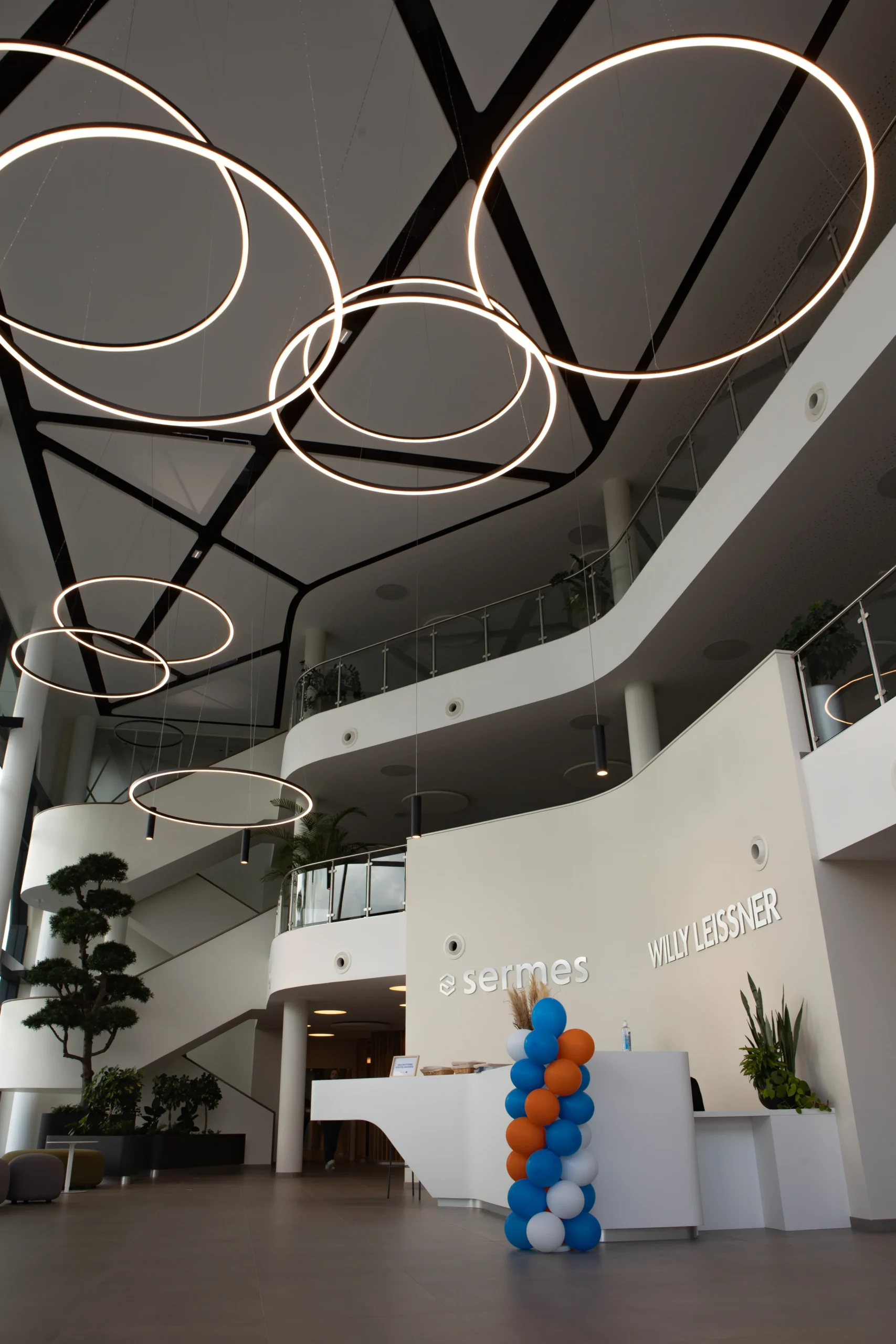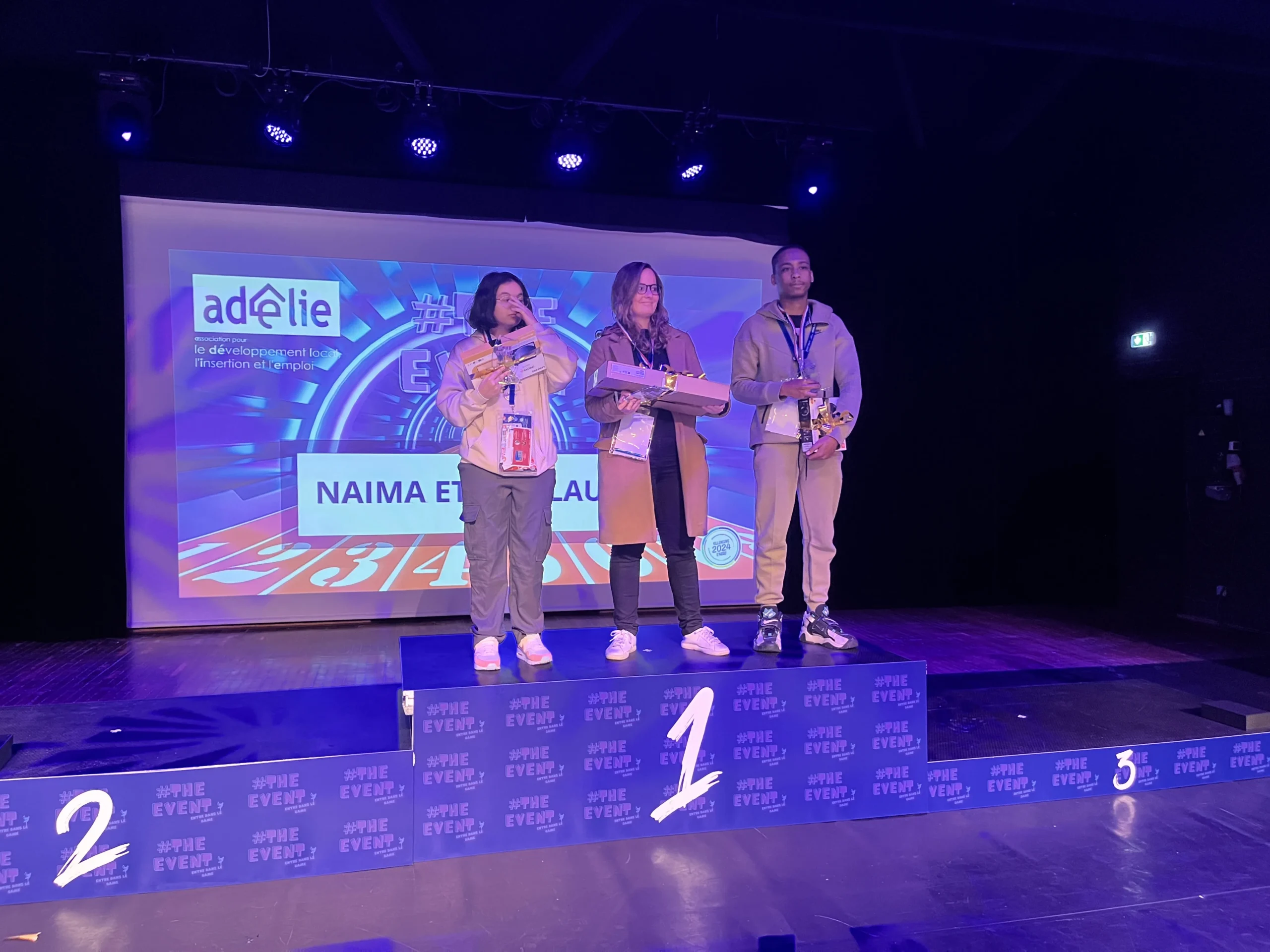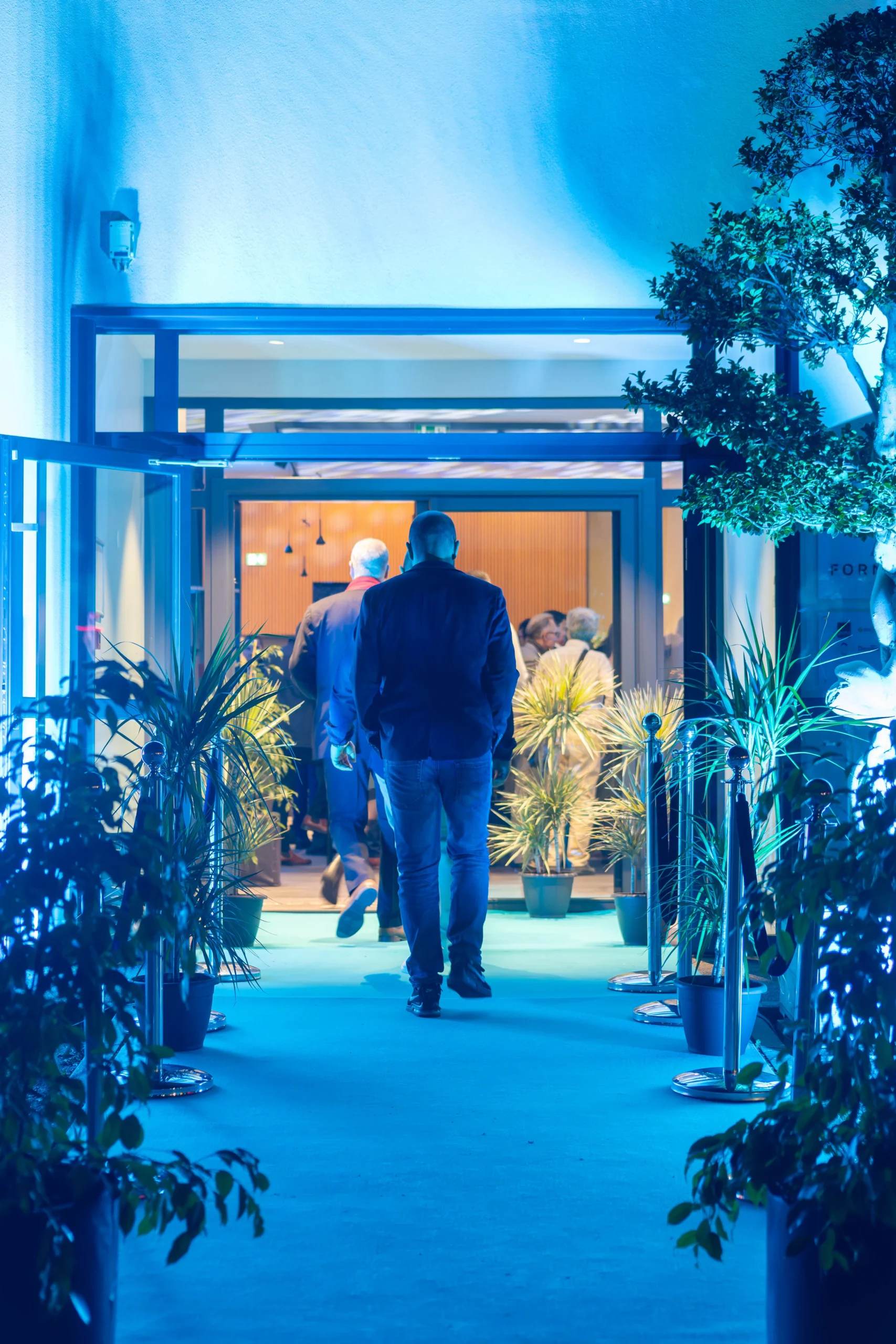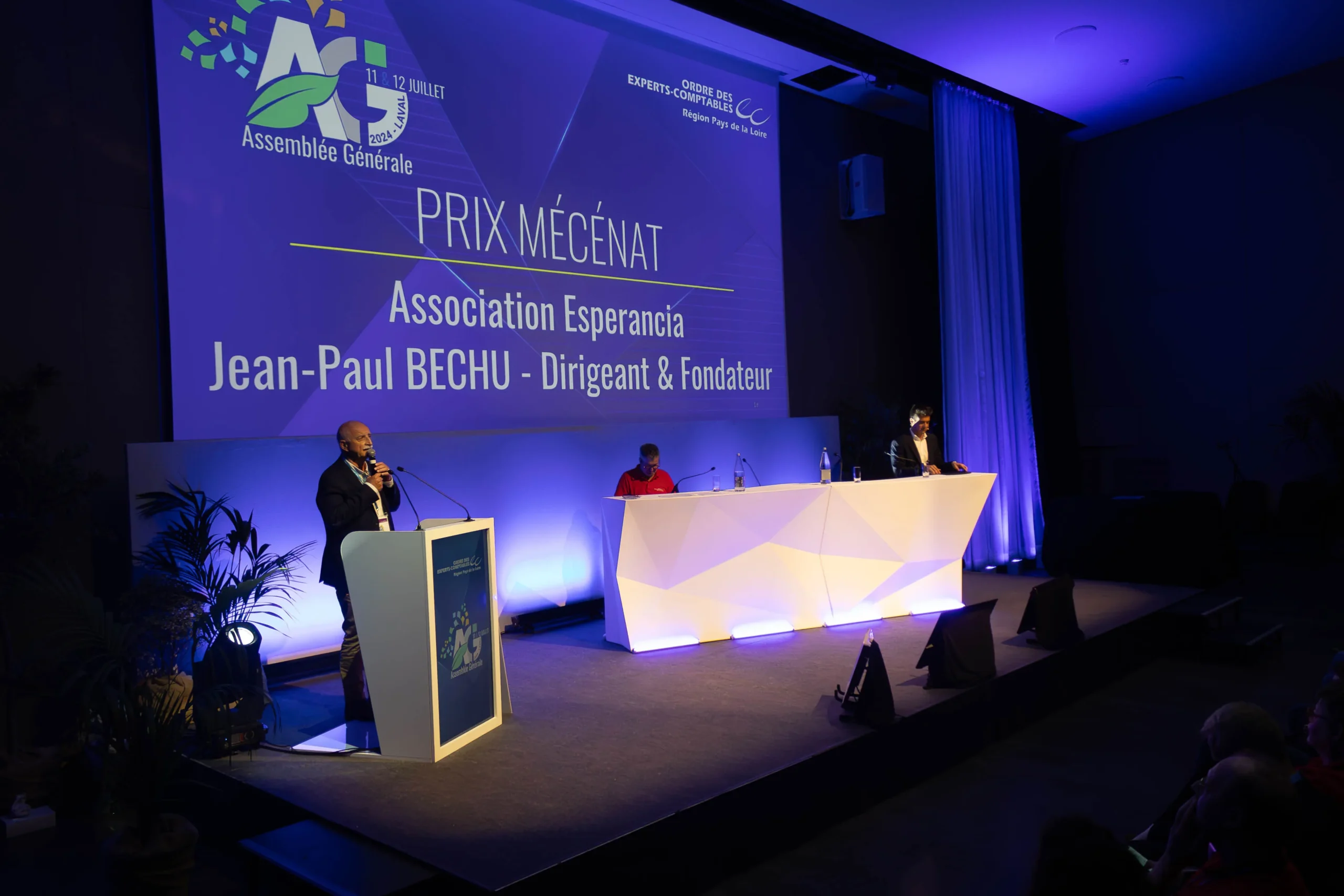
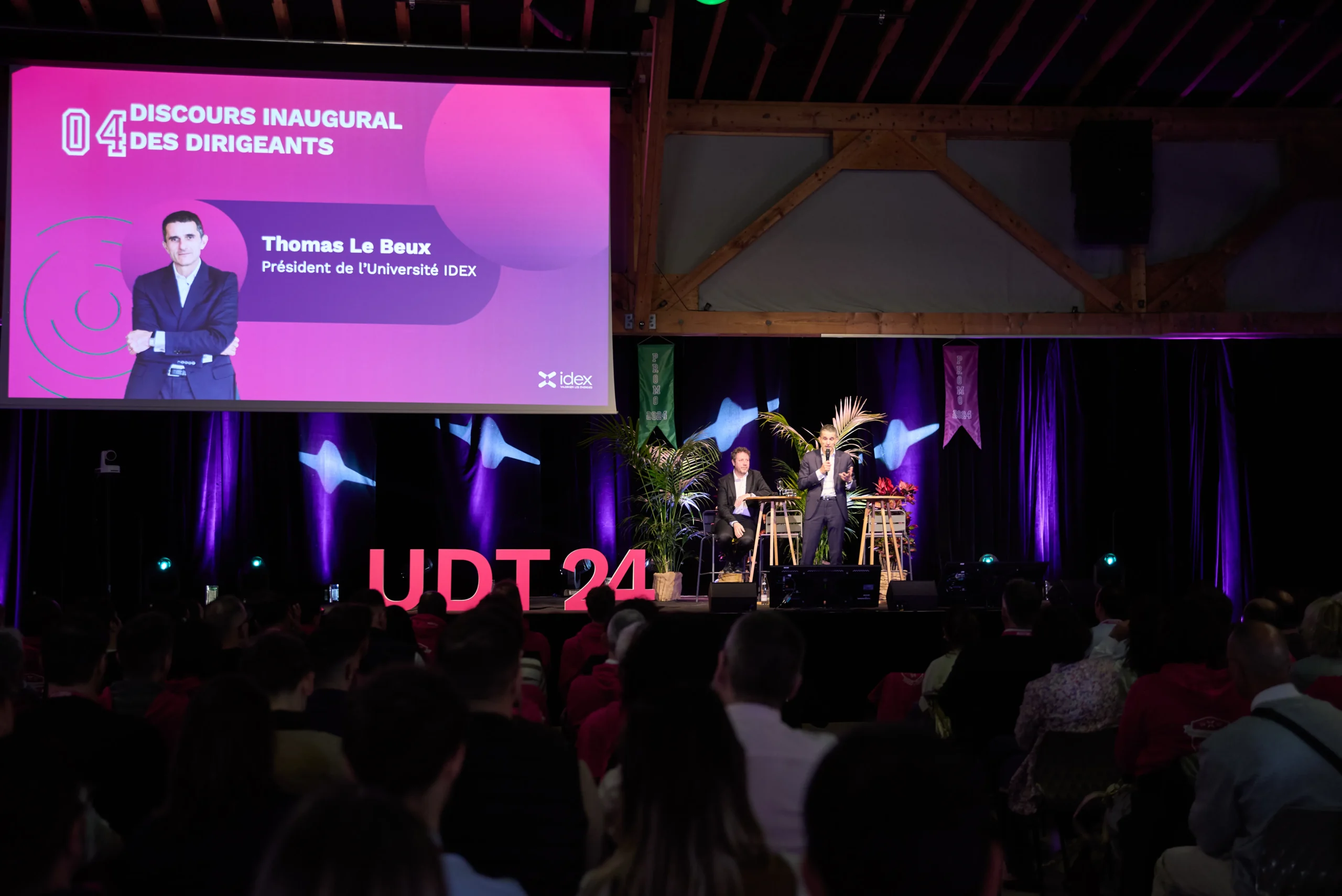
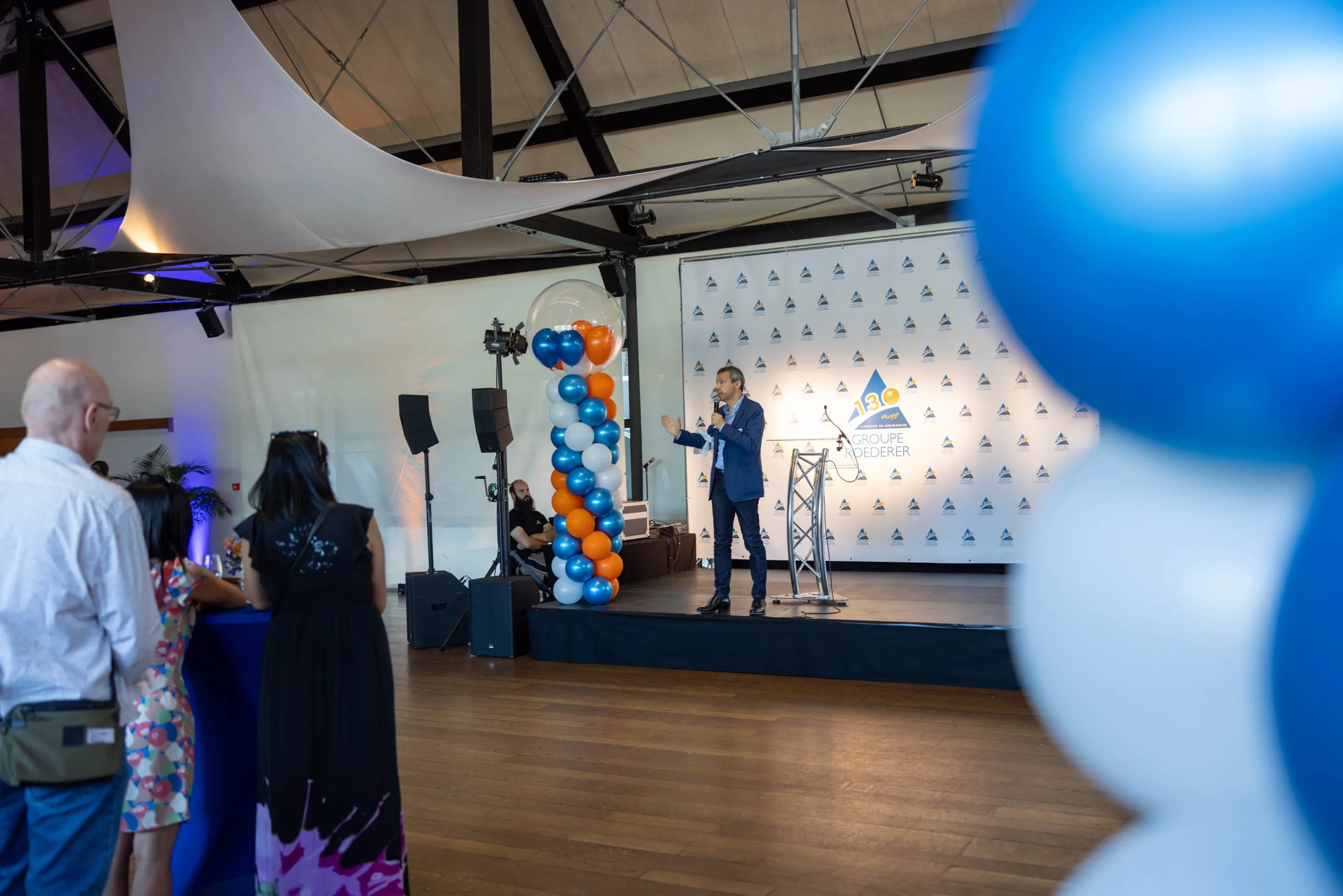
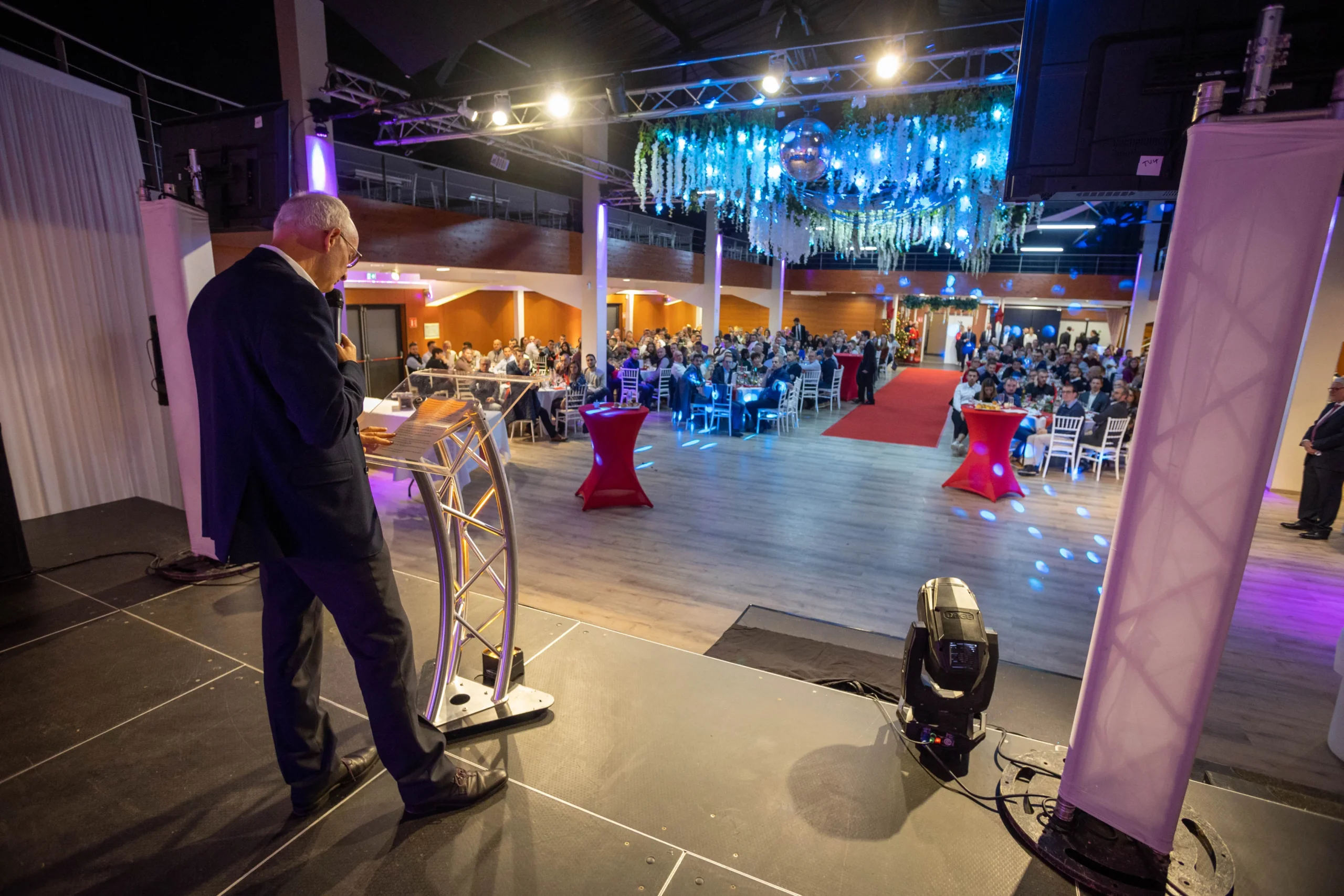
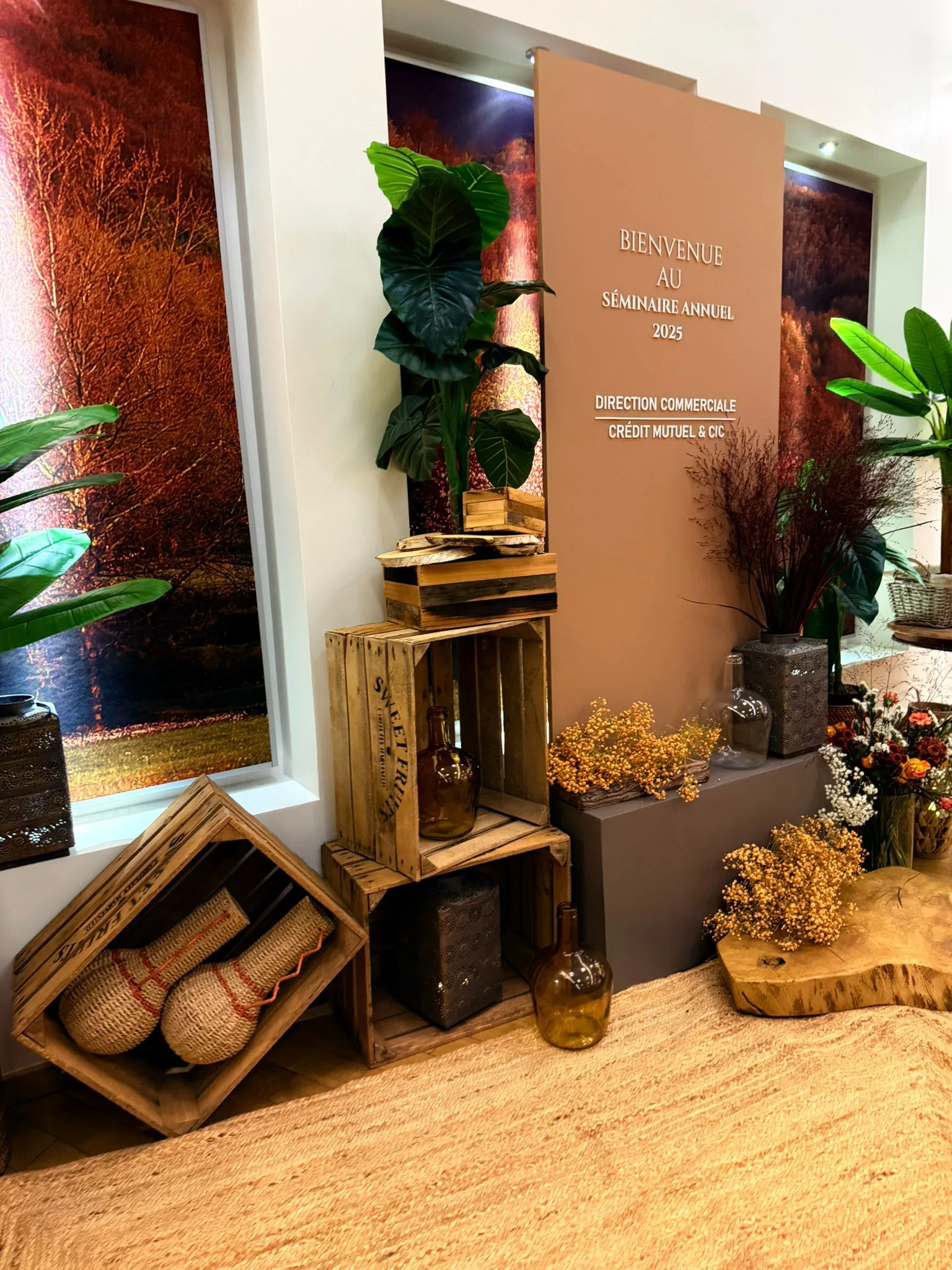
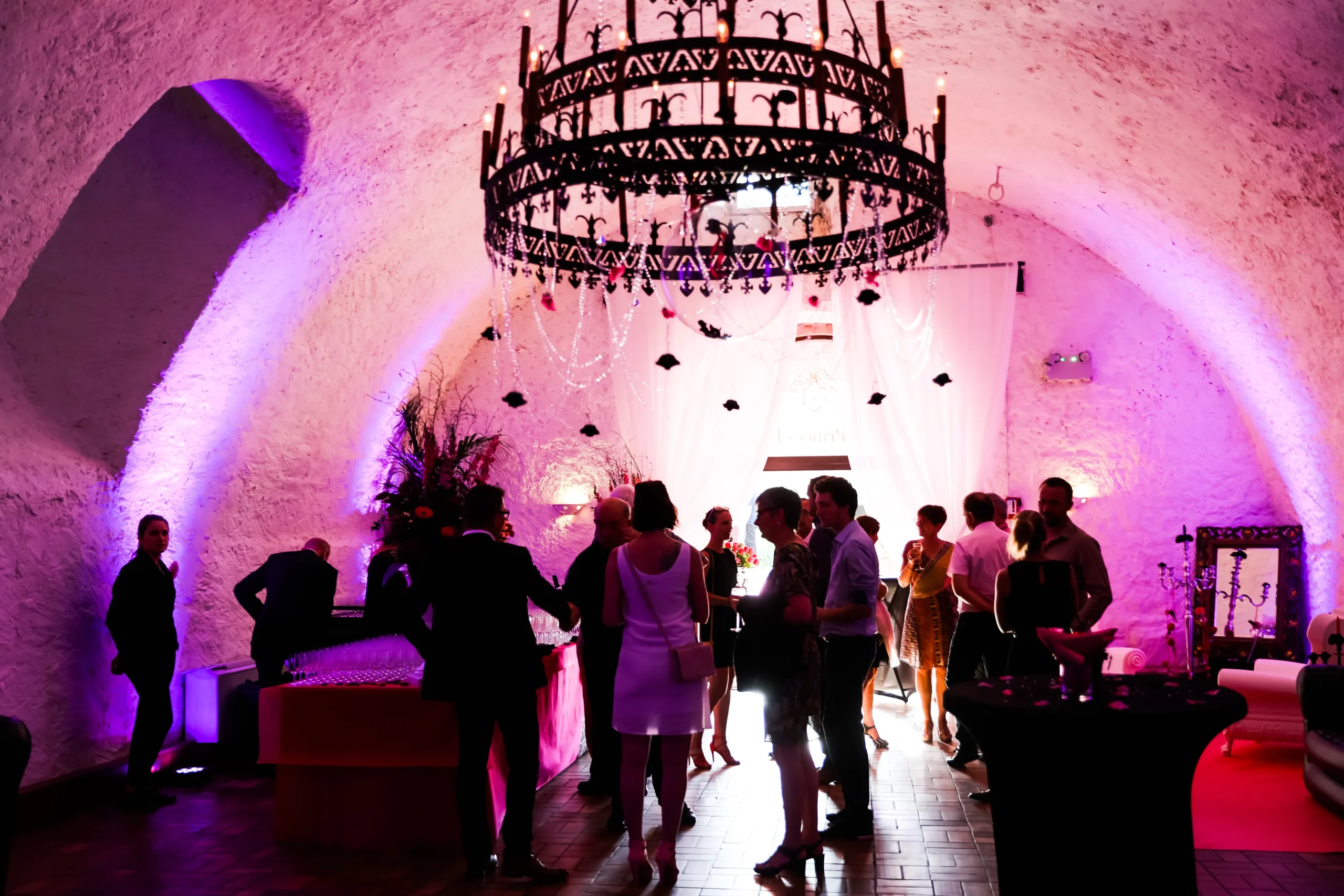
INNOV’events designs and delivers Corporate Event Décor for leadership events, HR moments, and brand communications in Montréal, from 40 to 2,000+ attendees. We handle creative direction, floor plans, vendor coordination, installation, and strike, so your teams can focus on hosting and outcomes.
Whether it’s a town hall, awards night, product launch, holiday reception, or a multi-room conference, we build décor that supports the agenda, respects the venue, and holds up under event-day pressure.
Décor is not “just visuals.” In a corporate event, it controls first impressions, guides guest flow, and supports the message—especially when executives need a room that reads as credible, disciplined, and on-brand the moment people walk in.
In Montréal, organizations expect speed, bilingual execution, and venues that can shift from heritage architecture to modern industrial spaces in the same week. Décor must be camera-ready, safe, and installed on tight access windows.
Our team works on the ground in Montréal with a production mindset: realistic load-in plans, measurable deliverables, and vendors who show up. You get a clean design, a documented build, and a controlled event-day run.
10+ years coordinating corporate event production and décor deployments across Québec and Canada.
300+ corporate events delivered, from executive breakfasts to multi-room conferences and gala evenings.
40–2,000+ attendees supported with scalable décor systems (signage, scenic, lighting accents, lounge builds).
0-compromise safety: documented load-in/out plans, material compliance, and venue coordination to meet building rules.
We work with organizations that need consistency more than theatrics: leadership teams protecting brand image, HR groups managing culture and retention, and communications teams accountable for stakeholder perception. In Montréal, many of our mandates repeat because the operational burden is real—internal teams can’t afford to troubleshoot drape heights, power drops, or last-minute venue restrictions at 6:30 a.m.
Our clients include local and national companies with Montréal operations, including references such as the partners and corporate groups you provided (many returning annually for end-of-year receptions, recognition events, and conference décor refreshes). We’re used to working under NDAs, aligning with brand standards, and keeping executive stakeholders informed without overwhelming them with production noise.
Practically: we can join your planning calls, adapt to procurement requirements, and coordinate with building management, union crews where applicable, and venue technical directors—so décor supports the event instead of becoming the event.
We send you a first proposal within 24h.
Décor is a management tool. It creates clarity (where to go, what matters), credibility (what level of organization you run), and engagement (people stay, talk, share). For executives, HR, and communications, décor is one of the most controllable levers to reduce risk and increase the impact of a live moment.
Protect brand consistency across internal and external audiences: colour palettes, typography, tone, and photography angles planned in advance so your comms team isn’t “fixing it in post.”
Improve guest flow and reduce friction: registration, wayfinding, room zoning (networking vs. quiet zones), and queue management through physical layout and signage—not staff yelling directions.
Support executive messaging: stage depth, sightlines, backdrops, and lighting accents designed to keep attention on speakers and content, not on a messy technical perimeter.
Increase participation in HR-driven moments (awards, anniversaries, onboarding, culture events): recognizable zones, photo moments, and clear “what happens next” cues.
Lower event-day stress with a documented production schedule: load-in windows, elevator access, security check-ins, and vendor sequencing planned realistically for Montréal venues.
Optimize spend by building décor around reusable modules and high-visibility touchpoints (entrance, stage, bar, photo zone) instead of dispersing budget into details nobody sees.
Montréal is competitive and image-sensitive—whether you’re recruiting, announcing a strategic direction, or hosting clients during peak seasons. Well-managed décor signals discipline and respect for people’s time, which is exactly what decision-makers and top talent notice first.
Local expectations are operational, not just aesthetic. Many venues in Montréal have strict access times, limited loading docks, or elevator constraints. Some downtown sites require freight reservations, proof of insurance, and security check-ins that can add 20–40 minutes per vendor if not coordinated. In practice, that means décor plans must be built around reality: what can be carried, what can be rolled, what must be assembled on-site, and what cannot be taped or affixed to walls.
We also see frequent bilingual requirements: not only for signage (French/English), but for wayfinding clarity and brand tone. A typical comms team wants approvals that fit their workflow: a first look for direction, then a production-ready set with print specs, placement maps, and final proofs. When that sequence is missing, teams end up approving visuals that can’t be built on time or within venue constraints.
Finally, Montréal events often happen in compressed windows (end-of-quarter, year-end, or during conference season). Your décor partner must be able to scale: adding a second crew, splitting load-in by zones, and coordinating with AV and catering so the room build doesn’t become a bottleneck.
Entertainment performs better when décor supports it. The objective is not to add distractions; it’s to create structured moments where people participate naturally—without blocking circulation, disrupting speeches, or fighting the acoustics of a hard-surface room. We design décor that gives entertainment a defined footprint, clean sightlines, and the right lighting so it reads as intentional.
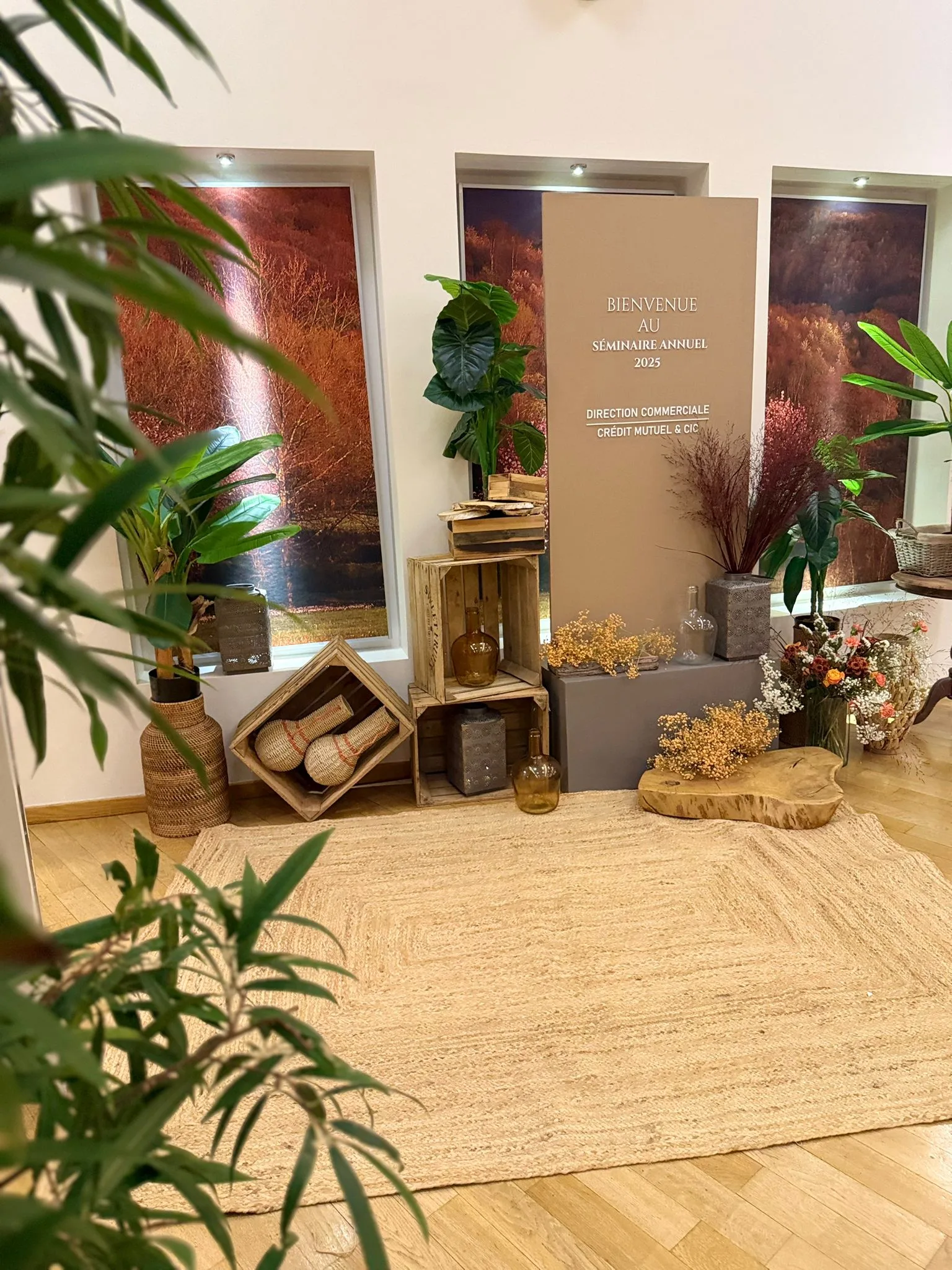
Branded photo zone with controlled lighting: not a random backdrop, but a defined area with queue space, brand-safe colours, and a lighting plan that avoids harsh shadows (critical for executive and client photos).
Live personalization station (name engraving, patch bar, gift customization): décor includes a clear counter layout, storage, and signage so the station runs efficiently and doesn’t create a choke point.
Interactive wall (values, strategy pillars, or recognition): we build a structure that supports sticky notes/cards or digital tablets, with moderation space and clear prompts aligned with HR or comms goals.
Ambient performance zones (strings, jazz trio, roaming performers): décor defines boundaries so sound stays controlled and the performance doesn’t compete with networking.
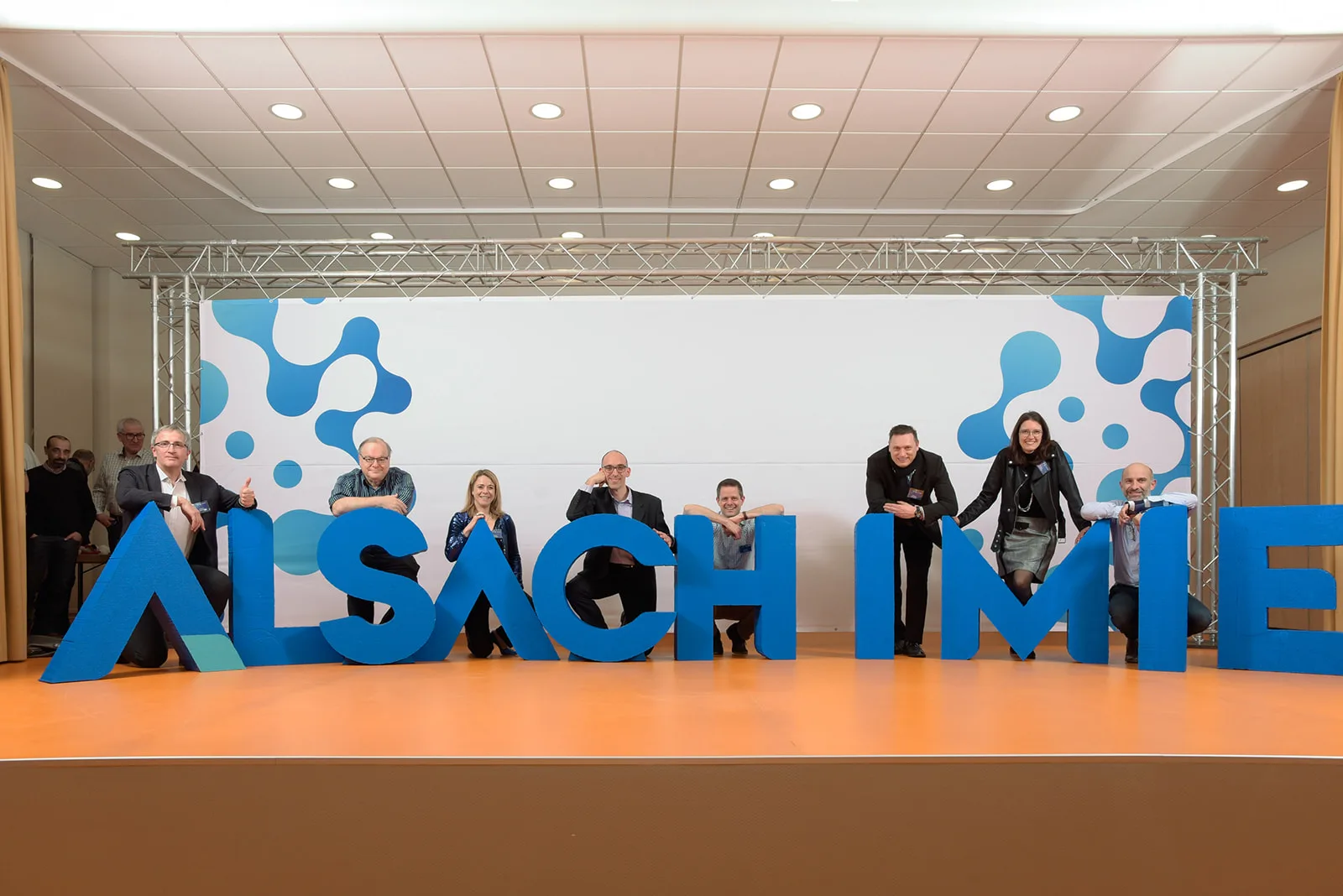
Stage scenic that enhances speakers: layered backdrops, texture, and brand elements designed for camera framing, so leadership content looks premium without needing excessive LED spend.
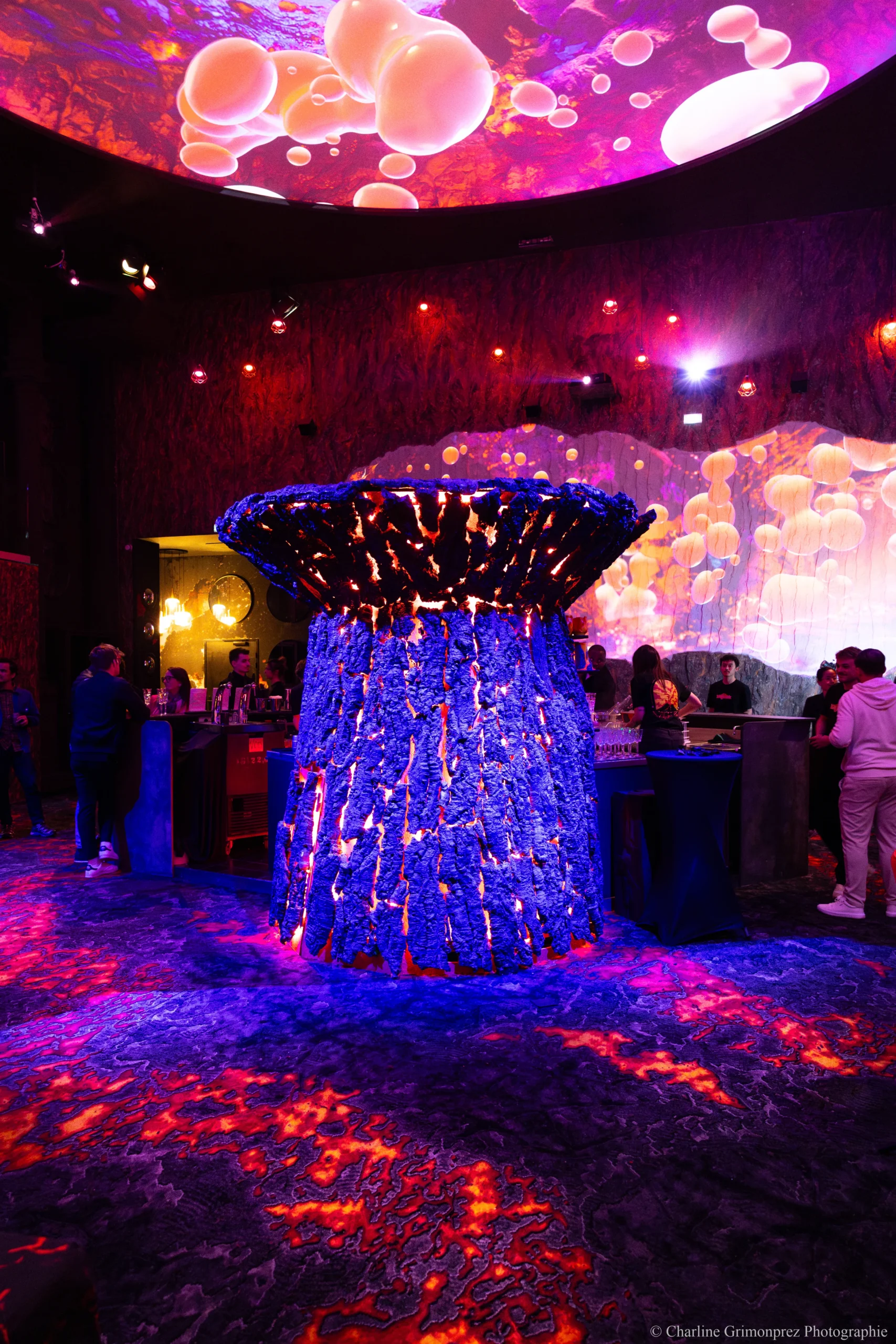
Projection-friendly surfaces: when you want motion without building heavy scenic, we select materials and colours that accept projection cleanly.
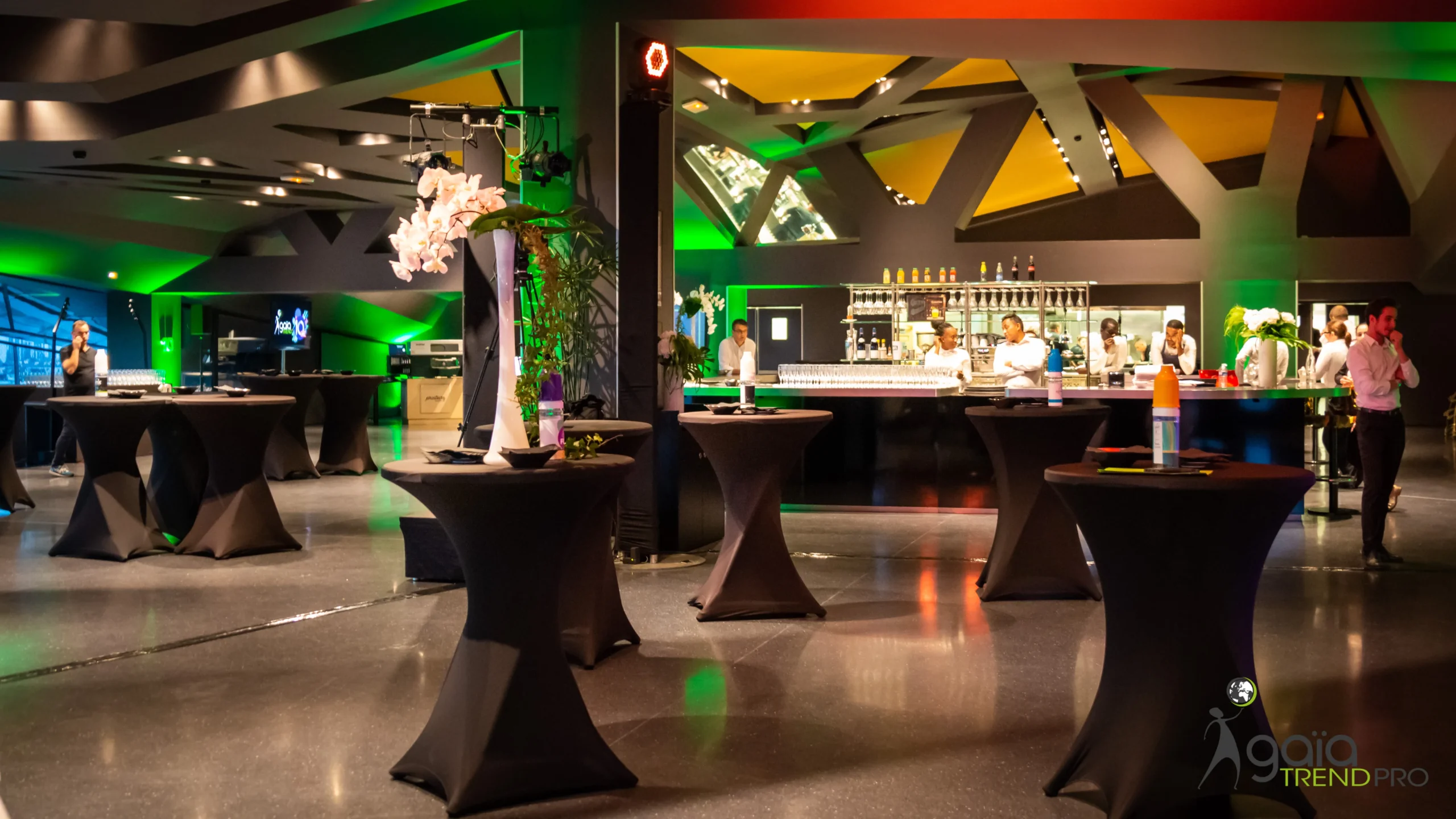
Décor-led food stations: Montréal guests notice service quality quickly. We design stations with signage, menu clarity, and spacing for smooth service (especially for cocktail formats).
Bar and tasting experiences (mocktail, coffee, dessert): we integrate backbars, brand cues, and practical working space so staff can serve fast and keep counters clean.
Tabletop strategy: centrepieces sized to preserve sightlines, with materials that handle heat and spills and still look good under venue lighting.
Data-driven signage: QR-triggered content zones (agenda, speaker info, partner highlights) that reduce print volume while keeping wayfinding crisp and bilingual.
Modular scenic systems: reusable structures that adapt from daytime conference to evening reception by swapping graphics and lighting accents—efficient for multi-part events.
Sustainability-first materials: rental-first builds, recyclable substrates, and limited single-use plastics, with a plan for post-event return and waste diversion.
The best result is when décor and entertainment reinforce your positioning: employer brand, client confidence, or strategic messaging. We’ll challenge any idea that looks good on Pinterest but fails in a Montréal venue under real constraints—noise, traffic flow, bilingual signage, and tight load-in times.
The venue dictates what’s possible. Ceiling height, wall finish, loading access, rigging permissions, and even neighbour noise restrictions can force major décor compromises. We help you pick a setting that matches your objective and avoids expensive workarounds.
| Venue type | For which objective? | Main strengths | Possible constraints |
|---|---|---|---|
Downtown hotel ballroom | Executive conferences, awards nights, year-end receptions | Built-in services, predictable logistics, strong AV integration, weather-proof arrival | Décor rules (wall restrictions), union/house vendor constraints, limited load-in windows |
Industrial-chic event loft | Brand launches, client receptions, recruitment events | High visual impact, flexible layout, strong photography | Acoustics, power distribution, temperature control, permit constraints for installs |
Heritage venue | High-stakes stakeholder dinners and premium client events | Instant prestige, architectural character reduces décor spend on “wow” | Strict protection rules, limited fixing points, access limitations, careful fire compliance |
We strongly recommend a site visit (or a technical walk-through) before locking the décor concept. In Montréal, small constraints—one narrow freight elevator, a protected wall surface, a fixed bar location—can change your plan and budget. A 60-minute walkthrough can save days of redesign and avoid event-day compromises.
Décor pricing is driven by logistics and labour as much as design. The same visual concept can vary significantly depending on venue access, installation windows, and how much can be rented vs. custom-built. We budget transparently so you can make trade-offs intentionally.
Scope and footprint: one focal zone (entrance + stage) versus multi-room builds (registration, plenary, breakout, cocktail, photo zone). More zones means more crew time and more hardware.
Custom scenic vs. rental: custom builds (carpentry, CNC, paint) increase cost but can deliver exact brand shapes and sizes; rental systems (drape, truss, modular walls) are faster and often smarter for corporate use.
Graphics and print: bilingual wayfinding packages, large-format backdrops, foamcore vs. rigid panels, and installation method (stands vs. wall-friendly systems).
Labour and timing: overnight installs, early calls, split shifts, and union requirements in certain venues. Labour is often the biggest lever in Montréal downtown contexts.
Transport and access constraints: parking, loading dock reservations, elevator size, distance from truck to room, and the number of trips required.
Risk management: insurance requirements, fire-rated materials, and additional safety hardware when rigging is limited.
We frame décor as an ROI decision: invest where it affects perception and behaviour (arrival, stage, key networking zones), and simplify what guests won’t notice. If your goal is talent retention or client confidence, the cost of a room that looks improvised can exceed the décor budget quickly—especially when leadership credibility is on the line.
Choosing a local partner is less about proximity and more about execution speed under constraints. A team established in Montréal knows which venues enforce strict load-in sequencing, how building management wants documentation, and which suppliers can actually deliver on short timelines in peak season. It also means faster site visits, same-day problem solving, and access to local inventory that avoids emergency shipping.
As an event agency in Montréal, we’re used to coordinating décor with AV, catering, security, and venue teams who may all be operating in French and English. We build plans that work with Montréal realities: winter logistics, downtown access, festival-season traffic, and tight elevator schedules.
We frame décor as an ROI decision: invest where it affects perception and behaviour (arrival, stage, key networking zones), and simplify what guests won’t notice. If your goal is talent retention or client confidence, the cost of a room that looks improvised can exceed the décor budget quickly—especially when leadership credibility is on the line.
We regularly deliver décor that has to perform across formats and constraints. For example, we’ve transformed neutral ballrooms into brand-aligned spaces by focusing on three elements: a structured entrance moment (signage + lighting accents), a stage environment built for cameras (layered backdrop with controlled colour temperature), and networking zones that keep circulation open (lounge groupings that don’t block service paths).
For internal recognition events, we’ve built “employee story” corridors that work as both wayfinding and culture activation—using modular panels that can be set up quickly, with bilingual copy and QR links to internal content. This reduces the need for long speeches while keeping recognition visible and shareable.
For product and client events, we often create a hero display zone that’s engineered for crowd behaviour: the product is visible without guests forming unsafe clusters; the lighting is tuned for photos; and the surrounding décor reinforces brand cues without overwhelming the core message. The result is a space that looks deliberate and functions efficiently for staff, media, and VIPs.
Designing before confirming site constraints: concepts that assume rigging points, wall fixing, or wide load-in access often collapse during install.
Underestimating bilingual signage needs: last-minute translations create layout problems, printing delays, and inconsistent terminology.
Ignoring sightlines and camera frames: a stage can look fine in person but poor on video if backdrop scale, lighting, and colour contrast aren’t engineered.
Blocking circulation with “pretty” lounge layouts: décor that photographs well can create bottlenecks at bars, buffets, and coat check.
Overbuilding low-impact areas: spending on details guests won’t notice while neglecting entrance, stage, and wayfinding.
No contingency plan: missing spares, touch-up materials, or a clear decision-maker on site leads to visible imperfections and schedule drift.
Our role is to remove these risks early—through site validation, documented plans, and production discipline—so the décor supports your objectives and you don’t spend event day arbitrating preventable issues.
Repeat business usually comes from one thing: the event ran cleanly and stakeholders felt in control. Décor is one of the most visible parts of the experience, so when it’s delivered with discipline—on time, on brand, and without friction—internal teams keep the partner who reduces their workload.
Multi-year collaborations for recurring moments like holiday receptions, recognition programs, leadership town halls, and annual partner events.
Single partner accountability: clients value having one team coordinating design, vendors, installation, and teardown rather than managing multiple suppliers.
Documented reuse: we help clients reuse scenic and graphic assets across quarters to control spend while keeping the look current.
Loyalty is the strongest proof in corporate events: it means the agency delivered under pressure, protected the brand, and made the internal team’s job easier in real conditions.
We confirm objectives, audience, agenda, and brand standards, then identify constraints that typically affect décor in Montréal: venue rules, access times, bilingual requirements, and photo/video expectations. You receive a clear list of assumptions and risks before we design.
We validate measurements, access paths, ceiling heights, power availability, and fixing/rigging limitations. When needed, we coordinate with the venue technical director and AV to avoid conflicts (screens, speaker stacks, service corridors, emergency exits).
We deliver a concept anchored in function: arrival moment, registration flow, stage environment, networking zones, and signage hierarchy. We build the plan so it supports guest movement, staff operations, and content delivery.
You receive itemized options (rental vs. custom, graphic tiers, lighting accent levels) with clear trade-offs. We provide print specs, placement maps, and timelines that your procurement and comms teams can approve efficiently.
We coordinate vendors, transport, crew schedules, and on-site sequencing. We manage install and strike with a single point of contact, handle touch-ups, and ensure the venue is returned to spec. After the event, we can debrief what worked and what to optimize for the next iteration.
For 100–300 attendees, plan 6–10 weeks. For year-end (November–December) or complex builds (multi-room, custom scenic), aim for 10–16 weeks. If your venue has strict access windows downtown, earlier is better to secure labour and suppliers.
For corporate events in Montréal, many projects fall between $7,500 and $45,000+ depending on footprint, custom scenic, graphics, and labour constraints. A focused entrance + stage package is often the best starting point for controlled ROI.
Yes. We manage bilingual copy integration, layout adjustments, and print specs. The key is timing: we ask for final approved wording early enough to avoid reprints and ensure the French/English hierarchy is consistent across wayfinding and brand messaging.
It depends on the venue. Some allow rigging only through approved points and certified crews; others restrict it entirely. We design around this by using ground-supported structures (truss, modular walls, drape systems) and by validating rules during the site walk-through.
Yes. We often modernize a room using rental-first scenic, upgraded graphics, and targeted lighting accents. A practical approach is to refresh 3 high-visibility zones: entrance, stage, and one networking/photo area—usually faster and more cost-effective than rebuilding everything.
If you’re comparing agencies, we can provide a structured proposal: recommended décor scope by objective, a production schedule that respects venue access, and budget options with clear trade-offs. Share your date, venue (if known), attendee count, and event format, and we’ll come back with a practical direction you can validate internally.
For Montréal peak periods (spring conferences and year-end receptions), we recommend starting early to secure install windows and the right crews. Contact INNOV’events to plan your Corporate Event Décor in Montréal with execution discipline—not guesswork.
Thierry GRAMMER is the manager of the INNOV'events Montréal office. Reach out directly by email at canada@innov-events.ca or via the contact form.
Contact the Montréal agency