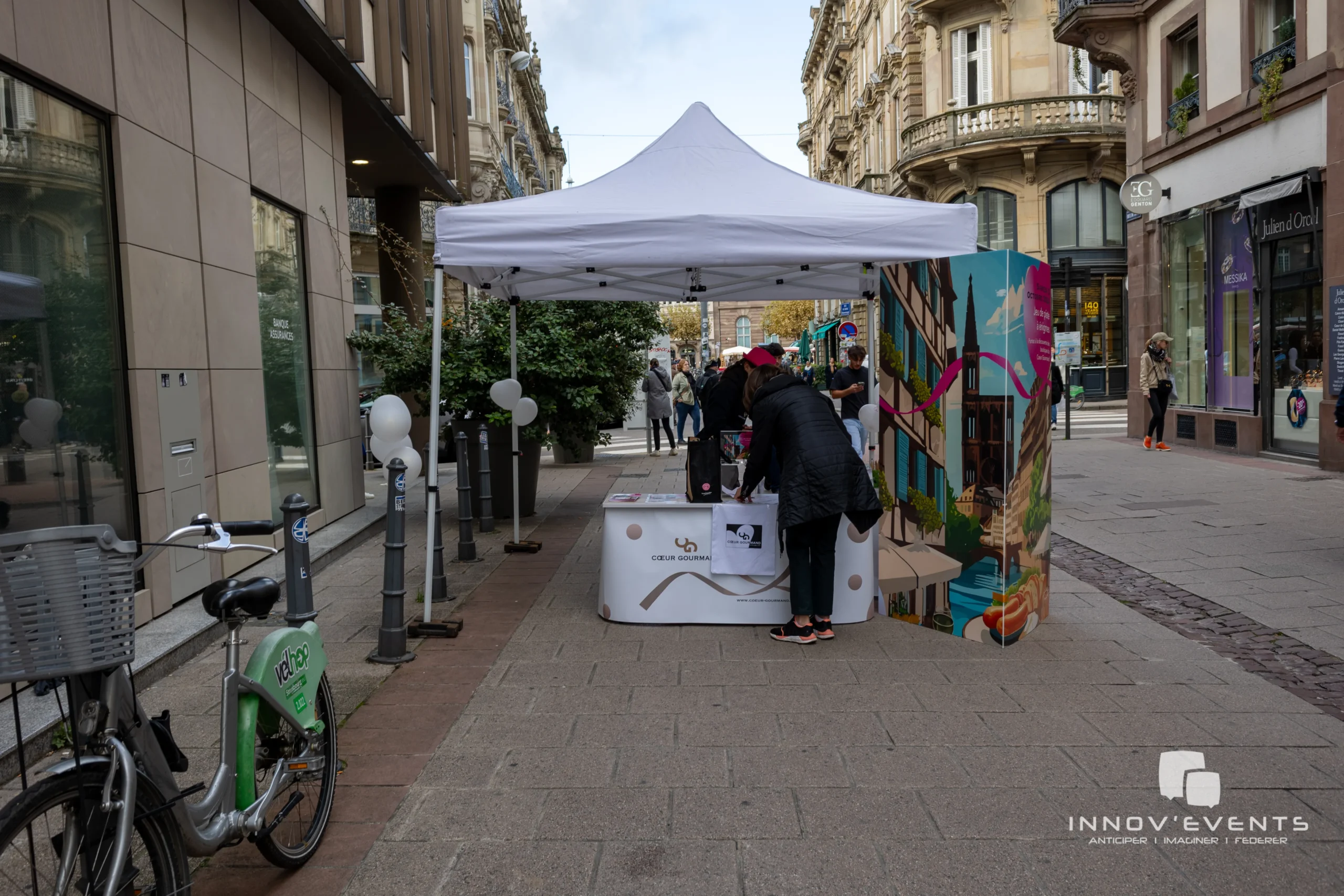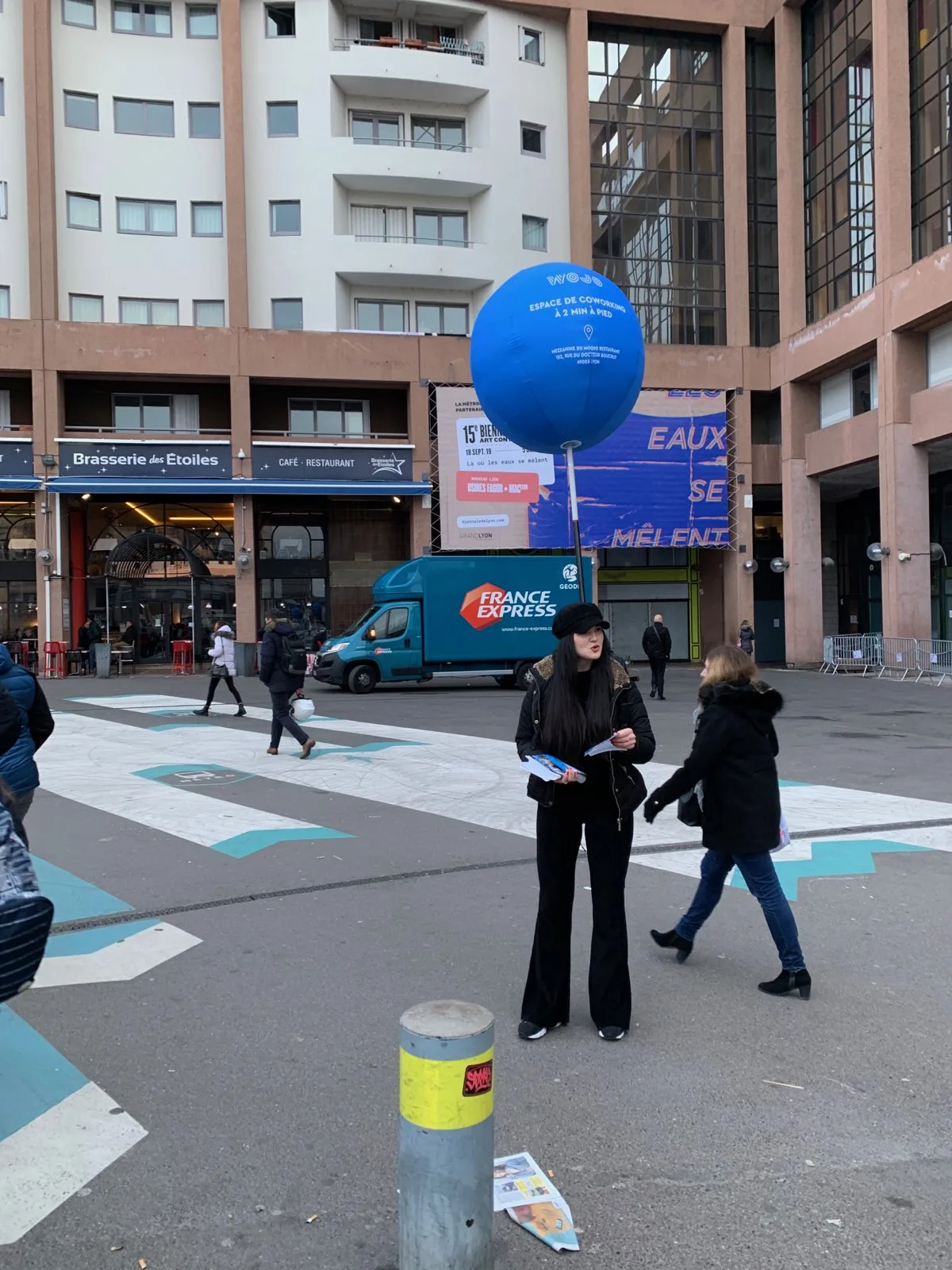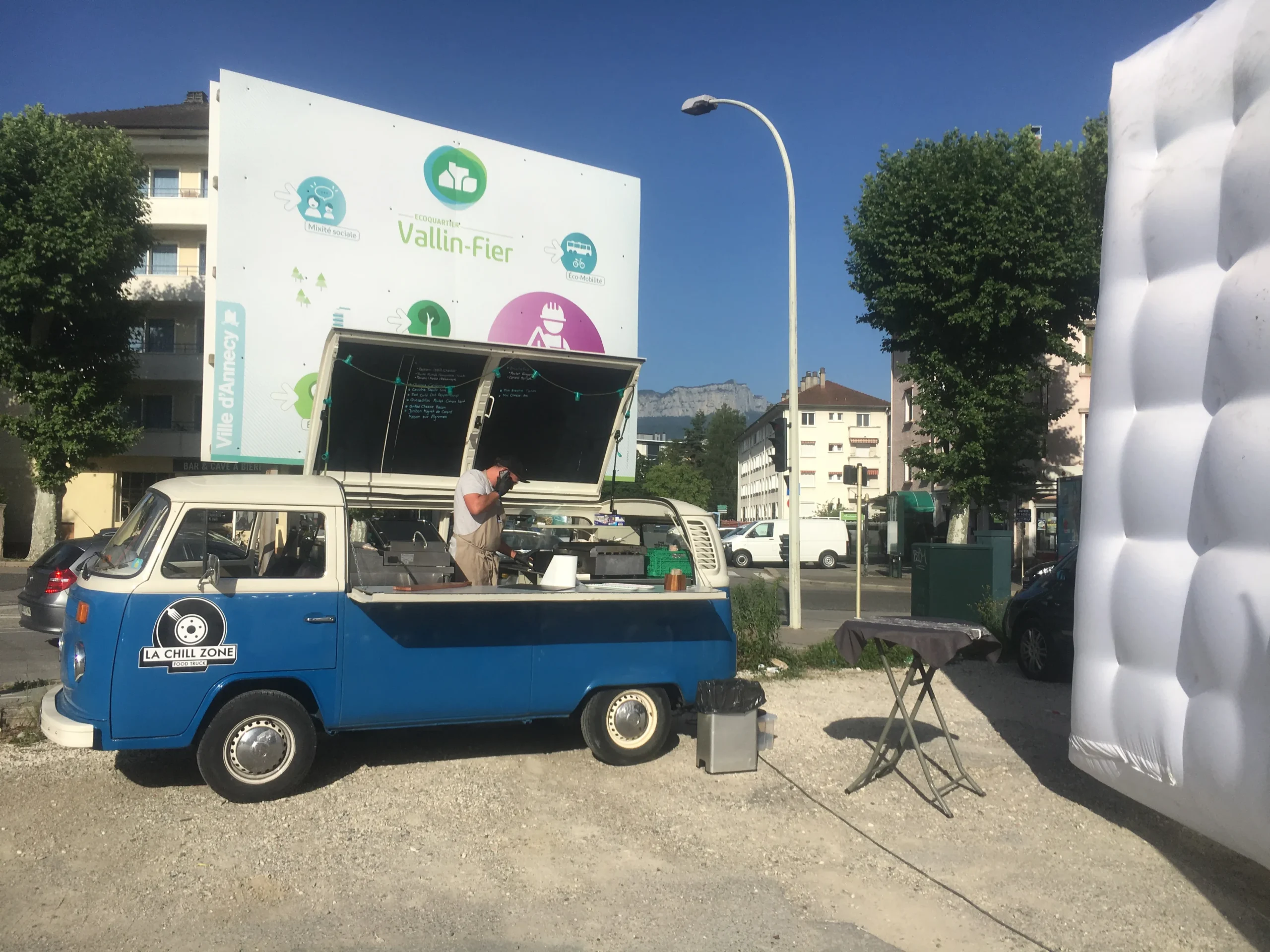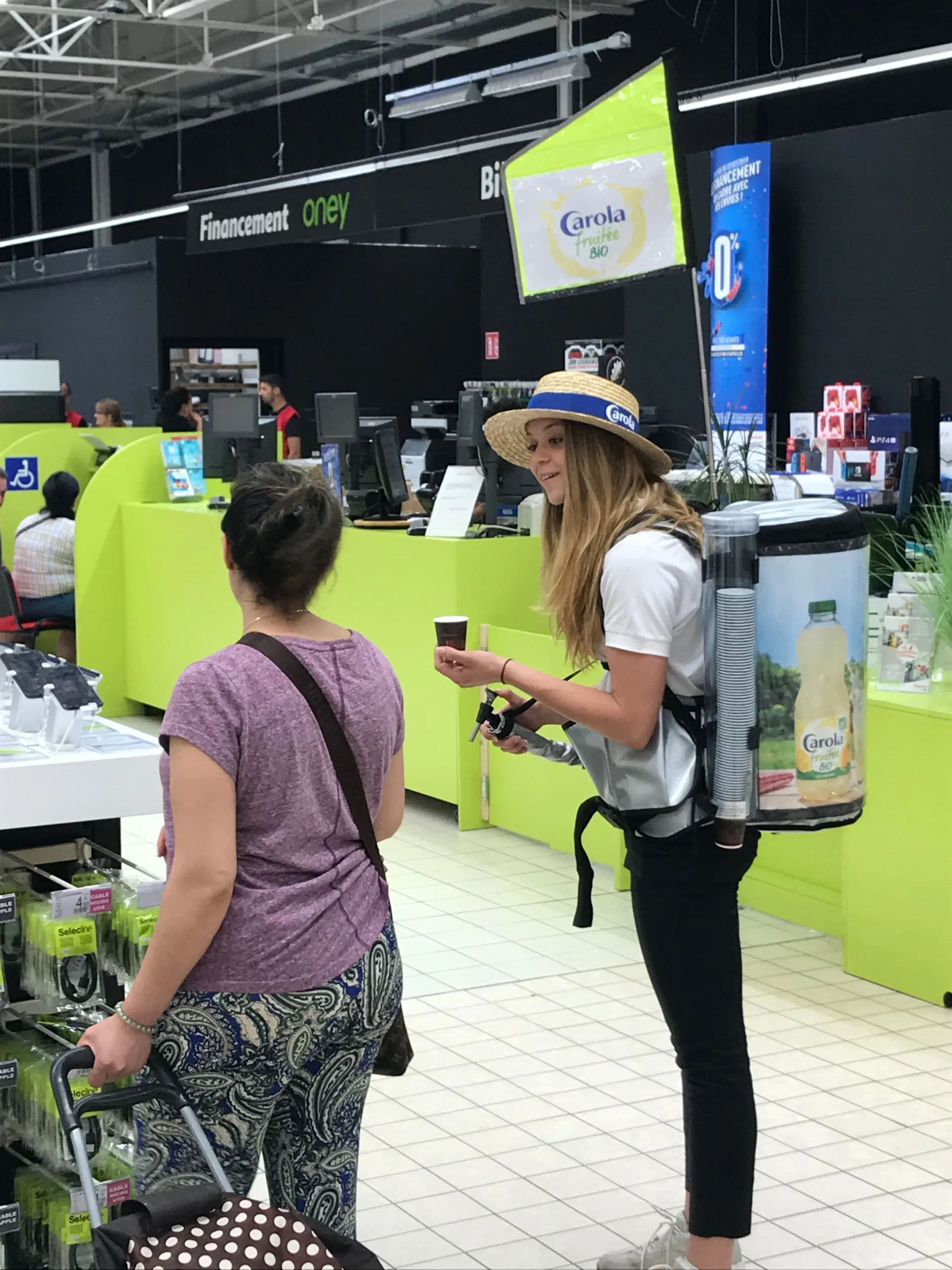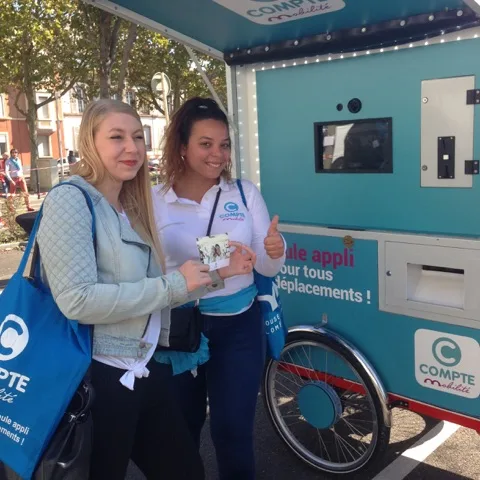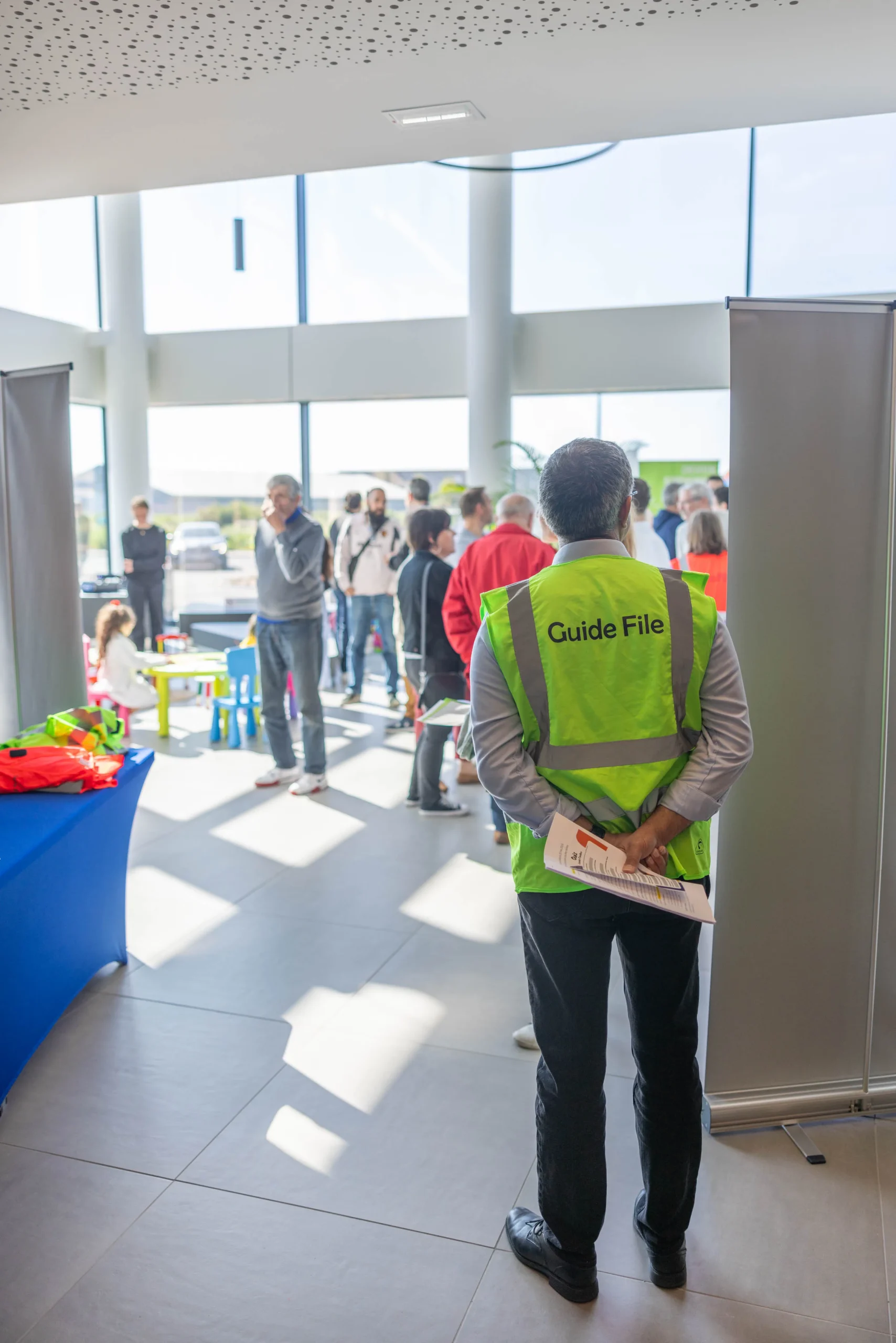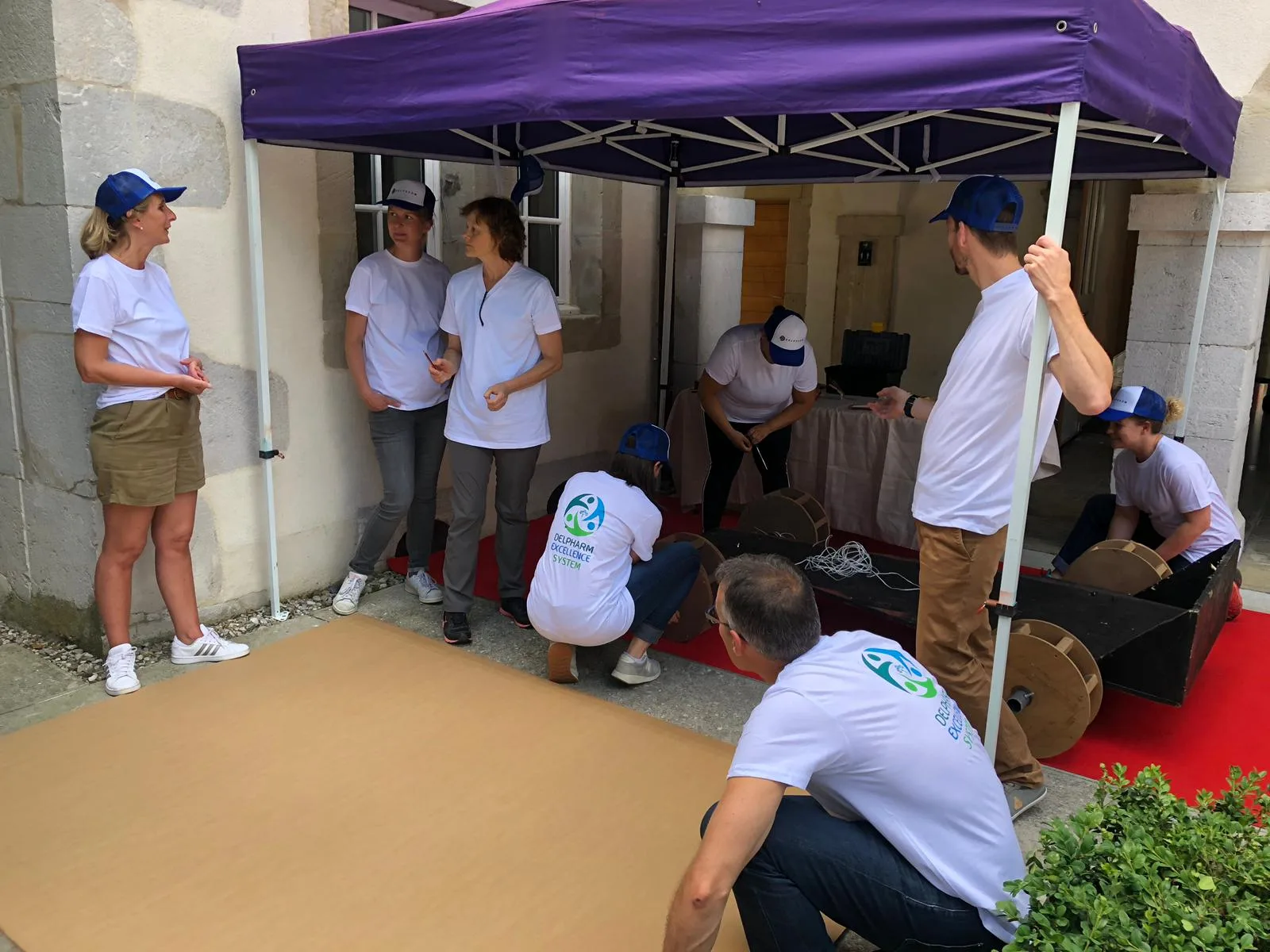
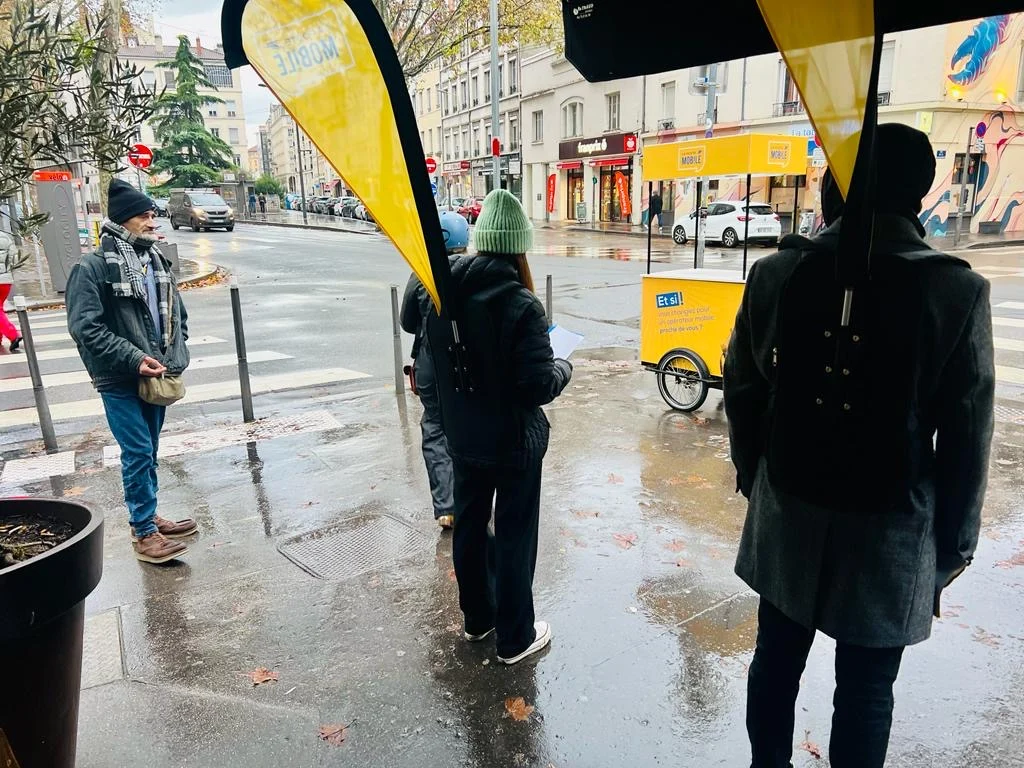
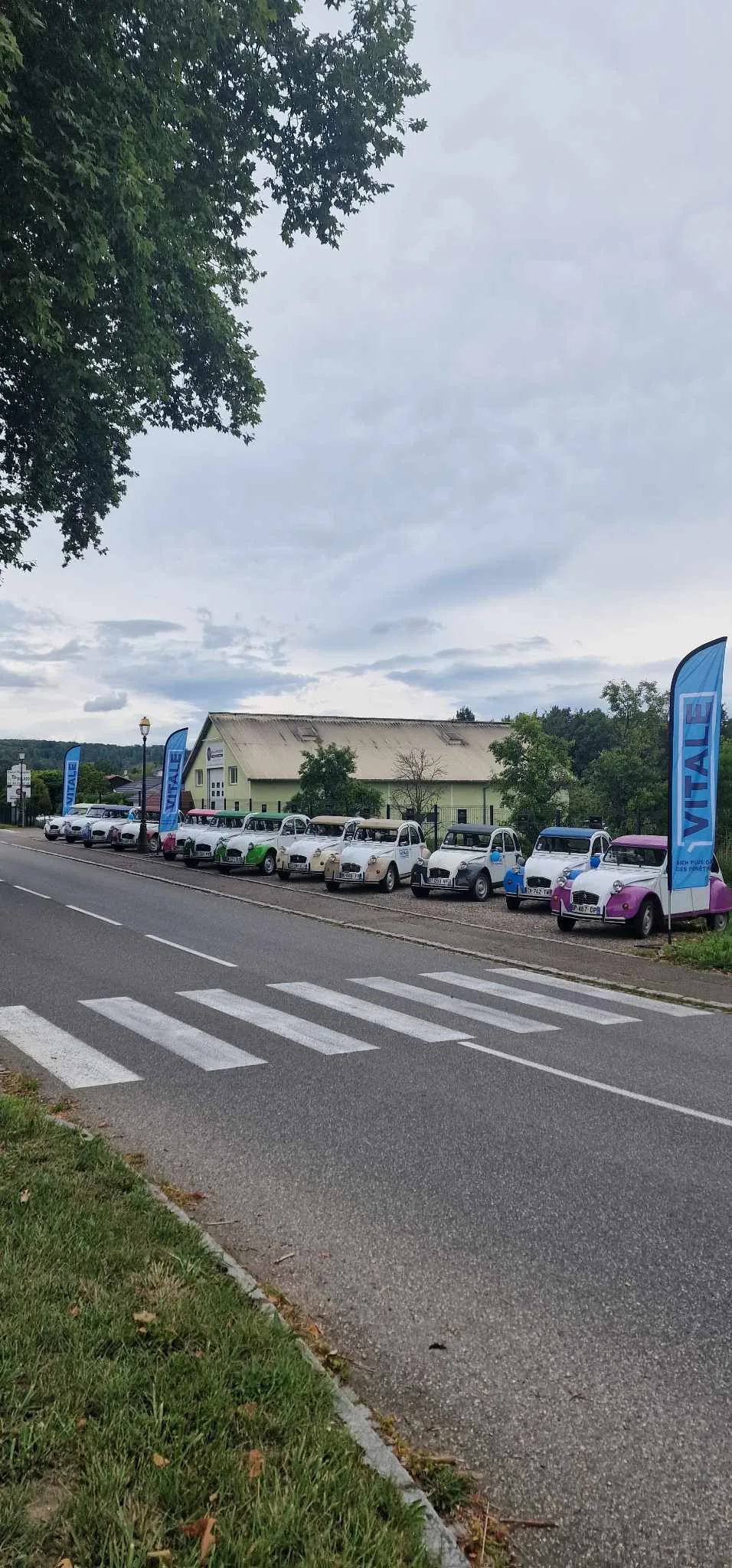
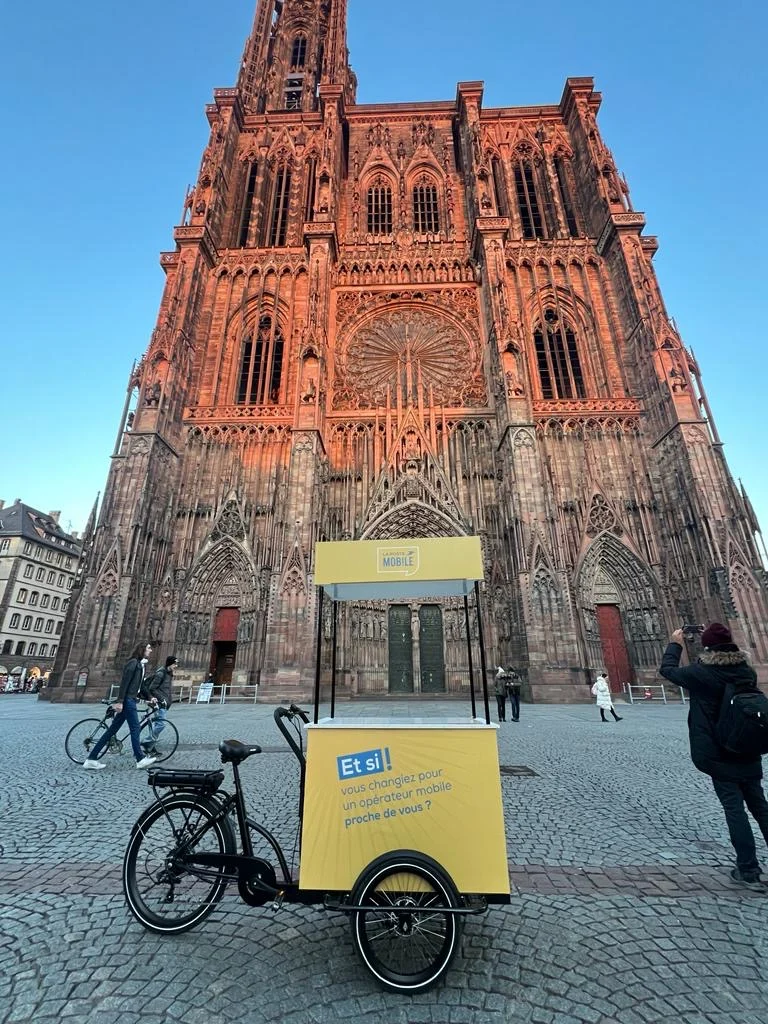
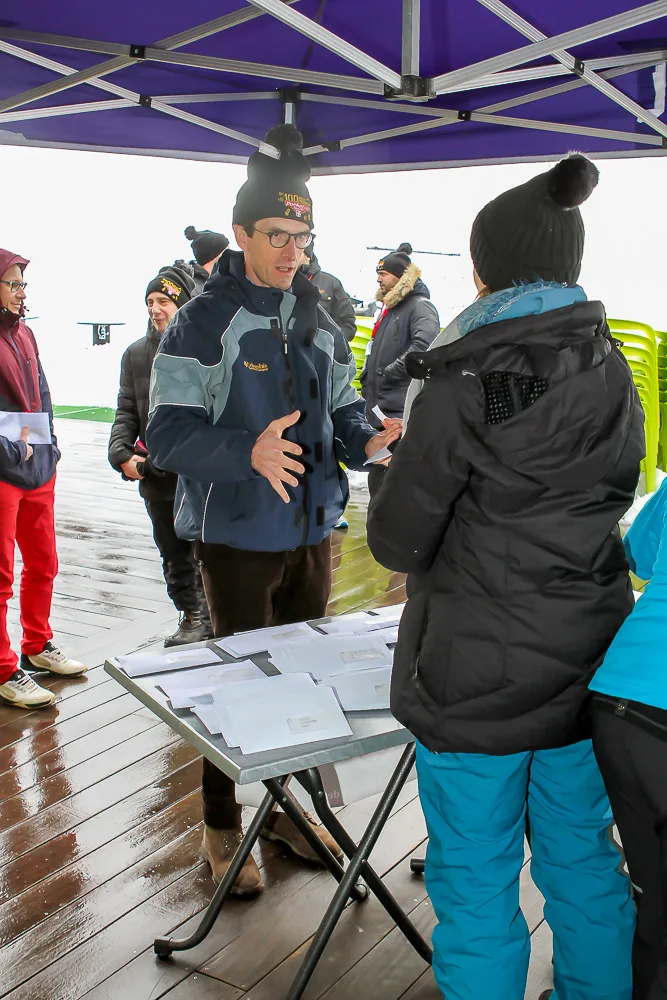
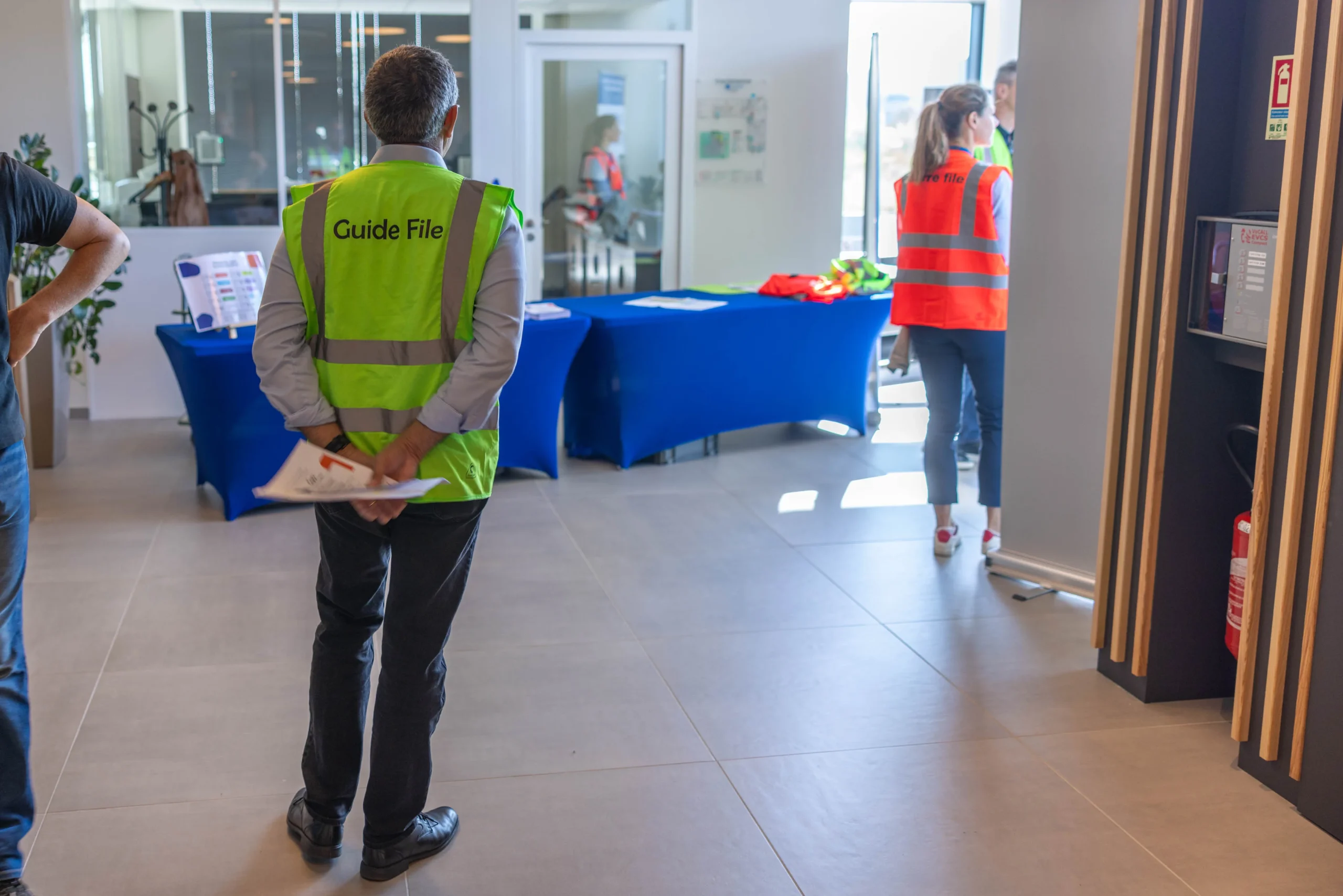
INNOV'events plans and operates National Promotional Tour activations across Montréal for executive, HR, and communications teams who need predictable outcomes. From 50 to 5,000+ daily touches, we manage permits, venues, staffing, logistics, and reporting—so your internal teams stay focused on the message, not the fire drills.
On a National Promotional Tour, “entertainment” is not decoration—it’s the mechanism that earns attention in a busy environment and converts it into measurable actions (demo completions, leads captured, app downloads, sample redemption, or in-store traffic). When it’s built correctly, every interaction supports your narrative and reduces the friction between curiosity and commitment.
In Montréal, organizations expect discipline: bilingual flow, predictable setup/teardown, respectful crowd management, and an activation that feels intentional rather than intrusive. Your stakeholders also want proof—clear routing logic, contingency plans for weather and transit disruptions, and reporting that stands up in a leadership meeting.
Based in Montréal, INNOV'events operates with local suppliers, union-aware technicians when required, and field leads who understand neighbourhood realities from downtown cores to campus corridors. We bring the same rigour whether your tour is two days or six weeks—always with brand safety and operational control as the baseline.
10+ years delivering corporate activations and touring formats in Québec and across Canada.
200+ trained brand ambassadors, hosts, and bilingual promoters in our extended staffing network (screened, briefed, and supervised).
48–72 hours typical turnaround to replace a key role (lead, driver, tech) without compromising brand standards.
1 point of contact on your side: we run routing, supplier coordination, and on-site command so executives aren’t fielding calls on event day.
Same-day reporting available: interaction counts, lead quality notes, photo documentation, and field insights that your comms team can use immediately.
We support organizations that operate in and around Montréal—from national brands launching new products to employers running multi-site recruitment and retention campaigns. Many teams work with us year after year because touring success is cumulative: once routing, venue relationships, staffing standards, and brand voice are stabilized, each new wave becomes faster to deploy and easier to defend internally.
If you share a list of references you’d like us to include, we’ll integrate them properly (with the right context: event type, constraints, and outcomes). Until then, our approach remains the same: demonstrate reliability through planning depth, on-site discipline, and reporting that helps you justify spend at the executive level.
We send you a first proposal within 24h.
A tour is often chosen when leaders need momentum, not just visibility. It’s a controlled way to bring your message to multiple audiences while keeping the same brand standards, the same compliance rules, and the same measurement model. Done well, it reduces the “one-off event” risk and builds a repeatable field machine.
Speed to market with control: you can launch in multiple zones of Montréal with consistent scripts, visual standards, and lead qualification criteria.
Measurable pipeline support: QR capture, form fills, contest opt-ins, demo completions, and appointment setting can be tracked per location and time block.
Employer brand impact for HR: campus or community stops create authentic touchpoints with candidates; we align messaging with your EVP and ensure bilingual interactions feel natural.
Risk-managed brand exposure: clear rules for crowd flow, sound levels, neighbour relations, and content capture reduce the chances of complaints or reputational damage.
Internal alignment: communications, sales, and HR can share one activation platform with modular messaging—same build, different talking points per stop.
Field intelligence: we collect qualitative feedback from the street (objections, comprehension gaps, competitor mentions) and convert it into actionable notes for leadership.
Montréal’s economic culture rewards professionalism and respect for public space. A tour that’s well-staffed, bilingual, and operationally quiet earns cooperation from venues and produces better engagement—because people feel they’re interacting with a credible organization, not a pop-up distraction.
Montréal is a high-expectation market for public-facing activations. People respond well to creativity, but they disengage quickly when logistics look improvised. We design tours with local realities in mind: bilingual interactions (not just translated signage), varying foot traffic patterns by neighbourhood, and the practical limits of loading zones and street access.
For communications leaders, this often means tightening the brand voice so ambassadors can deliver it consistently in French and English without sounding scripted. For HR teams, it means ensuring candidate conversations are handled with privacy and respect, even in busy spaces. For executives, it means predictable deployment: a routing plan built around real transit times, realistic setup windows, and a credible weather contingency (rain plans that preserve safety and brand presence rather than cancelling at the first forecast shift).
We also pay attention to stakeholder sensitivity. In some areas, you’ll want a lower-noise approach that favours conversation and demos. In others, you’ll choose a more energetic format—but still within the constraints of the site, neighbours, and permits. The outcome is an activation that feels integrated into the city, not imposed on it.
Engagement on a National Promotional Tour comes from relevance and rhythm: a clear reason to stop, a short interaction that respects people’s time, and a next step that’s frictionless. In Montréal, we often see stronger results when entertainment is functional—supporting demos, education, sampling, or recruitment—rather than being a separate spectacle.
Guided micro-demos (3–5 minutes): structured scripts that end in a clear CTA (QR scan, appointment, trial signup). We design queues so conversations stay calm even during traffic spikes.
Lead-qualifying games with real data logic: quick challenges where participation triggers a short form capture. We set rules to prevent “low-quality contest-only” leads, including qualification questions and tiered rewards.
Recruitment or community Q&A pods: for HR teams, a semi-private standing area with a trained recruiter/host. We manage privacy, tone, and bilingual transitions so candidates feel respected.
Brand story stations: modular panels and props that let people self-navigate while ambassadors focus on high-intent visitors. Works well when foot traffic is constant and attention spans are short.
Live illustration or custom calligraphy: creates a tangible takeaway tied to your brand message (values, product benefit, campaign tagline) without relying on loud audio.
Short-format performances with controlled schedules: 8–12 minute sets on a defined timetable, announced on signage and social, so the activation remains predictable for venues and neighbours.
On-theme hosts who can truly work bilingual: not just reading lines—facilitating, handling objections, and keeping the tone professional when questions get technical.
Sampling with compliance discipline: temperature control, allergen signage, and clear handling protocols. We design service flow to avoid congestion and to keep staff focused on conversation, not only distribution.
Local partner tie-ins: when appropriate, we integrate Montréal-area food partners to add credibility—while maintaining brand hierarchy and avoiding co-branding confusion.
Timed “release moments”: small batch drops that create urgency without causing unsafe crowding. This works well when you want social content and controlled peaks.
Smart QR architecture: different QR codes by stop and time block to measure which locations are actually performing, not just which felt busy.
Real-time dashboard for executives: a simple view of interactions, leads, and inventory status so leadership can make decisions (extend a stop, redeploy staff, adjust messaging).
Mobile content studio: a compact setup for short testimonial clips or product explainers, with pre-cleared consent language and brand framing.
To coordinate all of this with local permitting, staffing, and venue relations, many teams prefer working with an event agency in Montréal that can be on-site quickly when conditions change.
Whatever activation mix you choose, we align it with your brand risk tolerance and your audience expectations. A bank, a public-sector employer, and a consumer brand don’t need the same energy level—or the same data capture model. The goal is not “more noise”; it’s a field experience that executives can defend and communications teams can proudly amplify.
The venue is not a backdrop—it’s a filter. It determines who you meet, how long they stay, how safely you can operate, and whether your brand appears premium, practical, or disruptive. In Montréal, we evaluate access (loading, power, washrooms), foot traffic quality (not just volume), bilingual signage requirements, and the site’s tolerance for sampling, sound, and filming.
| Venue type | For which objective? | Main strengths | Possible constraints |
|---|---|---|---|
| Downtown commercial corridors | High daily reach; quick awareness + lead capture | Dense foot traffic; strong visibility; easy for short interactions | Noise limits; limited storage; strict setup windows; weather exposure |
| University and college campuses | Recruitment, brand affinity, trial adoption | Targeted audience; longer dwell time; easier to run demos and Q&A | Campus approvals; schedule conflicts; exam periods reduce engagement |
| Shopping centres (common areas) | Product discovery + conversion-focused sampling | Predictable traffic; weather-proof; access to power and washrooms | Tenant/management rules; branded build constraints; set hours and insurance requirements |
| Corporate office clusters | B2B awareness, employer brand, partner outreach | Concentrated professional audience; lunch-hour peaks; easier messaging control | Limited public access; permissions; shorter interaction windows |
We strongly recommend site visits (or at minimum a structured tech scout) before committing to a route. A location can look perfect on a map but fail operationally because of loading restrictions, security rules, or conflicting events. A 60-minute scout often prevents the most expensive kind of problem: rebuilding the plan in the final week.
Budget for a National Promotional Tour in Montréal depends on route complexity, staffing levels, build requirements, permit/venue costs, and the amount of data capture and reporting you need. We price tours by designing the operational model first—because the biggest cost swings usually come from labour hours, transport, and technical constraints, not from “the idea.”
Tour duration and cadence: a 2-day burst is priced differently than a 4–8 week schedule with multiple weekly stops and replenishment cycles.
Staffing model: typical on-site teams range from 3 to 12+ people per stop (lead, ambassadors, tech, security, driver). Bilingual requirements and seniority level affect rates.
Build and equipment: pop-up kiosks vs. branded trailer vs. modular footprint; power needs; AV; lighting; storage.
Permits, insurance, and compliance: venue fees, liability coverage, food handling protocols, and any required certifications.
Logistics and transport: truck/van, parking, loading access, fuel, and realistic travel time buffers within Montréal.
Inventory and fulfilment: samples, giveaways, print, replenishment schedule, and storage strategy to avoid downtown stock-outs.
Reporting and content capture: basic counts vs. full lead tracking, photo/video capture, and daily executive summaries.
To keep ROI defensible, we connect spend to outcomes: cost per qualified lead, cost per meaningful interaction, and incremental lift indicators (appointments set, store visits, applications started). In leadership terms, the right question is not “What’s the cheapest tour?” but “What operating model produces predictable conversions without brand risk?”
A touring activation is a logistics project disguised as marketing. When something shifts—weather, venue rules, staffing no-shows, inventory delays—you don’t want to wait for a remote chain of approvals. An agency established in Montréal can move faster, negotiate locally, and deploy replacements without compromising your brand standards.
We’ve seen the same scenarios repeatedly: a loading dock suddenly becomes unavailable, a site asks for sound reduction mid-day, a planned photo angle is blocked by construction hoarding, or foot traffic shifts because of transit interruptions. Local execution means local fixes—fast.
To keep ROI defensible, we connect spend to outcomes: cost per qualified lead, cost per meaningful interaction, and incremental lift indicators (appointments set, store visits, applications started). In leadership terms, the right question is not “What’s the cheapest tour?” but “What operating model produces predictable conversions without brand risk?”
Our projects range from consumer product sampling to B2B roadshow-style demos, and from employer brand campaigns to internal corporate rollouts that need a consistent “touring” format across multiple sites. The common thread is operational repeatability: the same brand experience delivered with discipline, regardless of venue.
For example, we often support organizations that need to balance high visibility with strict brand governance—where messaging must remain consistent across languages, and every ambassador must know what they can and cannot promise. We’ve also handled tours where the “event” is only one part of a larger communications plan: pre-event employee comms, on-site activation, then post-event content distribution and follow-up workflows.
When conditions change, we adapt without improvising the brand. That can mean switching to a rain plan that maintains interaction quality, adjusting staffing ratios for unexpected surges, or re-sequencing a route to preserve attendance. For executives, that’s the difference between “we had a nice activation” and “we executed a tour that delivered on KPIs.”
Underestimating bilingual execution: translated signage is not enough; ambassadors must be comfortable switching naturally and answering technical questions.
Designing for volume instead of quality: high interaction counts with low intent leads to poor ROI and hard conversations in post-mortems.
Weak routing logic: choosing stops based on intuition rather than audience fit, access, and operational feasibility.
No real weather plan: cancelling or shrinking the activation at the first sign of rain wastes staffing and harms morale.
Inadequate inventory planning: stock-outs mid-day (or overstock with no storage) breaks the experience and inflates costs.
Unclear on-site authority: when no one can make decisions quickly, small issues become visible failures.
Content capture without permissions: unusable photos/videos or consent issues that comms teams cannot risk publishing.
Our role is to prevent these issues through advance planning, clear chain of command, and a field-tested operating rhythm. The goal is simple: your team should feel calm on activation day because the difficult decisions were made before arrival.
Repeat business is earned when an agency makes the client’s job easier over time. For executive sponsors, that means fewer surprises and clearer ROI narratives. For HR and comms, it means stable staffing, reliable brand voice, and content/reporting that can be re-used internally.
Multi-wave planning: many clients ask us to map 2 to 4 activation waves per year so procurement, staffing, and creative can be standardized.
Brief-to-field speed: once a tour platform is built, new stops can often be added with 7–14 days notice (depending on permits/venue approvals).
Consistency audits: we can implement on-site QA checklists so each stop meets the same standards for setup, script, attire, and lead capture.
Loyalty is the most practical proof: when teams come back, it’s because the tour worked, the day was controlled, and the reporting helped them defend the investment internally.
We align with executives, HR, and communications on one measurement framework: what counts as an interaction, what qualifies as a lead, and what outcomes matter (pipeline, applications, brand lift indicators). We also confirm brand guardrails, approvals, and bilingual tone.
We propose a route with clear logic: audience fit, accessibility, operational feasibility, and risk level. We flag permit or venue approval timelines early and define what happens if a stop is delayed or denied (backup locations and schedule buffers).
We design the footprint, scripts, signage hierarchy, and data capture flow. Production planning covers equipment, power, load-in/load-out, inventory, transport, and storage. If sampling is involved, we implement handling protocols and allergen communication.
We staff with bilingual ambassadors and a field lead. Training includes brand voice, objection handling, escalation rules, privacy basics for lead capture, and how to keep queues safe and respectful. The field lead controls punctuality and on-site quality.
On tour days, we run a command rhythm: setup checklist, pre-shift briefing, traffic observation, and decision points (when to pivot messaging, reassign roles, or adjust flow). You get one accountable producer and structured updates—not scattered texts from multiple vendors.
We deliver counts and insights per stop: what drove engagement, which messages converted, what objections appeared, and what operational tweaks will improve the next location. If you want, we include photo documentation and a simple executive summary for internal circulation.
Most organizations see meaningful data after 6 to 12 stops. A common format is 2–4 weeks with 3–5 stops per week. For launches with higher urgency, we’ll do a 2–3 day burst, but you’ll get better optimization and lead quality with at least two weeks.
For a professionally staffed, compliant activation, many Montréal tours land between $25,000 and $150,000+. Lower budgets usually mean fewer stops, a lighter footprint, and simpler reporting; higher budgets often include a branded build, heavier staffing, and advanced lead capture/content production.
In practice, yes. Even when a stop leans mostly French or mostly English, directors typically require bilingual coverage to protect brand perception and ensure no one is excluded. We recommend at least 70–100% bilingual ambassadors depending on the neighbourhood and venue audience.
A typical stop runs with 4–8 people: 1 field lead, 2–5 ambassadors/hosts, and 1–2 support roles (tech, driver, security depending on footprint). For high-traffic sites or complex demos, plan 9–12+.
We track both volume and quality: interaction count, qualified leads, conversion actions (QR scans, bookings, applications started), and stop-level performance by time block. We also capture qualitative insights (top objections, message clarity, competitor mentions) so leadership can improve the campaign, not just report it.
If you’re comparing agencies, we can help you make the decision on evidence: a routing rationale, staffing model, risk controls, and a budget that matches your KPIs. Share your target audiences, timeline, and success metrics, and we’ll propose a Montréal rollout plan that your executives can approve—and your teams can run without stress.
Contact INNOV'events to schedule a working session and receive a structured quote (route options, staffing plan, build concept, and reporting approach). Early planning gives you better venue availability, stronger staffing continuity, and fewer last-minute compromises.
Thierry GRAMMER is the manager of the INNOV'events Montréal office. Reach out directly by email at canada@innov-events.ca or via the contact form.
Contact the Montréal agency