
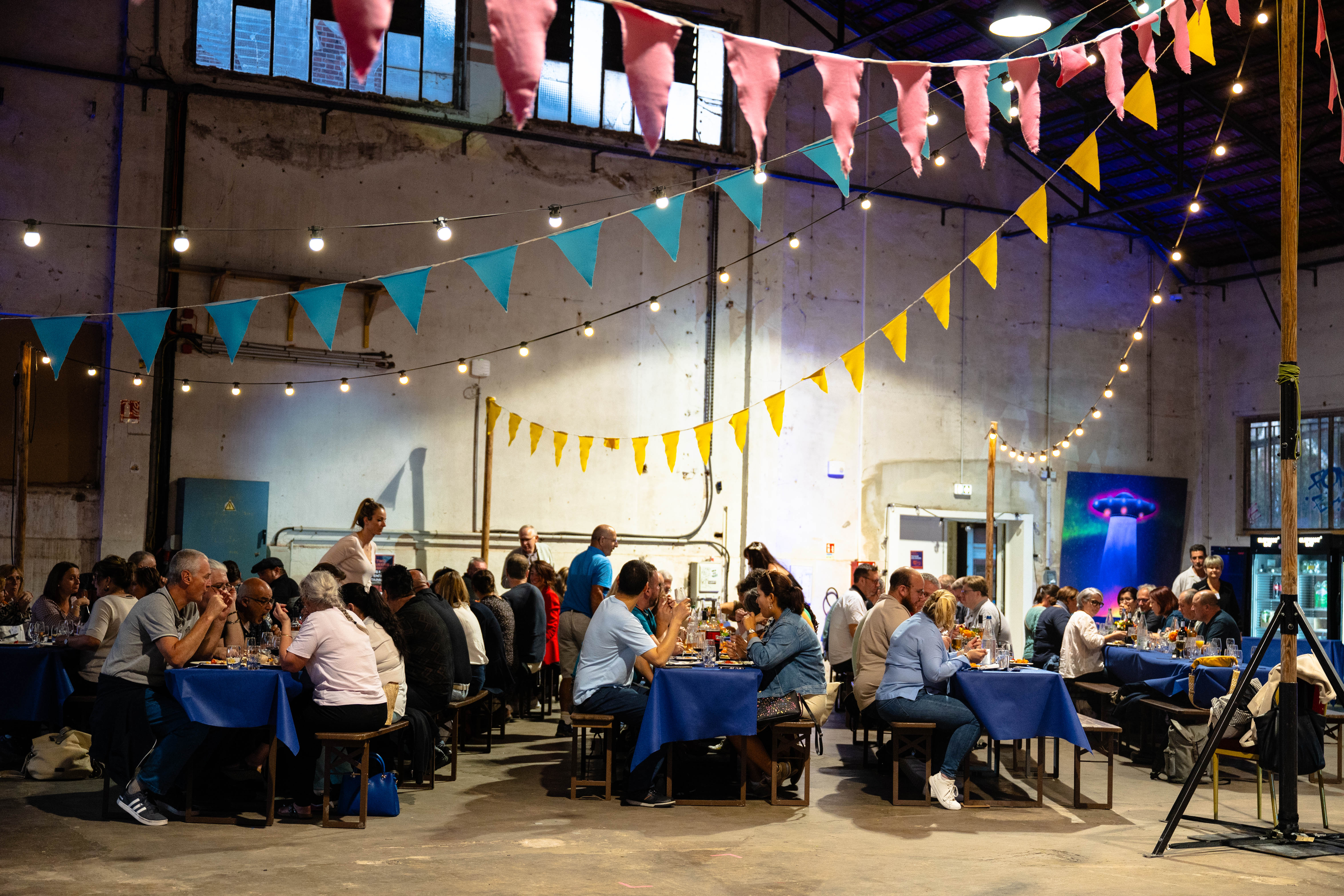
Corporate Team Dinner planning that keeps teams aligned and leaders confident
INNOV'events is a Canadian event management company specialising in Corporate Team Dinner delivery for 20 to 600+ guests. We manage venue sourcing, catering, programming, AV, guest flow, and on-site coordination so your leaders can host—not troubleshoot.
Whether it’s a year-end recognition dinner, post-merger integration evening, or leadership offsite close, we build a plan that fits your culture, budget controls, and brand standards.
Sommaire
A Corporate Team Dinner is more than a meal—it’s a controlled, high-visibility moment where leadership signals priorities, recognises performance, and reinforces culture. When it’s executed well, it strengthens retention and cross-team collaboration; when it’s messy, it undermines credibility fast.
Organisations expect predictable costs, clear approvals, dietary and accessibility coverage, and a guest experience that feels smooth from arrival to departure. HR and Comms also need the right tone: inclusive, on-brand, and appropriate for mixed seniority and diverse teams.
We bring field-tested Corporate Team Dinner organisation: venue shortlists with real pros/cons, practical run-of-show design, and tight vendor management. Our team plans the details that typically break on event night—timing, seating dynamics, service pace, and contingency planning.
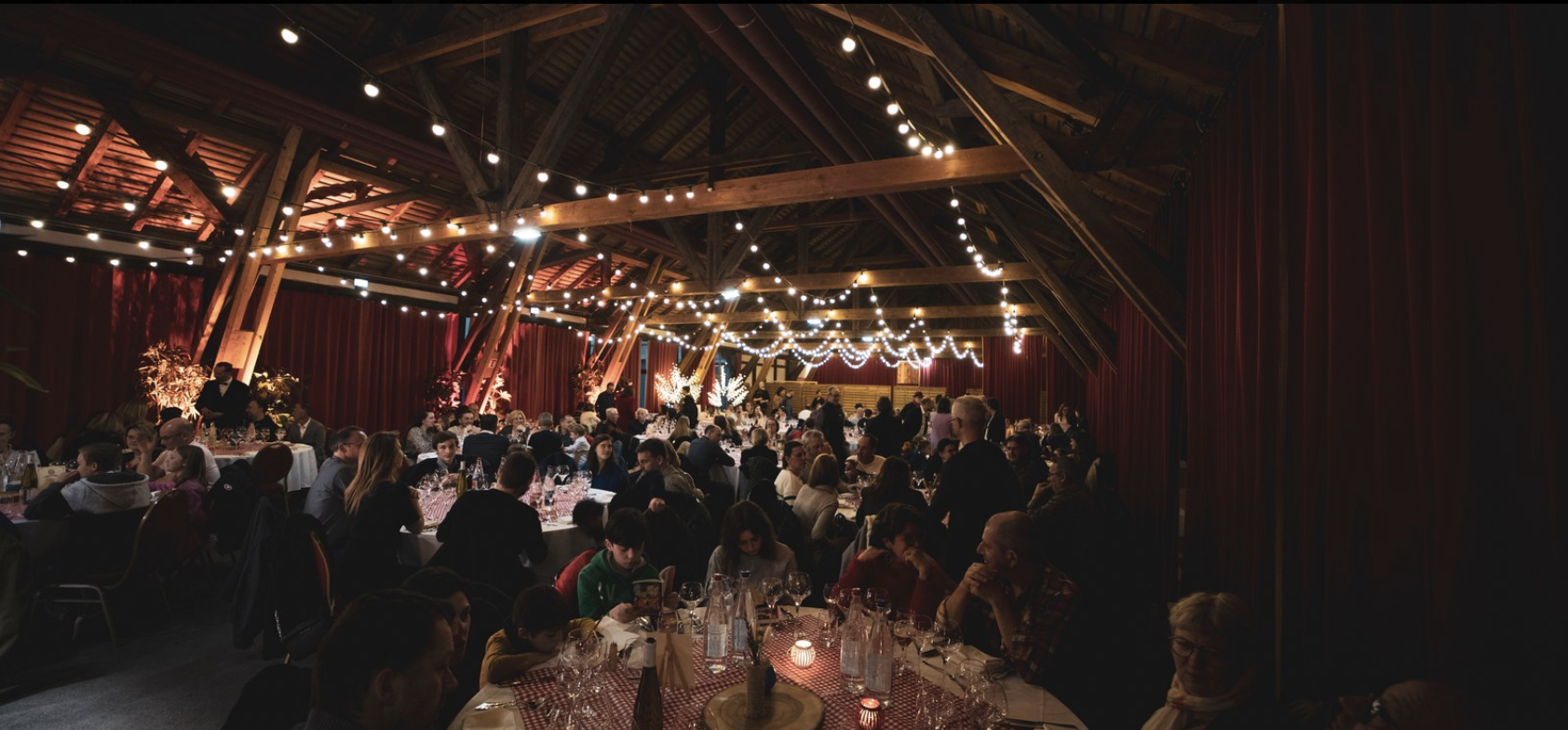
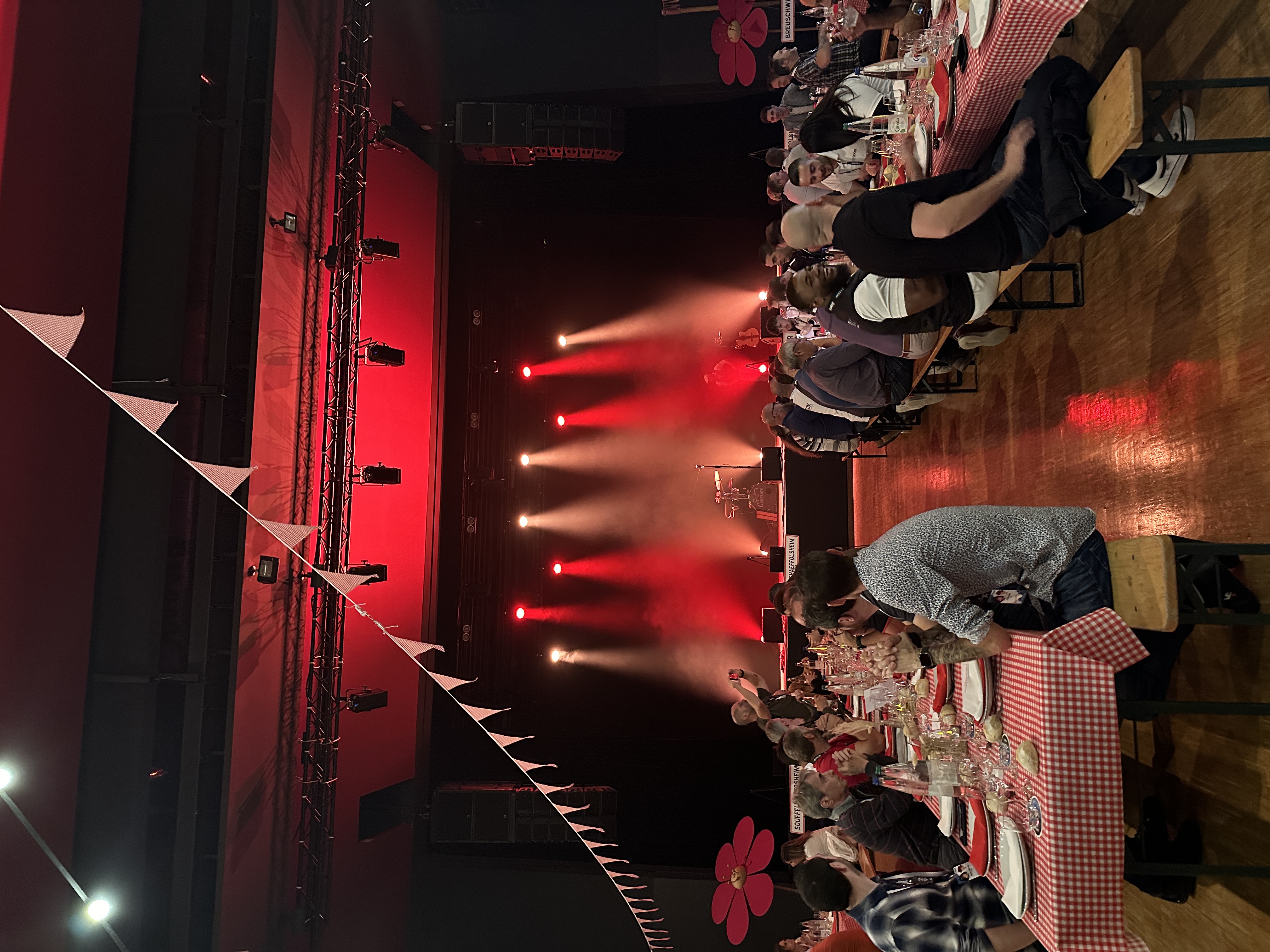
INNOV'events in numbers: operational strength you can validate
Canada-wide delivery through an established network of venues and production partners across major metros and regional hubs.
48-hour turnaround for a first scoped proposal and budget range on most corporate team dinner briefs (once requirements are confirmed).
Multi-vendor control with a single point of contact: venue, catering, bar service, décor, AV, entertainment, transportation, and staffing.
Operational documentation included: run-of-show, vendor call times, floor plan, seating logic, risk register, and day-of checklist.
How to organize a professional event in ?
- Define the objective (cohesion, announcement, fidelity, performance).
- Set date, format and size (20–1 000 people).
- Secure the venue and accommodation according to seasonality.
- Lock down technical, suppliers and logistics.
- Drive the day J (timing, scene, entrance, flow).
We send you a first proposal within 24h.
Why organise a Corporate Team Dinner instead of another meeting?
In most companies, calendar time is fragmented and cross-team contact is limited. A well-designed corporate staff dinner event creates a rare window where people are present, attentive, and open to recognition and connection—without the pressure of a formal meeting agenda.
The key is intention: the dinner must support a business outcome (retention, alignment, integration, recognition, leadership visibility) and not become an expensive social obligation.
Executive visibility without a staged town hall: a short, well-timed leadership segment (5–12 minutes) can land better in a dinner setting—especially when it’s framed around outcomes and gratitude, not slides.
Recognition that feels credible: structured awards (values-based, peer-nominated, or milestone-focused) reduce perceptions of favouritism. We help build criteria and scripting so recognition is consistent and inclusive.
Cross-team trust building: seating strategy (mixing departments and seniority thoughtfully) increases meaningful conversations more than any icebreaker. We plan seating based on collaboration needs and sensitive relationships.
Change and integration support: post-merger, re-org, or leadership changes benefit from a calmer environment where people can ask questions informally—without creating an “announcement” vibe.
Retention and engagement signal: when the dinner is organised professionally (good acoustics, service pacing, dietary coverage, accessible venue), employees feel respected. That operational respect matters as much as the speech.
Employer brand content: with the right photo/video plan and consent approach, you can generate internal comms content for weeks—without disrupting the guest experience.
In economic cycles where budgets are scrutinised, leadership needs initiatives that reinforce culture and execution discipline at the same time. A professional team dinner can be that lever—if it’s planned like a business project, not a party.
Corporate team dinner activity ideas that fit professional settings
Activities should support the dinner’s goal: conversation, recognition, or alignment. The best options don’t force participation, don’t embarrass anyone, and don’t compete with service timing. We design activities to be modular—so leadership can shorten or extend without breaking the evening.
Interactive animations
Table prompts designed for your business: short cards that guide conversation toward wins, lessons learned, and cross-team appreciation—useful for mixed groups where small talk stalls.
Live polling with curated questions: quick, anonymous prompts (2–4 questions) that give leadership insight and keep guests engaged without turning it into a survey night.
Values-based awards: 4–6 categories tied to company values, with clear criteria and short scripts. Works well for HR-led culture programmes and keeps recognition fair.
Art animations
Low-volume live music during cocktail: jazz trio, acoustic duo, or instrumental sets that allow conversation. We confirm decibel limits and room suitability before booking.
Professional MC for pacing: especially effective when there are multiple speakers, awards, or hybrid content needs. A strong MC protects timing and tone.
Short feature performance: a 8–12 minute set placed after mains can reset energy without dragging the schedule or disrupting service.
Innovative animations
Chef’s stations with controlled throughput: interactive but efficient (for example, carving or dessert finishing) planned with queue management so it feels premium, not chaotic.
Curated beverage pairing (with alcohol-free parity): equal-quality non-alcoholic pairings signal inclusivity and reduce the “second-class” feeling for non-drinkers.
Local sourcing story that’s short and credible: one sentence per course at most, aligned with sustainability goals where relevant—no long speeches from the kitchen.
Gourmand animations
Audio guest experience: discreet wireless headsets or distributed speakers for challenging rooms, improving clarity without raising volume. Useful in architecturally interesting venues.
Micro-content capture plan: a shot list and a 15-minute interview corner for leadership and award winners, coordinated so it doesn’t interrupt the flow.
Purpose-driven add-on: a short, optional team impact moment (for example, assembling care kits) placed pre-dinner or post-dessert, with clear logistics and no guilt messaging.
Every element should be consistent with brand image and workplace culture. If your company is conservative or heavily regulated, we keep programming polished and low-risk; if you’re a high-growth tech team, we can modernise the format without sacrificing professionalism.
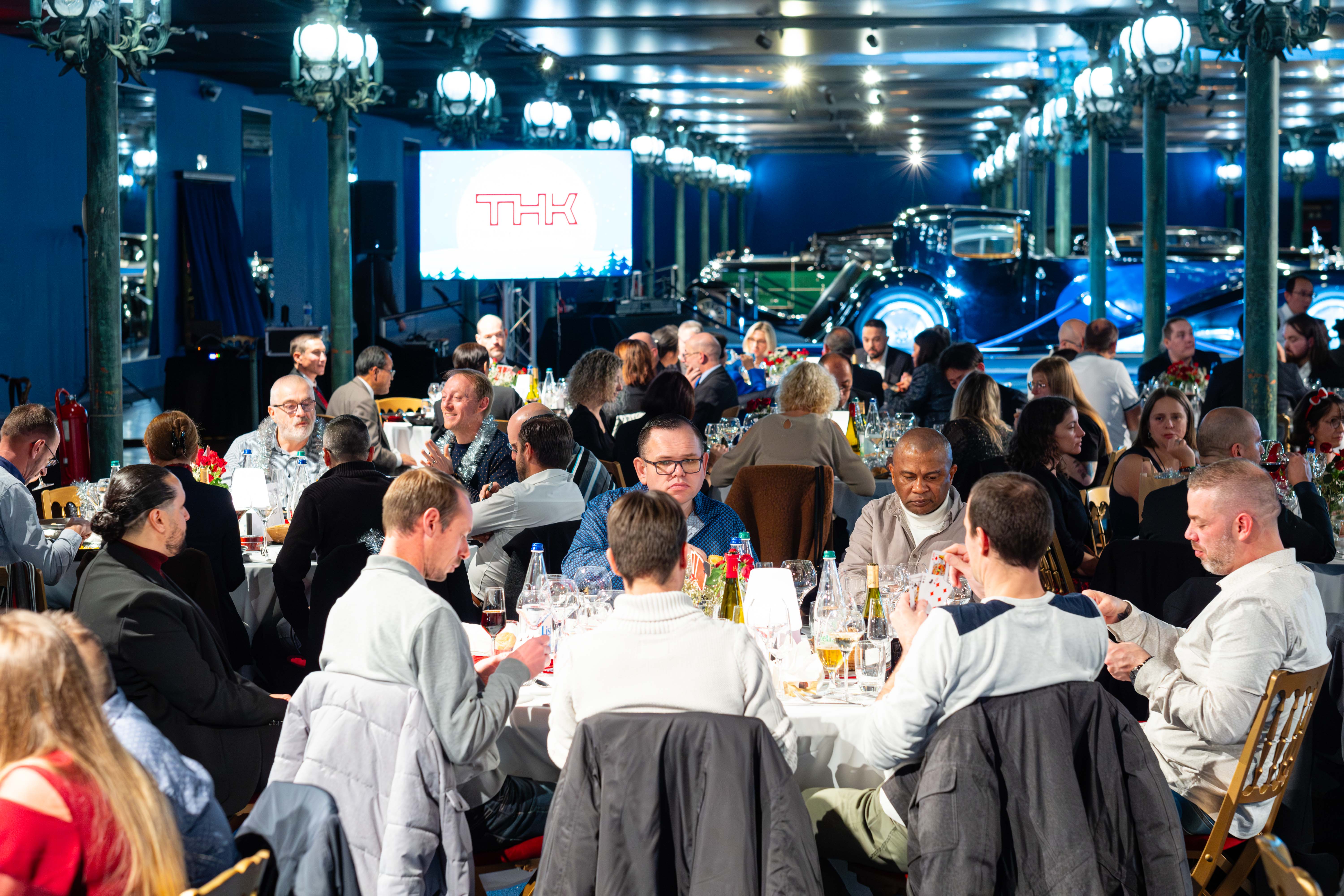
How to choose the right venue for a corporate team dinner
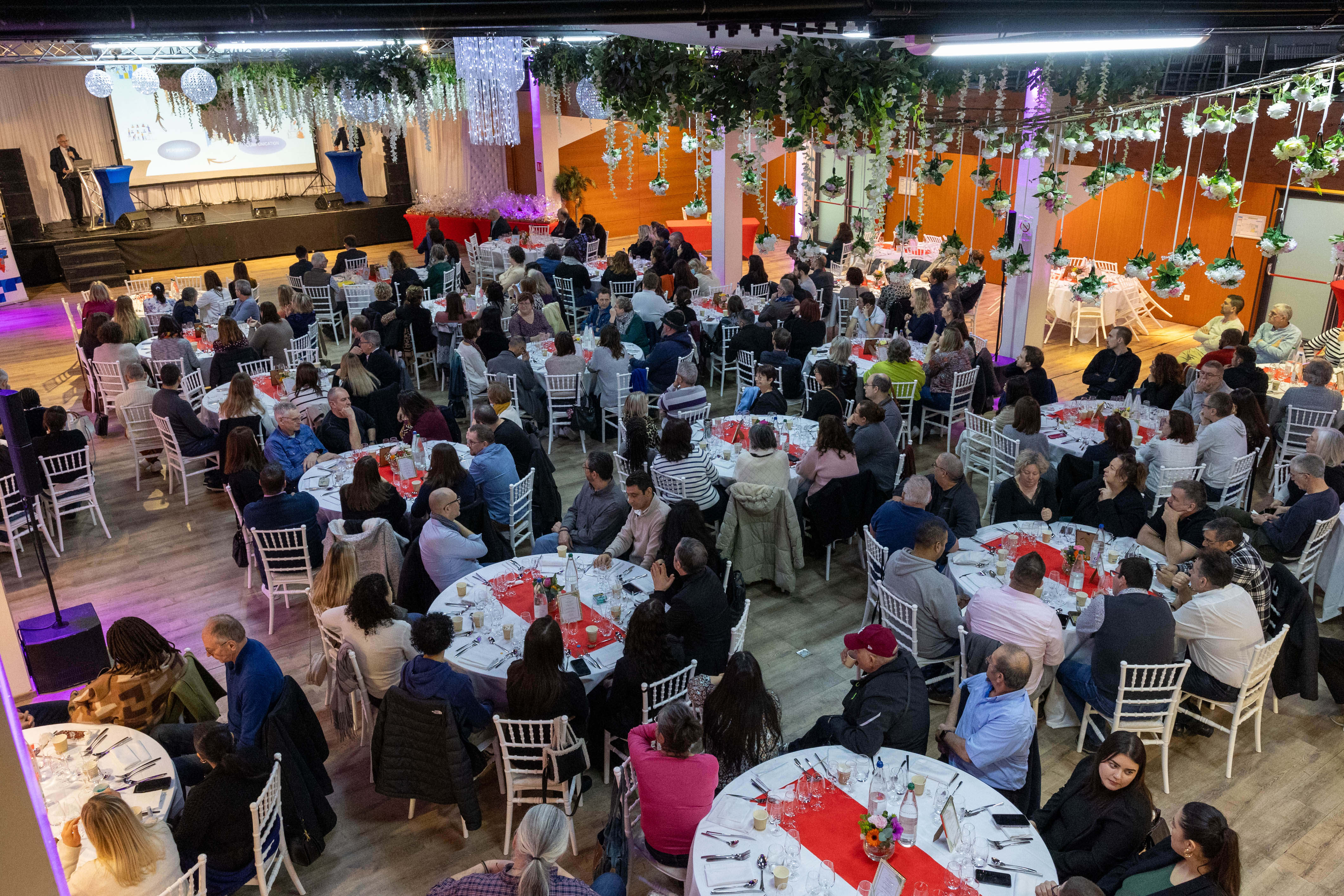
Venue selection is where most dinner budgets are won or lost. We look beyond photos and focus on operational fit: service capacity, acoustics, accessibility, load-in constraints, and the venue’s ability to execute on timing. A beautiful space that can’t serve 220 guests in a reasonable window will damage the evening.
We typically short-list 3–5 options with a comparison that includes pricing structure, inclusions, constraints, and risk notes—so decision-makers can approve quickly and confidently.
Hotel ballroom: Best for 150–600+ with AV needs and predictable service. Watch for package pricing that hides labour and bar minimums.
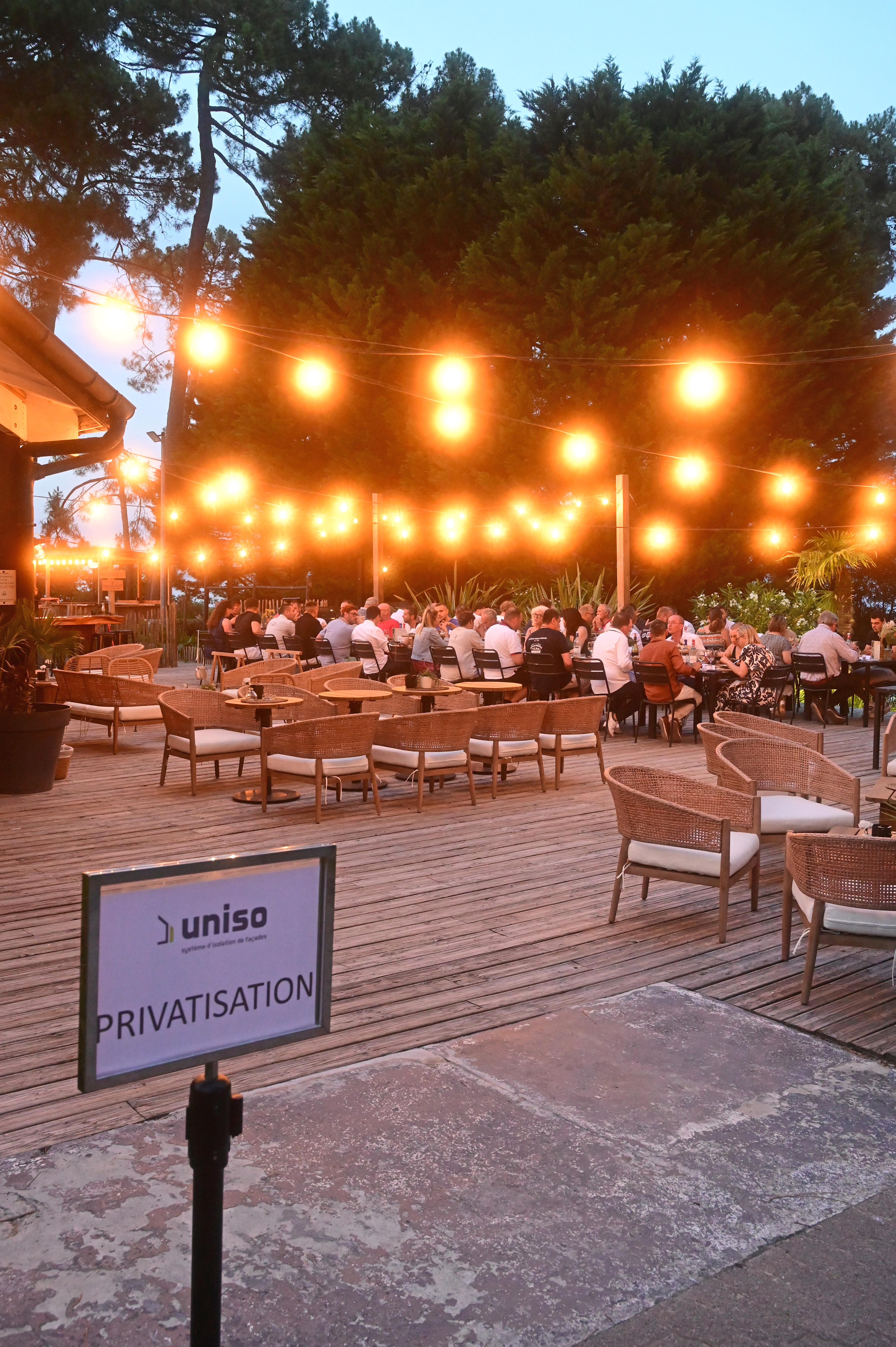
Restaurant buyout: Best for 20–120 when food is the centrepiece. Watch for noise levels, limited stage options, and tight arrival flow.
Event loft or gallery: Best for modern brand feel and flexible layouts. Watch for catering logistics, kitchen limitations, and added rentals/production.
Private club: Best for executive dinners with high service standards. Watch for membership rules, branding restrictions, and limited date availability.
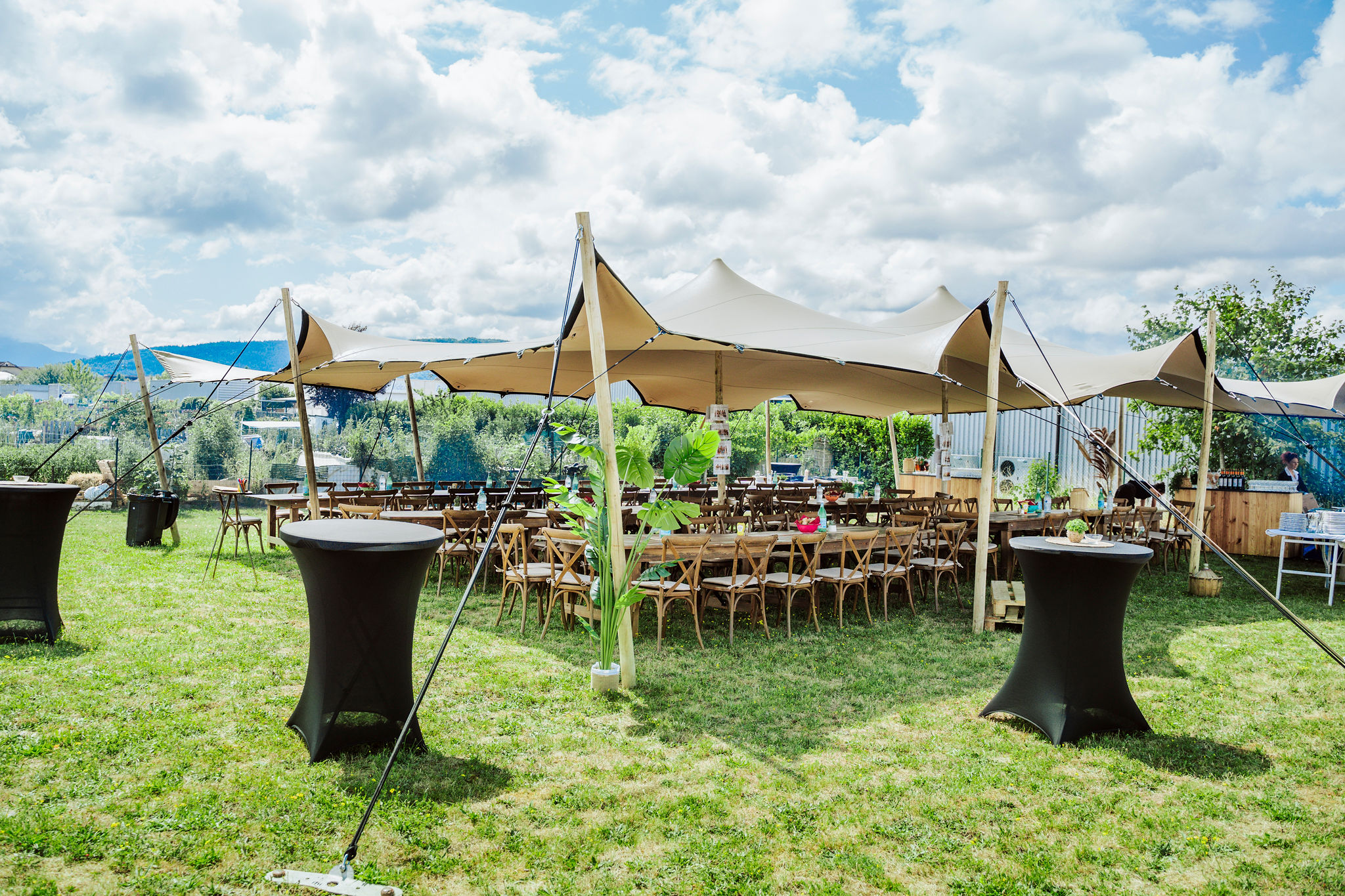
Destination lodge or retreat property: Best for leadership offsites and multi-activity evenings. Watch for transportation, weather contingencies, and guest accessibility needs.
We confirm the non-negotiables early: step-free access, washroom capacity, AV restrictions, parking/transit options, and a realistic service timeline. That’s how we prevent the “great venue, tough night” scenario that experienced leaders want to avoid.
Corporate team dinner budget ranges and what drives cost
Pricing for a Corporate Team Dinner varies based on guest count, venue model, menu complexity, bar format, AV requirements, and how much production is needed to support speeches or awards. The fastest way to control spend is to lock the service format and timing first, then build décor and programming around it.
As a working reference, many Canadian corporate dinners land between $150–$350 per person all-in, with executive or highly produced formats reaching $400+ per person. We confirm your budget guardrails early and build options that make trade-offs explicit.
Venue pricing structure: room rental vs. minimum spend vs. package pricing. Hidden costs often include service charges, SOCAN/Re:Sound fees, coat check, and security requirements.
Food and beverage: plated vs. buffet vs. stations; menu tier; coffee/tea service; late-night options; and whether the bar is hosted, ticketed, or cash.
Staffing and labour: additional servers for stations, bartenders, attendants, and overtime risk when speeches run long or arrivals are delayed.
AV and production: microphones, speakers, staging, lectern, lighting for speeches, screens for slides/video, and a technician team to run cues.
Décor and rentals: linens, centrepieces, signage, step-and-repeat, furniture upgrades, and seasonal price spikes (especially in November–December).
Entertainment and programming: MC, live music, performers, or interactive elements like polling and content capture.
Transportation and parking: shuttles for offsite venues, VIP cars, accessibility vehicles, and parking validation.
Contingencies and service buffers: meal overage, last-minute dietary accommodations, and weather-related timing changes.
We treat budget as a performance tool, not a constraint. The return is measured in leadership credibility, retention signals, and reduced organisational friction—delivered through a dinner that runs on time, respects guests, and protects your brand.
They trust us


Corporate dinner formats we deliver across Canada
We support a wide range of corporate team dinner event needs, from simple recognition dinners to high-stakes leadership evenings. Examples of common formats include:
- Year-end team dinners for 80–350 guests with awards, leadership remarks, and structured pacing to keep the night within 3–3.5 hours.
- Post-project celebrations where the goal is retention and recognition, typically with lighter programming and food-forward experiences.
- Leadership and manager dinners for 20–80 guests, prioritising privacy, service quality, and discussion-friendly room layouts.
- Multi-site team gatherings where travel, accommodation, and transportation are part of the project scope.
- Client-and-team hybrid dinners where brand risk is higher and message control matters, often requiring tighter scripting and a more formal run-of-show.
Our value is adaptability: we build the plan around your internal culture and constraints, not around a fixed “event package.”
Common corporate dinner mistakes—and how we prevent them
Underestimating service timing: plated meals for 250 guests can easily run long without the right staffing and kitchen capacity. We confirm service timelines and build speech windows that match reality.
Choosing a venue based on photos: poor acoustics, blocked sightlines, or tight load-in can derail the evening. We validate the room operationally, not just aesthetically.
No plan for dietary and accessibility needs: last-minute allergies and mobility constraints create stress and reputational damage. We build RSVP capture and meal labelling into the process.
Speeches that are too long (or too many): attention drops, service stalls, and people leave early. We propose a tight speaking structure and coach on timing.
Seating that reinforces silos: teams sit with their usual groups and the dinner doesn’t build connections. We propose seating logic aligned to your collaboration goals.
Weak on-site ownership: when nobody is clearly in charge, vendors make decisions in isolation. We provide on-site coordination and a single run-of-show.
Our role is to remove predictable risks before they show up on event night—so leadership can focus on people and message, not logistics.
Why clients stay with INNOV'events for annual dinners
Repeat clients don’t come back for creativity alone—they come back for consistency, documentation, and a partner who learns their organisation. Over time, we build a working playbook: your tone, brand guardrails, preferred vendors, approval cycles, and accessibility standards.
Year-over-year planning efficiency: returning clients typically reduce internal decision time because venue models, budget benchmarks, and run-of-show templates are already validated.
Lower operational risk: once we know your stakeholder map and sensitivities (leadership preferences, union or HR considerations, alcohol policy), fewer surprises slip through.
More predictable budgeting: we track what actually drove costs and what didn’t, so future briefs start with realistic ranges and smarter trade-offs.

Loyalty is earned through clean execution and clear accountability. For a Corporate Team Dinner, that reliability is what protects your brand in front of your own people.
Our Corporate Team Dinner delivery process
👉 Discovery and constraints mapping
We confirm goals, guest profile, tone, must-haves (dietary, accessibility, privacy), and the internal approval path. We also define success metrics (for example: end time, participation level, leadership visibility, content capture) so decisions are aligned.
👉 Concept, venue short-list, and budget range
We propose 3–5 venue options with practical comparisons: capacity, service timing, inclusions, restrictions, and risk notes. In parallel, we provide a budget range with clear assumptions and optional upgrades so Finance and leadership can approve with confidence.
👉 Vendor contracting and detailed planning
We secure vendors, manage contracts, and build the operating plan: floor plan, seating strategy, menu confirmation, AV spec, signage, and staffing. We also create the run-of-show with call times and cue points, and confirm responsibilities across internal stakeholders.
👉 Guest management and communications support
We support RSVP setup, dietary capture, guest list hygiene, and event communications logistics (what to send, when, and what guests need to know). If required, we coordinate registration, name badges, and arrival flow to reduce bottlenecks.
👉 On-site production and coordination
Our team runs vendor load-in, room set, technical checks, and service pacing. We manage transitions, support speakers, and handle issues discreetly. You get a calm control centre approach—problems solved before guests notice.
👉 Post-event wrap-up and reconciliation
We reconcile vendor invoices, document any variances, and provide a short debrief with recommendations for next year (cost optimisations, timing improvements, and guest feedback themes where available).
FAQ sur l'organisation Corporate Team Dinner
How far in advance should we book a corporate team dinner?
Plan for 6–10 weeks for 50–150 guests and 10–16+ weeks for 200+ guests, especially in November–December. If you’re inside 4 weeks, we can still help, but venue choice and pricing will be tighter.
What is a realistic per-person cost in Canada?
Most corporate dinners land around $150–$350 per person all-in (venue, food, bar, basic AV, and coordination). Executive venues, premium menus, or higher production can push $400+ per person. Final pricing depends on city, date, and service format.
How do you manage dietary restrictions and allergies?
We capture requirements through RSVP fields, confirm counts with the kitchen in advance, and coordinate labelled place cards or discreet identifiers. For higher-risk allergens, we align on kitchen handling procedures and ensure a clear escalation contact on event night.
How long should a corporate dinner programme be?
For most teams, the full evening works best at 3 to 3.5 hours from doors open to last remarks. Speaking content is usually strongest at 10–20 minutes total, split into short segments that align with service timing.
Can you organise a team dinner with awards and AV?
Yes. We build the run-of-show around meal service, specify microphones and speaker placement for audibility, and manage cue-based content (walk-up music, slides, short videos). We also support scripting so awards are professional, fair, and on time.
Request a free quote for your Corporate Team Dinner
If you’re comparing partners for a Corporate Team Dinner, we’ll make the decision easier with a clear scope, realistic budget range, and a planning approach you can defend internally. Share your city, target date window, guest count, and the purpose of the evening—and we’ll return a first proposal within 48 hours when possible.
Contact INNOV'events to request your free quote and lock in venues before peak dates fill up.