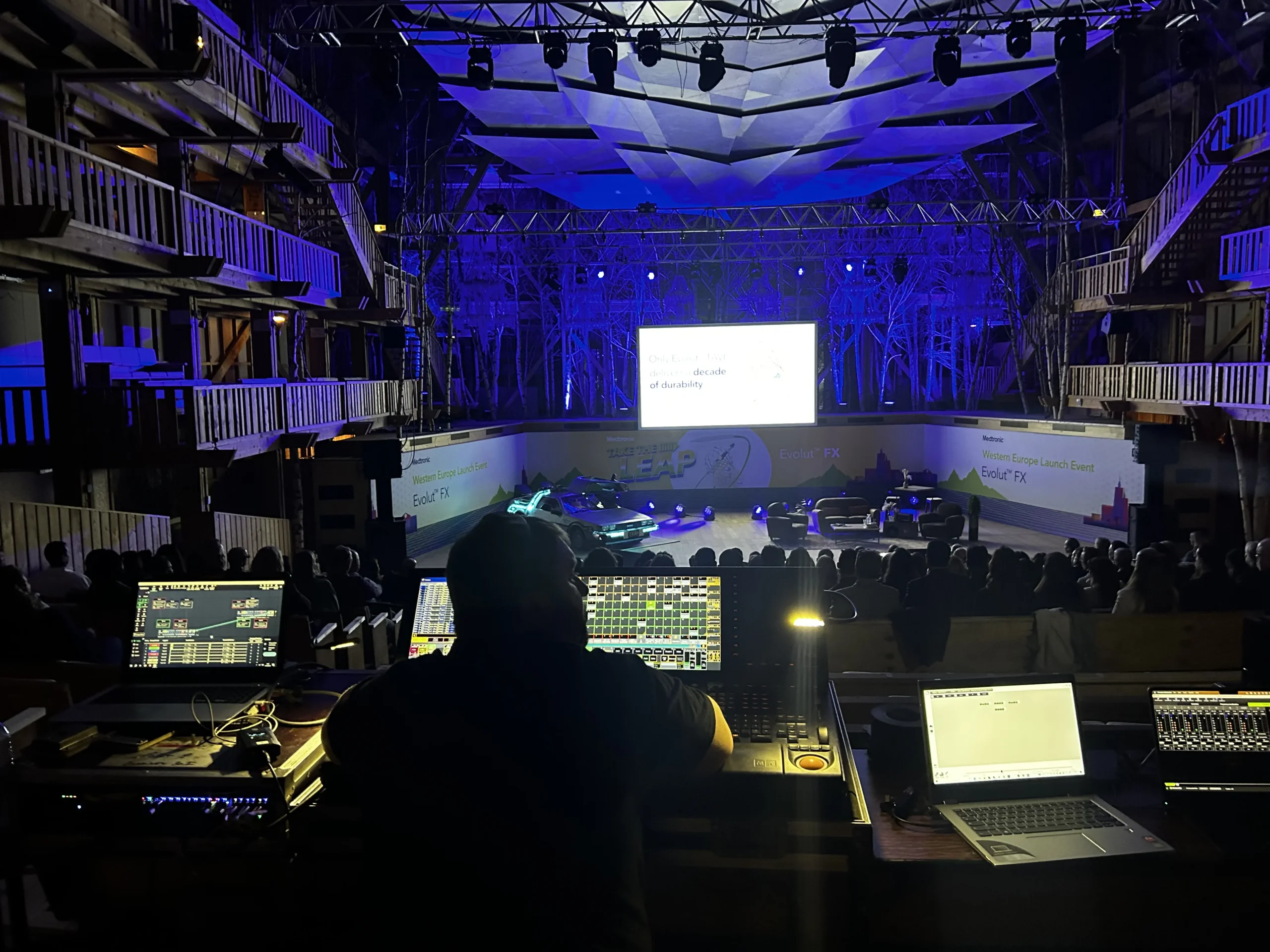
Event Marketing & Communications in Montréal: align your message, your teams, and your results
INNOV'events supports executives, HR, and communications teams with end-to-end Event Marketing & Communications in Montréal, from strategic positioning to day-of execution. We typically manage corporate formats from 40 to 2,500+ attendees, including internal comms, brand activations, executive messaging, and stakeholder engagement. You keep decision control; we handle the operational complexity, vendors, and on-site pressure.
In a Montréal corporate environment where talent retention, change management, and brand trust are under constant scrutiny, event communications are not “nice-to-have.” They are a controlled moment where leadership message, culture, and reputation are tested in real time—by employees, clients, and partners.
Local organizations expect clarity, bilingual rigour (FR/EN), and seamless guest experience—from registration to content flow. In Montréal, the bar is high because audiences are sophisticated, schedules are tight, and comparison is immediate: your event is measured against tech launches, investor meetings, and major cultural productions happening the same week.
As a Montréal-based team, INNOV'events brings field-driven methodology: stakeholder mapping, message architecture, production planning, vendor management, and on-site command. We build communications that land, and operations that hold—even when timelines shift, speakers change, or the venue imposes last-minute constraints.
Operational proof points you can verify in Montréal
10+ years delivering corporate events and brand activations across Québec and Canada, with repeat mandates from communications and HR teams.
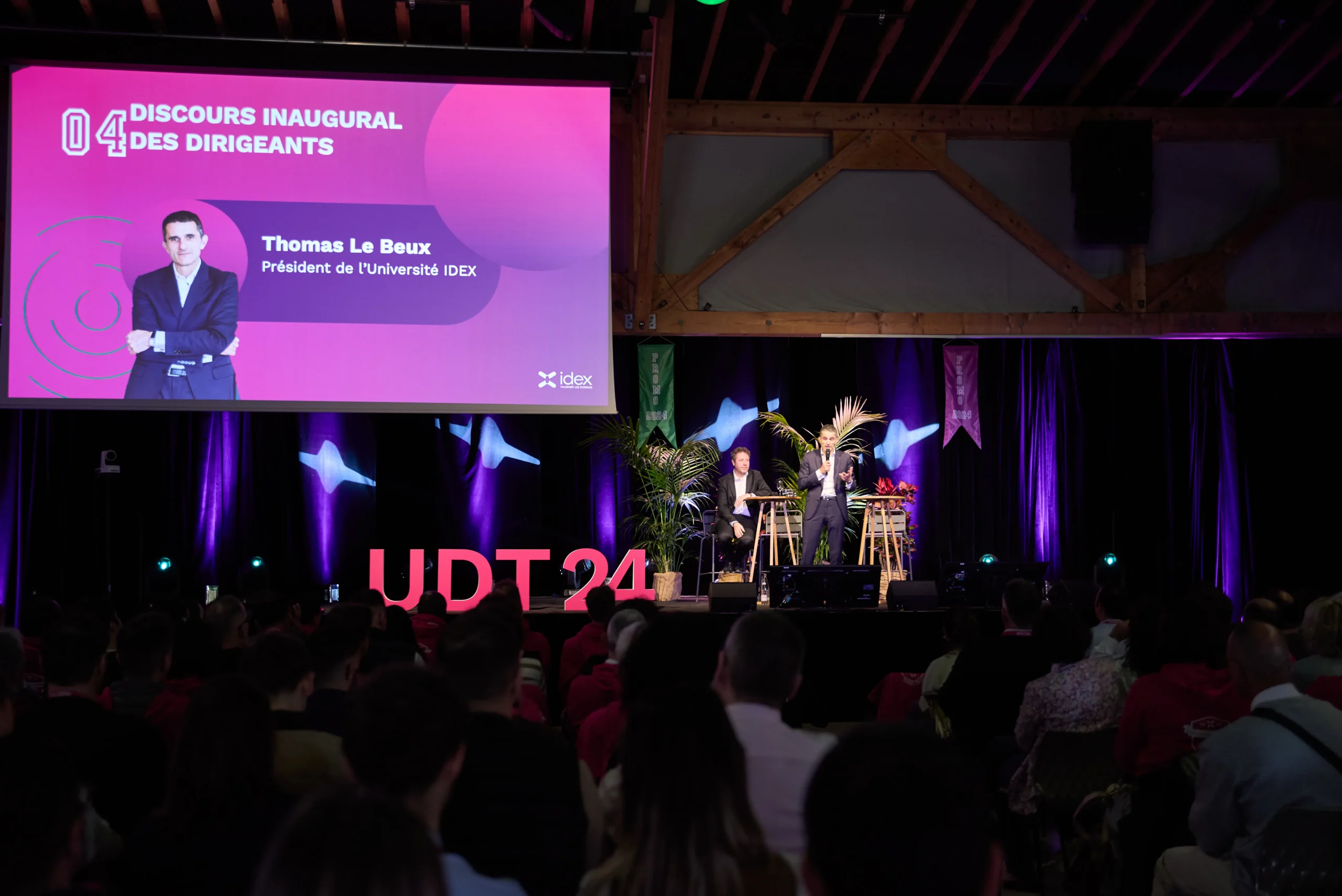
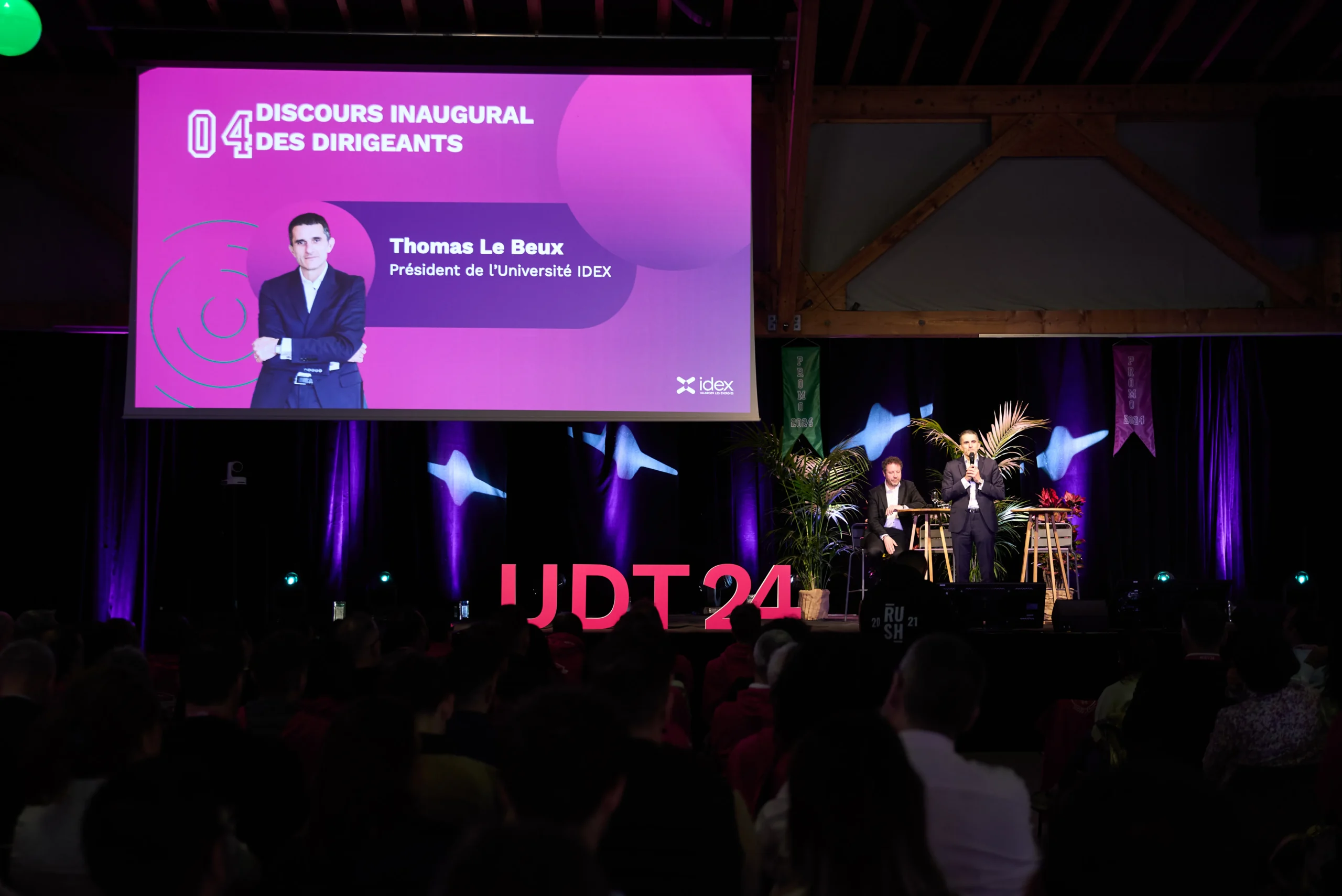
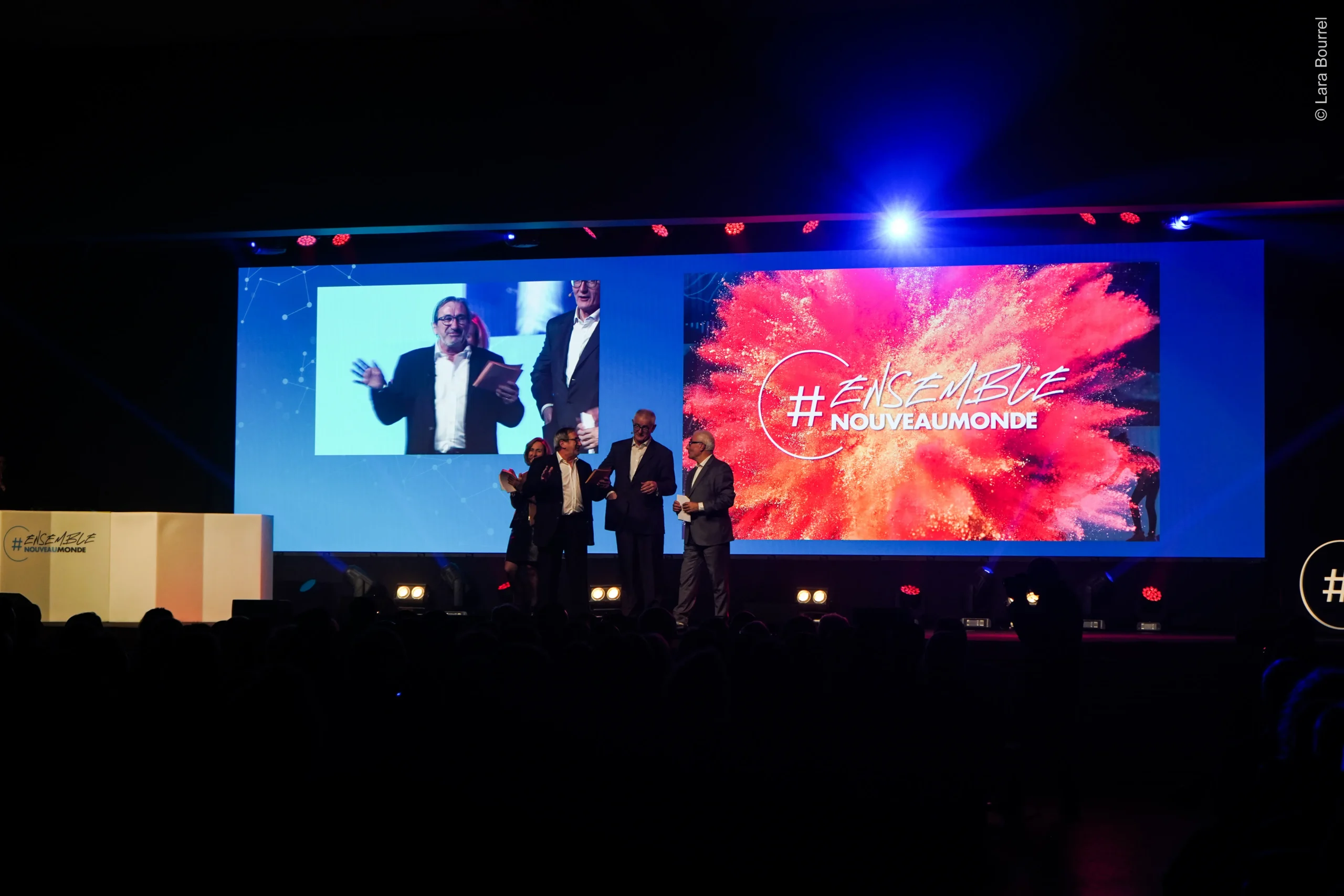
Formats managed from 40 to 2,500+ participants (town halls, leadership summits, client experiences, employer brand events, product/initiative launches).
100+ vetted vendors (AV, staging, catering, scenic, printing, signage, content capture, interpreters, security) aligned to Montréal venue realities.
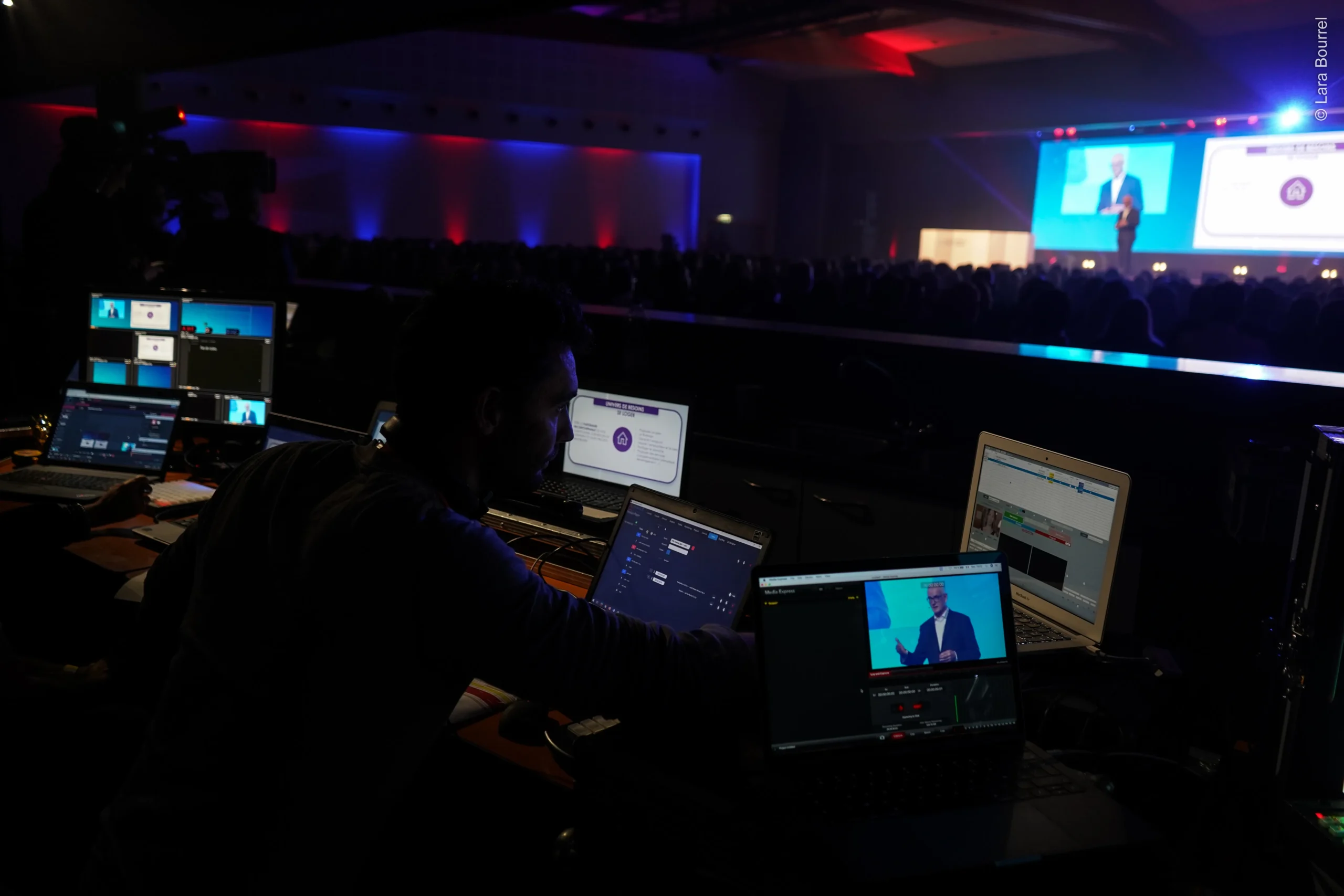
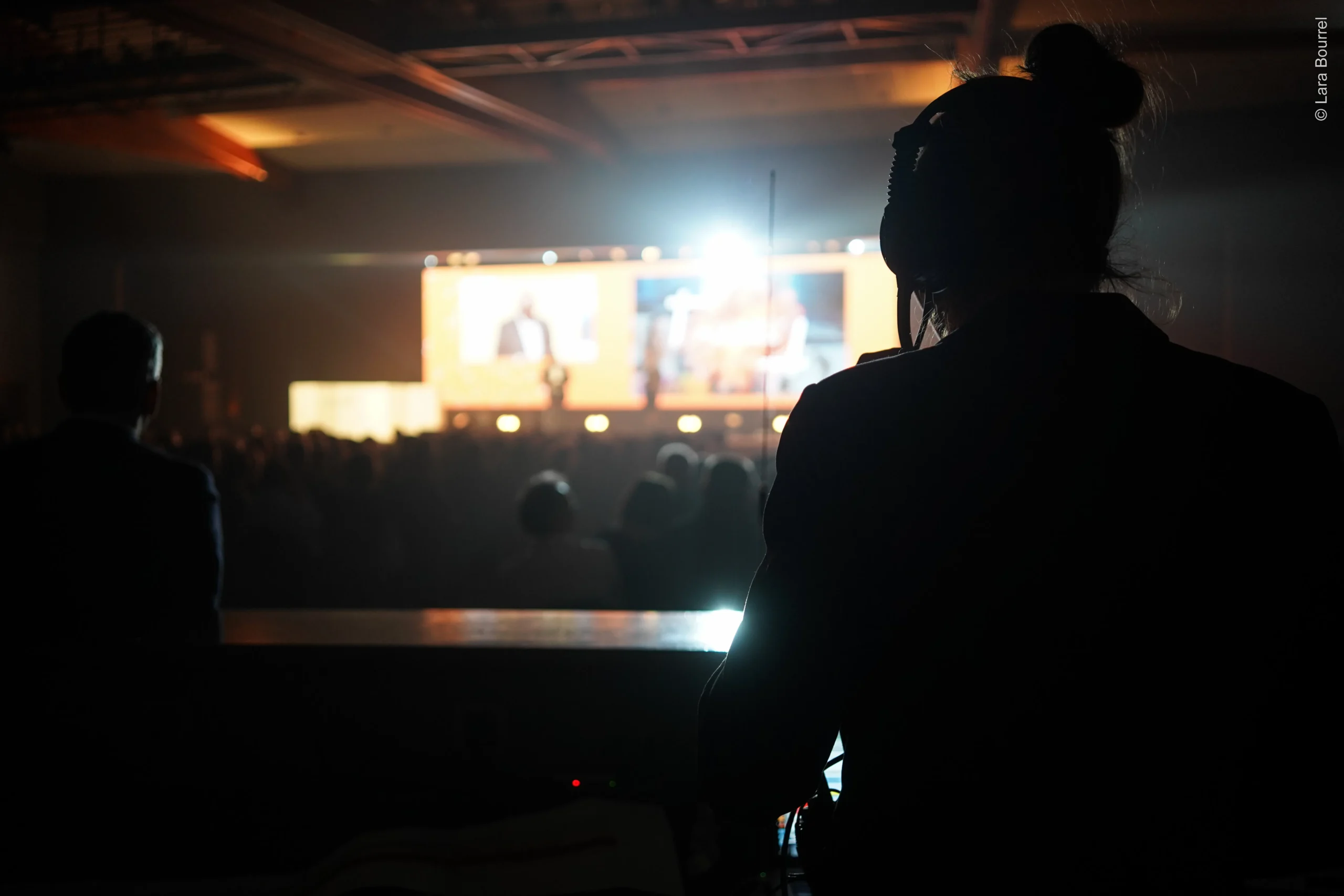
On-site delivery with a structured command model: run-of-show, cue-to-cue, speaker wrangling, audience flow, and contingency planning.
Montréal references and long-term collaboration habits
In Montréal, relationships matter because timelines compress quickly and venue calendars fill months in advance. We work with local and national organizations operating in the city, and we’re often brought back year after year when teams need reliability under pressure: leadership events that cannot slip, internal communications moments tied to workforce announcements, or external stakeholder events where brand image is on the line.
Our mandates typically involve multiple internal stakeholders—HR, Comms, Marketing, Procurement, IT, and sometimes Legal—so we’re used to aligning priorities and documenting decisions. Montréal clients also value continuity: the same core agency team, the same production discipline, and the same reporting structure from one edition to the next. That’s how you avoid reinventing the wheel and still keep each event fresh and strategically accurate.
If you have specific references you want featured (client names or industries), we can integrate them in a compliant way—either as public case studies or anonymized examples, depending on your confidentiality requirements.
We send you a first proposal within 24h.
Why invest in Event Marketing & Communications in Montréal now?
When leadership teams ask for “an event,” what they usually need is faster alignment: a message that is understood the same way by managers, employees, clients, and partners. A well-built event communications plan reduces rework, limits rumours, and creates a single narrative that can be reused in internal channels, recruitment, and client-facing materials.
Executive message control: we translate strategic priorities into a tight narrative (what we’re doing, why now, what changes, what stays). This prevents mixed interpretations across business units.
HR impact you can feel on the floor: improved engagement when employees see decisions explained clearly, with room for questions, not just announcements. For change periods, we design structured Q&A and manager toolkits to extend the event’s impact.
Brand consistency across touchpoints: signage, stage visuals, speaker decks, videos, and follow-up comms use the same language and graphic system—avoiding the classic “five versions of the story” problem.
Operational efficiency: one integrated plan for invitations, registration, agenda, vendor load-in, and on-site flow reduces last-minute spend (rush printing, overtime AV, emergency staffing).
Measurable outcomes: we define success metrics upfront (attendance rate, no-show rate, engagement actions, content completion, post-event recall, NPS by audience segment) so the event doesn’t end as a subjective debrief.
Montréal’s economy is fast-moving and highly networked; news travels quickly across industries and professional communities. Strong event communications protect your reputation, while weak execution becomes a reference point you don’t control. A disciplined approach keeps the narrative yours.
What Montréal audiences and venues demand from your event communications
Montréal audiences are used to high production standards—whether they come from finance, technology, life sciences, public sector, or creative industries. That means you can’t rely on “a nice room and a microphone.” Your content flow, bilingual delivery, and guest journey need to be designed like a system.
On the communications side, the recurring Montréal constraints we plan around are concrete:
Ultimately, Montréal expectations are pragmatic: make it clear, make it smooth, and make it credible. If a detail is wrong—pronunciation, signage language, timing, or AV transitions—people notice immediately. Our role is to remove those friction points before they happen.
Which Montréal activations actually support your communications goals?
Activations work when they serve a purpose: reinforcing a strategic message, creating meaningful interactions, or generating content that extends the event beyond the room. In Event Marketing & Communications, “engagement” must translate into recall, participation, and follow-through—not just noise.
Live polling tied to leadership decisions: used during town halls to measure alignment by department or tenure, with results addressed on stage. This avoids the common pitfall of collecting feedback and ignoring it.
Facilitated roundtables with capture: small-group discussions led by trained facilitators, with structured prompts and a capture template. We convert outputs into an executive brief within 5–10 business days.
Networking architecture: not “free mingle,” but programmed connections (hosted tables, timed rotations, industry pods). This is effective for partner events where leaders want targeted introductions.
Digital engagement that doesn’t break the room: QR-based feedback, agenda access, and content downloads that are tested for venue connectivity and device variability.
Short, content-aligned performances: for example, a 3–5 minute opening piece that sets tone and theme, then clears the stage for the message. In Montréal, we often integrate local artistic talent when it supports brand positioning, not as filler.
Stage design and visual storytelling: motion graphics, stingers, and lower-thirds that make speakers look prepared and credible—especially useful when you have multiple executives and a tight agenda.
Menu as a communications tool: local sourcing callouts, dietary clarity, and service timing aligned to agenda pacing. We plan food moments to support networking and avoid schedule drift.
Branded tasting stations: used for client events to create dwell time near product demos or partner booths, with service flows that prevent line congestion.
Content capture designed for reuse: rapid edit interviews, leadership soundbites, and short recap videos delivered in 48–72 hours for internal channels or LinkedIn, with pre-approved messaging.
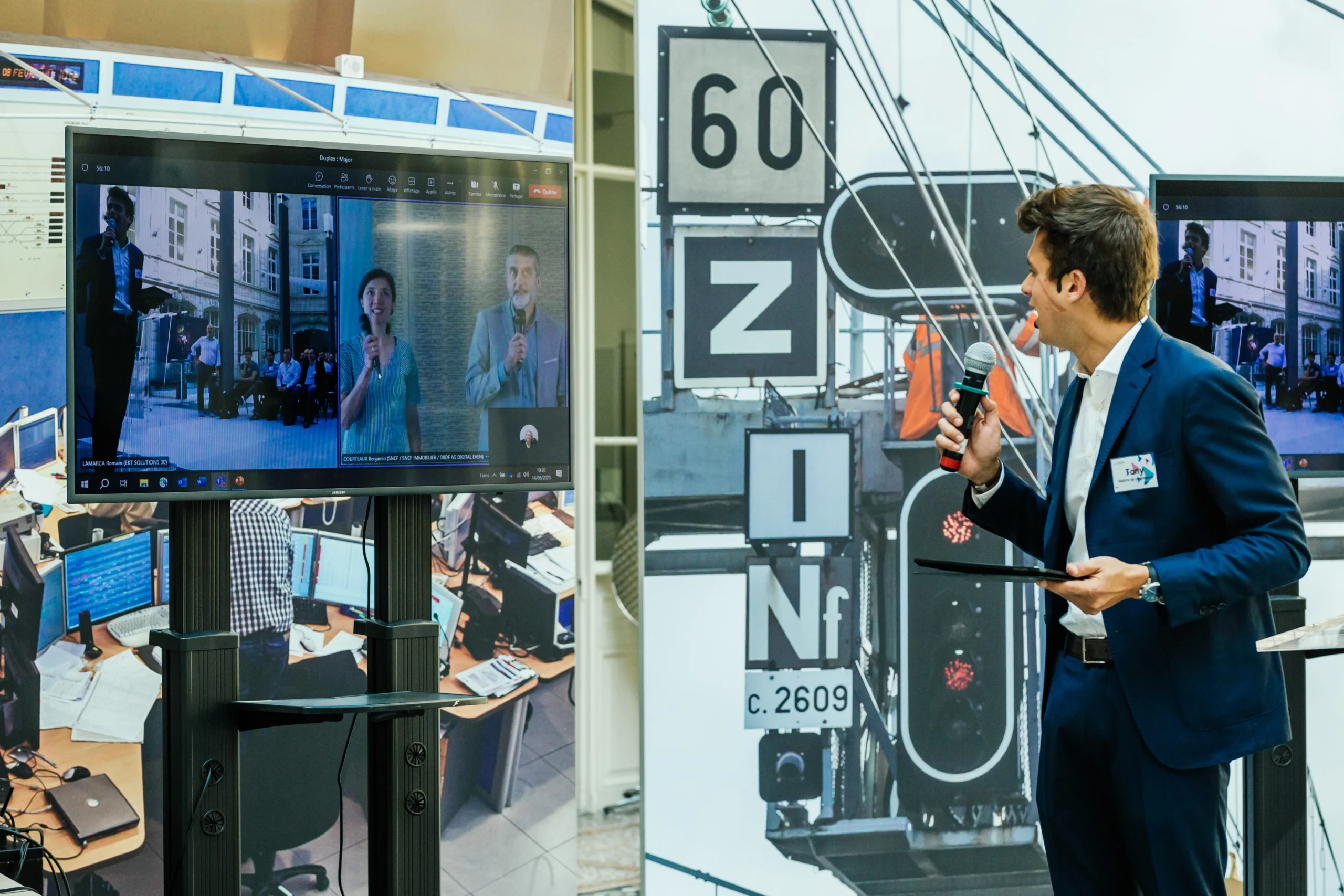
Hybrid-ready production: even for in-person events, we design the AV and stage plan so the event can be streamed or recorded cleanly if a speaker is remote or schedules change.
Employee advocacy moments: photo/video zones built for authenticity (not gimmicks), where employees can share a clear message aligned with employer brand guidelines.
The best activation is the one that protects your brand image: it respects your audience, reinforces your message, and works flawlessly in the venue. We recommend only what we can execute properly with Montréal vendors, realistic timelines, and a clear operational plan.
How to choose a Montréal venue that supports your communications
Your venue is part of your message. In Montréal, the room shape, ceiling height, loading access, and AV capabilities directly influence content delivery: how speakers sound, how visuals read, and whether guests feel “looked after” or simply processed.
| Venue type | For which objective? | Main strengths | Possible constraints |
|---|---|---|---|
| Downtown hotel ballroom | Leadership town hall, awards, partner updates with predictable logistics | Built-in event infrastructure, central access, experienced banquet teams, easier room blocks | Union rules or preferred suppliers, limited customization windows, AV upgrades can add cost |
| Converted industrial / creative space | Brand launch, employer brand event, client experience needing strong identity | High visual impact, flexible layouts, strong “Montréal” character for storytelling | More production required (power, rigging, acoustics), stricter noise/time constraints |
| Conference centre / large-scale venue | Multi-track programming, exhibitions, large stakeholder summits | Capacity, breakout rooms, professional logistics, scalable registration flow | Longer lead times, wayfinding complexity, higher staffing needs for flow control |
We insist on site visits (or at minimum a detailed technical walk-through) before locking production. Small details—dock access, ceiling points, sound bleed, green room availability—are what determine whether your communications land cleanly on event day.
What a Montréal Event Marketing & Communications budget really includes
Pricing depends on the event’s communication ambition and production reality—not only the headcount. A 150-person leadership event with bilingual interpretation, multi-speaker rehearsals, and video capture can cost more than a 400-person cocktail with light programming.
Strategic and content work: message architecture, agenda design, stakeholder alignment, speaker briefs, slide templates, scripts, and bilingual copy.
Creative and brand assets: stage visuals, motion graphics, printed signage, wayfinding, branded environments, and digital templates for internal comms.
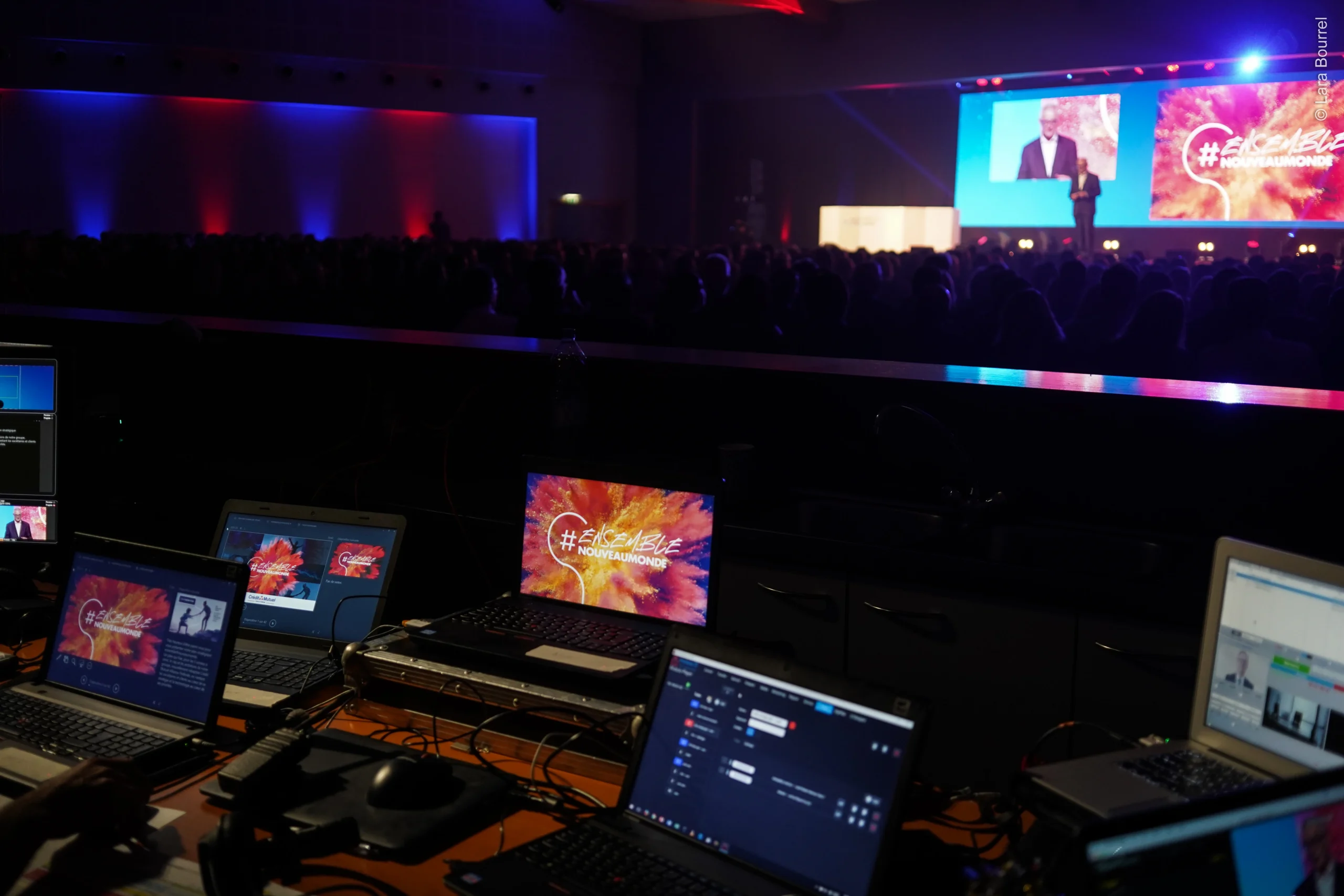
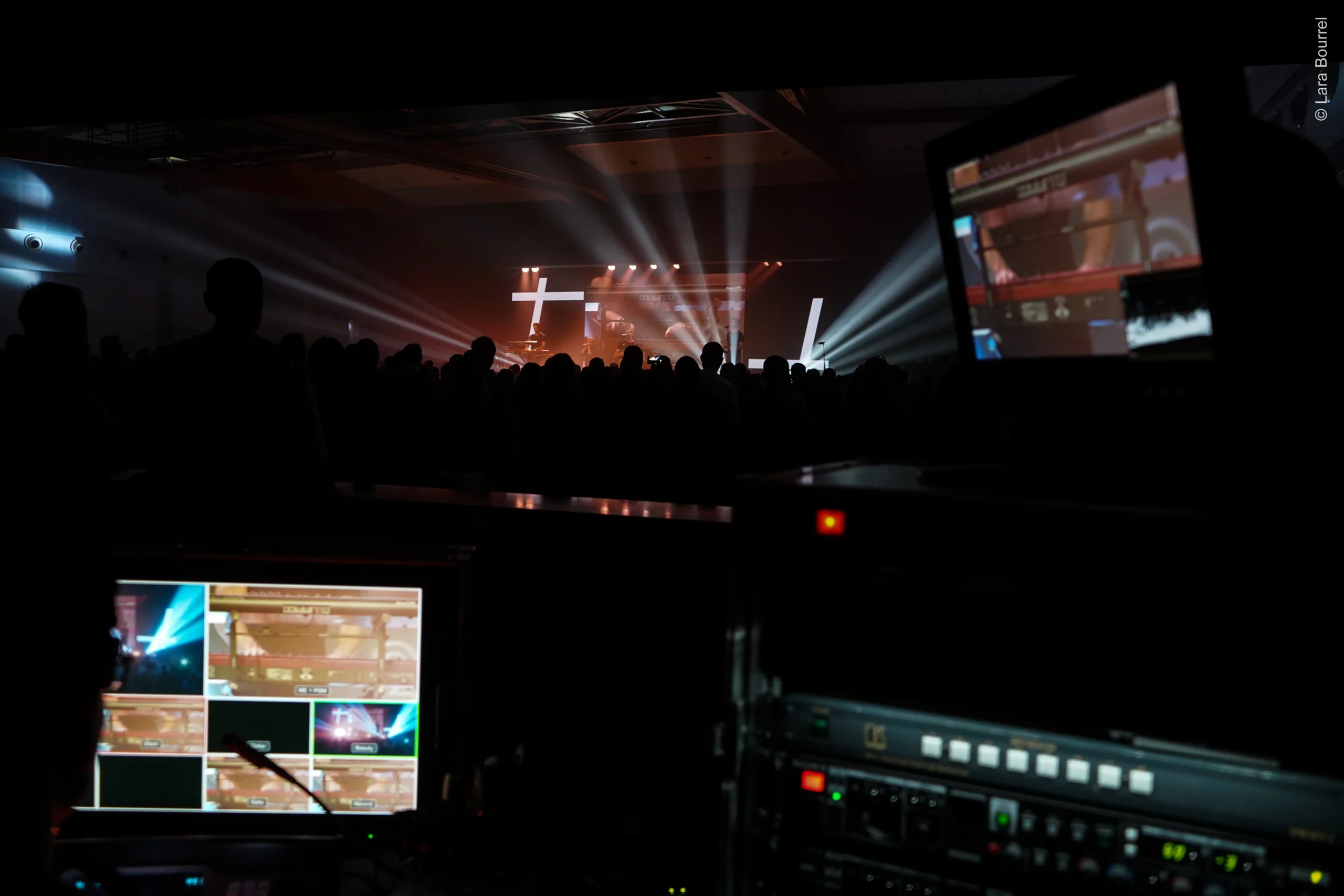
Production and technical: AV (audio, projection/LED, lighting), staging, camera capture, streaming, tech rehearsals, and technical direction.
Guest management: registration platform, invitation flows, RSVP logic, data privacy handling, check-in staffing, badges, and on-site support.
Venue and hospitality: room rental, catering, bar service, labour, security, coat check, accessibility accommodations.
Risk and contingency: backup equipment, overtime buffers, additional staff for high-traffic arrival windows, and weather-related adjustments in Montréal seasons.
We frame budget decisions through return on objectives: if the goal is executive alignment, we protect content clarity and rehearsal time; if the goal is external reputation, we protect production quality and guest experience. The ROI is not abstract—miscommunication and operational failure have real costs in time, morale, and brand trust.
Why a Montréal-based partner reduces risk on event day
Being local is not a slogan; it’s a risk-control advantage. Montréal events are shaped by venue restrictions, labour realities, bilingual audiences, and calendar congestion. A local agency anticipates these factors and can intervene quickly when something shifts.
As your event agency in Montréal, INNOV'events brings practical benefits: we know which venues require earlier load-in requests, which suppliers are reliable under tight timelines, and how to build schedules that hold even when executive calendars change. We also maintain in-person control: technical rehearsals, vendor coordination, and on-site command without relying on remote supervision.
We frame budget decisions through return on objectives: if the goal is executive alignment, we protect content clarity and rehearsal time; if the goal is external reputation, we protect production quality and guest experience. The ROI is not abstract—miscommunication and operational failure have real costs in time, morale, and brand trust.
What we deliver in Montréal across corporate contexts
Our projects cover the full spectrum of Event Marketing & Communications in Montréal, often under tight executive deadlines. Examples of situations we routinely manage:
What these mandates share is the same requirement: the event must function as a communications instrument, not just a gathering. We document decisions, protect timing, and keep production aligned with message intent.
Common Montréal event mistakes that harm your communications
Building the agenda before the message: you end up with too many speakers and no narrative thread, which reduces recall and creates contradictory takeaways.
Underestimating bilingual production: last-minute translation, inconsistent terminology, and unclear language roles on stage (who speaks what, when) create friction and credibility loss.
No real rehearsal time: transitions fail, videos don’t cue, microphones aren’t assigned, and executives lose confidence—especially in high-stakes internal events.
Choosing a venue for aesthetics only: poor acoustics, limited rigging, or restrictive load-in makes the event look improvised, even with a strong message.
Registration and arrival bottlenecks: long lines become the first “message” your audience receives; it signals disorganization and wastes networking time.
Not planning content reuse: you pay for a strong moment, then fail to capture and redistribute it to employees or clients who weren’t in the room.
Our job is to prevent these risks with process: early technical checks, message-to-agenda mapping, bilingual planning, vendor accountability, and on-site command. It’s less about creativity and more about control.
Why Montréal clients renew with INNOV'events
Renewal happens when an agency reduces workload for internal teams while improving the quality of outcomes. In practice, client loyalty comes from three things: predictability, transparency, and the ability to protect leadership under pressure.
Repeat mandates are common for annual meetings, recognition events, and recurring leadership communications—because consistency matters more than novelty.
Decision logs and post-event reporting are built into our delivery so you can justify choices internally and improve year over year.
Stable core team model: the people who plan are present on site, which reduces handoff errors.
Loyalty is earned on the hardest days: when a speaker is late, a file changes, or a room needs reconfiguration. Clients come back because we keep the event and the message stable when conditions aren’t.
Our Montréal delivery method from brief to show call
Step 1: Clarify objectives and constraints in Montréal
We start with a working session with your event owner (and typically HR/Comms/Marketing). We confirm audience segments, the primary message, success metrics, and non-negotiables (bilingual level, brand rules, executive availability, confidentiality). We also identify Montréal constraints early: venue availability, traffic/seasonality, interpretation needs, and supplier lead times.
Step 2: Build message architecture and agenda logic
We turn strategy into a content structure: opening framing, proof points, leadership perspectives, and the “call to action” you want after the event. Then we build an agenda that supports attention spans and operational flow—speaker order, transitions, Q&A, breaks, and networking moments. This is where we reduce risk of overtime and schedule drift.
Step 3: Design the guest journey and comms system
We plan invitations, RSVP logic, reminders, registration data fields, accessibility and dietary capture, badge standards, and on-site signage. We align internal and external communications so employees and guests receive consistent information: arrival times, dress code, directions, and expectations. The goal is fewer questions on event day and fewer last-minute exceptions.
Step 4: Produce the technical and vendor plan
We lock AV specs, staging, lighting, video, scenic, and interpretation (when needed). We confirm load-in schedules, docks, storage, green rooms, and security requirements. Vendor scopes are documented to avoid gaps (who provides what, by when, with what approvals). We also plan redundancy for critical elements: audio, playback, and presenter support.
Step 5: Rehearse and finalise show control in Montréal
We run speaker prep, slide checks, and cue-to-cue rehearsals appropriate to the format. The run-of-show is finalised with timestamps, responsibilities, and escalation paths. On site, our team operates as an event command centre: registration flow, speaker wrangling, stage management, and vendor coordination—so your leaders can focus on people and message.
Step 6: Measure outcomes and package content for reuse
After the event, we deliver a debrief with metrics tied to your objectives (attendance/no-show, engagement signals, survey themes, operational lessons). When content capture is included, we deliver usable assets—recap video, leadership clips, photo selects, and written summaries—so the event continues to serve communications goals in Montréal and beyond.
For a standard corporate format (80–300 people), plan 8–12 weeks. For peak season dates, larger venues, or complex production (interpretation, multi-speaker program, video capture), plan 3–6 months. If you’re in a rush, we can compress timelines, but expect higher costs (rush fees, limited venue choice, and fewer rehearsal options).
For a professional corporate event in Montréal with solid communications and production, many projects fall between $25,000 and $150,000+, depending on venue, AV complexity, content assets, and hospitality. A leadership town hall with bilingual requirements and capture can sit in the mid-range even with modest headcount.
Often, yes—at minimum for invitations, signage, and key stage messaging. Whether you need full bilingual stage delivery or interpretation depends on your audience profile. We recommend deciding early, because bilingual scope affects scripts, slides, staffing, and AV (interpretation booths, receivers, and dedicated tech).
We define metrics before production begins: attendance rate and no-show rate, engagement actions (poll participation, Q&A volume, content downloads), post-event survey results by audience segment, and message recall (what people understood and what they will do next). For external events, we can also track follow-up meetings booked and content performance after 48–72 hours.
Yes—this is where an agency earns its fee. We plan contingency options (alternate speaker order, backup playback, duplicate files, extra mics) and run a clear on-site command structure. When changes happen, we protect the audience experience and the executive message first, then adjust production without creating visible disruption.
Plan your Montréal event communications with a clear quote and a clear plan
If you’re comparing agencies, we can help you make an informed decision quickly: a structured brief, a realistic timeline, and a budget range tied to your objectives. Share your date window, audience size, and the outcome you need (alignment, change communication, client impact, recruitment, or stakeholder trust). We’ll come back with a concrete approach, key risks to manage in Montréal, and the production level required to deliver a professional result.
The earlier we’re involved, the more we can protect: venue choice, speaker readiness, bilingual execution, and vendor availability. Contact INNOV'events to start planning while you still have leverage on dates, suppliers, and content approvals.
Thierry GRAMMER is the manager of the INNOV'events Montréal office. Reach out directly by email at canada@innov-events.ca or via the contact form.
Contact the Montréal agency