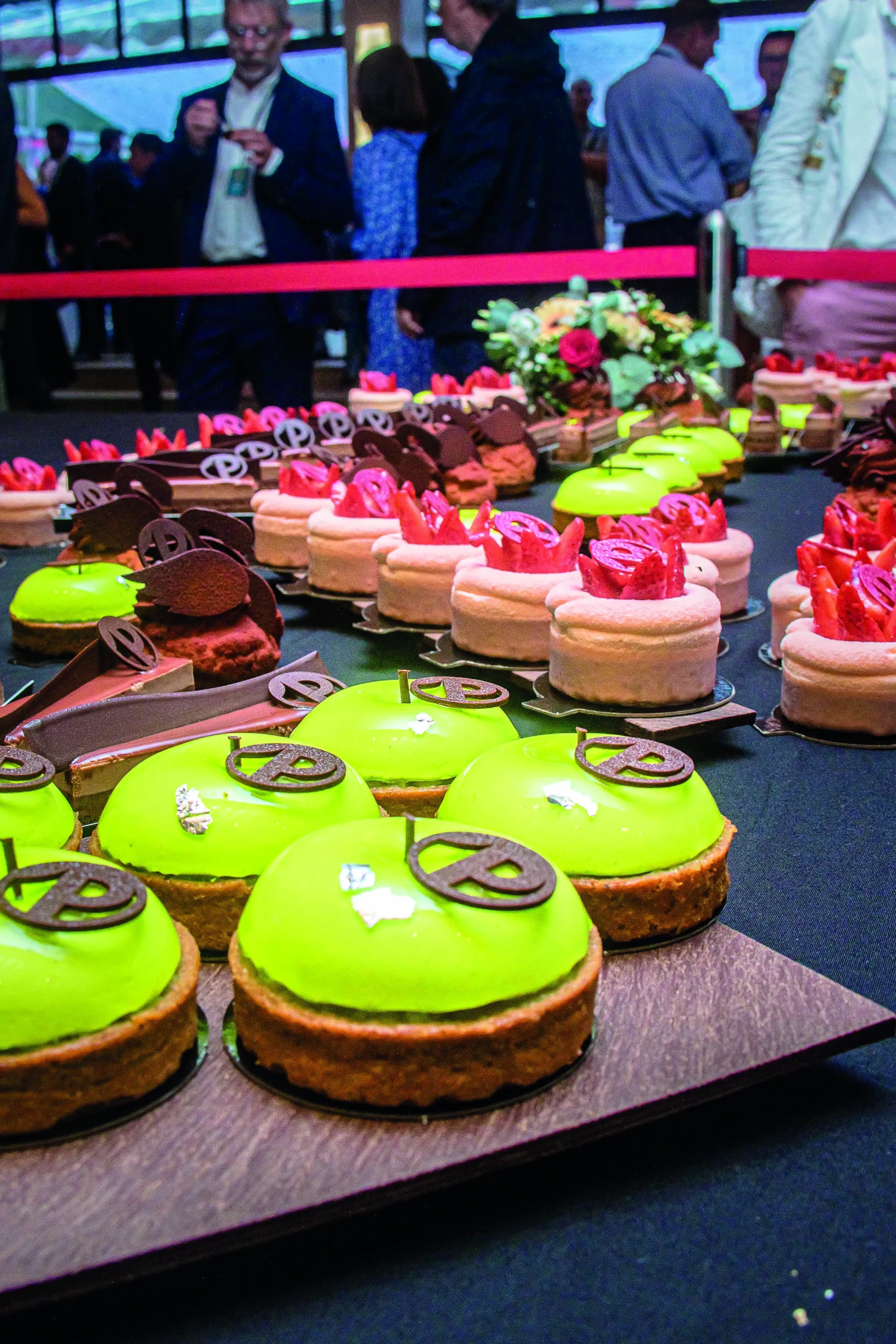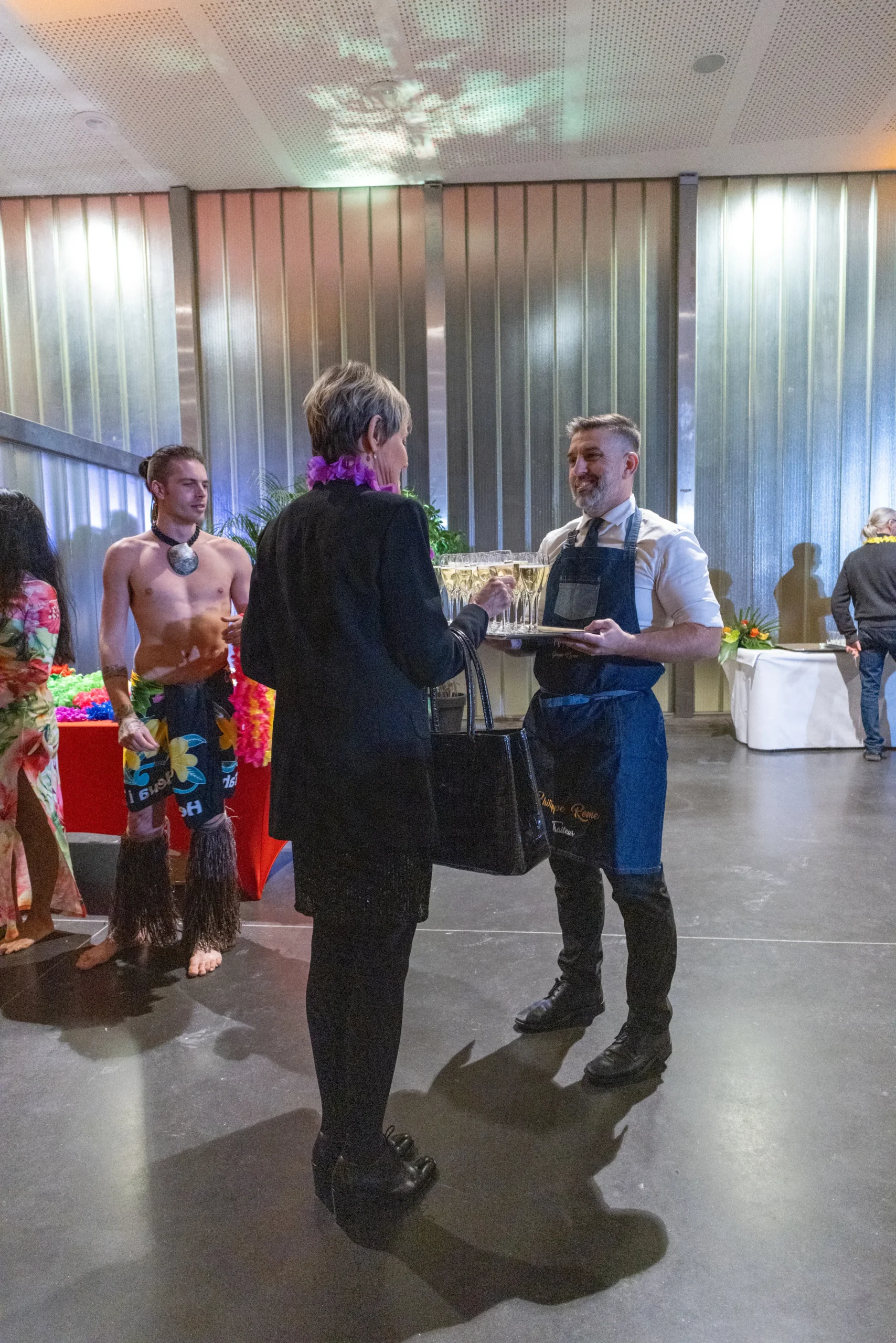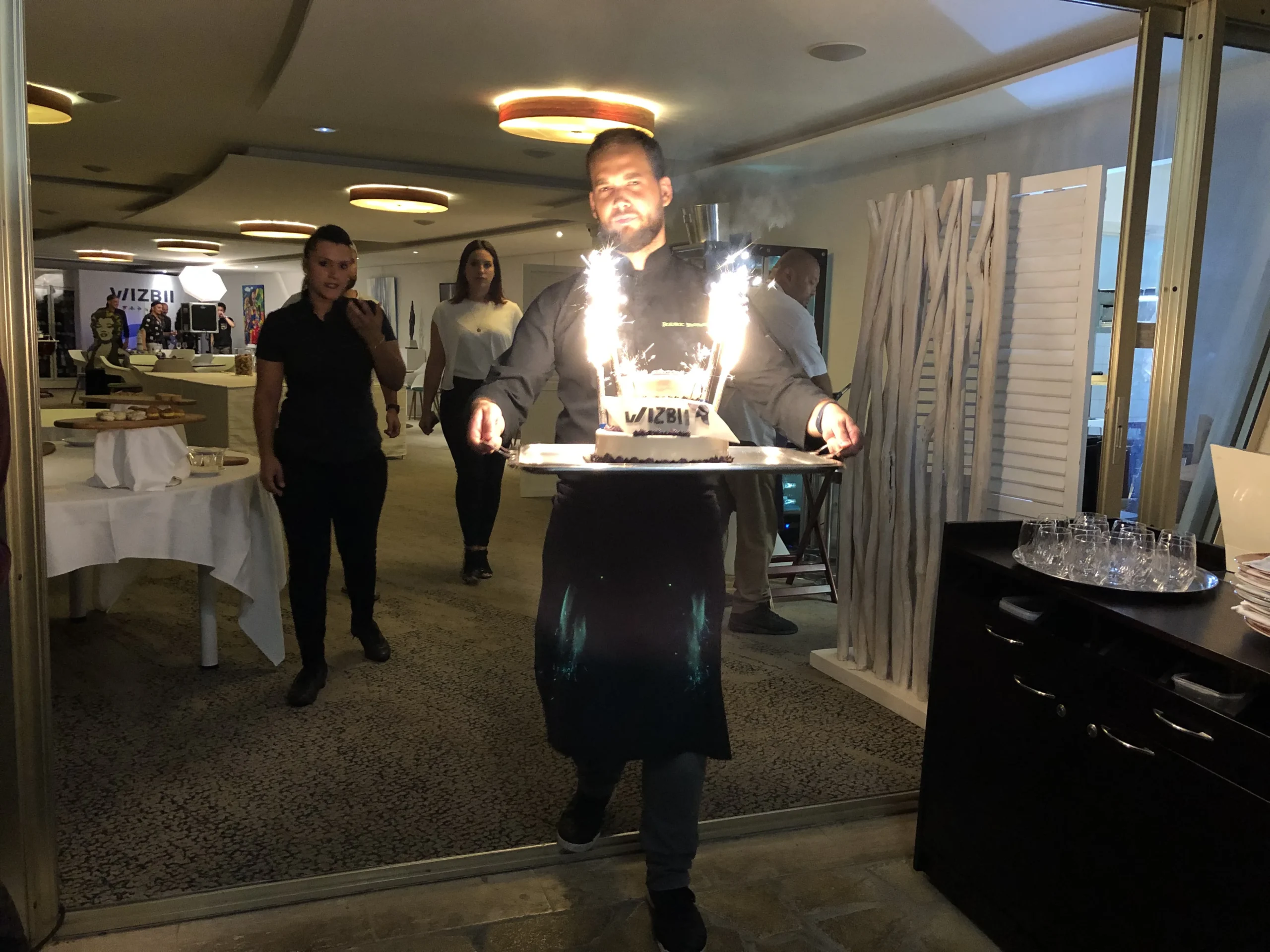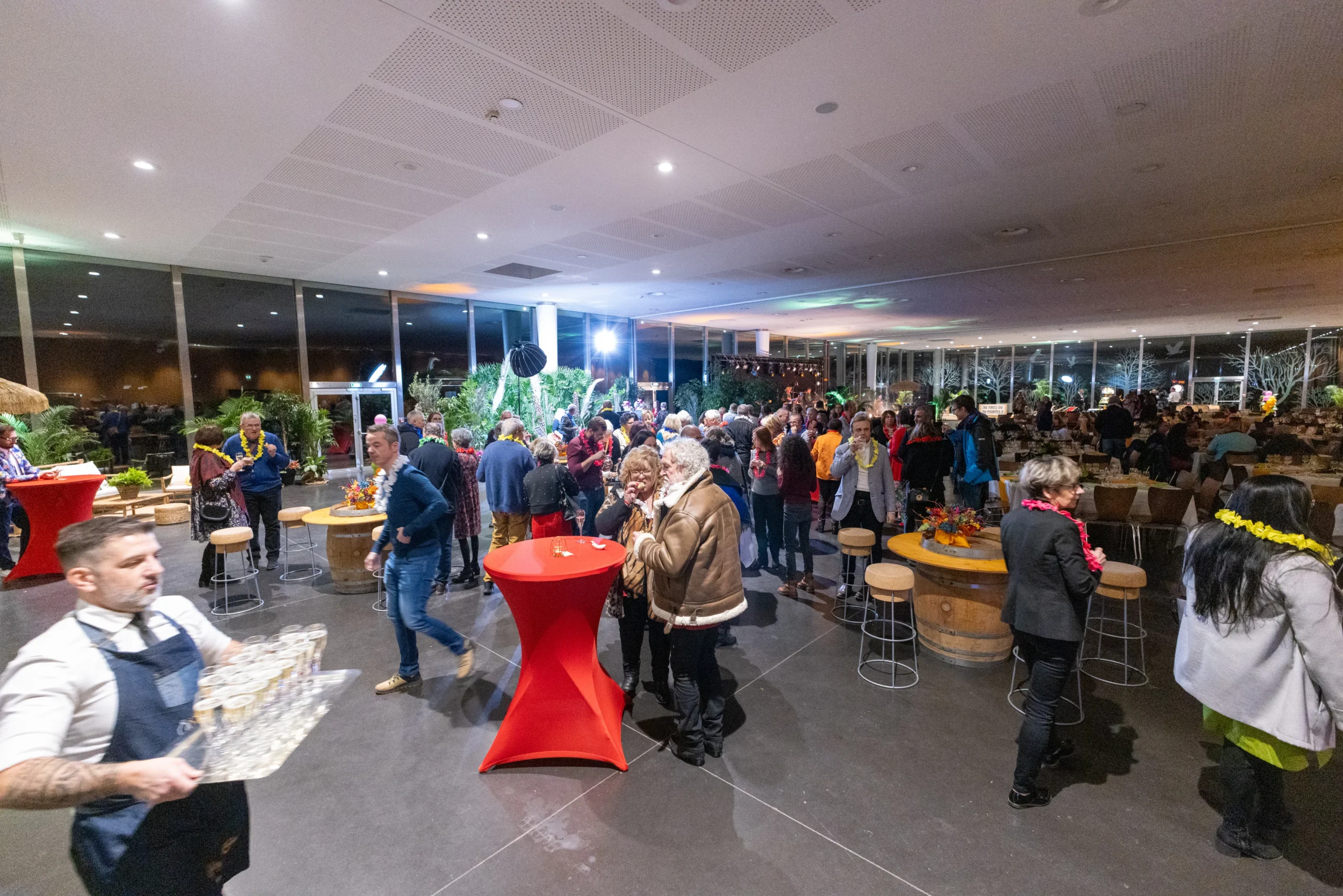
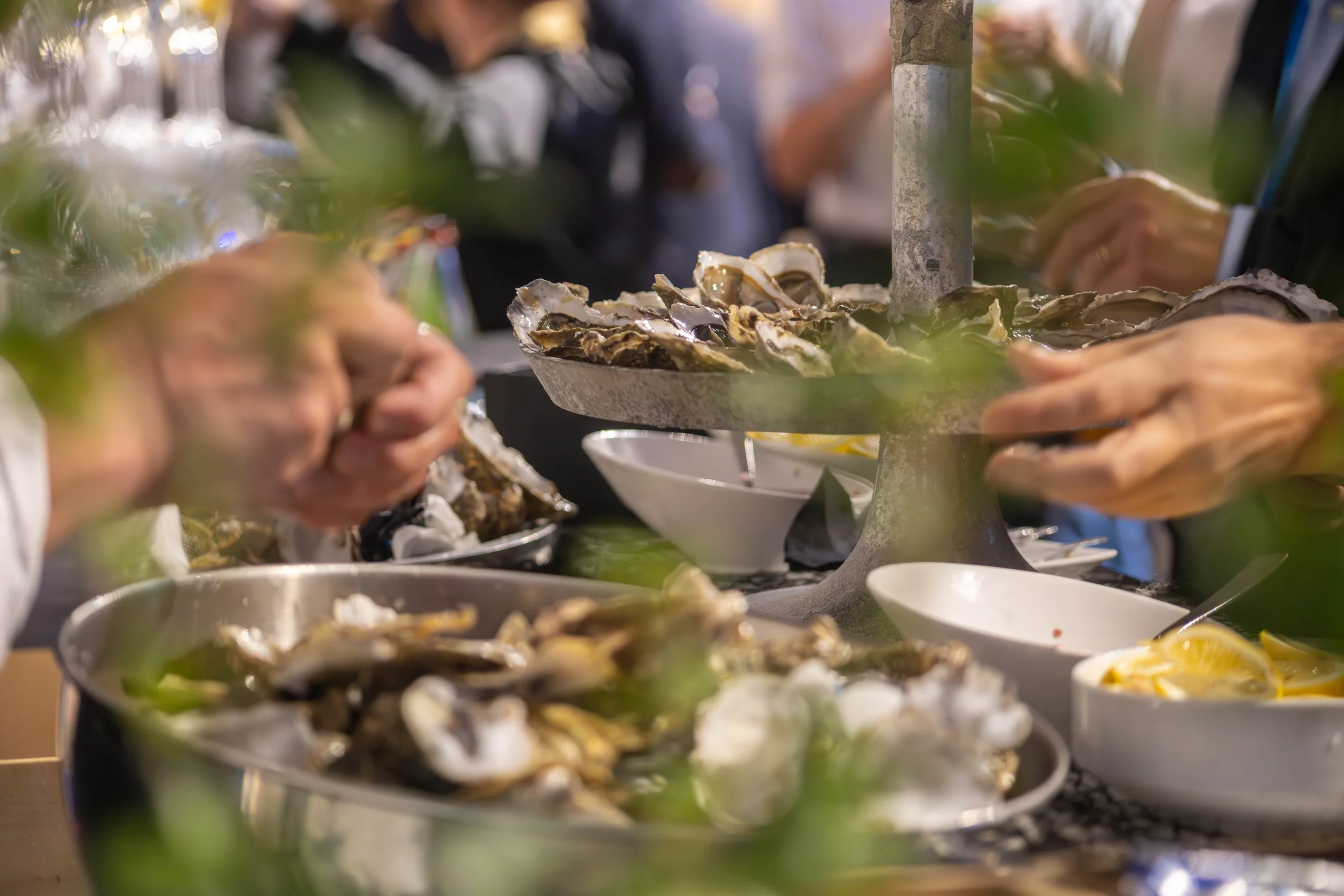
INNOV'events supports executives, HR, and communications teams with Event Catering Service designed for corporate realities in Montréal, from 40 to 2,000+ guests. We manage menu strategy, vendor coordination, staffing, bar service, dietary constraints, permits, and day-of execution so your internal team can stay focused on stakeholders.
Whether it’s a leadership offsite, product launch, holiday party, recognition evening, or client reception, we deliver a catering plan that stays on schedule, respects your venue rules, and reflects your brand with measurable operational rigour.
In a corporate event, food service is not a “nice-to-have”: it drives punctuality, networking flow, and the overall perception of your organisation. When the catering plan is solid, executives can host, HR can focus on people, and communications can protect the brand narrative without firefighting.
In Montréal, organisations expect fast service, bilingual teams, tight venue compliance (loading docks, union rules, noise curfews), and real accommodation of allergies and dietary needs. Guests notice immediately when queues are long, bars run out, or timing slips against speeches and awards.
As a local agency, INNOV'events designs and supervises Event Catering Service in Montréal with field-tested checklists: staffing ratios, service sequencing, floorplans, contingency inventory, and vendor SLAs. We’re on-site to coordinate kitchens, bar, AV cues, and room flips so your event day stays predictable.
10+ years supporting corporate events across Québec and Canada through partner networks, with repeatable logistics and supplier standards.
300+ corporate events delivered (receptions, conferences, launches, galas), including complex multi-room service and short turnarounds.
Vendor ecosystem of 50+ vetted partners (caterers, mixologists, staffing agencies, rental houses) aligned on service levels and compliance.
Typical service coverage from 40 to 2,000+ attendees, including staggered arrivals, multiple dietary profiles, and premium bar programs.
On-site supervision model: 1 lead producer per event plus floor captains as required, to keep catering, rentals, and timing under one command.
We work with a wide range of organisations in Montréal: head offices, fast-growth tech, professional services, public-sector teams, and multi-site employers who need consistency from one internal event to the next. Some clients come back annually for the same flagship moments—holiday receptions, employee recognition nights, leadership summits—because they want the same operational calm and predictable guest experience each time.
Our day-to-day reality is coordinating with internal stakeholders who are already stretched: HR managing engagement goals and inclusion, communications protecting brand tone and visuals, executives watching budget discipline and risk exposure. We structure catering decisions so you can approve quickly and confidently—clear menu options, transparent staffing and rentals, and practical service timing that matches your agenda.
If you want, we can share relevant, comparable examples during a call (format, headcount, venue constraints, and how the catering plan solved the pressure points), while respecting confidentiality commitments.
We send you a first proposal within 24h.
In corporate settings, catering is one of the few elements that touches every guest at the same time. It can reinforce culture and hospitality—or undermine both within minutes. A structured Event Catering Service is a management tool: it supports your agenda, reduces risk, and strengthens stakeholder relationships.
Protect the schedule: service pacing is designed around speeches, awards, product demos, and room flips. We plan the sequence (arrival drinks, first pass, stations opening, dessert drop, last call) so your run-of-show remains intact.
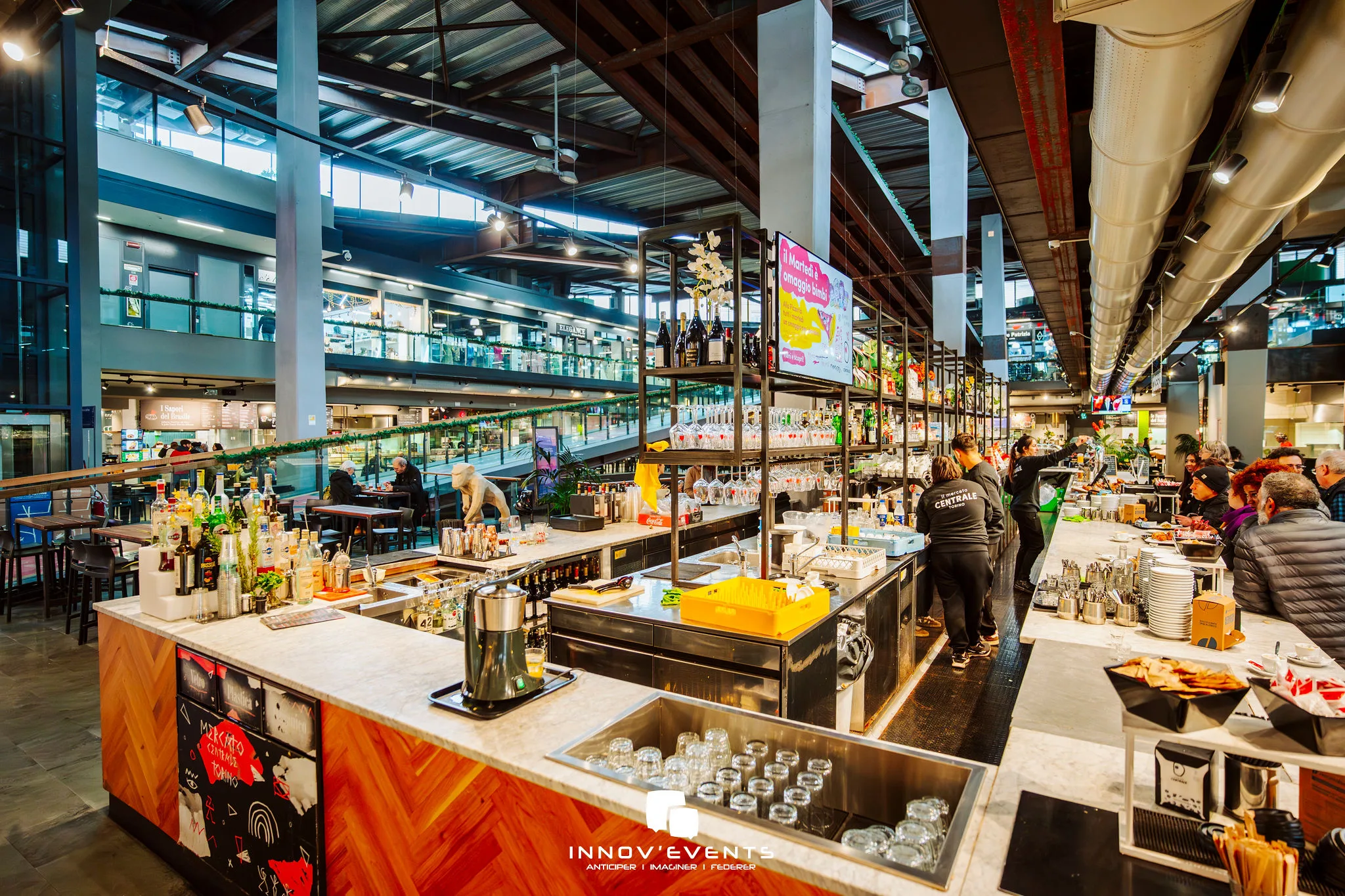
Improve networking density: thoughtful service points reduce bottlenecks and keep guests circulating. For example, splitting bars by beverage type and placing high-demand stations away from entrances prevents the “door pile-up” that kills conversation flow.
Support inclusion and duty of care: dietary needs (allergies, halal, kosher-style, vegan, gluten-free) are treated as an operational system—labeling, separate prep, dedicated service trays, and trained staff—rather than a last-minute note.
Reinforce employer brand: food choices signal values. Local sourcing, bilingual signage, and conscious waste management communicate credibility in a way slide decks never do—especially for recruitment and retention events.
Control reputational risk: alcohol service, underage controls where relevant, intoxication management, and safe transportation guidance are built into the plan. This matters for HR and leadership when liability and wellbeing are in play.
Budget clarity: catering is often the largest line item. We structure it so you can see what’s driving cost (menu, staffing, rentals, bar consumption, overtime, access constraints) and make trade-offs intentionally.
Montréal has a strong hospitality culture and guests arrive with expectations. When the service is smooth, it reflects well on leadership; when it’s chaotic, it becomes the only thing people remember. Our job is to make sure it’s never chaotic.
Local constraints are not theoretical—they show up on site at 4:30 p.m. when your caterer discovers the freight elevator is booked, the loading dock is shared, or the venue requires specific waste sorting. In Montréal, we regularly manage:
We translate these realities into a practical catering plan: service maps, staffing ratios, timed replenishment, and a clear chain of command between venue, caterer, rentals, and our on-site producer.
For many organisations, the “animation” is the food experience itself—because it creates movement, conversation, and shared reference points without forcing participation. The right format increases engagement while keeping the room professional.
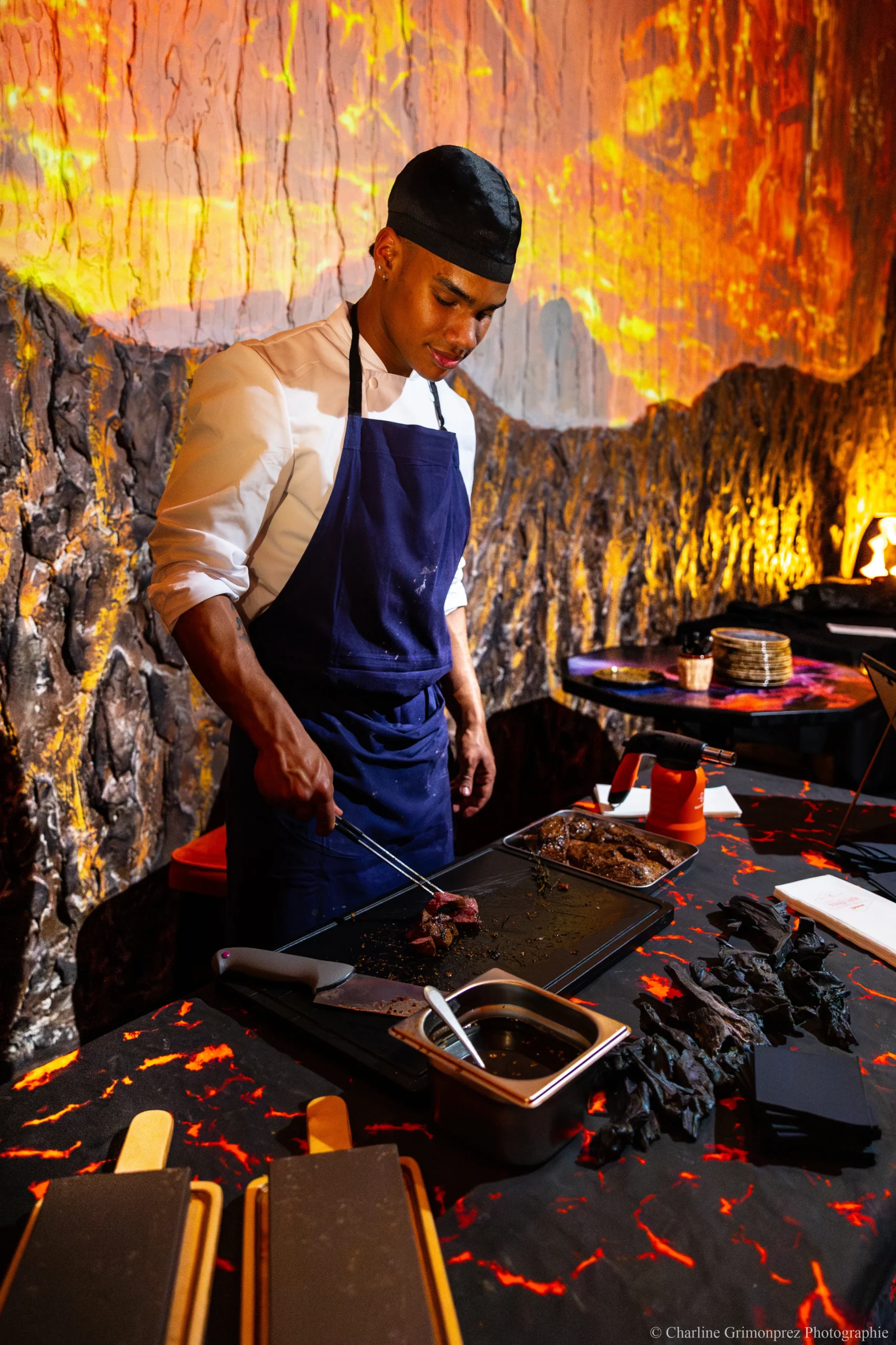
Chef-attended stations: a pasta finish, carving, or composed bowls station creates a natural gathering point. We position it to distribute crowd flow and prevent a single choke point near entrances.
Guided tasting tables: short, structured tastings (non-alcoholic pairings, local cheese, coffee) work well for leadership receptions where you want conversation starters without loud entertainment.
Build-your-own concepts with controls: for example, taco or poke formats can be corporate-appropriate when choices are limited and signage is clear. We ensure speed by pre-portioning proteins and using two-sided access.
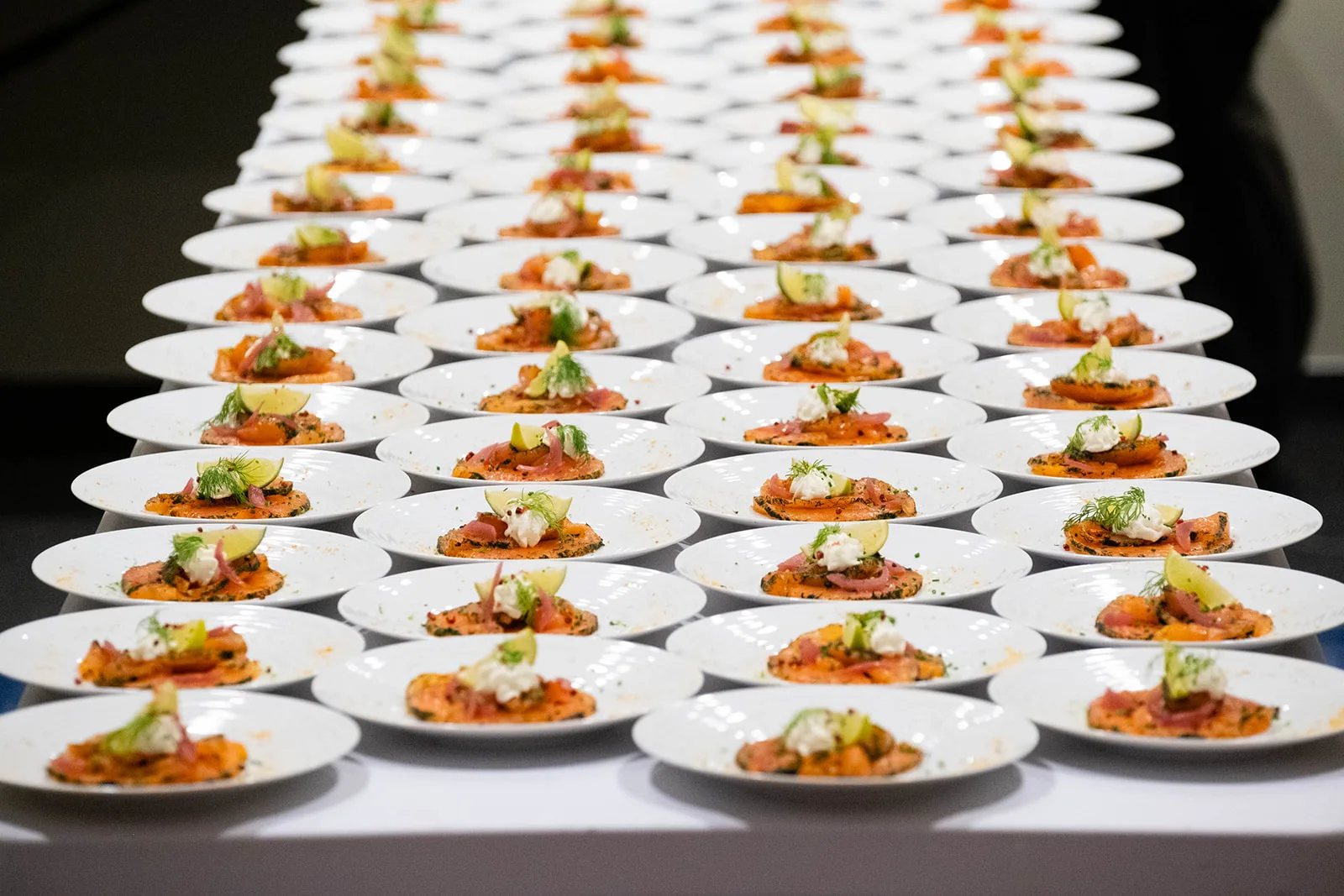
Plated service with coordinated cues: ideal for award nights and donor-style receptions where communications teams need clean photo moments. We align plate drops with stage transitions and lighting states.
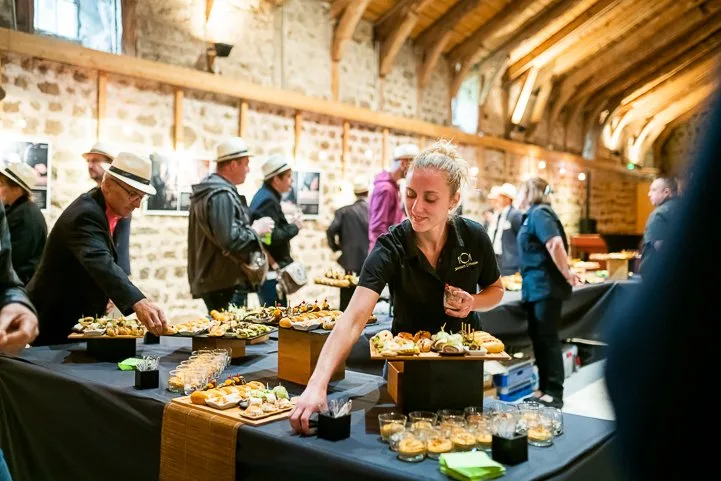
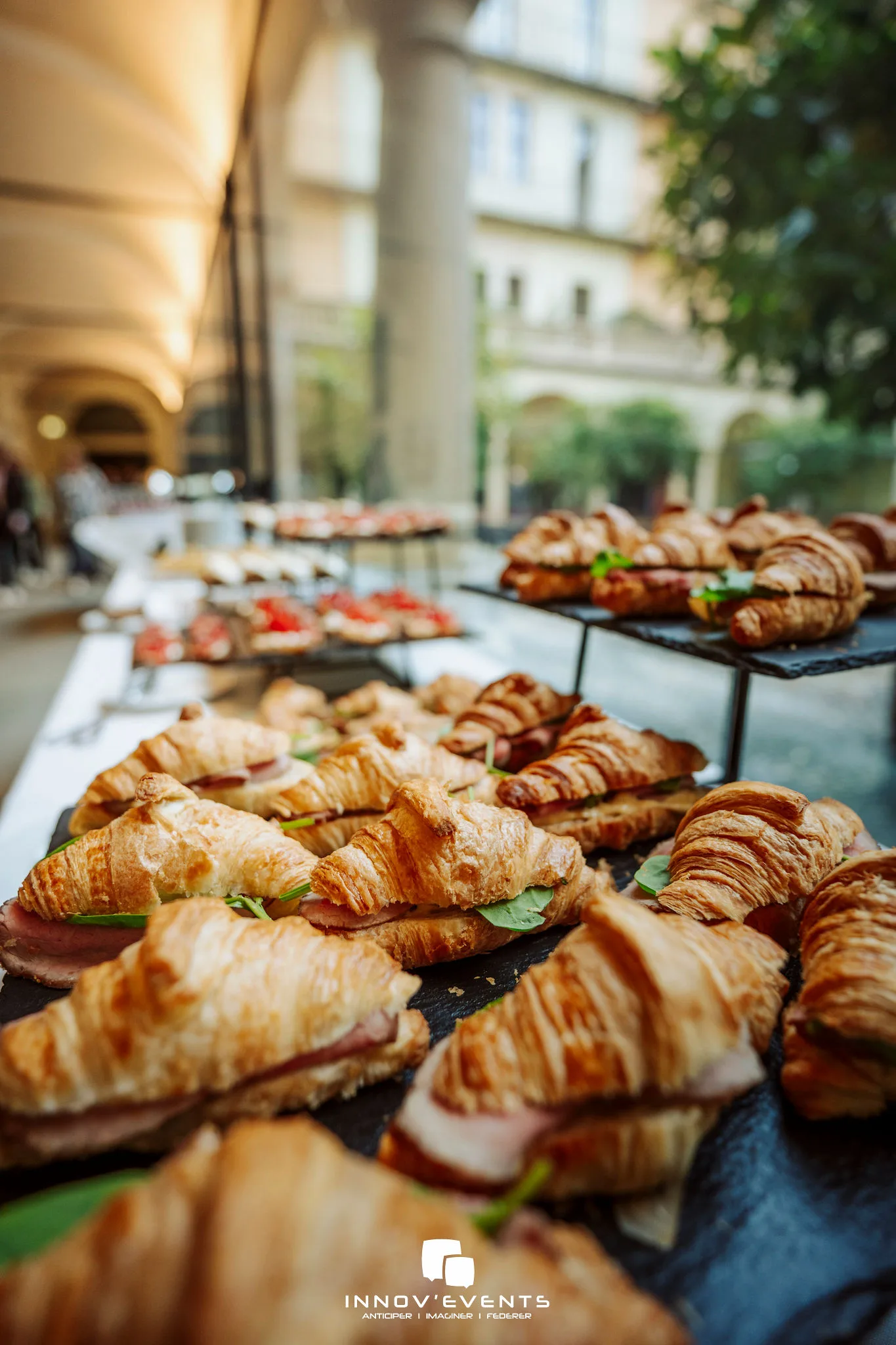
Premium canapé service: passed bites keep executives mobile for stakeholder conversations. We plan tray routes and replenishment timing so VIP areas are covered without neglecting the broader room.
Montréal-forward menus: integrating local products (seasonal Québec produce, regional cheeses, local roasters) signals credibility. We use it strategically—without turning it into a theme that clashes with your brand.
Late-night bite: for holiday parties or long conferences, a simple but well-timed comfort option (e.g., mini sandwiches, soup shots) reduces alcohol impact and improves departure satisfaction.
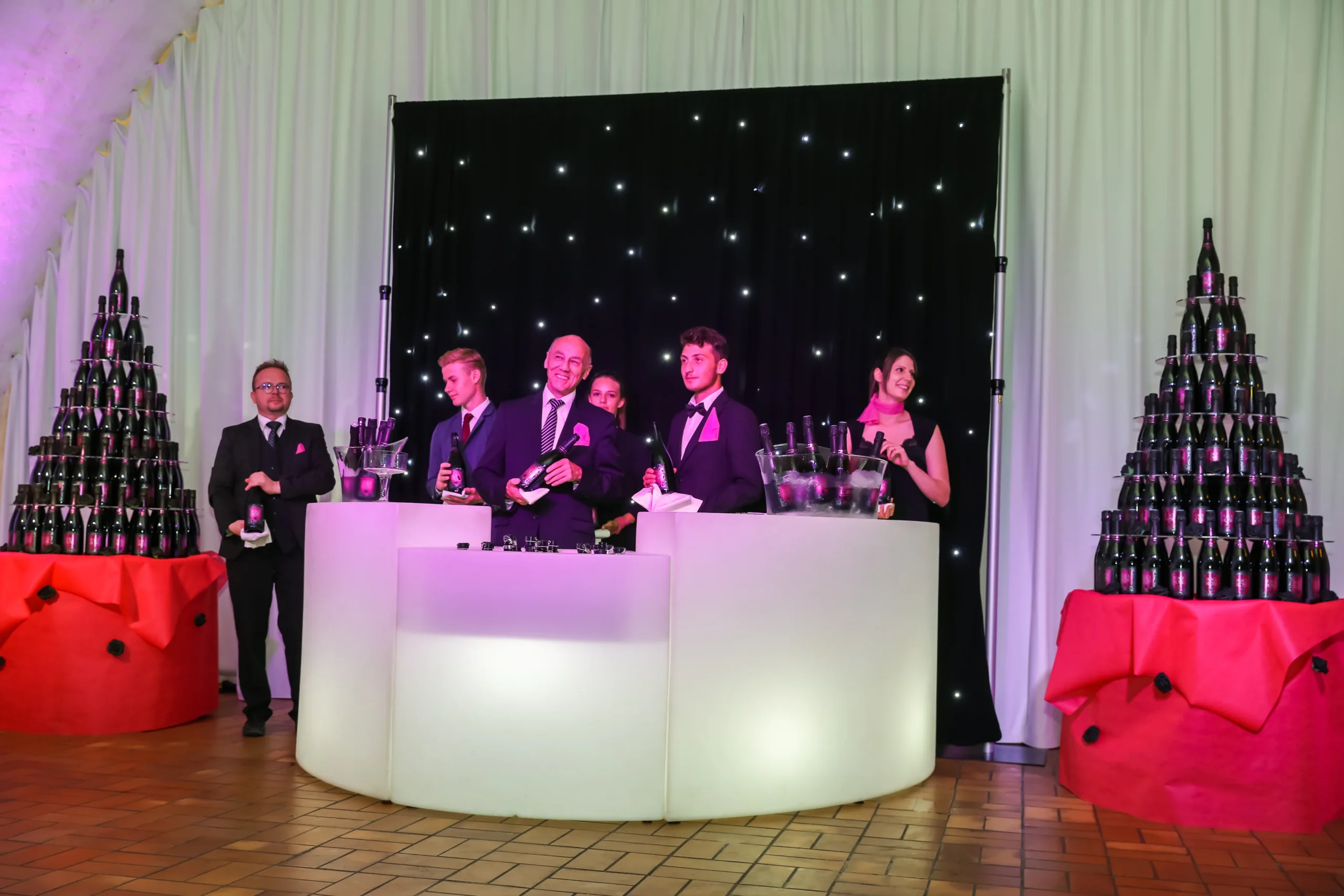
Data-informed bar planning: for hosted bars, we estimate consumption ranges (beer/wine/spirits split) based on guest profile, time window, and season. This reduces stock-outs and avoids overbuying.
Low-waste service models: right-sizing quantities, controlled replenishment, and donation/compost pathways when feasible. Many Montréal employers now expect measurable waste reduction practices for ESG reporting.
Hybrid-friendly catering: for events with a studio corner or live stream, we design “quiet zones” for microphones and timing buffers so service noise doesn’t disrupt broadcast moments.
The best option is the one that matches your brand and your people. A financial institution reception and a creative agency launch can both be excellent—but the service style, pacing, alcohol policy, and visual presentation must align with what your communications team wants audiences to conclude about your organisation.
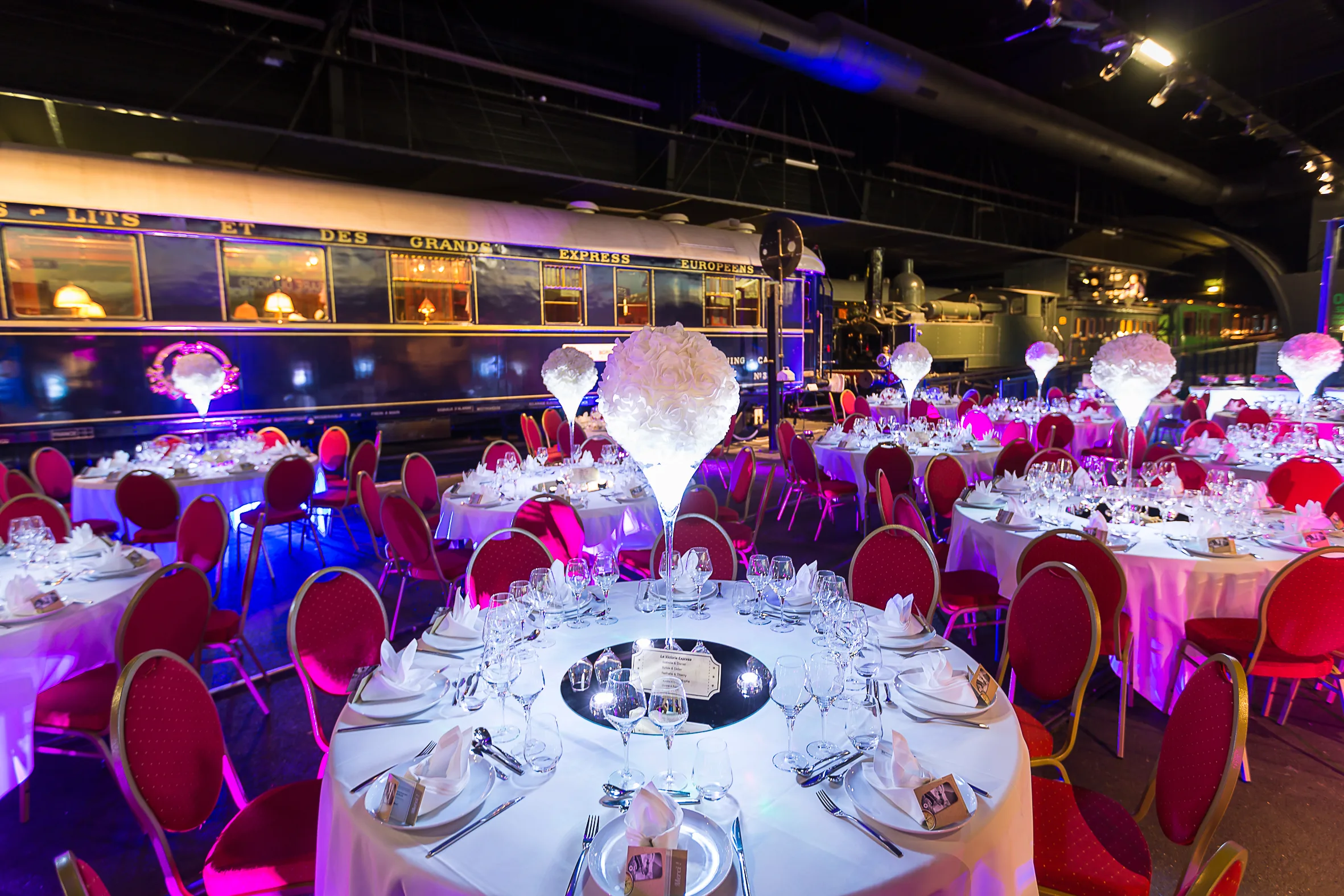
The venue can elevate your event—or quietly add cost and risk. Catering performance depends on kitchen access, staging space, elevators, and the distance between prep areas and service zones. Before you commit, we review how the venue will behave during load-in, service, and load-out.
| Venue type | For which objective? | Main strengths | Possible constraints |
|---|---|---|---|
Downtown hotel ballroom | Leadership dinners, conferences, award nights | In-house kitchen, experienced banquet teams, predictable service timing, AV integration | Exclusive catering, service charges, limited flexibility on outside alcohol, tighter décor rules |
Corporate office / HQ event space | Town halls, recognition events, client receptions | Brand immersion, no guest travel, easy leadership attendance | Building security, elevator scheduling, limited kitchen, neighbour noise limits, strict cleanup requirements |
Industrial/loft venue in Montréal | Product launches, brand events, modern networking receptions | Strong atmosphere, flexible layouts, good for stations and experiential food | Often requires full build (rentals, kitchen prep, power), weather exposure for load-in, additional staffing for makeshift back-of-house |
Museum or cultural venue | VIP receptions and stakeholder evenings | High perceived value, strong photo backdrop, natural conversation | Strict rules (open flame, glass, installation), tight access windows, higher insurance requirements |
We strongly recommend a site visit (or a technical walk-through) before final budget approval. It’s where we confirm real distances, staging space, and service routes—details that directly affect staffing, rental needs, and your guests’ experience.
Catering costs vary because corporate expectations vary: service level, timing constraints, venue rules, and bar structure all change the true workload. We price with transparency so you can make decisions without hidden operational surprises.
Guest count and service format: reception canapés vs. stations vs. plated dinner changes staffing, equipment, and kitchen requirements. Plated often increases labour but improves timing control for speeches.
Venue constraints: limited load-in windows, lack of prep kitchen, long service distances, and strict waste rules can add rentals and staffing hours.
Menu complexity: multiple proteins, hot items requiring last-minute finishing, and high dietary accommodation increase prep and service control needs.
Bar model: hosted open bar, ticketed bar, or limited selection. Consumption estimates and glassware strategy have a direct impact on cost and queue times.
Staffing ratios and supervision: servers, bartenders, runners, kitchen assistants, coat check, and floor captains. Understaffing is the fastest way to damage the guest experience.
Rentals and build: furniture, linens, plateware, glassware, heating/cooling solutions, bars, back-of-house tables, and waste stations.
Schedule length: overtime after a certain hour, late-night teardown, and staggered guest arrivals can materially change labour costs.
From a leadership perspective, the ROI is risk reduction and time protection: fewer delays, fewer guest complaints, better stakeholder conversations, and less internal workload. A disciplined Event Catering Service in Montréal often costs less than the hidden price of a disorganised event day.
When catering is tied to multiple vendors (venue, rentals, staffing, bar, AV), the difference between a smooth event and a stressful one is coordination. A local partner reduces friction because we know how Montréal venues operate, which suppliers consistently deliver at corporate standards, and how to solve day-of surprises without escalating cost.
INNOV'events acts as the integrator: we align service timing with your program, validate venue requirements, negotiate vendor scopes, and supervise execution. If you need broader event support beyond catering, we can also coordinate your full experience through our event agency in Montréal capabilities—without multiplying points of contact.
From a leadership perspective, the ROI is risk reduction and time protection: fewer delays, fewer guest complaints, better stakeholder conversations, and less internal workload. A disciplined Event Catering Service in Montréal often costs less than the hidden price of a disorganised event day.
Our projects vary widely, but the pressure points are often the same: timing, flow, and stakeholder expectations. Here are examples of situations we regularly handle in Montréal corporate environments:
Across these contexts, the constant is operational discipline: clear responsibilities, real-time communication, and contingency planning for the things that actually happen on the ground.
Underestimating arrival surges: guests do not arrive evenly. If you don’t plan for a peak, bars and stations choke, and the first impression is lost.
Ignoring venue access realities: assuming a dock, elevator, or prep space exists without verification leads to day-of improvisation, overtime, and compromised service.
Dietary needs treated as “notes”: without a process, special meals arrive late or are served incorrectly—an HR and duty-of-care risk.
Wrong service format for the agenda: stations can be great, but not if you need everyone seated at a precise time for awards. We match format to program, not trends.
Bar planning by guesswork: incorrect consumption estimates cause stock-outs or waste. We plan ranges and a restock strategy that fits your event length.
No single on-site decision-maker: when venue, caterer, and AV each “own” timing, nobody owns outcomes. We establish one chain of command.
Our role is to remove preventable risks before they reach your guests. That’s what executives notice: an event that runs on time, looks intentional, and doesn’t drain internal resources.
Repeat business in corporate events is rarely about novelty—it’s about reliability under pressure. Teams come back when an agency makes their internal planning easier and protects them on event day.
High repeat-rate patterns: many clients rebook annually for key moments (holiday events, recognition, leadership meetings) because the operational model is already proven.
Planning efficiency: once we’ve validated your brand standards, dietary approach, and stakeholder expectations, each subsequent event requires fewer approvals and less internal coordination time.
Risk memory: companies remember the year the caterer ran out of glassware or service collided with the CEO speech. Our clients return because we document lessons learned and prevent repeats.
Loyalty is a practical metric: it means procurement trusts the process, leadership trusts the outcome, and internal teams trust that their reputations are protected.
We confirm your objectives, guest profile, agenda, budget envelope, dietary realities, alcohol policy, and brand requirements. We also identify constraints that drive cost: venue rules, access windows, union/in-house requirements, and timing risks.
We present 2–3 service formats (for example: premium canapé + stations vs. seated dinner vs. reception + plated main) with clear implications: staffing, rentals, pacing, and guest flow. You can choose based on outcomes, not assumptions.
We shortlist vetted caterers and key partners, validate what is included (labour, chefs, bartenders, rentals, glassware, ice, non-alcoholic beverages, service ware), and lock deliverables in writing to avoid day-of “that wasn’t included” issues.
We align catering timing with speeches, awards, entertainment, and AV cues. We produce service maps (bars, stations, VIP zones), queue management plans, and backstage staging so the room operates smoothly.
On event day, we coordinate load-in, set-up, service pacing, room flips, and vendor communication. We keep a contingency kit and maintain decision protocols for timing changes, missing items, or last-minute VIP needs—without exposing your internal team.
We oversee teardown, confirm inventory returns, and capture lessons learned (timing, quantities, guest feedback). For recurring clients, we document standards so the next Montréal event is faster to plan and easier to approve.
For 200+ guests or peak dates (November–December), plan 8–12 weeks ahead. For 50–150 guests, 4–6 weeks is often workable. Shorter timelines are possible, but expect fewer menu/vendor options and higher rush risk.
As a practical range for corporate events in Montréal: reception-style catering often lands around $65–$140 per person, while plated dinners frequently range $110–$220+ per person depending on menu, bar, rentals, and staffing. Venue rules and service hours can move the needle significantly.
We treat it as an operating system: pre-collection of requirements, clear labeling, separate trays for allergen-sensitive items, a dedicated service captain, and a discreet confirmation protocol. For larger groups, we typically plan for 10%–25% of guests needing accommodations and build staffing accordingly.
It depends on the venue and how alcohol is served. Many venues manage permitting internally; others require coordination for special occasions permits and compliance. We confirm the exact requirements early (including service hours, ticketing, and security) to keep you compliant and avoid last-minute restrictions.
A common planning baseline is 1 bartender per 75–100 guests (depending on drink complexity) and 1 server per 25–35 guests for passed canapés. Stations often need dedicated attendants. We adjust ratios based on arrival surge, VIP service expectations, and venue layout.
If you’re comparing agencies, we can provide a clear, decision-ready proposal: recommended service format, staffing plan, bar approach, rentals, schedule integration, and the Montréal venue constraints that may affect budget.
Send us your date, venue (if known), estimated headcount, and agenda outline. We’ll come back with a practical Event Catering Service plan and options that respect your budget, your brand, and your internal workload—so you can approve with confidence and move forward early.
Thierry GRAMMER is the manager of the INNOV'events Montréal office. Reach out directly by email at canada@innov-events.ca or via the contact form.
Contact the Montréal agency