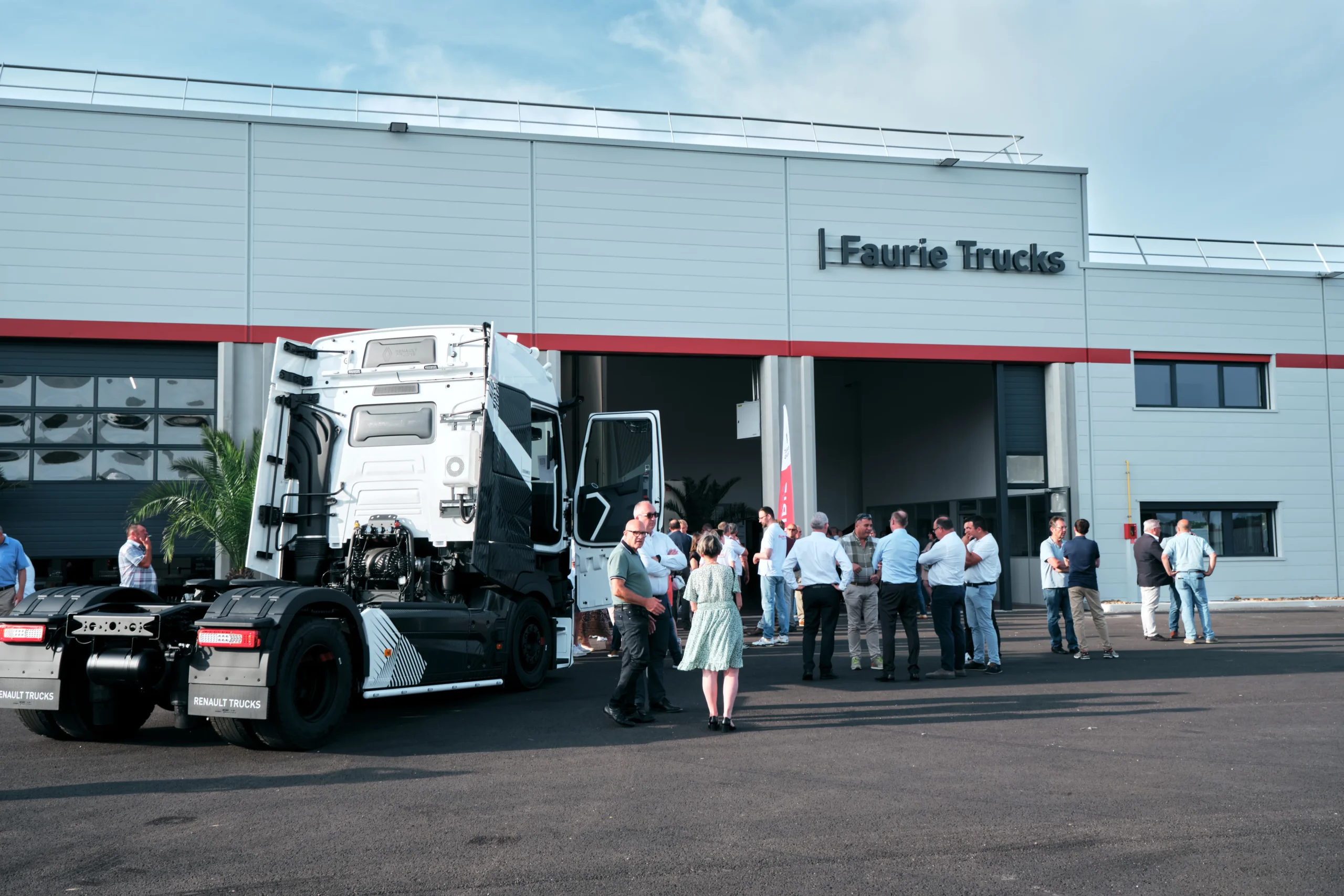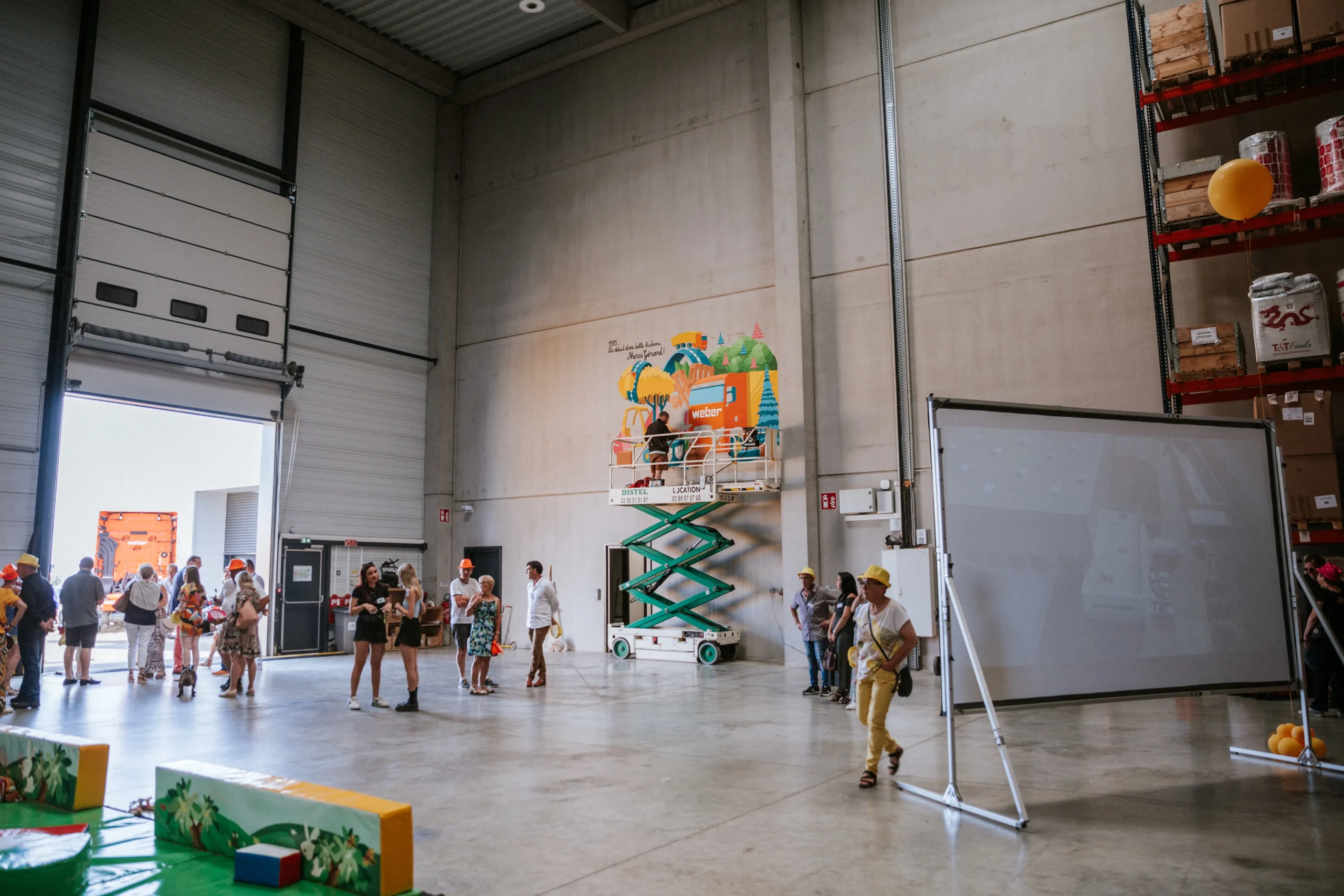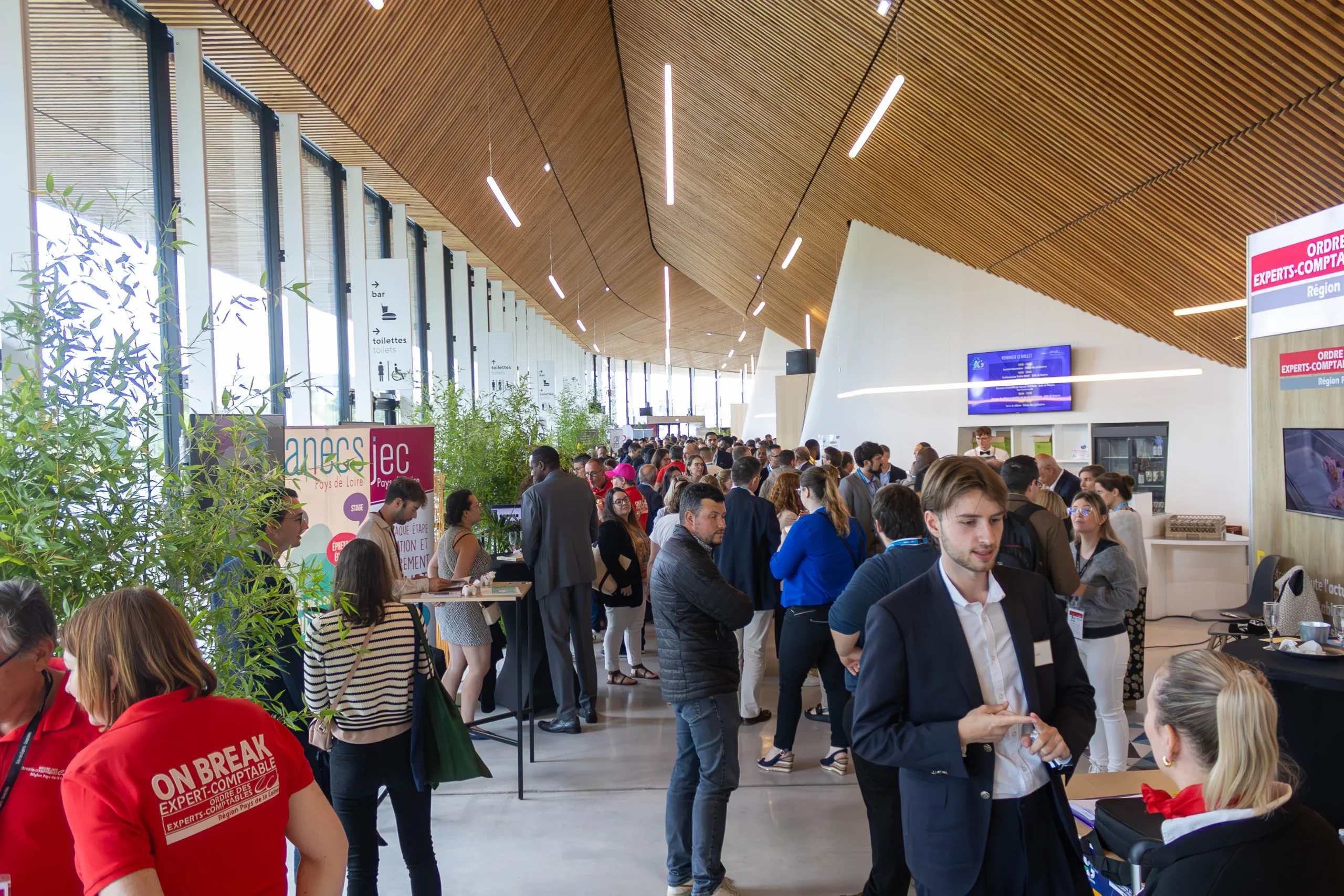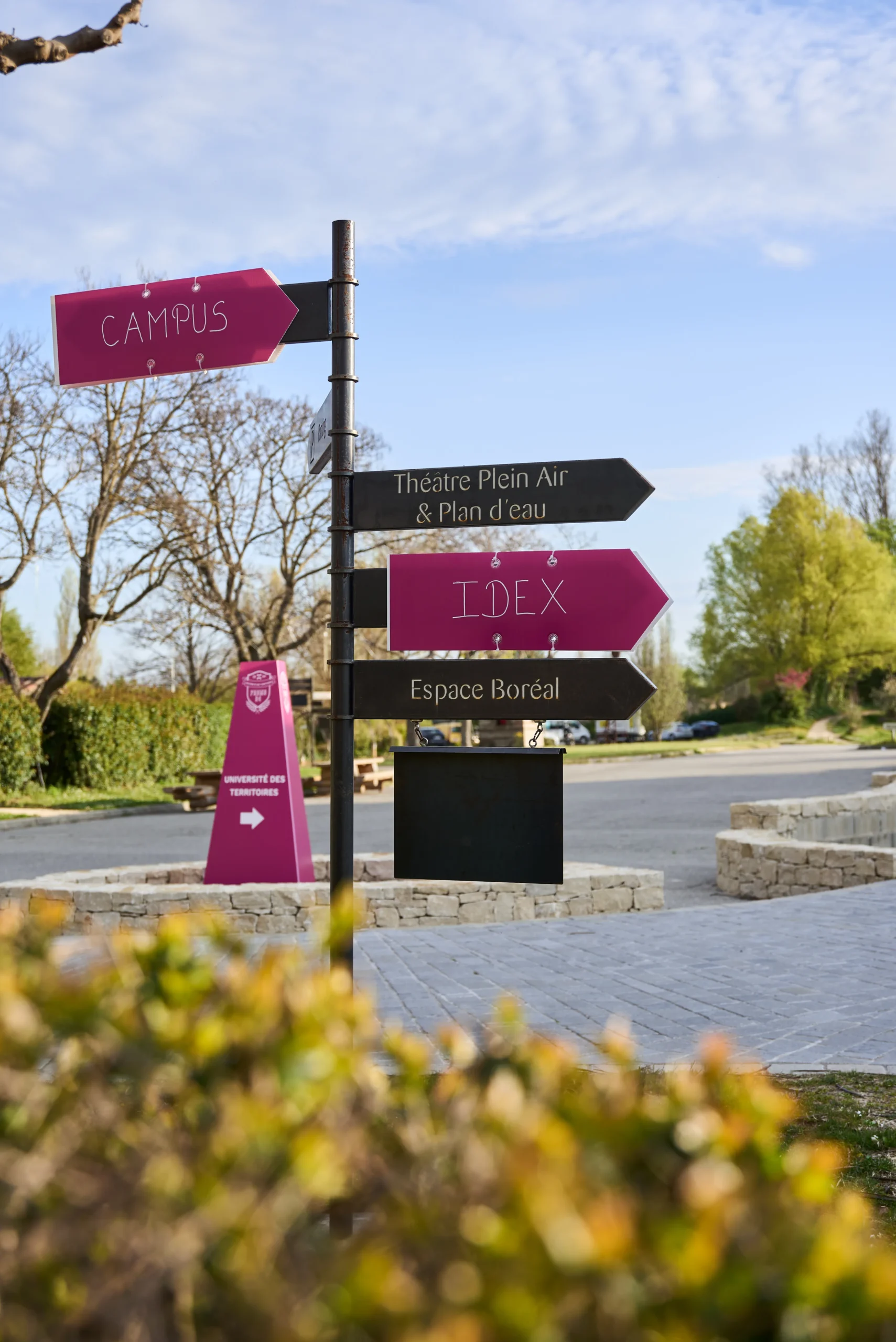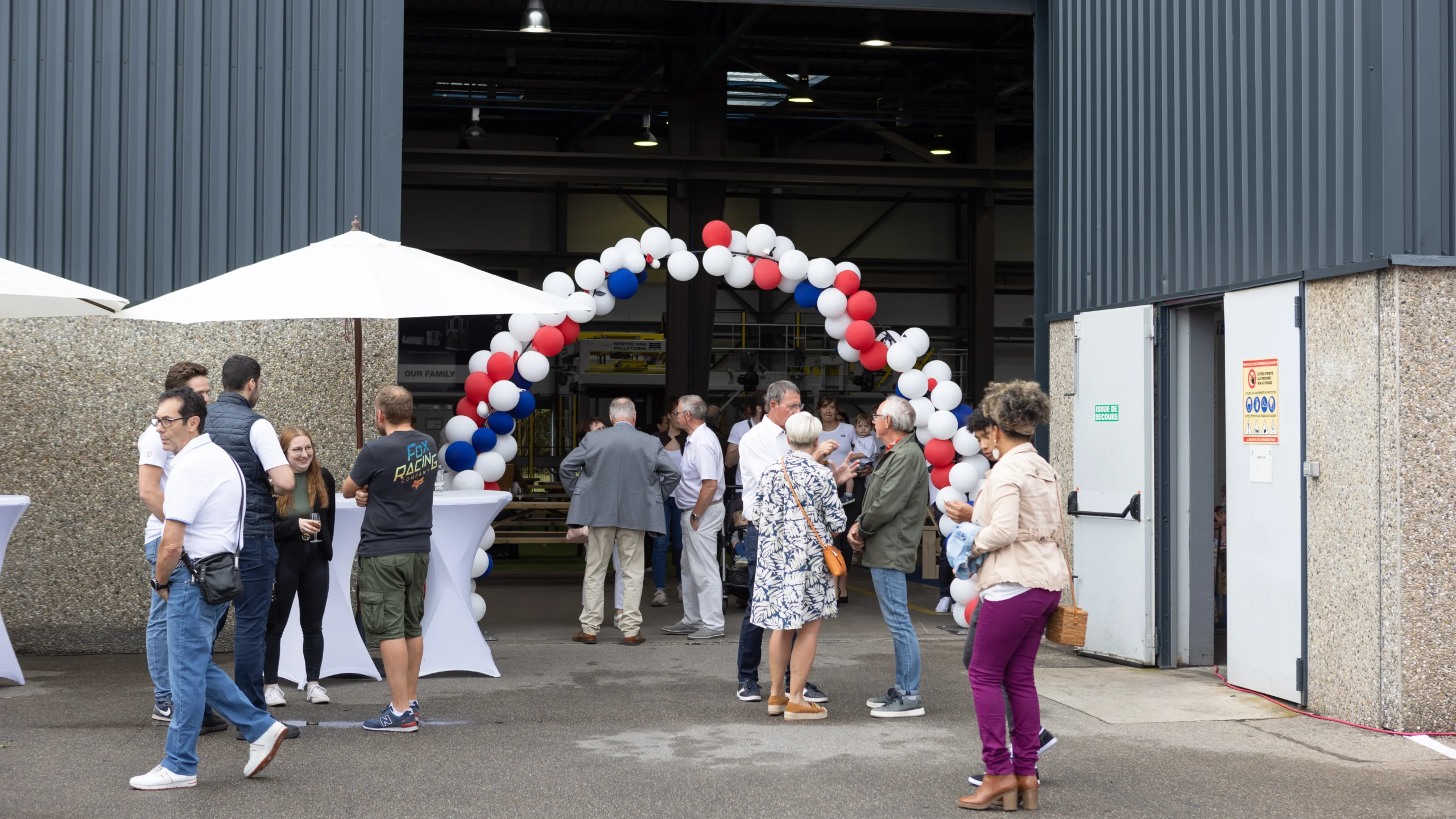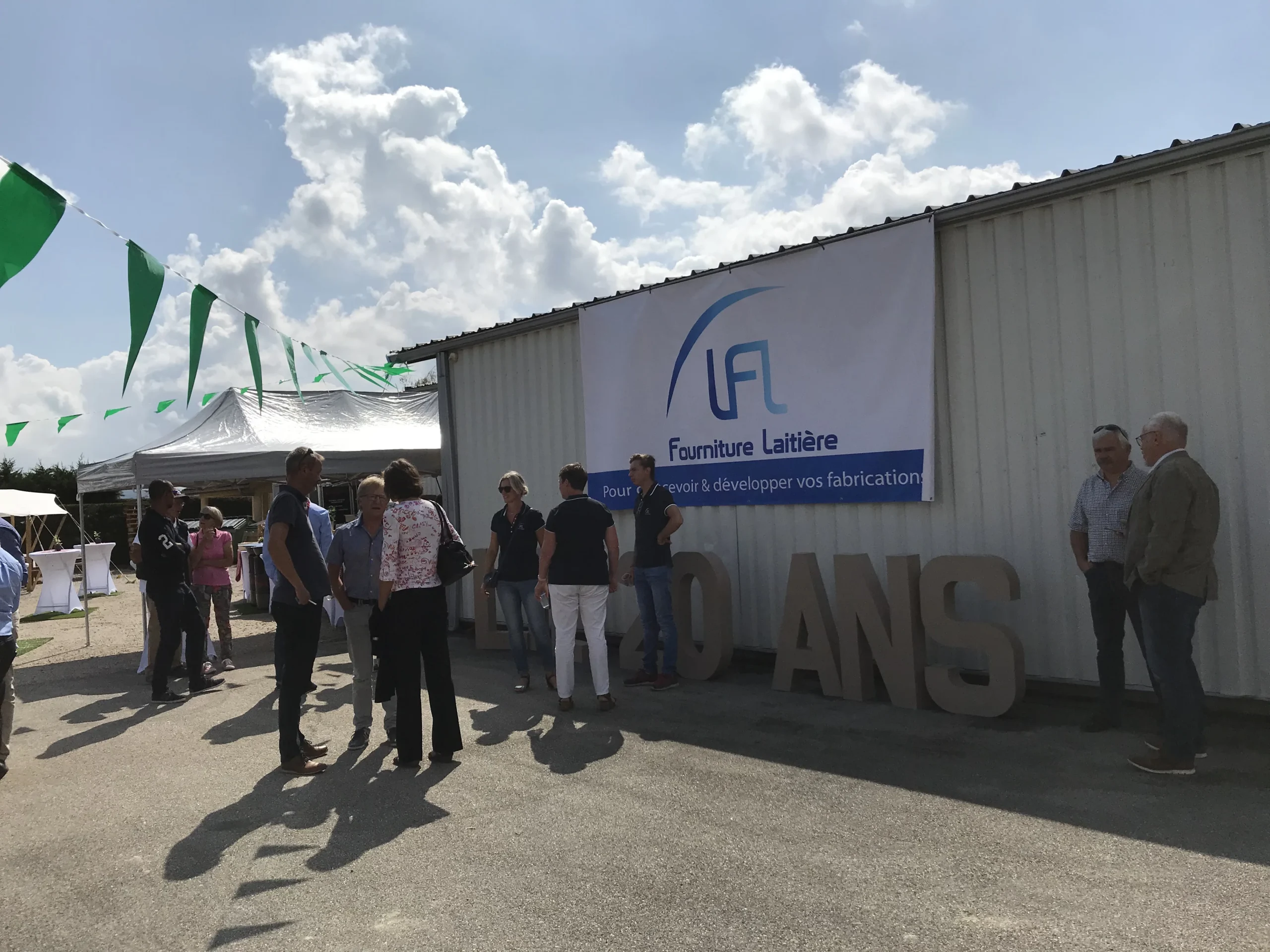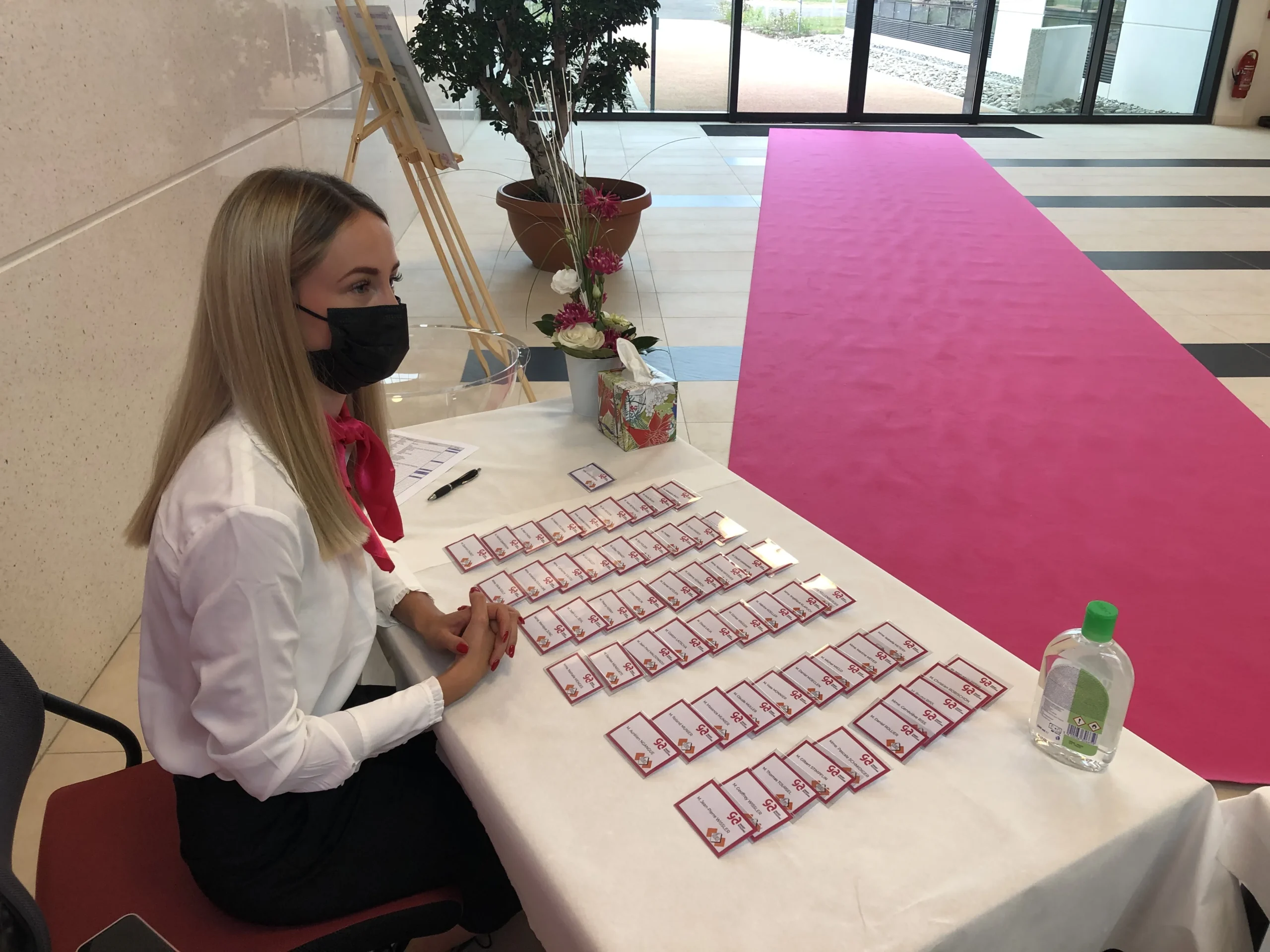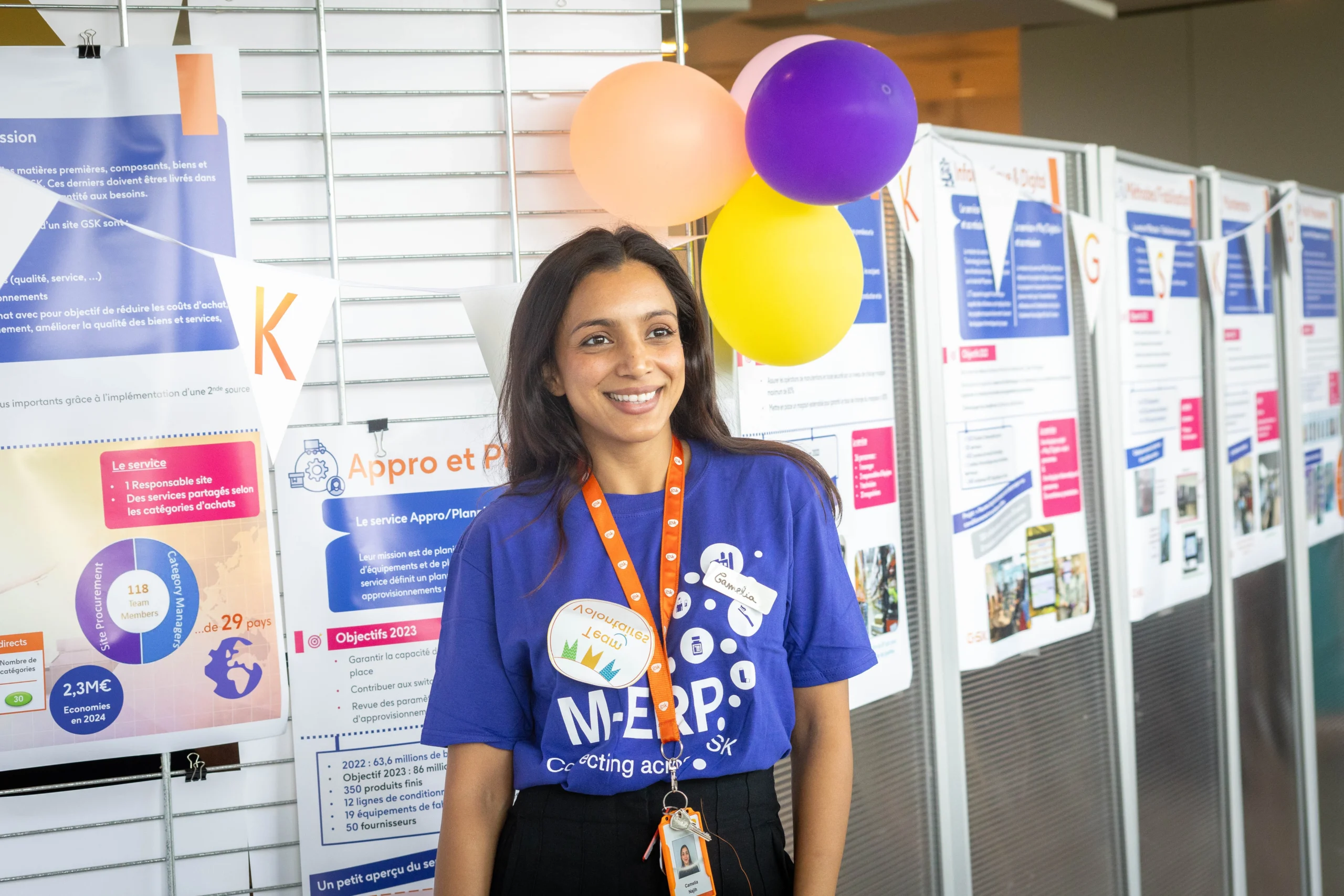
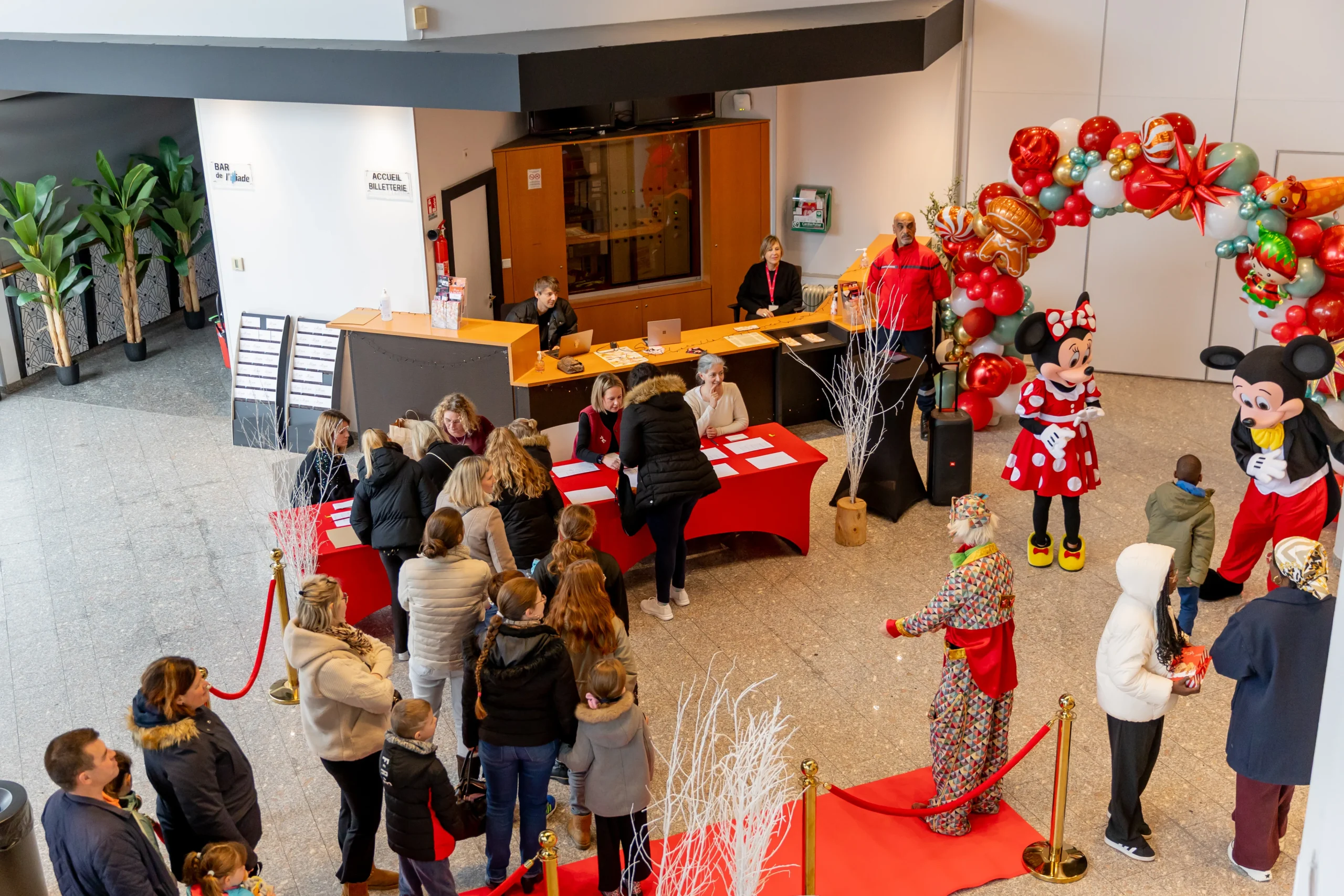
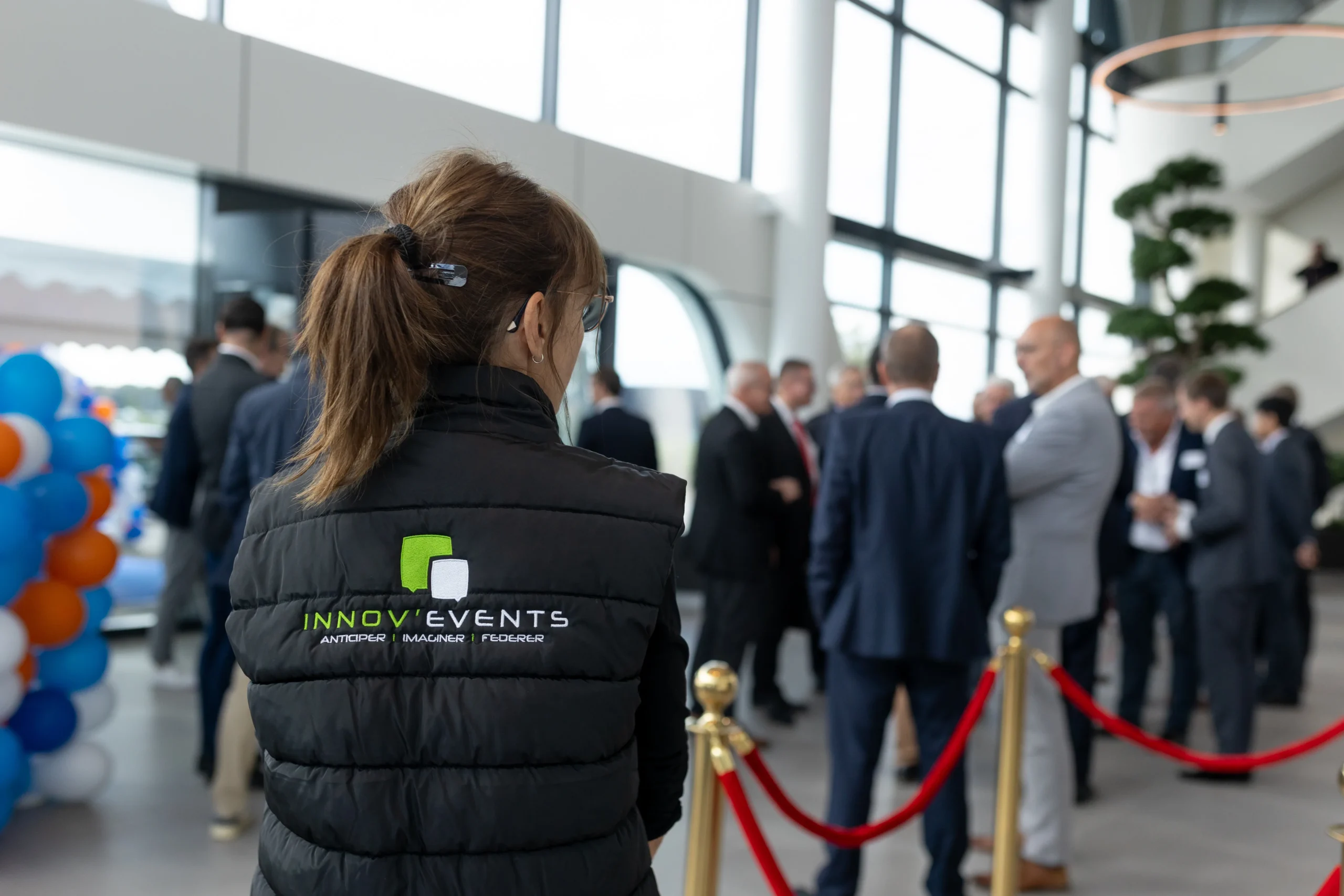
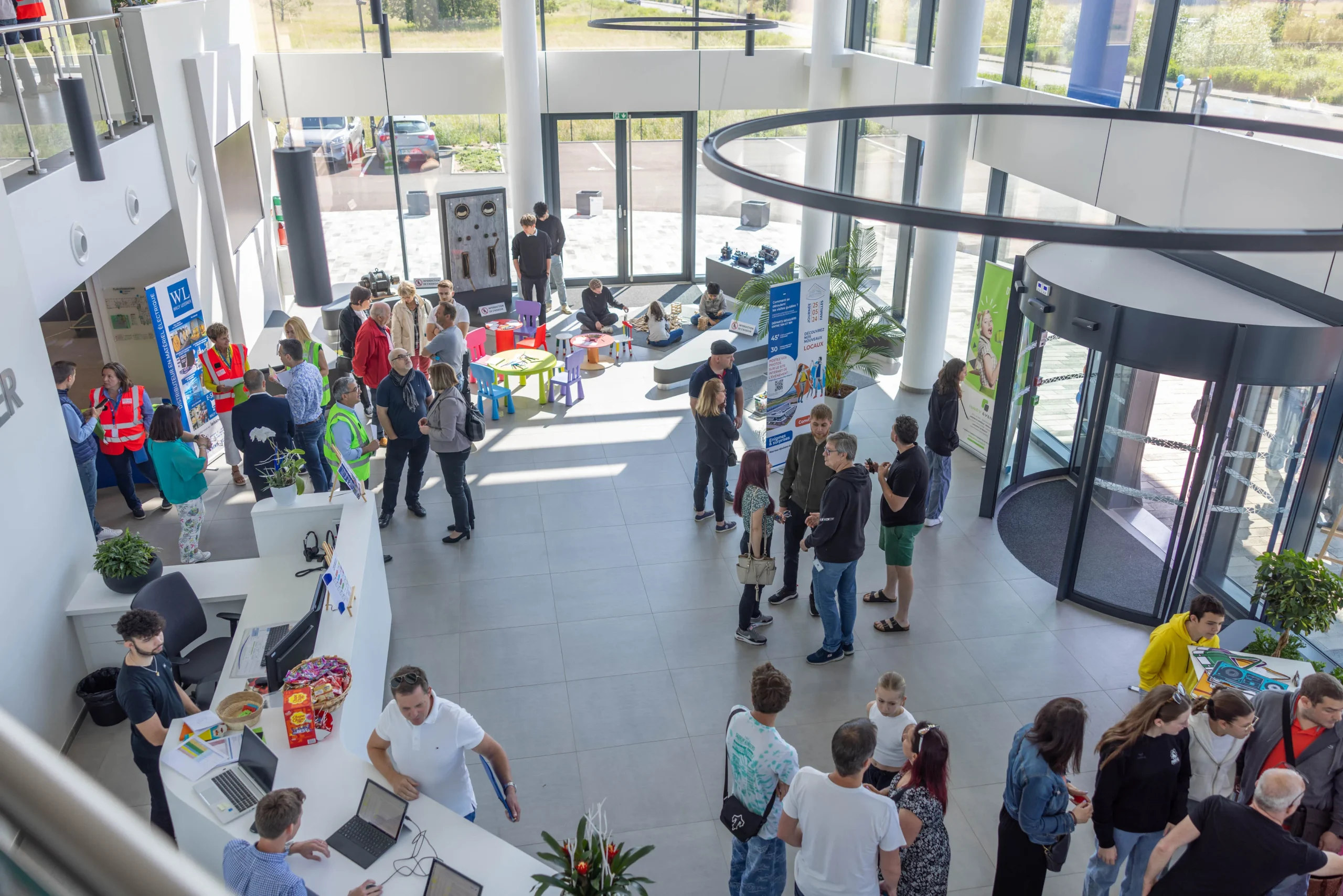
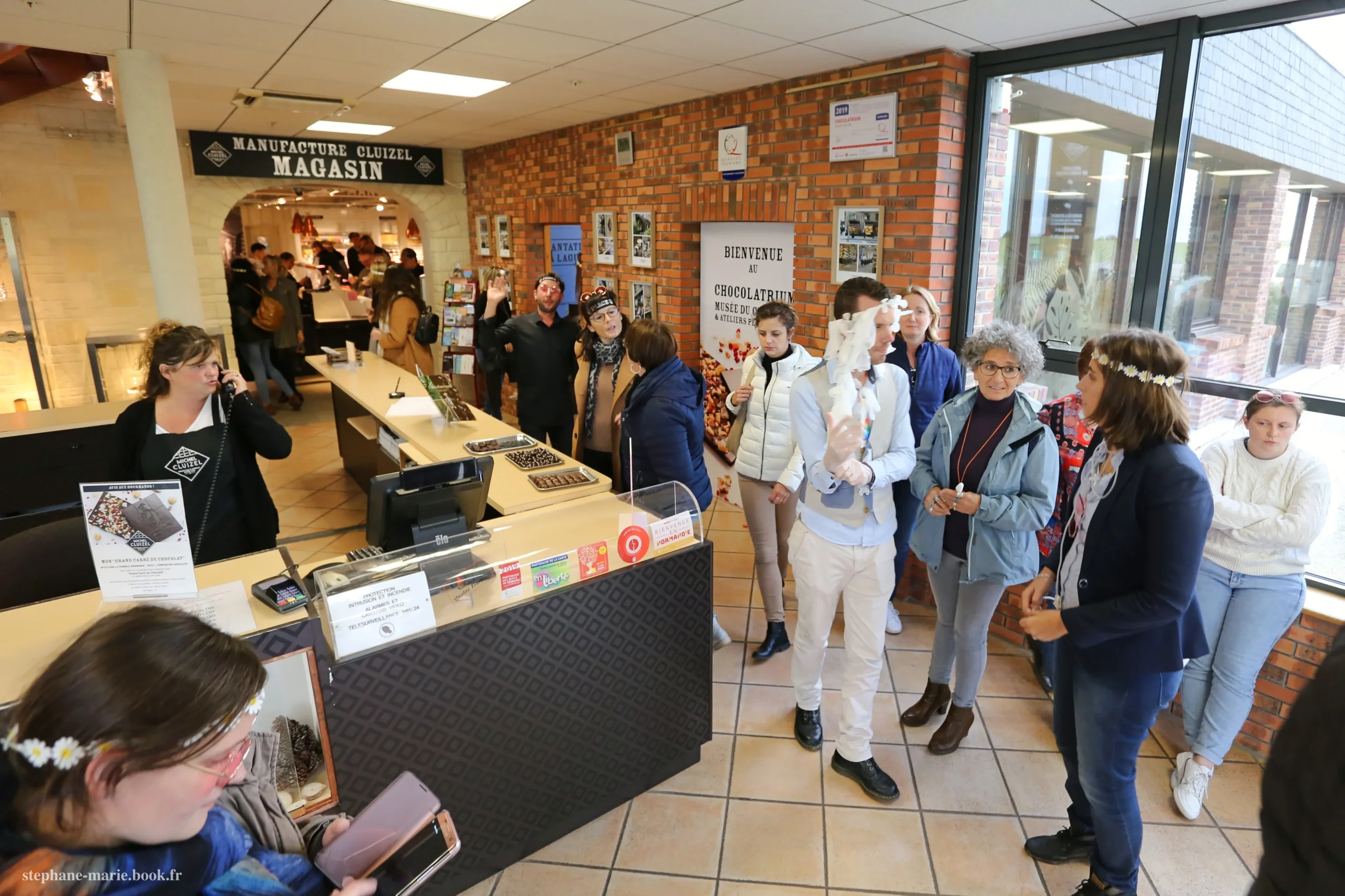
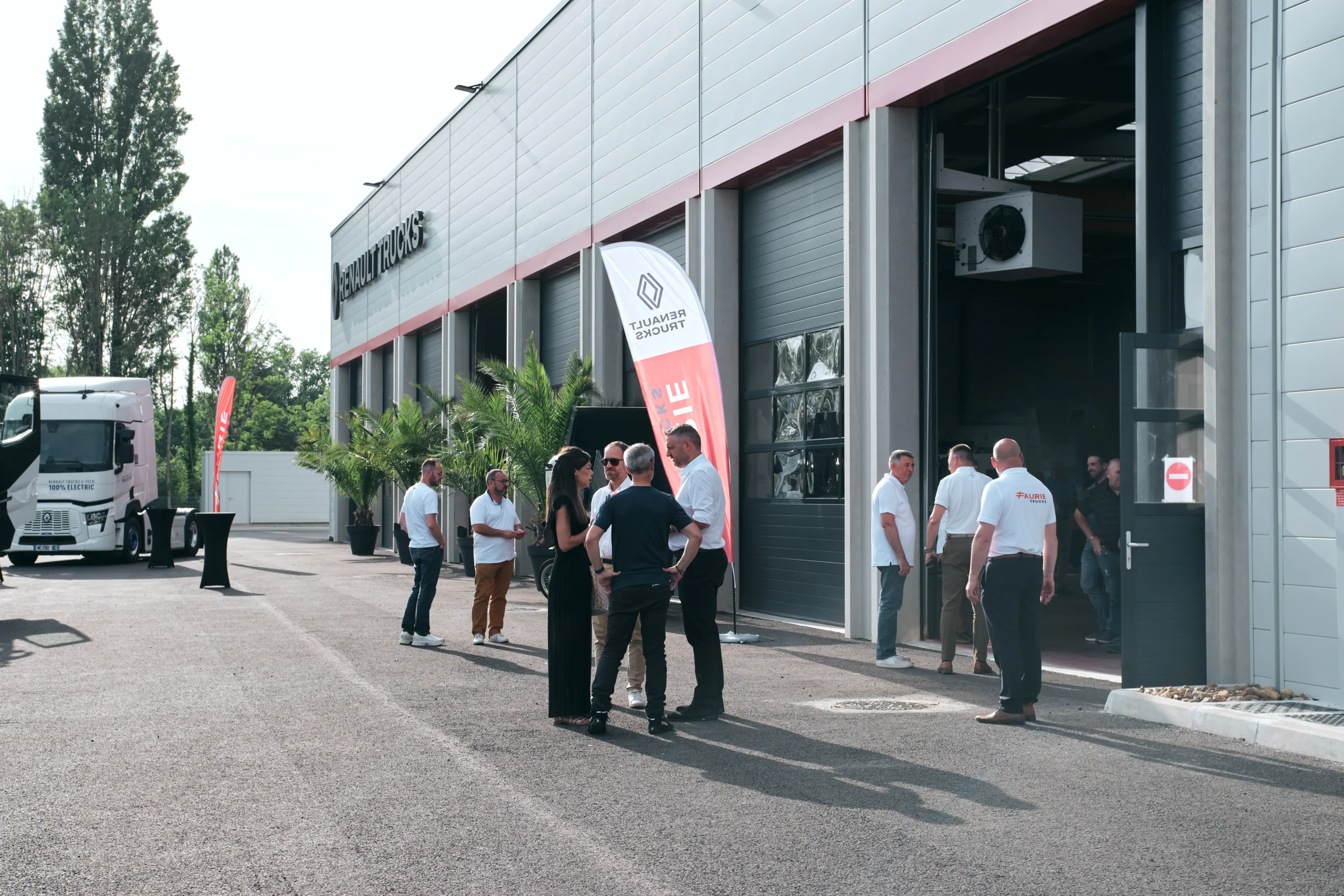
At INNOV'events, we plan and deliver Open House Event programs in Montréal for 50 to 1,500+ attendees, across corporate offices, plants, campuses, and rented venues. We manage the full chain: concept, guest flow, permits, suppliers, on-site teams, and contingency plans. Your leadership team keeps control of message, risk, and budget—without being dragged into last-minute operations.
Entertainment at an open house is not “nice to have”: it’s the tool that keeps guests moving, listening, and remembering the right messages. A well-designed sequence (welcome, guided moments, discovery zones, closing) protects your brand and prevents the classic Montréal issue: a crowded entrance, a dead zone near the demos, and executives stuck answering operational questions.
Montréal organizations expect professionalism: bilingual welcome, punctual schedules, measurable turnout, and a venue that reflects company standards. HR and communications teams also need safe, accessible experiences—clear signage, controlled capacities, and staff who can handle high volume without tension or improvisation.
We’re a Montréal-based team with field habits: early site checks, supplier redundancy, and run-of-show discipline. We speak the language of directors—risk, reputation, and internal alignment—and we bring operational rigour so your open house looks intentional, not “organized at the last minute.”
10+ years producing corporate events with executive stakeholders and strict approval cycles.
200+ projects delivered across Québec and Canada, including high-traffic public-facing formats like open houses and employer branding days.
30–60 suppliers in rotation (AV, staging, security, catering, hosts, artists), allowing backup options when Montréal calendars are tight.
On-site ratios we commonly deploy: 1 coordinator per 75–125 guests plus dedicated leads for registration, VIP, and production.
We support organizations operating in Montréal and the Greater Montréal area—head offices, manufacturing sites, research hubs, and service centres. Many of our mandates are renewed year after year because open houses are rarely “one and done”: a new product line, a renovated floor, a recruitment push, a partner tour, or a community relationship objective often triggers a recurring cadence.
If you want us to cite references, we do it the right way: with your permission level in mind and with context (format, attendance, constraints, what changed from one edition to the next). Some clients allow name use publicly, others require anonymized case summaries. In all cases, we can share practical examples in a call: how we handled last-minute VIP additions, how we prevented bottlenecks in a corridor-style facility, or how we coordinated bilingual plant tours without disrupting operations.
Tell us your industry (finance, tech, manufacturing, health, public sector, non-profit), and we’ll match relevant Montréal experience—rather than showing a generic portfolio.
We send you a first proposal within 24h.
A well-built Open House Event in Montréal compresses months of relationship-building into a few hours. It gives leadership a controlled environment to demonstrate culture, operations, and credibility—while communications gains content and HR gains qualified conversations. The strategic value comes from what people see and feel on-site: the quality of your welcome, the clarity of your narrative, and the professionalism of your execution.
Reinforce trust with clients and partners by making your expertise tangible (live demos, behind-the-scenes tours, Q&A stations) instead of relying on a slide deck.
Accelerate recruitment and retention: candidates and employees get a clearer view of teams, tools, and leadership accessibility—especially important in competitive Montréal talent markets.
Align internal stakeholders: an open house forces clarity on messaging, safety rules, and who owns which promises (sales, operations, HR, ESG, communications).
Reduce rumours and resistance during change (renovations, new processes, expansions) by offering guided explanations and controlled access rather than hallway narratives.
Create measurable communication assets: short interviews, photos, and testimonials captured with releases and a shot list—usable for employer branding and partner communications.
Montréal’s business culture rewards substance: people compare what you say with what you operate. A disciplined open house is one of the few formats where your brand promise is tested in real time—and where strong execution is immediately visible.
In Montréal, audiences are diverse and quick to notice friction. For executives, the risk is rarely “nobody shows up”; it’s the operational experience: a confusing entrance, a long registration line, inconsistent bilingual messaging, or safety measures that look improvised. These details travel fast internally and externally.
We plan for common Montréal realities:
We also see a recurring internal constraint: communications and HR are asked to lead, but operations holds the keys to the site. Our role is to translate priorities and lock decisions early so nobody is renegotiating security, access, or messaging the week of the event.
In an open house, entertainment is successful when it supports three operational goals: keep people moving, create meaningful interactions, and protect the tone of your brand. We select corporate event entertainment in Montréal that fits your audience profile and your environment (office, plant, showroom, campus) rather than copying what works at a gala.
Guided micro-tours (8–15 minutes): multiple short routes instead of one long tour. This increases throughput and reduces congestion at a single bottleneck.
Demo stations with timed slots: we set clear “next demo starts in 5 minutes” cues so guests don’t cluster. Best for product teams who want quality conversations.
Leadership “Ask Me Anything” corner: short windows (15–20 minutes) where executives meet guests with a moderator to keep it on-message and on-time.
Interactive storytelling wall: milestone timeline with QR codes to case studies, ESG results, or innovation highlights—useful when you want substance without a long speech.
Acoustic trio or instrumental set placed strategically to manage energy without blocking conversation—ideal for networking-heavy open houses.
Roaming close-up performance (magic or mentalism) deployed in lines and waiting zones to reduce perceived wait time and keep the mood professional.
Live illustration of your vision/values during key remarks, producing a visual asset for internal communications after the event.
Montréal-focused tasting stations (coffee, mocktails, local pastries) designed as “flow anchors” so food service supports circulation rather than creating a single crowded buffet.
Chef-led mini demos (5–7 minutes) that create micro-moments without pulling guests away for too long—useful when you want a premium feel without a full banquet.
Dietary and cultural coverage: we plan labels, separate utensils, and clear allergen messaging to avoid on-site stress for HR and hosts.
RFID or QR check-in for fast registration and clean attendance data, with privacy-aware wording and opt-ins aligned to your policies.
Augmented product demo: tablets or projected overlays that show “inside” a product/process where a real view isn’t possible (security, confidentiality, safety).
Content capture studio: a quiet corner with lighting and a producer to record short testimonials from leaders, employees, or partners—planned with release forms and a shot list.
The best choices align with your image and constraints. A regulated environment (lab, plant, financial services) calls for controlled, low-risk activations; a creative brand may push further. We’ll recommend options that respect your compliance, noise limits, and the reality of guest throughput—so the experience looks intentional and runs smoothly.
The venue is not a backdrop; it shapes credibility. In Montréal, your setting signals how you operate: disciplined or improvised, premium or cost-driven, open or defensive. We help you choose a space that matches your narrative and your operational realities—especially guest flow, acoustics, loading, and accessibility.
| Venue type | For which objective? | Main strengths | Possible constraints |
|---|---|---|---|
Head office / corporate floors | Culture, leadership access, credibility with partners | Authenticity; easier internal participation; strong employer branding visuals | Building rules, elevator access, limited loading; requires careful sound control |
Industrial site / plant / warehouse | Show operational strength, quality, safety culture | High impact tours; strong differentiation; ideal for B2B trust | PPE needs; strict routing; limited capacity per tour; union and safety approvals |
Showroom or rented event space | Client-facing discovery, product focus, controlled brand staging | Production-ready; easier AV; scalable layouts for stations | Less “real operations” credibility; rental costs; date availability in peak season |
We insist on a site visit (or two) because plans on paper miss real constraints: door widths, echo, signage sightlines, queue space, and loading access. A 45-minute walk-through in Montréal can prevent a full day of on-site firefighting.
Pricing depends on format, risk level, and operational complexity. An Open House Event in Montréal can range from a simple office reception to a multi-zone experience with tours, security, and heavy AV. We build budgets that executives can defend: clear line items, realistic staffing, and options to scale up or down without breaking the plan.
Attendance and audience mix: 80 internal guests with light catering is not priced like 600 mixed guests with VIP hosting and partner programming.
Venue constraints: building security, elevator bookings, after-hours costs, union requirements, or mandatory in-house suppliers can shift the cost structure.
AV and content: microphones, distributed sound, screens, lighting, and livestream/recording. In echo-heavy spaces, sound engineering becomes essential, not optional.
Registration and data capture: simple list check-in vs. QR systems, badge printing, and lead capture for HR or sales follow-up.
Security and safety: crowd control, access zoning, tour marshals, first aid coverage, and PPE in industrial contexts.
Catering model: passed bites, stations, bar service, dietary management, and staffing ratios that prevent long waits.
Entertainment and facilitation: roaming performers, musicians, moderators, or tour guides—priced according to duration, number of zones, and rehearsal time.
Production schedule: tight load-in windows or overnight installs increase labour; Montréal traffic and downtown access also affect delivery planning.
We frame budget as risk management and outcomes. If the open house is meant to generate hiring leads or partner confidence, the right investment is the one that protects throughput, messaging, and safety—and that produces usable follow-up assets and clean attendance data.
Open houses look simple until you run one under real constraints: multiple stakeholders, sensitive areas, last-minute VIPs, and building rules. Working with an agency established in Montréal reduces friction because we know how the city operates—suppliers, access realities, labour timing, and what typically causes delays.
We also bring local coordination discipline: confirming loading routes, validating power distribution, planning for weather impacts on arrivals, and keeping schedules realistic. When problems happen, speed matters. Local teams can deploy replacements faster and have established relationships with Montréal vendors who answer the phone when you need them.
For teams comparing agencies, here’s the practical difference: you’re not buying ideas—you’re buying execution certainty, and the ability to protect leadership from operational noise.
To understand how we work beyond open houses, see our Montréal presence as an event agency in Montréal and how we structure production, staffing, and supplier governance.
We frame budget as risk management and outcomes. If the open house is meant to generate hiring leads or partner confidence, the right investment is the one that protects throughput, messaging, and safety—and that produces usable follow-up assets and clean attendance data.
Our mandates often start with a familiar situation: the executive team wants a clean, high-impact open house, while the internal team has limited time and too many stakeholders. We step in to structure decisions and protect operations.
Examples of scenarios we deliver regularly in Montréal:
Across these scenarios, the common thread is operational control: guest flow, message consistency, and a calm on-site environment that reflects well on leadership.
Underestimating arrival peaks: too few check-in points and unclear signage create a first impression that’s hard to recover from.
Over-programming tours: routes that are too long or too technical cause delays, fatigue, and missed key stations.
Uncontrolled access: sensitive areas visible from guest paths, or staff unsure what can be photographed—this is common and avoidable.
Audio that fails in real spaces: echo, competing noise, or insufficient mic coverage makes leadership remarks look unprofessional.
Vendors working in silos: catering blocks circulation, AV blocks access, security lacks the latest guest list—coordination is the difference.
No escalation plan: when a VIP arrives early, a speaker is late, or weather shifts arrivals, teams improvise and errors become visible.
Our job is to prevent these issues before they reach your guests. That means planning like operators: flow maps, staffing ratios, supplier alignment, and contingency triggers—so your leadership team stays focused on relationships and messaging.
Clients come back when the event day feels controlled and the internal team isn’t exhausted. In open houses, that’s rare: the format touches security, facilities, HR, communications, IT, and leadership—all at once. Repeat business happens when an agency reduces internal friction and makes outcomes easy to report.
Repeat-format planning: many clients keep the same “open house architecture” year to year (zones, staffing model, signage templates) and we improve it based on real data.
Decision-cycle support: we provide budget options (good/better/best) and approval-ready documentation that helps directors move faster internally.
Post-event debrief: structured feedback with what changed, what worked, and what to lock earlier next time—so the next Montréal edition is easier, not harder.
Loyalty is not about novelty; it’s about reliability under pressure. For open houses, that’s the standard we commit to.
We confirm objectives, audience segments, success metrics, and who must approve what (HR, communications, operations, security, facilities). We also identify sensitive zones and non-negotiables early to avoid late-stage rework.
We build a guest journey with zones, timing, and throughput assumptions. Deliverables typically include a floor plan draft, circulation logic, signage needs, and a first run-of-show that leadership can validate quickly.
We propose vendor options aligned to Montréal availability and your standards. Budgets are presented with transparent categories (AV, staffing, catering, security, entertainment, contingencies), plus scalable options to fit your financial constraints without breaking the experience.
We finalize staffing roles, bilingual scripts, VIP handling, access control, and safety requirements. We coordinate with building management or site operations and confirm logistics (load-in, power, internet, waste management, and emergency procedures).
We run a technical check and a walk-through, then manage on-site execution: vendor arrivals, registration, flow adjustments, speaker support, and issue escalation. You get one point of contact who owns the full picture, not a patchwork of suppliers.
We deliver attendance data, key observations, and improvement actions. If your goal includes recruitment or sales outcomes, we align with your teams on lead handling so the open house converts into measurable follow-up.
Plan for 6–10 weeks for a straightforward office open house (100–300 guests). For tours, high security, or peak season (September–December), aim for 10–16 weeks to secure AV, catering, and staffing—plus time for approvals and site constraints.
Typical ranges: $15,000–$35,000 for a well-run 80–150 guest office format; $35,000–$90,000 for 200–600 guests with multiple zones, stronger AV, and upgraded catering; $90,000+ for large-scale, tour-heavy, or multi-session formats with elevated production and security.
We use bilingual hosts, dual-language signage templates, and a run-of-show that avoids constant switching. For speeches, we plan either a bilingual speaker with tight timing or a structured approach (key points repeated, not full duplication) so the program stays professional and on schedule.
Yes, with controls: capped group sizes (often 10–20 people), timed departures, a safety briefing, PPE logistics, marshals at key points, and a route that avoids sensitive or hazardous areas. We also align with your operations lead so tours don’t disrupt production or violate site rules.
The top issues are arrival bottlenecks, audio problems in echo-heavy spaces, and vendor timing conflicts caused by loading restrictions. We mitigate with overflow check-in, a real sound plan (not just speakers), and a detailed load-in schedule with a single on-site coordinator owning vendor sequencing.
If you’re comparing agencies, we recommend a practical first step: a 30-minute call to confirm your objective, audience, site constraints, and timeline. We’ll tell you quickly what is realistic, where the risks are, and what budget structure fits your decision process.
Contact INNOV'events to scope your Open House Event in Montréal with clear options, a controlled run-of-show, and an on-site plan that protects your leadership team on the day of the event.
Thierry GRAMMER is the manager of the INNOV'events Montréal office. Reach out directly by email at canada@innov-events.ca or via the contact form.
Contact the Montréal agency