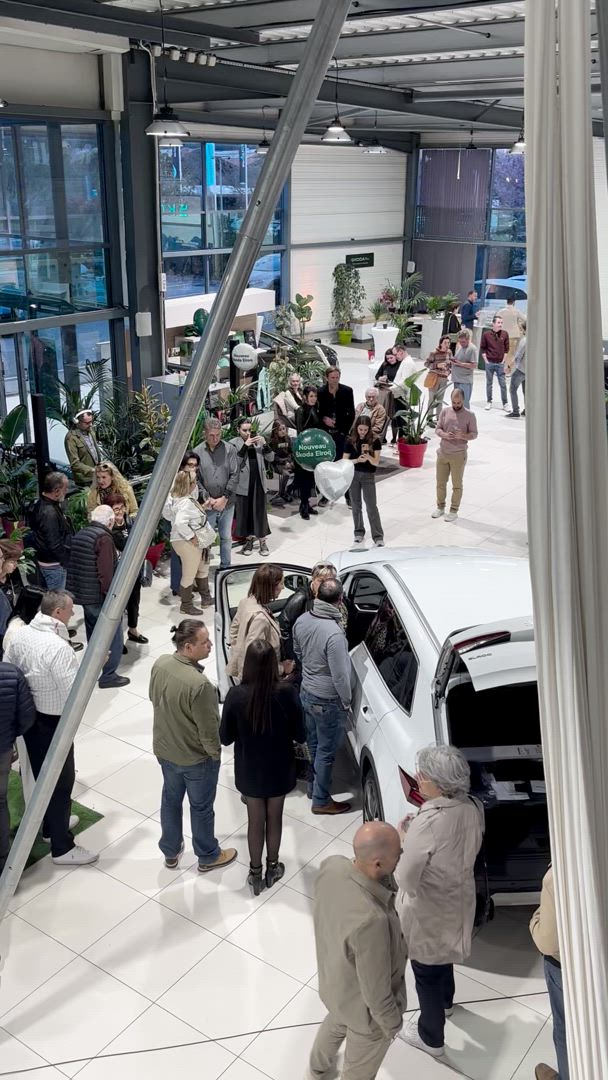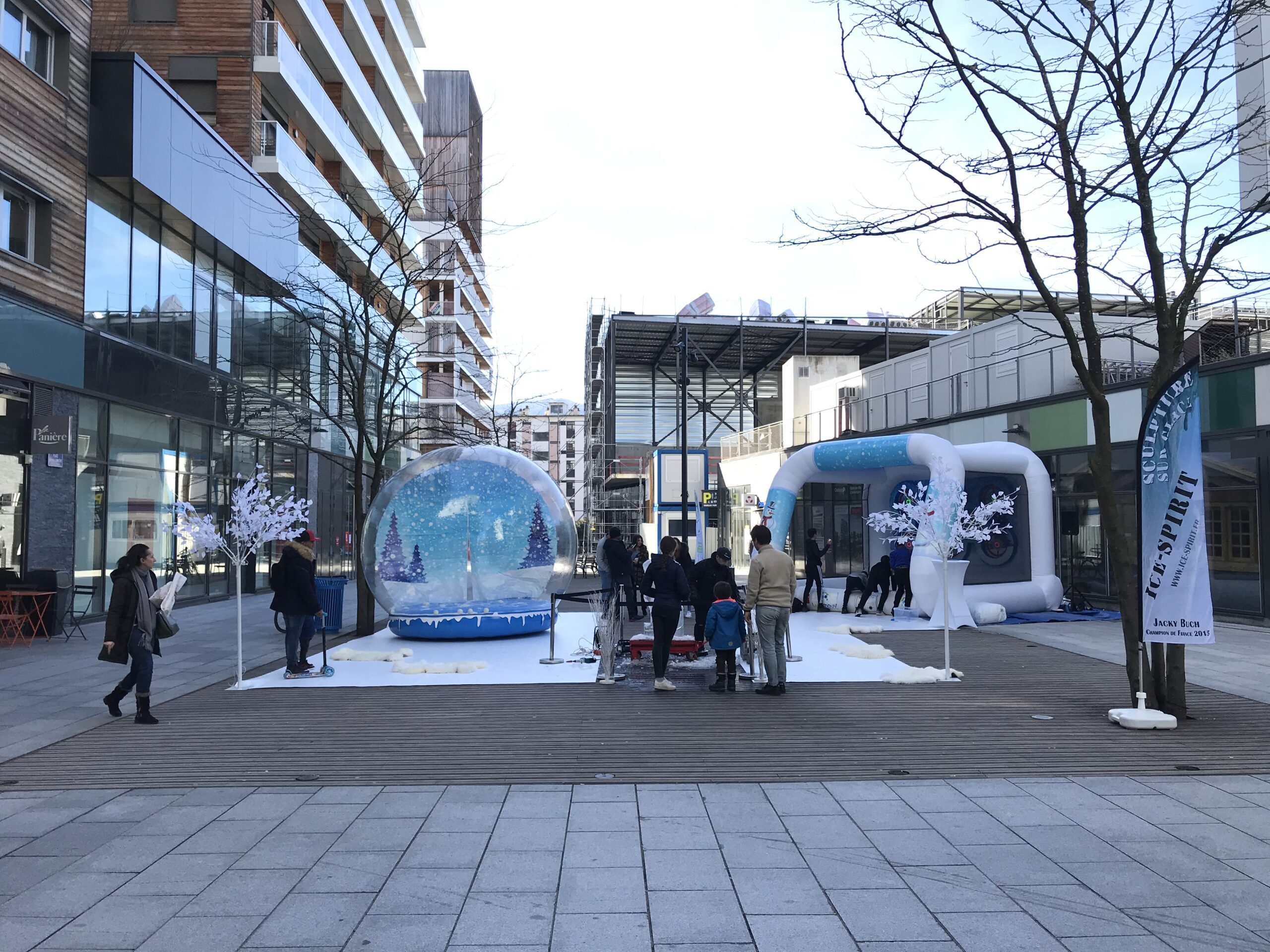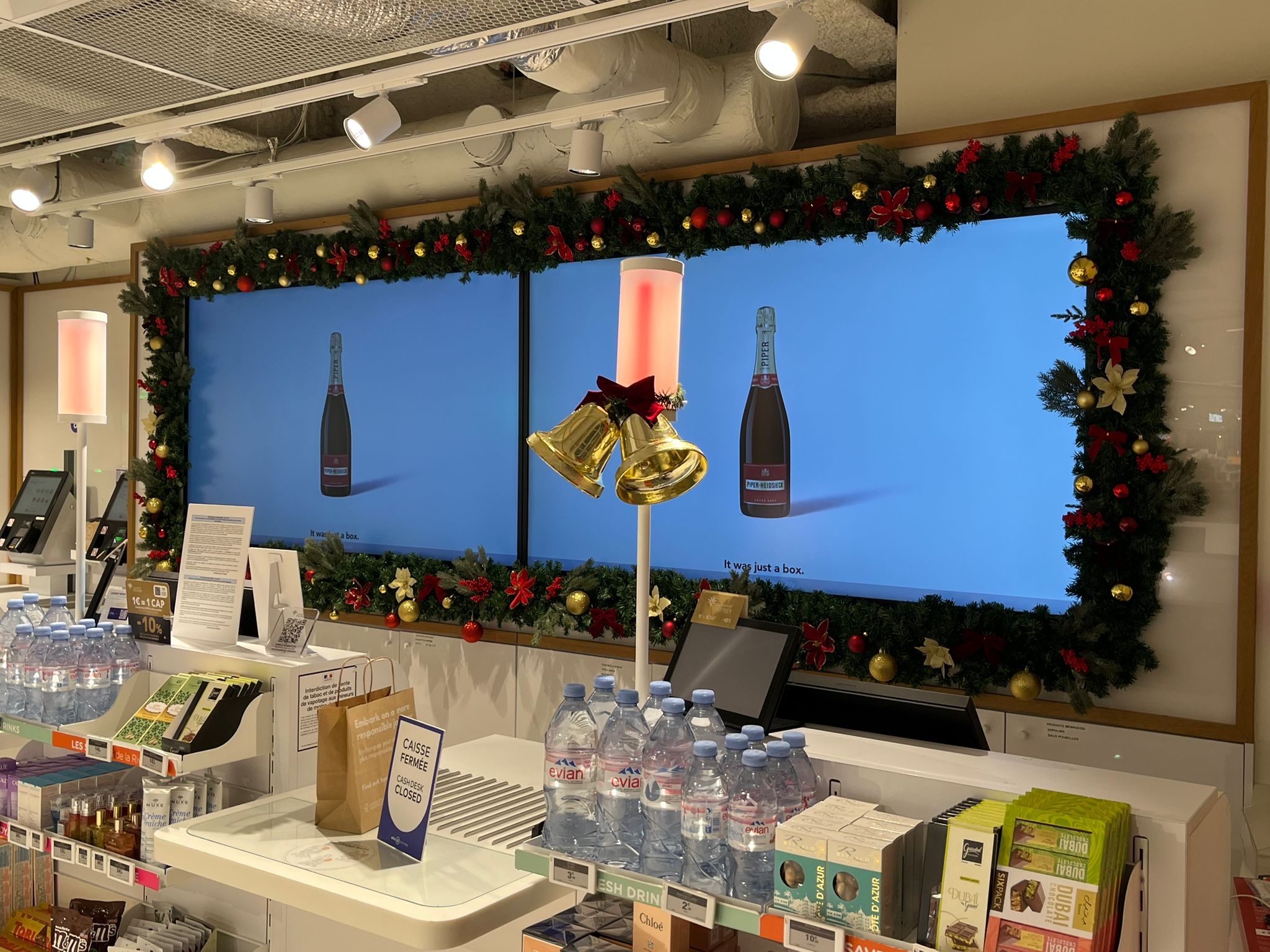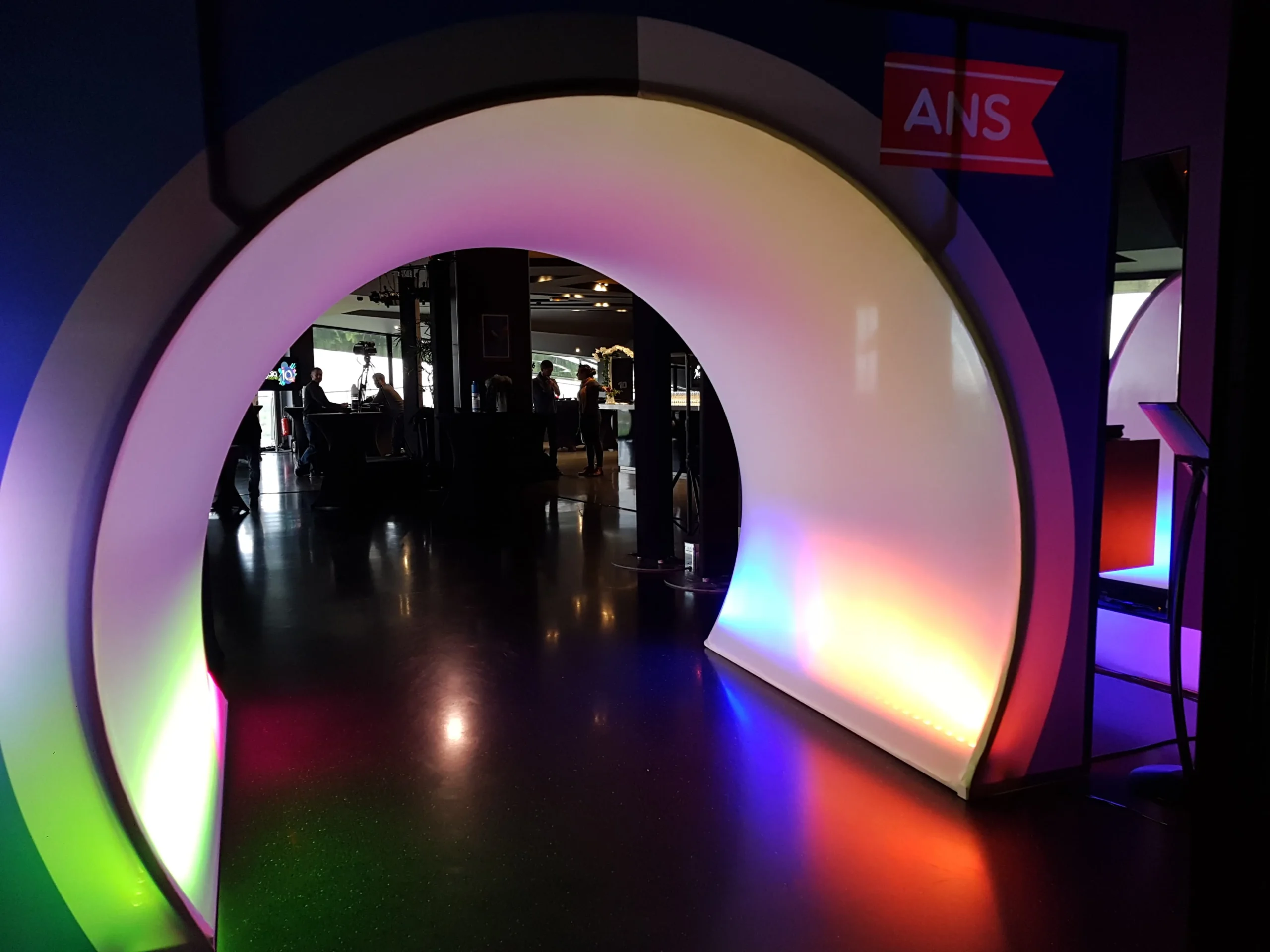
INNOV'events plans and produces Product Launch Event programs in Montréal, from leadership objectives to show-calling on site. We typically deliver launches for 60 to 800+ attendees, including media, partners, clients and internal teams. We handle venue sourcing, staging/AV, vendor management, run-of-show, bilingual guest experience, and risk control so your executives can stay focused on the message.
In a launch, “entertainment” isn’t decoration; it’s how you hold attention long enough for the product story to land. The right reveal format, pacing and stagecraft reduce message loss, support demos, and keep stakeholders aligned on what matters: adoption, credibility and pipeline.
Montréal audiences are demanding: they expect a smooth bilingual flow, fast check-in, high production value without waste, and content that respects time. Communications teams also need brand control (visuals, tone, spokesperson coaching) and a social-ready moment that looks as strong on camera as it does in the room.
We work locally, with Montréal venues, union-aware technical partners, and established suppliers for staging, lighting, catering and security. Our approach is built around operational control: clear responsibilities, rehearsals, backup plans, and decision points you can approve without endless meetings.
10+ years producing corporate events in Québec, including product launches with staged reveals, live demos and press moments.
150+ corporate productions delivered across Canada through our partner network (venues, AV, scenic, talent, catering, security).
98% on-time run-of-show adherence on events with a formal show-call and rehearsal (measured against our production schedule and cue sheets).
24–72 hours average turnaround to deliver a first program outline and preliminary budget range after a qualified briefing call.
We support organizations that operate in Montréal’s real business rhythm: tight timelines, internal approvals, bilingual communications, and stakeholder pressure on launch day. Many of our clients collaborate year after year because they want the same team who already understands their brand standards, their procurement requirements, and how their executives prefer to work.
For confidentiality reasons, we present detailed case notes (scope, constraints, outcomes) during a call, and we can share examples of run-of-show documents, stage layouts, guest flow plans, and vendor coordination templates. If you provide your sector (tech, life sciences, finance, retail, manufacturing), we will show you comparable Montréal projects we’ve produced with similar audiences and risk profiles.
We send you a first proposal within 24h.
A launch is a management tool. It’s the one moment where leadership can align teams, partners and clients around a single narrative while controlling the environment: what people see, what they hear, and what they remember. In Montréal, where industries overlap and networks move fast, a well-structured in-person launch can shorten sales cycles and reduce internal friction after release.
Executive alignment with measurable outputs: we translate strategic goals (pipeline, channel activation, adoption) into an event architecture: reveal, demo, proof points, Q&A, and next steps. Your leadership leaves with clear talking points and a synchronized message.
Faster buy-in from key accounts and partners: giving priority guests a controlled demo environment reduces “maybe later” hesitation. We often build a guided demo route with timed rotations so your SMEs aren’t overwhelmed and every VIP gets time.
Internal mobilisation that survives after the event: HR and Comms teams can use the launch as a catalyst—training stations, enablement booths, and leadership messaging that makes frontline teams confident explaining the product on day one.
Brand credibility through production discipline: a clean stage picture, good audio intelligibility, and a disciplined run-of-show signal operational maturity. In many sectors (SaaS, medtech, industrial), this matters as much as the product features.
Content capture for months: we plan the launch to generate usable assets—CEO clip, demo reels, client testimonials, short social edits—without compromising the live experience. This reduces post-launch content costs.
Montréal’s economic culture rewards clarity and competence. When the launch is run like a production—tight cues, bilingual flow, and stakeholder care—you earn confidence quickly, which is often the real objective behind the product announcement.
In Montréal, a product launch is rarely “one audience.” It’s a mix of internal leadership, sales teams, partners, clients, and sometimes media or analysts. That creates competing needs: executives want a concise narrative, sales wants proof points, HR wants cohesion, and Comms wants brand consistency across languages and channels.
We build the program to manage those tensions. For example, when an executive insists on a 20-minute keynote but the demo requires attention, we restructure the content into a shorter keynote plus a scripted “reveal-to-demo” transition, then move deep technical detail into moderated breakouts. Your message stays strong without losing the room.
Local expectations also include operational realities: bilingual signage and scripts, suppliers who can deliver within Montréal traffic constraints, a check-in that doesn’t create a bottleneck, and AV that is calibrated for camera (not just the room). In some venues, load-in rules and union requirements influence scheduling; we plan for that early so you don’t discover limitations the day before.
Finally, Montréal guests are sensitive to authenticity. Overly promotional language or a “big reveal” without substance can backfire. We push clients—politely but firmly—to include credible proof: performance metrics, customer quotes, clear pricing logic (when appropriate), and transparent availability timelines.
For a Product Launch Event in Montréal, engagement comes from interaction with the product story—not from distractions. We use entertainment formats that reinforce the narrative, control attention, and create a “camera-ready” moment without compromising credibility.
Guided demo rotations with timed slots: we create small-group routes (8–15 people) with a facilitator, so every guest touches the product and hears the same key messages. This avoids the common problem of one crowded demo station and frustrated VIPs.
Moderated Q&A with pre-screening: we collect questions via QR code and in-room runners, then the moderator structures them to protect time and avoid derailing. This is particularly effective when legal/compliance boundaries exist.
Interactive product wall: a branded display where guests explore features via NFC/QR and receive tailored takeaways (spec sheet, case study, booking link). We track which modules were scanned to inform post-event follow-up.
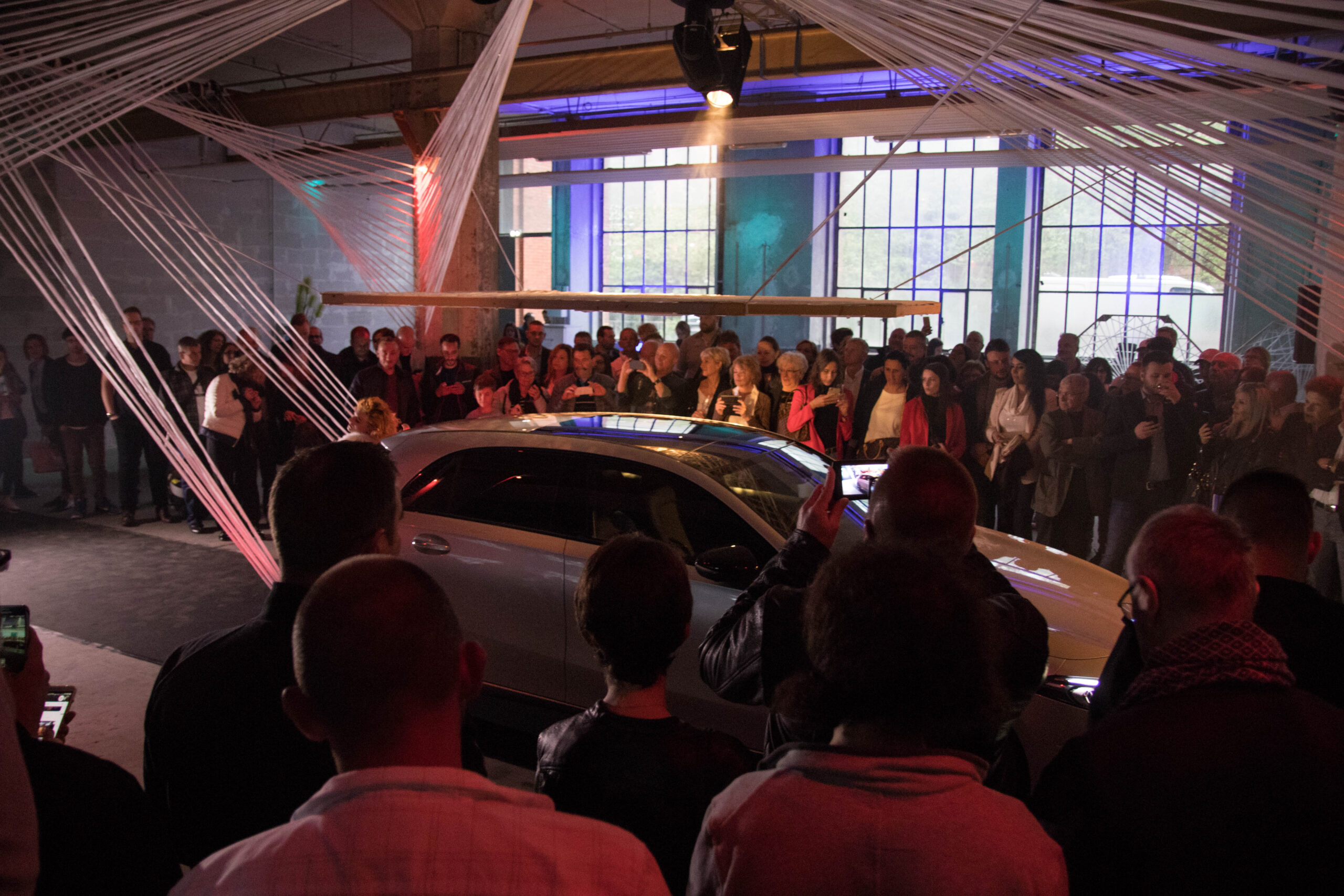
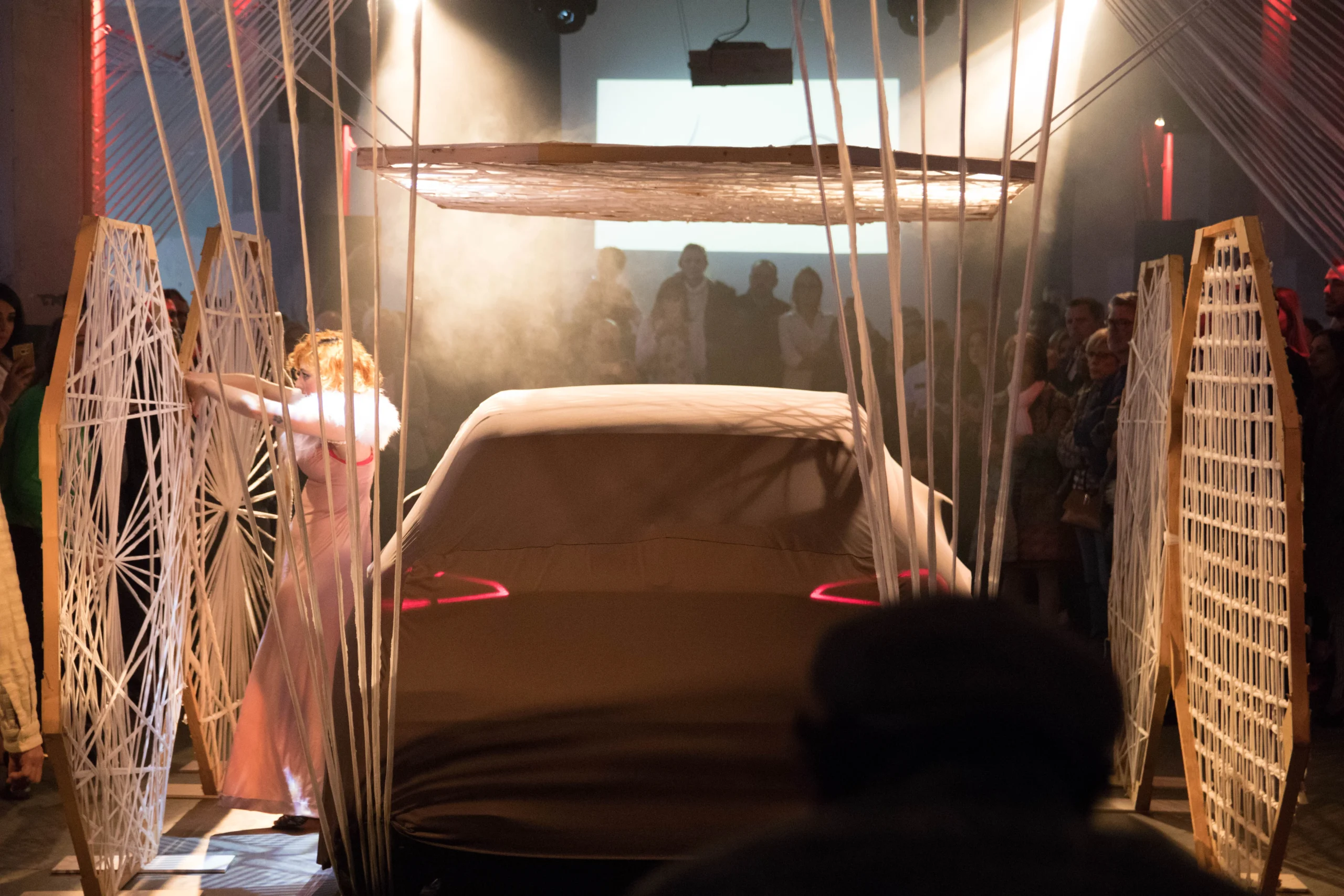
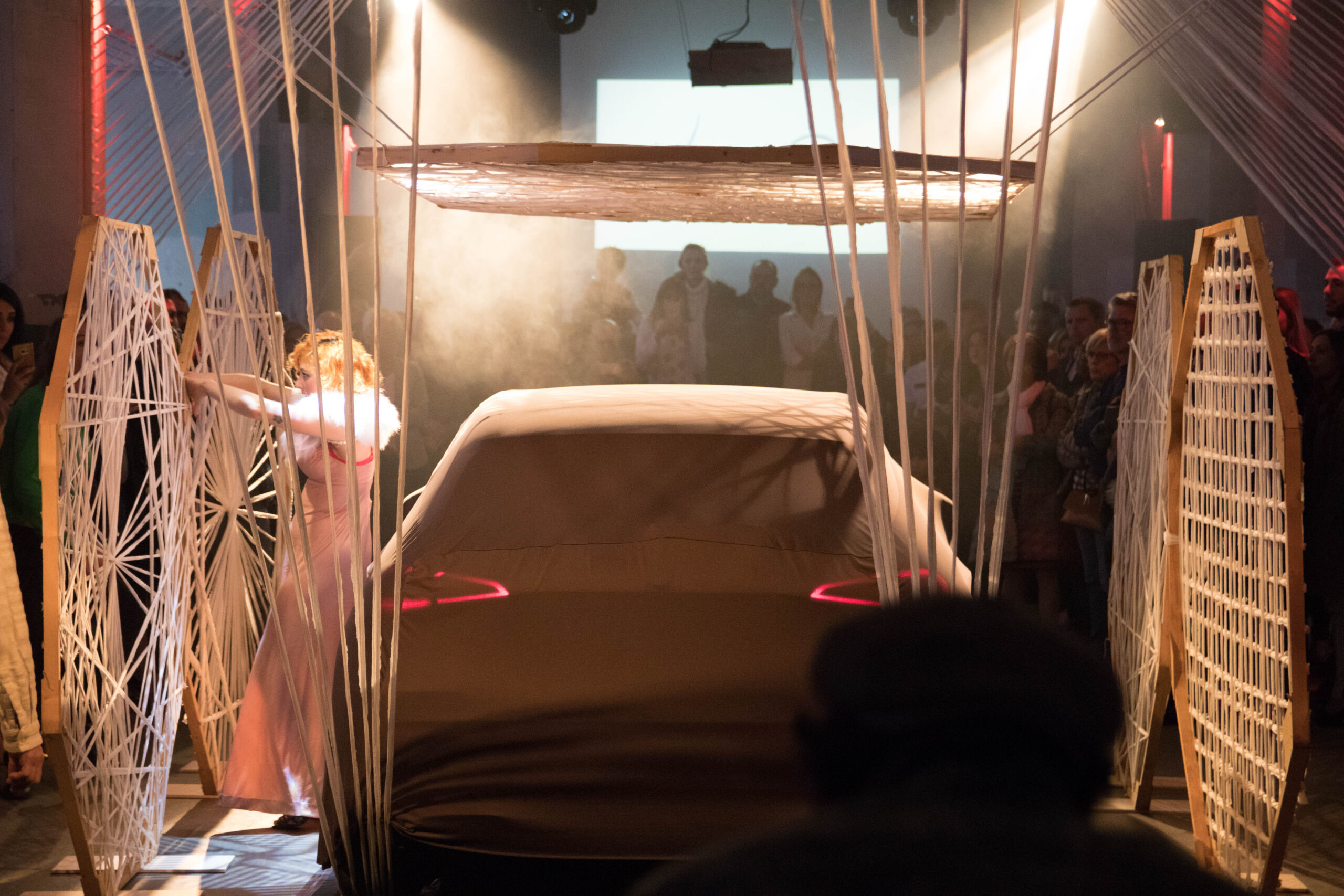
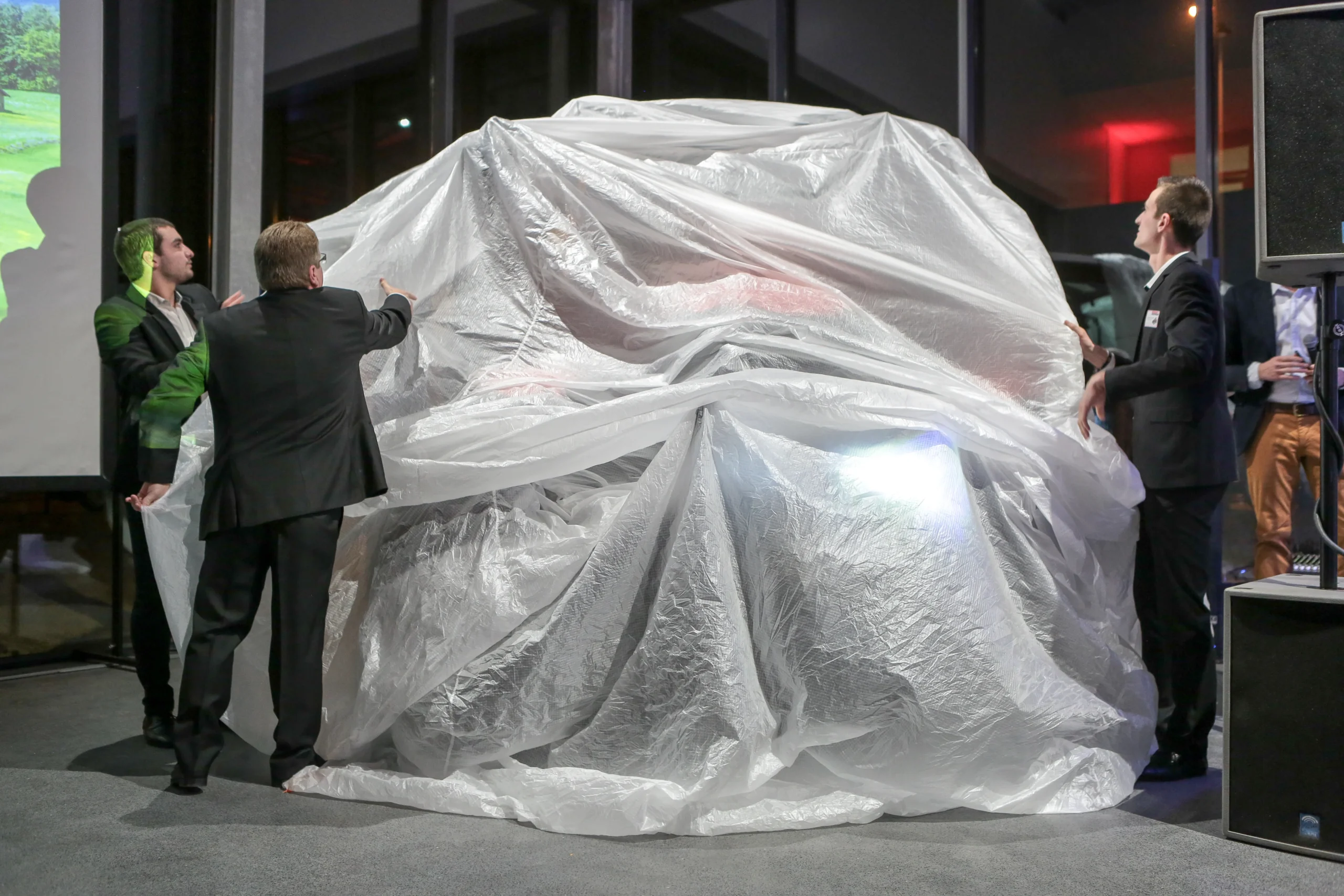
Live visual reveal (projection mapping or LED content): used to explain what’s new and why it matters. The value is clarity—showing internal components, workflows or use-cases—not just spectacle.
Host or bilingual MC with industry fluency: we choose talent who can pronounce product terminology, manage transitions, and keep executives comfortable. In Montréal, bilingual pacing matters; we avoid doubling every sentence and instead build a coherent language strategy.
Sound design for transitions: subtle audio cues that support stage movement, video playback and segment changes. It helps maintain a professional rhythm and reduces awkward dead time.
Service timed around the reveal: passed canapés and bar service are scheduled so glassware noise doesn’t compete with key messaging. We coordinate catering cues with the show-call.
Product-themed menu logic: not gimmicks—real ties to your positioning (precision, sustainability, local sourcing). When done well, it becomes a conversation starter for sales without feeling forced.
Dietary and cultural considerations: we plan for common Montréal expectations (vegetarian, halal options on request, allergen labelling) and we brief staff so service remains smooth.
Hybrid capture without hybrid complexity: instead of a full live-stream, we often record key segments with clean audio and lighting, then publish within 48–72 hours. This keeps production manageable while extending reach.
Hands-on “lab” zone: a controlled area where technical guests can explore advanced features, separate from the main room to protect the primary narrative.
On-site social studio: a simple, well-lit corner for executive soundbites and partner testimonials, scheduled in short blocks so leadership isn’t pulled away at the wrong time.
The best corporate event entertainment in Montréal supports your brand image by making the product easier to understand, easier to trust, and easier to share. We select formats based on stakeholder outcomes (sales enablement, partner confidence, employer brand), not on trends.
The venue is part of the message. Ceiling height, acoustics, loading access, and backstage space determine whether the reveal feels controlled or improvised. In Montréal, we also factor in guest travel patterns (downtown vs. West Island vs. South Shore), winter logistics, and vendor access windows.
| Venue type | For which objective? | Main strengths | Possible constraints |
|---|---|---|---|
Downtown hotel ballroom | Executive-facing launch with strong logistics and predictable service | Built-in catering, staging familiarity, reliable power and back-of-house | Higher minimum spends, fixed AV partners in some properties, less “industrial” aesthetic |
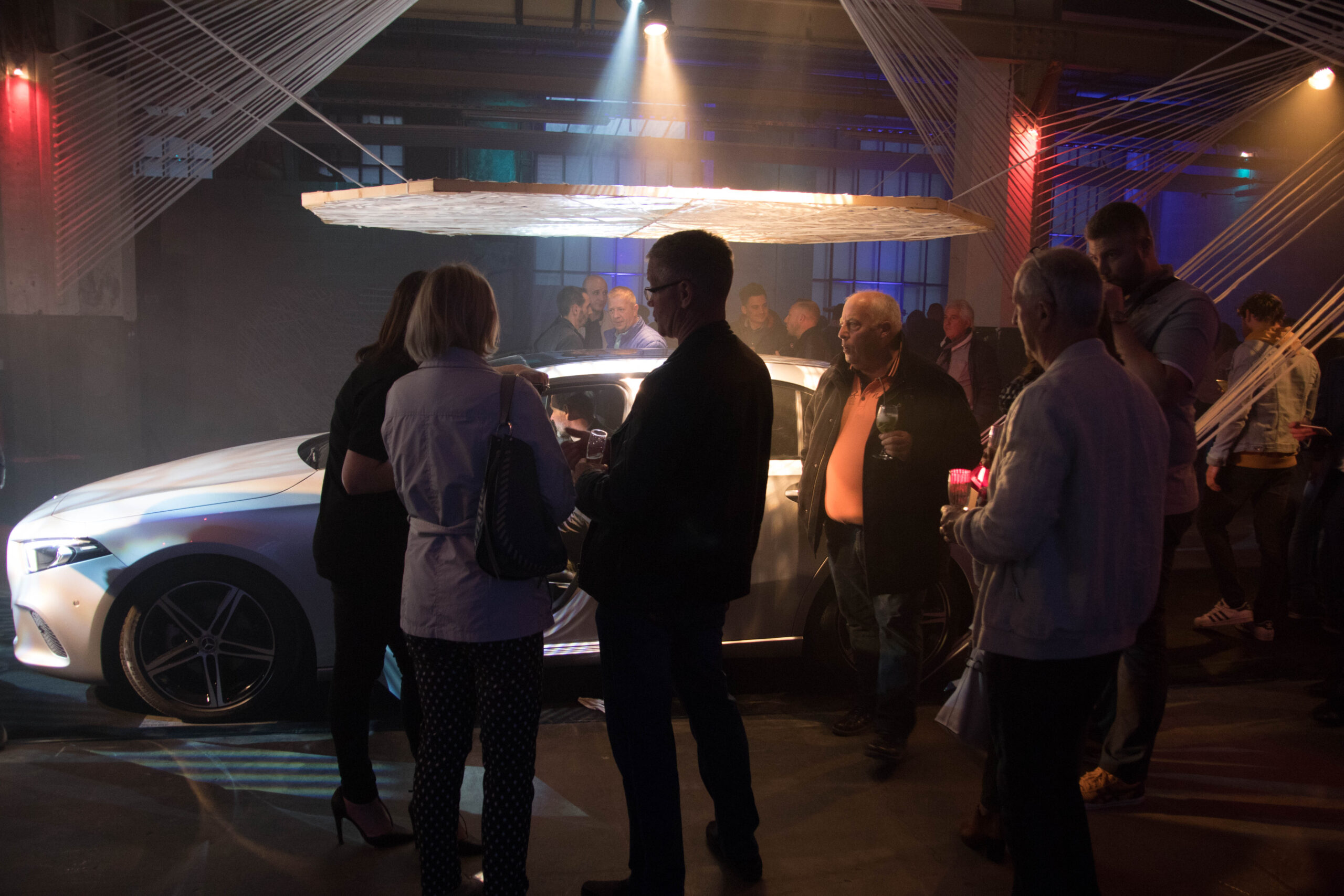
Converted industrial / creative space | Brand-forward reveal with a modern set design and flexible layouts | Strong visual identity, adaptable floor plans, great for product showcases | May require more rentals (washrooms, drape, rigging), stricter load-in rules |
Conference centre / dedicated event venue | Large attendance launch with demos, breakouts and sponsor areas | Capacity, multiple rooms, operational staff, AV scalability | Can feel “corporate” if design is not upgraded, date availability can be tight |
Private dining room / restaurant buyout | High-touch VIP launch or partner announcement (smaller group) | Food experience, intimacy, easier networking | Limited staging/lighting, sound restrictions, less control of branding |
We insist on a site visit (or a technical walk-through) before locking the plan. It’s where we confirm sightlines, backstage paths, rigging points, noise sources, and the real capacity once staging and demo zones are added. That visit usually prevents the last-minute compromises that undermine a launch.
Budget depends on attendance, production level, venue category, and how much content needs to be built (videos, keynote visuals, scenic). A credible range is only possible after we confirm objectives, guest profile, and technical requirements—especially if you need bilingual staging, filming, or multiple demo stations.
Venue and food & beverage: minimum spends, service model (cocktail vs. seated), staffing ratios, and bar package choices affect both cost and flow.
AV and staging: screens/LED, lighting design, sound reinforcement, microphones, show-calling, and rehearsal time. “Looks good” on camera often requires additional lighting and clean audio capture.
Scenic and brand environment: stage set, product pedestals, signage, wayfinding, demo build-outs, and backdrops engineered for photography.
Content production: reveal video, product animation, presentation design, speaker coaching, teleprompter, and translation/adaptation of scripts.
Guest management: registration platform, badge printing, check-in staffing, security, VIP handling, and accessibility planning.
Risk and contingency: backup equipment for the demo, redundant playback systems, additional rehearsal time, and weather planning for any outdoor component.
We frame budget as a return decision: what level of production is required to protect the message and the reputation of your leadership team. Our goal is not to overspend—it’s to spend where failure would be visible (audio, timing, demo reliability), and keep the rest efficient.
When you’re accountable to executives, the advantage of local production isn’t “proximity”; it’s control. A Montréal-based team can do real site walks, secure reliable technical crews, and handle supplier coordination quickly when conditions change. We also understand the practical realities of bilingual delivery, venue rules, and scheduling constraints common in the city.
INNOV'events operates as your production partner: we translate leadership goals into an executable plan, then we manage the details that typically consume internal teams—vendor alignment, technical scope, timelines, and on-site decision-making. If you’re comparing firms, ask who will actually be on site as show caller and who owns accountability when a demo fails. That’s where experience shows.
If you need broader capabilities, our Montréal team can also coordinate through our partner network while keeping one point of accountability. See our positioning as an event agency in Montréal and how we structure production teams for corporate clients.
We frame budget as a return decision: what level of production is required to protect the message and the reputation of your leadership team. Our goal is not to overspend—it’s to spend where failure would be visible (audio, timing, demo reliability), and keep the rest efficient.
Our projects range from compact partner announcements to multi-zone launches with executive keynotes, press moments, and hands-on labs. In practice, the complexity usually comes from the product itself: connectivity needs, fragile prototypes, regulated claims, or a demo that depends on a live environment. We plan around that reality rather than forcing a generic format.
A common Montréal scenario: leadership wants a high-impact reveal, sales wants maximum networking time, and product teams need quiet conditions for demos. We solve this by separating the “stage story” (short, strong, filmed) from the “product experience” (guided, controlled, staffed). We also schedule VIP access windows so your top accounts aren’t waiting in line, and we build a stakeholder plan so internal teams know where to be and when.
We also adapt to corporate constraints: procurement rules, brand compliance, and internal approvals. Our documentation (production schedule, cue sheets, floor plans, vendor scopes) is built to be reviewed and approved efficiently by Directors and VPs—without requiring them to become event specialists.
Overloading the keynote: too many messages, too many speakers, not enough structure. Result: the product story becomes unclear and media/VIPs disengage.
Underestimating audio: poor intelligibility is the fastest way to lose credibility. We prioritize microphones, speaker monitoring and room tuning before decorative elements.
Demo without redundancy: relying on one laptop, one Wi‑Fi network, or one prototype. We build a primary path and a backup plan that still looks intentional.
Check-in bottlenecks: too few stations, unclear guest lists, no VIP lane. It creates a first impression problem that your team spends the rest of the night correcting.
No real rehearsal: executives discovering stage marks, clickers, confidence monitors or timing on the day-of. We schedule technical and speaker rehearsals proportionate to production complexity.
Content not designed for screens: decks that look fine on laptops but fail on large displays. We adapt layout, contrast, font sizes and bilingual transitions for the room and camera.
Our role is to eliminate these risks before they become public. We do that with structured pre-production, clear responsibilities, and on-site show control—so your leadership team can focus on the launch, not the mechanics.
Repeat business happens when an agency protects internal teams from chaos. For executives and Directors, loyalty is earned through predictable delivery: budgets that match reality, vendors who show up prepared, and a run-of-show that stays on track even when something changes.
70%+ of our annual corporate work comes from returning clients and referrals (internal tracking based on signed mandates).
1 point of accountability on site: we assign a lead producer/show caller empowered to make operational decisions within approved parameters.
Structured post-mortems: within 5 business days, we deliver a debrief with learnings, supplier notes, and recommendations for the next production.
In practice, loyalty is proof that the event didn’t just look good—it was manageable for the client team, defensible for leadership, and repeatable as the business scales.
We start with a working session to clarify objectives (sales pipeline, partner activation, internal mobilisation), audience mix, and success metrics. We identify decision-makers and approval workflows (brand, legal, compliance, procurement) and agree on what must be validated early (claims, demo scope, filming permissions). Output: a written brief, stakeholder map, and first run-of-show skeleton.
We propose 1–2 program architectures that fit your audience and constraints: keynote length, reveal mechanics, demo flow, Q&A format, and networking windows. We present a budget range with line items that decision-makers can challenge: AV, scenic, content, staffing, catering, contingency. Output: concept note, preliminary floor plan, and budget options with trade-offs.
We short-list venues based on capacity, accessibility, backstage needs, acoustics, load-in, and brand fit. We confirm technical limits early (rigging, ceiling height, power, internet). Output: venue comparison grid, site visit notes, and a technical feasibility check for the reveal and demos.
We lock suppliers with clear scopes: AV, staging, lighting, scenic, catering, security, photo/video, registration. We build a master production schedule with milestones and dependencies (content deadlines, print deadlines, rehearsals). Output: vendor briefs, production schedule, and a responsibility matrix.
We coordinate presentation design, scripts, translations/adaptations, and stage content (video, motion graphics). We run speaker prep: timing, stage marks, microphone technique, and Q&A readiness. Output: final deck/video packages, bilingual signage plan, and speaker call sheet.
We execute a technical rehearsal (cues, playback, lighting states) and a speaker rehearsal (timing, transitions). On the day-of, we run show-calling, manage vendors, and protect guest flow (VIP handling, check-in, room resets). Output: cue sheets, comms plan (radios), and a contingency plan that the on-site team can execute quickly.
We coordinate asset delivery (photos, edited video clips), gather supplier feedback, and deliver a debrief aligned with your goals. If relevant, we help structure follow-ups: sales outreach to attendees, partner kits, internal enablement assets. Output: debrief report, asset library links, and recommendations for the next launch cycle.
Plan for 8–16 weeks for most corporate launches, and 4–6 months if you need a premium date, large capacity, or complex AV/LED. Shorter timelines are possible, but you’ll have fewer venue options and higher rush costs for scenic and content.
For 80–200 guests, many Montréal launches land between $35,000 and $120,000 depending on venue spend, AV (screens vs. LED), filming, and the number of demo stations. For 300–800+ with significant staging and content, budgets often reach $150,000 to $400,000+.
Often yes, but it doesn’t mean repeating everything twice. We recommend choosing a primary language for stage flow and integrating bilingual touchpoints strategically: MC capability, signage, registration, key slides, and staff briefings. This keeps timing tight while meeting Montréal expectations.
We build redundancy: a “golden path” demo device, offline backups, redundant playback, and pre-tested connectivity. We also schedule a technical run in venue conditions and plan a credible fallback (pre-recorded demo with live commentary) so the moment still feels controlled.
Yes. We typically create a controlled media window (20–45 minutes) with a clear photo backdrop, spokesperson prep, and a separate audio environment. We also plan embargo timing, asset distribution (press kit, visuals), and a dedicated media handler so the main event flow isn’t disrupted.
If you’re planning a Product Launch Event in Montréal, the fastest way to de-risk the project is to align early on objectives, audience mix, and demo constraints. Send us your target date, estimated attendance, product category, and any must-haves (press, hybrid capture, VIP list). We’ll come back with a practical program structure, a realistic budget range, and the key decisions to make in the next two weeks.
INNOV'events is ready to act as your production lead—so your executives can focus on the announcement, and your HR and communications teams can stay in control of brand, messaging and employee experience.
Thierry GRAMMER is the manager of the INNOV'events Montréal office. Reach out directly by email at canada@innov-events.ca or via the contact form.
Contact the Montréal agency