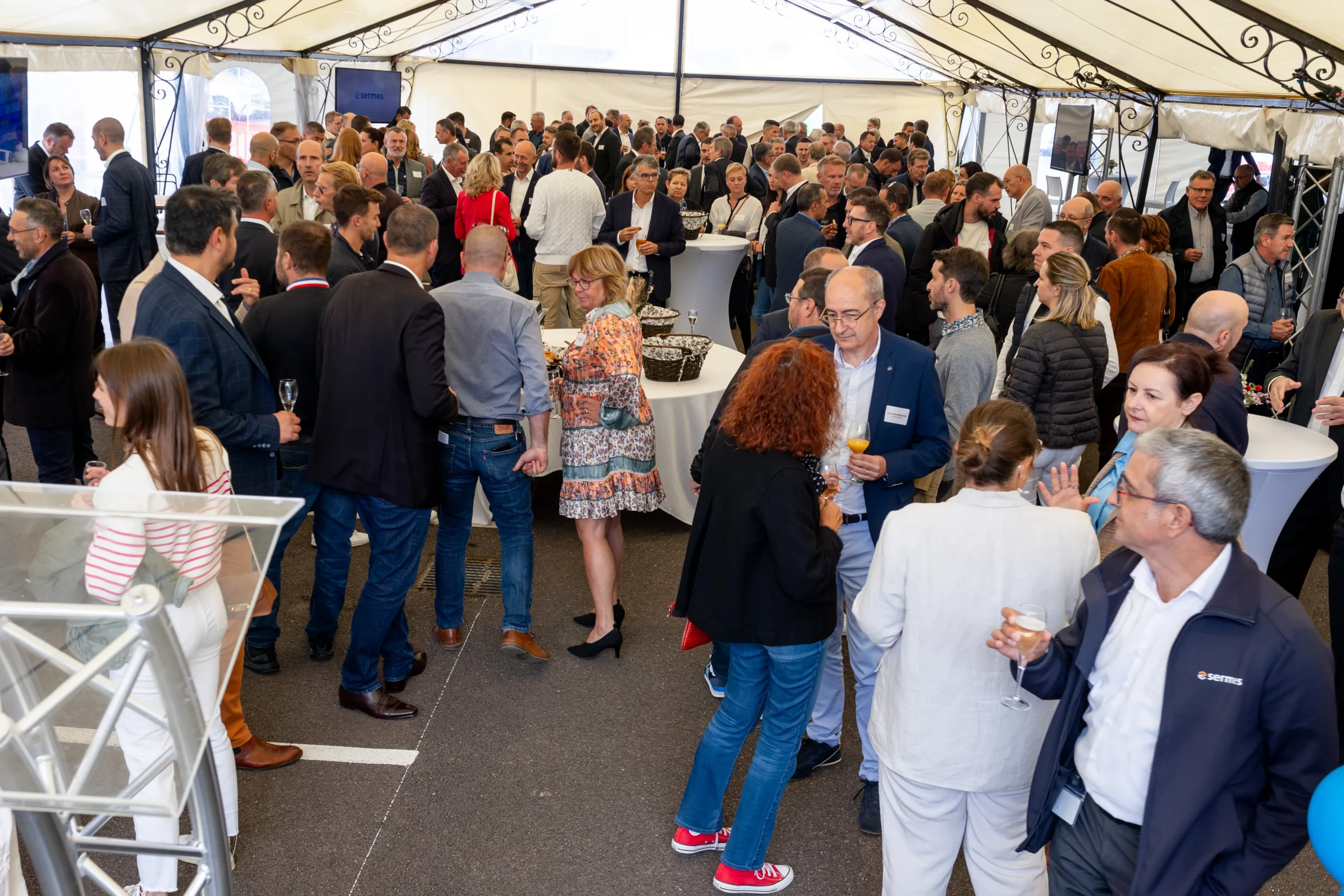
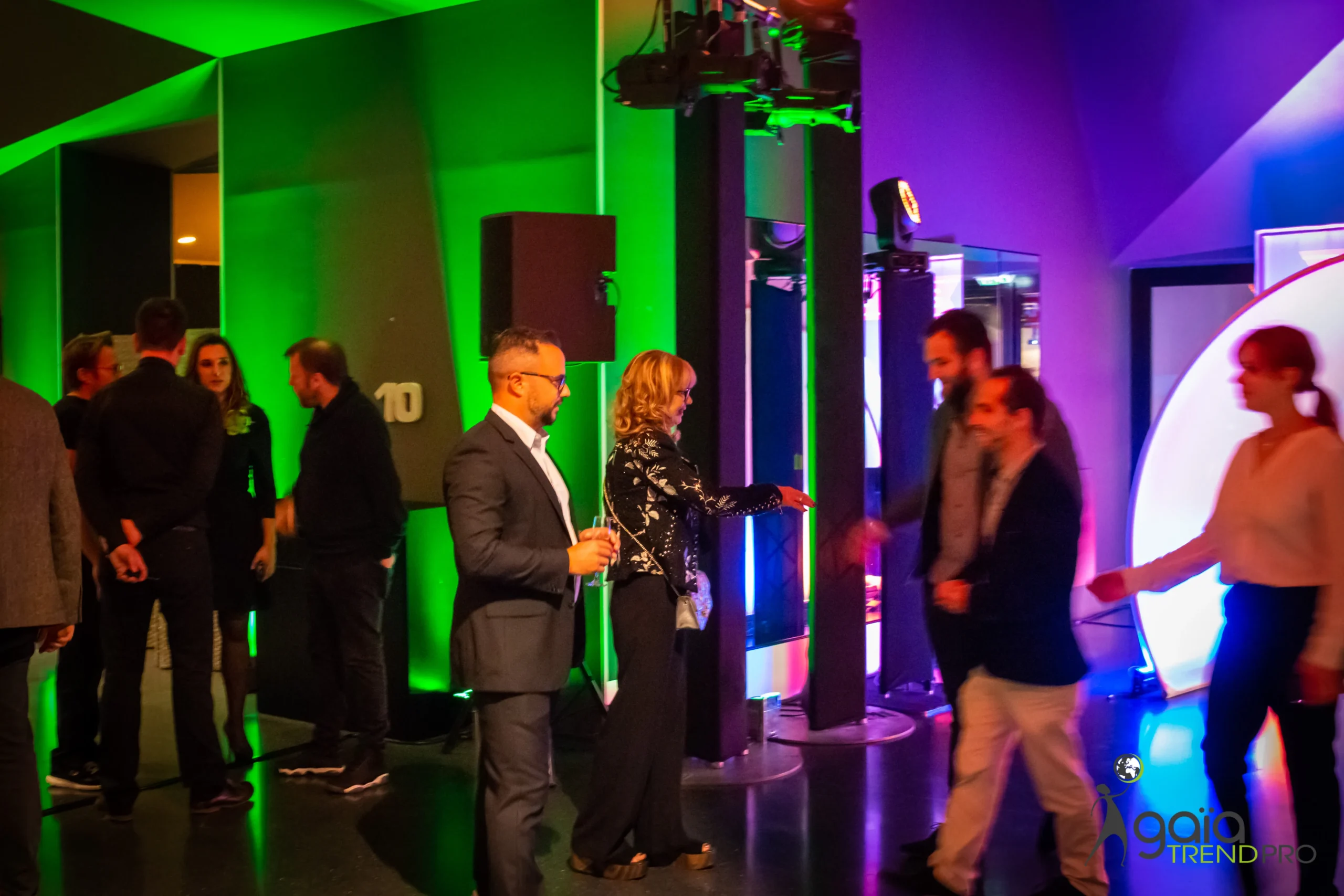
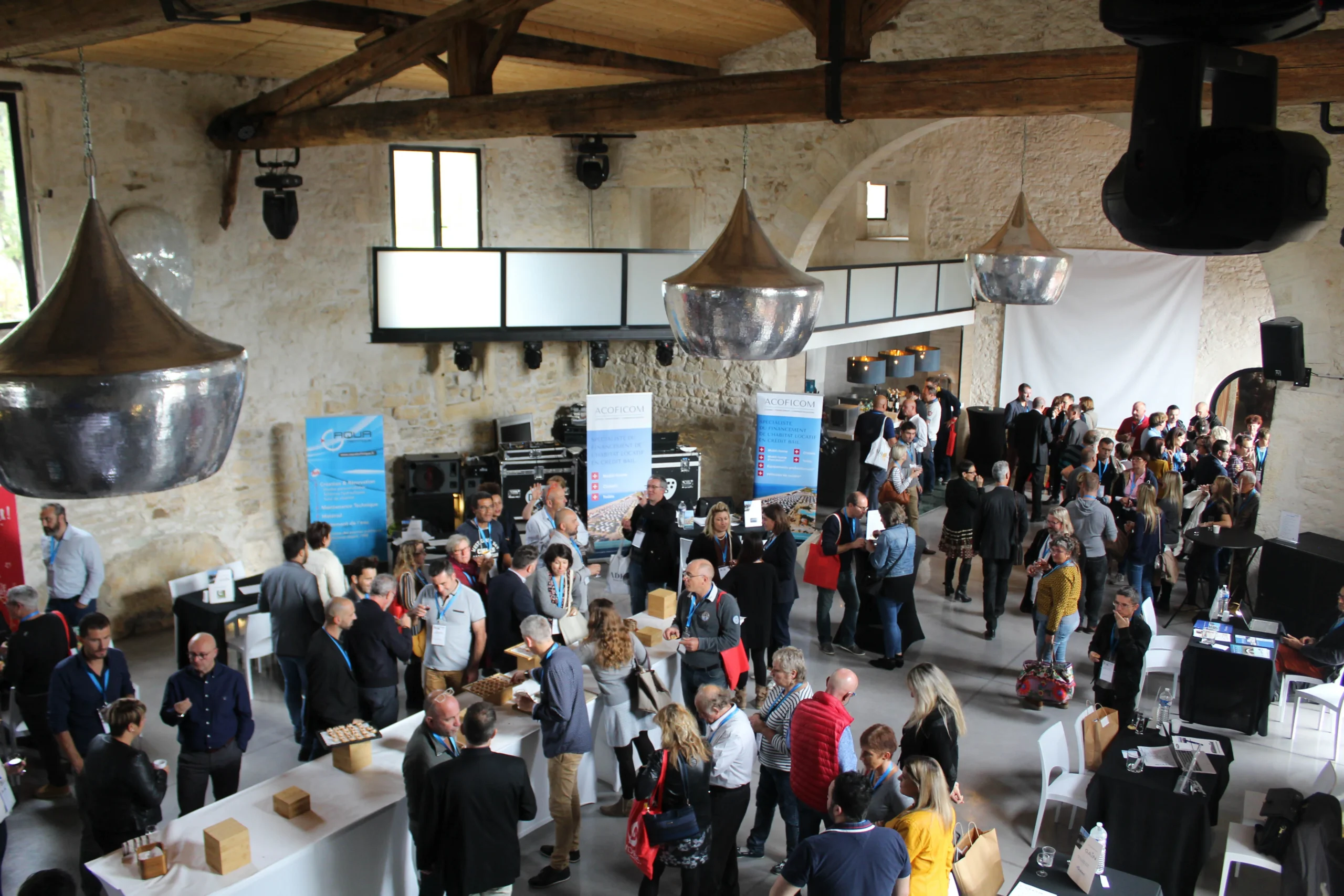
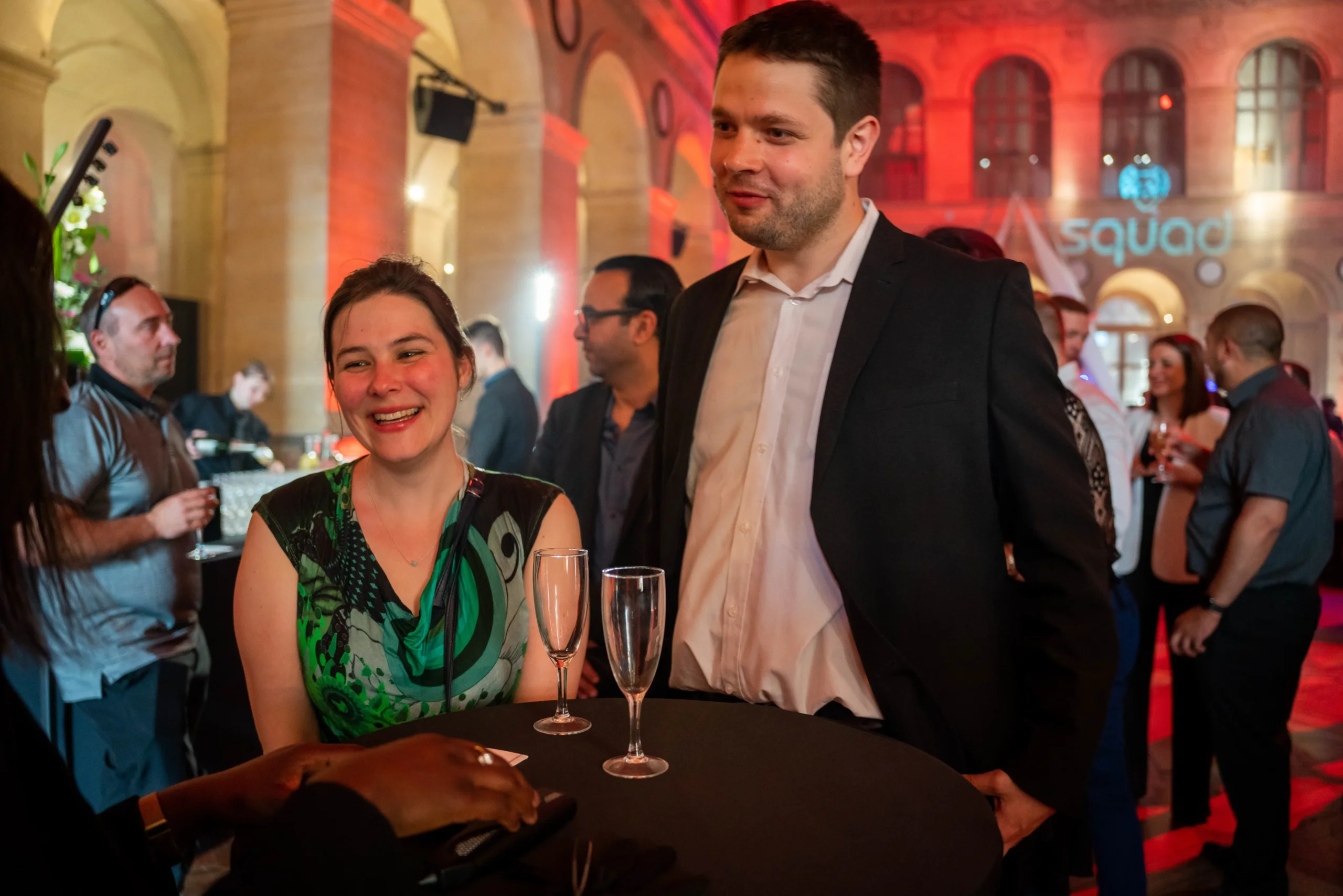
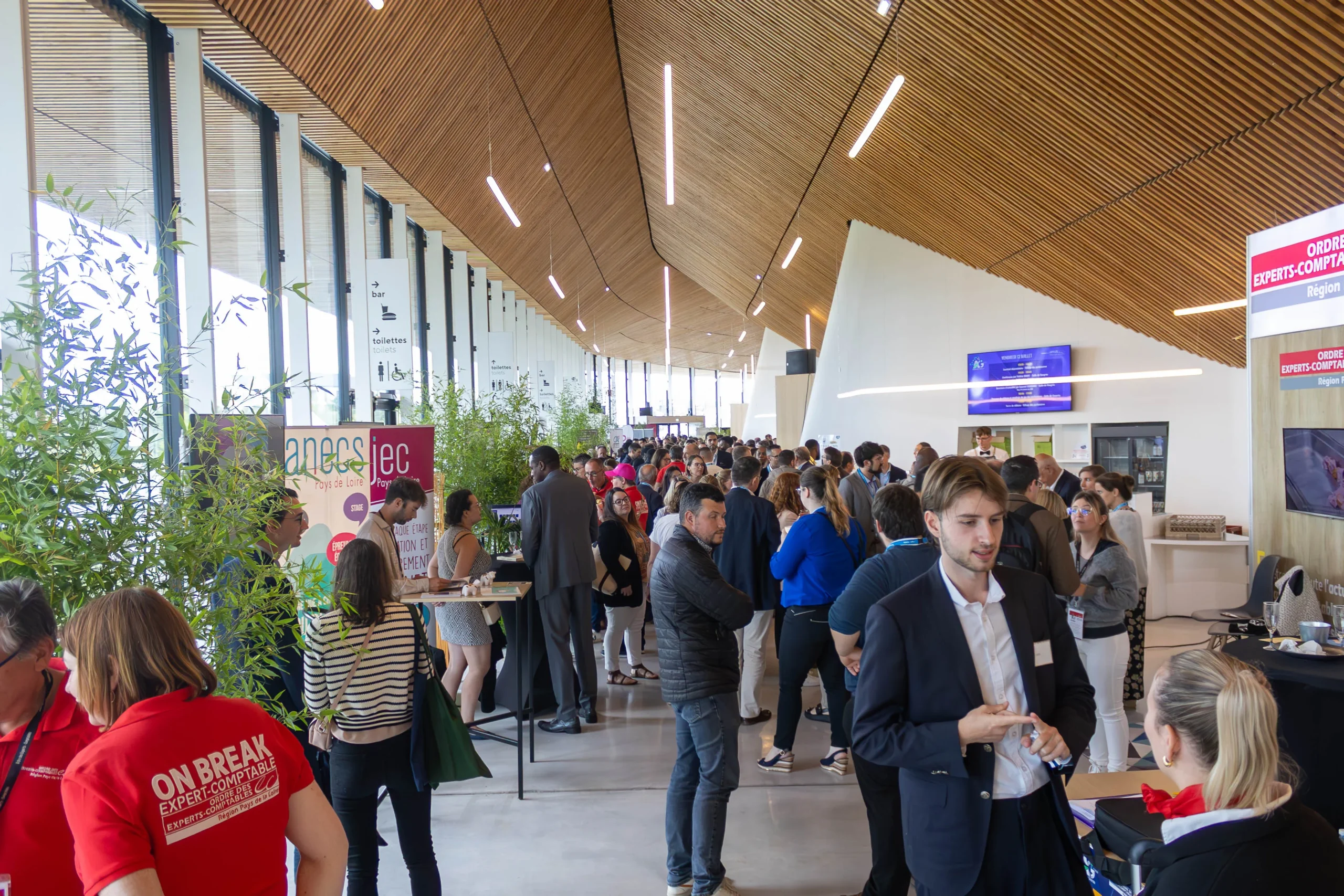
INNOV'events plans and produces Networking Cocktail Event formats across Montréal, typically from 40 to 400 guests. We manage the full chain—venue, permits and compliance, catering coordination, staffing, technical, and run-of-show—so your executives can focus on conversations, not logistics.
For HR and Communications teams, we design networking conditions that respect your brand, your time constraints, and your internal approval process. For leadership, we protect the experience on the night of the event with solid contingency planning and a clear decision path.
In a corporate cocktail, “entertainment” isn’t a nice-to-have; it’s a practical lever to create movement, reduce awkward starts, and help the right people meet in the first 15–20 minutes. When the room flows, your message lands and the event supports recruitment, partnerships, and client retention rather than becoming a passive reception.
In Montréal, organizations expect bilingual guest handling, strict respect of venue and building rules, and service standards that match the city’s hospitality culture. Decision-makers also expect a plan that works with union constraints, downtown access issues, and schedules built around board meetings, product launches, or conference programming.
We’re a Montréal-based team used to executive approvals, last‑minute VIP changes, and real-world constraints like freight elevator booking times and sound limitations. Our role is to translate your objectives into a controlled format: clear zones, timed cues, and staffing ratios that keep the room calm and productive.
10+ years producing corporate events and cocktail formats in Québec and across Canada, with repeat clients who require consistent delivery.
Operational capacity from 40 to 1,000+ attendees depending on venue, permitting, and service model (passed hors d’oeuvres vs stations vs hybrid).
Typical planning cycle: 4 to 10 weeks for a corporate networking cocktail; 10 to 16 weeks when the venue is high-demand or the program includes speakers and staging.
Standard on-site structure: 1 event lead + 1 producer per 100–150 guests, plus floor captains and vendor supervisors as required.
We support organizations that operate in and around Montréal: head offices, regional teams, and business units hosting client receptions, employer-brand evenings, and partner networking. Many of our mandates are recurring because internal teams want a reliable process—one that’s easy to re-approve year after year, even when leadership changes.
If you share the reference company names you want us to highlight, we can integrate them here in a compliant way (approved logos, correct legal names, and the right level of detail). In the meantime, our approach remains the same: we protect your brand image, ensure bilingual guest experience when needed, and run a tight on-site operation that feels effortless to your attendees.
We send you a first proposal within 24h.
A Networking Cocktail Event in Montréal works when it is designed like a business tool—not a reception. Executives don’t need “more social time”; they need a room that enables introductions, surfaces opportunities, and supports strategic narratives (growth, hiring, transformation, client confidence).
We start by clarifying what “success” means for your leadership team: number of meaningful conversations, targeted introductions, or a specific stakeholder mix (clients, prospects, alumni, institutional partners, suppliers, talent).
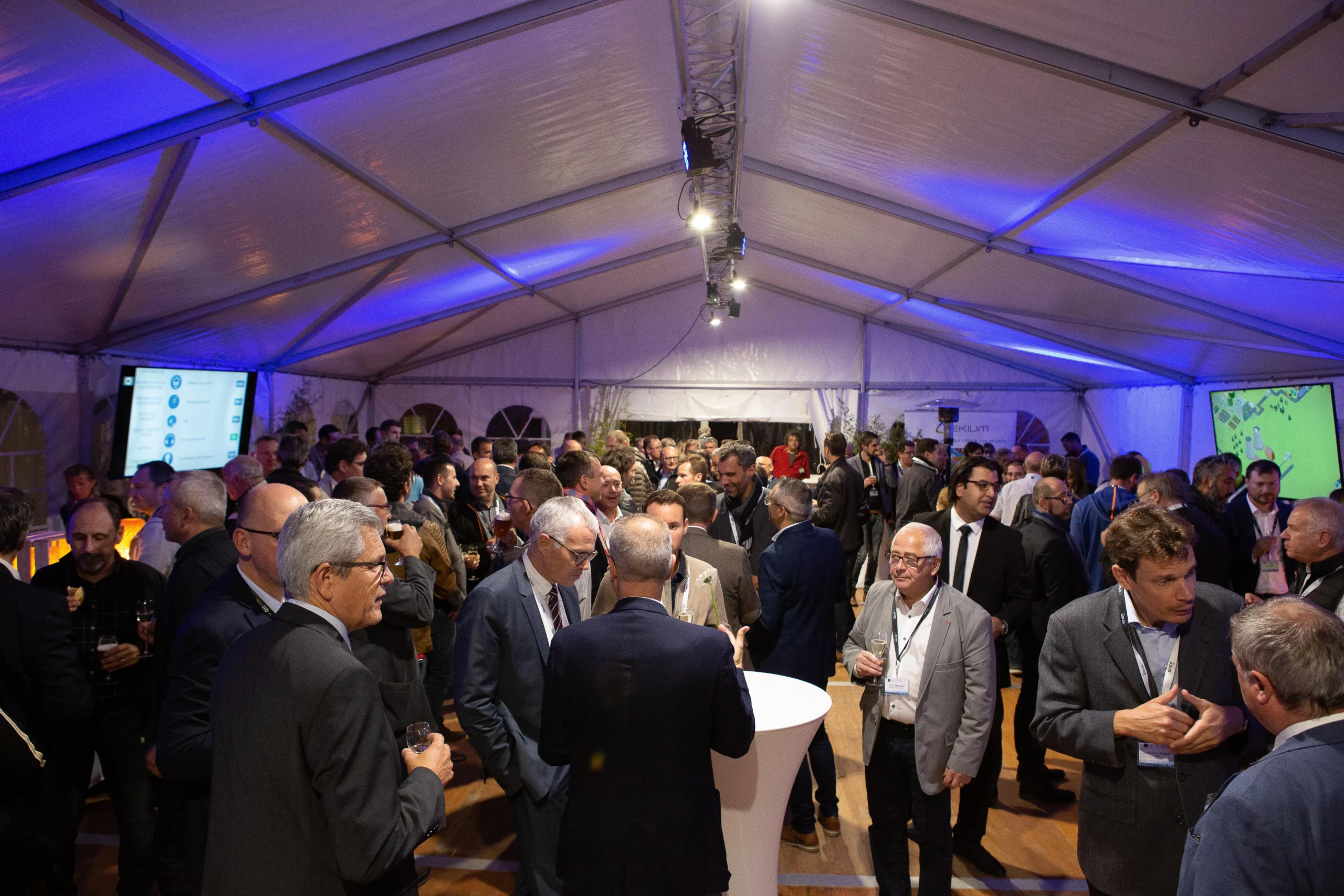
Accelerate relationship-building in a controlled window: with clear arrival choreography, hosts positioned at the right points, and a networking cue system, you can create high-value conversations within the first hour—useful for executives who can’t stay all evening.
Support recruitment and retention: HR teams often use cocktails to re-engage passive candidates or strengthen internal communities. We structure moments that help employees meet leaders without awkwardness (guided introductions, themed micro-zones, and light facilitation).
Protect brand perception with operational polish: in Montréal, attendees notice service cadence, coat check efficiency, signage quality, and sound levels. We plan these as brand touchpoints, not afterthoughts.
Create measurable follow-up: when appropriate, we implement a low-friction capture method (QR opt-in, badge scanning, or a concierge-style follow-up desk) that respects privacy and your internal compliance requirements.
De-risk sensitive messaging: for change management, M&A integration, or leadership transitions, a cocktail can create informal reassurance—if the tone, staffing, and sequencing are engineered. We help avoid mixed signals (too casual, too formal, wrong timing, poor acoustics).
Montréal is built on ecosystems—finance, life sciences, aerospace, creative industries, tech, and public institutions. A well-structured networking cocktail connects your organization to that ecosystem in a credible way, with the right level of formality and the right people in the room.
Montréal audiences are sophisticated: they’ve attended enough launches, fundraisers, and industry receptions to recognize when an event is improvised. That’s why our planning starts with practical constraints that many agencies overlook.
Access and arrival: downtown traffic, limited curbside drop-off, and the reality of winter coats mean arrival design matters. We map guest flow from street to registration to coat check to first drink—because the first five minutes set the tone. We also account for VIP arrival timing and discreet security needs when required.
Bilingual experience: if your guest list is mixed, we plan bilingual signage, scripts, and staff allocation rather than relying on “someone on the team speaks English.” This avoids awkward handoffs at registration and ensures your executives can host without language friction.
Building and venue rules: many Montréal venues have strict policies on rigging, candles, fog/haze, amplified sound, and delivery windows. We confirm these early, build the production schedule around them, and keep your internal teams out of last-minute negotiations with building management.
Food and beverage expectations: Montréal guests know service. If passed hors d’oeuvres are too sparse or bar lines are long, the networking quality drops immediately. We plan service ratios, station placement, and replenishment timing to keep the room moving and comfortable.
Image management: Communications teams often need a balance: visible branding for photos, but not a trade-show feel. We define where branding belongs (entrance, photo wall, small table markers, digital screens) and where it hurts (overcrowded step-and-repeat, cluttered sponsor signage).
The right activation is one that creates a reason to move, a reason to talk, and a reason to stay—without hijacking the business objective. For a Networking Cocktail Event, we choose formats that generate micro-interactions and make introductions easier for guests who don’t naturally network.
Guided introductions with light facilitation: a host or floor team prompts targeted introductions (e.g., “first-time attendees,” “industry clusters,” “partners vs clients”). It’s subtle, but it increases cross-pollination—especially when your audience includes technical leaders who prefer structure.
Conversation cue cards at tables: short prompts aligned with your theme (innovation, sustainability, leadership) to reduce small-talk fatigue. We keep it corporate-appropriate and bilingual when required.
Digital guest wall (opt-in): a screen where attendees can post a short “what I’m working on” line via QR. This gives people a reason to approach each other without forcing an app adoption.
Speed-networking micro-slots: two rounds of 6–8 minutes, optional participation, placed early to break the ice. Works well for employer-brand and community-building cocktails.
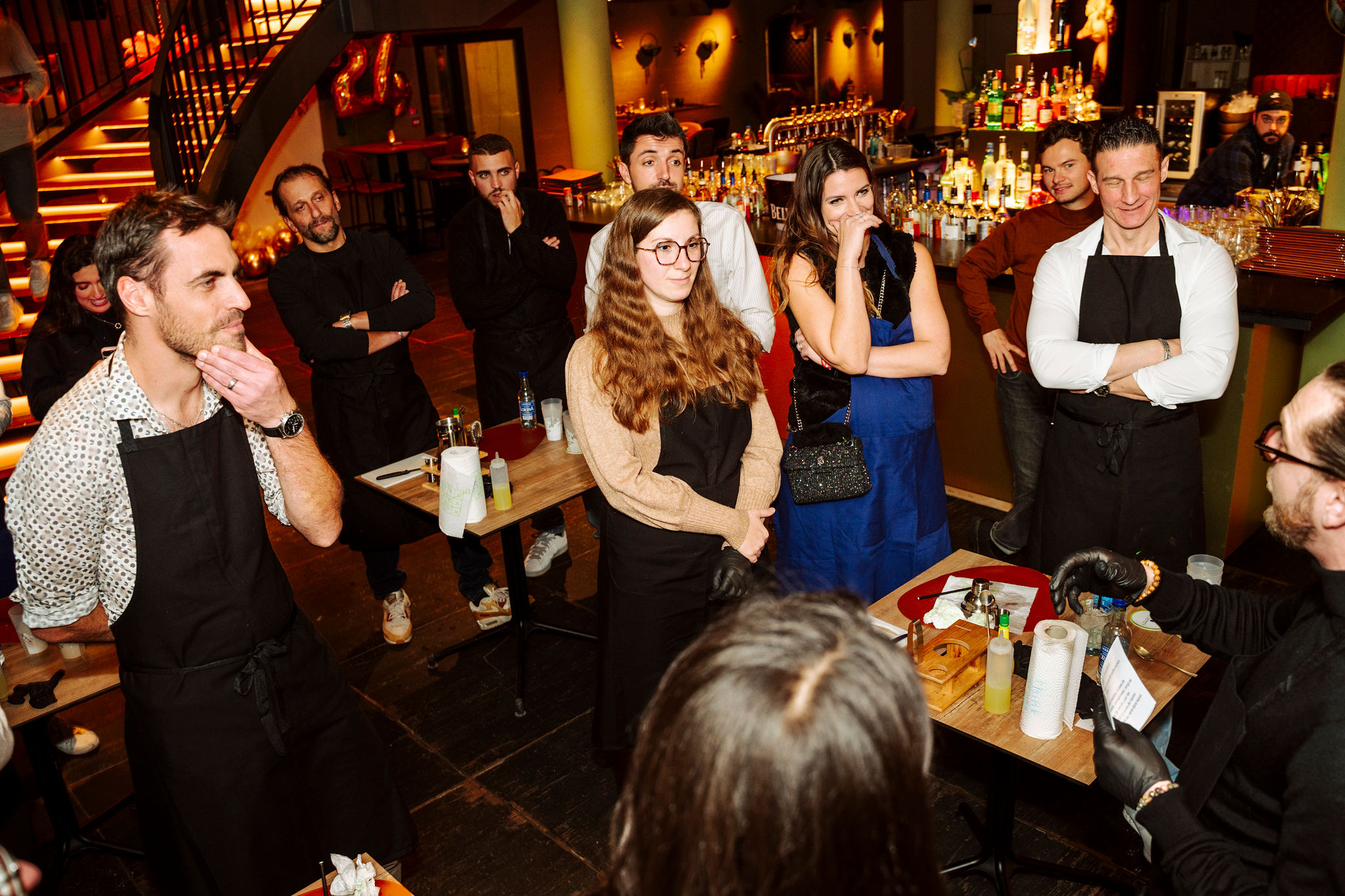
Ambient live music designed for conversation: jazz trio, acoustic duo, or instrumental sets with controlled decibels. We coordinate placement so performers don’t block circulation or create a sound wall.
Live illustration or graphic recording: an artist captures themes from the evening (leadership message, panel highlights) and becomes a visual anchor for discussion—useful when you need shareable content without staging a photo gimmick.
Short-format performance cues: 5–7 minute “punctuation moments” between networking peaks. This works when you want energy without turning the evening into a show.
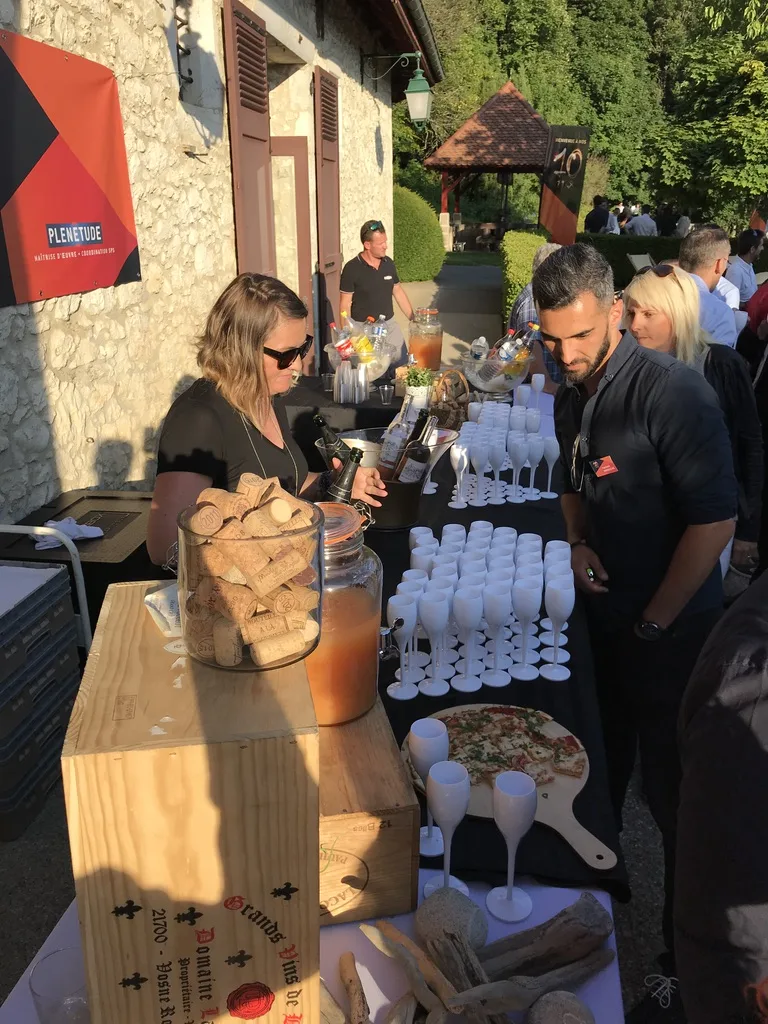
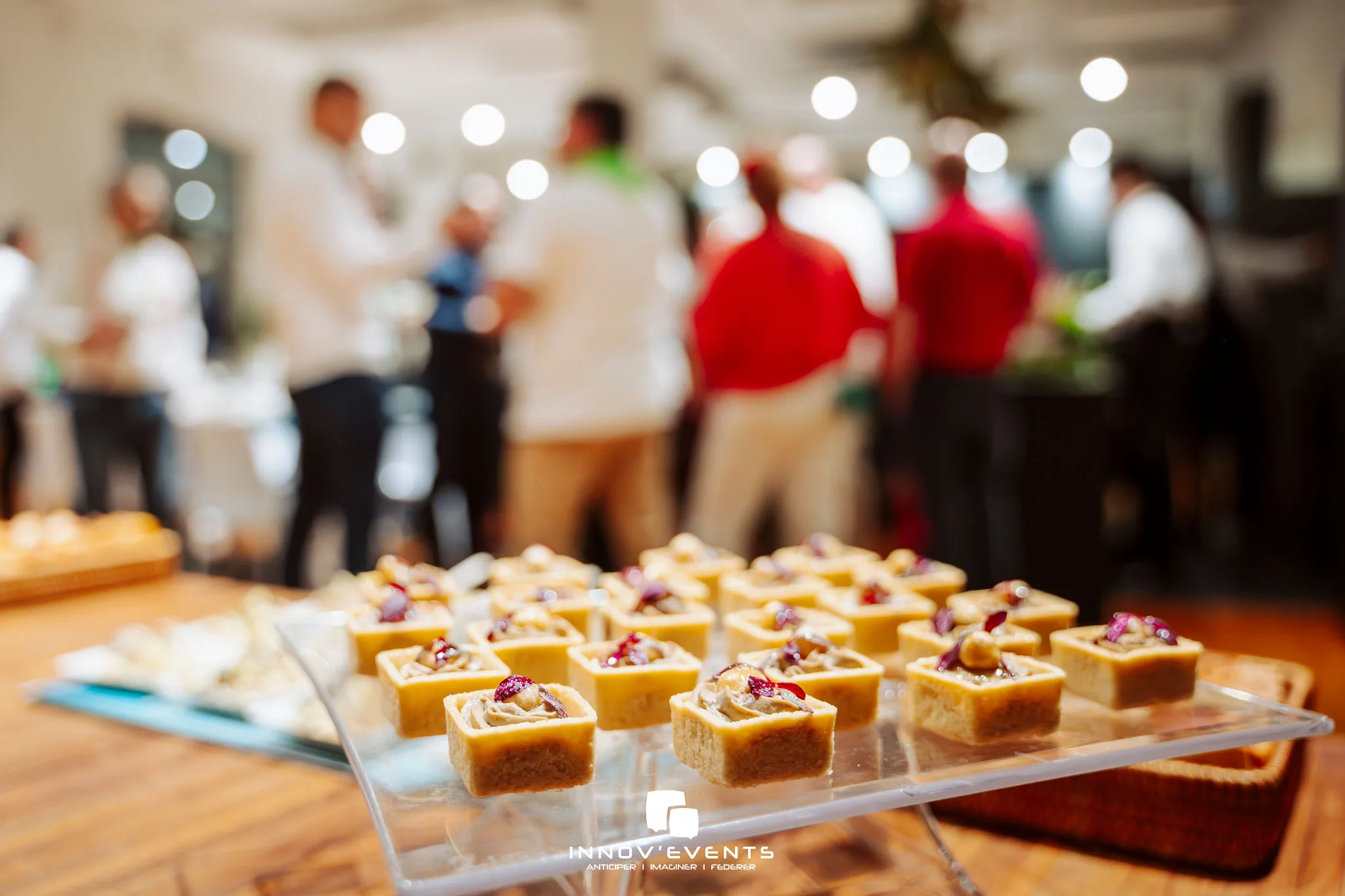
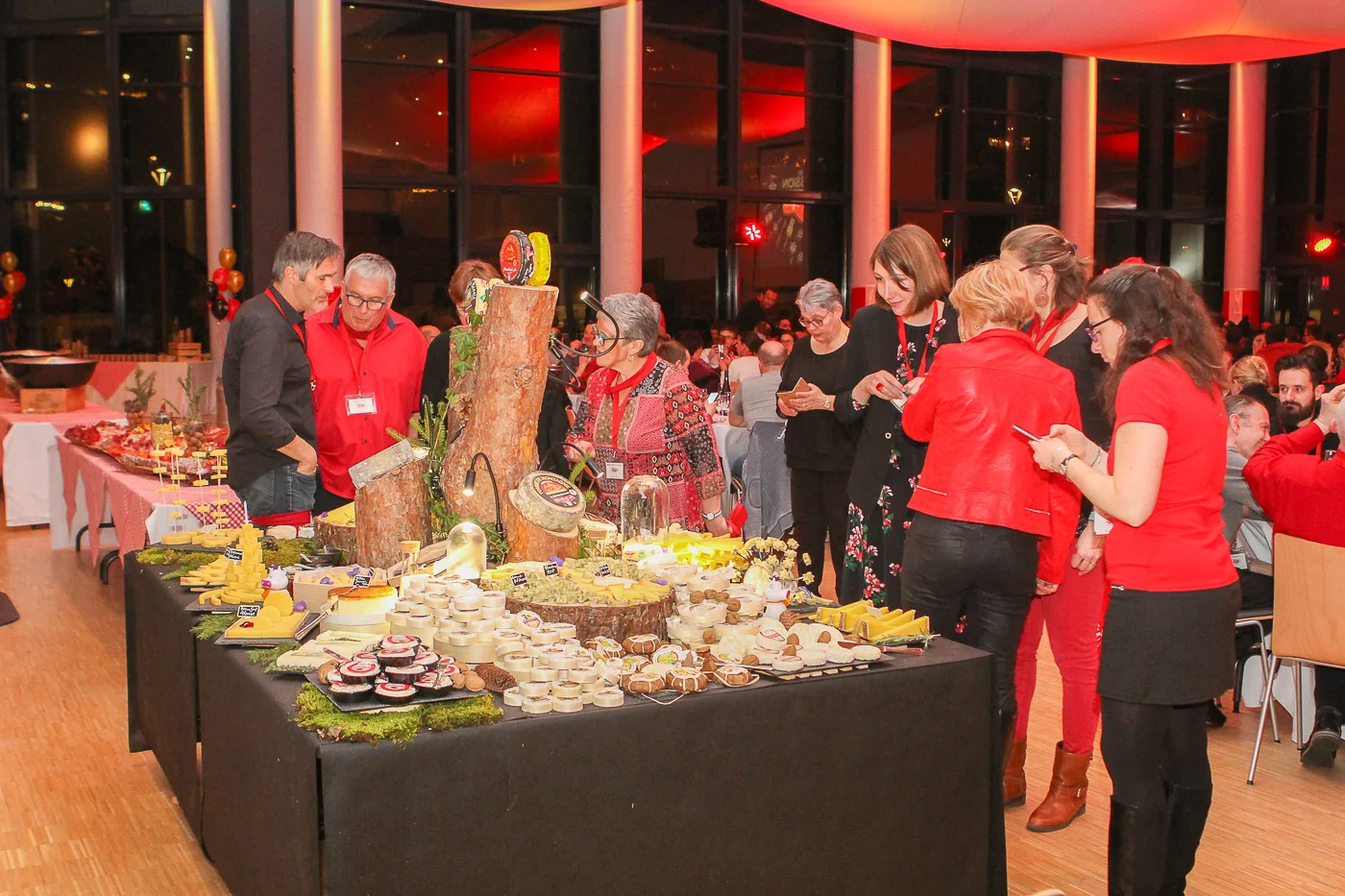
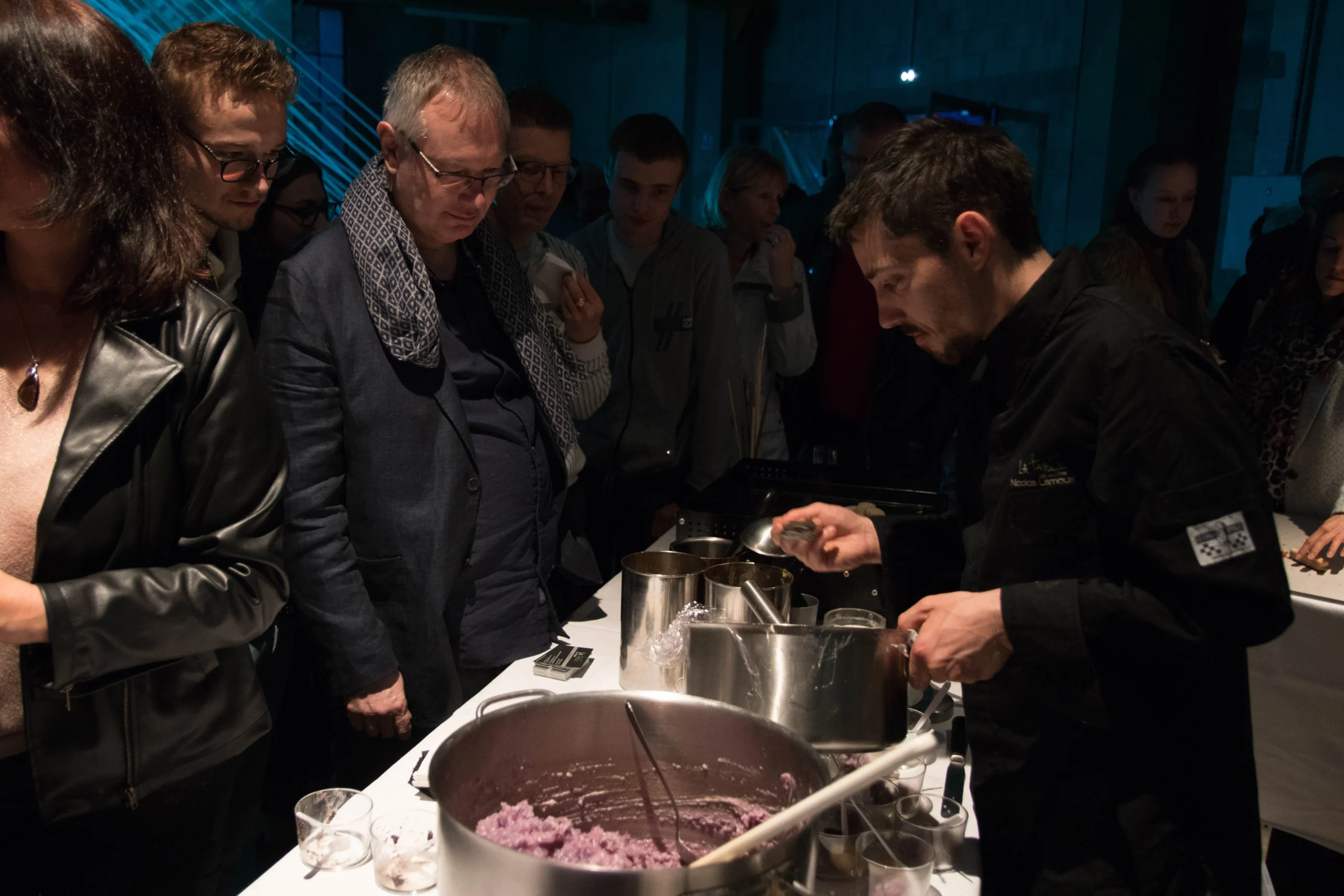
Chef stations built for throughput: oyster shucking, tartare bar, or Montréal-inspired stations (with careful allergy management and signage). We position stations to pull guests across the room and prevent one crowded corner.
Signature cocktail with a service plan: one pre-batched option to reduce bar line time, plus non-alcoholic equivalents that feel intentional (not an afterthought). This supports inclusion and keeps the pace steady.
Timed service waves: passed bites early, stations mid-event, and a late “comfort” option. This keeps guests from leaving early to find dinner elsewhere.
AI-assisted matchmaking (lightweight): for certain audiences, we can set up an opt-in form that suggests 3–5 people to meet based on role and interests, with introductions handled by the host team—avoiding the friction of a full event app.
Content capture corner for Communications: a small, well-lit interview nook for 2-minute testimonials or leadership soundbites, scheduled so it doesn’t pull executives away at peak networking.
Brand story micro-exhibit: a compact display that explains a product, initiative, or employer-brand message in under 90 seconds. Done correctly, it becomes a conversation starter rather than a sales booth.
Every activation must match your brand tone and stakeholder mix. A law firm cocktail and a scale-up investor evening don’t need the same energy curve, and in Montréal your guests will feel that mismatch immediately. We validate activation choices against your culture, your compliance constraints, and the profile of your invitees.
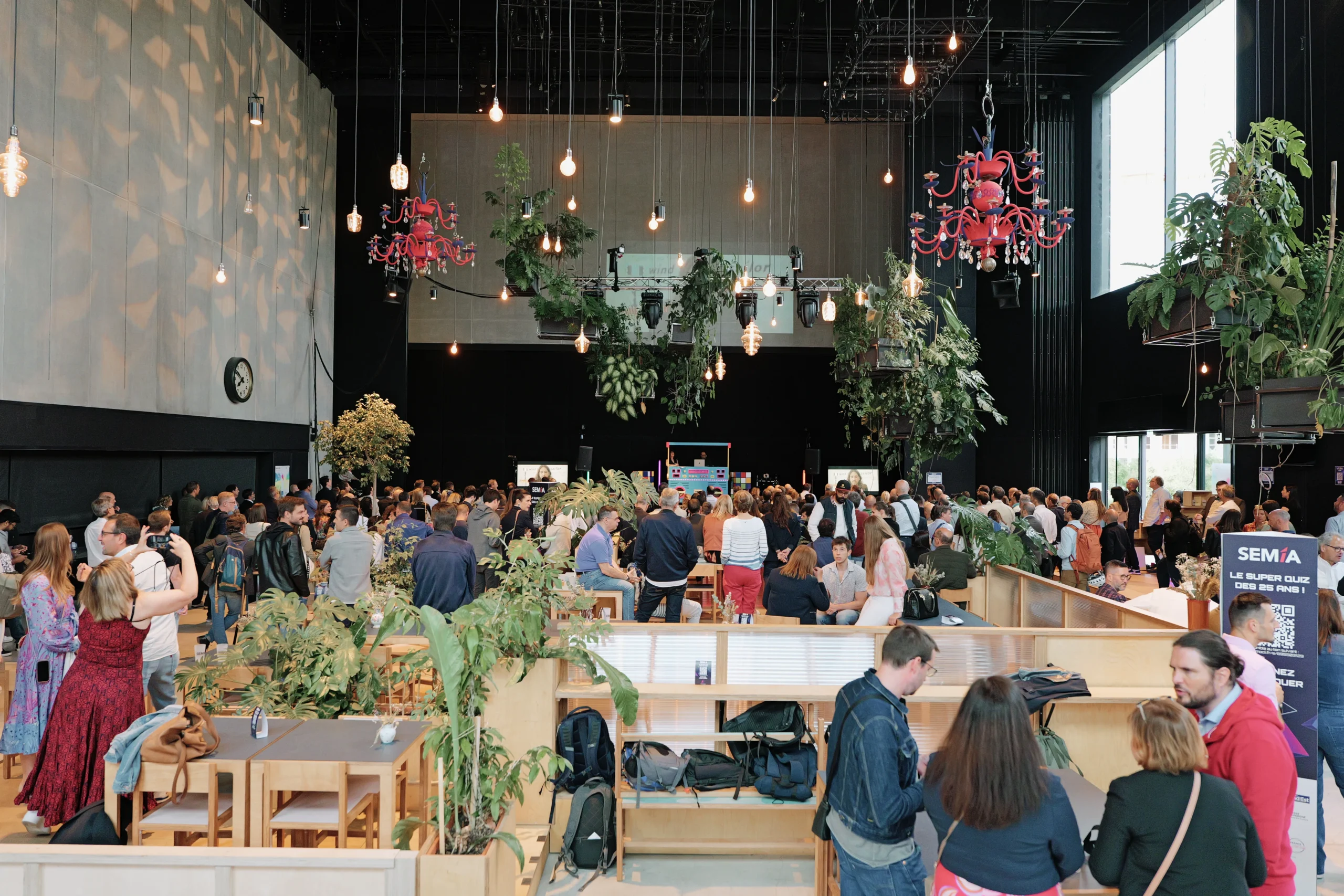
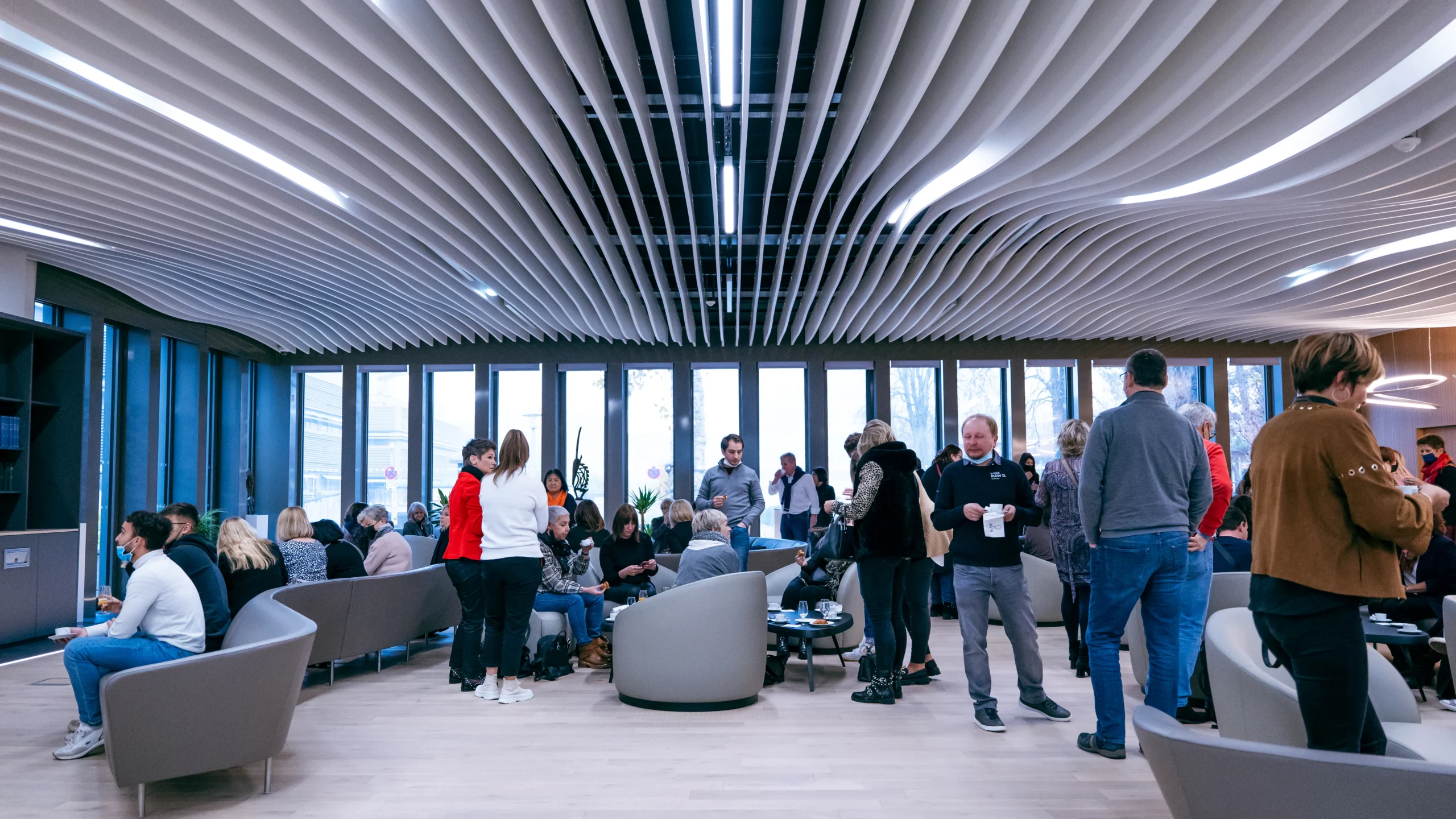
The venue is not just décor—it controls acoustics, guest flow, service speed, and your ability to host VIPs discreetly. For a Networking Cocktail Event in Montréal, we select venues based on circulation, bar and kitchen capacity, and the practicality of load-in/load-out, not just aesthetics.
| Venue type | For which objective? | Main strengths | Possible constraints |
|---|---|---|---|
Downtown hotel ballroom / terrace | Client reception, multi-stakeholder networking, predictable logistics | Built-in service infrastructure, coat check capacity, accessibility, staff availability | Branding restrictions, higher minimum spends, less “local” personality if not staged well |
Old Montréal heritage venues | Executive-level hosting, high image expectations, partner evenings | Strong architectural character, photo-friendly spaces, central location | Acoustics can be challenging, stricter production rules, limited loading access |
Modern event lofts and galleries | Employer brand, innovation themes, lighter program with curated stations | Flexible layouts, strong design, easy to create zones | May require bringing in more equipment (bars, furniture), elevator and delivery constraints |
Restaurant buyout in Montréal | High-touch client hosting, smaller leadership gatherings | Food quality and service standards, warm atmosphere, simpler production | Less control on branding, sound limitations, fixed circulation patterns |
We recommend a site visit (or a technical walkthrough) before confirming, especially in Montréal where building rules and access logistics can change the entire plan. A 30-minute walkthrough often prevents expensive day-of surprises such as blocked load-in routes, insufficient coat check space, or a bar positioned in the worst possible bottleneck.
Budget for a corporate cocktail depends on guest count, venue model, service format, and the level of production and staffing required. We avoid “per person” shortcuts when they hide the real drivers (labour, equipment, and access constraints).
As a reference, many Montréal corporate networking cocktails land between $120 and $275 per guest all-in for mid-range expectations, and can go above $350 per guest when the venue is premium, the food program is elevated, or production requirements are significant. The right number depends on what you need to protect: image, speed, privacy, or scale.
Guest count and profile: 60 executives with premium service is not the same as 300 mixed stakeholders. VIP handling increases staffing and space needs.
Venue fees and minimum spends: some Montréal venues bundle furniture and staffing; others require full rentals (bars, glassware, lounge sets), which changes your cost structure.
Food and beverage model: passed bites vs stations vs hybrid; open bar vs consumption; specialty cocktails; non-alcoholic program. Service ratios and replenishment plans drive labour.
Staffing and supervision: number of bartenders, servers, coat check attendants, floor captains, and security. Understaffing is the fastest way to damage the guest experience.
AV and environment: sound reinforcement for remarks, microphones, lighting to make faces visible (crucial for networking), and power distribution. Heritage spaces often require extra planning.
Branding and communications needs: photo wall, step-and-repeat (if appropriate), content capture corner, signage, and printing. We align this with your internal brand standards.
Risk and contingency: weather backup, additional coat check capacity, and timing buffers for downtown delivery windows. These aren’t “extras”—they’re stability.
ROI comes from outcomes: fewer no-shows due to better invitations, more qualified conversations because the room is designed to circulate, and better follow-up because data capture and hosting roles are defined. We’ll help you budget in a way your finance team can approve—and your leadership team won’t regret on event night.
When your reputation is on the line, local execution matters. A Montréal-based team knows which venues enforce strict sound caps, which loading docks create timing issues, and how to staff bilingual guest handling without improvising.
As an event agency in Montréal, we also maintain relationships with local suppliers who can respond quickly—useful when you face last-minute attendee increases, sudden program changes, or weather disruptions. On the day of the event, speed and familiarity with local realities are what keep the evening calm for your executives.
ROI comes from outcomes: fewer no-shows due to better invitations, more qualified conversations because the room is designed to circulate, and better follow-up because data capture and hosting roles are defined. We’ll help you budget in a way your finance team can approve—and your leadership team won’t regret on event night.
Our cocktail mandates vary because corporate needs vary. We support leadership teams who need a clean, controlled environment for client hosting, and HR teams who need energy and inclusion without losing professionalism.
Examples of common Montréal scenarios we plan for:
Post-conference cocktail: a tight 90–120 minute window where guests arrive in waves. We build fast registration, immediate first drink access, and a short remark moment that doesn’t compete with networking.
Employer brand evening: mixed guests (leaders, managers, candidates, alumni). We create zones for different conversation types and train hosts to make introductions without feeling scripted.
Partner and stakeholder reception: higher protocol requirements, clear speaking order, and discreet VIP flow. We align staging, sound, and security so leadership can host with confidence.
Celebration after a milestone: acquisitions, anniversaries, project delivery. We balance recognition moments with networking, ensuring speeches don’t become the whole event.
What stays constant: structured flow, service levels that match Montréal expectations, and an on-site team that can make decisions quickly without escalating everything to your internal staff.
Bar and coat check bottlenecks: the room feels “cheap” when guests wait. We calculate staffing and placement early—especially in winter.
Sound that kills conversation: too loud, or a microphone that feeds back. We plan sound checks and speaker placement to keep networking comfortable.
Food that arrives too late (or too light): guests leave to eat elsewhere, and your networking objective collapses. We schedule service waves and ensure quantity matches the timeline.
No hosting structure: executives end up speaking to the same people all night, while new guests drift. We create hosting roles and an introduction plan.
Over-branding: the event feels like a sales booth. We place branding where it supports photos and message clarity without overwhelming the space.
Ignoring Montréal access constraints: delivery windows, parking, and elevator bookings can break your run-of-show if not confirmed in writing.
Last-minute program additions: adding a speech or award without reworking timing often creates a dead zone. We adjust the flow so the moment lands.
Our job is to prevent these risks before they appear—and to have the authority and preparation to correct them on-site without pulling your HR or Communications lead away from hosting.
Recurring corporate events are the real test: when the novelty is gone, performance is what remains. Clients come back when planning becomes easier internally, approvals are smoother, and the event day runs without escalation.
Most repeat clients request a standardized run-of-show and vendor framework after the first successful event—so their internal teams can approve faster the following year.
Typical improvement after the first edition: shorter bar lines through better placement and batching, faster arrivals with refined guest flow, and clearer hosting roles that reduce executive fatigue.
For multi-year partners, we maintain a working file: brand guidelines, bilingual scripts, preferred caterers, venue constraints, and post-event learnings to avoid re-learning the same lessons.
Loyalty is earned through operational consistency. In Montréal, where your stakeholders attend many events, that consistency is the difference between “nice evening” and “this organization is well run.”
We start with a short working session to clarify audience, success metrics, brand tone, and constraints (bilingual requirements, VIP presence, compliance, budget range, timing). We also identify operational non-negotiables: building access, security, photography approvals, and internal sign-off flow.
We propose a shortlist based on guest flow, acoustics, service capacity, and logistics—then build a preliminary zoning plan (arrival, bars, food, quiet zones, photo/content corner). This prevents choosing a beautiful space that can’t perform as a networking room.
We lock the catering format, staffing ratios, bar strategy (including non-alcoholic program), and rentals. We confirm production needs (sound, lighting, power) and draft a run-of-show that protects networking time while accommodating any remarks.
We align invitations and on-site messaging with your Communications team: signage plan, brand placement, photo moments, and bilingual scripts. If lead capture is required, we implement an opt-in method that fits your privacy and CRM realities.
On event day, we manage load-in, vendor coordination, sound checks, and staff briefings. We run the room actively—monitoring lines, sound level, replenishment, and VIP flow—so your internal team can host. We also keep a contingency plan ready for weather, timing shifts, and last-minute guest changes.
After the event, we debrief with clear operational notes: what worked, what slowed down, and what to standardize for next time (supplier choices, floor plan adjustments, staffing tweaks). This is how the second edition becomes easier and more efficient.
For 80–200 guests, plan 6–10 weeks minimum. For high-demand downtown venues or peak seasons (late spring and fall), 10–16 weeks is safer—especially if you need a terrace, specific dates, or higher production.
Most spaces perform well when you plan for 12–18 sq. ft. per guest for a standing cocktail with stations. Below that, circulation collapses; above that, the room can feel empty unless you design zones and anchors (bars, stations, content corners).
Commonly 2 to 3 hours. If you need speeches, keep remarks to 5–10 minutes and place them around 35–55 minutes after doors open, when most guests have arrived and have a drink.
Many corporate cocktails land between $120 and $275 per guest all-in. Premium venues, higher-end F&B, and added production can push it to $350+ per guest. The fastest cost drivers are venue model, labour, and rentals/AV.
If your audience is mixed, yes—plan bilingual staff at registration, coat check, and as roaming hosts. Practically, we aim for at least 2–4 bilingual front-line staff for mid-size events, then scale based on guest count and VIP needs.
If you’re comparing agencies, we can work from your realities: attendance targets, leadership availability, brand constraints, and a budget range that will pass internal approval. Share your preferred date window, guest count estimate, and the type of audience (clients, partners, talent, internal), and we’ll come back with a practical proposal: venue directions, service model, staffing plan, and a clear run-of-show.
In Montréal, the best venues and the best teams book quickly. The earlier we lock the fundamentals (space, catering model, and flow), the more predictable your event day becomes—and the more your executives can focus on what matters: the right conversations.
Thierry GRAMMER is the manager of the INNOV'events Montréal office. Reach out directly by email at canada@innov-events.ca or via the contact form.
Contact the Montréal agency