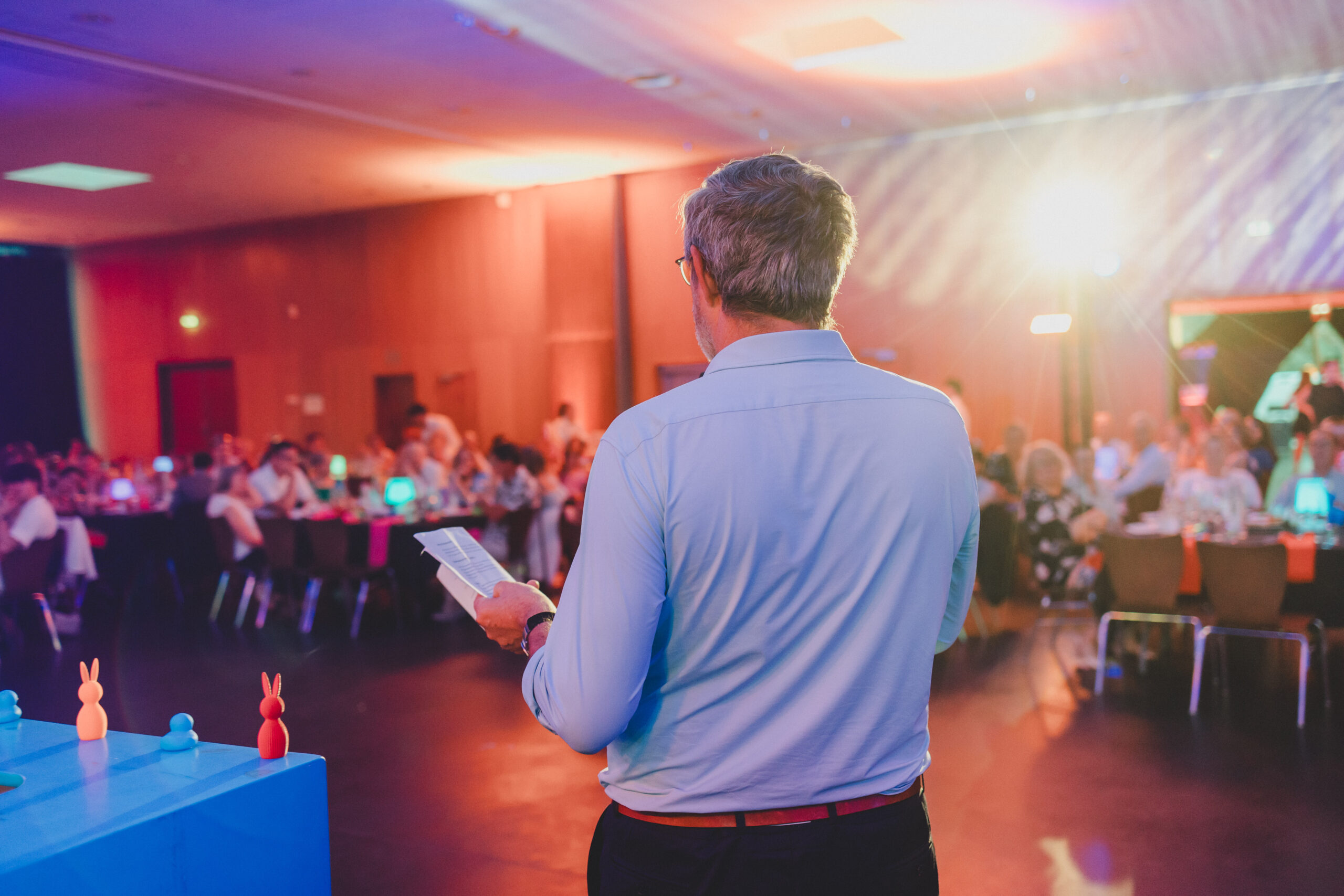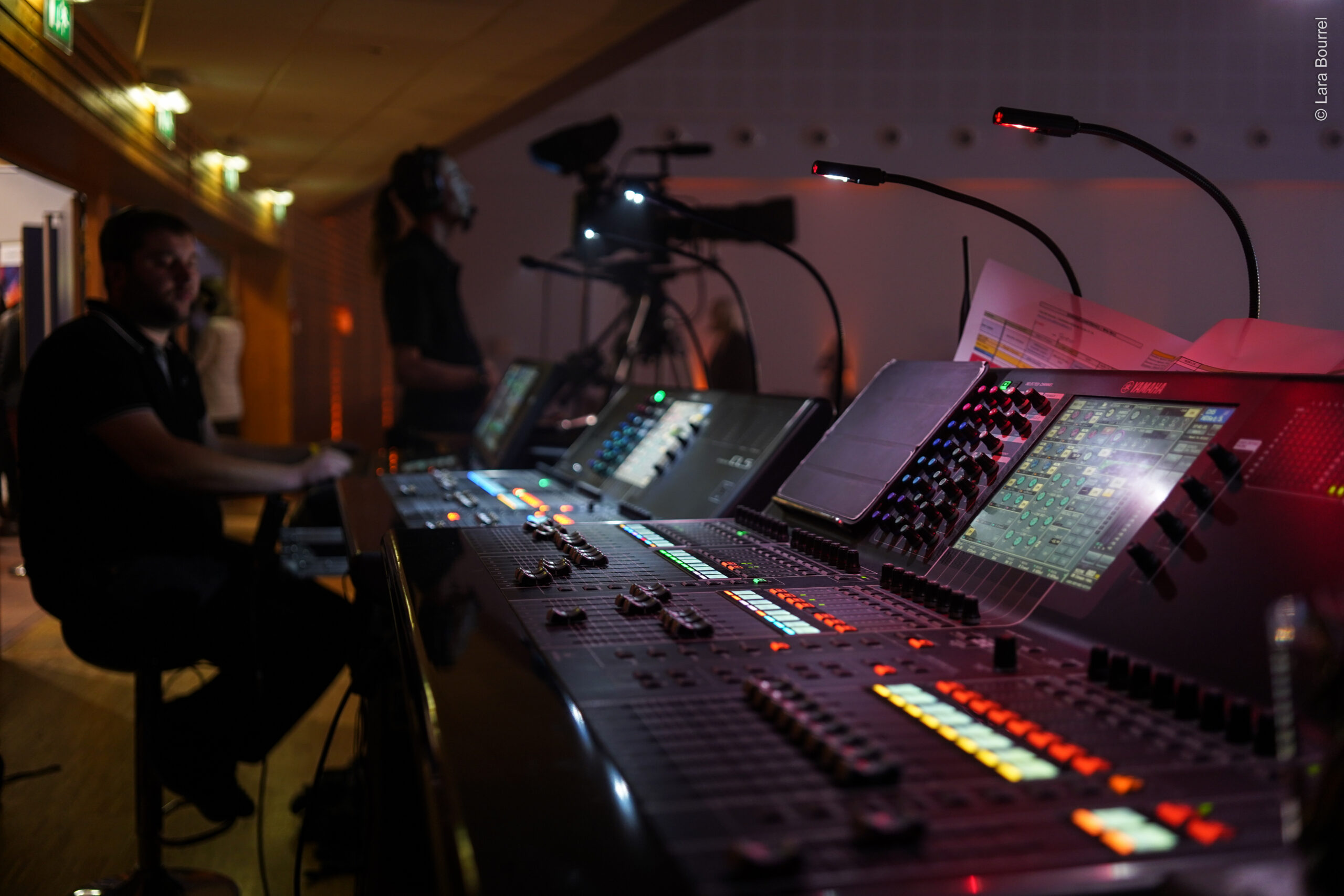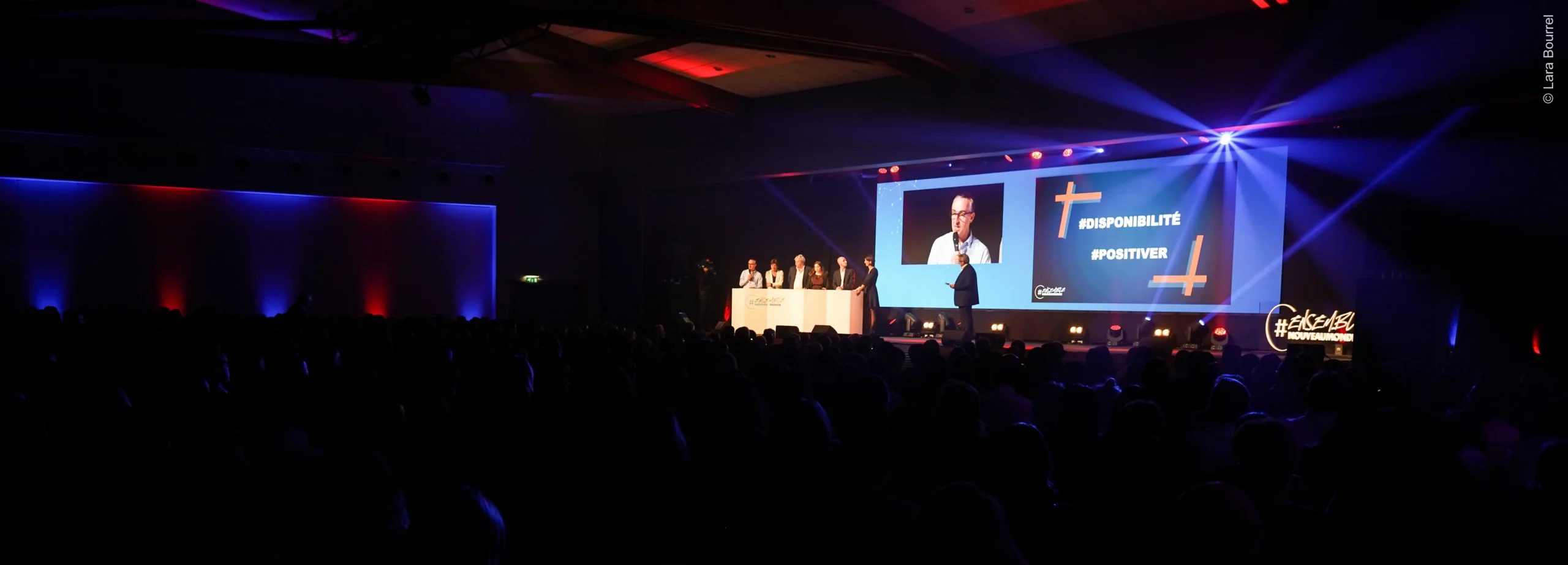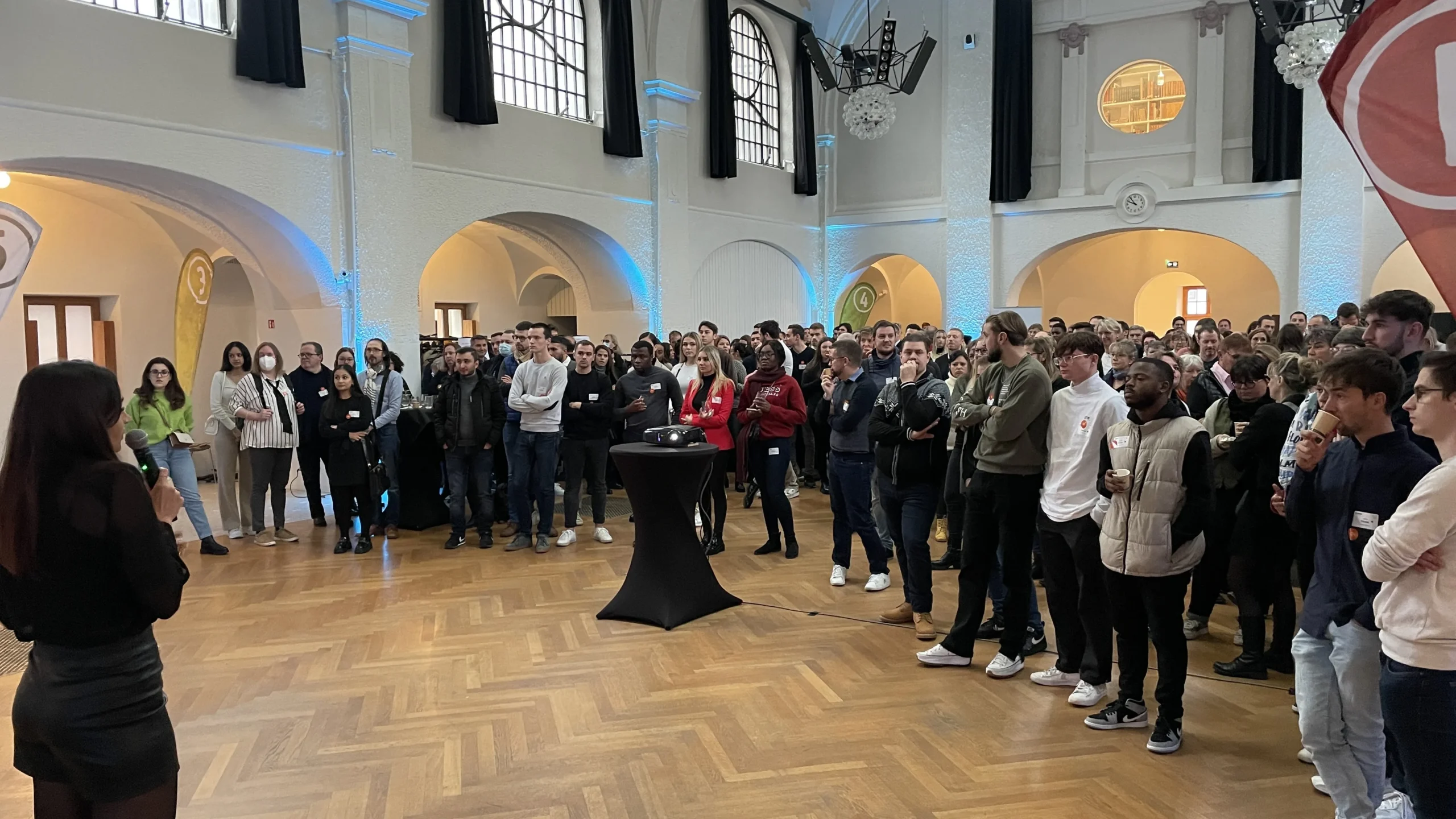
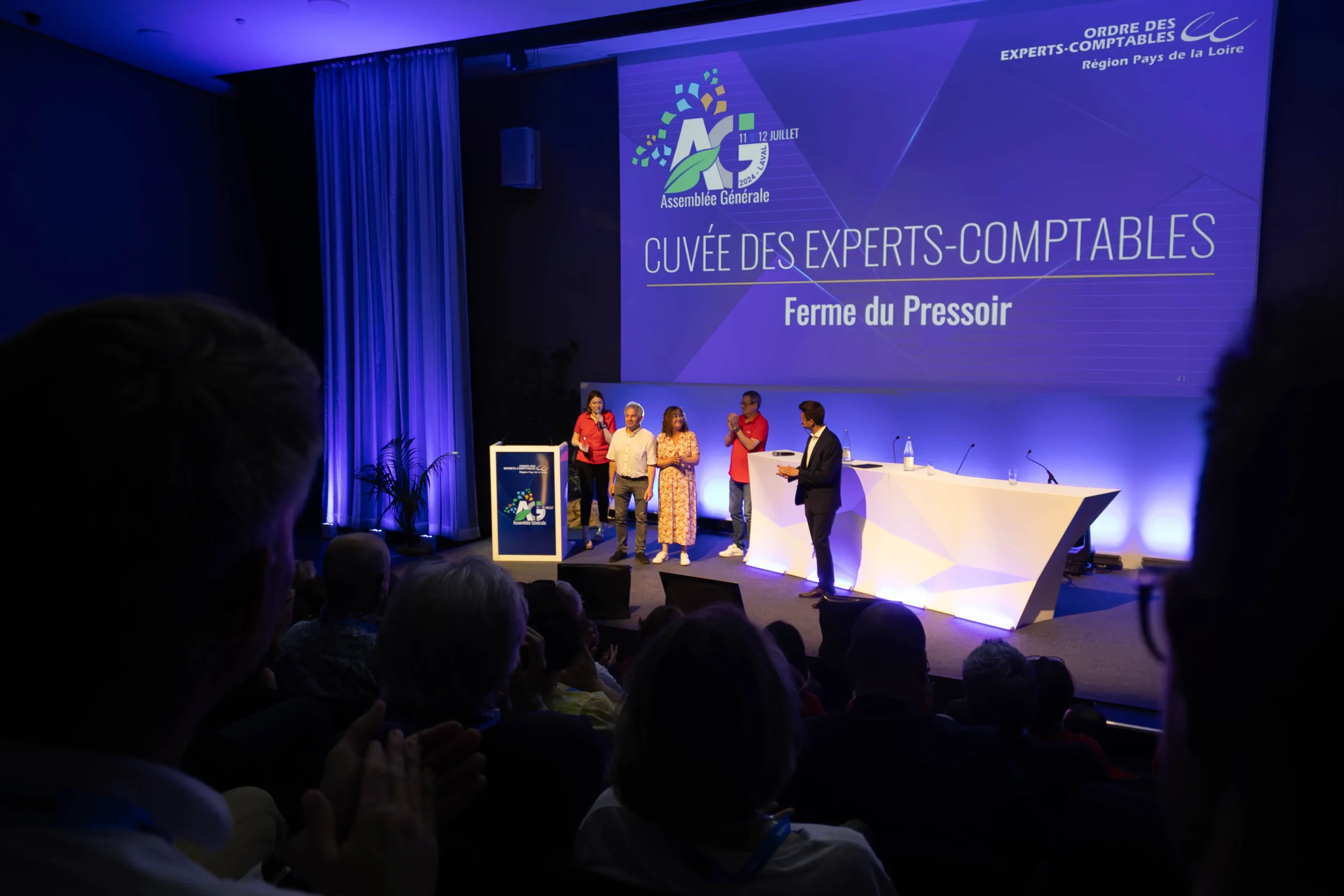
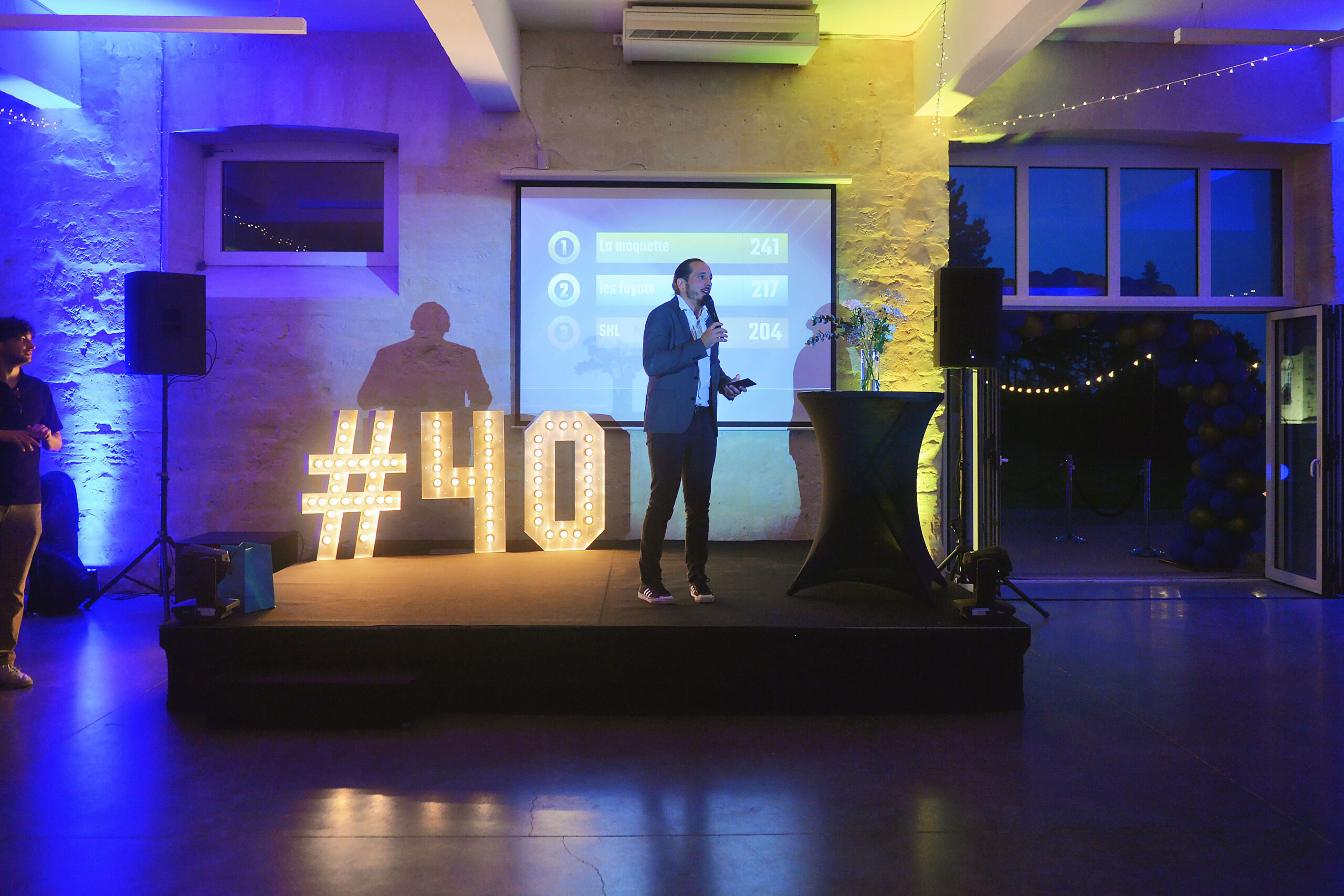
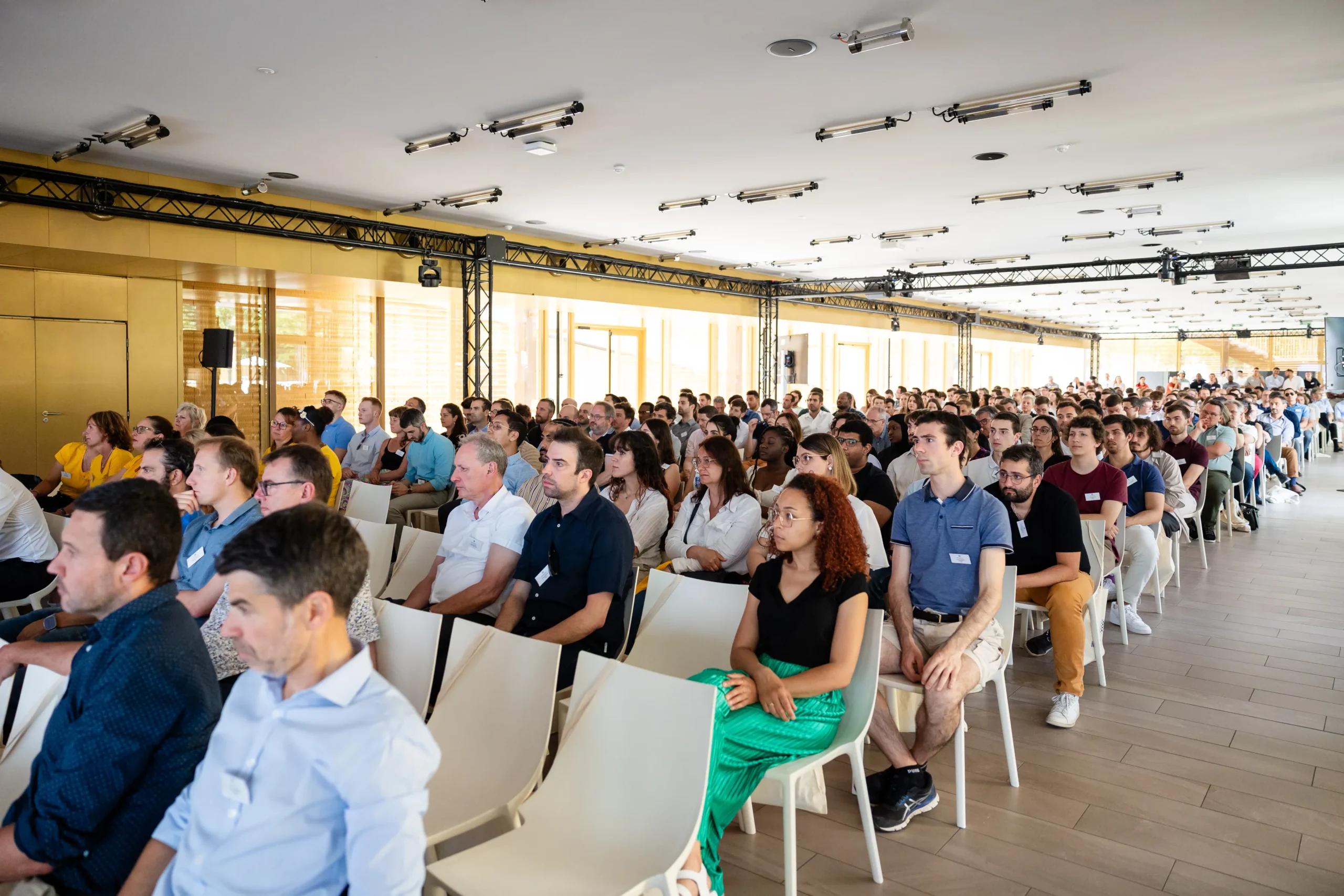
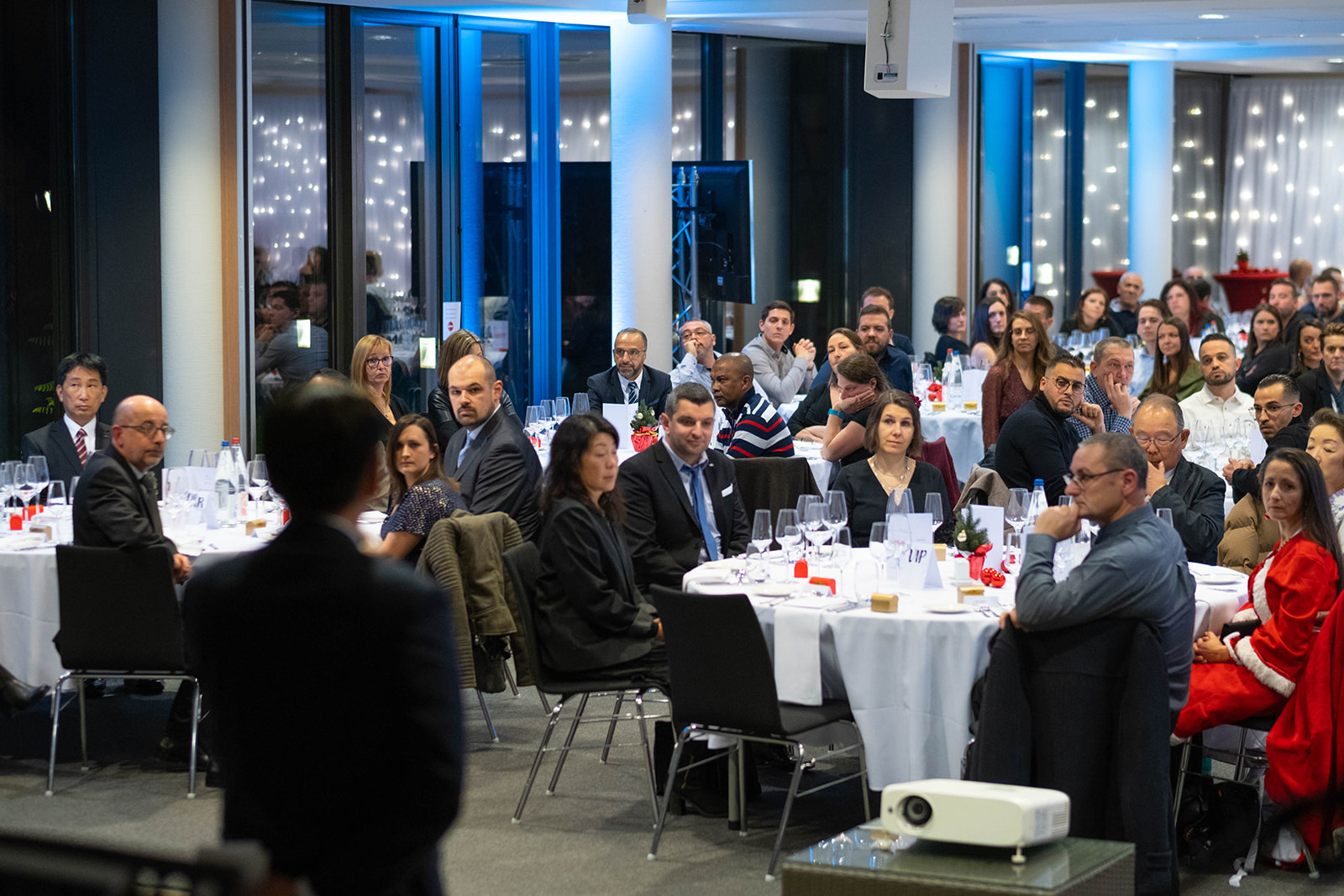
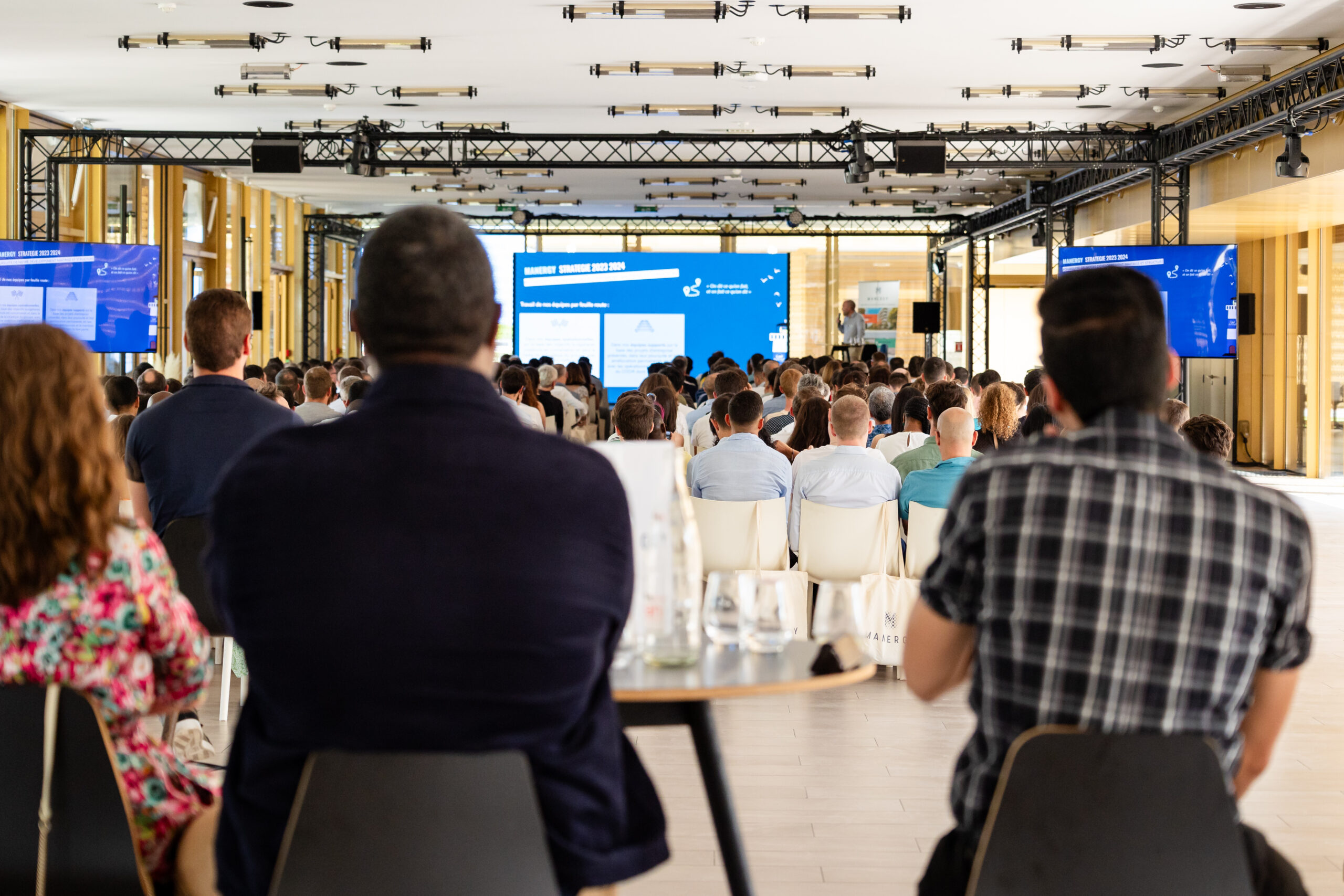
INNOV'events is a Montréal-based team that plans and produces Annual General Meeting in Montréal formats for 80 to 1,500+ attendees, from confidential shareholder sessions to hybrid assemblies.
We manage the full chain: venue and access, A/V and streaming, stage management, speaker coaching, registration, and on-site guest flow—so your executives can focus on decisions and messaging.
In a corporate Annual General Meeting, “entertainment” is not a show for its own sake—it’s a lever to control attention, pace, and comprehension. Well-placed transitions, a disciplined stage plan, and light but relevant moments (music sting, presenter segments, structured Q&A) reduce fatigue and keep the room aligned with the agenda.
Montréal audiences expect operational rigour: on-time start, bilingual cues when needed, clear sound for every seat, and a Q&A that feels fair and controlled. Boards and Communications teams also want content that is easy to repurpose (clips, quotes, visuals) without compromising governance.
As a local agency, we plan with real constraints in mind—downtown loading docks, union calls, winter access, hybrid bandwidth realities, and the cadence of Montréal business calendars. Our job is to make the day predictable for you, even when the room isn’t.
10+ years supporting corporate events and governance meetings across Québec and Canada, with repeat clients in regulated industries.
200+ corporate events produced (in-person, hybrid, and fully virtual), including AGM-style formats with formal voting, proxy flows, and controlled Q&A.
Operational coverage for 80 to 1,500+ attendees, with scalable crew models (stage manager, show caller, A/V lead, registration lead, floor captains).
48-hour contingency readiness for speaker changes, travel disruptions, weather, or venue constraints—backed by local supplier relationships.
We support Montréal organizations that run high-stakes meetings where governance, reputation, and clarity matter. Many of our clients return year after year because they want a partner who remembers their board dynamics, their brand standards, and their internal approval paths.
To include specific client names as public references, we follow your approval rules and any confidentiality constraints. If you share the list of companies you’d like us to cite, we can integrate them here in a compliant way (or keep them anonymized and provide references during procurement).
What we can confirm up front: we’re used to working with executive offices, HR, Legal, Investor Relations, and Communications in the same project. The AGM is often the only moment where all those stakeholders must align on a single run of show—and that’s exactly where our structure helps.
We send you a first proposal within 24h.
A Annual General Meeting is a governance obligation, but it’s also your highest-visibility leadership moment of the year. It’s where shareholders, employees, and sometimes community partners measure the organisation’s discipline: are results explained clearly, is leadership credible, and is the process fair?
When it’s produced properly, the AGM becomes a controlled communications asset: a clear narrative, a confident CEO presence, and a Q&A that is transparent without becoming chaotic.
Message discipline under pressure: We build a timed show flow that protects the CEO/CFO narrative, prevents “slide drift,” and keeps the room aligned to the same key numbers.
Risk containment for live Q&A: A structured moderation plan, mic runners, question capture (cards or digital), and escalation rules reduce reputational risk while maintaining fairness.
Better stakeholder experience: Clear signage, registration that doesn’t bottleneck, and a sound plan that avoids dead zones reduce friction—especially for older shareholders or large employee groups.
Governance integrity: We help ensure the formalities aren’t improvised: quorum tracking, voting windows, scrutineer workflow, motion sequencing, and documented timings.
Content reuse: Proper camera positions, clean audio feeds, and slide capture allow Communications teams to repurpose highlights without re-editing around technical issues.
Montréal’s business culture is fast, bilingual in many sectors, and reputation-sensitive. Executives here don’t get credit for “trying”—they get credit for a process that runs on time, looks credible, and leaves no room for procedural doubt.
In Montréal, your AGM is judged on operational maturity as much as on the content. We regularly see three expectations show up in post-event feedback—especially when employees and investors are in the same room.
First: punctuality with a visible plan. Doors open on time, registration moves fast, and the stage is “ready” before the first executive arrives. This is where backstage discipline matters: a true show call sheet, rehearsed walk-ons, and a speaker holding area that prevents last-minute distractions.
Second: bilingual realities handled professionally. Even when the meeting is primarily in one language, Montréal audiences expect signage, wayfinding, and key cues to be intelligible. We plan bilingual stage cues, slide language rules, and moderation scripts so you don’t end up with awkward ad-lib translations.
Third: hybrid credibility. Many Montréal organisations now keep a virtual access option for governance or inclusion reasons. “Hybrid” fails when it’s treated as a webcam add-on. We plan it as a second audience: dedicated audio mix, a clear voting/Q&A method, redundancy for internet, and a tech rehearsal that includes remote speakers.
Finally, Montréal venues often come with real constraints: loading docks with limited hours, downtown traffic windows, union crew requirements, and sound restrictions. We build production plans that respect those constraints instead of fighting them on event day.
For a Annual General Meeting, engagement must serve comprehension and confidence. The goal is to keep attention high without making the meeting feel like a marketing event. In Montréal, we often balance formality with subtle production elements that improve rhythm and reduce friction for the audience.
Structured live Q&A management: moderated mic runners + on-screen queue (without showing sensitive questions publicly). This improves transparency and prevents the “who gets the mic” tension.
Audience pulse checks: short, non-binding polls (in-room or mobile) to measure understanding of strategic themes. We position these between heavy segments to reset attention.
Hybrid-friendly participation: a single channel for remote questions, filtered by an agreed rule set, with a clear promise: what will be answered live vs. after the meeting.
Minimalist musical cues: 10–15 second stings for walk-ons or segment breaks. This keeps energy stable and avoids dead air while maintaining an appropriate tone.
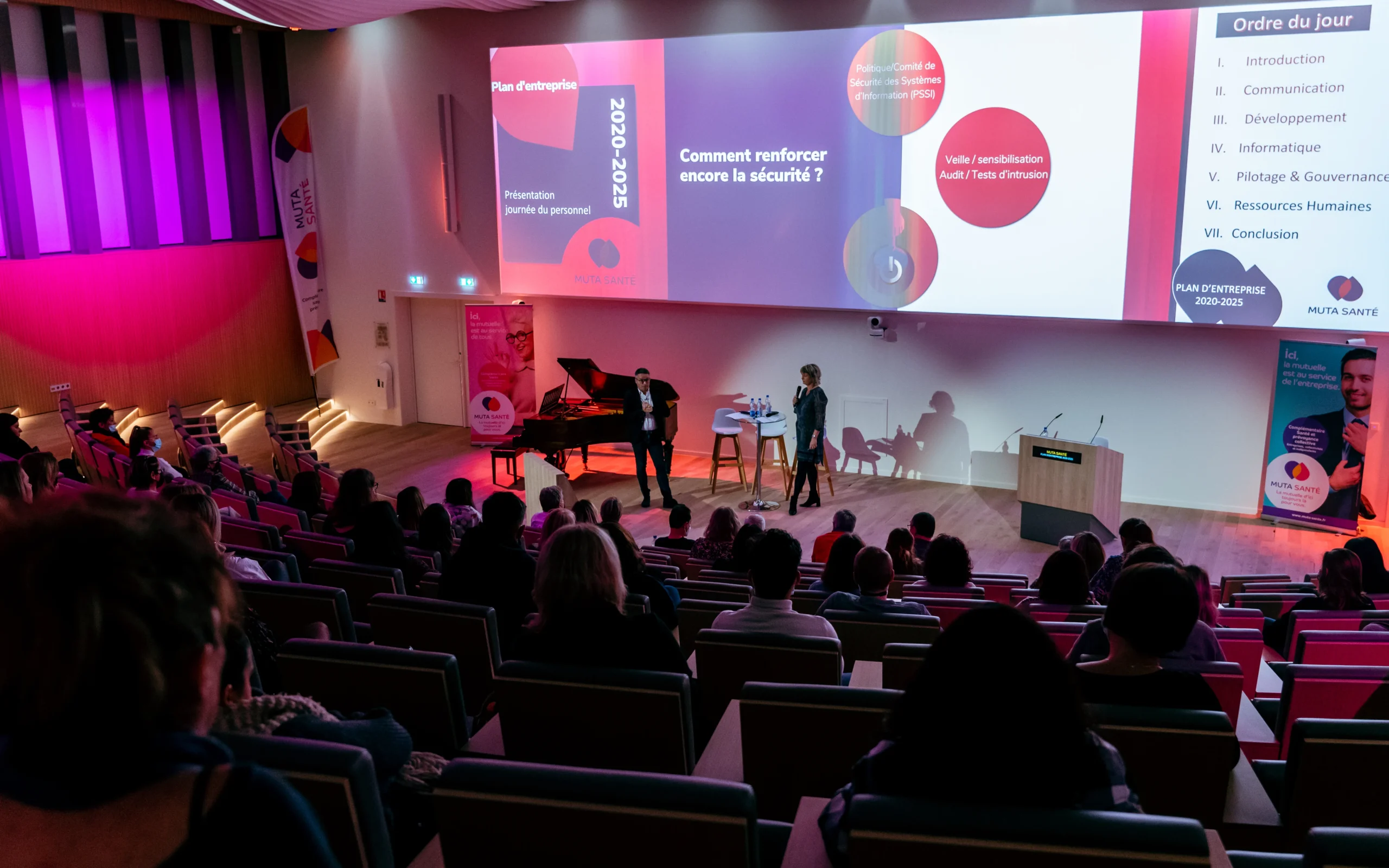
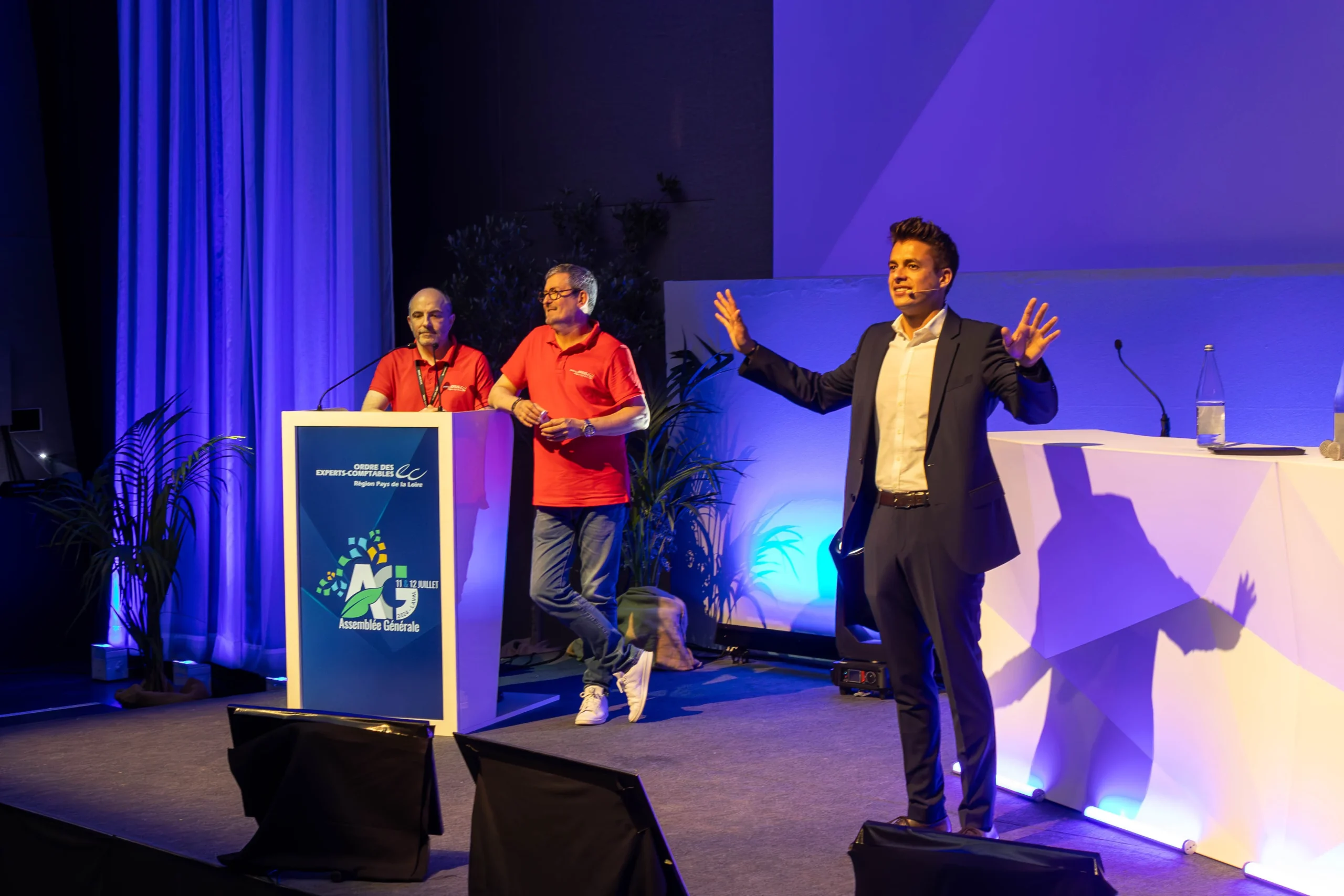
Professional host or moderator: used when the chair prefers to focus on governance. A skilled Montréal-based bilingual host can handle transitions, keep pace, and protect speakers from drift.
Opening montage with disciplined storytelling: a 60–90 second video that frames the year with verified numbers and real operations footage—not generic stock visuals.
Timed service aligned with the agenda: coffee and light breakfast before doors, then a post-meeting networking window. We schedule catering to avoid noise during formal votes.
Montréal-aware dietary planning: clear allergen labelling, halal/vegetarian options, and efficient station layouts to avoid long lines that delay seating.
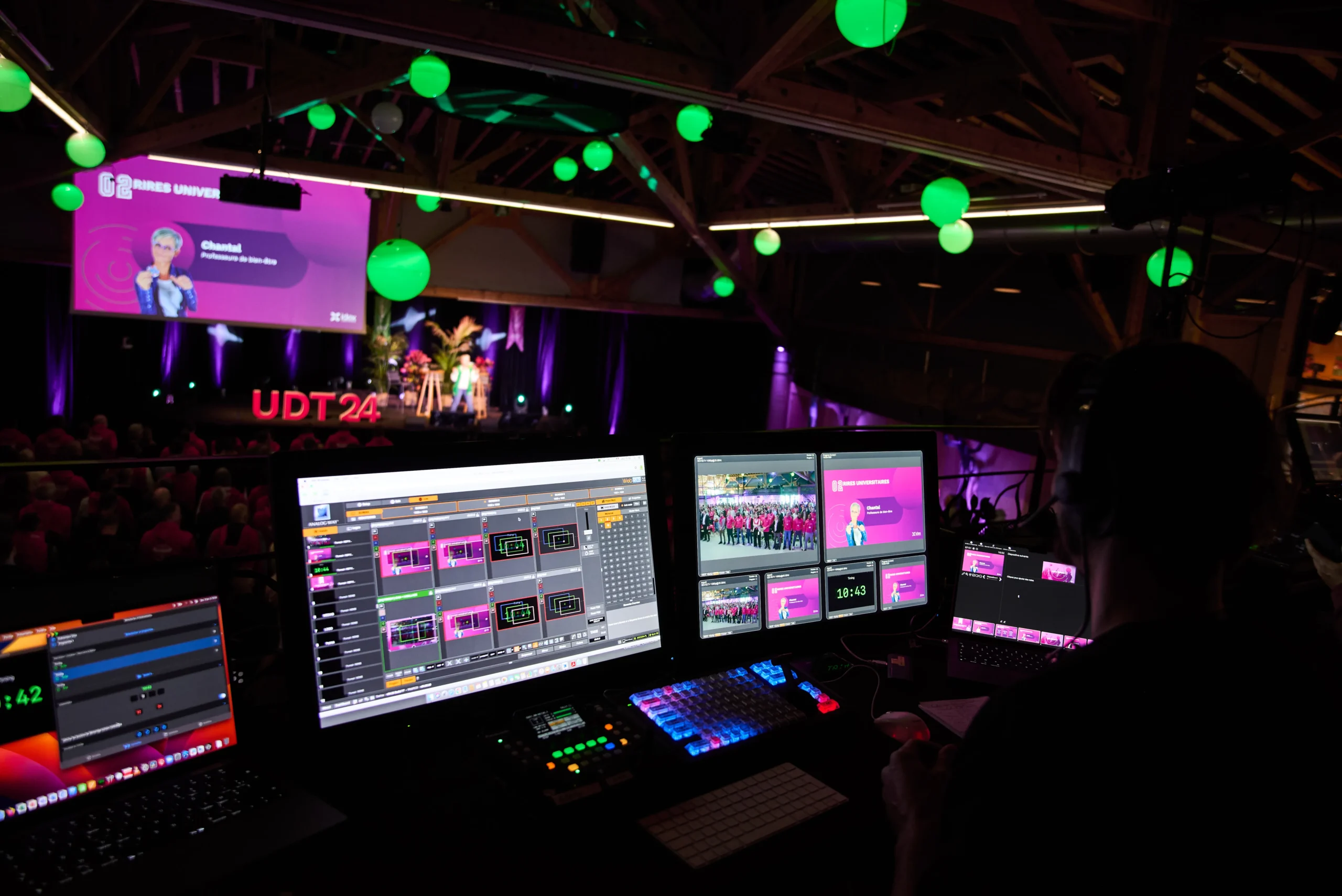
Broadcast-style production for clarity: confidence monitor for speakers, clean lower-thirds for names/titles, and a camera plan that captures the chair and Q&A fairly.
Secure content workflows: controlled slide distribution, version locking, and backstage access rules—useful when results are sensitive until the chair opens the meeting.
Real-time captioning options: when accessibility is a priority, we can integrate live captions for in-room screens and the virtual stream, with an accuracy plan and rehearsal.
Whatever engagement elements you choose, they must align with your brand and governance tone. We always validate: does this improve understanding, reduce friction, or protect timing? If the answer is no, it doesn’t belong in an AGM.
The venue sets the credibility baseline before a single word is spoken. For an AGM, the room must support sightlines, sound intelligibility, controlled access, and backstage logistics. In Montréal, we also consider loading constraints, union rules, and whether the building can support hybrid bandwidth without last-minute surprises.
| Venue type | For which objective? | Main strengths | Possible constraints |
|---|---|---|---|
Downtown hotel ballroom | Formal AGM with efficient guest handling and breakout needs. |
|
|
Conference centre | Large attendance, multiple stakeholder groups, or media presence. |
|
|
Corporate headquarters / on-site auditorium | Confidential AGM, internal shareholder base, or controlled messaging. |
|
|
We strongly recommend a site visit before locking the venue: we measure sightlines from the worst seats, test real audio conditions (not just specs), map registration and security choke points, and validate load-in timing. That’s how you avoid discovering critical constraints during the final hour.
AGM budgets vary because the cost drivers are operational, not cosmetic: attendance volume, room complexity, union requirements, and whether hybrid is treated as a true second audience. We typically build budgets in clear layers so Finance and Procurement can see what is essential versus optional.
For Montréal, a realistic planning range (venue + core production + staffing) often starts around $35,000 to $75,000 for smaller formal AGMs, and can reach $120,000 to $250,000+ for large, hybrid, multi-room formats with higher production values and stricter security needs. We’ll confirm a tighter range after a discovery call and a venue short list.
Attendance and seating style: theatre seating, classroom, or cabaret directly impacts space, labour, and guest flow.
A/V and clarity requirements: number of screens, projection vs. LED, audio distribution, recording, and whether you need a broadcast-grade stream.
Hybrid delivery: platform licensing, dedicated streaming crew, redundant internet, remote speaker management, and technical rehearsal time.
Voting and governance mechanics: ballot method, scrutineer support, timing for vote windows, and any specialised equipment.
Venue constraints: union labour, exclusive suppliers, limited load-in windows, security requirements, and overtime rules.
Interpretation and bilingual support: simultaneous interpretation, headsets, bilingual stage management, and bilingual assets.
Security and access control: badge levels, check-in verification, media zones, and VIP movement plans.
From an ROI perspective, the budget is justified when it protects governance integrity, reduces reputational risk, and saves executive time. A single technical failure during results disclosure, or a poorly managed Q&A clip shared externally, can cost more than a well-planned production.
For an AGM, local execution is not a comfort—it’s risk management. A Montréal-based team knows which venues have strict dock hours, which sites enforce union calls, and which suppliers consistently deliver clean audio and on-time crews. That local knowledge shows up in fewer surprises and tighter schedules.
As your event agency in Montréal, we also act as a single operational interface: your internal stakeholders don’t need to coordinate five different vendors with conflicting priorities. We consolidate requirements into one run of show, one tech plan, and one accountability line.
Finally, proximity matters in the weeks before the meeting: in-person site walks, real rehearsals, last-minute print runs, and quick access to backup gear when something changes. In Montréal winters, that responsiveness can be the difference between a controlled day and a scramble.
From an ROI perspective, the budget is justified when it protects governance integrity, reduces reputational risk, and saves executive time. A single technical failure during results disclosure, or a poorly managed Q&A clip shared externally, can cost more than a well-planned production.
AGMs rarely look the same from one organisation to another. We’ve produced formats where the audience is primarily shareholders and legal formality dominates, and others where the AGM is paired with an employee town hall that must feel human without diluting governance.
In practice, our projects often include: a confidential executive arrival plan; a separate holding room for board and counsel; a registration process with verification; a stage design that reads “credible” on camera; and a Q&A framework that preserves transparency while preventing mic-hogging.
We’re also accustomed to sensitive timing: results that cannot be displayed until the chair opens the meeting, or resolutions that require exact wording. We handle those realities with version control (locked decks, release cues, and backstage permissions) rather than hoping “everyone uses the right file.”
Whether you need a simple in-room assembly or a hybrid meeting with remote participation, our focus stays the same: clarity, control, and a documented process that stands up to scrutiny afterward.
Underestimating sound and sightlines: the back third of the room can’t hear questions, and people disengage. We do room audio modelling, mic discipline, and test from worst seats.
No real run of show: presenters go long, votes get rushed, and the chair is forced into improvisation. We deliver a timed show flow with named owners for every cue.
Hybrid treated as an add-on: remote attendees can’t hear, can’t participate, and complain after. We plan separate audio mixes, a dedicated streaming tech, and a rehearsal including remote joins.
Registration bottlenecks: late seating delays quorum verification and pushes the agenda. We design check-in staffing ratios, signage, and pre-badging options.
Slide chaos: multiple versions, last-minute edits, and missing legal language. We lock versions, control backstage distribution, and run a final deck check.
Q&A risk exposure: unclear rules lead to confrontations or viral clips. We set moderation rules, microphone routing, and escalation protocols approved by your stakeholders.
Our role is to remove uncertainty from a day that already carries enough pressure. We don’t promise a “perfect event”; we build the operational controls that make problems unlikely—and manageable if they occur.
Recurring AGM clients usually come back for one reason: predictability. When a meeting is annual, the organisation wants fewer lessons learned the hard way. We document decisions, vendor performance, room plans, and timing realities so next year’s planning is faster and safer.
We also understand internal dynamics: executive assistants need quick answers, Communications needs clean content, Legal needs exact wording, and HR often manages the employee side of attendance. A repeat partner reduces cross-functional friction because we already know where approvals stall and what cannot slip.
Year-over-year continuity: we maintain a living production file (run of show, cue sheets, vendor lists, venue notes) to reduce planning time on the next cycle.
Operational consistency: stable crew roles (show caller, stage manager, registration lead) improves execution and reduces training overhead.
Post-event reporting: incident log + recommendations so your next AGM budget is built on facts, not assumptions.
Loyalty is not about habit—it’s about measurable risk reduction. If you’re accountable for governance optics and executive time, you want a partner who makes the outcome repeatable.
We start with a working session with your executive office, Corporate Secretary/Legal, HR, and Communications. We confirm the meeting type, voting needs, confidentiality level, bilingual requirements, and stakeholder sensitivities. Output: a validated scope, decision owners, and a first risk map.
We propose venue types based on attendance, security, and hybrid needs, then validate technical realities: loading, rigging, power, acoustics, internet, backstage space, and registration flow. Output: a venue recommendation with constraints and cost implications.
We convert your agenda into a timed run of show with cues, walk-ons, slide release points, and responsible owners. We create chair/moderator scripts and timing guardrails (including Q&A and voting windows). Output: a show package that can be called professionally.
We lock the A/V plan (audio, screens, cameras, lighting), staffing plan, registration plan, and signage. We coordinate vendors under one schedule and confirm union or venue labour rules. Output: a master production schedule and technical plan with contingencies.
We run a technical rehearsal, then a speaker run-through focusing on transitions and timing. On event day, we manage load-in, checks, doors, stage calls, Q&A logistics, and close-out. Output: a controlled meeting and clean handover of recordings and assets.
Within days, we provide a recap: what worked, timing variances, incidents, and recommended adjustments for next year. If you run an annual cycle, we archive everything into a planning baseline so the next AGM starts ahead.
For downtown venues, plan 4 to 8 months ahead for preferred dates; for peak periods (late spring and early fall), 6 to 10 months is safer. If you need hybrid production and a large room, earlier is better because technical holds and union schedules fill up.
Most 300-attendee AGM formats in Montréal land between $60,000 and $140,000, depending on venue, A/V requirements, bilingual needs, and whether you’re streaming. If you add broadcast-grade cameras, live captions, or complex voting mechanics, budget upward.
Yes—if hybrid is planned properly. We use dedicated audio feeds (not room speakers), a separate stream mix, and a rehearsal with remote joins. We also recommend redundant internet and a defined process for remote questions and voting to avoid last-minute improvisation.
We set moderation rules in advance with Legal/IR: how questions are queued, time limits, what gets answered live versus follow-up, and who responds. Operationally, we use mic runners, a question capture method (cards or digital), and a clear escalation path if a topic becomes sensitive.
It depends on your stakeholders and legal posture. Many organisations choose bilingual signage and key cues as a baseline, then add simultaneous interpretation when both language groups need full access. We’ll recommend the right level after confirming audience profile and brand requirements.
If you’re comparing agencies, we can make that decision easier with a practical first call: attendance, governance requirements, hybrid needs, and your target date. Then we’ll come back with a clear plan, a realistic budget range, and a timeline you can defend internally.
AGM dates and the best venues in Montréal book early—especially when you need hybrid capability and experienced crews. Send us your preferred window and attendee estimate, and we’ll propose next steps within 48 business hours.
Thierry GRAMMER is the manager of the INNOV'events Montréal office. Reach out directly by email at canada@innov-events.ca or via the contact form.
Contact the Montréal agency