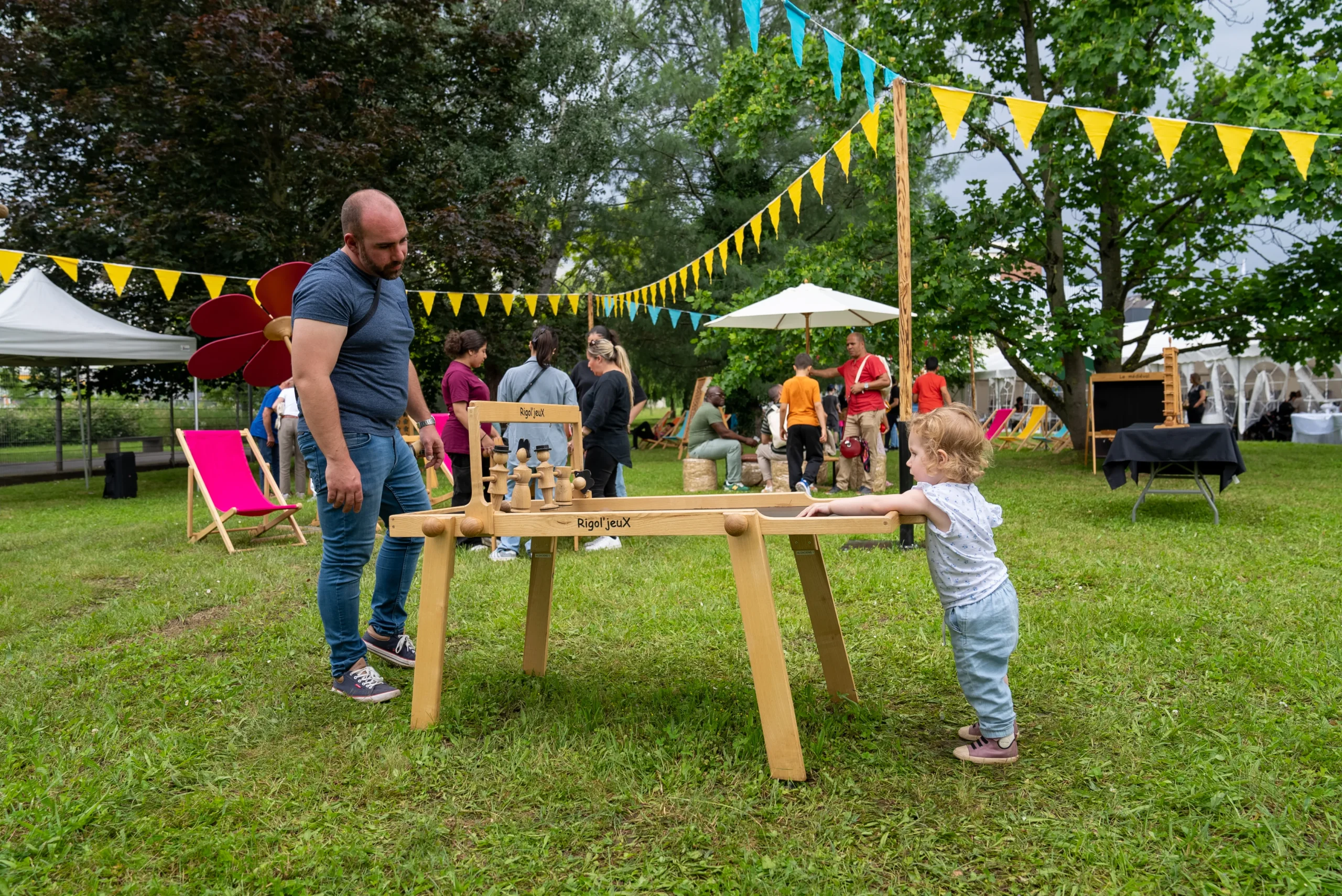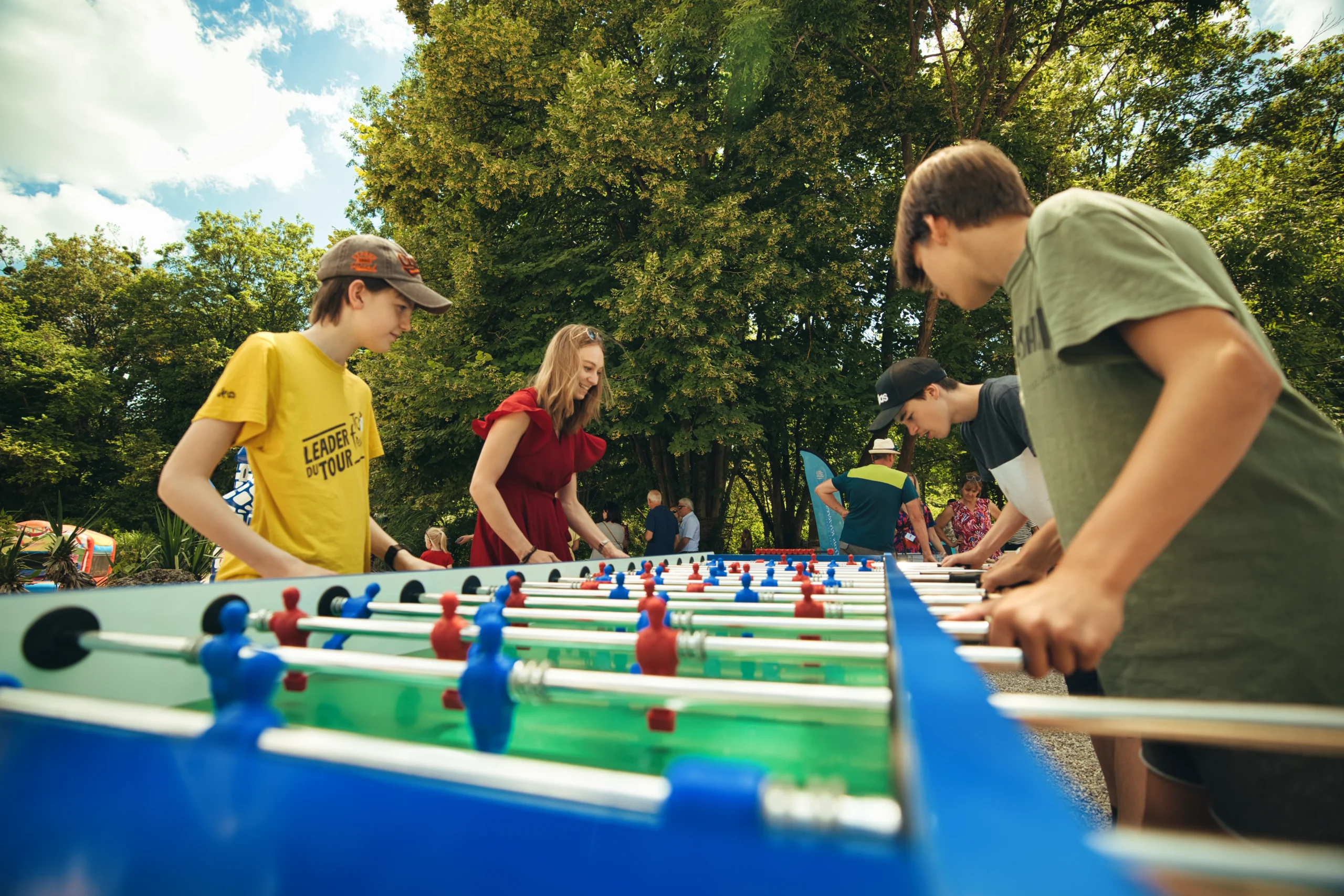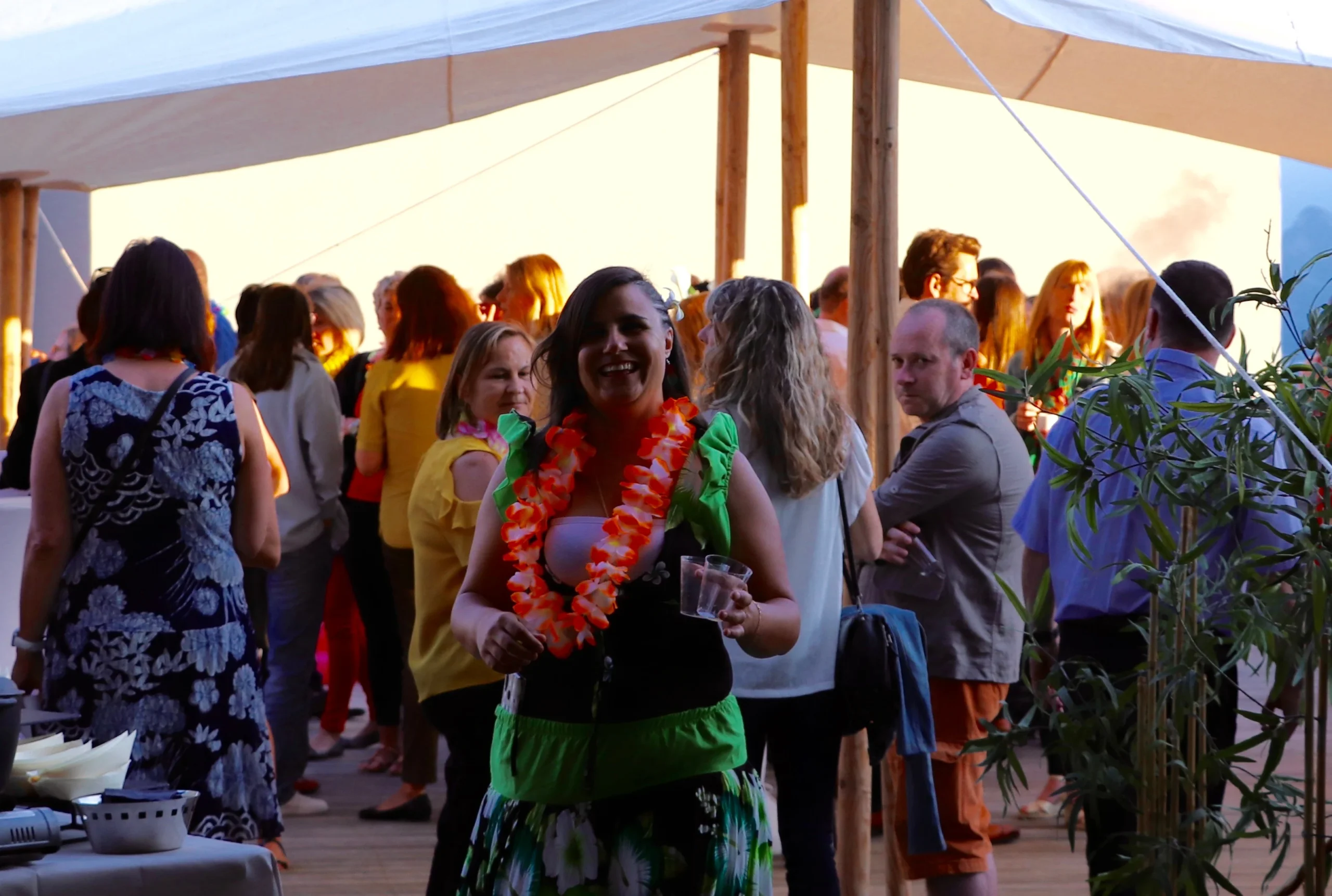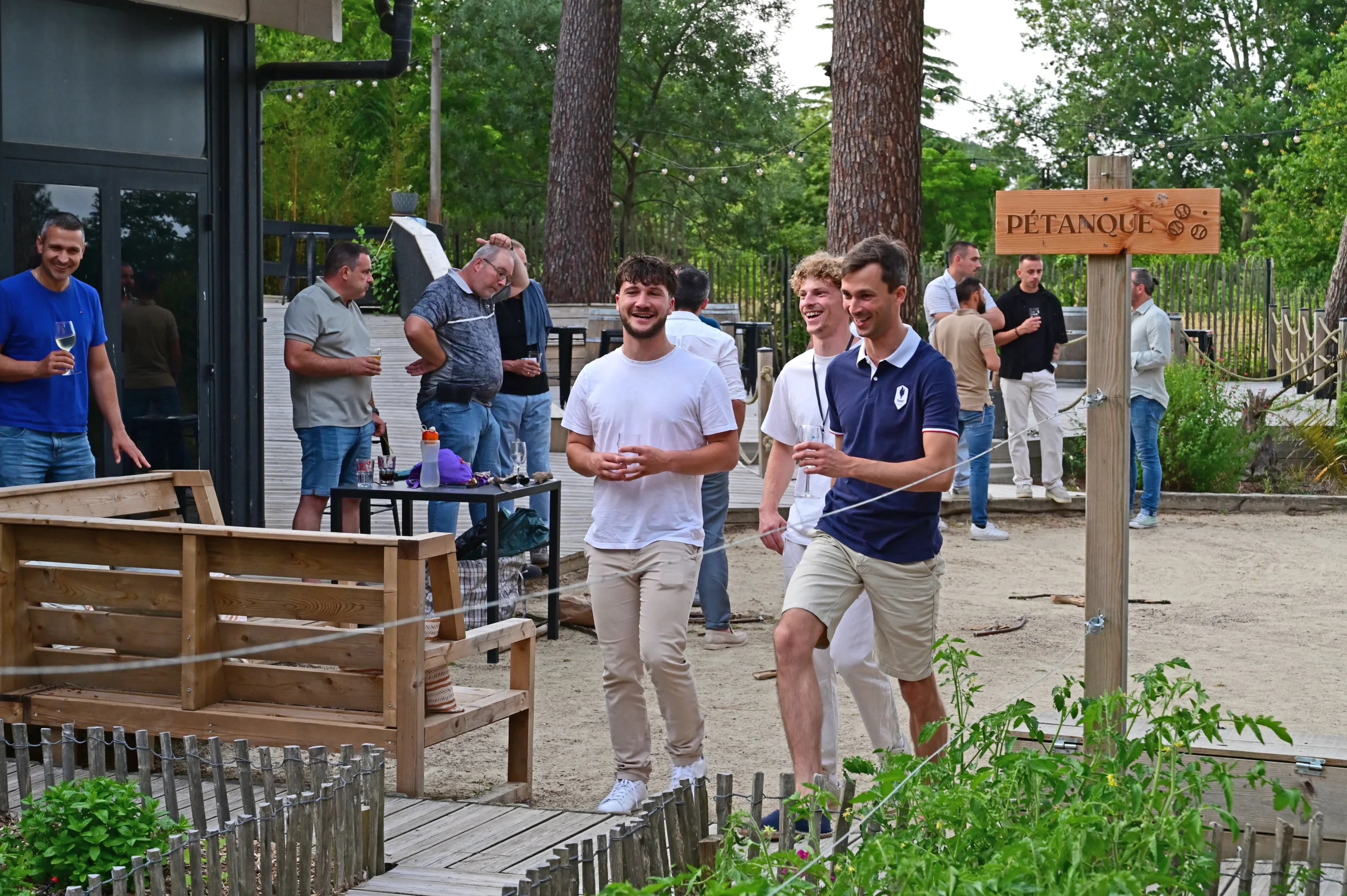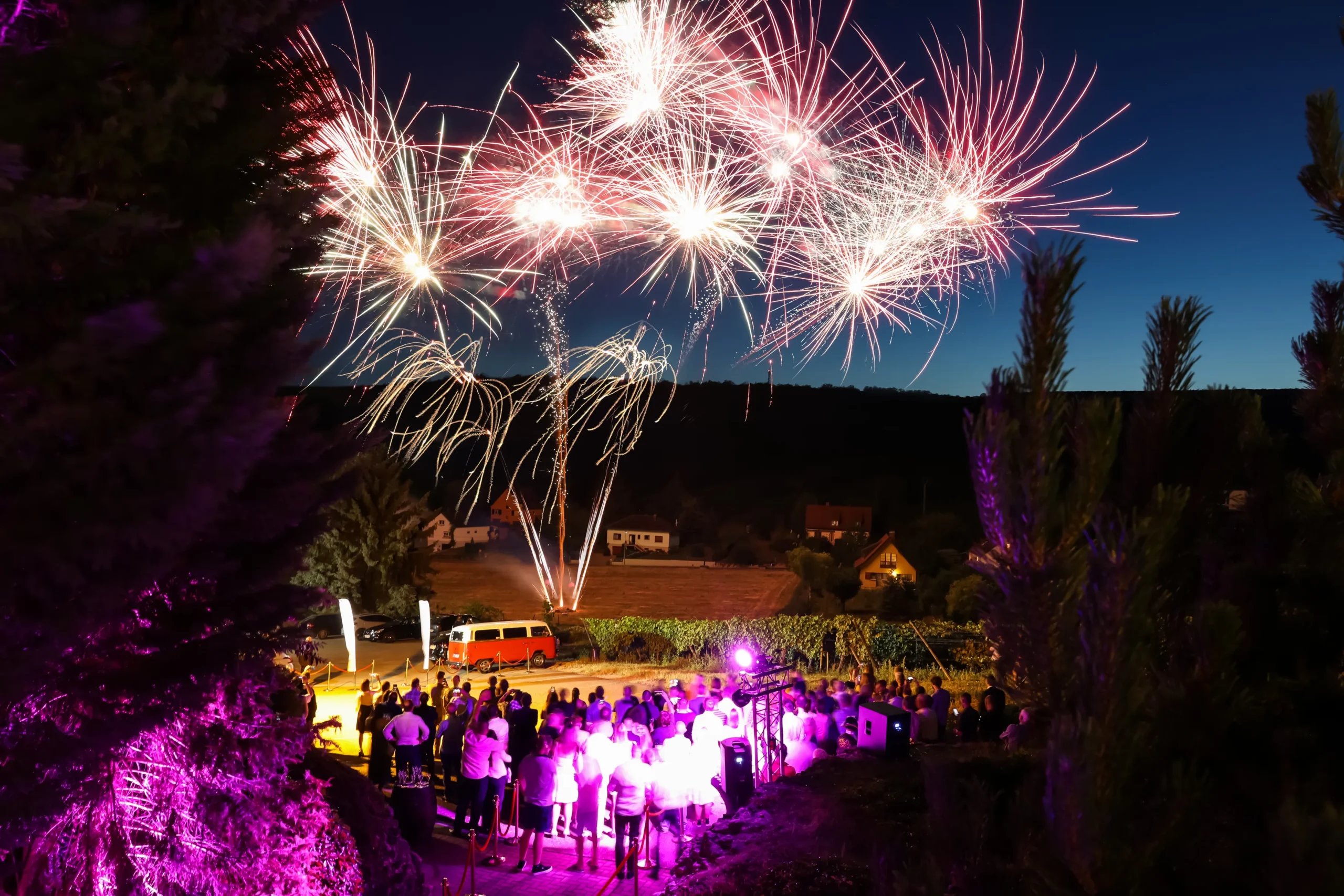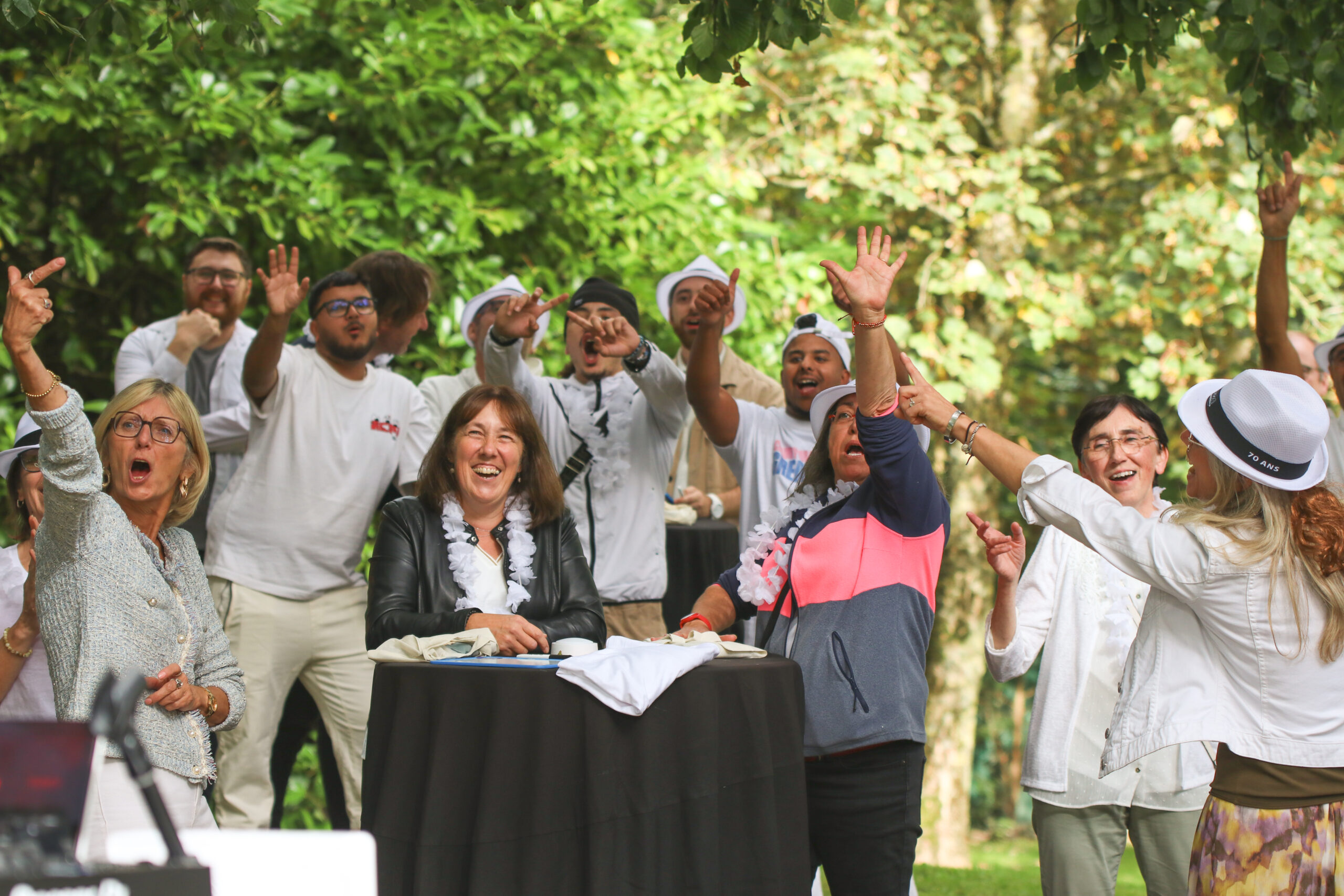
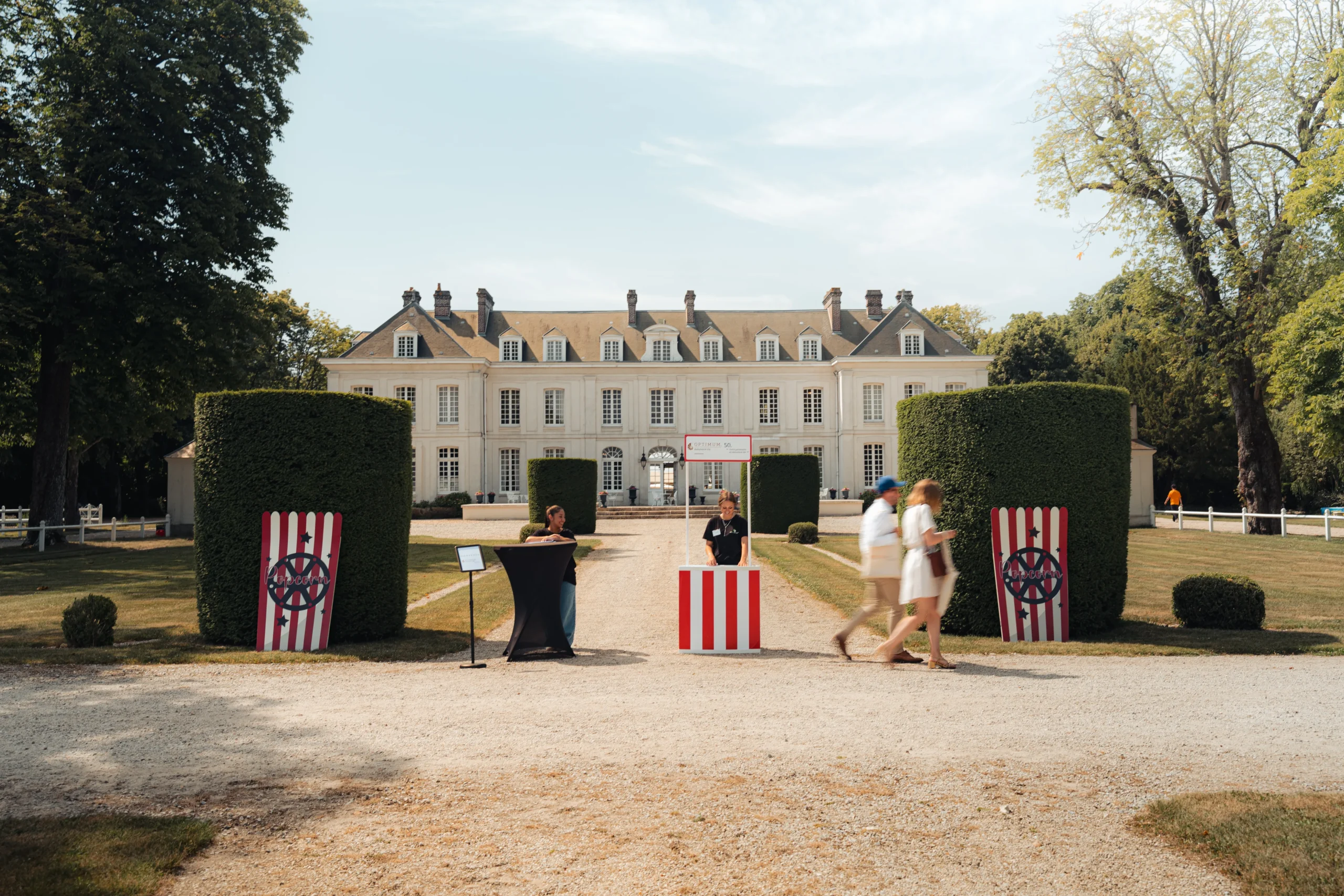
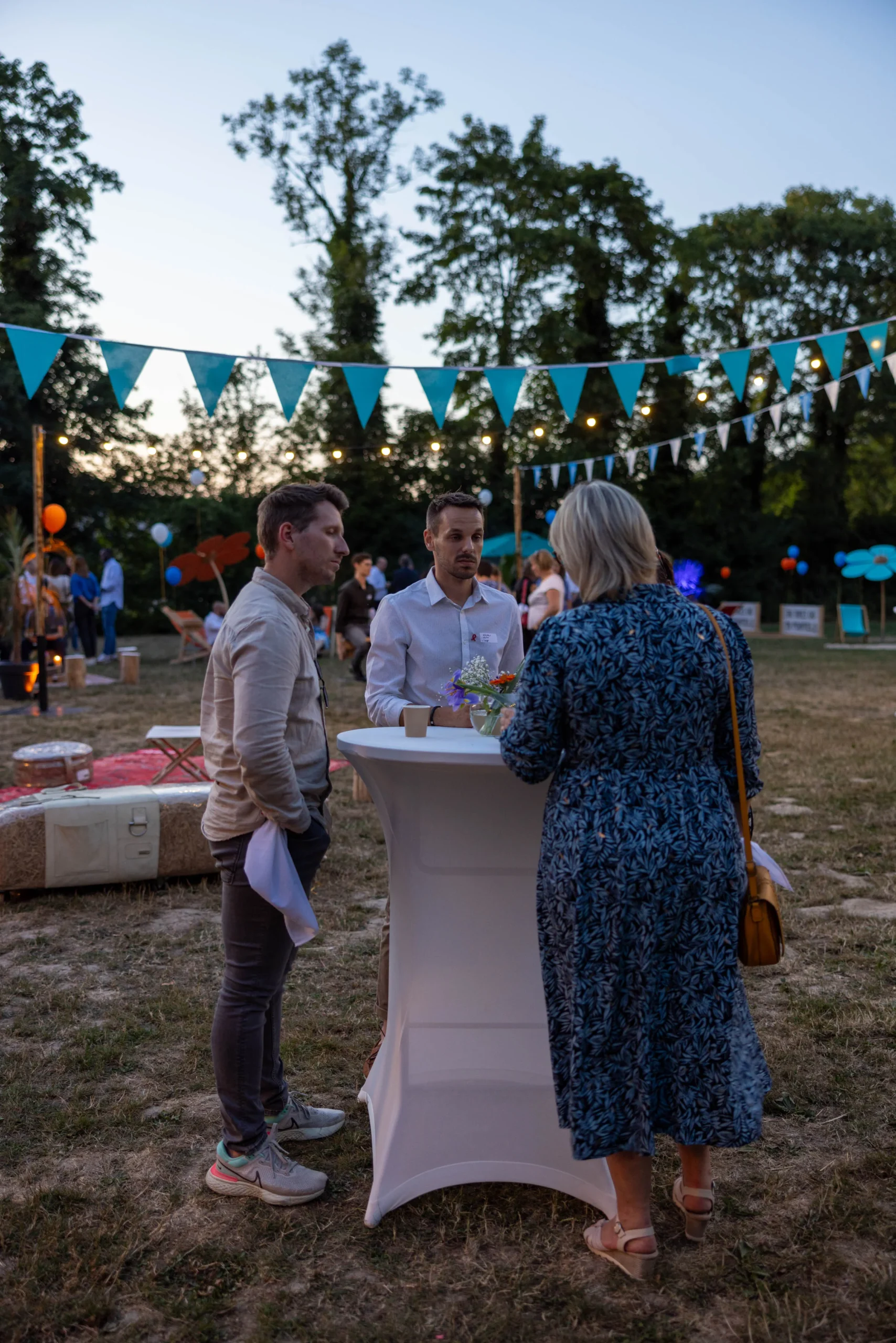
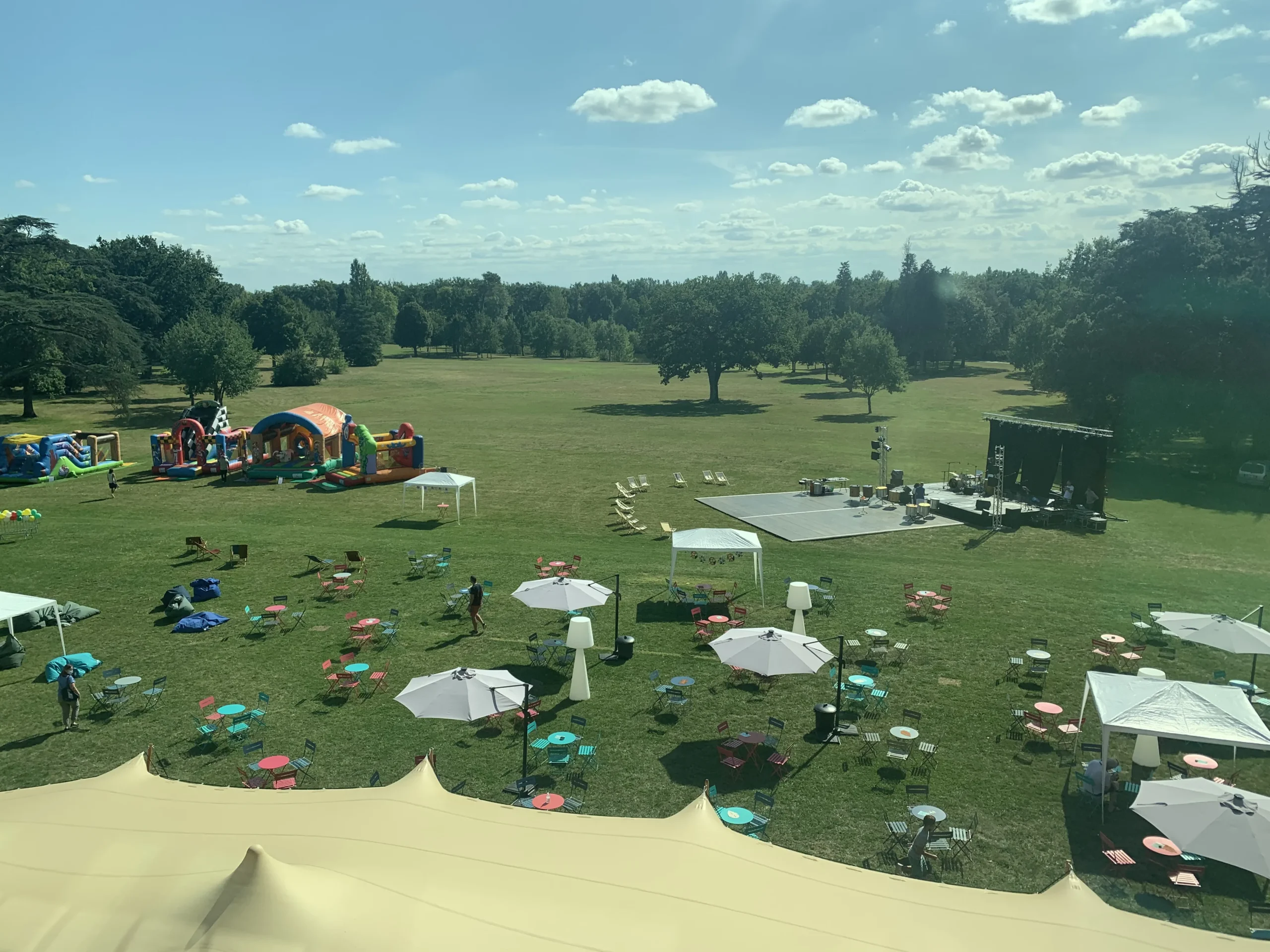
INNOV'events is a event agency in Montréal specialized in corporate summer parties for 80 to 2,000+ attendees. We manage the full chain: venue, permits, supplier coordination, entertainment, guest experience, and on-site operations—so your leaders can host, not troubleshoot.
Whether your priorities are retention, employer branding, executive messaging, or celebrating performance, we design a Corporate Summer Party that feels intentional, not improvised—while staying realistic on budget and Montréal constraints.
In Montréal, summer events are often the only moment where leadership can bring cross-functional teams together without the formality of year-end. When the Corporate Summer Party is well-structured, entertainment becomes a management tool: it accelerates connections, reduces silos, and makes your message land in a way a slide deck never will.
Local organizations expect more than “a fun night”: they expect a venue that’s actually reachable after work, a program that respects bilingual realities, and entertainment that doesn’t clash with corporate culture. They also expect flawless basics—sound that works outdoors, queues that move, and a plan for heat, rain, and transit disruptions.
We operate from Montréal and plan with Montréal realities in mind: borough-specific noise rules, park access, rooftop wind constraints, supplier availability during construction season, and the practicalities of moving 300 people across the city at 6 p.m. That field knowledge is what turns a good concept into a predictable delivery.
10+ years designing and producing corporate events across Québec and Canada, with repeat mandates from HR and Communications teams who need reliable execution.
200+ corporate events delivered (summer parties, recognition events, executive retreats, product launches), including multi-site formats and outdoor productions with weather contingencies.
Supplier network built for speed: 50+ vetted partners (AV, staging, catering, rentals, artists, security, transportation) with documented service standards and escalation contacts.
On-site operations designed for risk control: typical ratio of 1 lead producer per 150–200 guests plus technical and floor teams sized to the program and venue constraints.
We support Montréal-based teams and Canadian head offices that operate here year after year—often with the same internal stakeholders rotating between HR, Communications, and Office Management. When a company renews a summer party mandate, it’s rarely because the concept was “flashy”; it’s because the event ran smoothly, leadership felt supported, and internal teams didn’t spend the week after answering complaints about lines, sound, or logistics.
We regularly work with organizations that have strict brand requirements, internal approvals, and tight calendars (end of Q2, summer holidays, construction season). Many of our Montréal clients come back because we document decisions, lock suppliers early, and provide clear, bilingual-ready communications that reduce last-minute back-and-forth.
If you want, we can share relevant case examples during a call (industry, attendance, format, and constraints) and walk you through what was decided, why, and what it changed on-site—without wasting your time with generic portfolios.
We send you a first proposal within 24h.
For executives, a summer party is not a “nice-to-have.” In Montréal, it’s often the last shared moment before staggered vacations, hybrid schedules, and project cycles pull people apart. Done properly, it becomes a leadership instrument: it signals priorities, recognizes effort, and strengthens culture in a way that supports performance through Q3 and Q4.
Retention and engagement: A well-run summer party reduces the “we never see leadership” gap. In practice, we see higher participation when executives are visible with a structured moment (welcome remarks, quick recognition, or a short story about the quarter) rather than an open bar with no anchor.
Employer brand you can prove internally: Photos and short video clips become credible content when the event is well-lit, well-designed, and inclusive (not just a crowded dancefloor). This supports recruitment posts, internal newsletters, and onboarding narratives.
Cross-team network building: Montréal companies often operate across multiple sites (downtown + West Island + South Shore). A program with intentional “mixing mechanics” (interactive stations, team-based challenges, seated moments that aren’t rigid) creates actual connections beyond org charts.
Recognition without awkwardness: We design recognition moments that are short, sincere, and operationally clean (who gets called, where they stand, what’s on screen, what music plays, who has the mic). This avoids the common “rambling speeches + audio issues” scenario.
Internal alignment: HR, Communications, and Operations can align on one shared deliverable with a clear run of show, decision log, and approvals. That structure reduces last-minute risks and protects leadership time.
Montréal’s business culture values authenticity and competence. When your Corporate Summer Party in Montréal is organized with discipline—clear timing, thoughtful hospitality, and respectful entertainment—it reads as leadership maturity, not extravagance.
Montréal has a specific mix of expectations: international standards from head offices, local sensitivities around neighbourhood impact, and practical constraints driven by the city’s summer calendar. Decision-makers usually come to us after living through at least one “almost successful” event—good energy, but too many operational irritants.
Here are the realities we plan around:
When these fundamentals are handled, entertainment becomes a lever—not a distraction—because guests are comfortable, the program runs on time, and your teams feel taken care of.
Entertainment is effective when it supports a business outcome: mixing people who don’t usually meet, giving teams something to do beyond drinking, and creating moments worth documenting. We propose entertainment as a portfolio of mechanisms—interactive, artistic, culinary, and innovative—then build a program that fits your audience profile and risk tolerance.
Team-based micro-challenges: short rounds (8–12 minutes) that rotate guests through stations—ideal for 200–600 people. We use low-friction mechanics so introverts don’t feel forced, and we keep scoring simple to avoid disputes.
Leadership “ask me anything” corner: a structured 20-minute slot where a leader answers pre-screened questions submitted earlier. It works well when internal comms needs a credible message without a long speech.
Photo and content stations with purpose: instead of generic photo booths, we design a station aligned with your employer brand (project milestones wall, values prompts, product context). Output is usable for internal comms because it has narrative, not just selfies.
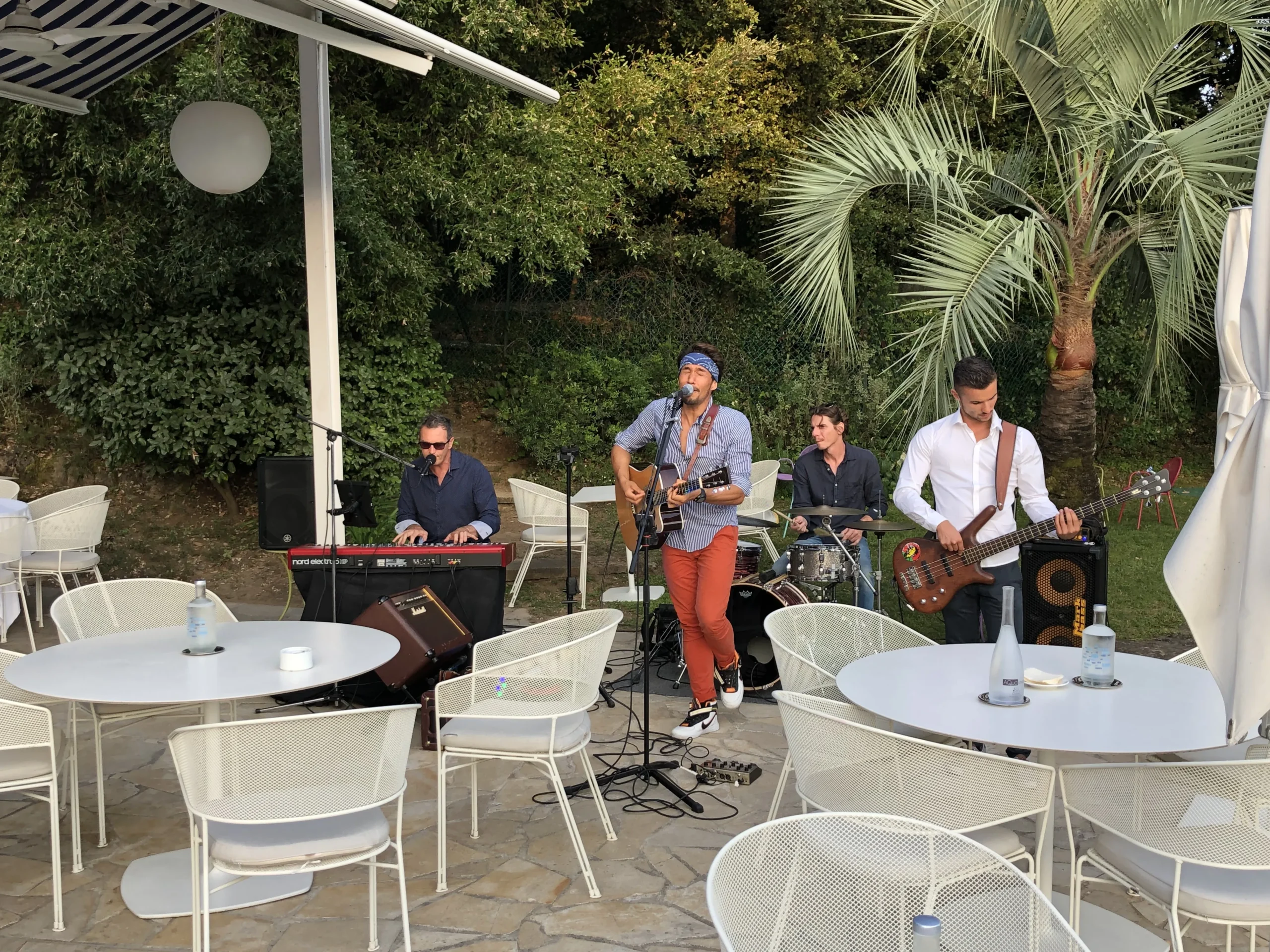
Live music with controlled sound: jazz trio, acoustic sets, or a band with a decibel-aware setup for rooftops and terraces. We plan set lengths around food service and speeches so the energy curve stays stable.
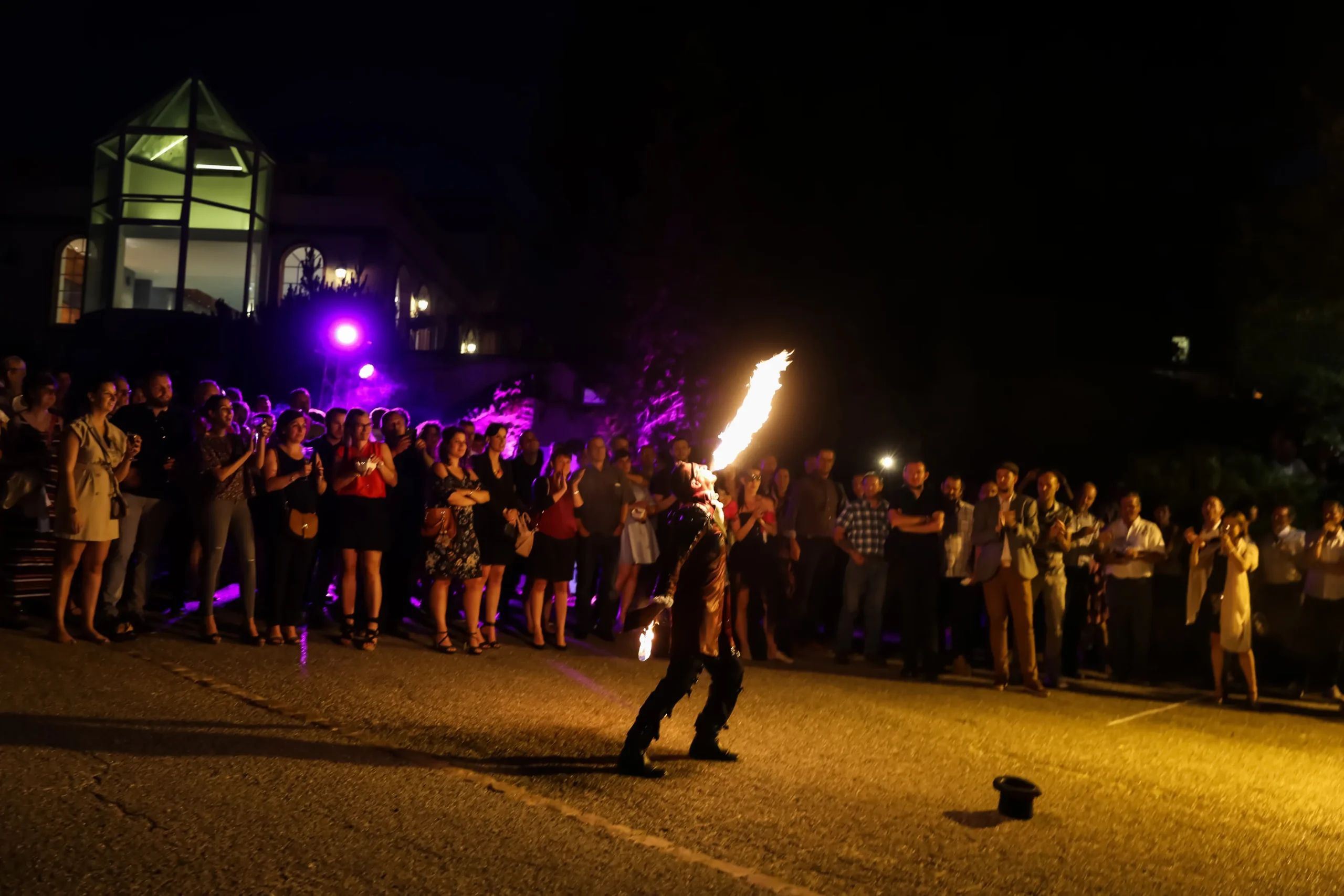
Roaming performers: ideal for cocktail formats where you want atmosphere without stopping the room. We coordinate costumes and movement routes so they enhance the event without obstructing circulation.
MC facilitation: for companies that want rhythm and transitions. We use professional bilingual MCs who can keep things tight, respectful, and on brand—no forced humour.
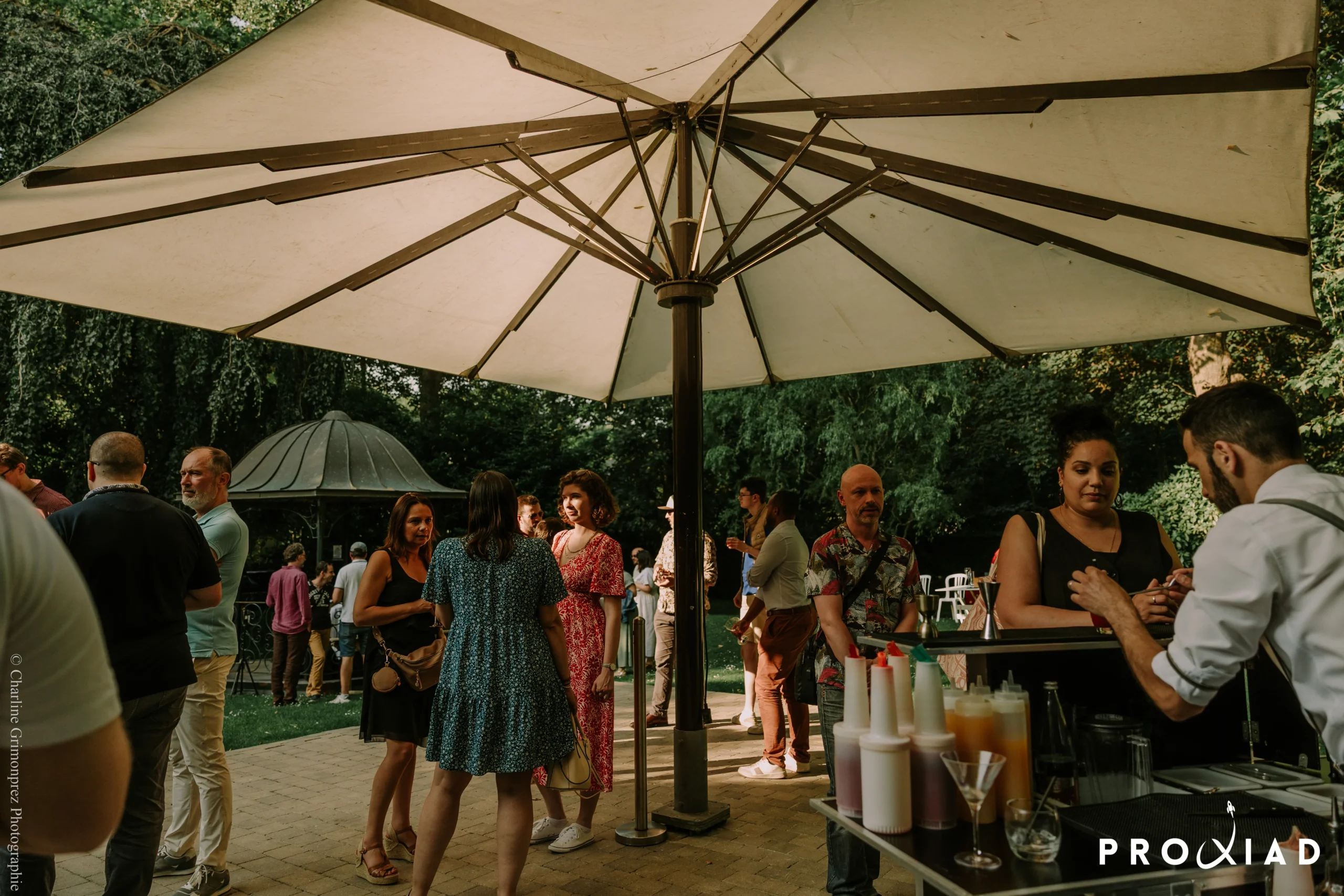
Structured tasting stations: mocktail lab, cold brew bar, or local tasting formats that keep queues moving. We plan throughput (drinks per minute) so the station doesn’t become a bottleneck.
Chef-led mini demos: short, timed moments that create a focal point without needing a full seated dinner. We make sure sightlines and audio are handled so the demo is actually visible and audible.
Hydration-first service in heat: water stations, low-alcohol options, and paced service. This is one of the simplest ways to reduce incidents and protect your duty of care.
RFID or QR-based engagement: guests tap or scan to vote, unlock content, or support a CSR initiative. We keep it optional so participation feels natural, not mandatory.
Data-light gamification: quick participation metrics without collecting sensitive personal data—important for organizations with strict privacy and legal review.
Immersive lighting zones: functional lighting for safety plus accent lighting that shapes the atmosphere and improves photo quality. This is often more impactful than adding another “activity.”
The best entertainment choice is the one that matches your culture and your leadership posture. A tech firm with a young workforce may want high interaction; a financial or legal environment may prefer refined ambience with curated touchpoints. We align the entertainment program to your brand image, your risk profile, and what your executives are comfortable owning on stage.
The venue sets expectations before a single word is spoken. In Montréal, the right space also determines what’s feasible: sound levels, rain contingency, accessibility, load-in, and the realism of moving people in and out efficiently. We evaluate venues with an operator’s lens—because the prettiest terrace can become a problem if there’s no freight access or if wind makes audio unusable.
| Venue type | For which objective? | Main strengths | Possible constraints |
|---|---|---|---|
| Rooftop terrace (downtown) | High-status networking, leadership visibility, brand image content | Strong perception value, skyline backdrop, easy to create a cocktail flow | Wind and sound limits, elevator/load-in rules, rapid weather changes require a real Plan B |
| Private event space with indoor-outdoor option | Balanced program: speeches + stations + dancing without stress | Weather-proofing, better technical control, stable guest comfort | Higher minimum spend, limited dates in June–July, constraints on external suppliers |
| Urban courtyard or heritage-style venue | Culture-forward employer brand, relaxed team celebration | Character, photo-friendly, good for live music at moderate volume | Neighbourhood restrictions, curfews, complex logistics for staging and power |
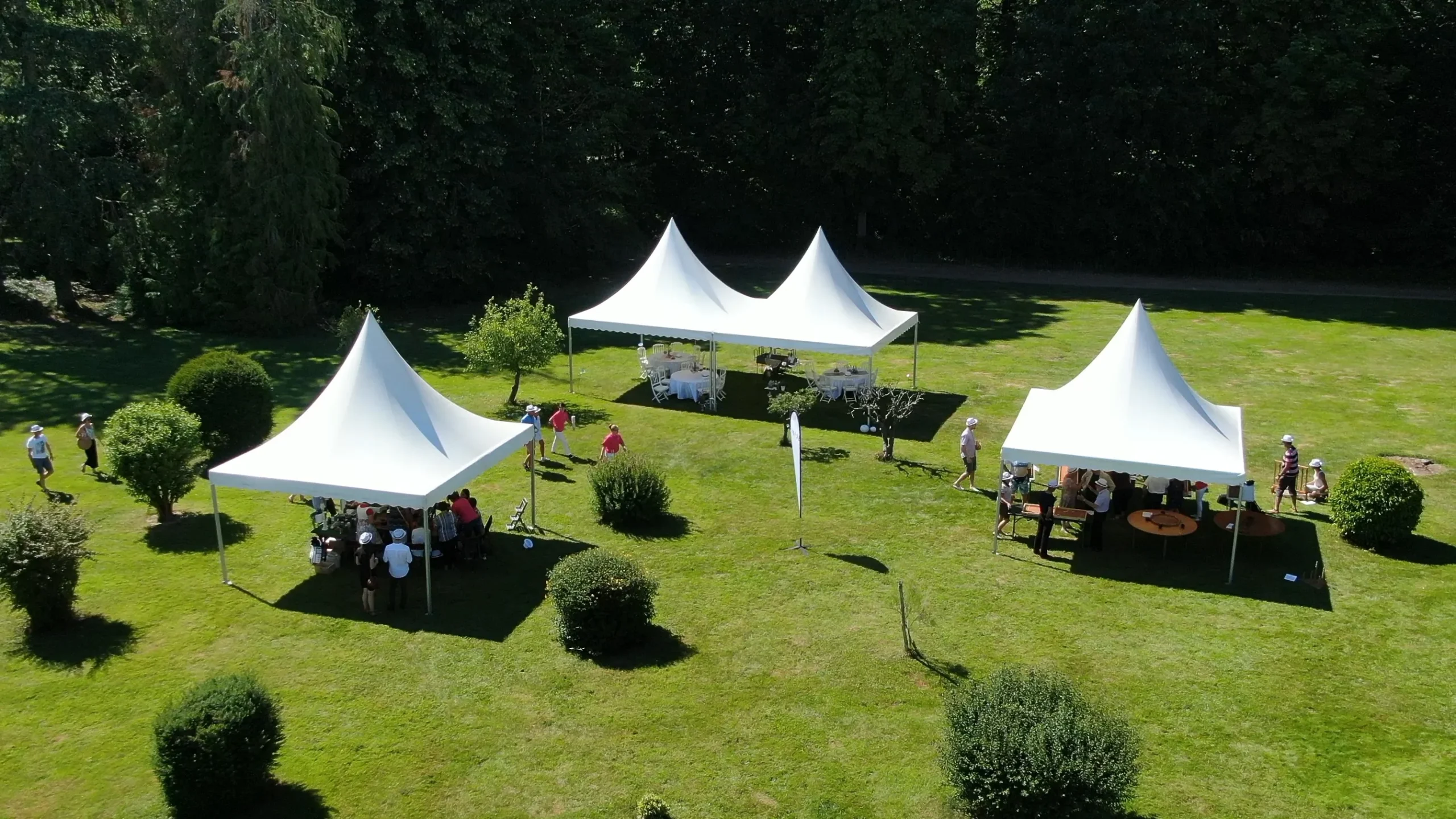
| Park-adjacent pavilion or green setting | Large attendance, family-friendly formats, CSR or community vibe | Space, daylight-friendly activities, scalable layouts | Permits, security needs, washroom planning, weather exposure and ground conditions |
We strongly recommend site visits before locking the venue—even when the space is well-known. A 30-minute walk-through answers the real questions: where the line will form, how power is distributed, what the rain plan actually looks like, and whether the venue staff is equipped for corporate service standards.
Pricing depends on attendance, venue choice, service level, and how ambitious the technical and entertainment program is. The goal is not to “spend more”; it’s to spend where it reduces risk and improves guest experience in measurable ways—flow, comfort, sound, and service.
As a working reference in Montréal, many corporate summer parties land in a broad range of $175 to $450 per person all-in for mid to large groups, depending on whether you are doing a simple cocktail with a DJ or a more produced format with live entertainment, rentals, and robust AV. For smaller groups or premium venues, the per-person cost can rise due to minimum spends and fixed technical costs.
Attendance and format: 120-person cocktail vs. 600-person station dinner changes staffing, bar throughput, rental quantity, and security posture.
Venue economics: minimum spend, exclusive catering requirements, union rules, access times, and overtime rates can shift budgets quickly.
Food and beverage service model: passed canapés, stations, seated dinner, open bar vs. ticketed bar, and mocktail program all impact both cost and guest flow.
Technical scope: outdoor sound, staging, lighting, power distribution, and backup plans are often underestimated. This is also where reliability is won or lost.
Entertainment and facilitation: DJ, live band, MC, roaming performers, or interactive stations each require different technical and space planning.
Risk and comfort measures: tenting, fans, water stations, additional shade, security, and first aid coverage are not “extras” when you’re accountable for employee safety.
Content capture: photo/video is often needed for employer brand and internal comms. Budgeting for proper lighting and a shot list avoids unusable assets.
We frame budget conversations around return: fewer incidents, higher attendance, better internal content, and an event that supports retention and leadership credibility. A Corporate Summer Party in Montréal is one of the rare line items that can impact culture at scale—if it’s executed professionally.
Internal teams can absolutely run a summer party—until the scope becomes multi-supplier, outdoor, or high-visibility. At that point, the risk shifts from “did we book a DJ?” to “can we protect the brand if the venue changes rules, the weather turns, or a supplier is late?” That’s where a local agency adds value: not in ideas, but in control.
Being established in Montréal means we know the venues’ operating realities, the best time windows for load-in downtown, and which suppliers can scale without cutting corners in peak season. It also means we can do quick site checks, meet vendors in person, and solve problems fast when the day-of pressure hits.
We frame budget conversations around return: fewer incidents, higher attendance, better internal content, and an event that supports retention and leadership credibility. A Corporate Summer Party in Montréal is one of the rare line items that can impact culture at scale—if it’s executed professionally.
Our projects vary because corporate realities vary. A fast-growing tech company may need an event that supports onboarding and cross-team identity. A manufacturing group may want to unite office and field teams who rarely meet. A professional services firm may prioritize refined networking, shorter timing, and a program that respects a conservative brand tone.
In practice, we frequently deliver formats such as:
Across these, the common thread is disciplined production: clear roles, a realistic schedule, and supplier coordination that prevents the typical pain points—late food, audio issues, or overcrowded service areas.
Picking a venue for photos, not operations: we review access, power, washrooms, load-in, and weather plans before you sign.
Underestimating outdoor technical needs: we scope power distribution, speaker placement, and wind impact early, with backups where failure is expensive.
Overloading the program: too many activities dilute participation. We design a simple energy curve with one or two anchor moments that matter.
Creating bar and food bottlenecks: we calculate throughput and redistribute stations so queues don’t become the main memory of the night.
Skipping a real rain plan: we don’t accept “we’ll figure it out.” We define triggers, responsibilities, and a revised run of show.
Leaving leadership unsupported: we cue speakers, script transitions, and ensure the right people have the right information at the right time.
Weak internal communications: unclear arrival times, dress code, and transit guidance reduce attendance. We provide copy that’s practical and easy to approve.
Our role is to remove preventable risks so your team can focus on hosting. A Corporate Summer Party should never feel like a stress test for HR or Communications—especially in Montréal’s peak season.
Repeat business is earned in the details: transparency, calm execution, and accountability when something changes. Many of our clients come back because we behave like an extension of their internal team—structured, realistic, and focused on protecting their leadership time and brand standards.
High renewal rate on annual mandates when the event is tied to recurring HR and culture objectives (recognition cycles, summer kickoff, or office-wide celebration).
Supplier consistency: we maintain performance notes after each event so the next year’s planning starts with what worked and what must change.
Post-event reporting: we provide a debrief that includes operational learnings, attendance feedback themes, and budget variances explained in plain language.
Loyalty is not about doing the same event every year—it’s about making the process easier each cycle while raising reliability. That’s what a strong Corporate Summer Party in Montréal partner should deliver.
We start with a focused call with HR and Communications (and ideally an executive sponsor). We clarify objectives, audience profile, sensitivities (alcohol policy, inclusivity, client presence), and the “non-negotiables” such as timing, brand tone, and budget range. Output: a written summary, decision log, and first draft of the run of show.
We propose venue options that match your objectives and constraints (access, weather contingency, sound, capacity). We validate load-in logistics, power, staffing rules, and curfews. Output: a practical comparison with risks, not just aesthetics, plus a recommended option and backups.
We design the guest journey: arrival, opening energy, food service, leadership moment, peak activity, and close. We select entertainment that fits the culture and the space, and we confirm technical requirements early. Output: final run of show with timing, responsibilities, and contingency notes.
We contract and coordinate AV, rentals, catering, entertainment, photo/video, security, and transportation as needed. We lock scopes, deliverables, arrival times, and strike conditions. Output: production schedule, contact sheet, site plan, and technical plan.
We run load-in, rehearsals or sound checks, and full event operations. We manage cues, vendor performance, and on-the-fly adjustments while keeping leadership insulated from operational noise. Output: a controlled event day with clear escalation paths and documented changes.
Within days, we provide a debrief covering attendance patterns, what guests reacted to, operational learnings, and budget reconciliation. If you have recurring objectives, we propose improvements for the next edition while information is fresh.
For peak dates (mid-June to late July), plan 10–16 weeks ahead for 200+ guests, especially for rooftops and indoor-outdoor venues. For 80–150 guests, 6–10 weeks can work, but entertainment and AV availability becomes tighter. If you’re aiming for a Thursday in late June, earlier is better.
Many corporate summer parties fall between $175 and $450 per person all-in, depending on venue minimums, food and beverage service level, and production complexity (AV, staging, lighting, live talent). Smaller groups can be higher per person due to fixed costs; larger groups can optimize per person with well-planned stations and rentals.
Most after-work formats perform best from 5:30 p.m. to 9:30 p.m. (or 10:00 p.m. depending on venue rules). This respects transit patterns and reduces late-night risk. If you want a longer party, we usually recommend an indoor venue where sound and curfew constraints are easier to manage.
We build a concrete Plan B: tenting or indoor backup, protected AV, revised run of show, and clear decision triggers (for example, wind thresholds for umbrellas or stage elements). We also plan comfort measures for heat: shade, fans where feasible, and hydration stations. The goal is continuity—not a last-minute scramble.
Yes. We design bilingual touchpoints where they matter most: welcome, key announcements, safety messaging, signage, and staff briefing. MCs and performers can be bilingual or paired, and we keep the experience natural by avoiding constant repetition where it slows the room. The level of bilingualism is defined upfront based on your audience mix.
If you’re comparing agencies, we can make your decision easier with a structured proposal: recommended format, venue approach, entertainment options, production plan, and a budget framework you can take to leadership. The earlier we start, the more leverage you have on venues, technical crews, and top-tier suppliers during Montréal’s busy summer period.
Send us your target date(s), estimated headcount, preferred neighbourhood, and any non-negotiables (bilingual needs, alcohol policy, client presence). We’ll come back with practical options and a plan that’s designed to run smoothly on the day—not just look good in a deck.
Thierry GRAMMER is the manager of the INNOV'events Montréal office. Reach out directly by email at canada@innov-events.ca or via the contact form.
Contact the Montréal agency