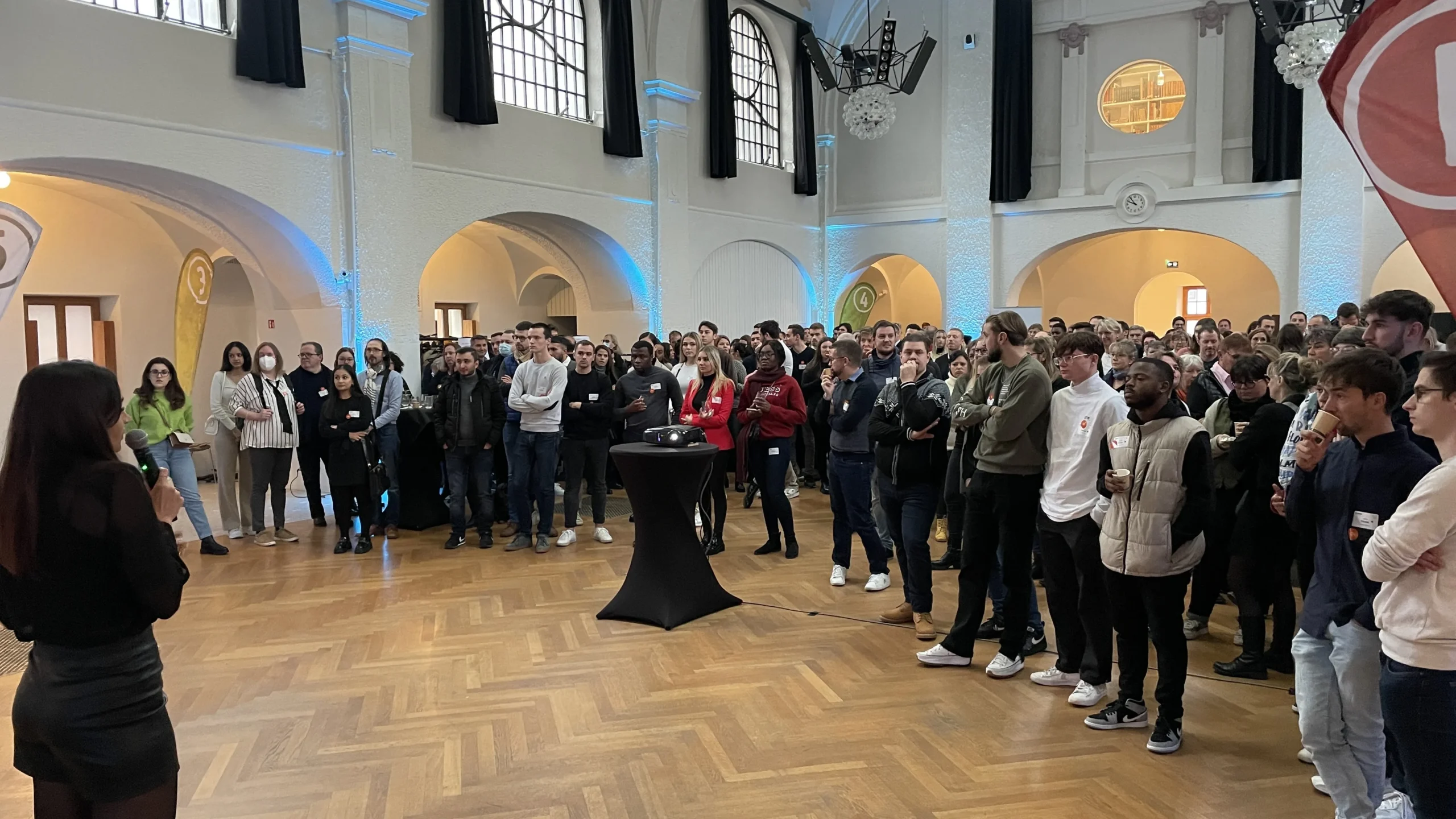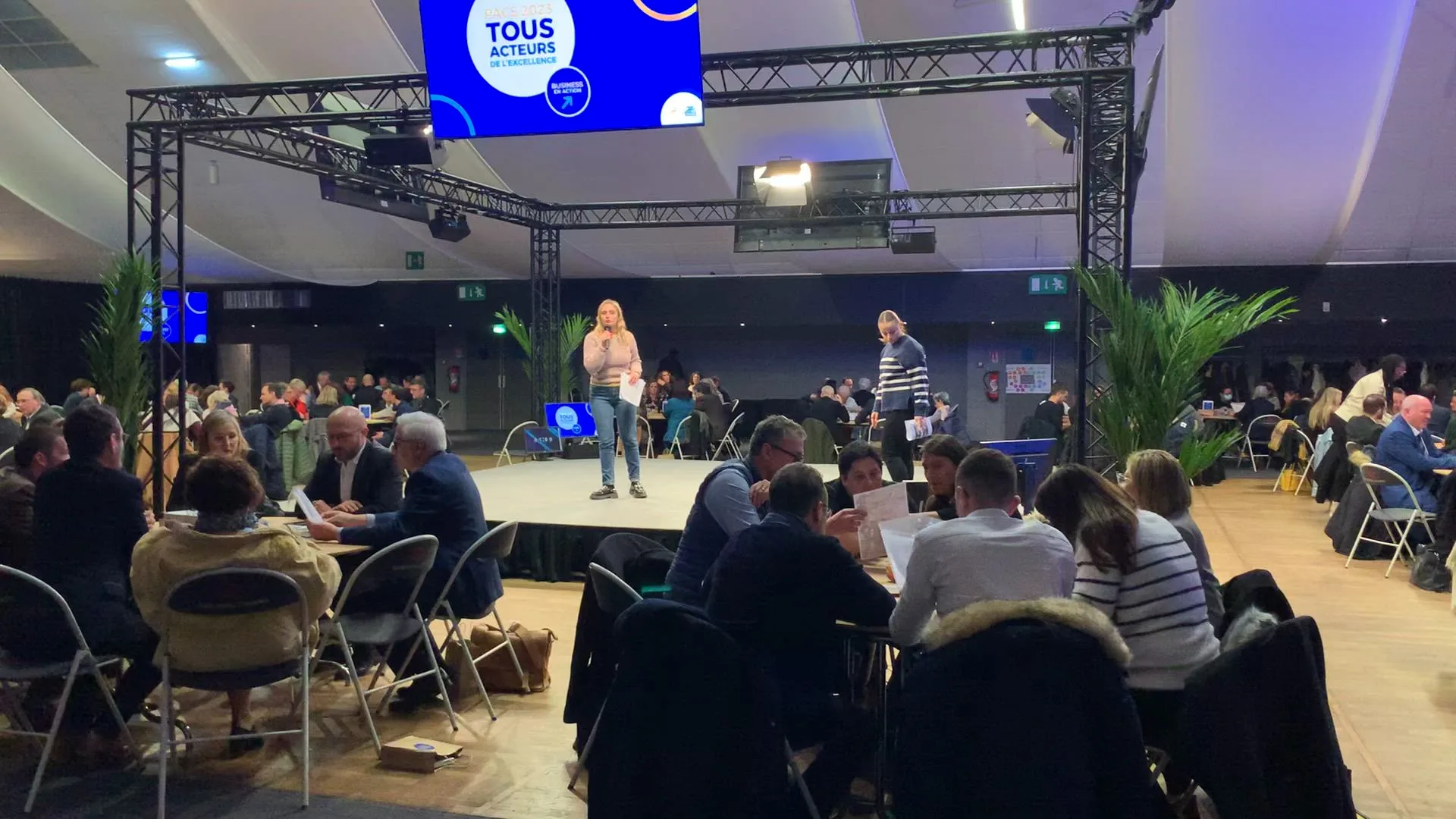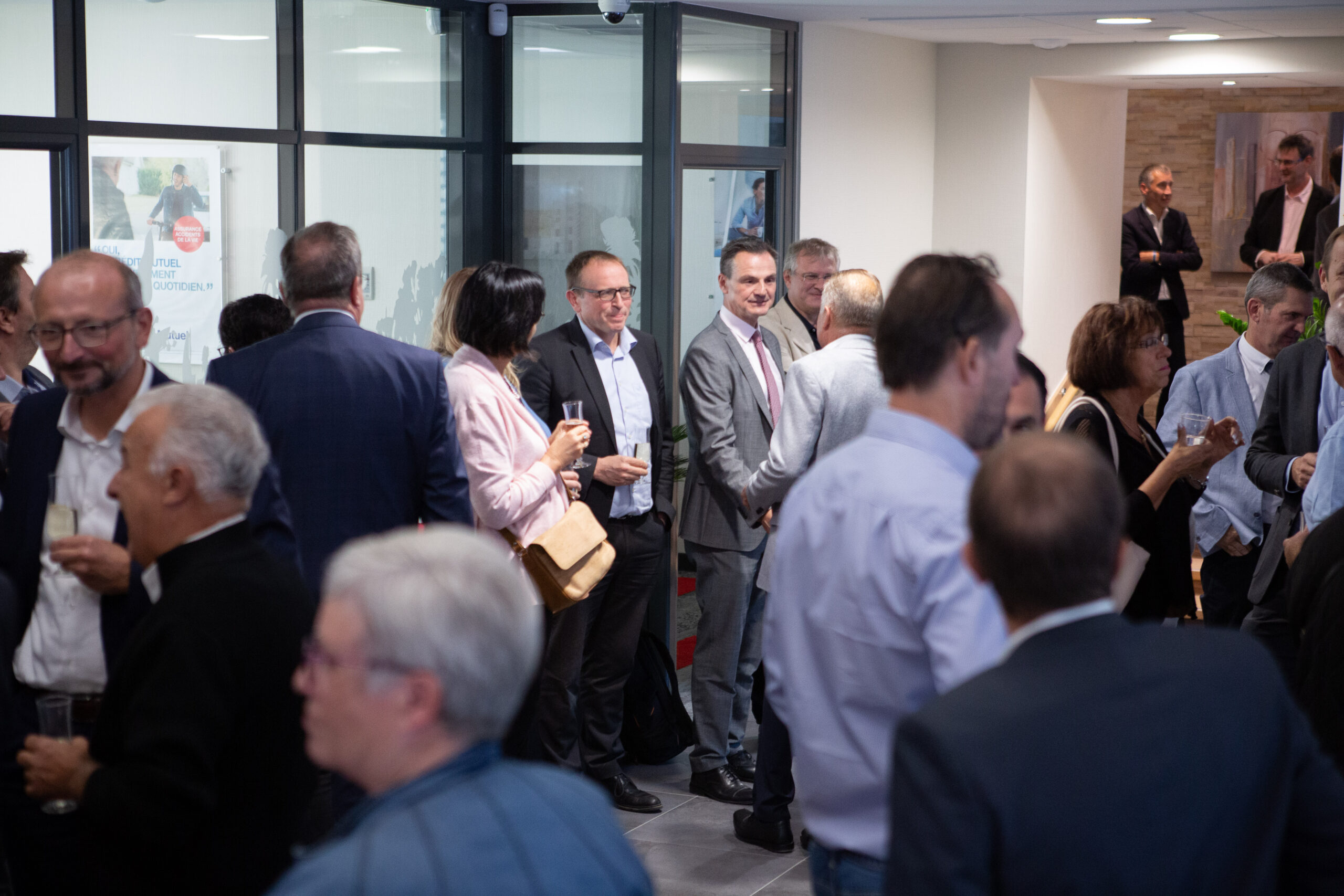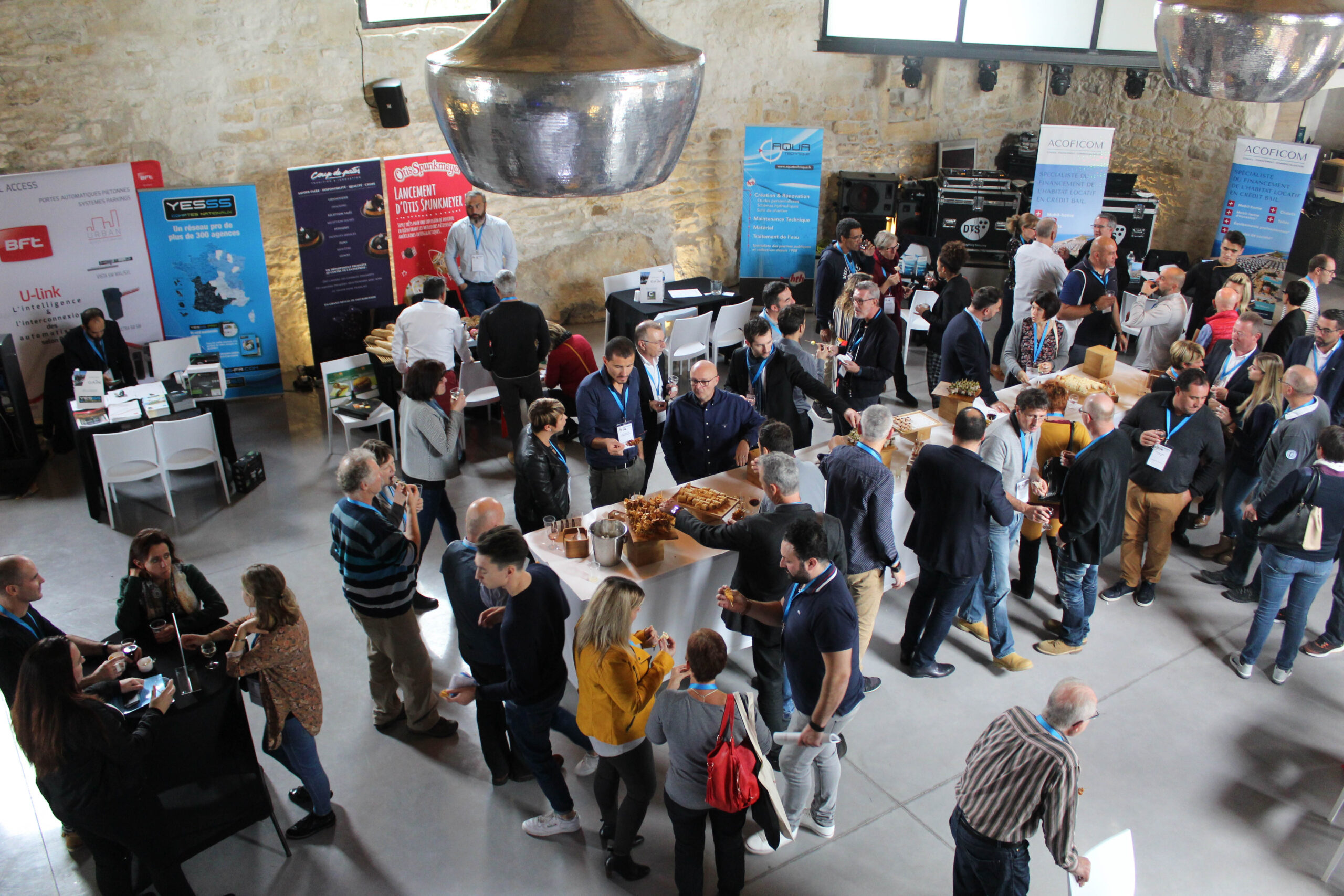
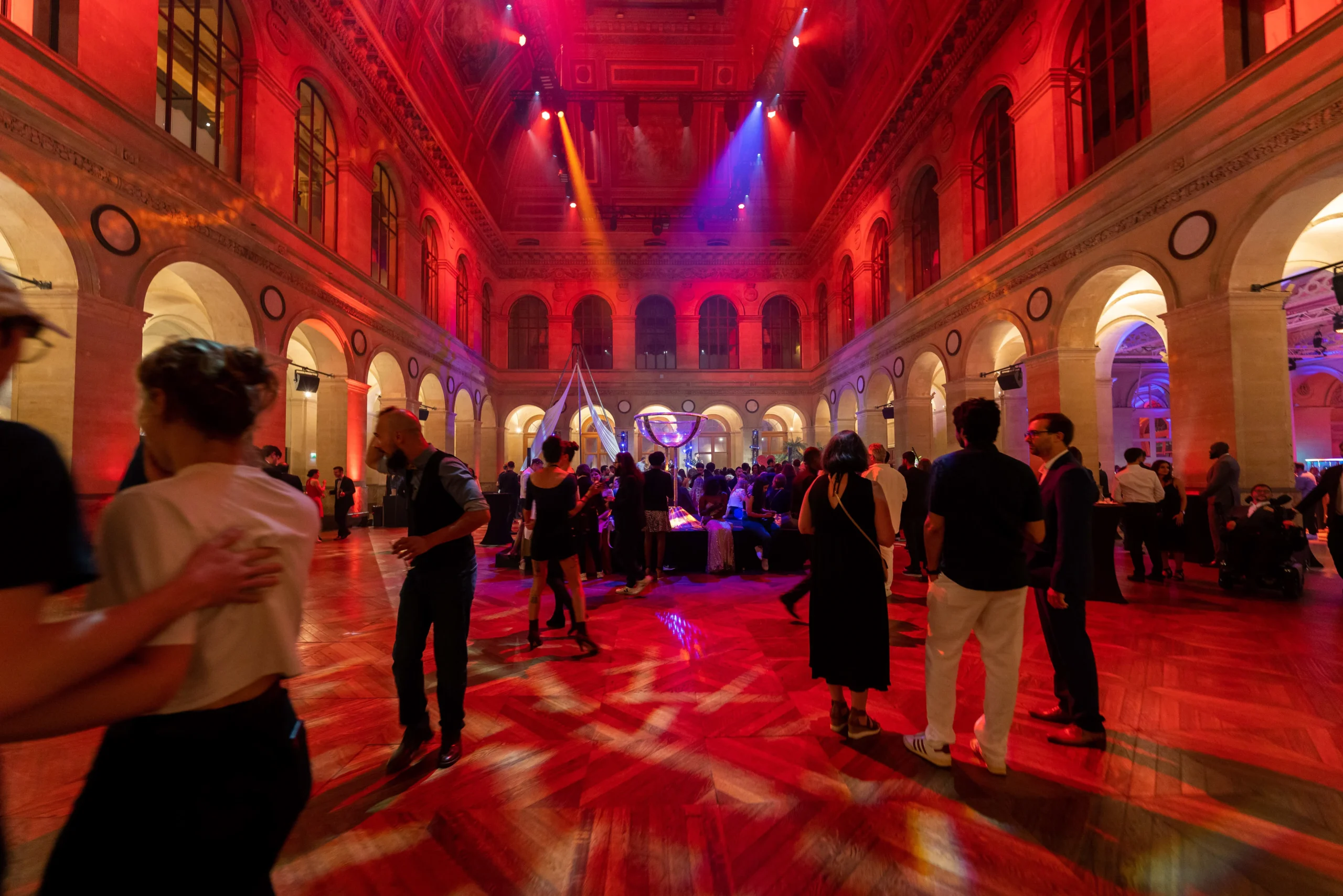
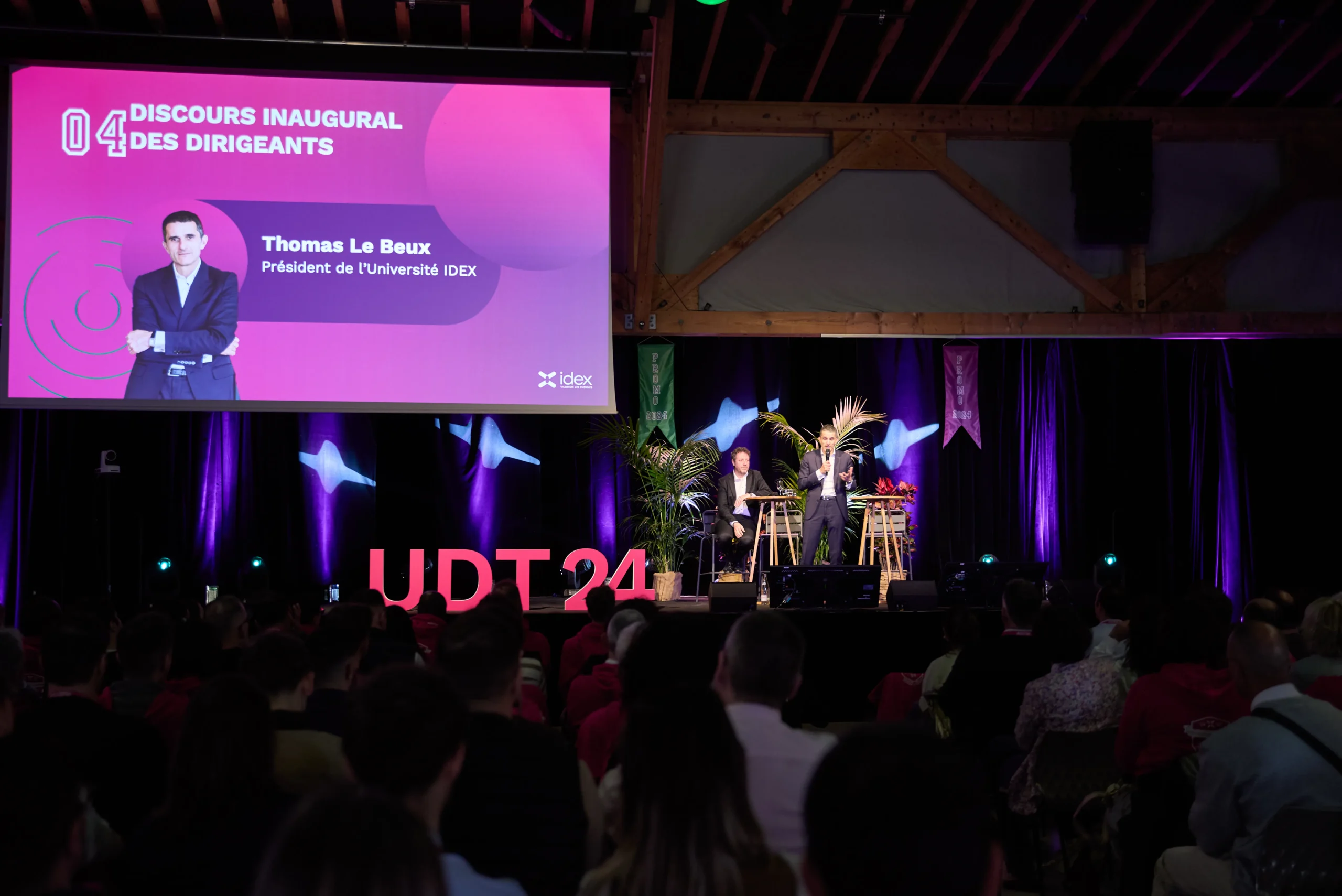
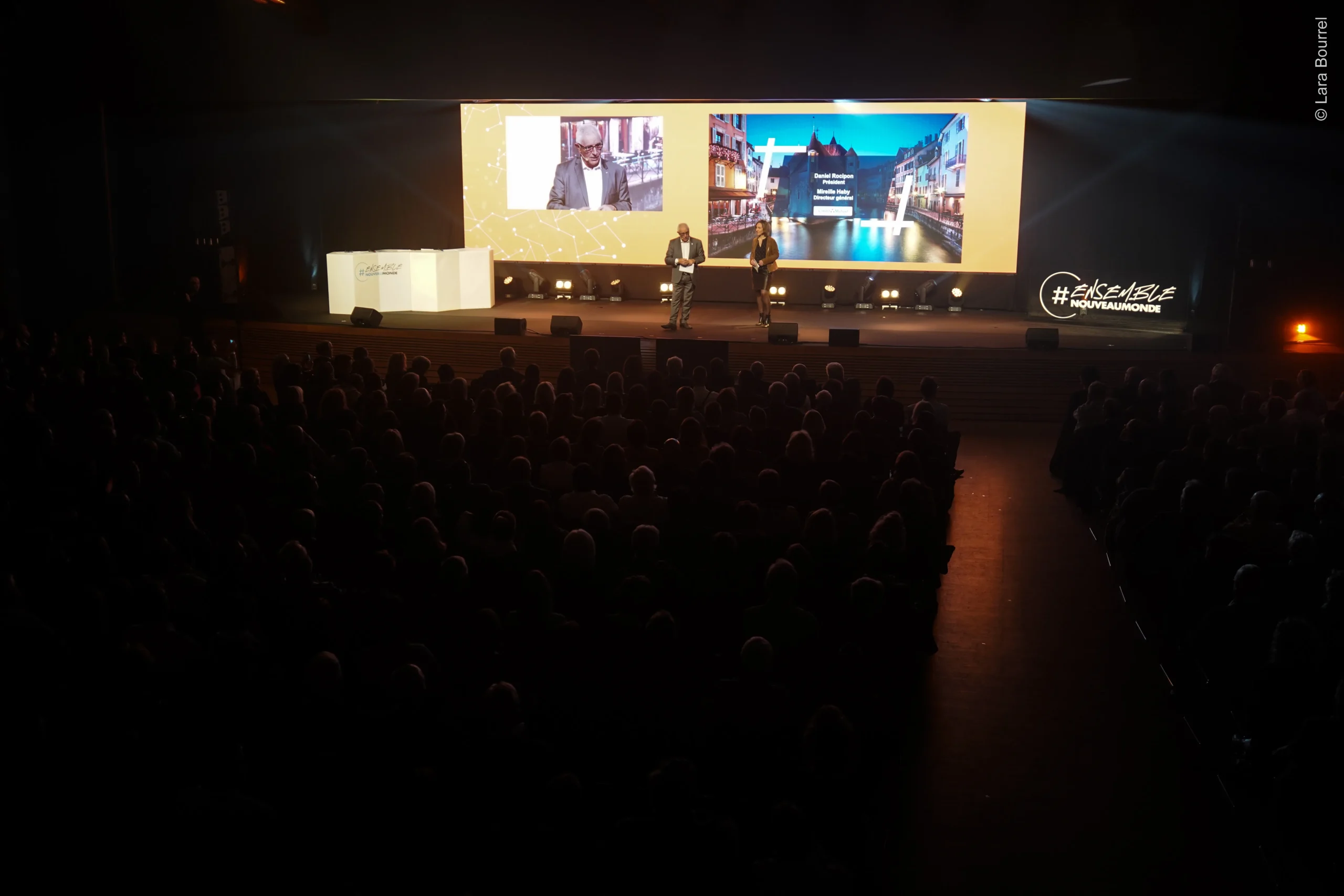
INNOV'events plans and produces Corporate Convention programs in Montréal for leadership teams, HR, and communications—typically 120 to 1,200 attendees, in-person or hybrid. We manage venue selection, stage design, AV, show calling, speaker support, and vendor coordination so your executives can focus on decisions, not logistics.
From the first agenda draft to doors open, we run the operational details that make the day feel controlled: registration flows, signage, transitions, cueing, content timing, and contingency plans. Our role is to protect your brand, your schedule, and your internal credibility.
In a Corporate Convention, “entertainment” is not a filler between slides; it’s a tool to maintain attention, punctuate strategic messages, and control energy across a long agenda. When the room drops, your KPIs, change-management messages, and leadership credibility drop with it—especially after lunch, during budget updates, or in multi-speaker panels.
Montréal organizations expect bilingual delivery, disciplined timing, and a production level that matches their brand standards. They also expect real-world solutions for unionized venues, complex load-ins downtown, and stakeholders who need approvals fast (legal, procurement, IT, brand, and security).
INNOV'events is an event agency based in Montréal with on-the-ground vendor relationships, experienced show callers, and a production mindset. We build conventions that run like a broadcast: clear cues, tight transitions, and a plan for what happens if a speaker is late, a slide deck breaks, or a snowstorm hits.
10+ years supporting corporate events across Québec and Canada, with repeat programs for annual leadership cycles.
150+ corporate events produced across formats (leadership conventions, town halls, hybrid conferences, sales kickoffs), including complex multi-vendor productions.
Typical convention scale managed: 120–1,200 attendees, with on-site staffing ratios planned by flow (registration, room management, show calling, VIP, speaker support).
Production discipline: run-of-show built to 5-minute increments, with cue sheets, backup content paths, and contingency triggers agreed in advance.
We work with Montréal-based and Québec-wide organizations that operate under real constraints: fixed fiscal calendars, procurement thresholds, internal communications approvals, and executive schedules that change weekly. Many of our clients renew year after year because their convention is not a one-off—it’s part of a leadership cadence (Q1 kickoff, mid-year alignment, or year-end results).
We also collaborate closely with internal teams who carry the message: HR for engagement and culture, communications for narrative and brand consistency, and executives for strategic clarity. Our day-to-day reality is coordinating stakeholders who don’t sit in the same office, managing last-minute content changes without destabilizing the show, and keeping the experience coherent in both English and French.
If you want, we can share Montréal case examples during a call (format, attendee volume, production scope, and what we improved year over year), and provide references depending on your industry and confidentiality constraints.
We send you a first proposal within 24h.
A Corporate Convention is one of the few moments where leadership can align strategy, performance, and culture in the same room—without the noise of daily operations. In Montréal, where many teams are hybrid and multilingual, the convention often becomes the most efficient way to synchronize priorities and reduce “interpretation drift” between departments.
Executive alignment you can feel in operations: when leaders share the same narrative, your middle management stops improvising explanations for priorities, budget shifts, or reorganizations.
Acceleration of change management: conventions are the right format for presenting “what changes on Monday” with concrete impacts by department, not abstract vision statements.
Employer brand reinforcement: not through slogans, but through visible behaviours—recognition, internal mobility stories, and clarity on performance expectations.
Cross-functional collaboration: curated networking moments and structured breakouts help break silos between HQ, field teams, and shared services.
Risk control for sensitive messages: financial results, restructuring, or policy changes land better when production supports clarity (sound, screens, pacing) and when Q&A is designed to be safe and useful.
Data capture for follow-up: attendance tracking, session participation, and post-event pulse surveys give HR and communications measurable insight—not just “good feedback.”
Montréal’s economic culture is pragmatic: people expect substance, not theatrics. A convention that respects time, speaks plainly, and delivers a clean operational experience is often what earns the most credibility internally.
In Montréal, your convention is evaluated on more than the stage look. Directors and VPs notice whether the morning registration creates a bottleneck, whether bilingual signage is consistent, and whether the show stays on time when a panel runs long. These are not details; they are signals of operational maturity.
We routinely see the same local expectations:
Our job is to translate these expectations into a production plan your team can defend internally: what we’re doing, why it matters, and what it protects.
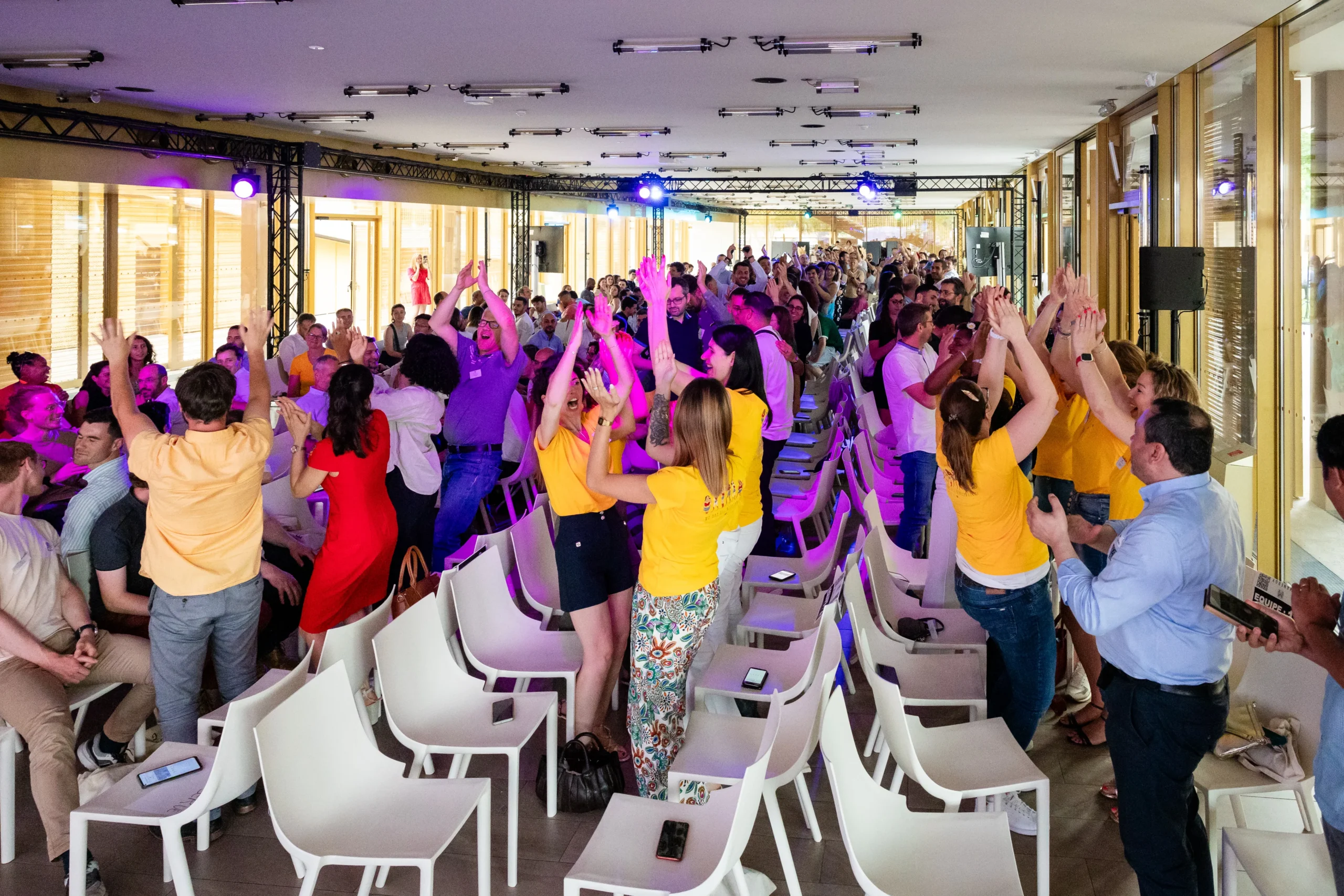
In a Corporate Convention, the right entertainment is the one that supports the agenda: it keeps attention high, reinforces your narrative, and creates shared moments without stealing time from strategic content. In Montréal, we also design entertainment choices around bilingual accessibility, audience diversity, and the tone expected in professional settings.
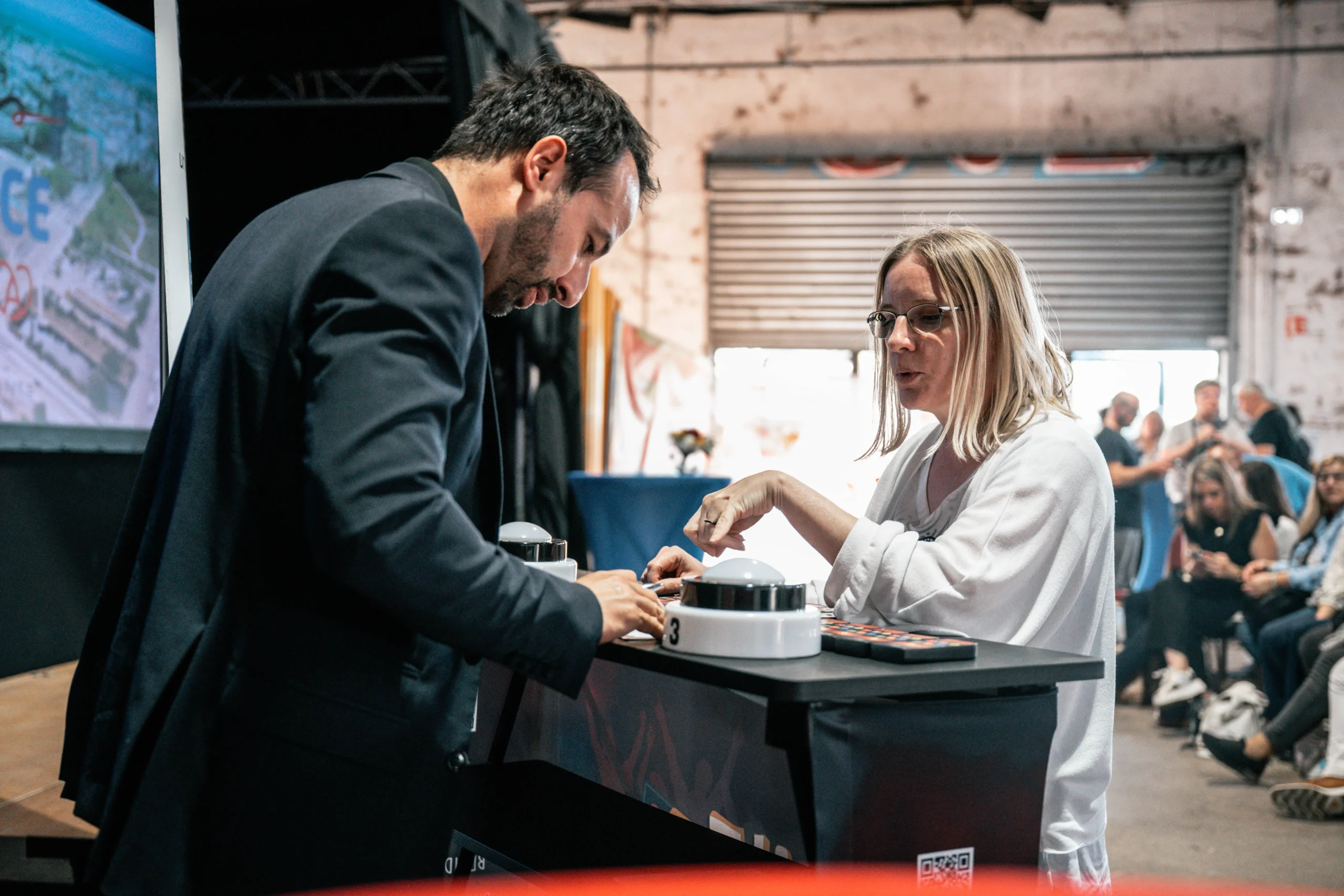
Live polling with moderated insights: not just “vote on a question,” but structured questions that help leadership read the room (priorities, barriers, confidence level). We integrate results into the script so the facilitator can react intelligently.
Structured networking prompts: short, guided interactions tied to business objectives (e.g., cross-functional handoffs, customer experience improvements). It avoids the awkward “go mingle” moment and produces usable takeaways.
Breakout labs with deliverables: small groups working on a real operational challenge (retention, service standards, safety). We provide templates and a facilitation rhythm so outputs are comparable and reportable.
Professional MC or facilitator with corporate discipline: in Montréal, a skilled bilingual MC can maintain pace and tone, protect leadership, and manage the room during delays or tech resets. This is often more valuable than a “big act.”
Music moments designed for transitions: short, controlled sets for entrances, award walk-ups, or room resets—planned around decibel levels, cueing, and timing so it supports content rather than competing with it.
Visual storytelling segments: short video vignettes or on-stage interviews with employees or partners that humanize strategy. We manage filming logistics, approvals, and playback reliability.
Tasting stations with traffic control: Montréal audiences appreciate quality, but food must be operationally engineered (service speed, dietary labels, queue design). We plan it so it doesn’t break your schedule.
Chef-led micro-demonstrations: a brief on-stage segment during a reception can create a shared moment while keeping the tone professional and time-bound.
Content capture studio: a quiet corner where leaders or project owners record short updates for internal channels. Useful when you need post-event communication assets and want consistency.
Executive Q&A designed for safety and clarity: curated questions (with transparency rules), live moderation, and a framework to answer tough topics without derailing the event.
Hybrid engagement layer: for remote participants—chat moderation, remote polls, and a dedicated host. This avoids remote attendees feeling like passive viewers.
The best corporate event entertainment in Montréal is the one that matches your brand posture. A financial institution, a manufacturing group, and a tech scale-up can all be engaging—but not with the same rhythm, humour tolerance, or visual language. We validate alignment early so entertainment supports reputation rather than creating internal discomfort.
The venue influences everything your attendees perceive: professionalism, comfort, sound quality, timing discipline, and even how seriously they take the message. In Montréal, venue choice also dictates labour rules, load-in constraints, and AV infrastructure—directly impacting budget and risk.
| Venue type | For which objective? | Main strengths | Possible constraints |
|---|---|---|---|
Downtown conference hotel | All-in-one convention with plenary + breakouts + lodging. | Rooms designed for conferences, predictable service standards, easier attendee logistics, strong contingency options for weather. | Cost per attendee can rise quickly; union rules and in-house AV policies may limit vendor choices. |
Dedicated convention centre | Large-format Corporate Convention with expo, multiple tracks, or complex staging. | Scale, rigging capacity, flexible room divisions, robust back-of-house, professional crowd flow. | More vendors to coordinate; longer load-in/out; higher production needs to avoid “too empty” feeling in big halls. |
Industrial-chic event space | Leadership convention that needs a modern brand feel and strong networking. | High-impact atmosphere, creative staging options, great for evening formats and brand storytelling. | Acoustics can be challenging; may require extra HVAC, drape, or sound reinforcement; access/loading must be checked. |
We strongly recommend a site visit (with AV and operations present) before locking the venue. It’s the fastest way to validate sightlines, backstage circulation, loading access, and where risks actually are—especially for a hybrid setup or a tight turnaround between sessions.
Budget for a Corporate Convention is driven by format, production level, venue rules, and how much you need us to take off your internal team’s plate. In Montréal, labour structures, union requirements, and room inventory can also influence the final number.
Attendance and format: a 200-person single-room plenary is not the same as 600 attendees with breakouts and a reception. Hybrid adds streaming, recording, and moderation roles.
Venue and in-house constraints: some venues require in-house AV or have exclusive suppliers, which changes pricing and flexibility.
Stage design and AV: screens, projection vs LED wall, lighting design, audio coverage, interpretation equipment, and recording all scale differently.
Content demands: executive keynotes, multi-speaker panels, awards, videos, and live demos require rehearsal time and technical complexity.
Staffing and risk control: show caller, stage manager, speaker support, registration team, floor managers, and bilingual hosts. This is where many “cheap” plans fail on the day.
Food and beverage: coffee service speed, dietary requirements, reception format, and service style (plated vs stations) impact both cost and timing.
Timeline: short lead times often increase costs (rush fees, limited inventory, fewer venue options).
We build budgets that leadership can defend: clear line items, options (good/better/best), and what each upgrade protects (attention, timing, brand perception, or risk). The ROI is not abstract—it’s fewer operational misunderstandings after the event, faster alignment on priorities, and better uptake of the decisions announced.
For a convention, local presence is not a “nice to have.” It affects vendor reliability, response time, and the ability to solve problems before they become visible to attendees. As a Montréal team, we know which venues are strict on loading windows, which rooms have acoustic challenges, and which suppliers consistently deliver under pressure.
When you work with an event agency in Montréal, you also reduce friction: faster site visits, tighter relationships with AV and venue teams, and realistic timelines based on local availability. This directly protects your internal team from last-minute surprises.
We build budgets that leadership can defend: clear line items, options (good/better/best), and what each upgrade protects (attention, timing, brand perception, or risk). The ROI is not abstract—it’s fewer operational misunderstandings after the event, faster alignment on priorities, and better uptake of the decisions announced.
Our projects range from leadership conventions with sensitive financial messaging to culture and recognition conventions where engagement is the priority. In practice, that means we adapt our production approach to the stakes: some programs require absolute confidentiality and tight access control; others require high interaction and multiple breakout tracks.
Examples of what we’re often asked to solve:
The result is a convention that reads as controlled and professional—because it is, operationally.
Overloading the agenda: too many speakers, not enough breathing room. It creates delays and forces rushed messaging. We redesign pacing and build realistic buffers.
Choosing a venue for looks, not acoustics: beautiful rooms can be disastrous for speech intelligibility. We test sound needs early and plan treatment or alternatives.
Assuming bilingual delivery is “just translation”: interpretation, bilingual slides, and bilingual stage cues are operational systems. We plan them like production elements.
Underestimating registration flow: insufficient scanning lanes or unclear signage creates a negative first impression. We map arrivals and staff accordingly.
No backup plan for content playback: a single laptop failure can derail a keynote. We build redundant playback paths and a clear chain of command.
Unclear responsibilities on show day: when internal teams and vendors don’t know who decides, delays become visible. We define roles and escalation paths.
Our role is to make risk invisible by treating your Corporate Convention like a live operation: planned, staffed, and controlled with clear decisions and backups.
Convention loyalty is earned when the internal team feels supported, not replaced—and when leadership trusts that the day will run on time without surprises. Many of our Montréal clients come back because the second year is easier: we improve what matters, keep institutional knowledge, and raise the production level without inflating complexity.
Year-over-year continuity: we maintain production files (venue maps, cue sheets, vendor contacts, brand guidelines) so you don’t restart from zero.
Post-mortem discipline: within 7–10 business days, we deliver a debrief with what worked, what created friction, and what to change next time.
Stable core team: you keep consistent contacts (producer, project manager, show caller) to reduce onboarding time and stakeholder fatigue.
Repeat business is the most credible proof in our field: if a director brings us back, it means the event met the brand standard, stayed under control operationally, and made the internal team look good.
We start with a working session with HR, communications, and an executive sponsor to clarify objectives, audience segments, bilingual requirements, and success metrics. We also capture constraints that usually surface later: procurement rules, union/in-house AV restrictions, security protocols, accessibility requirements, and internal approval pathways. Output: a clear event brief and an initial risk register.
We challenge the agenda for timing, energy, and clarity. We build a session architecture (plenary, breakouts, networking, recognition, Q&A) and propose engagement moments that serve the content. Output: a working agenda with time codes, content ownership per segment, and recommendations on what must be rehearsed.
We shortlist venues that fit your capacity, location needs, and production requirements. We validate sightlines, backstage flow, loading constraints, and internet reliability. Then we design the AV plan: screens, audio, lighting, interpretation (if required), streaming/recording, and stage layout. Output: technical plan, floor plan inputs, and a realistic production budget with options.
We manage vendor scopes (AV, staging, décor, registration tech, catering, entertainment) and align them to the run-of-show. For content, we provide slide guidelines, version control, and speaker coaching logistics. Output: consolidated production schedule, responsibility matrix, and a content cut-off policy that avoids show-day chaos.
We run technical rehearsals, cue speakers, and confirm every transition. On the day, we manage registration, room flow, stage management, and show calling from a cue-based script. We also manage contingencies: alternate mics, backup playback, and timing decisions. Output: a convention that stays on time, protects leadership presence, and delivers a professional attendee experience.
After the event, we consolidate learnings: attendance data, session feedback, operational issues, and what to adjust for the next edition. If you recorded content, we organize deliverables for internal communications. Output: a debrief report and an action plan for next year’s convention cycle.
For peak dates (September–November and February–May), plan 6–9 months ahead for strong venue choice and AV availability. For smaller conventions (under 250 attendees) you can sometimes deliver in 8–12 weeks, but expect fewer venue options and higher rush costs.
For a professional in-person convention, many Montréal programs land between $300–$900 per attendee depending on venue, AV complexity, catering, and staffing. Hybrid conventions commonly add $15,000–$60,000 in streaming/recording, crew, and moderation depending on production level.
Often, yes. If your audience is mixed, plan bilingual signage and slides, plus either bilingual speakers/MC or simultaneous interpretation. Interpretation adds equipment and staffing, and it must be integrated into the run-of-show (mic discipline, channel checks, and a tech rehearsal).
We use a timed run-of-show, a stage manager controlling entrances/exits, confidence monitors with timers, and clear rules for Q&A. We also pre-define “cuts” (what gets shortened if we’re behind) so the show caller can make immediate decisions without debating on stage.
Typical constraints include restricted loading windows downtown, in-house AV requirements, union labour rules, limited storage/backstage space, and internet policies for streaming. We verify these during venue selection and site visits so they’re budgeted and operationalized early.
If you’re comparing agencies, we can walk you through a realistic plan: venue approach, production level, staffing, and a budget you can defend internally. Share your target date, estimated headcount, and whether you need bilingual or hybrid delivery, and we’ll propose a clear scope and timeline.
The earlier we’re involved, the more control you keep—especially on venue availability and AV costs. Contact INNOV'events to schedule a working call and get a structured quote for your Corporate Convention in Montréal.
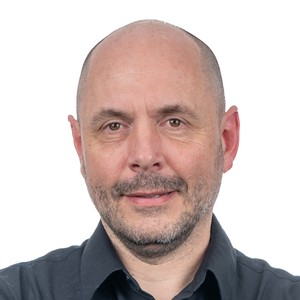
Thierry GRAMMER is the manager of the INNOV'events Montréal office. Reach out directly by email at canada@innov-events.ca or via the contact form.
Contact the Montréal agency