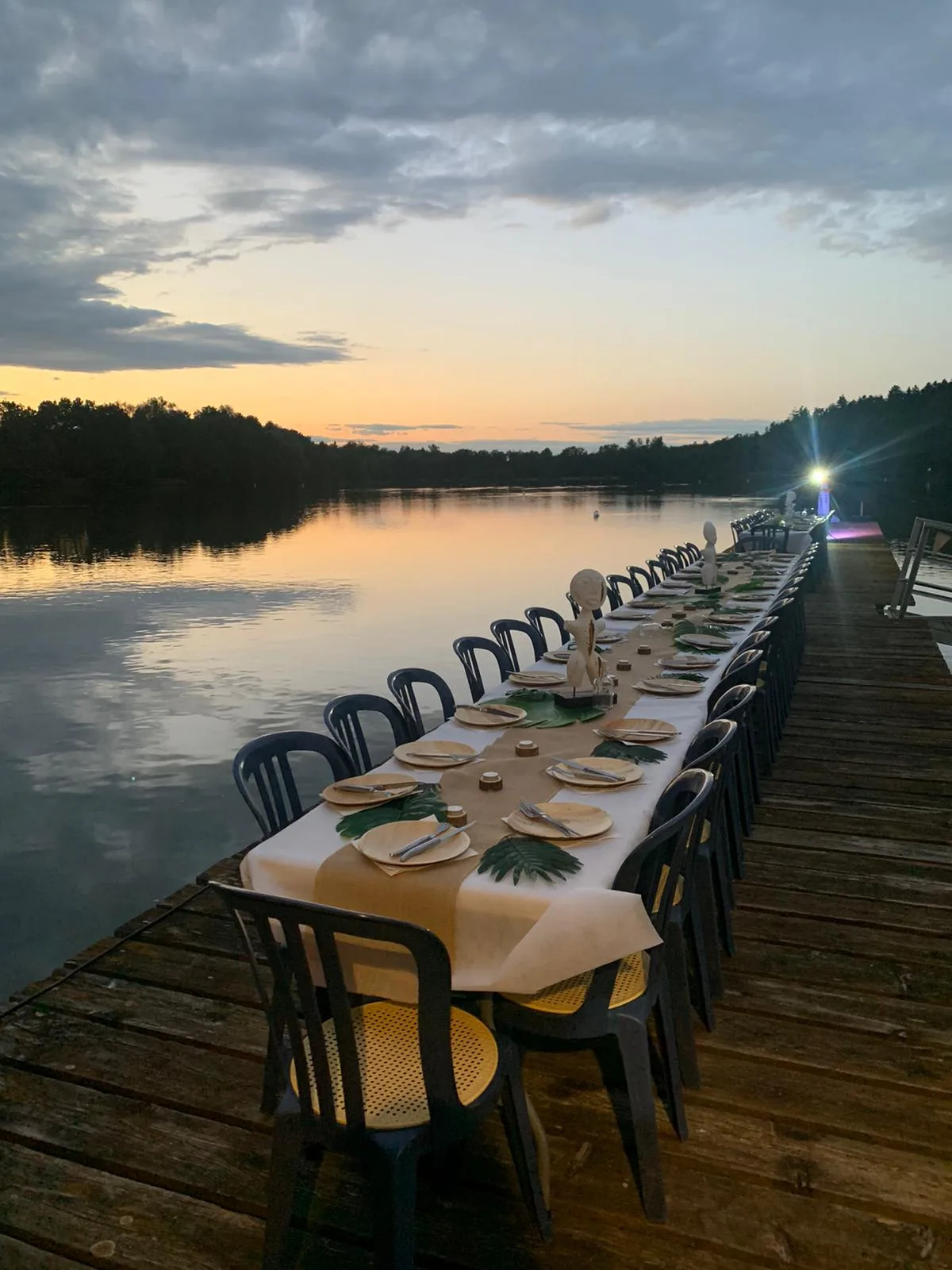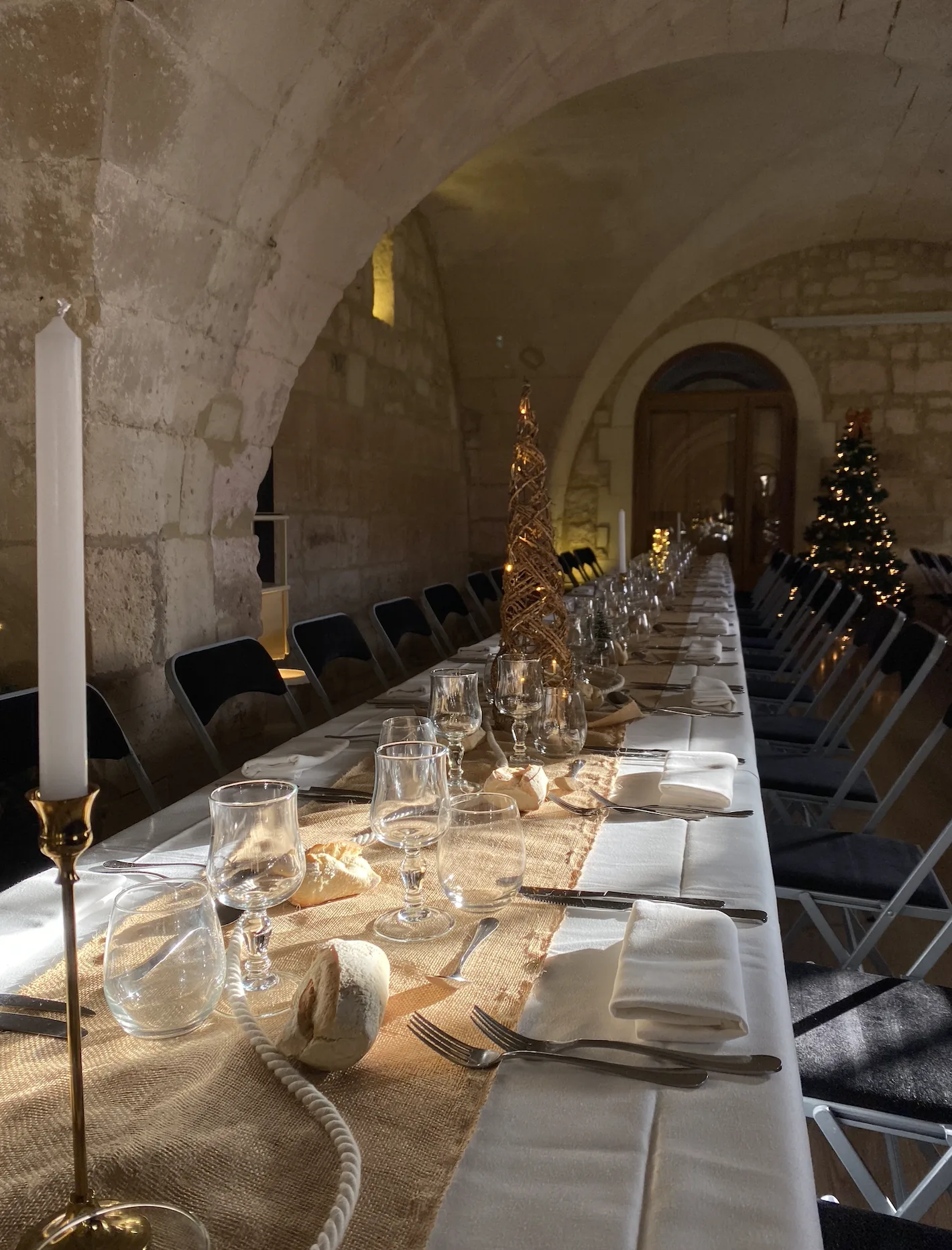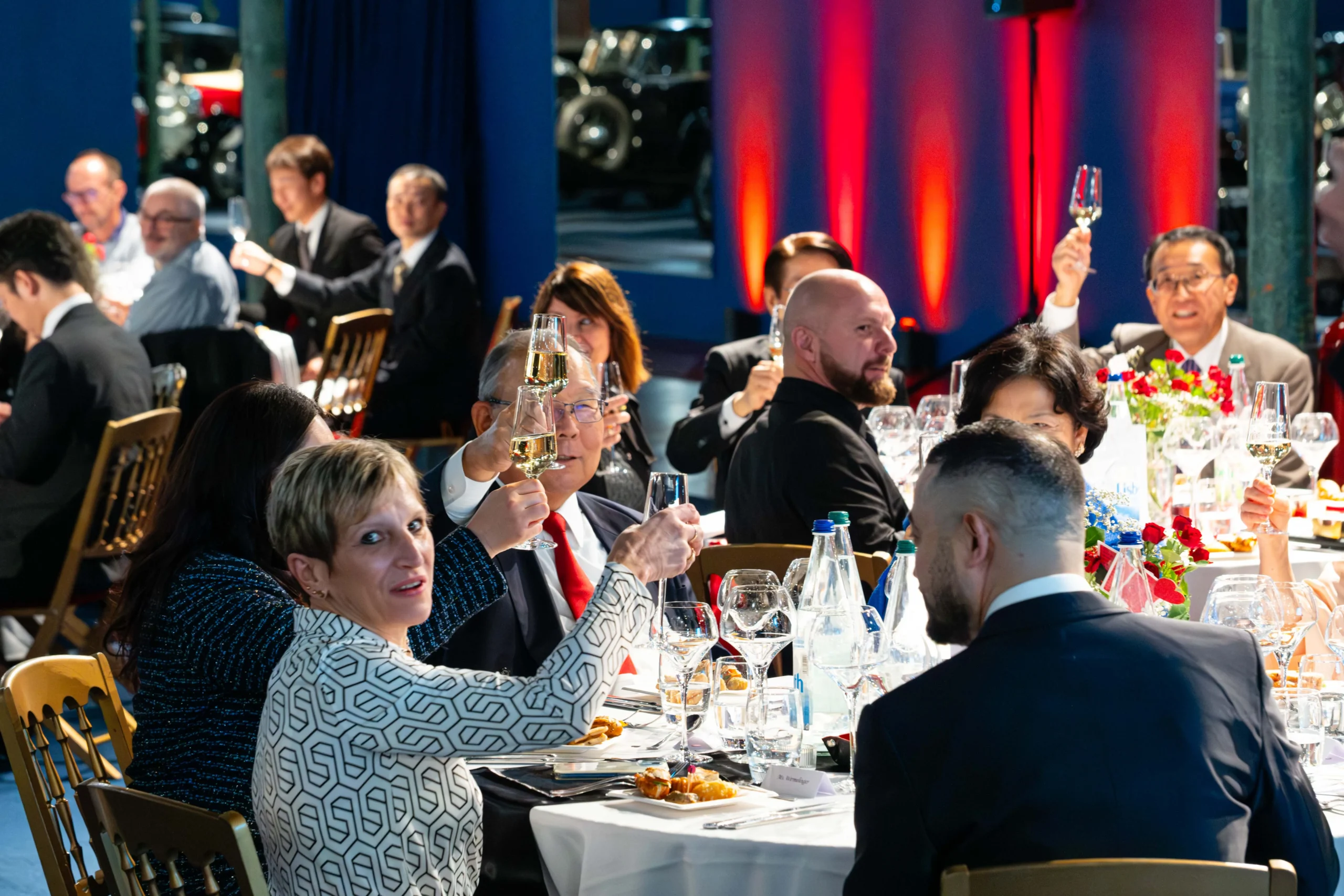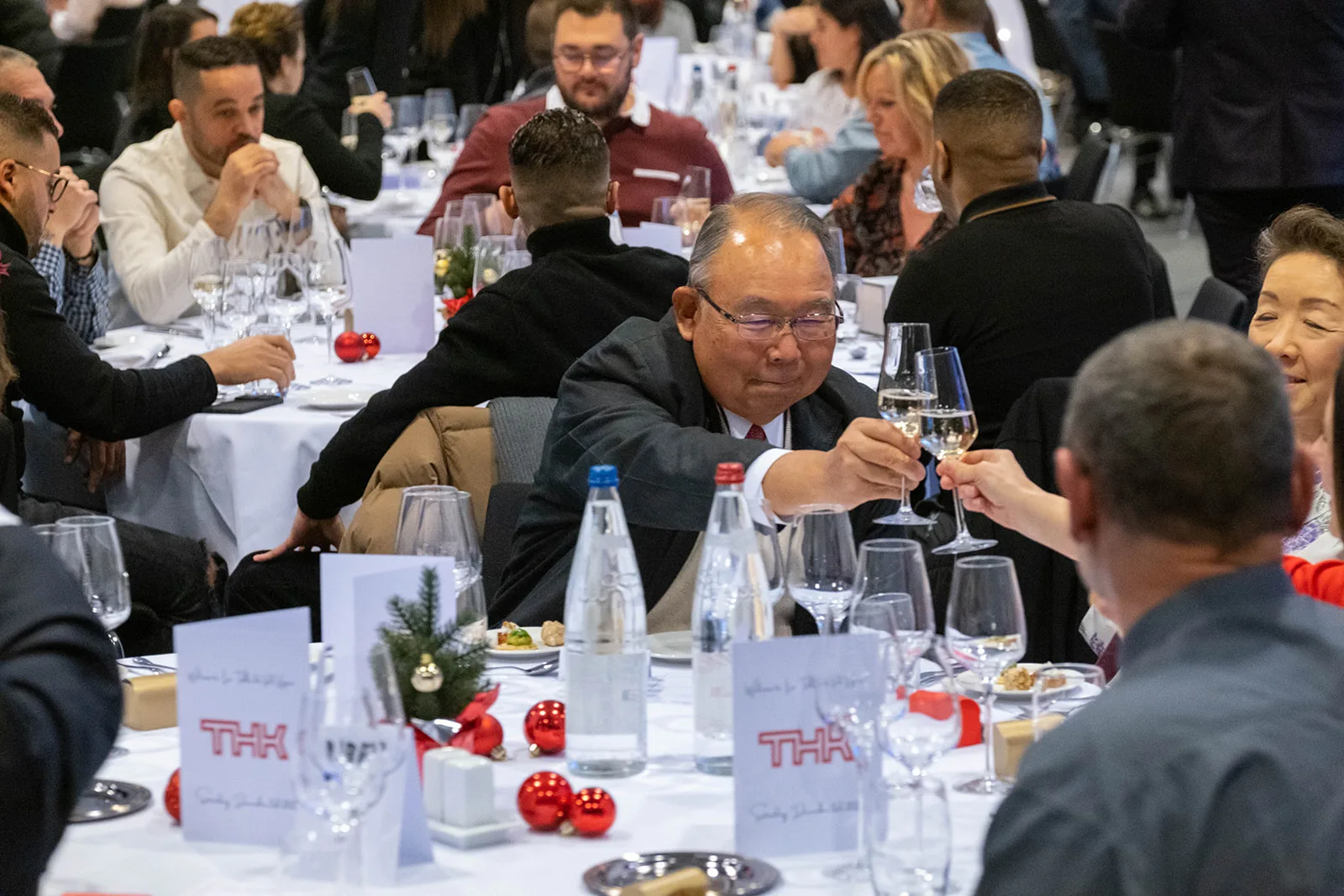
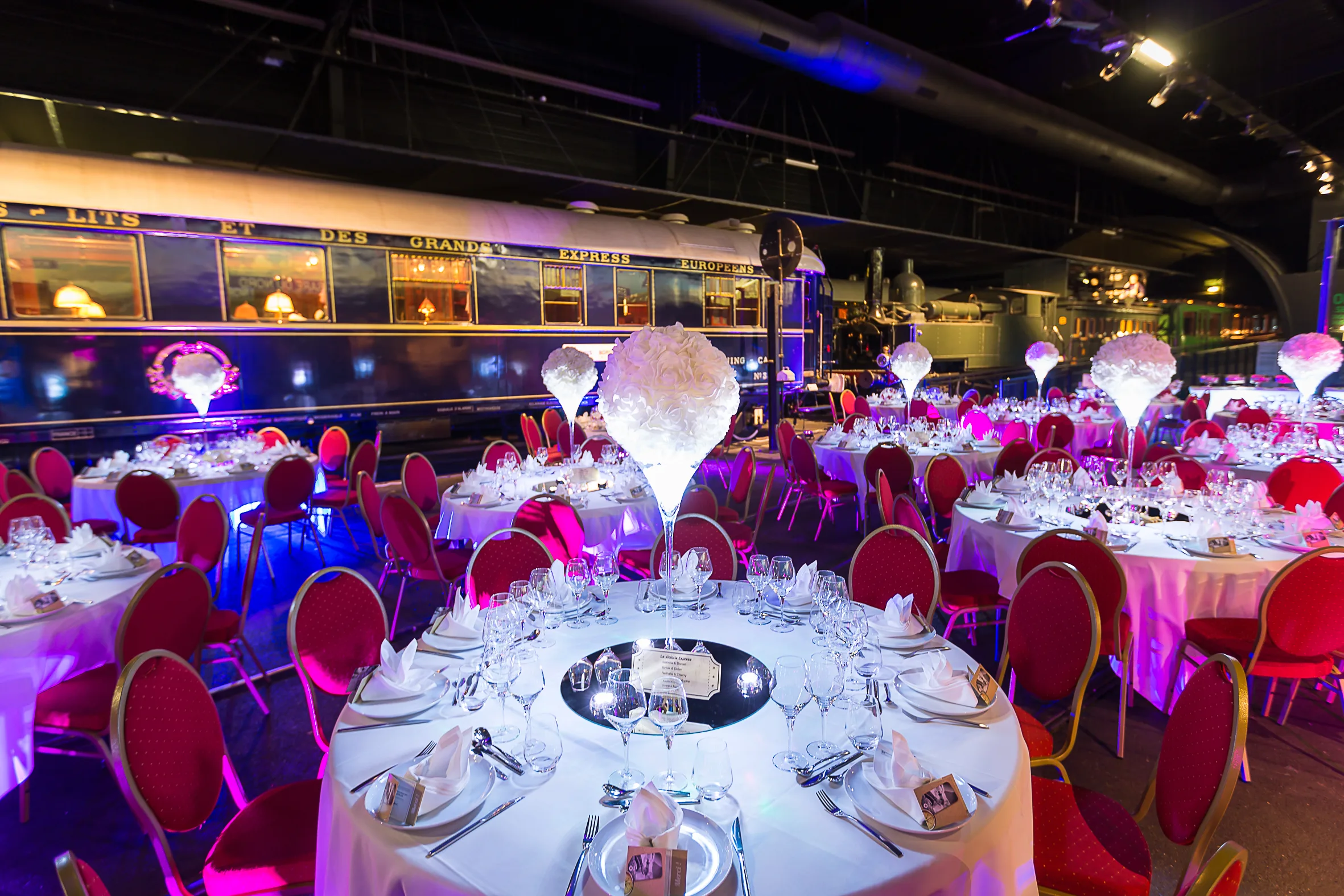
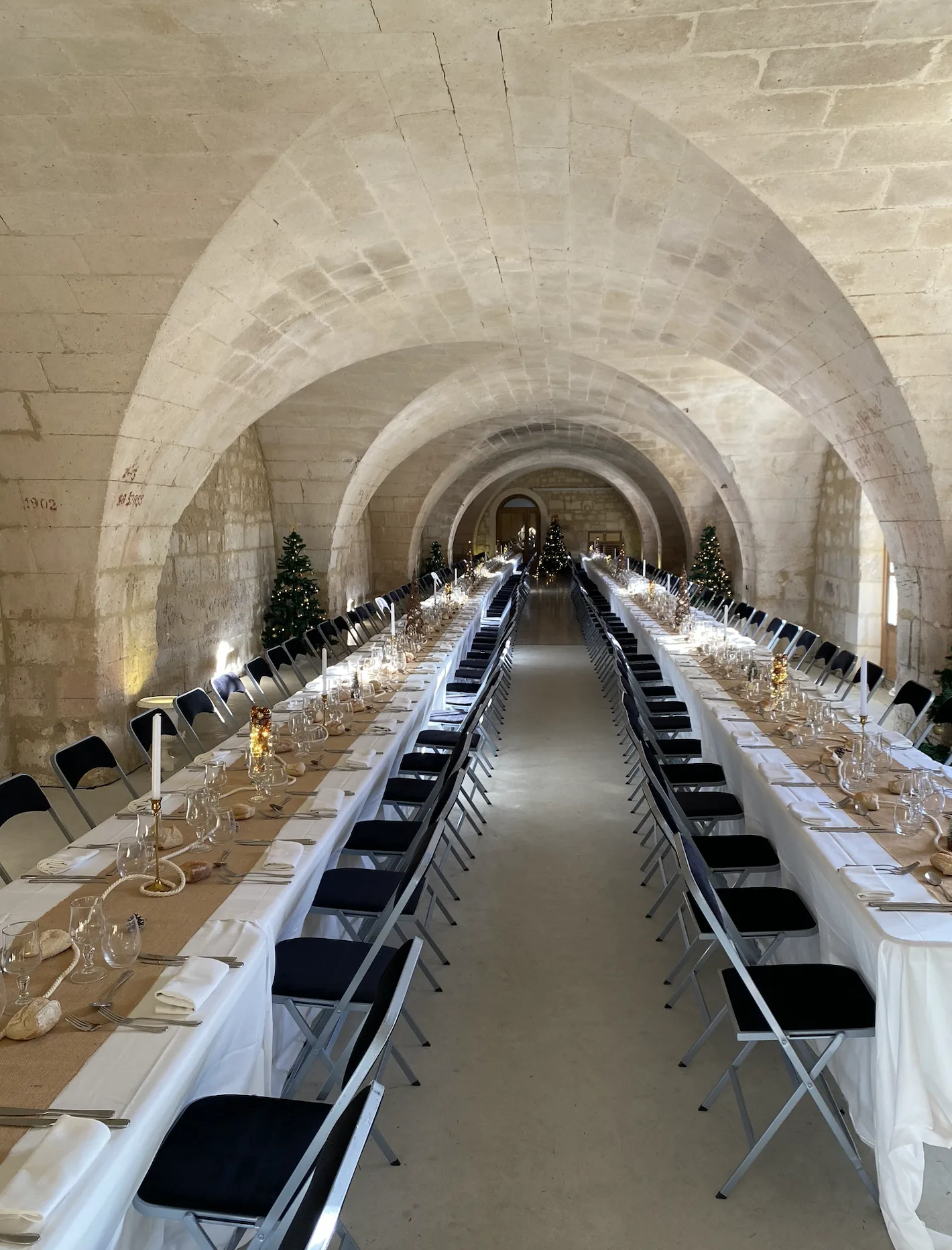
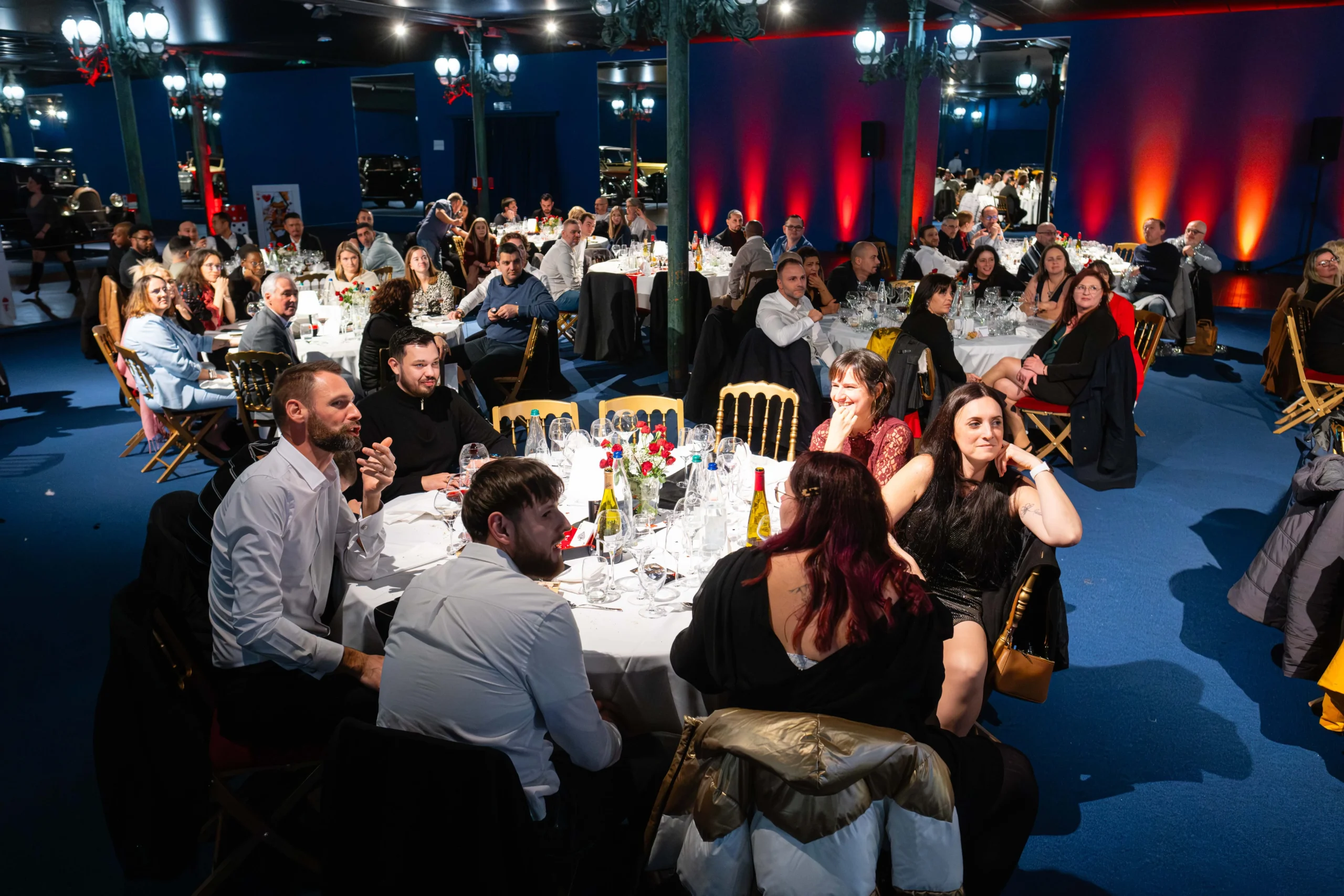
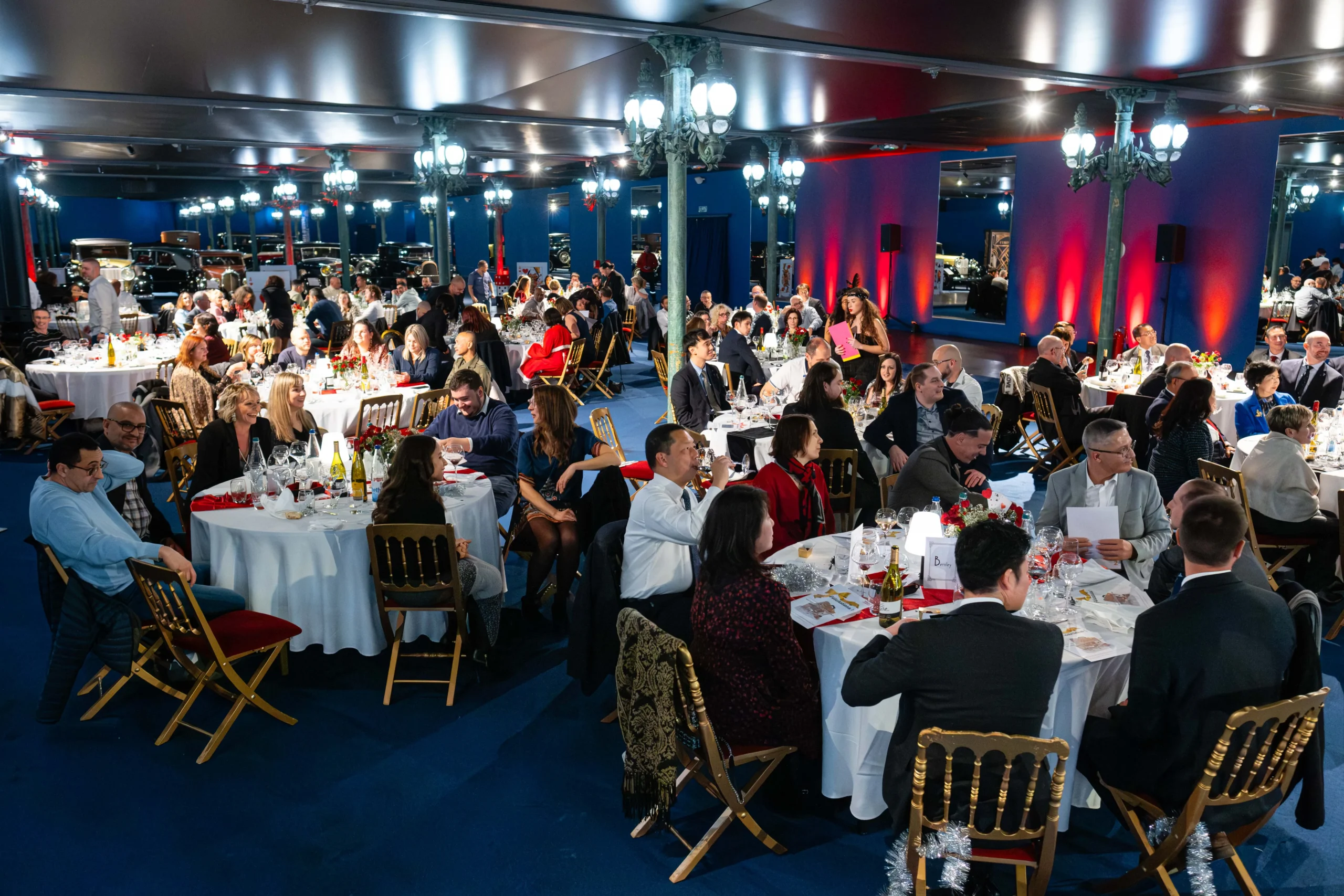
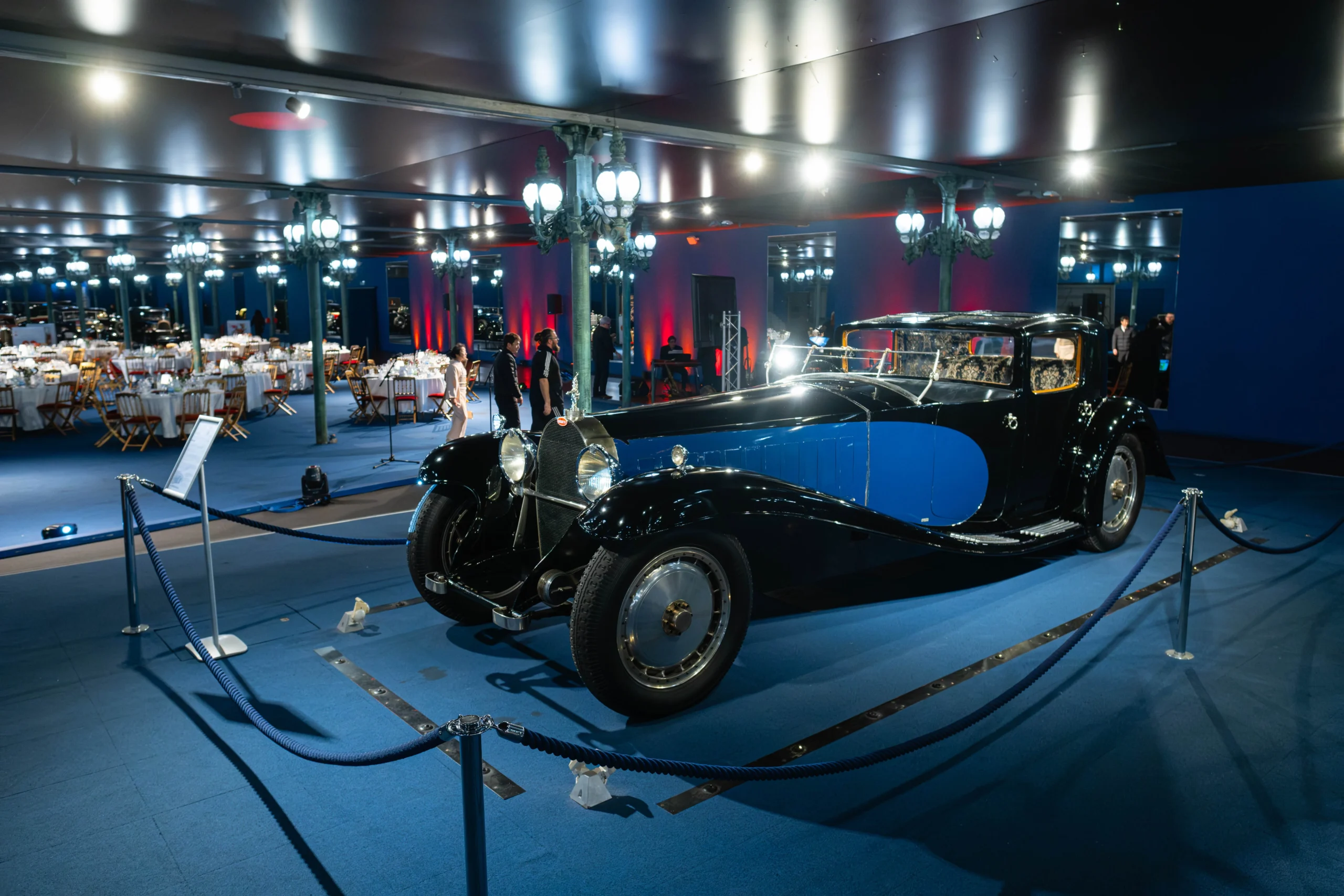
INNOV'events plans and runs Team Dinner formats across Montréal, typically for 20 to 400+ attendees, with the same operational rigour you expect for client-facing events. We handle venue sourcing, run-of-show, suppliers, AV, and on-site coordination so your leaders can host—not troubleshoot.
Whether you need a recognition dinner after a busy quarter, a leadership offsite evening, or a multi-team celebration during a congress week, we protect the experience, the budget, and your internal brand.
In a corporate context, entertainment is not “extra”—it is the mechanism that shifts a dinner from passive attendance to active connection. A well-designed Team Dinner supports retention, cross-team collaboration, and leadership visibility by creating structured moments where people actually talk, listen, and align.
Montréal organizations expect the event to be seamless and respectful of time: clear agenda, quick transitions, bilingual touchpoints when needed, and a venue that feels intentional—not random. HR and Comms teams also need content-ready moments (photos, short speeches, recognitions) without turning the evening into a staged production.
We’re an event team based in Montréal, used to the realities of downtown access, winter logistics, union venues, tight load-in windows, and last-minute executive changes. Our approach is operational first: we plan the experience, then we build the entertainment around your culture, your risk tolerance, and your audience profile.
10+ years delivering corporate events in Québec and across Canada through partner networks when required.
200+ corporate dinners, receptions, and recognition evenings produced (20 to 400+ attendees).
48-hour turnaround available for a first proposal (venue directions, concept, budget range, and risks).
1 accountable project lead from brief to on-site, with an operations checklist shared with your internal stakeholders.
We support Montréal-based organizations and Canadian teams travelling into the city for meetings, product launches, and internal milestones. Many of our mandates repeat year after year because we keep the same standards: predictable budgets, calm execution, and documentation that makes internal approvals easier.
If you want, we can share comparable case examples (industry, headcount, venue type, timing constraints) during a short call, so you can assess fit before investing time in a full brief.
We send you a first proposal within 24h.
A Team Dinner in Montréal becomes strategic when it is designed as a management tool, not a social add-on. For executives, it is one of the few moments where you can reach multiple layers of the organization at once—without a slide deck—while reinforcing priorities and recognition.
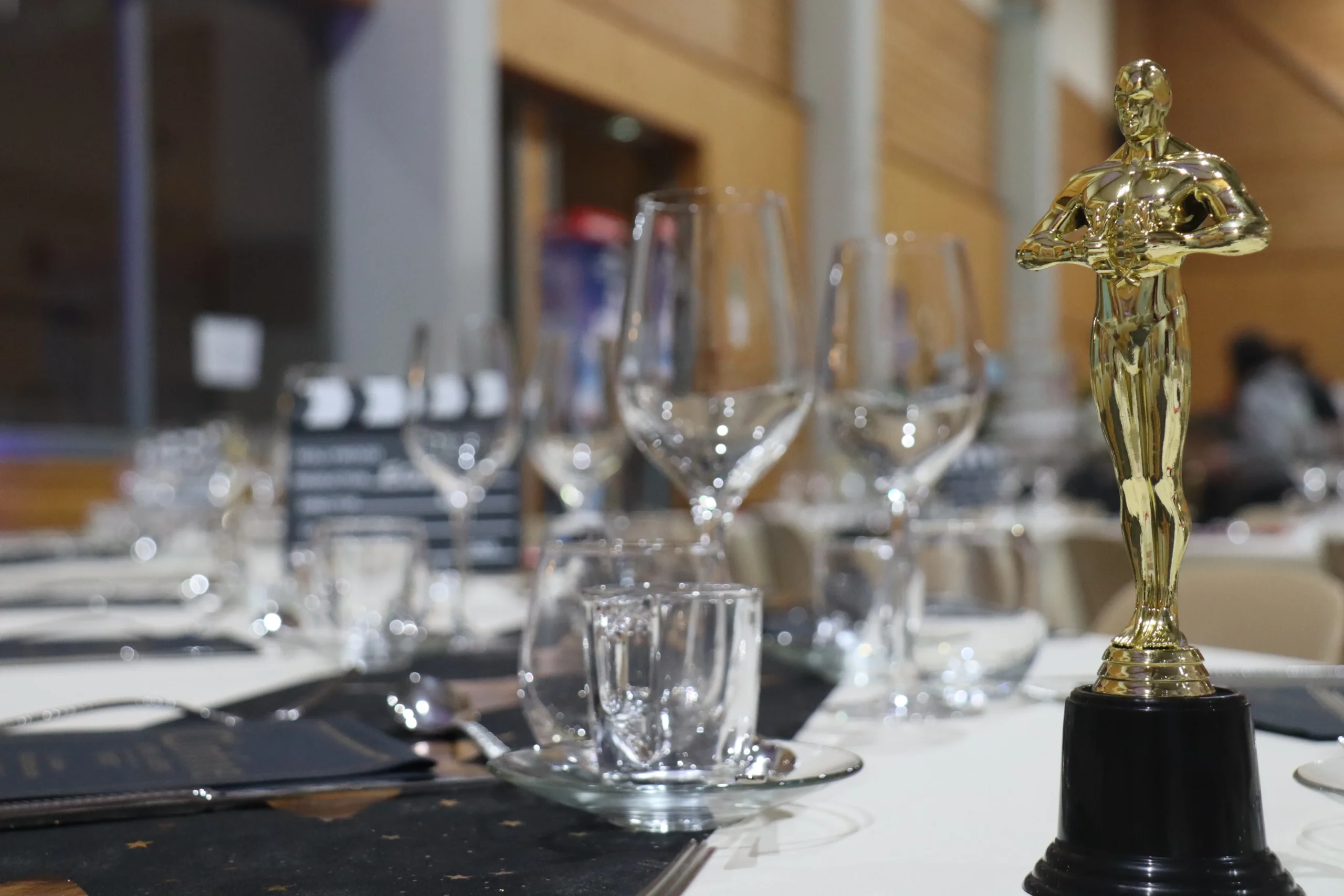
Retention and recognition: A structured recognition segment (kept to 8–12 minutes) has a stronger impact than an all-hands email, especially when it names concrete behaviours tied to your values.
Cross-team collaboration: Seating strategy and light facilitation can break down silo patterns. We routinely map teams by function, tenure, and project dependency to avoid “everyone sits with their usual group.”
Leadership presence without awkwardness: We coach the flow—arrival, welcome, short leadership remarks, meal pacing—so executives are visible and approachable, without feeling like they’re “performing.”
Employer brand in a competitive market: Montréal talent is sensitive to authenticity. A dinner that respects dietary needs, time, and accessibility sends a stronger signal than expensive décor that doesn’t match your culture.
Change management support: When reorganizations or integrations are underway, a dinner can be used to re-humanize the transition: micro-stories, shared wins, and a clear next chapter delivered in a respectful tone.
Montréal’s economic culture blends speed and relationship-building: people move fast, but they stay loyal to organizations that treat them well. A properly structured Team Dinner supports that balance—performance and belonging—without disrupting operations the next day.
In Montréal, “good” is operationally specific. Your guests judge the evening on the practical details: how long they waited at the coat check, whether the first drink was served quickly, if the sound system allowed normal conversation, and whether the program respected the promised end time.
We also see recurring constraints in local organizations:
Our job is to anticipate these expectations before they become day-of issues. That’s what separates a pleasant dinner from a leadership-approved event.
Entertainment at a Team Dinner is effective when it respects the meal and the room: it should connect tables, create shared reference points, and leave space for conversation. In Montréal, we often aim for formats that are culturally aware, bilingual-friendly, and adaptable to mixed seniority levels.
Facilitated table challenges: short, structured prompts between courses (3–5 minutes each) that help new teams connect without forcing extroversion. We supply the facilitation script and a timing plan.
Leadership Q&A in a controlled format: curated questions collected in advance, moderated for tone and time. Works well for offsites and post-merger contexts where clarity matters.
Live polling for recognitions and moments of humour: quick votes or “this or that” prompts projected discreetly. We keep it tight so it doesn’t become a tech demo.
Jazz trio or acoustic sets: ideal for cocktail or between courses, with volume engineered for conversation. We coordinate set times with service so staff are not competing with performers.
Short-form bilingual host: a professional MC who can bridge French and English without awkward repetition. Best for award moments and transitions, not for filling the whole night.
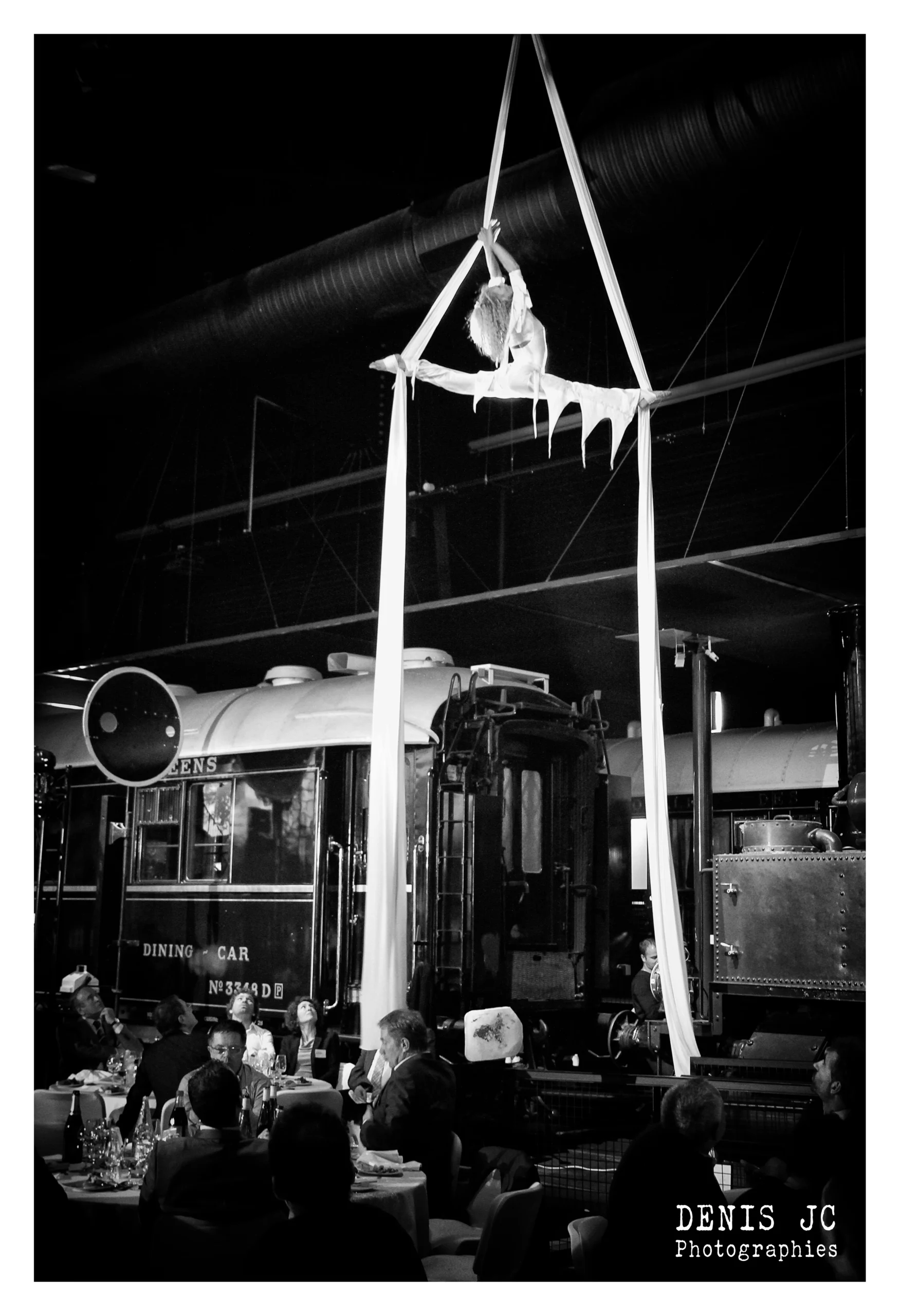
Micro-performances (10–12 minutes): for example, a concise comedy set with pre-approved content boundaries, or a specialty act that can fit tight load-in windows.
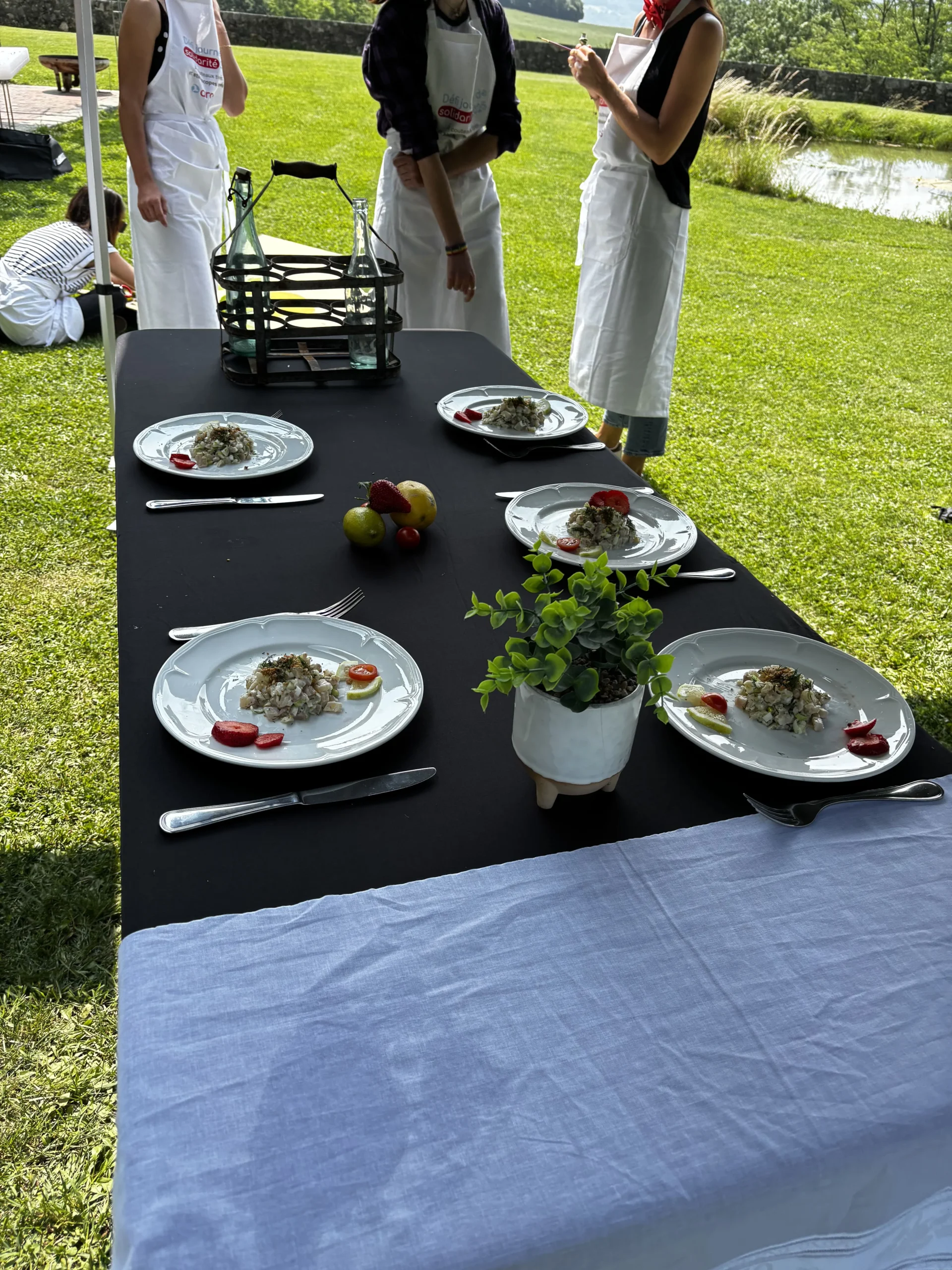
Chef-led tasting moments: a structured tasting (local ingredients, Québec products) with a clear script and pacing that does not delay service. This works particularly well for executive dinners where conversation is the priority.
Interactive dessert or cocktail station: designed to reduce lineups (multiple points of service) and encourage movement without disrupting speeches.
Branded audio story corner: a quiet recording setup where employees share short “what we built this year” stories. Comms teams can repurpose clips internally, with consent and a clear editorial framework.
Photo strategy that doesn’t feel forced: instead of a single lineup photo booth, we plan roaming photography plus one structured group shot window (pre-announced) to reduce congestion.
Hybrid-friendly recognition: if a few leaders are remote, we integrate a short live segment with tested connectivity and a back-up recording, so it doesn’t derail the room.
Whatever the format, we align entertainment to your internal brand: if you are a regulated sector, the tone and risk profile must match; if you are a creative employer, we can push further while protecting inclusion and professionalism. That alignment is what makes corporate event entertainment in Montréal feel credible inside your organization.
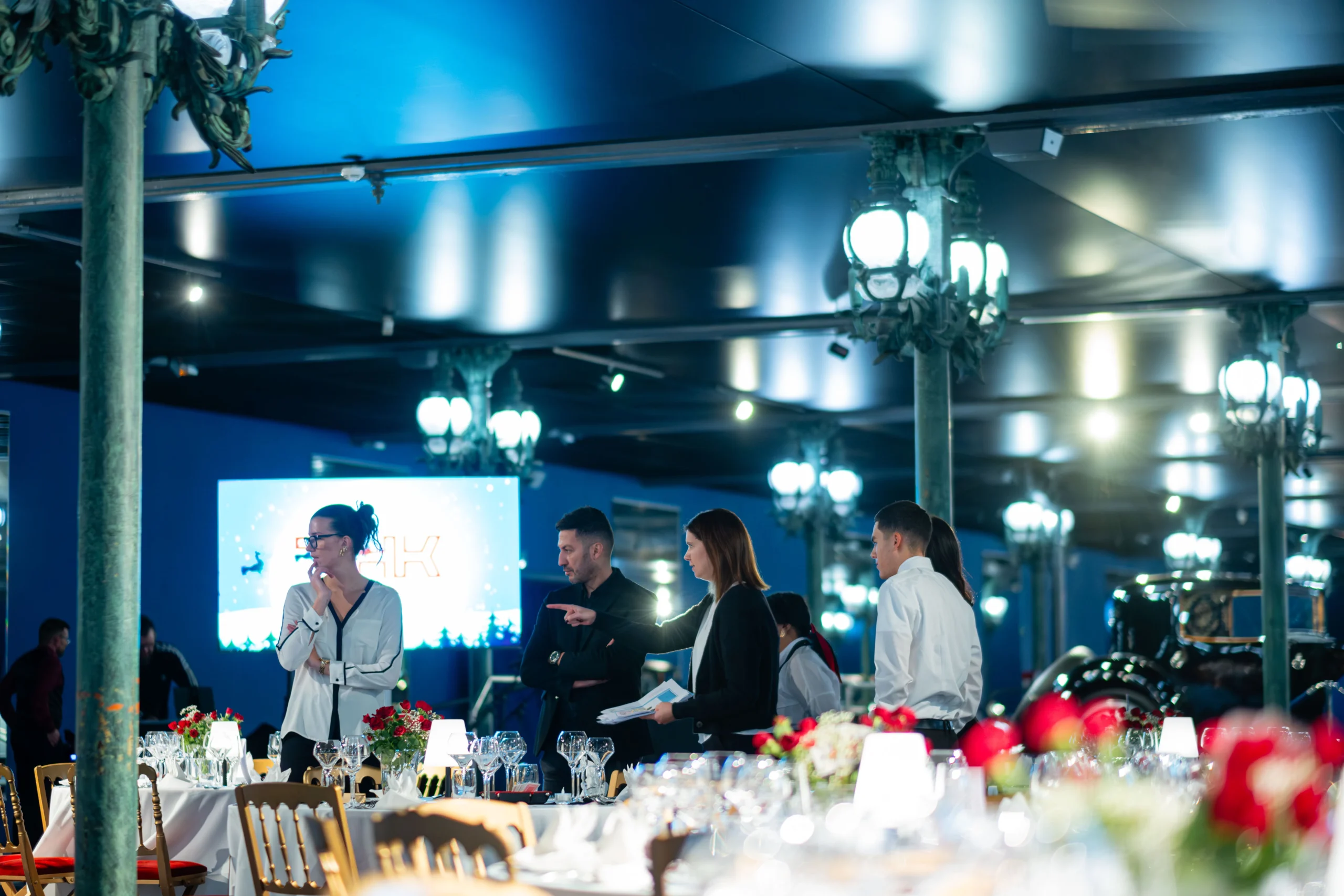
The venue is not just a backdrop—it dictates acoustics, service rhythm, accessibility, load-in rules, and ultimately how your leadership is perceived. In Montréal, we shortlist venues based on guest journey (arrival and departure), staff professionalism, AV limitations, and the reality of downtown constraints during peak seasons.
| Venue type | For which objective? | Main strengths | Possible constraints |
|---|---|---|---|
| Private dining room in an established restaurant | Executive or leadership dinner (20–80) | Strong service culture, predictable pacing, refined food experience | Limited AV, sound restrictions, less control over neighbouring rooms |
| Hotel ballroom or event floor | Company-wide dinner with speeches/awards (80–400+) | AV infrastructure, accessibility, late end times possible, room reconfigurations | Minimum spends, union rules in some properties, can feel formal if not designed well |
| Industrial/loft event space | Culture-forward celebration or post-conference dinner (60–250) | Brandable space, flexible layout, strong visual impact for internal comms | More rentals required (furniture, drape, AV), tighter load-in, noise management |
| Museum or cultural venue rental | VIP dinner or partner recognition (40–200) | High perceived value, natural conversation starter, elegant atmosphere | Strict rules (catering, security, timing), higher insurance requirements |
We strongly recommend a site visit (or a structured virtual walk-through with measurements) before you commit. Many Montréal rooms look great online but have practical limits: pillar sightlines, sound reflections, slow elevators, or tight docks. A Team Dinner in Montréal is won or lost on these details.
Budgeting a Team Dinner is easier when you separate the “fixed” costs (venue, catering minimums, staffing) from the “choice” costs (entertainment, AV, branding, photography). In Montréal, pricing is highly sensitive to date, neighbourhood, and how much infrastructure the venue already includes.
Headcount and service format: plated vs. stations vs. cocktail-dînatoire changes staffing and timing. Stations can feel modern but need more service points to avoid lineups.
Date and seasonality: Thursdays in peak periods (holiday season, major conventions) compress availability and increase minimum spends. Tuesday/Wednesday often offers better value and more flexibility.
AV and production level: a simple speech setup is not the same as multiple mics, confidence monitors, or video. We scope AV to the room, not a generic package.
Entertainment scope: live musicians, MCs, or interactive formats vary by duration, rehearsal needs, and technical riders. We also factor load-in time and venue rules.
Branding and content capture: step-and-repeat, photo, short video recap, or internal storytelling stations require planning time and on-site coordination.
Risk and contingency: winter weather plans, coat check staffing, additional hosts, and transportation coordination for VIPs are often small line items that prevent big problems.
We frame ROI in operational terms: fewer no-shows when the invite and schedule are clear, better leadership visibility, and a smoother experience that protects your employer brand. A well-run dinner reduces hidden costs—overtime, last-minute rentals, and reputational stress on your HR and Comms teams.
Working with a Montréal-based team is less about proximity and more about local operational literacy. We know which venues enforce strict load-in times, where downtown traffic regularly breaks arrival windows, and which suppliers can deliver under pressure without compromising professionalism.
When your internal stakeholders are juggling approvals, last-minute executive requests, and brand sensitivities, you need a partner who can make decisions fast and document them clearly. That’s how we work at INNOV'events, as an event agency in Montréal built around process and accountability.
We frame ROI in operational terms: fewer no-shows when the invite and schedule are clear, better leadership visibility, and a smoother experience that protects your employer brand. A well-run dinner reduces hidden costs—overtime, last-minute rentals, and reputational stress on your HR and Comms teams.
Our dinner mandates range from discreet executive evenings to large employee celebrations. Common Montréal scenarios we handle include: teams arriving from multiple sites with staggered timing, leadership wanting a short but meaningful recognition moment, and hybrid organizations needing bilingual delivery without doubling the length of the program.
We also regularly manage operational complexities that internal teams don’t have time to absorb: coordinating menus with dietary constraints at scale, building a run-of-show that respects kitchen pacing, planning photo moments that support internal comms without disrupting the room, and ensuring that entertainment enhances the atmosphere rather than competing with conversation.
The result you should expect is simple: the room feels calm, the agenda stays on time, and your leaders can focus on people instead of logistics.
Over-programming: too many speeches and long transitions cause early departures. We keep formal content short and place it where attention is naturally highest.
Sound that blocks conversation: a common issue in lofts and restaurants. We plan volume zones and choose entertainment styles that fit the room.
Unclear arrival and seating: creates congestion and delays service. We design guest flow, signage, host points, and table plans that match your objectives.
Menu choices that don’t reflect the audience: ignoring dietary needs becomes an HR issue. We confirm counts and service protocols in advance.
AV surprises: inadequate mic coverage, no backup laptop, or poor sightlines. We build a technical plan with redundancies appropriate to the risk.
Underestimating winter logistics in Montréal: coats, boots, late arrivals, and transport delays. We staff accordingly and build buffer into the schedule.
Our role is to remove these risks before you feel them. A Team Dinner in Montréal should not depend on luck; it should run on planning discipline and an experienced on-site lead.
Repeat business is rarely about creativity—it’s about reliability under real constraints. Many organizations come back because we make approvals easier, we communicate clearly, and we protect leadership time.
70–85% of our annual mandates include returning clients or referrals (varies by year depending on project mix).
1 consolidated budget tracker shared throughout the project to avoid “surprise” supplier adds.
0 ambiguity on responsibilities: we define what the venue handles vs. what we handle vs. what you handle, in writing.
Loyalty is the simplest proof point: when the internal pressure is high, teams choose the partner who keeps the event predictable, professional, and aligned with the organization’s culture.
We start with a focused call (typically 30–45 minutes) with HR/Comms and an executive sponsor if possible. We confirm objectives, sensitive topics, success criteria, and constraints (bilingual needs, accessibility, union venue considerations, internal policies). We also identify who approves what, and by when, to prevent late-cycle changes from derailing the plan.
We provide a shortlist with realistic capacity, budget implications, and operational notes: load-in, AV limitations, noise restrictions, transit/parking, and service style. When needed, we coordinate site visits and ask the venue questions internal teams usually miss (timing hard stops, staffing levels, coat check capacity, preferred suppliers, and cancellation terms).
We build the evening structure: arrival window, cocktail strategy, seating logic, meal pacing, recognition, and entertainment inserts. You receive a time-stamped run-of-show plus “decision points” (what we need approved to lock suppliers). This keeps the project moving and protects your internal workload.
We manage supplier negotiations, contracts, certificates of insurance, and coordination calls. Budget is tracked line-by-line with options (base, recommended, enhanced) so you can make informed trade-offs. If your leadership asks “what do we get for this cost,” we provide a clear answer.
On event day, we run vendor load-in, rehearsals, AV checks, guest flow, and cues. We manage issues quietly and document any changes for transparency. Afterward, we deliver a wrap-up: what worked, what to improve, and any assets collected (photos/video) organized for internal use.
For 40–150 guests, plan 6–10 weeks ahead for strong venue choice. For holiday season (mid-November to mid-December), aim for 10–16 weeks. For smaller executive dinners (10–30), we can often secure options in 2–4 weeks depending on day of week.
For a corporate dinner, many Montréal budgets land between $150 and $300 per person all-in for venue/catering and basic coordination, depending on service style and minimum spends. Add $20–$60 per person for upgraded AV, entertainment, or content capture. We confirm ranges after headcount, date, and venue type are known.
We identify the moments that must be bilingual (welcome, key instructions, leadership remarks, award names) and keep the rest natural. If you use an MC, we select someone who can switch languages smoothly without repeating everything twice. We also validate slides, signage, and scripts in advance to avoid awkward on-site improvisation.
Hotel ballrooms and purpose-built event spaces are usually best because they offer controlled acoustics, built-in rigging points, and proper staging options. Restaurants can work for short remarks (under 5 minutes), but AV is often limited. We advise based on your room layout, ceiling height, and the number of program cues.
We protect timing with a detailed run-of-show, confirmed kitchen pacing, and strict cue ownership (who triggers music, lights, mic hand-offs). We also schedule speeches where attention is highest and limit formal segments to a defined block (often 15–25 minutes total). If arrivals are staggered, we design the first hour to absorb delays without pushing the entire program.
If you’re comparing agencies, we can make the decision easy: send us your target date(s), estimated headcount, preferred neighbourhood (downtown, Old Montréal, Griffintown, etc.), and the purpose of the dinner (recognition, integration, offsite, year-end). We’ll respond with a practical proposal: venue directions, a recommended evening structure, entertainment options that fit your culture, and a budget range with trade-offs.
For the best availability in Montréal, start the conversation early—especially for peak Thursdays and holiday dates. INNOV'events will help you deliver a Team Dinner that runs on time, respects your brand, and reflects well on your leadership team.
Thierry GRAMMER is the manager of the INNOV'events Montréal office. Reach out directly by email at canada@innov-events.ca or via the contact form.
Contact the Montréal agency