
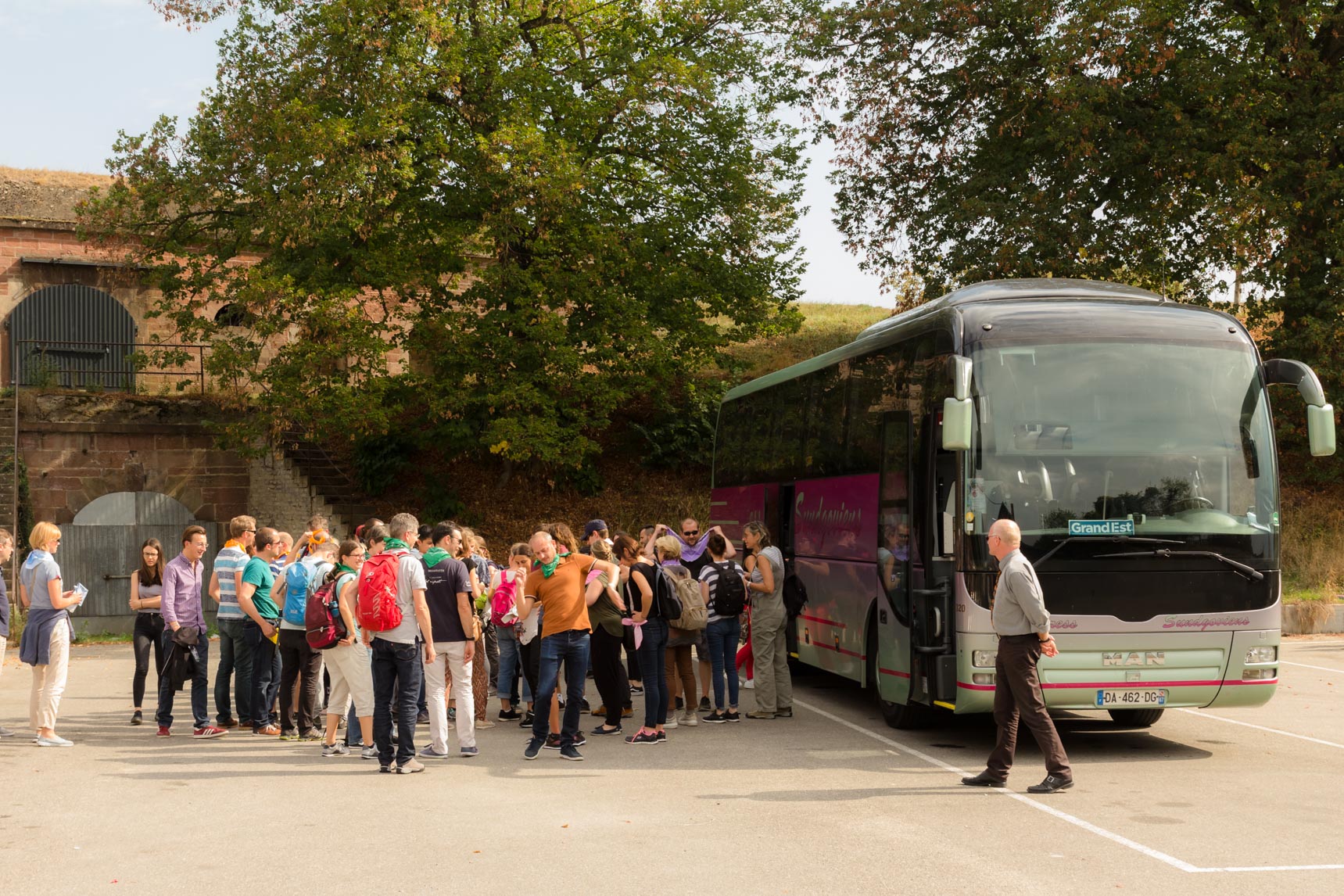
Shuttle and Transportation Service in Quebec that keeps your event on schedule
Sommaire
In corporate events, transportation is not “support”—it is the first operational proof of your organization’s discipline. A late shuttle impacts speaker slots, catering service windows, unionized venue crews, and the perceived credibility of leadership in front of employees, clients, or partners.
Organizations in Quebec expect predictable timing, bilingual guest handling, and clear instructions that reduce friction for VIPs and large groups. HR and Communications teams also expect a transportation plan that protects duty of care, especially for evening returns and off-site activities.
Based in Montréal, INNOV'events delivers Shuttle / Transportation Service with a field approach: realistic dwell times, professional dispatch on-site, and carrier coordination adapted to winter conditions, downtown access rules, and regional distances across Quebec.
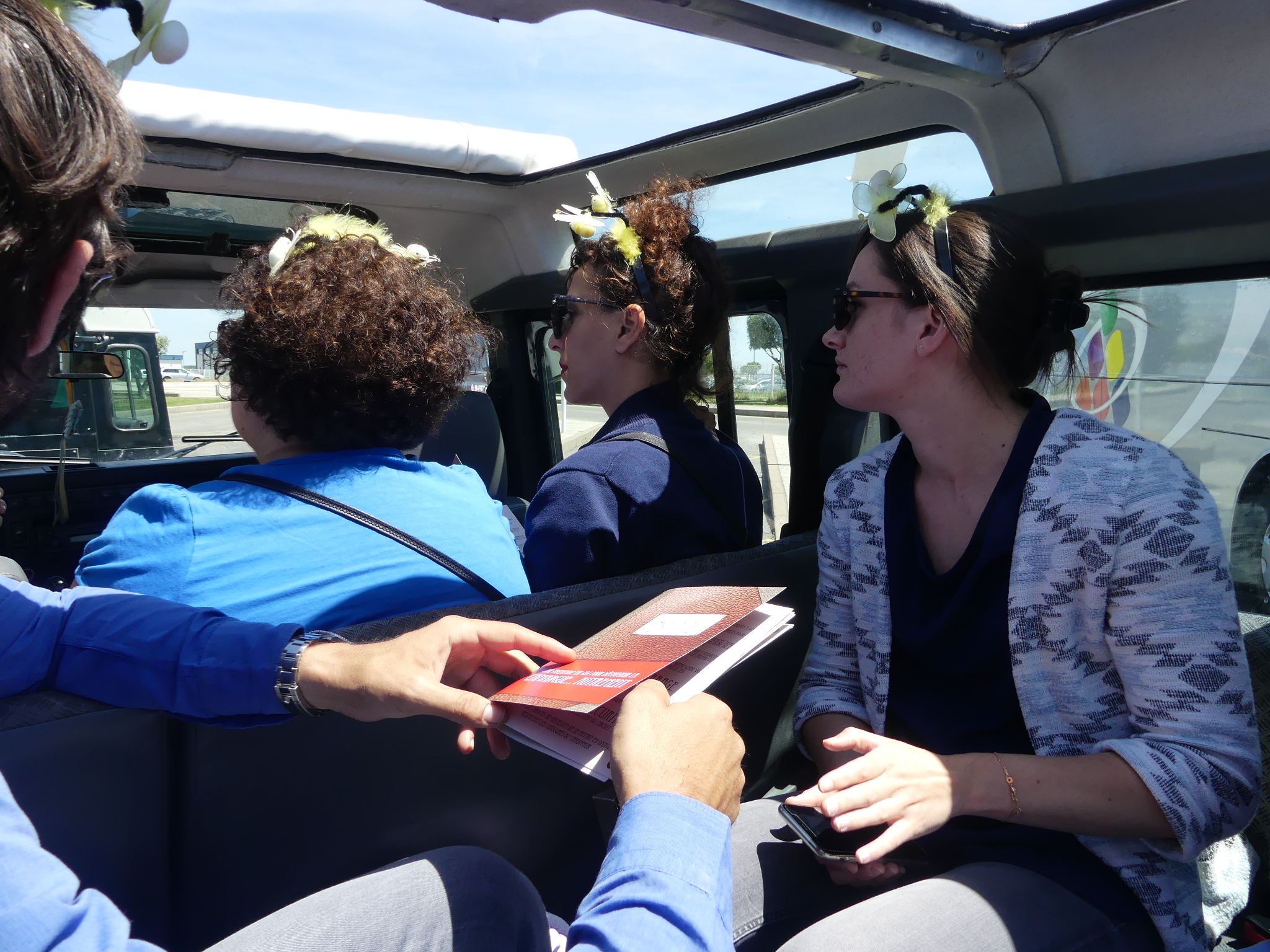
Operational metrics we commit to in Quebec
10+ years coordinating corporate event logistics in Montréal, Québec City and across the province.
Transportation plans executed for 20 to 2,000+ guests, from board offsites to multi-day congresses.
15–30 minutes typical planned buffer per critical transfer (airport-to-hotel, hotel-to-venue), adjusted by time of day and local constraints.
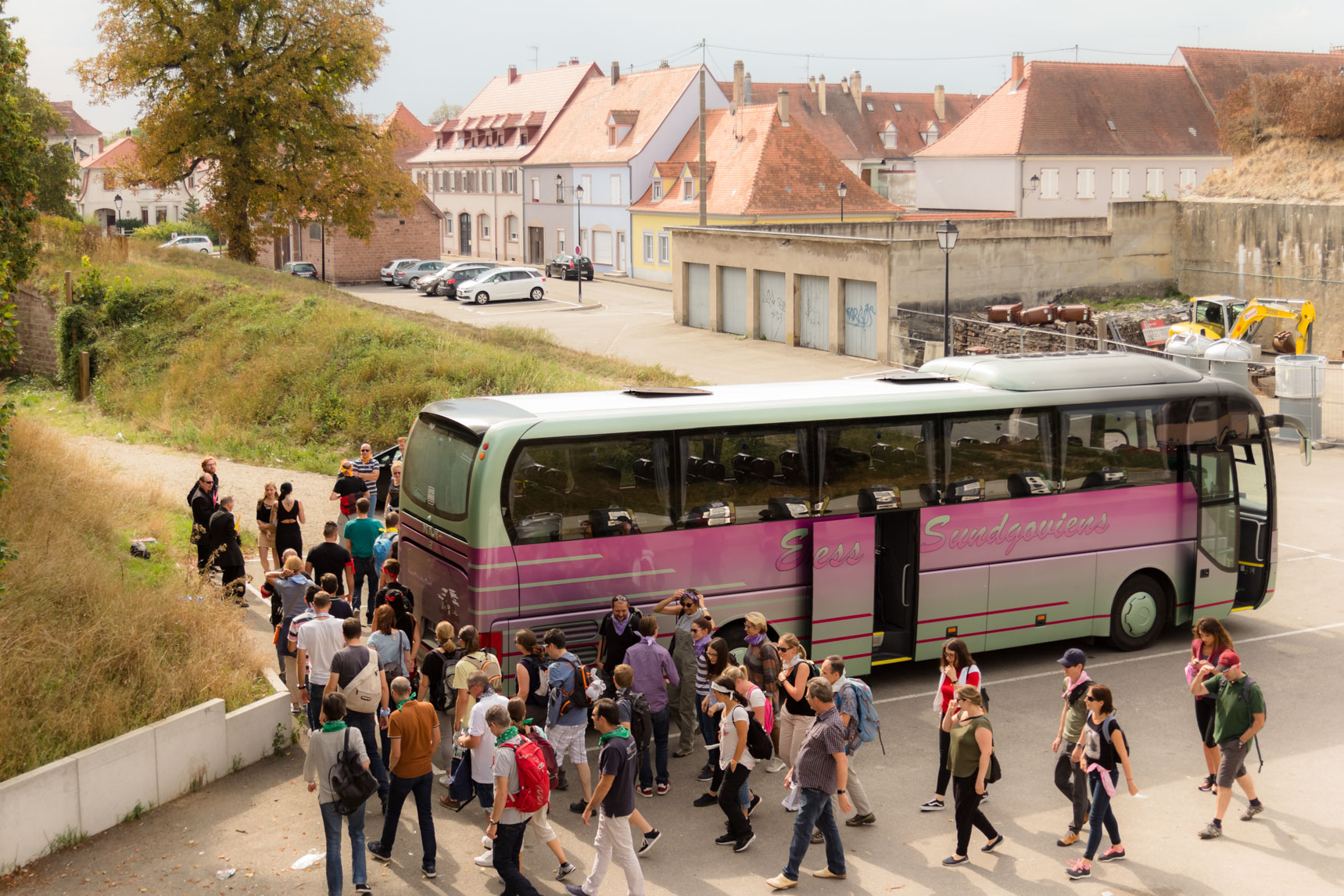
On high-volume arrivals, we deploy 1 dispatcher per 2–4 loading zones to avoid bottlenecks and missed buses.
When required, we manage 24/7 on-call escalation during event windows (flight delays, weather, last-minute room changes).
Quebec presence that translates into fewer surprises on event day
We support organizations that operate in Montréal, Québec City, Laval, Longueuil, the South Shore and key regional hubs where many corporate events are held. The reason some clients renew year after year is simple: transportation is where the smallest assumptions become visible problems—loading zones that disappear, hotel foyers that can’t hold 200 people at once, or a “5-minute” walk that turns into a 20-minute winter detour.
In Quebec, we work with repeat event formats: leadership kickoffs, sales meetings, plant visits, client appreciation evenings, and annual general meetings. Many of these events have the same constraint: multiple guest profiles (VIPs, employees, suppliers) arriving at different times. Our role is to make that complexity invisible to your attendees while keeping you in control through clear run sheets and decision-ready reporting.
If you want to sanity-check a plan, we’re comfortable reviewing an existing shuttle setup and flagging risks before you commit—especially around airport peaks, downtown restrictions, and winter contingencies.
 Besoin d’un devis rapide ?
Nous vous envoyons une première proposition sous 24h.
Why invest in structured shuttle service in Quebec for corporate events?
Transportation is one of the few event components that directly affects attendance, punctuality, and duty of care at the same time. Executives feel it in the agenda; HR feels it in employee experience and safety; Communications feels it in brand consistency and stakeholder perception. A structured approach reduces risk and protects your day-of decision bandwidth.
Agenda protection: when arrivals are controlled, you can keep plenaries, speakers, and meals on time. This matters when venues enforce catering service windows and when A/V crews are booked by the hour.
Duty of care and risk control: clear return shuttles reduce impaired driving risk at evening events, and a single transportation plan is easier to defend internally than ad-hoc reimbursements or “everyone finds their way.”
Cost containment: the right vehicle mix (minibus, coach, sprinter, executive sedan) is often cheaper than last-minute taxis, overtime meal extensions, or speaker delays that cascade into additional labor.
VIP and client experience: executives and external guests notice professionalism through signage, a named host at the pickup point, and predictable communication—especially when arriving at YUL or Québec City Jean Lesage.
Operational simplicity for HR and Comms: a single set of instructions (email + SMS + signage) reduces repetitive questions, avoids conflicting directions, and keeps internal teams focused on content and people.
Better inclusivity: planned access for guests with reduced mobility and clear walking distances prevent last-minute scrambles and uncomfortable situations for attendees.
Quebec business culture values pragmatism: people expect things to work without drama. A solid shuttle plan is not “extra”—it’s a concrete way to show respect for time, safety, and professionalism.
What corporate teams in Montréal expect from transportation logistics
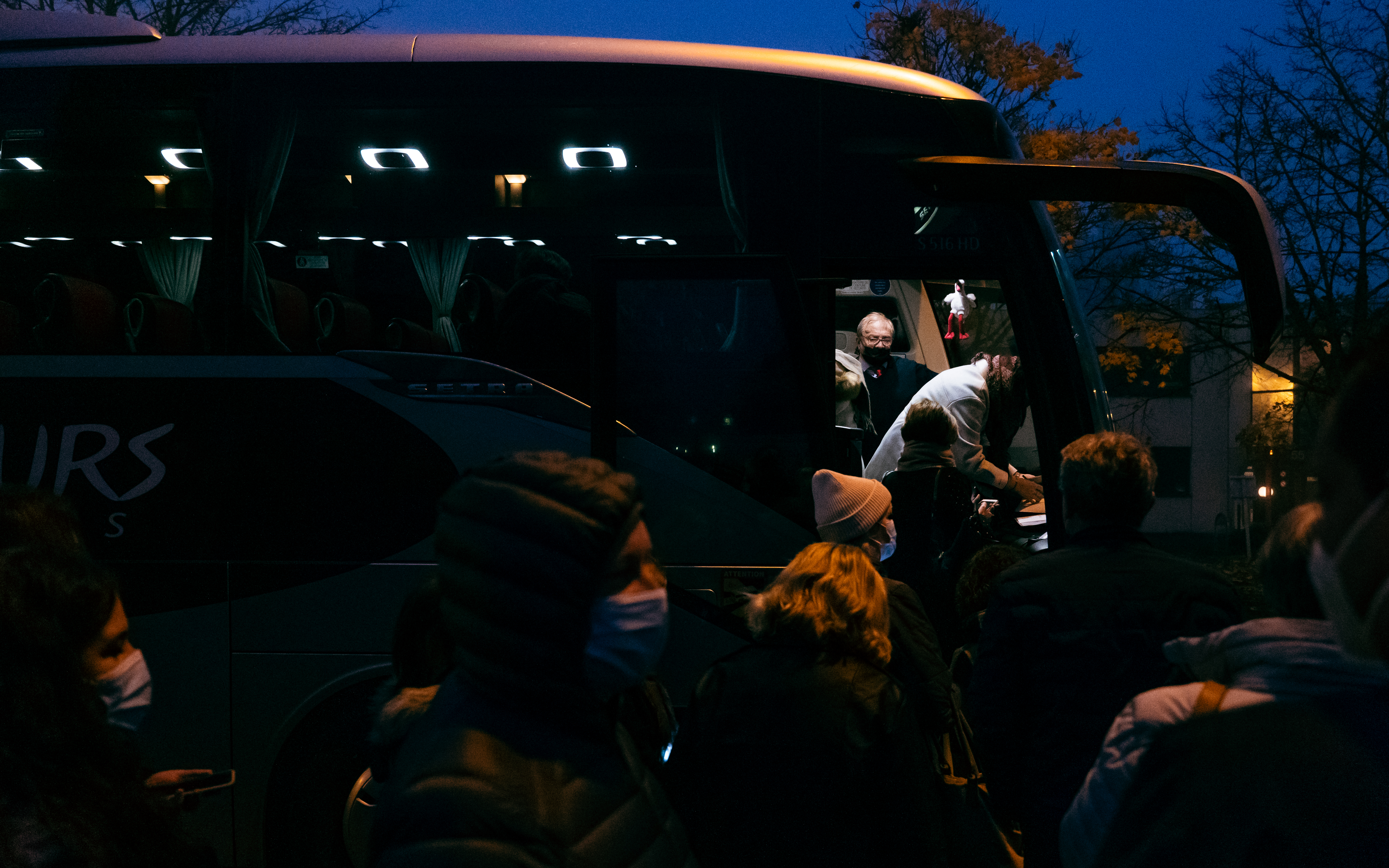
Montréal events come with predictable friction points that experienced teams plan for early. Downtown hotels often have limited loading space, and the same curb is shared with deliveries, ride-share, and city regulations that change by time of day. We plan exact pickup windows and assign a dispatch presence to manage boarding by name list or by bus number (depending on the event profile).
In winter, the “real” time between points is rarely what mapping apps suggest. We build dwell time for de-icing, luggage loading, slower boarding with coats, and walking time from doors to curb when sidewalks are congested. For events at venues with large footprints (convention centres, arenas, museums), we add internal transfer time: the shuttle can be on time but still fail if guests need 12 minutes to reach registration.
We also adapt to bilingual realities: French-first signage and announcements, with English support for out-of-province stakeholders. Finally, we understand internal approval constraints—procurement checks, insurance requirements, and the need for a clear responsibility line between the venue, the carrier, and your organization.
How transportation in Quebec can support engagement, not just logistics
Transportation is often the only moment where attendees are captive for 10–60 minutes. Used properly, it reinforces your message and reduces stress. We design “light-touch” engagement that does not create noise, delays, or compliance issues—especially important for executive and HR audiences.
Interactive animations in Quebec
QR check-in for boarding: simple scanning by bus number to confirm attendance and reduce no-show uncertainty (useful for meal counts and security lists). This works well for groups of 80+ when timing is tight.
Timed micro-briefings: a 2–3 minute pre-recorded welcome from leadership (audio only or screens if available) played once the bus is moving—no delays at the curb.
Wayfinding micro-content: short “what to expect on arrival” reminders (registration location, dress code, safety rules for plant visits), reducing bottlenecks at the venue entrance.
Art animations in Quebec
Discrete host presence: a bilingual host at key pickup points (hotel lobby or airport meeting point) to welcome VIPs and solve issues quickly without adding show elements that feel out of place in corporate contexts.
Brand-consistent audio: calm tone, compliant volume, and content aligned with corporate values—especially relevant for regulated industries where anything “too promotional” can backfire internally.
Innovative animations in Quebec
Hydration planning: for longer transfers (e.g., Montréal to regional venues), we coordinate sealed water distribution that respects vehicle rules and avoids mess. It’s a small detail that reduces discomfort, particularly for senior leaders.
Meal box logistics: when agendas require early departures, we organize grab-and-go breakfasts distributed at boarding to avoid late catering starts. This is effective for departures before 7:30 AM.
Gourmand animations in Quebec
Live ETA sharing for organizers: a simple dashboard (or controlled group chat protocol) where dispatch reports departures and ETAs—so venue teams can stage doors, security, and registration staffing in real time.
Multi-hub routing optimization: splitting routes by geography (airport arrivals vs hotel blocks vs office pickup) to reduce total vehicle hours while protecting VIP privacy.
The key is alignment: transportation touchpoints must reflect your organization’s culture. A professional services firm will not use the same tone as a tech sales kickoff. We keep it functional, brand-appropriate, and operationally safe.
Which pickup and drop-off setups work best in Quebec City events?
The “venue” for transportation is often the curb: hotel entrances, convention centre access points, airport meeting zones, and private loading areas. Choosing the right setup affects boarding speed, accessibility, and the impression you give to VIPs. We validate each location for turning radius, bus staging space, and pedestrian flow—then we design signage and staffing accordingly.
| Venue type | For which objective? | Main strengths | Possible constraints |
|---|---|---|---|
Downtown hotel curbside (single pickup point) | Centralize departures for a conference or gala | Easy communication; predictable guest flow; near accommodations | Limited bus staging; time-restricted curb use; traffic peaks and valet overlap |
Convention centre / major venue loading zone | High-volume arrivals with fixed agenda start times | Designed for crowds; clear entrance control; proximity to registration | Security screening can slow entry; multiple doors confuse guests without signage |
Private venue with dedicated parking and drop-off loop | Offsite dinners, retreats, or client evenings | Fast boarding; easier staging; better VIP discreet access | Further travel time; winter road conditions; fewer public transit alternatives |
Airport meeting point (YUL or YQB) with staged departures | Group arrivals from multiple flights | Clear guest handling; reduces taxi reimbursement; supports luggage | Flight delays; baggage variability; strict curb dwell rules |
We strongly recommend a site visit (or at minimum, a curbside verification at the same hour-of-day as your event). In Quebec, small access constraints become big delays when you have 150 people and only one safe place to board.
What does a shuttle service cost in Quebec for a corporate event?
Transportation pricing is driven by vehicle hours, routing complexity, staffing, and risk level—not just headcount. A low-cost quote can become expensive if it excludes dwell time, adds surcharges for late nights, or fails to include dispatch support when you actually need it.
Vehicle type and capacity: minibus vs coach vs sprinter vs executive sedan. The “right” choice depends on luggage, comfort expectations, and route duration.
Service window: a 3-hour shuttle loop is priced differently than a 12-hour multi-wave day with evening returns; night premiums may apply after certain hours.
Route structure: single-point shuttle loops are usually more efficient than multi-stop hotel hopping. We often reduce cost by consolidating to 1–2 pickup hubs and using clear walking directions.
Downtime and staging: if vehicles must wait on standby between waves, you pay for that time. We plan schedules to minimize paid idle hours without risking late arrivals.
On-site staffing: dispatchers, bilingual hosts, and traffic marshals (when needed). For higher volumes, staffing is often the difference between “on paper” and “in reality.”
Risk conditions: winter weather, remote locations, ferry schedules, or roadworks may require buffers, spare vehicles, or alternate routes.
Compliance and insurance requirements: some organizations require specific documentation, driver qualifications, or additional insured clauses.
From an ROI perspective, the real comparison is not shuttle cost versus zero cost. It’s shuttle cost versus the operational impact of lateness, overtime, reputational damage with VIPs, and internal time spent troubleshooting. In most corporate environments, protecting agenda integrity pays for itself quickly.
Why choose a Quebec-based agency for shuttle coordination?
Transportation is operational by nature; local execution matters. A Quebec-based team knows which downtown corridors lock up during major events, how long it really takes to load a coach at a hotel with one narrow entrance, and how to coordinate with venues that have specific security protocols. We also know when to propose a different pickup point to avoid curb conflicts—something you typically only learn after a painful first edition.
We don’t just “book buses.” We build a transport plan that integrates with your run of show, your registration logic, and your VIP protection needs. For multi-city formats, we can also coordinate with your broader event production; if your program includes a larger scope in the capital, our team can connect you with our partner page for an event agency in Quebec to keep planning consistent.
- Faster issue resolution: when a bus is re-routed or a flight shifts, you need a local operator who can decide and execute in minutes, not a remote call chain.
- Better supplier accountability: we work with carriers under clear service expectations, arrival times, and escalation protocols; this reduces “he said / she said” after the fact.
- More realistic planning: local constraints (construction seasons, winter storms, downtown access) are incorporated into the first schedule, not added as excuses on event day.
- Consistency for your internal stakeholders: HR, Comms, and Security get one plan, one escalation line, and documented decisions.
From an ROI perspective, the real comparison is not shuttle cost versus zero cost. It’s shuttle cost versus the operational impact of lateness, overtime, reputational damage with VIPs, and internal time spent troubleshooting. In most corporate environments, protecting agenda integrity pays for itself quickly.













Examples of transportation scenarios we manage in Quebec
Our transportation work spans many corporate realities. For a leadership meeting with out-of-province executives landing within a 90-minute window, we often build a staged plan: greeter at arrivals, two shuttle waves to the hotel, and executive sedans for late or early VIPs—so the group flow is protected without forcing leaders to wait.
For sales kickoffs, the challenge is volume and energy: multiple hotel blocks, early starts, and tight plenary timing. We implement numbered buses, color-coded boarding instructions, and dispatch control to keep departures clean. We also plan return shuttles in waves to prevent end-of-night bottlenecks where 400 people request rides within 10 minutes.
For plant visits or offsite activities in regional Quebec, the priority shifts to safety and punctuality across longer distances. We plan rest stops, confirm PPE requirements in advance, and ensure the vehicle mix matches the terrain and parking constraints. In these formats, we also build a clear contingency route if weather impacts travel time.
Common shuttle planning mistakes we prevent in Quebec
Underestimating boarding time: loading 50–55 people with winter clothing and badges takes longer than expected, especially with luggage. We plan realistic dwell times and multiple doors when possible.
Too many hotel stops: a 4-stop route looks efficient but becomes unpredictable. We often recommend consolidating to hubs and adding clear walking directions.
No curb ownership: without a dispatcher, buses arrive but can’t load because the curb is blocked or guests are unsure where to stand. We manage curb flow, signage, and queue discipline.
Ignoring venue internal travel: arriving at a venue is not the same as being seated. We map the path to registration and the room, and we adjust arrivals accordingly.
Weak plan for delays: flights slip, speakers change, weather hits. We define escalation rules: when to hold, when to depart, who decides, and what message guests receive.
Unclear responsibility between stakeholders: when the venue, hotel, and carrier each assume the other will manage the crowd, the client is left exposed. We assign responsibilities and document them.
Our role at INNOV'events is to reduce operational risk and protect your agenda and reputation. Transportation should be boring—in the best sense of the word—because it runs exactly as planned.
Why Quebec organizations renew their shuttle partner
Renewal happens when transportation stops being a recurring fire drill. Clients come back when they see that we document decisions, learn from each edition, and improve the plan instead of improvising new fixes every time.
Post-event debrief within 5 business days: what worked, what didn’t, and what to change for the next edition.
Standardized run sheets: one version shared with venue, hotel, and carrier, reducing conflicting instructions.
Measured timing: we track actual boarding and travel times so the next plan is based on reality, not estimates.

Loyalty is the most honest metric in event operations: if a client returns, it means the day-of pressure was handled properly and internal stakeholders were protected.
How we build and run a shuttle plan in Montréal
👉 Step 1: Needs framing with HR, Comms, and Executive Office
We start with a short working session to confirm your non-negotiables: agenda start times, VIP movement, duty of care requirements, accessibility needs, and budget boundaries. We also identify stakeholders who must sign off (Procurement, Security, Legal), so approvals don’t stall two weeks before the event.
👉 Step 2: Guest journey mapping and data capture
We collect arrival patterns (flight banks, train schedules, hotel blocks, office pickup) and segment guests (VIPs, speakers, employees, partners). We confirm luggage assumptions and any special constraints (equipment cases, mobility needs). This step determines whether we run loops, waves, or dedicated transfers.
👉 Step 3: Routing, timing buffers, and contingency design
We build a schedule with realistic buffers for downtown traffic and seasonal conditions in Quebec. We define hold/depart rules, alternate routes, and fallback options (spare vehicle, taxi protocol for VIPs, or staggered departures). You receive a version that is decision-ready, not just a map screenshot.
👉 Step 4: Carrier coordination and compliance checks
We coordinate vehicle types, driver instructions, staging locations, and insurance documentation. If your organization requires specific clauses (additional insured, safety documentation), we handle collection and validation so you’re not chasing papers at the last minute.
👉 Step 5: Communication kit for attendees and internal teams
We prepare bilingual instructions: pickup points, times, what to do if late, and who to contact. For hotels and venues, we provide concise desk scripts so front-line staff can answer consistently. For organizers, we share an operational run sheet with escalation contacts.
👉 Step 6: On-site dispatch and real-time control
On event day, we manage the curb: signage placement, queue organization, and guest guidance. We confirm departures, track ETAs, and coordinate with venue teams. When conditions change (flight delays, weather, program shifts), we execute the contingency plan and communicate updates clearly.
👉 Step 7: Debrief and optimization for the next edition
We summarize timing, incidents, and improvement actions. This turns transportation from a recurring risk into an asset you can reuse across future events in Montréal or elsewhere in Quebec.
FAQ sur l'organisation Shuttle / Transportation Service à Quebec
How many buses do we need for a Quebec corporate event?
As a working baseline, a standard coach seats 50–55 passengers (less if luggage is involved). For a single-wave move, we plan capacity for 110–120% of confirmed riders to avoid overflow and late departures. For multi-wave schedules, we can reduce the fleet size if your agenda allows staggered arrival windows.
What buffer time should we plan in Montréal for shuttles?
For critical transfers, we typically build 15–30 minutes of buffer depending on time of day, weather, and curb complexity. In winter or during major downtown events, we may recommend 30–45 minutes for high-stakes arrivals (VIPs, keynote speakers, or tight plenary starts).
Do you handle airport transfers at YUL across Quebec events?
Yes. We plan staged departures from YUL based on flight banks, baggage variability, and meeting point realities. We can include greeters, bilingual signage, and a protocol for delayed flights so you don’t hold a full coach for one late passenger unless you choose to.
How do you manage last-minute changes on event day in Quebec?
We set an escalation chain in advance: who approves holds, reroutes, or extra vehicles. On-site dispatch reports real-time status (departures, ETAs, no-shows). For VIP critical moves, we usually keep a backup option available (e.g., executive sedan) to protect the agenda without disrupting the main shuttle flow.
Can shuttle planning reduce overall event costs in Quebec?
Often, yes. The savings usually come from reducing taxi reimbursements, preventing catering overtime, and avoiding schedule slippage that triggers additional venue or A/V labor. Even a 10–15 minute delay can cascade into paid overtime; structured transportation is a practical way to control that risk.
Request a Quebec shuttle quote with a realistic schedule
If you’re comparing providers, send us your event date, city, estimated headcount, hotel blocks, and agenda start/end times. We’ll respond with a transportation plan that includes vehicle mix recommendations, routing logic, staffing approach, and clear assumptions—so you can validate feasibility internally before committing.
For events in Quebec, we recommend locking transportation early, especially for peak dates and multi-day programs. Contact INNOV'events to secure carriers, confirm curb access, and build a day-of operation that protects your agenda and your stakeholders.
INNOV'events Quebec Agency
Thierry GRAMMER is the manager of the INNOV'events Quebec office. Reach out directly by email at canada@innov-events.ca or via the contact form.
Contact the Quebec agencyToutes nos prestations & animations Quebec, Quebec
Découvrez nos prestations événementielles
Découvrez nos animations événementielles disponibles au Quebec
- Event Hostess in Quebec
- Escape Game in Quebec
- MasterChef-Style Cooking Workshop in Quebec
- Corporate Magician in Quebec
- Tent Rental in Quebec
- Color Analysis Workshop in Quebec
- Inflatable Games in Quebec
- Valet Service in Quebec
- Soccer Simulator in Quebec
- LED Furniture Rental in Quebec
- LED Branding Activation in Quebec
- Immersive Culinary Experience in Quebec
- Light Painting Activity in Quebec
- Immersive Mystery Night in Quebec
- Promotional Contest in Quebec
- Promotional Materials (POS) in Quebec
- Virtual Reality Experience in Quebec
- Molecular Gastronomy Workshop in Quebec
- Halloween Event in Quebec
- Fireworks Show in Quebec
- Sports Challenge – Giant Games in Quebec
- Professional Event Host in Quebec
- Photo Booth Animation in Quebec
- Santa Claus Appearance in Quebec
- Kids Entertainment in Quebec
- Guided Tour in Quebec
- Urban Rally in Quebec
- Ball Pit Activity in Quebec
- Flight Simulator in Quebec
- Food Truck Rental in Quebec
- World Record Attempt in Quebec
- Surf Simulator in Quebec
- Soccer Simulator in Quebec
- Wine Casino in Quebec
- Makeover Workshop in Quebec
- Perfume Creation Workshop in Quebec
- Acting Workshop in Quebec
- CSR Activities in Quebec
- Archery Activity in Quebec
- Event Security Guard in Quebec
- Wine Tasting Workshop in Quebec
- Mime Performance in Quebec
- TV Game Show Animation in Quebec
- Funfair Event in Quebec
- Crisis Management Workshop in Quebec
- Crisis Negotiation Workshop in Quebec
- Arcade Games in Quebec
- Indoor Skydiving Simulator in Quebec
- Ski Simulator in Quebec
- Racetrack Driving Experience in Quebec
- Introductory Flight Experience in Quebec
- Tasting Experience in Quebec
- Build Your Own Foosball Workshop in Quebec
- 2CV Rally in Quebec
- LEGO Challenge in Quebec
- Casino Night in Quebec
- Interpreter / Translator in Quebec
- Promotional Merchandise in Quebec
- Shuttle / Transportation Service in Quebec