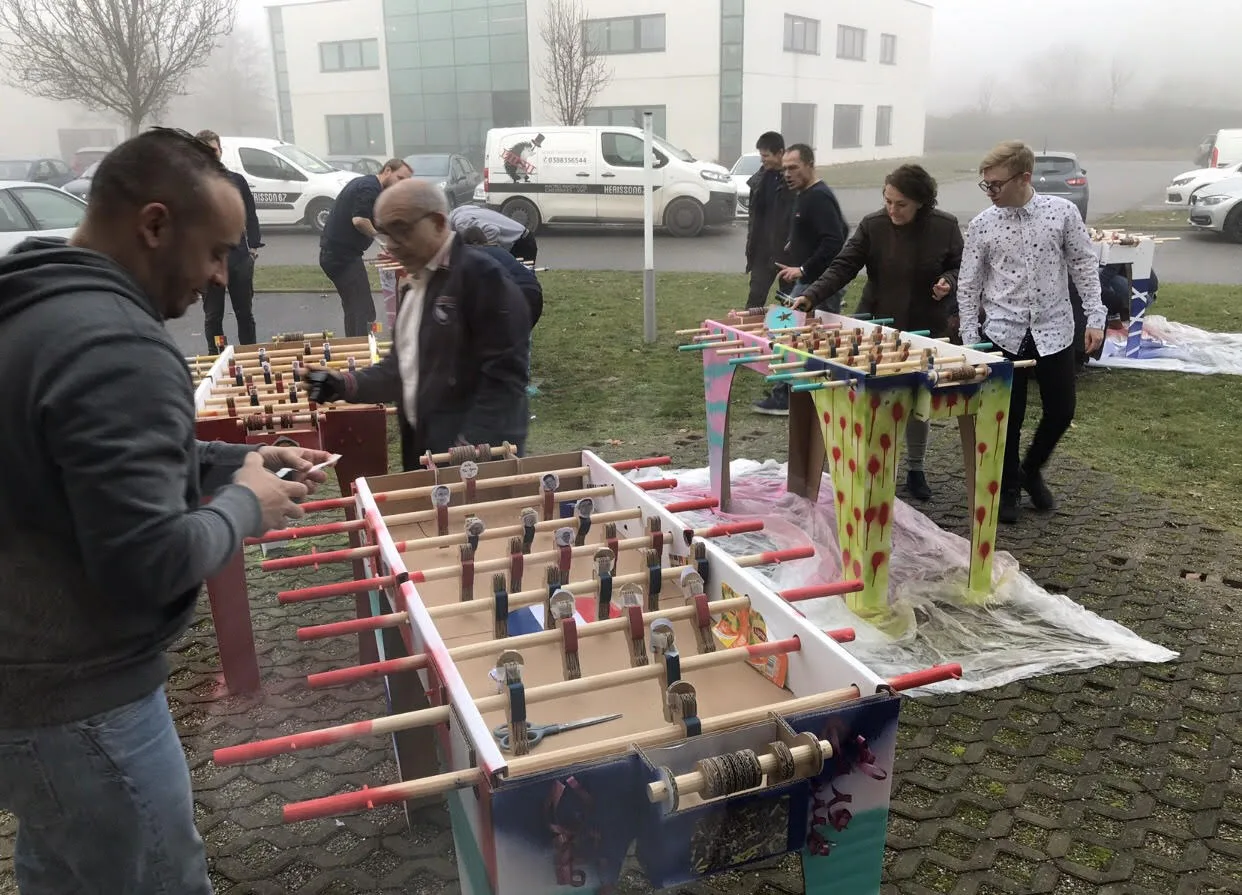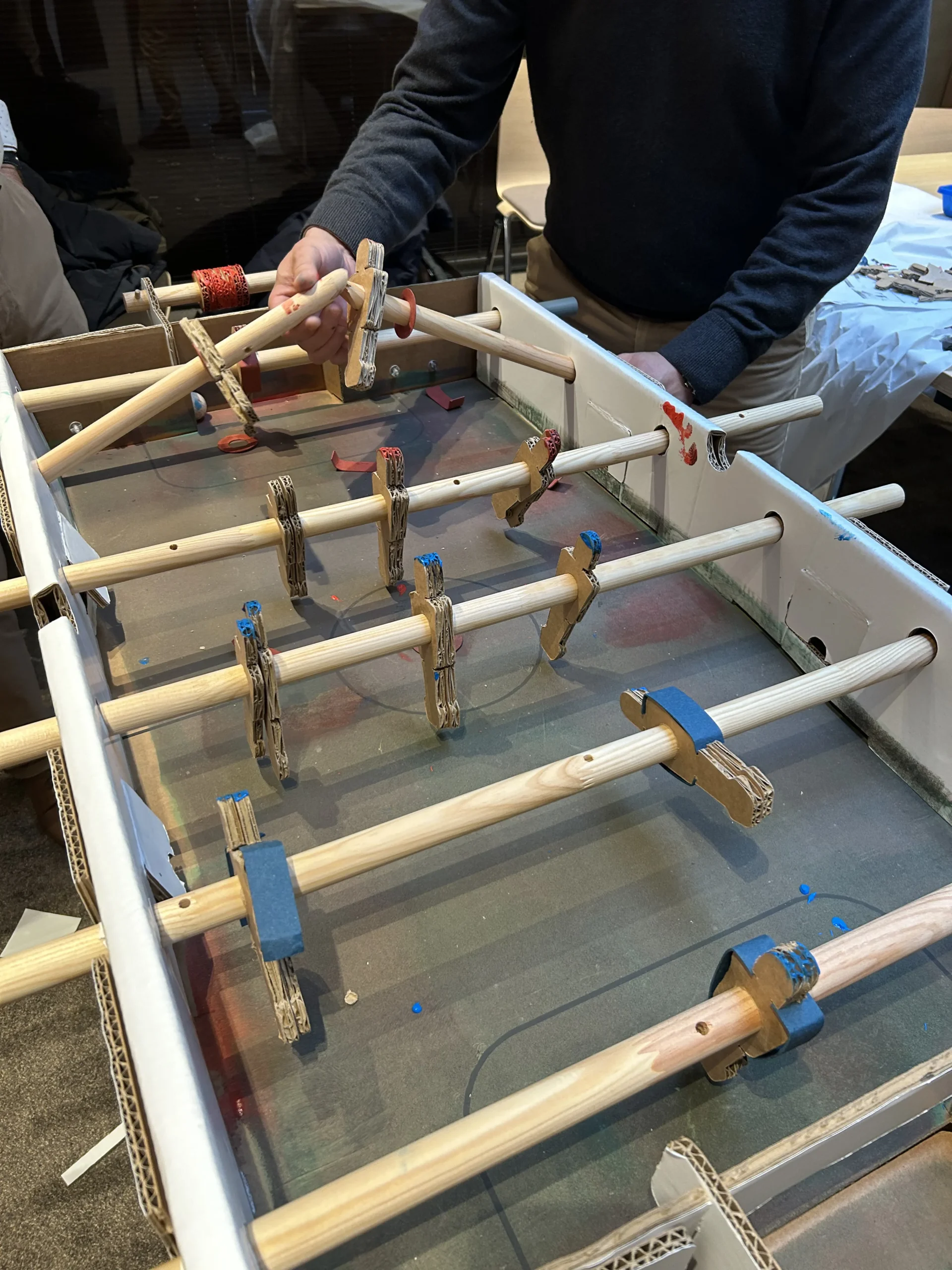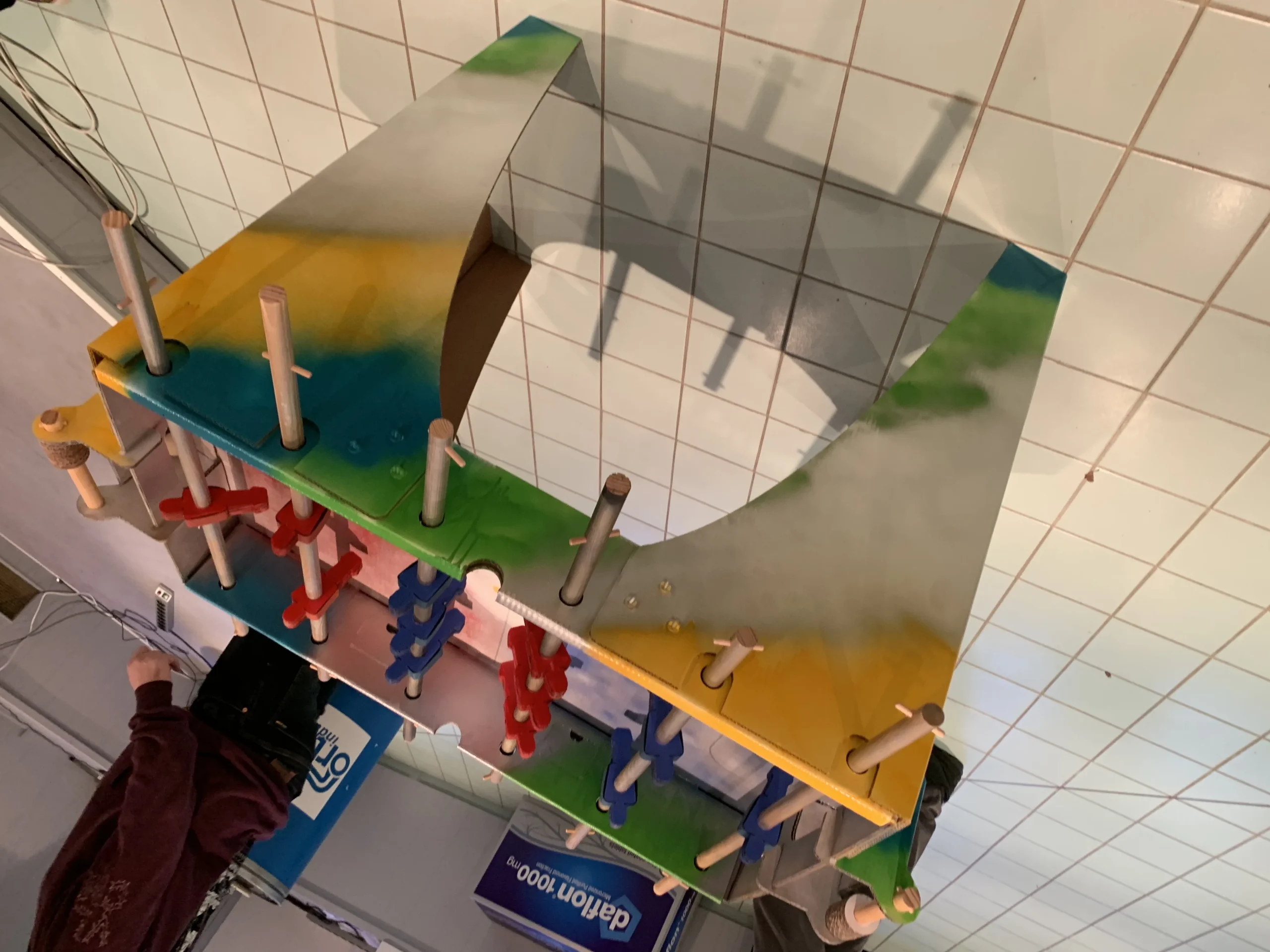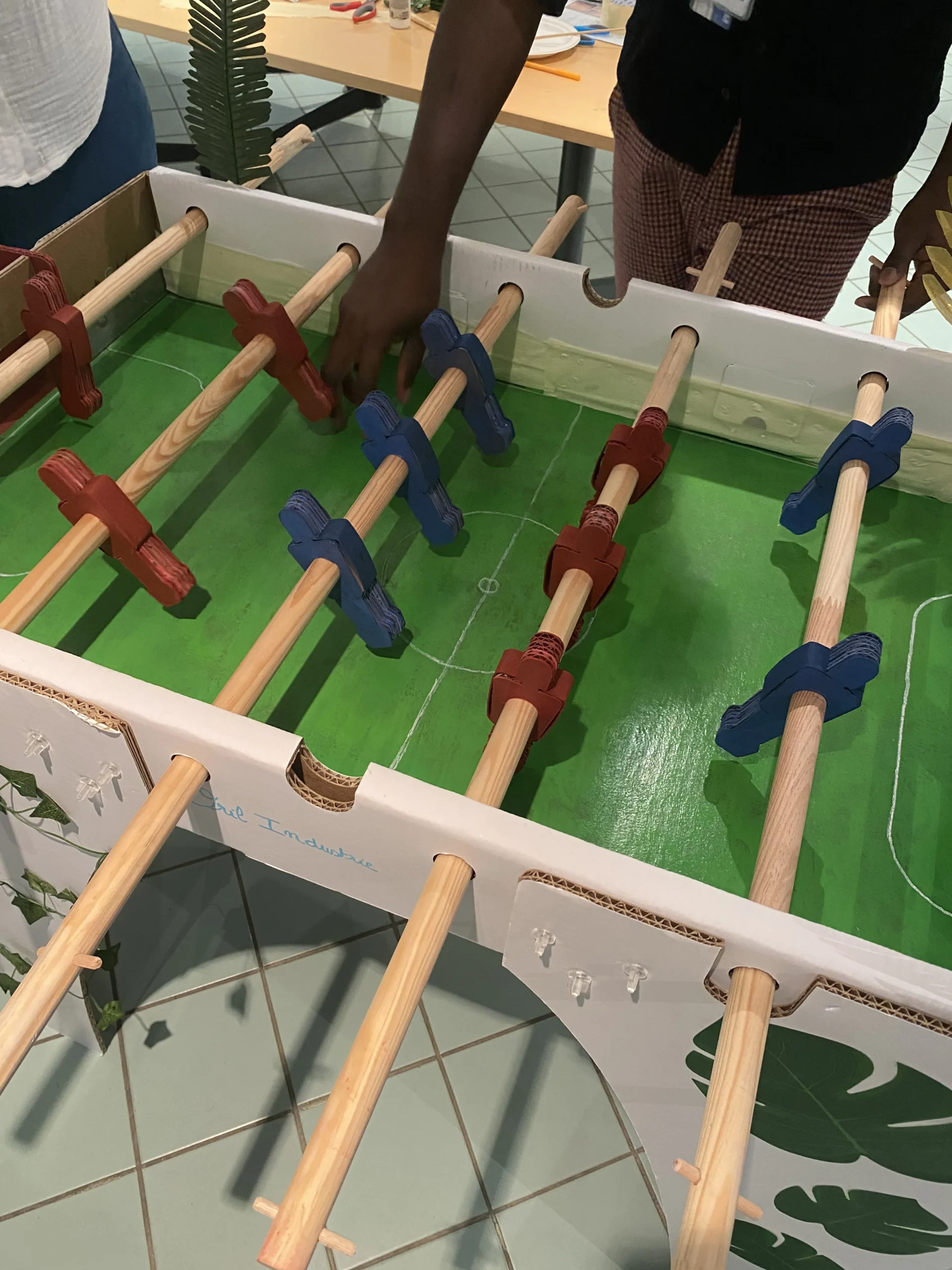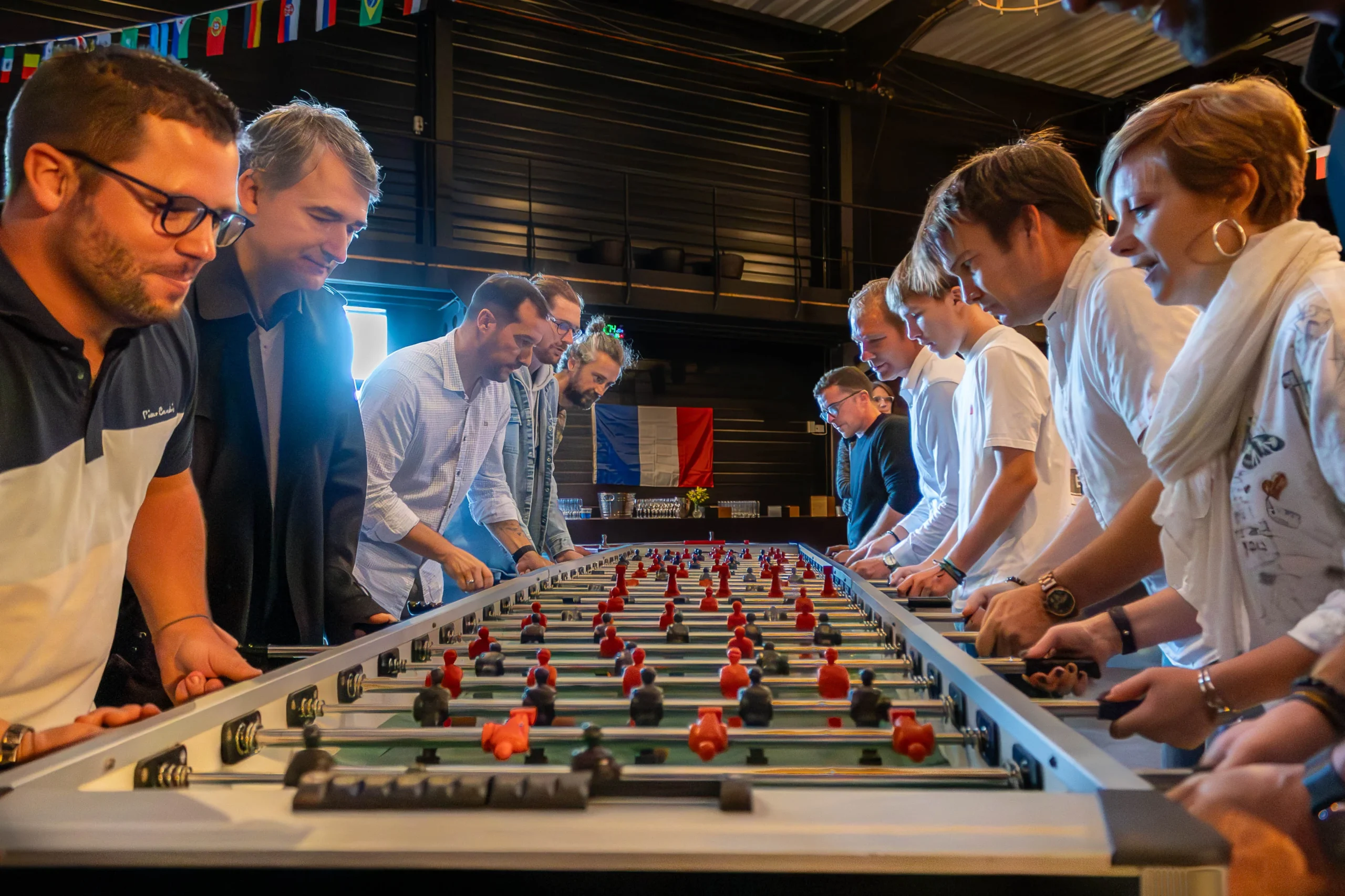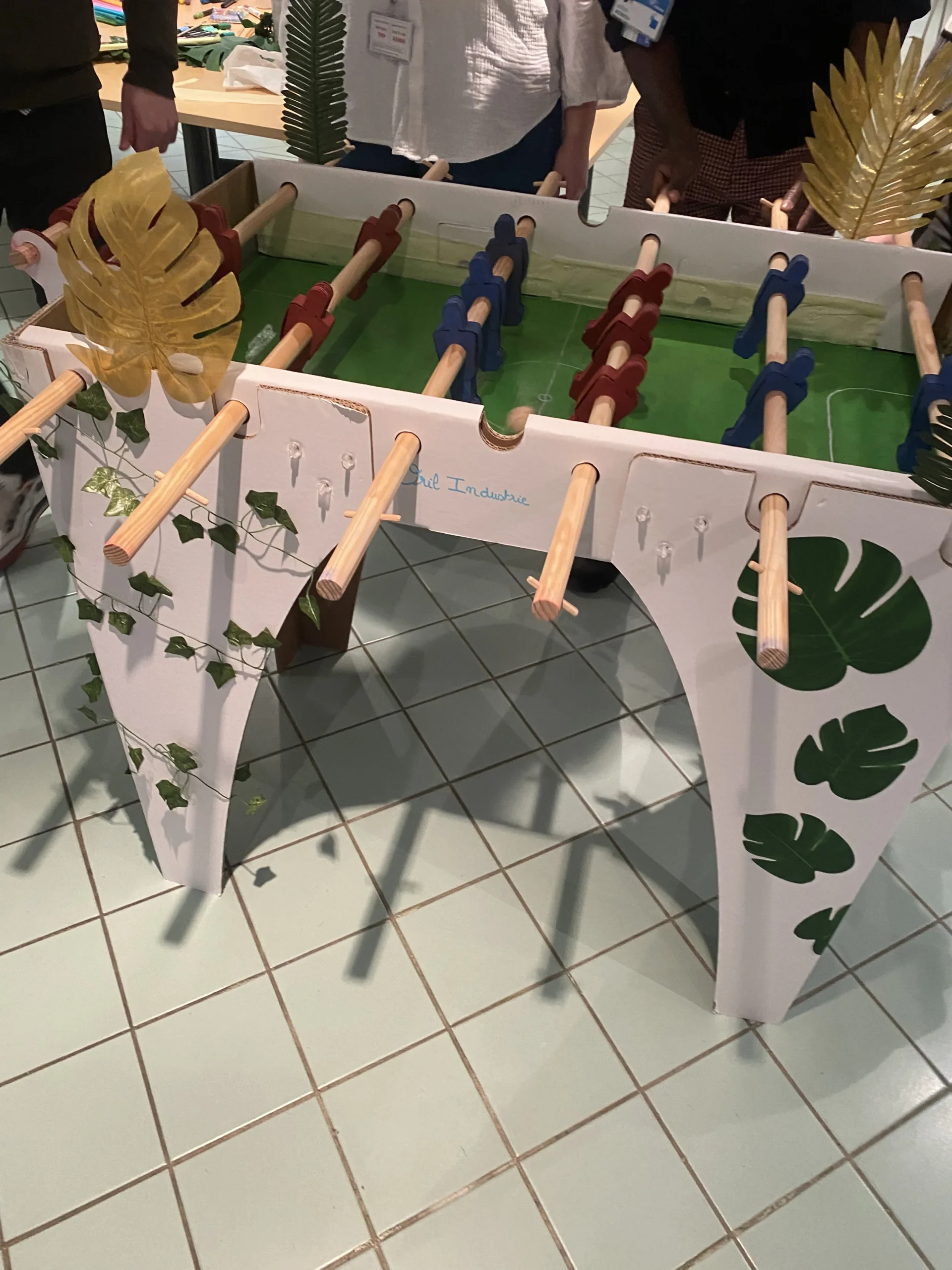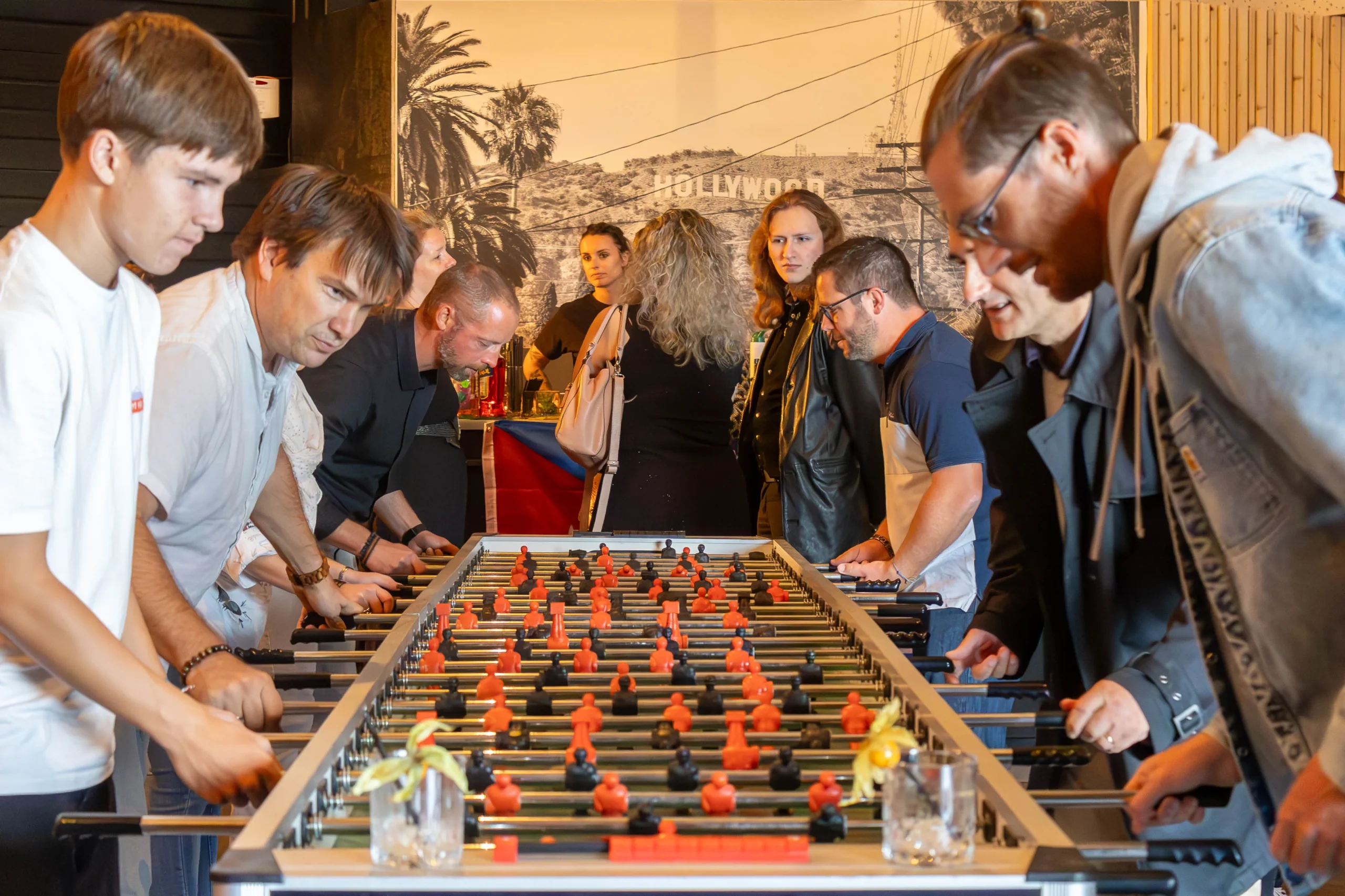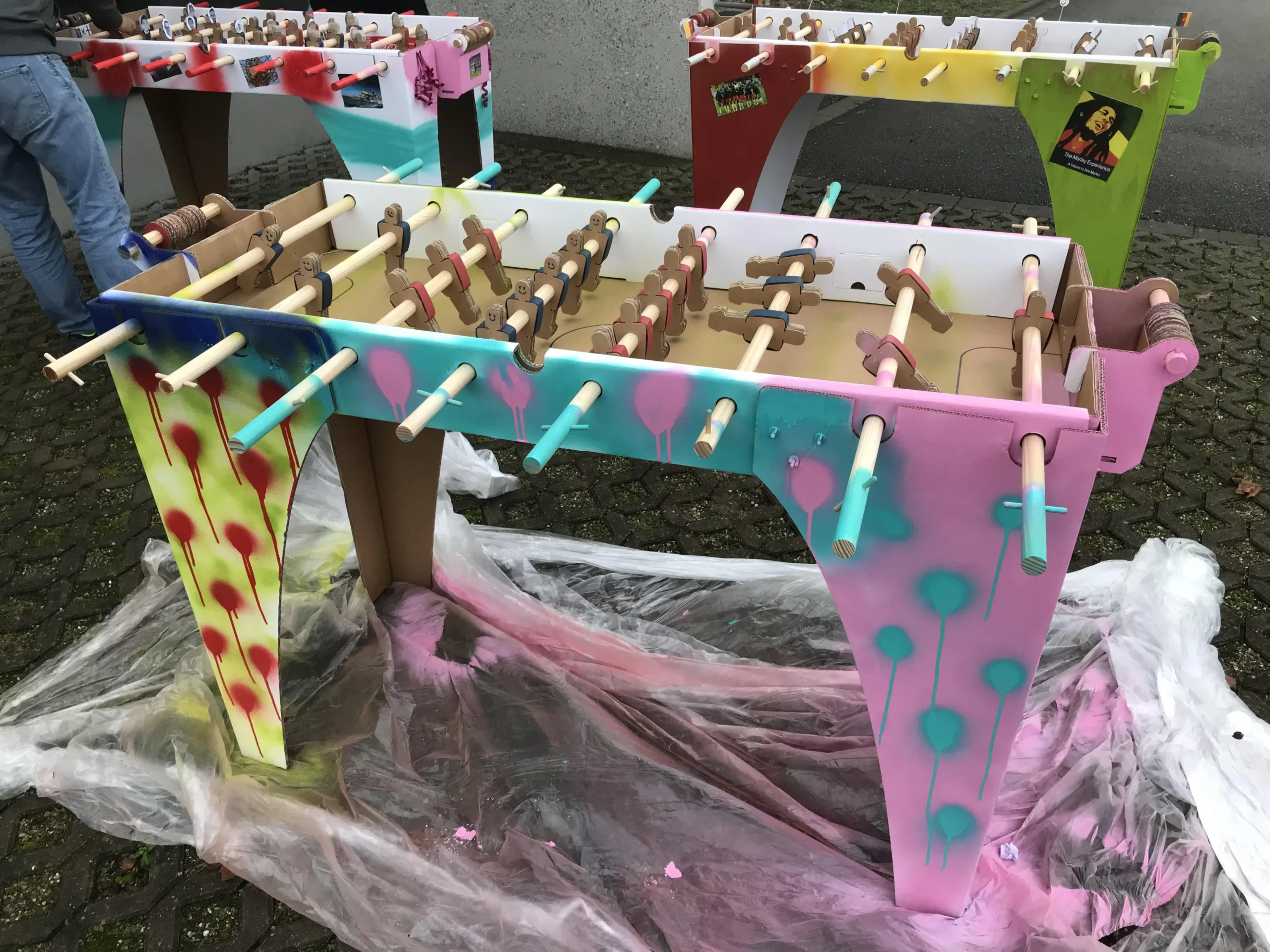
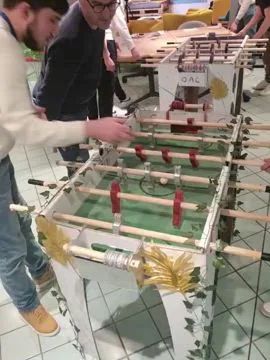
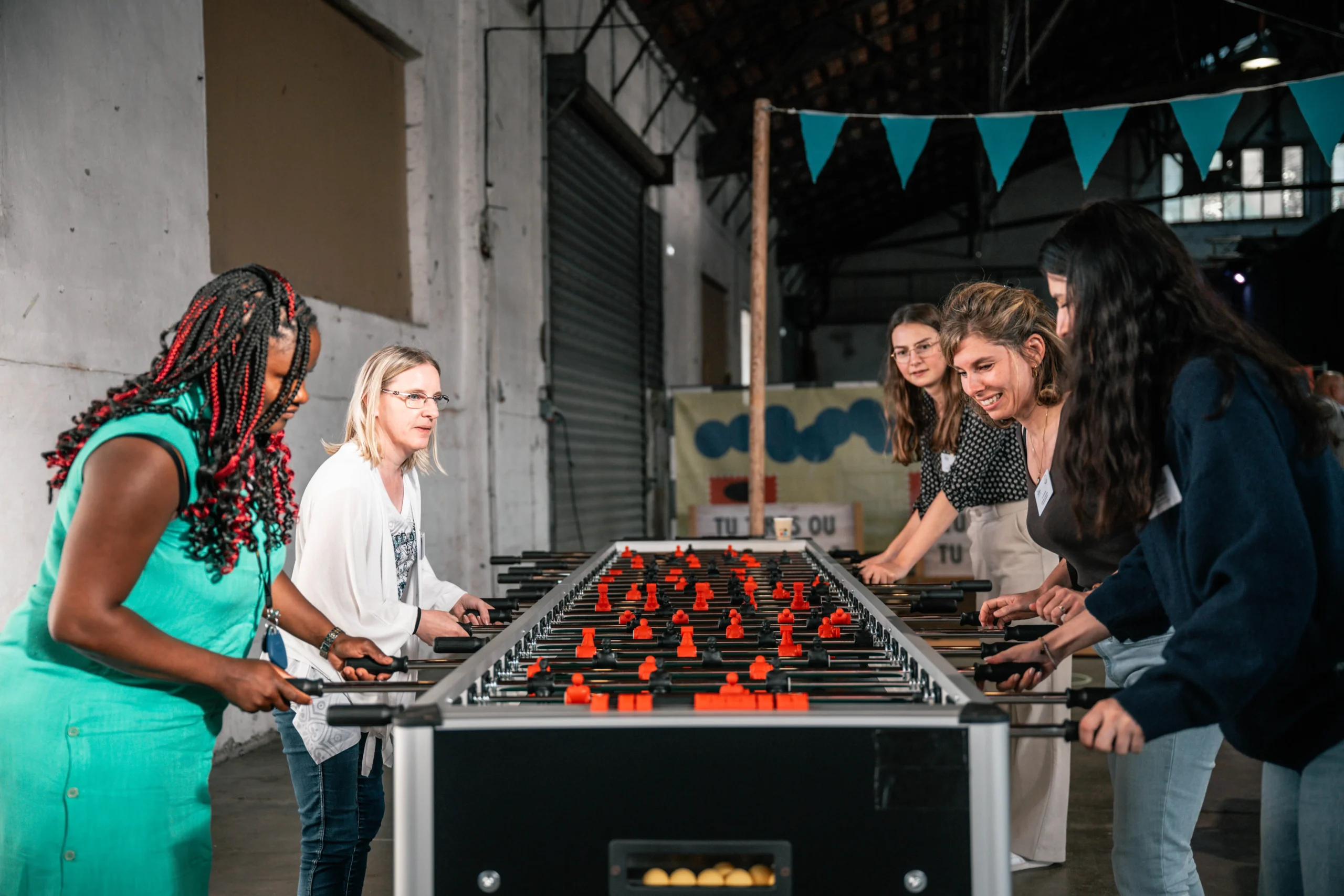
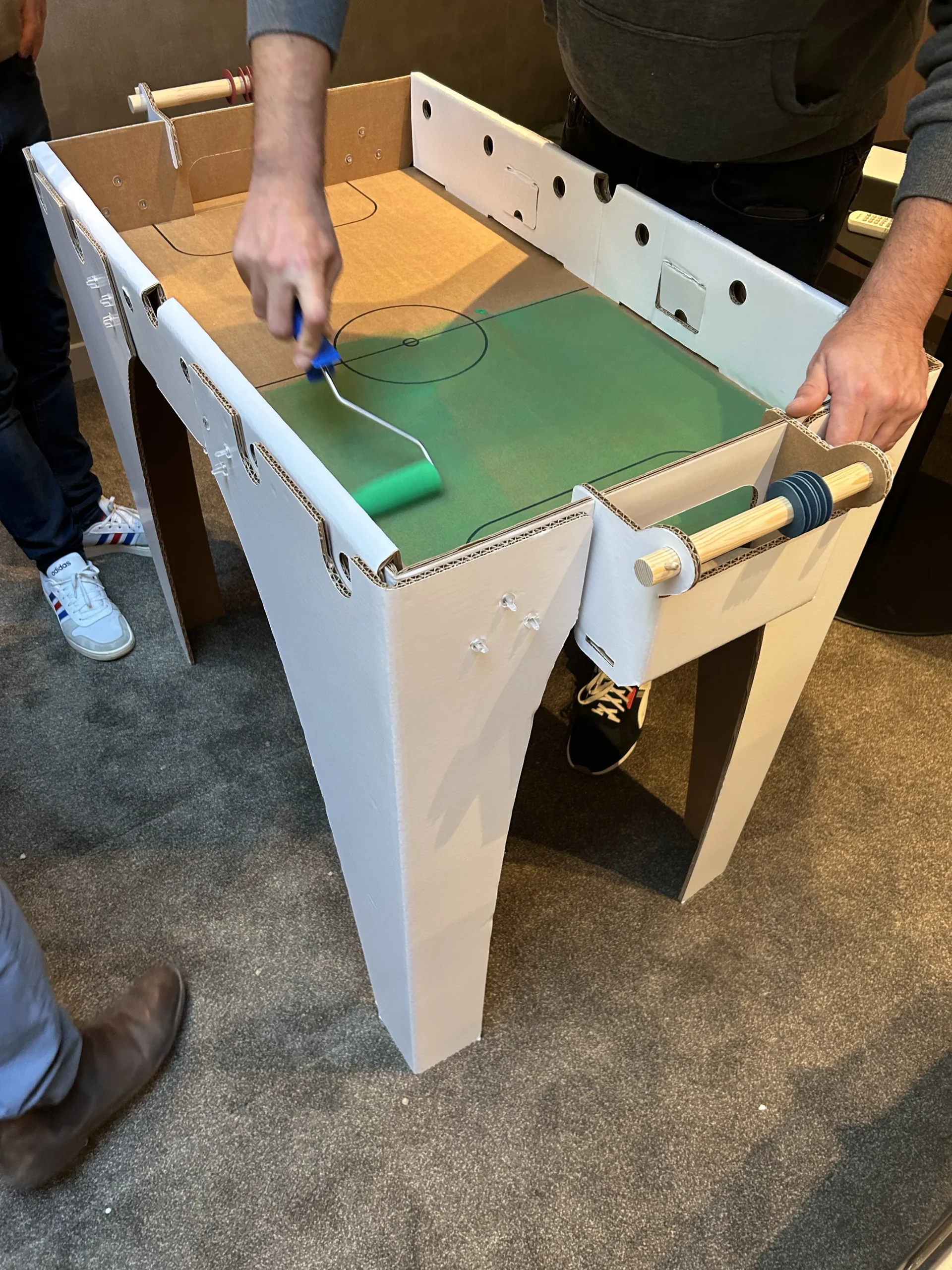
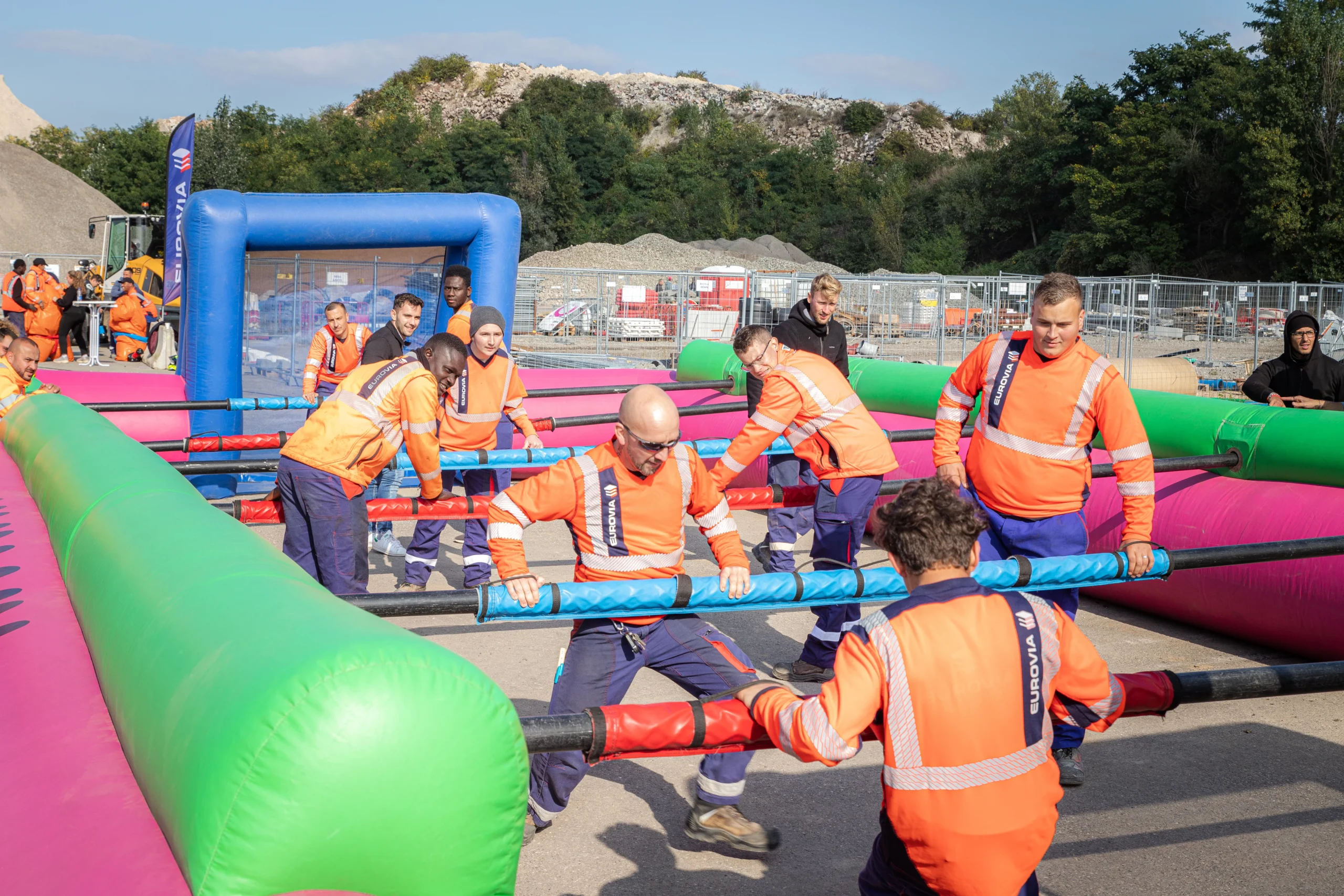
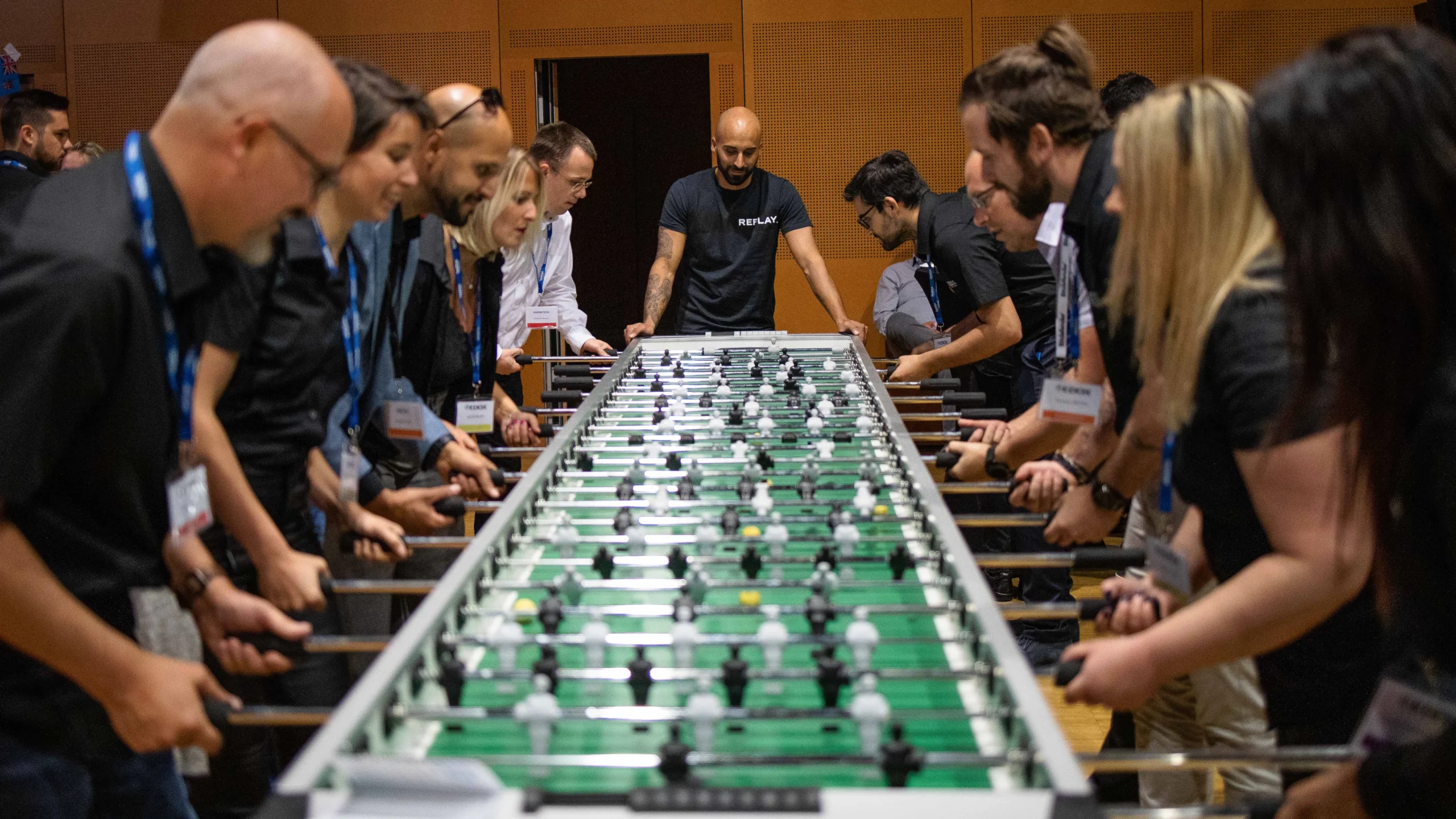
INNOV'events is a Montreal-based agency delivering the Build Your Own Foosball Workshop across Quebec for leadership offsites, HR team-building, and internal communication moments.
Typical formats run from 20 to 300+ participants, in waves, with full facilitation, materials management, and on-site production.
You keep the strategic intent (culture, collaboration, retention); we handle the operational reality (timing, safety, flow, and exec-level polish).
In a corporate event, entertainment is not “extra”; it is the mechanism that changes behaviours. A build-based activity forces decisions, delegation, and alignment under time pressure—exactly what executives want to observe and reinforce.
Organizations in Quebec expect smooth bilingual facilitation, predictable timelines, and a setup that respects venues and brand standards. If the room looks improvised or the flow stalls, the credibility cost is immediate—especially with senior leadership present.
Our team operates year-round between Montréal, Québec City, and regional hubs, with vendor networks that understand local constraints (loading docks, union rules, winter access, venue noise limits). That local execution discipline is what makes the workshop feel “effortless” for your stakeholders.
10+ years designing and producing corporate activations in Quebec, with repeat mandates in HR, internal comms, and leadership events.
20–300+ participants handled in a single program using wave rotations, parallel facilitation, and pre-kitted stations to protect timing.
1 dedicated producer assigned per event day (your single point of accountability) plus a structured crew plan: facilitators, floor manager, and logistics lead.
48–72 hours typical turnaround to provide a first budget range and operational approach after a discovery call (venue, headcount, objectives).
We regularly deliver team-building and employee engagement programs for organizations operating in Quebec—from head offices in Montréal to multi-site employers with teams in Québec City, Laval, Longueuil, and the surrounding regions.
Many clients renew year after year because the expectation is not just a fun activity; it is a controlled experience that protects their internal brand. In practice, this means: consistent facilitation standards, documented run-of-show, and a production approach that does not “borrow” time from speeches, awards, or executive messaging.
If you share the company names you’d like us to reference, we will integrate them here in a compliant way (industry-appropriate, without over-claiming, and aligned with your procurement and communications rules). In Quebec, credibility often comes from operational proof—how we manage the day—not from logos, and that’s exactly what we document in our proposals.
Nous vous envoyons une première proposition sous 24h.
The Build Your Own Foosball Workshop in Quebec works because it turns collaboration into something visible and measurable. Teams must plan, split roles, manage quality, and deliver under a deadline—then they immediately test what they built. That feedback loop is powerful for culture, onboarding, and leadership alignment.
Expose and improve decision-making under constraints: who decides, who escalates, and how fast trade-offs are made when materials or time are limited.
Create cross-functional contact quickly: engineering-minded profiles, sales, operations, and HR naturally fall into complementary roles (build, design, test, document, present).
Support internal communications without forcing it: you can anchor a theme (values, customer obsession, safety culture) through simple, tangible constraints in the build brief.
Reduce “spectator mode”: compared to passive entertainment, every participant has a defined micro-task, which is essential for mixed seniority groups or hybrid teams meeting in person.
Generate durable assets: teams often keep the foosball tables for lounge areas or future events, which extends ROI beyond the event day.
Provide executive-level observation points: how leaders facilitate rather than dominate; how new managers structure work; how conflict is handled when testing fails.
In Quebec, where many organizations operate with strong operational disciplines (manufacturing, public services, tech scale-ups, finance), this format resonates because it respects time, produces a deliverable, and reflects the pragmatic, results-driven culture seen across the province.
In Quebec, the bar is high on execution details. HR and comms teams are often managing multiple stakeholders: unionized staff and managers, bilingual participants, remote employees flying in, and senior leaders who expect an agenda that starts and ends on time.
We plan the workshop around the realities we see on the ground: venues with strict loading windows; downtown Montréal traffic; winter coats and boots affecting storage and room flow; and internal policies around photography, alcohol, and accessibility. A build activity also needs noise control—testing tables can get loud—so we anticipate room acoustics and propose zoning (build zone, test zone, debrief zone) to keep the event comfortable.
Finally, many employers in Quebec want an activity that does not feel imported or generic. We adapt examples, facilitation language, and on-site signage to match your internal culture—whether that’s a global corporate tone or a more local, grounded style common in Quebec-based organizations.
Entertainment creates engagement when it supports the agenda rather than competing with it. With a Build Your Own Foosball Workshop, we often add complementary micro-activations that improve flow: reduce waiting time, keep energy consistent, and give comms teams more content opportunities (photos, internal posts, leadership messaging).
Bracketed mini-tournament after the build: short matches (3–5 minutes) to keep the schedule tight and allow multiple teams to play.
Role-based challenges: add points for documentation, safety, or “handoff clarity,” not only final performance—useful for organizations emphasizing process quality.
Audience voting (simple QR polling): best design, best brand integration, best teamwork moment—fast and inclusive.
On-site graphic facilitation: a visual scribe captures team behaviours and key takeaways during the debrief, producing a concrete asset for internal communications.
Branding touches that are actually controlled: decals or color blocks applied during the build, so the result looks professional rather than improvised.
Quebec snack stations designed for fast service: local roaster coffee bar, mocktail station, or bite-size options that avoid long lines during rotations.
Timed tasting break between build and testing: protects the agenda and prevents the typical “people disappear” effect of unstructured breaks.
Data-driven debrief: quick scoring rubric (stability, playability, teamwork process) with a one-page recap sent to HR after the event.
Content capture plan: a short shot list for internal comms (construction, first goal, executive observation, team huddle) to ensure usable material within corporate guidelines.
The key is alignment with your employer brand. In Quebec, teams can spot “activity for activity’s sake.” When the workshop and add-ons reflect your culture—safety, customer focus, innovation, operational excellence—participation becomes natural and the event supports your message rather than diluting it.
The venue shapes the perceived professionalism of the activity. A build workshop needs flat floors, controlled acoustics, easy access for deliveries, and enough space for separate zones (build/test/debrief). In Quebec, we also plan for seasonality—winter loading and coat management matter more than people expect.
| Venue type | For which objective? | Main strengths | Possible constraints |
|---|---|---|---|
Hotel ballroom (Montréal / Québec City) | Leadership offsite, awards night, annual meeting with a structured agenda | Professional AV, predictable service levels, easy to bundle catering + rooms, strong “corporate” perception | Loading dock windows, union/house rules, higher costs for storage and extended setup, sound can carry between salons |
Corporate office / HQ common area | Culture building, onboarding, internal comms moment without travel time | High participation, strong employer branding, easier to connect to day-to-day reality | Freight elevator limits, protection of floors/walls, noise management, need clear safety perimeter and waste plan |
Industrial/creative event spaces (converted warehouses) | Innovation days, product team summits, “hands-on” culture programs | Large open footprint for zones, strong visual identity, flexible scheduling | Often requires rentals (tables, chairs, AV), heating/cooling variability, permit and insurance requirements can be stricter |
We strongly recommend a site visit (or at minimum a detailed tech walkthrough) before confirming the format. It is the simplest way to validate ceiling height, loading path, storage, and acoustics—details that determine whether your corporate event entertainment in Quebec feels controlled or chaotic.
Pricing for a Build Your Own Foosball Workshop in Quebec depends on headcount, production level, and how “finished” you want the final tables to be. A serious budget conversation includes logistics, staffing, and risk controls—not only the activity itself.
Participant volume and rotation model: 20–60 can run in a single wave; 80–300+ typically needs parallel stations and staggered testing to protect timing.
Table specification: basic build for gameplay vs. higher-end finishing (branding, paint/stain, stronger hardware). The latter increases material cost and setup time.
Facilitation and supervision ratios: more facilitators reduces bottlenecks and safety risks. For large groups, we add a floor manager dedicated to pacing and issue resolution.
Venue constraints in Quebec: loading access, elevator size, union rules, and setup windows can add labour hours or require earlier access.
Branding and content needs: signage, scoreboards, photo/video coverage, and internal comms deliverables (shot list, recap) affect budget but can significantly increase internal ROI.
Travel and regional delivery: Montréal vs. Québec City vs. regional areas changes transport time, accommodation, and crew scheduling.
When executives ask about ROI, we frame it in operational terms: reduced friction between teams, faster alignment after reorganizations, better onboarding integration, and a tangible artifact that stays in the workplace. If you share your headcount, city, and agenda constraints, we can provide a realistic range and options (baseline / enhanced / premium) within 48–72 hours.
For build-based activities, local execution is not a “nice-to-have”—it directly impacts risk, timing, and the perception of professionalism. A team established in Quebec knows the venues, the labour realities, and the practical constraints that affect setup and strike.
We also know how corporate stakeholders operate here: procurement processes, bilingual expectations, brand approval cycles, and the internal sensitivity around safety and inclusivity. This is why we document responsibilities, provide clear schedules, and keep decision points simple for HR and comms.
If your event is in the Capitale-Nationale, our network can support you through our partner page: event agency in Quebec. The goal is the same: predictable delivery, local vendor control, and a workshop that matches executive standards.
When executives ask about ROI, we frame it in operational terms: reduced friction between teams, faster alignment after reorganizations, better onboarding integration, and a tangible artifact that stays in the workplace. If you share your headcount, city, and agenda constraints, we can provide a realistic range and options (baseline / enhanced / premium) within 48–72 hours.
We deliver the workshop in multiple corporate contexts across Quebec, because the mechanics adapt well to different agendas. For an annual meeting, we may run a 60–90 minute build followed by a short tournament and a leadership debrief focused on decision rights and accountability. For a department kickoff, we often integrate a process layer: teams must produce a one-page “handoff guide” before they can test—mirroring real operational workflows.
In merger or reorg contexts, we use mixed-team composition and structured roles to avoid the usual clustering by legacy group. The build becomes a neutral project where collaboration is required to succeed, and the debrief becomes a safe way to name friction points (communication gaps, unclear priorities) without personalizing them.
For high-compliance environments (finance, critical infrastructure, public sector suppliers), we reinforce safety and quality checkpoints: tool briefing, designated tool handler, and a clear testing perimeter. The result is a workshop that feels aligned with the organization’s standards—not a casual activity dropped into a formal environment.
Underestimating space and acoustics: without zoning, testing becomes noisy and debriefs lose impact.
Too many participants per team: engagement drops fast above 6–8 people per build station unless roles are tightly defined.
Uncontrolled materials and waste: packaging, spare parts, and tool returns need a plan or the venue ends up cluttered and unsafe.
No contingency time: even well-run builds encounter a few failures; we plan buffers and quick fixes so the agenda stays intact.
Weak closing: skipping the debrief turns the workshop into “just an activity.” Executives expect explicit links to priorities and behaviours.
Our role is to eliminate these risks before they appear on event day—through pre-kitting, clear staffing ratios, venue coordination, and a run-of-show that protects your leadership moments.
Repeat business in corporate events is earned through operational reliability. HR and comms leaders come back when they can trust that the event will run on time, reflect well on the organization, and not create hidden work before or after the day.
Single accountable producer from kickoff to event day, reducing stakeholder fragmentation and last-minute confusion.
Documented run-of-show shared in advance (timings, responsibilities, room plan, safety notes) so internal teams can align.
Post-event recap available on request: what worked, what to improve, and practical notes for next year’s planning in Quebec.
Loyalty is a by-product of predictability. When your leadership team sees a controlled experience and your HR team doesn’t have to “save” the day, rebooking becomes the logical choice.
We clarify your objective (culture, integration, leadership alignment), constraints (bilingual needs, union environment, safety policies), and event architecture (plenary, breakouts, meal service). You leave the call with a recommended format: team size, duration, and the flow that best fits your agenda in Quebec.
We deliver a structured proposal: budget range options (baseline/enhanced), staffing plan, material specification, room zoning, and a draft run-of-show. This is where we identify venue dependencies (access times, loading, storage) and confirm what your internal team needs to approve (branding, photos, safety).
We pre-kit each team’s materials, define roles (builder, quality, timekeeper, presenter), and build a replenishment and tool-control protocol. We also align on accessibility and inclusion: ensuring tasks are distributed and that every participant can contribute meaningfully.
Our floor manager runs timing while facilitators support each station. We keep the room clean, protect the venue, and manage noise and crowd flow. If issues arise (missing parts, table instability, delayed meal service), we adjust on the spot without compromising the executive agenda.
We close with a short, structured debrief connecting behaviours to business realities (decision rights, handoffs, quality). If required, we provide a concise recap for HR/internal comms: photos, highlights, and key takeaways that can be reused in Quebec employer branding and internal channels.
Most corporate formats in Quebec run 90–150 minutes: 10–15 minutes briefing, 60–90 minutes build, 15–30 minutes testing/tournament, and a short debrief. For large groups, we use rotations to keep the total block predictable.
We commonly deliver for 20–300+ participants in Montréal. Above ~80, we recommend multiple build stations with staggered testing to avoid congestion and protect the agenda timing.
Plan roughly 15–25 sq. ft. per participant depending on team size, plus a separate test zone and a small storage area for packaging. We confirm exact requirements after reviewing your venue layout and access constraints in Quebec.
Yes. We can deliver facilitation in English, French, or bilingual mode. For bilingual groups, we keep instructions short, use clear signage, and structure teams so no one is left behind during fast build phases—common in mixed Montréal audiences.
For corporate groups in Quebec, budgets often land between $4,500 and $18,000+ depending on headcount, production level, number of stations, branding/finishing, and venue logistics. After a short discovery call, we provide a realistic range with options.
If you’re comparing agencies, we can make your decision easier with a clear operational plan and a transparent budget range. Send us your city, estimated headcount, preferred date, and venue (if known), and we’ll recommend the right format for your objectives in Quebec.
For best availability—especially during peak periods (September–December and spring kickoffs)—we suggest initiating planning 4–8 weeks ahead. Contact INNOV'events to secure production resources and lock in a workshop that runs on time and reflects well on your leadership team.
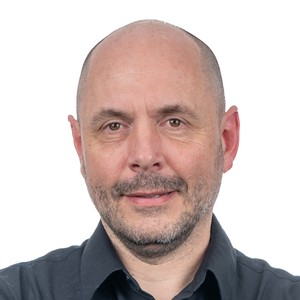
Thierry GRAMMER is the manager of the INNOV'events Quebec office. Reach out directly by email at canada@innov-events.ca or via the contact form.
Contact the Quebec agency