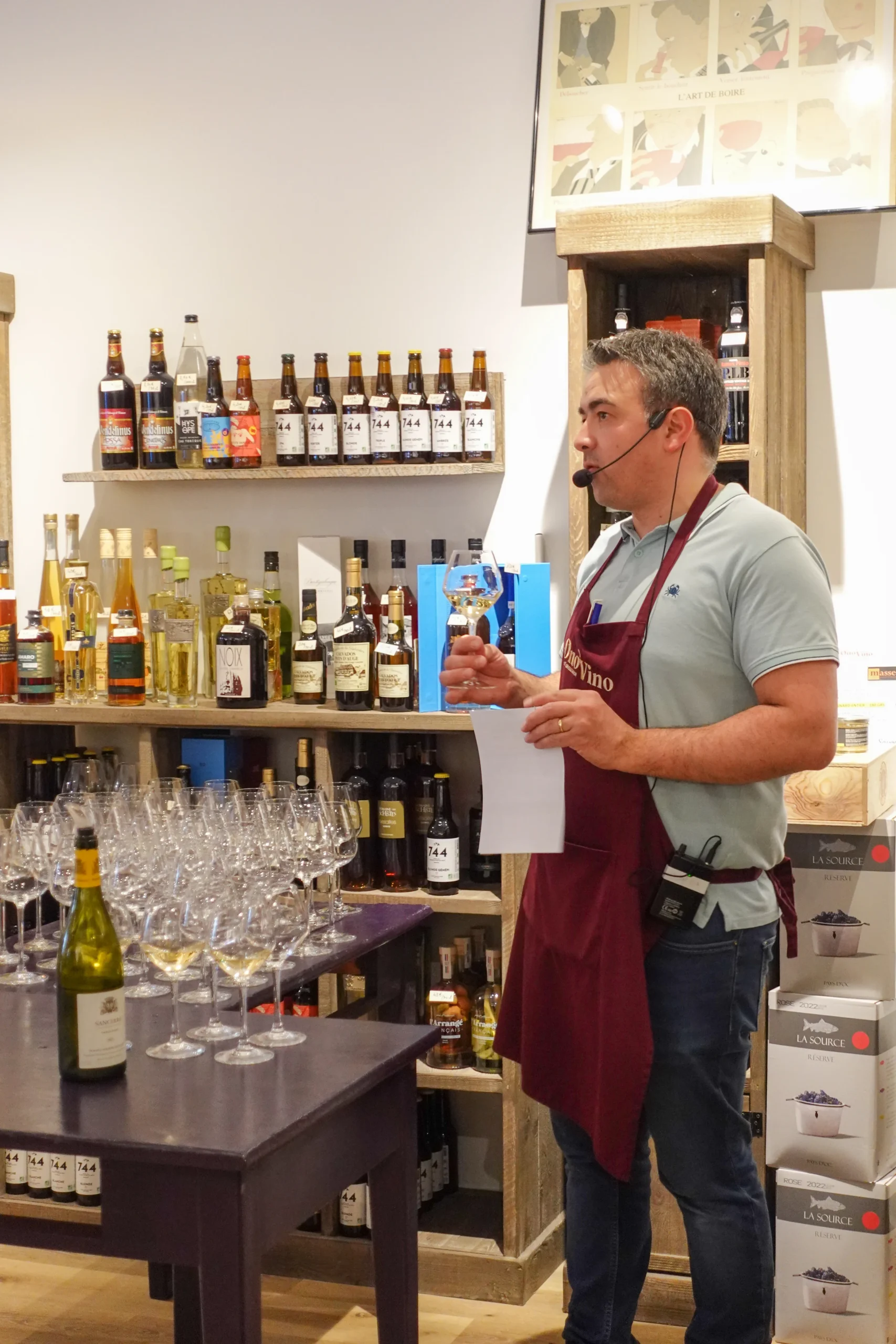
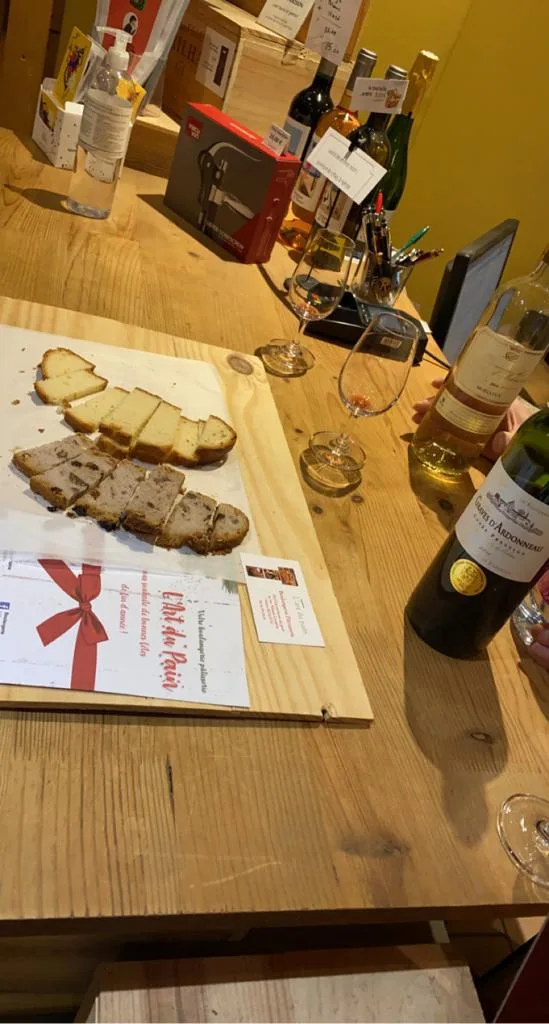
INNOV'events organizes Wine Tasting formats across Quebec for executives, HR and communications teams—typically 15 to 600 attendees, in French, English, or bilingual delivery. We handle the operational backbone: concept, sourcing, staffing, service flow, compliance, and on-site coordination so your leadership team can focus on hosting, not troubleshooting.
Whether it’s a leadership offsite, a client appreciation evening, or an internal recognition moment, we build tastings that respect corporate timing, brand standards, and risk management—especially around alcohol service in workplaces and public venues.
In a corporate agenda, entertainment is not “extra”; it is a lever to move conversations forward. A well-run Wine Tasting in Quebec creates structured interaction (guided tasting steps, discussion prompts, pairing stations) that accelerates networking and reduces the “small talk fatigue” we often see at executive receptions.
Organizations in Quebec expect precision: clear start/end times, bilingual facilitation when required, responsible service, and a guest experience that reflects the company’s standards. The bar is even higher when VIPs, board members, donors, or key accounts are present—because one service mistake can become a reputational issue.
Based in Montréal, INNOV'events operates daily in Quebec venues and corporate spaces. We know what fails on event day (glassware shortages, late deliveries, overcrowded tasting tables, compliance gaps) and we design the format and logistics to prevent those issues before guests arrive.
10+ years delivering corporate experiences across Quebec, with repeat programs for HR and communications teams who need predictable results.
Operational capacity for 15–600 guests with scalable staffing models (lead sommelier + tasting assistants + service leads + floor coordinator).
1 single point of contact from brief to event day, plus a documented run-of-show, service plan, and risk controls.
Vendor network across Quebec: venues, caterers, rental partners, sommeliers, and bilingual hosts—so timelines do not depend on last-minute sourcing.
We support organizations throughout Quebec—including teams who book recurring tastings for leadership retreats, end-of-year recognition, and client relationship moments. Many of our corporate clients come back because they want consistency: the same level of hosting polish, the same operational control, and the same ability to adapt when guest counts or executive schedules change.
If you provided specific company names, we would list them here as references in a discreet, professional way (and only with the level of disclosure you’re comfortable with). In practice, our repeat work often comes from HR and communications teams who need a safe, reliable corporate event entertainment in Quebec option that still feels premium and well-curated.
In Quebec City, we also collaborate with local partners and venues to deliver the same Montréal-level execution standards. When your event spans regions (Montréal + Québec City, or multi-site leadership programming), we keep your brand and service rules consistent across locations.
Nous vous envoyons une première proposition sous 24h.
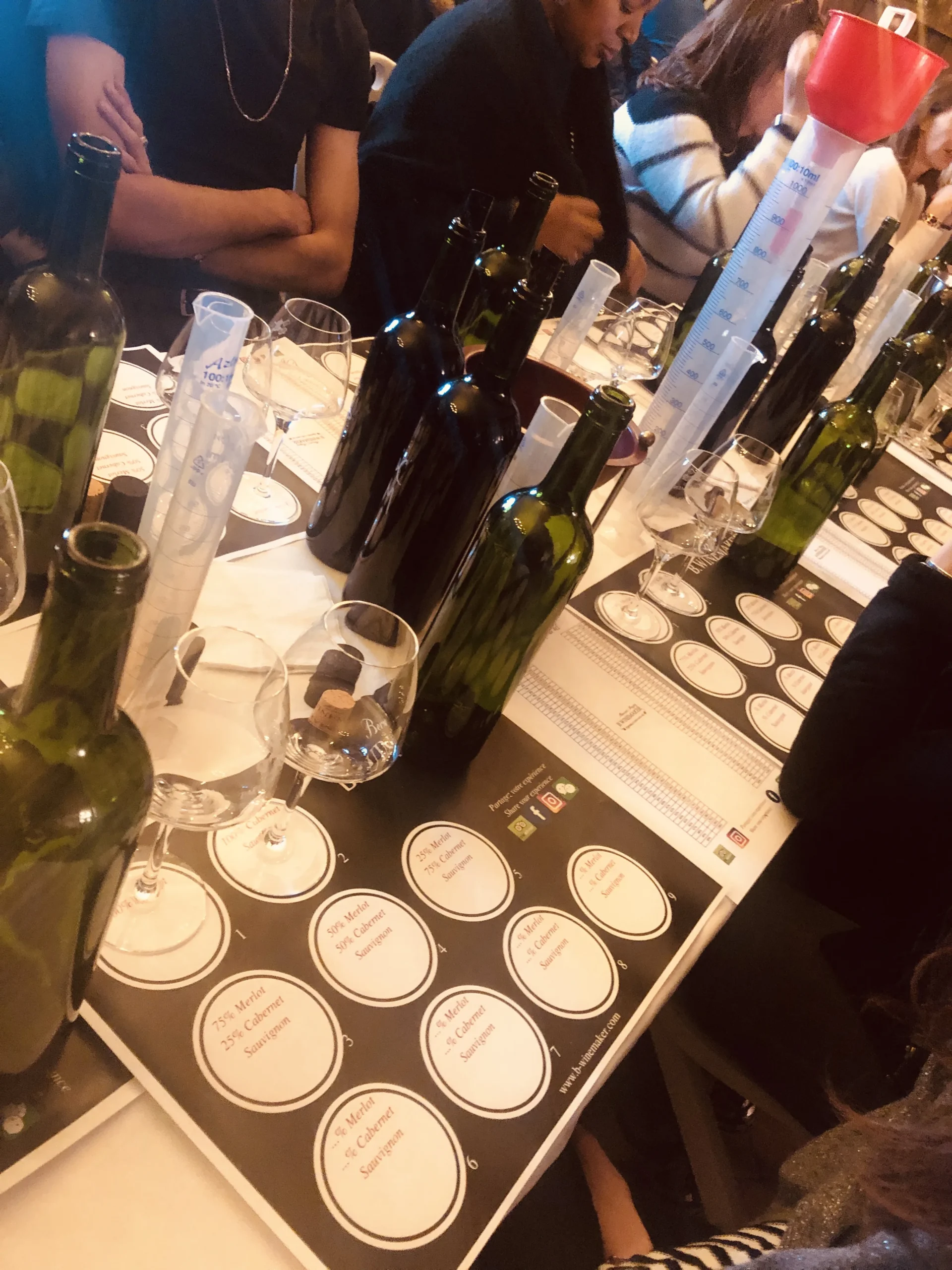
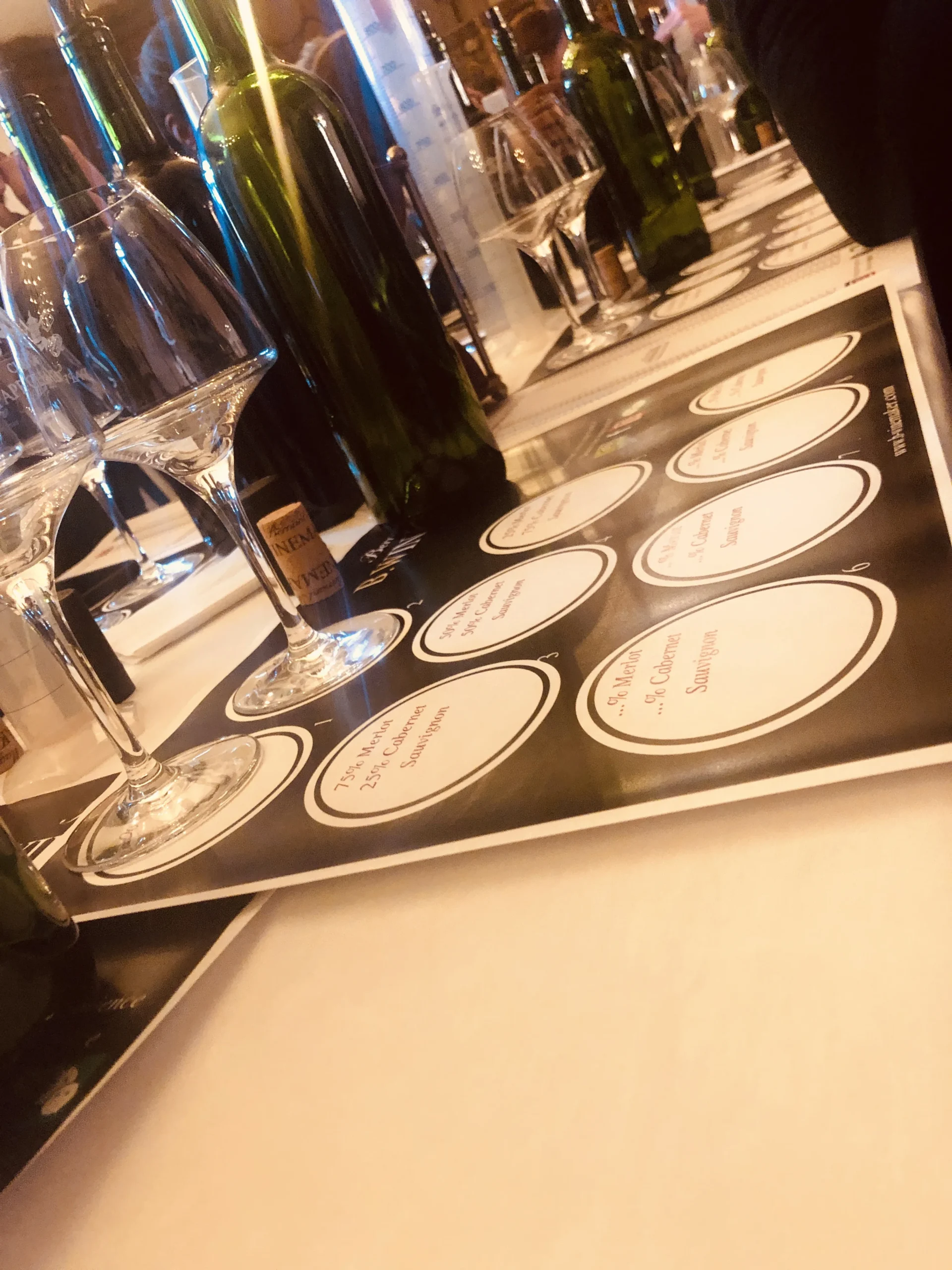
A corporate Wine Tasting works because it gives structure to relationship-building. Instead of hoping people mingle, you guide them through a shared sequence—visual cues, tasting steps, pairing bites, and a facilitator who keeps the room moving. This is particularly effective in Quebec organizations where events must be warm and human, but still controlled and respectful of time.
Executive-level networking without the awkwardness: A guided tasting gives guests an easy entry point for conversation (aromas, regions, pairing opinions). In practice, we see stronger cross-department interaction than at cocktail-only formats.
Client retention and account growth: For sales and client success teams, a tasting offers a reason to invite partners without making it “a pitch night.” We can include subtle brand touchpoints (welcome remarks, story of a shared value, curated selection aligned with your market) without over-commercializing the experience.
Recognition that feels earned: HR teams use tastings as a premium recognition moment—especially when the program includes a short educational segment and thoughtful pairings. It reads as intentional, not just “drinks after work.”
Culture building with risk controls: With a responsible service plan (measured pours, food pacing, non-alcoholic alternatives, clear end-of-service), you create a social moment while protecting your organization’s duty of care.
Employer brand content: Communications teams often need usable internal and external content. A tasting gives photogenic, brand-safe moments (tablescapes, guided stations, branded tasting cards) that are easier to capture than a dim cocktail bar environment.
In Quebec, where business culture values authentic connection and good hosting, a well-designed tasting can support both performance (relationships, engagement) and governance (control, compliance) in the same format.
We see a consistent set of expectations across Quebec—and they are rarely “showy.” Decision-makers want a smooth flow, professional staff, and zero surprises. For executives, the test is whether the evening feels effortless. For HR, the test is whether the event is safe and inclusive. For communications, the test is whether the experience matches the brand and avoids reputational risk.
Bilingual delivery is often non-negotiable: not only the host, but also the printed materials (tasting cards, signage, menu). We plan language flows so the room doesn’t feel split—typically with bilingual facilitation, visual cues, and staff trained to welcome guests in both languages.
Operationally, Quebec venues can vary widely in what they provide: some include glassware and bar stations; others require full rentals and a dedicated wash area. Winter logistics also matter: coats, boots, slush at entrances, and the reality that deliveries can slip during storms. We plan for staging time, protected storage, and a backup schedule so your agenda remains intact.
Finally, corporate buyers here are pragmatic about alcohol: they want a premium experience, but with clear boundaries. That means measured pours, food availability, water stations, and a plan for guests who do not drink—so the event is inclusive and defensible if leadership or legal reviews it afterward.
Entertainment creates engagement when it gives people a reason to move, interact, and learn—without forcing participation. In Quebec corporate settings, the strongest tasting formats are those that combine education, social flow, and brand alignment.
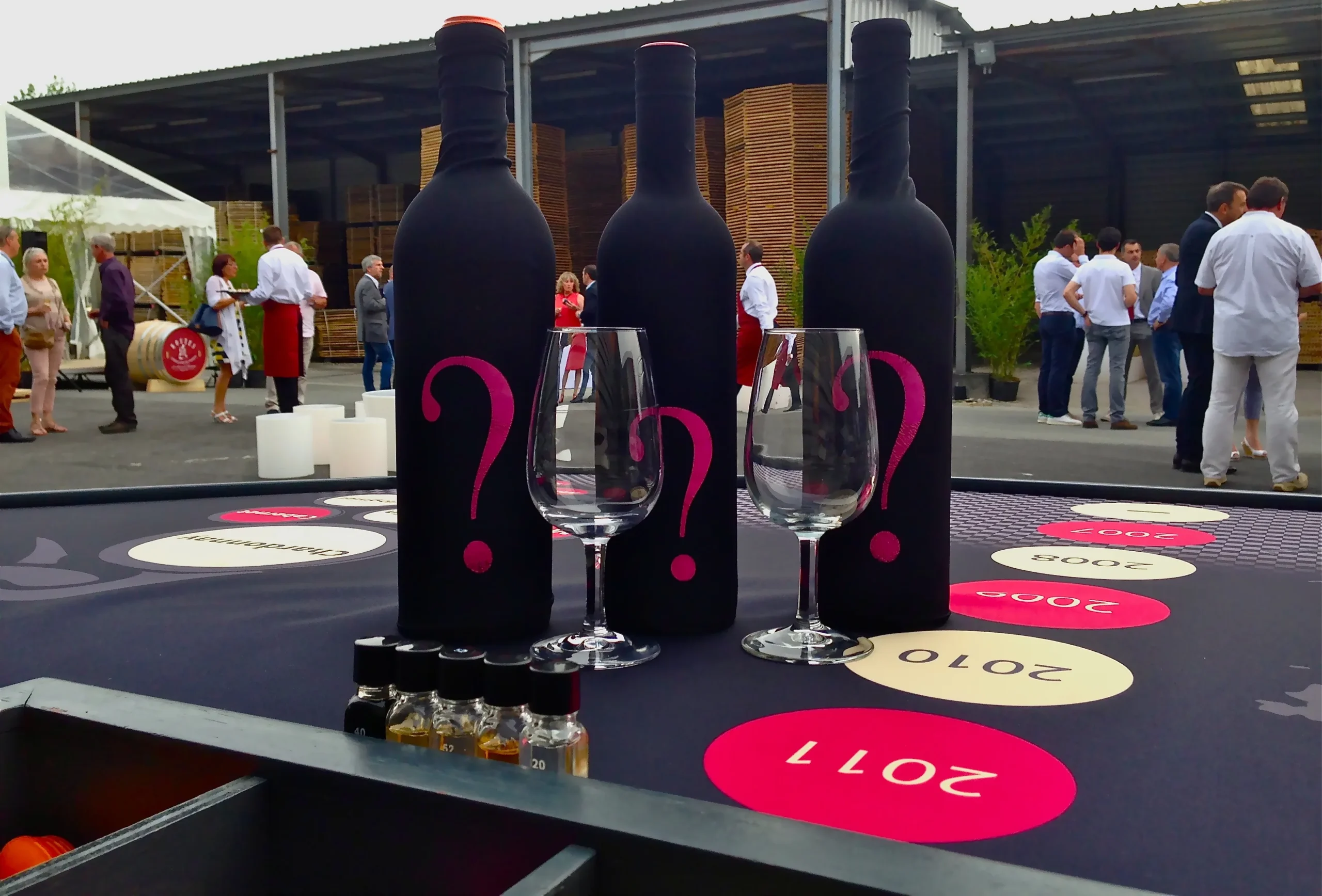
Blind tasting challenge (teams of 4–6): Guests taste two wines and answer guided prompts (grape family, country/region, oak/no oak). This works well for leadership retreats because it creates quick collaboration without being “game night.” We include a debrief that keeps it respectful and not overly competitive.
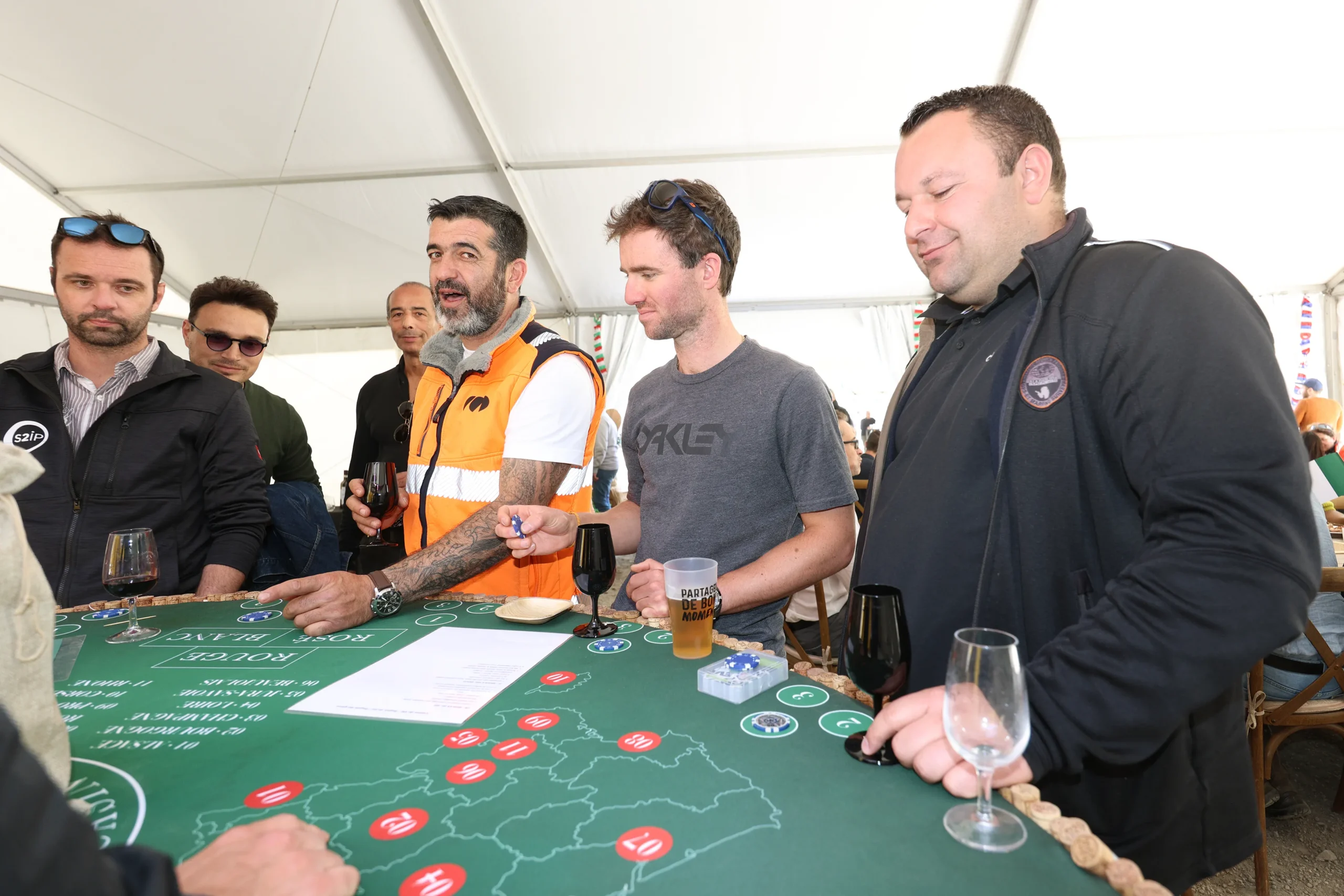
Region stations with timed rotation: Example: “Old World vs New World” with four stations and a rotation cue every 10–12 minutes. This prevents crowding and gives communications teams predictable moments for photos and short remarks.
Pairing decision stations: Guests choose which bite best matches a wine (acid vs fat, sweetness vs spice). This is useful when you want participation but need to keep noise levels appropriate for executive conversation.
Live acoustic set during networking: A small, controlled music setup maintains ambiance without overpowering conversation—important in board-level receptions. We coordinate sound checks around tasting segments to avoid competing with the sommelier’s voice.
Illustrated tasting notes (live illustrator): For brands that value creativity, an illustrator can capture “taste impressions” or key quotes from leaders. It creates a deliverable that HR and communications can reuse internally.
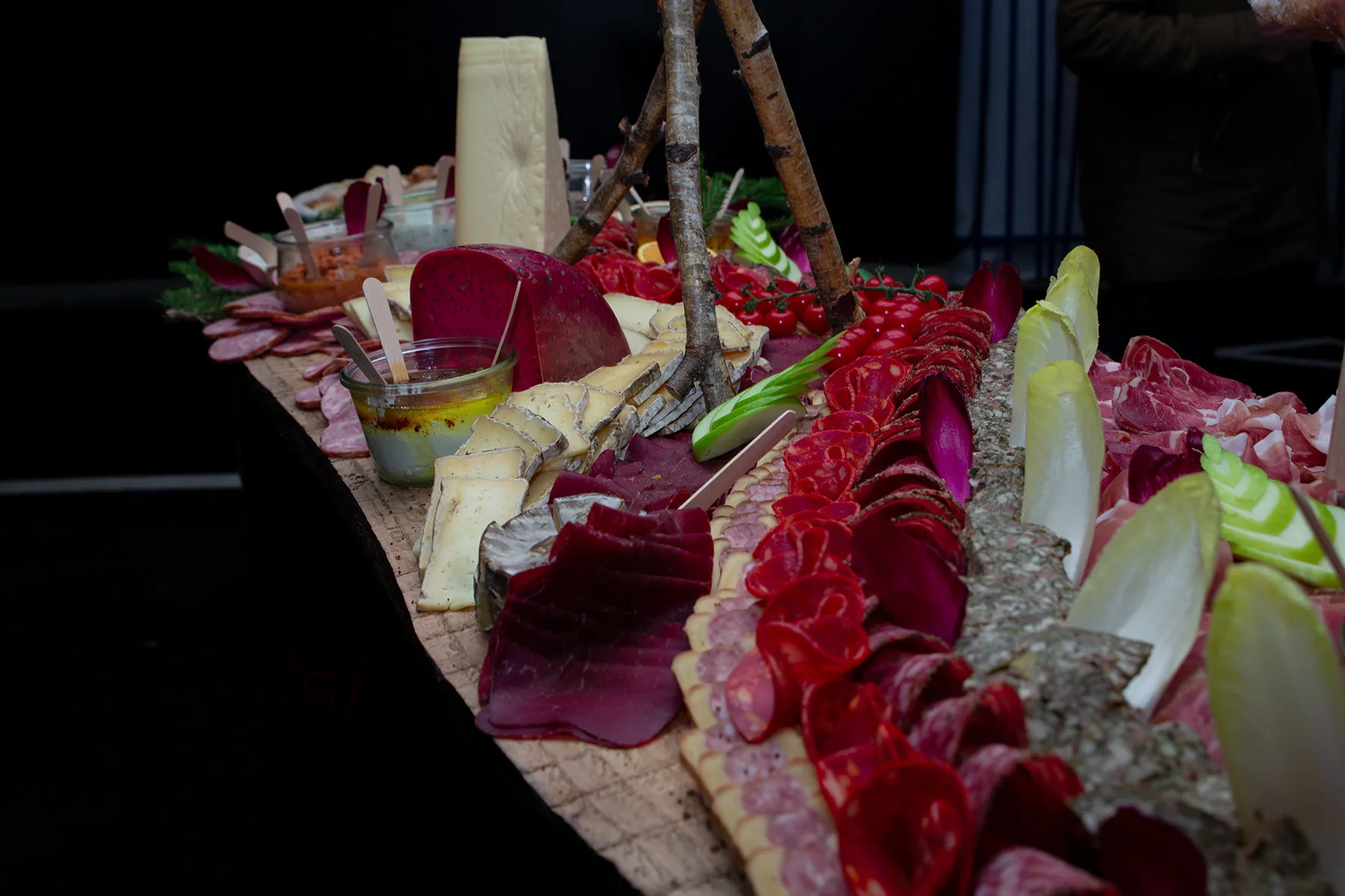
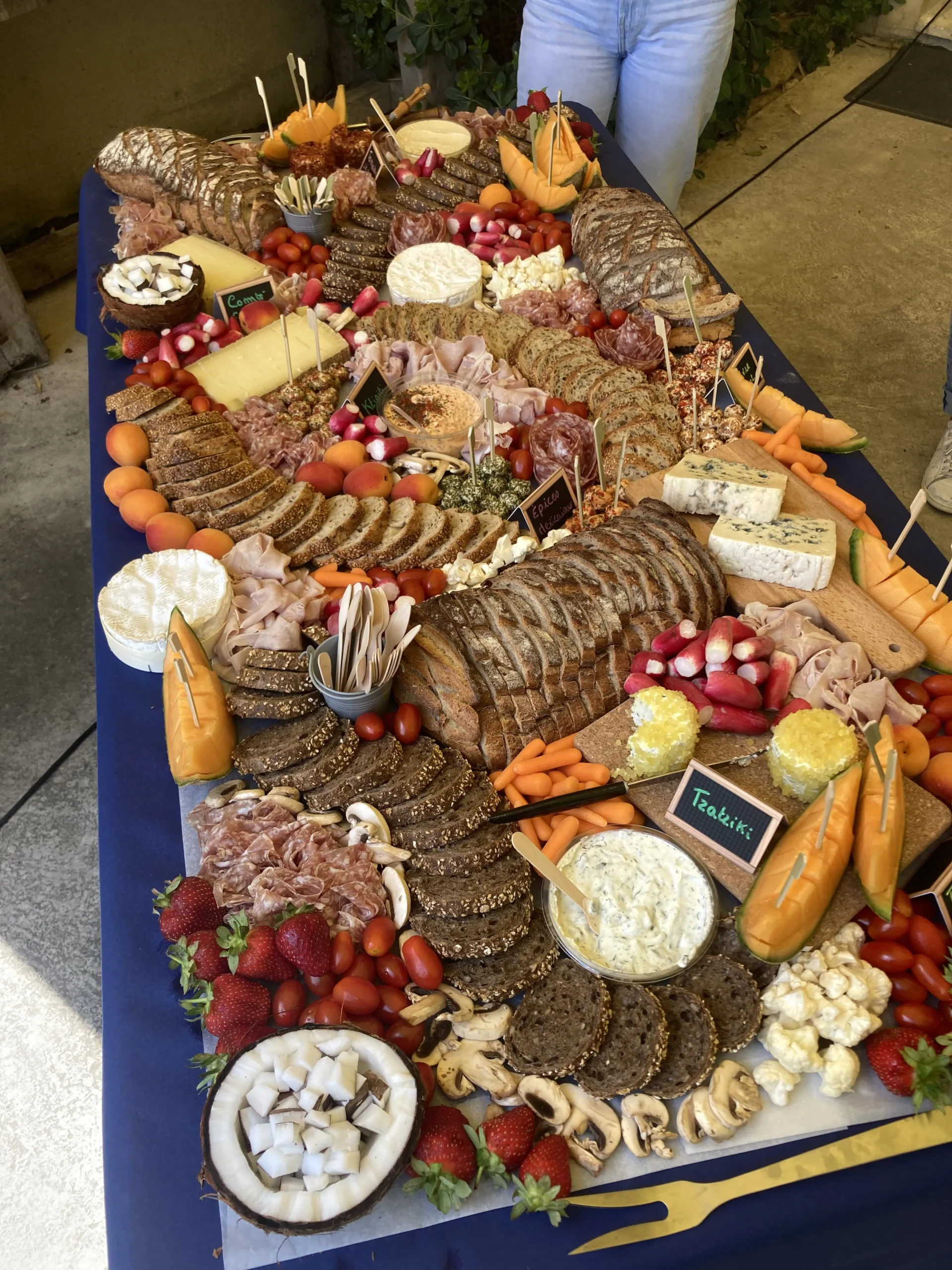
Quebec-focused pairing flight: Without turning it into a tourism theme, we can integrate local cheeses, charcuterie, or seasonal bites that are familiar and well-executed. The goal is credibility: clean sourcing notes, clear allergens, and portioning that matches the pour sizes.
Cheese-and-wine calibration: A structured segment showing how texture and salt shift perception. This is popular with executive groups because it feels informative and “worth their time,” not just indulgent.
Non-alcoholic pairing track: Premium NA wines or botanical pairings with the same storytelling and glassware. In corporate environments, this is increasingly requested for inclusivity and duty-of-care policies.
Data-driven tasting cards (QR + preferences): Guests scan a QR to record preferences; after the event, you receive anonymized insights (e.g., % who preferred light reds vs full-bodied). This is useful for teams planning future hospitality budgets or client gifting guidelines.
Micro-learning format (15-minute capsules): Instead of one long presentation, we deliver short segments across the evening. This matches executive attention spans and prevents the “lecture effect,” especially in Montréal cocktail-style rooms.
Hybrid tasting for distributed teams: For Quebec-wide teams, we can run an on-site tasting in Montréal while shipping curated kits to remote offices, with synchronized facilitation. We plan for timing differences, kit integrity, and clear instructions to avoid messy self-service.
Whatever the format, we align the tone with your brand image: conservative finance vs creative agency vs industrial manufacturer require different pacing, vocabulary, and visual presentation. The goal is a Wine Tasting in Quebec that looks and feels like your organization—credible, controlled, and well-hosted.
The venue sets the “signal” before the first pour: professionalism, intimacy, or prestige. In Quebec City, we pay special attention to acoustics (so the host can be heard), load-in access (especially in historic areas), and back-of-house capacity (glass washing, storage, staff circulation). The right space reduces staffing pressure and keeps the program on time.
| Venue type | For which objective? | Main strengths | Possible constraints |
|---|---|---|---|
| Private dining room in a reputable restaurant | Client appreciation, executive dinners (20–80) | Kitchen reliability, built-in service team, controlled acoustics | Less branding flexibility; fixed menu timing; corkage policies vary |
| Hotel meeting space with adjacent cocktail area | Conference add-on, multi-activity corporate evening (80–300) | Predictable logistics, AV options for remarks, coat check capacity | Can feel “corporate” if decor is not upgraded; bar positioning needs planning |
| Gallery / cultural venue with open layout | Brand positioning, communications-led receptions (60–250) | Strong visual impact, flexible station layout, great for content capture | Load-in restrictions; strict rules on liquids; requires rentals and careful floor protection |
| Corporate office / headquarters space | Internal recognition, leadership gatherings (15–200) | Convenient for guests, full brand control, no travel time | Building alcohol rules; elevator access; security protocols; need for extra staging and cleaning |
We strongly recommend a site visit (or at minimum a detailed technical walkthrough) before finalizing the format. In the field, most issues come from overlooked constraints: where glass racks can sit, how staff circulate, where water and dump buckets go, and how to avoid lineups at the first station.
Pricing for a corporate Wine Tasting in Quebec depends on the format, service level, product selection, and operational constraints of the venue. A board-level guided tasting with premium wines and multiple glasses has a different cost structure than a casual client mixer with two stations and lighter staffing.
Guest count and flow: Costs scale with attendees, but also with how you want people to move. Roaming formats typically require more stations and staff to prevent bottlenecks.
Wine selection and pour plan: Number of wines (often 3–6), pour size (45–60 ml per sample), and whether you include premium bottles or rare allocations. We can also build a selection that respects corporate gifting sensitivities (no “flashy” labels if your culture is conservative).
Staffing model: At minimum: lead sommelier/host, tasting assistants, and a floor lead. Add barbacks, glass runners, and bilingual hosts as complexity increases.
Food pairing complexity: Simple canapés vs plated pairing bites change kitchen needs and service choreography. Dietary accommodation also adds planning time and labeling.
Rentals and technical: Glassware counts, tables, linens, dump buckets, spit cups (for educational tastings), signage, lighting, and audio so the host can be heard.
Venue constraints: Load-in hours, security requirements, elevator access, union rules, or restrictions on liquids can increase labor and timeline buffers.
We approach budget as risk-managed ROI: you’re not paying for “extras,” you’re paying for a program that runs on time, protects your brand, and delivers the relationship outcomes your executives care about. After a short brief, we can propose two or three budget scenarios (conservative / standard / premium) so you can choose based on objectives.
For corporate teams, the real cost of an event is not only the invoice—it’s the internal time, the reputational exposure, and the stress load placed on executives and HR if operations slip. Working with an agency established in Quebec reduces that risk because we already know the local realities: supplier reliability patterns, venue rules, delivery windows, and how to staff bilingual service without compromising professionalism.
We also operate with the “Quebec standard” of hospitality: warm, precise, and respectful. That matters when your leadership is hosting important guests and you need the tone to land correctly—neither too casual nor too formal.
For events in Québec City specifically, our team can coordinate with the right partners and, when relevant, connect broader regional needs through our network as an event agency in Quebec without changing your governance or brand expectations.
We approach budget as risk-managed ROI: you’re not paying for “extras,” you’re paying for a program that runs on time, protects your brand, and delivers the relationship outcomes your executives care about. After a short brief, we can propose two or three budget scenarios (conservative / standard / premium) so you can choose based on objectives.
Our projects in Quebec vary because corporate constraints vary. We’ve delivered structured tastings for leadership teams where the priority was calm, controlled discussion—and we’ve delivered high-traffic client receptions where the priority was throughput and networking.
Common scenarios we handle:
Across these contexts, the common thread is execution discipline: staffing, timing, and guest flow are treated with the same seriousness as a corporate meeting.
Underestimating glassware needs: A multi-wine tasting with one glass per person creates delays, mixing aromas, and sanitation concerns. We plan glass counts, rinse stations, and collection loops.
Overcrowded stations: Two stations for 200 guests means lineups and frustration. We calculate station capacity based on pour time, interaction time, and room layout.
Host cannot be heard: Acoustics are often ignored. We plan microphone type, speaker placement, and the room “quiet moment” for instructions.
Food arrives off-sequence: Pairings that come late break the experience and increase alcohol impact. We coordinate plating timing, holding strategy, and service routes.
No credible non-alcoholic option: Not offering a serious NA track can create exclusion and HR discomfort. We design NA pairings with equal storytelling and presentation.
Unclear end-of-service: If last call is improvised, you risk overservice and messy departures. We set end times, communicate them discreetly, and manage transitions.
Our role is to remove these risks before they become visible to your guests. On event day, the best compliment is that leadership feels they could host and still be fully present—because operations are handled quietly in the background.
Corporate clients don’t come back for “ideas.” They come back because delivery is consistent: the room is ready on time, the staff is professional, the tasting content is credible, and the program respects executive constraints. In Quebec, where many organizations run recurring recognition and client programs, reliability becomes the differentiator.
Repeat-program structure: Many clients schedule tastings on an annual cadence (end-of-year, Q1 kickoff, leadership offsite). We keep a documented playbook so each edition improves without changing what already works.
Operational documentation: Run-of-show, staffing plan, station map, and briefing notes are saved and refined—useful when internal stakeholders change roles.
Executive confidence factor: When leaders know the evening will stay on track, they agree to host more readily—this is often what unlocks future budgets.
Loyalty is the most practical proof point in event work: teams return when they can trust that the experience will reflect their brand, protect their people, and run smoothly under real-world constraints.
We start with a working session with the event owner (often HR or communications) and, when relevant, an executive sponsor. We clarify the purpose (client retention, recognition, leadership cohesion), constraints (timing, language, venue rules, alcohol policy), and success indicators. Output: a clear format recommendation and a decision-ready outline.
We define the tasting format (seated/roaming), number of wines, thematic arc (regions, varietals, pairing logic), and the pacing that matches your agenda. We also design the guest experience details: tasting cards, signage, station order, and how guests enter the flow. Output: a run-of-show draft and station plan.
We confirm wines, food pairings, and staffing profiles (lead sommelier, assistants, floor lead). We set pour sizes, water strategy, food timing, and non-alcoholic alternatives. We align on any compliance or internal policy requirements to ensure the program is defendable and safe. Output: staffing schedule, service rules, and contingency plan.
We manage rentals (glassware, tables, linens), AV (mic/speakers), load-in schedule, and back-of-house needs (storage, wash area, waste). We coordinate with venue teams and security where applicable. Output: final floor plan and production timeline.
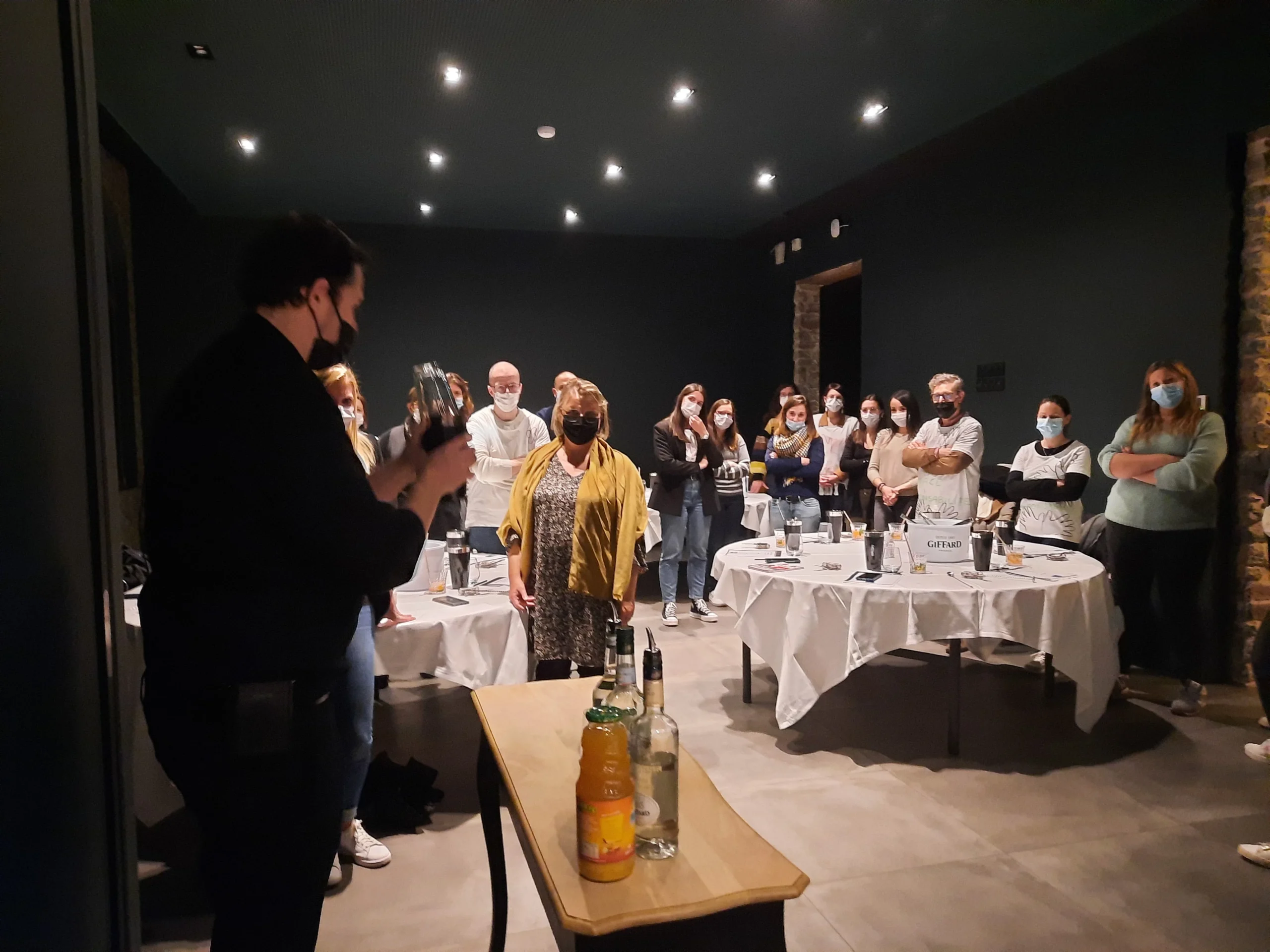
On event day, we brief staff, control station readiness, manage timing cues for remarks, and adjust flow in real time based on guest behavior. After the event, we provide a short debrief: what worked, what to improve, and recommendations for the next edition (useful for recurring programs in Quebec).
Most corporate formats in Quebec work best with 3 to 6 wines. For a 60–90 minute guided tasting, 4 wines is a common sweet spot. If you add pairings and networking, we adjust pacing so it doesn’t feel rushed.
Plan 60 to 120 minutes depending on whether the tasting is the main program or part of a broader evening. A frequent corporate structure in Montréal is 75 minutes of guided tasting plus 45 minutes of open networking.
We use measured pours (typically 45–60 ml per sample), ensure food is available throughout, set water stations at each area, and define a clear end-of-service time. We also build a premium non-alcoholic track so participation is inclusive and HR-compliant.
A common range is 5 to 9 staff depending on format: 1 lead sommelier, 2–4 tasting assistants, 1 floor lead, plus optional glass runners or barbacks if you have multiple stations. We confirm staffing after reviewing the venue layout and service plan.
Yes. We deliver bilingual facilitation and bilingual printed materials (tasting cards, signage). The key is designing the language flow so it stays smooth—typically with bilingual hosting, short segments, and visual prompts to keep the room unified.
If you’re comparing agencies, we can make your decision easier with a clear, operational proposal: recommended format, run-of-show, staffing, wine and pairing direction, and budget scenarios. Share your date window, city in Quebec, guest count, and the purpose (clients, leadership, recognition), and we’ll come back with a concrete plan you can validate internally.
For best venue availability and sourcing options, we recommend starting planning 4 to 8 weeks in advance (longer for peak season or premium venues). Contact INNOV'events to secure a tasting format that is professional, controlled, and aligned with your brand.
Thierry GRAMMER is the manager of the INNOV'events Quebec office. Reach out directly by email at canada@innov-events.ca or via the contact form.
Contact the Quebec agency