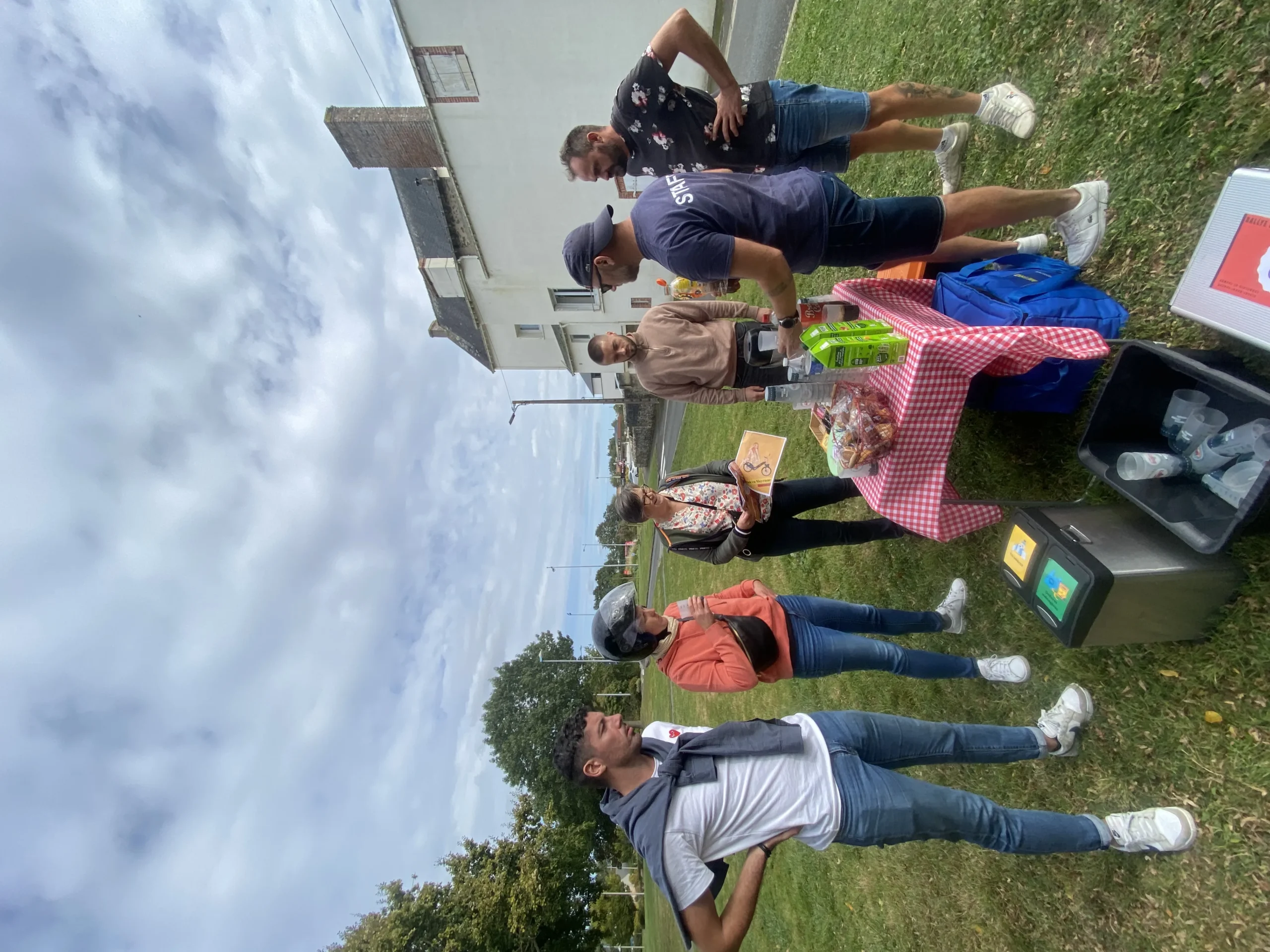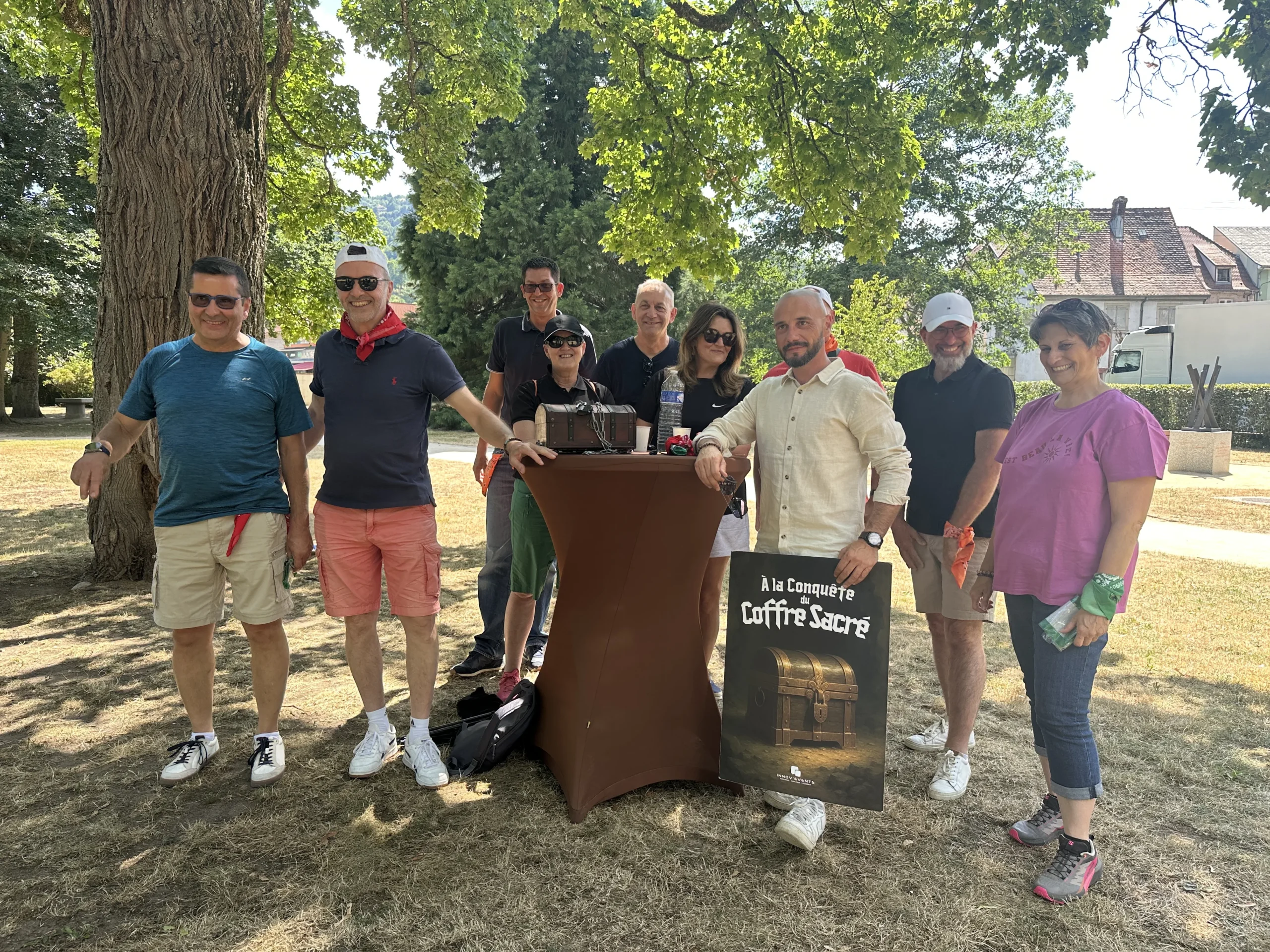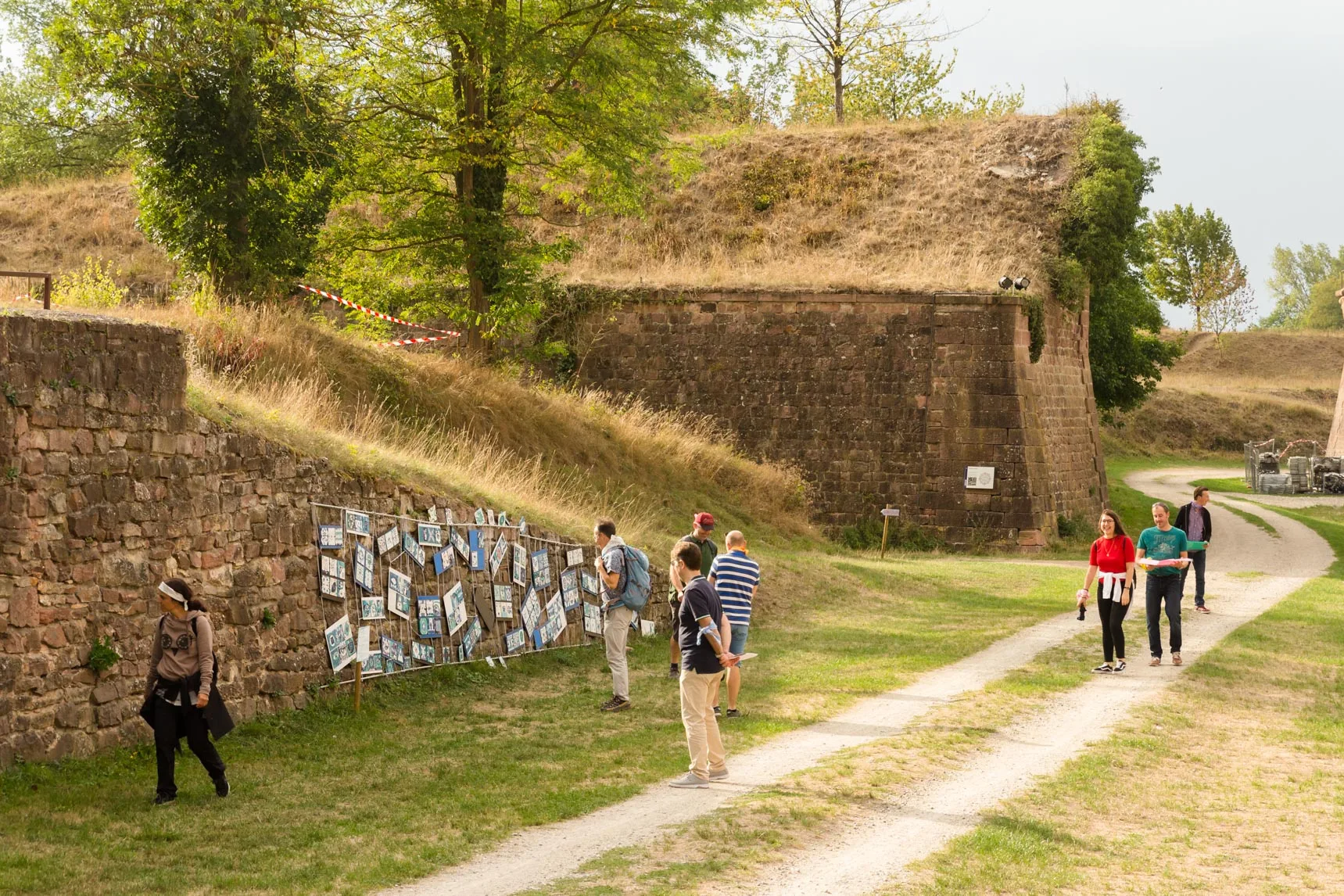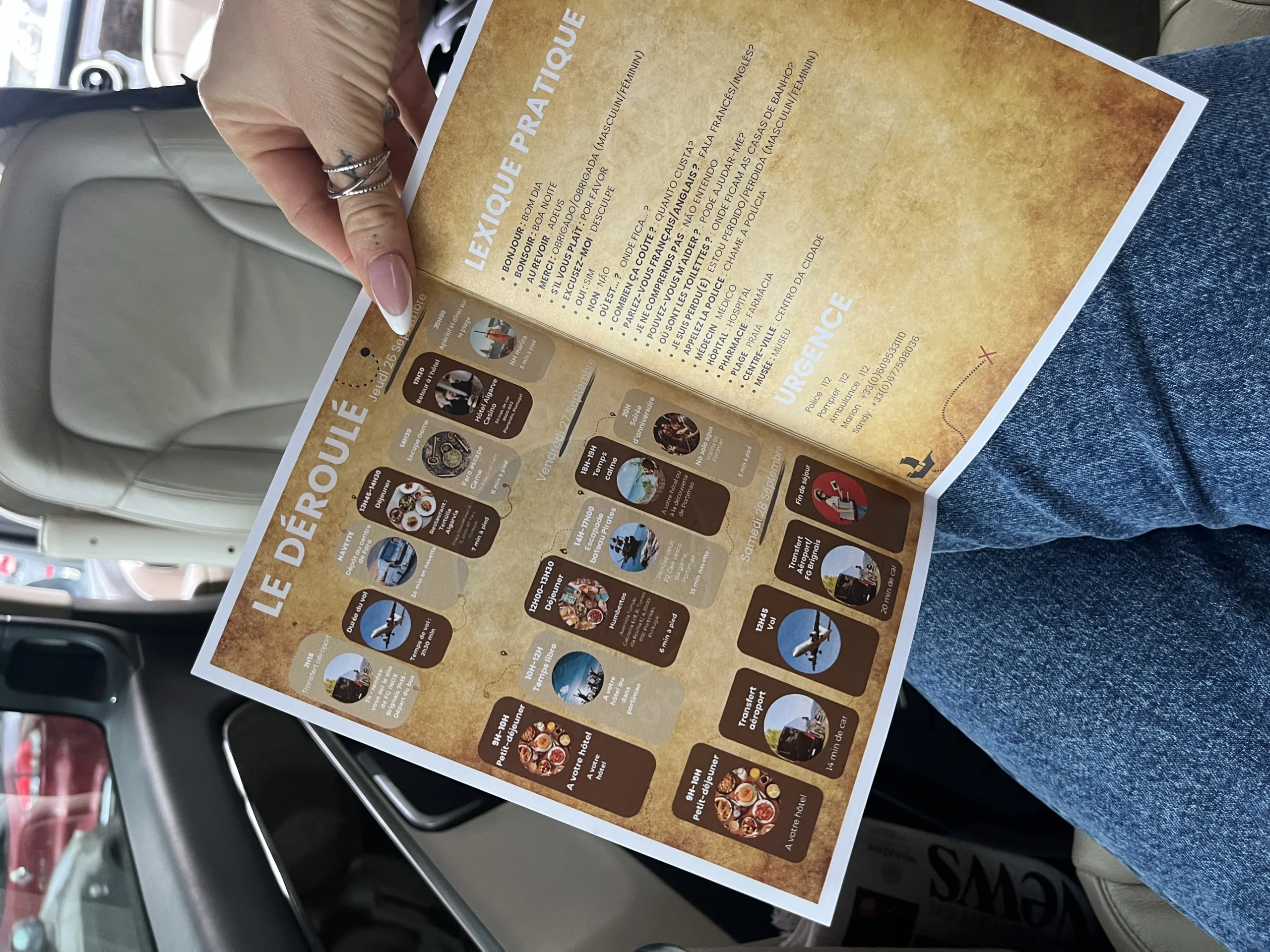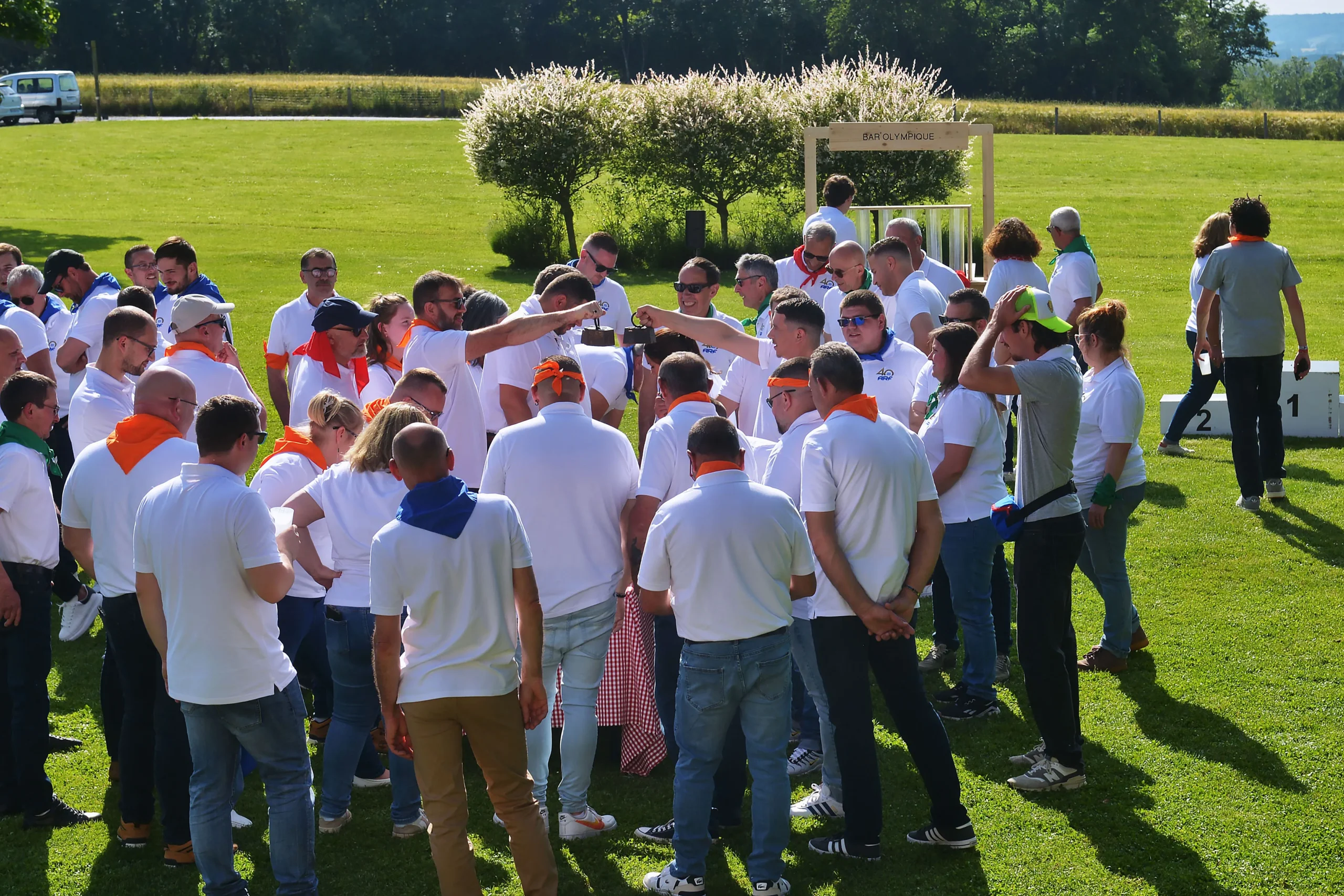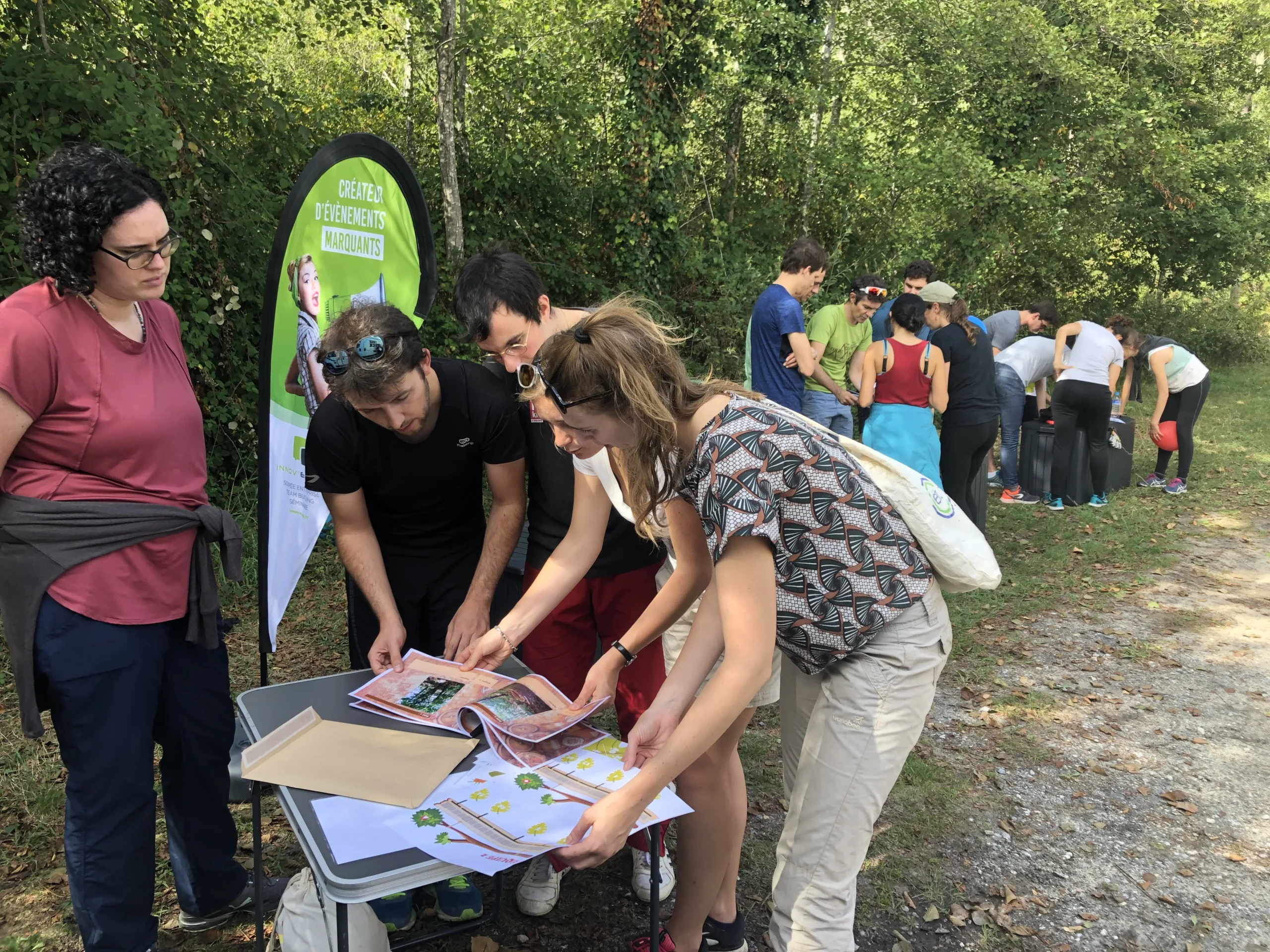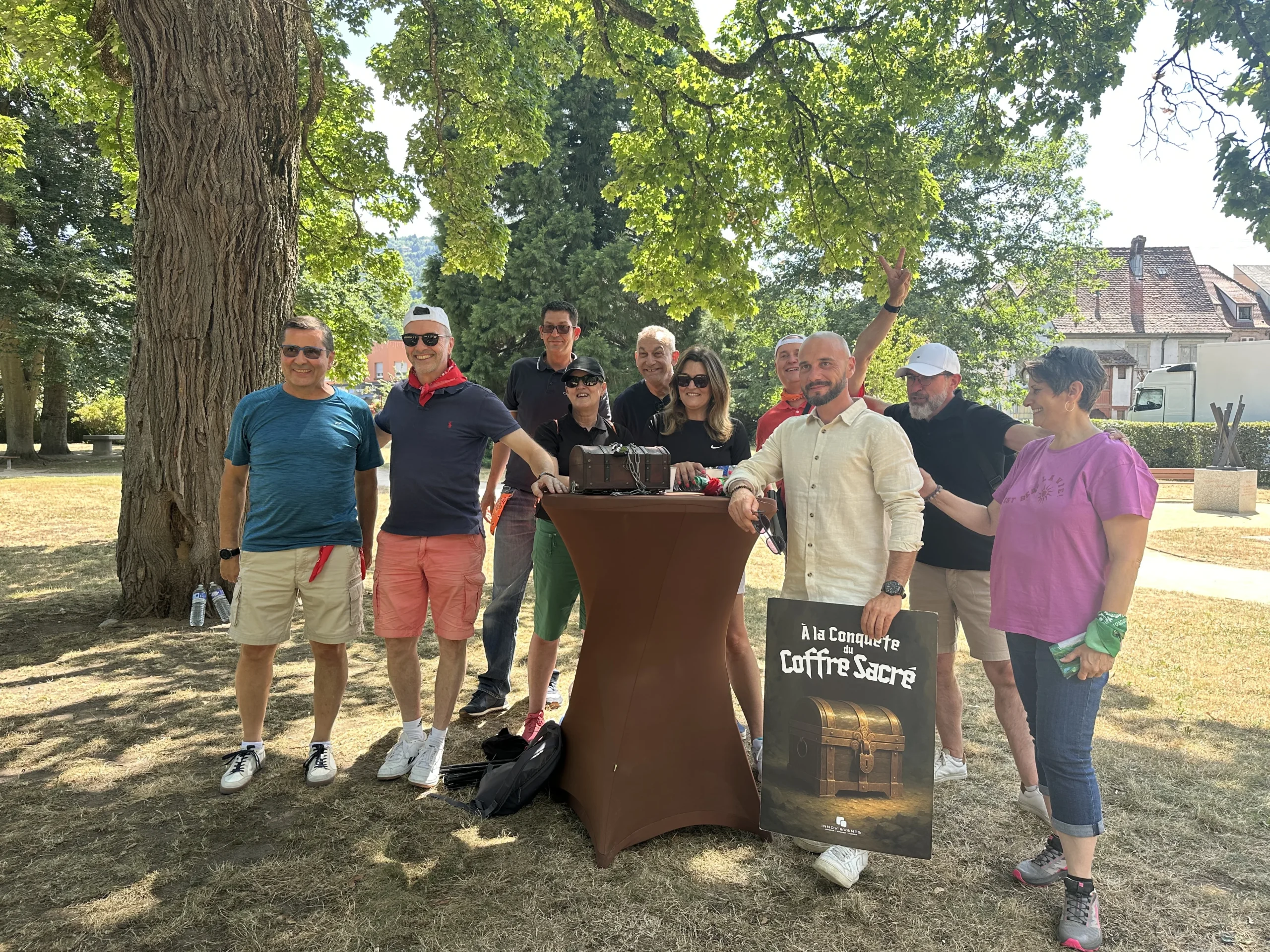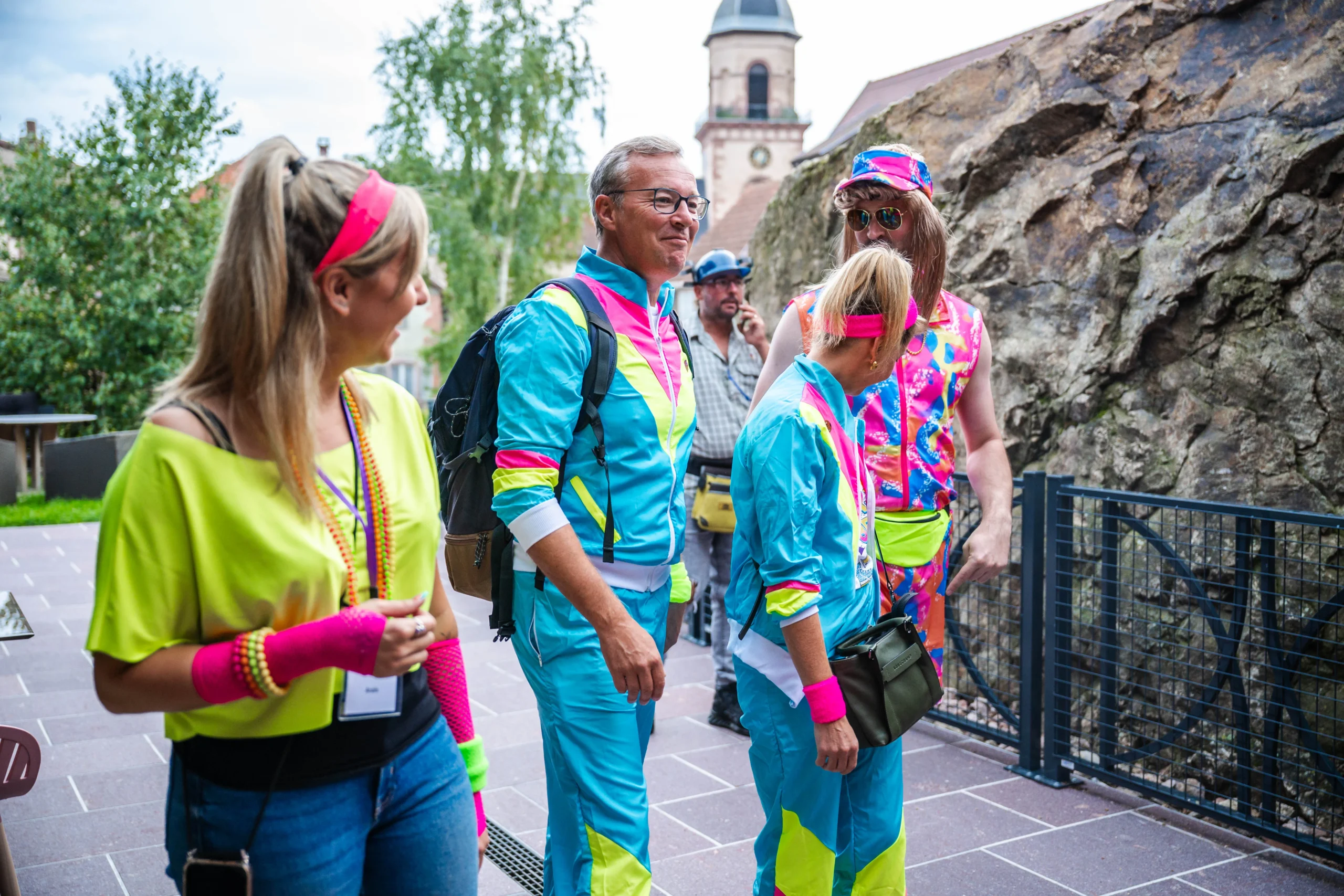
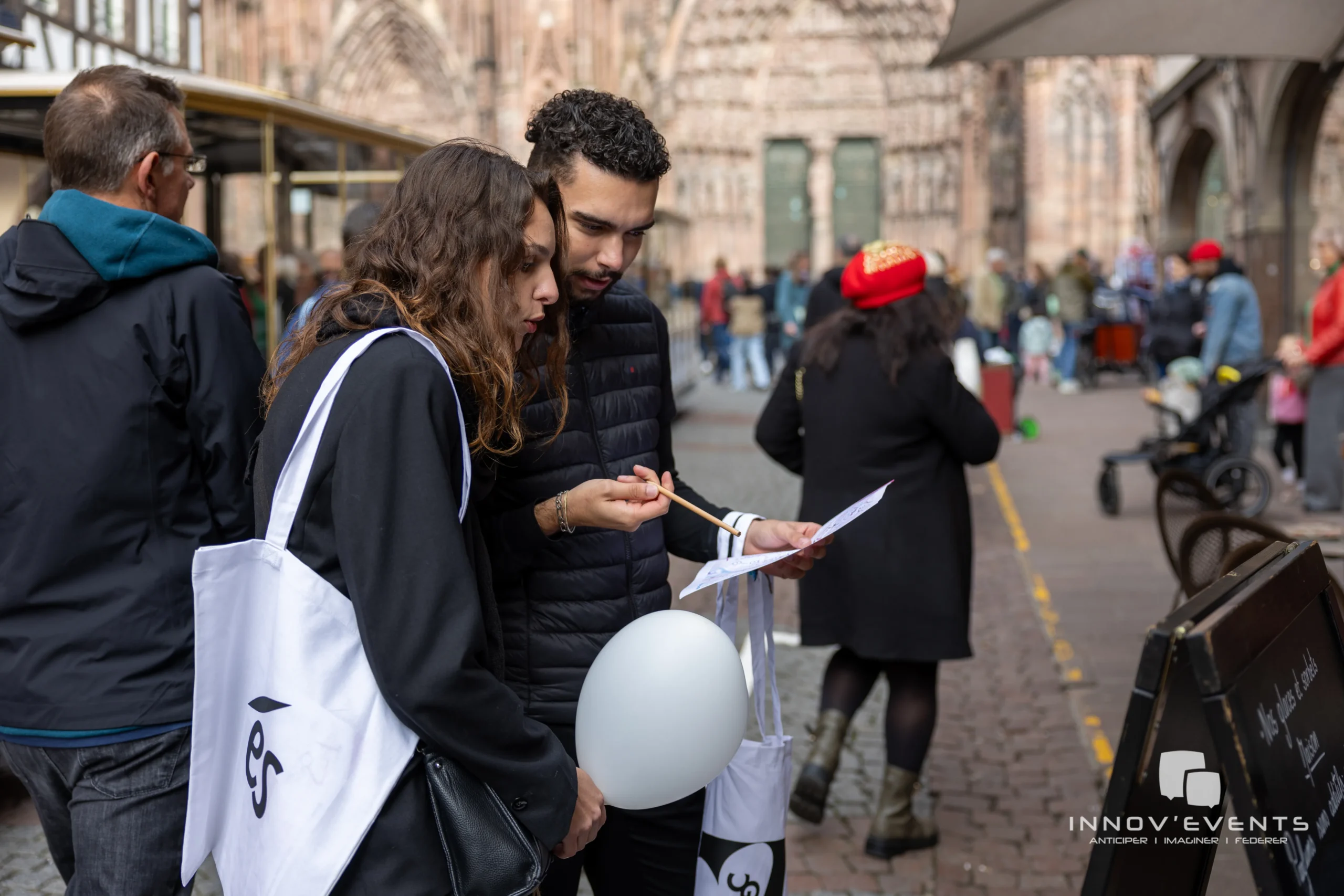
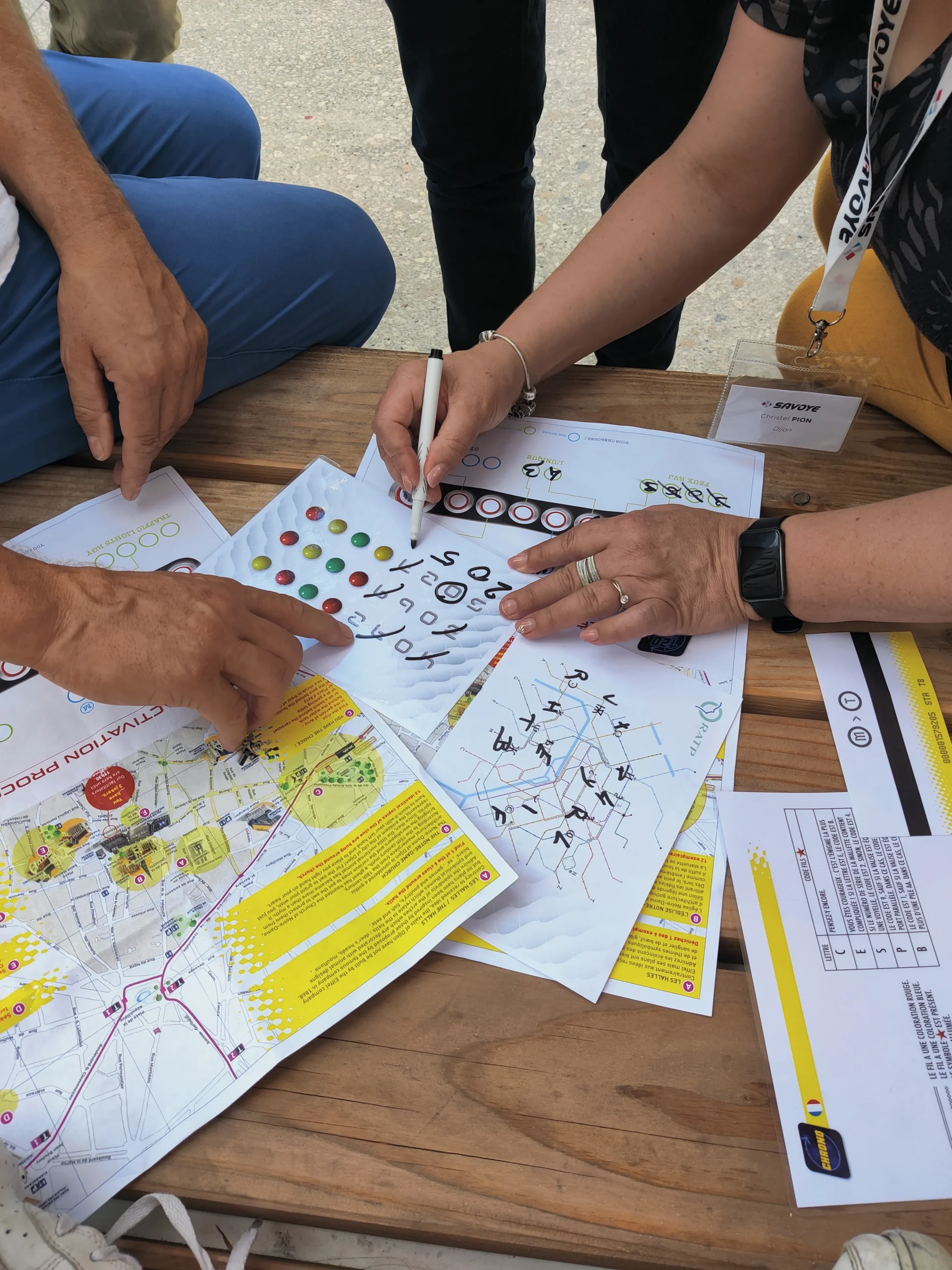
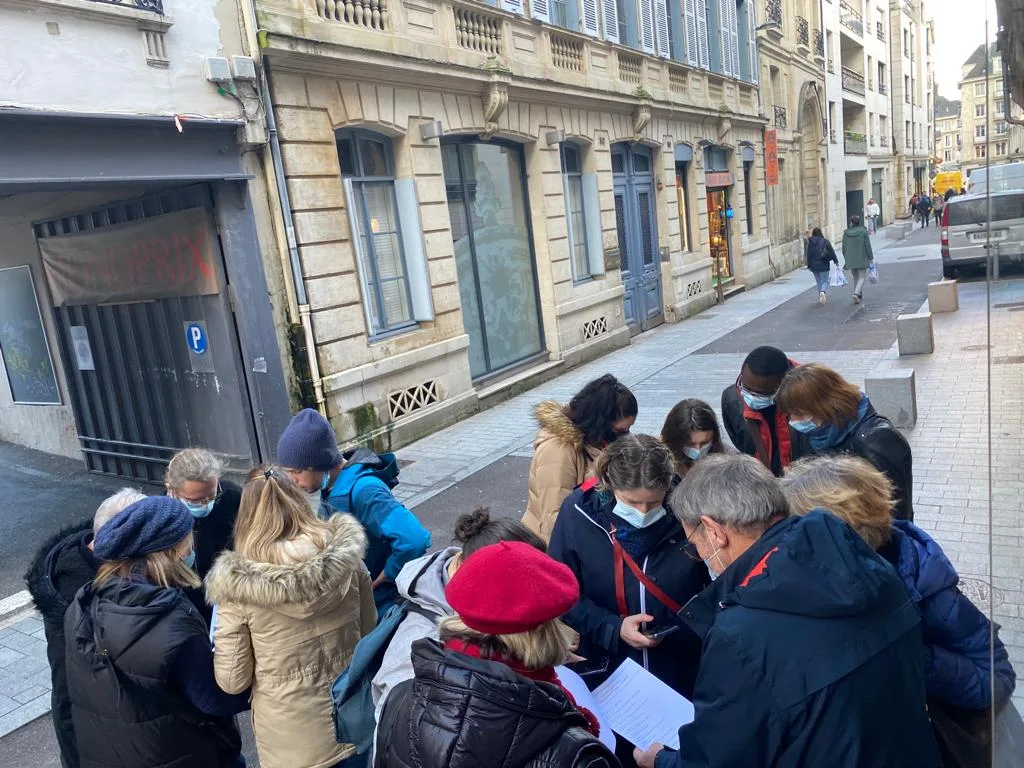
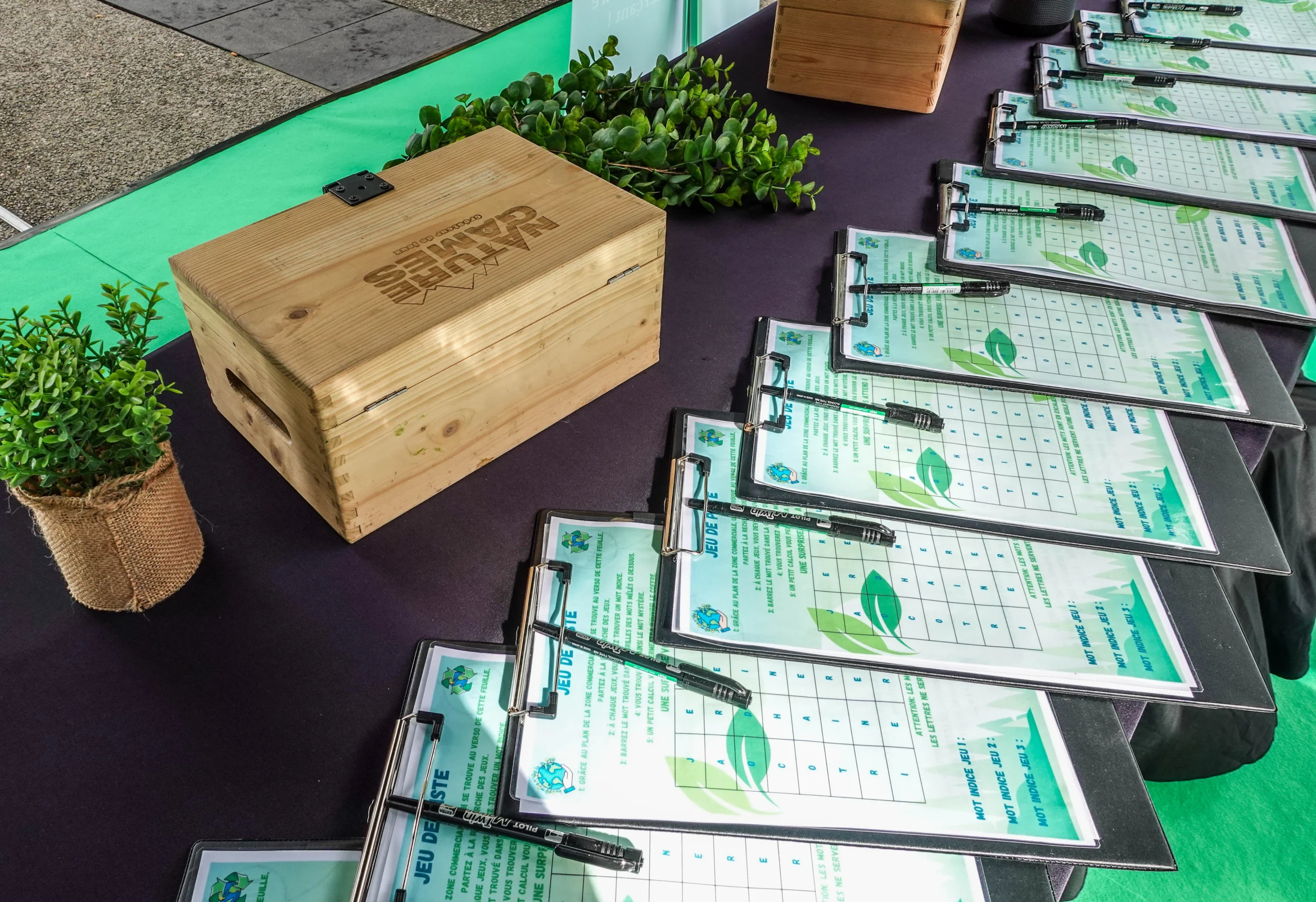
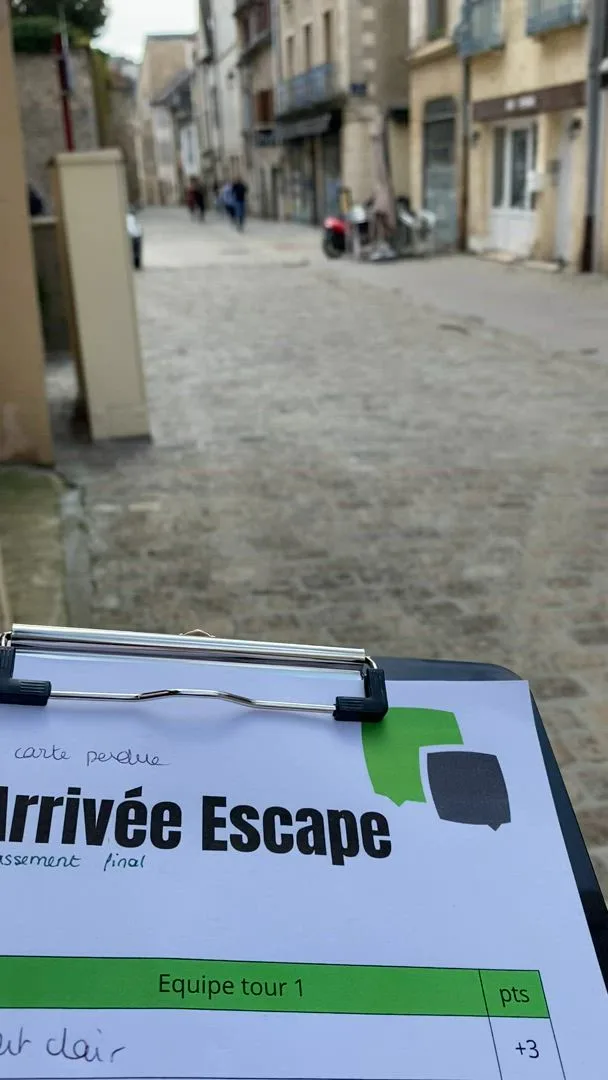
INNOV'events designs and runs Urban Rally programs across Quebec for executive teams, HR, and Communications. Typical formats work for 20 to 600 participants, with multilingual facilitation and measurable team outcomes. We handle route design, permits, staffing, safety plan, scoring, and on-site command.
In a corporate agenda, entertainment is not “a nice extra”: it’s one of the few levers that can shift cross-team relationships in a single afternoon. A well-built Urban Rally in Quebec creates structured collaboration under light pressure—exactly the environment where leadership behaviours, communication habits, and decision-making patterns surface.
Organizations here expect operational discipline: on-time starts, clear bilingual instructions, and a respectful presence in public space. In Quebec, your reputation travels fast—especially when a group moves through Old Québec, the business district, or public parks. That’s why we design rallies that are exciting for employees while being safe, brand-consistent, and discreet for the public.
Based in Montréal, our producers and field captains work year-round throughout Quebec. We know the realities of weather swings, tourist density, municipal rules, and the pace of corporate schedules. You get a rally that feels fluid for participants, and controlled for decision-makers.
10+ years producing corporate activations and complex multi-site programs across Quebec and Canada.
20–600 participants per Urban Rally (larger groups managed by waves, staggered starts, and multiple routes).
1 command lead + 1 safety lead on every rally, with radio/phone escalation and live tracking options.
48-hour turnaround for a structured budget range and scenario options once objectives and headcount are confirmed.
We support organizations across Quebec—from head offices in Montréal to regional teams coming together for annual meetings in Québec City. Several clients renew because the rally becomes a dependable “anchor activity” in their offsite or recognition calendar: they know it will start on time, respect the neighbourhood, and land the intended message (integration, culture, or leadership alignment) without putting the brand at risk.
When HR or Communications teams come back, it’s usually for the same reasons: we protect the employer brand in public spaces, we deliver clear bilingual facilitation, and we manage participant flows like a true operations team—briefings, contingency planning, and real-time adjustments on the day-of. If you share your context (industry, union constraints if any, internal sensitivities, and time window), we’ll tell you quickly what’s realistic in Quebec and what to avoid.
Nous vous envoyons une première proposition sous 24h.
A rally is one of the rare formats that combines movement, problem-solving, and light competition—without requiring athletic ability. For executives, the value is not the game itself; it’s the behaviour it triggers: prioritization under time, negotiation within teams, and decision-making when information is incomplete. In Quebec, where many organizations operate with hybrid schedules and multi-site teams, this type of structured interaction accelerates trust faster than a seated activity.
Faster integration for new hires: we build challenges that force introductions and role-sharing early (navigator, timekeeper, spokesperson), which reduces “cliques” in mixed groups.
Cross-department collaboration: we intentionally design tasks where Finance needs Sales, Operations needs HR, and Comms needs IT—mirroring real workplace dependencies rather than random games.
Culture reinforcement without speeches: if your values are “customer focus” or “continuous improvement,” the rally scoring can reward those behaviours, making the message tangible.
Leadership visibility: executives can participate as normal team members, or we can create a “leadership checkpoint” where leaders observe, coach, or deliver a short strategic prompt without taking over the activity.
Concrete debrief material: we provide a quick post-activity synthesis (what teams struggled with, what patterns emerged), useful for HR and managers to connect the experience to work habits.
Employer brand and retention: the rally can be framed as recognition and investment in people—especially effective for teams coming from different regions of Quebec and rarely meeting in person.
Economically, Quebec is built on networks: partners, suppliers, public stakeholders, and internal mobility between sites. A well-run Urban Rally trains that reflex—collaborate, adapt, deliver—while staying aligned with corporate standards.
Local expectations are practical and non-negotiable. First: clarity. Many groups are bilingual, and even when English is the working language, employees want instructions that don’t create ambiguity under time pressure. We plan for bilingual briefing, bilingual clue wording, and bilingual staff presence depending on your audience.
Second: respect for public space. In busy areas of Quebec—tourist corridors, historic districts, promenades—your group is visible. We design routes that avoid bottlenecks, prevent crowding at checkpoints, and reduce the risk of conflict with residents or other visitors. That includes controlling noise, limiting “flash mob” style actions, and ensuring tasks are appropriate for public settings.
Third: weather realism. A rally in April or November is not a rally in July. We assume wind, precipitation, and temperature swings. Your participants might arrive in business attire from a conference room. We plan option A/B routes, indoor fallback checkpoints, and challenges that remain fun without forcing people to be outside for two hours straight.
Finally: time discipline. In many corporate programs, the rally must fit between a plenary and a dinner with a hard venue cutoff. We build schedules backwards from your immovable constraints (bus departures, cocktail start, keynote timing) and we manage staggered starts to keep everything on track.
Engagement comes from meaningful constraints: time, limited information, and a clear team objective. In a Urban Rally in Quebec, the best challenges are those that are simple to understand, quick to validate, and rich in collaboration. Below are proven challenge families we deploy, with examples and how they map to corporate realities.
Live checkpoint negotiations: teams receive a scenario (supplier delay, client escalation) and must negotiate a solution with an actor or facilitator in Quebec. We score on clarity, listening, and risk management—not acting talent.
Decision sprint with trade-offs: teams choose between 3 routes with different risk/benefit profiles (fast but complex vs. slower but safer). This mirrors real executive choices and creates a debrief that feels relevant.
Micro-missions with role rotation: every task forces a new spokesperson or navigator. This avoids the common field issue where one manager “drives” the whole rally.
Proof-based challenges: photo/video submissions with strict criteria (angle, object, wording) to reduce ambiguity and keep scoring fair for HR and Communications audiences.
Storytelling prompt series: teams build a short narrative in three checkpoints (beginning, conflict, resolution) connected to a corporate theme (customer promise, safety, innovation). This works well when you want a communications output without a long workshop.
Urban observation challenges: rather than “performing” in public, teams identify design details, signage, or architectural cues. These are respectful in historic districts in Quebec and reduce brand exposure risk.
Taste-and-identify checkpoints: controlled, allergy-aware tastings (non-alcoholic options always available) scored on observation and team consensus. We keep it optional and plan for dietary restrictions.
Market-style mini procurement: teams receive a budget envelope and constraints (local ingredient, sustainability rule) and must return with compliant items and a justification—great for ESG-aligned organizations in Quebec.
App-supported navigation: live map, timed releases, and central monitoring to keep teams spread out. Ideal for large groups where you need flow control.
Data-driven scoring dashboard: real-time leaderboard displayed at the finish, with categories that match your objectives (collaboration, quality, risk). Useful for executives who want transparency.
Accessibility-first route engineering: parallel routes for mixed mobility levels, designed to finish together. In the field, this prevents the reputational damage of excluding employees.
The key is alignment with brand image. A serious brand can still do a rally—but the tone must match. We select challenges that reflect how you want to be perceived in Quebec: precise, respectful, safe, and well-managed.
The setting affects participation rates, logistics cost, and the perceived quality of the event. In Quebec, the same rally can feel premium or chaotic depending on where you anchor the start/finish and how you manage density. We advise based on your time window, transportation plan, and the level of public visibility you’re comfortable with.
| Venue type | For which objective? | Main strengths | Possible constraints |
|---|---|---|---|
Old Québec / historic district perimeter | Recognition, visiting teams, strong sense of place | High engagement, natural checkpoints, walkable density | Tourist congestion, route permissions, need for strict crowd management |
Business district / downtown corridors | Team alignment during a conference day; tight schedule | Easy access from hotels/offices, predictable walking times | Peak-hour foot traffic, construction variability, limited space for briefings |
Park + nearby streets (hybrid indoor/outdoor) | Wellness + collaboration; mixed mobility levels | More space for group briefing, easier to stage start/finish | Weather exposure, permits, need for indoor fallback location |
We strongly recommend a site visit (or a full producer recce if your team is out of town). In Quebec, small variables—stairs, winter maintenance, narrow sidewalks, event calendars—change the participant experience and risk profile.
Pricing depends less on “the idea” and more on the production reality: staffing ratios, route complexity, validation method, and your risk constraints. For leadership teams, we typically present a clear range with options so you can choose the right level of control and brand exposure.
Headcount and waves: 20–60 participants can run as one start; 100–600 often requires staggered departures, more checkpoints, and additional field captains.
Duration and schedule constraints: a 90-minute rally with hard stop needs tighter control than a 3-hour flexible window.
Staffing and validation: self-guided app validation costs less than staffed checkpoints; staffed validation increases fairness and reduces disputes.
Creative and brand integration: custom content tied to your strategy launch (questions, artifacts, scripts) adds design time but creates better leadership relevance.
Permits, private spaces, and partner fees: some areas in Quebec require permissions; optional indoor checkpoints may involve rentals or partner coordination.
Safety requirements: first-aid presence, accessibility planning, contingency routes, and communications protocols are part of responsible production.
Language and facilitation: bilingual facilitation and documentation can affect staffing and prep time depending on your audience.
From an ROI perspective, the question is usually: “Did this move the needle on collaboration and engagement relative to a traditional cocktail?” When we link the rally to clear behaviours and provide a short debrief, leaders can justify the spend as a culture and performance investment—not just corporate event entertainment in Quebec.
For public-space activities, local execution is not optional—it’s risk management. An event agency in Quebec understands municipal rhythms, seasonal realities, and what can realistically be done in a given neighbourhood at a given time of day. This reduces last-minute improvisation, which is where reputational risk and budget overruns happen.
It also simplifies procurement and stakeholder alignment. Many corporate teams need certificates of insurance, clear safety documentation, and predictable supplier management. We’re used to being evaluated by Legal, HR, and Brand teams simultaneously, and we build our proposals to answer those concerns upfront.
If your program is in Québec City specifically, our team coordinates seamlessly with our local network and resources; you can also review our dedicated page as an event agency in Quebec to understand how we operate there.
From an ROI perspective, the question is usually: “Did this move the needle on collaboration and engagement relative to a traditional cocktail?” When we link the rally to clear behaviours and provide a short debrief, leaders can justify the spend as a culture and performance investment—not just corporate event entertainment in Quebec.
Our rally projects vary because corporate realities vary. We’ve produced short, high-control formats for leadership offsites where the priority was punctuality and a clean debrief. We’ve also delivered larger employee rallies integrated into conference agendas, where the priority was crowd flow, fairness of scoring, and a finish that transitions smoothly into cocktail and awards.
In regulated contexts, we adapt the creative to avoid compliance pitfalls: no tasks that require public solicitation, no ambiguous cash-like prizes, and controlled photo usage rules. For unionized environments, we pay attention to messaging and participation framing—voluntary where required, respectful of roles, and aligned with internal policies.
We also routinely manage mixed groups: head office + field teams, Québec City + Montréal participants, or Canadian teams visiting Quebec for the first time. In those cases, we design challenges that don’t disadvantage non-locals and we build in moments where teams share local knowledge without turning the activity into a trivia contest.
Underestimating briefing time: when instructions are rushed, disputes explode later. We budget a real briefing window, including a sample task and Q&A.
Routes that look good on a map but fail on foot: stairs, narrow sidewalks, and choke points create safety and timing issues. We test routes in real conditions.
Scoring that feels arbitrary: if teams perceive bias, the activity becomes political. We use clear criteria and consistent validation.
Ignoring accessibility: even one excluded employee damages trust. We plan parallel routes and alternative task modes.
Public-facing tasks that risk the brand: what seems “fun” can look inappropriate in a tourist district in Quebec. We avoid anything that could be filmed out of context.
No weather contingency: “we’ll see on the day” is not a plan. We pre-define triggers and pivot routes.
Overcrowding at checkpoints: large groups need wave management and multiple validation points to avoid frustration.
Our role is to anticipate these risks before they become issues on event day—so your leadership team can focus on people and message, not logistics and damage control.
Renewal happens when the activity becomes dependable. HR and Communications teams don’t come back because the concept was “cool”; they come back because the production was stable, the employees felt respected, and the internal stakeholders didn’t have to carry operational stress.
Recurring annual programs: many clients rebook the rally as part of their annual offsite, onboarding season, or recognition cycle in Quebec.
Low operational friction: one point of contact, clear run-of-show, and on-site command reduces internal workload for HR and executive assistants.
Repeatable but not repetitive: we refresh routes and challenges while preserving the structure that leaders trust (timing, fairness, safety).
Loyalty is the only metric that’s hard to fake in events. When organizations bring us back in Quebec, it’s because the rally delivered the intended behaviours, on schedule, without brand risk.
We start with a working session (30–60 minutes) with HR/Comms and an executive sponsor when possible. We confirm: purpose (integration, culture, leadership), headcount, language needs, mobility considerations, dress code, time window, start/finish requirements, and the level of public visibility acceptable in Quebec. We also identify internal sensitivities (recent restructuring, team conflicts, compliance constraints) so the rally doesn’t accidentally amplify them.
We propose 1–3 route scenarios with a difficulty level and timing model. We define team size (often 5–8 people), wave structure, checkpoint locations, and a scoring model that reflects your objectives (quality vs. speed, collaboration, safety behaviours). If you want brand integration, we write prompts and challenges that translate your strategy into actions—not slogans.
We complete route testing, check for closures and construction risk, and finalize staffing ratios. We create a day-of run sheet, escalation protocol, and a contingency plan (weather triggers, indoor alternatives, shortened route). For corporate duty-of-care, we also plan participant check-in/out, emergency contacts, and first-aid approach appropriate to your group size in Quebec.
We manage registration/check-in, briefing, wave starts, and checkpoint validation. A field captain maintains timing and quality, while a central lead handles exceptions and stakeholder communication. For executives, we ensure minimal “noise”: you receive clear status updates, and decisions are presented only when needed (e.g., activating a weather pivot).
Within 2–5 business days (depending on the data captured), we provide a concise recap: outcomes, participation notes, what worked operationally, and recommended adjustments for next year in Quebec. If your program ties to HR or leadership development, we can add a short facilitation guide so managers can connect rally behaviours to workplace practices.
Most corporate formats in Quebec run 90 minutes to 3 hours. If you’re between meetings, 90–120 minutes is the safest. For recognition days with more flexibility, 2.5–3 hours allows richer checkpoints and less rushing.
Teams of 5–8 participants balance speed and inclusion. For total headcount, we commonly run 20–250 as one program, and 250–600 with waves and multiple routes to avoid congestion in Quebec public spaces.
Yes. We assess the route, confirm what can be done in public areas, and manage the operational approach accordingly. Some locations or actions in Quebec require permissions or specific constraints; we design challenges that remain compliant and low-risk.
Yes. We can deliver bilingual briefings, bilingual materials, and bilingual staff. For mixed groups, we keep clues and scoring criteria consistent in both languages so no team is disadvantaged in Quebec contexts.
Most corporate programs fall between CAD 6,000 and CAD 35,000+, depending on headcount, staffing, app/tech needs, and customization level. We provide a structured range quickly once we know participants, duration, and the level of control you want for your Urban Rally in Quebec.
If you’re comparing agencies, we suggest starting with three facts: your headcount, your time window, and your non-negotiables (brand risk, accessibility, bilingual needs). From there, we’ll propose a rally format that fits your agenda and your standards in Quebec, with a clear budget range and a production plan.
Contact INNOV'events to schedule a short scoping call. The earlier we lock the route and operational model, the more options you keep for timing, indoor contingencies, and finish-line logistics—especially during peak corporate seasons in Quebec.
Thierry GRAMMER is the manager of the INNOV'events Quebec office. Reach out directly by email at canada@innov-events.ca or via the contact form.
Contact the Quebec agency