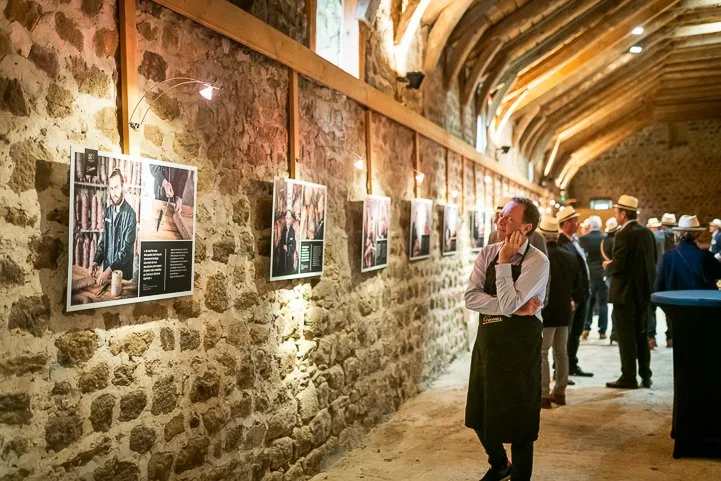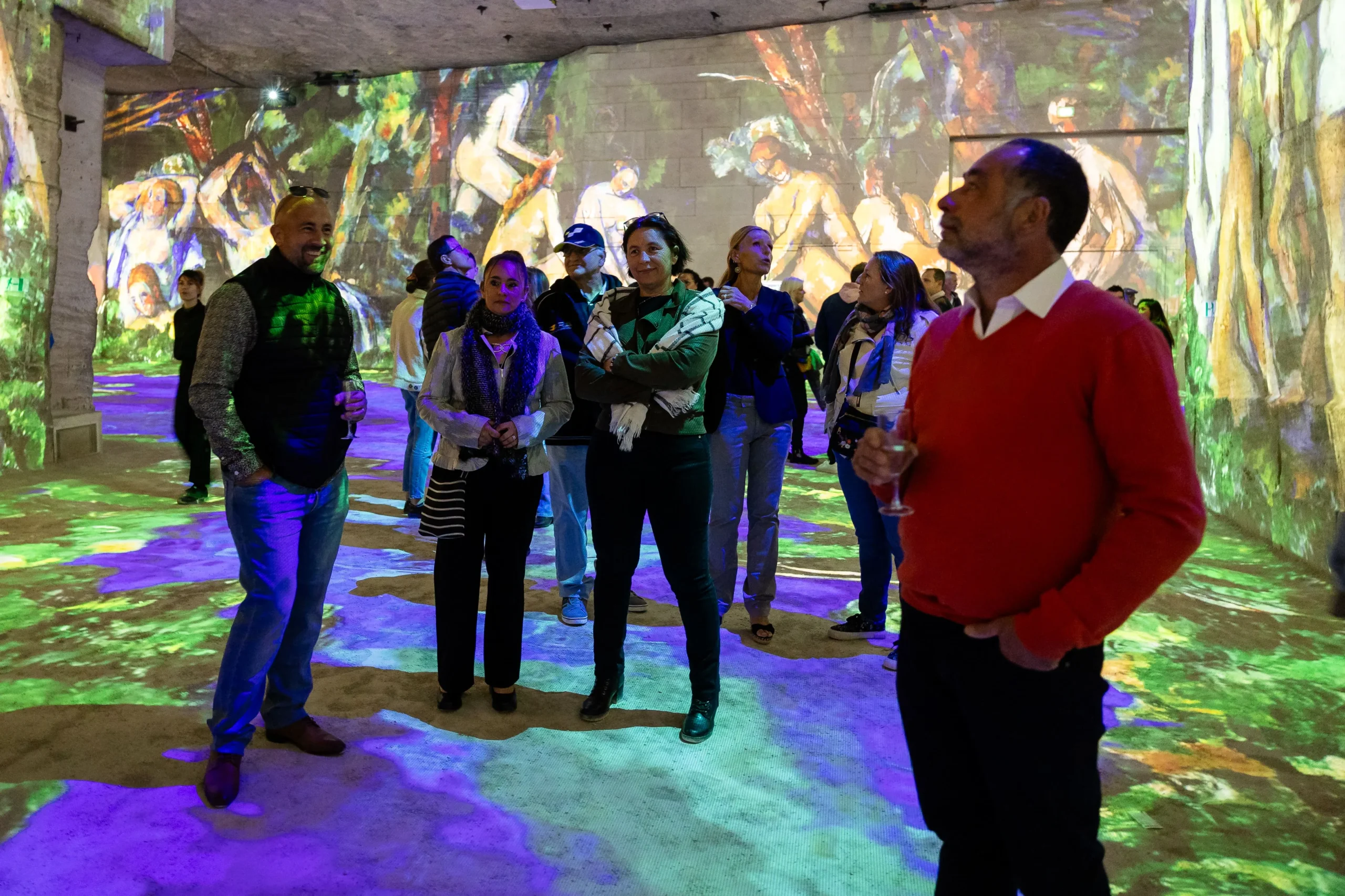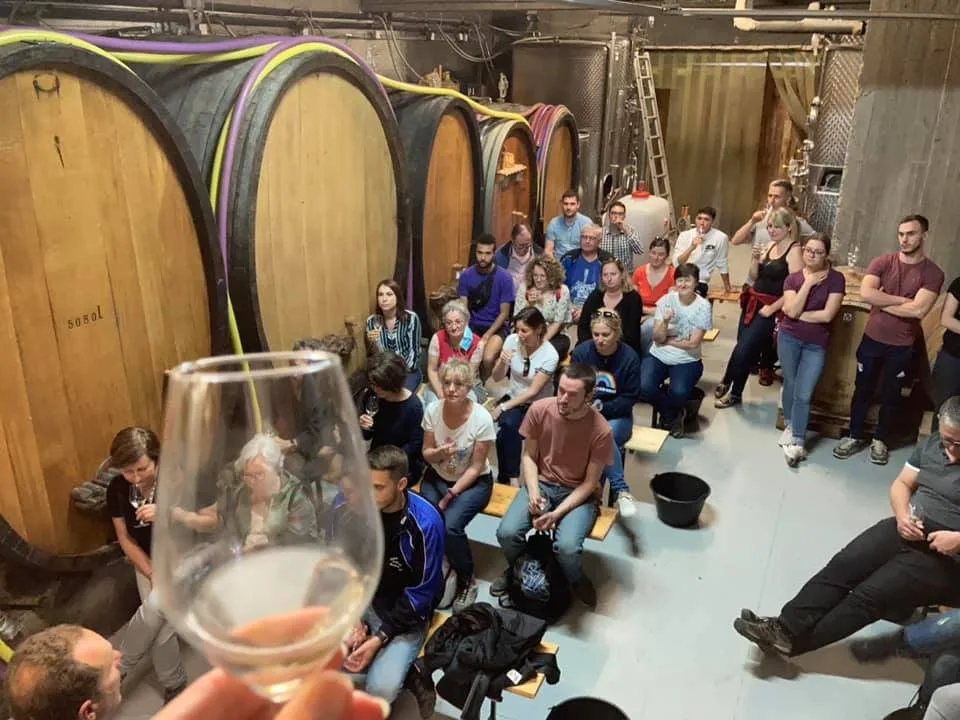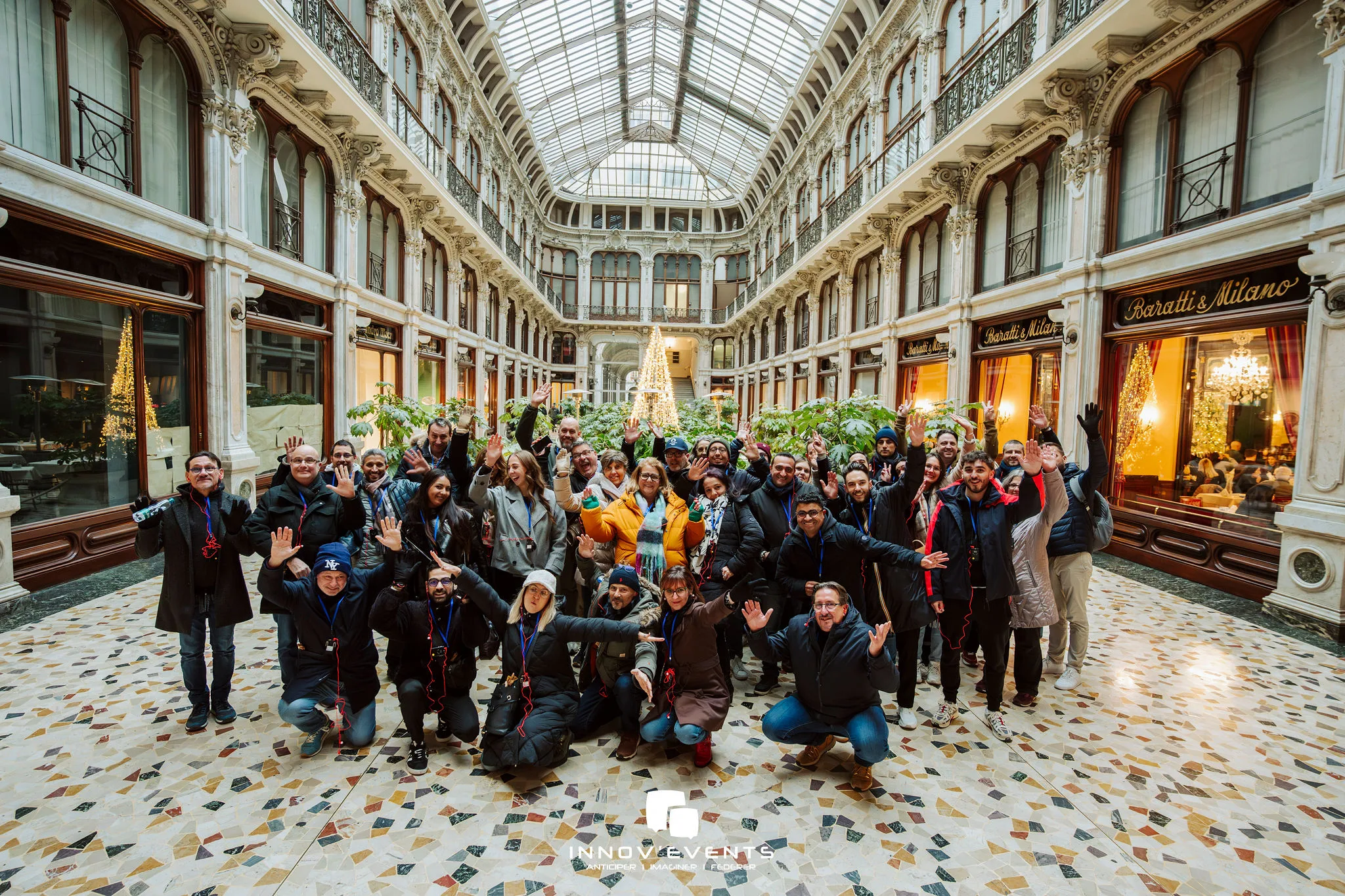
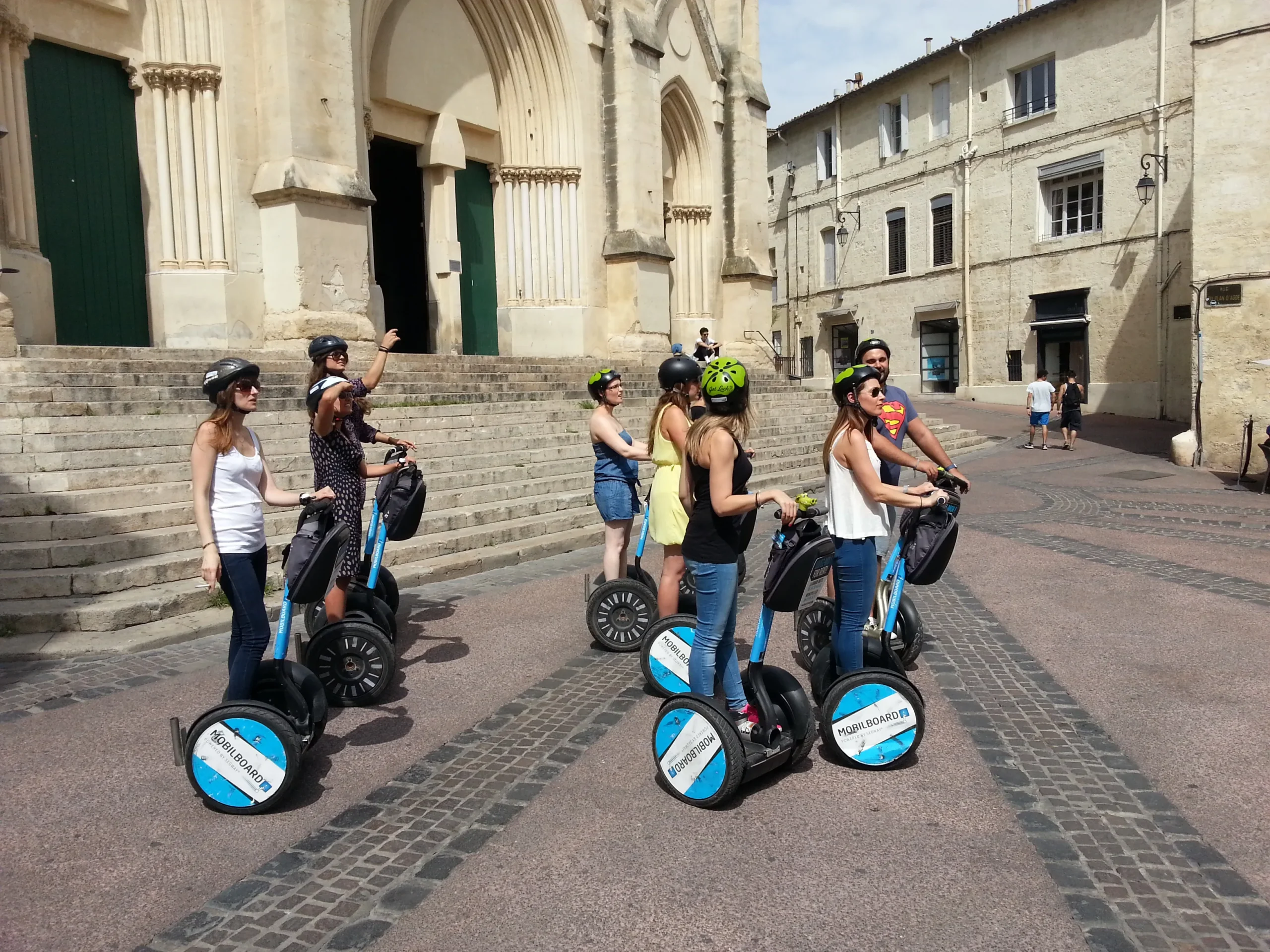
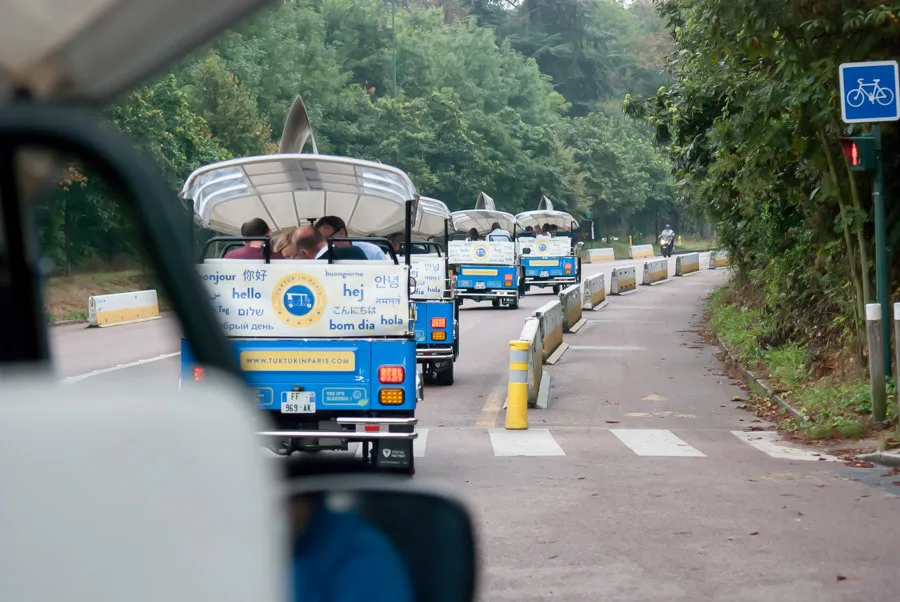
INNOV'events is a Montréal-based event agency coordinating Guided Tour in Quebec formats for executive offsites, employee experiences, and client programs—from 20 to 800 attendees. We manage the operational side (routes, guides, permits, buses, contingencies, bilingual hosting) so your leaders can focus on people and outcomes.
Whether your objective is onboarding, leadership alignment, retention, or a client-facing moment, we build a tour that respects time slots, brand image, and safety obligations—without improvisation on event day.
In a corporate agenda, entertainment isn’t “extra”—it’s a lever for attention, internal narrative, and relationship building. A well-run Guided Tour creates shared reference points that make the rest of the program (strategy, workshops, recognition) land more effectively.
Organizations in Quebec expect operational rigor: punctual departures, bilingual facilitation when needed, weather-ready routing, and an experience that feels respectful of local history—not a tourist script. Your employees and guests notice immediately when logistics are tight.
From our base in Montréal, INNOV'events works across the province with vetted guides and production partners. We design and run Guided Tour in Quebec programs that are measurable, compliant, and aligned to corporate standards.
10+ years coordinating corporate experiences and logistical-heavy programs across Quebec, including multi-site schedules and VIP flows.
250+ corporate events/year supported through our partner network (transport, venues, security, interpreters, A/V) with documented run-of-show standards.
48-hour quoting target for structured requests (date, group size, objectives, budget range), with a first operational proposal and routing assumptions.
Coverage capacity: 20–800 attendees with staggered departures, multiple guides, and communications plans that reduce no-shows and late returns.
In Quebec, many corporate programs are seasonal and recurring: annual leadership meetings, summer client series, onboarding cohorts, or recognition events tied to performance cycles. We’re used to working with HR and Communications teams who want consistency—same standards, improved year over year, and no surprises when new stakeholders join.
We frequently support organizations that come back because their internal reality doesn’t change: leadership wants a clear plan, HR needs a safe and inclusive experience, and Communications needs the narrative to be aligned with the brand. When a partner is reliable, teams stop re-litigating basics like meeting points, accessibility, language, and timing.
If you share a few details (industry, attendee profile, constraints), we’ll show you comparable execution patterns we’ve delivered in Quebec—including the guide briefing structure, comms templates, and contingency planning we use to keep the day controlled.
Nous vous envoyons une première proposition sous 24h.
A Guided Tour in Quebec works when it’s treated as part of the management system—not as a filler between meetings. Executives use it to create informal proximity; HR uses it to reinforce belonging; Communications uses it to support a story that feels authentic to the province and the organization’s presence here.
Faster relationship building across silos: we design routing and group splits that intentionally mix departments (e.g., Operations + Sales + Finance) instead of letting people self-segregate. This is especially useful after reorganizations or mergers where trust needs time.
Leadership visibility without forcing it: executives get natural moments to connect (walking segments, short stops, shared tastings) rather than staged speeches. For many leaders, that lowers pressure while increasing perceived accessibility.
Culture onboarding for new hires: for cohorts hired outside Quebec or new to the province, a guided experience can clarify references (history, language dynamics, local industries) in a respectful way—useful for retention.
Client engagement that feels grounded: instead of a generic dinner, a structured tour gives clients a story to repeat internally. When aligned to your sector (tech, finance, manufacturing, public sector), it reinforces credibility.
Operational discipline that reflects your brand: well-managed check-ins, clear signage, and timed movements signal professionalism. That matters when your event includes VIPs, unionized environments, or strict compliance cultures.
Quebec business culture values pragmatism and authenticity. When the tour is accurate, punctual, and locally respectful, it strengthens your organizational reputation more than any “big show” would.
In Quebec, corporate groups are often more demanding on logistics than they are on spectacle. We see the same recurring expectations across executive committees, HR teams, and Communications departments.
Language management is one of the first. Even if your internal working language is English, you may have francophone stakeholders, local partners, or VIPs. We plan bilingual hosting options (two guides, dual-language headsets, or split groups) based on who will actually be present—not based on assumptions. This avoids the common mistake of “we’ll translate on the fly,” which creates delays and an uneven experience.
Weather reality is another. A Guided Tour in winter, shoulder season, or during summer heat waves needs an alternate routing plan that doesn’t feel like a downgrade. We build Plan B with indoor anchors (museums, covered corridors, reserved spaces) and timing buffers that keep buses and dinner reservations intact.
Mobility and accessibility are non-negotiable for many employers. We ask early about stairs, walking tolerance, neurodiversity considerations, and any temporary limitations. Then we propose route variants (short loop / long loop) so no one feels singled out—and so your HR team is not managing issues in real time.
Finally, risk and image control matters. In regulated sectors (finance, health, public), we structure the experience to avoid problematic stops (crowded bars, politically charged sites, vendors without proper invoicing). The objective is simple: you should be able to defend every choice if questioned after the fact.
A Guided Tour becomes engaging when participants are doing something—observing with a purpose, solving, tasting, voting, or capturing content. For corporate event entertainment in Quebec, we recommend formats that are structured enough to be repeatable, but flexible enough to match your brand and attendee profile.
Executive-friendly city challenge (light competition): participants receive prompts aligned to your theme (values, innovation, safety culture). Teams collect clues at 4–6 checkpoints with time limits. We keep it inclusive (no running, alternate tasks) and we can integrate a debrief that links back to leadership priorities.
Guided “decision stops”: at specific locations, the guide presents a short scenario (e.g., crisis, negotiation, ethics). Teams choose an option via QR vote, and the guide reveals what actually happened historically. This is effective for leadership groups because it creates discussion without turning into training.
Content-ready tour for Communications: pre-approved photo stops, a short shot list, and timing that supports social capture without blocking public access. We coordinate permissions when filming rules apply and provide a post-tour asset handoff plan.
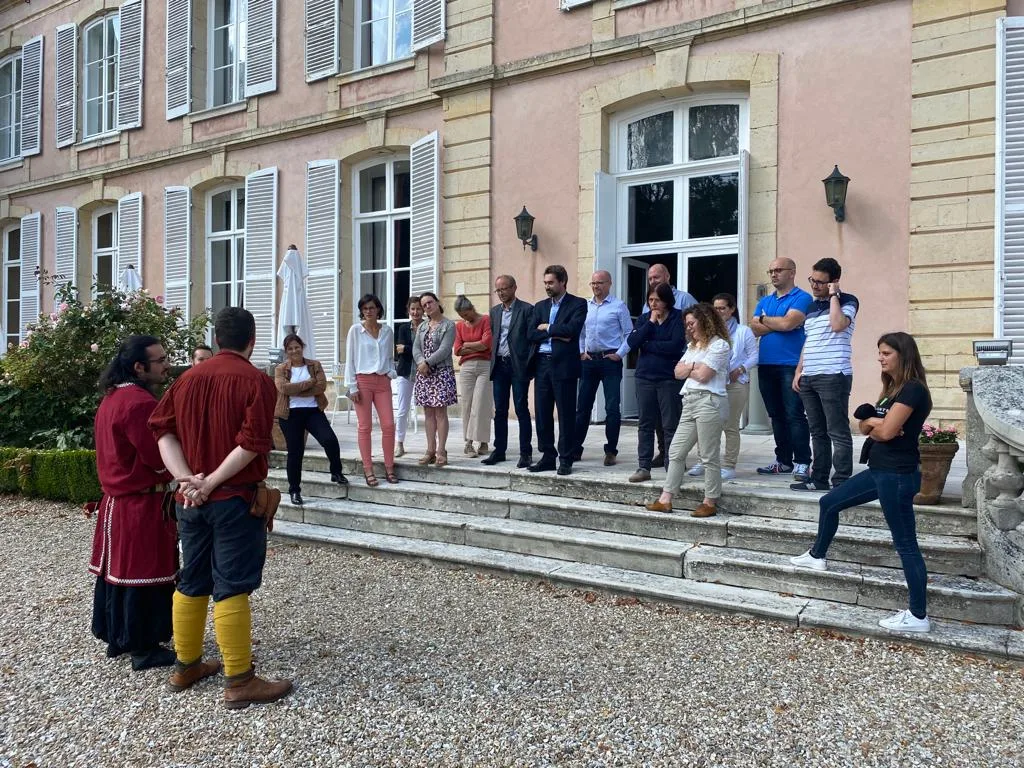
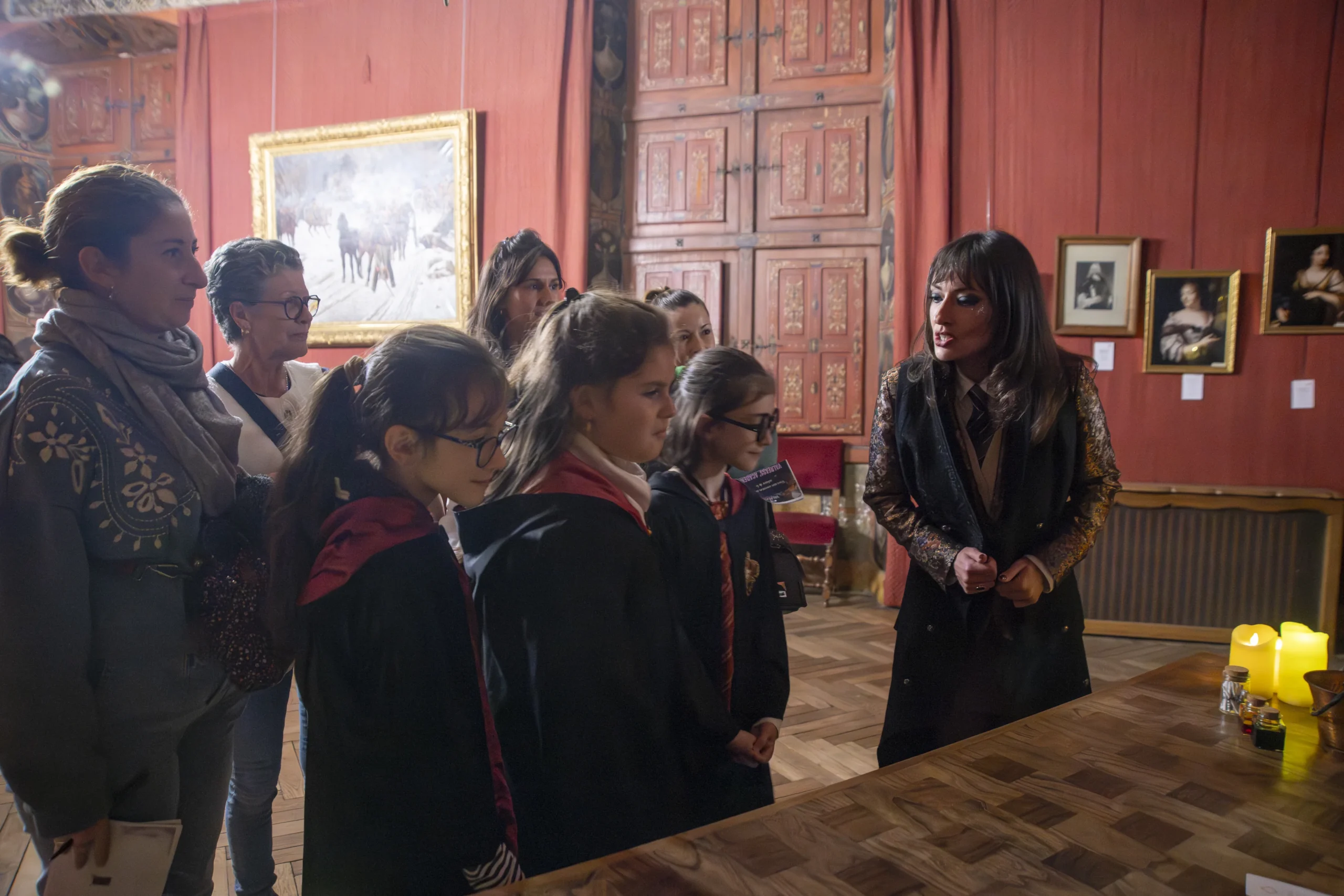
Local storyteller + historical interpreter: not theatre for theatre’s sake—short, well-timed interventions that bring key moments to life and keep the group attentive. We brief performers with corporate context so the tone stays professional.
Small acoustic set at a reserved stop: ideal when you want a “pause” before moving to dinner. We manage permits, sound constraints, and audience positioning so it doesn’t feel like a public street performance.
Tasting circuit with timed service: 3–4 stops with pre-portioned tastings to keep throughput predictable. We verify allergen options and invoicing compliance (important for expense control and reporting).
Non-alcoholic pairing focus: increasingly requested by HR for inclusion and safety. We can design a high-quality tasting experience without making alcohol the center of the evening.
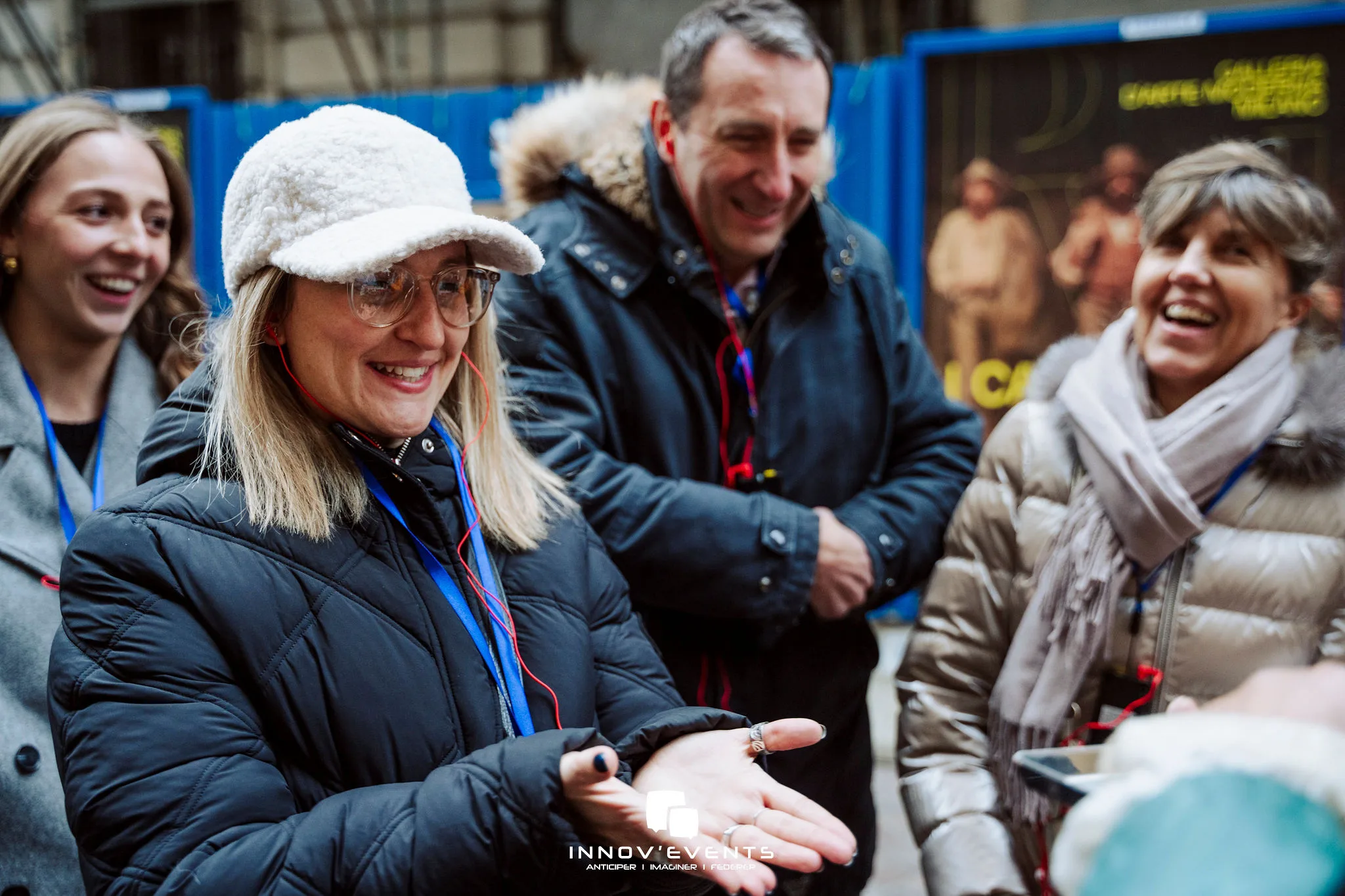
Headset-guided tour (silent system): valuable in high-traffic areas to keep the group together and reduce noise. It improves comprehension for bilingual delivery and supports accessibility.
Micro-segmented tours for large conferences: multiple routes running in parallel (history, architecture, gastronomy, industry). Participants select at registration, reducing congestion and raising satisfaction.
Hybrid VIP layer: a standard route for most attendees plus a shorter, higher-touch segment for executives/clients (private access, reserved seating, dedicated guide). This protects your top relationships without “splitting the event” socially.
Whatever the format, we align the tour’s tone with your brand image: conservative sectors need controlled stops and predictable timing; creative sectors can take more narrative risk. A strong Guided Tour in Quebec should feel like your organization planned it—not like a vendor sold it.
The venue you choose for departure and arrival determines punctuality, comfort, and perceived quality. In corporate contexts, the “best” location is often the one that reduces friction: coach access, washrooms, coat storage, and a clear meeting point that doesn’t rely on people finding each other in a public square.
| Venue type | For which objective? | Main strengths | Possible constraints |
|---|---|---|---|
| Hotel lobby or conference venue pickup | Executive offsite, client program, multi-day meeting | Controlled check-in, washrooms, easy communication, direct coach access | Coach parking restrictions; requires precise staging to avoid blocking entrances |
| Private room in a restaurant as the “base camp” | Recognition event, team celebration, client hosting | Coat check, beverages ready on return, simple end-of-tour transition to dinner | Reservation timing is unforgiving; late returns impact service and guest satisfaction |
| Museum or cultural institution forecourt | Brand storytelling, learning-oriented tour, mixed demographics | Credible setting, indoor backup options, structured pathways for groups | Permits, group size limits, and strict rules on signage/audio equipment |
| Corporate office or partner site departure | Onboarding, employer branding, internal culture day | Highest brand control, easy attendance tracking, simplifies transport planning | Security protocols; visitor access lists; timing must match building operations |
We strongly recommend a site visit (or at minimum a structured tech/logistics walk-through) when the group exceeds 60–80 people or when VIPs are involved. Seeing coach access, sidewalks, and bottlenecks in person is the difference between a smooth tour and a day where your HR lead is doing crowd control.
Pricing for a Guided Tour in Quebec varies because corporate standards add layers that tourism doesn’t: fixed timing, staffing ratios, bilingual delivery, transport coordination, and contingency planning. The goal is not to “add cost”—it’s to remove risk and protect the rest of your agenda.
Group size and staffing ratio: above certain thresholds, you need multiple guides, a lead coordinator, and sometimes a dedicated on-site dispatcher for buses. This is typically where costs change materially.
Duration and route density: a 60–90 minute loop with two major stops is priced differently than a 3-hour tour with tastings, private access, and multiple transitions.
Transport: coach count, parking/permits, driver hours, and deadhead time (getting to/from staging areas). In peak seasons, availability influences rates.
Bilingual or headset systems: dual-language guiding can be done with two guides or with audio systems; both require planning and equipment management.
Permits, private access, and venue fees: some areas and institutions require authorization, scheduled time slots, or paid access for groups.
Risk and comfort requirements: rain plans, indoor backups, additional security, medical considerations, or accessibility accommodations can add resources—but also prevent costly last-minute changes.
From a return-on-investment perspective, the tour is successful when it reduces friction and creates usable outcomes: better cross-team rapport, stronger client relationships, and a program that stays on schedule. Protecting a leadership offsite day can be worth far more than the tour line item—especially when executive time is the scarcest resource on the agenda.
Corporate tours look simple on paper, but execution in Quebec requires local reflexes: which streets are congested at which hours, where buses can actually stage, what indoor alternatives make sense in winter, and how to coordinate vendors who operate in different administrative realities.
As an agency, our value is not “finding a guide.” It’s owning the responsibility chain: who does what, when, and with what fallback. That’s what executives and HR leaders are ultimately paying for—control, predictability, and brand protection.
If your program is in the Québec City area, our team coordinates with our local partners through our dedicated page for event agency in Quebec, ensuring the same standards you expect in Montréal: detailed run-of-show, vendor confirmations, and on-site leadership.
From a return-on-investment perspective, the tour is successful when it reduces friction and creates usable outcomes: better cross-team rapport, stronger client relationships, and a program that stays on schedule. Protecting a leadership offsite day can be worth far more than the tour line item—especially when executive time is the scarcest resource on the agenda.
Our Guided Tour work in Quebec typically falls into a few recurring scenarios—because corporate needs repeat even when themes change.
Executive offsite add-on (60–120 minutes): leadership teams often want a short, high-quality segment between workshops and dinner. The constraint is usually time: a hard dinner reservation, a debrief slot, and sometimes a VIP arrival window. We build a compact route with a strong narrative arc, minimal exposure to weather, and a controlled finish that brings the group back together on time.
Conference companion program (parallel groups): when you have 150–400 attendees and multiple tracks, we run parallel tours with consistent quality: same timing, same level of guide preparation, and central coordination so that buses return in a predictable cadence. Communications teams appreciate this because it prevents late arrivals that impact keynote schedules.
HR retention / recognition day: here, the content matters as much as the logistics. We work with HR to ensure the tour is inclusive (pace options, quiet moments, non-alcoholic choices) and that the experience supports your values. We also plan for real-life dynamics: colleagues who don’t know each other, managers who default to their teams, and employees who may be tired at the end of a long quarter.
Client hosting with brand protection: for client-facing tours, we add a “VIP layer”: reserved stops, more breathing room, and a flow that supports conversation. We also validate whether any stop could create reputational risk (overly touristy vendors, questionable billing practices, or topics that may not align with your brand).
Underestimating transition time: corporate groups don’t move like tourists. We plan buffers and choose meeting points that don’t require squeezing through bottlenecks.
One guide for too many people: beyond a threshold, people stop hearing and disengage. We split groups and coordinate starts so the experience stays coherent.
No credible weather plan: “we’ll see on the day” leads to poor decisions. We pre-approve Plan B routes and indoor anchors.
Transport assumptions: buses arriving late, nowhere to park, unclear pickup zones. We confirm staging areas, driver instructions, and a dispatcher role when needed.
Misaligned tone: a comedic or overly casual script can clash with a conservative brand. We brief guides on your audience and what to avoid.
Accessibility handled too late: last-minute changes create discomfort. We assess mobility needs early and propose route variants.
Weak end-of-tour management: people scatter, dinner starts late, leaders get pulled into logistics. We plan the landing: signage, staff placement, and clear communications.
Our role is to prevent these risks so your internal team isn’t forced into operational mode. When the tour is controlled, executives stay present, HR can focus on people, and Communications can capture the moments that matter.
Repeat business in Quebec doesn’t come from “fun.” It comes from reliability: the ability to run the same kind of program across different cohorts, different seasons, and different internal stakeholders—without re-learning everything each time.
3-year planning continuity: many clients ask us to design a repeatable format that can be refreshed annually (new route, same operating model) to reduce internal planning load.
Standardized documentation: we keep run-of-show templates, staffing ratios, and vendor notes so that next year’s program starts with real operational knowledge.
Post-event debrief within 5 business days: what worked, what slipped, and what to adjust—so improvements are concrete, not subjective.
Loyalty is a proof point: when an HR or Communications director rebooks, it’s usually because the last event protected their credibility internally. That’s the benchmark we work against on every Guided Tour in Quebec.
We start with the non-negotiables: date, attendee profile, objectives, fixed time blocks, mobility/access needs, language requirements, VIP presence, and brand constraints. We also ask what could “break” the day (tight dinner window, press presence, union constraints, security protocols). The output is a short risk scan and an initial route logic.
We propose 1–2 route options with realistic timing, transition buffers, and stop rationale. For corporate groups, we define group splits (e.g., 3 groups of 35) and staffing (guides, lead coordinator, bus dispatcher). We also specify what participants will do at each stop (listen, taste, vote, capture content) to keep engagement high without forcing participation.
We secure guides, transport, and any venue/tasting partners, then produce the operational package: run-of-show, call sheet, maps, pickup/drop-off instructions, signage plan, and contingency triggers. If bilingual delivery is required, we confirm who speaks what, how audio is managed, and how groups are balanced.
We provide messaging your internal team can send (meeting point, timing, clothing recommendations, accessibility notes). On-site, our lead coordinates check-in, departures, and real-time adjustments. For larger groups, we use team captains or staff at pinch points to keep the flow intact.
On the day, we manage timing, safety, and vendor alignment so your leaders aren’t pulled into logistics. After the event, we debrief with facts: what ran on time, where buffers were used, participant feedback patterns, and what to improve for the next cohort or the next city in Quebec.
Most corporate groups in Quebec get the best experience in 60–120 minutes. If you add tastings or private access, plan 2.5–3.5 hours including transitions. Beyond that, energy drops and timing risk increases—especially before a dinner reservation.
The comfortable size per guide is often 20–35 people depending on environment and audio. For 80+, we recommend split groups with staggered starts or a headset system to maintain comprehension and keep the tour professional.
Not always, but you need a language plan. If you have mixed participants, bilingual guiding avoids exclusion. Common options are: two parallel groups (FR/EN) or one guide with headset audio. We confirm the best approach based on your attendee list, not assumptions.
For corporate standards, a simplified range is $1,500–$4,000 for a small group tour with one guide and basic coordination, and $6,000–$18,000+ for larger groups with multiple guides, transport, headsets, tastings, permits, and on-site coordination. The biggest cost drivers are staffing ratio, transport hours, and paid access/venues.
For peak periods (summer and fall), book 6–10 weeks ahead for best guide and transport availability. For shoulder seasons, 3–6 weeks often works. If your program includes VIP access or multiple buses, earlier is safer to lock timing and permits.
If you’re comparing agencies, we can make your decision easier with a clear, operational proposal: routing options, staffing plan, timing buffers, and a budget built on stated assumptions. Send us your date, city area in Quebec, group size, and your fixed schedule constraints—we’ll respond with a structured recommendation and a quote timeline.
Planning early is what protects the day: it secures the right guides, avoids transport constraints, and gives HR/Comms time to align messaging. When you’re ready, INNOV'events will handle the logistics and execution so your leaders can stay focused on people, not problems.
Thierry GRAMMER is the manager of the INNOV'events Quebec office. Reach out directly by email at canada@innov-events.ca or via the contact form.
Contact the Quebec agency