
Promotional Materials (POS) in Quebec that show up, look right, and ship on time
Sommaire
In a corporate event, Promotional Materials (POS) are not “nice-to-have”. They are the physical proof of your brand discipline: what participants hold, photograph, and bring back to the office. When POS is late, inconsistent, or poorly installed, it shows immediately—often more than the stage or the catering.
Organizations in Quebec expect bilingual clarity, durable materials for winter logistics, and vendors who respect unionized venue rules and strict delivery windows. Executives and HR teams also expect traceability: who received what, when, and at what cost per head.
We operate locally from Montréal with a production and logistics network across the province. Our role is to take POS off your critical path: validated specs, controlled proofs, consolidated shipments, and a field team that can install, troubleshoot, and document the final setup.
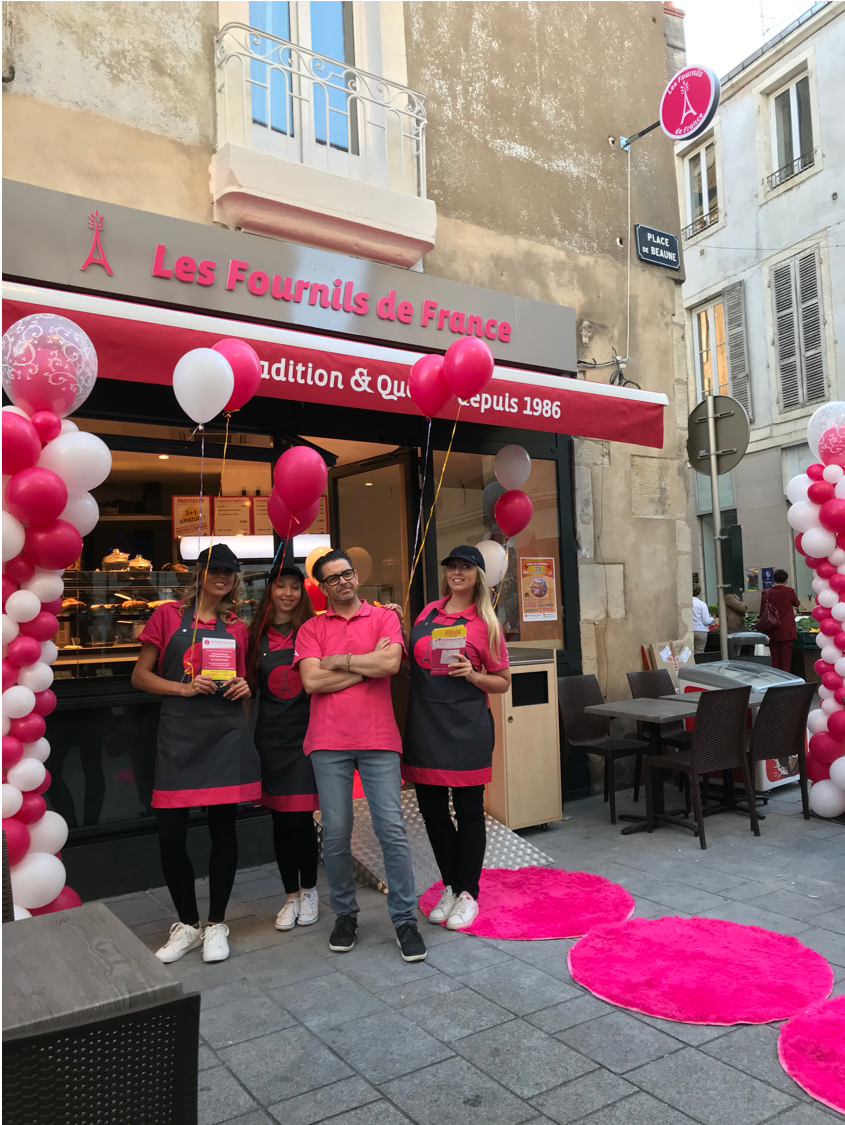
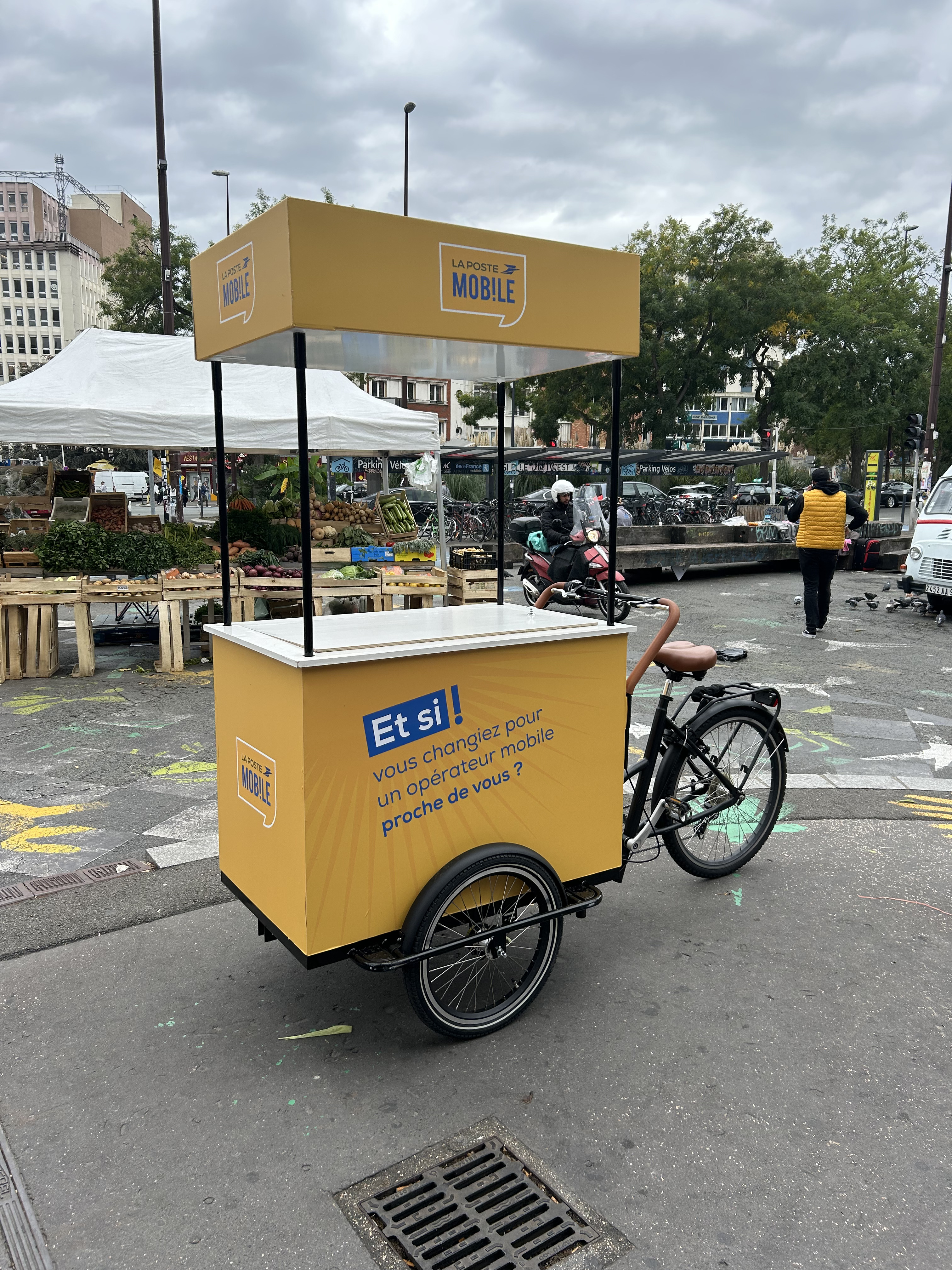
Quebec delivery requires operational proof, not promises
10+ years supporting corporate events and employer-brand activations in Quebec with the same project discipline used for national rollouts.
150+ corporate mandates/year across Canada within our partner network (events, brand activation, POS deployment), with documented production checkpoints and post-event reporting.
48–72h typical turnaround for reprints or emergency replacements in Montréal/Québec City when files are approved and stock paper is available.
98%+ on-time delivery rate on planned POS programs (based on our internal tracking of ship-by vs. required-by dates, excluding force majeure carrier events).
Quebec teams we support year after year in the field
We work with organizations that operate under real constraints: multi-site footprints, compliance requirements, bilingual communications, and brand standards that must remain consistent from Montréal to the regions. In Quebec, some clients renew with us because they want fewer moving parts: one brief, one production schedule, one shipping plan, and one accountable team on event day.
Examples of situations we handle regularly: HR teams preparing onboarding kits for a leadership summit; communications departments rolling out a new visual identity at an internal town hall; sales teams needing retail-ready display elements for a partner event; and executive assistants coordinating last-minute VIP materials without derailing the main program.
If you share your context (venue, audience volume, number of locations, and deadlines), we’ll confirm feasibility quickly and recommend an approach that protects your timeline and your image.
 Besoin d’un devis rapide ?
Nous vous envoyons une première proposition sous 24h.
Why invest in POS for a Quebec corporate event now
For executives, HR, and communications leaders, Promotional Materials (POS) are a lever for alignment: they make a message tangible and standardized across teams. The strategic value is not the “gift”; it’s the consistency of the experience and the operational clarity it creates.
Control the narrative on-site: clear signage, wayfinding, and branded touchpoints reduce confusion and keep attention where you need it (keynote, workshops, culture moments).
Support HR and employer brand: welcome kits, badges, and on-boarding materials reinforce belonging—especially when you host mixed groups (new hires + managers + remote employees coming in).
Protect brand compliance: approved templates, correct logo usage, safe margins, correct French/English hierarchy, and material choices aligned with your standards.
Reduce operational noise: when kits are pre-assembled and labeled, your internal team avoids “hand assembly” the night before—one of the most common hidden costs we see in Quebec events.
Measure distribution: for leadership teams asking “Did every manager receive the toolkit?”, we can build simple tracking by box, by table, or by recipient list depending on your context.
In Quebec, where business culture values pragmatism and execution, POS becomes a credibility marker. When everything is consistent—from the entrance banner to the workshop handouts—your event reads as well-managed before anyone even speaks.
What Quebec organizations expect from POS suppliers and agencies
Most directors we meet are not shopping for creativity first—they’re shopping for reliability. In Quebec, the “real” expectations are operational: bilingual accuracy, predictable lead times, and vendor coordination that doesn’t consume internal bandwidth.
Bilingual execution is not only translation. It’s typography, hierarchy, and space planning so French doesn’t look squeezed or secondary. We routinely see last-minute issues caused by English-first layouts that cannot accommodate French text, especially on retractable banners, foam boards, and table-top displays.
Venues and union rules also matter. Certain Montréal and Québec City venues have strict load-in windows, dock protocols, and rules on who can rig, hang, or install. POS that requires ladders, ceiling points, or power must be planned with venue operations—otherwise a simple “sign installation” becomes a day-of escalation.
Weather and transport realities are another local factor. Winter shipping impacts delivery timing and packaging integrity; we plan for protective corners, moisture-resistant wraps, and early buffers when the calendar sits between November and March. For regional shipments, we also plan around carrier cutoffs and limited pickup schedules.
Finally, Quebec teams want accountability: one person who answers when a box is missing, a print color is off, or a venue rejects an install method. That’s exactly where an agency-led POS plan reduces risk.
How to integrate POS into Quebec corporate event engagement
POS and “entertainment” are often treated separately, yet the strongest engagement happens when they work together. In Quebec corporate settings, participants respond well to experiences that are clear, efficient, and respectful of time. POS can reinforce that by making the event easier to navigate and more interactive—without feeling gimmicky.
Interactive animations in Quebec
Live polling + branded results wall: a simple QR-based poll displayed on a branded screen or foam board summary wall. POS here is the structured backdrop that makes participation visible and shareable.
Workshop toolkits per table: printed canvases, decision cards, and prioritization stickers in a branded folder. We assemble by table number to avoid distribution errors during tight agendas.
Networking prompts: table tents with conversation themes aligned to leadership priorities (culture, customer focus, safety). This is especially effective for mixed groups who don’t know each other.
Art animations in Quebec
Brand-consistent photo corner: not just a backdrop—complete with correct lighting temperature, floor mark placement, and a layout that respects your brand’s visual grid. We ensure bilingual tagline placement and correct logo sizing so it photographs well.
On-site calligraphy or personalization: names or roles added to notebooks or badges. The POS component is the base product quality and the workflow station design to keep lines short.
Innovative animations in Quebec
Branded tasting stations: local Québec products (micro-roasters, chocolatiers, non-alcoholic pairings). POS includes menus, allergen signage, and bar station branding that complies with venue rules.
Take-home kits: if your event includes remote participants, we can kit identical snack boxes and ship across Quebec so everyone shares the same moment—tracked by address list and delivery confirmation.
Gourmand animations in Quebec
Smart badge + session tracking: when appropriate, QR or NFC badges paired with branded checkpoints. POS includes the badge printing, lanyards, and clear signage explaining privacy and usage in plain language.
Modular fabric frame systems: reusable structures that reduce waste and store easily for multi-event programs. We plan replacement graphics cycles and storage in Montréal to simplify future deployments.
The rule is alignment: POS must look like your organization—tone, level of formality, and quality standard. For executive audiences, the best engagement tools are the ones that remove friction and reinforce your message without demanding attention for the wrong reasons.
Which Quebec venue types work best for POS deployment
The venue determines what POS can realistically achieve: ceiling heights, load-in access, lighting, wall surfaces, and unionized installation rules. Before confirming quantities, we validate where each element will live—otherwise you risk printing assets that cannot be used as intended.
| Venue type | For which objective? | Main strengths | Possible constraints |
|---|---|---|---|
Downtown Montréal hotels (ballrooms + foyers) | Leadership summits, town halls, awards with sponsor visibility | Professional flow, built-in AV options, controlled lighting for branded backdrops | Strict dock schedules, union rules for hanging/rigging, limited storage for pallets/boxes |
Conference centres in Quebec City area | Multi-track training days and larger internal conventions | Multiple breakout rooms, clear wayfinding opportunities, scalable signage zones | Longer lead time for approvals, specific fire-retardant requirements for some hanging elements |
Corporate offices and multi-site plants across Quebec | Onboarding, safety programs, internal communications rollouts | Lower venue cost, authentic employer brand, easier access to teams | Wall surface restrictions, limited load-in access, need for durable materials (dust, humidity, industrial constraints) |
We strongly recommend a site visit (or at minimum a detailed venue tech pack review) before finalizing formats. A 20-minute walkthrough often prevents expensive reprints: wrong banner heights, unreadable signage placement, or materials that won’t adhere to surfaces.
What does POS cost in Quebec for a corporate event
In Quebec, POS budgets vary widely because they mix creative adaptation, print production, logistics, and installation. The same “set” can cost very different amounts depending on materials, quantities, deadlines, and venue constraints. We budget transparently so finance teams can understand what drives cost—and what can be simplified without harming the result.
Scope and quantity: a 200-person leadership meeting (simple wayfinding + stage branding + badges) is not the same as a 2,000-person convention with multi-zone signage and sponsor deliverables.
Substrates and finishing: foamcore vs. PVC, fabric frames vs. roll-ups, lamination, grommets, hemming, weighted bases. These choices affect durability, photo quality, and reusability.
Bilingual layout adaptation: proper French/English typesetting and compliance review takes time; rushing increases error risk.
Logistics model: single drop shipment vs. multi-site shipping across Quebec, kitting, labeling, and recipient-level distribution tracking.
Installation requirements: floor plans, labour, union coordination, lifts/rigging, and teardown. Installation can represent 20–40% of the POS line when venues are complex.
Timeline: expedited production and courier costs rise sharply inside 5–7 business days, especially for large-format prints.
We frame POS as an ROI decision: fewer on-site issues, cleaner brand perception, and less internal overtime. When directors calculate the cost of late reprints, executive dissatisfaction, and staff time spent assembling kits, disciplined POS planning usually pays for itself.
Why a Quebec-based agency reduces POS risk
With Promotional Materials (POS) in Quebec, distance is not just geographic—it’s operational. A local agency sees the real constraints: venue loading docks, winter shipping buffers, bilingual proofreading norms, and the difference between what looks good on a proof and what works in a foyer during a 30-minute arrival wave.
Being on the ground also matters when something goes wrong. A missing crate or a damaged banner cannot be solved by email chains. We can source replacements quickly, dispatch a runner, or reconfigure on-site so your leadership team never sees the issue.
If your event includes Quebec City, we can coordinate with our network and, when relevant, you can also consult our page as an event agency in Quebec to understand our coverage beyond Montréal.
- Vendor network you don’t have to build: printers, fabricators, installers, couriers—benchmarked on deadlines and quality.
- Single accountable project owner: one schedule, one risk register, one escalation path.
- Local quality control: physical checks (color, finishing, packing integrity) before shipments leave.
- Venue coordination: we speak the operational language—dock appointments, insurance certificates, install methods, and teardown timelines.
We frame POS as an ROI decision: fewer on-site issues, cleaner brand perception, and less internal overtime. When directors calculate the cost of late reprints, executive dissatisfaction, and staff time spent assembling kits, disciplined POS planning usually pays for itself.







Quebec POS projects we deliver under real corporate constraints
Our mandates range from compact executive offsites to province-wide internal campaigns. The common thread is discipline: clear specs, controlled production, and logistics that match the reality of your schedule.
Typical projects in Quebec include:
Leadership summit POS package: stage fascia, bilingual wayfinding, branded workshop toolkits, VIP table signage, and a photo corner built to match corporate brand guidelines.
HR onboarding + culture rollout: standardized welcome kits (notebook, policy insert, badge, lanyard), shipped to multiple offices with version control by business unit.
Sales kick-off and partner events: sponsor-compliant signage, product display plinths, sample packaging, and durable transport cases for re-use across multiple dates.
Hybrid events: matching on-site POS with shipped kits for remote teams, ensuring consistent content and tracking deliveries to minimize “I didn’t receive mine” noise during live sessions.
We design the approach around what directors care about: schedule certainty, brand control, and a calm event day where internal teams can focus on people—not boxes.
Common POS mistakes we prevent in Quebec events
Approving visuals without verifying venue measurements: banners that are too tall, walls that can’t take adhesives, or floor decals placed where traffic patterns destroy them in hours.
Underestimating bilingual layout constraints: French text overflow leading to last-minute font reductions, readability issues, and brand inconsistency.
Late procurement of basic essentials: badge stock, lanyards, retractable bases, and packing materials—small items that can stop installation if missing.
No kitting logic: “one big box of everything” that forces your team into manual sorting during setup, creating errors and overtime.
Ignoring union and venue rules: arriving with tools or install plans that are not allowed on-site, causing delays and additional labour charges.
Skipping contingency planning: no spare prints, no backup supplier, no on-site repair kit for high-visibility pieces.
Our job is to remove these risks before they become visible. POS should feel boring internally—because the execution is controlled—while looking sharp externally because every detail was planned.
Why Quebec clients stay with the same POS partner
Recurring clients are rarely chasing novelty; they’re protecting operational certainty. When a director has lived through late deliveries, mismatched colors, or chaotic setup, they value a partner who can repeat a process reliably and document it for the next cycle.
60–70% of our POS-related mandates involve repeat clients or repeat formats (annual meetings, quarterly town halls, multi-date programs), because once a template and logistics model is validated it can be reused and improved.
1 point of contact for production + logistics reduces internal coordination time—especially for HR and communications teams managing multiple stakeholders.
Standardized files and inventories: we maintain the latest approved versions and, when requested, track reusable assets (fabric frames, bases, transport cases) to reduce waste and reprint costs.

Loyalty is not a slogan in Quebec. It’s usually the result of clean execution under pressure, followed by clear documentation that makes the next event easier.
How INNOV'events runs POS projects in Quebec
👉 Quebec discovery call and constraint mapping
We start with your non-negotiables: event date, venue(s), audience volume, bilingual requirements, brand standards, internal approval chain, and what has gone wrong in past events. We then map constraints like load-in windows, union rules, and storage limitations to avoid designing “beautiful but unusable” assets.
👉 POS plan by touchpoint and priority
We propose a POS matrix: what is essential (wayfinding, stage, registration), what is optional (photo corner, sponsor zone), and what can be phased. This helps executives approve quickly and helps HR/communications avoid scope creep that breaks deadlines.
👉 Design adaptation and bilingual proofing
We adapt your brand assets into print-ready formats, including French/English hierarchy and typography. We validate file specs (bleeds, safe zones, color profiles) and run a controlled proofing loop so approvals are traceable and last-minute changes don’t generate hidden risk.
👉 Production, QC, and packaging for Quebec logistics
We coordinate printing/fabrication, then perform quality checks (color consistency, finishing, stability of bases, packaging integrity). We pack by zone with clear labels and packing lists so installation is fast and errors are easy to catch.
👉 Shipping, installation, and event-day support
We schedule deliveries with the venue, plan carrier buffers, and coordinate on-site setup. If required, we provide a field lead who validates placement against floor plans, handles quick fixes, and documents the final install for internal reporting.
👉 Teardown, storage, and post-event recap
We manage teardown and, when relevant, store reusable components in Montréal for future events. You receive a concise recap: what was used, what was left, recommended reorders, and improvements to reduce cost or setup time next time.
FAQ sur l'organisation Promotional Materials (POS) à Quebec
What lead time do we need for POS in Quebec?
Plan 10–15 business days for standard POS (banners, foam boards, decals, badges) including approvals. For complex fabrication or multi-site shipping across Quebec, plan 3–6 weeks. Inside 5–7 business days, expect rush fees and fewer substrate options.
How do you handle bilingual POS for Quebec audiences?
We treat bilingual as a layout discipline, not a final translation step. We build templates that accommodate French length, validate hierarchy (which language appears first), and run a structured proofing process. For high-visibility pieces (stage, entrance, sponsor walls), we recommend a final review by your internal communications lead before print.
What is a realistic POS budget range in Quebec?
For a 100–300 person corporate event, a practical POS range is often $3,000–$12,000 CAD depending on stage branding, signage quantity, and installation. For 500–2,000+ attendees with multi-zone branding and sponsor deliverables, budgets commonly land between $15,000–$60,000+ CAD. We can scale down with reusable systems and fewer unique formats.
Can you deliver POS across multiple Quebec locations?
Yes. We build a kitting and shipping plan by location (or by recipient), label boxes clearly, and provide packing lists. For multi-site programs, we recommend shipping to arrive 2–3 business days before each event date and keeping a small contingency stock in Montréal for replacements.
Who installs POS at Montreal and Quebec City venues?
It depends on venue rules. Some venues allow your team or our crew to install floor-based signage and roll-ups; others require in-house or union labour for rigging, hanging, or certain tools. We confirm requirements during planning, book the appropriate labour, and schedule dock access to avoid delays and unexpected charges.
Get a Quebec POS plan you can approve and execute confidently
If you’re comparing agencies, we suggest a simple test: share your event date, venue, attendee count, and a few photos or a floor plan. We’ll respond with a practical POS recommendation, an indicative budget range, and a production timeline that matches Quebec realities (bilingual proofing, delivery windows, and installation rules).
Contact INNOV'events early—ideally 3–6 weeks before event day—so you can approve calmly, avoid rush costs, and walk into the venue knowing every box, banner, and sign has a clear purpose and an owner.
INNOV'events Quebec Agency
Thierry GRAMMER is the manager of the INNOV'events Quebec office. Reach out directly by email at canada@innov-events.ca or via the contact form.
Contact the Quebec agencyToutes nos prestations & animations Quebec, Quebec
Découvrez nos prestations événementielles
Découvrez nos animations événementielles disponibles au Quebec
- Event Hostess in Quebec
- Escape Game in Quebec
- MasterChef-Style Cooking Workshop in Quebec
- Corporate Magician in Quebec
- Tent Rental in Quebec
- Color Analysis Workshop in Quebec
- Inflatable Games in Quebec
- Valet Service in Quebec
- Soccer Simulator in Quebec
- LED Furniture Rental in Quebec
- LED Branding Activation in Quebec
- Immersive Culinary Experience in Quebec
- Light Painting Activity in Quebec
- Immersive Mystery Night in Quebec
- Promotional Contest in Quebec
- Promotional Materials (POS) in Quebec
- Virtual Reality Experience in Quebec
- Molecular Gastronomy Workshop in Quebec
- Halloween Event in Quebec
- Fireworks Show in Quebec
- Sports Challenge – Giant Games in Quebec
- Professional Event Host in Quebec
- Photo Booth Animation in Quebec
- Santa Claus Appearance in Quebec
- Kids Entertainment in Quebec
- Guided Tour in Quebec
- Urban Rally in Quebec
- Ball Pit Activity in Quebec
- Flight Simulator in Quebec
- Food Truck Rental in Quebec
- World Record Attempt in Quebec
- Surf Simulator in Quebec
- Soccer Simulator in Quebec
- Wine Casino in Quebec
- Makeover Workshop in Quebec
- Perfume Creation Workshop in Quebec
- Acting Workshop in Quebec
- CSR Activities in Quebec
- Archery Activity in Quebec
- Event Security Guard in Quebec
- Wine Tasting Workshop in Quebec
- Mime Performance in Quebec
- TV Game Show Animation in Quebec
- Funfair Event in Quebec
- Crisis Management Workshop in Quebec
- Crisis Negotiation Workshop in Quebec
- Arcade Games in Quebec
- Indoor Skydiving Simulator in Quebec
- Ski Simulator in Quebec
- Racetrack Driving Experience in Quebec
- Introductory Flight Experience in Quebec
- Tasting Experience in Quebec
- Build Your Own Foosball Workshop in Quebec
- 2CV Rally in Quebec
- LEGO Challenge in Quebec
- Casino Night in Quebec
- Interpreter / Translator in Quebec
- Promotional Merchandise in Quebec
- Shuttle / Transportation Service in Quebec