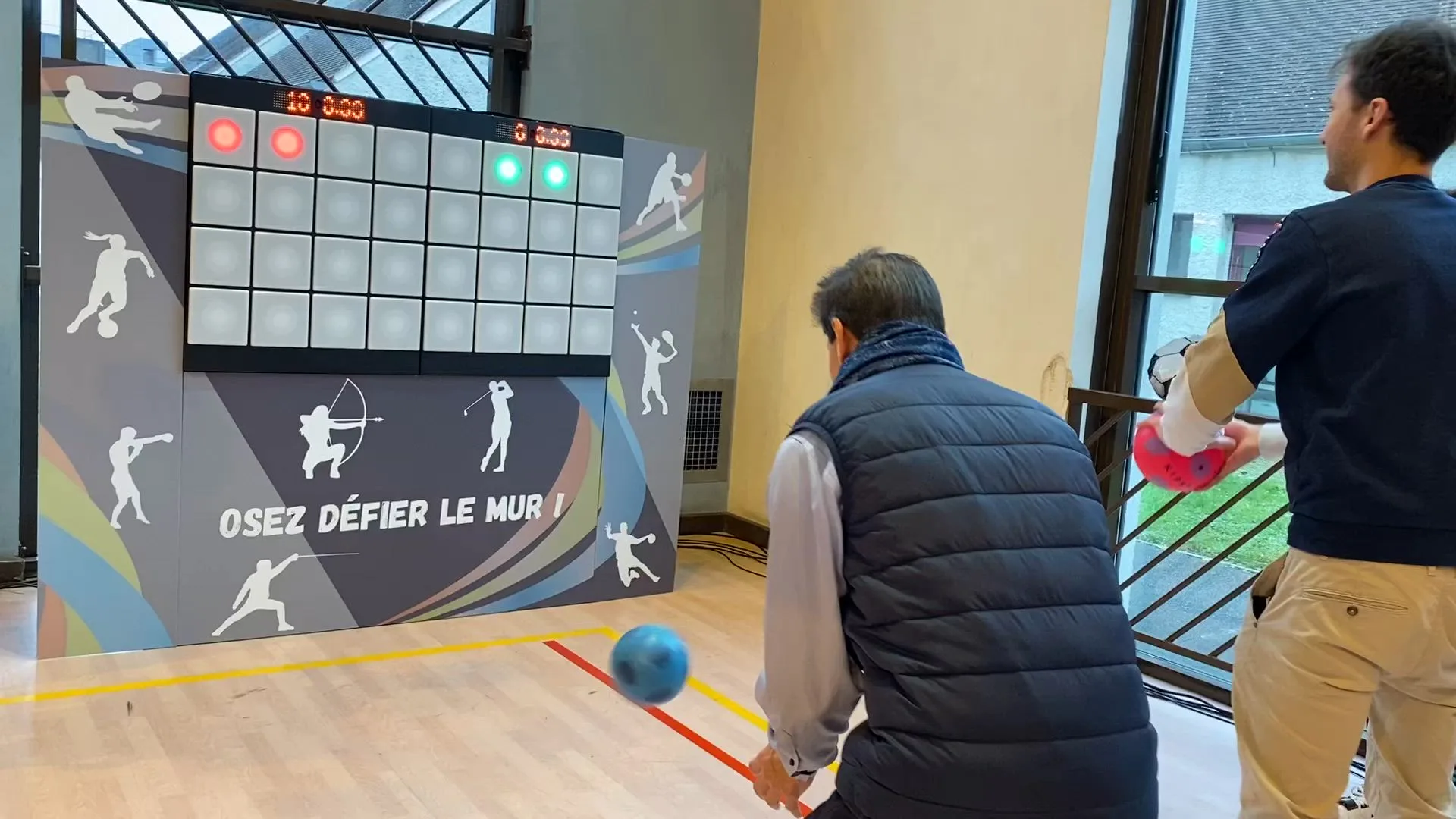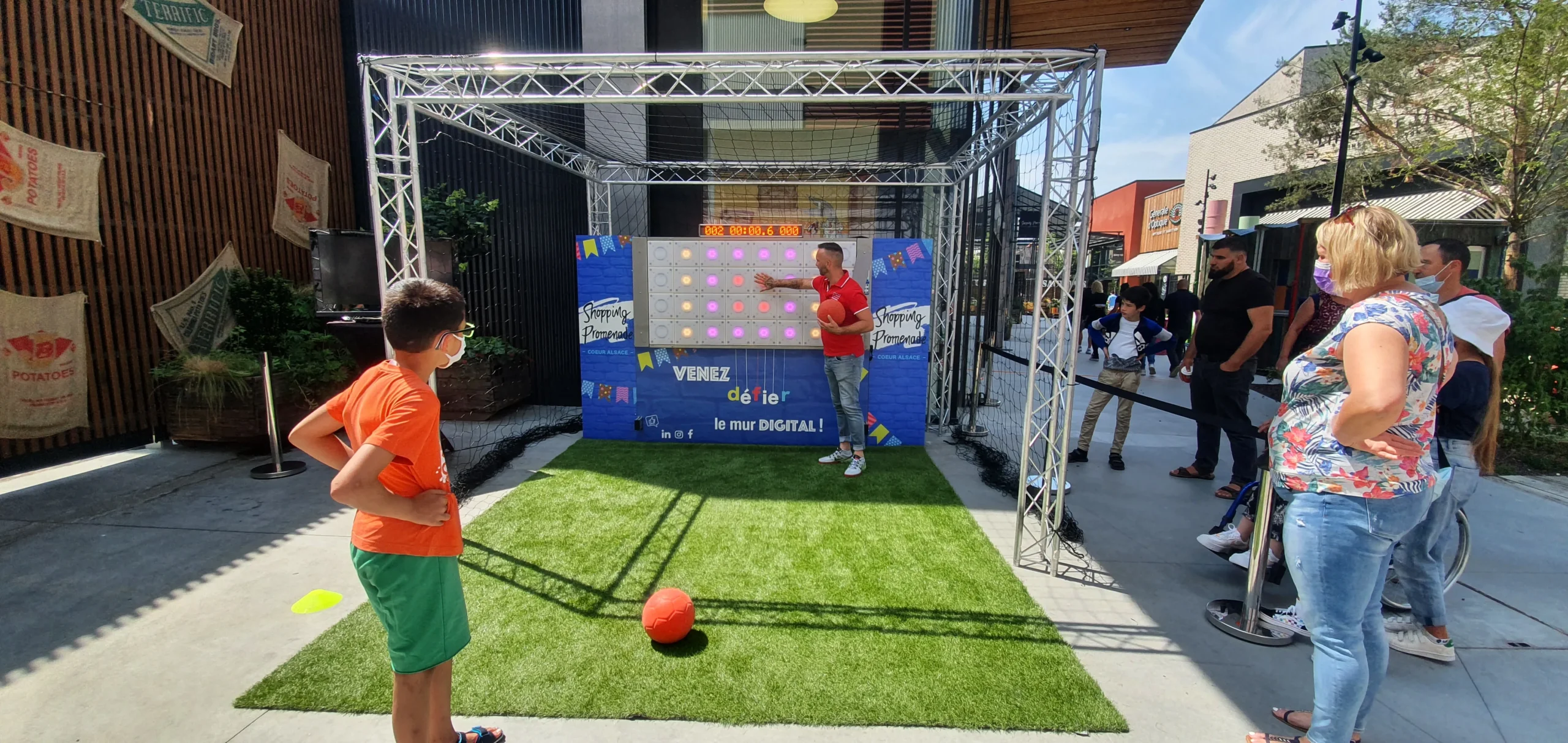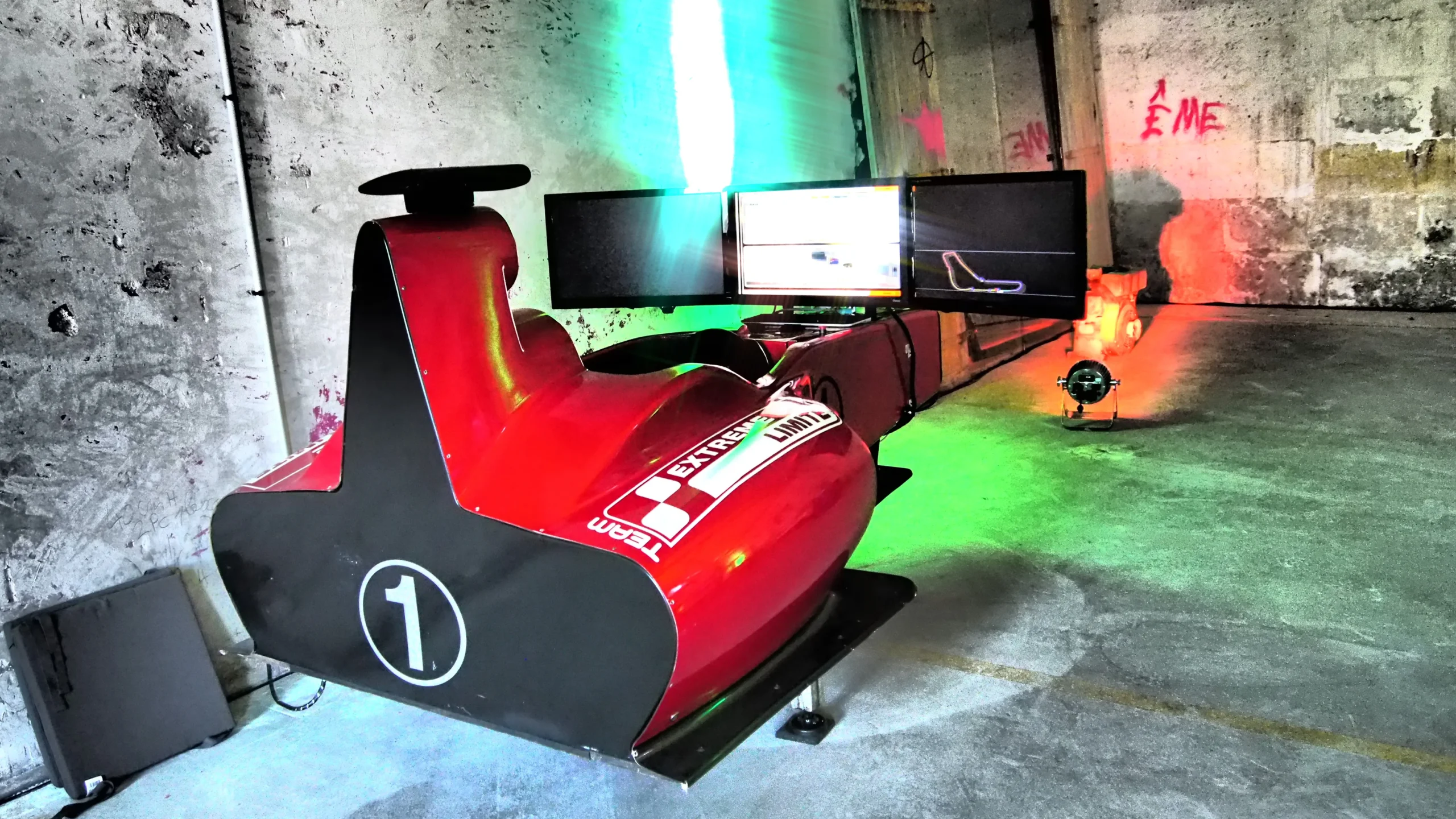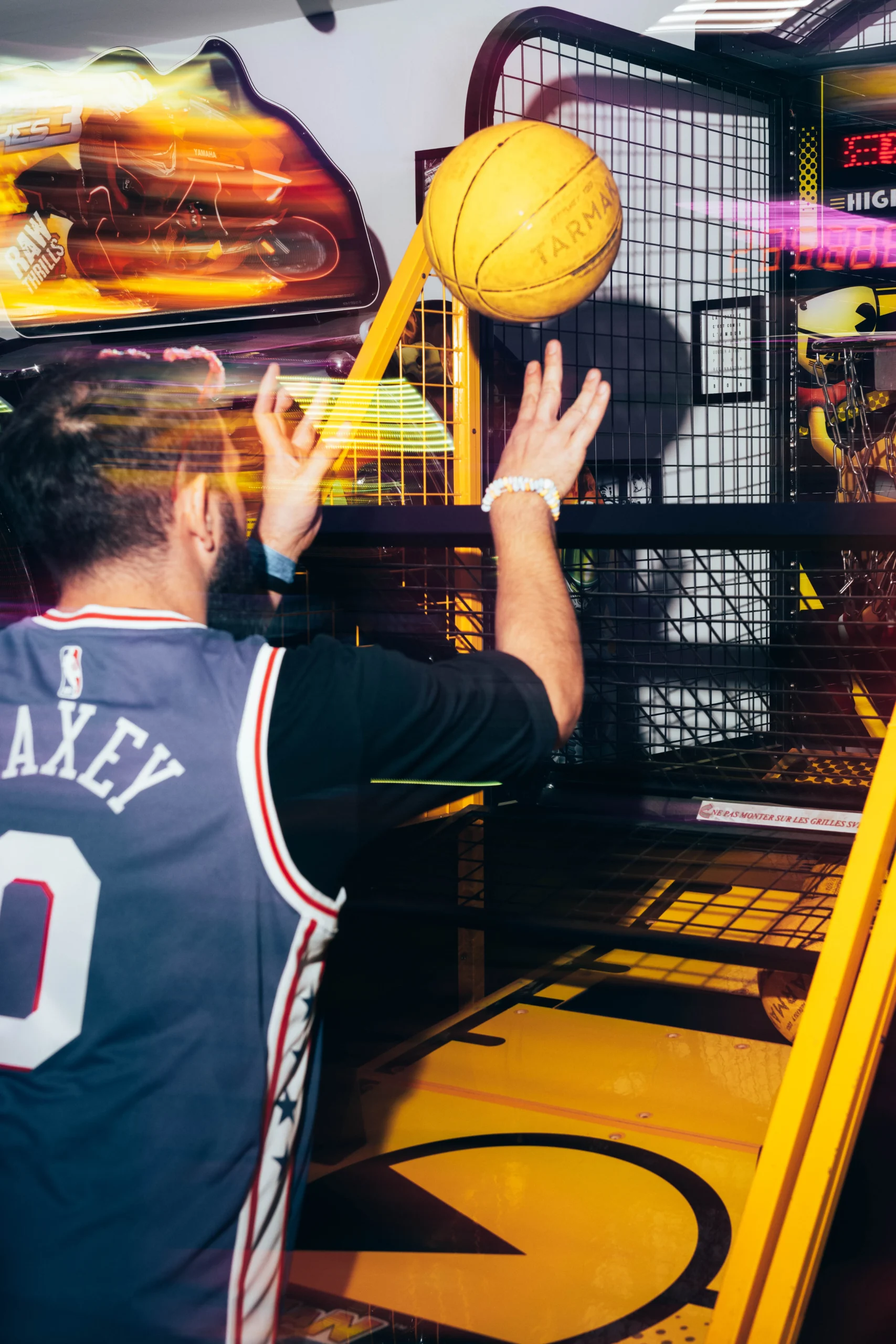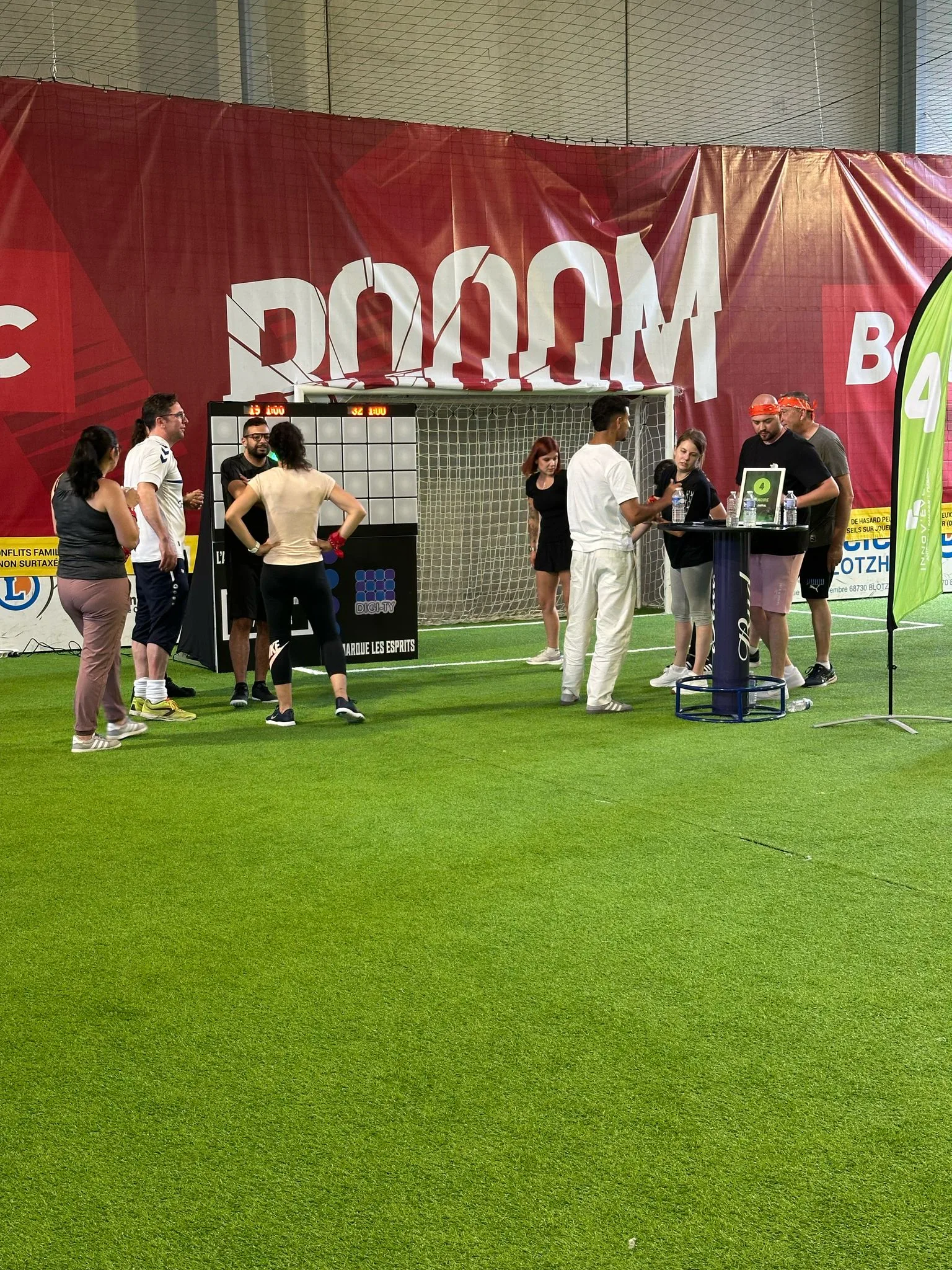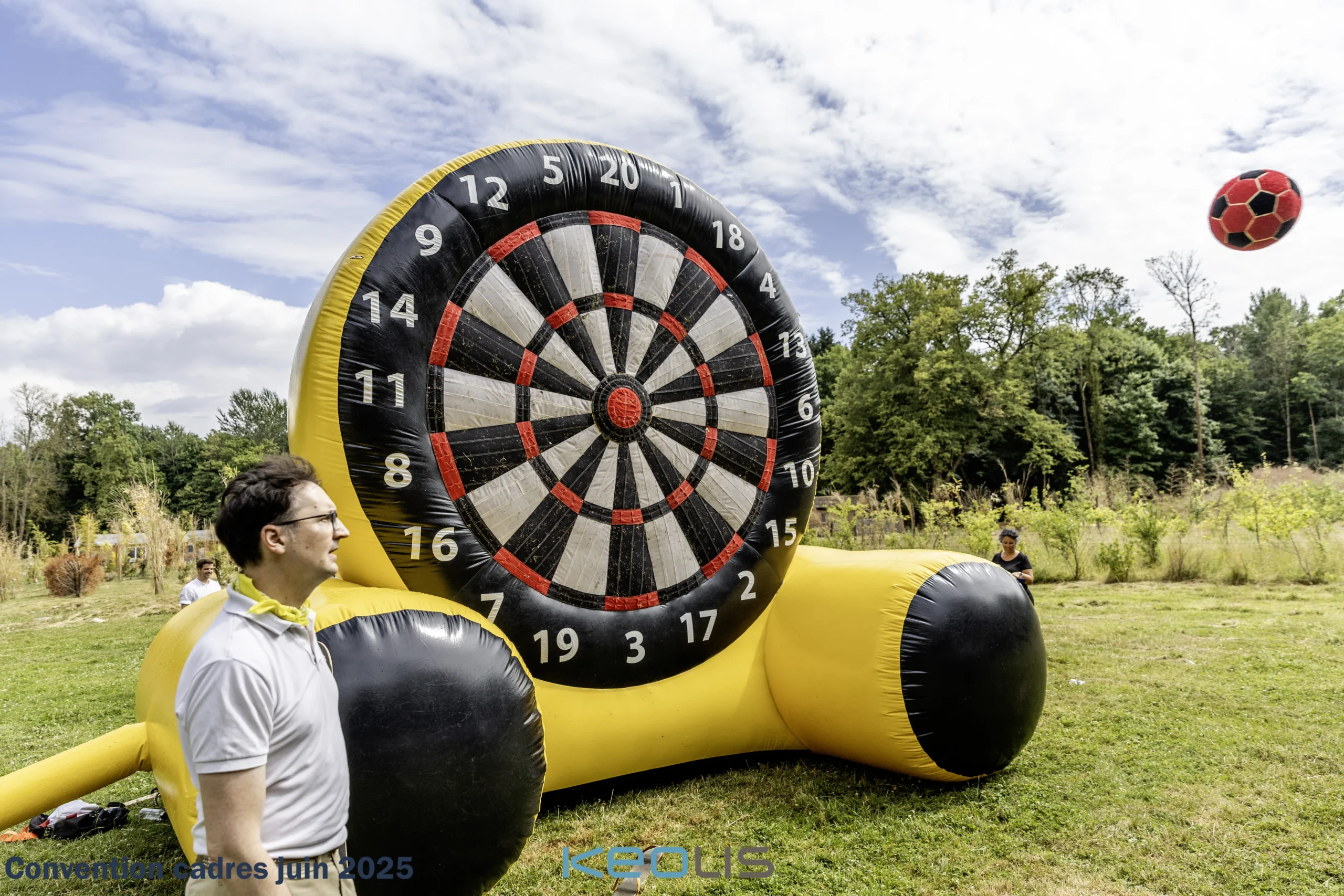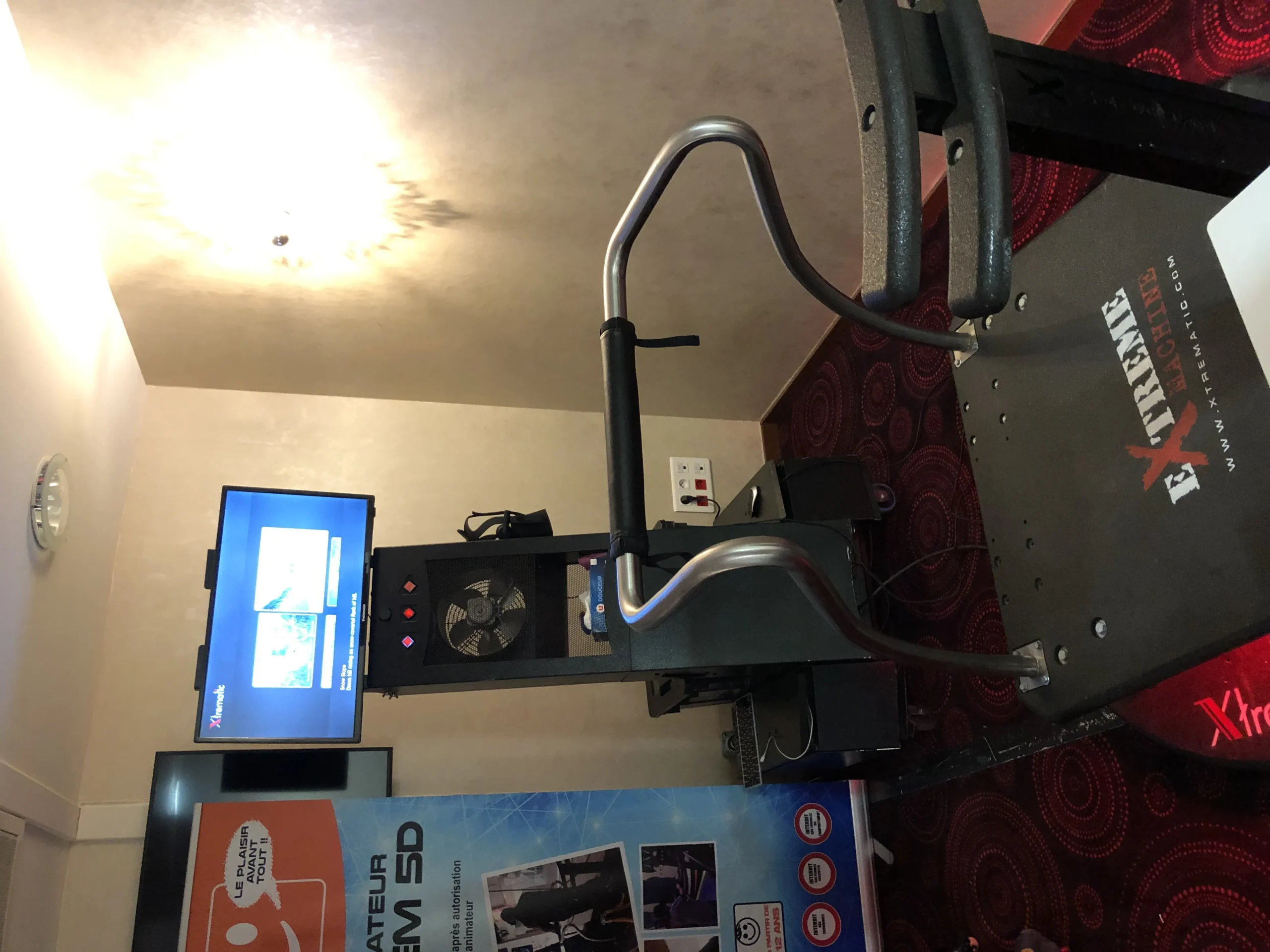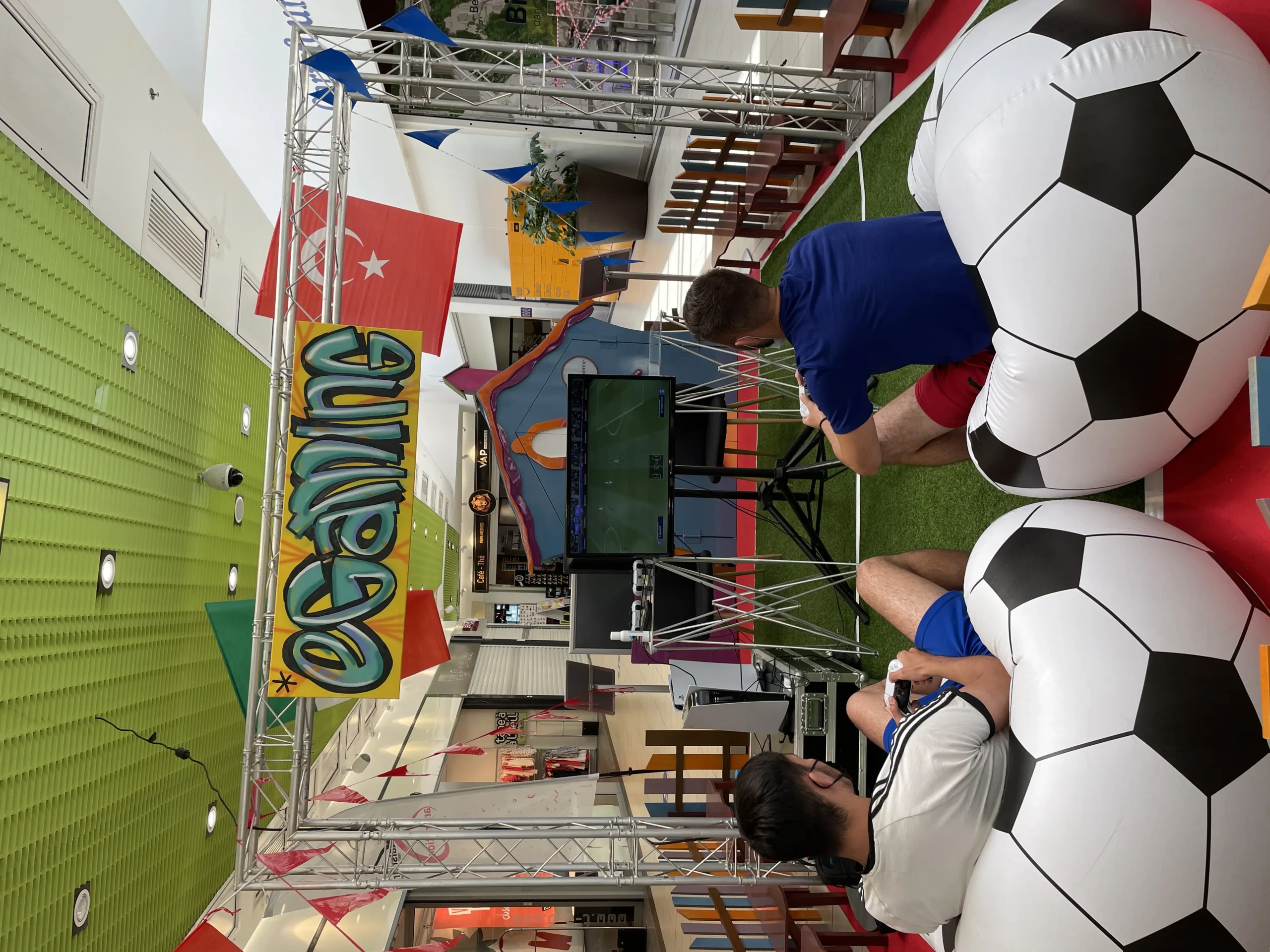
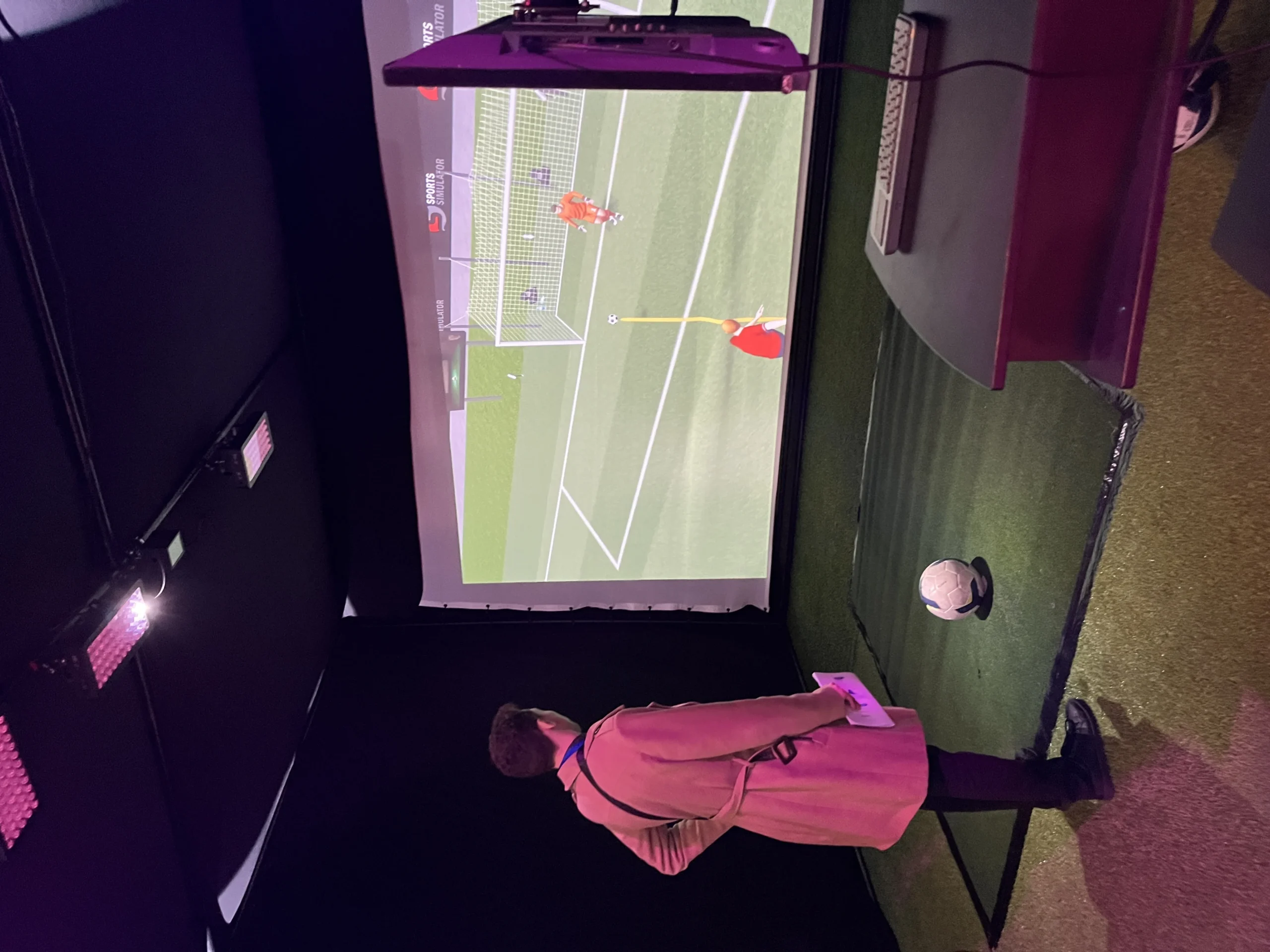
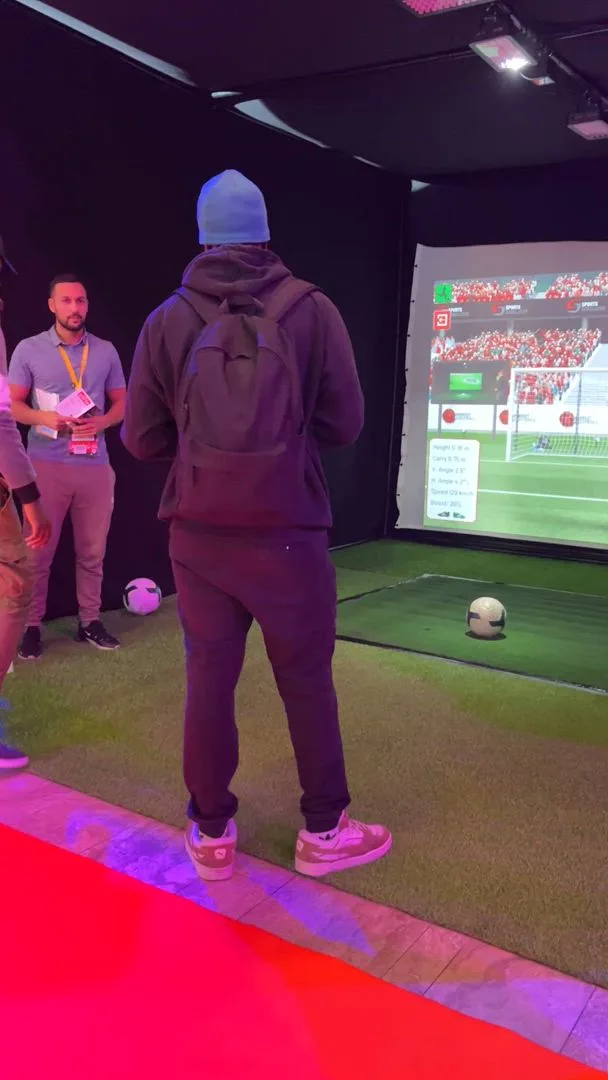
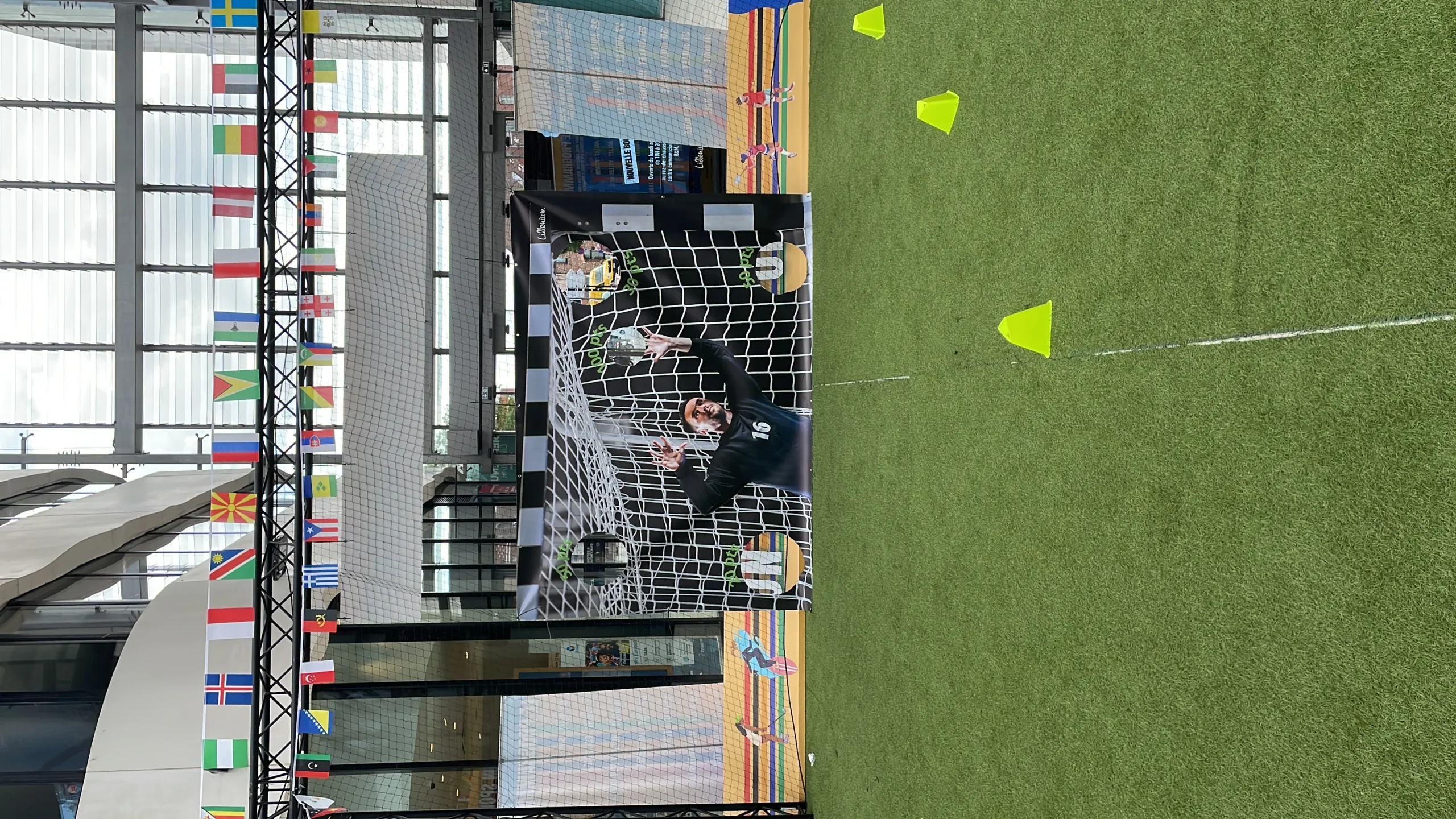
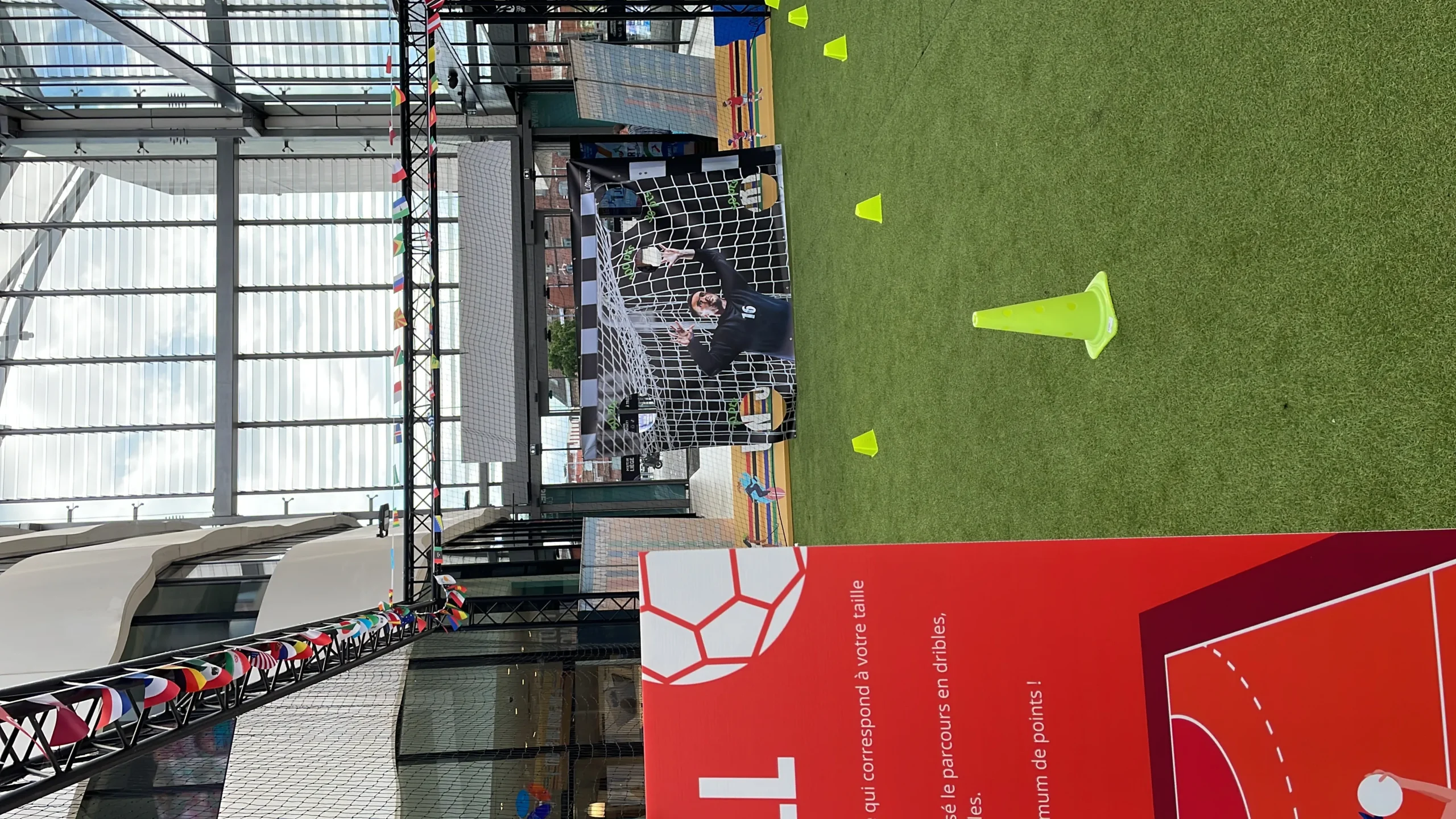
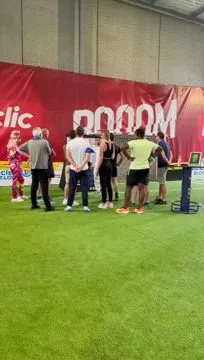
In a corporate agenda packed with speeches, metrics and networking pressure, entertainment is not a “nice-to-have”—it’s an operational lever. A Soccer Simulator creates a shared focal point that reduces social friction, accelerates introductions, and keeps people on-site between program segments (key for town halls, sales kickoffs and client evenings).
Organizations across Quebec expect entertainment that is professional, bilingual-ready, and respectful of brand standards—no chaotic queues, no unclear rules, and no “game corner” that looks like a trade show afterthought. Decision-makers want an activation that reads well in photos, supports employer brand, and runs on time even when the schedule shifts.
Based in Montréal, INNOV'events delivers field-proven setups: space planning, power and flooring, crowd flow, emcee script cues, and results reporting. Our role is to protect the event day—anticipate friction points, align with your venue and H&S requirements, and deliver a Soccer Simulator in Quebec that feels deliberate and executive-grade.
10+ years coordinating corporate activations and entertainment formats in Quebec, from downtown Montréal to regional venues with strict load-in rules.
300+ corporate events delivered through our national network partners, with standardized checklists (power, access, staffing, risk) to reduce day-of surprises.
24–48h typical turnaround for a first budgetary estimate (based on attendee count, venue constraints, and branding requirements).
1 point of contact from quote to show call—so HR and Comms aren’t chasing suppliers during approvals.
Our work in Quebec is anchored in recurring corporate calendars: year-end celebrations, recruitment campaigns, internal recognition events, client appreciation evenings, and product launches. We frequently collaborate with organizations that re-book because they need predictability—clear run-of-show, compliant setup, and an activation that holds up in front of executives.
In practice, that means building relationships not only with your organizing committee, but also with the venue’s technical team, security, and catering manager. When a company repeats the experience annually, the expectations increase: cleaner branding integration, smoother participant flow, and faster onboarding for new stakeholders. That is exactly where a disciplined Soccer Simulator in Quebec format performs well—easy to explain, quick to start, and scalable without losing control.
If you share your internal context (union rules, building access hours, bilingual requirements, photo/video constraints), we’ll propose a configuration that fits your reality instead of forcing a generic package.
Nous vous envoyons une première proposition sous 24h.
Executives and HR leaders don’t invest in entertainment to “fill time.” They invest to influence behaviour: participation, cross-team contact, and message retention. A Soccer Simulator works because it is familiar (low learning curve), inclusive (spectators engage too), and structured (clear turns, scoring, and time blocks).
Fast social mixing without forced networking: a rotating challenge format naturally creates micro-interactions (people cheer, compare scores, and form ad-hoc teams) without making anyone “perform” socially.
High participation rate even with mixed demographics: unlike complex VR, a football shot challenge welcomes all levels—participants can choose power, accuracy, or team relay modes.
Supports HR goals (recognition, onboarding, retention): we often integrate a “department leaderboard” so new hires interact with leaders in a low-stakes context, which helps reduce post-event drop-off in engagement.
Clear content for internal communications: the activation produces photo moments and short clips that read instantly on Teams/SharePoint and in recruitment content—especially when the backdrop is branded and the scoreboard is visible.
Predictable timing for tight programs: with structured rounds (e.g., 60–90 seconds per participant), you can align the activation to cocktail service, awards breaks, or post-conference networking.
Measurable outputs for sponsors and leadership: participation count, peak time, average score, top 10—useful for a quick recap deck and for planning the next edition.
Across Quebec, where teams often include a mix of local and international hires and where corporate culture values both performance and authenticity, a well-run simulator activation offers a practical way to build cohesion without overproducing the moment.
Delivering a Soccer Simulator in Quebec is rarely about the simulator itself—it’s about operating inside real constraints. In Montréal and across the province, many corporate venues enforce strict load-in windows, elevator bookings, protected flooring, and noise thresholds after certain hours. A simulator setup has to respect those rules while still looking premium.
From the corporate side, HR and Communications teams typically manage multiple vendors at once (AV, catering, décor, photographer, security). What they need from the entertainment partner is autonomy: clear technical requirements, proactive coordination with the venue, and an activation that does not pull staff away from their core responsibilities.
We also see three recurring expectations in Quebec organizations:
When these points are addressed upfront, the activation becomes a reliable tool in your event architecture—rather than a risk you have to manage minute-by-minute.
Engagement is created by structure: clear challenges, fair access, and a reason to watch. In Quebec, we design simulator formats that respect corporate timing and create visible participation without overwhelming your guests.
Department vs. Department leaderboard (60–120 minutes): ideal for internal nights. We tag participants by team (Sales, Ops, HR, IT) and run rolling rankings. Practical benefit: leaders see participation across departments, not only the most outgoing group.
Sales kickoff “quota challenge” (30–45 minutes): structured rounds between presentations. The simulator becomes a pacing tool to keep energy up without pushing alcohol consumption as the only social driver.
Client appreciation “beat the pro” mode (2–3 hours): we set a benchmark score and guests try to beat it. It’s simple, creates conversation, and avoids direct guest-vs-guest pressure when clients are present.
Timed relay for large headcounts (300+): teams rotate quickly with a fixed shot count per person. This format is used when you need throughput and you cannot afford a long queue.
MC/host with corporate tone: not a hype man—an event-grade host who can keep pace, respect brand language, and switch seamlessly between English and French when required.
Photo station aligned with the simulator: instead of duplicating effort, we place the photo moment at the simulator exit so every participant generates usable content without extending dwell time.
Pairing with a service rhythm: in Montréal venues, bar and canapé timing is critical. We position the simulator so it supports traffic to service points rather than competing with them, and we schedule “mini-finals” right after a service push to reduce congestion.
Non-alcoholic engagement strategy: for organizations emphasizing wellness, we plan the simulator peak during mocktail service and keep rules tight to maintain energy without relying on alcohol.
Brand-integrated scoring: custom scoreboard labels (e.g., “accuracy,” “power,” “team points”) that match your internal language—useful for culture initiatives or values campaigns.
Data capture without friction: optional participant check-in via QR for raffle entries or internal engagement metrics, designed to avoid blocking the queue (we use a separate check-in touchpoint, not at the kicking line).
Executive-friendly VIP flow: a controlled “priority lane” used sparingly (e.g., top clients, executives) so leadership participation is visible without creating fairness issues.
Whatever the format, alignment with brand image is non-negotiable: music policy, host script, signage design, and participant handling must reflect your standards. That’s how corporate event entertainment in Quebec stays credible in front of senior leadership.
The venue determines whether the simulator feels like a flagship activation or a side activity. Ceiling height, flooring, power access, and traffic flow matter as much as aesthetics. In Quebec, we also factor in loading constraints (dock access, elevator size, protection requirements) because they directly impact setup timing and labour costs.
| Venue type | For which objective? | Main strengths | Possible constraints |
|---|---|---|---|
Downtown hotel ballroom (Montréal / Québec City) | Conference + cocktail where you need controlled pacing | Reliable power, predictable load-in, strong acoustics management, easy bilingual signage integration | Strict union/vendor rules, limited setup windows, décor restrictions and required floor protection |
Corporate office atrium or cafeteria (Quebec HQ) | Employee engagement, onboarding days, internal celebrations | High participation, familiar environment, easier alignment with internal comms and leadership presence | Security protocols, elevator bookings, noise constraints, limited storage and narrow access corridors |
Event loft / industrial space (Montréal) | Client nights, product launches, brand-forward events | Strong visual impact, flexible layouts, great photo/video potential for the Soccer Simulator | Power distribution may require planning, uneven floors, stricter safety perimeter management |
Convention centre / large multi-purpose hall (Quebec region) | High headcount (300–1,000+) with multiple zones | Space for queue design, ability to add multiple stations, professional technical environment | Long distances for load-in, scheduling coordination with other exhibitors, higher labour costs |
We recommend a short site visit or, at minimum, a technical call with venue staff to confirm access, power, ceiling height, and emergency egress. That one step prevents most day-of compromises and keeps the Soccer Simulator in Quebec activation looking intentional.
Budget for a Soccer Simulator in Quebec is driven by operational realities more than the game itself: duration, staffing, branding level, venue constraints, and the throughput you need. For corporate events, we generally see working ranges from $1,500 to $6,500 CAD+ depending on scope and complexity.
Event duration: a 2-hour cocktail activation is priced differently than a full evening (setup/teardown and staffing hours scale quickly).
Attendee count and desired throughput: 80 guests can run smoothly with one station; 300+ may require tighter rounds, additional staffing, or a second station to avoid a frustrating queue.
Venue load-in complexity: downtown access, long pushes, dock restrictions, or union rules can add labour time and coordination.
Branding requirements: branded backdrop, custom signage, scoreboard skins, and integration into your visual identity system (fonts, colours, approvals).
Host/MC and bilingual staffing: if you need a corporate-grade host who can carry the energy while respecting brand tone, that’s a meaningful line item.
Insurance and compliance: depending on the venue, certificates, safety perimeter requirements and risk documentation may be mandatory.
Travel within Quebec: Montréal-based deployments are different from remote regions (transport time, lodging if needed, and load-in timing).
The ROI is usually not “entertainment value”—it’s participation density and message reinforcement. If the simulator keeps people on-site, improves cross-team contact, and generates usable internal content, it supports retention and employer brand outcomes that matter to leadership. We’ll help you choose the smallest scope that still achieves your objective.
With simulator entertainment, the difference between a smooth experience and a stressful one is local operational control. An event agency in Quebec understands venue ecosystems, labour realities, and the pace of approvals in local organizations. We know how to coordinate with hotel event managers, building security, unionized environments, and corporate procurement—without pushing last-minute decisions onto your internal team.
We also protect your brand and leadership time. When a schedule shifts (it always does), you need a partner who can adjust the activation format instantly—shorten rounds, pause safely during speeches, or re-route the queue—while keeping optics clean. That’s what on-the-ground experience in Quebec buys you.
If your event is in the Capitale-Nationale, our team also coordinates with our local resources; see our partner page for an event agency in Quebec perspective and operational coverage.
The ROI is usually not “entertainment value”—it’s participation density and message reinforcement. If the simulator keeps people on-site, improves cross-team contact, and generates usable internal content, it supports retention and employer brand outcomes that matter to leadership. We’ll help you choose the smallest scope that still achieves your objective.
We deliver simulator activations in multiple corporate contexts because the operational requirements change significantly from one scenario to another. For an internal holiday party in Montréal with 250 employees, the key constraint is throughput: we design short rounds, add a visible queue system, and keep the activation near the bar without blocking service. The outcome we aim for is consistent participation across the evening, not a single peak followed by a stalled line.
For a sales kickoff in Quebec where leadership wants energy between conference segments, we build the activation as a “program tool”: timed challenges that start and stop cleanly, with a host that can reset the room quickly. The simulator must never compete with the stage—so we plan clear audio rules and a pause protocol that the AV lead can trigger.
For client-facing events, the emphasis shifts to brand image and guest handling. We prioritize a clean footprint, premium visuals, and a scoring format that encourages light interaction without putting clients on the spot. We also plan discreet VIP participation so executives can be seen engaging without creating fairness tensions.
Across these contexts, the common denominator is operational discipline: the Soccer Simulator is treated as a controlled experience with a beginning, a rhythm, and a professional finish—aligned with your event goals and your organization’s standards.
Underestimating space and safety perimeter: the game area may fit, but the spectator zone and queue often do not—leading to blocked exits or venue intervention.
No plan for peak traffic: after speeches or meal service, everyone arrives at once. Without timed rounds and queue management, executives see disorder and disengage.
Rules too complex for corporate audiences: if guests need a full explanation, participation drops. We keep it intuitive and repeatable.
Branding that looks temporary: a simulator placed next to unbranded stanchions and random signage reads “supplier corner,” not a planned activation.
Ignoring footwear and attire: formal dress changes how people move; we adapt challenge modes to reduce hesitation and injury risk.
Weak coordination with venue and AV: power, sound, and timing conflicts are predictable—and avoidable with a proper technical plan.
Our role is to remove these risks before your stakeholders notice them. In Quebec corporate events, reputation is built on details: timing, flow, and how confidently the experience is managed onsite.
Repeat business happens when an agency makes the event easier for internal teams. Our clients come back because we document what worked, we standardize operations, and we improve the next edition instead of starting from zero.
Year-over-year continuity: we keep venue notes (load-in paths, dock contacts, constraints) and reuse them to shorten planning cycles.
Operational reporting: after the event, we can provide participation estimates, peak periods, and what to adjust (round length, staffing, placement) for better flow.
Stakeholder protection: we anticipate executive optics—queue appearance, VIP handling, bilingual readiness—so leadership experiences the activation as controlled and professional.
Loyalty is the most concrete proof in Quebec: teams rebook when they trust that event day will not become a fire drill.
We start with a short working call (usually 20–30 minutes) with HR/Comms and the event owner. We confirm audience profile, agenda constraints, success criteria (participation, photo content, client experience), and any internal sensitivities (health & safety, alcohol policy, accessibility, union rules). You receive a clear recommendation: best format (leaderboard, relay, beat-the-score), duration, and required footprint.
We validate access (dock/elevator), setup windows, flooring protection, power requirements, and any restrictions that impact operations (noise, stanchions, signage, security). If needed, we propose placement options with pros/cons: visibility vs. traffic, bar proximity vs. congestion. This step is what prevents surprises on event day.
We build a simple operations sheet: staffing roles, queue plan, round duration, pause protocol during speeches, and escalation contacts. We align with your AV lead and planner so the simulator supports the rhythm of the evening—especially important when program segments shift.
If branding is included, we collect your brand assets, confirm approvals, and produce clean visuals (backdrop/signage/scoreboard elements). For Comms teams, we can also suggest where to place photo/video so content looks intentional (lighting direction, backdrop positioning, and timing for “finals” moments).
Our team arrives within the agreed load-in window, installs the simulator with safety perimeter and queue controls, runs sound checks (if applicable), and conducts a quick test cycle. During the event, we manage pacing and guest handling, then teardown within venue constraints—leaving the space clean and compliant. Your team stays focused on hosting, not troubleshooting.
Plan a minimum of 10' x 15' for the play zone, plus a queue/spectator area. For corporate comfort and clean traffic flow in Quebec venues, we typically recommend 15' x 25' total footprint when possible.
One station works well for roughly 50–180 guests over a 2–3 hour cocktail, assuming short rounds. For 200–600+, we tighten round duration and often add staffing or a second activity zone to keep waits reasonable.
Yes. We can staff the activation with bilingual attendants and provide bilingual rule signage. If you want an MC, we align the tone to your brand standards and ensure transitions are smooth in English and French.
Most corporate deployments fall between $1,500 and $6,500 CAD+, depending on duration, staffing, branding, and venue complexity. We provide a clear estimate after confirming attendee count, venue access, and the format you want (leaderboard, relay, VIP flow).
It can, but we usually recommend a controlled pause protocol. In practice, we stop play during key speeches (to protect audio and attention), then restart with a short “round reset” so the crowd flow stays clean and executives don’t see disorder.
If you’re comparing agencies, we can help you make a clean decision quickly. Send us your date, city, approximate headcount, venue (if known), and whether the event is internal or client-facing. We’ll come back with a practical recommendation (format, footprint, staffing), a realistic budget range, and what we need from your venue to lock execution.
For best availability in peak periods across Quebec (holiday season and spring conferences), plan 3–6 weeks ahead—especially if you need branding approvals or a bilingual host. INNOV'events is Montréal-based and built for corporate constraints: reliable timing, controlled guest experience, and a Soccer Simulator that supports your business objective.
Thierry GRAMMER is the manager of the INNOV'events Quebec office. Reach out directly by email at canada@innov-events.ca or via the contact form.
Contact the Quebec agency