
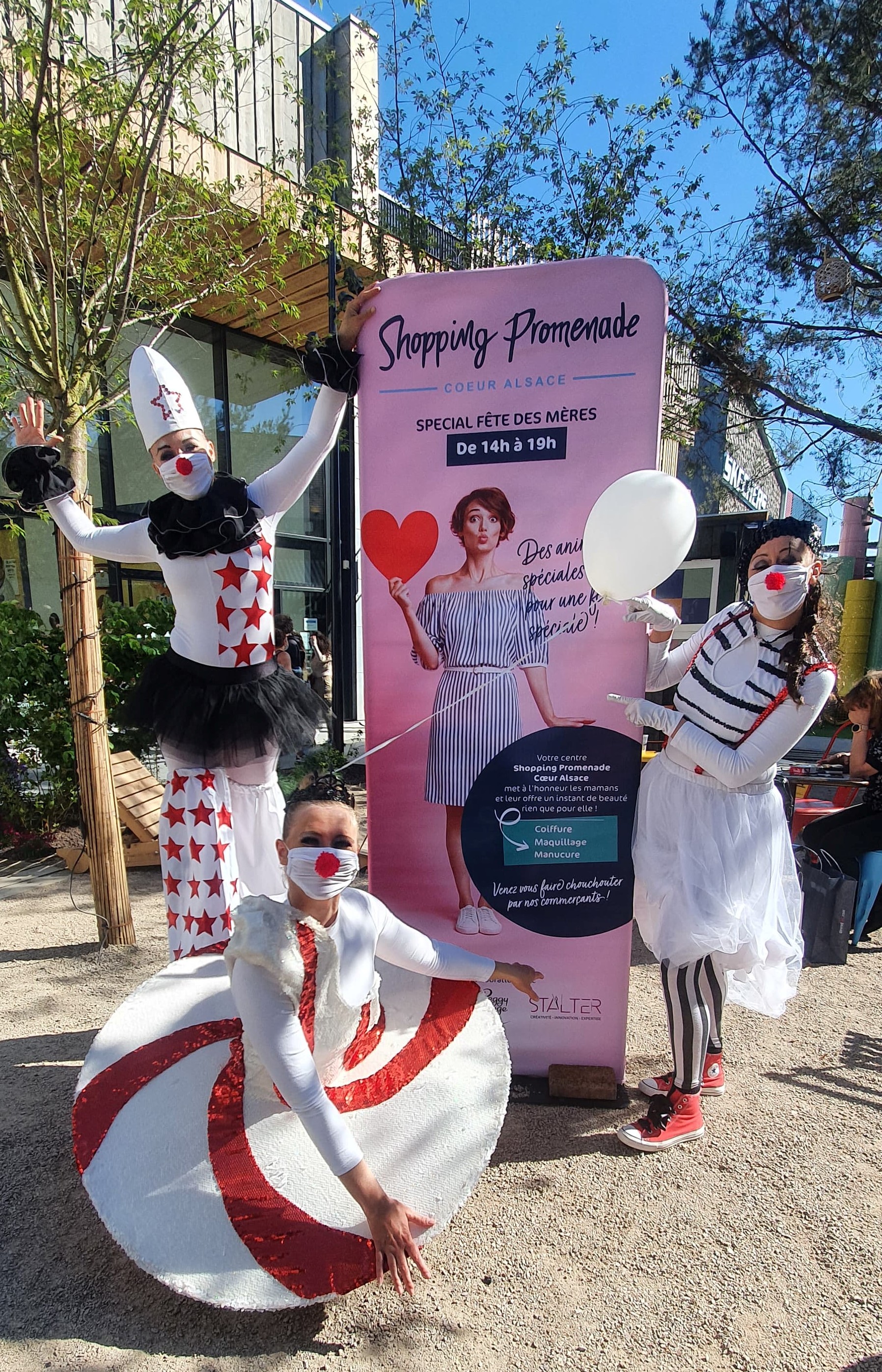
Mime Performance in Montréal for corporate events that need precision
INNOV'events is a Montréal-based corporate event agency that produces Mime Performance for executive meetings, HR events, client receptions, and brand activations—from 40 to 1,200 attendees. We handle artist casting, technical planning, stage management, and on-site coordination so your agenda stays on time and your brand message lands.
Whether you need a silent opening act, a high-impact interlude between speakers, or an interactive roving mime for cocktail networking, we build a format that respects corporate constraints: safety, schedule, bilingual audiences, and venue rules.
Sommaire
In a Montréal corporate event, entertainment is not a “nice-to-have”; it’s a lever to control energy in the room, reduce transition dead time, and support your narrative between strategic segments (results, change management, recognition). A well-designed Mime Performance can deliver that impact without audio complexity, which is especially valuable in venues with strict sound limits.
Local organizations expect operational rigor: clear run-of-show, predictable cue points, bilingual sensitivity, and performers who understand corporate etiquette (no awkward audience targeting, no off-brand jokes). In Montréal, where guests often come from multiple business units and cultural backgrounds, we plan interaction levels precisely so engagement feels natural—not forced.
INNOV'events operates on the ground in Montréal with a vetted pool of performers and technicians. We know the realities of downtown load-ins, unionized venue requirements, and last-minute agenda shifts. Our role is to make the performance look effortless while controlling every practical detail behind the scenes.
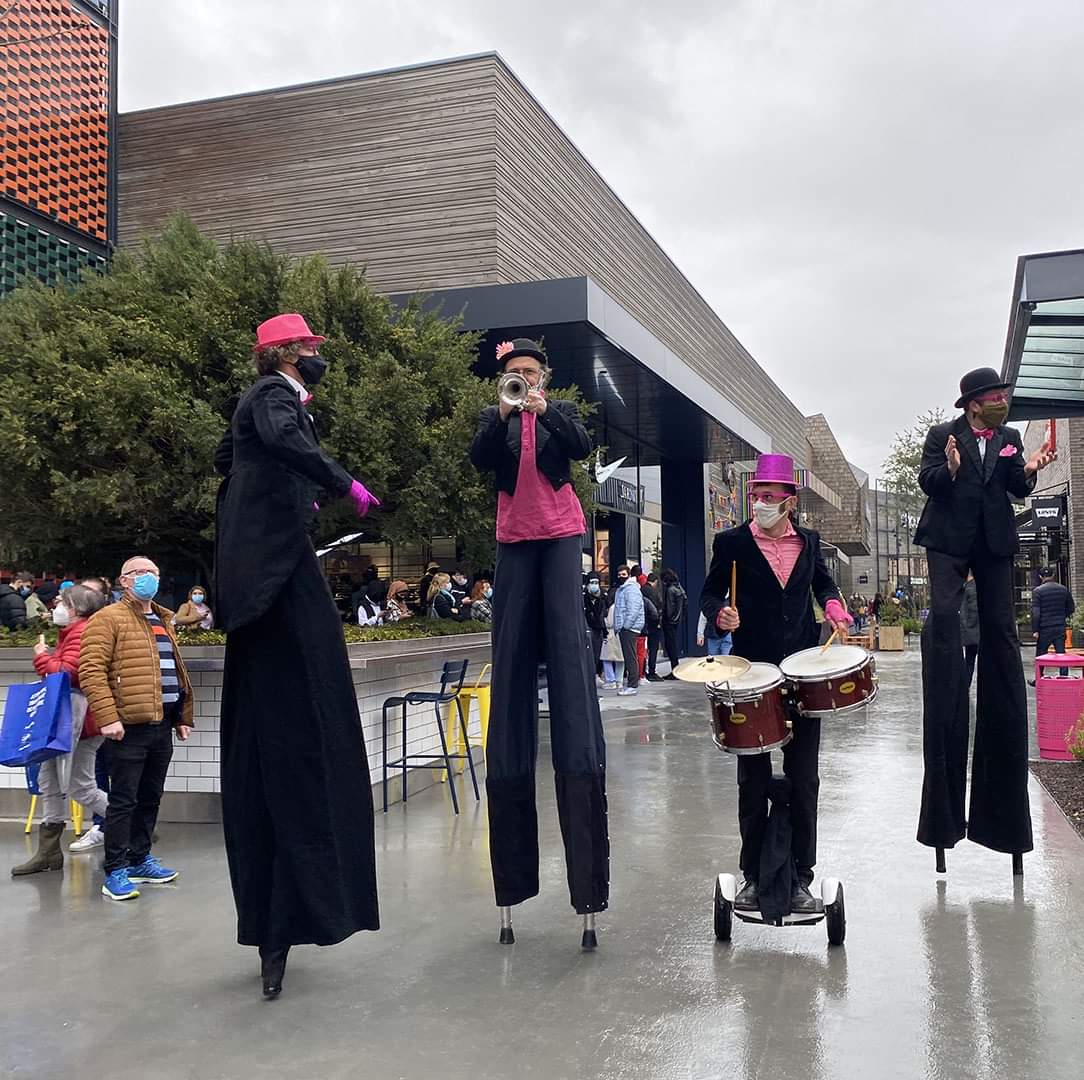
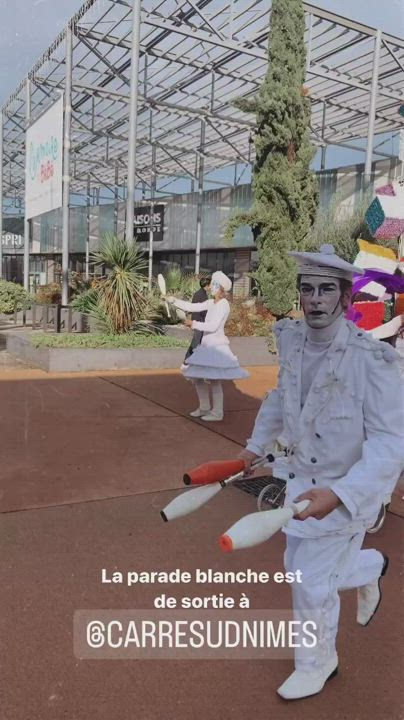
Montréal delivery standards backed by measurable execution
10+ years producing corporate entertainment formats in Québec, including stage acts, roaming performers, and integrated show moments.
200+ corporate events coordinated across Montréal venues with detailed cue sheets, rehearsal calls, and on-site stage management.
48-hour turnaround on first proposal for most Montréal mandates (scope, formats, budget ranges, and technical assumptions).
0-compromise approach on safety and professionalism: performer briefing, audience interaction rules, and venue compliance (access, staging, fire lanes).
Montréal references and repeat collaboration culture
We support Montréal organizations that run events on a recurring cycle—annual general meetings, leadership offsites, employee recognition nights, and client receptions. In practice, that means we build entertainment that can scale from one year to the next, with consistent quality and clearer decisions over time (what worked, what didn’t, what to adjust).
You mentioned providing company names as references; once you share them, we will integrate them here accurately and responsibly (without overstating scope or revealing confidential details). What we can say today: our best mandates are repeat collaborations where HR and Communications teams need a partner who remembers the internal context—tone of leadership, brand sensitivities, and the unspoken “do-not-do” list—so each edition runs smoother than the last.
In Montréal, repeat business is earned on event day: punctual load-in, clean backstage discipline, bilingual readiness, and the ability to adapt when a VP changes their speech length or when venue access is delayed by downtown traffic.
 Besoin d’un devis rapide ?
Nous vous envoyons une première proposition sous 24h.
What does a Mime Performance change for Montréal leadership teams?
A Mime Performance in Montréal works particularly well when executives need an elegant way to humanize a message without adding production heaviness. Because it’s visual and often silent, it can support strategy, culture, or recognition themes while keeping the agenda under control.
Protect the agenda without sacrificing engagement: mimes can be timed in 5–12 minute segments that fill speaker transitions, award staging, or seating resets—without forcing AV changes.
Create a shared moment for mixed audiences: visual storytelling works across departments, seniority levels, and language profiles (common in Montréal audiences).
Reduce risk of “off-brand” humor: we script interaction rules and validate themes with Comms so the act stays aligned with corporate tone (especially in regulated industries).
Support change management or culture initiatives: a mime can embody concepts like collaboration, process friction, customer focus, or safety—useful when leadership needs reinforcement without another slide deck.
Elevate client perception during receptions: roaming mime during cocktail hour encourages conversation and photo moments while respecting high-end environments where music volume must remain low.
Keep room acoustics under control: for venues with strict sound limitations, a silent act is often the most effective “high impact / low noise” option.
Montréal’s economic culture is pragmatic: people appreciate creativity, but only when it’s operationally clean. Our job is to translate your objective—employee engagement, client relationship, or leadership alignment—into a performance format that respects time, venue rules, and brand expectations.
What Montréal venues and corporate audiences expect from a mime act
In Montréal, your entertainment is judged as much by execution as by artistry. Executives notice when the act starts late, when the performer blocks a sponsor wall, or when the stage manager doesn’t know the next cue. HR teams notice when interaction crosses comfort boundaries. Communications teams notice when visuals don’t match brand standards or when the performance distracts from the key message.
We plan around local constraints that regularly affect show flow: limited freight elevator access in downtown hotels, strict load-in windows at heritage venues, and union or in-house AV policies that change what a visiting technician can touch. A mime act seems “simple,” but the real risk is under-planning: the performer arrives with props that can’t be used (floor protection rules), or the act assumes a stage depth you don’t have, or the audience layout makes visibility poor.
We also account for Montréal’s bilingual reality. Even if mime is non-verbal, audience interaction must be guided in a culturally comfortable way. When a cue requires a volunteer, we define selection rules (no pressure, no targeting by appearance, no jokes on status) and a safe exit path so participation remains respectful—especially in a corporate context where power dynamics matter.
Which corporate entertainment options pair well with a mime act in Montréal?
Entertainment creates engagement when it is placed where attention naturally drops: after dense presentations, during room resets, or at the start of cocktail hour when people hesitate to mingle. A Mime Performance is most effective when it is part of a broader “experience architecture” rather than an isolated act.
Interactive animations in Montréal
Roving mime for cocktail networking (Montréal receptions): the performer circulates with defined interaction intensity—light visual gags, playful photo poses, subtle guidance toward sponsor zones—without interrupting conversations.
Executive-friendly audience prompts: instead of pulling people on stage, we use opt-in micro-interactions (gesture games at tables, short visual cues) that maintain dignity and comfort.
Silent “human signage” for flow management: in multi-room events, a mime can guide traffic (registration, coat check, breakout rooms) in a way that feels premium and reduces staff load.
Art animations in Montréal
Scripted thematic piece (6–10 minutes): built around your message—customer experience, safety culture, collaboration—validated by Comms, with precise visual metaphors that won’t be misread.
Mime + projection mapping accents: for organizations wanting a modern aesthetic, we can align gestures with screen content (requires cueing and rehearsal; best in theatre-style seating).
Mime interludes between awards: short transitions to keep pace while winners move on/off stage and photos are taken—reduces dead air without rushing recognition.
Innovative animations in Montréal
Service choreography at dessert or coffee stations: a mime can create a subtle “moment” around service areas (without blocking staff), useful in Montréal venues where space is tight and lines must stay fluid.
Non-intrusive tasting activation support: for brand events, the mime can direct guests toward tastings or product demos while keeping the atmosphere refined.
Gourmand animations in Montréal
Silent storytelling for DEI and accessibility-friendly programming: visual performance can be more inclusive for mixed-language audiences and guests who prefer low-noise environments.
Hybrid-compatible stage moment: for events with livestream, we frame the performance to read well on camera (blocking, lighting, shot considerations) so remote attendees get the same narrative.
Branded photo sequence with controlled usage: we set a photo moment with clear brand framing and permissions guidance—useful for internal comms without creating reputational risk.
The deciding factor is alignment with your brand image. A financial institution, a tech scale-up, and a public-sector organization will not use the same interaction level or aesthetic. We help you choose a performance style that matches your tone, your stakeholders, and the type of attention you want to earn.
Which Montréal venue types work best for Mime Performance?
The venue determines what kind of mime act will land. Ceiling height, lighting control, sightlines, and traffic flow all change how the performance reads—and how comfortable guests feel. We advise venue types based on what you’re trying to achieve: stage impact, roaming ambiance, or message-driven storytelling.
| Venue type | For which objective? | Main strengths | Possible constraints |
|---|---|---|---|
| Downtown hotel ballroom | Stage-based mime interludes within a conference or gala agenda | Built-in AV ecosystem, predictable seating plans, backstage access | Union/in-house AV rules, limited load-in windows, sightlines if pillars/low ceilings |
| Heritage venue or museum-style space | Premium cocktail with roaming mime and photo moments | Strong ambiance, high perceived value for clients and leadership | Noise restrictions, conservation rules, strict staging/rigging limitations |
| Loft / industrial event space in Montréal | Modern brand activation with interactive roaming mime | Flexible layouts, contemporary feel, strong for tech/creative sectors | Variable acoustics, limited back-of-house space, lighting may need upgrades |
| Corporate office / HQ atrium | Internal recognition moment or leadership town hall opener | Logistical convenience, strong culture signal, easy staff attendance | Security/access control, limited stage infrastructure, strong need for rehearsed blocking |
We strongly recommend a site visit or at least a technical walkthrough (photos + measurements + venue rules). In Montréal, small venue details—freight elevator timing, coat check placement, hallway width—often decide whether roaming entertainment feels elegant or chaotic.
What budget should you plan for a Mime Performance in Montréal?
Pricing for Mime Performance in Montréal depends on format, duration, rehearsal requirements, and technical conditions. A roaming mime during cocktail hour is priced differently than a scripted stage piece integrated into a leadership program with cueing and rehearsal.
Format and duration: common corporate ranges include 30–90 minutes roaming (often split into sets) or 5–12 minutes stage segments (sometimes repeated).
Number of performers: 1 mime can cover a small cocktail; 2–3 performers improve coverage for larger receptions and reduce dead zones.
Rehearsal and scripting time: if you want brand-aligned storytelling, we allocate time for concept validation, rehearsal, and cue sheet creation (especially when coordinated with videos or speeches).
Technical needs: lighting specials, music stings, microphone use (for an MC that introduces the act), stage size, and any projection requirements.
Venue constraints and access: downtown load-in complexity, parking, elevator access, and time windows can add labor time and coordination.
Compliance and risk management: public liability insurance expectations, safety rules, and interaction boundaries—especially relevant for larger employers.
From an ROI standpoint, the right performance is less about “spending on entertainment” and more about protecting the value of the event you already paid for: attention, message retention, and a polished perception of leadership. We’ll help you choose a format that delivers impact without inflating production.
Why choose a Montréal agency for your mime entertainment?
When the agenda is tight and stakeholders are senior, local execution matters. A Montréal-based team reduces friction: faster site visits, known venue processes, and a real-time ability to adjust when the unexpected happens (speaker delays, room flips, weather affecting arrival times).
As an event agency in Montréal, we also protect you from the most common “vendor gap”: a great performer with weak corporate production habits. We bridge that gap by managing contracts, technical planning, rehearsal timing, and on-site stage discipline—so your internal team isn’t translating corporate constraints on the fly.
- Local performer network: faster casting, reliable replacements if illness occurs, and acts suited to Montréal corporate norms.
- Venue fluency: understanding of load-in realities, in-house AV practices, and permission workflows that affect timing.
- On-site accountability: one responsible production lead who owns the outcome, not just the booking.
- Bilingual and cultural sensitivity: guidance that avoids awkward interactions and protects employer brand.
From an ROI standpoint, the right performance is less about “spending on entertainment” and more about protecting the value of the event you already paid for: attention, message retention, and a polished perception of leadership. We’ll help you choose a format that delivers impact without inflating production.






What we deliver in Montréal beyond the booking
Our role is not limited to “finding a mime.” We produce a performance moment that fits your event mechanics. In practice, that means we adapt to the diversity of corporate contexts we see in Montréal: a finance leadership meeting that requires restraint and zero improvisation; a tech all-hands where you want more movement and visual humor; a client reception where the performer must be premium, discreet, and camera-friendly.
We routinely design mime segments to solve specific operational problems: keeping the room engaged during award photo resets; smoothing transitions when the AV team needs a buffer; creating a welcoming corridor from registration to cocktail to reduce congestion; or supporting a theme like “customer-first” without adding another speech. Each time, we build a documented plan (timings, cues, interaction boundaries, space requirements) so the performance supports the event instead of competing with it.
Montréal pitfalls to avoid when booking a mime act
Underestimating sightlines: a stage act that works in theatre seating can fall flat in rounds or a wide ballroom if blocking isn’t adapted.
No interaction boundaries: without clear rules, a performer may approach VIPs at the wrong moment or make guests uncomfortable—an HR issue, not an “artistic choice.”
Ignoring venue policies: props, floor protection, and access times can invalidate the planned act if not checked early.
Overloading the agenda: inserting entertainment without adjusting transitions creates delays and forces speakers to rush—executives will remember that.
Missing a technical cue plan: even silent performance needs lighting and staging clarity; “we’ll wing it” shows immediately in a corporate room.
Not planning for contingencies: performer delay, costume issue, or room flip timing—without a backup plan, small problems become visible problems.
Our job is to prevent these risks before they reach your audience. We do that with a disciplined pre-production process, written run-of-show integration, and on-site management that protects your leadership team from day-of distractions.
Why Montréal clients renew with INNOV'events
Repeat clients come back for one reason: predictability under pressure. Entertainment is often the most visible “variable” in an event; when it’s managed well, it becomes the easiest part of your day instead of the riskiest.
Common renewal pattern: annual cycles (recognition, holiday cocktail, leadership kickoff) where we refine the format each year based on feedback and attendance growth.
Operational continuity: we keep technical notes, venue constraints, and stakeholder preferences documented to reduce re-brief time for your team.
Stakeholder confidence: one point of contact for HR/Comms/Executive Office, with clear approvals and a controlled decision path.

Loyalty is proof of quality in corporate events: people rehire what they trust on event day. In Montréal, where schedules are dense and reputational stakes are real, that trust is earned through process and execution.
Our Montréal process to deliver a corporate mime performance
👉 Montréal discovery call and context alignment
We clarify your objective (energize, illustrate a message, drive networking), audience profile, and event constraints (bilingual needs, sensitivity level, brand tone). We also identify non-negotiables: start time, speaker dependencies, and what cannot be disrupted (VIP moments, sponsor visibility, filming).
👉 Casting and format proposal for Montréal stakeholders
We present performer options with a clear rationale: style of mime (classic, contemporary, comedic restraint), interaction level, wardrobe, and how it integrates into your run-of-show. You receive a proposal that includes duration ranges, technical assumptions, and what decisions are required from your side.
👉 Technical planning and run-of-show integration in Montréal venues
We coordinate with the venue and AV team: stage dimensions, lighting states, music stings, entrances/exits, dressing room access, and load-in timing. We produce cue notes so the performance starts on time and fits around speeches, awards, and room resets.
👉 Rehearsal, briefing, and corporate interaction rules
For scripted or message-driven pieces, we validate the narrative with Communications and brief the performer on corporate boundaries: volunteer selection, consent cues, distance rules, and “no-go” topics. This is where we protect employer brand and avoid awkward moments.
👉 On-site show calling in Montréal and contingency control
We manage call times, sound/light checks (as applicable), performer readiness, and coordination with MC or stage manager. If the agenda shifts, we adjust performance placement and duration using pre-approved options, so leadership never has to arbitrate entertainment decisions live.
👉 Post-event debrief and improvements for the next Montréal edition
We collect feedback from stakeholders and document what to keep, refine, or remove. For repeat events, this creates a reliable improvement cycle: shorter planning time, fewer surprises, and better alignment with your internal culture year over year.
FAQ sur l'organisation Mime Performance à Montréal
How long should a corporate mime performance be in Montréal?
Most corporate formats in Montréal work best as 5–12 minutes on stage (one or two segments) or 30–90 minutes roaming during cocktail hour, often split into 2–3 sets to avoid performer fatigue and keep the act fresh.
What is the typical cost for a mime in Montréal?
For corporate events, budgets commonly fall between $900 and $3,500+ CAD, depending on duration, number of performers, rehearsal/scripting needs, and technical conditions. A simple roaming set is usually lower than a scripted piece integrated with cues and lighting.
Can a mime performance work for a bilingual Montréal audience?
Yes. Mime is naturally visual, but bilingual success depends on interaction framing. We brief the performer on opt-in participation, culturally neutral prompts, and—when needed—pair the act with a bilingual MC for clear transitions and audience guidance.
Do Montréal venues require special technical needs for a mime act?
Often minimal, but not zero. Stage acts typically need basic lighting control (clean wash, sometimes a spotlight). Roaming mime needs clear circulation paths and a plan for photo moments. We confirm venue rules on props, floor protection, and access times to avoid day-of restrictions.
How far in advance should we book a mime in Montréal?
For peak periods (holiday season, spring galas), book 6–10 weeks ahead. For simpler formats outside peak dates, 2–4 weeks can work, but earlier is safer if you need a specific style, multiple performers, or rehearsed integration with your program.
Request a Montréal quote with a clear run-of-show plan
If you’re comparing agencies, we can make your decision easier: share your event date, venue (or shortlist), attendee count, and the moment you want to strengthen (opening, transitions, cocktail, awards). We’ll come back with a concrete recommendation for Mime Performance, including format options, technical assumptions, and budget ranges adapted to Montréal realities.
Plan early—especially if your agenda includes senior speakers and tight cue points. The earlier we lock timing and venue constraints, the more polished the performance will look on event day. Contact INNOV'events to schedule a short briefing call and receive a proposal within 48 hours in most cases.
INNOV'events Montréal Agency
Thierry GRAMMER is the manager of the INNOV'events Montréal office. Reach out directly by email at canada@innov-events.ca or via the contact form.
Contact the Montréal agencyToutes nos prestations & animations Montréal, Quebec
Découvrez nos prestations événementielles
- Employee Party in Montréal
- Corporate Christmas Party in Montréal
- Networking Cocktail Event in Montréal
- Shopping Mall Activation in Montréal
- Grand Opening Event in Montréal
- Product Launch Event in Montréal
- Open House Event in Montréal
- Field Brand Activation in Montréal
- Event Catering Service in Montréal
Découvrez nos animations événementielles disponibles au Quebec
- Event Hostess in Montréal
- Escape Game in Montréal
- MasterChef-Style Cooking Workshop in Montréal
- Corporate Magician in Montréal
- Tent Rental in Montréal
- Color Analysis Workshop in Montréal
- Inflatable Games in Montréal
- Valet Service in Montréal
- Soccer Simulator in Montréal
- LED Furniture Rental in Montréal
- LED Branding Activation in Montréal
- Immersive Culinary Experience in Montréal
- Light Painting Activity in Montréal
- Immersive Mystery Night in Montréal
- Promotional Contest in Montréal
- Promotional Materials (POS) in Montréal
- Virtual Reality Experience in Montréal
- Molecular Gastronomy Workshop in Montréal
- Halloween Event in Montréal
- Fireworks Show in Montréal
- Sports Challenge – Giant Games in Montréal
- Professional Event Host in Montréal
- Photo Booth Animation in Montréal
- Santa Claus Appearance in Montréal
- Kids Entertainment in Montréal
- Guided Tour in Montréal
- Urban Rally in Montréal
- Ball Pit Activity in Montréal
- Flight Simulator in Montréal
- Food Truck Rental in Montréal
- World Record Attempt in Montréal
- Surf Simulator in Montréal
- Soccer Simulator in Montréal
- Wine Casino in Montréal
- Makeover Workshop in Montréal
- Perfume Creation Workshop in Montréal
- Acting Workshop in Montréal
- CSR Activities in Montréal
- Archery Activity in Montréal
- Event Security Guard in Montréal
- Wine Tasting Workshop in Montréal
- Mime Performance in Montréal
- TV Game Show Animation in Montréal
- Funfair Event in Montréal
- Crisis Management Workshop in Montréal
- Crisis Negotiation Workshop in Montréal
- Arcade Games in Montréal
- Indoor Skydiving Simulator in Montréal
- Ski Simulator in Montréal
- Racetrack Driving Experience in Montréal
- Introductory Flight Experience in Montréal
- Tasting Experience in Montréal
- Build Your Own Foosball Workshop in Montréal
- 2CV Rally in Montréal
- LEGO Challenge in Montréal
- Casino Night in Montréal
- Interpreter / Translator in Montréal
- Promotional Merchandise in Montréal
- Shuttle / Transportation Service in Montréal